作者归档:imexadmin

SHERRY TANG

Cross-Border Commercial Dispute Resolution Expert


Professional Qualifications
  • Licensed Chinese Attorney (Passed National Judicial Exam in 2013)
  • CET-8 | IELTS 7.0 (Fluent in English)
  • BA in English, Qingdao University (2010)
  • BA in Law, Ocean University of China (2013)
Career Background
  • 2014-2020: Judicial Assistant, International Commercial Division, Qingdao Intermediate People’s Court
  • 2020-Present: Senior Legal Counsel, Cross-Border Legal Services Department, IMEXsourcing
Core Practice Areas
  1. Cross-Border Commercial Dispute Resolution
    • Representing clients from Ukraine, Japan, Korea, Peru, Spain, Mexico and other countries
    • Typical Cases:
      ▶ Chinese suppliers’ failure to deliver goods or delivering non-conforming products (quality discrepancy between samples and bulk goods with refusal to compensate)
      ▶ Breach of international sales contracts, fraud, and unjust enrichment disputes
  2. Chinese Enterprise Credit Investigation
    • Comprehensive background checks, credit ratings, and risk assessment reports
    • Proactive risk mitigation strategies for international transactions
  3. Cross-Border Debt Collection
    • Hybrid approach combining negotiation and litigation
    • Average collection time reduced by 40%, success rate exceeding 75%
  4. Enforcement & Asset Preservation
    • Specialized in post-judgment enforcement, handling complex execution challenges
    • Successfully enforced over RMB 200 million in assets, including real estate, equity, and accounts receivable

Message us for more information

Please let us know your request, we will get back to you within 24 hours.

    CHLOE ZHANG

    Financial Expert


    Professional Qualifications

    1. Certified Public Accountant (CPA), China
    2. Certified Tax Accountant (CTA), China

    Professional Background

    1. Former China Regional Financial Director of a Fortune 500 Japanese Multinational Consortium, overseeing cross-border financial strategy and operational management in China.
    2. Former China Regional Financial Director of a US-funded Enterprise in the Petroleum Industry, leading the establishment of financial systems and compliance control for multinational corporations in China.

    Core Practice Areas

    1. Comprehensive Export Tax Planning: Proficient in the application of export tax rebate policies, analysis of national industrial policy trends, and cross-border tax risk mitigation, optimizing the cross-border tax cost structure.
    2. Cancellation and Dissolution of Foreign-Invested Enterprises in China: Expert in the full-cycle compliance operations of liquidation processes, cross-border equity disposal, and tax cancellation for foreign-invested enterprises in China.
    3. Tax Treatment for Cross-Border Real Estate Transactions: Specialized in tax planning and compliance procedures for cross-border real estate transactions such as factory building acquisition and transfer of foreign-invested enterprises in China.

    Message us for more information

    Please let us know your request, we will get back to you within 24 hours.

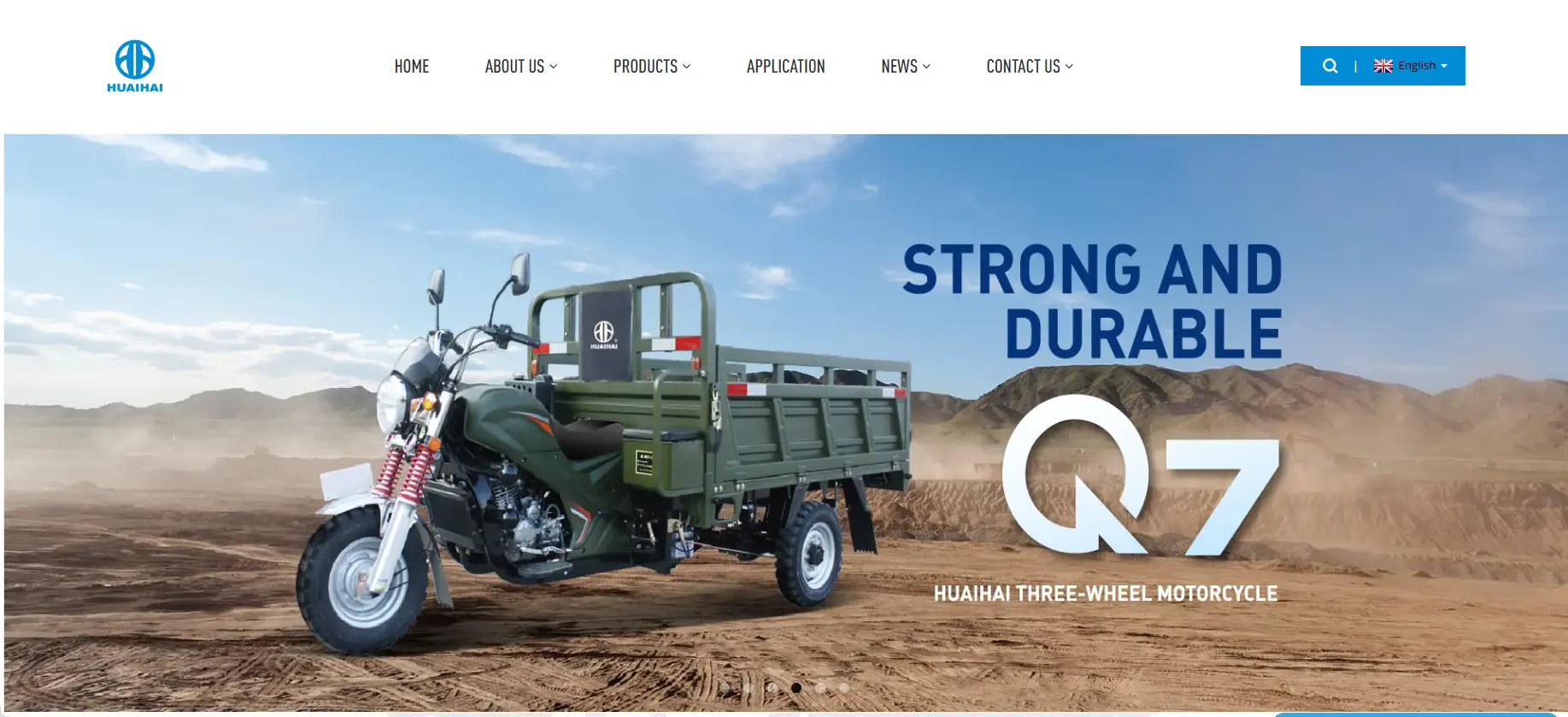
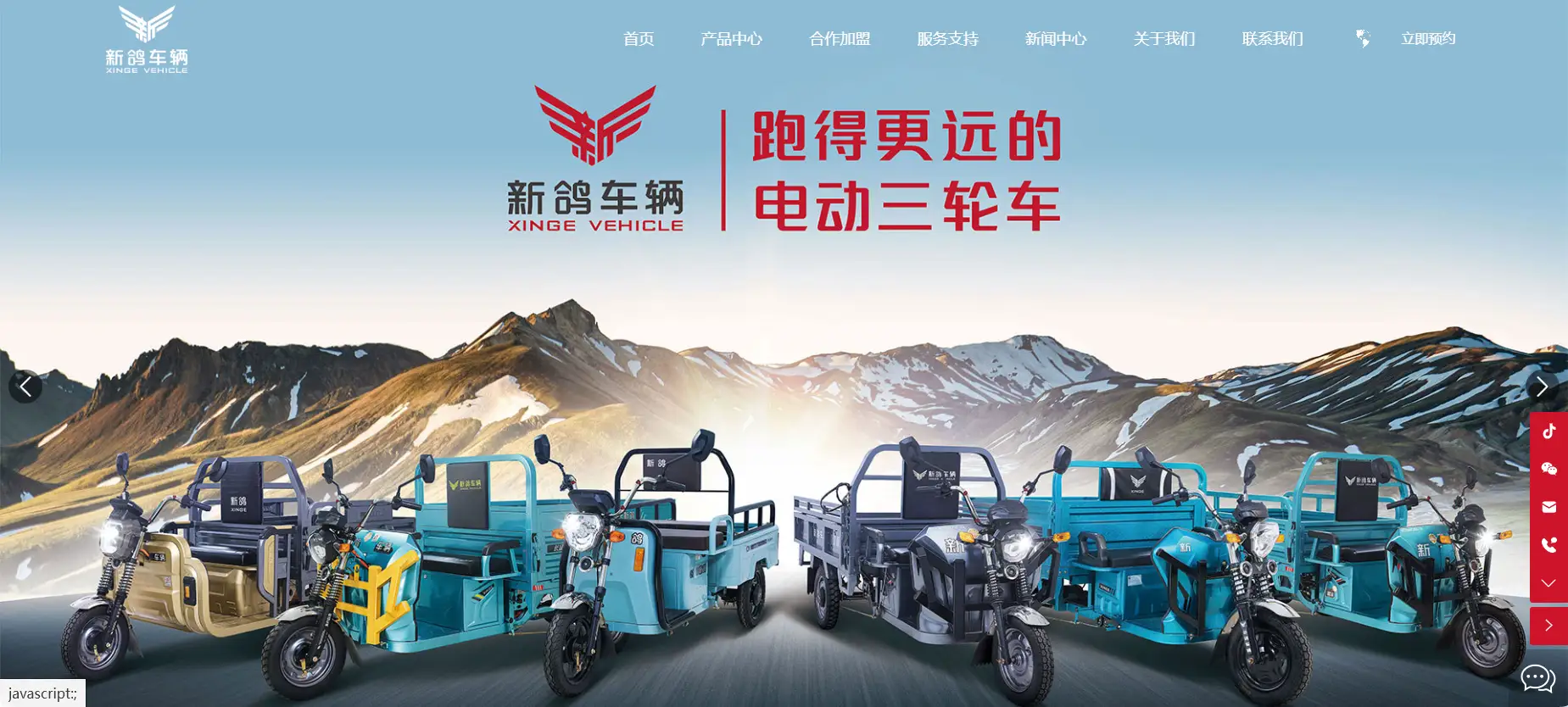
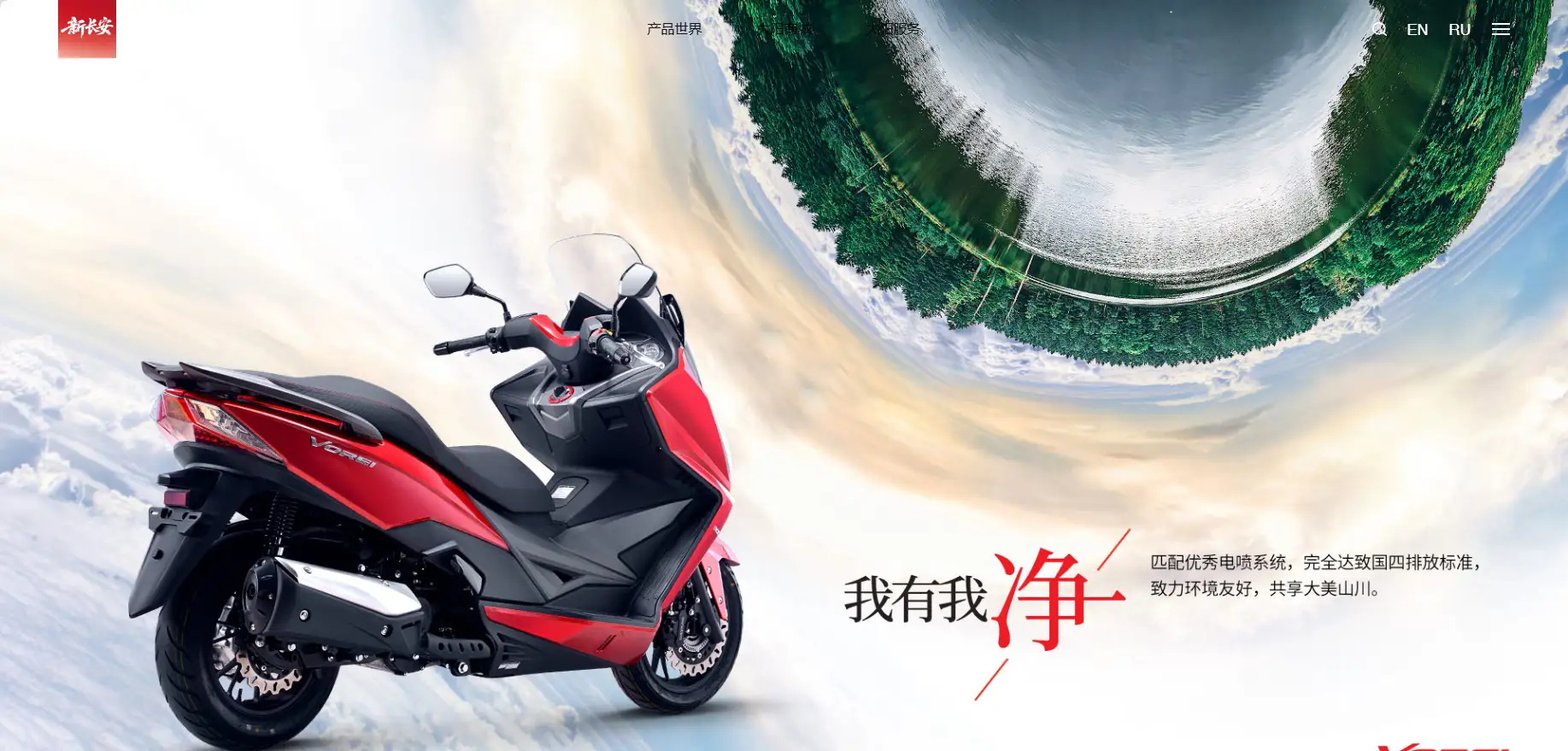
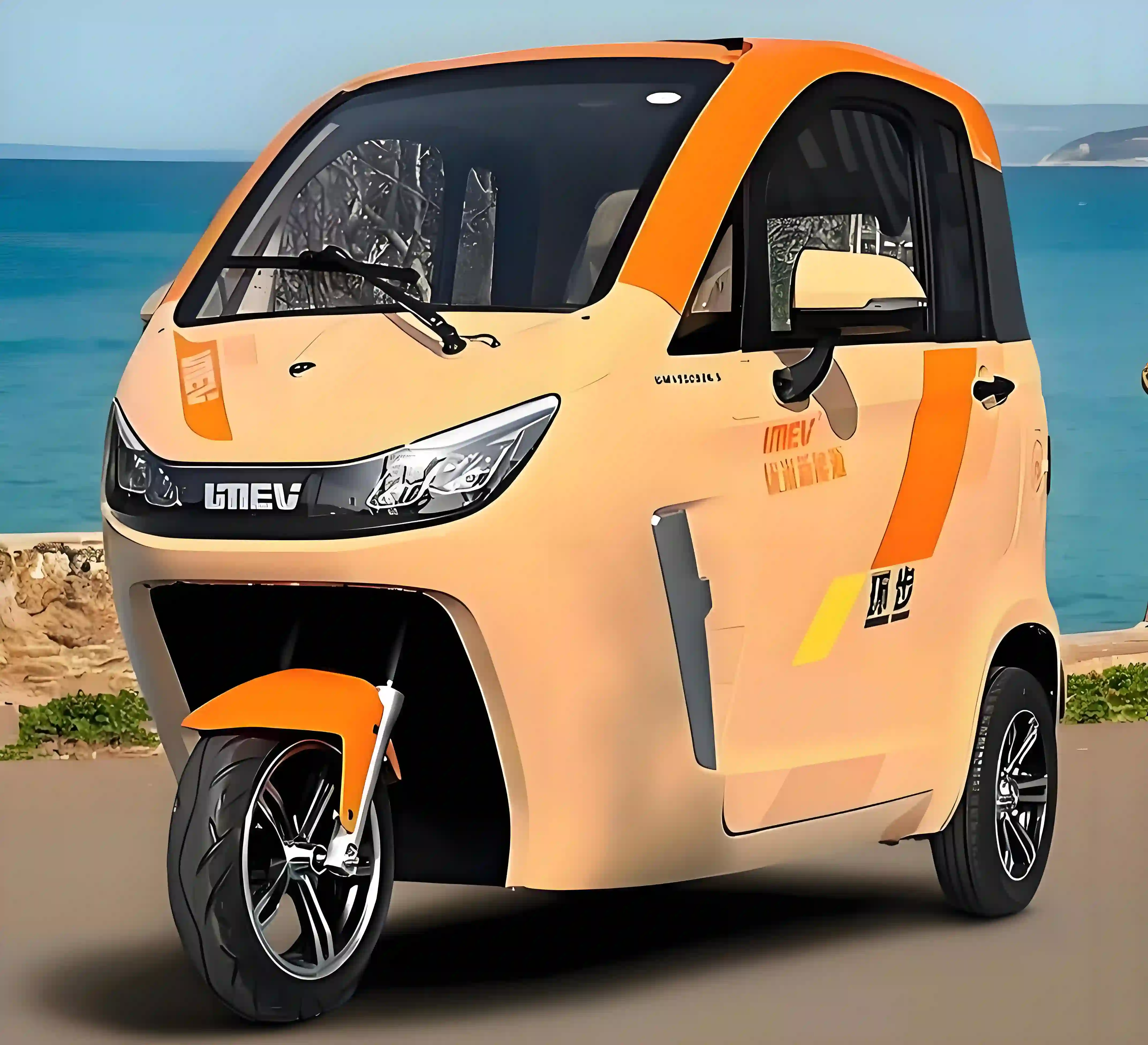
      A Comprehensive Guide to Sourcing New Energy Vehicles (NEVs) from China

      In the global transition towards sustainable transportation, China has emerged as the undisputed leader in the New Energy Vehicle (NEV) sector. Driven by strong government support, a massive domestic market, and a highly competitive industrial landscape, Chinese manufacturers have achieved unprecedented scale and technological innovation. For international buyers, the Chinese NEV market presents a golden opportunity to access cutting-edge technology, diverse product offerings, and competitive pricing.

      This comprehensive guide serves as an essential resource for importers, distributors, and businesses looking to source New Energy Vehicles from China. Following the structure of a product procurement guide, we will delve into the critical aspects of this rapidly evolving industry, from product advantages and technical specifications to key manufacturers, certification requirements, and the unique opportunity of “parallel exports.”


      I. Product Advantages of Chinese New Energy Vehicles

      Chinese NEVs are not just an alternative to traditional gasoline cars; they represent a leap forward in automotive technology. Their primary advantages can be summarized as follows:
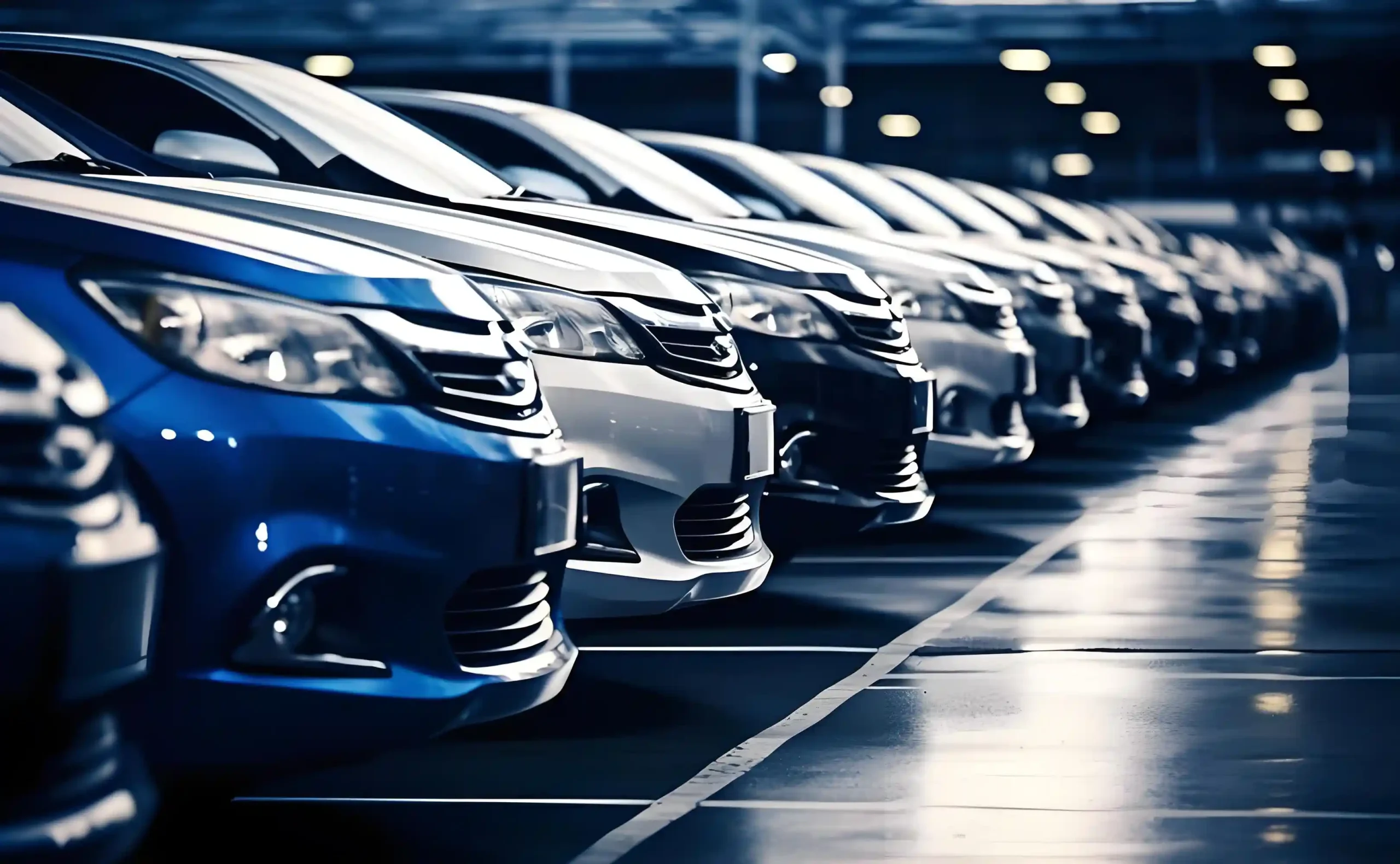
      • Environmental Performance: As their name suggests, NEVs are powered by clean energy, primarily electricity. This results in zero tailpipe emissions, significantly contributing to the improvement of air quality and a reduction in carbon footprint. The environmental benefits are a key driver for their global adoption.
      • Cutting-Edge Technology and Intelligence: Chinese NEV manufacturers are at the forefront of integrating intelligent features. These vehicles are often equipped with advanced driver-assistance systems (ADAS), intelligent cockpits with large-screen infotainment, and advanced connectivity features. AI-powered voice assistants, over-the-air (OTA) updates, and sophisticated safety functions like collision warnings and automated parking are now standard, offering a more comfortable, convenient, and safer driving experience.
      • High Performance and Efficiency: Electric drive systems in NEVs provide instant torque, resulting in rapid acceleration and a smooth, quiet ride. Advancements in battery technology have led to significant improvements in energy density, extending driving ranges and reducing charging times. Chinese manufacturers are also excelling in energy recovery systems, further enhancing efficiency.

      • A Complete and Highly-Integrated Supply Chain: China possesses the world’s most mature and extensive NEV supply chain, encompassing everything from raw material mining and battery production to component manufacturing and vehicle assembly. This robust ecosystem ensures a high degree of industrial concentration, economies of scale, and faster production cycles, which ultimately translates to more competitive pricing and a wider range of models for global buyers.
      • Rapid Innovation and Market Competitiveness: The intense competition within China’s supersized domestic market forces manufacturers to innovate at a blistering pace. This “survival of the fittest” environment drives continuous technological upgrades, faster product development, and a focus on meeting evolving consumer demands. This rapid innovation cycle means that Chinese NEVs often feature the latest advancements before they appear in other markets.

      II. Types of Power and Drive Systems

      The term “New Energy Vehicle” in China encompasses several distinct power types, each with its own advantages. Understanding these is crucial for making an informed procurement decision.
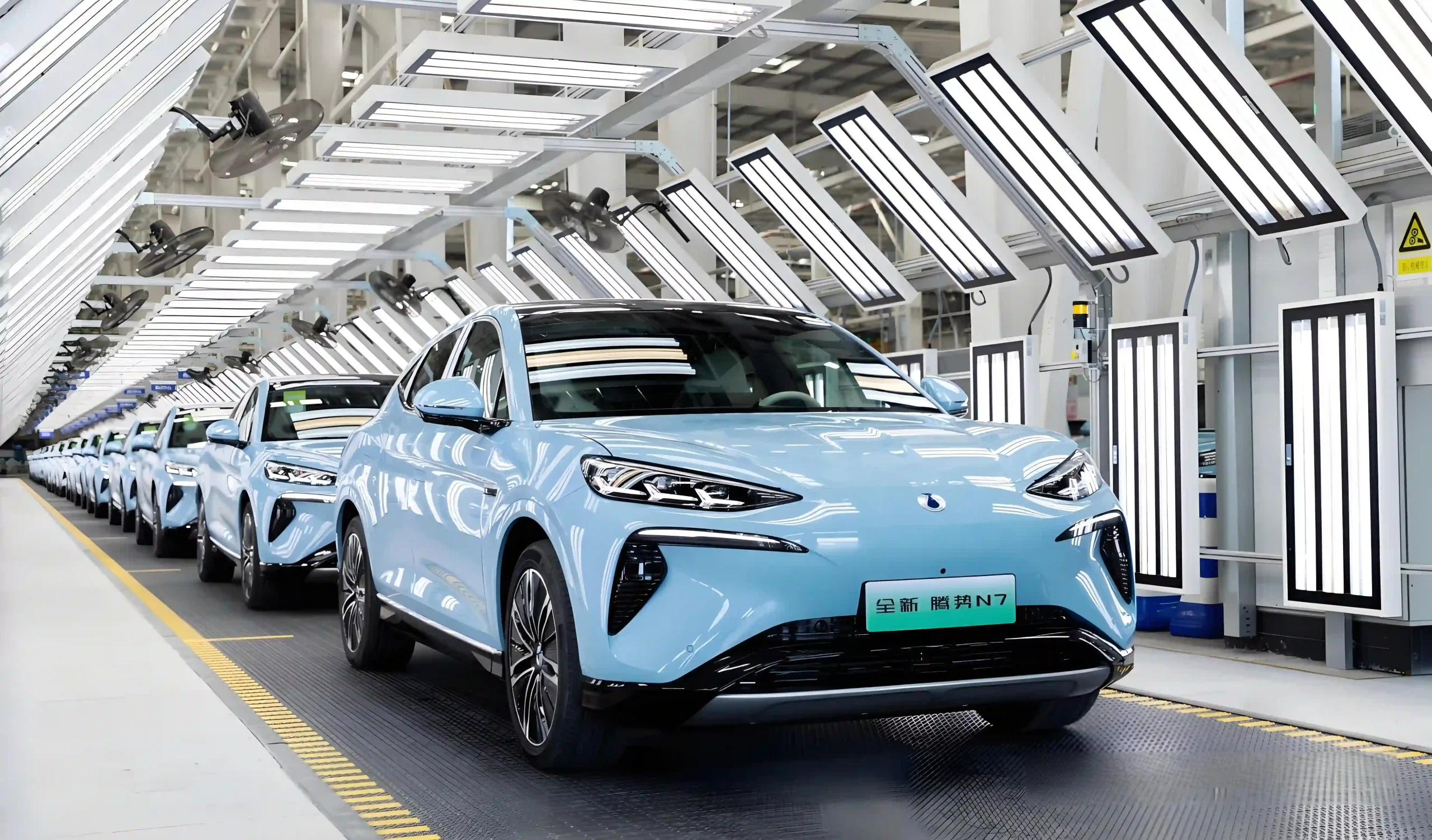
      • Battery Electric Vehicles (BEVs): These are fully electric vehicles, powered solely by a rechargeable battery pack that drives one or more electric motors. They produce zero emissions and offer a pure electric driving experience. BEVs are ideal for urban and suburban use, where charging infrastructure is readily available.
      • Plug-in Hybrid Electric Vehicles (PHEVs): PHEVs combine a conventional internal combustion engine with an electric motor and a battery. They can be charged from an external power source and operate on electricity for a limited range. For longer journeys, the gasoline engine kicks in. This offers the flexibility of electric driving for daily commutes and the peace of mind of a traditional engine for long-distance travel, effectively eliminating range anxiety.

      • Fuel Cell Electric Vehicles (FCEVs): FCEVs use a fuel cell to convert hydrogen gas into electricity, which powers the electric motor. The only byproduct is water vapor. While a highly promising technology with fast refueling times, FCEVs are currently less common and require a specialized hydrogen refueling infrastructure, which is still in its nascent stages.

      In terms of drive systems, Chinese NEVs come in various configurations, including:

      • Rear-Wheel Drive (RWD): Common in many performance and standard models, offering a balanced feel.
      • Front-Wheel Drive (FWD): More typical in compact and budget-friendly NEVs, providing good traction in most conditions.
      • All-Wheel Drive (AWD): Utilizes dual motors (one on each axle) to provide superior traction, performance, and stability, especially in challenging weather.

      III. Key Specifications and Parameters to Consider

      When sourcing NEVs, a detailed understanding of the key technical parameters is vital. Here are the most important specifications to evaluate:
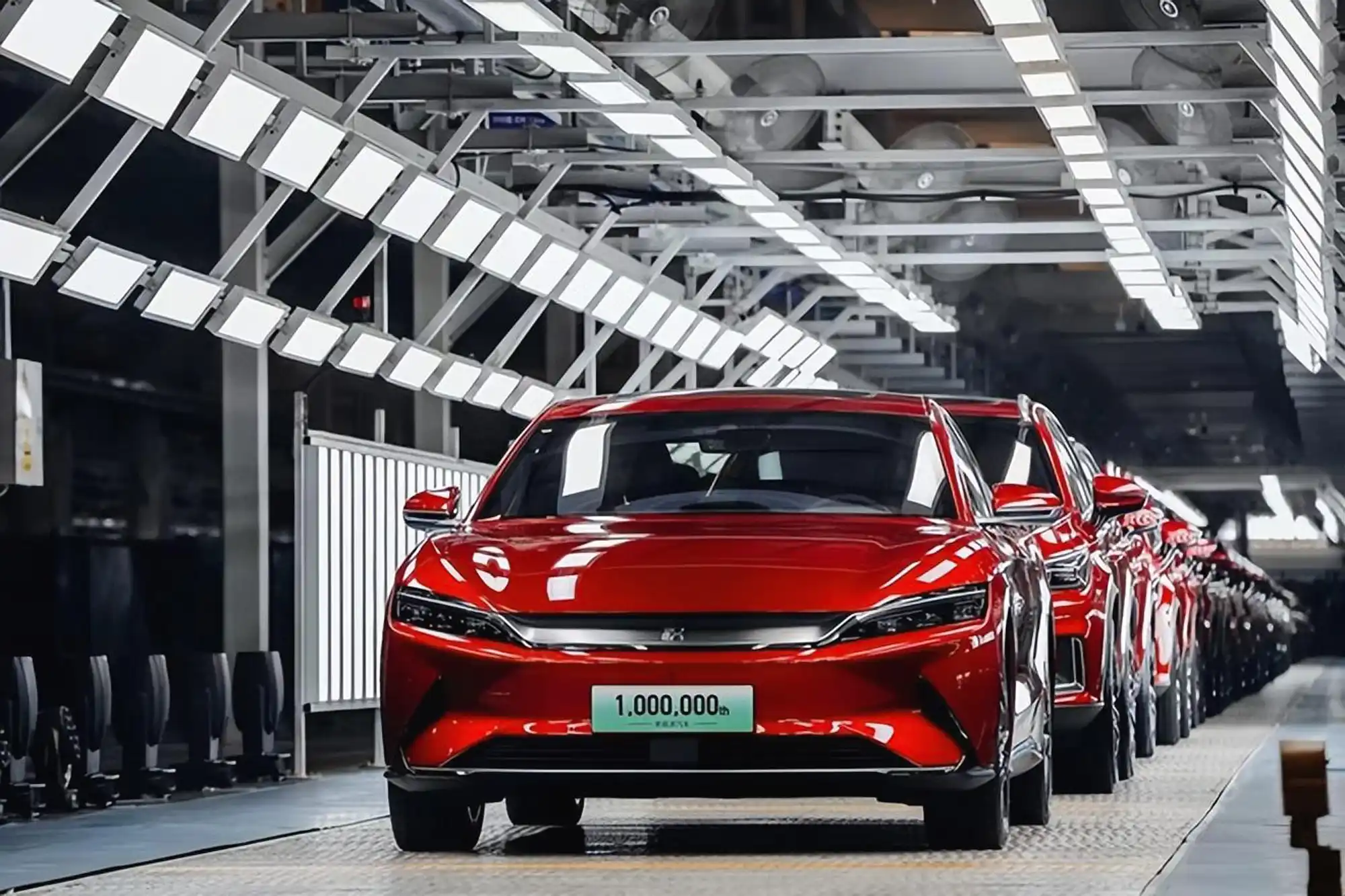

      • Driving Range (Cruising Range): This is perhaps the most critical specification for an NEV. It refers to the maximum distance the vehicle can travel on a single full charge. It’s important to distinguish between different testing standards, such as CLTC (China Light-Duty Vehicle Test Cycle), NEDC (New European Driving Cycle), and WLTP (Worldwide Harmonized Light Vehicles Test Procedure), as they can produce different results.
      • Battery Capacity (kWh): This measures the amount of energy the battery can store. A larger kWh capacity generally translates to a longer driving range. Battery technology, including cell chemistry (e.g., LFP, NCM), is also a key differentiator.
      • Charging Speed: This is measured by the time it takes to charge the battery to a certain percentage (e.g., from 10% to 80%). It is determined by the vehicle’s onboard charger capacity and the maximum DC fast-charging rate it can handle.
      • Motor Power and Torque: These metrics indicate the vehicle’s performance. Power is measured in kilowatts (kW) or horsepower (HP), while torque is measured in Newton-meters (N·m). Higher values typically mean better acceleration and responsiveness.
      • Dimensions (L×W×H) & Wheelbase: These parameters define the vehicle’s size and interior space. The wheelbase is particularly important as it influences ride comfort and stability.

      • Intelligent Features: This includes the capabilities of the ADAS (e.g., lane-keeping assist, adaptive cruise control, autonomous parking), the size and functionality of the infotainment screen, and the capabilities of the voice assistant.
      • Safety Standards: Look for models that have received high ratings in crash tests from reputable organizations like C-NCAP (China New Car Assessment Program) and have robust battery safety management systems.

      IV. Major Industrial Clusters and Leading Manufacturers

      China’s NEV industry is not a monolithic entity but is instead concentrated in several key industrial clusters. These hubs facilitate strong supply chain integration, R&D collaboration, and a concentration of talent.

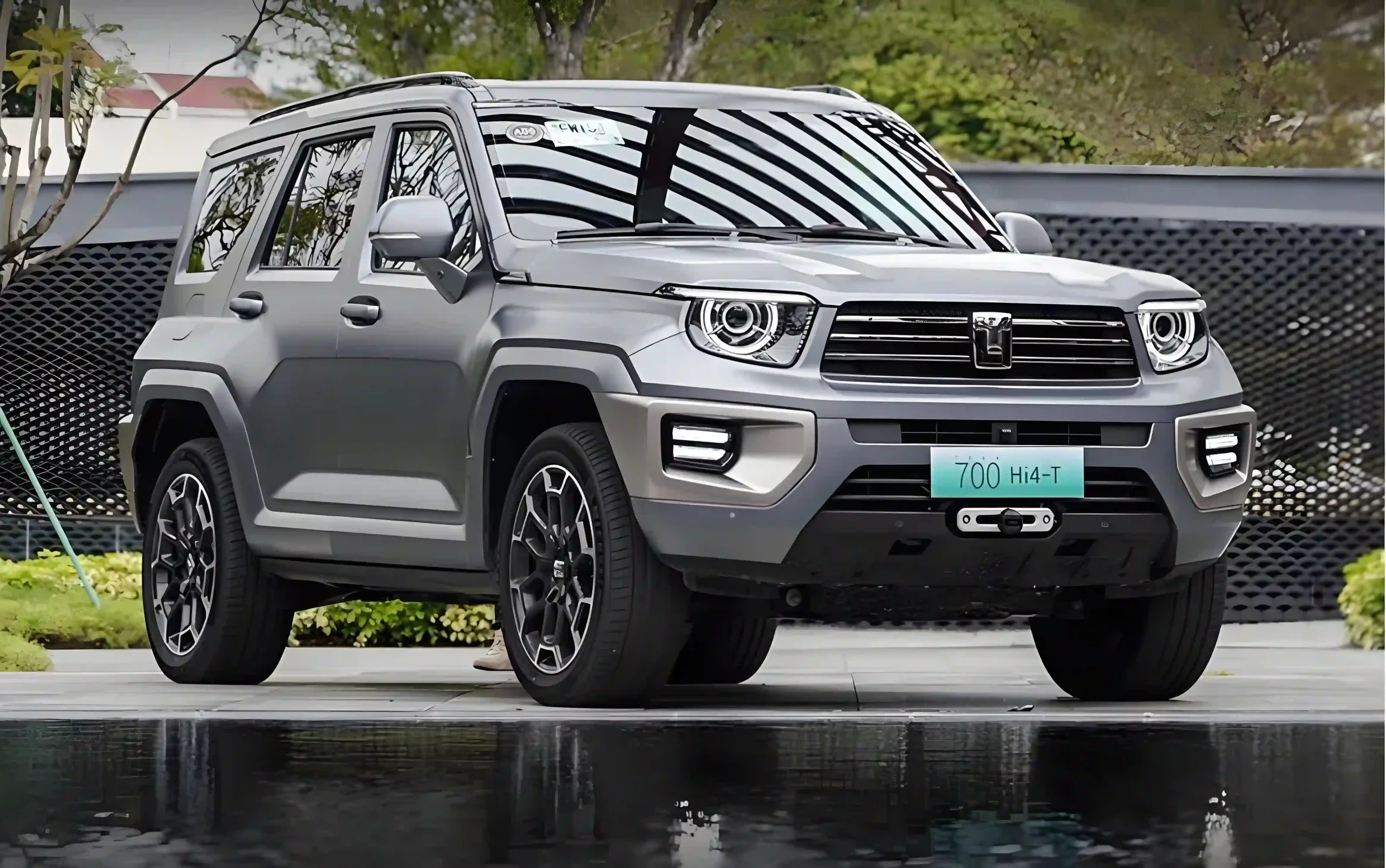
      • Yangtze River Delta (YRD): Centered around Shanghai, this is a powerhouse of NEV manufacturing and innovation. It is home to major players like SAIC Motor (with brands like Roewe and MG) and key production facilities for international brands like Tesla. New-age players like NIO and Li Auto also have a strong presence here.
      • Pearl River Delta (PRD): Located in Guangdong Province, this cluster is known for its immense manufacturing capacity. It is dominated by giants like BYD, a vertically integrated company that produces everything from batteries to vehicles, and GAC Group (with its Aion brand).
      • Beijing-Tianjin-Hebei Cluster: This region is a center for major traditional automakers transitioning to NEVs, such as BAIC (with its Arcfox brand) and Great Wall Motors (GWM), which is known for its Ora brand.
      • Sichuan-Chongqing Cluster: Located in Western China, this area is a significant hub for established manufacturers like Changan Automobile.

      Leading Manufacturers/Exporters (Pioneers & Titans):

      • BYD: A global leader in NEV sales, known for its “Blade Battery” technology and vertically integrated supply chain, offering a wide range of models from passenger cars to buses.
      • SAIC Motor: One of China’s largest state-owned automotive manufacturers, its MG brand has seen tremendous success in European and international markets.
      • NIO: A premium NEV manufacturer known for its high-end vehicles, battery-swapping technology, and robust user community.
      • XPeng: Specializes in intelligent electric vehicles, heavily investing in smart features like autonomous driving technology.
      • Great Wall Motors (GWM): A major player with a strong focus on SUVs and pickup trucks, expanding its NEV lineup with brands like Ora and Wey.

      V. Relevant Certification Requirements for Export

      Ensuring that a vehicle meets the required safety and environmental standards of the destination country is paramount. Failing to do so can result in customs rejection, hefty fines, and an inability to sell the vehicle legally.
      • CCC (China Compulsory Certification): This is a mandatory safety and quality certification for products sold within China. While not an export requirement, it indicates that a vehicle has met stringent domestic standards.
      • UN Regulation No. 100 (ECE R100): This is a European regulation that governs the safety of battery electric vehicles, specifically addressing the safety of the rechargeable energy storage system (REESS). E-Mark certification, which includes ECE R100, is essential for exports to the EU.
      • DOT and EPA (USA): To sell vehicles in the United States, they must comply with the safety standards set by the Department of Transportation (DOT) and the environmental regulations of the Environmental Protection Agency (EPA). The process can be complex and often requires significant manufacturer investment.
      • UN 38.3: This is a crucial certification for the safe transport of lithium batteries, which are classified as dangerous goods. The UN 38.3 test ensures that the battery can withstand changes in pressure, temperature, impact, and other conditions without risk of explosion or fire.

      VI. The Advantages and Operations of “Parallel Exports” or “Parallel Imports”

      “Parallel export” is a distinct and increasingly popular trade model for sourcing Chinese NEVs. It refers to the practice of independent traders or trading companies purchasing new vehicles from the Chinese domestic market and then exporting them to overseas markets without the official authorization of the brand manufacturer. These vehicles are often registered domestically first and then exported as “zero-kilometer used cars” to circumvent traditional export channels.
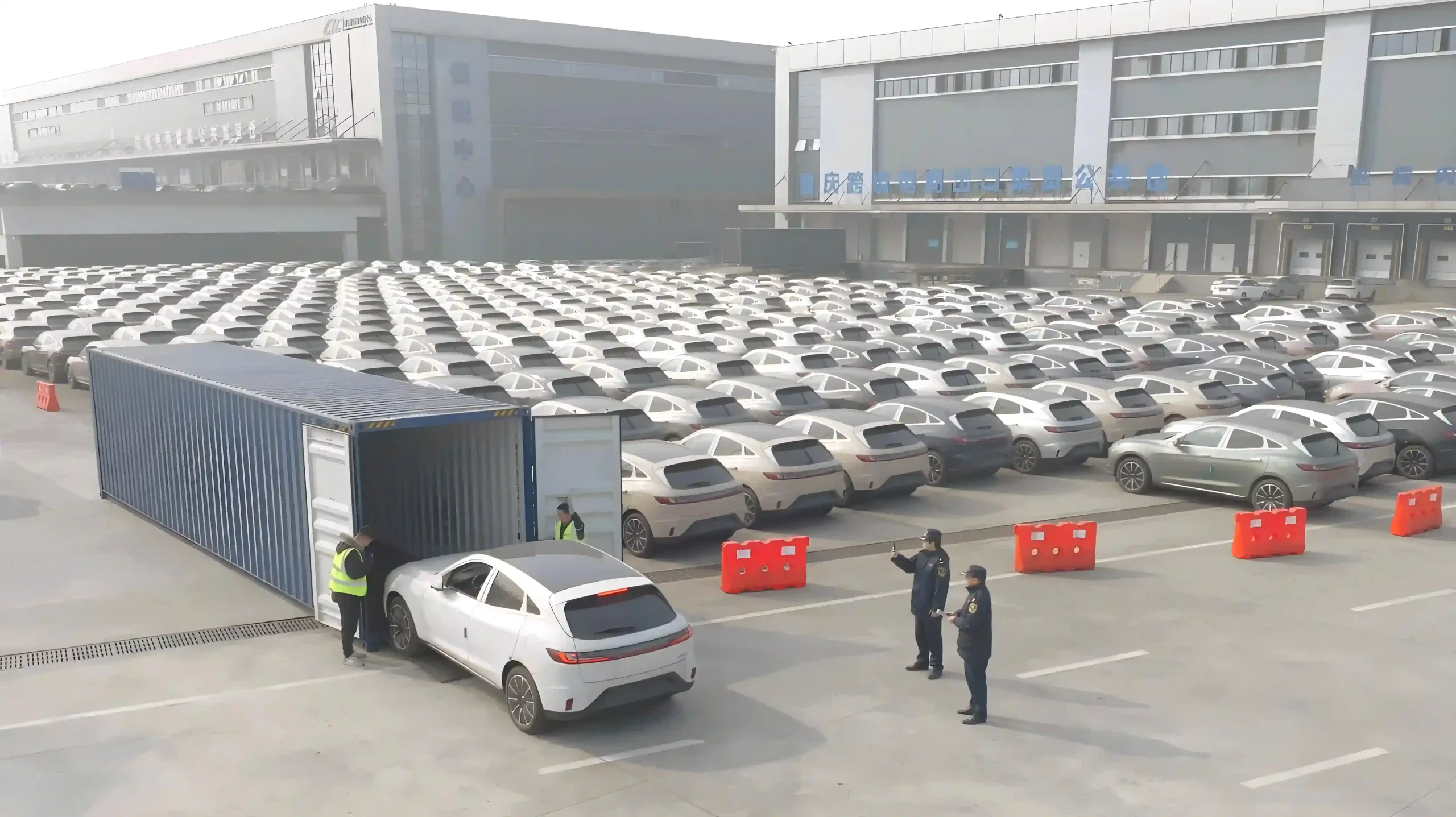
      Advantages of Parallel Exports:
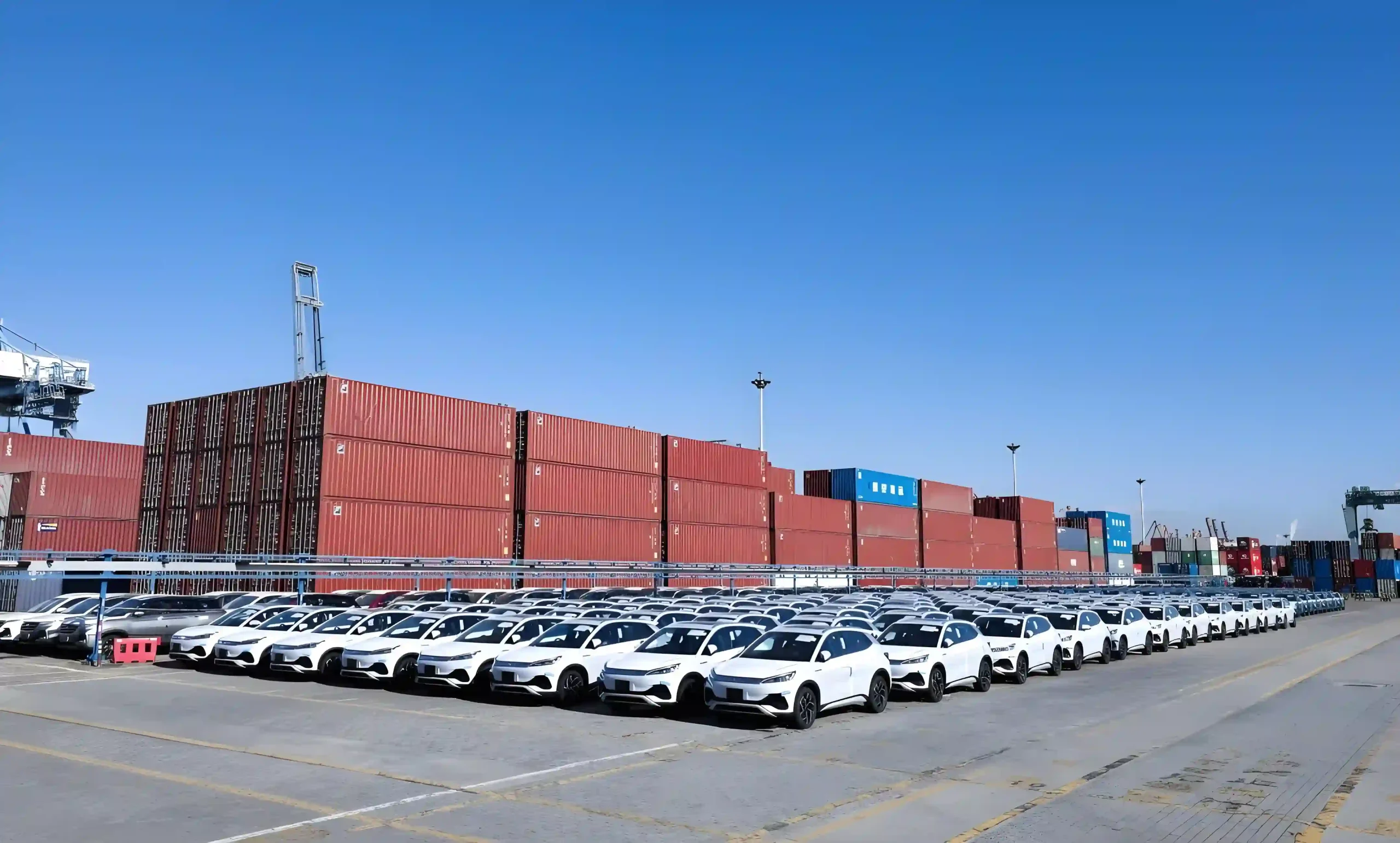
      • Significant Price Competitiveness: The primary advantage is cost. Parallel exporters can bypass the complex and costly distribution networks of official dealerships, allowing them to offer vehicles at a lower price point than the manufacturer’s officially sanctioned exports.
      • Wider Selection of Models and Trims: Official manufacturers often only export a limited selection of their vehicle lineup to specific markets. Parallel exporters, however, can source a wider variety of models, trims, and colors that are available in the dynamic Chinese domestic market, offering buyers more options.
      • Faster and More Flexible Operations: Traditional export channels are often constrained by long lead times and rigid contract terms. Parallel exporters, operating with greater flexibility, can react quickly to market demand and procure vehicles much faster, significantly shortening the delivery cycle.

      The Operation of Parallel Exports:

      The process is a multi-step operation that requires a deep understanding of domestic and international trade regulations.
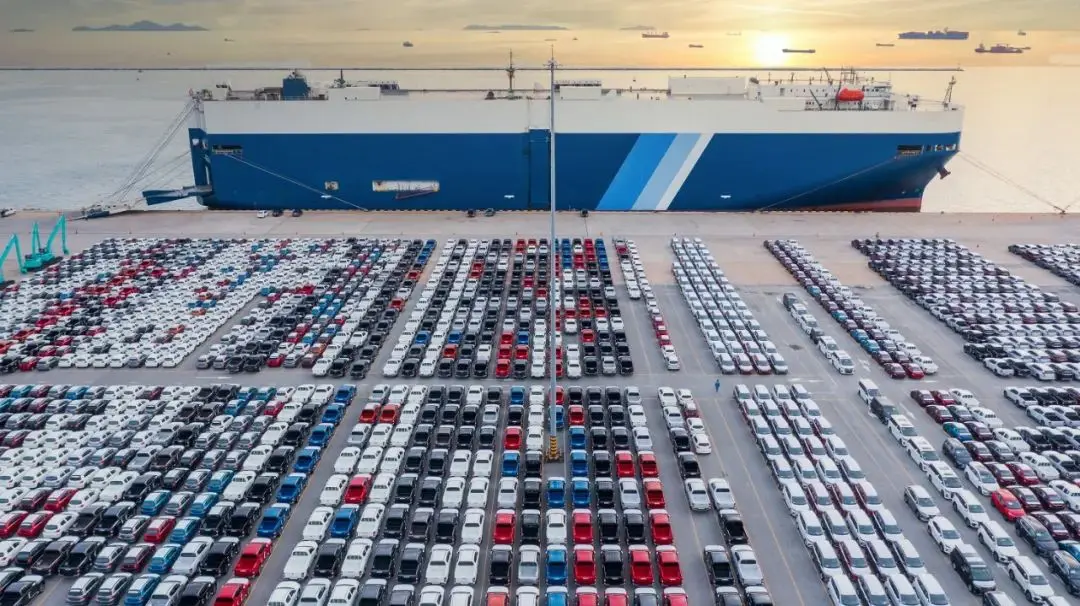
      1. Vehicle Procurement: The trading company or buyer identifies the desired NEV models from Chinese domestic dealers. Since these vehicles are sold on the domestic market, they are often available at a more competitive price.
      2. Domestic Registration: In many cases, the vehicle is briefly registered in China. This step is a key part of the process, as it allows the vehicle to be classified as a “used car” for export purposes, thereby bypassing certain official export requirements for new vehicles. These are often referred to as “zero-kilometer used cars” because they have technically been driven but have negligible mileage.
      3. Export Processing: The trading company handles all the necessary documentation to prepare the vehicle for export. This includes obtaining the necessary licenses, preparing customs declarations, and ensuring the vehicle meets the used-car export criteria.
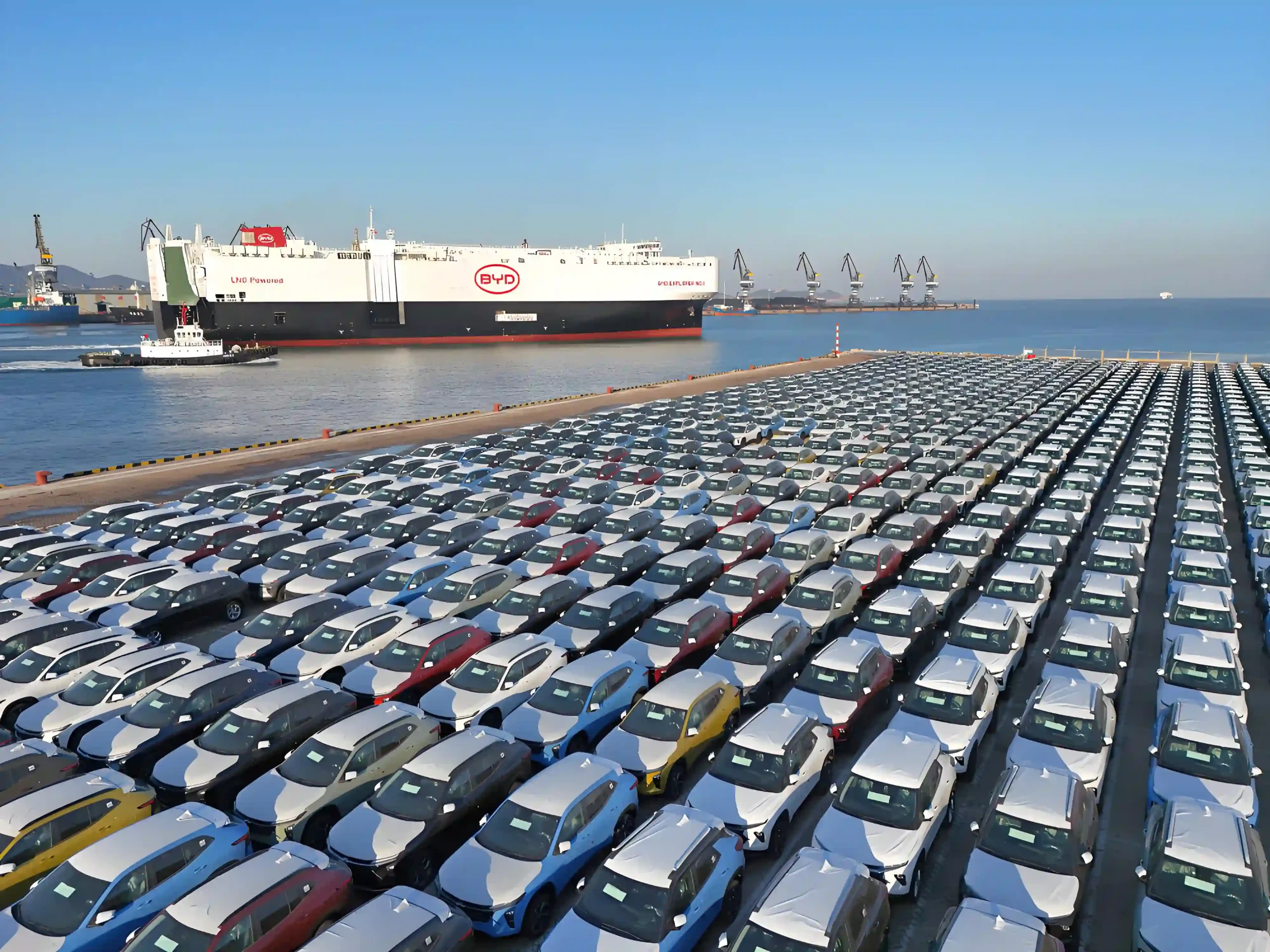
      4. Logistics and Shipping: The vehicles are then shipped to the destination country. This involves arranging for inland transportation, port logistics, and ocean freight. The choice of shipping method (e.g., Ro-Ro, container) depends on the destination and the number of vehicles.
      5. Import and Sales: Upon arrival in the destination country, the vehicles are cleared through customs and prepared for sale. Buyers must be aware that parallel exports do not come with an official manufacturer warranty or after-sales service in the destination country, and they must arrange for maintenance and repairs through local independent workshops.

      VII. Important Purchasing Considerations for Buyers

      Beyond the technical specifications, there are several key factors buyers must consider to ensure a successful sourcing experience.
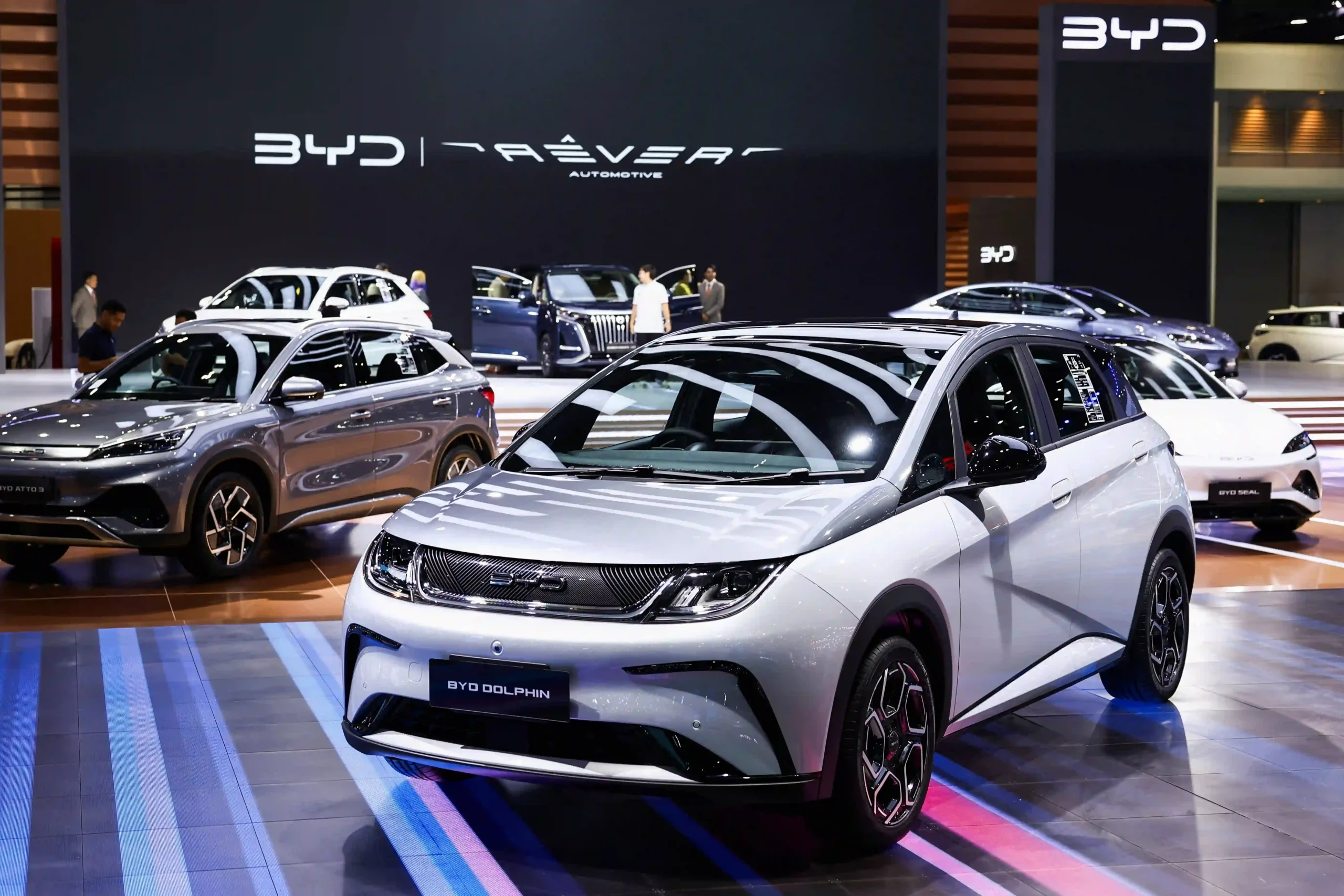
      • Total Cost of Ownership (TCO): While the initial purchase price is a major factor, buyers should also consider the total cost of ownership, which includes shipping costs, tariffs, destination market taxes, and potential costs for adapting the vehicle to local standards (e.g., charging port compatibility, language of infotainment system).
      • Local Charging Infrastructure: The feasibility of an NEV largely depends on the availability of a reliable and convenient charging network. Buyers must assess the compatibility of the Chinese NEV’s charging port with local standards (e.g., CCS, Type 2) and the density of public and private charging stations.

      • After-Sales Service and Parts: For parallel exports, there is no official after-sales support from the brand manufacturer. Buyers must have a plan for maintenance, repairs, and sourcing spare parts.
      • Supplier Vetting: It is essential to thoroughly vet the trading company or supplier. This includes checking their business licenses, track record, and communication efficiency. A third-party inspection service can provide an impartial assessment of the vehicle’s condition before export.
      • Payment Terms: Secure and clear payment terms are crucial. Common practices include a deposit followed by the balance upon completion of pre-shipment inspections or upon the issuance of the Bill of Lading.

      VIII. Choose IMEXsourcing as Your Sourcing Partner for New Energy Vehicle in China

      When it comes to procuring high-quality Pet Food from China, partnering with an experienced and reliable sourcing agent is paramount. IMEXsourcing stands out as a premier choice, offering a comprehensive suite of services designed to streamline your acquisition process and secure exceptional value. Here are compelling reasons to select IMEXsourcing for your next purchase on Tricycles:

      Extensive Procurement Expertise

      IMEXsourcing boasts a profound and long-standing history in the sourcing industry, enabling us to proficiently locate and secure a wide array of Pet Food from highly regarded Chinese suppliers. Our deep market knowledge ensures that we connect you with manufacturers known for their reliability and superior products.

      Bespoke Design Solutions

      At IMEXsourcing, we understand that unique requirements often demand tailored solutions. We empower you to commission well-designed and standard-produced pet food precisely engineered to your specifications, ensuring the final product perfectly aligns with your operational needs.

      Thorough Supplier Verification

      Our commitment to quality begins with rigorous due diligence. We conduct comprehensive factory verifications for all potential manufacturers. This meticulous audit confirms their production capabilities, assesses their quality control protocols, and ensures their full compliance with relevant industry standards and legal requirements.

      Expert Price Negotiation

      Leveraging our veteran status and in-depth understanding of the market dynamics, IMEXsourcing excels in negotiation. This invaluable expertise allows us to secure the most favorable pricing and terms with top-tier tricycles manufacturers renowned for their products, function, aftersales service and cost-efficient, optimizing your investment.

      Stringent Quality Assurance

      IMEXsourcing implements a robust quality management framework that spans the entire procurement cycle. This includes careful selection of suppliers, diligent oversight through production inspections, and thorough product testing prior to shipment, guaranteeing the integrity and performance of your pet food.

      IX. Conclusion: Navigating Your Sourcing Journey

      China’s New Energy Vehicle industry offers an abundance of opportunities for global buyers. With its technological prowess, competitive pricing, and a vast array of models, China has become a vital hub for sourcing the future of transportation. By understanding the core product advantages, key specifications, and the unique dynamics of industrial clusters and parallel exports, buyers can confidently navigate this market. This guide provides the foundational knowledge to begin your sourcing journey, helping you to make informed decisions and secure high-quality NEVs that will drive your business forward.

      Message us for more information

      Please let us know your request, we will get back to you within 24 hours.

        China Mini Excavator Sourcing Guide: Compact Construction Machinery

        Introduction

        China has emerged as a global leader in construction equipment manufacturing, with mini excavators being one of its most competitive products. Compact, versatile, and cost-effective, Chinese mini excavators (micro/small excavator) are increasingly favored by international buyers for agriculture, landscaping, urban construction, and light industrial applications. This guide provides essential insights into product types, key specifications, industrial clusters, top manufacturers, certifications, and purchasing strategies to help importers make informed decisions.
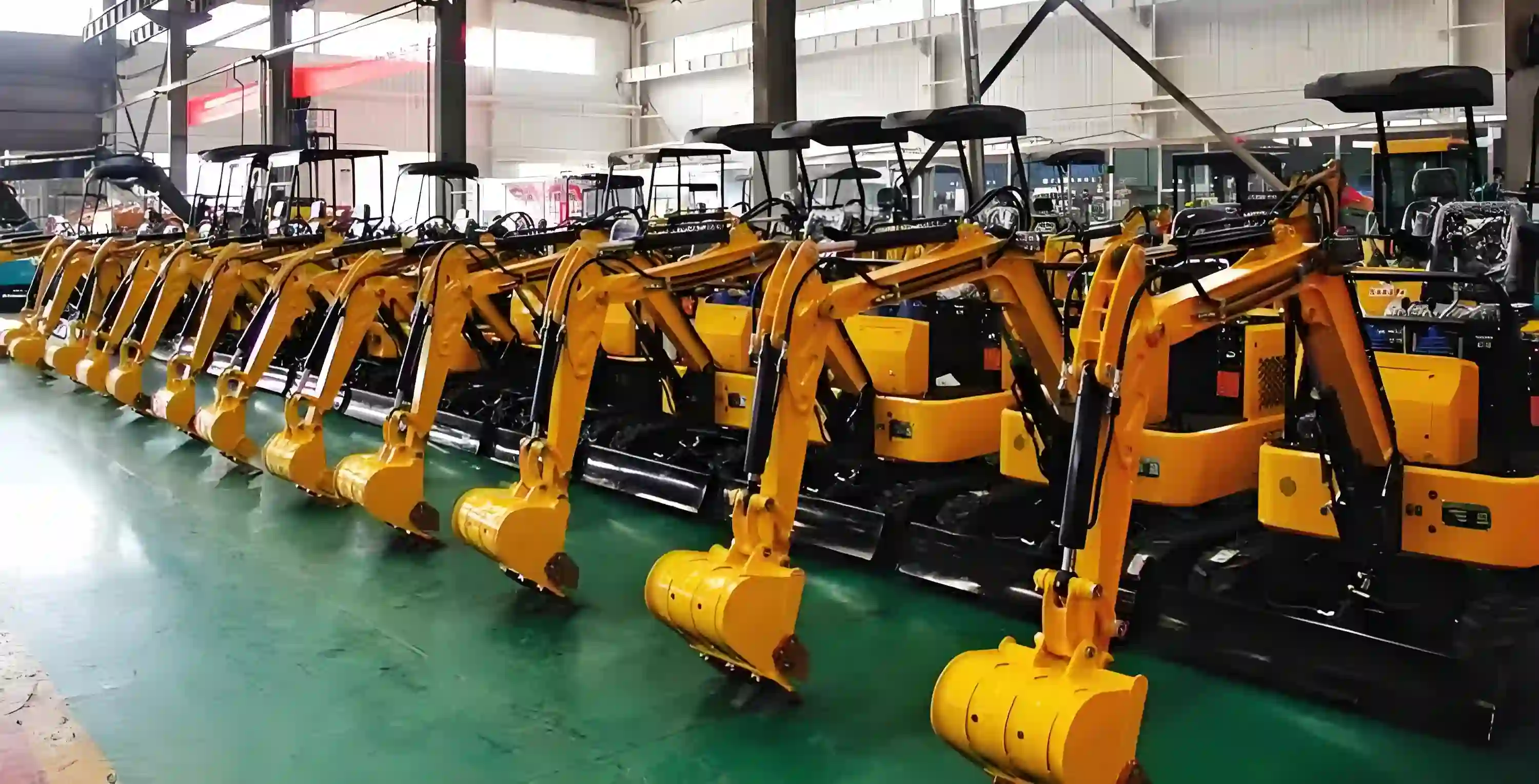
        I. Types of Mini Excavators

        Chinese manufacturers produce a diverse range of mini excavators categorized by size, mobility, and functionality:
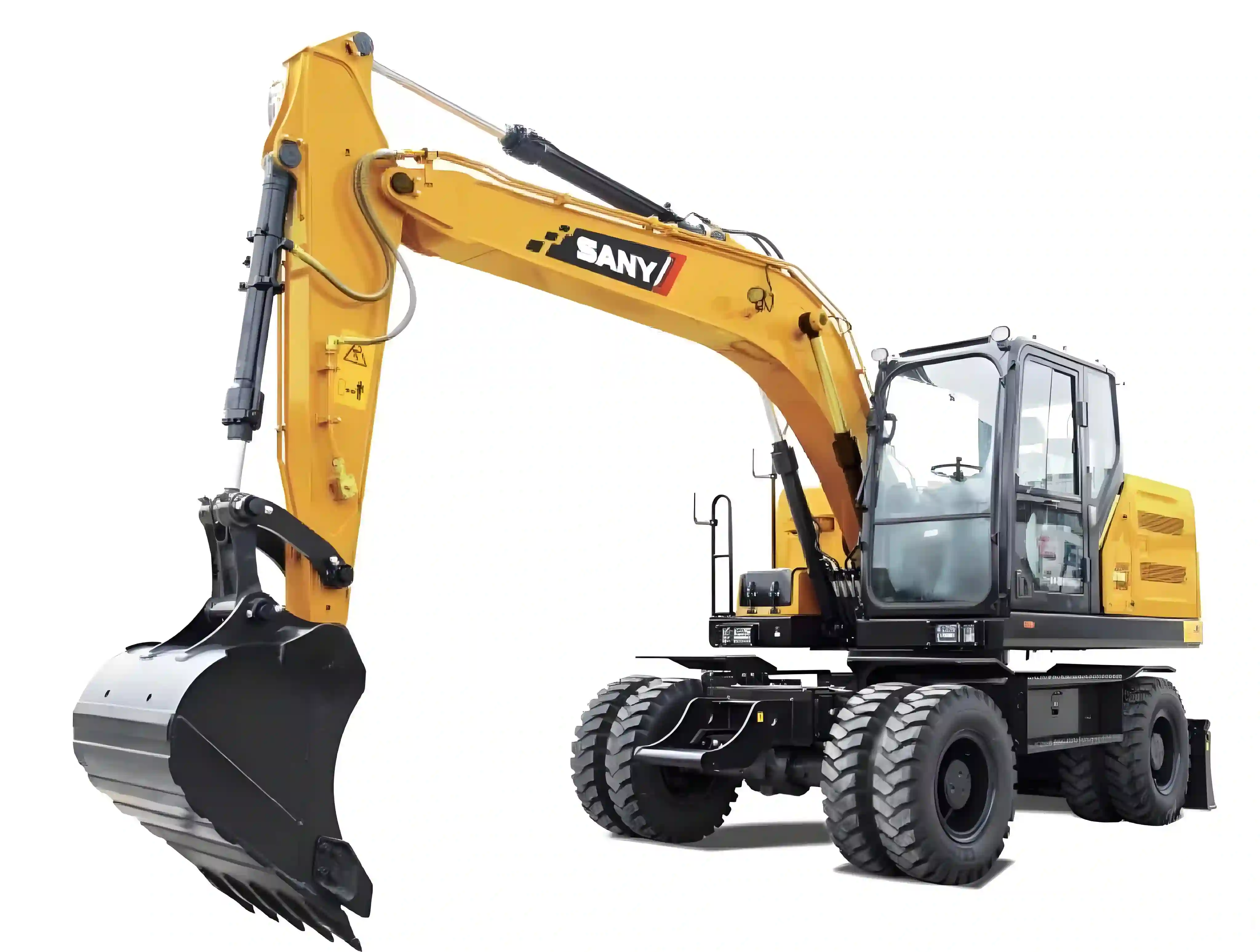
        By Operating Weight

        • Micro Excavators (1–3 tons)​: Ultra-compact models ideal for tight spaces (e.g., indoor demolition, garden work).
        • Small Excavators (3–6 tons)​: Balanced for versatility in urban projects and small-scale earthmoving.
        • Compact Excavators (6–10 tons)​: Enhanced power for heavier tasks like utility trenching.

        By Drive System

        • Crawler Mini Excavators: Track-based for superior stability and traction on rough terrain. Common in mining and muddy conditions.
        • Wheeled Mini Excavators: Equipped with tires for faster mobility on paved surfaces, suitable for municipal maintenance.

        Specialized Variants

        • Zero-Tail Swing Models: Designed for confined urban job sites (no rear overhang).
        • Electric-Powered Excavators: Emission-free operation for indoor/eco-sensitive projects.

        II. Key Features & Advantages of China’s Mini Excavators

        Chinese mini excavators have become a global phenomenon due to a combination of distinct advantages:

        • Cost-Effectiveness: The most significant advantage is the price. Chinese machines are often considerably more affordable than their international counterparts, making them an attractive option for budget-conscious buyers, small businesses, and rental companies.

        • Continuous Innovation and Quality Improvement: Chinese manufacturers have invested heavily in R&D and quality control. Many now use high-quality imported components, such as engines from Kubota and Yanmar and hydraulic systems from top global brands, ensuring reliability and performance that rivals more expensive machines.
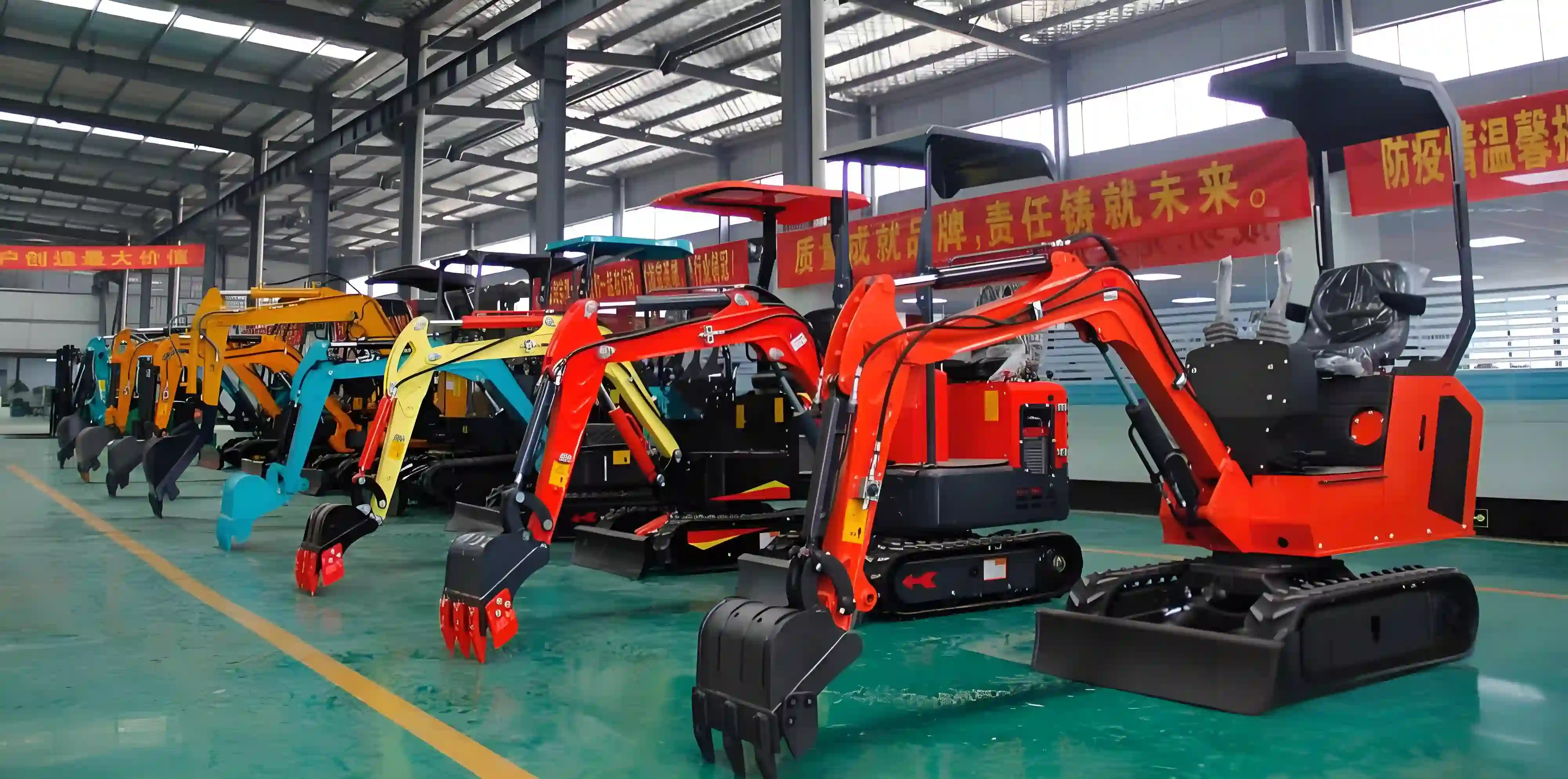

        • Versatility: Chinese manufacturers offer an extensive array of optional attachments and accessories, including various bucket sizes, breakers, augers, rippers, and grapples. This allows a single machine to perform multiple functions, maximizing its utility and value.

        • Customization and OEM/ODM Services: Many manufacturers in China are flexible and willing to provide customization options (OEM/ODM), from paint colors and decals to specific hydraulic configurations, allowing buyers to get a machine tailored to their exact needs.

        III. In-depth Knowledge of the Power & Drive Systems

        Understanding the machine’s power source and drive system is crucial for selecting the right model.

        Power Types:

        • Diesel Engines: The standard for most mini excavators. They are powerful, reliable, and well-understood. Many Chinese excavators use globally recognized diesel engines, ensuring easy access to parts and maintenance.

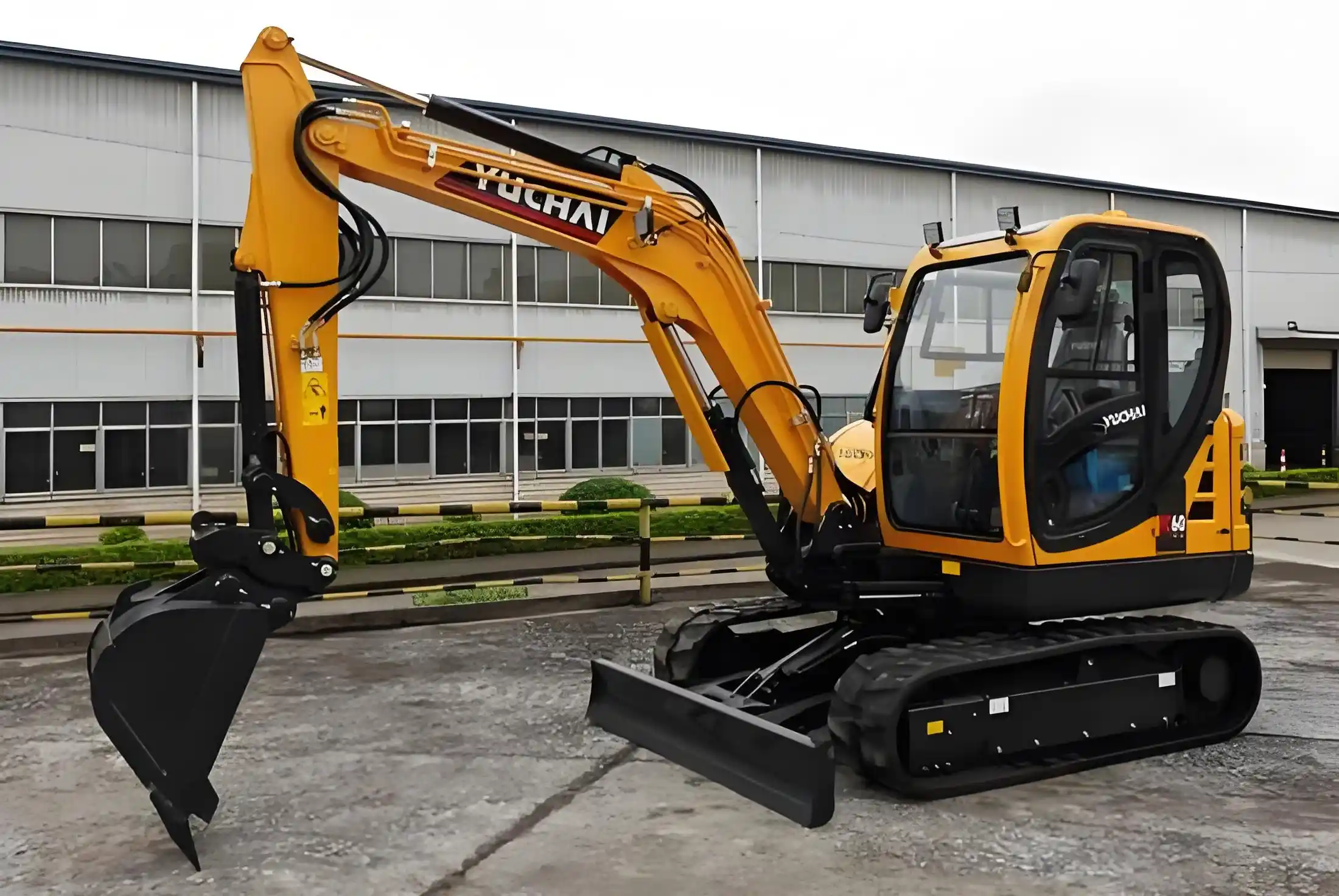
          △  Engine brands like: international Kubota, Yanmar, Cummins JV etc, or domestic Weichai, Yuchai, Laidong, Yunnei, K‑series engines; many comply with Euro Stage V or EPA emissions standards.

          △  Engine types are diesel or petrol internal‑combustion engines, water‑ or air‑cooled, power ranges often 7 kW (~9 HP) up to ~39 HP for ~3 ton machines.

        • Electric Excavators: This is a rapidly growing segment. Lithium-ion batteries (e.g., ​BYD-supplied or Nuoman Brand) for emerging in the 0.8–6 ton class. Electric mini excavators are ideal for noise-sensitive zones, OK for indoor use, urban construction, and projects where noise and emissions are a concern. They require less maintenance than diesel models but have a higher initial cost and a limited run time based on battery life.
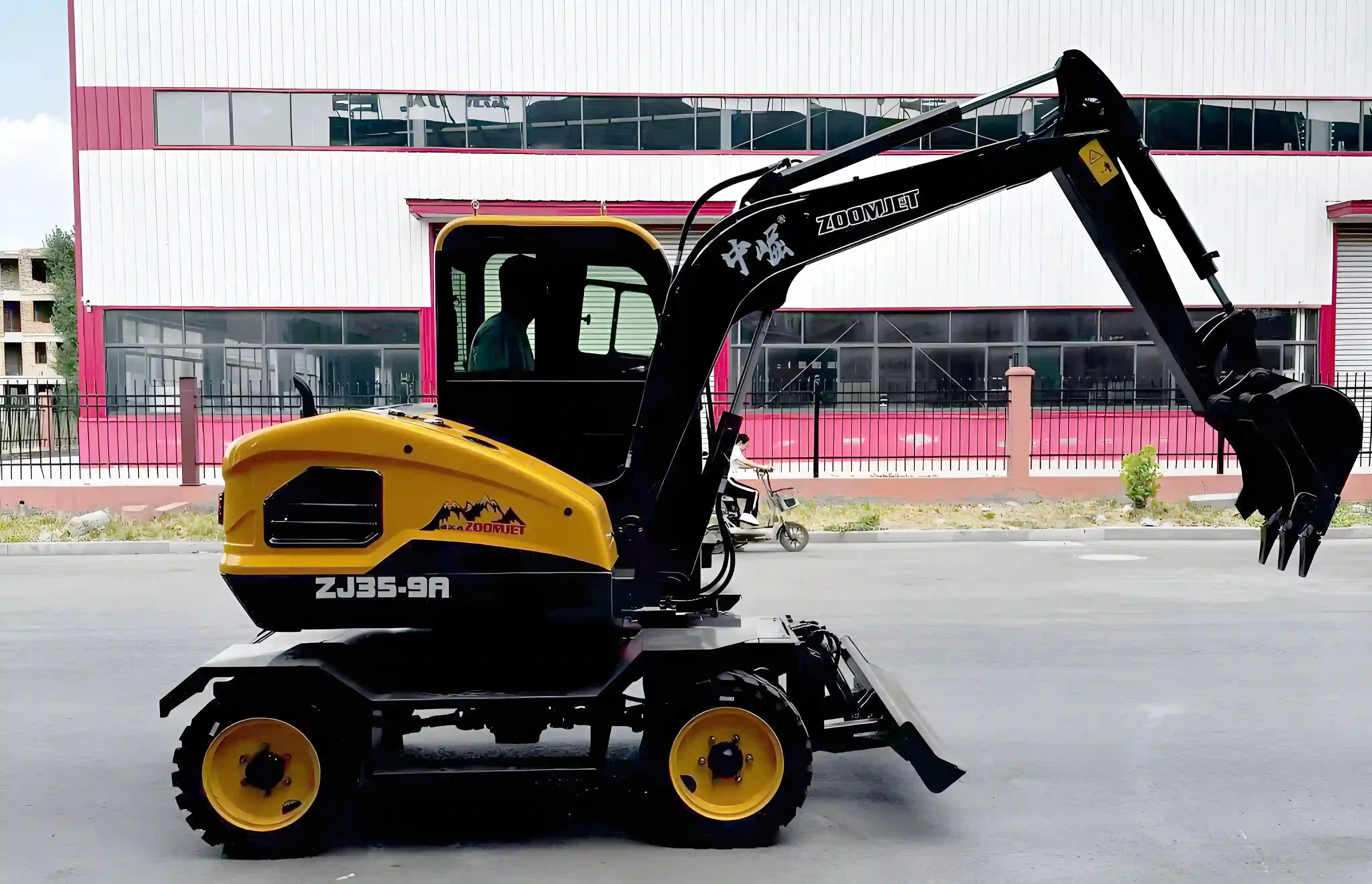

        Drive Methods:

        • Crawler (tracked) models dominate: they provide high stability, low ground pressure, strong traction, and flexibility in narrow areas or uneven terrain. They may feature retractable tracks, wet‑clutch steering and brake systems.
        • Wheeled variants are less frequent but offer advantages for work on paved or prepared surfaces: faster travel speed, less road damage, easier repositioning—better suited to urban or utility crews.

        Hydraulic Systems:

        • Open-Center vs. Load-Sensing: Latter offers better efficiency for complex tasks.
        • Pump Output: Ranges 40–120 L/min; higher flow supports advanced attachments.

        IV. Key Specifications and Parameters

        A thorough review of a machine’s technical specifications is essential before making a purchase. Here are the key parameters to consider:

        • Operating Weight: This is the total weight of the machine and is a primary indicator of its size and power. Mini excavators typically range from 0.8 tons to 9 tons. A heavier machine can handle tougher jobs but is less nimble.

        • Engine Power: Measured in kilowatts (kW) or horsepower (hp). More power generally means higher performance and the ability to operate larger attachments.

        • Digging Depth and Digging Height: These metrics define the maximum depth and height the machine can reach. It’s vital to ensure these specifications meet the requirements of your typical projects.

        • Bucket Capacity: The volume of material the bucket can hold. It directly impacts productivity and is measured in cubic meters (m³).

        • Operating Radius: The maximum reach of the machine from its center of rotation. This is important for jobs where the excavator needs to work from a stationary position.
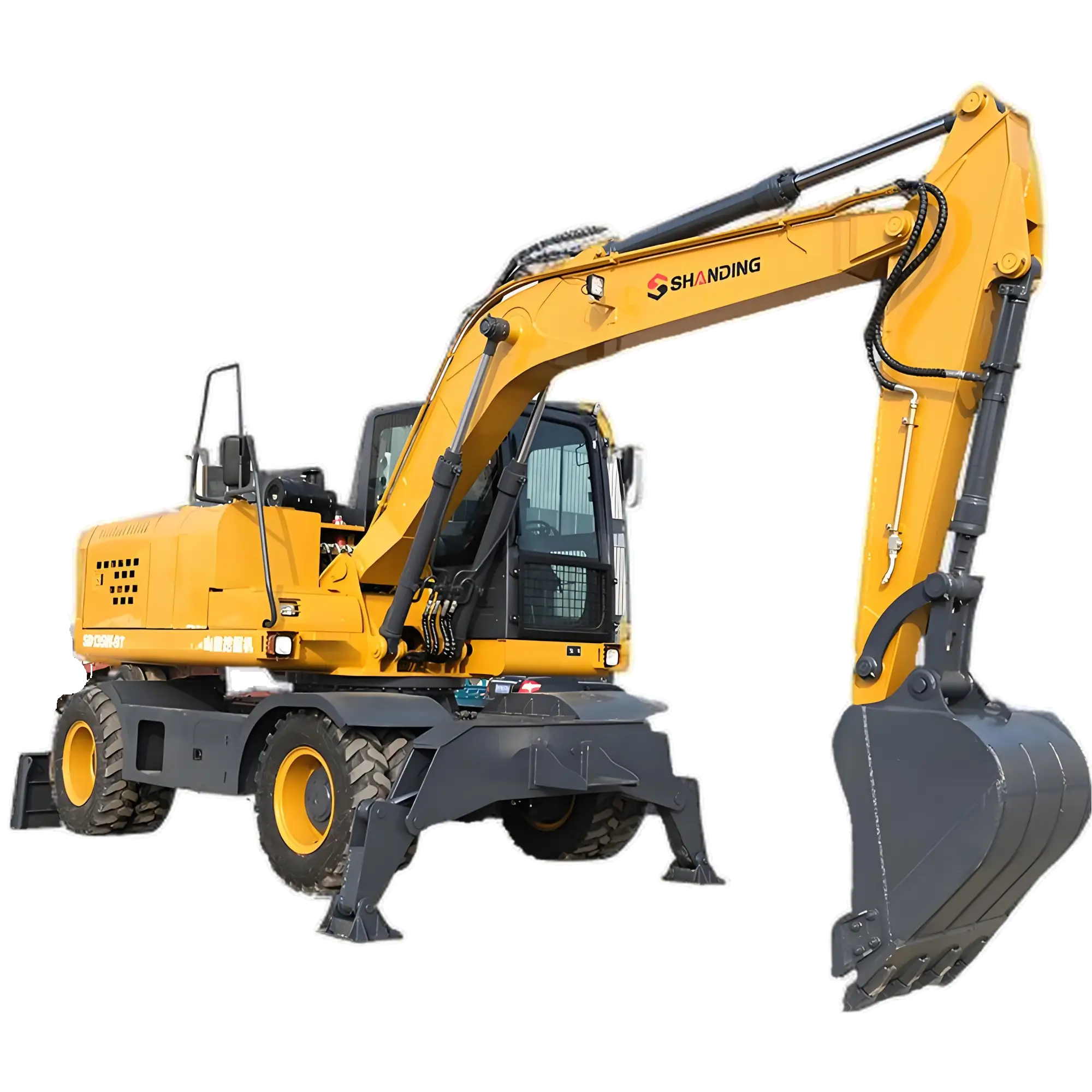
        V. Industrial Clusters and Key Manufacturers

        China’s manufacturing industry is highly specialized, with specific regions acting as industrial clusters. For mini excavators, the key cluster is in Shandong Province, particularly in Jining City. This region has a well-developed supply chain for construction machinery, which contributes to competitive pricing and efficient production.

        Other key manufacturing bases are shown as following:
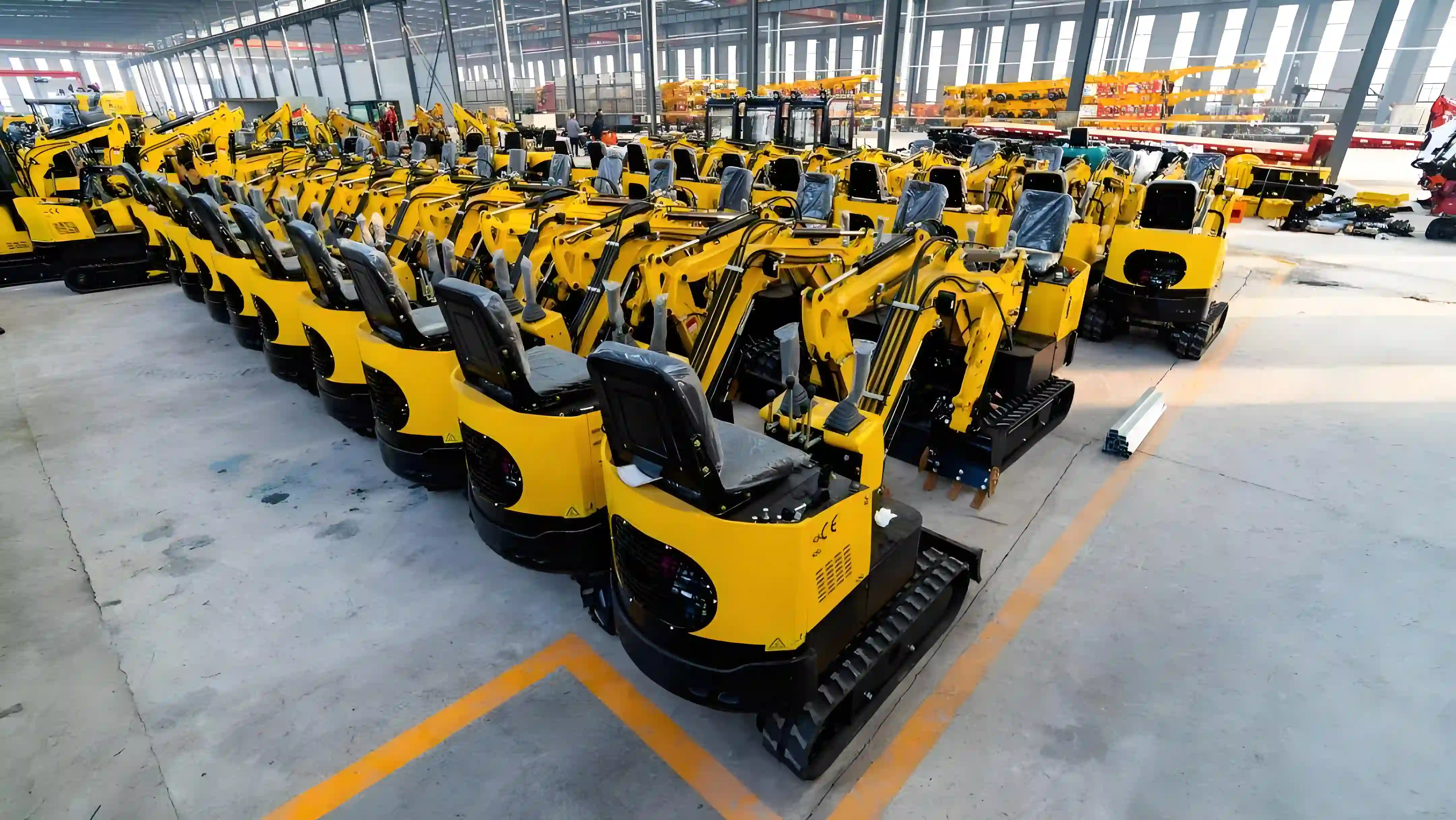
        Shandong Province
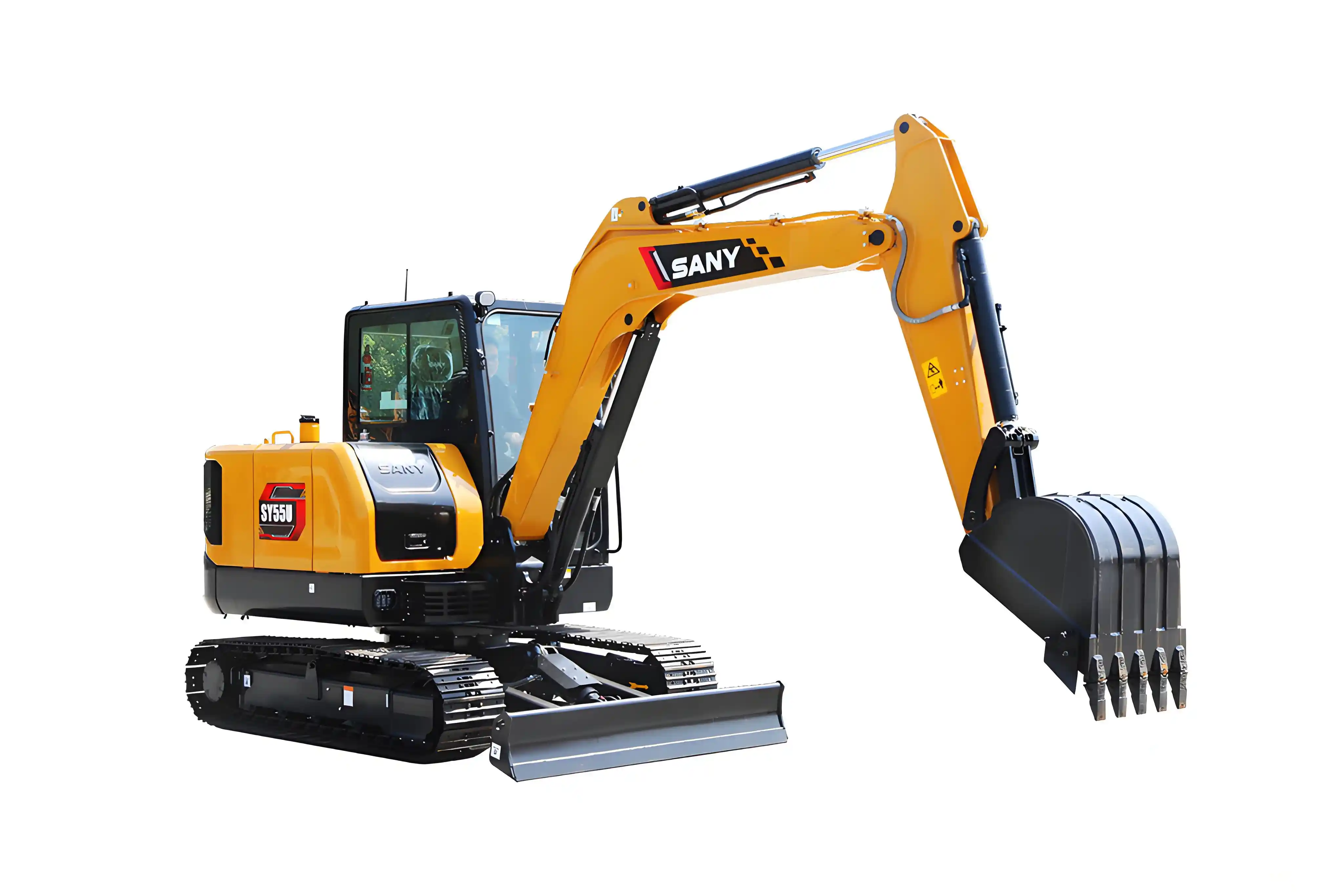
        • Jining, Jinan & Weifang city: Host giants like ​Sany, LGMG​ and ​Lovol, specializing in 1–8-ton crawler models.
        • Advantages: Mature supply chains for undercarriages and hydraulic components.
        Jiangsu/Zhejiang Province
        • Wuxi city in Jiangsu & Hangzhou city in Zhejiang: Focus on electric and wheeled excavators; strong R&D in emission control.
        Fujian Province
        • ​Quanzhou & Xiamen city: Emerging hub for OEM exports to Southeast Asia.


        Leading Manufacturers (Major Players):

        • SANY Heavy Industry: (http://www.sanyglobal.com) A global giant known for its robust and high-performance equipment Exports to 150+ countries; EAC and EPA-certified. SANY excavators are a top choice for those prioritizing quality and reliability, often coming at a higher price point than other Chinese brands.
        • Shantui Construction Machinery:​ (http://www.shantui.com) Renowned for rugged crawler designs; dominates African/Middle East markets.
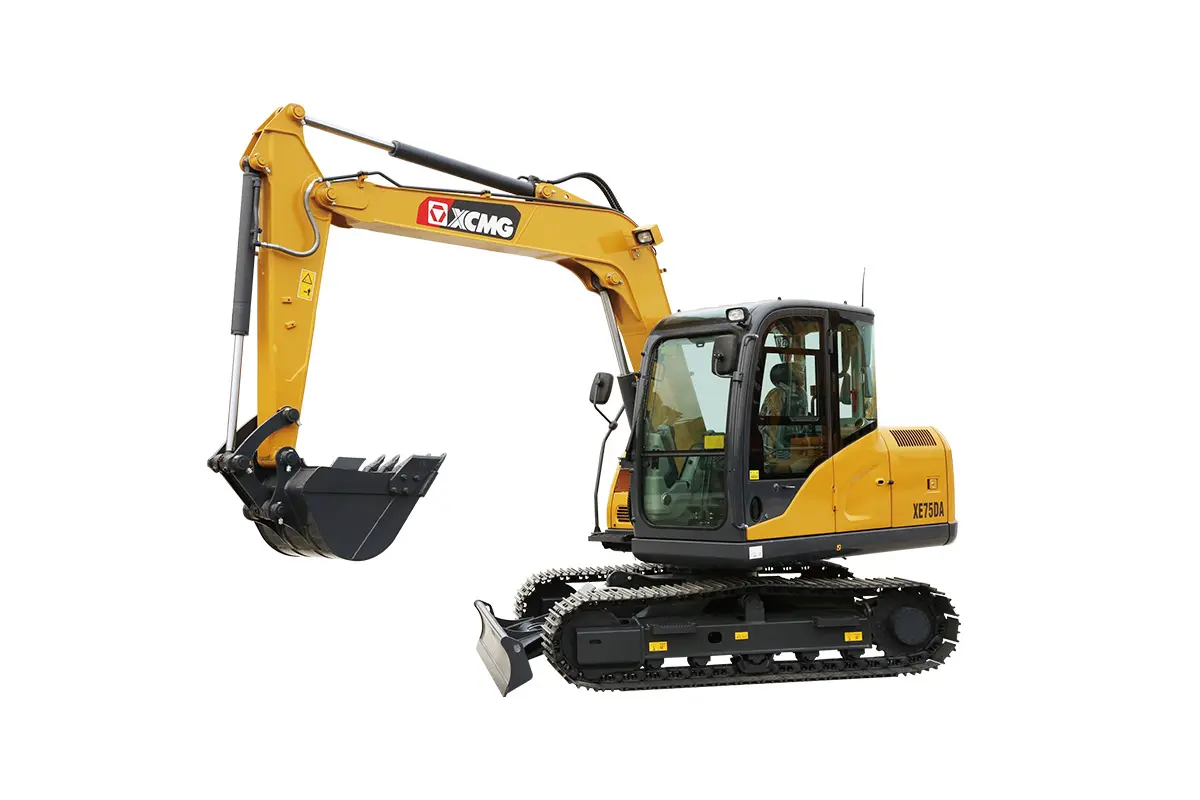
        • XCMG Group: (http://www.xcmg.com) Another top-tier manufacturer with a strong reputation for producing reliable and powerful construction machinery.
        • ​Zoomlion: ​(http://www.zoomlion.com) Known for offering a balance of affordability and quality, making its excavators popular in international markets.
        • ​Lonking Holdings:​ (https://www.lonkinggroup.com) Specializes in sub-3-ton models with dual-speed travel modes.
        • Liugong: ​(https://www.liugong.com) Since its establishment in 1958, LiuGong has been one of the leading companies in China’s construction machinery industry, with a rich and diverse product line covering 33 complete machine products in 13 categories, including loaders, excavators, and agricultural machinery.
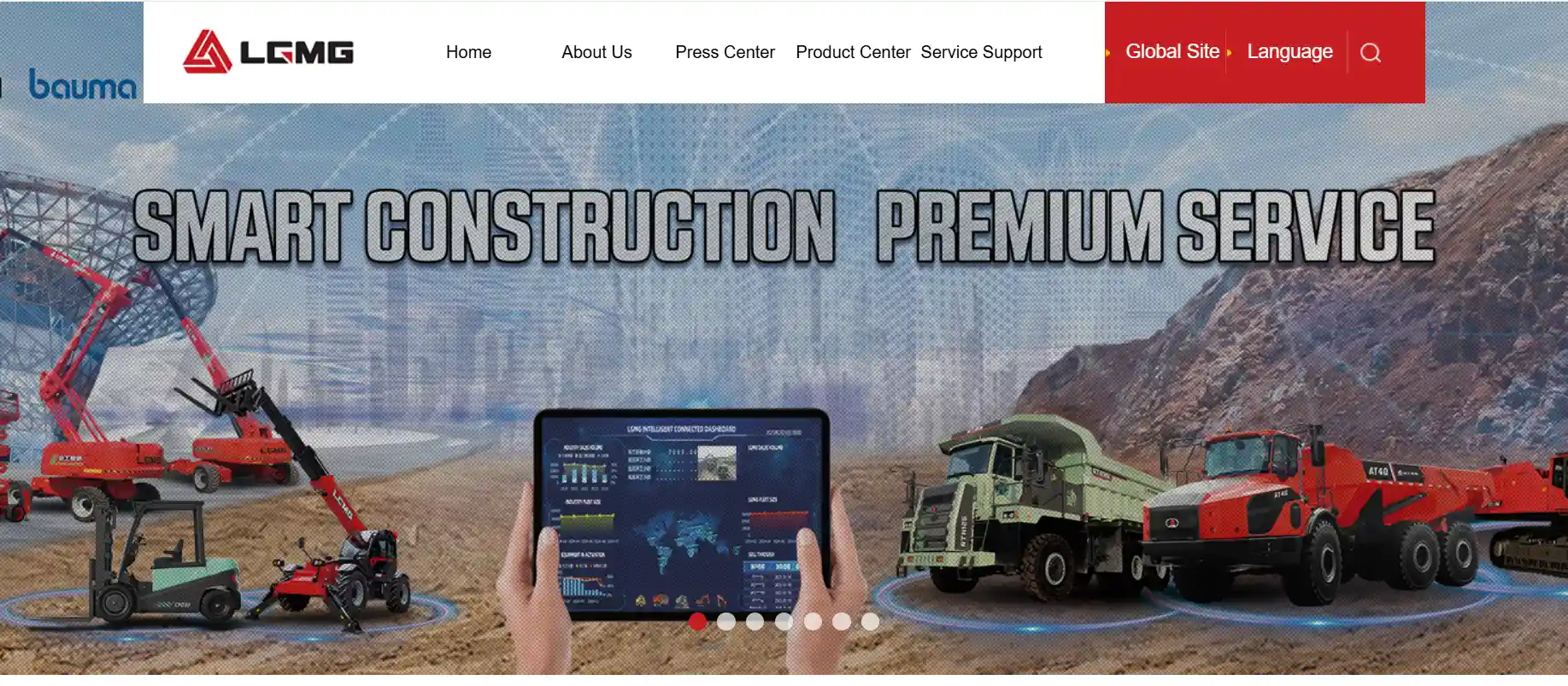
        • LGMG – Lingong Heavy Machinery Co., Ltd.: ​(https://www.lgmg.com.cn) The main products are aerial work machinery and mining machinery, which are mainly aimed at developed countries such as Europe and North America.
        Emerging Brands (High-Value Alternatives):

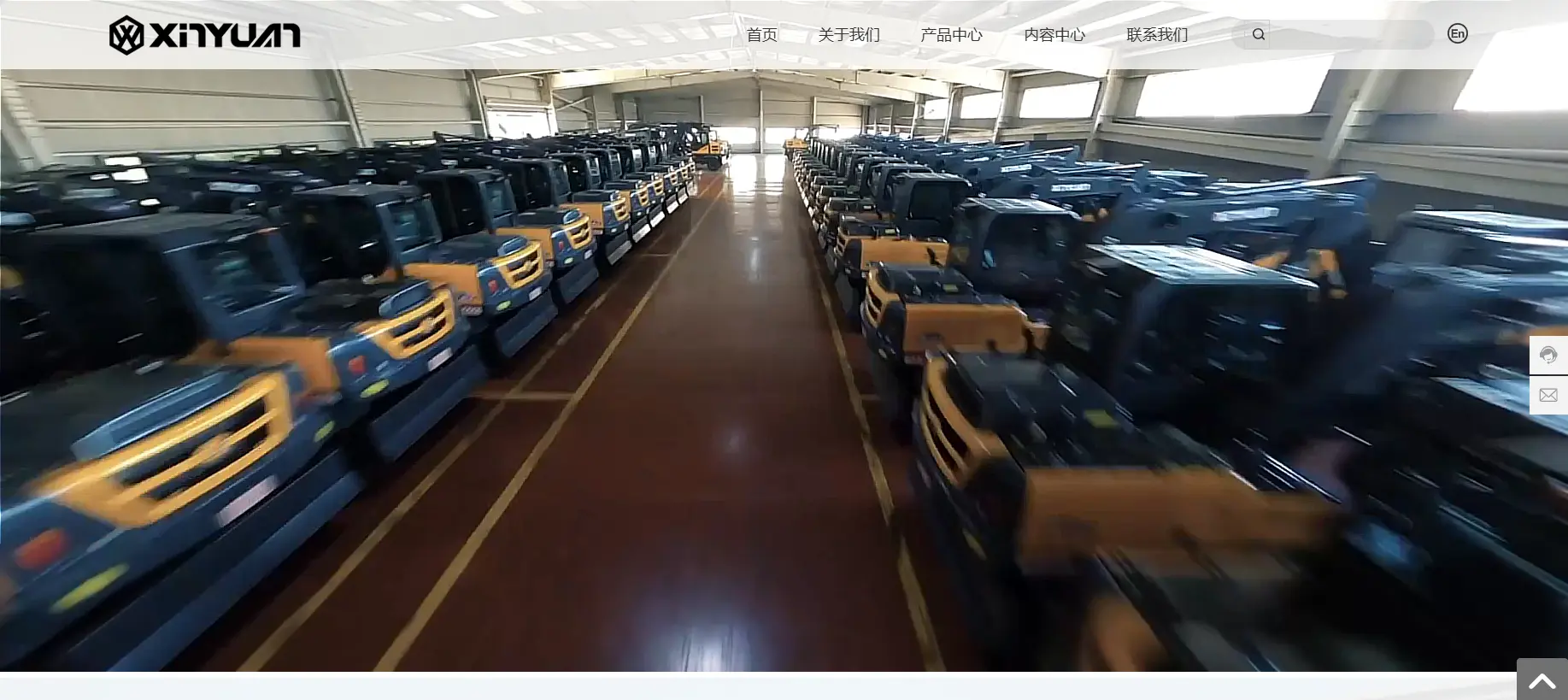
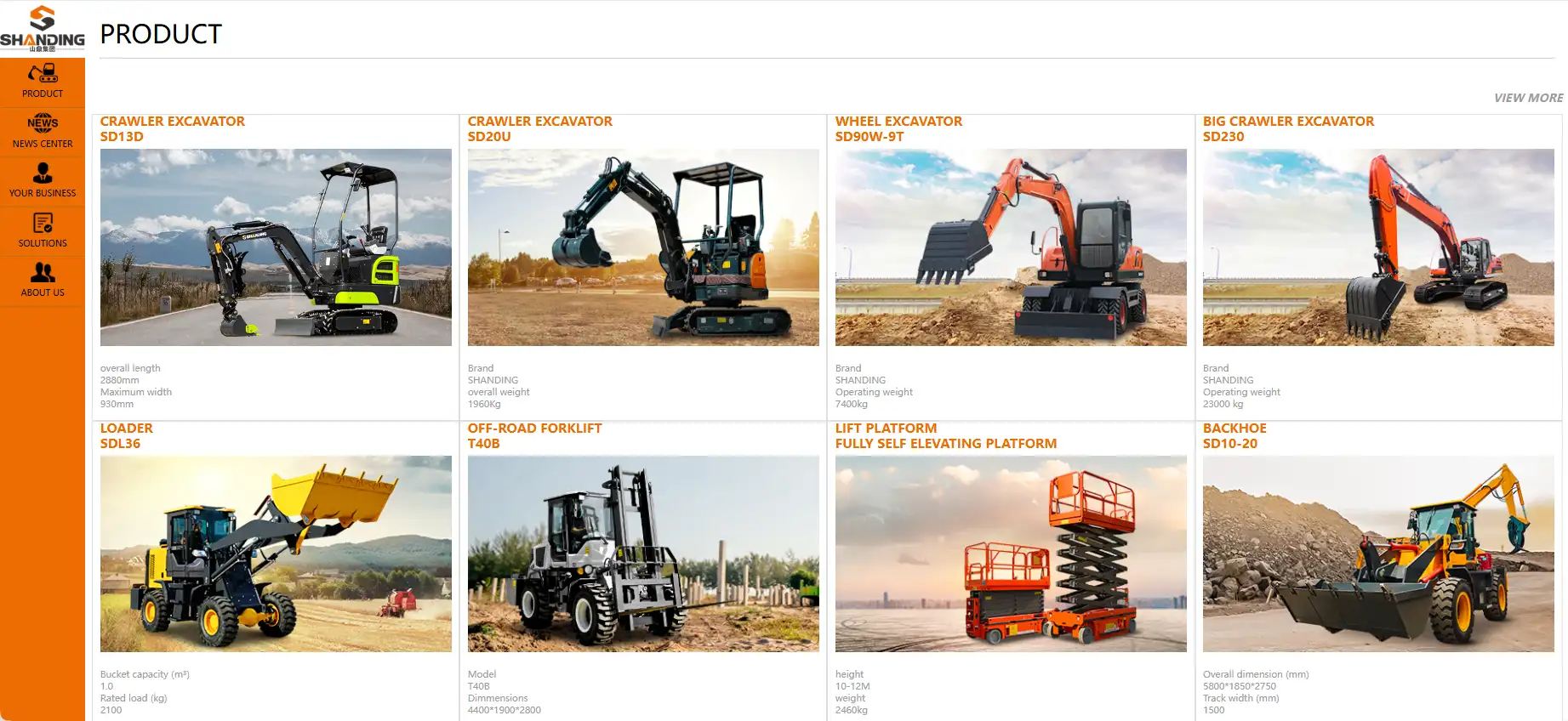
        • Nicosail, Yufan, Shanding, Rippa: These brands are gaining recognition for providing contractor-grade performance and durability at a lower cost, often using OEM engines from established brands to ensure reliability.
        VI. Relevant Certification Requirements

        For international buyers, certifications are not just a label—they are a guarantee of quality, safety, and compliance. Ensure that the excavator you purchase has the necessary certifications for your target market.

        • CE Certification (European Union): Mandatory for all machinery sold in the EU. This certification indicates that the product meets European standards for safety, health, and environmental protection.

        • EPA Tier 4 (United States): This is a set of emissions standards for off-road diesel engines. If you plan to use the excavator in the US, compliance with EPA Tier 4 is essential.

        • ISO 9001 (Quality Management): While not legally mandatory for import, this certification indicates that the manufacturer has a robust quality management system in place, which is a strong indicator of a reliable supplier.
        VII. Important Purchasing Considerations

        Navigating the sourcing process requires careful planning and due diligence to ensure a successful transaction.

        • Make Clear of Your Requirements:

          • Define Your Use Case & Size:

            △ Micro (0.8–1.2 ton): best for very tight landscaping, orchards, interior trenching. Light duty, low cost.

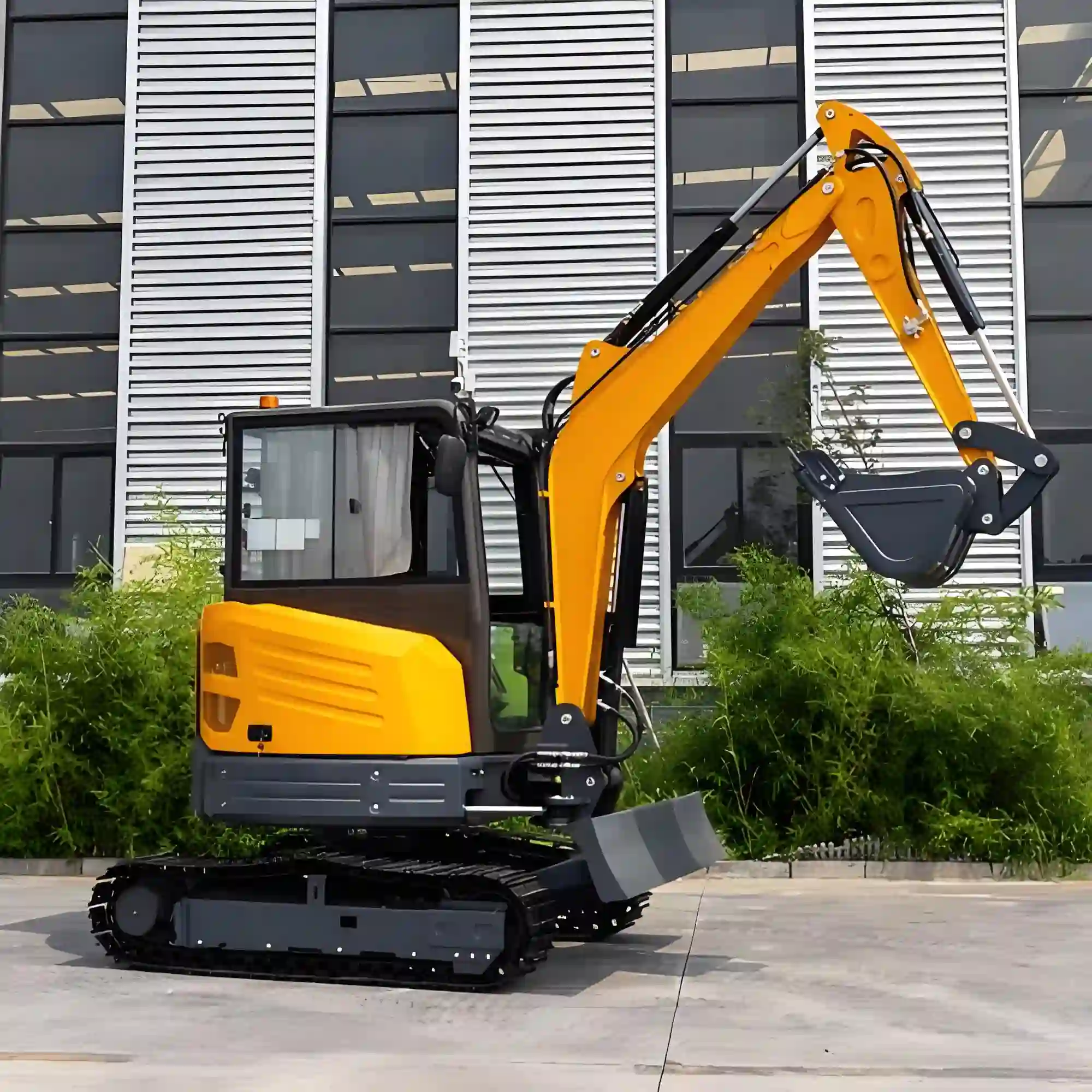
            △ Small (1.5–3.5 ton): greater digging depth/reach, more power, suitable for small construction, farm drainage, road‑side utility.

            △ Choose crawler for uneven terrain or rubber tracks to minimize ground damage.

          • Engine and Emissions: 

            △ Prefer models with Euro V or EPA Tier engines if importing to regulated markets.

            △ Engine brand matters – Kubota/Yanmar clones may offer reliable performance; domestic brands are improving.

            △ Ask about maintenance support and parts availability.

          • Controls and Stability:

            △ Ensure pilot joystick controls (more intuitive) and wide track width to avoid tip‑over in uneven terrain.

            △ Consider models with retractable undercarriage/blade for stability in excavating and road transport.
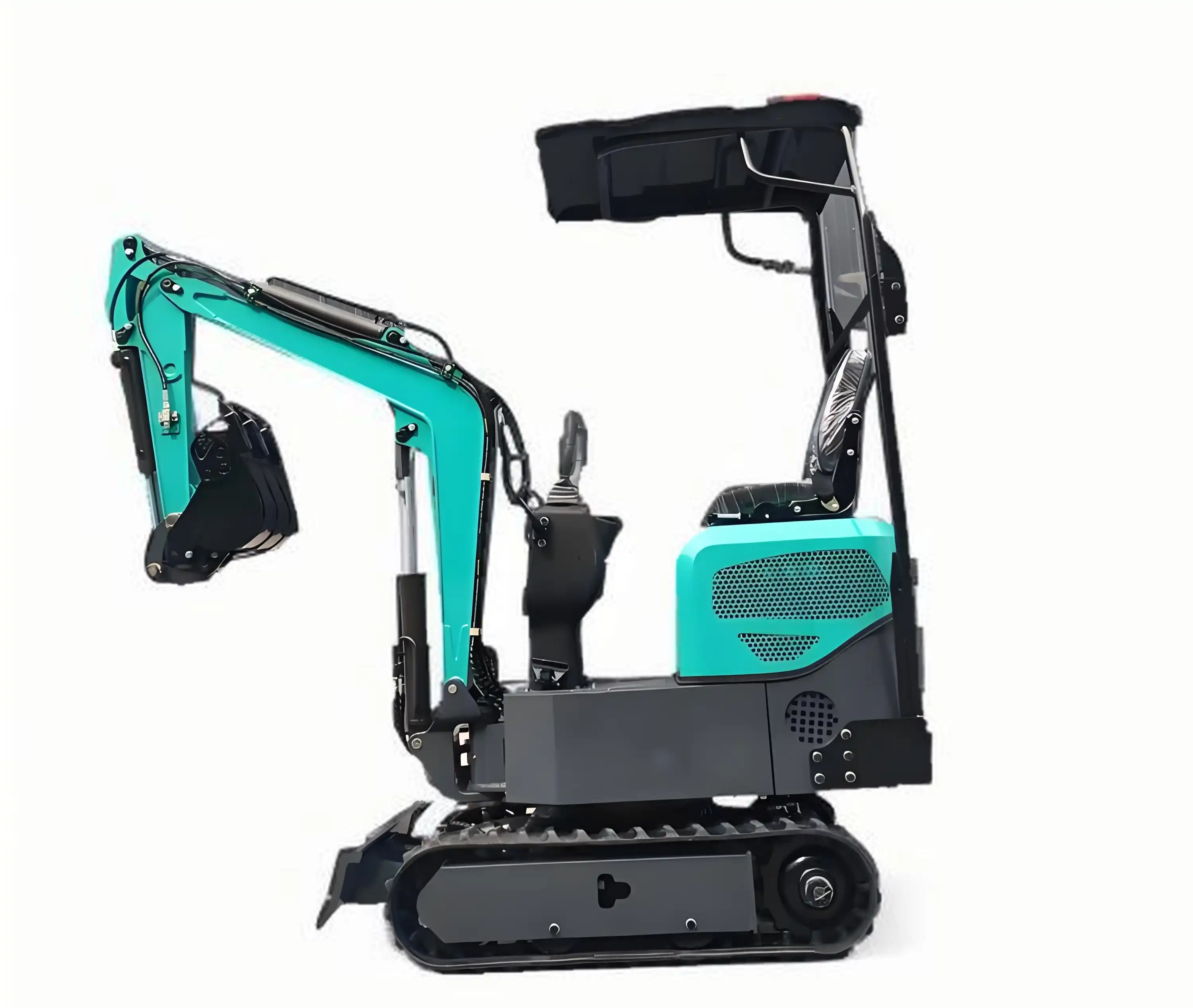
          • Attachments & Flexibility:

            △ Confirm availability of attachments (buckets narrow/standard, hammer, auger, grab, etc.) and ease of switching.

            △ Modular designs allow quick swapping for multi‑purpose use.
        • Vetting Suppliers:
          • Manufacturer vs. Trading Company: Understand if you are buying directly from a factory or a trading company. While a factory might offer better prices and customization, a trading company can provide a wider range of products and more flexible logistics services.
          • Check Business Licenses and Certifications: Request copies of the supplier’s business license and all relevant product certifications (CE, EPA, ISO). These documents are a critical step in verifying legitimacy.
          • Communication and Reputation: A reliable supplier will have clear, prompt, and professional communication. Look for online reviews, testimonials, and a professional website.
          • Third-Party Inspection: Consider hiring a third-party inspection company (like SGS or TÜV) to inspect the machine at the factory before shipment. This ensures the machine’s quality and specifications match your order.

        • Payment Terms: A standard practice is a 30% advance payment via T/T (Telegraphic Transfer), with the remaining balance paid upon receiving a copy of the Bill of Lading (B/L) and other shipping documents. This provides a level of security for both parties.
        • Shipping and Logistics:
          • Freight Forwarder: Partner with a reputable freight forwarder to handle the complex logistics of shipping from China. They can provide competitive quotes and manage all the necessary documentation.

            Containerization: a 20ft container fit two 3-ton units while a 40ft container fits 4 sets of 3-ton units (disassembled)
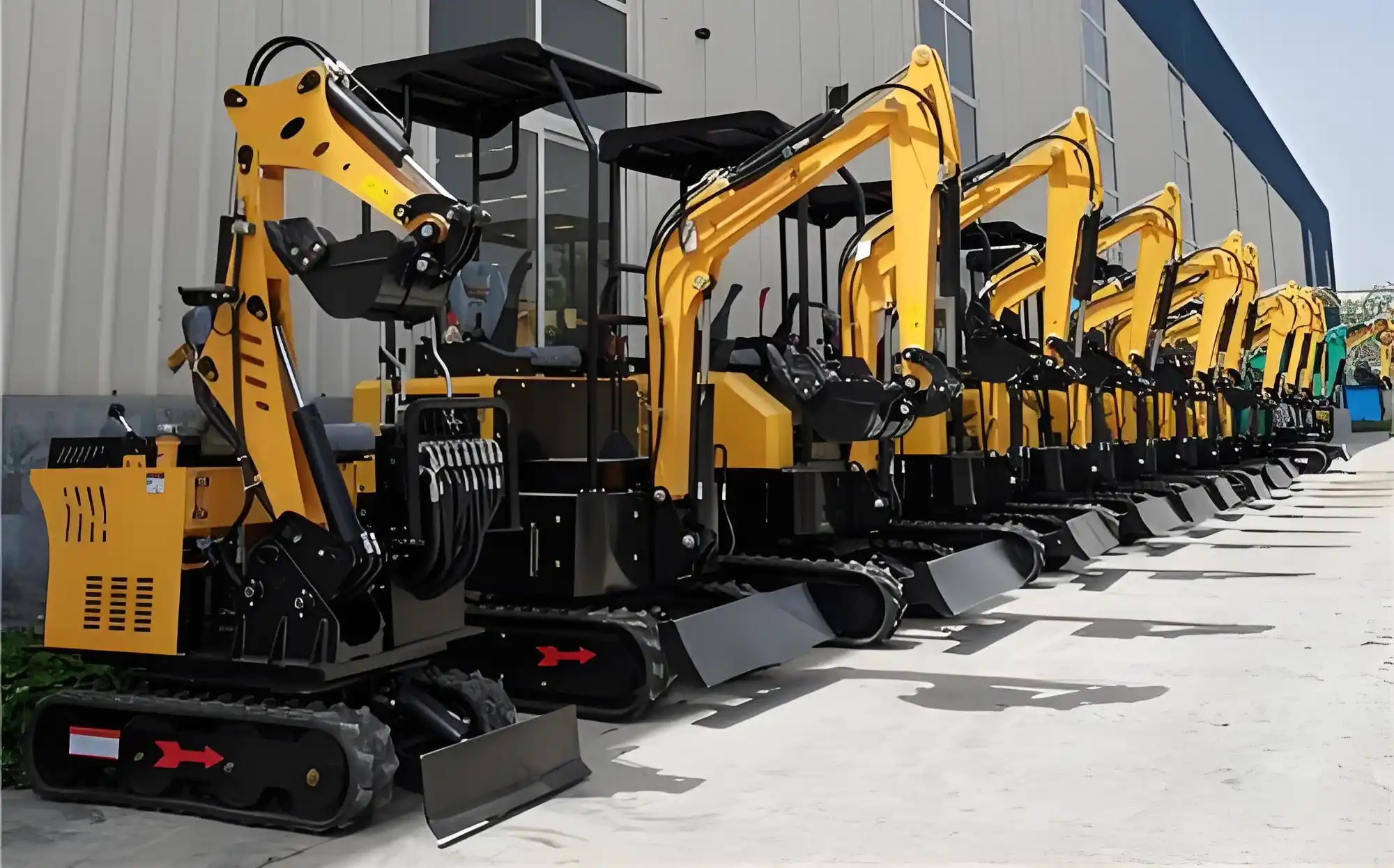
          • CIF vs. FOB: Understand shipping terms like CIF (Cost, Insurance, and Freight) and FOB (Free on Board) to know where the supplier’s responsibility ends and yours begins.
        • After-Sales Service and Warranty:
          • Warranty: Discuss the warranty policy in detail. A good warranty should cover key components for a reasonable period.
          • Parts and Service: Ensure the supplier can provide spare parts and technical support. Many manufacturers provide a parts manual and offer online support or video tutorials for basic maintenance. Choosing a machine with globally available components (like Kubota or Yanmar engines) can simplify future maintenance.

        Negotiation: Don’t hesitate to negotiate. Buyers can often secure better pricing, include free spare parts, or get favorable payment terms, especially when purchasing multiple units.
         

        Brief Comparison Table

        Category Typical Micro (≤1–1.2 t) Small (1.5–3.5 t)
        Operating weight ~800–1,200 kg ~1,500–3,500 kg
        Engine power ~7–10 kW (~9–15 HP) ~18–29 kW (24–39 HP)
        Bucket capacity ~0.025–0.04 m³ ~0.06–0.1 m³
        Digging depth ~1.5 m ~1.6–2.0 m
        Drive type Rubber‑tracked crawler Crawler standard, some wheeled
        Ground pressure ~35–40 kPa Higher but still low
        Typical controls Basic mechanical / pilot joystick Pilot joystick with brake/clutch
        Price (FOB base machine) ~$1.9K–5K ~$15K–40K
        Certifications CE, ISO, EPA/Euro V Same; major brands have stronger compliance
        Typical users Landscaping, farms, tight utility Small construction, municipal, rental

        VIII. Choose IMEXsourcing as Your Sourcing Partner for Mini Excavator in China

        When it comes to procuring high-quality mini excavator from China, partnering with an experienced and reliable sourcing agent is paramount. IMEXsourcing stands out as a premier choice, offering a comprehensive suite of services designed to streamline your acquisition process and secure exceptional value. Here are compelling reasons to select IMEXsourcing for your next purchase on tractors:

        Extensive Procurement Expertise

        IMEXsourcing boasts a profound and long-standing history in the sourcing industry, enabling us to proficiently locate and secure a wide array of mini excavators from highly regarded Chinese suppliers. Our deep market knowledge ensures that we connect you with manufacturers known for their reliability and superior mini excavators.
        Bespoke Design Solutions

        At IMEXsourcing, we understand that unique requirements often demand tailored solutions. We empower you to commission well-designed and standard-produced tractors precisely engineered to your specifications, ensuring the final product perfectly aligns with your operational needs.

        Thorough Supplier Verification

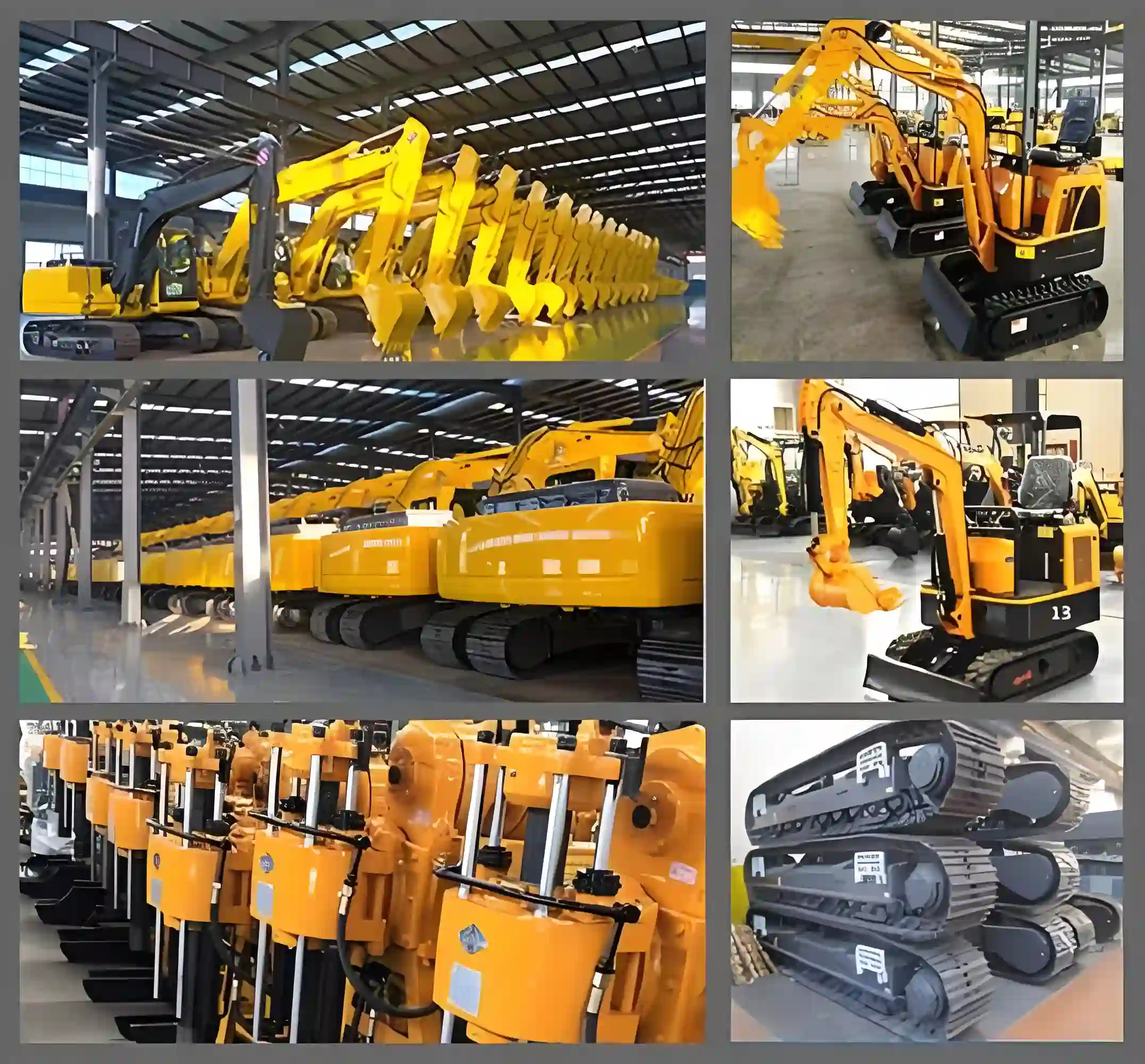
        Our commitment to quality begins with rigorous due diligence. We conduct comprehensive factory verifications for all potential manufacturers. This meticulous audit confirms their production capabilities, assesses their quality control protocols, and ensures their full compliance with relevant industry standards and legal requirements.
        Expert Price Negotiation

        Leveraging our veteran status and in-depth understanding of the market dynamics, IMEXsourcing excels in negotiation. This invaluable expertise allows us to secure the most favorable pricing and terms with top-tier mini excavator manufacturers renowned for their products, power, engine, aftersales service and cost-efficient, optimizing your investment.

        Stringent Quality Assurance

        IMEXsourcing implements a robust quality management framework that spans the entire procurement cycle. This includes careful selection of suppliers, diligent oversight through production inspections, and thorough product testing prior to shipment, guaranteeing the integrity and performance of your construction machinery or equipment.

        IX. Conclusion

        China’s mini excavator market offers unparalleled variety and value. By focusing on certified manufacturers in Shandong/Jiangsu, prioritizing key specs like engine type and digging force, and leveraging sourcing experts, buyers can secure high-performance machines at competitive prices.

        Contact IMEXsourcing​ at info@imexsourcing.com for tailored procurement support.
        Message us for more information

        Please let us know your request, we will get back to you within 24 hours.

          China Beauty Products Buying Guide (3): All About Wigs

          Wigs are the key to creating versatile hairstyles. This article will delve into China’s top wig manufacturers, which produce high-quality wigs in a variety of styles.


          If you are looking for wig suppliers, this article will be your ideal reference.


          We will explore the main suppliers, materials used, production technologies, quality control, and purchasing considerations when importing wigs from China.

          I. What Is the Purpose of Wigs?

          The uses of wigs are extensive, covering practical, decorative, medical and other fields:


          • Complementing hair defects: For people with hair loss, alopecia areata, or post-chemotherapy hair loss, wigs help restore a normal appearance and boost self-confidence.
          • Fashion styling needs: They are used for daily matching, stage performances, film and television shooting, cosplay, etc., making it easy to quickly change hairstyles (such as length, color, curly/straight hair, etc.) without damaging one’s own hair.
          • Special scene applications: In traditional operas (such as the plumes and hair patches in Peking Opera), costume drama shooting, and festivals (such as Halloween and Carnival), wigs meet the styling requirements of specific roles or scenes.
          • Medical assistance: Some medical institutions provide customized wigs for cancer patients as a psychological support tool during the recovery period.

          II. What Materials Are Wigs Made of?

          Wig materials are mainly divided into two categories: human hair and synthetic hair, each with its own characteristics:
          • Human hair
            Processed from natural human hair, it has a texture, luster, and drape close to real hair. It can be permed, dyed, and combed, with a relatively long service life (1-3 years), but the cost is higher. Classified by origin, it includes Chinese hair, Indian hair, European hair, etc. Among them, Chinese hair is favored in the global market due to its thick, hard texture and strong toughness.
          • Synthetic hair
            Made from chemical fibers, common materials include polyester (polyester fiber), polyvinyl chloride (PVC), nylon, etc. It features low cost and fixed styling (e.g., curly hair is not easy to deform), but has a harder texture, poor heat resistance (not suitable for perming or dyeing), and a shorter service life (3-6 months). In recent years, improved synthetic fibers (such as high-temperature fiber) have emerged, which can withstand perming at a certain temperature.

          III. What Types of Wigs Are Available in China?

          China offers a rich variety of wigs, categorized by purpose, craftsmanship, and form:


          • By Purpose
            • Daily-wear wigs (full wigs, half wigs, hair pieces, etc.);
            • Stage/film wigs (exaggerated styles, ancient-costume wigs, special-effect wigs);
            • Medical wigs (customized for people with hair loss, mostly made of human hair).
          • By Craftsmanship
            • Machine-made wigs: Woven by machines, they are efficient and low-cost, suitable for mass production;
            • Handmade wigs: Crocheted by hand, they feature high realism and breathability, with a higher price point, mostly used for high-end products.
          • By Form
            • Full wigs: Cover the entire head, ideal for people with total baldness or those pursuing an overall hairstyle;
            • Half wigs/hair pieces: Cover  areas (e.g., the top of the head, sides), used to cover partial hair loss or add volume;
            • Hair blocks/hair bundles: Small hair pieces, perfect for accentuating hairstyles;
            • Traditional wigs: Such as “ran kou” (beards) and “tou mian” (hair ornaments) in traditional operas, belonging to culturally inherited wigs.

          IV. Understanding the Quality Standards for Wigs Manufacturing

          The quality standards for wig manufacturing cover multiple dimensions including raw materials, craftsmanship, performance, and safety, aiming to ensure the durability, safety, and user experience of the products. Here is a classified explanation of common quality standard requirements at home and abroad:

          A. Quality Requirements for Raw Materials

          • Human hair
            • Hair quality: The hair should be intact without breakage, with distinct roots and ends. It should not be mixed with synthetic fibers or inferior hair.
            • Cleanliness: It must undergo degreasing and disinfection treatments, free of oil, impurities, and microorganisms (such as bacteria and fungi), complying with hygiene standards.
            • Color: The color of wigs in the same batch should be uniform, with color difference controlled within the standard range (e.g., gray scale difference ≤ 2 levels).
          • Synthetic hair
            • Material stability: Polyester, high-temperature fibers, and other used materials should have friction and light resistance to avoid easy fading or breaking.
            • Safety: Fibers containing formaldehyde, heavy metals (lead, cadmium, etc.), and other harmful chemicals are prohibited. They must meet the chemical restriction requirements in regulations such as the EU REACH and US CPSC.

          B. Quality Requirements for Craftsmanship

          • Weaving/crocheting craftsmanship
            • Uniform density: Machine-woven or hand-crocheted hair nets/hair pieces should be tightly woven without missing or skipping stitches. The error in the number of hair strands per unit area should not exceed 5%.
            • Firmness: The fixation of hair strands to the base should be firm, with a single hair strand’s tensile strength ≥ 5N (to prevent easy falling off). Seams should not be loose or pilling.
            • Realism: The root direction of hand-crocheted wigs should simulate natural growth. The breathability and fit of the base (such as mesh caps) should conform to ergonomics, with smooth edge treatment to avoid scratching the skin.
          • Styling craftsmanship
            • Curly/straight hair shape: The styling should be stable, with no obvious deformation after washing (3-5 times), and the curl retention rate ≥ 80%.
            • Trimming precision: The hairstyle outline should be symmetrical, with a length error ≤ 0.5cm, and no burrs or frizz.

          C. Performance Index Requirements

          • Wash resistance: After a specified number of washes (e.g., 5 times), there should be no obvious color fading or hair loss (loss amount ≤ 2%), and the base should not deform or break.
          • Heat resistance: Synthetic hair (especially high-temperature fibers) should withstand a certain temperature (e.g., 160-180℃) to avoid melting or deformation during perming; human hair should maintain stability after perming and dyeing.
          • Breathability: The air permeability of mesh cap wigs should be ≥ 300mm/s (to ensure no stuffiness when worn). Base materials (such as lace and nylon mesh) should be wear-resistant, with a service life meeting standards (e.g., machine-made wigs ≥ 6 months, hand-made wigs ≥ 1 year).

          D. Safety and Hygiene Requirements

          • Chemical safety: Formaldehyde content ≤ 20mg/kg, pH value between 4.0-8.5 (close to human skin’s acidity and alkalinity), and azo dyes (which can decompose into carcinogenic aromatic amines) are prohibited.
          • Biological safety: Human hair must undergo sterilization and disinfection, with a total bacterial count ≤ 200cfu/g and no pathogenic microorganisms (such as Escherichia coli and Staphylococcus aureus).
          • Physical safety: Base materials should have no sharp edges to avoid scratching the skin; small parts (such as hair clips and decorations) should be firm to prevent falling off and causing accidental ingestion risks (for children’s wigs).

          E. Core Domestic and International Standards

          • Chinese wig production standards:
            • GB/T 23166-2008 “Hair Products – General Technical Conditions”: Specifies general requirements for wig materials, appearance, physical and chemical properties, etc.
            • QB/T 4464-2013 “Wig Caps and Hair Pieces”: Details indicators such as size deviation, color fastness, and wash resistance for wig caps and hair pieces.
          • Import certification requirements for different countries/regions:
            • EU: Must comply with the REACH regulation (restricting harmful chemicals) and CE certification (proving compliance with safety and health standards).
            • US: Requires FDA registration (Food and Drug Administration, related to chemical safety in wigs) and CPSC certification (Consumer Product Safety Commission, ensuring no safety hazards).
            • Africa: Some countries require a certificate of origin and quality inspection report; some regions have special regulations on wig materials and hygiene indicators (e.g., Nigeria, South Africa).
            • International: ISO 9001 quality management system certification (compliance of enterprise production processes) and OEKO-TEX® Standard 100 (textile safety certification, proving wigs are free of harmful substances and suitable for direct skin contact).
          China’s wig industry dominates the global market with its complete industrial chain, mature craftsmanship, and cost advantages. Meanwhile, by continuously improving quality standards and certification compliance, it further consolidates its international competitiveness.

          V. What are the Production Bases of Wigs?

          China is the world’s largest producer and exporter of wigs, with its key production bases concentrated in the following regions:
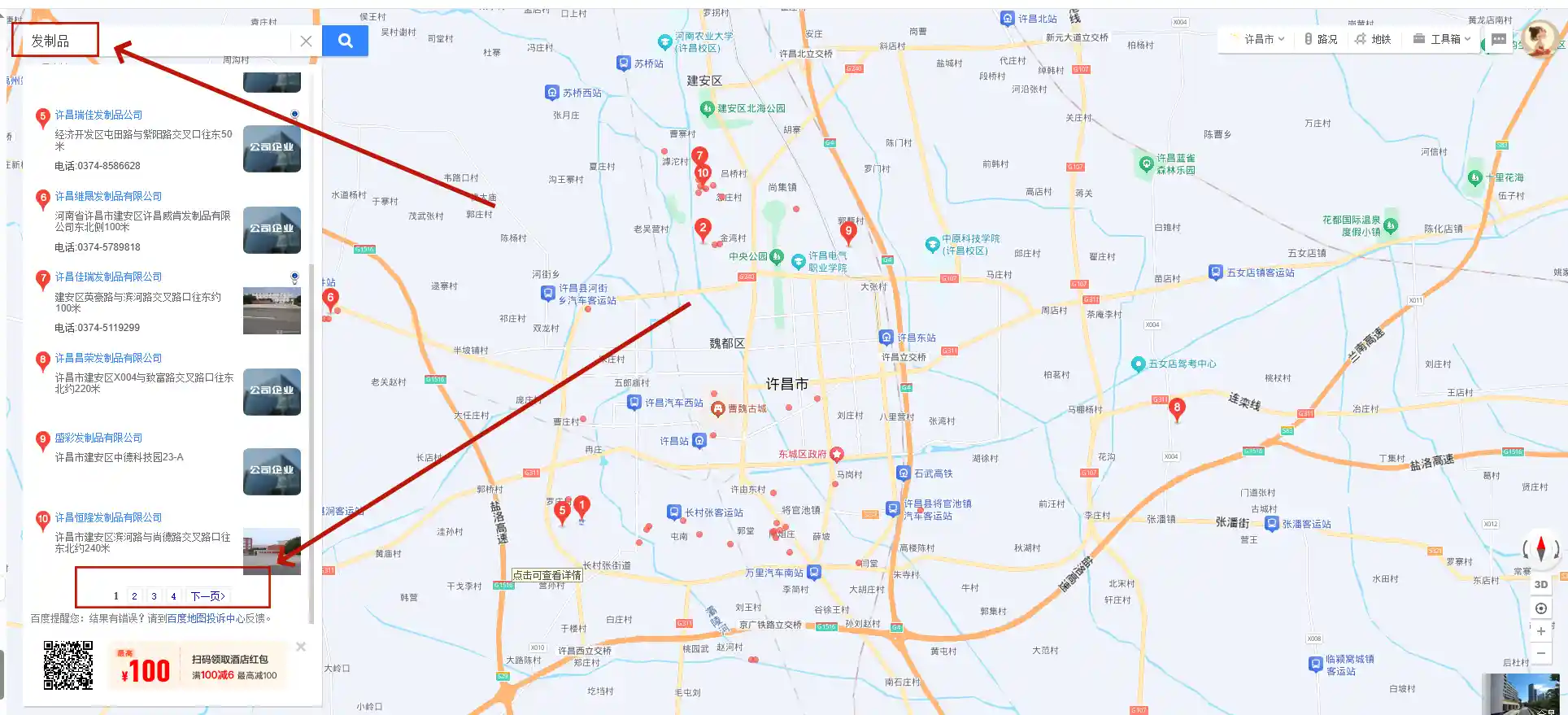
          • Xuchang, HenanKnown as “China’s Wig Capital,” it is the world’s largest wig production base, covering a complete industrial chain from raw material procurement, R&D, production to sales. Its products account for over 50% of the global market share, home to well-known enterprises like Rebecca.

          In Xuchang, if you search for “hair product manufacturers” on a map application, you will find a great many results.

          • Qingdao, ShandongMainly exporting to European and American markets, it focuses on producing synthetic hair and mid-to-high-end human hair products. Boasting a well-developed industrial cluster, it is home to many large-scale manufacturers.

          In Qingdao, if you search for “hair product manufacturers” on a map application, you will find a great many results.
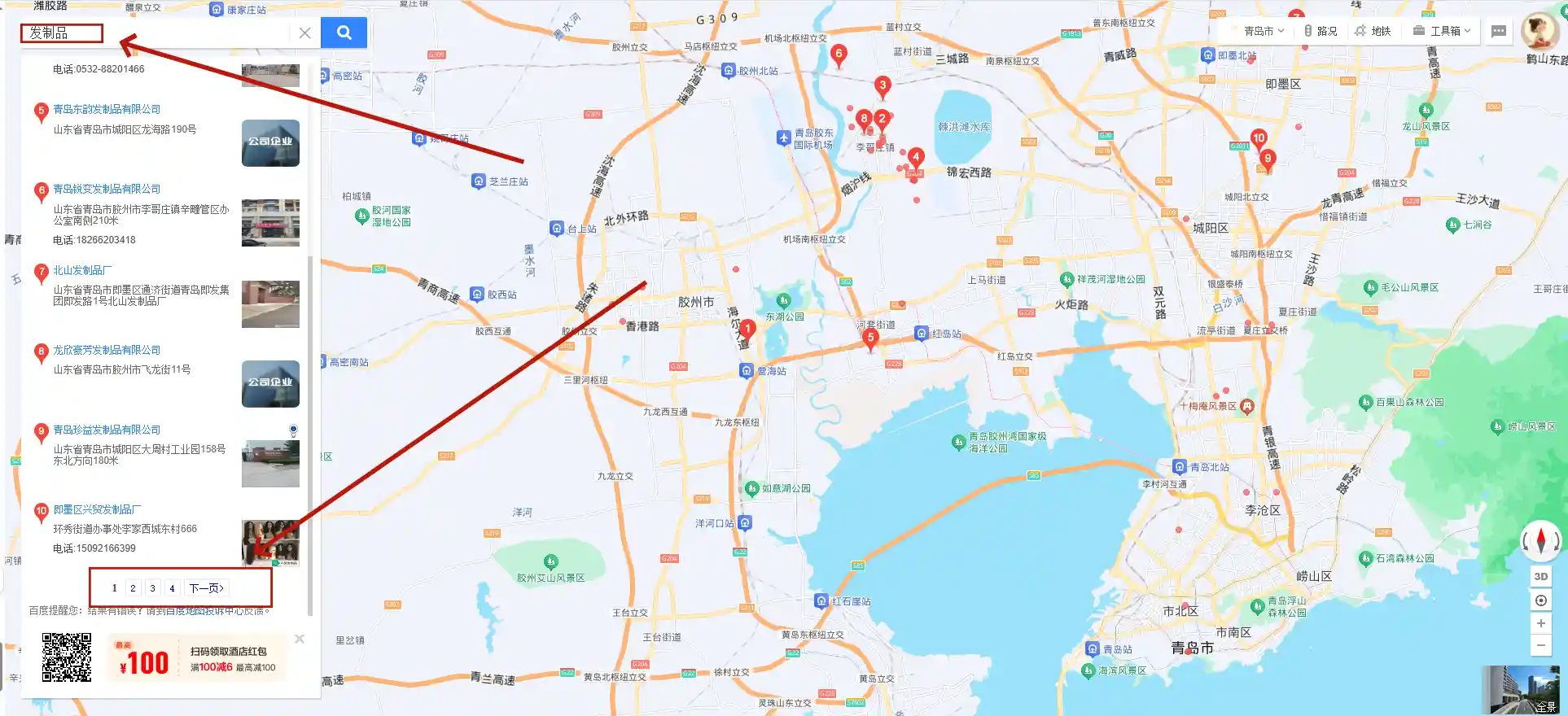
          • Taihe, AnhuiFeaturing the acquisition and processing of human hair, it serves as a key raw material supply base for wigs. It also produces finished wigs, with products exported to regions such as Africa and Southeast Asia.
          • Shenzhen and Guangzhou, GuangdongLeveraging the advantages of the local fashion industry, they focus on high-end custom wigs, film and television wigs, and trendy wig designs, emphasizing brand building and personalized services.

          VI. Choosing The Right Manufacturer: Tips And Strategies

          Choosing a reputable Chinese wig factory as a long-term supply partner requires a comprehensive evaluation of multiple factors.
          Given the large number of Chinese wig manufacturers currently, importers must thoroughly assess candidate partners to find those that meet quality expectations and production needs. Here are key considerations when sourcing wigs:
          1. Operational Experience
            Long-term stable operation implies solid practical accumulation and a mature production system. Priority should be given to enterprises with at least 5 years of wig production experience, as new entrants are often still in the stage of technical exploration.
            For those seeking high-end custom wig craftsmanship, visiting factories with over 10 years of operation allows experiencing their mature and well-established production processes. Experienced wig manufacturers typically possess exquisite professional skills and profound industry expertise.
          2. Production Capacity
            Through in-depth communication, understand the breadth and depth of products and services beyond the online catalog.
            Inquire about the actual production capacity for annual orders exceeding 100,000 units, and whether simultaneous production of different types of wigs (such as human hair wigs, synthetic hair pieces, etc.) will cause delays or require outsourcing.
            Check current monthly output data to judge its capacity expansion potential, ensuring it can meet growing order demands.
          3. Quality Assurance
            High-quality wig suppliers conduct rigorous inspection and recording of incoming raw materials, implement quality control analysis at each production stage, conduct comprehensive evaluation of finished products before packaging, perform real-time and accelerated shelf-life testing on samples, and handle unqualified products through corrective measures.
            Verify that the factory’s quality assurance processes comply with global standards such as ISO, ensuring adherence to high standards of hair product manufacturing specifications. This rigorous attitude reflects a commitment to consistent quality and continuous improvement.
          4. Certifications
            Leading wig manufacturers follow the latest versions of international standards for quality management, occupational health and safety, and environmental protection. Common certifications include ISO 9001, ISO 14001, ISO 45001, and SA8000, demonstrating their social responsibility.
            Complete registration qualifications ensure legal and compliant operation, facilitating efficient export customs clearance. Compliance certifications from relevant Chinese authorities and product safety testing certifications (such as formaldehyde content and microbial index testing) further guarantee product safety.
          5. R&D Investment
            Excellent suppliers continuously improve manufacturing technology, optimize product design, and promote material innovation.
            Inquire about their R&D progress in next-generation wig materials—such as new fibers with natural texture and durability, more breathable base designs that fit the scalp, and hand-crocheting techniques with higher realism. These innovations can expand product options.
            Sustained R&D investment is key for innovative wig manufacturers to maintain competitiveness in the industry.
          6. Consistency Testing
            To strictly ensure consistency in appearance and performance across different batches of wigs, professional manufacturers conduct tests in accordance with international standards, evaluating indicators such as hair loss rate, wash resistance, heat resistance (for synthetic hair), wearing comfort, and base breathability, ensuring stable quality for each batch.

          VII. Top 10 Reliable Wigs Manufacturers in China

          China is home to thousands of wig manufacturers, including many excellent yet little-known ones. If you intend to engage in the wig business, it is a wise move to conduct an on-site visit in China. There are over 1,000 wig manufacturers alone in Qingdao, Shandong. Should you plan to visit, we would be happy to accompany you; additionally, we have compiled a list of some eyelash suppliers for your reference.

          1. Qingdao Seaforest Fashion Hair Products Co., Ltd.

          Founded in 2006 and based in Qingdao, Shandong—a hub of the wig industry—Seaforest has grown into a leading giant in China’s wig sector through over a decade of dedicated development. As a full-industry-chain powerhouse integrating R&D, production, and foreign trade, the company boasts a team of over 1,400 professionals, standing out with its massive scale and comprehensive industrial layout. From cutting-edge material research to sophisticated manufacturing, from global market expansion to end-to-end services, it maintains a highly efficient and synergistic operational edge. Notably, Seaforest has also built a high-standard false eyelash production base. With its profound insights into beauty products and strong innovation capabilities, the company continuously delivers diversified, top-quality beauty solutions to global clients, establishing itself as an industry benchmark renowned for both strength and reputation.

          2. 河南瑞贝卡发制品股份有限公司

          Ranked among China’s Top 10 wig brands, this brand holds a national protected trademark and is one of the larger professional hair product companies in China. Its product range is extensive, covering six major series such as craft hairpieces, women’s wigs, and synthetic hair, with thousands of varieties. These products are not only popular in over 40 countries and regions worldwide but also available in more than 100 large and medium-sized cities across China. It should be noted that no official English website of the company has been found so far, while there are many counterfeit websites using the brand name. It is crucial to stay alert and guard against related risks.

          3.  Henan Ruimei Products Co. Ltd.
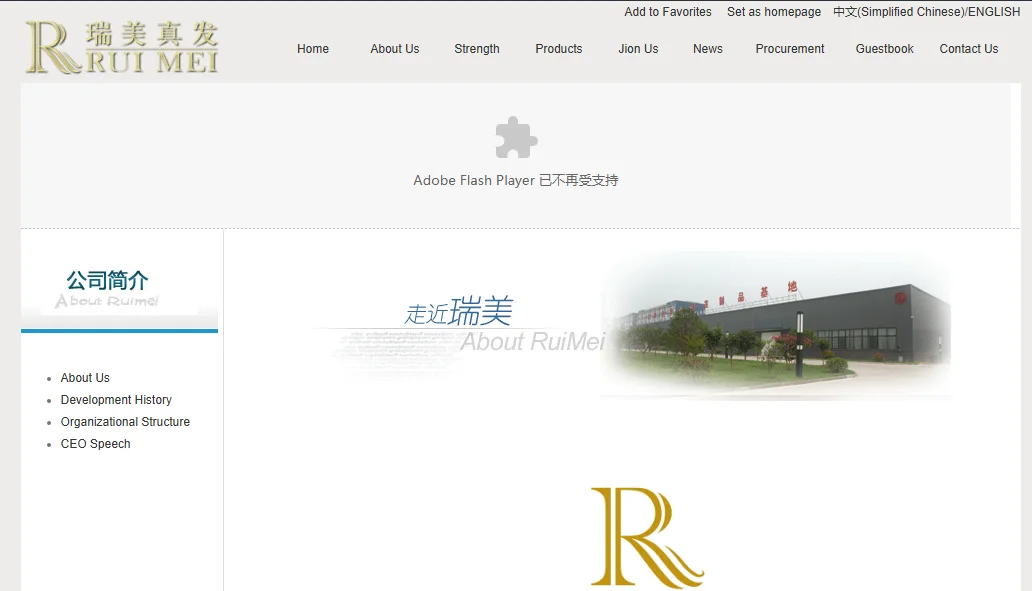

          Founded in 1992, the company boasts its brand IREMY, which was born in France in the same year. As a high-end and highly influential wig brand, IREMY leads the trend of wig fashion, with its products covering five major series (including craft hair wefts, men’s and women’s wigs) and over 2,000 styles.

          4. Jifa established
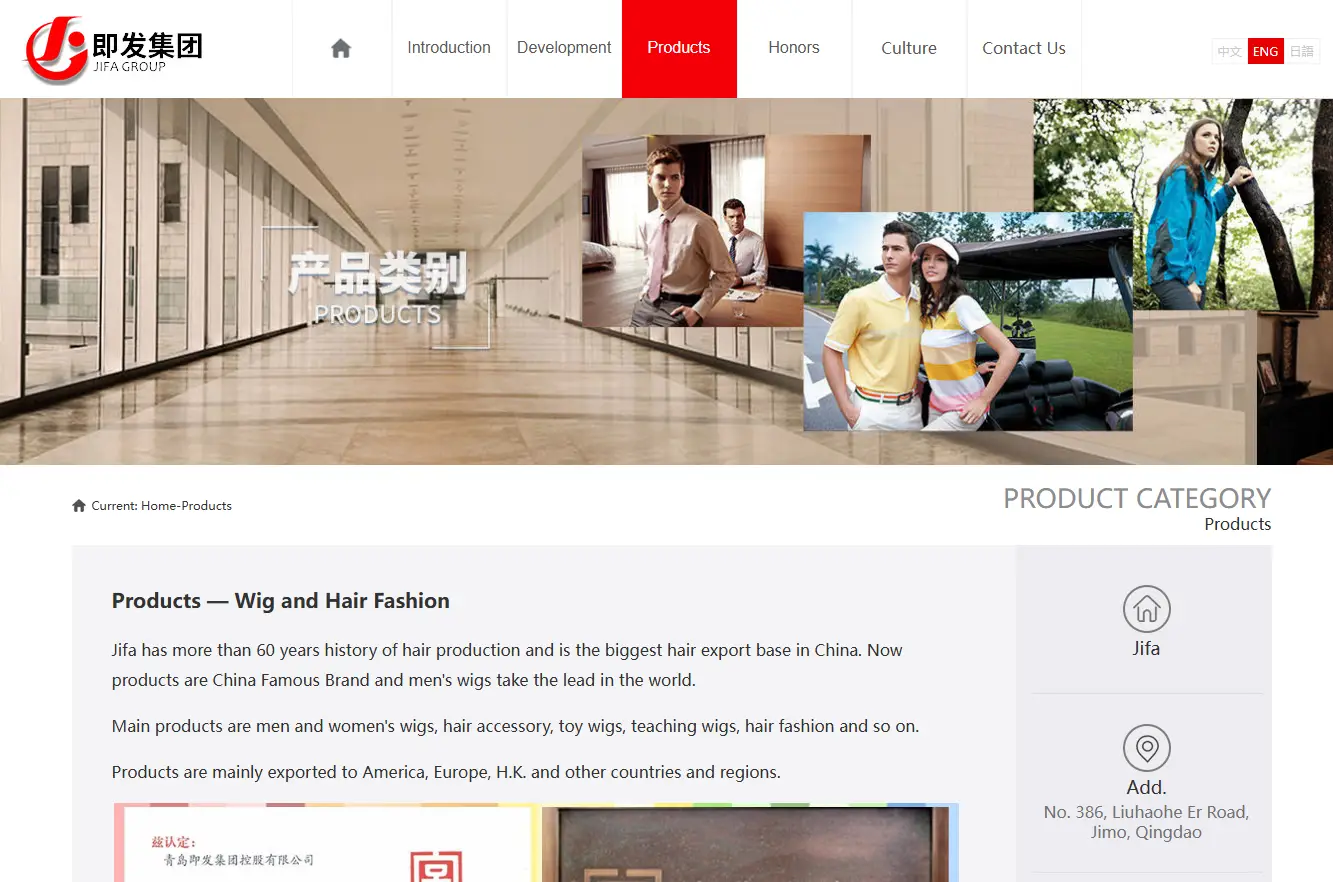

          As a time-honored Chinese enterprise, the company was founded in 1955. Starting from a small industrial hair sorting cooperative, it has developed into a large national enterprise group. Its hair products include more than 1,000 varieties such as hair nets, men’s and women’s wigs, and toy wigs, which are sold well in more than 30 countries and regions around the world. Men’s wigs account for over two-thirds of the international market, making it one of the largest hair product production bases in China.

          Based on our in-depth understanding of the wig industry, the current market is extremely competitive: on one hand, many once well-known Chinese wig manufacturers have withdrawn from the market in recent years; on the other hand, a large number of new manufacturers continue to emerge. While these new entrants may have better cost control capabilities, the potential risks in the overall market have also increased. In recent years, IMEXsourcing has received numerous complaints and lawsuits against wig manufacturers, involving issues such as substandard product quality, delayed shipments, or incorrect deliveries.


          It is undeniable that there are still many high-quality wig manufacturers in China, but these enterprises often do little external promotion. If you plan to come to China to source wigs, IMEXsourcing can accompany you throughout the process and provide comprehensive services including screening qualified suppliers and managing cooperation risks, helping you complete your procurement efficiently and safely.

          VIII. Precautions for Purchasing: Making an Informed Decision

          Once you’ve identified potential wig suppliers and their products, follow these steps to ensure a successful purchase:
          Start with samples: Before placing a large order, it’s highly recommended to order samples. This allows you to assess quality in terms of craftsmanship (e.g., wig cap durability, evenness of hair distribution), material texture (smoothness of synthetic fibers or softness of human hair), and performance (fit and comfort during wear).
          Evaluate supplier production capacity: A supplier’s production capacity is a key indicator of their ability to meet your needs, especially for large orders. Inquire about their daily/monthly output and delivery timelines. Established high-volume manufacturers are more likely to handle bulk orders efficiently, with stricter control over process stability—critical for maintaining consistency in wig length, curl, and style across batches.
          Consider after-sales support: A reliable supplier should offer after-sales assistance, such as return/exchange services for issues like hair shedding or cap damage during shipping, or rework solutions for bulk products that don’t meet quality standards (e.g., uneven hair density or inconsistent curl).
          Calculate total costs: Remember to account for all costs beyond the unit price. This includes shipping fees (note that wigs, though not overly heavy, require protective packaging, so dimensional weight may apply), import duties, customs clearance fees, local taxes, and potential costs for customization (e.g., private labeling, branded packaging) or warranty services.
          Conduct due diligence: Use tools like Alibaba’s “Audited Supplier” badge or third-party inspection services (e.g., SGS) to verify the supplier’s qualifications and factory conditions. You can also hire professional agencies (such as IMEXsourcing) to research their business status, including financial health, actual production capacity, past order fulfillment records, and any legal disputes, to minimize collaboration risks.

          IX. Choose IMEXsourcing as Your Sourcing Partner for Wigs in China

          When it comes to procuring high-quality wigs from China, partnering with an experienced and reliable sourcing agent is paramount. IMEXsourcing stands out with a comprehensive service suite designed to streamline your acquisition process and secure exceptional value. Here are compelling reasons to select IMEXsourcing for your next wig purchase:
          Extensive Procurement Expertise
          IMEXsourcing boasts a profound and long-standing history in the sourcing industry, enabling us to proficiently identify and connect with a wide range of reputable Chinese wig suppliers. Our deep market knowledge ensures we match you with manufacturers known for reliability and superior products, covering everything from high-end handcrafted custom wigs to mass-produced mechanized hairpieces and toppers.
          Bespoke Design Solutions
          We understand that unique brand needs often demand tailored solutions. IMEXsourcing empowers you to commission wigs aligned with your brand identity—whether it’s specific materials (such as premium virgin human hair or heat-resistant synthetic fibers), styles (natural fluffy wigs, seamless hair extensions, retro curly designs), or base craftsmanship (ultra-thin lace caps, breathable biodegradable bases). Each product is precisely engineered to your specifications, ensuring perfect alignment with your brand positioning.
          Thorough Supplier Verification
          Our commitment to quality begins with rigorous due diligence. We conduct comprehensive factory audits for all potential manufacturers, verifying their production capabilities (e.g., daily wig weaving volume, ratio of manual to mechanical production lines), assessing quality control protocols (e.g., hair shedding rate testing, base durability inspection procedures), and ensuring full compliance with domestic and international industry standards (such as EU REACH, US FDA regulations, etc.) and legal requirements.
          Expert Price Negotiation
          Leveraging our veteran status and in-depth understanding of market dynamics, IMEXsourcing excels in negotiation. This expertise allows us to secure the most favorable pricing and terms with top-tier wig manufacturers renowned for their craftsmanship, material control, after-sales service, and cost efficiency, optimizing your investment.
          Stringent Quality Assurance
          IMEXsourcing implements a robust quality management framework spanning the entire procurement cycle, including careful supplier selection, diligent production oversight (such as checking the firmness of hair attachment to bases and cap breathability), and thorough pre-shipment testing (such as wash resistance assessment and wear comfort evaluation), guaranteeing the integrity and performance of your wigs.

          Message us for more information

          Please let us know your request, we will get back to you within 24 hours.

            China Beauty Products Buying Guide (2): All About False Eyelashes

            False eyelashes are key items for creating exquisite eye makeup. This article will delve into China’s top false eyelash manufacturers, which produce high-quality false eyelashes in various styles.
            If you are looking for false eyelash suppliers, this article will be your ideal choice.
            We will explore the main suppliers, materials used, production techniques, quality control and purchasing considerations when importing false eyelashes from China.

            I. What is the purpose of false eyelashes?

            The core purpose of false eyelashes is to enhance the three-dimensionality of the eyes and the sophistication of makeup by modifying the eyelashes, including:
            • Enlarging the eyes: Visually widening the eye shape by increasing the length, curl, and density of the lashes, making the eyes more expressive.
            • Enhancing makeup layers: Matching with eyeshadow, eyeliner, and other cosmetics to strengthen makeup styles (such as natural nude makeup, exaggerated stage makeup, retro smoky makeup, etc.).
            • Saving makeup time: For people with sparse or short natural lashes, they can quickly achieve the desired effect by wearing false eyelashes instead of repeatedly applying mascara.
            • Meeting special occasion needs: Commonly used in stage performances, film and television shooting, weddings, and other occasions to enhance the atmosphere with the overall look.

            II. What materials are false eyelashes made of?

            Common materials for false eyelashes can be divided into natural and synthetic types:
            • Natural materials:
              • Human hair: Mostly disinfected human hair, with a soft and natural texture, high fit, but high cost and poor water resistance.
              • Animal hair (e.g., mink hair, rabbit hair): Faux mink hair is the most common. It is light, soft, with a luster close to natural lashes, and comfortable to wear, suitable for users pursuing a natural effect. However, it should be noted that some animal protection advocates have disputes over it.
            • Synthetic materials:
              • Polyester: The most commonly used synthetic material, with moderate hardness, long-lasting curl, water and sweat resistance, and low price, suitable for daily wear and beginners.
              • Nylon: Harder in texture, with strong support, and good shape retention, often used to make exaggerated false eyelashes (e.g., for stage makeup), but slightly less comfortable to wear than natural materials.
              • Acetate fiber: Balancing softness and durability, with high cost performance, it has gradually become one of the mainstream materials.

            III. What types of false eyelashes are available in China?

            China has a wide range of false eyelashes, which can be classified according to different dimensions:
            • By style and purpose:
              • Daily wear: Moderate length (8-12mm), natural density, mostly single clusters or thin full strips, suitable for daily scenes such as commuting and dating.
              • Stage use: Longer length (over 15mm), high density, possibly with sequins, colors, etc., used for performances, shooting, etc.
              • Lash extension: Single clusters (flower lashes) that need to be glued to natural lashes, lasting for 1-2 weeks.
            • By shape and structure:
              • Full-strip false eyelashes: Lashes fixed on a thin band, can be directly pasted at the root of the lashes, easy to operate, suitable for beginners.
              • Individual cluster lashes (flower lashes): Single or multiple lashes in a cluster, can fill gaps according to the distribution of natural lashes, looking more natural.
              • Segment false eyelashes: Full-strip lashes divided into 2-4 segments, easy to adjust position, fitting different eye shapes.
            • By style design:
              • Natural nude makeup style: Thin bands, sparsely distributed, such as “fairy lashes” and “sunflower style”, emphasizing lightness.
              • Thick and curly style: Thick bands, multiple fiber overlaps, suitable for creating bold styles such as European and American makeup and retro makeup.
              • Colored/special effect style: Lashes dyed in colors other than black (e.g., brown, pink), or with sequins, feathers, etc., used for creative makeup.

            IV. Understanding the quality standards for false eyelash manufacturing

            The quality standards for false eyelashes in China mainly focus on safety, comfort, and durability, with common requirements including:
            • Material safety: Complying with cosmetic contact material standards (such as EU REACH, China GB standards), free of irritating chemicals. Natural hair must be disinfected to avoid allergic risks.
            • Craft details: Even lash arrangement without falling off or skewing; soft and tough bands (tape/thread) that are not easy to break; matching glue (if included) should be hypoallergenic, with moderate viscosity, and easy to remove.
            • Wearing experience: Lightweight (usually ≤0.5g per pair), fitting the eye curve without stinging or foreign body sensation; curl and length errors within a reasonable range (generally ±0.5mm).
            • Durability: Reusable styles (e.g., hand-made ones) should withstand 3-5 washes without tangling, shedding, or band deformation.

            V. What are the production bases of false eyelashes?

            China is a major global producer of false eyelashes, with core industrial clusters concentrated in the following regions:
            • Pingdu City, Qingdao, Shandong Province: Known as “China’s False Eyelash Capital”, especially Cuijiaji Town, which gathers thousands of enterprises. Its output accounts for over 70% of the country, with products mainly including mid-to-high-end hand-made and synthetic material lashes, exported to Europe, America, Japan, South Korea, etc.
            • Luyi County, Henan Province: Characterized by the integrated development of makeup brush and false eyelash industries, focusing on cost-effective products, it is one of the main suppliers of popular products on e-commerce platforms.
            • This city was also mentioned in the previous article introducing makeup brushes.(https://www.imexsourcing.com/NewBestSellingProducts/makeup_brushes.html)
            • Guangzhou and Shenzhen, Guangdong Province: Relying on the advantages of the cosmetics industry, they focus on high-end customized and creative design lashes, serving film, television, and cosmetics brand customers.
            • Yiwu, Zhejiang Province: Centered on small commodity distribution, false eyelash products are mainly affordable and fast-consuming, covering domestic and foreign wholesale markets.

            VI. Choosing The Right Manufacturer: Tips And Strategies

            Selecting a reputable Chinese false eyelash factory as a long-term supply partner requires careful evaluation of various factors.
            Given the large number of false eyelash manufacturers in China currently, importers must comprehensively assess candidate partners to find those that meet quality expectations and production needs. When purchasing false eyelashes, the following are some key considerations:

            1. Operational Experience

            Long-term operation indicates solid operational practices and stable production capabilities. One should look for enterprises with at least 5 years of experience in false eyelash production, as new entrants are still exploring technologies.
            If you want to experience exquisite custom false eyelash craftsmanship, you might as well inspect some factories that have been in operation for ten years or even longer to feel their mature and rich production processes. Experienced false eyelash manufacturers often possess exquisite professional skills.
            2. Production Capacity
            Through in-depth communication, understand the breadth and depth of products and services beyond the online catalog.
            Inquire about the actual production capacity for orders exceeding 100,000 pieces per year, and whether simultaneous production of different types of false eyelashes will cause delays or require outsourcing.
            Learn about the current monthly output data to determine its production capacity expansion capability.
            3. Quality Assurance
            High-quality false eyelash suppliers will thoroughly inspect and record incoming raw materials, conduct quality control analysis at each production stage, conduct comprehensive evaluations of finished products before packaging, perform real-time and accelerated shelf-life tests on samples, and handle unqualified products through corrective measures.
            Verify the factory’s quality assurance processes in accordance with relevant global standards such as ISO to ensure they meet high-standard cosmetics production specifications. This rigorous attitude reflects a commitment to consistent quality and continuous improvement.
            4. Certifications
            Leading false eyelash manufacturers follow the latest versions of international standards for quality management and occupational health and safety control. Common certifications include ISO 9001, ISO 14001, ISO 45001, and SA8000, demonstrating their sense of social responsibility.
            Existing registration qualifications can ensure legal and compliant operations and enable efficient and smooth completion of export customs clearance procedures. Compliance certifications from relevant Chinese authorities and packaging sterilization certifications further reflect the effectiveness of product safety guarantees.
            5. R&D Investment
            Excellent supplier partners will continuously improve manufacturing technologies, product designs, and material innovations.
            Inquire about active R&D efforts in next-generation lash materials with excellent performance, ergonomically comfortable wearing designs, advanced production processes, and decorative techniques that can expand the range of choices.
            Continuous R&D investment makes innovative false eyelash manufacturers stand out in the industry.
            6. Consistency Testing
            To strictly ensure the consistency of appearance and performance among different batches of false eyelashes, professional false eyelash manufacturers conduct test evaluations on shedding rate, flexibility, sweat resistance, adhesion firmness, and wearing comfort in accordance with relevant international standards for the type of lashes.

            VII. Top 10 Reliable False Eyelash Manufacturers in China

            There are thousands of false eyelash manufacturers in China, among which there are many excellent but little-known ones. If you intend to engage in the false eyelash business, it is a wise idea to conduct an on-site inspection in China; we have also compiled a list of some false eyelash suppliers for your reference.


            1. Pingdu Sparkling Eyelashes Co.,Ltd.

            Sparkling Eyelash® is a fast-growing company that has been dedicating to eyelashes manufacturing, custom design, and wholesale for over 5 years.

            Since business established, we have always been prioritizing quality and service over anything else. With the advantage of world class manufacturing facilities, Sparkling Eyelash can always deliver customers with the unbeaten leading edge of quality control as well as delivery duration.With a variety of products in their range and top-quality services in the market, we will help you in achieving your desired look with just a few clicks away.

            2. Qingdao Hollyren Cosmetics Co., Ltd. 


            HOLLYRENis a leader in eyelash industry. We have dedicated ourselves to provide the best eyelash-related products to our global customers for more than 15 years.
            We provide dozens of product collections and thousands of products, and we are still releasing new products every season and always exploring the edge of this industry.
            3. Guangzhou Starseed Eyelashes Co.,Ltd.
            Factory locates in Qingdao, and our head office is set in Guangzhou. We’re a factory with 10 years of experience, and run by a young team, who knows the trends, knows your requirement, knows your customers, and love everything we do – like an explorer, to infinity and beyond.
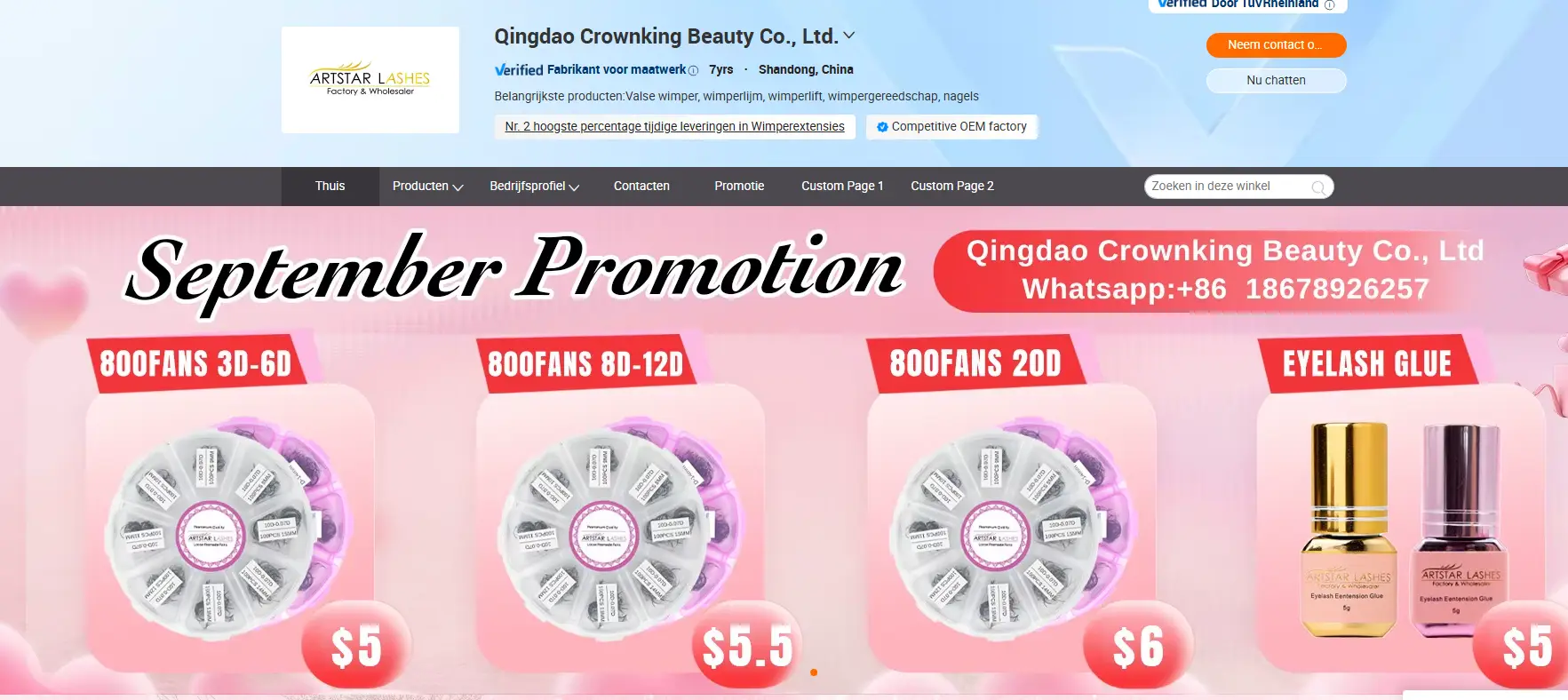
            4. Qingdao Crownking Beauty Co., Ltd.

            This Chinese false eyelash manufacturer has passed Alibaba’s supplier certification and provides OEM and ODM services to clients in Japan, South Korea, South Africa, Europe, Austria, Canada and the United States.
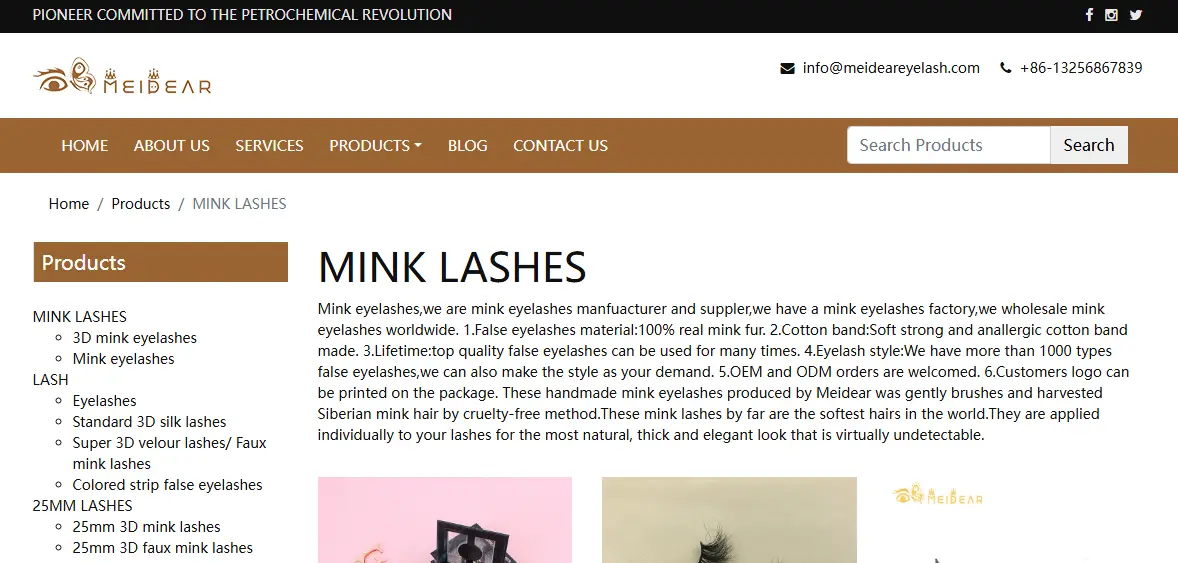
            5. Qingdao Meidear Arts & Crafts Co., Ltd

            Qingdao Meidear Arts & Crafts Co., Ltd. has been engaged in the production of false eyelashes since 2016 and has been committed to this field. With over a decade of experience in false eyelash manufacturing, we have become a leading false eyelash supplier in China.
            What sets Meidear apart from other companies is that we independently design and produce false eyelashes. Our products undergo annual government inspections and have received multiple awards from associations and the government. Meidear’s false eyelashes have also passed third-party tests in China and other countries.
            6. Pingdu LeeHong Beauty Lashes Factory
            The company has existed since 2010 and focuses on the wholesale lash business.
            It employs exquisite workmanship and professional techniques to produce high-quality products.
            You can order both OEM and ODM products from this company.

            Given that there are thousands of false eyelash suppliers in Qingdao, we won’t elaborate on them here. If you’re interested in false eyelashes, you’re warmly welcome to visit Qingdao, where IMEXsourcing will provide you with high-quality services throughout the entire process.

            VIII. Precautions for Purchasing: Making an Informed Decision

            Once you’ve identified potential false eyelash suppliers and their products, follow these steps to ensure a successful purchase:

            Start with samples: Before placing a large order, it’s highly recommended to order samples. This allows you to assess quality in terms of craftsmanship (e.g., lash band durability, precision of hair distribution), material texture (softness of synthetic fibers or faux mink hair), and performance (adhesion stability, comfort during wear).

            Evaluate supplier production capacity: A supplier’s production capacity is a key indicator of their ability to meet your needs, especially for large orders. Inquire about their daily/monthly output and delivery timelines. Established high-volume manufacturers are more likely to handle bulk orders efficiently, with stricter control over process stability—critical for maintaining consistency in lash length, curl, and style across batches.

            Consider after-sales support: A reliable supplier should offer after-sales assistance, such as return/exchange services for issues like loose lash hairs or broken bands during shipping, or rework solutions for bulk products that don’t meet quality standards (e.g., uneven lash density or inconsistent curl).

            Calculate total costs: Remember to account for all costs beyond the unit price. This includes shipping fees (note that false eyelashes are lightweight but require protective packaging, so dimensional weight may apply), import duties, customs clearance fees, local taxes, and potential costs for customization (e.g., private labeling, branded packaging) or warranty services.

            Conduct due diligence: Use tools like Alibaba’s “Audited Supplier” badge or third-party inspection services (e.g., SGS) to verify the supplier’s qualifications and factory conditions. You can also hire professional agencies (such as IMEXsourcing) to research their business status, including financial health, actual production capacity, past order fulfillment records, and any legal disputes, to minimize collaboration risks.

            IX. Choose IMEXsourcing as Your Sourcing Partner for False Eyelashes in China

            When it comes to procuring high-quality false eyelashes from China, partnering with an experienced and reliable sourcing agent is paramount. IMEXsourcing stands out as a premier choice, offering a comprehensive suite of services designed to streamline your acquisition process and secure exceptional value. Here are compelling reasons to select IMEXsourcing for your next purchase of false eyelashes:

            Extensive Procurement Expertise

            IMEXsourcing boasts a profound and long-standing history in the sourcing industry, enabling us to proficiently locate and secure a wide array of false eyelashes from highly regarded Chinese suppliers. Our deep market knowledge ensures that we connect you with manufacturers known for their reliability and superior products, covering everything from high-end handcrafted custom lashes to mass-produced mechanized styles.

            Bespoke Design Solutions

            At IMEXsourcing, we understand that unique requirements often demand tailored solutions. We empower you to commission false eyelashes that align with your brand identity—whether it’s specific materials (such as premium faux mink hair or ultra-soft synthetic fibers), lash styles (natural wispy clusters, dramatic cat-eye strips), or band craftsmanship (invisible thin bands, biodegradable options). Each product is precisely engineered to your specifications, ensuring perfect alignment with your brand positioning.

            Thorough Supplier Verification

            Our commitment to quality begins with rigorous due diligence. We conduct comprehensive factory verifications for all potential manufacturers. This meticulous audit confirms their production capabilities (e.g., daily lash assembly volume, ratio of manual to mechanical production lines), assesses their quality control protocols (e.g., shedding rate testing, adhesive safety detection procedures), and ensures their full compliance with domestic and international industry standards (such as EU REACH, US FDA regulations, etc.) and legal requirements.

            Expert Price Negotiation

            Leveraging our veteran status and in-depth understanding of market dynamics, IMEXsourcing excels in negotiation. This invaluable expertise allows us to secure the most favorable pricing and terms with top-tier false eyelash manufacturers renowned for their craftsmanship, material control, after-sales service, and cost efficiency, optimizing your investment.

            Stringent Quality Assurance

            IMEXsourcing implements a robust quality management framework that spans the entire procurement cycle. This includes careful selection of suppliers, diligent oversight during production (such as checking the firmness of lash hair attachment and the flexibility of lash bands), and thorough product testing prior to shipment (such as skin irritation assessment and durability testing for repeated use), guaranteeing the integrity and performance of your false eyelashes.

            Message us for more information

            Please let us know your request, we will get back to you within 24 hours.

              China Beauty Products Buying Guide (1): All About Makeup Brushes

              China holds an absolute dominant position in the global makeup brush industry, with annual output accounting for over 70% of the world’s total. Luyi (Henan Province) and Cangzhou (Hebei Province) are the two core production areas. Luyi produces 150 million sets of makeup brushes annually, contributing 90% of China’s total exports, and its output of animal hair and artificial fiber hair accounts for 95% and 85% of the global market share respectively. Cangzhou not only dominates half of the domestic market but also supplies a large number of products to the international high-end market. Chinese enterprises OEM for over 80% of international renowned beauty brands, covering full-range brands from high-end to mass-market such as DIOR, L’ORÉAL, ESTÉE LAUDER and MAC.​

              Notably, China boasts a complete industrial chain from wool processing (such as tail hair treatment in Luyi), brush handle production (birch wood, aluminum tubes, etc.) to finished product assembly. Supporting industries cover wire drawing, mouth tubes, packaging and other links, enabling efficient logistics of “production and delivery on the same day”. This vertical integration capability has significantly reduced production costs and built an irreplaceable industrial advantage. Currently, the industry is transforming from simple OEM to “R&D + brand” mode, with 63 independent brands emerging and performing well in e-commerce channels. It is also actively responding to trade barriers and environmental protection requirements, steadily moving towards a global beauty innovation center.​

              I. Product Type Introduction: Makeup Brushes

              Based on usage scenarios and makeup application areas, makeup brushes can be divided into multiple categories. Common ones include:

              • Base makeup category: Such as foundation brushes (with a large flat brush head for evenly spreading liquid foundation), loose powder brushes (large and fluffy round brush heads for setting makeup and controlling oil), and concealer brushes (small flat or round heads for precisely covering blemishes).
              • Eye makeup category: For example, eyeshadow brushes (including large-sized color-setting brushes, medium-sized blending brushes, and small-sized detail brushes, suitable for areas like the eye socket and outer corner of the eye), eyeliner brushes (with extremely thin and pointed brush heads for dipping eyeliner cream to outline lines), and eyebrow brushes (angled or flat brush heads for grooming eyebrows and blending eyebrow powder).
              • Face makeup category: Such as blush brushes (medium-sized round or angled brush heads that fit the cheekbones for blending), highlighter brushes (fan-shaped or flame-shaped brush heads for precisely highlighting the bridge of the nose and cheekbones), and contour brushes (flat angled brush heads for shaping facial contours).
              • Special-purpose category: Like lip brushes (small flat brush heads for precisely applying lipstick) and beauty sponge companion brushes (assisting in cleaning beauty sponges), etc.

              II. Core Composition and Materials of Makeup Brushes

              A. Core Composition: A Precise Combination from Brush Head to Handle

              The structure of a makeup brush can be broken down into three parts: the brush head, the handle, and the brush rod. The design and material of each part jointly determine the product’s performance:


              • Brush Head: Composed of brush hairs and a metal tube (the part that fixes the hairs, also known as the “ferrule”), it is the core that determines the makeup application effect. The material, length, density, and cut shape (such as round, flat, angled, etc.) of the brush hairs must match different makeup needs (e.g., foundation, eyeshadow, blush).
              • Handle: Responsible for the gripping function, its materials are mostly wood (such as birch, beech, etc., with good texture), plastic (lightweight and low-cost), or metal (high-end models, durable but heavy). The surface is usually painted, printed, or carved to balance aesthetics and anti-slip properties.
              • Brush Rod: The part connecting the brush head and the handle, which must ensure stability to prevent falling off during use. OEM products will mark the brand logo or model here.

              B. Materials: Key Choices for Brush Hairs and Handles


              1. Brush Hair Materials (Directly Affecting Makeup Application Effect)
                • Animal Hairs: Traditional high-end materials, soft with strong powder-gripping power, suitable for powder cosmetics (e.g., eyeshadow, blush). Common types include:
                  • Wool (most commonly used, divided into coarse top, fine top, etc.; fine top has a delicate texture, suitable for sensitive skin);
                  • Horsehair (medium hardness, suitable for eyebrow brushes and eyeliner brushes, with good support);
                  • Goat hair (softer than ordinary wool, often used in high-end eyeshadow brushes);
                  • Squirrel hair and marten hair (top-grade materials, soft and smooth, with even powder gripping, but they are expensive. Due to animal protection controversies, they are gradually being replaced by artificial fibers).
                • Artificial Fiber Hairs: Mainstream materials in recent years, mostly nylon, polyester, etc., with the following advantages:
                  • Non-irritating to the skin, suitable for sensitive skin;
                  • Good hydrophilicity, suitable for liquid/paste cosmetics (e.g., foundation, concealer);
                  • Easy to clean, durable, free from animal protection controversies, and lower in cost than animal hairs;
                  • After technological upgrades, some high-end artificial fibers (such as “bionic hairs”) can achieve softness and powder-gripping power close to those of animal hairs.
              2. Handle Materials
                • Wood: Good texture and eco-friendly, but high in cost and requires waterproof treatment to avoid moisture;
                • Plastic: Lightweight, low-cost, with diverse colors and shapes, suitable for mass-market brands;
                • Metal: Mostly aluminum alloy or stainless steel, durable and high-end, often used in luxury brands, but heavy, which may cause hand fatigue with long-term use.

              III. Craftsmanship: Differences Between Handmade and Mechanized Production

              • Handmade Production: As the core craftsmanship for high-end makeup brushes, it features more uniform arrangement of brush hairs and finer cutting. In particular, the connection between the brush head and handle (such as the “hand-tied hair” technique) is more secure, providing a more comfortable touch during makeup application. However, it has low production efficiency and high costs, making it suitable for niche high-end brands or custom-made products.

              • Mechanized Production: As the mainstream production method, it completes processes such as brush hair cutting, hair planting, and handle assembly through machines. It boasts high efficiency and low costs, making it suitable for mass-market brands and bulk OEM orders. In recent years, with the upgrading of automation technology, the precision of some mechanized products has approached that of handmade ones.

              • Special Craftsmanship: Techniques such as “antibacterial treatment” (applied to brush hairs to reduce bacterial growth), “waterproof coating” (to protect handles from moisture), and “gradient dyeing” (gradient color design on brush hairs or handles to enhance aesthetics) are mostly used in mid-to-high-end products.

              IV. Industrial Clusters: Where to Find Makeup Brushes in China

              China’s makeup brush industry has formed three core production bases: Qingxian County (Cangzhou, Hebei), Luyi County (Henan), and Foshan (Guangdong). Each base, leveraging its unique strengths, collectively underpins China’s dominance in the global market:

              • Luyi County, HenanHailed as the “City of Chinese Makeup Brushes,” it produces 150 million sets annually, accounting for over 90% of China’s total exports. As a global hub for raw materials, it supplies 95% of the world’s animal hair and 85% of artificial fiber hair for makeup brushes. Originating in Zhangdian Town, Luyi has developed a complete industrial cluster integrating R&D, production, and sales, with over 100 enterprises (including 163 large-scale ones). Its products are exported to more than 40 countries and regions, including Europe, the U.S., Japan, and South Korea, with OEM factories serving international brands like L’Oréal, Chanel, and Estée Lauder.
              • Qingxian County, Cangzhou, HebeiNamed “Hometown of Chinese Makeup Brushes” by the China Light Industry Federation and designated as a “Hebei Provincial Foreign Trade Transformation Demonstration Base for Beauty Tools,” its industry dates back to 1988. Benefiting from nearby wool markets, it once hosted over 40 Japanese and South Korean-owned makeup brush factories. As foreign enterprises later withdrew due to rising operational costs and fierce market competition, local skilled workers established domestic companies, driving rapid growth. Focusing on handmade customization, Qingxian employs 16,000 craftsmen, continuing to OEM for brands like Lancôme and MAC while fostering numerous independent labels. It now holds over 50% of the domestic market and supplies over 80% of the world’s high-end makeup brushes. With hundreds of registered enterprises, it offers one-stop services from training to supply chain via the “China Qingxian Beauty Culture Industrial Park.”
              • Foshan, GuangdongA rising star, Foshan leverages Guangdong’s strong machinery manufacturing and R&D capabilities to specialize in producing professional makeup brush manufacturing equipment. While its makeup brushes are cost-effective and mass-produced (with output volumes ranking high), their craftsmanship precision lags slightly behind Qingxian’s handmade products.

              V. Domestic Major Manufacturers (Leading Enterprises)

              The structure of China’s makeup brush market is characterized by “a small number of leading enterprises and a large number of small and medium-sized enterprises”. Most companies are concentrated in inland provinces and have relatively weak foreign trade export capabilities, so their products are mostly exported through trading companies. Below is an introduction to some makeup brush manufacturing factories:
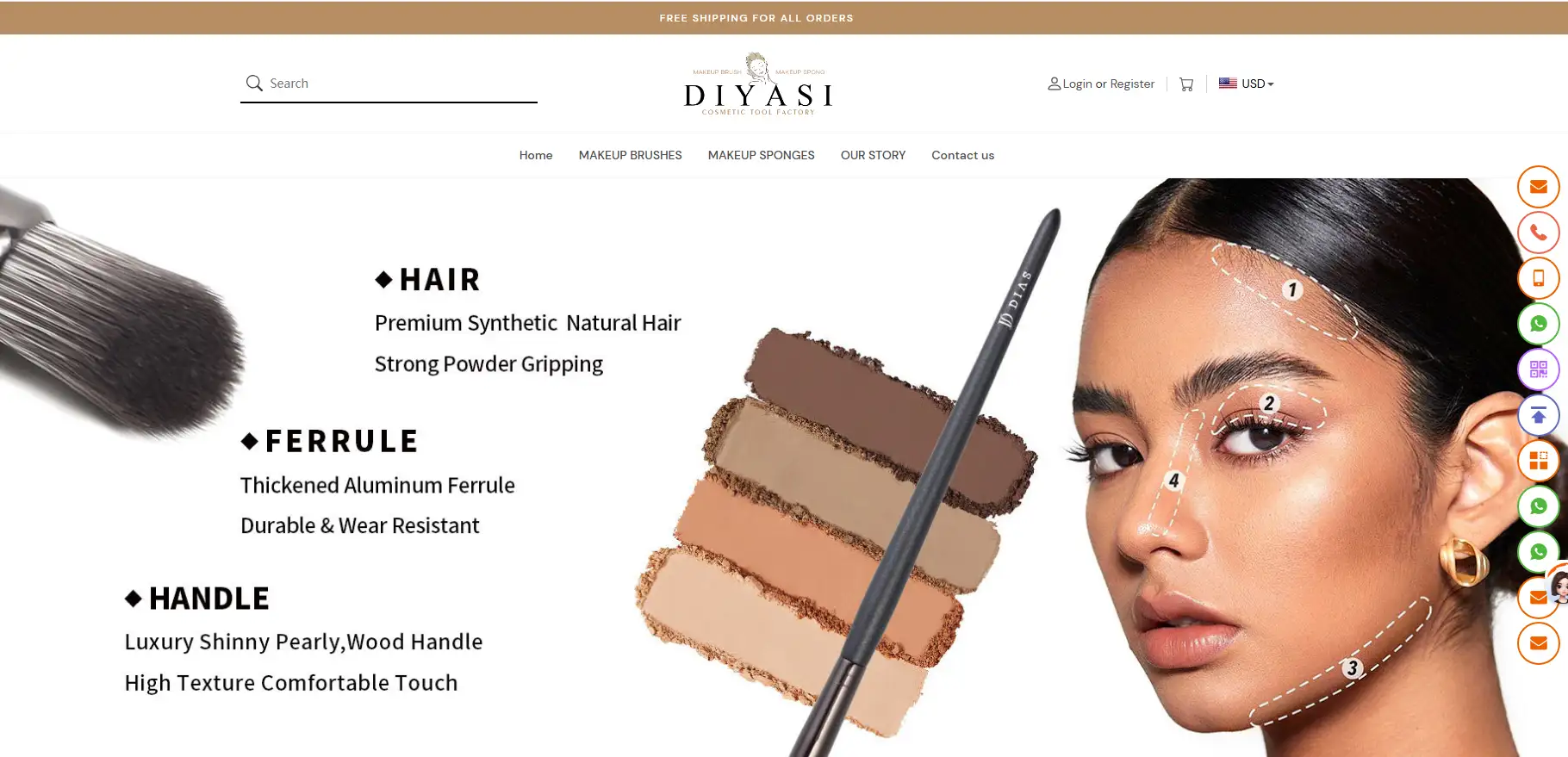
              • Qingxian Xingyuan Brush Making Factory
              • Founded in 2006, the company has obtained dual certifications of ISO 9001 (Quality Management System) and ISO 14001 (Environmental Management System). In addition to its core brush-making operations, it owns affiliated factories specializing in cosmetic brush ferrules and wooden handles, achieving vertical integration from key components to finished products. With OEM and ODM as its key development directions, the company has built a diversified marketing network and successfully established “Energy” as a leading professional cosmetic brush brand in China. For years, it has been producing OEM cosmetic brushes for renowned Korean brands such as Skinfood, HERA, IOPE, and PICCASSO, earning wide recognition from industry professionals for its superior quality.

              • Already Di Ielts Cosmetic Appliance Co., Ltd. 
              • Use Top Quality Raw Materials: Brush Hair, Ferrules & Handles, Qualtity Workship To Produce, All The Brushes Bristles Produced Ourselves, We Also Supply Bristles To Many Makeup Brushes Manufacturers In China,We Produce Goat Hair,Pony Hair,100% Cruelty Free Hair, Nylon Hair Etc.Your Individual Design Can Be Realized By Us. From Makeup Brush Shape Design To Packing, We Have A Skilled Team Offer Familiar OEM/ODM Service From Design To Packing.Our Factory With More Than 10000 Square Meters Areas And Over 500 Skilled Brushes Workers. Our Clients Comes From 100 Different Countries, Makeup Brushes Are Mainly Sold To American&European And Southeast Asia Market Etc. We Are Well Checked By SGS, ISO9001, BSCl Certification.

              • AMORTALS 尔木萄
              • The company was founded in 2014, focusing mainly on the domestic market in China. In June 2023, the brand ranked first in China in terms of monthly sales.

              In addition, a large number of makeup brush manufacturers are clustered in Luyi and Qingxian. These enterprises mainly focus on undertaking OEM and ODM orders within the industry. Located in China’s inland regions, they have limited promotion efforts and thus low online visibility. However, a great many such manufacturers can still be found by searching for the keyword “makeup brush manufacturing” on map services.
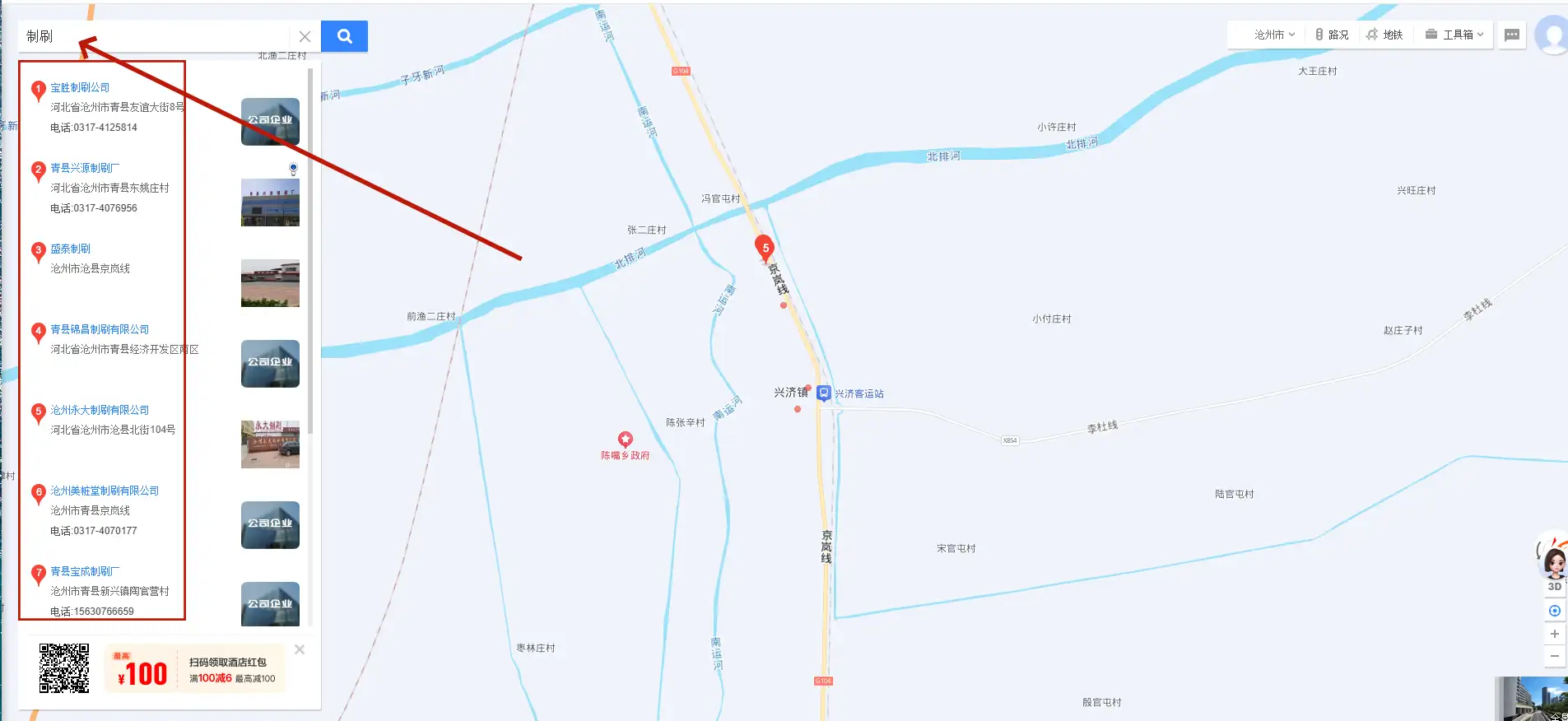
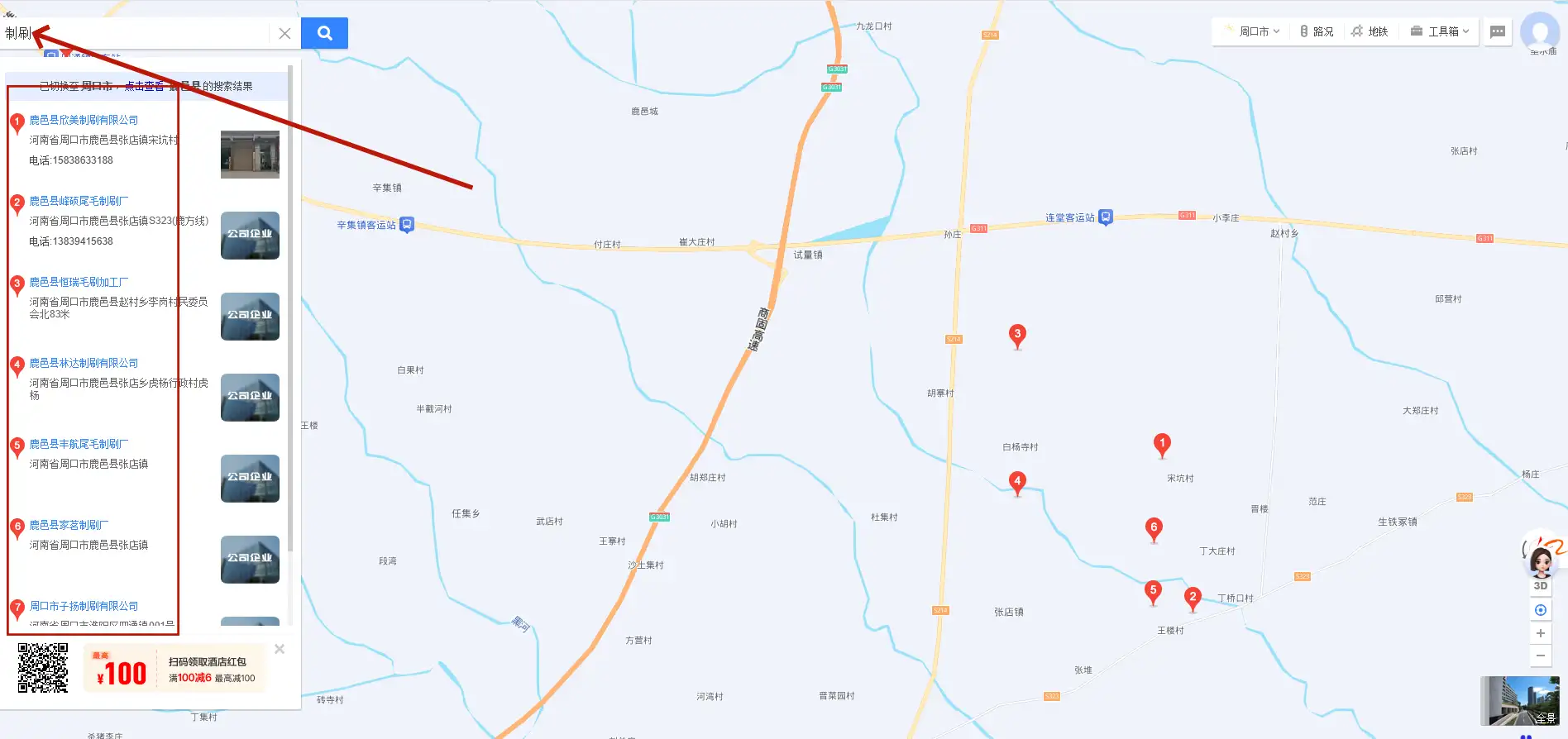
              VI. Relevant Certification Requirements

              European Union: ROHS certification and REACH certification are required. ROHS certification mainly restricts the content of harmful substances such as lead, cadmium, and mercury in products. REACH certification involves the registration, evaluation, authorization, and restriction of chemicals, aiming to protect human health and environmental safety.

              United States: California requires products to have CA65 certification. The Office of Environmental Health Hazard Assessment (OEHHA) of California publishes a list of toxic chemicals. If a product contains substances on the list, it must comply with relevant regulations and be labeled accordingly; otherwise, it cannot be sold in California.

              Russia: Products must comply with the technical regulations of the Eurasian Economic Union (EAEU). Meanwhile, the Russian labels on the packaging must be complete and clear, and the HS code classification must be accurate.

              Germany and some EU countries: Dermatest certification can be applied for, which is a globally authoritative skin safety certification. According to the usage scenarios and product characteristics of makeup brushes, there are different types such as Dermatest Guarantee Seal of Approval, Dermatest Sensitive Skin Seal, and Dermatest 5-Star Seal. It mainly evaluates the skin irritation of products through patch tests, etc. Makeup brushes suitable for people with sensitive skin usually need to pass stricter tests.

              Malaysia: According to Malaysia’s Consumer Protection Act 1999 (CPA), although there is no mandatory certification, it is recommended to refer to EU or US standards. Products must meet necessary safety standards, clearly indicate the specific quantity of makeup brushes (vague descriptions are prohibited), and submit ingredient lists, production flowcharts, etc. to certification bodies for review and testing.

              VII. Precautions for Purchasing: Making an Informed Decision

              Once you’ve identified potential makeup brush suppliers and their products, follow these steps to ensure a successful purchase:

              • Start with samples: Before placing a large order, it’s highly recommended to order samples. This allows you to assess quality in terms of craftsmanship (e.g., bristle durability, precision of cuts), material texture (softness of animal hair or synthetic fibers), and performance (powder-gripping ability, smoothness during application).
              • Evaluate supplier production capacity: A supplier’s production capacity is a key indicator of their ability to meet your needs, especially for large orders. Inquire about their daily/monthly output and delivery timelines. Established high-volume manufacturers are more likely to handle bulk orders efficiently, with stricter control over process stability.
              • Consider after-sales support: A reliable supplier should offer after-sales assistance, such as return/exchange services for issues like loose brush heads or cracked handles during shipping, or rework solutions for bulk products that don’t meet quality standards.
              • Calculate total costs: Remember to account for all costs beyond the unit price. This includes shipping fees (note that makeup brushes are lightweight but bulky, so dimensional weight may apply), import duties, customs clearance fees, local taxes, and potential costs for customization (e.g., logo printing, special packaging) or warranty services.
              • Conduct due diligence: Use tools like Alibaba’s “Audited Supplier” badge or third-party inspection services (e.g., SGS) to verify the supplier’s qualifications and factory conditions. You can also hire professional agencies (such as IMEXsourcing) to research their business status, including financial health, actual production capacity, past order fulfillment records, and any legal disputes, to minimize collaboration risks.

              VIII. Choose IMEXsourcing as Your Sourcing Partner for Makeup Brushes in China

              When it comes to procuring high-quality makeup brushes from China, partnering with an experienced and reliable sourcing agent is paramount. IMEXsourcing stands out as a premier choice, offering a comprehensive suite of services designed to streamline your acquisition process and secure exceptional value. Here are compelling reasons to select IMEXsourcing for your next purchase of makeup brushes:
              • Extensive Procurement Expertise
              IMEXsourcing boasts a profound and long-standing history in the sourcing industry, enabling us to proficiently locate and secure a wide array of makeup brushes from highly regarded Chinese suppliers. Our deep market knowledge ensures that we connect you with manufacturers known for their reliability and superior products, covering everything from high-end handmade custom pieces to mass-produced mechanized items.
              • Bespoke Design Solutions
              At IMEXsourcing, we understand that unique requirements often demand tailored solutions. We empower you to commission makeup brushes that align with your brand identity—whether it’s specific materials (such as bionic fiber hair or high-end animal hair), brush head shapes (angled contour brushes, flame-shaped highlighter brushes), or handle craftsmanship (wooden carving, gradient painting). Each product is precisely engineered to your specifications, ensuring perfect alignment with your brand positioning.
              • Thorough Supplier Verification
              Our commitment to quality begins with rigorous due diligence. We conduct comprehensive factory verifications for all potential manufacturers. This meticulous audit confirms their production capabilities (e.g., daily bristle processing volume, ratio of manual to mechanical production lines), assesses their quality control protocols (e.g., hair loss rate testing, harmful substance detection procedures), and ensures their full compliance with domestic and international industry standards (such as EU REACH, US CA65, etc.) and legal requirements.
              • Expert Price Negotiation
              Leveraging our veteran status and in-depth understanding of market dynamics, IMEXsourcing excels in negotiation. This invaluable expertise allows us to secure the most favorable pricing and terms with top-tier makeup brush manufacturers renowned for their craftsmanship, material control, after-sales service, and cost efficiency, optimizing your investment.
              • Stringent Quality Assurance
              IMEXsourcing implements a robust quality management framework that spans the entire procurement cycle. This includes careful selection of suppliers, diligent oversight during production (such as checking the firmness of bristle flocking and the precision of handle assembly), and thorough product testing prior to shipment (such as skin irritation assessment and durability testing), guaranteeing the integrity and performance of your makeup brushes.

              IX. Conclusion

              In conclusion, China’s makeup brush market presents abundant opportunities for global buyers. By conducting in-depth research on product categories (such as high-end handmade brushes and mass-produced mechanized ones), mastering details of materials and craftsmanship (properties of animal hair/synthetic fibers, antibacterial technologies, etc.), and following a standardized procurement process, importers can source products that balance high quality and cost-effectiveness, meeting diverse needs from professional beauty brands to mass consumer markets.

              It is worth noting that high-end makeup brushes are mostly handmade to order, and variations in craftsmen’s skill levels may lead to inconsistent product quality; meanwhile, there is a risk of fraud in animal hair materials. Therefore, partnering with a professional sourcing agent is crucial. IMEXsourcing offers end-to-end services covering the entire procurement process and after-sales support: from matching the most suitable suppliers in the early stage, assisting with various matters during procurement, to providing after-sales guarantees in the later stage, we offer comprehensive support. Even if any risks or issues arise during cooperation, IMEXsourcing can respond promptly and provide the most professional solutions, ensuring your procurement journey is completely worry-free.

              Message us for more information

              Please let us know your request, we will get back to you within 24 hours.

                A Guide to Chinese Temperature Control Fans: Livestock Fans, Greenhouse & More

                In the field of modern agriculture and livestock farming, maintaining precise temperature conditions is crucial for ensuring the health, growth, and productivity of animals and plants. Temperature control equipment, including ventilation equipment such as livestock fans, greenhouse fans, industrial plant fans, circulation fans, and roof automatic ventilation fans, as well as heating equipment like water – heating air heaters, along with core material wet curtain paper and temperature control devices, plays a key role in achieving this balance, especially in regions with extremely variable climates. China has become a major producer of high – quality temperature control equipment, with products supplied to both domestic and international markets. This article will provide a detailed purchasing guide for those interested in Chinese temperature control equipment, focusing on aspects such as product introduction, specification parameters, industrial clusters, major enterprises, and important purchasing considerations.
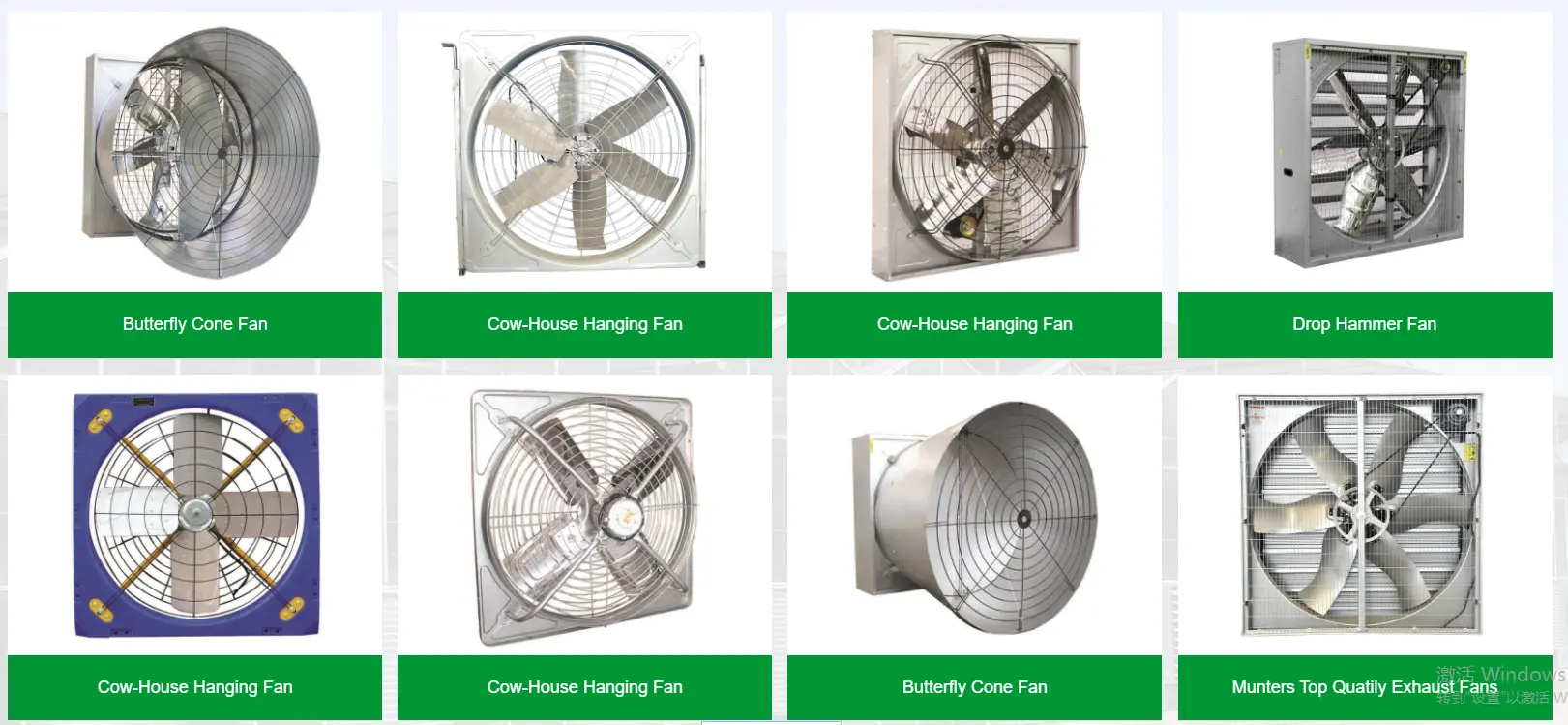

                I. Product Type Introduction: Temperature Control Equipment

                Livestock Fans

                Livestock fans are specifically designed to regulate air circulation and temperature in livestock barns, poultry houses, and other animal – rearing facilities. They come in various types to meet different needs. Axial – flow livestock fans are widely used due to their high air volume and efficiency. They work by drawing air in parallel to the fan’s axis and pushing it out, effectively exchanging the air inside the barn with fresh outdoor air. This helps in reducing humidity, removing harmful gases like ammonia and carbon dioxide, and lowering the temperature during hot weather. For example, in a pig barn with a large population, axial – flow livestock fans can quickly circulate air, preventing the accumulation of harmful gases and ensuring a comfortable environment for the pigs.
                Centrifugal livestock fans, on the other hand, are suitable for situations where higher air pressure is required. They operate by drawing air into the center of the fan and then expelling it radially through the blades, generating more pressure. This makes them ideal for use in facilities with long duct systems or where air needs to be distributed to multiple areas. In poultry houses with complex layouts, centrifugal livestock fans can efficiently deliver air to all corners, ensuring uniform temperature and air quality.

                Greenhouse Fans

                Greenhouse fans are essential for maintaining optimal growing conditions in greenhouses. They help in controlling temperature, humidity, and carbon dioxide levels, which are vital for plant growth. Exhaust fans are a common type of greenhouse fan. They are installed on one side of the greenhouse and work by drawing out hot, humid air, creating a negative pressure that draws in fresh, cooler air from the opposite side. This air exchange helps in regulating the temperature and replenishing carbon dioxide, which is necessary for photosynthesis. For instance, in a tomato greenhouse during the summer, exhaust fans can effectively reduce the temperature, preventing heat stress on the plants.
                Circulation fans are another important type of greenhouse fan. Unlike exhaust fans, they do not exchange air with the outside but instead circulate the air within the greenhouse. This ensures that the temperature, humidity, and carbon dioxide levels are evenly distributed throughout the space, avoiding hot spots or cold pockets. In a flower greenhouse, circulation fans help in maintaining consistent conditions, which is crucial for the uniform growth and development of the flowers.

                Water – Heated Air Heater​

                The water – heated air heater is a device specially designed to provide stable heat in livestock houses during cold seasons, which can effectively maintain a suitable breeding temperature. Its working principle is that through a hot water circulation system, the hot water generated by the boiler is transported to the heat – dissipating coil inside the fan. When the fan operates, it draws in cold air. The cold air is heated after passing through the heat – dissipating coil and then blown into the house, thus achieving air temperature rise. This heating method is gentle and uniform, and will not make the air in the house too dry, which can prevent livestock from having stress reactions due to local high temperature or dry air. For example, in a piglet nursery, the water – heated air heater can stably control the temperature at 28 – 32℃, providing a warm and comfortable growth environment for piglets and promoting their healthy development.​

                Gas – Fired Heater for Livestock​

                The gas – fired heater for livestock is mainly used for rapid heating of livestock houses in low – temperature environments, and is especially suitable for large – area breeding facilities. It uses natural gas or liquefied gas as fuel, generates heat through the combustion of fuel in the burner, and then the fan diffuses the heat to all corners of the house. It has a fast heating speed and stable heat output, and can raise the temperature in the house in a short time. In cold winter, for large – space places such as beef cattle breeding sheds, the gas – fired heater for livestock can quickly raise the temperature to 15 – 20℃, ensuring that beef cattle are not affected by severe cold, and maintaining normal feed intake and growth rate. However, attention should be paid to ventilation during use to avoid harmful gases generated by insufficient combustion.​

                Wet Curtain Cooling System​

                The wet curtain cooling system is an efficient device for regulating the temperature of livestock houses in high – temperature seasons, and is often used in conjunction with fans. Its core is a wet curtain made of special materials. When water is evenly distributed on the surface of the wet curtain, air enters the house through the wet curtain, and the evaporation of water will absorb the heat in the air, thereby reducing the temperature of the air entering the house. At the same time, the fan exhausts the hot air in the house, forming a continuous air convection to achieve the cooling effect. In the layer house in summer, the wet curtain cooling system can make the temperature in the house 5 – 8℃ lower than that outside, effectively alleviating the heat stress of layers and ensuring stable egg production rate. The system can also increase the air humidity in the house, and is suitable for use in arid areas.​

                Mist Cooling Equipment​

                The mist cooling equipment reduces the ambient temperature by atomizing water into tiny water droplets, spraying them into the air in the livestock house, and using the principle that water droplets evaporate and absorb heat. Its atomized particles are small, which can quickly mix with air and evaporate, with fast and uniform cooling speed, and will not make the ground in the house too wet. For places sensitive to humidity such as sheep houses, the mist cooling equipment can control the temperature at about 25℃ in high temperature, and at the same time avoid  diseases caused by excessive humidity. In addition, it can purify the air and reduce dust in the house while cooling.​

                Intelligent Thermostat​

                The intelligent thermostat is the “brain” of the livestock temperature control system, which can realize precise and automatic control of the temperature in the house. It connects with temperature sensors to monitor the temperature in the house in real time, and compares it with the preset temperature range. When the temperature exceeds the set value, it automatically starts or shuts down heating and cooling equipment, such as fans, heaters, wet curtain systems, etc. The intelligent thermostat can also realize remote monitoring and operation through mobile phone APP, which is convenient for farmers to know the temperature situation in the house at any time and make adjustments. In large – scale pig farms, the intelligent thermostat can automatically adjust the appropriate temperature according to different growth stages of pigs. For example, the temperature in the sow delivery room can be precisely controlled at 20 – 22℃, providing the best environment for sows and piglets, reducing manual intervention and improving breeding efficiency.​

                II. Specification Parameters:Some fan products

                The following only introduces some specification parameters of fan – type products. When purchasing fan products for temperature control, several key parameters need to be considered to ensure that they meet the requirements of specific application scenarios.

                Air Volume

                Air volume, usually measured in cubic meters per hour (m³/h) or cubic feet per minute (CFM), refers to the amount of air a fan can move in a given time. It is a critical parameter as it determines the fan’s ability to ventilate a space effectively. For a livestock barn with a certain number of animals, the required air volume depends on factors such as the size of the barn, the type and number of animals, and the desired air exchange rate. For example, a poultry house with 10,000 chickens may require a total air volume of 50,000 – 80,000 m³/h to ensure proper air circulation.

                In greenhouses, the air volume requirement is based on the size of the greenhouse and the type of crops being grown. Leafy vegetables, for instance, may require a higher air exchange rate compared to succulents. A 1,000 – square – meter greenhouse growing tomatoes may need fans with a combined air volume of 30,000 – 50,000 m³/h.

                Static Pressure

                Static pressure measures the fan’s ability to overcome resistance in the air flow path, such as ductwork, filters, or obstacles in the facility. It is measured in Pascals (Pa). Fans with higher static pressure are needed when the air has to travel through long ducts or when there are multiple bends and restrictions in the ventilation system. For example, in a greenhouse with a complex duct system for air distribution, centrifugal fans with higher static pressure are more suitable than axial – flow fans.

                Power Consumption

                Power consumption, measured in watts (W) or kilowatts (kW), is an important factor in terms of operating costs. Energy – efficient fans can significantly reduce electricity bills over time. When comparing different fans, it is essential to look at their power consumption relative to their air volume output. A fan with a higher air volume per unit of power consumed is more energy – efficient. For example, two fans with the same air volume but different power consumption: a 500W fan is more efficient than a 700W fan.

                Noise Level

                Noise level, measured in decibels (dB), is a consideration for both animal welfare and worker comfort. Excessive noise can stress animals, affecting their growth and productivity. In livestock barns, especially for sensitive animals like dairy cows, low – noise fans are preferred. The noise level of fans should be checked, and ideally, it should be below 70 dB for livestock facilities and greenhouses located near residential areas.

                Operating Voltage and Frequency

                The operating voltage and frequency of the fan must match the electrical supply in the facility. In China, the standard voltage is 220V or 380V, and the frequency is 50Hz. Using a fan with the wrong voltage or frequency can lead to malfunction, reduced performance, or even damage to the fan motor.

                Material and Durability

                The material of the fan components, such as the fan blades, housing, and motor, affects its durability and performance. In humid environments like greenhouses and livestock barns, fans made of corrosion – resistant materials such as galvanized steel, stainless steel, or plastic are preferred. Galvanized steel is resistant to rust, making it suitable for outdoor or high – moisture applications. Stainless steel is even more corrosion – resistant but comes at a higher cost. Plastic fans are lightweight and resistant to corrosion but may not be as durable as metal ones in high – temperature environments.

                III. Industrial clusters: Where to find temperature control products in China

                manufacturers, suppliers, and supporting industries, leading to efficient production, technological innovation, and competitive pricing.

                Shandong Province

                Shandong Province is a major hub for the production of agricultural and livestock equipment, including temperature control fans. Cities like Qingdao, Weifang, and Jinan have a large number of manufacturers specializing in livestock fans, greenhouse fans, and other related products. Qingdao, in particular, is home to leading companies such as Qingdao Big Herdsman, which drives the development of the industry in the region. The province’s strong agricultural base provides a ready market for these products, and its well – developed transportation network facilitates the distribution of goods both domestically and internationally.

                The industrial cluster in Shandong benefits from a skilled workforce, advanced manufacturing technologies, and close collaboration between enterprises and research institutions. This enables continuous improvement in product quality and the development of new, innovative fan products to meet the evolving needs of the agriculture and livestock sectors.

                Benefiting from the notable advantages of industrial clustering, Qingzhou City, Shandong Province, has gathered hundreds of enterprises engaged in the production of temperature control equipment, livestock fans, wet curtain cooling systems and other products, with their products being sold to global markets. I conducted a test: when searching for the keyword “temperature control” on the map of Qingzhou City, it showed that there are 84 local manufacturers specializing in temperature control equipment.
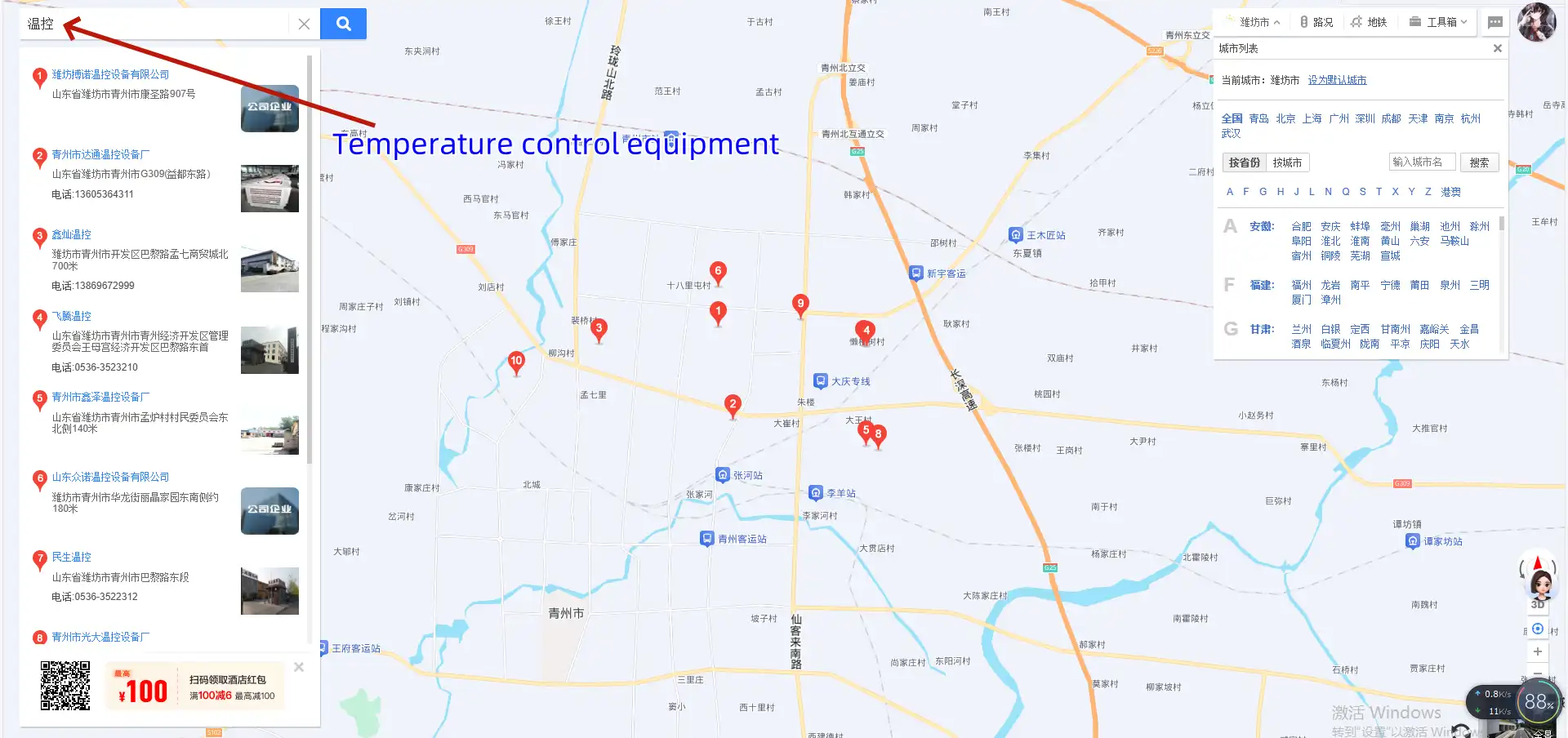
                Guangdong Province

                Guangdong Province is another important industrial cluster for temperature control equipment. With a strong manufacturing sector and a focus on technological innovation, cities like Guangzhou, Shenzhen, and Foshan produce a wide range of high – tech fan products. These fans often incorporate advanced features such as intelligent control systems, variable speed drives, and energy – saving technologies.

                The proximity to international markets and access to global supply chains make Guangdong a leading exporter of temperature control fans. Manufacturers in this region are known for their ability to produce customized fan solutions to meet the specific requirements of customers from around the world.

                Zhejiang Province

                Zhejiang Province is also active in the production of temperature control equipment, with a focus on small to medium – sized fan products. Cities like Ningbo and Wenzhou have a large number of manufacturers that offer competitive prices and a wide range of product options. The industrial cluster in Zhejiang benefits from a well – established network of suppliers, ensuring a steady supply of raw materials and components, which helps in keeping production costs low.

                IV. Domestic Major Manufacturers (Leading Enterprises)

                Qingdao Big Herdsman

                Qingdao Big Herdsman is a leading professional manufacturer of livestock and poultry equipment, including a wide range of temperature control fans. The company is committed to providing high – quality, efficient, and reliable products to meet the needs of modern agriculture and livestock farming.

                Product Range

                Big Herdsman offers a comprehensive range of fan products, including axial – flow livestock fans, centrifugal livestock fans, greenhouse exhaust fans, and circulation fans. Their livestock fans are designed to provide optimal air circulation in various animal – rearing facilities, ensuring a healthy environment for the animals. The greenhouse fans are engineered to maintain precise temperature and humidity levels, promoting plant growth.

                One of their popular products is the Big Herdsman fan, which is widely used in livestock barns. It features a high – efficiency motor, large air volume, and low noise operation. The fan’s blades are made of high – quality materials, ensuring durability and long service life.
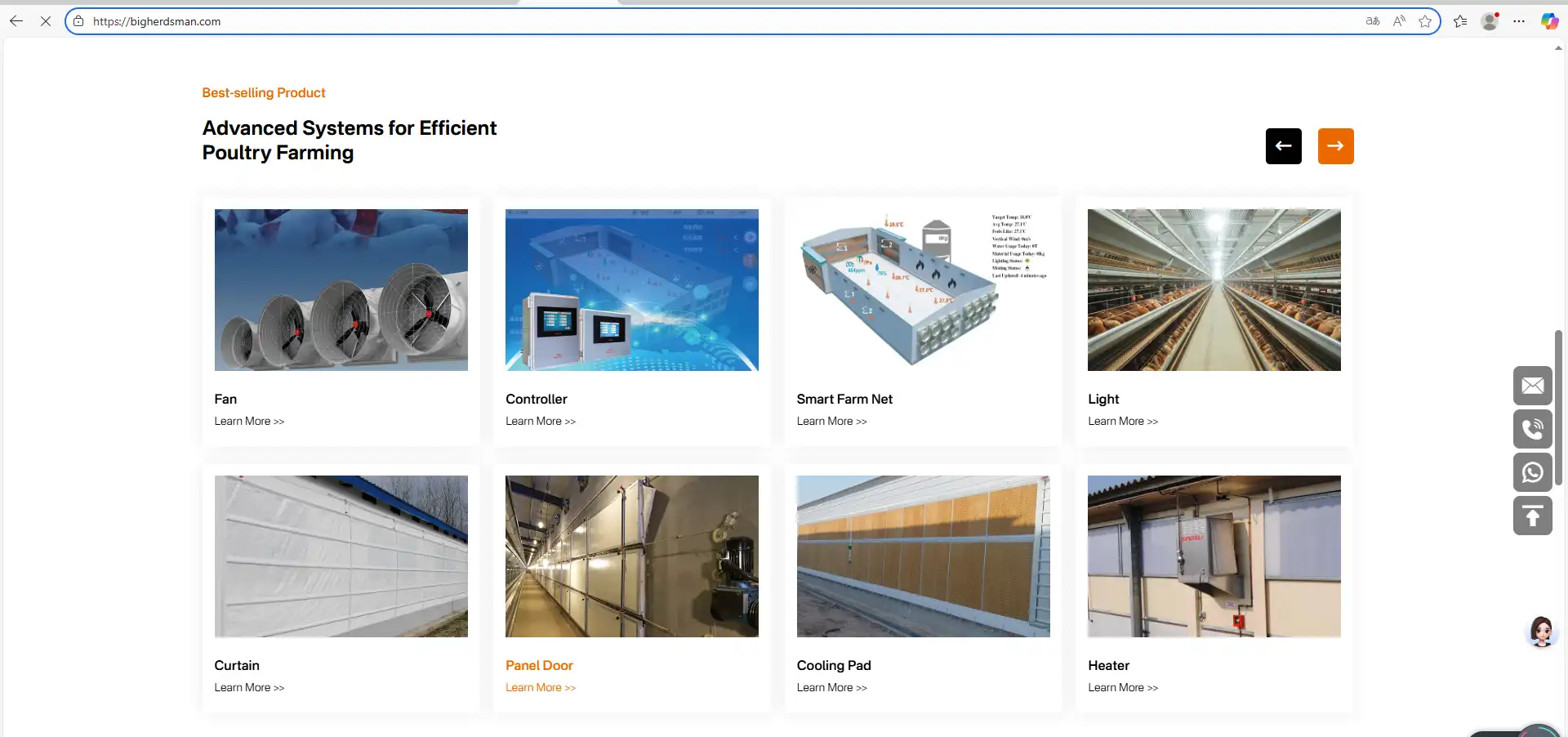

                Shandong Zhongli Temperature Control

                Shandong Zhongli Temperature Control is a well – known manufacturer specializing in temperature control equipment, with a strong focus on fan products for agricultural and livestock applications.

                Product Features

                The company’s product line includes livestock fans, greenhouse fans, and industrial plant fans. Their livestock fans are designed with a focus on high air volume and low noise, making them suitable for various livestock facilities. The greenhouse fans are built to withstand the harsh conditions inside greenhouses, including high humidity and temperature fluctuations.

                Shandong Zhongli’s fans are known for their durability, thanks to the use of high – quality materials and robust construction. They also offer a range of fan sizes and specifications to meet different customer needs.
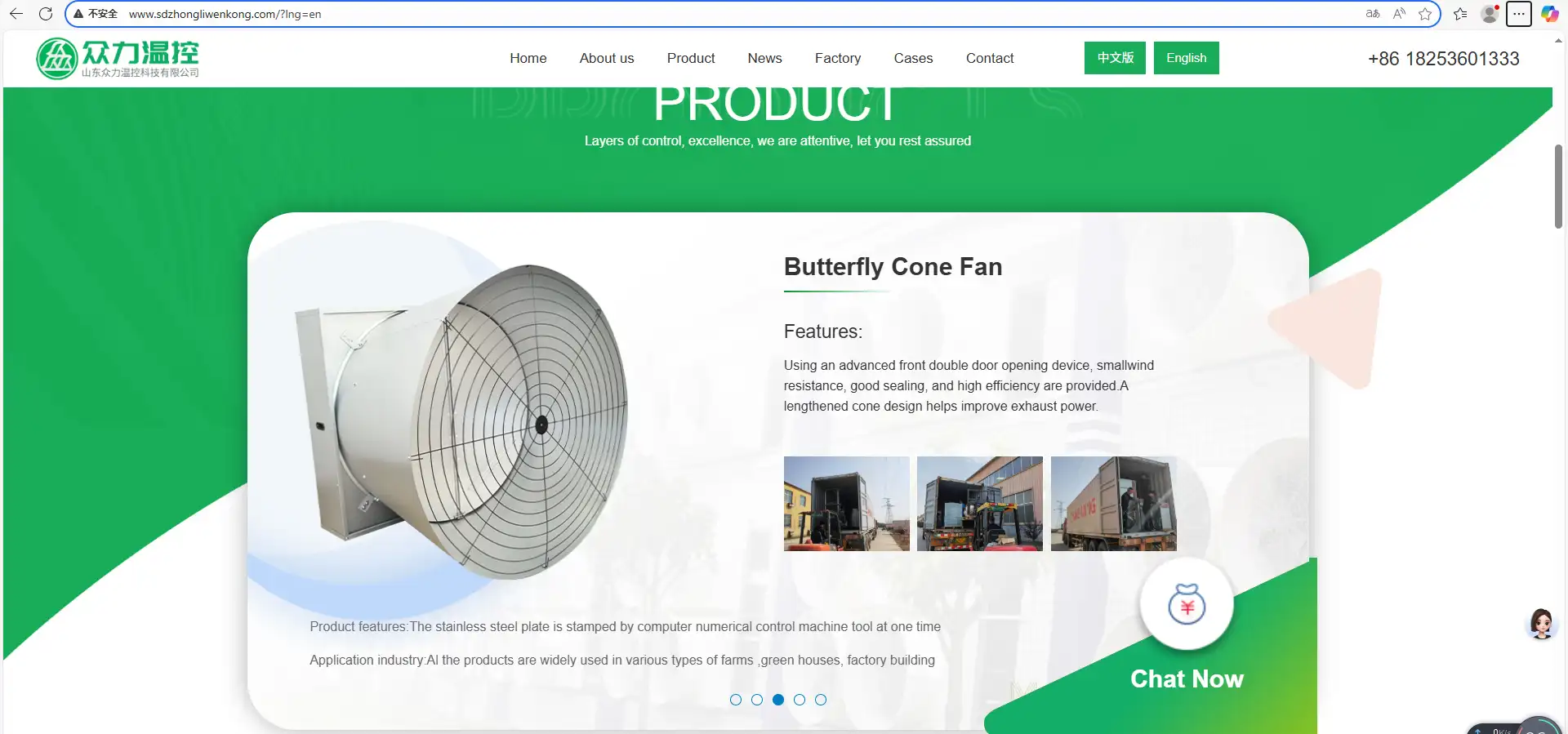

                Shandong Huasheng Temperature Control

                Shandong Huasheng Temperature Control is another key player in the temperature control equipment industry, offering a variety of fan products for agriculture and livestock.

                Product Innovation

                Huasheng is committed to product innovation, continuously developing new fan models with improved performance and efficiency. Their greenhouse fans, for example, feature advanced air – flow design to ensure uniform air distribution, and some models are equipped with variable speed drives, allowing for precise control of air volume.

                The company’s livestock fans are designed to be easy to install and maintain, reducing the hassle for customers. They also pay attention to energy efficiency, developing fans that meet or exceed industry standards for energy consumption.
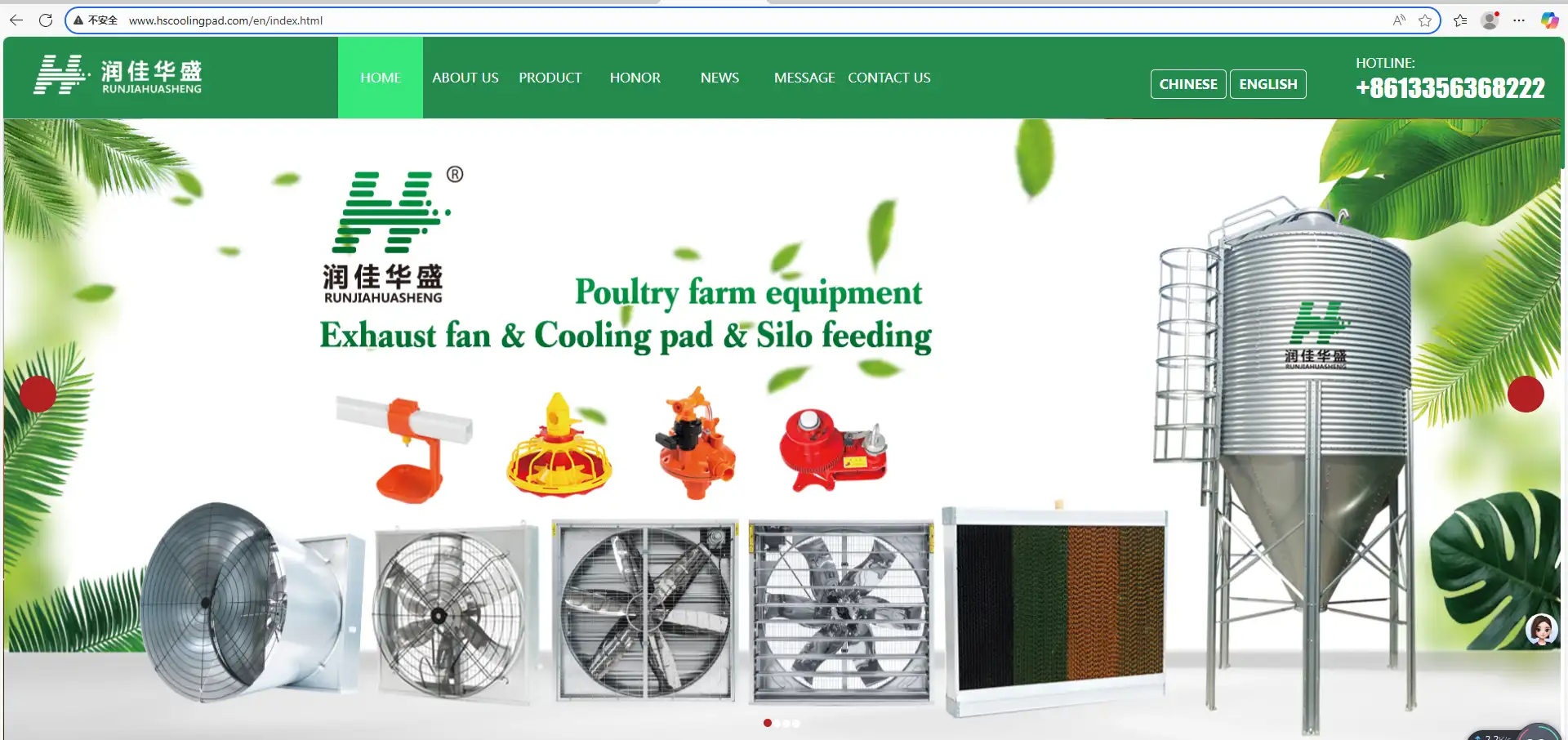

                Ordinary livestock temperature control equipment such as livestock fans and wet curtain cooling systems are not high-tech products. Thanks to the effect of industrial clusters, there are a large number of factories available for selection in the market.

                V. Precautions for Purchasing: Making an Informed Decision

                When purchasing fan products for temperature control, there are several important factors to keep in mind to make an informed decision.

                Application Requirements

                First, clearly define the application for which the fan will be used. Consider the type of facility (livestock barn, greenhouse, industrial plant, etc.), the size of the space, the number of animals or type of crops, and the desired environmental conditions (temperature, humidity, air exchange rate). This will help determine the appropriate type of fan, air volume, static pressure, and other specifications.

                For example, in a large – scale pig barn, high – volume axial – flow livestock fans are likely to be the best choice, while in a small greenhouse with complex ductwork, centrifugal fans with higher static pressure may be more suitable.

                Quality and Reliability

                Choose fans from reputable manufacturers with a proven track record of producing high – quality, reliable products. Check for certifications and standards compliance, such as ISO 9001 quality management system certification, to ensure the fan meets certain quality benchmarks. It is also a good idea to read customer reviews and testimonials to get an idea of the fan’s performance and durability in real – world applications.

                Energy Efficiency

                Given the long – term operating costs associated with fans, energy efficiency is a crucial consideration. Look for fans with high energy efficiency ratings, such as those labeled with the China Energy Label. Energy – efficient fans may have a higher initial cost but can result in significant savings on electricity bills over time.

                Noise Level

                As mentioned earlier, noise level is important for animal welfare and worker comfort. When selecting a fan, check its noise level specification and ensure it is within the acceptable range for the application. For livestock facilities, in particular, low – noise fans can help reduce animal stress and improve productivity.

                After – Sales Service

                Choose a manufacturer or supplier that offers good after – sales service, including installation support, maintenance, and spare parts availability. A reliable after – sales service ensures that any issues with the fan can be resolved quickly, minimizing downtime and ensuring the fan operates at peak performance.

                Price and Value for Money

                While price is a factor, it should not be the sole determining factor. Consider the overall value for money, which includes the fan’s quality, performance, energy efficiency, and after – sales service. A cheaper fan may end up costing more in the long run due to higher energy consumption, frequent repairs, or shorter service life.

                Compatibility with Other Systems

                If the fan is part of a larger temperature control system, ensure it is compatible with other components such as sensors, controllers, and heating or cooling equipment. This will ensure seamless integration and efficient operation of the entire system.

                In conclusion, purchasing Chinese temperature control fan products, such as livestock fans and greenhouse fans, requires careful consideration of various factors, including product type, specification parameters, industrial clusters, major companies, and purchasing considerations. By taking the time to research and evaluate these factors, buyers can select the most suitable fan products that meet their specific needs, ensuring optimal temperature control in agricultural and livestock facilities, and ultimately contributing to improved productivity and profitability.

                VI. Choose IMEXsourcing as Your Sourcing Partner for Temperature Control Equipment in China

                When it comes to procuring high-quality temperature control equipment from China, partnering with an experienced and reliable sourcing agent is paramount. IMEXsourcing stands out as a premier choice, offering a comprehensive suite of services designed to streamline your acquisition process and secure exceptional value. Here are compelling reasons to select IMEXsourcing for your next purchase of temperature control equipment:

                Extensive Procurement Expertise

                IMEXsourcing boasts a profound and long-standing history in the sourcing industry, enabling us to proficiently locate and secure a wide array of temperature control equipment from highly regarded Chinese suppliers. Our deep market knowledge ensures that we connect you with manufacturers known for their reliability and superior products.

                Bespoke Design Solutions

                At IMEXsourcing, we understand that unique requirements often demand tailored solutions. We empower you to commission well-designed and standard-produced temperature control equipment precisely engineered to your specifications, ensuring the final product perfectly aligns with your operational needs.

                Thorough Supplier Verification

                Our commitment to quality begins with rigorous due diligence. We conduct comprehensive factory verifications for all potential manufacturers. This meticulous audit confirms their production capabilities, assesses their quality control protocols, and ensures their full compliance with relevant industry standards and legal requirements.

                Expert Price Negotiation

                Leveraging our veteran status and in-depth understanding of the market dynamics, IMEXsourcing excels in negotiation. This invaluable expertise allows us to secure the most favorable pricing and terms with top-tier temperature control equipment manufacturers renowned for their products, function, after-sales service and cost efficiency, optimizing your investment.

                Stringent Quality Assurance

                IMEXsourcing implements a robust quality management framework that spans the entire procurement cycle. This includes careful selection of suppliers, diligent oversight through production inspections, and thorough product testing prior to shipment, guaranteeing the integrity and performance of your temperature control equipment.

                VII. Conclusion

                In short, China’s temperature control equipment market, which covers various products such as livestock fans, greenhouse fans, industrial plant fans, circulation fans, and roof automatic ventilation fans, brings massive opportunities to global buyers. By accurately evaluating product types, thoroughly understanding technical specifications, and following a structured procurement process, importers can find high-quality and cost-effective temperature control equipment to fully meet the needs of various livestock breeding scenarios.

                As a leading expert in temperature control equipment procurement, IMEXsourcing can provide you with full-process services covering both procurement and after-sales: from matching the most suitable suppliers in the early stage, assisting in completing various matters in the procurement process, to providing after-sales service guarantees in the later stage, it offers all-round support. Even if any risks or problems arise during the cooperation, IMEXsourcing can respond promptly and provide you with the most professional solutions, ensuring that your procurement journey is worry-free.

                Message us for more information

                Please let us know your request, we will get back to you within 24 hours.

                  China Tricycle (three-wheelers): An In-Depth Procurement Guide

                  When considering a major purchase for your business, such as tricycles (three-wheelers) for last-mile delivery, urban transport, or agricultural use, navigating the global market can be a complex endeavor. China, as a world leader in manufacturing, offers a vast array of tricycles, from high-tech electric models to rugged gasoline-powered workhorses. This guide serves as your essential resource, breaking down the key aspects of sourcing these vehicles, from understanding product types to vetting suppliers and ensuring compliance.

                  This article, structured as a procurement guide, will cover everything you need to know to make an informed decision and successfully import tricycles (three-wheelers) from China, including product types, key advantages, technical specifications, major manufacturing hubs, leading companies, certification requirements, and critical purchasing considerations.
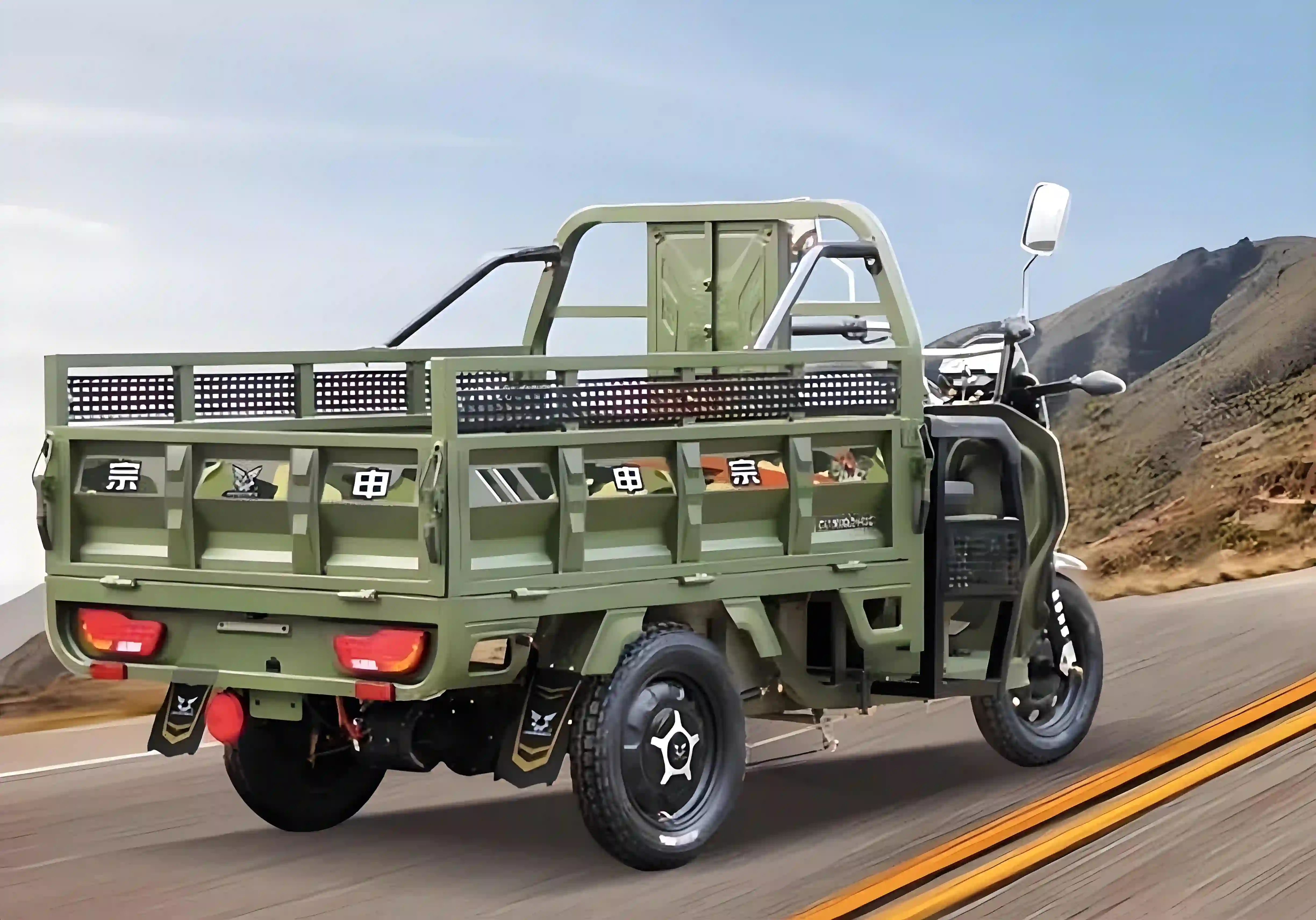
                  I. Product Type Introduction: A World of Chinese Tricycles

                  The Chinese tricycle market is incredibly diverse, offering specialized models for almost any application. Understanding the different types is the first step in finding the right product for your needs.
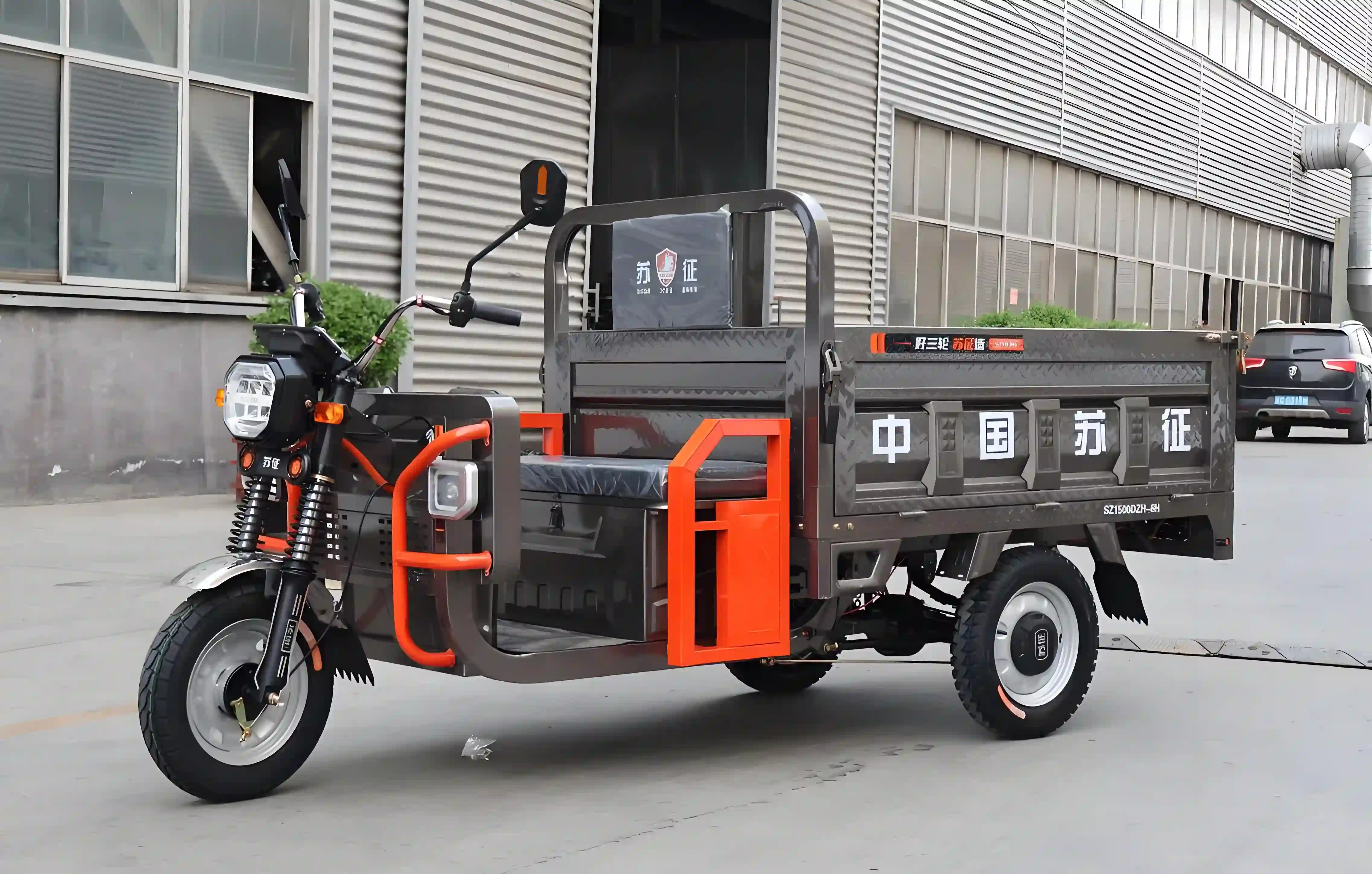
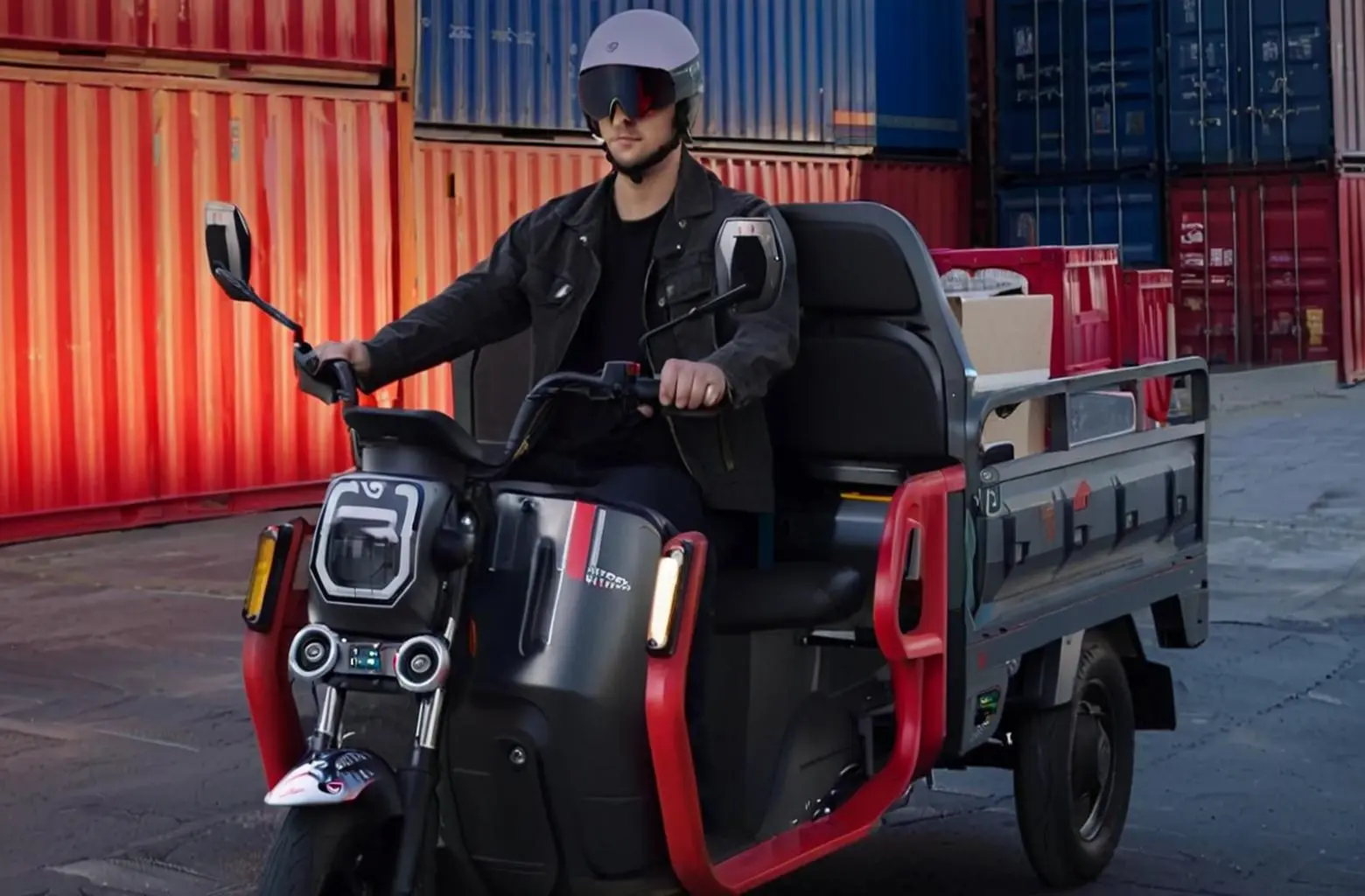
                  • Electric Tricycles (E-Trikes): These are the most common and rapidly growing segment. E-trikes are ideal for urban environments, last-mile delivery, and personal mobility. They operate on rechargeable batteries, offering a quiet, emission-free, and low-maintenance alternative to traditional vehicles. Sub-types include:
                    • Cargo E-Trikes: Equipped with a large cargo box or flatbed, these are perfect for transporting goods in congested city centers.
                    • Passenger E-Trikes: Often referred to as electric rickshaws or “tuk-tuks,” they feature enclosed or open cabins for carrying passengers, popular in tourist areas and for short-distance public transport.
                    • Mobility Scooters: A specialized category of electric tricycle designed for the elderly or people with mobility issues, these prioritize comfort, stability, and ease of use.
                  • Gasoline-Powered Tricycles and Diesel-Powered Tricycles: While electric models are gaining popularity, gasoline tricycles remain a dominant force, especially in rural and agricultural sectors. They are known for their power, longer range, and higher load capacity, making them suitable for heavy-duty tasks.
                    • Agricultural Tricycles: Built for durability and strength, these are used for transporting crops, tools, and livestock on farms and rural roads. They often feature large, reinforced beds and powerful engines.
                    • Heavy-Duty Cargo Trikes: These are robust gasoline-powered vehicles designed for transporting heavy loads over long distances, common in construction and commercial delivery.
                    • Passenger Gasoline Trikes: Similar to their electric counterparts but with a combustion engine, they are a common form of public transportation in many developing regions.
                  • Multifunctional Tricycles: This category includes highly customizable vehicles designed for specific business applications. Examples include mobile food vending carts, refrigerated delivery tricycles, and street cleaning vehicles. Their versatility makes them a popular choice for entrepreneurs seeking a low-cost, high-impact business solution.

                  II. Multifunctional Advantages: Why Chinese Tricycles Stand Out

                  Chinese manufacturers have perfected the art of creating tricycles that are not only affordable but also highly functional and beneficial for a wide range of uses.
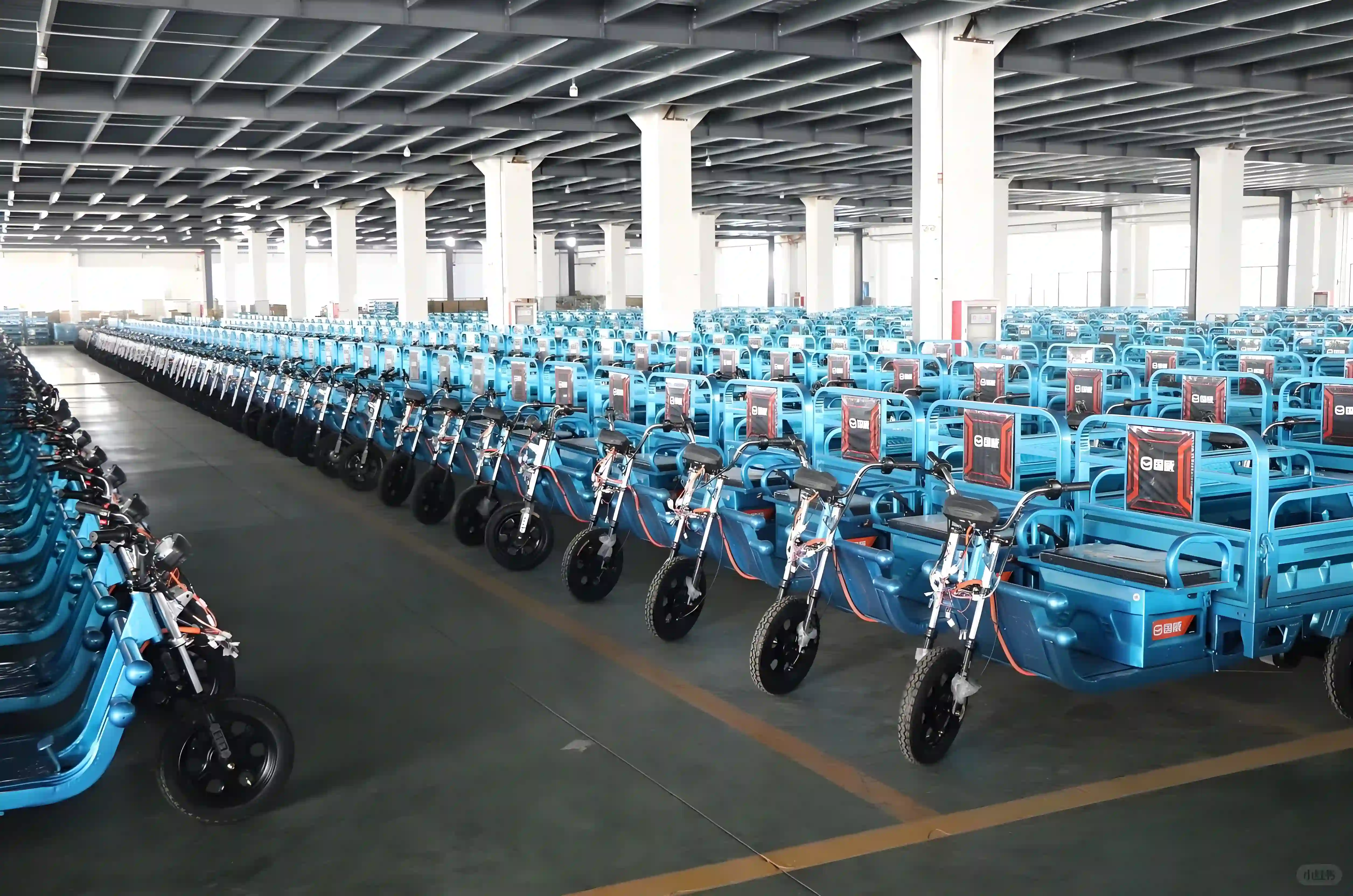
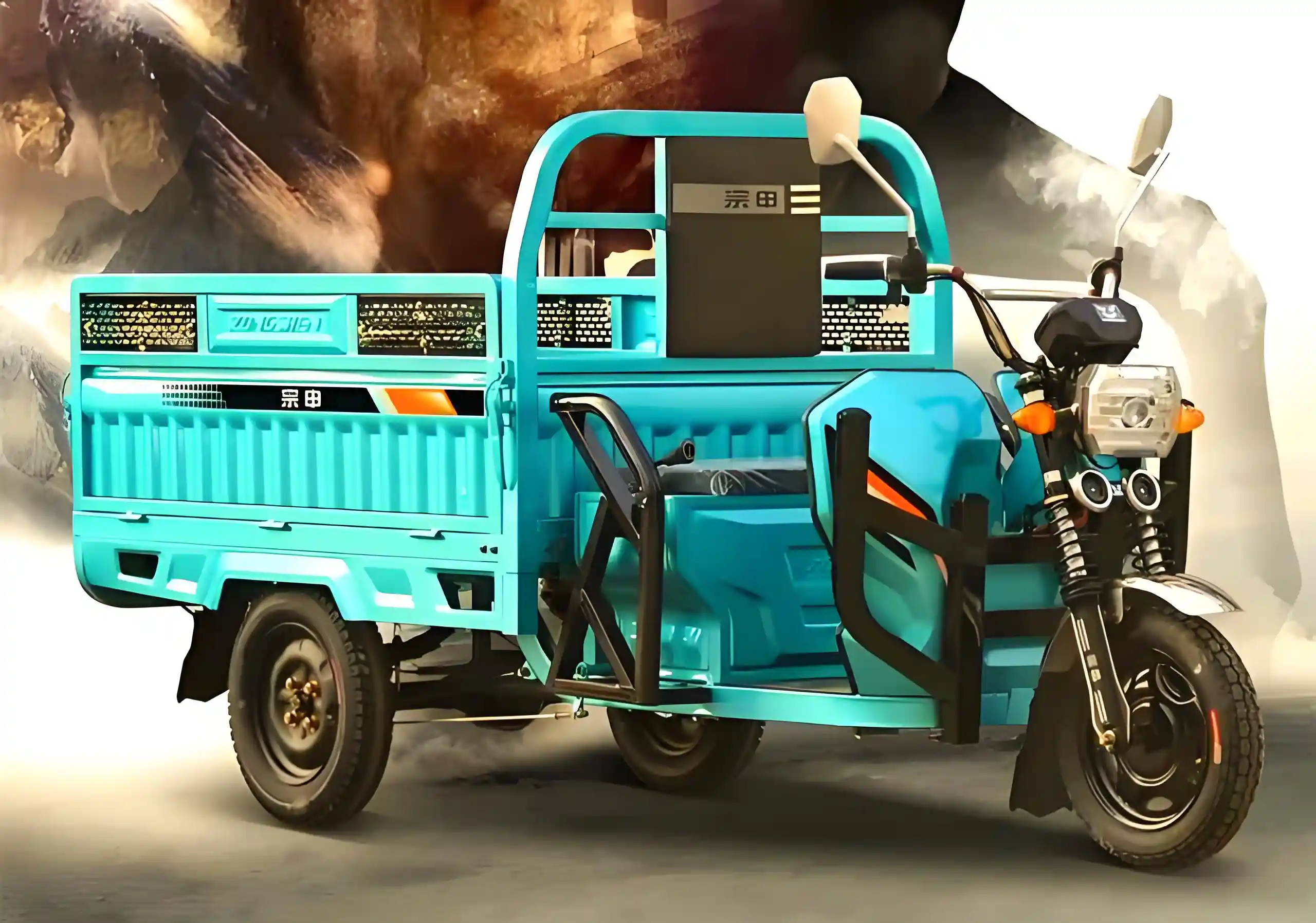
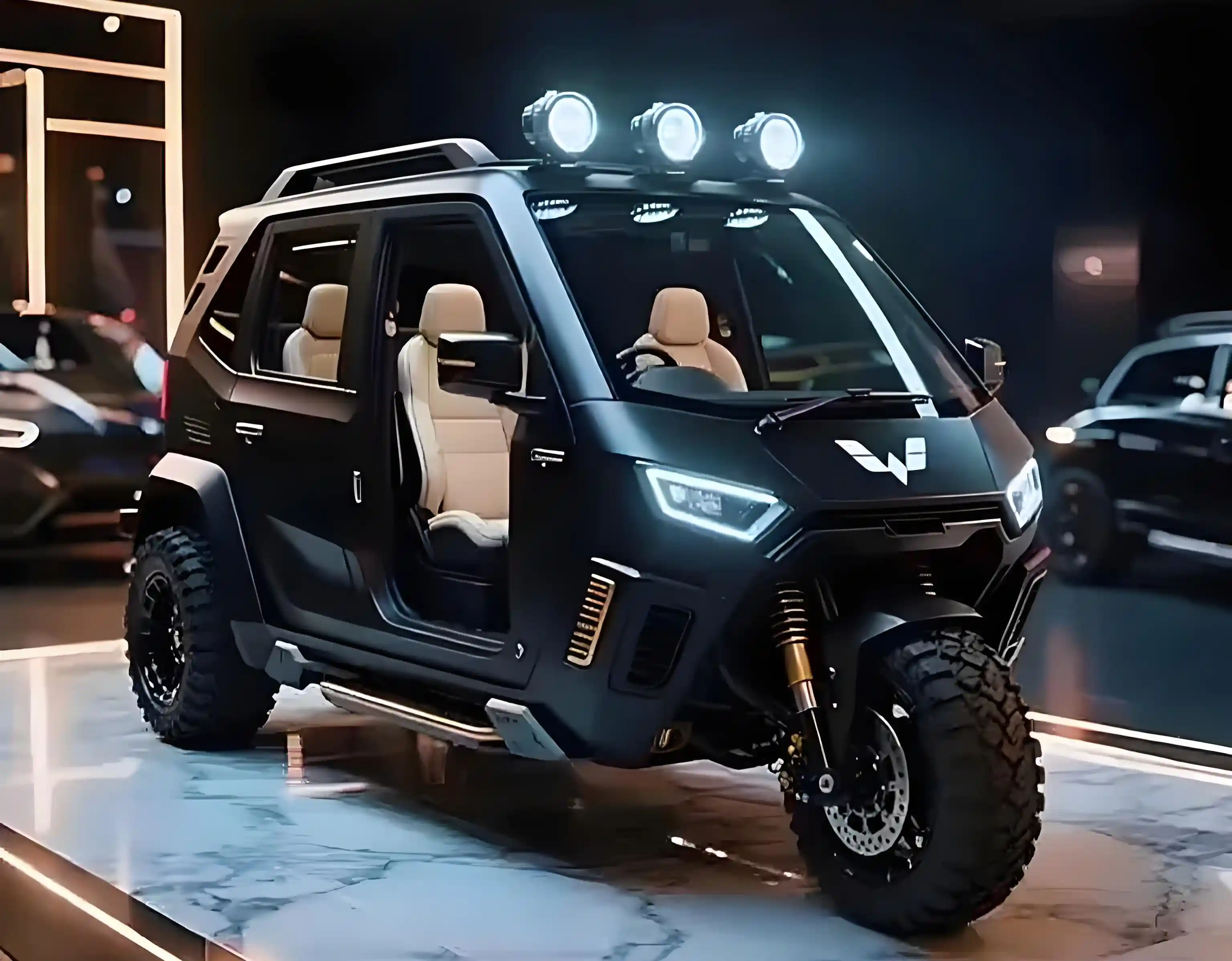
                  • Cost-Effectiveness: The initial purchase price of a Chinese tricycle is significantly lower than that of a conventional four-wheeled vehicle. Furthermore, electric models offer substantial long-term savings on fuel and maintenance, making them an excellent investment for small businesses.
                  • Environmental Friendliness: Electric tricycles produce zero emissions, contributing to cleaner air in urban areas. Their quiet operation also reduces noise pollution, making them ideal for residential neighborhoods.
                  • Superior Maneuverability: With their compact design and three-wheel structure, tricycles can easily navigate narrow, congested streets where larger vehicles cannot. This makes them highly efficient for last-mile delivery and urban taxi services.
                  • High Stability and Safety: The three-wheel design provides a stable platform, reducing the risk of tipping compared to bicycles or motorcycles. Many modern tricycles also come equipped with advanced safety features like disc brakes, anti-lock systems, and reinforced cabins.
                  • Versatility and Customization: Whether you need a simple cargo hauler or a mobile food stall, Chinese manufacturers offer extensive customization options. Buyers can choose from a wide range of body styles, engine types, and accessories to perfectly match their business requirements.

                  III. Main Specifications and Parameters

                  When placing an order, it’s crucial to understand the key technical specifications that define a tricycle’s performance and suitability.
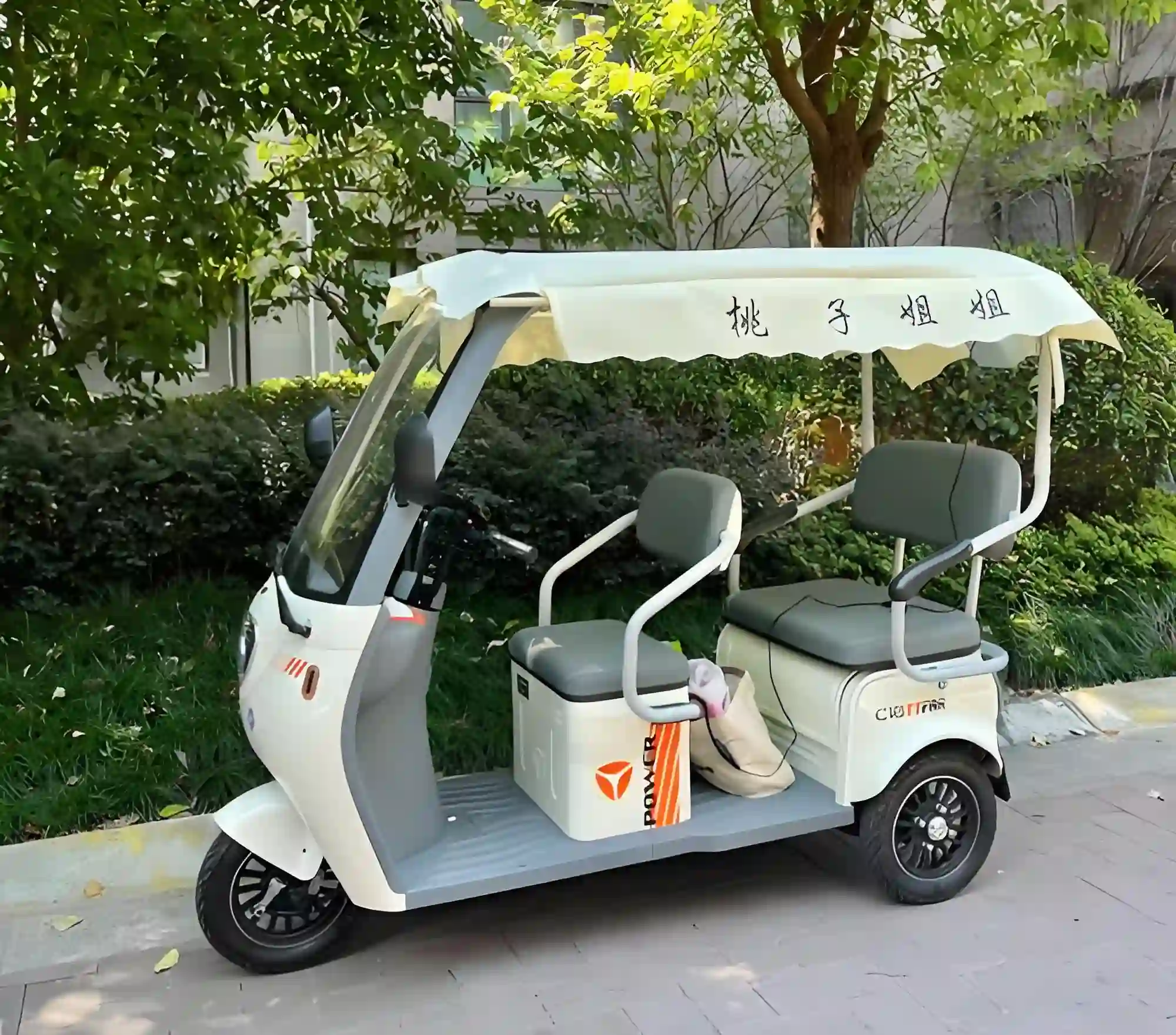
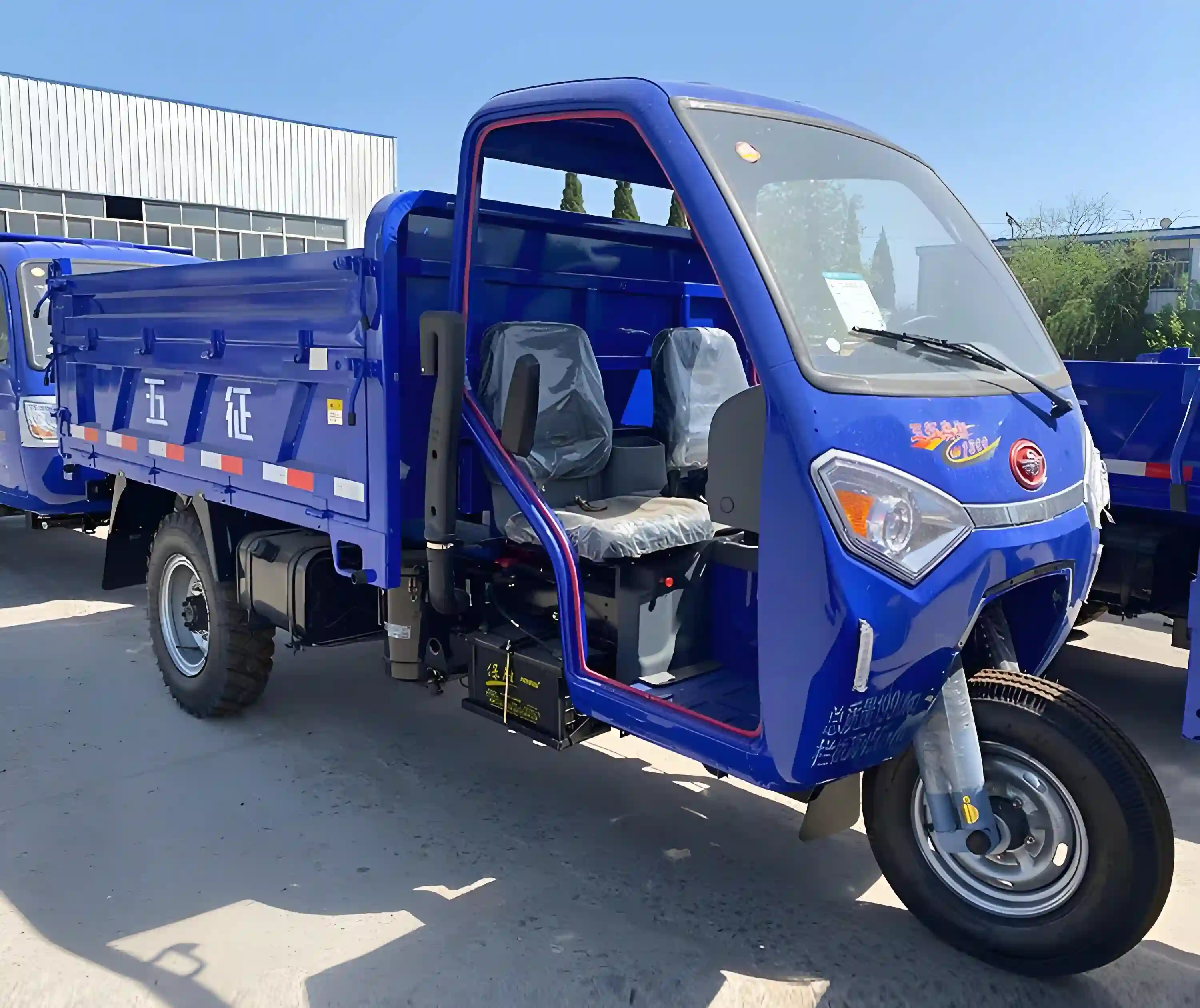
                  • Motor Power: Measured in watts (W) for electric models and cubic centimeters (cc) for gasoline engines. E-trikes typically range from 500W to 3000W, with higher wattage providing more torque and speed. Gasoline engines for tricycles usually range from 150cc to 350cc, affecting load capacity and maximum speed.
                  • Battery Capacity: For electric tricycles, this is measured in volt-hours (V-Ah) or kilowatt-hours (kWh). A larger battery capacity directly translates to a longer range on a single charge. Common options include 48V, 60V, or 72V systems, with a capacity often ranging from 20Ah to 60Ah.
                  • Load Capacity: This is the maximum weight a tricycle can safely carry, including the driver and cargo. It is a critical parameter, especially for cargo and agricultural models, and can range from 300 kg to over 1500 kg for heavy-duty vehicles.
                  • Frame and Body: Frames are typically made of steel or aluminum. Steel is durable and strong, suitable for heavy-duty use, while aluminum is lighter and more resistant to rust. The body can be open-top, semi-enclosed, or fully enclosed, depending on the application.
                  • Suspension and Brakes: A good suspension system (e.g., hydraulic shock absorbers) is essential for a smooth ride, especially on rough roads. Brakes are a key safety feature, with disc brakes on the front and drum brakes on the rear being a common and effective configuration.

                  IV. Industrial Clusters: Where to Find Tricycle Manufacturers in China

                  The tricycle manufacturing industry in China is highly concentrated in specific regions, with each cluster having its own strengths.
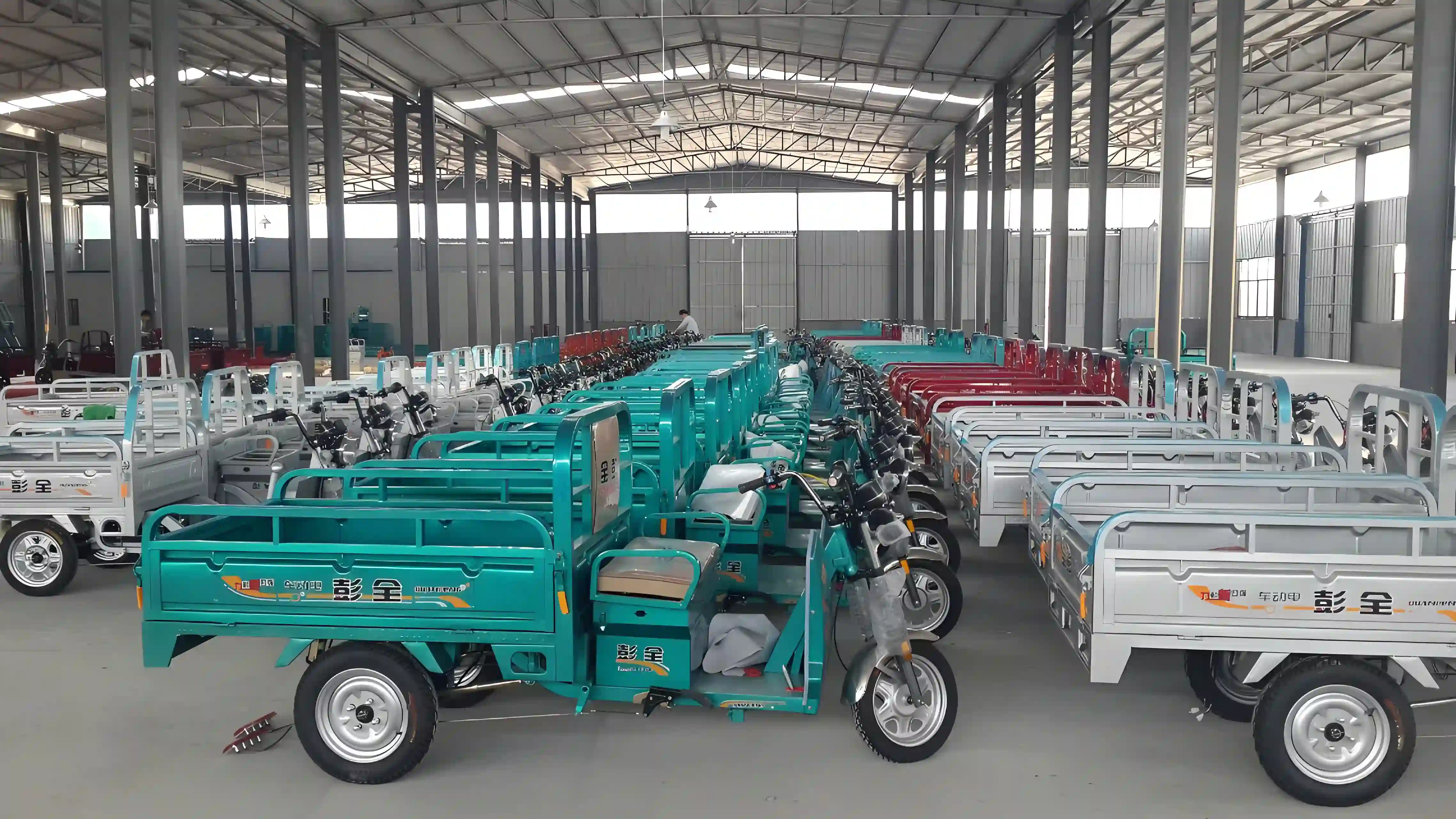
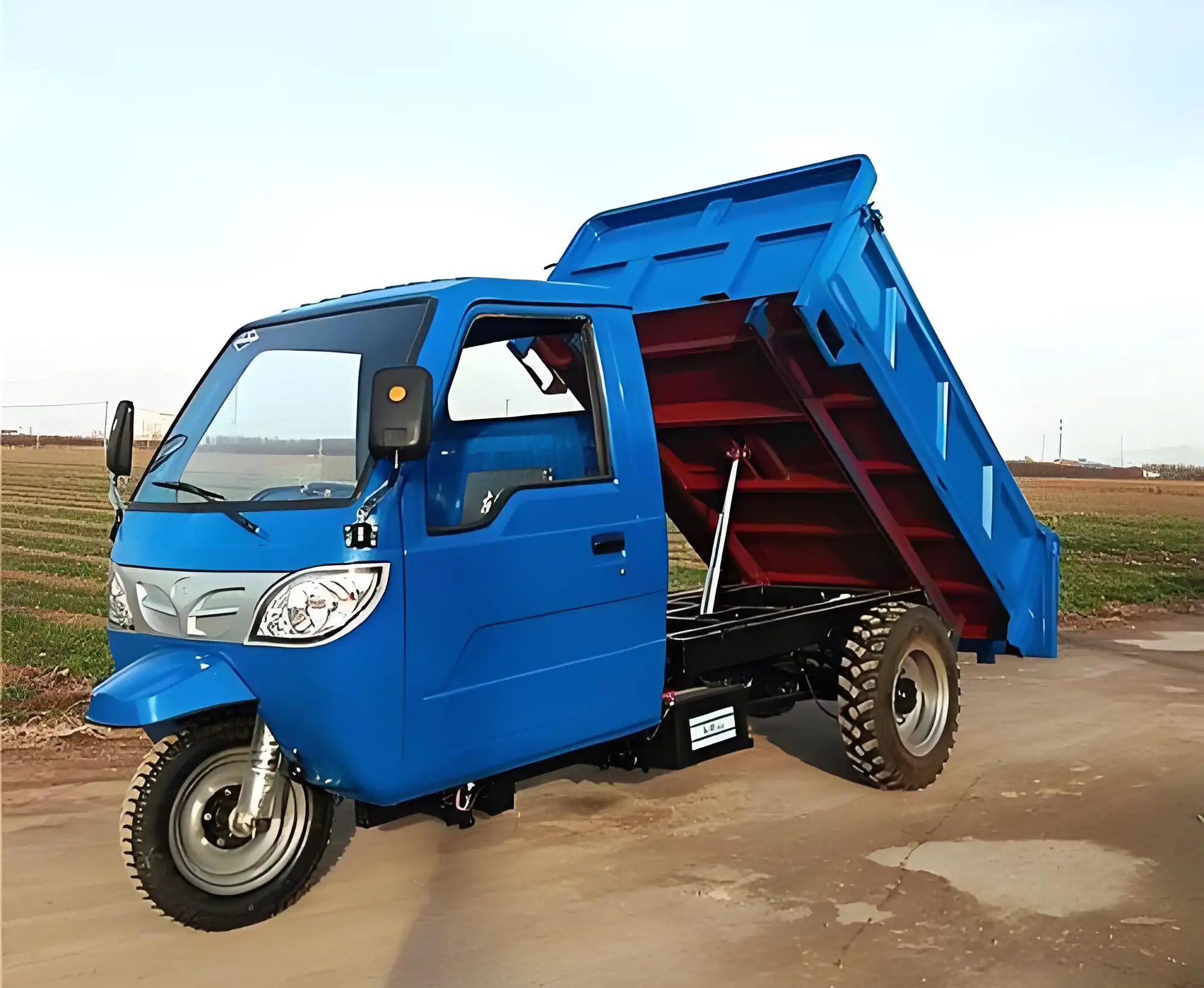
                  • Chongqing: Known as a powerhouse for motorcycles and gasoline-powered vehicles, Chongqing is a major hub for heavy-duty and agricultural gasoline tricycles. Manufacturers here are renowned for their robust engines and durable frames.
                  • Jiangsu Province (Xuzhou, Wuxi, Changzhou): This province, particularly the city of Xuzhou, is a leading center for electric tricycles. The region boasts a complete supply chain for electric vehicle components, from batteries and motors to controllers and frames. Wuxi is also a significant player, with many factories exporting electric scooters and tricycles globally.
                  • Hebei Province: This northern province is another key manufacturing base, particularly for electric tricycles and elderly mobility scooters. Companies in Hebei often offer a wide variety of models and competitive pricing.
                  • Shandong Province: With a focus on both electric and gasoline-powered vehicles, Shandong is a versatile hub for tricycle manufacturing, offering a broad range of products for domestic and international markets.

                  V. Domestic Major Manufacturers (Leading Enterprises)

                  The Chinese tricycle market is dominated by a few key players known for their quality, innovation, and production scale.
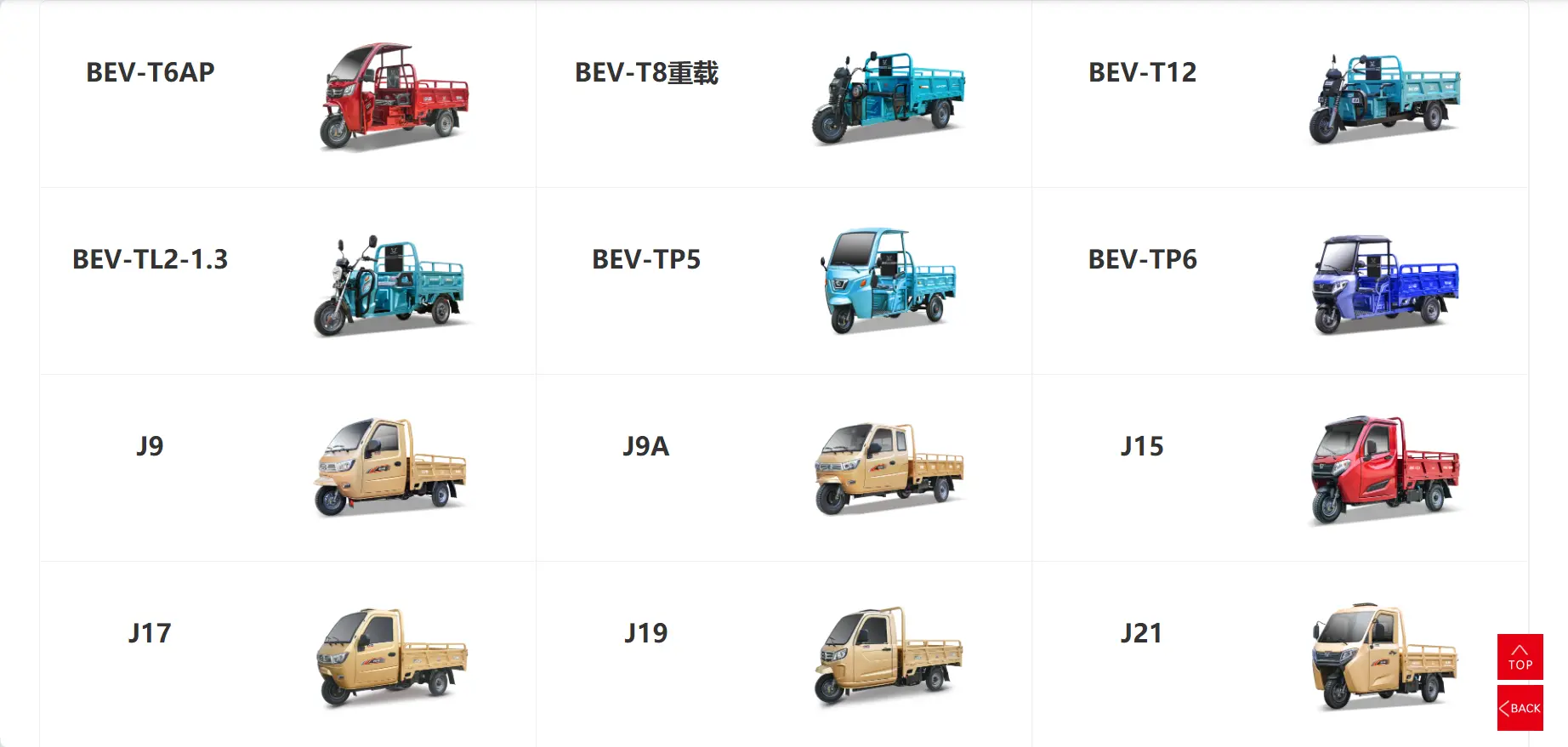
                  • Jinpeng (江苏金彭车业有限公司): https://www.jpddc.com Arguably the market leader, Jinpeng is a massive enterprise integrating R&D, manufacturing, and sales of electric vehicles. They are known for their high sales volume and a wide variety of electric tricycles for both cargo and passenger use.
                  • Zongshen (宗申产业集团): https://www.zonsen.cn/ A globally recognized name in the motorcycle industry, Zongshen is a major manufacturer of gasoline engines and complete gasoline tricycles. Their products are known for their reliability and power.
                  • Huaihai Holding Group (淮海控股集团): https://www.huaihaiglobal.com This company is a significant player in the field of small vehicles, including electric tricycles and motorcycles. They have a strong reputation for export and a wide range of products.
                  • Xinge (新鸽电动车): http://www.xin-ge.com.cn A pioneer in the electric tricycle industry, Xinge has a long history of designing and manufacturing electric tricycles. They are known for their innovative designs and focus on electric models.
                  • Dayang (大阳): https://www.dayangmotorcycle.com A well-known brand in the gasoline-powered tricycle market, Dayang specializes in robust and reliable cargo tricycles, often with water-cooled engines for enhanced performance.

                  VI. Relevant Certification Requirements

                  Exporting tricycles from China requires adherence to a complex set of international certifications and standards. Ensuring your supplier complies with these regulations is crucial to avoid customs issues.
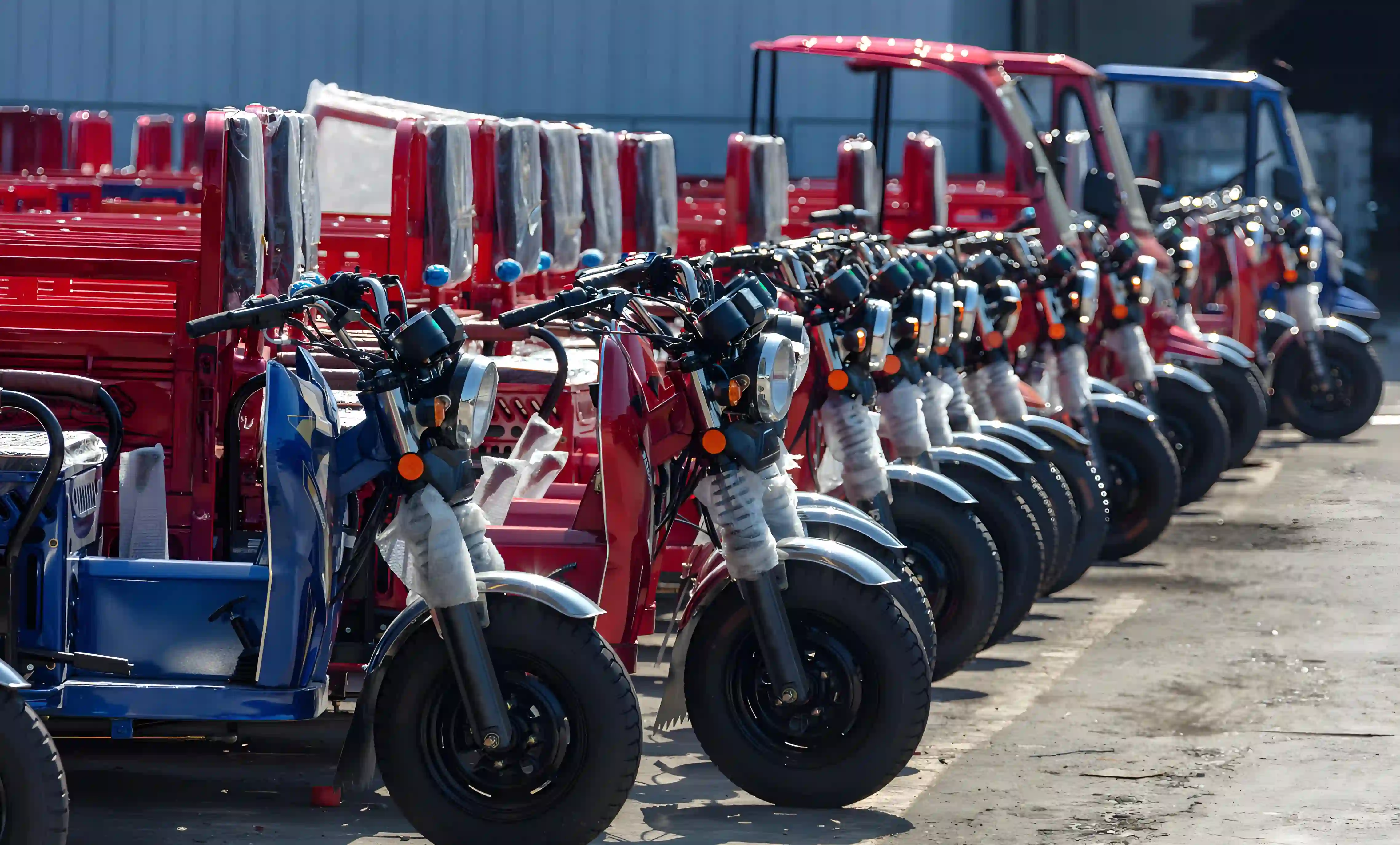
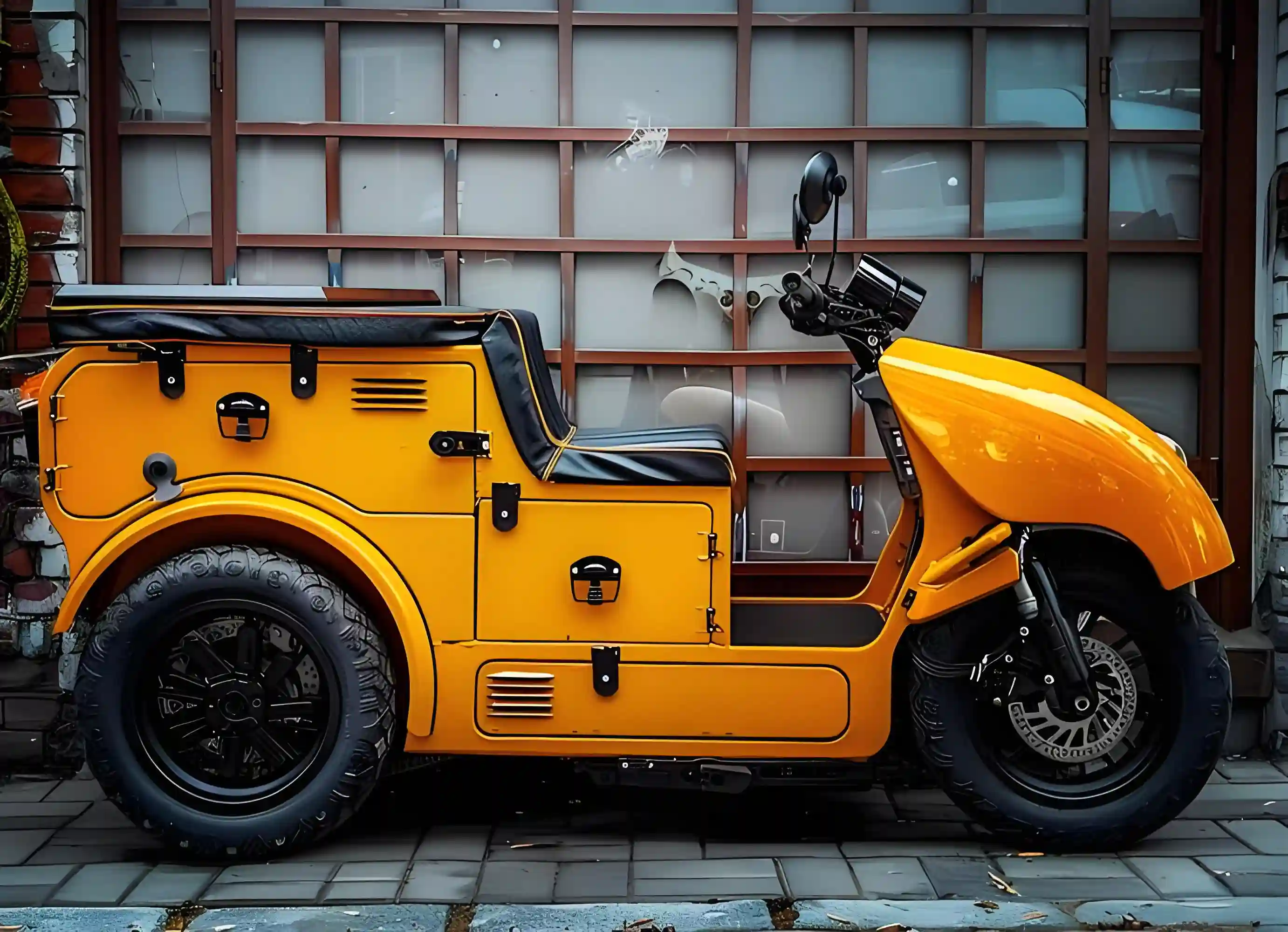
                  • For the European Market:
                    • EEC/ECE: The Economic Commission for Europe (ECE) regulations are essential for vehicles to be sold in the EU. A supplier must provide an ECE type-approval certificate for each model, which proves the vehicle meets a variety of safety, environmental, and technical standards.
                    • CE Marking: This certification indicates that the product complies with EU health, safety, and environmental protection standards.
                  • For the US Market:
                    • EPA (Environmental Protection Agency): Gasoline-powered tricycles must meet EPA emission standards.
                    • DOT (Department of Transportation): While tricycles often fall under a different classification than cars, certain components (like tires and lights) must be DOT compliant.

                  • Other Certifications:

                    • ISO 9001: This is a quality management system standard. While not a product certification, a supplier with ISO 9001 certification demonstrates a commitment to consistent quality control.
                    • CCC (China Compulsory Certificate): This is a mandatory safety and quality certification for products sold in China. While it doesn’t replace international standards, it’s a good initial indicator of a manufacturer’s commitment to safety.


                  Crucial Tip: Always request and verify the official certification documents and test reports for the specific models you plan to import. Do not rely solely on a supplier’s verbal assurances.

                  VII. Precautions for Purchasing: Making an Informed Decision

                  Once you have identified potential suppliers and their products, follow these steps to secure a successful purchase.
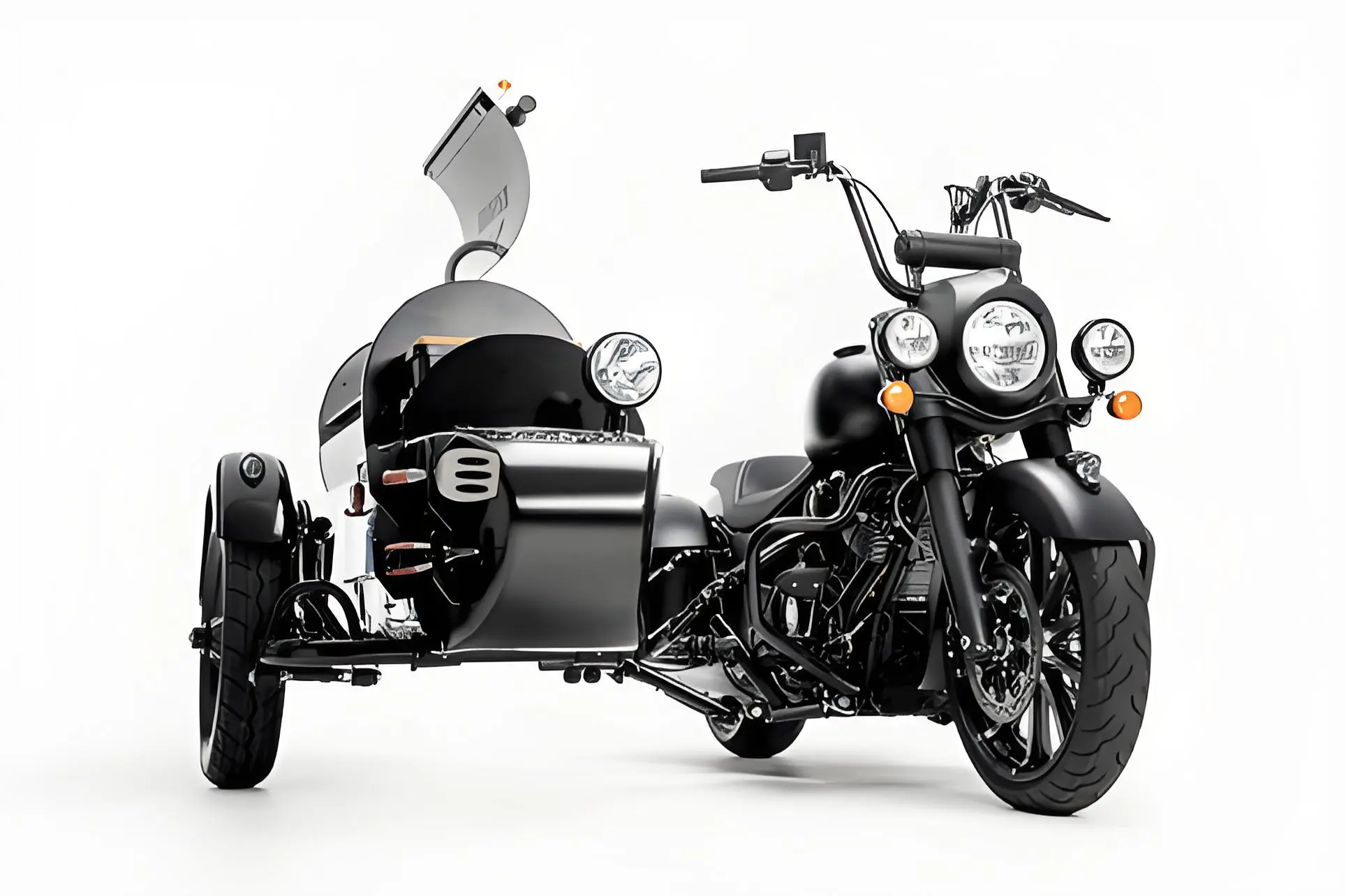
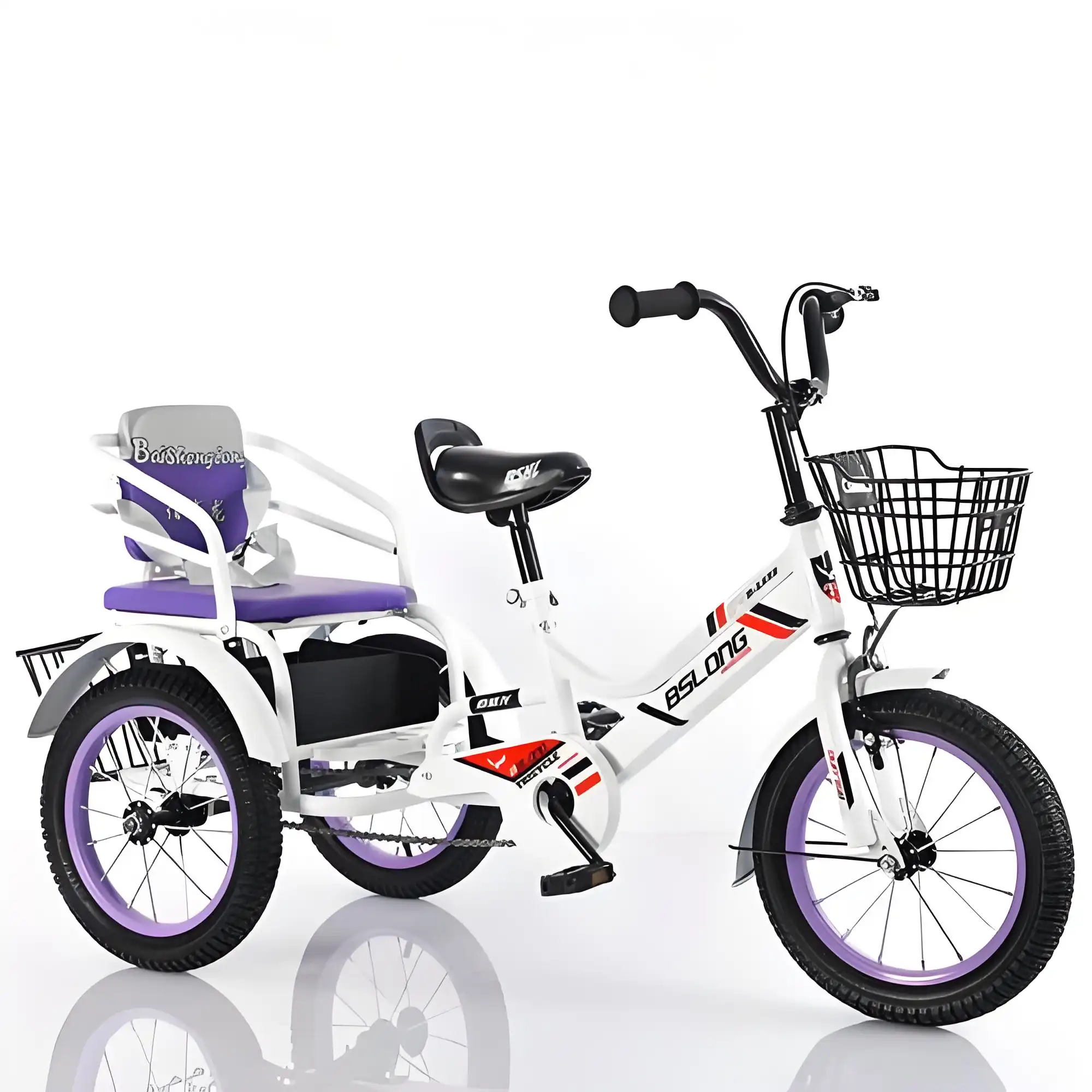
                  • Start with Samples: Before placing a large order, it is highly recommended to order a sample unit. This allows you to perform a hands-on quality assessment of the product’s build, components, and performance. Test the motor, battery, brakes, and overall durability.
                  • Assess Supplier Production Capacity: A supplier’s production capacity is a crucial indicator of their ability to meet your demands, especially for large orders. Inquire about their production metrics and delivery timelines. A well-established manufacturer with a high output is more likely to handle bulk orders efficiently.
                  • Define Your Intended Use Clearly: Be specific about your market and the intended use of the tricycles. Will they be for rugged agricultural use or for smooth city streets? The specific requirements will dictate the necessary power, frame material, and tire type.
                  • Consider After-Sales Support: A reliable supplier should be able to provide after-sales support, including spare parts and technical assistance. Inquire about their warranty policy and how they handle repairs or component replacements.
                  • Calculate Total Cost: Remember to account for all costs beyond the unit price. This includes shipping fees, import duties, customs clearance costs, local taxes, and potential costs for modifications or a separate warranty program.
                  • Perform Due Diligence: Use online tools like Alibaba’s “Audited Supplier” badge or third-party inspection services to verify a supplier’s legitimacy and factory conditions. Ask for references from other international buyers.

                  VIII. Choose IMEXsourcing as Your Sourcing Partner for Tricycles in China

                  When it comes to procuring high-quality Tricycles from China, partnering with an experienced and reliable sourcing agent is paramount. IMEXsourcing stands out as a premier choice, offering a comprehensive suite of services designed to streamline your acquisition process and secure exceptional value. Here are compelling reasons to select IMEXsourcing for your next purchase on Tricycles:

                  Extensive Procurement Expertise

                  IMEXsourcing boasts a profound and long-standing history in the sourcing industry, enabling us to proficiently locate and secure a wide array of Tricycles from highly regarded Chinese suppliers. Our deep market knowledge ensures that we connect you with manufacturers known for their reliability and superior products.
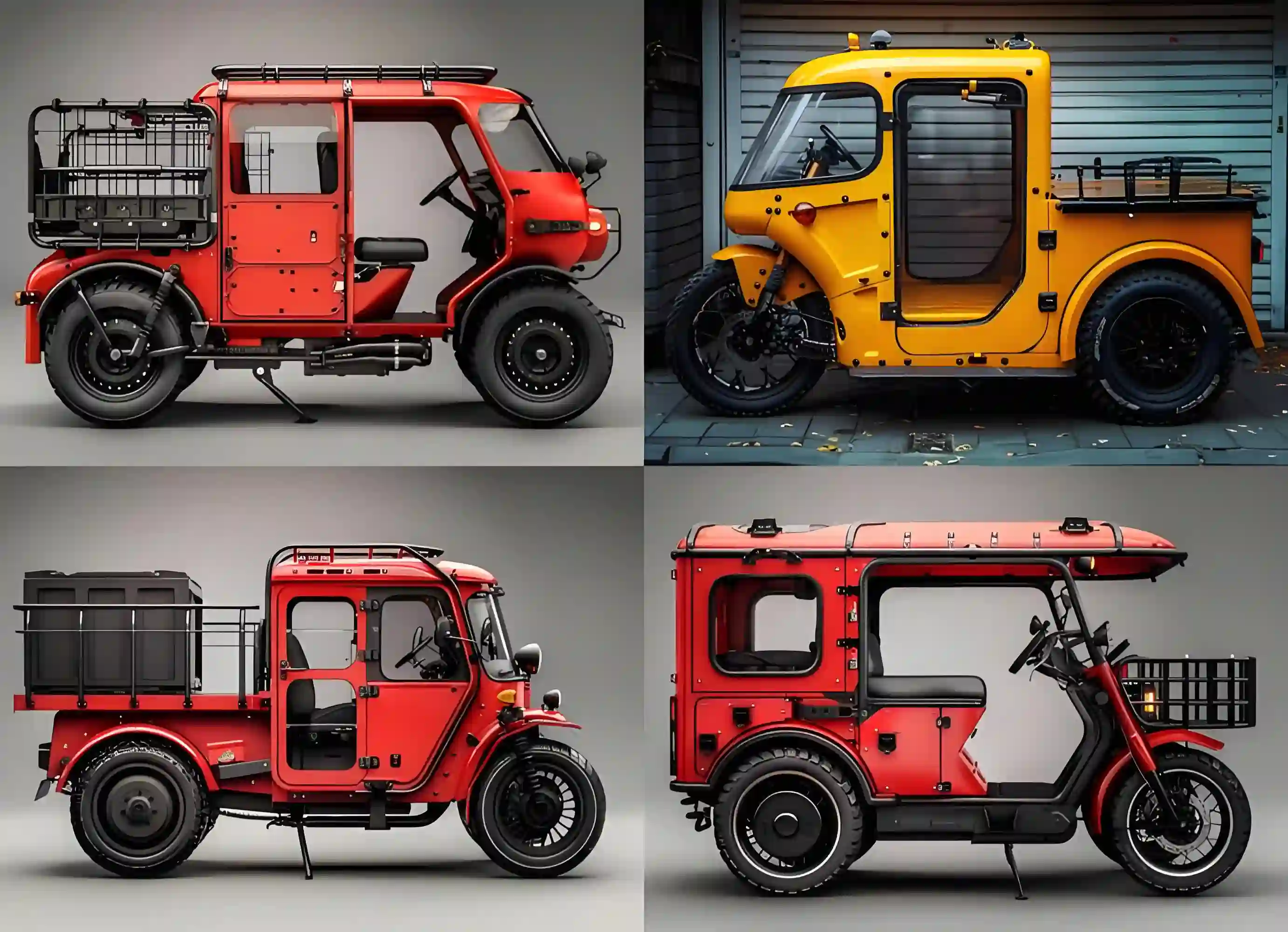
                  Bespoke Design Solutions

                  At IMEXsourcing, we understand that unique requirements often demand tailored solutions. We empower you to commission well-designed and standard-produced tricycles precisely engineered to your specifications, ensuring the final product perfectly aligns with your operational needs.

                  Thorough Supplier Verification

                  Our commitment to quality begins with rigorous due diligence. We conduct comprehensive factory verifications for all potential manufacturers. This meticulous audit confirms their production capabilities, assesses their quality control protocols, and ensures their full compliance with relevant industry standards and legal requirements.
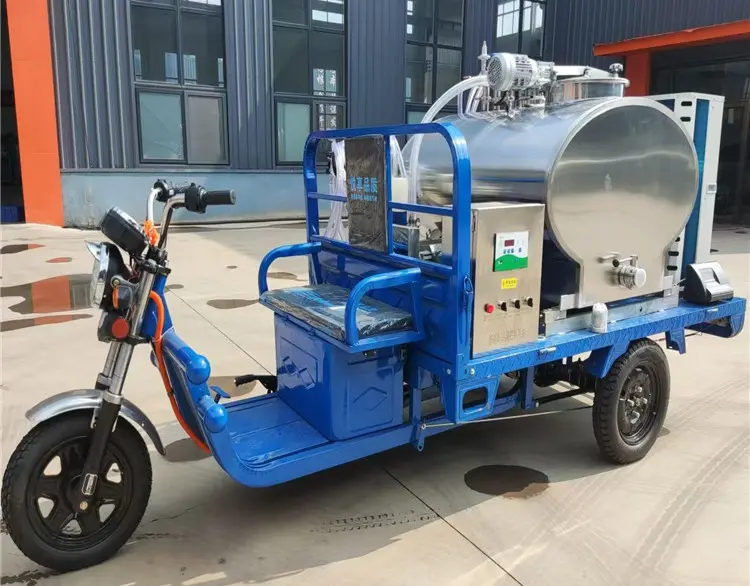
                  Expert Price Negotiation

                  Leveraging our veteran status and in-depth understanding of the market dynamics, IMEXsourcing excels in negotiation. This invaluable expertise allows us to secure the most favorable pricing and terms with top-tier tricycles manufacturers renowned for their products, function, aftersales service and cost-efficient, optimizing your investment.

                  Stringent Quality Assurance

                  IMEXsourcing implements a robust quality management framework that spans the entire procurement cycle. This includes careful selection of suppliers, diligent oversight through production inspections, and thorough product testing prior to shipment, guaranteeing the integrity and performance of your tricycles.

                  IX. Conclusion

                  In conclusion, the Chinese tricycle market offers a wealth of opportunities for global buyers. By carefully researching product types, understanding technical specifications, and following a structured procurement process, importers can find high-quality, cost-effective vehicles to meet a variety of commercial and personal needs.

                  Moreover, engaging with reputable suppliers and conducting thorough due diligence ensures that the procurement process is not only efficient but also minimizes risks associated with international trade. This strategic approach not only enhances the value proposition but also fosters long-term business relationships, ultimately contributing to sustained profitability and market competitiveness.

                  Message us for more information

                  Please let us know your request, we will get back to you within 24 hours.

                    A Comprehensive Guide to Sourcing Tractors from China

                    As Chinese produces a full spectrum of tractors—from small walk‑behind and compact models, through medium orchard/row‑crop tractors, to large wheel/crawler farm tractors, and emerging new‑energy (mainly electric or hybrid prototypes) currently, 

                    China has emerged as a significant player in the global agricultural machinery market, offering a wide range of tractors that cater to diverse farming needs, from small-scale operations to large commercial farms. This guide aims to provide a comprehensive overview for international buyers looking to import tractors from China, covering product types, key specifications, industrial clusters, leading manufacturers, certification requirements, and crucial purchasing considerations.
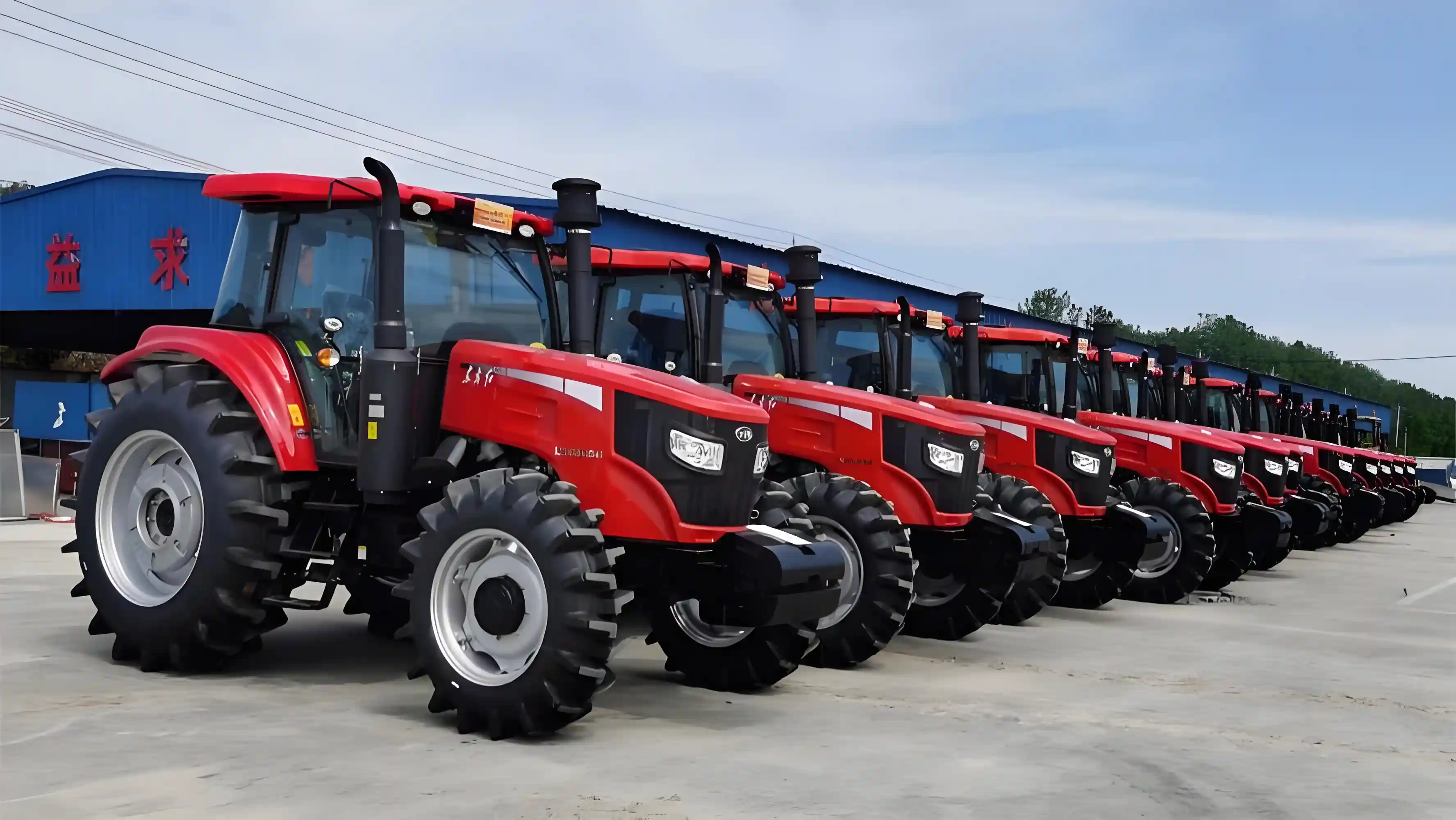
                    I. Introduction to the Chinese Tractor Market

                    The Chinese tractor industry has undergone rapid development, driven by domestic demand for agricultural modernization and increasing export opportunities. Chinese tractor manufacturers are known for producing cost-effective, durable, and increasingly technologically advanced tractors. While traditionally focused on smaller, simpler models, there’s a growing emphasis on larger horsepower, intelligent features, and new energy solutions to meet global standards and evolving agricultural practices.
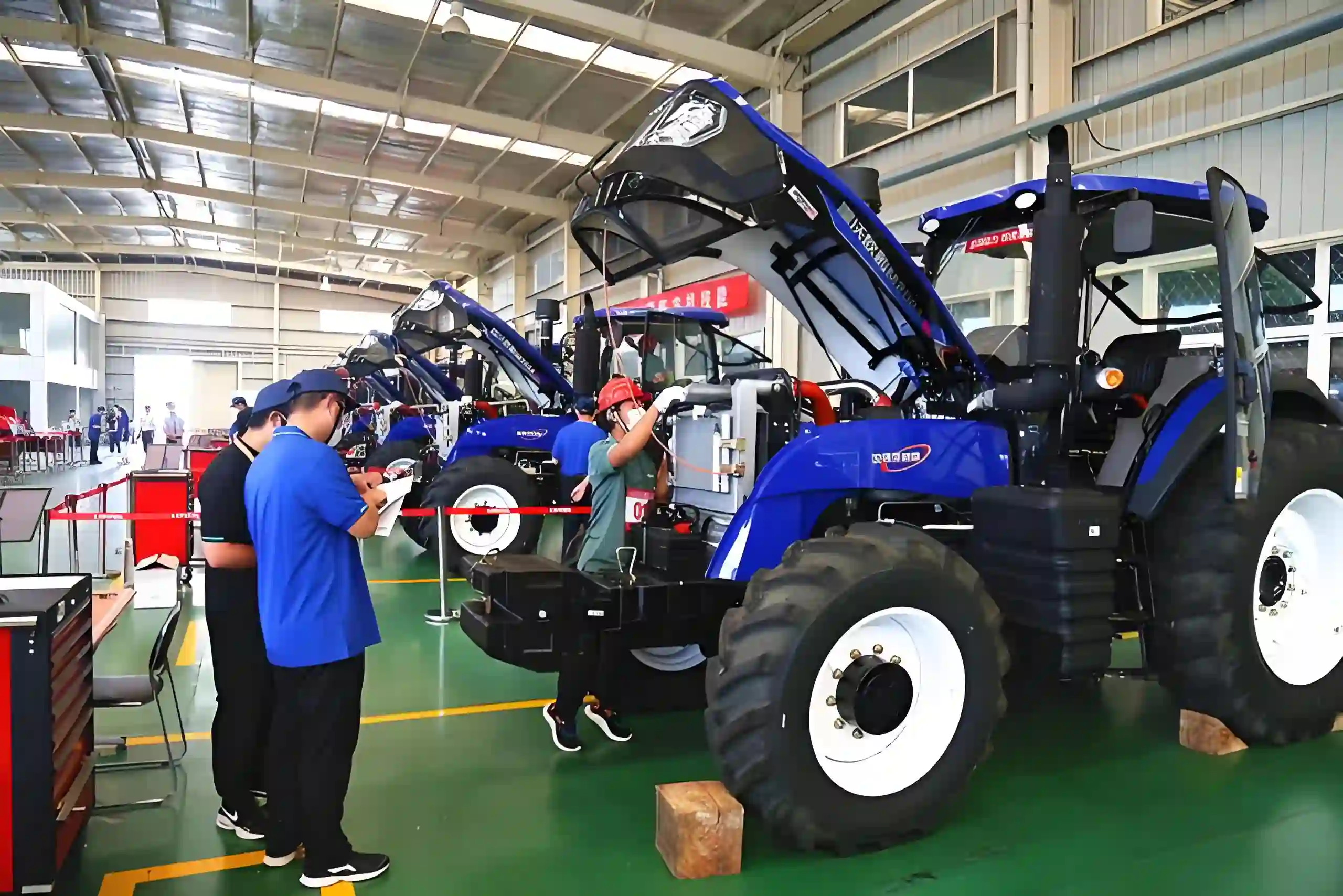
                    II. Types of Tractors from China

                    Chinese tractor manufacturers offer a broad spectrum of tractor types, categorized primarily by horsepower and application.

                    2.1. Small-Sized Tractors (Under 50 HP)

                    These diesel tractors are typically in the 15-50 HP range and are highly popular for their versatility, compact size, and affordability. They are ideal for:
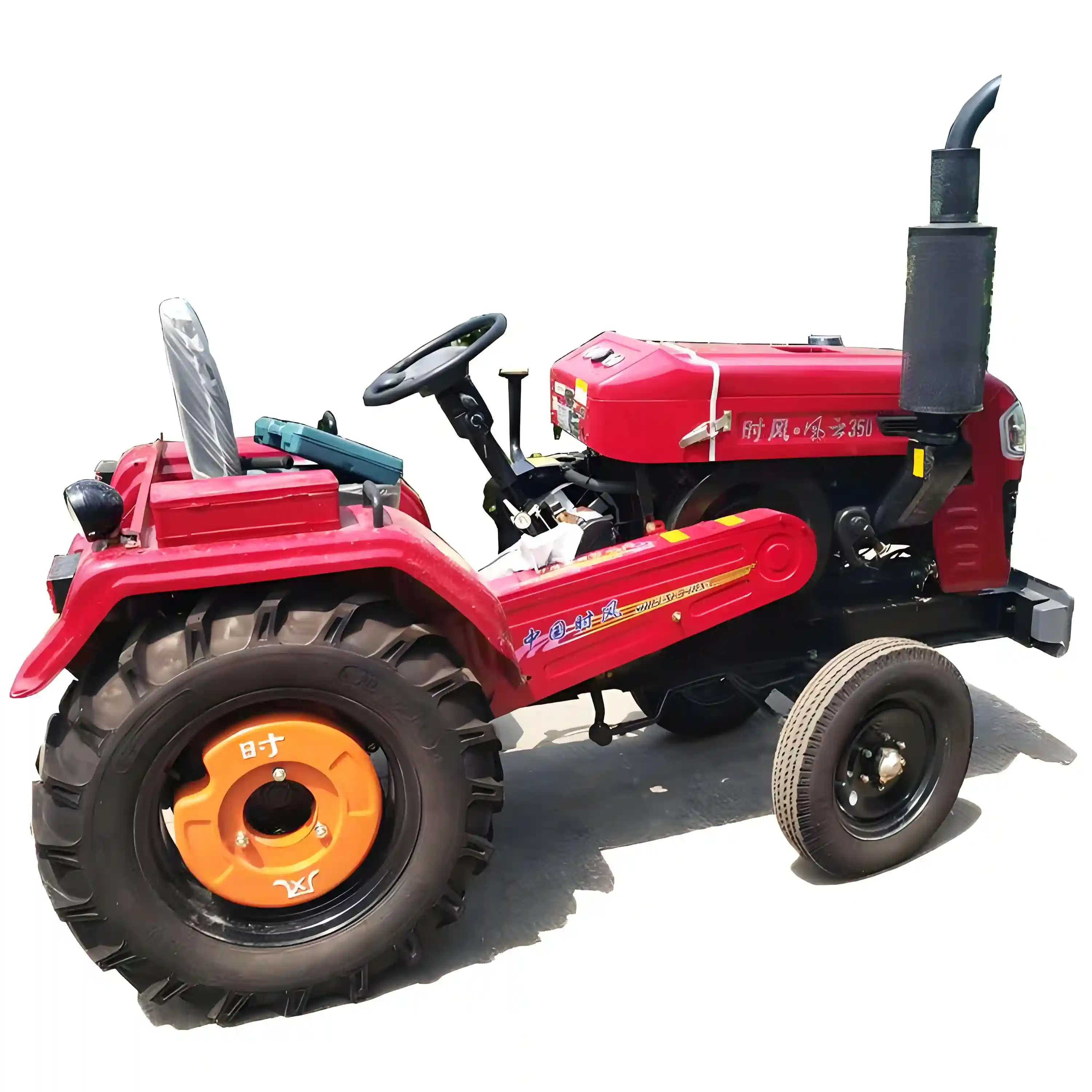
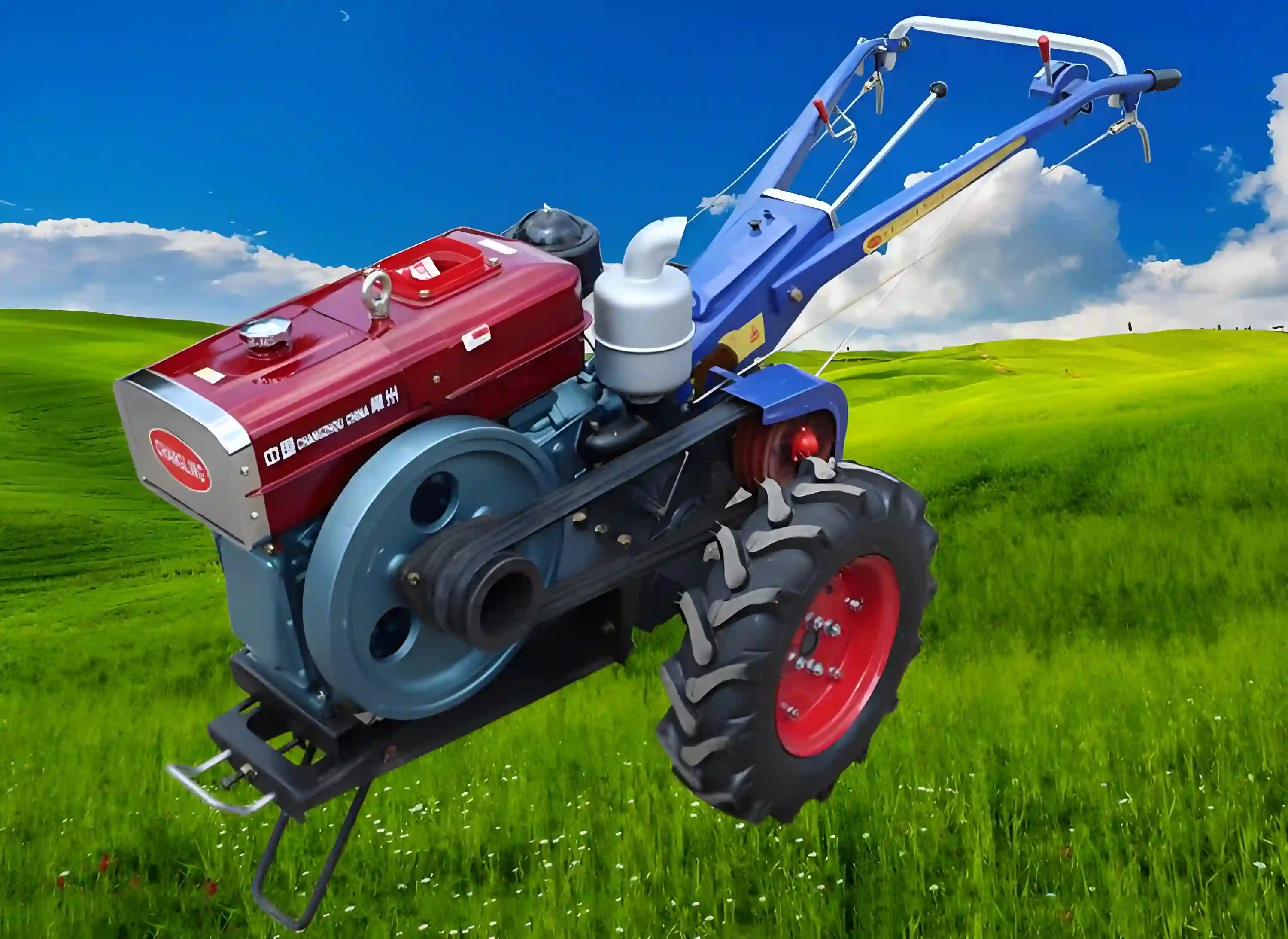
                    • Small Farms and Gardens: Perfect for personal gardens, orchards, vineyards, and small-scale family farms.
                    • Light-Duty Tasks: Suitable for plowing, tilling, seeding, spraying, and hauling in confined spaces.
                    • Key Models: Popular models include the Foton Lovol M254, Dongfeng DF-254, Jinma 254, Qilu 25HP, Changfa CF25, Taishan TS254C, and Weituo TY-25. These are often praised for fuel efficiency, ease of maintenance, and maneuverability.

                    2.2. Medium-Sized Tractors (50-100 HP)

                    Falling in the 50-100 HP range, these tractors strike a balance between power and maneuverability, making them suitable for a wider range of agricultural operations. They are commonly used for:
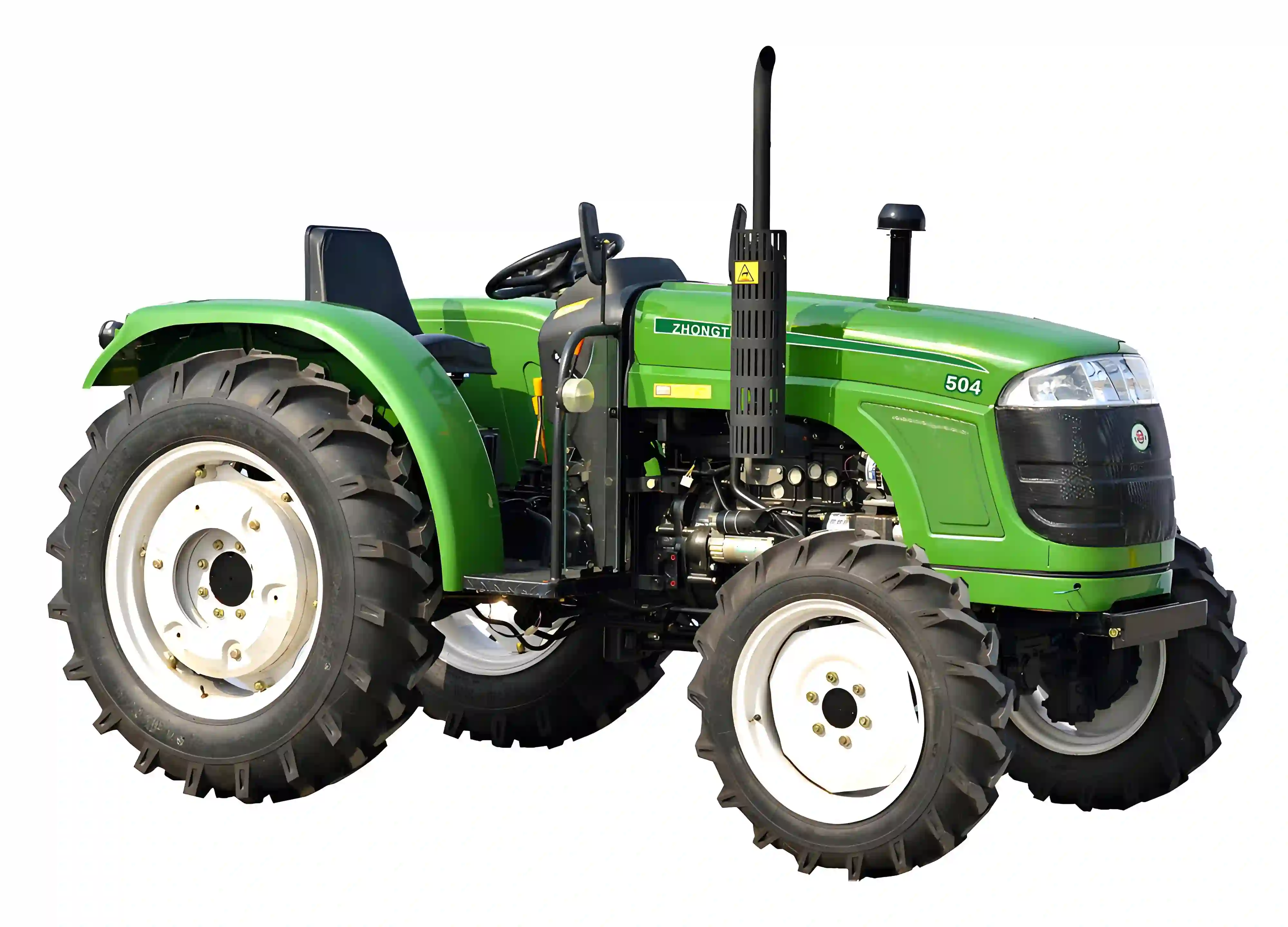
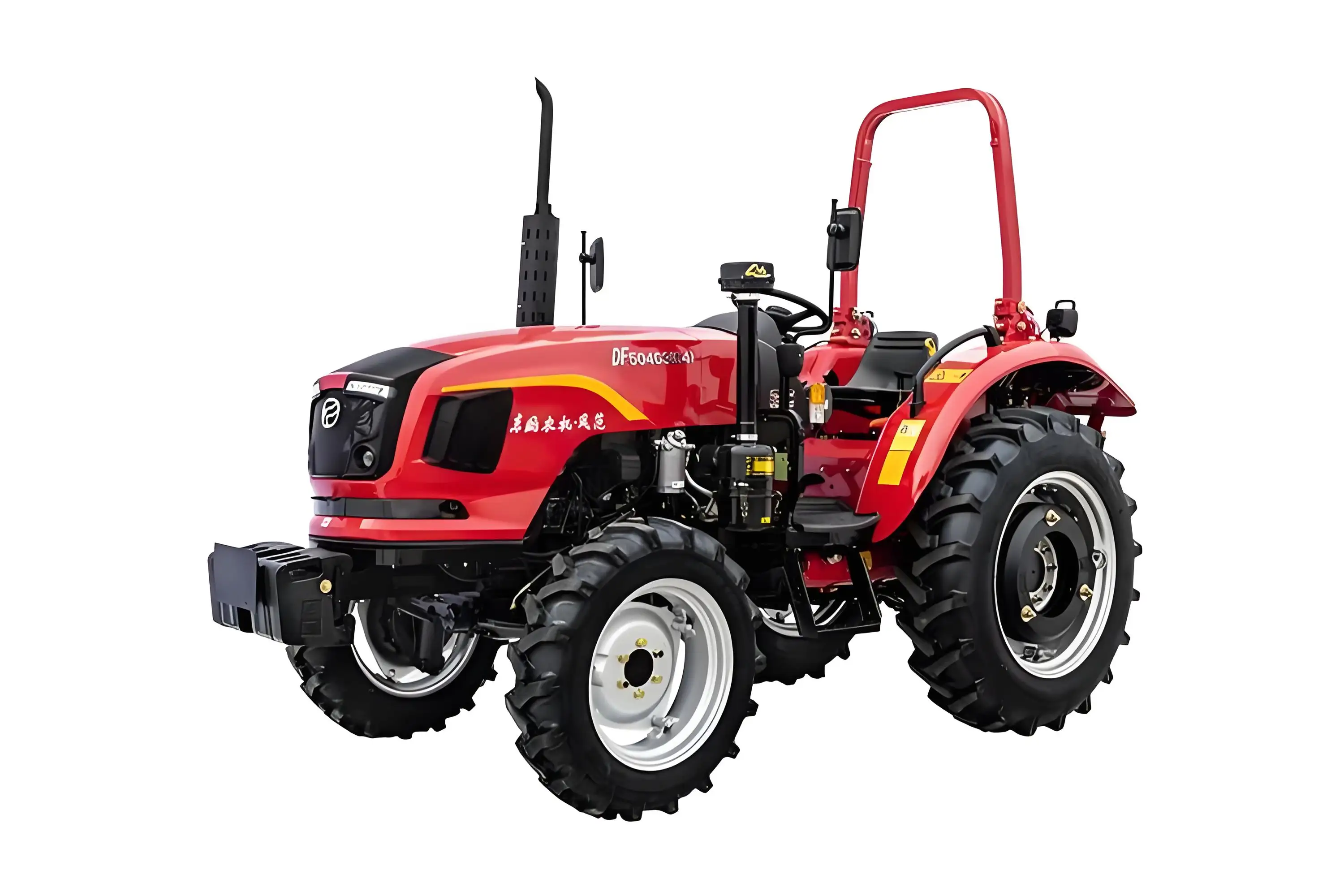
                    • Medium-Sized Farms: Efficient for field preparation, cultivation, and harvesting on medium-sized landholdings.
                    • Versatile Applications: Capable of handling various implements like plows, cultivators, balers, and loaders.
                    • Common Specifications: Many models in this category feature robust engines, durable transmissions, and adequate hydraulic systems for demanding tasks.

                    2.3. Large-Sized Tractors (Over 100 HP)

                    These high-horsepower diesel tractors (100 HP and above, extending to 300 HP and beyond) are designed for heavy-duty applications on large commercial farms. Their applications include:
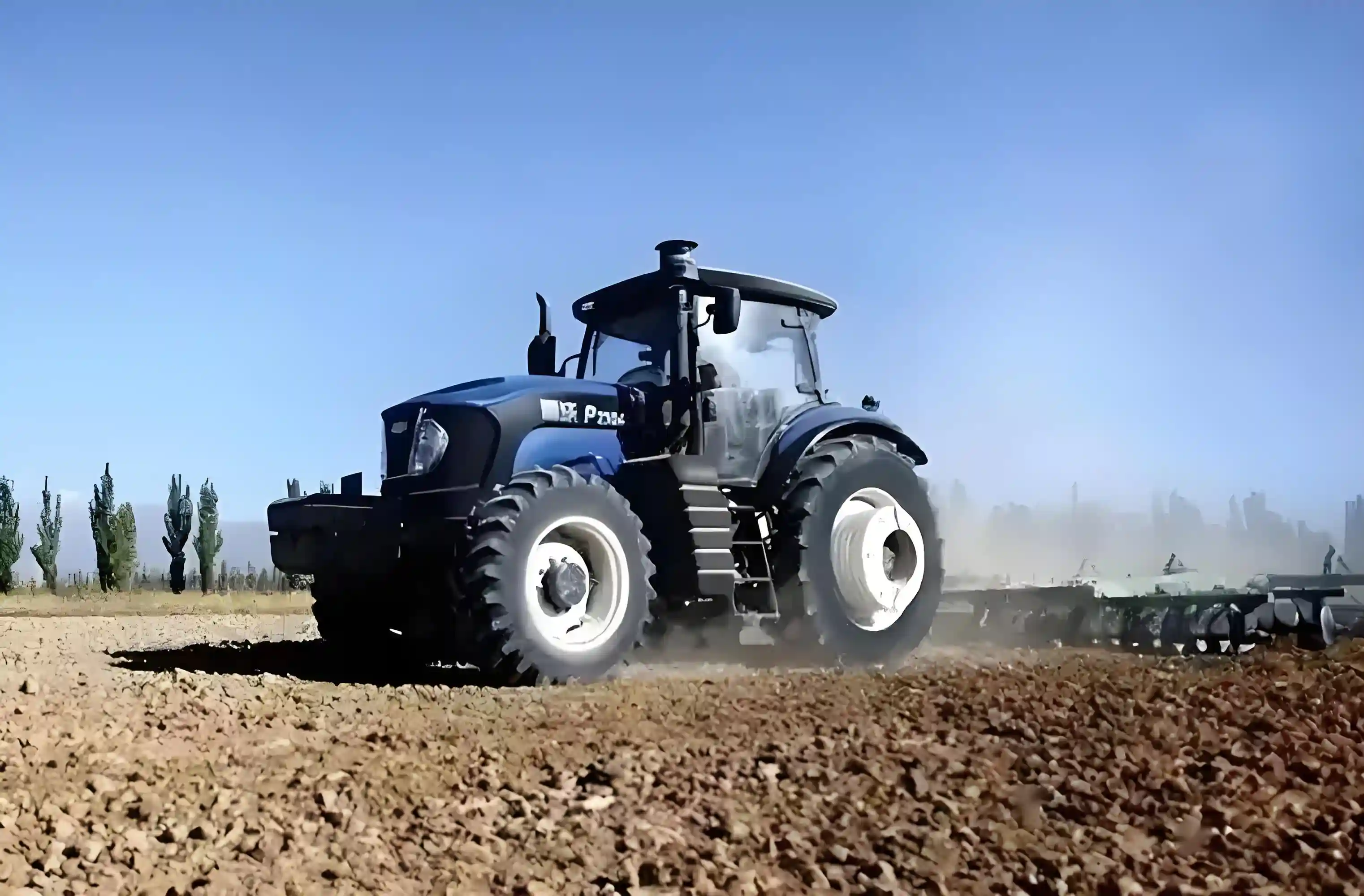
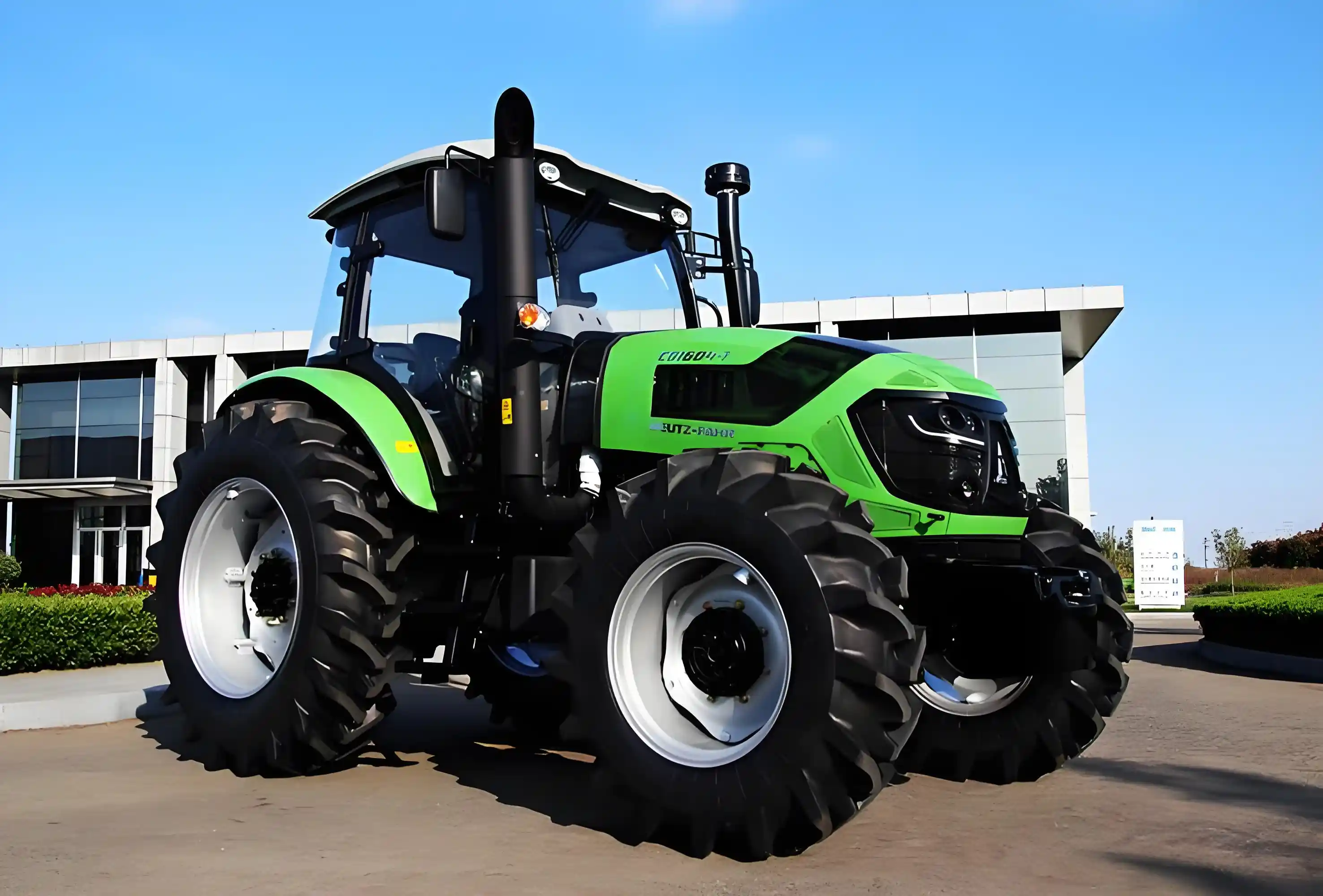
                    • Extensive Cultivation: Ideal for deep plowing, heavy tillage, and large-scale planting.
                    • Heavy Implements: Capable of pulling large and complex agricultural machinery.
                    • Advanced Features: Often come with advanced cabins, precise hydraulic systems, and more sophisticated control features for improved efficiency and operator comfort.
                    • Examples: Models like the YTO X904, QLN-1504, and various 120HP-200HP+ agricultural hydraulic tractors fall into this category.

                    2.4. New Energy Tractors

                    In line with global trends toward sustainability, China is actively developing new energy tractors. While still a nascent segment, this category includes:
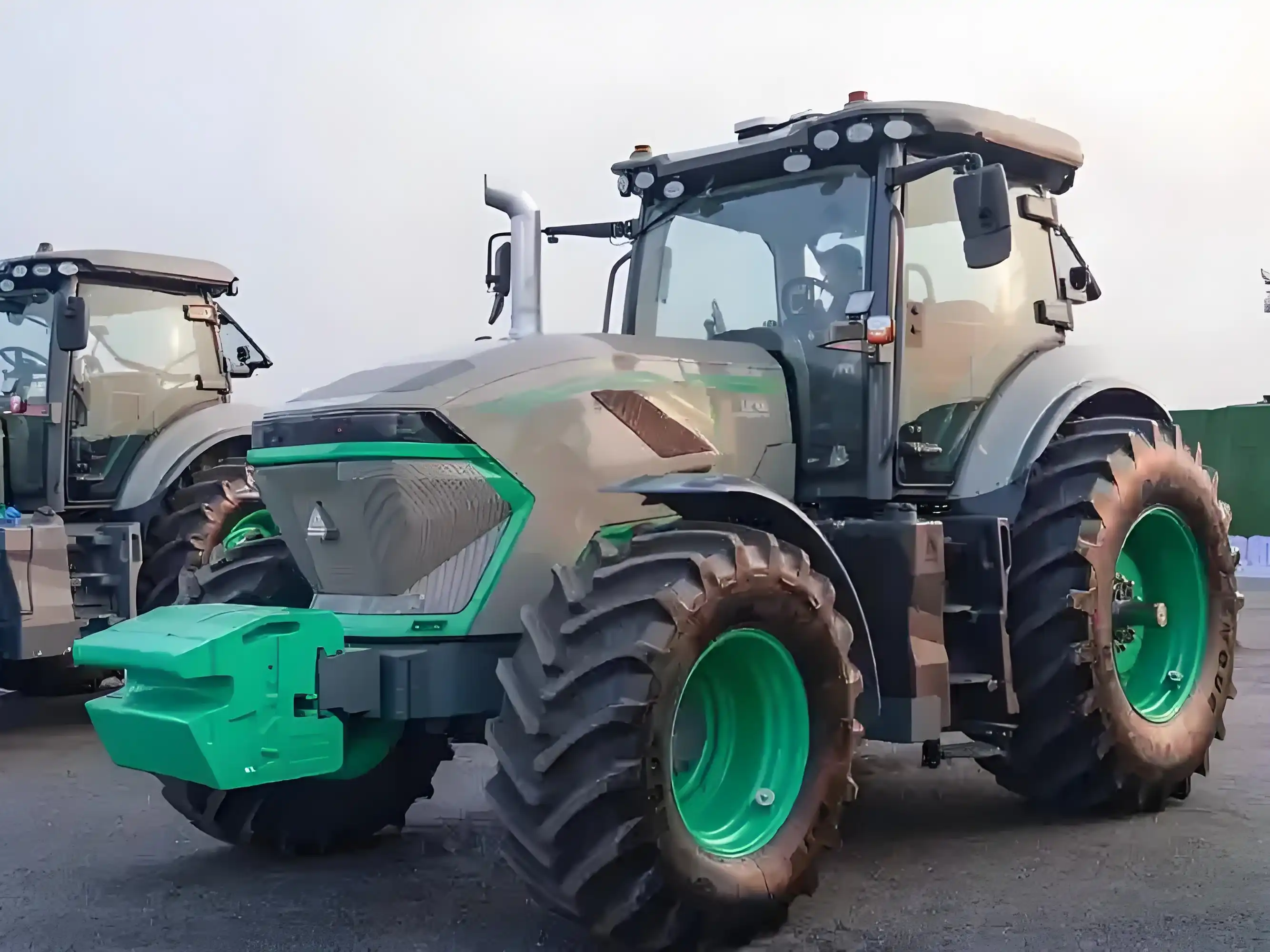
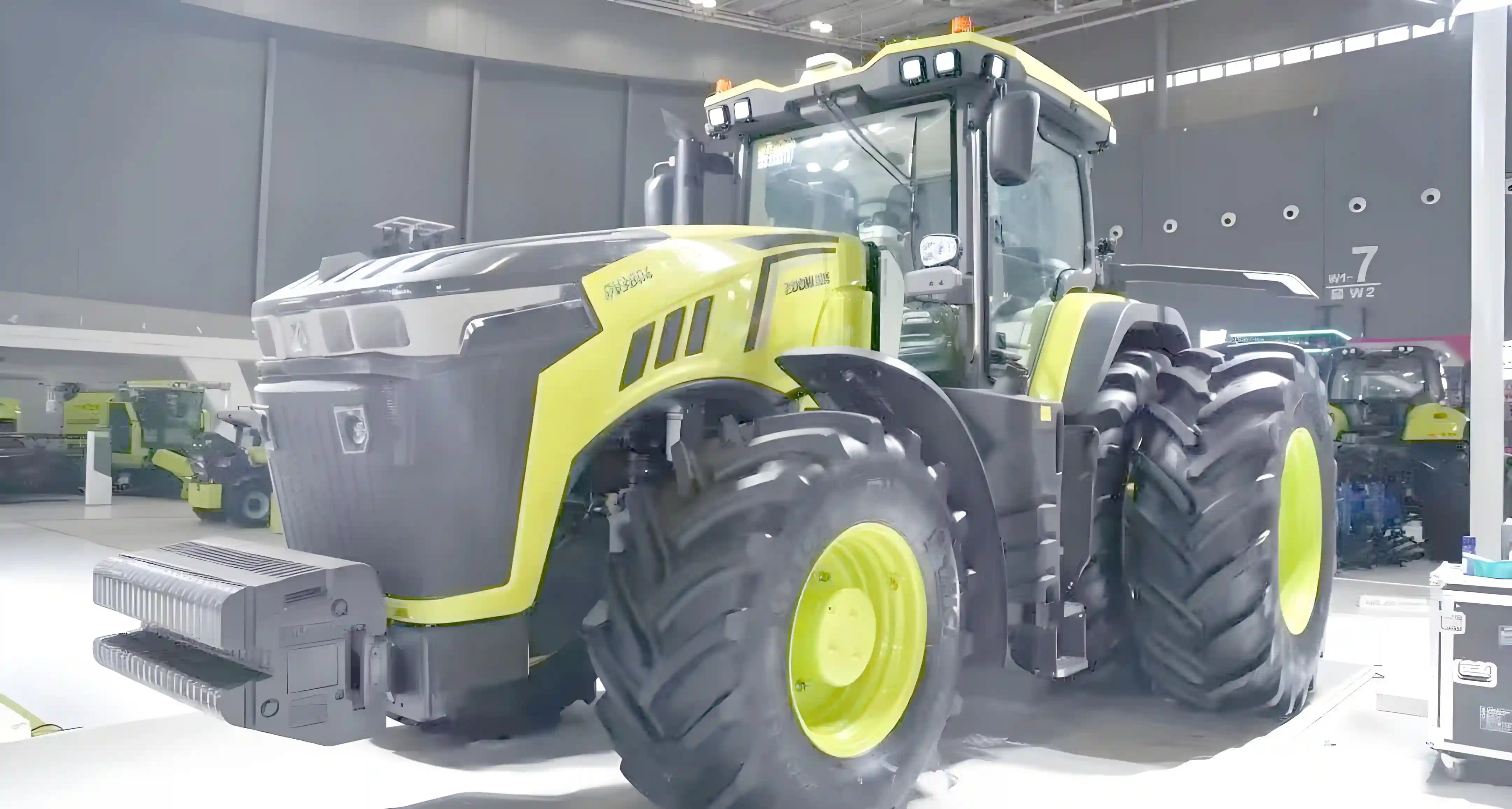
                    • Electric Tractors: Fully electric models designed for quieter operation, lower emissions, and reduced running costs, often suitable for specific tasks or urban agricultural settings.
                    • Hydrogen Fuel Cell Tractors: Experimental and prototype models, such as the YTO ET504-H, are being developed, featuring hydrogen fuel cells combined with lithium batteries for power, potentially offering significant environmental benefits. These often incorporate advanced technologies like 5G connectivity and unmanned cluster technology for autonomous operation.

                    III. Key Specifications and Parameters

                    When selecting a Chinese tractor, understanding the key specifications is crucial to ensure it meets your specific farming needs and local regulations. 

                    • Engine Power (HP/kW): This is the most critical specification, determining the tractor’s capability for various tasks. Match HP to your farm size and workload (e.g., 25-50 HP for small farms, 50-100 HP for medium, 100+ HP for large-scale operations). Ensure the engine meets relevant emission standards (e.g., EU Stage V, US EPA Tier 4 Final).
                    • Transmission Type:
                      • Manual (Gear-driven): Common in lower-cost models, simple, and rugged.
                      • Power Shuttle: Offers easier forward/reverse shifting, improving efficiency for tasks requiring frequent direction changes (e.g., loader work).
                      • Hydrostatic Transmission (HST): Provides smooth, infinitely variable speed control, ideal for precision tasks and ease of use.
                    • Hydraulic System: Look for adequate hydraulic flow and multiple hydraulic remotes if you plan to use hydraulic-powered implements like front loaders, backhoes, or specialized cultivators.
                    • PTO (Power Take-Off): The PTO shaft powers implements like mowers, sprayers, and balers. Common speeds are 540 RPM and 1000 RPM. Some tractors offer dual-speed PTOs for greater versatility.
                    • Drive Type (2WD vs. 4WD):
                      • 2-Wheel Drive (2WD): Generally cheaper and simpler, suitable for flat, dry terrain and light tasks.
                      • 4-Wheel Drive (4WD): Recommended for better traction on wet, hilly, or rough terrain, and for heavy-duty pulling tasks. Most modern Chinese tractors offer 4WD options.
                    • Tires: Agricultural tires come in various patterns (e.g., R1, R2, R3, R4) designed for specific terrains and applications. Consider the type of terrain you operate on.
                    • Operator Comfort and Features: For longer operating hours, consider features like comfortable seating, climate-controlled cabs, ergonomic controls, and basic digital displays. While some Chinese tractors may lack the advanced GPS and auto-steer features found in high-end Western models, newer models are increasingly integrating more technology.
                    • Safety Features: Ensure the tractor includes essential safety features such as ROPS (Roll-Over Protection System), seat belts, and PTO shields, which are critical for operator safety and often mandatory for import into many countries.

                      Key Technical Specifications

                      Tractor Category Typical Output (HP) Transmission Drive PTO Power Traction Force Engine / Emission
                      Small (walk‑behind) 12–50 Single/dual‑clutch 2WD or 4WD <20 HP Light Vertical diesel
                      Medium 50–100 8‑gear or more 2WD or 4WD ~20–60 HP ~10–20 kN Water‑cooled diesel
                      Large 100–160+ 16F+8R or more 4WD wheel or crawler ~80–120 HP ~30–35 kN+ Euro III / IV
                      New‑energy prototypes varying Electric/hybrid 4WD likely Electric/PTO TBD Zero/low emissions


                    IV. China’s Tractor Manufacturing Hubs

                    China’s vast geography and industrial development have led to the formation of distinct industrial clusters for agricultural machinery, including tractors. These regions benefit from established supply chains, skilled labor, and favorable government policies.
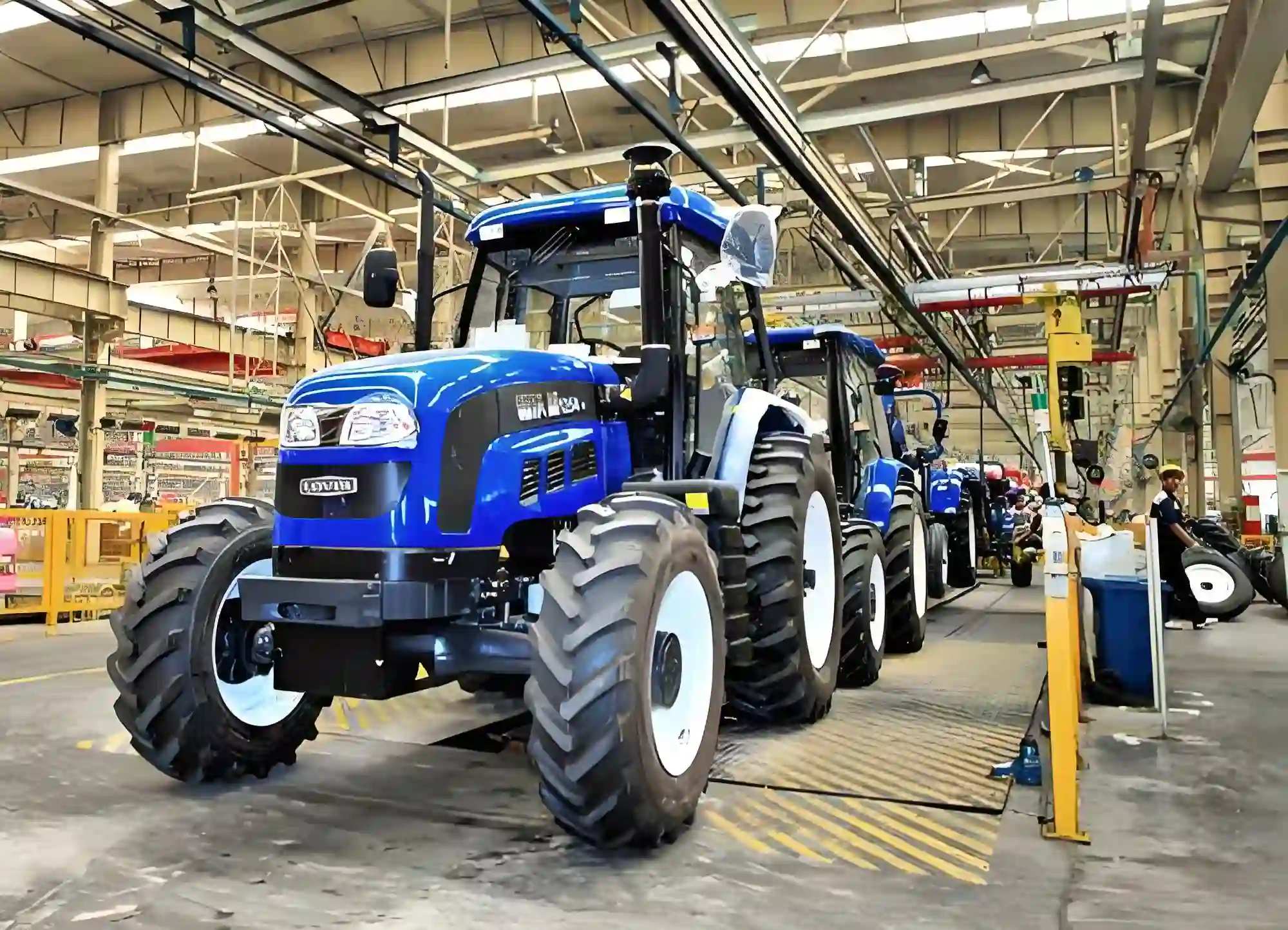
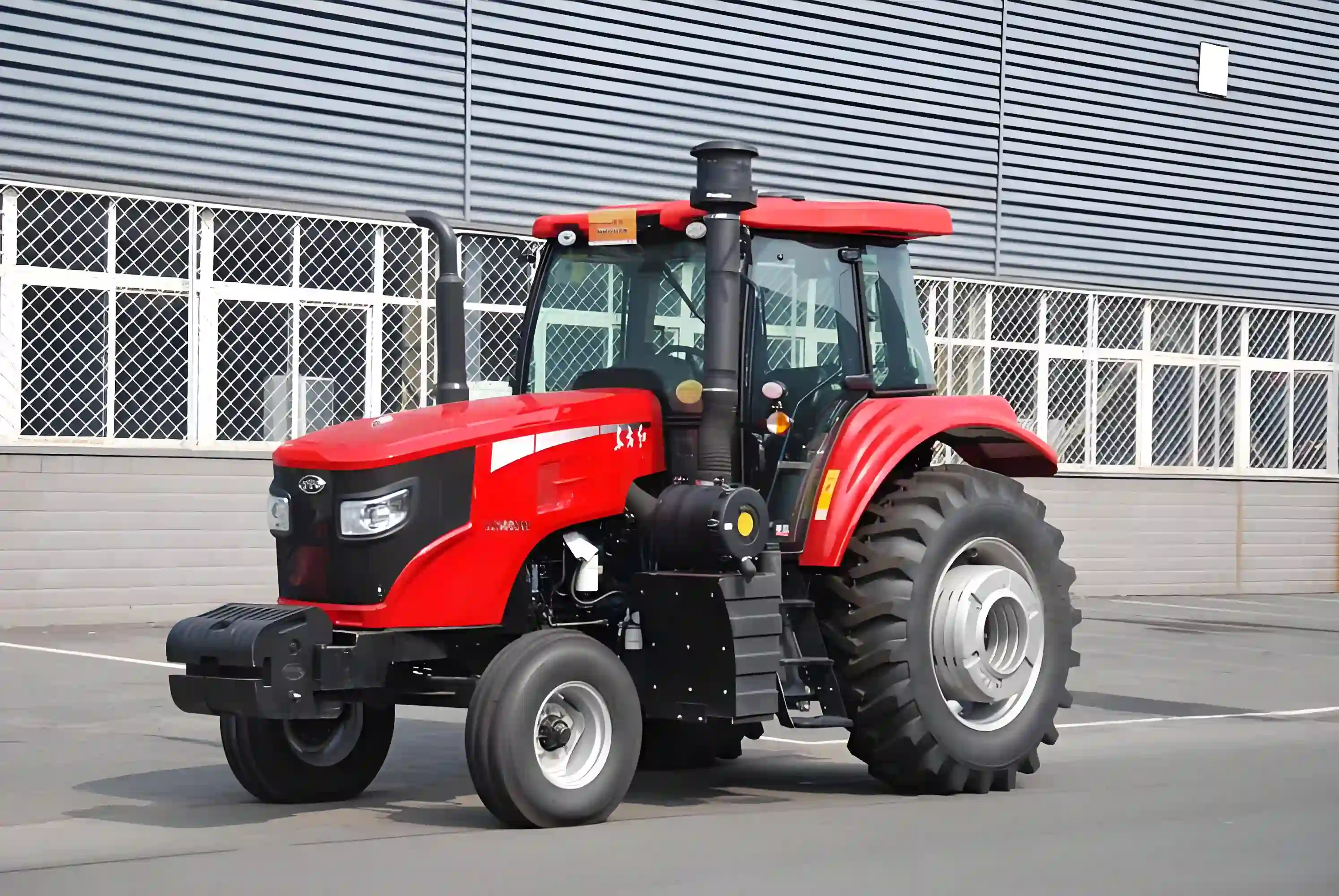
                    • Luoyang, Henan Province:
                      • Luoyang is historically known as a major center for heavy machinery and is home to YTO Group Corporation (China First Tractor), one of the oldest and largest tractor manufacturers in China. This region boasts a strong R&D and manufacturing base, particularly for large and medium-sized tractors. Companies like Luoyang Ruide Tractor Co., Ltd. are also prominent here, leveraging the regional expertise.
                    • Weifang, Shandong Province:
                      • Shandong is a significant agricultural province, and Weifang has emerged as a key manufacturing hub for various agricultural machinery, including tractors. Companies like Weifang Huaxia Tractor Manufacturing Co., Ltd. and Shandong Wuzheng Group Co., Ltd. are major players in this area, known for versatile and robust tractors. Shandong Qilu also has a presence here, particularly with compact and cost-effective models.
                    • Jiangsu Province:
                      • Jiangsu is another vital industrial base for agricultural machinery. Manufacturers like Jiangsu World Agriculture Machinery Co., Ltd. and Changzhou Dongfeng Agricultural Machinery Group Co., Ltd. are based here. This region offers a diverse range of tractors, from small to large, with a focus on quality and export. Changfa Agricultural Equipment Co., Ltd. is also a significant manufacturer in Jiangsu.
                    • Other Noteworthy Regions:
                      • Foton Lovol International Heavy Industry Co., Ltd., a major player, has manufacturing bases across China.
                      • Specific cities in Zhejiang and Guangdong might also host tractor parts suppliers or smaller assembly plants, although they are not as concentrated for complete tractor manufacturing as Luoyang or Weifang.

                    These clusters offer advantages such as concentrated supply chains, competitive pricing due to localized competition, and access to a skilled workforce.

                    V. Leading Chinese Tractor Manufacturers (Leading Enterprises)

                    Several Chinese companies have established themselves as major players in the global tractor market, known for their production scale, product range, and increasing quality.
                    • YTO Group Corporation (China First Tractor): http://www.ytocorp.com/ Established in 1955, YTO is the oldest and one of the most respected tractor manufacturers in China. Based in Luoyang, Henan, it is recognized for producing a wide range of durable and fuel-efficient tractors, from small to large horsepower, with a strong global presence.
                    • Foton Lovol International Heavy Industry Co., Ltd.: https://en.lovol.com A prominent name in agricultural equipment, Foton Lovol offers a comprehensive line of tractors known for their modern design, fuel efficiency, and technological integration. They are a major exporter with a wide product range.
                    • Dongfeng Agricultural Machinery Group Co., Ltd.: http://www.df-tractor.com Dongfeng is a well-established manufacturer known for reliable and robust tractors, particularly in the small to medium horsepower ranges. They have a good reputation for durability and performance.
                    • Zoomlion Heavy Industry Science & Technology Co., Ltd.: https://www.zoomlion.com While broadly known for construction machinery, Zoomlion also has a significant presence in agricultural machinery, including high-horsepower tractors, leveraging its technological advancements and manufacturing expertise.
                    • Jiangsu World Agriculture Machinery Co., Ltd.: https://www.worldgroup.com.cn This company is a leading manufacturer focusing on various agricultural machines, including a strong line of tractors for different farming needs, with a commitment to quality.
                    • Shandong Wuzheng Group Co., Ltd.: https://www.wuzheng.com Wuzheng is known for its robust and reliable tractors, catering to a wide range of agricultural applications. Their commitment to quality has earned them a solid reputation.
                    • Changfa Agricultural Equipment Co., Ltd.: https://en.changfanz.com Changfa produces a variety of tractors designed for different farming applications, ensuring farmers have suitable equipment for their specific needs, often praised for reliability in rugged conditions.

                      Shandong Weituo Group Co., Ltd.: https://www.weituo.com Shandong Weituo is one of the largest backbone enterprises in Chinese Agricultural Machinery Field. It has more than 60 year history.
                    • Weifang Huaxia Tractor Manufacturing Co., Ltd.: https://www.tractorhuaxia.com Huaxia is recognized for its versatile tractors that cater to various agricultural requirements, with a focus on innovation and quality.
                    • Jinma Tractor (Jiangsu Yueda Yancheng Tractor Manufacturing Co., Ltd.): https://jinma-tractor.com Jinma tractors are popular globally, especially for their compact and versatile mini-tractors, suitable for garden and small farm use.

                    These manufacturers offer competitive pricing, often with a focus on providing value for money, while increasingly adopting international quality standards and technologies.

                    VI. Relevant Certification Requirements

                    When importing tractors from China, understanding and verifying relevant certifications is paramount for legal compliance, safety, and market acceptance in your destination country.

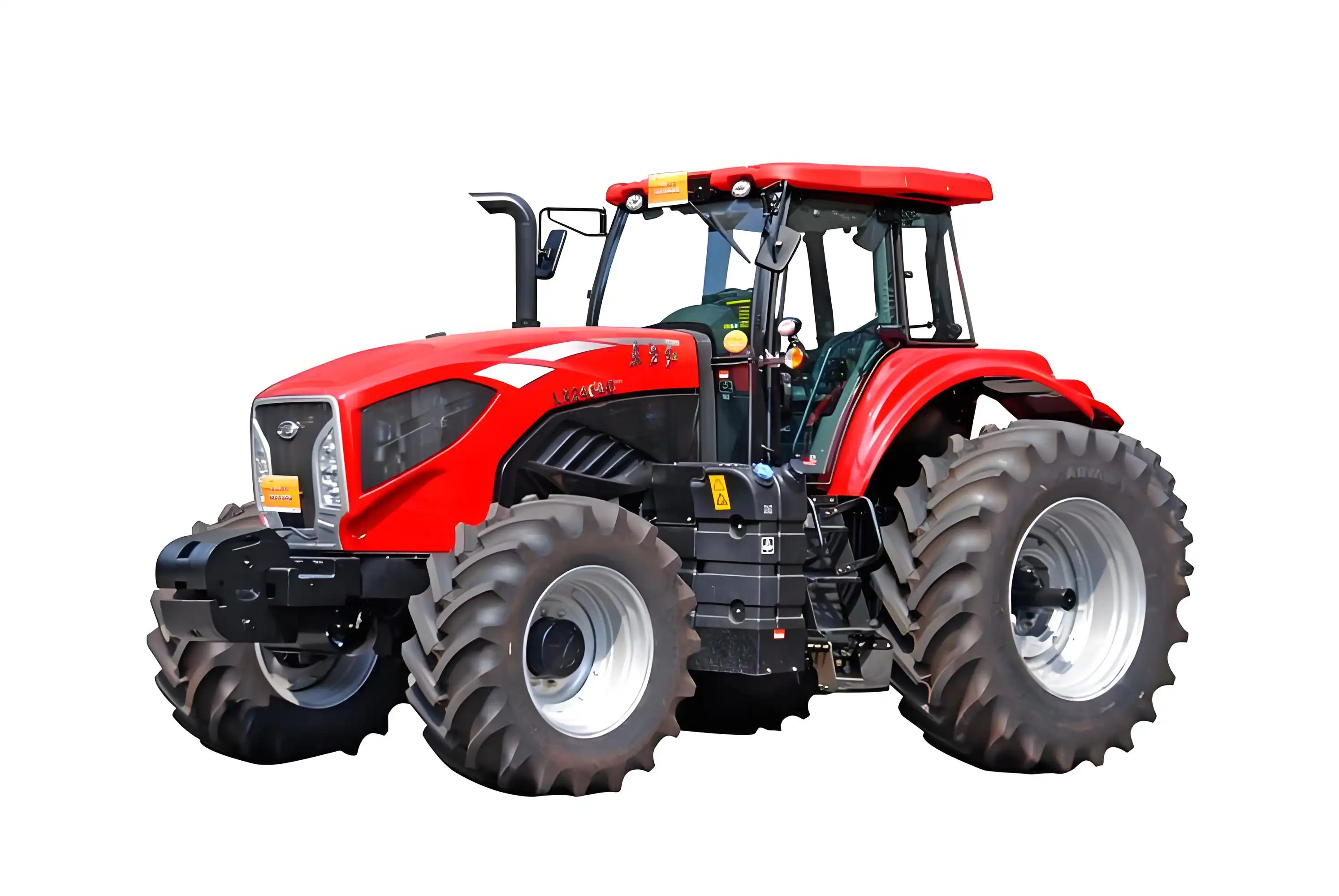
                    6.1. Chinese Domestic Certifications (Primarily for sales within China):

                    • CCC (China Compulsory Certification): Similar to CE in Europe, CCC is a mandatory safety and quality mark for many products sold or imported into China. Agricultural machinery falls under products subject to CCC certification. While primarily for the Chinese market, it indicates adherence to Chinese national standards (GB standards) which can be a baseline for quality.

                    6.2. International Export Certifications (Crucial for importing countries):

                    • CE Marking (Conformité Européenne): Mandatory for tractors to be sold in the European Union (EU) and European Economic Area (EEA). It indicates that the product complies with EU health, safety, and environmental protection legislations. This is a common requirement and a strong indicator of quality and safety for many global markets.
                    • EPA Tier Standards (U.S.): For tractors exported to the United States, engine emissions must comply with the U.S. Environmental Protection Agency (EPA) Tier standards (e.g., Tier 4 Final for newer models). This is crucial for environmental compliance and legal operation.
                    • Stage V Emissions Standards (Europe): Similar to EPA Tiers, Europe has its own set of progressively stricter emission standards (Stage V for non-road mobile machinery) that tractors must meet for sale in the EU.
                    • UKCA Marking (United Kingdom Conformity Assessed): After Brexit, the UKCA mark is the product marking used for products being placed on the market in Great Britain (England, Scotland, and Wales). For many products, it is the UK equivalent of the CE mark.
                    • RoHS (Restriction of Hazardous Substances): Primarily for electronic components within the tractor, this certification (especially relevant for the EU) restricts the use of certain hazardous materials.
                    • FCC (Federal Communications Commission): For any electronic components that emit radio frequency (e.g., GPS, communication modules) in tractors destined for the U.S. market, FCC certification is required.
                    • ISO 9001: While not a product certification, ISO 9001 is a quality management system standard. A manufacturer having ISO 9001 certification indicates that they have a robust quality management system in place for their production processes, which is a good sign for consistent product quality.
                    • Country-Specific Standards: Always verify the specific safety, emissions, and import regulations of your target country. Some countries may have unique standards (e.g., ASTM for Amazon US, ADR for Australia).


                    Important Note: Always request and verify up-to-date certification documents from the manufacturer. Be wary of suppliers who cannot provide proper, verifiable certifications for your target market.

                    VII. Important Considerations for Procurement

                    Purchasing tractors from China requires careful planning and due diligence to ensure a smooth and successful import process.
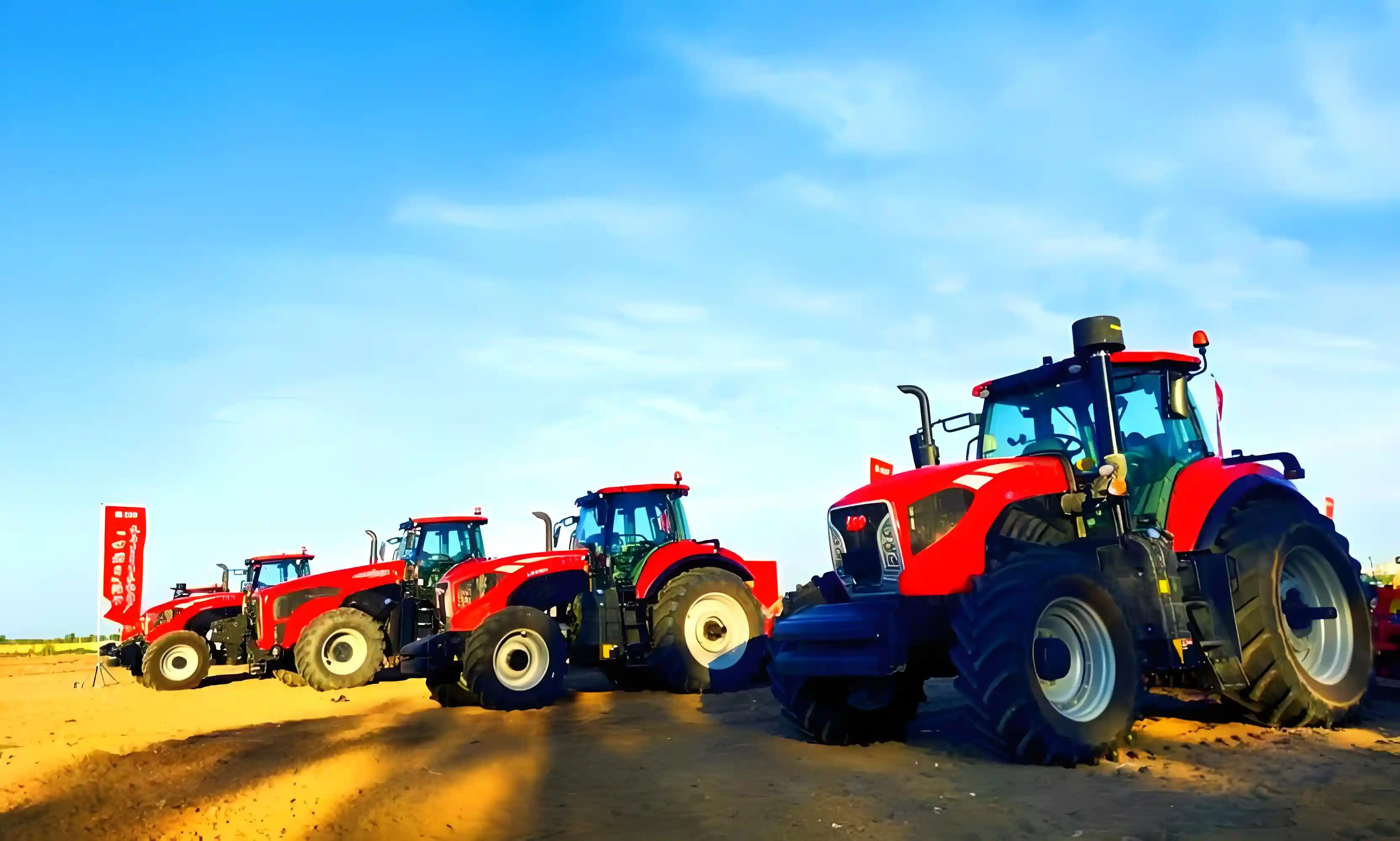
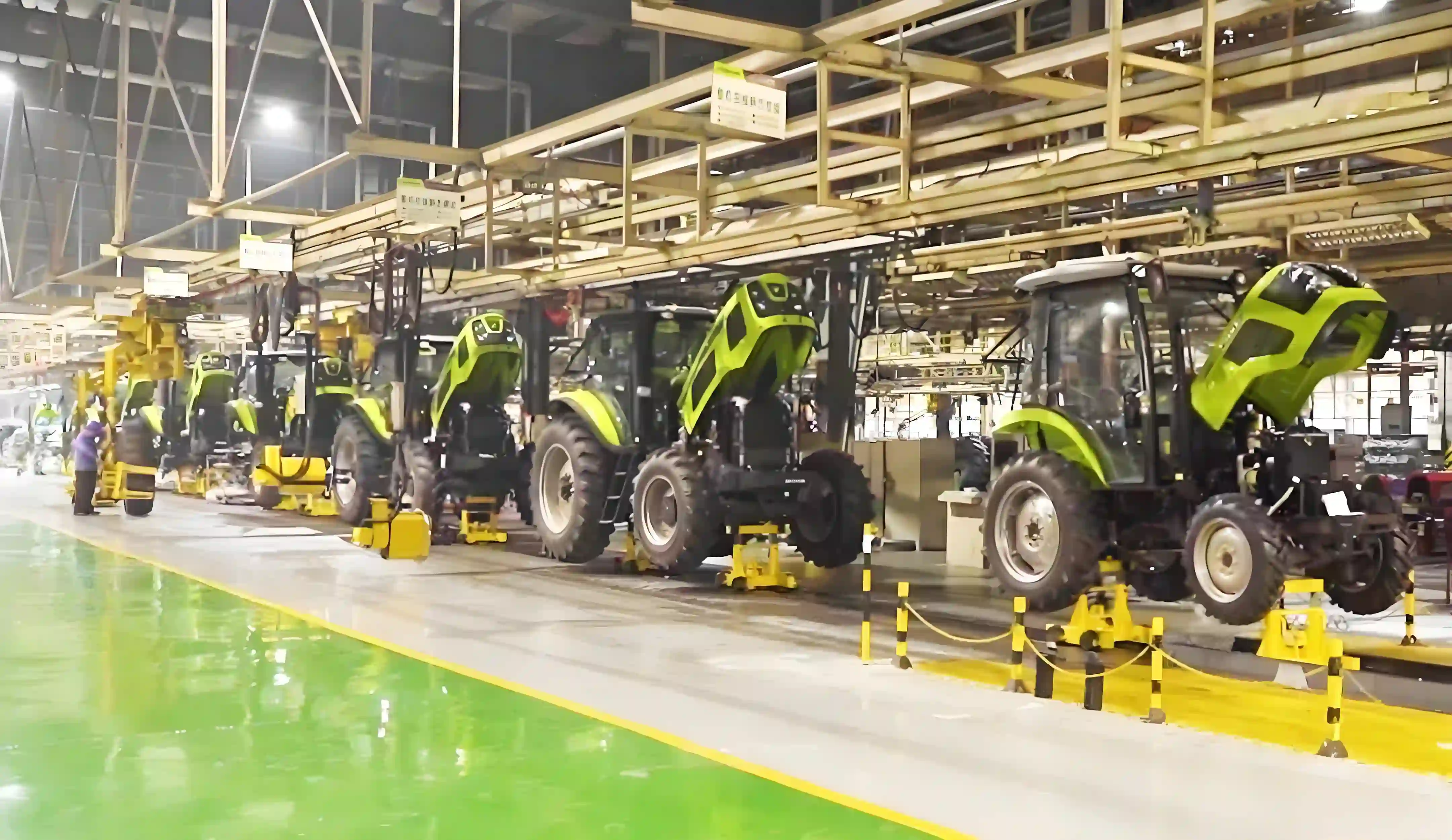
                    7.1. Supplier Sourcing and Selection:

                    • Online Platforms: Alibaba.com and Made-in-China.com are popular B2B platforms where you can find numerous Chinese tractor manufacturers and suppliers. However, thorough vetting is essential.
                    • Trade Shows: Attending major agricultural machinery trade shows in China (e.g., China International Agricultural Machinery Exhibition – CIAME) can provide direct access to manufacturers, allowing you to inspect products and build relationships.
                    • Sourcing Agents/Companies: Consider working with a reputable sourcing agent or company (like IMEXsourcing for the products) that specializes in agricultural machinery. They can help with factory vetting, negotiation, quality control, and logistics, simplifying the process.
                    • Reputation and Experience: Prioritize manufacturers with a proven track record, positive customer reviews, and extensive export experience. Look for factories with a history of producing reliable tractors for international markets.

                    7.2. Quality Control and Inspection:

                    • Factory Audit: Before placing a large order, consider conducting a factory audit to assess the manufacturer’s production capabilities, quality management system, and overall professionalism.
                    • Pre-Shipment Inspection (PSI): This is crucial. Hire an independent third-party inspection service to perform a comprehensive quality inspection of the tractors before they are shipped. This should cover:
                      • Visual Inspection: Check for paint peeling, rust, damage, and proper assembly.
                      • Functional Testing: Verify engine start, transmission operation, hydraulic system performance, PTO engagement, and electrical systems.
                      • Component Verification: Ensure key components (engine, transmission, axles) are from reputable brands as specified.
                      • Documentation Check: Confirm all necessary documents (manuals, spare parts lists, certifications) are included.
                    • Ongoing Production Monitoring: For larger or recurring orders, consider intermittent inspections during the production process to catch issues early.

                    7.3. Warranty and After-Sales Support:

                    • Warranty Period: Negotiate a clear warranty period. Most reputable manufacturers offer a minimum of 12-24 months warranty. Understand what is covered (parts, labor) and what is excluded.
                    • Spare Parts Availability: This is critical. Ensure the manufacturer can supply spare parts easily and quickly. Discuss the availability of common wear parts and how to order them. Some manufacturers have international spare parts depots or partnerships.
                    • Technical Support: Inquire about technical support for troubleshooting, repairs, and maintenance. Will they provide detailed manuals, online support, or even training?
                    • Service Network: While less common for direct imports, some larger Chinese brands might have distributors or service partners in your country.

                    7.4. Minimum Order Quantity (MOQ) and Customization:

                    • MOQ: MOQs for tractors can vary. For single units or small orders, the MOQ might be 1 set, but prices are often better for larger quantities. Discuss this with suppliers upfront.
                    • Customization: Many manufacturers offer customization options, such as specific paint colors, branding (logo placement), tire types, and minor modifications to meet regional requirements or preferences. Discuss these possibilities during negotiation.

                    7.5. Shipping and Logistics:

                    • Shipping Method:
                      • FCL (Full Container Load): Most cost-effective for larger orders, where you fill an entire shipping container.
                      • LCL (Less than Container Load): Suitable for single units or smaller quantities, but can be more expensive per unit and may involve longer transit times.
                      • RORO (Roll-On/Roll-Off): Ideal for fully assembled tractors, where the vehicle is driven onto and off the vessel.
                    • Incoterms: Clearly define shipping terms (e.g., FOB – Free On Board, CIF – Cost, Insurance, and Freight, DDP – Delivered Duty Paid). FOB is common, meaning the seller pays for transport to the port and loading onto the ship; you are responsible from there.
                    • Shipping Documents: Ensure you receive all necessary shipping documents: Bill of Lading (BOL), Commercial Invoice, Packing List, and Certificate of Origin. These are essential for customs clearance in your country.
                    • Customs Broker: Working with an experienced customs broker in your country is highly recommended. They can navigate import duties, taxes, and complex customs procedures, ensuring a smooth clearance process.
                    • Disassembly for Shipping: Tractors, especially larger ones, may be partially disassembled (e.g., wheels, ROPS/cab removed) to fit into standard shipping containers, reducing freight costs. Confirm assembly instructions and required tools.

                    7.6. Payment Terms and Security:

                    • Common Payment Structures: Typically, a deposit (e.g., 20-30%) is paid upfront, with the balance due upon completion of production, after pre-shipment inspection, or against scanned copies of shipping documents.
                    • Secure Payment Methods: Use secure payment methods like bank transfers (T/T – Telegraphic Transfer). For higher value transactions, consider a Letter of Credit (L/C) for added security, though it can be more complex and costly.
                    • Contract Agreement: Always have a detailed written contract outlining product specifications, quantity, price, payment terms, warranty, quality control measures, delivery schedule, and dispute resolution mechanisms.

                    VIII. Choose IMEXsourcing as Your Sourcing Partner for Tractors in China

                    When it comes to procuring high-quality tractors from China, partnering with an experienced and reliable sourcing agent is paramount. IMEXsourcing stands out as a premier choice, offering a comprehensive suite of services designed to streamline your acquisition process and secure exceptional value. Here are compelling reasons to select IMEXsourcing for your next purchase on tractors:

                    Extensive Procurement Expertise

                    IMEXsourcing boasts a profound and long-standing history in the sourcing industry, enabling us to proficiently locate and secure a wide array of tractors from highly regarded Chinese suppliers. Our deep market knowledge ensures that we connect you with manufacturers known for their reliability and superior products.

                    Bespoke Design Solutions

                    At IMEXsourcing, we understand that unique requirements often demand tailored solutions. We empower you to commission well-designed and standard-produced tractors precisely engineered to your specifications, ensuring the final product perfectly aligns with your operational needs.

                    Thorough Supplier Verification

                    Our commitment to quality begins with rigorous due diligence. We conduct comprehensive factory verifications for all potential manufacturers. This meticulous audit confirms their production capabilities, assesses their quality control protocols, and ensures their full compliance with relevant industry standards and legal requirements.
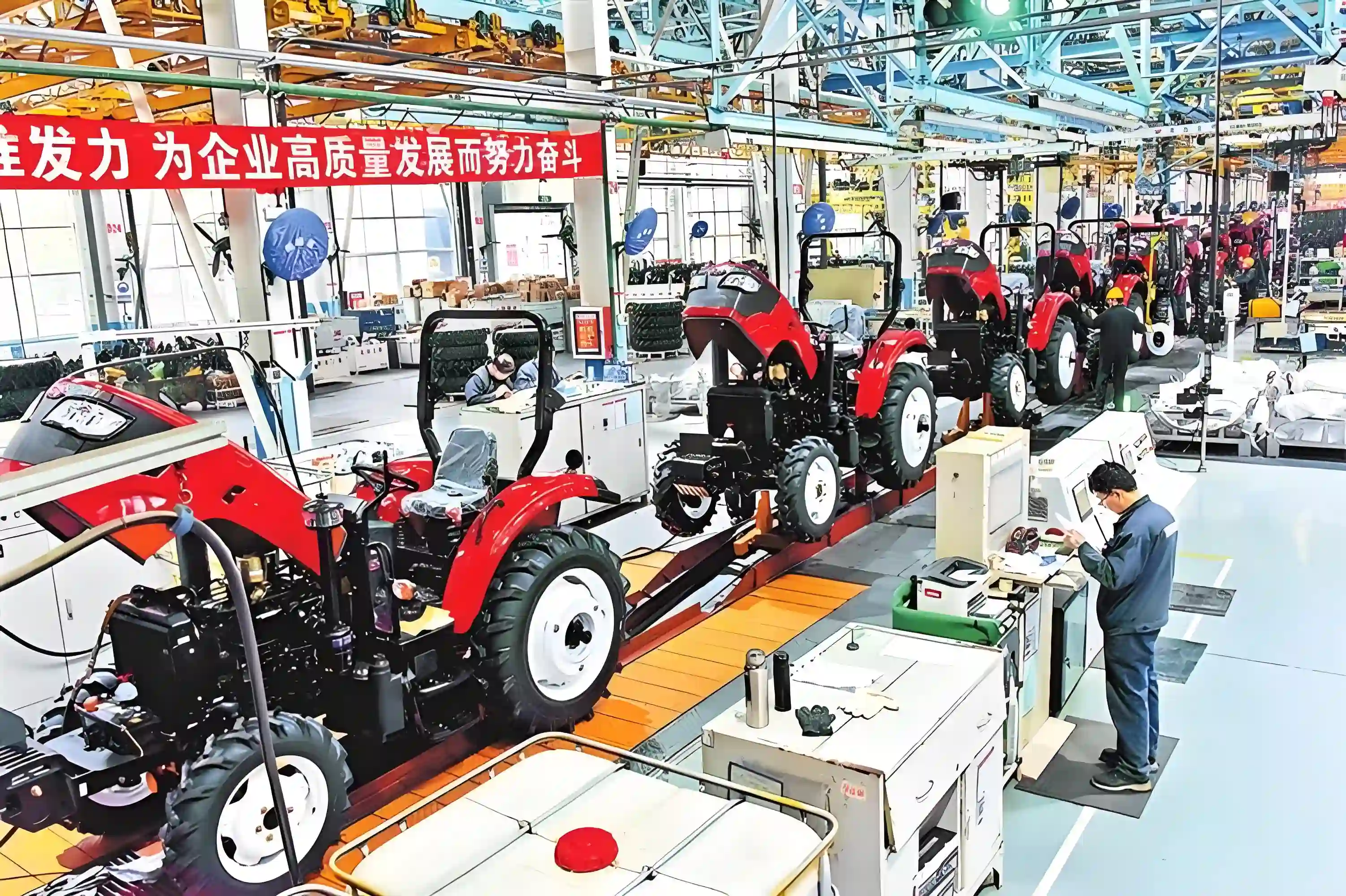
                    Expert Price Negotiation

                    Leveraging our veteran status and in-depth understanding of the market dynamics, IMEXsourcing excels in negotiation. This invaluable expertise allows us to secure the most favorable pricing and terms with top-tier tractors manufacturers renowned for their products, HP, aftersales service and cost-efficient, optimizing your investment.

                    Stringent Quality Assurance

                    IMEXsourcing implements a robust quality management framework that spans the entire procurement cycle. This includes careful selection of suppliers, diligent oversight through production inspections, and thorough product testing prior to shipment, guaranteeing the integrity and performance of your agriculture equipment.
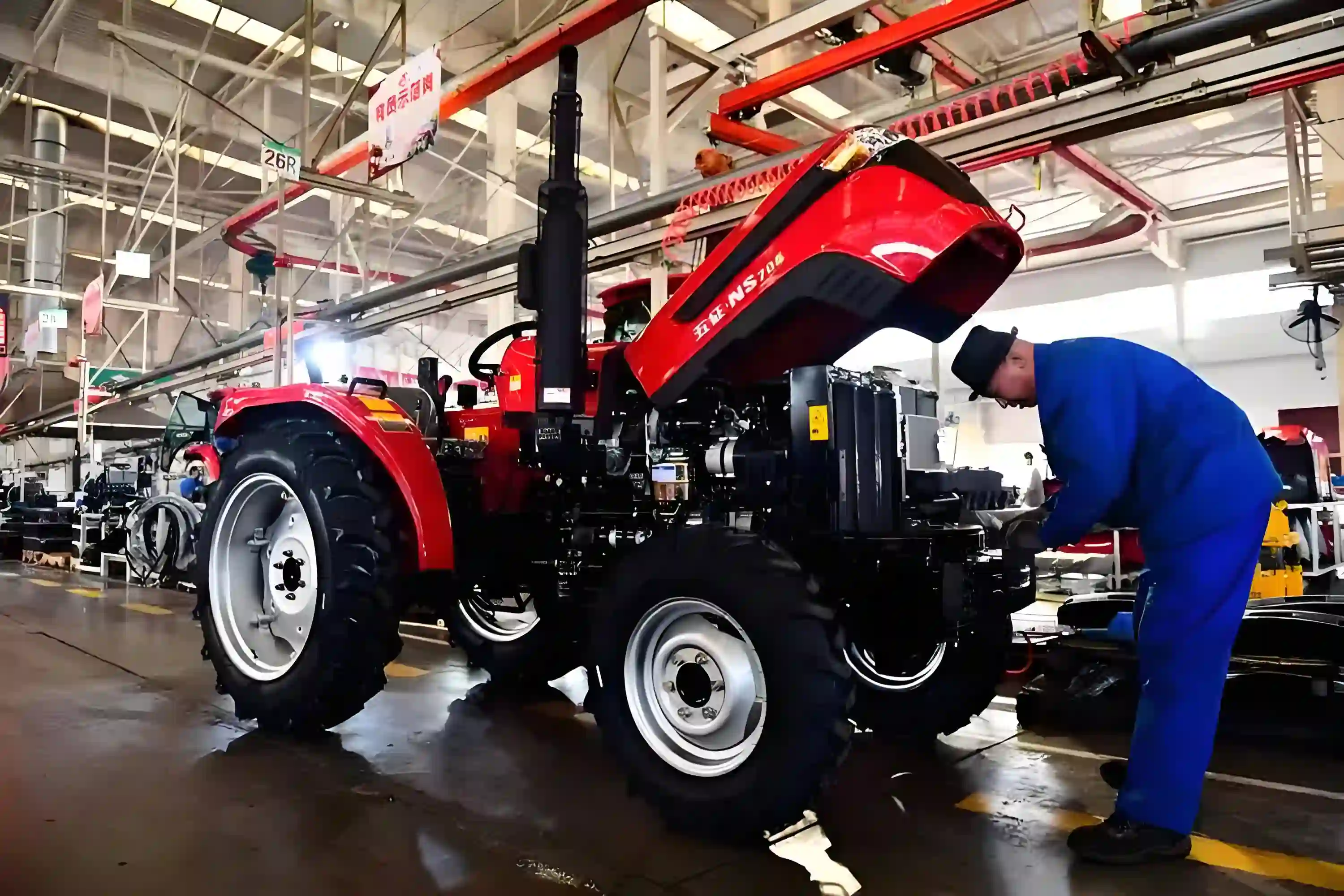
                    IX. Conclusion

                    Importing tractors from China presents a viable opportunity for businesses and farmers to acquire cost-effective and increasingly high-quality agricultural machinery. By understanding the diverse product offerings, key specifications, leading manufacturers, and critical procurement considerations—especially regarding certifications, quality control, and after-sales support—buyers can navigate the process effectively. Diligent research, careful supplier selection, and robust quality assurance steps are the cornerstones of a successful tractor procurement venture from China.


                    Message us for more information

                    Please let us know your request, we will get back to you within 24 hours.

                      China Tyre Sourcing Guide: An In-depth Look into Chinese Tire Manufacturing

                      China has solidified its position as a global powerhouse in the manufacturing industry, and the tire sector is no exception. With advanced production capabilities, competitive pricing, and a vast array of product offerings, Chinese tire manufacturers have become a compelling choice for global buyers. This comprehensive guide aims to equip importers with essential knowledge, from understanding diverse product types and key specifications to identifying leading manufacturers, navigating certification requirements, and making informed purchasing decisions.
                      I. Introduction to Tyre Types

                      The Chinese tire industry produces a wide spectrum of tires, catering to various vehicle types and applications. Understanding these categories and their specific characteristics is crucial for effective sourcing.

                      1.1 Passenger Car Tires (PCR)

                      Passenger car tires are designed for sedans, SUVs, and light trucks. They prioritize comfort, fuel efficiency, low noise, and safety for everyday driving. Key performance indicators include wet and dry grip, braking distance, and tread life. Chinese manufacturers offer a full range, from budget-friendly options to high-performance and ultra-high-performance (UHP) tires, as well as specialized tires for all-season, winter, and summer conditions.

                      1.2 Commercial Vehicle Tires (TBR – Truck and Bus Radial)

                      TBR tires are built for heavy-duty applications, including trucks, buses, and commercial vans. Durability, load-carrying capacity, and fuel efficiency are paramount for these tires. They are designed to withstand long hauls, varied road conditions, and continuous heavy loads. Common types include steer tires (optimized for steering control), drive tires (for traction), and trailer tires (for free-rolling applications). Chinese TBR tires are renowned for their robust construction and cost-effectiveness.
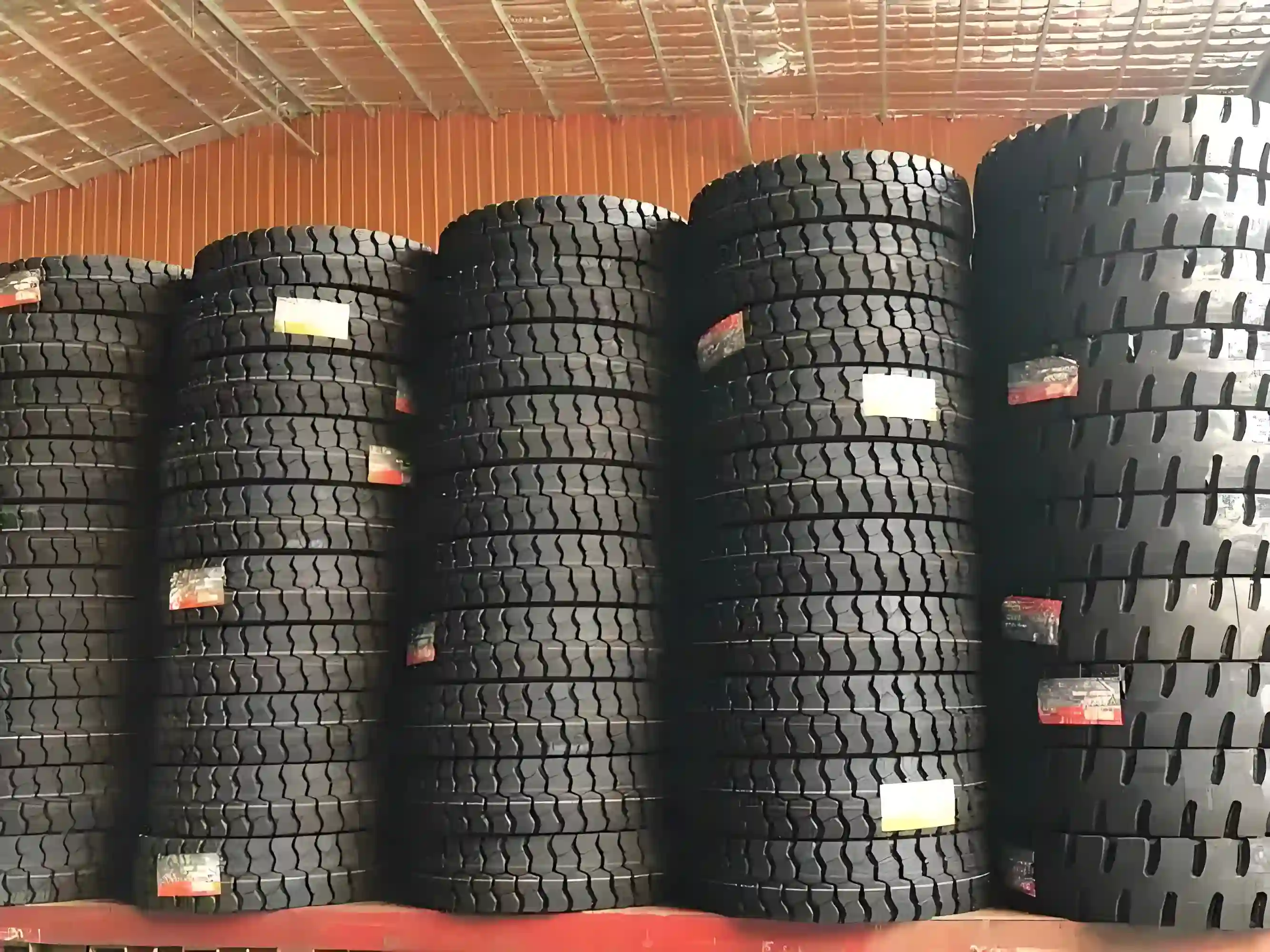
                      1.3 Agricultural Tires (AGR)

                      Agricultural tires are specifically engineered for farm machinery such as tractors, harvesters, and irrigation equipment. Their primary function is to provide superior traction on soft, muddy, or uneven terrain while minimizing soil compaction. AGR tires feature deep, aggressive tread patterns (e.g., R-1, R-1W, R-2 for varying mud conditions; R-3 for sandy soils; I-1, I-3 for implements) and robust sidewalls to handle demanding agricultural environments. Flotation, stability, and resistance to punctures are critical.
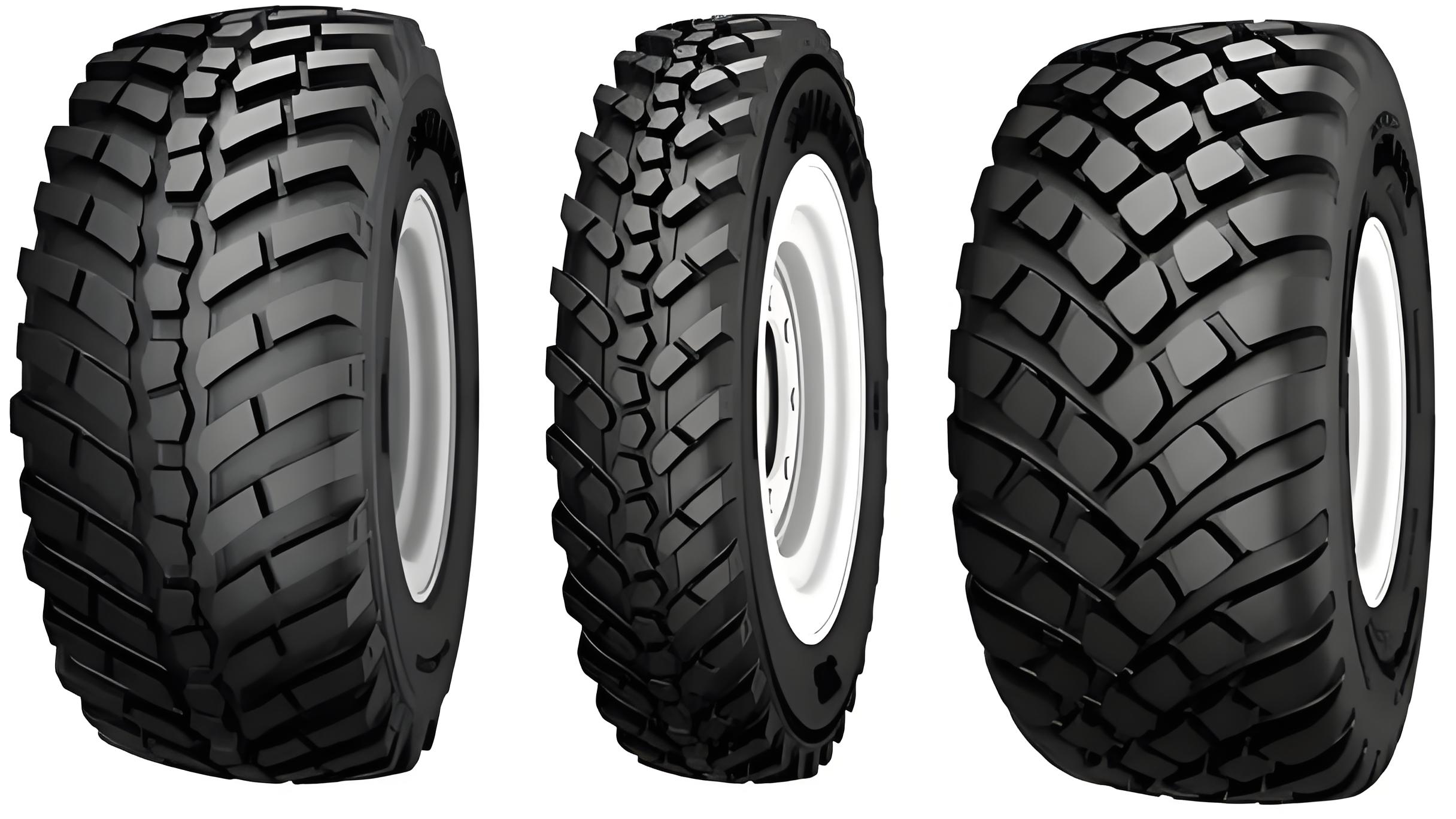
                      1.4 Off-the-Road (OTR) Tires

                      OTR tires are massive, durable tires used on heavy equipment in industries like construction, mining, port operations, and earthmoving. Vehicles such as loaders, bulldozers, dump trucks, and graders rely on OTR tires. These tires are characterized by their immense size, extremely deep treads, and reinforced construction to withstand extreme loads, harsh surfaces, and abrasive conditions. They come in various patterns optimized for rock, traction, or floatation.
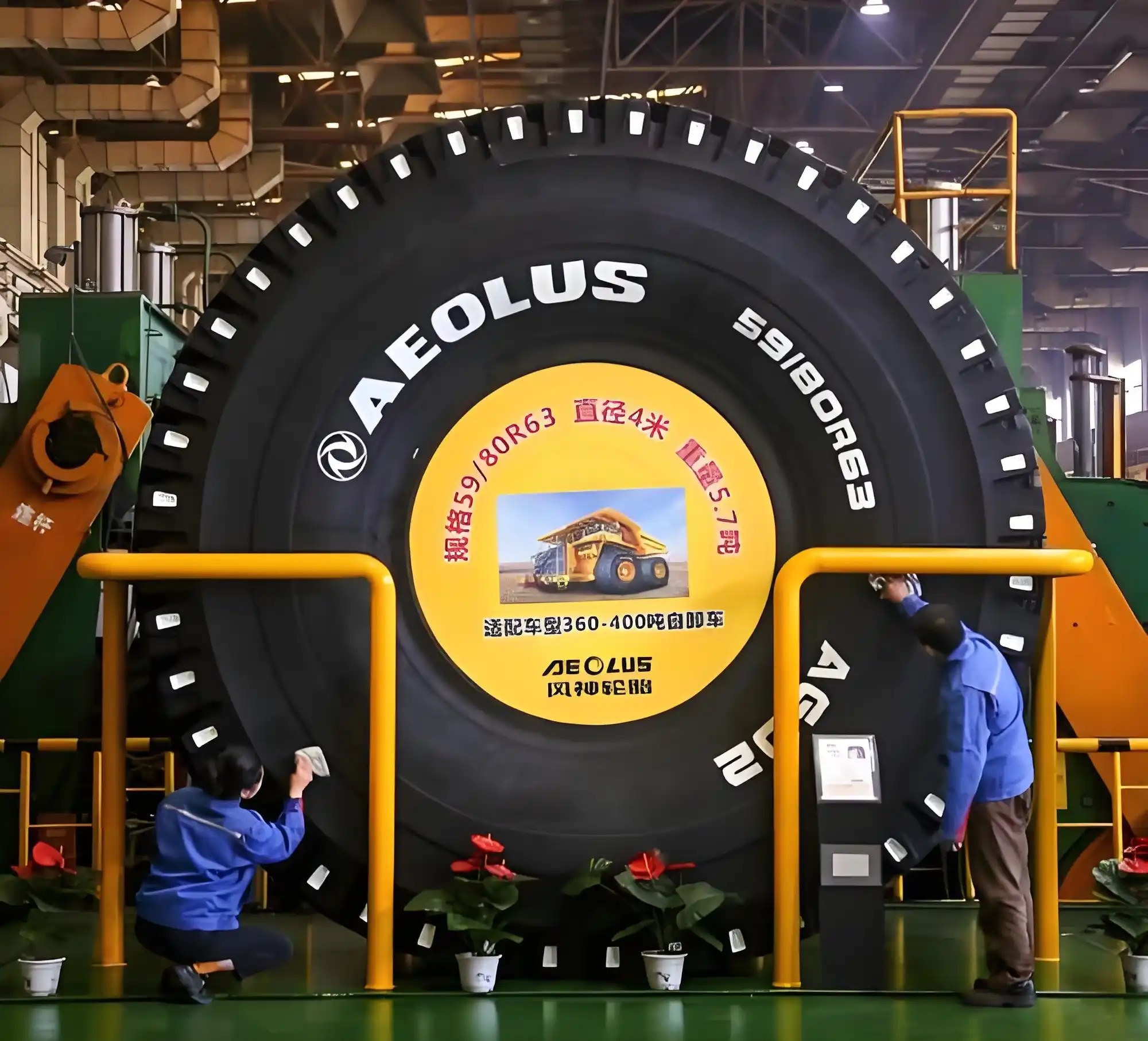
                      1.5 Industrial Tires

                      Industrial tires are designed for material handling equipment like forklifts, industrial tractors, and other specialized machinery operating in factories, warehouses, and industrial sites. They prioritize stability, load-bearing capacity, and puncture resistance on paved or concrete surfaces. Both solid (puncture-proof) and pneumatic (air-filled) options are available, depending on the application.

                      1.6 Lawn Mower, Golf Cart & Specialty Utility Tires

                      Specialty utility tires are engineered for turf management, golf courses, and lightweight utility vehicles (ATVs/UTVs). Unlike heavy-duty construction tires, their primary objective is to deliver excellent stability and traction while preventing damage to delicate turf or grass. They feature unique tread designs, such as smooth or rib patterns for minimum turf disruption, and knobby patterns for all-terrain utility. For professional buyers looking into this niche, check out our comprehensive [B2B sourcing guide for lawn mower and golf cart tires] to explore factory-direct customization and matching steel rim assemblies.
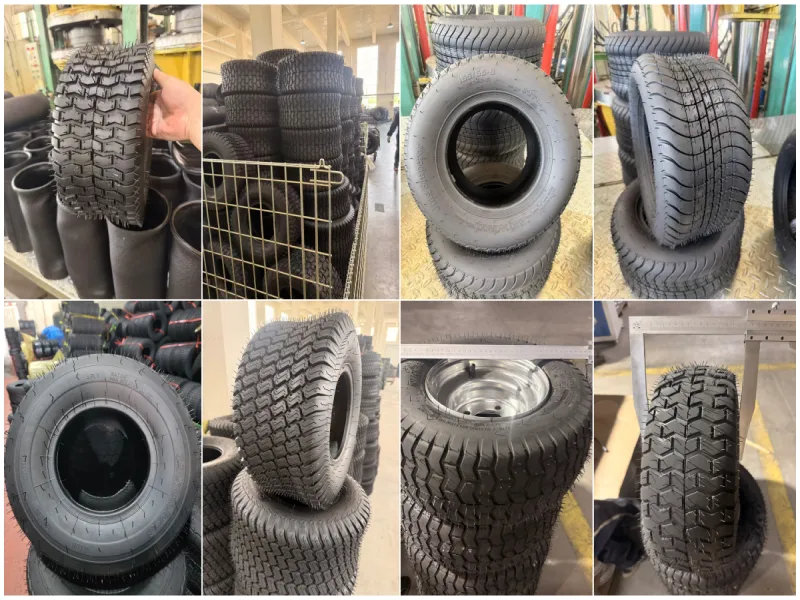
                      1.7 Motorcycle & Electric Vehicle (EV) Tires

                      With the massive surge in global two-wheeler mobility and urban delivery networks, motorcycle and electric vehicle tires have become a highly profitable sector. These tires focus on flexible maneuverability, strong cornering grip, and energy efficiency to maximize EV battery range. They must perform consistently under varied weather conditions and frequent stop-and-go urban traffic. To see how you can secure reliable supply chains with low MOQs and mixed container shipping, feel free to read our ultimate guide to [wholesale motorcycle and electric vehicle tires from China].
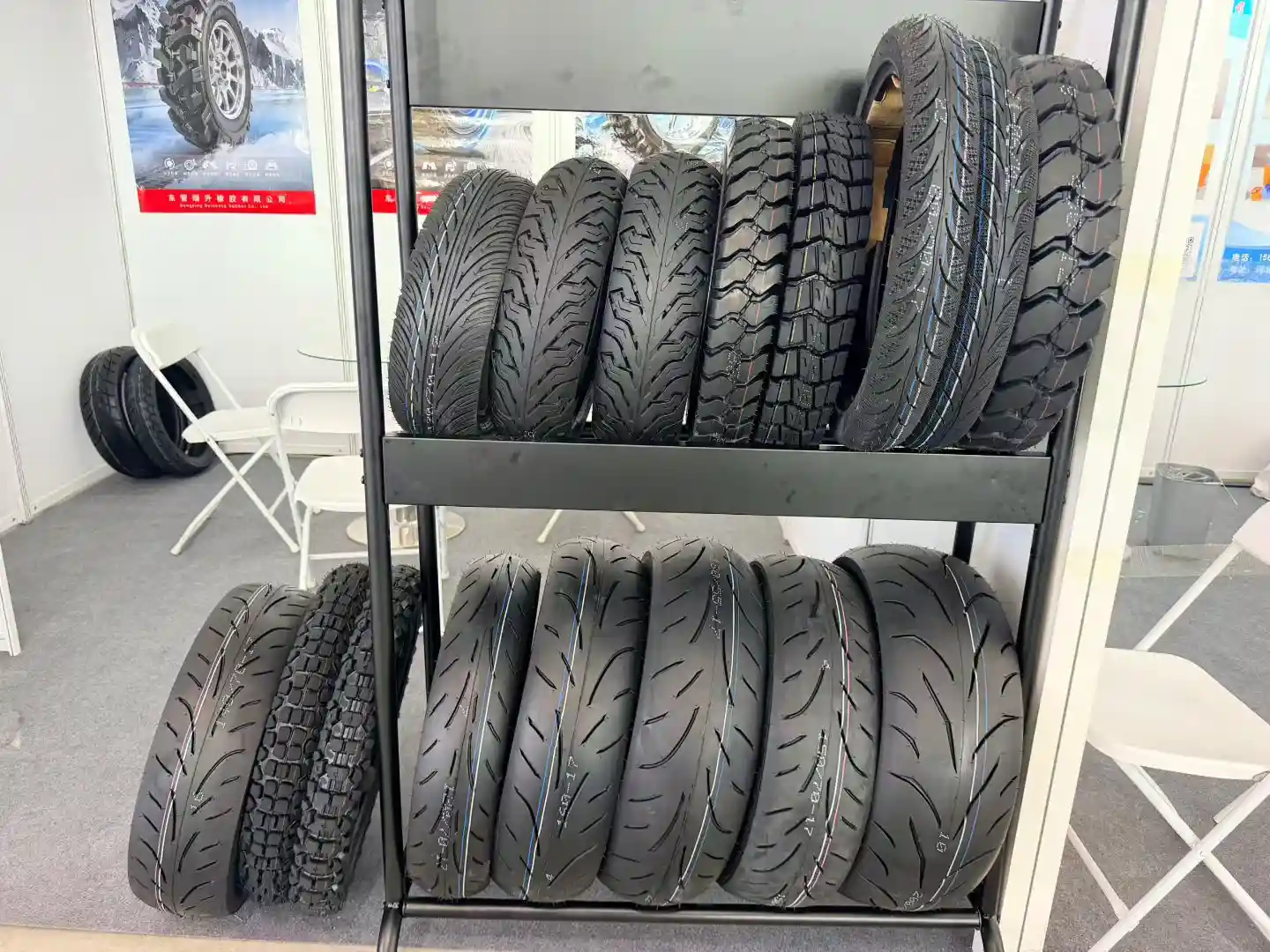
                      II. Main Specifications and Parameters

                      When procuring tires, understanding the universal sizing and performance parameters is crucial for ensuring compatibility and optimal performance.

                      2.1 Tire Size Code

                      A typical tire size, such as “205/55R16 91V,” decodes as follows:
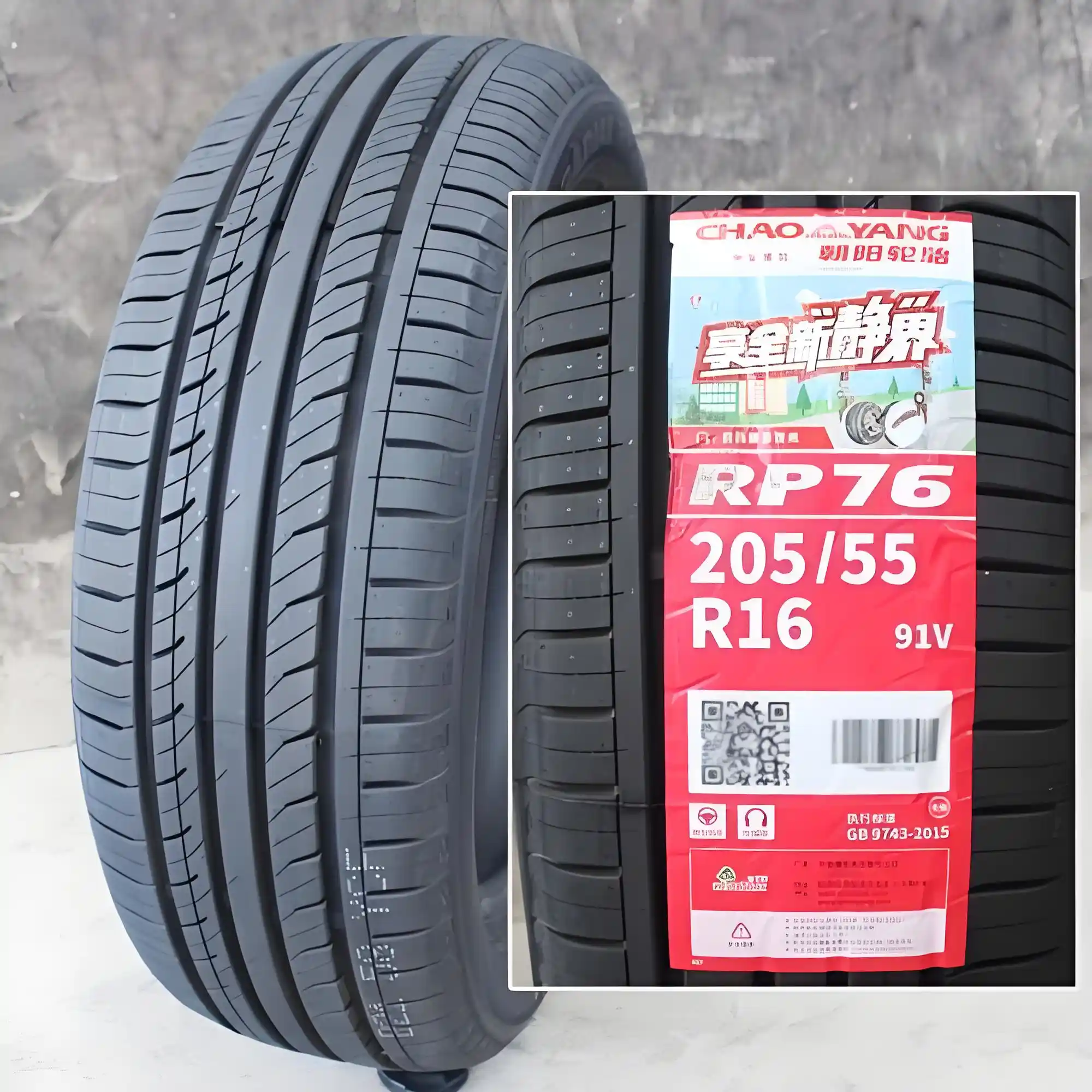
                      • 205: Section Width (in millimeters) – The width of the tire from sidewall to sidewall.
                      • 55: Aspect Ratio – The height of the sidewall as a percentage of the section width. In this case, the sidewall height is 55% of 205mm.
                      • R: Construction Type – “R” stands for Radial construction, which is the most common type due to its flexibility, fuel efficiency, and long tread life. “B” would indicate Bias-ply construction, typically found in older or specialized applications.
                      • 16: Rim Diameter (in inches) – The diameter of the wheel rim the tire is designed to fit.
                      • 91: Load Index – A numerical code indicating the maximum load capacity the tire can carry. A load index of 91, for example, corresponds to 615 kg (1356 lbs) per tire.
                      • V: Speed Rating – An alphabetical code indicating the maximum speed the tire is designed to handle safely. “V” signifies a maximum speed of 240 km/h (149 mph).

                      2.2 Tread Pattern

                      Tread patterns are designed for specific purposes:

                      • Rib (Straight Groove): Excellent steering stability, low rolling resistance, good drainage, and low noise, often found on passenger car and steer axle tires.
                      • Lug (Transverse Groove): Superior traction, braking, and driving force, with excellent wear resistance, common on drive axle tires for commercial vehicles and OTR tires.
                      • Rib-Lug (Mixed): Combines the advantages of both, offering good steering and traction.
                      • Asymmetric: Different patterns on the inner and outer sides for optimized wet and dry performance.
                      • Directional: Designed to rotate in one direction for enhanced wet traction and hydroplaning resistance.

                      2.3 Ply Rating/Load Range

                      This indicates the tire’s strength and maximum load capacity, particularly relevant for commercial and OTR tires. It’s often represented by a “Ply Rating” (e.g., 14PR, 16PR) or a “Load Range” letter (e.g., Load Range E, Load Range F). Higher ply ratings or load ranges signify greater load-carrying capability.
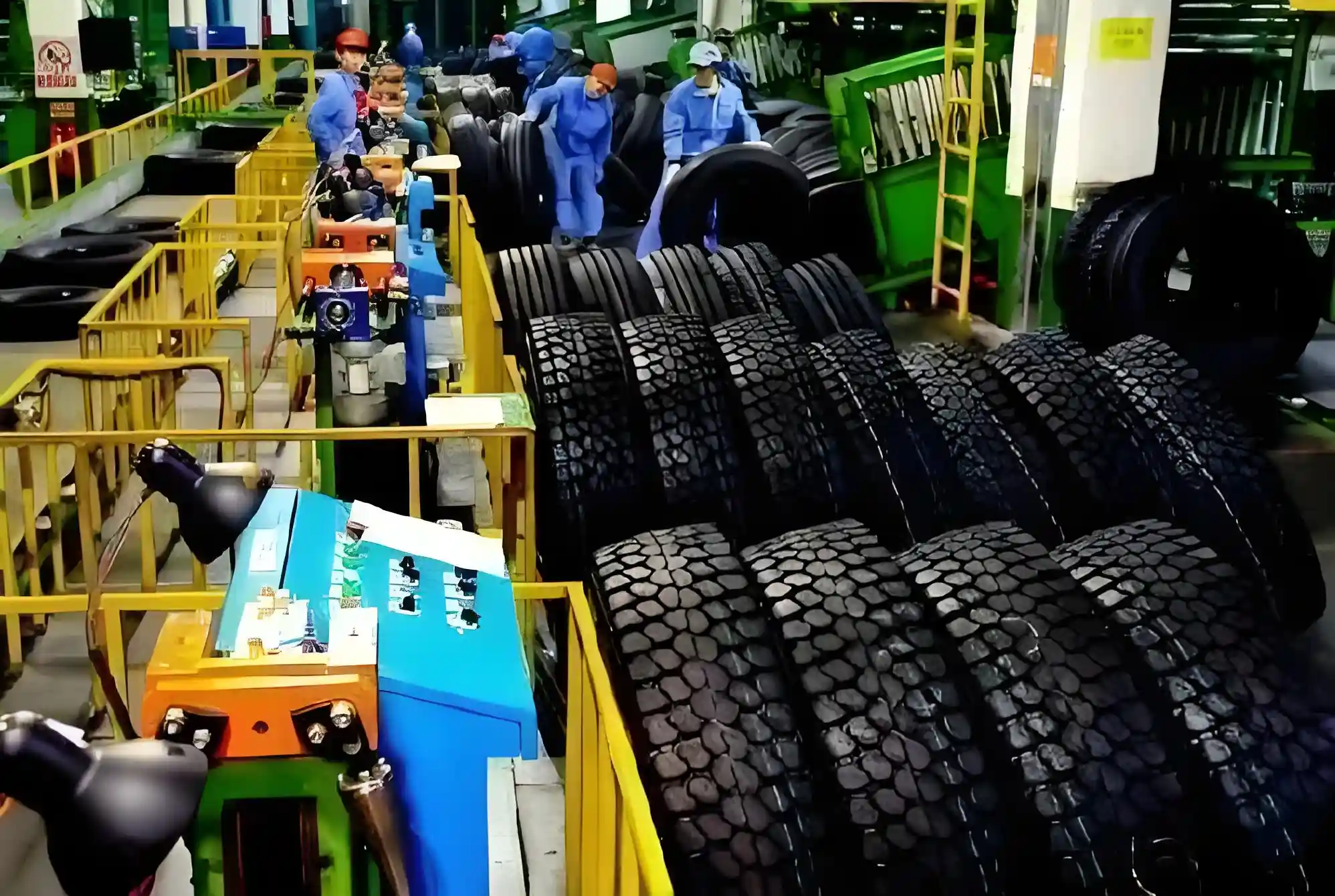
                      2.4 Tread Depth

                      Measured in 32nds of an inch or millimeters, tread depth affects traction, especially in wet conditions, and indicates the tire’s remaining lifespan. OTR and agricultural tires have significantly deeper treads than passenger car tires.

                      III. Tire Industrial Clusters in China

                      China’s tire manufacturing is heavily concentrated in specific regions, benefiting from industrial synergies, skilled labor, and established supply chains.
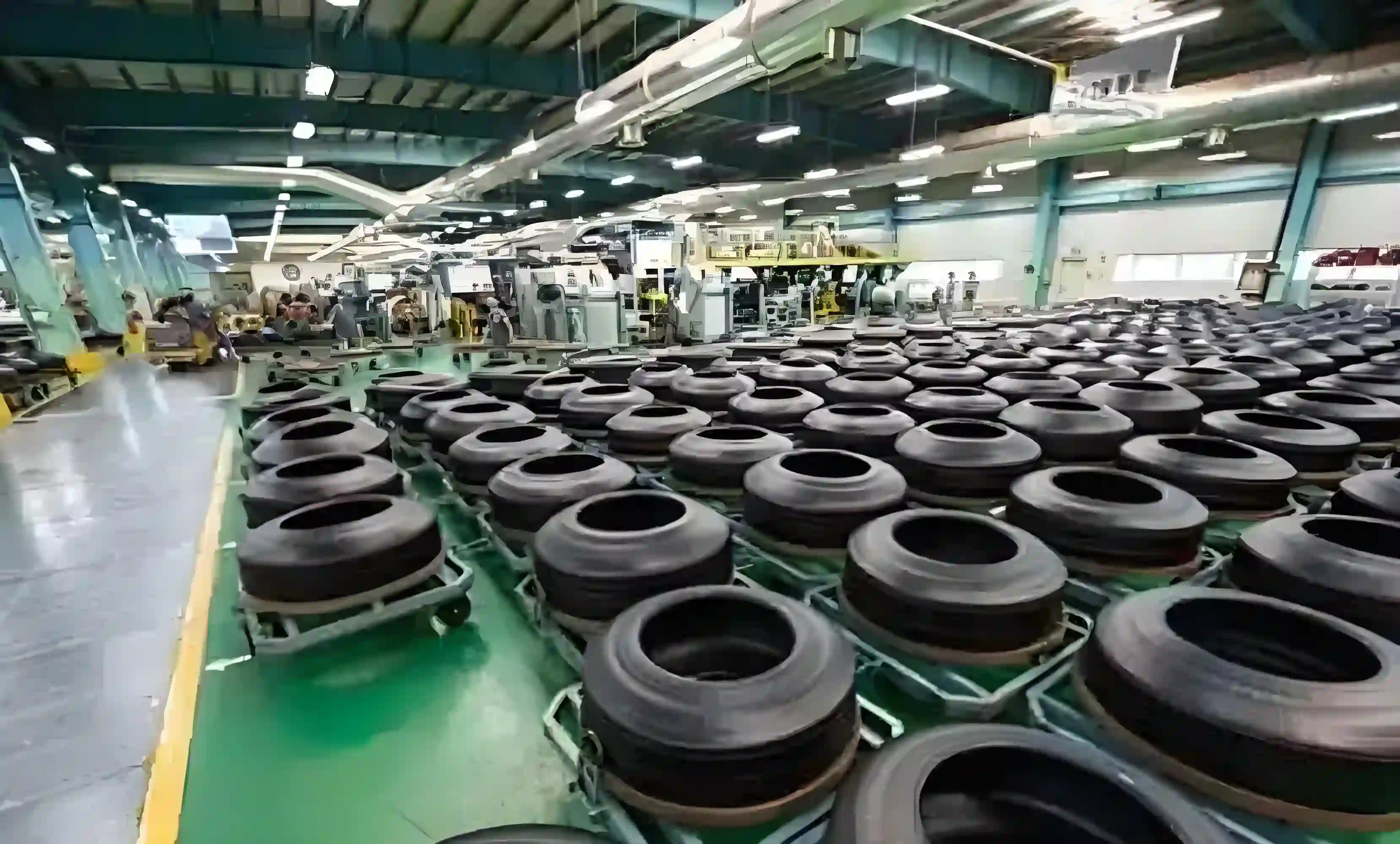
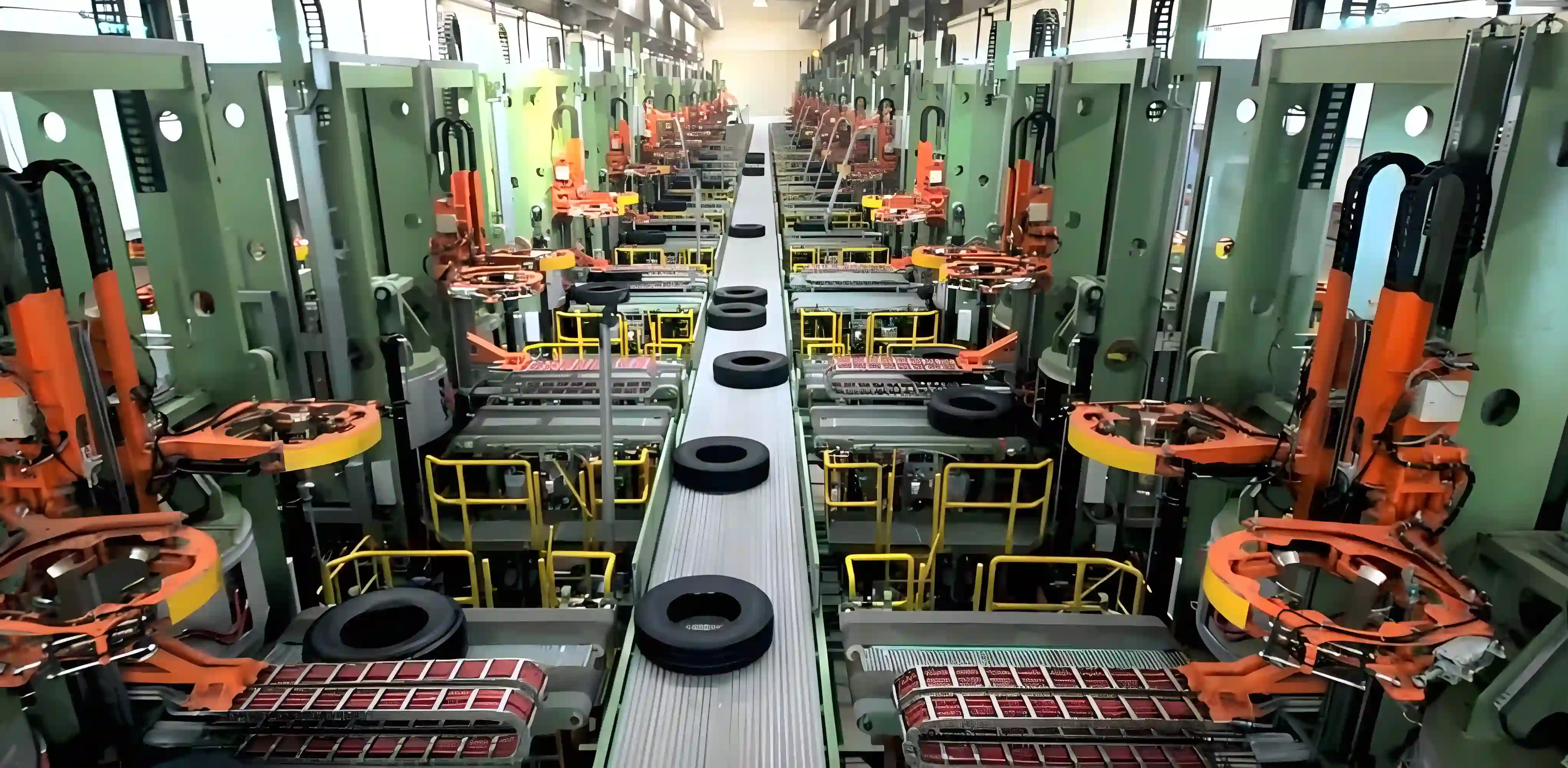
                      • Shandong Province: This is the undisputed heartland of China’s tire industry. Cities like Qingdao, Weifang, Dongying, and Zaozhuang are home to a vast number of tire manufacturers, ranging from global giants to smaller specialized producers. Shandong benefits from its proximity to rubber-producing regions and major ports, facilitating both raw material import and finished product export. It produces a full spectrum of tires, with a strong emphasis on TBR and OTR tires.
                      • Zhejiang Province: While not as dominant as Shandong, Zhejiang also hosts significant tire manufacturing, particularly for passenger car and light truck tires, often at competitive price points.
                      • Jiangsu Province: With its strong industrial base, Jiangsu also contributes to tire production, especially in the radial tire segment.
                      • Other Regions: Other provinces like Liaoning and Anhui also have notable tire production facilities, often specialized in certain types or catering to specific domestic or international markets.

                      These clusters offer a comprehensive ecosystem for tire production, including raw material suppliers, machinery manufacturers, and logistics services, making them ideal sourcing locations.
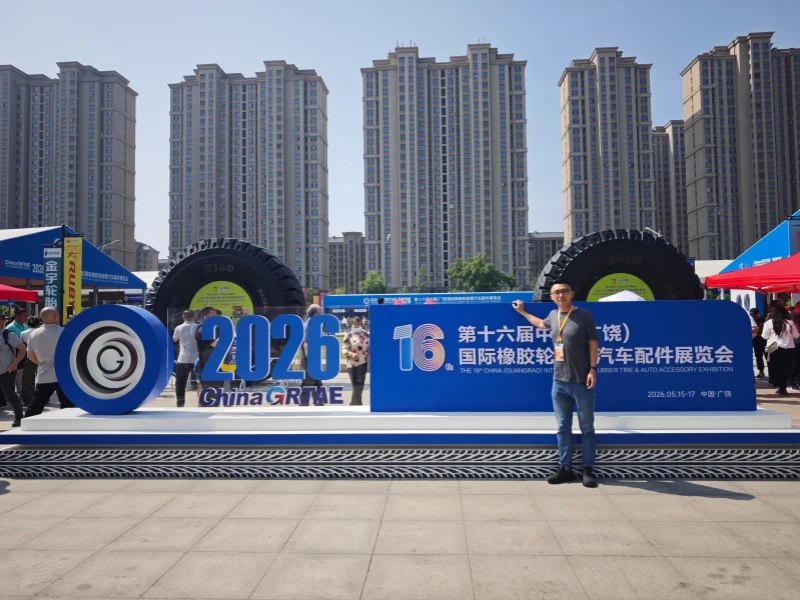
                      If you want to see how these industry clusters and leading factories operate in reality, check out our on-site insights from the [16th Guangrao Tire Exhibition], where we met top manufacturers from Qingdao, Huangdao, and Guangrao.

                      IV. Domestic Major Tire Manufacturers (Leading Enterprises)

                      Ensuring that tires meet international and national safety and quality standards is paramount for successful import and market entry.

                      CCC (China Compulsory Certificate): This is a mandatory safety mark for both domestically manufactured and imported products sold within China. For automotive products, including tires, CCC certification is essential. The process involves product testing in China, an initial factory audit, and annual follow-up inspections. Without CCC, products cannot be legally imported, sold, or used in China.

                      DOT (Department of Transportation): Required for tires sold in the United States. DOT certification signifies that the tire manufacturer has certified that the tire meets U.S. safety standards. Each DOT-certified tire carries a specific code molded into its sidewall, indicating the manufacturing plant, tire size, and week of production.

                      ECE/E-Mark (Economic Commission for Europe): Mandatory for tires sold in the European Union and many other countries that adhere to ECE regulations. The E-Mark indicates that the tire complies with relevant UN Regulations regarding safety and environmental performance. Similar to DOT, an E-Mark on the sidewall signifies compliance.

                      ISO (International Organization for Standardization): While not a product certification, ISO 9001 (Quality Management Systems) and ISO/TS 16949 (now IATF 16949 for automotive quality management) are crucial certifications for the manufacturer’s quality management processes. They indicate that the factory operates under a robust quality system, which is a strong indicator of product consistency and reliability.

                      GCC (Gulf Cooperation Council): Required for tires imported into GCC member states (Bahrain, Kuwait, Oman, Qatar, Saudi Arabia, UAE).

                      INMETRO: Mandatory certification for tires sold in Brazil.

                      SNI: Mandatory certification for tires sold in Indonesia.

                      Buyers must confirm that the Chinese manufacturer holds the necessary certifications for their target market to avoid customs issues and legal complications.

                      VI. Tire Purchasing Considerations

                      Sourcing tires from China can be highly beneficial, but a strategic approach is necessary to ensure quality, manage costs, and build reliable partnerships.
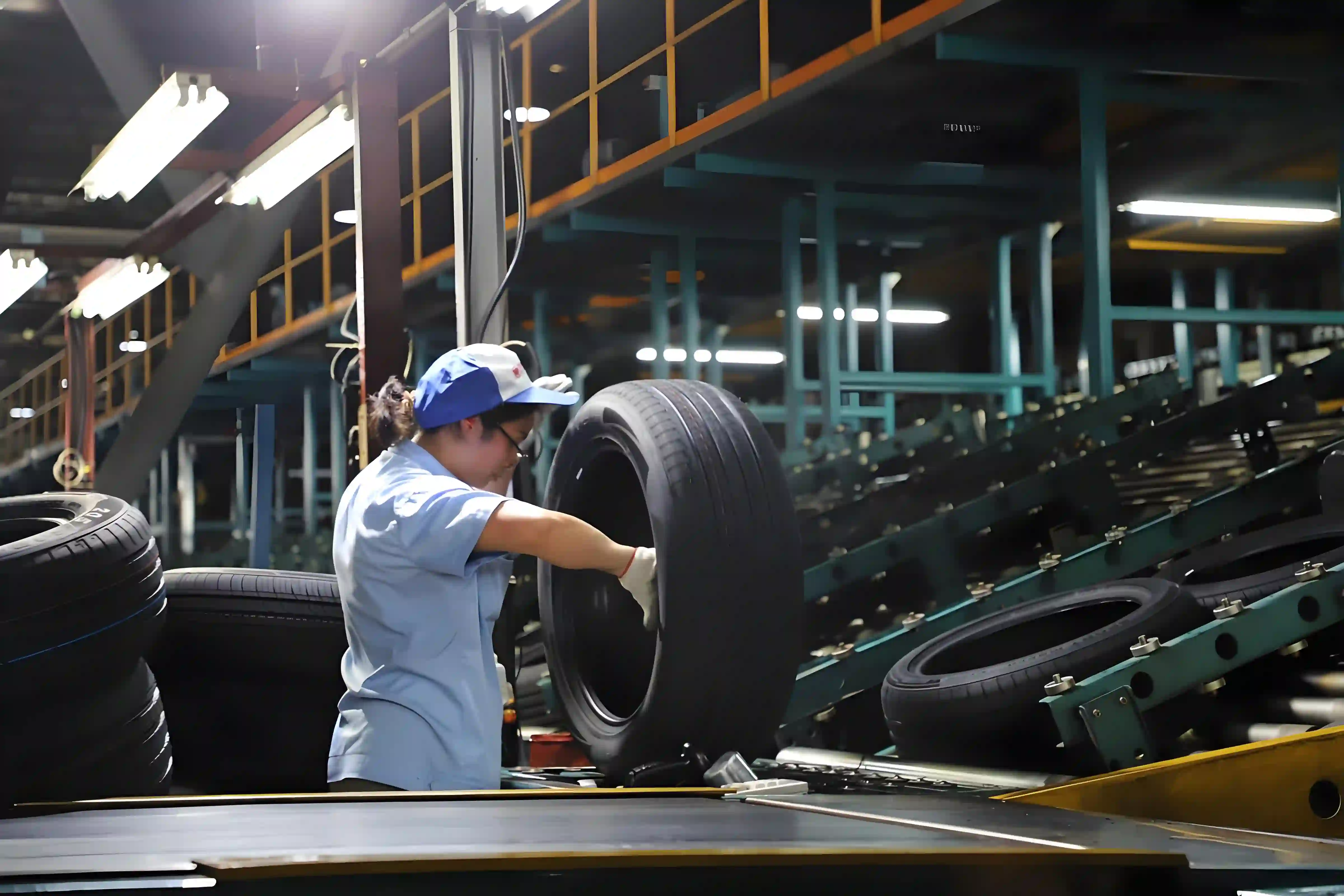
                      6.1 Defining Quality Standards

                      “Quality” is subjective. It’s crucial for importers to explicitly define their quality requirements and product specifications (e.g., material composition, tread depth tolerances, expected performance metrics, specific testing standards) to the supplier. Provide detailed specifications, drawings, and any relevant industry standards you expect the tires to meet. Do not assume the manufacturer understands your market’s specific quality expectations.

                      6.2 Manufacturer vs. Trading Company

                      Whenever possible, try to identify and deal directly with the original manufacturer rather than a trading company. Manufacturers generally offer better pricing, more transparent production processes, and greater control over customization and quality. While trading companies can simplify sourcing, they add a layer of cost and can sometimes obscure the true source of the product. Look for detailed quotes, professional responses to technical questions, and evidence of factory operations.
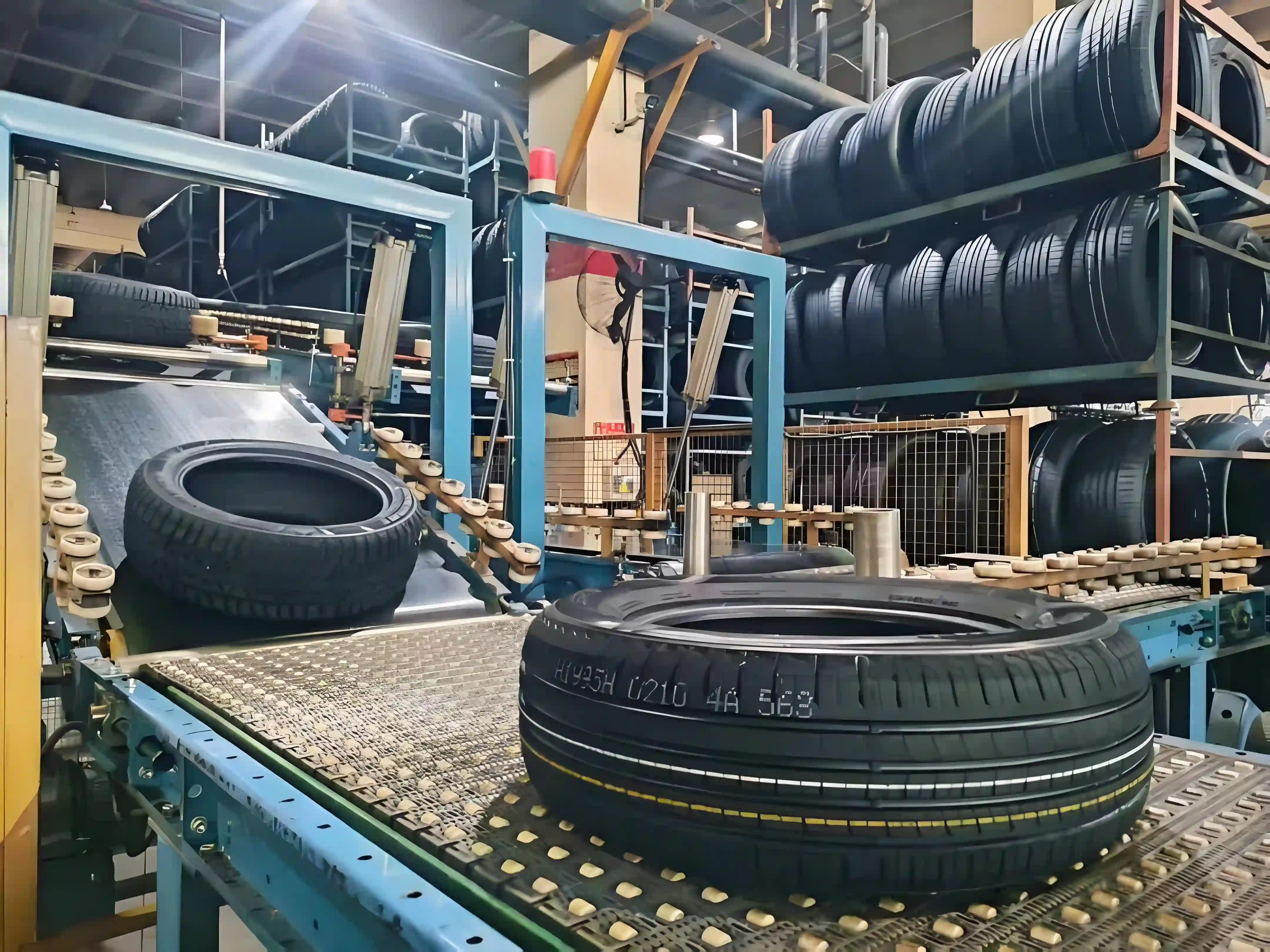
                      6.3 Minimum Order Quantity (MOQ)

                      Chinese manufacturers typically have MOQs due to production line setup costs and economies of scale.
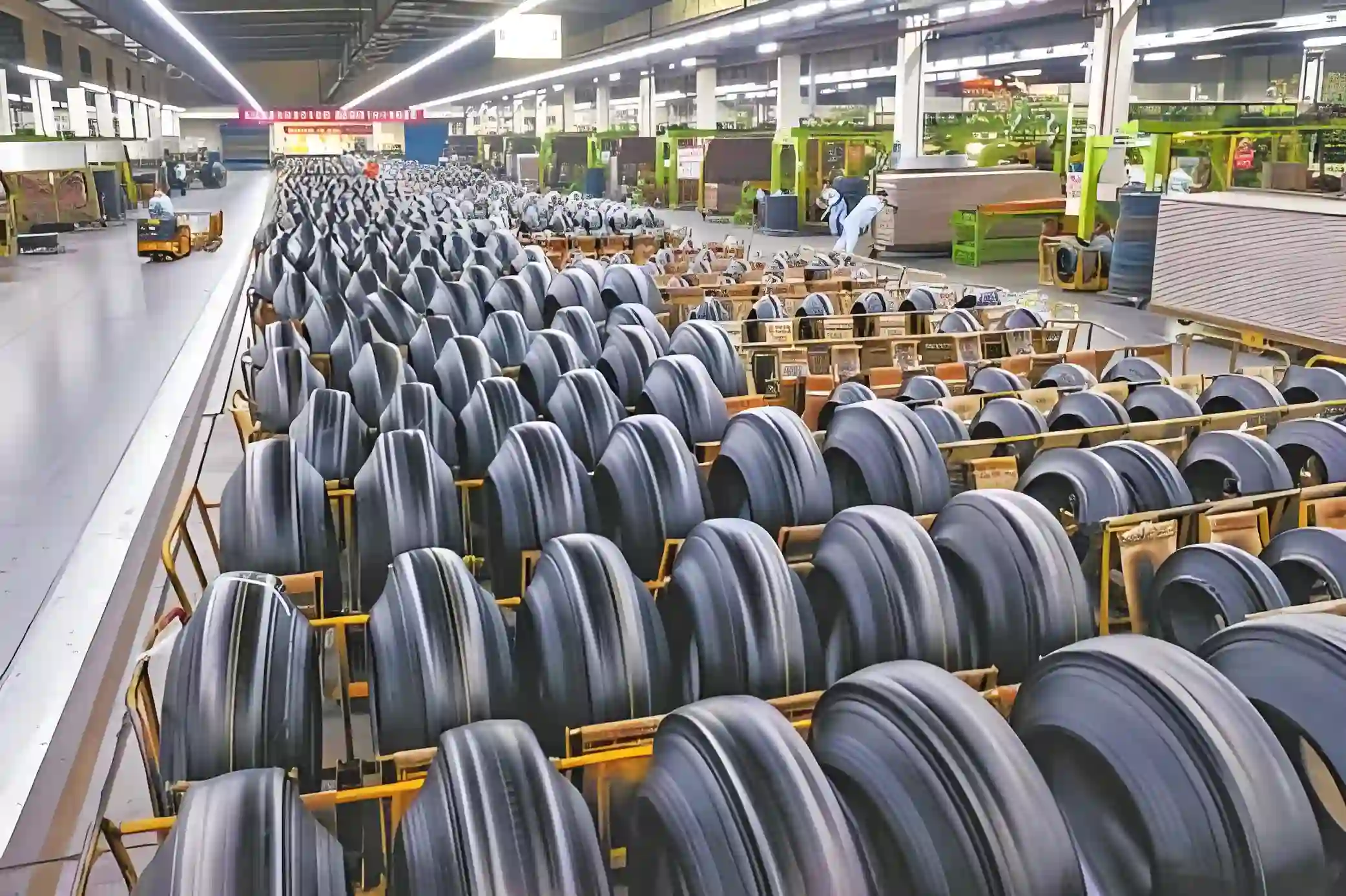
                      • Negotiation: Always negotiate the MOQ. Suppliers may be open to “test orders” with lower quantities, especially for new relationships.
                      • Product Variants: Inquire if you can combine different product variants (e.g., various sizes of the same tire model) to meet a higher overall MOQ.
                      • Standard vs. Custom: Standard or slightly customized products usually have lower MOQs than entirely custom-designed tires.
                      • Packaging: Simplified or standard packaging can sometimes reduce MOQ, as custom-printed packaging often has its own high MOQ.
                      • Price Adjustment: Be prepared to pay a slightly higher unit price for a lower MOQ, as this helps the supplier cover their fixed costs for smaller runs.

                      6.4 Quality Control (QC) and Inspections

                      Implementing robust QC measures is vital to mitigate risks and ensure product consistency.
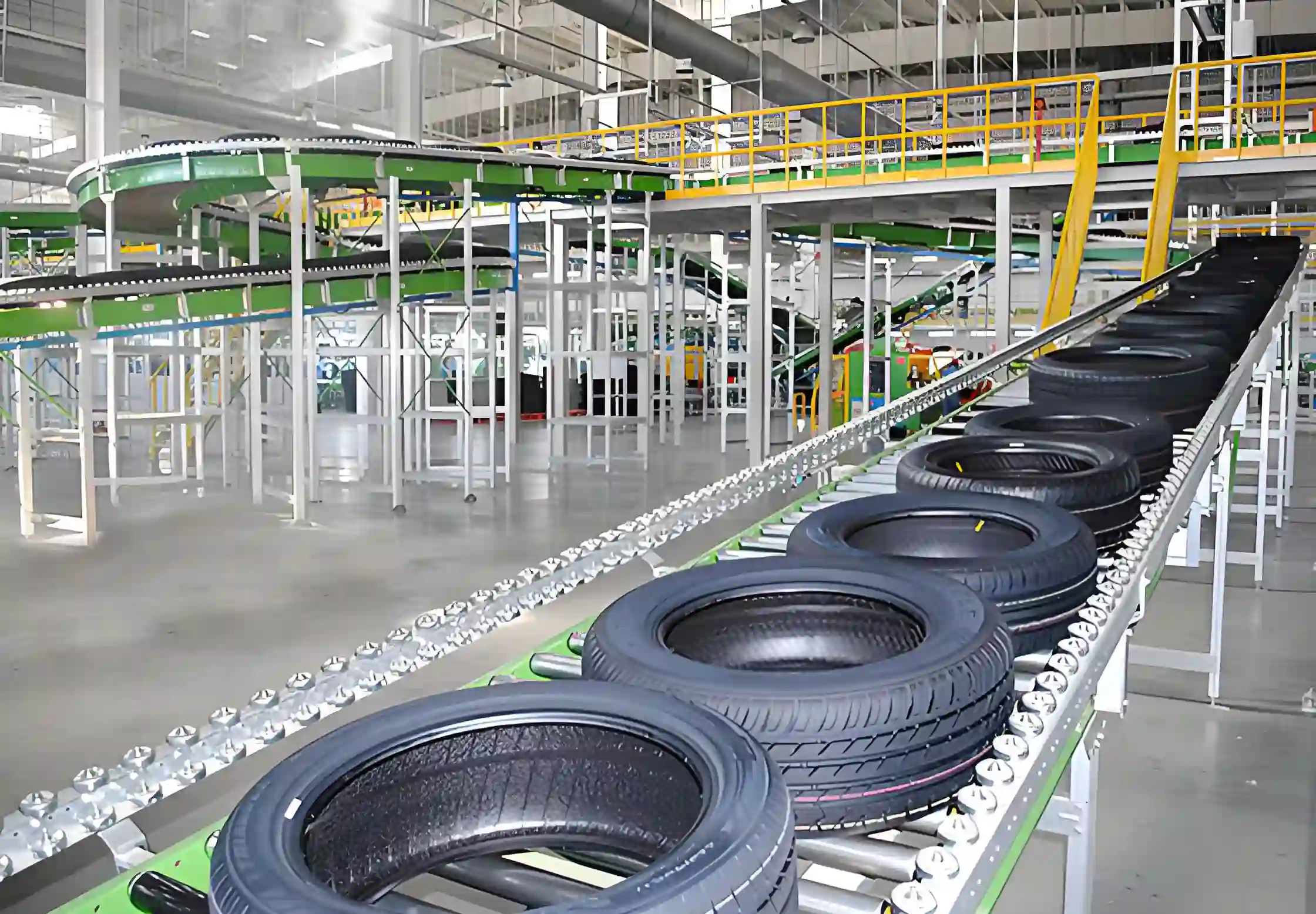
                      • Pre-Production Inspection: Verify raw materials and components meet specifications before mass production begins.
                      • During Production Inspection (DPI): Monitor the manufacturing process to identify and rectify issues early.
                      • Pre-Shipment Inspection (PSI): The most critical stage. A third-party inspection agency (or your own trusted representative) should conduct a thorough inspection of the finished goods before shipment. This check should cover:
                        • Quantity and assortment verification.
                        • Visual inspection for defects (paint peeling, deformation, uneven tread, sidewall blemishes).
                        • Measurement of key parameters (tread depth, dimensions).
                        • Verification of proper marking and labeling (including certification marks).
                        • Packaging integrity.
                        • Conducting or overseeing performance tests if required.
                      • Relationship Building: Building a long-term, trustworthy relationship with your supplier can lead to more flexible terms and consistent quality. Frequent communication and clear expectations are key.

                      6.5 Customization Options

                      Chinese tire manufacturers are often highly flexible regarding customization.

                      • Brand/Logo: Most manufacturers allow buyers to brand tires with their own logo or private label.
                      • Tread Patterns: While developing entirely new patterns can be costly and have high MOQs, minor modifications or choosing from existing mold libraries is often possible.
                      • Compound Formulation: Specific rubber compounds can be developed for desired performance characteristics (e.g., longevity, grip, fuel efficiency), though this usually requires larger volumes and significant R&D.
                      • Color Strips/Markings: Aesthetic customizations like colored sidewall stripes or specific markings are common.

                      6.6 Shipping and Logistics

                      • Sea Freight: The most common and cost-effective method for shipping tires from China, especially for large volumes. Tires are typically shipped in containers (20-foot or 40-foot, including high cubes).
                      • Incoterms: Clearly define Incoterms (e.g., FOB, CIF, EXW) with your supplier. This dictates who is responsible for shipping costs, insurance, and risk at various stages of the journey. For beginners, FOB (Free On Board) is often recommended, as the supplier handles local transport and loading onto the vessel at the port of origin.
                      • Packaging: Tires are often shipped without individual packaging to optimize container space, but may be strapped or wrapped in bundles. For smaller quantities or specific requirements, individual wrapping or palletization can be arranged.
                      • Partial Disassembly: For very large tires (e.g., OTR), partial disassembly might be employed to reduce shipping volume and cost.

                      6.7 Communication and Cultural Nuances

                      Effective communication is vital. While many Chinese suppliers have English-speaking sales teams, consider working with a local sourcing agent or representative who understands both the language and the business culture. WeChat is often the preferred communication method for quick exchanges in China. Be clear, concise, and persistent in your inquiries. Always get everything in writing.
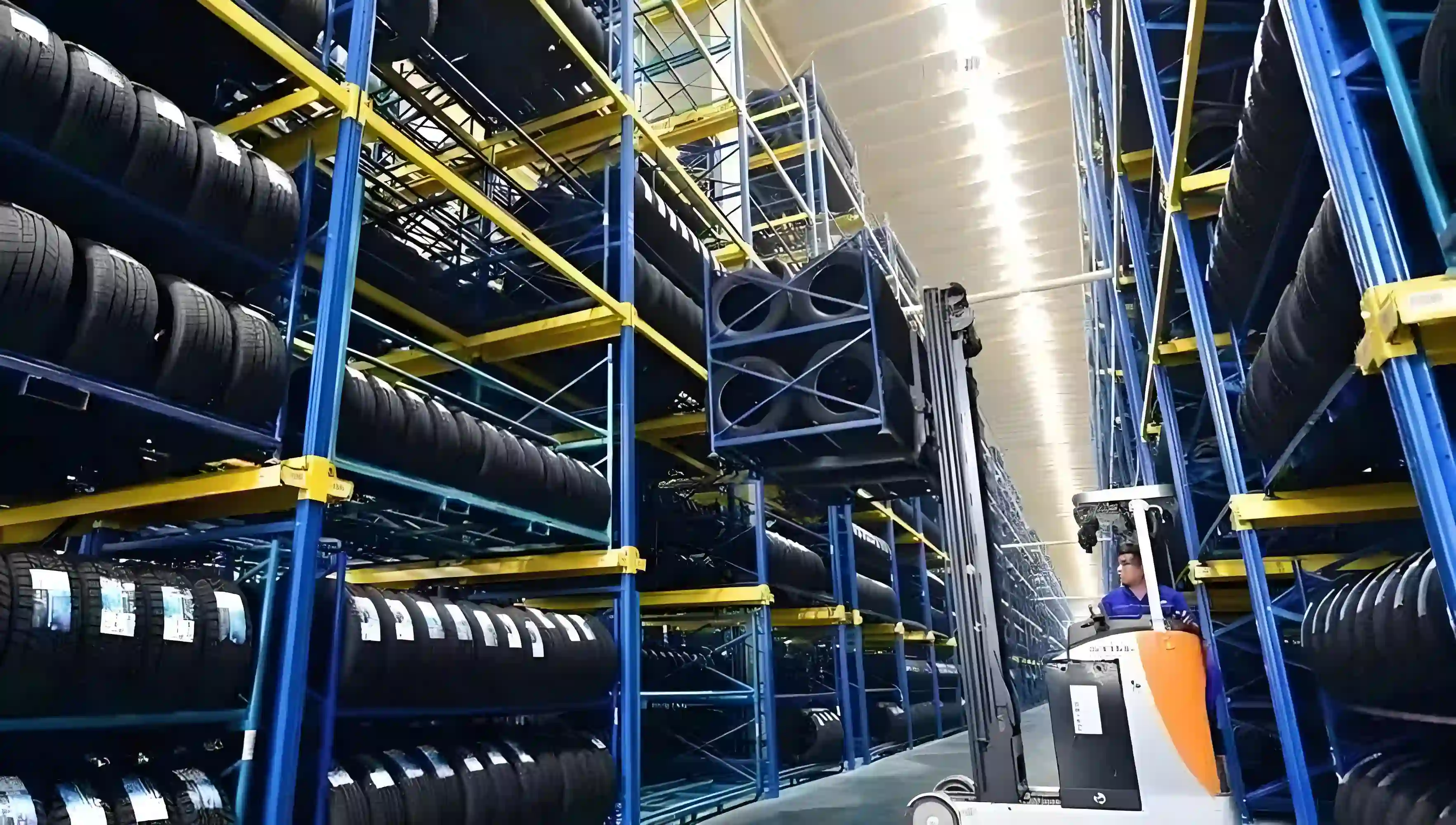
                      VII. Choose IMEXsourcing as Your Sourcing Partner for Rubber Tire in China


                      When it comes to procuring high-quality rubber tire from China, partnering with an experienced and reliable sourcing agent is paramount. IMEXsourcing stands out as a premier choice, offering a comprehensive suite of services designed to streamline your acquisition process and secure exceptional value. Here are compelling reasons to select IMEXsourcing for your next purchase on tyre products:

                      Extensive Procurement Expertise

                      IMEXsourcing boasts a profound and long-standing history in the sourcing industry, enabling us to proficiently locate and secure a wide array of rubber tire from highly regarded Chinese suppliers. Our deep market knowledge ensures that we connect you with manufacturers known for their reliability and superior products.

                      Bespoke Design Solutions

                      At IMEXsourcing, we understand that unique requirements often demand tailored solutions. We empower you to commission well-designed and standard-produced tyre precisely engineered to your specifications, ensuring the final product perfectly aligns with your operational needs.

                      Thorough Supplier Verification

                      Our commitment to quality begins with rigorous due diligence. We conduct comprehensive factory verifications for all potential manufacturers. This meticulous audit confirms their production capabilities, assesses their quality control protocols, and ensures their full compliance with relevant industry standards and legal requirements.

                      Expert Price Negotiation

                      Leveraging our veteran status and in-depth understanding of the market dynamics, IMEXsourcing excels in negotiation. This invaluable expertise allows us to secure the most favorable pricing and terms with top-tier manufacturers renowned for their products, pattern, size and cost-efficient, optimizing your investment.

                      Stringent Quality Assurance

                      IMEXsourcing implements a robust quality management framework that spans the entire procurement cycle. This includes careful selection of suppliers, diligent oversight through production inspections, and thorough product testing prior to shipment, guaranteeing the integrity and performance of your equipment.
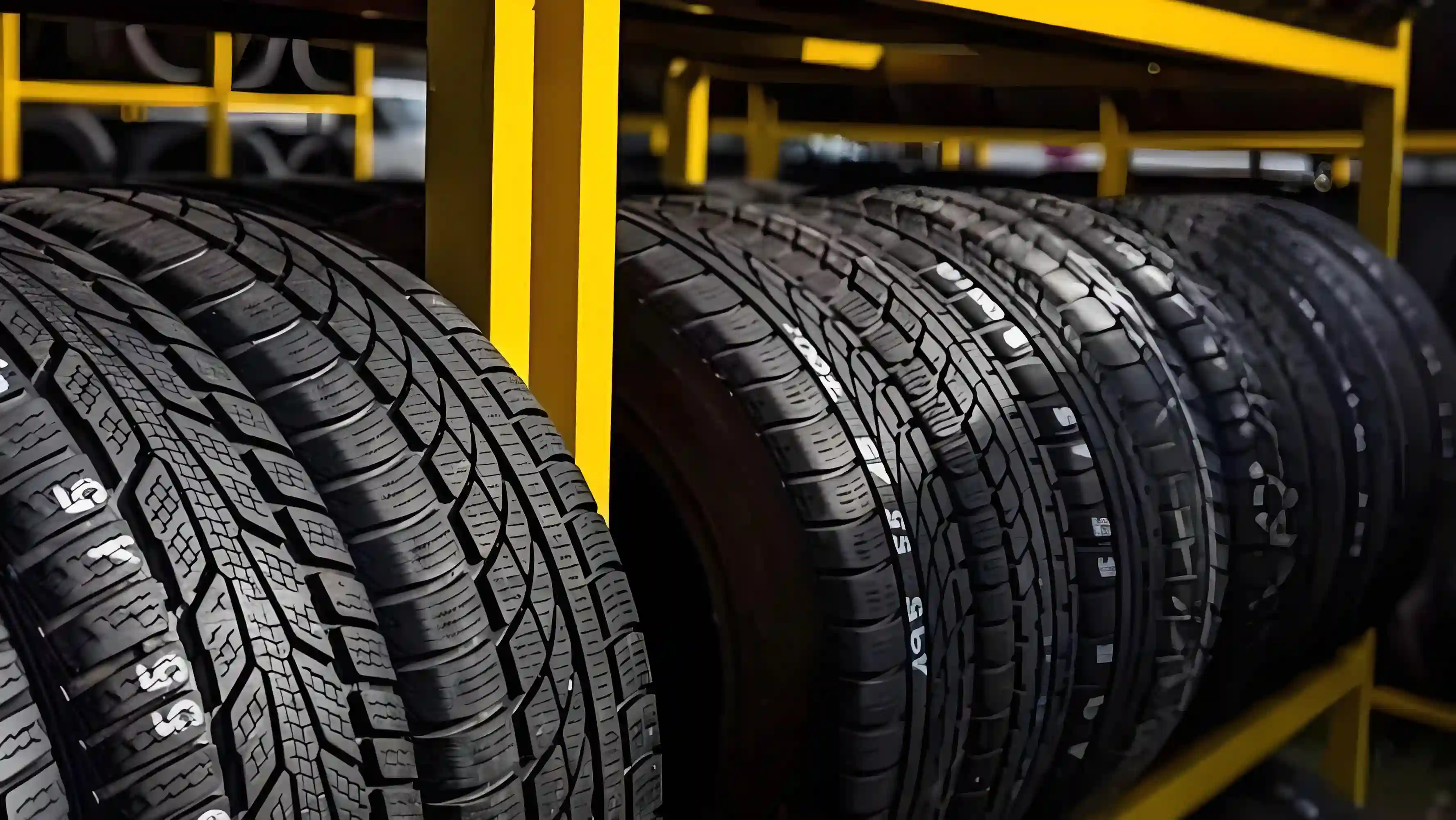
                       

                      VIII. Conclusion

                      The Chinese tire industry offers a world of opportunity for global buyers seeking high-quality, cost-effective products across all categories. By thoroughly researching product types, understanding key specifications, identifying reputable manufacturers in established industrial clusters, ensuring adherence to vital international certifications, and implementing smart purchasing strategies—including clear quality control and effective communication—importers can successfully navigate the market and build profitable, long-term partnerships with Chinese tire suppliers.

                      Message us for more information

                      Please let us know your request, we will get back to you within 24 hours.

                        Buyer’s Guide to Chinese Woodworking Machinery: Focus on Log Splitters and Wood Chippers

                        Introduction

                        China has rapidly emerged as a global powerhouse in manufacturing, and its woodworking machinery sector is no exception. Offering a compelling combination of advanced technology, competitive pricing, and a vast array of products, Chinese manufacturers have become a go-to source for businesses and individuals worldwide seeking efficient and reliable wood processing solutions. This guide delves into the specifics of popular wood treatment products like log splitters and wood chippers, providing insights into their features, key specifications, prominent industrial clusters, major companies, and crucial purchasing considerations.


                        The Chinese woodworking machinery industry has experienced phenomenal growth in recent decades, driven by significant industrialization and a robust domestic and international demand for woodworking products. This growth has fostered a sophisticated manufacturing ecosystem, capable of producing everything from basic hand tools to complex, automated CNC machines. Chinese woodworking machinery is often lauded for its balance of quality and affordability, making it an attractive option for buyers across various scales of operation. The industry is characterized by continuous innovation, with manufacturers increasingly focusing on intelligent and automated production solutions to meet evolving market demands, such as customized furniture production.

                        I. Log Splitters: Efficient Wood Processing for Firewood and Beyond

                        Log splitters are indispensable tools for anyone dealing with significant volumes of timber, whether for firewood, lumber, or biomass. They mechanize the arduous task of splitting logs, significantly increasing efficiency and reducing manual labor. Chinese manufacturers offer a diverse range of log splitters, catering to various needs from residential use to heavy-duty commercial operations.

                        Product Introduction and Types

                        A log splitter typically consists of a hydraulic system, an engine or motor, a splitting wedge, and a log bed. The hydraulic cylinder pushes the log against the stationary wedge, splitting it into smaller pieces.

                        The primary types of log splitters available from China include:

                        • Electric Log Splitters: Ideal for residential use, these are quieter, emission-free, and require less maintenance. They are suitable for splitting smaller to medium-sized logs and are often designed for horizontal operation.
                        • Gas-Powered Log Splitters: These offer greater power and portability, making them suitable for larger logs and remote locations where electricity is not readily available. They come in various tonnage capacities and often offer both horizontal and vertical splitting positions, allowing users to split heavy logs without lifting them.
                        • Hydraulic Log Splitters (PTO/Tractor-Mounted): Designed for heavy-duty commercial or agricultural use, these splitters are powered by a tractor’s power take-off (PTO) or a dedicated hydraulic system. They offer immense splitting force and are built for continuous, high-volume operation.

                        Key Specifications and Parameters

                        When considering a Chinese-made log splitter, several specifications are paramount:

                        • Splitting Force (Tonnage): This is the most critical parameter, indicating the maximum force the machine can exert. Common capacities range from 6 tons for light-duty electric models to over 50 tons for commercial hydraulic units. The required tonnage depends on the type and diameter of wood you intend to split. Hardwoods and larger diameter logs require higher splitting force.
                        • Engine/Motor Power: For gas-powered models, engine horsepower (HP) or cubic centimeters (cc) indicates performance. For electric models, wattage (kW) or voltage (V) and amperage (A) are important.
                        • Log Capacity (Length and Diameter): This refers to the maximum length and diameter of logs the splitter can accommodate. Standard log lengths are often around 24-26 inches (610-660mm), but some models can handle longer logs.
                        • Cycle Time: This indicates how quickly the ram extends and retracts to complete a splitting cycle. Shorter cycle times mean higher productivity.
                        • Hydraulic System: Look for details on pump flow (GPM), cylinder bore, stroke, and hydraulic fluid capacity. A robust hydraulic system is crucial for consistent performance and longevity.
                        • Features: Consider features like horizontal/vertical operation, log cradles, auto-return valves, tow hitches for portability, and four-way wedges for faster splitting.
                        • Safety Features: Ensure the machine is equipped with essential safety mechanisms like two-hand operation, emergency stop buttons, and sturdy guards.

                        II. Prominent Chinese Log Splitter Manufacturers

                        Several Chinese companies have established themselves as reliable manufacturers and exporters of log splitters:

                        • Qingdao Kndmax Machinery Co.,Ltd(KNDMAX): A leading manufacturer known for hydraulic log splitters ranging from 22-ton to 35-ton capacities, often with 6.5hp and 15hp engines. They emphasize ergonomic design, state-of-the-art machinery, and ISO certification.

                        • Laizhou Newhardware Machinery Co., Ltd.: It is a technology-based joint venture enterprise engaged in research, development, specialized manufacturing and sales of woodworking machinery and gardening machinery such as vertical log splitters and horizontal log splitters. The company covers an area of 38,600 square meters, with a construction area of 18,650 square meters, fixed assets of RMB 68 million, 560 employees and 52 engineering and technical personnel.

                        • Austter: A leading manufacturer known for hydraulic log splitters ranging from 22-ton to 35-ton capacities, often with 6.5hp and 15hp engines. They emphasize ergonomic design, state-of-the-art machinery, and ISO certification.

                        III. Wood Chippers: Transforming Wood Waste into Valuable Resources

                        Wood chippers are essential machines for managing wood waste, turning branches, limbs, and smaller logs into wood chips. These chips can then be used for mulching, composting, biomass fuel, or other applications, promoting sustainability and efficient waste management.

                        Product Introduction and Types

                        Wood chippers generally consist of a feeding hopper, a chipping mechanism (either a disc or drum), and a discharge chute. Wood is fed into the hopper and then processed by sharp blades, reducing it to chips.

                        Key types of wood chippers from China include:

                        • Disc Chippers: These use a heavy steel disc with blades mounted on its face. They are known for producing uniform chips, making them suitable for biomass fuel or pulp production.
                        • Drum Chippers: Featuring a rotating drum with knives, these chippers are generally more aggressive and can handle a wider variety of material, including irregular shapes and larger diameters. They are often preferred for mulching and general waste reduction.
                        • Gravity-Fed Chippers: Smaller, often electric or gasoline-powered, these rely on gravity to feed material into the chipping mechanism. They are suitable for light residential use.
                        • Hydraulic/PTO-Driven Chippers: Similar to log splitters, these heavy-duty chippers are powered by tractors or dedicated hydraulic systems, offering high capacity and continuous operation for commercial and industrial applications.
                        • Mobile Wood Chippers: Mounted on trailers with their own engines, these are highly portable and can be easily transported to various job sites.

                        Key Specifications and Parameters

                        When selecting a Chinese wood chipper, consider the following:

                        • Chipping Capacity (Diameter): This indicates the maximum diameter of wood the machine can process. Capacities range from 3 inches for small residential chippers to over 10-12 inches for industrial models.
                        • Engine/Motor Power: As with log splitters, higher horsepower (HP) or kilowatt (kW) ratings generally indicate greater chipping capability and efficiency, especially for processing harder wood or larger volumes.
                        • Feeding System:
                          • Gravity Feed: Simple, but relies on the material’s weight.
                          • Hydraulic Feed: More advanced, pulls material into the chipper automatically, greatly enhancing safety and efficiency. This is crucial for larger chippers.
                        • Discharge Chute: Adjustable chutes are desirable for directing chips where needed.
                        • Portability: Consider whether the chipper needs to be mobile (trailer-mounted) or stationary.
                        • Blade Material and Number: High-quality, durable blades (often made of hardened steel) are essential for longevity and efficient chipping. The number of blades can affect chip size and processing speed.
                        • Safety Features: Look for safety bars, emergency stops, and robust housing to protect operators.

                        IV. Prominent Chinese Wood Chipper Manufacturers

                        The Chinese market features numerous wood chipper manufacturers, with a strong presence in regions known for machinery production:

                        • Shandong Kesen Machinery Manufacturing Co., Ltd.: Founded in 2003, Kesen Machinery produces various wood chippers, shredders, and other forestry equipment, focusing on high-quality products.

                        • Intradin: In addition to log splitters, Intradin also manufactures high-quality wood chippers and shredders for residential use, including various discharge types and rotor designs.

                        • Qingdao Kndmax Machinery Co.,Ltd(KNDMAX): A significant player offering a wide range of wood chippers, including industrial models, diesel-powered units, and PTO wood chippers, with various capacities and certifications (CE, ISO9001, SGS).
                        • Zouping Xingtai Machinery Co., Ltd., Jinan Shanghangda Machinery Co., Ltd., Yongkang Maxpower Technology Co., Ltd., Henan Shengmiao Instrument Co., Ltd., Weifang Sinolink Heavy Industry Co., Ltd.: These are some of the many manufacturers listed on platforms like Made-in-China.com, indicating a broad base of suppliers.

                        V. Industrial Clusters: Where Chinese Woodworking Machinery Thrives

                        China’s manufacturing strength is significantly bolstered by its industrial clusters, which are geographical concentrations of interconnected companies, suppliers, service providers, and related institutions. These clusters foster specialization, complete supply chains, and competitive environments. For woodworking machinery, three main industrial clusters stand out:

                        • Pearl River Delta Industrial Cluster (Guangdong Province): Centered around cities like Foshan and Shunde (Lunjiao is a well-known hub within Shunde), this region is a powerhouse for various industries, including woodworking machinery. The proximity to a complete industrial chain, from raw materials to components, strengthens manufacturing capabilities and offers a wide selection of products.
                        • Yangtze River Delta Industrial Cluster (Shanghai and surrounding areas): With Shanghai as its center, this cluster also boasts a significant number of woodworking machinery manufacturers. Its strategic location and well-developed infrastructure contribute to its prominence.
                        • Shandong Peninsula Industrial Cluster (Shandong Province, especially Qingdao): Qingdao is a major center for woodworking machinery, with a substantial annual industrial output and export value. This cluster excels in various machinery types, with a leading position in sanding machines and comprehensive solutions for wood-based panel and furniture production.

                        These clusters offer advantages such as access to skilled labor, specialized suppliers, efficient logistics, and often, government support for innovation and quality improvement.

                        VI. Purchasing Considerations: Navigating the Chinese Market

                        Importing woodworking machinery from China can be a highly rewarding endeavor, but it requires careful consideration and due diligence. Here’s a comprehensive guide to ensure a successful purchase:

                        1. Machine Quality and Specifications

                        • Understand Your Needs: Before looking at products, clearly define your requirements. What type of wood will you process? What is the desired output volume? What level of automation do you need?
                        • Build Quality: Pay close attention to the machine’s construction. Look for sturdy, welded steel frames (not flimsy structures). Inquire about the quality of critical components like motors, hydraulic pumps, guide rails, and control systems.
                        • Certifications and Standards: Prioritize machines with relevant international certifications, such as CE (Conformité Européenne) for the European market, ISO (International Organization for Standardization) for quality management, and EPA (Environmental Protection Agency) for engines in the US. These certifications indicate adherence to safety and quality standards. Always ask for certification documents.
                        • Technical Specifications Match: Ensure that the provided specifications (e.g., tonnage, chipping capacity, motor power, log length) precisely match your operational needs. Do not assume; verify.

                        2. Selecting a Reliable Supplier

                        This is arguably the most critical aspect of sourcing from China.

                        • Research and Vetting:
                          • Online Presence: Evaluate their website, product catalogs, and presence on reputable B2B platforms (e.g., Alibaba, Made-in-China). Look for detailed product descriptions, professional imagery, and clear contact information.
                          • Reviews and Testimonials: Search for independent reviews, customer feedback, and industry discussions about the supplier.
                          • Track Record: Prefer established companies with a proven track record in exporting woodworking machinery. Inquire about their export history and destination countries.
                        • Communication: Effective and timely communication is crucial. Assess their responsiveness, clarity of answers, and English proficiency (if applicable). A good supplier will be transparent and willing to answer all your questions.
                        • Factory Visit (If Feasible): If you are making a significant investment, a factory visit (either in person or through a third-party inspection service) can provide invaluable insights into their manufacturing capabilities, quality control processes, and overall professionalism.
                        • Trade Assurance/Escrow Services: Utilize platforms that offer trade assurance or escrow services. These payment methods protect both the buyer and the seller by holding funds until the buyer confirms satisfactory receipt of goods.
                        • References and Case Studies: Ask for references from past international clients or examples of successful projects.

                        3. After-Sales Service and Support

                        This is a common concern when purchasing from overseas. A reliable supplier should offer comprehensive after-sales support:

                        • Installation and Commissioning: Inquire if they provide guidance or even on-site assistance for machine installation and commissioning. Some larger manufacturers offer field installation services.
                        • Operation Training: Check if they provide training for operating and maintaining the machinery. This might include training videos, user manuals in English, or even on-site training by their engineers.
                        • Technical Support: A reputable supplier should offer readily available technical support (e.g., via email, phone, video calls, or online chat) to assist with troubleshooting and operational queries. Look for 24/7 availability if possible.
                        • Spare Parts Supply: Ensure a reliable supply of spare parts. Downtime due to unavailable parts can be costly. Ask about their spare parts inventory, lead times for delivery, and if they have distributors in your region.
                        • Warranty Services: Understand the warranty period and what it covers. Clarify procedures for warranty claims and repairs. Many offer 1-3 years warranty for the whole machine.
                        • Maintenance Programs: Some suppliers offer preventive maintenance services or guidance to prolong the machine’s lifespan.

                        4. Customization Options

                        Many Chinese manufacturers offer a degree of customization to meet specific customer requirements.

                        • Design Modifications: Inquire if they can adapt existing models to your specific needs, such as adjusting log capacities, adding specialized features, or modifying power sources.
                        • Component Selection: For larger orders, you might be able to specify certain components (e.g., specific engine brands, hydraulic pumps, or control systems).
                        • OEM/ODM Services: If you are a distributor or have unique branding needs, discuss Original Equipment Manufacturer (OEM) or Original Design Manufacturer (ODM) services.

                        5. Pricing, Payment, and Logistics

                        • Transparent Quotations: Request detailed quotations that clearly itemize the machine model, included accessories, warranty, and Incoterms (e.g., FOB, CIF). Understand what is included and what is not.
                        • Budget Realistically: Beyond the machine’s cost, factor in additional expenses such as:
                          • Shipping Costs: Sea freight is common for heavy machinery; expect it to be 10-15% of the machine’s cost.
                          • Import Duties and Taxes: Research your country’s specific import tariffs and taxes for woodworking machinery.
                          • Customs Clearance Fees: Costs associated with clearing the goods through customs at your port of entry.
                          • Local Transportation: From the port to your facility.
                          • Installation and Commissioning Costs: If you require professional assistance.
                        • Payment Terms: Typical payment terms involve an upfront deposit (e.g., 30%), with the balance paid upon shipment or after satisfactory receipt. Use secure payment methods.
                        • Lead Time and Production Schedules: Understand the estimated production time and shipping duration to plan your operations accordingly.

                        VII. Conclusion

                        The Chinese woodworking machinery market, particularly for log splitters and wood chippers, presents a vast landscape of opportunities for buyers seeking efficient, cost-effective, and increasingly advanced solutions. By thoroughly researching products, carefully vetting suppliers, understanding key specifications, and meticulously planning for logistics and after-sales support, importers can confidently navigate this dynamic market and acquire machinery that delivers reliable performance and exceptional value. IMEXsourcing, equipped with extensive experience in log splitters and wood chippers procurement and a reliable legal team, can provide full protection to help you avoid all such risks effectively.

                        Message us for more information

                        Please let us know your request, we will get back to you within 24 hours.
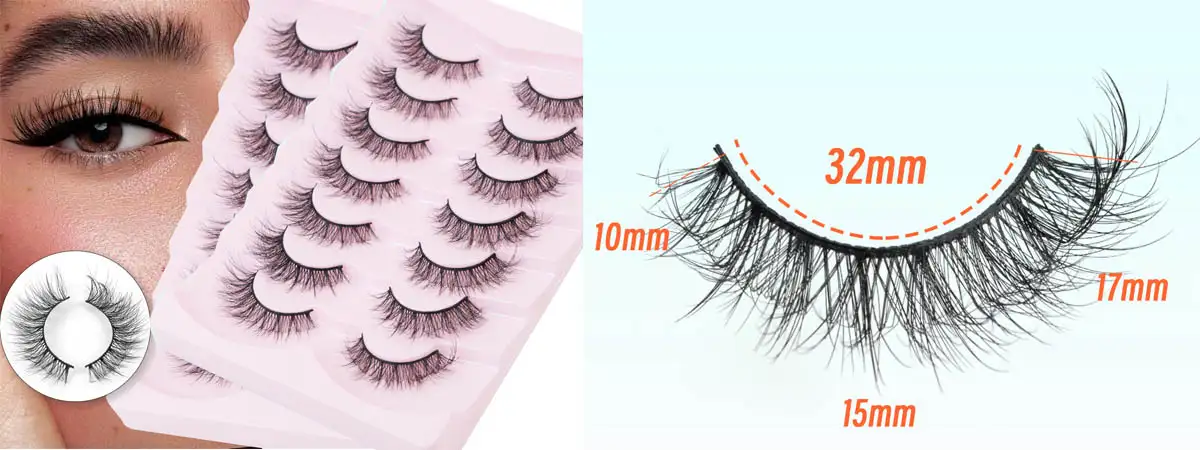
                          A Guide to Smart Lawn Robots or Remote-Controlled Lawn Mowers in China: Everything You Need to Know

                          Introduction

                          As smart home technology continues to evolve, robotic lawn mowers have become increasingly popular for residential and commercial landscaping. China has emerged as a global manufacturing hub for these innovative gardening tools, offering competitive prices, advanced features, and reliable quality.

                          This comprehensive guide will explore China’s remote control lawn mower/robotic mower/smart mower industry, covering product types, technical specifications, manufacturing clusters, top manufacturers, and key purchasing considerations.

                          I. Introduction to Chinese Remote Control, Robotic, and Smart Lawn Mowers

                          The evolution of lawn care has moved from manual push mowers to gasoline-powered ride-ons, and now, increasingly, to autonomous and remote-controlled solutions. Chinese manufacturers have quickly adapted to this trend, offering a wide spectrum of intelligent mowing solutions that cater to various needs, from small residential lawns to vast commercial properties and challenging terrains.

                          Remote Control Lawn Mowers:

                          These are typically robust, heavy-duty machines often resembling miniature tanks or specialized vehicles, operated by a remote control. They are particularly well-suited for difficult terrains such as steep slopes (up to 45 degrees), orchards, farms, riverbanks, roadsides, wetlands, and large areas of wasteland where direct human operation might be hazardous or impractical. Many models are gasoline-powered, offering significant power and a wide cutting width, designed for efficient coverage of expansive or overgrown areas. Their appeal lies in their ability to keep operators safe from dangerous environments and reduce physical labor for large-scale tasks.

                          Robotic Lawn Mowers:

                          These are autonomous machines designed to mow lawns independently, without direct human intervention. Once programmed, they can follow a schedule, navigate the lawn, cut grass, and return to their charging stations automatically. Early models often required perimeter wires to define the mowing area, but newer “boundary-free” technologies, leveraging RTK (Real-Time Kinematic) GPS, LiDAR (Light Detection and Ranging), and advanced computer vision, allow for more flexible and precise operation without physical boundaries. These mowers are favored for residential gardens, public parks, and smaller commercial landscapes, offering quiet operation, low power consumption, and hands-free convenience.

                          Smart Lawn Mowers:

                          This category encompasses both remote control and robotic mowers but emphasizes advanced connectivity and intelligent features. Smart mowers are typically integrated with smartphone applications via Wi-Fi or Bluetooth, allowing users to control them remotely, set mowing schedules, monitor real-time status, receive maintenance alerts, and even customize mowing zones. Features like rain sensors, anti-theft systems, lift sensors, and automatic passage detection further enhance their intelligence and user experience. The integration of AI and IoT technologies allows these machines to learn and adapt to their environment, optimizing mowing patterns and efficiency over time.

                          Chinese manufacturers excel in offering a variety of power sources including gasoline, electric, and battery-powered options, catering to different environmental concerns and power needs. The emphasis is on combining robust performance with user-friendly interfaces and smart functionalities, making them attractive options for global consumers and businesses.

                          II. Key Specifications and Parameters of a Lawn Mower

                          When considering a Chinese remote control or robotic lawn mower, understanding the key specifications is crucial for matching the product to your specific needs.

                          • Lawn Size and Coverage Area: Robotic mowers are typically rated for specific lawn sizes, ranging from small residential plots (e.g., 200-1000 sqm) to large commercial areas (e.g., 2000 sqm, 1-5 acres, or more for commercial-grade remote-controlled units). For instance, some models might cover 0.65 acres (2600 square meters) per hour. Ensure the chosen model’s capacity matches or exceeds your lawn’s total area.

                          • Cutting Width: This refers to the width of grass cut in a single pass. Wider cutting widths generally translate to faster completion times, which is particularly beneficial for larger lawns. Common cutting widths for remote control mowers can range from 550mm to 1000mm or even more, while robotic mowers often have cutting widths around 180mm to 220mm.

                          • Cutting Height Adjustment: The ability to adjust cutting height is essential for different grass types and desired lawn aesthetics. Chinese mowers typically offer a wide range, often from 10mm-180mm, with multiple settings (e.g., 8 settings for robotic mowers from 25-65mm).

                          • Maximum Working Slope: For uneven or hilly terrains, the maximum working slope is a critical specification. Remote control crawler (tracked) mowers are designed for impressive slope capabilities, often handling gradients up to 45° (or 47% inclination), making them ideal for challenging landscapes. Robotic mowers typically handle less steep slopes, but advanced models are improving in this regard.

                          • Battery Life and Charging Time: For battery-powered robotic mowers, longer battery life means the mower can cover more ground on a single charge. Battery capacities like 20V Lithium 4.0 Ah are common, offering mowing times of 1.5 hours per charge. Fast charging capabilities are also a desirable feature. Gasoline models, on the other hand, offer extended operation limited only by fuel capacity.

                          Navigation and Mapping Technology:

                          Boundary Wire: Traditional robotic mowers use a physical wire laid around the perimeter to define the mowing area.

                          Boundary-Free (Wire-Free): More advanced models utilize RTK (Real-Time Kinematic) GPS for highly accurate positioning, LiDAR for environmental mapping and obstacle avoidance, and/or computer vision. These technologies allow for flexible setup and dynamic mapping of the lawn.

                          • Connectivity and Smart Features: Many models offer APP/Wi-Fi/Bluetooth connectivity for remote control, scheduling, and monitoring. Additional smart features include:

                            • Rain Sensors: Prevent mowing during wet conditions.
                            • Anti-theft Protection: Alarms and GPS tracking.
                            • Lift and Tip-over Sensors: Ensure safety by stopping blades if the mower is lifted or overturned.
                            • Automatic Go-Home Function: Returns to the charging station when battery is low or task is complete.
                            • FOTA (Firmware Over-The-Air) Updates: Allows for software improvements.
                          • Noise Level: Robotic mowers are typically much quieter than gasoline mowers, often operating around 66 dB (A), making them suitable for residential areas without causing disturbance.
                          • Durability and Materials: Most robotic mowers use high-strength plastics (ABS, polycarbonate) for lighter, protective shells, while premium models may incorporate metal casings (aluminum, stainless steel) for enhanced durability. Blades are commonly made from high-carbon or stainless steel for sharpness and longevity, with some featuring self-sharpening mechanisms. Wheels are designed with rubber compounds for optimal traction across various terrains.
                          • Certifications: Look for certifications like CE, EMC, and RoHS, which indicate compliance with European safety, electromagnetic compatibility, and hazardous substances regulations, crucial for international markets

                          III. Product Overview

                          1. Types of Smart Lawn Mowers from China

                          a) Remote Control Lawn Mowers

                          • Manually operated via wireless remote
                          • Ideal for small to medium-sized lawns
                          • Typically more affordable than fully autonomous models
                          • Often used for slopes and difficult terrain

                          b) Robotic Lawn Mowers (Fully Autonomous)

                          • Self-navigating using GPS, boundary wires, or AI vision
                          • Automatic charging and scheduling
                          • Advanced models feature smartphone app control
                          • Best for regular maintenance of medium to large lawns

                          c) Hybrid Smart Lawn Mowers

                          • Combine remote control and autonomous features
                          • Can switch between manual and automatic modes
                          • Popular for commercial landscaping applications

                          2. Key Features of Chinese Smart Lawn Mowers

                          • Cutting Systems: Rotary blades (3-7 blades), mulching capability
                          • Power Sources: Lithium-ion batteries (24V-60V), some with solar charging
                          • Navigation: Boundary wire, GPS, LiDAR, or vision-based systems
                          • Smart Connectivity: WiFi/Bluetooth, mobile apps, voice control compatibility
                          • Safety Features: Lift sensors, collision detection, child/pet safety
                          • Weather Resistance: IP ratings from IPX4 to IPX6 for rain operation

                          3. Technical Specifications

                          When evaluating Chinese smart lawn mowers, consider these critical parameters:

                          Specification Typical Range Importance
                          Cutting Width 20-60 cm Determines mowing efficiency
                          Battery Capacity 2-10 Ah Runtime between charges
                          Voltage 24V-60V Power and performance level
                          Maximum Slope Handling 15°-35° Terrain capability
                          Cutting Height Adjustment 30-80 mm Lawn health customization
                          Noise Level 50-75 dB Neighborhood compliance
                          Charging Time 60-120 minutes Operational downtime
                          Area Coverage per Charge 500-3000 m² Productivity metric
                          Weight 10-30 kg Maneuverability factor
                          Smart Features App control, scheduling, zone management Convenience factors

                          IV. Industrial Clusters and Manufacturing Hubs in China

                          China’s smart lawn mower production is concentrated in several industrial regions:

                          1. Zhejiang Province (Ningbo, Hangzhou, Jinhua)

                          • Specializes in high-end robotic mowers with smart features
                          • Strong electronics and IoT component supply chain
                          • Home to many OEM/ODM manufacturers

                          2. Guangdong Province (Shenzhen, Dongguan, Zhongshan)

                          • Focus on innovative designs and smart technology integration
                          • Excellent access to lithium battery manufacturers
                          • Strong export infrastructure

                          3. Jiangsu Province (Suzhou, Wuxi, Changzhou)

                          • Known for precision engineering and reliable builds
                          • Many European-brand contract manufacturers located here
                          • Good quality control standards

                          4. Shandong Province (Qingdao, Jining, Yantai)

                          • Produces more affordable models with good durability
                          • Strong in commercial-grade remote control mowers
                          • Growing robotic mower sector

                          V. Major Manufacturing Companies and Brands

                          The Chinese robotic and remote control lawn mower market features a mix of established industrial players, dedicated robotic lawn mower manufacturers, and new entrants from the smart home appliance sector.

                          • KOHAM: Positioned as a leading manufacturer of intelligent mowing equipment, KOHAM specializes in professional-grade electric and gasoline remote control lawn mowers designed for slopes, inaccessible areas, and large commercial use. They emphasize pure electric drive for environmental friendliness and strong climbing ability.

                          • Altverse (under Longhorn Group): A prominent OEM (Original Equipment Manufacturer) and ODM (Original Design Manufacturer) service provider since 1995, Altverse offers a wide range of robotic lawn mowers, including models for small to large lawn sizes (e.g., AN1000 for <1000m2, AN1600 for <2000m2, AN3000 for >2000m2). They also provide AI Vision SLAM and RTK robot mowers, highlighting their advanced R&D capabilities.

                          • Daye: Daye mastered core technologies such as path planning, WiFi control, and ultrasonic sensing. The second-generation lawn mower robot has been mass-produced, and the third-generation product integrating AI vision is under development.

                          • Allianagri.com: This platform features various remote control lawn mowers, including gasoline crawler and wheel models, as well as electric battery-powered options. They highlight cutting-edge technology and quality, positioning themselves as leaders in the industry.
                          • Positec: A major Chinese electric tool manufacturer that has made significant investments in smart mowing robots and electric-powered commercial landscaping tools, brands Positec, WORX, Noesis, Kress etc.

                          • Ecovacs: Known for its robotic vacuum cleaners, Ecovacs has expanded into the robotic lawn mower market, showing strong growth in overseas revenue and unit sales.

                          • Segway-Ninebot: Primarily known for personal transportation devices, Segway-Ninebot has successfully entered the lawn mowing robot market with its Navimow series, used in hundreds of thousands of households globally.

                          • Dreame: Another company with a strong presence in smart home appliances, Dreame has shipped a significant number of lawn mowing robots.

                          • Agilex Robotics (Mammotion): Agilex’s sub-brand Mammotion has seen substantial sales of its robotic mowers in Europe and North America.

                          • Startups and Others: A number of startups like Hanyang (Yarbo) Robotics, OOPower, Lymow (e.g., Lymow One), and Mowrator are also emerging, often leveraging advanced technologies like boundary-free navigation.

                          • Alibaba/Made-in-China Platforms: Platforms like Alibaba.com and Made-in-China.com host numerous manufacturers and trading companies. Some frequently appearing names include: Shandong Nature Garden Machinery Co., Ltd., Shandong Hanyue Heavy Industry Group Co., Ltd., Shandong Jianggong Machinery Co., Ltd., Jining Lupeng Construction Machinery Co., Ltd., and Shandong Dongcheng Machinery Manufacturing Co., Ltd. These platforms are crucial for sourcing and identifying suppliers.

                          VI. Purchasing Considerations for Chinese Robotic/Smart Lawn Mowers

                          Importing or purchasing a robotic or remote control lawn mower from China requires careful consideration to ensure you get a reliable product that meets your needs.

                          • Define Your Needs Clearly:

                            • Lawn Size and Layout: Is your lawn small and flat, or large with complex obstacles, slopes, or rough terrain? This will dictate whether a basic robotic mower, an advanced boundary-free model, or a heavy-duty remote control mower is appropriate.

                            • Obstacles: Do you have many trees, flowerbeds, swimming pools, or narrow passages? Ensure the mower’s navigation system (e.g., RTK, LiDAR, vision) can handle these complexities.

                            • Purpose: Is it for residential use, commercial landscaping, or specialized applications like solar farms or agricultural fields?

                          • Understand Key Specifications

                            As detailed in Section 2, pay close attention to cutting width, cutting height range, maximum working slope, battery life/runtime, and the type of navigation technology used.

                          • Technology and Features:

                            • Boundary-Free vs. Wire-Based: Wire-free mowers offer greater flexibility and easier setup, but often come at a higher price due to advanced navigation systems. Evaluate if the added cost is justified for your application.

                            • Smart Connectivity: App control, scheduling, and real-time monitoring are highly convenient features. Ensure the app is user-friendly and reliable.

                            • Safety Features: Look for robust anti-theft systems, lift sensors, and tip-over sensors.

                            • Weather Sensing: A rain sensor can prevent mowing during unsuitable conditions, protecting both the lawn and the mower.

                          • Quality and Durability:

                            • Materials: Inquire about the materials used for the body, blades, and wheels. Metal casings and high-quality steel blades generally indicate better durability.

                            • Waterproofing: Check the IP rating (e.g., IPX5 for the machine, IP67 for the charger) for water resistance.

                            • Engine/Motor Quality: For gasoline models, inquire about the engine brand (e.g., Loncin, Kohler, Yamaha, Rato). For electric models, inquire about brushless motors for better efficiency and lifespan.

                            • Certifications: Always look for international certifications like CE, EMC, RoHS, and sometimes EPA (for gasoline engines in certain markets) to ensure compliance and safety standards.

                          • Manufacturer Reputation and Reliability:

                            • Research Companies: Look beyond just product listings. Research the company’s history, production capacity, and R&D capabilities. Companies like Altverse (Longhorn Group) and KOHAM have established reputations.

                            • Reviews and Testimonials: Search for independent reviews on the manufacturer and specific models. Websites, forums, and even YouTube videos can offer valuable insights from existing users.

                            • Trade Platforms: Utilize platforms like Alibaba.com and Made-in-China.com. Look for “Gold Supplier,” “Audited Supplier,” and “Diamond Member” badges, which indicate a certain level of verification by the platform. Check store ratings and on-time delivery rates.

                          • After-Sales Support and Warranty:

                            • Warranty Period: Understand the warranty terms, what is covered, and for how long.

                            • Spare Parts Availability: Ensure that spare parts (blades, batteries, wheels, sensors) are readily available and can be shipped internationally.

                            • Technical Support: Inquire about the availability of technical support, especially if you encounter issues during setup or operation. A manufacturer with good communication channels (email, WeChat, Skype) is preferable.

                          • Budget Considerations

                            Chinese manufacturers often offer highly competitive pricing. Set a realistic budget that accounts not only for the purchase cost but also potential shipping, customs duties, and long-term maintenance. While more affordable models exist, sometimes investing a bit more can lead to a significant upgrade in features, durability, and performance.

                          • Shipping and Logistics

                            Understand the shipping options, costs, and estimated delivery times. Be aware of any import duties, taxes, or customs clearance procedures in your country. Many manufacturers offer FOB (Free On Board) or CIF (Cost, Insurance, and Freight) terms.

                          • Minimum Order Quantity (MOQ)

                            If you are a business looking to import, be aware of MOQs. While some suppliers offer single-piece purchases, many will have lower prices for larger orders.

                          VII. Choose IMEXsourcing as Your Sourcing Partner for Smart Lawn Robots or Remote-Controlled Lawn Mowers in China

                          When it comes to procuring high-quality lawn mower from China, partnering with an experienced and reliable sourcing agent is paramount. IMEXsourcing stands out as a premier choice, offering a comprehensive suite of services designed to streamline your acquisition process and secure exceptional value. Here are compelling reasons to select IMEXsourcing for your next purchase on lawn mower:

                          Extensive Procurement Expertise

                          IMEXsourcing boasts a profound and long-standing history in the sourcing industry, enabling us to proficiently locate and secure a wide array of lawn mower types from highly regarded Chinese suppliers. Our deep market knowledge ensures that we connect you with manufacturers known for their reliability and superior products.

                          Bespoke Design Solutions

                          At IMEXsourcing, we understand that unique requirements often demand tailored solutions. We empower you to commission custom-designed lawn machinery precisely engineered to your specifications, ensuring the final product perfectly aligns with your operational needs.

                          Thorough Supplier Verification

                          Our commitment to quality begins with rigorous due diligence. We conduct comprehensive factory verifications for all potential manufacturers. This meticulous audit confirms their production capabilities, assesses their quality control protocols, and ensures their full compliance with relevant industry standards and legal requirements.

                          Expert Price Negotiation

                          Leveraging our veteran status and in-depth understanding of the market dynamics, IMEXsourcing excels in negotiation. This invaluable expertise allows us to secure the most favorable pricing and terms with top-tier manufacturers renowned for their lawn mowers, optimizing your investment.

                          Stringent Quality Assurance

                          IMEXsourcing implements a robust quality management framework that spans the entire procurement cycle. This includes careful selection of suppliers, diligent oversight through production inspections, and thorough product testing prior to shipment, guaranteeing the integrity and performance of your equipment.

                          Optimized Warehouse Management

                          Our advanced warehouse operations are meticulously designed to facilitate optimal inventory flow and minimize delivery lead times. This efficient system ensures that your equipment consistently arrives promptly from the manufacturer.

                          Seamless Logistics Handling

                          We manage the entire logistical chain, from initial transportation and overseas shipping to final delivery directly to your designated location. This end-to-end service guarantees that your lawn mower reach you efficiently and directly from the production facility.

                          Effortless Customs Processing

                          Navigating international customs can be complex, but with IMEXsourcing, it’s simplified. We take full responsibility for gathering all necessary documentation and ensuring a smooth customs clearance process, alleviating bureaucratic hurdles and streamlining paperwork for our valued partners.

                          VIII. Conclusion

                          China’s robotic and remote control lawn mower industry is rapidly advancing, offering a compelling array of products that blend technological innovation with cost-effectiveness. From heavy-duty remote-controlled machines for challenging landscapes to sophisticated boundary-free robotic mowers for effortless lawn maintenance, Chinese manufacturers are catering to a global demand for smart and efficient gardening solutions. By thoroughly researching product specifications, understanding the industrial landscape, identifying reputable companies, and carefully considering purchasing factors, international buyers can confidently navigate this dynamic market and secure high-quality, intelligent lawn care equipment that meets their specific requirements and budget. The continuous innovation in areas like sensor technology, AI integration, and battery efficiency ensures that Chinese-made smart lawn mowers will remain a significant and attractive option in the global market for years to come.

                          Message us for more information

                          Please let us know your request, we will get back to you within 24 hours.

                            IMEXsourcing contributes to the business cooperation between Nigeria and China: Nigerian Ambassador Babagana Wakil

                            Nigerian Ambassador: IMEXsourcing contributes to the business cooperation between Nigeria and China

                            On that day, a delegation led by Amb Babagana Wakil, the Chargé d’Affaires ad interim of the Nigerian Embassy in China, visited Qingdao to hold in-depth exchanges on China-Nigeria industrial layout and economic and trade cooperation. Mr. Eric Wu, General Manager of IMEXsourcing, and Mr. Charles Liu, Manager of the Marketing Department, jointly received the delegation. The two sides conducted in-depth discussions on economic and trade cooperation between China and Nigeria. As an industry benchmark dedicated to providing full-chain supply chain services for overseas clients, IMEXsourcing has helped over 100 Nigerian enterprises establish procurement channels in China with its localized resource integration capabilities and international service standards. This meeting is regarded as an important milestone in industrial collaboration between the two countries.

                            During the talks, Amb Babagana Wakil spoke highly of IMEXsourcing’s “one-stop cross-border services”. With IMEXsourcing’s assistance, Nigerian enterprises in agricultural machinery, energy units, food machinery, and animal husbandry machinery have successfully connected with core suppliers in northern China, reducing procurement costs by 30% and ensuring delivery quality through strict quality control systems. The Ambassador particularly mentioned that IMEXsourcing’s customized “supplier screening + on-site inspection” solution for a large Nigerian farm helped the procurement of agricultural machinery combinations land smoothly, greatly improving work efficiency.
                            “IMEXsourcing’s services act as an ‘invisible bridge’, enabling Nigerian enterprises to access full-process support from supplier evaluation and business negotiation to logistics and customs clearance without visiting China,” said the Ambassador. He noted that Nigeria is actively advancing the “2030 Industrial Upgrading Plan” and expects IMEXsourcing to extend its services to infrastructure, manufacturing, and other fields to help more local enterprises integrate into China’s supply chain network.
                            Mr. Eric Wu, General Manager of IMEXsourcing, warmly welcomed the Ambassador’s delegation and introduced the company’s core service system: “With a decade of deep involvement in cross-border supply chain services, we have built a supplier database covering over 30 industries, especially possessing full-chain quality control capabilities in northern China’s industrial bases for machinery manufacturing, agricultural machinery, energy units, food machinery, and packaging machinery. For Nigerian clients, we have specially established a multilingual service team to ensure ‘barrier-free communication’ from interpretation and escort, extended inspection to after-sales follow-up.”
                            At the conclusion of the talks, both sides reached a consensus on establishing a “China-Nigeria Cross-Border Service Collaboration Mechanism”. As the “preferred service partner” for Nigerian enterprises’ procurement in China, IMEXsourcing will provide value-added services including supplier due diligence, trade compliance consulting, and customized logistics solutions. Amb Babagana Wakil also expressed that the Nigerian Embassy would provide policy support for IMEXsourcing to carry out market research and project docking locally, jointly promoting in-depth industrial cooperation between the two countries.

                            Message us for more information

                            Please let us know your request, we will get back to you within 24 hours.

                              Pet Food from China: A Booming Sourcing Destination for Global Buyers

                              Introduction

                              The global pet care industry is experiencing unprecedented growth, and at the heart of this expansion is China, a powerhouse in pet food manufacturing. With a rapidly growing domestic market and a sophisticated manufacturing infrastructure, China has become an attractive sourcing destination for high-quality, cost-effective pet food products, including kibble, treats, and supplements. This guide, structured in the style of a professional sourcing manual, will walk you through the key aspects of procuring pet food from China, helping you navigate the market and find the right partners to grow your business.

                              I. Understanding the Chinese Pet Food Market Landscape

                              China’s pet food industry is a vibrant and dynamic sector, driven by increasing pet ownership and a rising demand for premium, nutritious products. The market size is projected to reach an estimated 114 billion RMB by 2026, with significant growth in all major categories. A notable trend is the rapid rise of the “cat economy,” where cat food and related products are driving much of the market’s expansion.

                              The industry is categorized into three main product types:

                              • Main Food (主粮): This is the core of the market, including dry kibble, wet food, and freeze-dried options. Dry kibble remains the most popular choice due to its convenience and long shelf life. However, there is a growing demand for wet food and freeze-dried products as pet owners seek higher-quality, less-processed options.
                              • Pet Snacks (零食): This segment is growing at a remarkable pace. It includes a vast array of products like jerky, dental chews, biscuits, and freeze-dried treats. These products often focus on specific functions, such as dental health, joint support, or a simple reward.
                              • Nutritional Supplements & Health Products (保健品): As pet humanization continues, so does the market for supplements. Products such as probiotics for digestive health, fish oil for skin and coat, glucosamine for joint support, and various vitamins are increasingly popular.

                              II. Product Features and Advantages of Chinese Pet Food

                              Chinese pet food manufacturers offer several advantages for international buyers:

                              • Cost-Effectiveness: The well-developed supply chain and efficient manufacturing processes in China result in competitive pricing, allowing buyers to achieve higher profit margins.
                              • Diverse Product Portfolio: Chinese manufacturers offer a wide range of products, from basic dry kibble to advanced freeze-dried, raw-inspired diets, catering to different market segments and consumer preferences.
                              • Technological Advancement: Many leading Chinese pet food companies have invested heavily in R&D and state-of-the-art production lines. They utilize advanced extrusion, baking, and freeze-drying technologies to ensure product quality and safety.
                              • Flexible Production: Manufacturers are often capable of handling large-scale OEM/ODM orders, providing flexible customization options for private labeling and unique product formulations.

                              • Innovation in Formulas: The domestic market’s intense competition has spurred innovation. Chinese manufacturers are quick to adopt international trends, offering products with high-meat content, grain-free formulas, and functional ingredients.

                              III. Key Ingredients and Healthy Formulations

                              The focus on pet health is a major trend in China, leading to sophisticated product formulations. Key ingredients and healthy formulation concepts include:

                              • High-Meat Content: A significant number of premium products feature fresh meat as a primary ingredient, moving away from grain-heavy recipes.

                              • Functional Ingredients: Formulas are often enriched with ingredients designed to address specific health concerns. Common additions include:
                                • Probiotics and Prebiotics: For gut health and improved digestion.
                                • Omega-3 and Omega-6 Fatty Acids: Sourced from fish oil, these promote a healthy coat and skin.
                                • Glucosamine and Chondroitin: Crucial for joint and bone health, especially in large-breed dogs and aging pets.
                                • Taurine: An essential amino acid for feline heart and vision health, commonly added to cat food.
                              • Grain-Free and Limited Ingredient Diets (LID): These formulas cater to pets with food sensitivities or allergies, using alternative carbohydrates like sweet potato or lentils.
                              • Natural and Organic Ingredients: A growing number of manufacturers are offering products with natural, organic, or human-grade ingredients to meet the demands of discerning pet owners.

                              IV. Main Specifications and Parameters

                              Understanding the specifications is crucial for sourcing the right products. When communicating with a Chinese supplier, be prepared to discuss:

                              • Physical Specifications:
                                • Kibble Size and Shape: Dry food comes in various shapes (e.g., round, star, bone-shaped) and sizes to suit different breeds and ages.
                                • Moisture Content: This affects shelf life and is a key parameter for both dry and wet food.
                              • Nutritional Parameters:
                                • Crude Protein, Fat, and Fiber: These are fundamental metrics that must meet or exceed international standards (e.g., AAFCO).
                                • Vitamins and Minerals: Ensure the product contains a balanced profile of essential micronutrients.

                              • Packaging:

                                • Material: Common options include multi-layer plastic bags, aluminum foil pouches, and cans.
                                • Weight/Volume: Products are typically packaged in various sizes (e.g., 1.5kg, 5kg, 10kg bags) to serve different consumer needs.
                              • Technical Standards: Manufacturers often adhere to a combination of national and international standards. For example, China’s national standards (GB/T series) cover aspects like ingredient safety, production processes, and product testing.

                              V. Major Pet Food Industry Clusters and Manufacturers

                              The Chinese pet food industry is geographically concentrated, primarily in coastal regions with strong logistical networks.

                              • Major Industry Clusters: Shandong province stands out as a key hub for the pet industry. It has a robust infrastructure for agriculture, livestock, and manufacturing, supporting a large number of pet food and veterinary medicine companies. This geographical concentration fosters a strong supply chain and a competitive ecosystem. Other coastal provinces like Zhejiang and Jiangsu also have significant pet food manufacturing presence.

                              • Leading Manufacturers: The market is a mix of established international brands and rapidly growing domestic players.
                                • International Brands: Mars (Royal Canin, Pedigree, Whiskas) and Nestlé (Purina) hold a significant market share.
                                • Leading Domestic Companies: These manufacturers have rapidly gained market share with innovative products and strong branding. Key players include:
                                  • Zhongchong Pet Foods (中宠股份): http://www.wanpy.com.cn A major public company known for its diverse range of products and international partnerships.

                                  • Gambol (GuaiBao) Pet Food Group (乖宝宠物): http://en.gambolpet.com Known for its strong domestic brand “Myfoodie” (麦富迪) and modern production facilities.

                                  • Petty (Peidi) Pet Food (佩蒂股份): https://www.peidibrand.com A prominent manufacturer of pet snacks and chews, with a strong focus on OEM for overseas markets.

                                  • Bridge PetCare (比瑞吉) http://www.naturebridge.cn and Yiyun Pet Food (上海依蕴): Brands that have established a reputation for high-quality, premium domestic products.

                              VI. Essential Certifications and Quality Control

                              For global buyers, ensuring a supplier has the right certifications is paramount. This guarantees product safety, quality, and compliance with international trade regulations.

                              • Export Requirements: To legally export pet food from China, manufacturers must be registered with the relevant authorities in the destination country. For example, a manufacturer exporting to the United States must be in compliance with the FDA and USDA regulations.
                              • International Quality Standards: Look for suppliers that hold certifications from recognized international bodies, such as:
                                • ISO 9001: For quality management systems.
                                • ISO 22000 / HACCP: For food safety management.
                                • BRCGS (Brand Reputation Compliance Global Standard): A global standard for food safety.
                                • GMP (Good Manufacturing Practices): Ensuring products are consistently produced and controlled according to quality standards.

                              • Domestic Chinese Regulations: While the focus is on export, understanding domestic regulations is also important. The Chinese Ministry of Agriculture and Rural Affairs (MARA) oversees pet food standards and production licenses. A reliable manufacturer will have a valid production license and a solid track record of compliance.

                              VII. Key Considerations for Sourcing from China

                              Sourcing pet food from China requires a strategic approach. Here are some key considerations for successful procurement:

                              • Supplier Vetting: Don’t just rely on online listings. Conduct thorough due diligence. Request factory audit reports, visit the facilities if possible, and check for all necessary certifications. A reputable sourcing agent can be invaluable in this process.
                              • Sample Testing: Always request and test product samples before placing a large order. This allows you to verify quality, taste, and consistency.

                              • Contract and Communication: Ensure all terms—from specifications and pricing to quality control standards and delivery schedules—are clearly laid out in a legally binding contract. Maintain open and regular communication with your supplier to prevent misunderstandings.
                              • Logistics and Shipping: Understand the logistics chain, including shipping costs, customs procedures, and lead times. A sourcing partner with expertise in international trade can help streamline this process.

                              • Quality Control (QC): Implement a robust QC process. This can include pre-shipment inspections by a third-party agency to ensure the products meet your standards before they leave the factory.

                              VIII. Choose IMEXsourcing as Your Sourcing Partner for Pet Food in China

                              The Chinese pet food market offers immense opportunities for global buyers seeking high-quality, innovative, and cost-effective products. By understanding the market dynamics, vetting potential partners, and focusing on quality assurance, you can successfully source pet food from China and gain a significant competitive edge in your market. As the industry continues to mature, partnering with the right Chinese manufacturer will be a strategic move for any brand looking to expand its pet care portfolio.

                              Message us for more information

                              Please let us know your request, we will get back to you within 24 hours.