Table of Contents
Introduction
Flexible packaging film acts as a core foundational material for global commodity packaging, widely applied in food, daily chemical, agricultural, pet supplies and industrial manufacturing industries. As cross-border packaging demands keep rising, overseas buyers are in urgent need of reliable, cost-effective film manufacturers with full export service capabilities. This complete sourcing guide analyzes China’s flexible packaging film industry, covering product categories, supply chain layout, supplier selection standards and practical sourcing tips.
I. Understanding Flexible Packaging Film
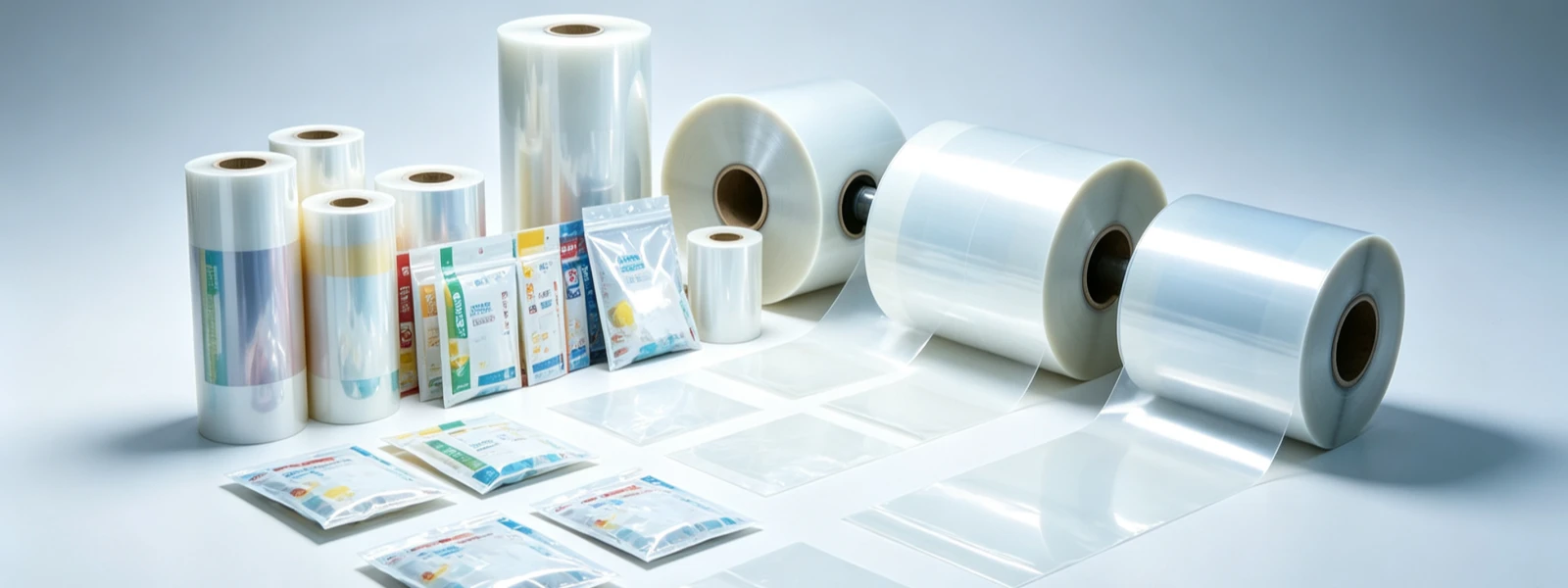
Flexible packaging film refers to thin plastic substrate materials produced via extrusion, biaxial stretching or casting processes. It can be used as single-layer packaging or combined into multi-layer composite structures. Different substrates deliver distinct performance in heat sealing, oxygen barrier, moisture resistance, puncture resistance and printing compatibility. Professional manufacturers can adjust raw material formulas and processing techniques to produce standard and customized functional films that match diverse storage, transportation and packaging requirements of various goods.
Premium flexible film products must comply with international food contact safety standards, featuring uniform thickness, stable surface corona treatment, and zero pinholes or delamination issues during high-speed bag-making, suitable for long-distance sea transportation of export goods.
II. Types and Common Uses
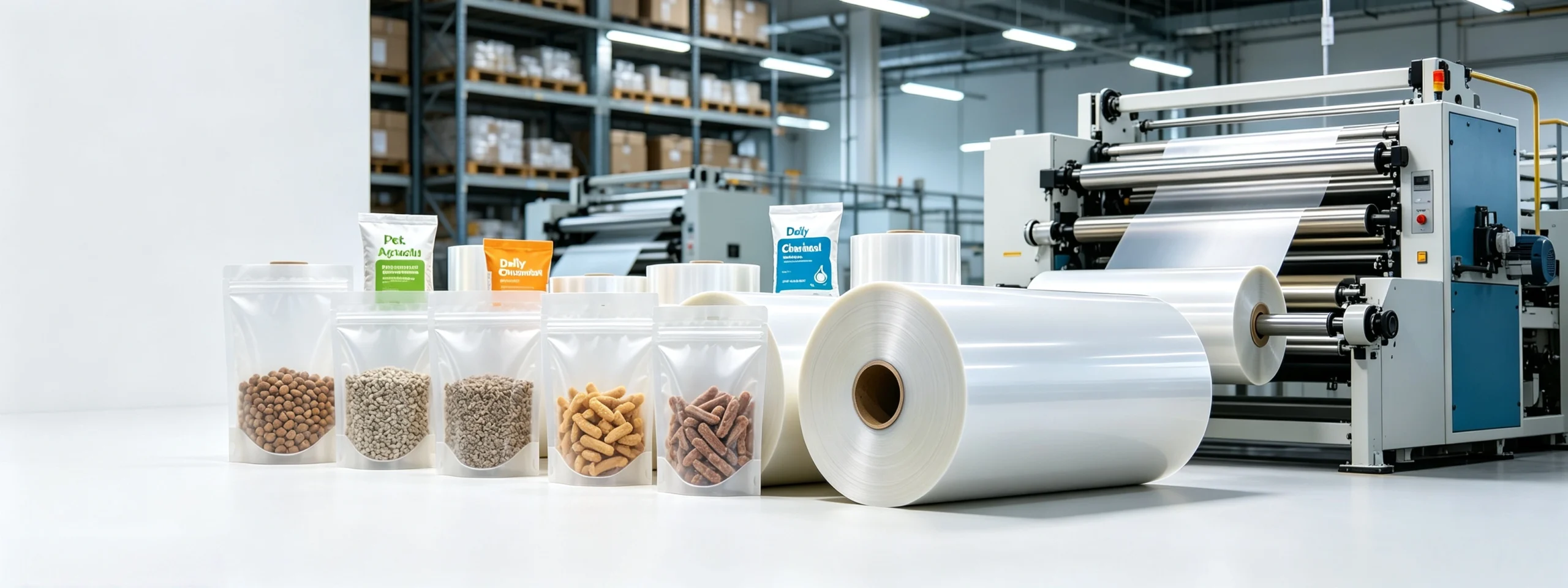
Mainstream flexible packaging film products manufactured by Chinese factories fall into two major categories: standard base films and functional modified films, each with clear application positioning:
-
- BOPP Film: High-rigidity, high-gloss film without heat-sealing performance, used as outer printing layers for snack, tea and cosmetic composite bags, including matte, pearlescent and metallized sub-types.
- BOPET Film: High-performance substrate with excellent oxygen and oil barrier, ideal for long-shelf-life food, sharp-content goods and high-end printed packaging.
- CPP Film: Heat-sealable inner layer film, including retort-grade high-temperature resistant CPP for vacuum cooked food pouches.
- BOPA Nylon Film: Super puncture-resistant middle barrier layer, perfect for frozen seafood, meat and oily food with sharp edges.
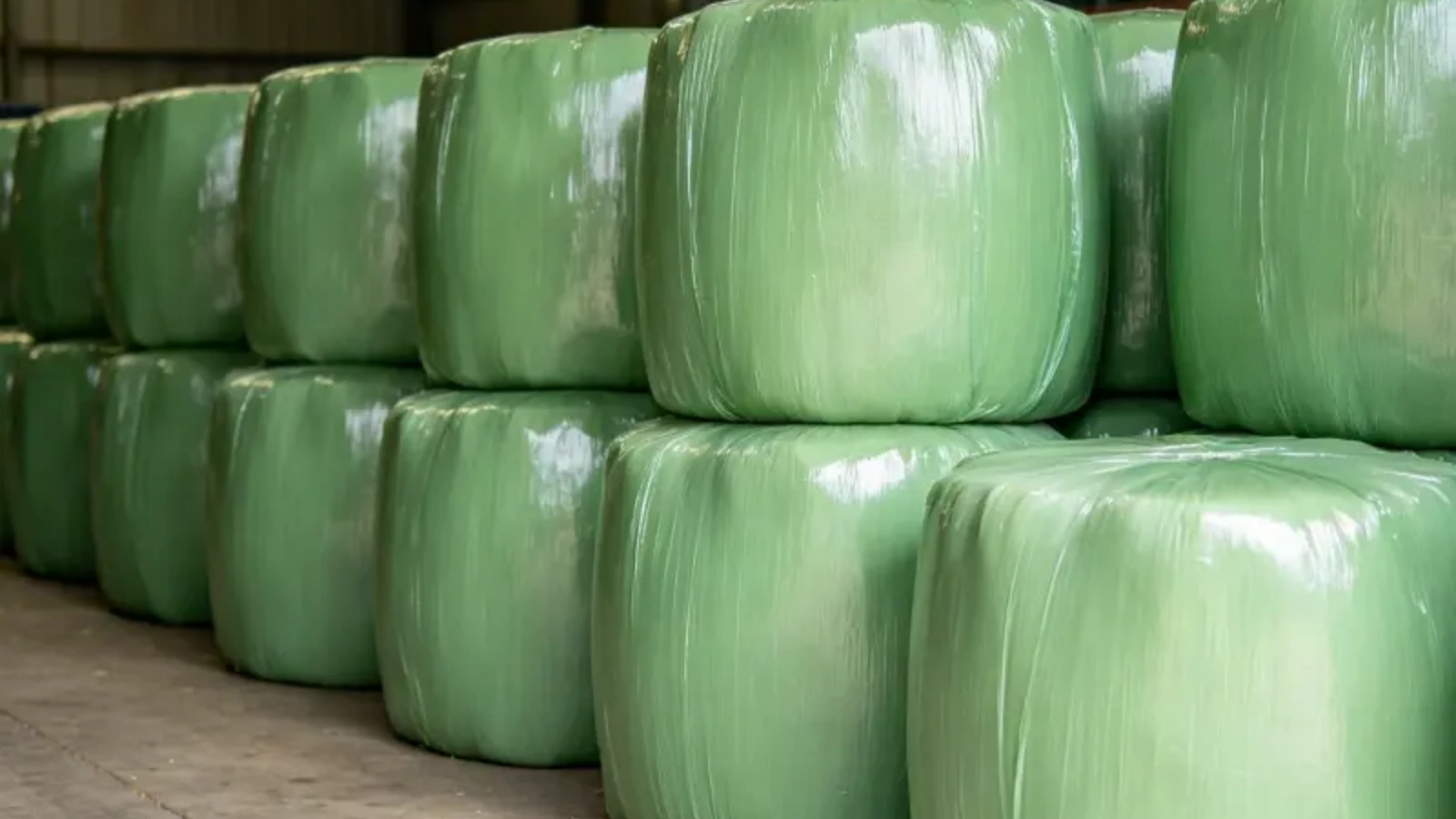
- Multi-functional PE Film: LDPE/HDPE/LLDPE series with optional anti-fog, anti-static, high-slip and UV-resistant modifications for cold-chain, agricultural and industrial lining packaging.
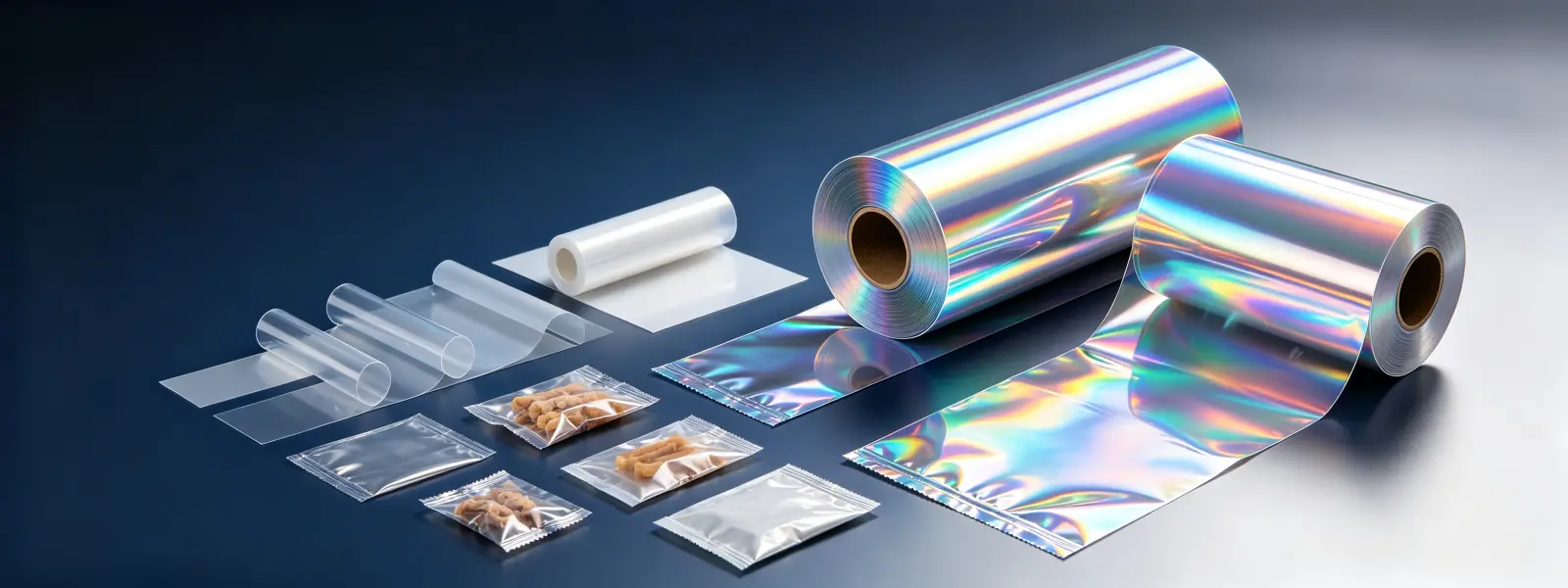
- Holographic & Eco Recyclable Film: Anti-counterfeit decorative film and fully recyclable low-carbon film to meet high-end brand packaging and green export demands.
III. Industry Application Fields
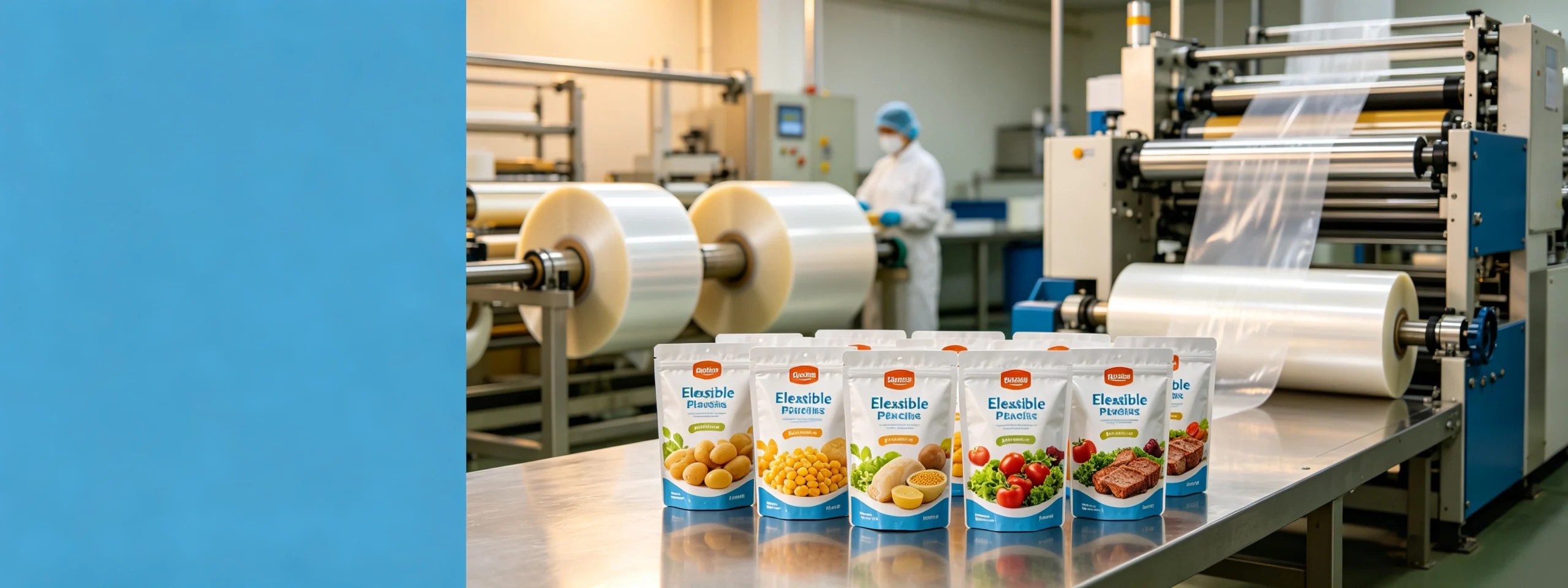
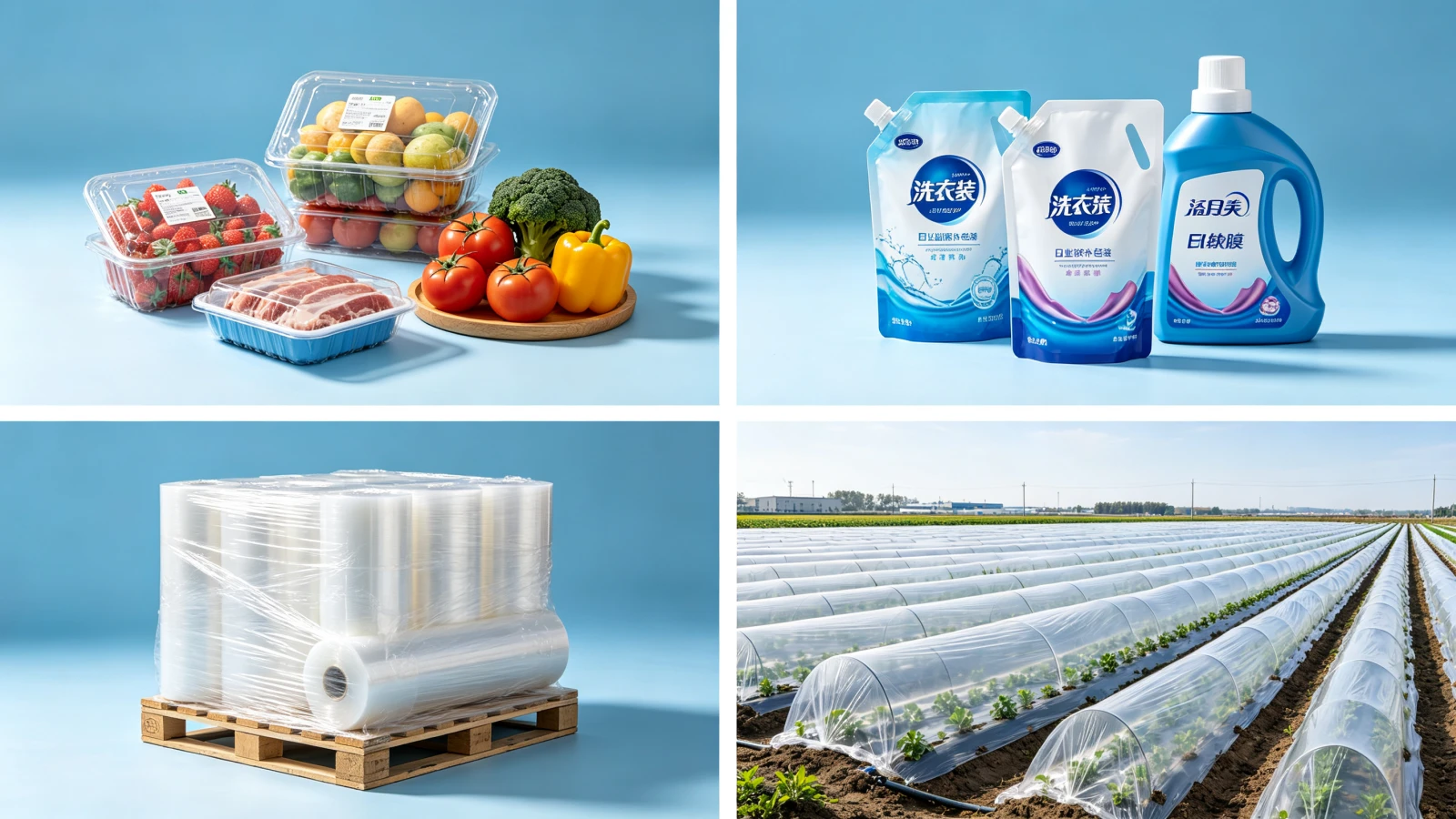
Flexible packaging films cover nearly all light industry export sectors, with five core downstream markets:
- Food Packaging: Frozen seafood, baked snacks, nuts, retort cooked food, fruit & vegetable fresh-keeping, tea and candy packaging.
- Daily Chemical & Personal Care: Laundry detergent pouches, shampoo sachets, facial mask and skincare composite packaging bags.
- Pet Industry: Vacuum pet food bags, pet snack packaging and litter moisture-proof lining film.
- Agricultural Sector: Greenhouse mulch film, cold-chain agricultural product transport sacks and fresh produce wrapping film.
- Industrial Manufacturing: Hardware anti-rust protective film, anti-static packaging for electronic components, logistics pallet stretch wrap and inner sacks for chemical raw materials.
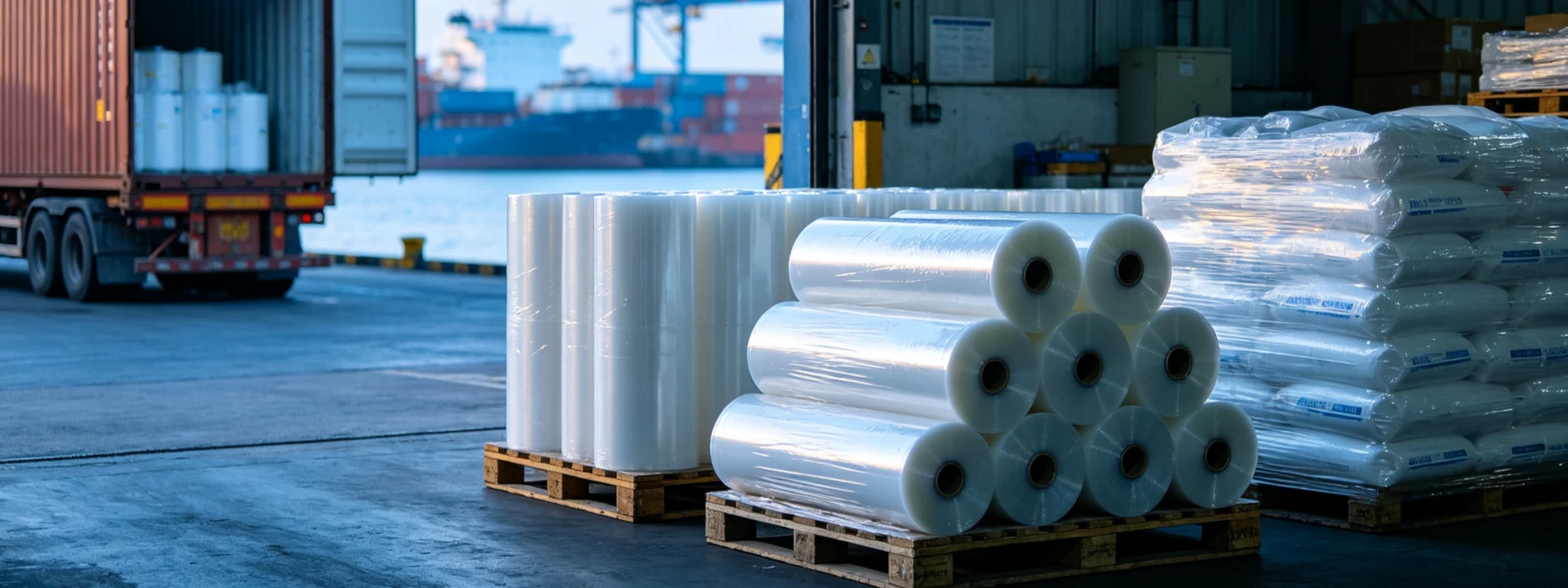
 IV. China’s Industrial Landscape and Key Production Hubs
China is the world’s largest production and export base of flexible packaging films, with a complete upstream resin supply chain, mature processing equipment and supporting printing & lamination factories. The industry shows obvious regional agglomeration characteristics:
- Shandong Province (Qingdao, Jinan): Coastal export hub with convenient port logistics, focusing on food-grade composite films and cross-border packaging materials, equipped with mature export service systems for global buyers.
- Jiangsu & Zhejiang Provinces: Concentrated on high-end functional films, holographic and metallized decorative film production.
- Guangdong Province: Specialized in small-batch customized printed films and daily light industrial packaging materials.
Qingdao boasts unique geographical advantages as a coastal open city, with direct shipping routes to Southeast Asia, Europe, the Middle East and the Americas, greatly cutting logistics time and freight costs for film export orders.
 V. Top 10 Chinese Flexible Packaging Film Manufacturers & Brands
Chinese flexible film suppliers are divided into three tiers: large-scale integrated full-product factories, medium-sized specialized functional film manufacturers and small OEM processing workshops. Below is the complete list of top 10 influential domestic manufacturers in the flexible packaging film industry:
- Qingdao Flexfilm Co., Ltd.Headquartered in Qingdao, Shandong, this professional one-stop flexible packaging film manufacturer supplies full-range BOPP, BOPET, CPP, high-barrier, holographic and eco recyclable films, supporting standard film rolls and customized formula & composite packaging solutions. Intelligent production workshops and strict full-process QC systems are deployed to guarantee stable product quality and on-time delivery. Its global client base covers Southeast Asia, the Middle East, Europe, North America, Australia and South America, serving all-sized packaging factories and brand owners with cost-effective film products and complete export technical support.
- Shenzhen Xinchangsheng Packaging Products Co., Ltd.A professional packaging film manufacturer based in Shenzhen, Guangdong. It mainly produces customized printed composite films, food-grade PE and CPP heat-sealing films, focusing on small-batch, diversified OEM orders for domestic and overseas daily chemical and food brands. It owns independent printing workshops and complete food safety certification documents.
- Shanghai Junhao Plastic Products Co., Ltd.A high-end functional film supplier located in Shanghai. It specializes in high-barrier BOPET, metallized holographic films and anti-static industrial packaging films, providing premium packaging material solutions for cosmetic, electronic and high-end food export brands, with advanced precision coating production lines.
- Dongguan Quanjia Packaging Products Co., Ltd.A well-established packaging enterprise in Dongguan, Guangdong. It focuses on multi-layer composite food packaging films, retort CPP and stretch PE films, supporting flexible small trial orders for cross-border e-commerce food sellers. It has complete food-grade testing certificates and stable delivery capacity for bulk export orders.
- Shenzhen Shunhexing Technology Co., Ltd.Shenzhen-based tech manufacturer focusing on anti-static electronic packaging films, matte BOPP and high-transparency composite films. It serves electronic accessory factories and cosmetic brands, with mature customized surface treatment technology for high-end printed packaging.
- Wenzhou Huaxia Packaging Materials Co., Ltd.A leading packaging material factory in Zhejiang. It mass-produces general BOPP printing film, pearlescent film and household fresh-keeping PE film, with strong cost advantages for mass commodity packaging orders, widely supplied to domestic and Southeast Asian food distributors.
- Qingdao Pulelai Packaging Products Co., Ltd.Local Qingdao packaging manufacturer near major ports, specializing in agricultural mulch film, pet food composite film and industrial moisture-proof lining PE film. It provides convenient sea freight matching services for overseas buyers and complies with global agricultural packaging safety standards.
- Shandong Tianren New Materials Co., Ltd.Shandong-based new material enterprise focused on high-barrier nylon film and recyclable modified packaging films. It has independent R&D workshops for eco-friendly packaging materials, supplying medium and large food manufacturers across Europe and Southeast Asia.
- Shandong Kaifang New Materials Co., Ltd.Professional manufacturer of holographic anti-counterfeit film and metallized high-barrier film. It provides exclusive decorative packaging film solutions for snack, tea and gift brands, with stable coating technology and complete export certification systems.
- Linyi Lanshan Jiexing Packaging Materials FactoryReliable regional packaging material factory in Linyi, Shandong. It produces cost-effective standard BOPP, plain CPP and logistics stretch wrap films, suitable for mass daily commodity packaging, with flexible MOQ and fast local delivery for coastal export ports.
VI. Why Choose Chinese Flexible Packaging Film Suppliers?
-
- Complete industrial supply chain: Abundant resin raw material supply, self-sufficient production equipment and supporting auxiliary processing factories effectively lower overall production costs.
- Diversified customization capacity: Factories can adjust film thickness, width, raw material formulas, surface treatment and printing patterns to meet differentiated market demands worldwide.
- Mature cross-border export service: Most coastal manufacturers have over 10 years of export experience, capable of providing complete test reports, MSDS and customs clearance documents compliant with EU, FDA and Southeast Asia standards.
- Balanced cost and stable quality: Mass production scales reduce unit prices, while standardized QC systems avoid defective film rolls during long-distance ocean transportation.
- Eco-friendly industry upgrading: Numerous factories launch fully recyclable, low-carbon modified films to comply with global sustainable packaging policies and trends.
VII. How to Source Flexible Packaging Films from China & Key Considerations
1. Clarify core product demands first
Buyers should clearly define application scenarios, packaged contents, storage temperature, required barrier performance, film thickness and width. Confirm whether heat-sealable, anti-fog, anti-static or high-barrier functional modification is required to avoid mismatched material selection.
2. Verify factory qualifications and safety certifications
For food-contact packaging, full food migration test reports, factory production licenses and MSDS documents should be requested. Confirm the factory adopts pure virgin resin instead of inferior recycled raw materials.
3. Request free pre-production samples for testing
Suppliers can send free film samples for internal printing, lamination and bag-making tests, to check heat-seal strength, transparency and processing compatibility before placing mass orders.
4. Negotiate MOQ, production lead time and logistics arrangements
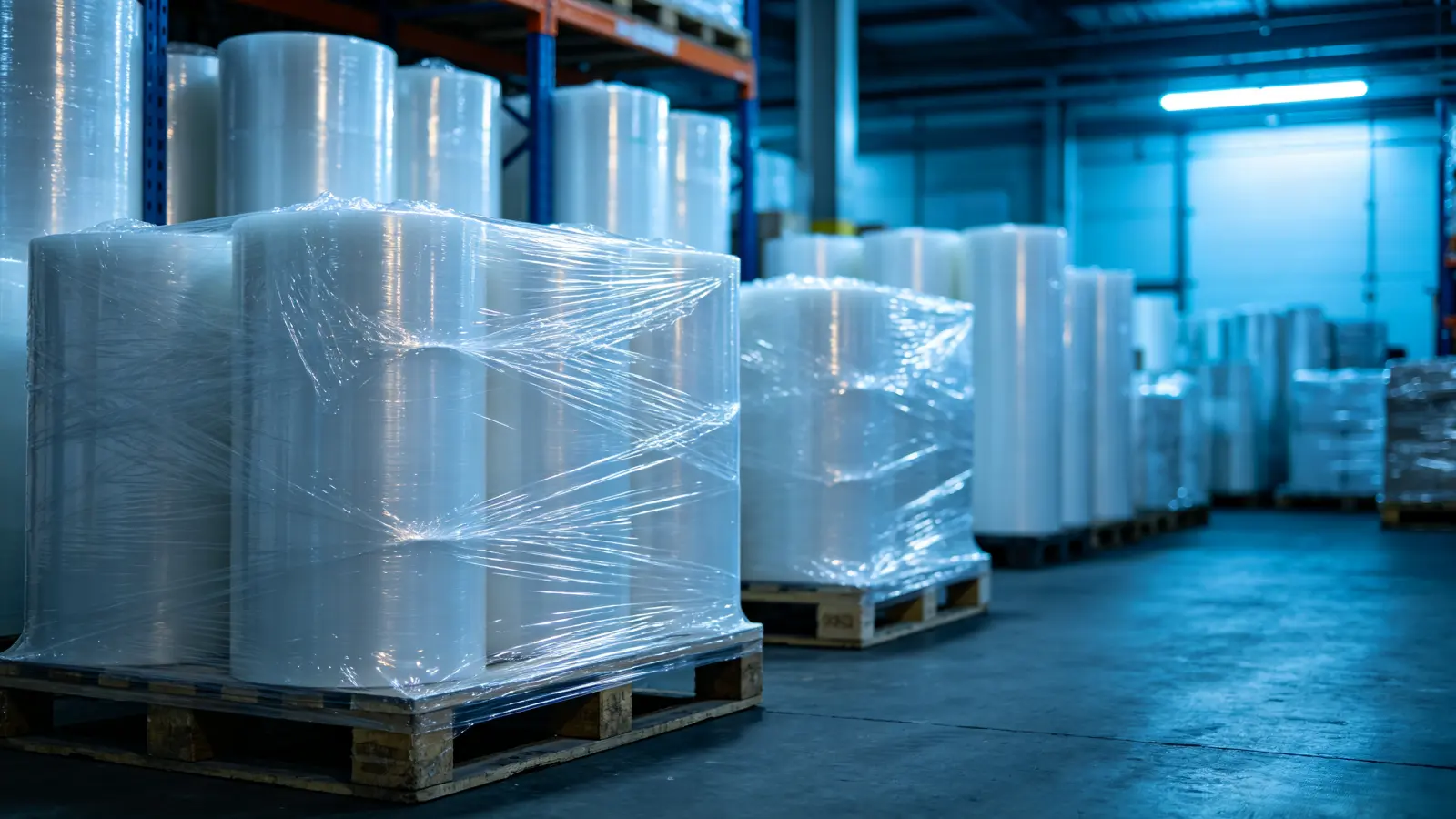
Standard stock film rolls support small trial orders; customized functional films require a 7–15 working day production cycle. Loading port, sea freight terms and quality compensation clauses should be confirmed in advance.
5. Confirm after-sales technical support
Buyers are recommended to select suppliers that offer remote technical guidance for film matching, composite structure design and production troubleshooting after shipment.
VIII. Frequently Asked Questions (FAQs)
Q1: What composite film structure is most commonly used for ordinary food packaging?
A: The most mainstream structure is BOPP outer printing film + PE heat-sealing inner film. This combination balances beautiful printing effect, good moisture resistance and stable heat sealing performance, which is applicable to most dry food, snacks and daily commodity packaging.
Q2: Are Chinese food-grade packaging films compliant with FDA and EU food contact regulations?
A: Formal qualified manufacturers can provide corresponding third-party inspection reports for each batch of products. Regular coastal manufacturers basically support FDA, EU LFGB and other mainstream global food safety certification requirements for export customs clearance.
Q3: What is the difference between retort CPP and ordinary CPP film?
A: Retort CPP can withstand high-temperature sterilization of 121°C~135°C, used for vacuum cooked food, meat braised food packaging; ordinary CPP is only suitable for normal temperature sealing packaging and cannot resist high-temperature cooking.
Q4: Can flexible packaging films be customized with different widths and thicknesses?
A: Almost all regular manufacturers support customized width and thickness parameters according to buyer’s equipment and bag making demands. Standard spot products have fixed specifications for small batch trial purchase.
Q5: How to judge whether the quality of the purchased film is qualified after receiving the goods?
A: Users can check for obvious pinholes, wrinkles and uneven thickness on the film surface; test the heat sealing tightness and peeling strength with their own bag making equipment; meanwhile check whether the corona value meets the printing requirements.
Q6: How long is the general shelf life of unused packaging film rolls?
A: Under sealed, room temperature and dry storage conditions, the shelf life of BOPP, PET, CPP ordinary film rolls is about 12 months. Modified functional films such as holographic films are recommended to be used within 6 months to prevent performance attenuation.
IX. Future Trends
- Green & recyclable development: Degradable and single-layer fully recyclable films will gradually replace non-recyclable multi-layer composite films to adapt to global low-carbon packaging policies.
- High-performance functional upgrading: High-barrier, ultra-low temperature resistant, antibacterial and anti-UV functional films will become mainstream high value-added products.
- Lightweight thin-gauge film popularization: Thinner films with equivalent protective performance will reduce raw material consumption and logistics costs for brand merchants.
- Integrated customized solution service: Manufacturers will transform from single film roll suppliers to full-set composite packaging material matching solution providers for brand owners.
- Stricter global safety supervision: Food contact plastic testing standards will be tightened continuously, pushing manufacturers to upgrade raw material control and QC management systems.
X. Conclusion
China’s flexible packaging film industry boasts unmatched complete supply chain advantages, with full ranges of standard and functional films to satisfy global export packaging demands. When sourcing films from China, overseas buyers must comprehensively verify factory qualifications, product performance and export service capacity to avoid quality and delivery risks.
With abundant manufacturers covering all product grades and customized service capabilities, the Chinese flexible film market can deliver matched, cost-effective packaging solutions for food, pet, agricultural, daily chemical and industrial packaging clients worldwide. Long-term stable cooperative partnerships can be built with qualified manufacturers according to actual procurement demands.