作者归档:imexadmin

Buyer’s Guide to Chinese Woodworking Machinery: Focus on Log Splitters and Wood Chippers

Introduction

China has rapidly emerged as a global powerhouse in manufacturing, and its woodworking machinery sector is no exception. Offering a compelling combination of advanced technology, competitive pricing, and a vast array of products, Chinese manufacturers have become a go-to source for businesses and individuals worldwide seeking efficient and reliable wood processing solutions. This guide delves into the specifics of popular wood treatment products like log splitters and wood chippers, providing insights into their features, key specifications, prominent industrial clusters, major companies, and crucial purchasing considerations.


The Chinese woodworking machinery industry has experienced phenomenal growth in recent decades, driven by significant industrialization and a robust domestic and international demand for woodworking products. This growth has fostered a sophisticated manufacturing ecosystem, capable of producing everything from basic hand tools to complex, automated CNC machines. Chinese woodworking machinery is often lauded for its balance of quality and affordability, making it an attractive option for buyers across various scales of operation. The industry is characterized by continuous innovation, with manufacturers increasingly focusing on intelligent and automated production solutions to meet evolving market demands, such as customized furniture production.

I. Log Splitters: Efficient Wood Processing for Firewood and Beyond

Log splitters are indispensable tools for anyone dealing with significant volumes of timber, whether for firewood, lumber, or biomass. They mechanize the arduous task of splitting logs, significantly increasing efficiency and reducing manual labor. Chinese manufacturers offer a diverse range of log splitters, catering to various needs from residential use to heavy-duty commercial operations.

Product Introduction and Types

A log splitter typically consists of a hydraulic system, an engine or motor, a splitting wedge, and a log bed. The hydraulic cylinder pushes the log against the stationary wedge, splitting it into smaller pieces.

The primary types of log splitters available from China include:

  • Electric Log Splitters: Ideal for residential use, these are quieter, emission-free, and require less maintenance. They are suitable for splitting smaller to medium-sized logs and are often designed for horizontal operation.
  • Gas-Powered Log Splitters: These offer greater power and portability, making them suitable for larger logs and remote locations where electricity is not readily available. They come in various tonnage capacities and often offer both horizontal and vertical splitting positions, allowing users to split heavy logs without lifting them.
  • Hydraulic Log Splitters (PTO/Tractor-Mounted): Designed for heavy-duty commercial or agricultural use, these splitters are powered by a tractor’s power take-off (PTO) or a dedicated hydraulic system. They offer immense splitting force and are built for continuous, high-volume operation.

Key Specifications and Parameters

When considering a Chinese-made log splitter, several specifications are paramount:

  • Splitting Force (Tonnage): This is the most critical parameter, indicating the maximum force the machine can exert. Common capacities range from 6 tons for light-duty electric models to over 50 tons for commercial hydraulic units. The required tonnage depends on the type and diameter of wood you intend to split. Hardwoods and larger diameter logs require higher splitting force.
  • Engine/Motor Power: For gas-powered models, engine horsepower (HP) or cubic centimeters (cc) indicates performance. For electric models, wattage (kW) or voltage (V) and amperage (A) are important.
  • Log Capacity (Length and Diameter): This refers to the maximum length and diameter of logs the splitter can accommodate. Standard log lengths are often around 24-26 inches (610-660mm), but some models can handle longer logs.
  • Cycle Time: This indicates how quickly the ram extends and retracts to complete a splitting cycle. Shorter cycle times mean higher productivity.
  • Hydraulic System: Look for details on pump flow (GPM), cylinder bore, stroke, and hydraulic fluid capacity. A robust hydraulic system is crucial for consistent performance and longevity.
  • Features: Consider features like horizontal/vertical operation, log cradles, auto-return valves, tow hitches for portability, and four-way wedges for faster splitting.
  • Safety Features: Ensure the machine is equipped with essential safety mechanisms like two-hand operation, emergency stop buttons, and sturdy guards.

II. Prominent Chinese Log Splitter Manufacturers

Several Chinese companies have established themselves as reliable manufacturers and exporters of log splitters:

  • Qingdao Kndmax Machinery Co.,Ltd(KNDMAX): A leading manufacturer known for hydraulic log splitters ranging from 22-ton to 35-ton capacities, often with 6.5hp and 15hp engines. They emphasize ergonomic design, state-of-the-art machinery, and ISO certification.

  • Laizhou Newhardware Machinery Co., Ltd.: It is a technology-based joint venture enterprise engaged in research, development, specialized manufacturing and sales of woodworking machinery and gardening machinery such as vertical log splitters and horizontal log splitters. The company covers an area of 38,600 square meters, with a construction area of 18,650 square meters, fixed assets of RMB 68 million, 560 employees and 52 engineering and technical personnel.

  • Austter: A leading manufacturer known for hydraulic log splitters ranging from 22-ton to 35-ton capacities, often with 6.5hp and 15hp engines. They emphasize ergonomic design, state-of-the-art machinery, and ISO certification.

III. Wood Chippers: Transforming Wood Waste into Valuable Resources

Wood chippers are essential machines for managing wood waste, turning branches, limbs, and smaller logs into wood chips. These chips can then be used for mulching, composting, biomass fuel, or other applications, promoting sustainability and efficient waste management.

Product Introduction and Types

Wood chippers generally consist of a feeding hopper, a chipping mechanism (either a disc or drum), and a discharge chute. Wood is fed into the hopper and then processed by sharp blades, reducing it to chips.

Key types of wood chippers from China include:

  • Disc Chippers: These use a heavy steel disc with blades mounted on its face. They are known for producing uniform chips, making them suitable for biomass fuel or pulp production.
  • Drum Chippers: Featuring a rotating drum with knives, these chippers are generally more aggressive and can handle a wider variety of material, including irregular shapes and larger diameters. They are often preferred for mulching and general waste reduction.
  • Gravity-Fed Chippers: Smaller, often electric or gasoline-powered, these rely on gravity to feed material into the chipping mechanism. They are suitable for light residential use.
  • Hydraulic/PTO-Driven Chippers: Similar to log splitters, these heavy-duty chippers are powered by tractors or dedicated hydraulic systems, offering high capacity and continuous operation for commercial and industrial applications.
  • Mobile Wood Chippers: Mounted on trailers with their own engines, these are highly portable and can be easily transported to various job sites.

Key Specifications and Parameters

When selecting a Chinese wood chipper, consider the following:

  • Chipping Capacity (Diameter): This indicates the maximum diameter of wood the machine can process. Capacities range from 3 inches for small residential chippers to over 10-12 inches for industrial models.
  • Engine/Motor Power: As with log splitters, higher horsepower (HP) or kilowatt (kW) ratings generally indicate greater chipping capability and efficiency, especially for processing harder wood or larger volumes.
  • Feeding System:
    • Gravity Feed: Simple, but relies on the material’s weight.
    • Hydraulic Feed: More advanced, pulls material into the chipper automatically, greatly enhancing safety and efficiency. This is crucial for larger chippers.
  • Discharge Chute: Adjustable chutes are desirable for directing chips where needed.
  • Portability: Consider whether the chipper needs to be mobile (trailer-mounted) or stationary.
  • Blade Material and Number: High-quality, durable blades (often made of hardened steel) are essential for longevity and efficient chipping. The number of blades can affect chip size and processing speed.
  • Safety Features: Look for safety bars, emergency stops, and robust housing to protect operators.

IV. Prominent Chinese Wood Chipper Manufacturers

The Chinese market features numerous wood chipper manufacturers, with a strong presence in regions known for machinery production:

  • Shandong Kesen Machinery Manufacturing Co., Ltd.: Founded in 2003, Kesen Machinery produces various wood chippers, shredders, and other forestry equipment, focusing on high-quality products.

  • Intradin: In addition to log splitters, Intradin also manufactures high-quality wood chippers and shredders for residential use, including various discharge types and rotor designs.

  • Qingdao Kndmax Machinery Co.,Ltd(KNDMAX): A significant player offering a wide range of wood chippers, including industrial models, diesel-powered units, and PTO wood chippers, with various capacities and certifications (CE, ISO9001, SGS).
  • Zouping Xingtai Machinery Co., Ltd., Jinan Shanghangda Machinery Co., Ltd., Yongkang Maxpower Technology Co., Ltd., Henan Shengmiao Instrument Co., Ltd., Weifang Sinolink Heavy Industry Co., Ltd.: These are some of the many manufacturers listed on platforms like Made-in-China.com, indicating a broad base of suppliers.

V. Industrial Clusters: Where Chinese Woodworking Machinery Thrives

China’s manufacturing strength is significantly bolstered by its industrial clusters, which are geographical concentrations of interconnected companies, suppliers, service providers, and related institutions. These clusters foster specialization, complete supply chains, and competitive environments. For woodworking machinery, three main industrial clusters stand out:

  • Pearl River Delta Industrial Cluster (Guangdong Province): Centered around cities like Foshan and Shunde (Lunjiao is a well-known hub within Shunde), this region is a powerhouse for various industries, including woodworking machinery. The proximity to a complete industrial chain, from raw materials to components, strengthens manufacturing capabilities and offers a wide selection of products.
  • Yangtze River Delta Industrial Cluster (Shanghai and surrounding areas): With Shanghai as its center, this cluster also boasts a significant number of woodworking machinery manufacturers. Its strategic location and well-developed infrastructure contribute to its prominence.
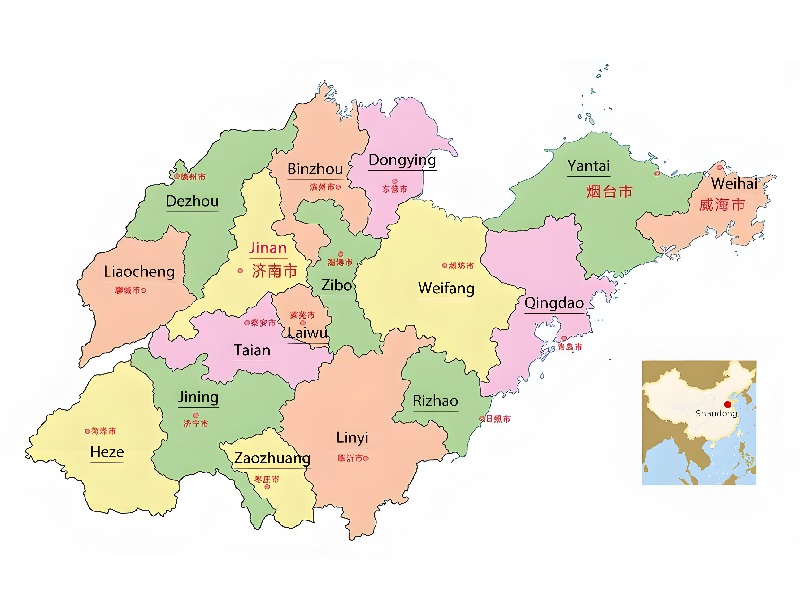
  • Shandong Peninsula Industrial Cluster (Shandong Province, especially Qingdao): Qingdao is a major center for woodworking machinery, with a substantial annual industrial output and export value. This cluster excels in various machinery types, with a leading position in sanding machines and comprehensive solutions for wood-based panel and furniture production.

These clusters offer advantages such as access to skilled labor, specialized suppliers, efficient logistics, and often, government support for innovation and quality improvement.

VI. Purchasing Considerations: Navigating the Chinese Market

Importing woodworking machinery from China can be a highly rewarding endeavor, but it requires careful consideration and due diligence. Here’s a comprehensive guide to ensure a successful purchase:

1. Machine Quality and Specifications

  • Understand Your Needs: Before looking at products, clearly define your requirements. What type of wood will you process? What is the desired output volume? What level of automation do you need?
  • Build Quality: Pay close attention to the machine’s construction. Look for sturdy, welded steel frames (not flimsy structures). Inquire about the quality of critical components like motors, hydraulic pumps, guide rails, and control systems.
  • Certifications and Standards: Prioritize machines with relevant international certifications, such as CE (Conformité Européenne) for the European market, ISO (International Organization for Standardization) for quality management, and EPA (Environmental Protection Agency) for engines in the US. These certifications indicate adherence to safety and quality standards. Always ask for certification documents.
  • Technical Specifications Match: Ensure that the provided specifications (e.g., tonnage, chipping capacity, motor power, log length) precisely match your operational needs. Do not assume; verify.

2. Selecting a Reliable Supplier

This is arguably the most critical aspect of sourcing from China.

  • Research and Vetting:
    • Online Presence: Evaluate their website, product catalogs, and presence on reputable B2B platforms (e.g., Alibaba, Made-in-China). Look for detailed product descriptions, professional imagery, and clear contact information.
    • Reviews and Testimonials: Search for independent reviews, customer feedback, and industry discussions about the supplier.
    • Track Record: Prefer established companies with a proven track record in exporting woodworking machinery. Inquire about their export history and destination countries.
  • Communication: Effective and timely communication is crucial. Assess their responsiveness, clarity of answers, and English proficiency (if applicable). A good supplier will be transparent and willing to answer all your questions.
  • Factory Visit (If Feasible): If you are making a significant investment, a factory visit (either in person or through a third-party inspection service) can provide invaluable insights into their manufacturing capabilities, quality control processes, and overall professionalism.
  • Trade Assurance/Escrow Services: Utilize platforms that offer trade assurance or escrow services. These payment methods protect both the buyer and the seller by holding funds until the buyer confirms satisfactory receipt of goods.
  • References and Case Studies: Ask for references from past international clients or examples of successful projects.

3. After-Sales Service and Support

This is a common concern when purchasing from overseas. A reliable supplier should offer comprehensive after-sales support:

  • Installation and Commissioning: Inquire if they provide guidance or even on-site assistance for machine installation and commissioning. Some larger manufacturers offer field installation services.
  • Operation Training: Check if they provide training for operating and maintaining the machinery. This might include training videos, user manuals in English, or even on-site training by their engineers.
  • Technical Support: A reputable supplier should offer readily available technical support (e.g., via email, phone, video calls, or online chat) to assist with troubleshooting and operational queries. Look for 24/7 availability if possible.
  • Spare Parts Supply: Ensure a reliable supply of spare parts. Downtime due to unavailable parts can be costly. Ask about their spare parts inventory, lead times for delivery, and if they have distributors in your region.
  • Warranty Services: Understand the warranty period and what it covers. Clarify procedures for warranty claims and repairs. Many offer 1-3 years warranty for the whole machine.
  • Maintenance Programs: Some suppliers offer preventive maintenance services or guidance to prolong the machine’s lifespan.

4. Customization Options

Many Chinese manufacturers offer a degree of customization to meet specific customer requirements.

  • Design Modifications: Inquire if they can adapt existing models to your specific needs, such as adjusting log capacities, adding specialized features, or modifying power sources.
  • Component Selection: For larger orders, you might be able to specify certain components (e.g., specific engine brands, hydraulic pumps, or control systems).
  • OEM/ODM Services: If you are a distributor or have unique branding needs, discuss Original Equipment Manufacturer (OEM) or Original Design Manufacturer (ODM) services.

5. Pricing, Payment, and Logistics

  • Transparent Quotations: Request detailed quotations that clearly itemize the machine model, included accessories, warranty, and Incoterms (e.g., FOB, CIF). Understand what is included and what is not.
  • Budget Realistically: Beyond the machine’s cost, factor in additional expenses such as:
    • Shipping Costs: Sea freight is common for heavy machinery; expect it to be 10-15% of the machine’s cost.
    • Import Duties and Taxes: Research your country’s specific import tariffs and taxes for woodworking machinery.
    • Customs Clearance Fees: Costs associated with clearing the goods through customs at your port of entry.
    • Local Transportation: From the port to your facility.
    • Installation and Commissioning Costs: If you require professional assistance.
  • Payment Terms: Typical payment terms involve an upfront deposit (e.g., 30%), with the balance paid upon shipment or after satisfactory receipt. Use secure payment methods.
  • Lead Time and Production Schedules: Understand the estimated production time and shipping duration to plan your operations accordingly.

VII. Conclusion

The Chinese woodworking machinery market, particularly for log splitters and wood chippers, presents a vast landscape of opportunities for buyers seeking efficient, cost-effective, and increasingly advanced solutions. By thoroughly researching products, carefully vetting suppliers, understanding key specifications, and meticulously planning for logistics and after-sales support, importers can confidently navigate this dynamic market and acquire machinery that delivers reliable performance and exceptional value. IMEXsourcing, equipped with extensive experience in log splitters and wood chippers procurement and a reliable legal team, can provide full protection to help you avoid all such risks effectively.
Message us for more information

Please let us know your request, we will get back to you within 24 hours.

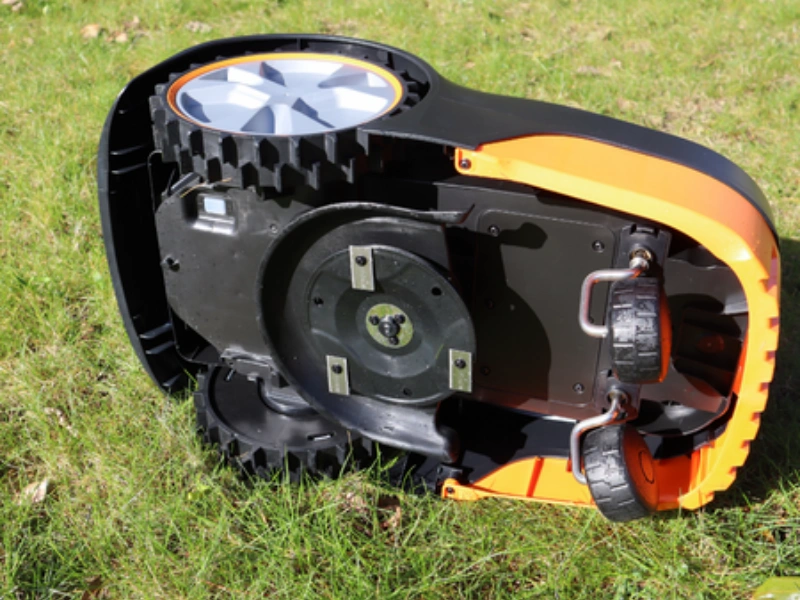
    A Guide to Smart Lawn Robots or Remote-Controlled Lawn Mowers in China: Everything You Need to Know

    Introduction

    As smart home technology continues to evolve, robotic lawn mowers have become increasingly popular for residential and commercial landscaping. China has emerged as a global manufacturing hub for these innovative gardening tools, offering competitive prices, advanced features, and reliable quality.

    This comprehensive guide will explore China’s remote control lawn mower/robotic mower/smart mower industry, covering product types, technical specifications, manufacturing clusters, top manufacturers, and key purchasing considerations.

    I. Introduction to Chinese Remote Control, Robotic, and Smart Lawn Mowers

    The evolution of lawn care has moved from manual push mowers to gasoline-powered ride-ons, and now, increasingly, to autonomous and remote-controlled solutions. Chinese manufacturers have quickly adapted to this trend, offering a wide spectrum of intelligent mowing solutions that cater to various needs, from small residential lawns to vast commercial properties and challenging terrains.

    Remote Control Lawn Mowers:

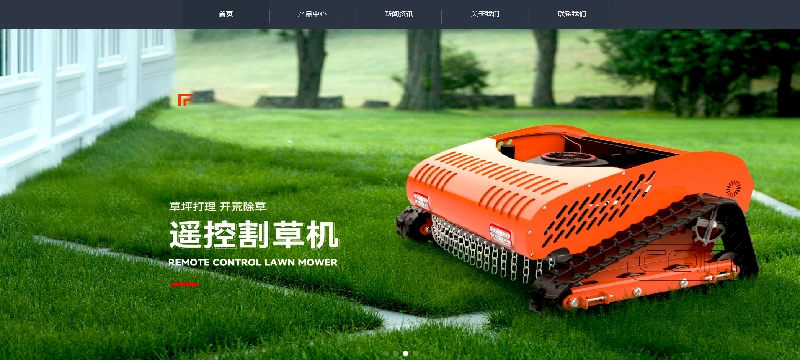
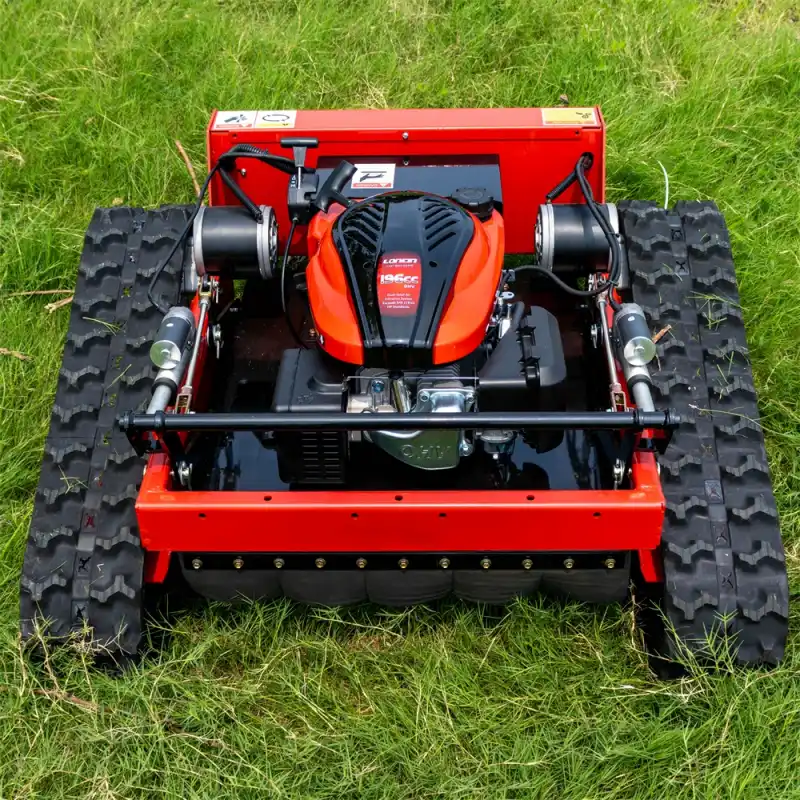
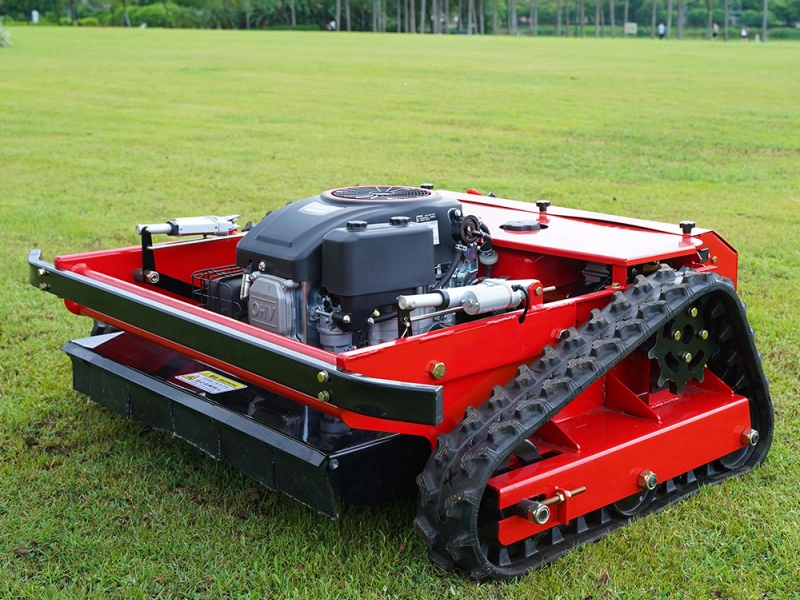
    These are typically robust, heavy-duty machines often resembling miniature tanks or specialized vehicles, operated by a remote control. They are particularly well-suited for difficult terrains such as steep slopes (up to 45 degrees), orchards, farms, riverbanks, roadsides, wetlands, and large areas of wasteland where direct human operation might be hazardous or impractical. Many models are gasoline-powered, offering significant power and a wide cutting width, designed for efficient coverage of expansive or overgrown areas. Their appeal lies in their ability to keep operators safe from dangerous environments and reduce physical labor for large-scale tasks.

    Robotic Lawn Mowers:

    These are autonomous machines designed to mow lawns independently, without direct human intervention. Once programmed, they can follow a schedule, navigate the lawn, cut grass, and return to their charging stations automatically. Early models often required perimeter wires to define the mowing area, but newer “boundary-free” technologies, leveraging RTK (Real-Time Kinematic) GPS, LiDAR (Light Detection and Ranging), and advanced computer vision, allow for more flexible and precise operation without physical boundaries. These mowers are favored for residential gardens, public parks, and smaller commercial landscapes, offering quiet operation, low power consumption, and hands-free convenience.

    Smart Lawn Mowers:

    This category encompasses both remote control and robotic mowers but emphasizes advanced connectivity and intelligent features. Smart mowers are typically integrated with smartphone applications via Wi-Fi or Bluetooth, allowing users to control them remotely, set mowing schedules, monitor real-time status, receive maintenance alerts, and even customize mowing zones. Features like rain sensors, anti-theft systems, lift sensors, and automatic passage detection further enhance their intelligence and user experience. The integration of AI and IoT technologies allows these machines to learn and adapt to their environment, optimizing mowing patterns and efficiency over time.

    Chinese manufacturers excel in offering a variety of power sources including gasoline, electric, and battery-powered options, catering to different environmental concerns and power needs. The emphasis is on combining robust performance with user-friendly interfaces and smart functionalities, making them attractive options for global consumers and businesses.

    II. Key Specifications and Parameters of a Lawn Mower

    When considering a Chinese remote control or robotic lawn mower, understanding the key specifications is crucial for matching the product to your specific needs.

    • Lawn Size and Coverage Area: Robotic mowers are typically rated for specific lawn sizes, ranging from small residential plots (e.g., 200-1000 sqm) to large commercial areas (e.g., 2000 sqm, 1-5 acres, or more for commercial-grade remote-controlled units). For instance, some models might cover 0.65 acres (2600 square meters) per hour. Ensure the chosen model’s capacity matches or exceeds your lawn’s total area.

    • Cutting Width: This refers to the width of grass cut in a single pass. Wider cutting widths generally translate to faster completion times, which is particularly beneficial for larger lawns. Common cutting widths for remote control mowers can range from 550mm to 1000mm or even more, while robotic mowers often have cutting widths around 180mm to 220mm.

    • Cutting Height Adjustment: The ability to adjust cutting height is essential for different grass types and desired lawn aesthetics. Chinese mowers typically offer a wide range, often from 10mm-180mm, with multiple settings (e.g., 8 settings for robotic mowers from 25-65mm).

    • Maximum Working Slope: For uneven or hilly terrains, the maximum working slope is a critical specification. Remote control crawler (tracked) mowers are designed for impressive slope capabilities, often handling gradients up to 45° (or 47% inclination), making them ideal for challenging landscapes. Robotic mowers typically handle less steep slopes, but advanced models are improving in this regard.

    • Battery Life and Charging Time: For battery-powered robotic mowers, longer battery life means the mower can cover more ground on a single charge. Battery capacities like 20V Lithium 4.0 Ah are common, offering mowing times of 1.5 hours per charge. Fast charging capabilities are also a desirable feature. Gasoline models, on the other hand, offer extended operation limited only by fuel capacity.

    Navigation and Mapping Technology:

    Boundary Wire: Traditional robotic mowers use a physical wire laid around the perimeter to define the mowing area.

    Boundary-Free (Wire-Free): More advanced models utilize RTK (Real-Time Kinematic) GPS for highly accurate positioning, LiDAR for environmental mapping and obstacle avoidance, and/or computer vision. These technologies allow for flexible setup and dynamic mapping of the lawn.

    • Connectivity and Smart Features: Many models offer APP/Wi-Fi/Bluetooth connectivity for remote control, scheduling, and monitoring. Additional smart features include:

      • Rain Sensors: Prevent mowing during wet conditions.
      • Anti-theft Protection: Alarms and GPS tracking.
      • Lift and Tip-over Sensors: Ensure safety by stopping blades if the mower is lifted or overturned.
      • Automatic Go-Home Function: Returns to the charging station when battery is low or task is complete.
      • FOTA (Firmware Over-The-Air) Updates: Allows for software improvements.
    • Noise Level: Robotic mowers are typically much quieter than gasoline mowers, often operating around 66 dB (A), making them suitable for residential areas without causing disturbance.
    • Durability and Materials: Most robotic mowers use high-strength plastics (ABS, polycarbonate) for lighter, protective shells, while premium models may incorporate metal casings (aluminum, stainless steel) for enhanced durability. Blades are commonly made from high-carbon or stainless steel for sharpness and longevity, with some featuring self-sharpening mechanisms. Wheels are designed with rubber compounds for optimal traction across various terrains.
    • Certifications: Look for certifications like CE, EMC, and RoHS, which indicate compliance with European safety, electromagnetic compatibility, and hazardous substances regulations, crucial for international markets

    III. Product Overview

    1. Types of Smart Lawn Mowers from China

    a) Remote Control Lawn Mowers

    • Manually operated via wireless remote
    • Ideal for small to medium-sized lawns
    • Typically more affordable than fully autonomous models
    • Often used for slopes and difficult terrain

    b) Robotic Lawn Mowers (Fully Autonomous)

    • Self-navigating using GPS, boundary wires, or AI vision
    • Automatic charging and scheduling
    • Advanced models feature smartphone app control
    • Best for regular maintenance of medium to large lawns

    c) Hybrid Smart Lawn Mowers

    • Combine remote control and autonomous features
    • Can switch between manual and automatic modes
    • Popular for commercial landscaping applications

    2. Key Features of Chinese Smart Lawn Mowers

    • Cutting Systems: Rotary blades (3-7 blades), mulching capability
    • Power Sources: Lithium-ion batteries (24V-60V), some with solar charging
    • Navigation: Boundary wire, GPS, LiDAR, or vision-based systems
    • Smart Connectivity: WiFi/Bluetooth, mobile apps, voice control compatibility
    • Safety Features: Lift sensors, collision detection, child/pet safety
    • Weather Resistance: IP ratings from IPX4 to IPX6 for rain operation

    3. Technical Specifications

    When evaluating Chinese smart lawn mowers, consider these critical parameters:

    Specification Typical Range Importance
    Cutting Width 20-60 cm Determines mowing efficiency
    Battery Capacity 2-10 Ah Runtime between charges
    Voltage 24V-60V Power and performance level
    Maximum Slope Handling 15°-35° Terrain capability
    Cutting Height Adjustment 30-80 mm Lawn health customization
    Noise Level 50-75 dB Neighborhood compliance
    Charging Time 60-120 minutes Operational downtime
    Area Coverage per Charge 500-3000 m² Productivity metric
    Weight 10-30 kg Maneuverability factor
    Smart Features App control, scheduling, zone management Convenience factors

    IV. Industrial Clusters and Manufacturing Hubs in China

    China’s smart lawn mower production is concentrated in several industrial regions:

    1. Zhejiang Province (Ningbo, Hangzhou, Jinhua)

    • Specializes in high-end robotic mowers with smart features
    • Strong electronics and IoT component supply chain
    • Home to many OEM/ODM manufacturers

    2. Guangdong Province (Shenzhen, Dongguan, Zhongshan)

    • Focus on innovative designs and smart technology integration
    • Excellent access to lithium battery manufacturers
    • Strong export infrastructure

    3. Jiangsu Province (Suzhou, Wuxi, Changzhou)

    • Known for precision engineering and reliable builds
    • Many European-brand contract manufacturers located here
    • Good quality control standards

    4. Shandong Province (Qingdao, Jining, Yantai)

    • Produces more affordable models with good durability
    • Strong in commercial-grade remote control mowers
    • Growing robotic mower sector

    V. Major Manufacturing Companies and Brands

    The Chinese robotic and remote control lawn mower market features a mix of established industrial players, dedicated robotic lawn mower manufacturers, and new entrants from the smart home appliance sector.

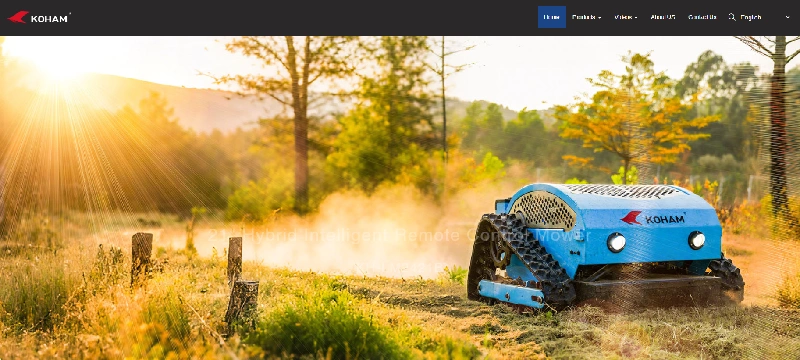
    • KOHAM: Positioned as a leading manufacturer of intelligent mowing equipment, KOHAM specializes in professional-grade electric and gasoline remote control lawn mowers designed for slopes, inaccessible areas, and large commercial use. They emphasize pure electric drive for environmental friendliness and strong climbing ability.

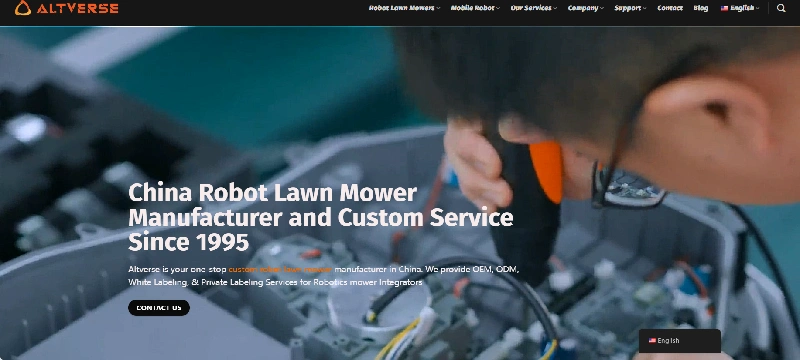
    • Altverse (under Longhorn Group): A prominent OEM (Original Equipment Manufacturer) and ODM (Original Design Manufacturer) service provider since 1995, Altverse offers a wide range of robotic lawn mowers, including models for small to large lawn sizes (e.g., AN1000 for <1000m2, AN1600 for <2000m2, AN3000 for >2000m2). They also provide AI Vision SLAM and RTK robot mowers, highlighting their advanced R&D capabilities.

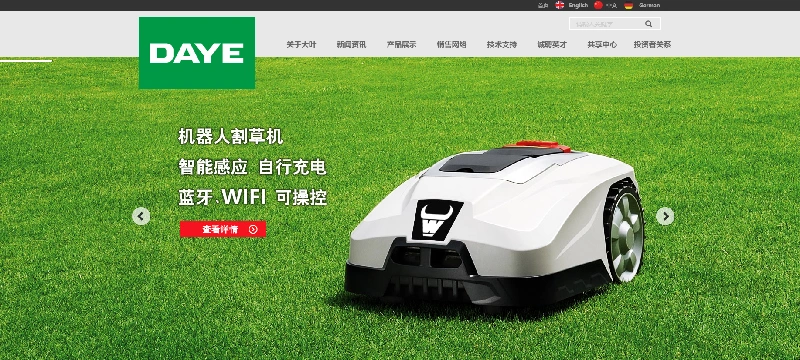
    • Daye: Daye mastered core technologies such as path planning, WiFi control, and ultrasonic sensing. The second-generation lawn mower robot has been mass-produced, and the third-generation product integrating AI vision is under development.

    • Allianagri.com: This platform features various remote control lawn mowers, including gasoline crawler and wheel models, as well as electric battery-powered options. They highlight cutting-edge technology and quality, positioning themselves as leaders in the industry.
    • Positec: A major Chinese electric tool manufacturer that has made significant investments in smart mowing robots and electric-powered commercial landscaping tools, brands Positec, WORX, Noesis, Kress etc.

    • Ecovacs: Known for its robotic vacuum cleaners, Ecovacs has expanded into the robotic lawn mower market, showing strong growth in overseas revenue and unit sales.

    • Segway-Ninebot: Primarily known for personal transportation devices, Segway-Ninebot has successfully entered the lawn mowing robot market with its Navimow series, used in hundreds of thousands of households globally.

    • Dreame: Another company with a strong presence in smart home appliances, Dreame has shipped a significant number of lawn mowing robots.

    • Agilex Robotics (Mammotion): Agilex’s sub-brand Mammotion has seen substantial sales of its robotic mowers in Europe and North America.

    • Startups and Others: A number of startups like Hanyang (Yarbo) Robotics, OOPower, Lymow (e.g., Lymow One), and Mowrator are also emerging, often leveraging advanced technologies like boundary-free navigation.

    • Alibaba/Made-in-China Platforms: Platforms like Alibaba.com and Made-in-China.com host numerous manufacturers and trading companies. Some frequently appearing names include: Shandong Nature Garden Machinery Co., Ltd., Shandong Hanyue Heavy Industry Group Co., Ltd., Shandong Jianggong Machinery Co., Ltd., Jining Lupeng Construction Machinery Co., Ltd., and Shandong Dongcheng Machinery Manufacturing Co., Ltd. These platforms are crucial for sourcing and identifying suppliers.

    VI. Purchasing Considerations for Chinese Robotic/Smart Lawn Mowers

    Importing or purchasing a robotic or remote control lawn mower from China requires careful consideration to ensure you get a reliable product that meets your needs.

    • Define Your Needs Clearly:

      • Lawn Size and Layout: Is your lawn small and flat, or large with complex obstacles, slopes, or rough terrain? This will dictate whether a basic robotic mower, an advanced boundary-free model, or a heavy-duty remote control mower is appropriate.

      • Obstacles: Do you have many trees, flowerbeds, swimming pools, or narrow passages? Ensure the mower’s navigation system (e.g., RTK, LiDAR, vision) can handle these complexities.

      • Purpose: Is it for residential use, commercial landscaping, or specialized applications like solar farms or agricultural fields?

    • Understand Key Specifications

      As detailed in Section 2, pay close attention to cutting width, cutting height range, maximum working slope, battery life/runtime, and the type of navigation technology used.

    • Technology and Features:

      • Boundary-Free vs. Wire-Based: Wire-free mowers offer greater flexibility and easier setup, but often come at a higher price due to advanced navigation systems. Evaluate if the added cost is justified for your application.

      • Smart Connectivity: App control, scheduling, and real-time monitoring are highly convenient features. Ensure the app is user-friendly and reliable.

      • Safety Features: Look for robust anti-theft systems, lift sensors, and tip-over sensors.

      • Weather Sensing: A rain sensor can prevent mowing during unsuitable conditions, protecting both the lawn and the mower.

    • Quality and Durability:

      • Materials: Inquire about the materials used for the body, blades, and wheels. Metal casings and high-quality steel blades generally indicate better durability.

      • Waterproofing: Check the IP rating (e.g., IPX5 for the machine, IP67 for the charger) for water resistance.

      • Engine/Motor Quality: For gasoline models, inquire about the engine brand (e.g., Loncin, Kohler, Yamaha, Rato). For electric models, inquire about brushless motors for better efficiency and lifespan.

      • Certifications: Always look for international certifications like CE, EMC, RoHS, and sometimes EPA (for gasoline engines in certain markets) to ensure compliance and safety standards.

    • Manufacturer Reputation and Reliability:

      • Research Companies: Look beyond just product listings. Research the company’s history, production capacity, and R&D capabilities. Companies like Altverse (Longhorn Group) and KOHAM have established reputations.

      • Reviews and Testimonials: Search for independent reviews on the manufacturer and specific models. Websites, forums, and even YouTube videos can offer valuable insights from existing users.

      • Trade Platforms: Utilize platforms like Alibaba.com and Made-in-China.com. Look for “Gold Supplier,” “Audited Supplier,” and “Diamond Member” badges, which indicate a certain level of verification by the platform. Check store ratings and on-time delivery rates.

    • After-Sales Support and Warranty:

      • Warranty Period: Understand the warranty terms, what is covered, and for how long.

      • Spare Parts Availability: Ensure that spare parts (blades, batteries, wheels, sensors) are readily available and can be shipped internationally.

      • Technical Support: Inquire about the availability of technical support, especially if you encounter issues during setup or operation. A manufacturer with good communication channels (email, WeChat, Skype) is preferable.

    • Budget Considerations

      Chinese manufacturers often offer highly competitive pricing. Set a realistic budget that accounts not only for the purchase cost but also potential shipping, customs duties, and long-term maintenance. While more affordable models exist, sometimes investing a bit more can lead to a significant upgrade in features, durability, and performance.

    • Shipping and Logistics

      Understand the shipping options, costs, and estimated delivery times. Be aware of any import duties, taxes, or customs clearance procedures in your country. Many manufacturers offer FOB (Free On Board) or CIF (Cost, Insurance, and Freight) terms.

    • Minimum Order Quantity (MOQ)

      If you are a business looking to import, be aware of MOQs. While some suppliers offer single-piece purchases, many will have lower prices for larger orders.

    VII. Choose IMEXsourcing as Your Sourcing Partner for Smart Lawn Robots or Remote-Controlled Lawn Mowers in China

    When it comes to procuring high-quality lawn mower from China, partnering with an experienced and reliable sourcing agent is paramount. IMEXsourcing stands out as a premier choice, offering a comprehensive suite of services designed to streamline your acquisition process and secure exceptional value. Here are compelling reasons to select IMEXsourcing for your next purchase on lawn mower:

    Extensive Procurement Expertise

    IMEXsourcing boasts a profound and long-standing history in the sourcing industry, enabling us to proficiently locate and secure a wide array of lawn mower types from highly regarded Chinese suppliers. Our deep market knowledge ensures that we connect you with manufacturers known for their reliability and superior products.

    Bespoke Design Solutions

    At IMEXsourcing, we understand that unique requirements often demand tailored solutions. We empower you to commission custom-designed lawn machinery precisely engineered to your specifications, ensuring the final product perfectly aligns with your operational needs.

    Thorough Supplier Verification

    Our commitment to quality begins with rigorous due diligence. We conduct comprehensive factory verifications for all potential manufacturers. This meticulous audit confirms their production capabilities, assesses their quality control protocols, and ensures their full compliance with relevant industry standards and legal requirements.

    Expert Price Negotiation

    Leveraging our veteran status and in-depth understanding of the market dynamics, IMEXsourcing excels in negotiation. This invaluable expertise allows us to secure the most favorable pricing and terms with top-tier manufacturers renowned for their lawn mowers, optimizing your investment.

    Stringent Quality Assurance

    IMEXsourcing implements a robust quality management framework that spans the entire procurement cycle. This includes careful selection of suppliers, diligent oversight through production inspections, and thorough product testing prior to shipment, guaranteeing the integrity and performance of your equipment.

    Optimized Warehouse Management

    Our advanced warehouse operations are meticulously designed to facilitate optimal inventory flow and minimize delivery lead times. This efficient system ensures that your equipment consistently arrives promptly from the manufacturer.

    Seamless Logistics Handling

    We manage the entire logistical chain, from initial transportation and overseas shipping to final delivery directly to your designated location. This end-to-end service guarantees that your lawn mower reach you efficiently and directly from the production facility.

    Effortless Customs Processing

    Navigating international customs can be complex, but with IMEXsourcing, it’s simplified. We take full responsibility for gathering all necessary documentation and ensuring a smooth customs clearance process, alleviating bureaucratic hurdles and streamlining paperwork for our valued partners.

    VIII. Conclusion

    China’s robotic and remote control lawn mower industry is rapidly advancing, offering a compelling array of products that blend technological innovation with cost-effectiveness. From heavy-duty remote-controlled machines for challenging landscapes to sophisticated boundary-free robotic mowers for effortless lawn maintenance, Chinese manufacturers are catering to a global demand for smart and efficient gardening solutions. By thoroughly researching product specifications, understanding the industrial landscape, identifying reputable companies, and carefully considering purchasing factors, international buyers can confidently navigate this dynamic market and secure high-quality, intelligent lawn care equipment that meets their specific requirements and budget. The continuous innovation in areas like sensor technology, AI integration, and battery efficiency ensures that Chinese-made smart lawn mowers will remain a significant and attractive option in the global market for years to come.

    Message us for more information

    Please let us know your request, we will get back to you within 24 hours.

      IMEXsourcing contributes to the business cooperation between Nigeria and China: Nigerian Ambassador Babagana Wakil

      Nigerian Ambassador: IMEXsourcing contributes to the business cooperation between Nigeria and China

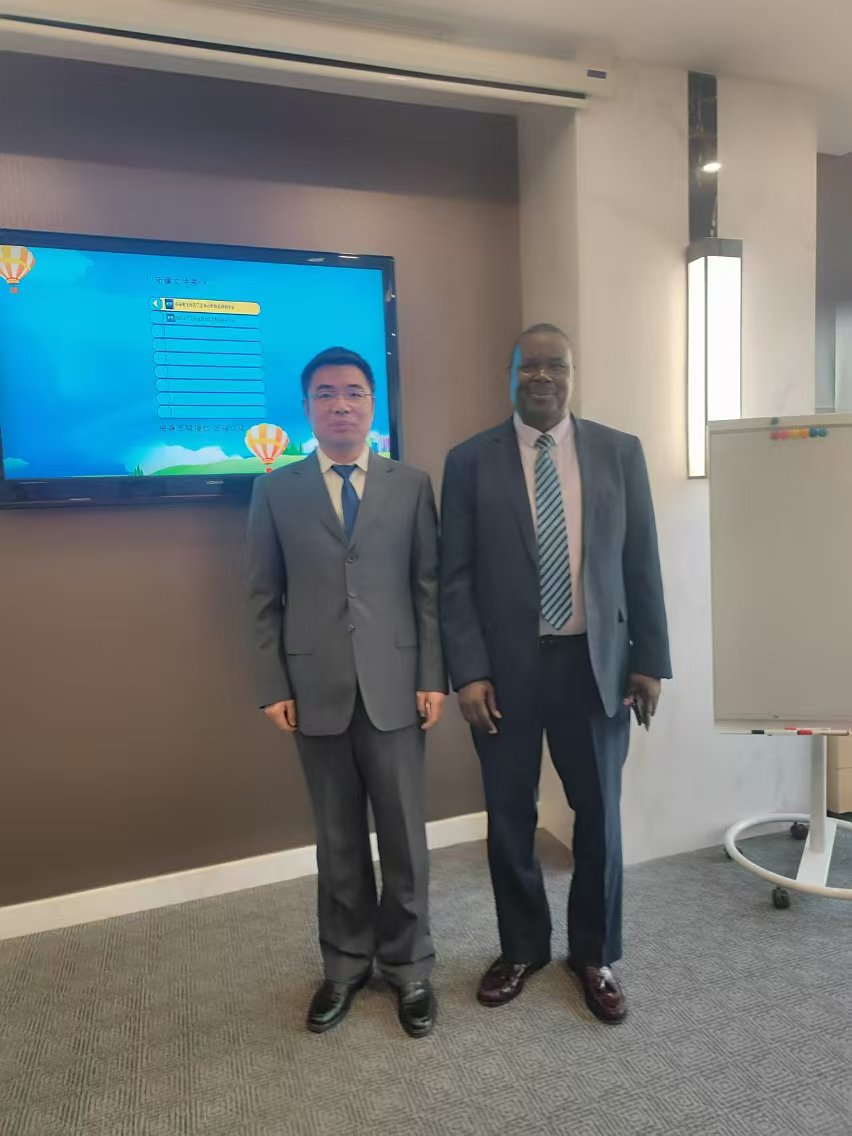
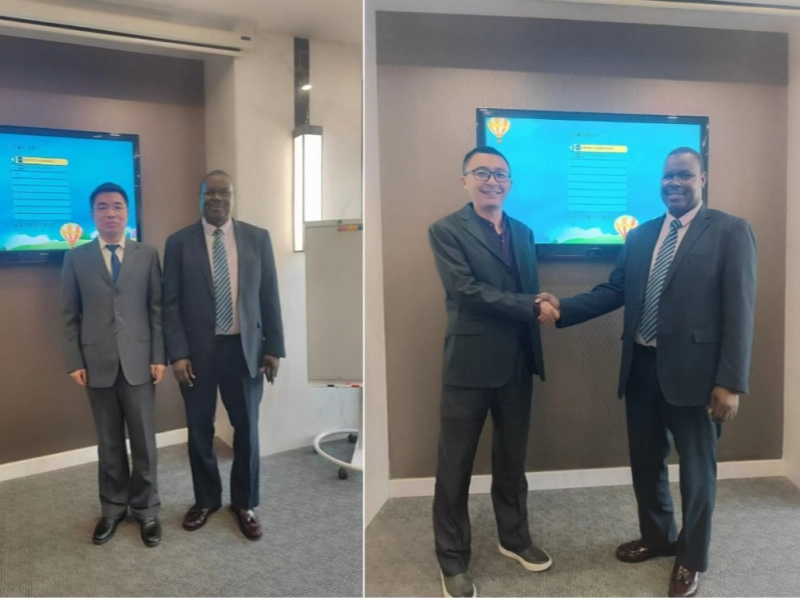
      On that day, a delegation led by Amb Babagana Wakil, the Chargé d’Affaires ad interim of the Nigerian Embassy in China, visited Qingdao to hold in-depth exchanges on China-Nigeria industrial layout and economic and trade cooperation. Mr. Eric Wu, General Manager of IMEXsourcing, and Mr. Charles Liu, Manager of the Marketing Department, jointly received the delegation. The two sides conducted in-depth discussions on economic and trade cooperation between China and Nigeria. As an industry benchmark dedicated to providing full-chain supply chain services for overseas clients, IMEXsourcing has helped over 100 Nigerian enterprises establish procurement channels in China with its localized resource integration capabilities and international service standards. This meeting is regarded as an important milestone in industrial collaboration between the two countries.

      During the talks, Amb Babagana Wakil spoke highly of IMEXsourcing’s “one-stop cross-border services”. With IMEXsourcing’s assistance, Nigerian enterprises in agricultural machinery, energy units, food machinery, and animal husbandry machinery have successfully connected with core suppliers in northern China, reducing procurement costs by 30% and ensuring delivery quality through strict quality control systems. The Ambassador particularly mentioned that IMEXsourcing’s customized “supplier screening + on-site inspection” solution for a large Nigerian farm helped the procurement of agricultural machinery combinations land smoothly, greatly improving work efficiency.
      “IMEXsourcing’s services act as an ‘invisible bridge’, enabling Nigerian enterprises to access full-process support from supplier evaluation and business negotiation to logistics and customs clearance without visiting China,” said the Ambassador. He noted that Nigeria is actively advancing the “2030 Industrial Upgrading Plan” and expects IMEXsourcing to extend its services to infrastructure, manufacturing, and other fields to help more local enterprises integrate into China’s supply chain network.
      Mr. Eric Wu, General Manager of IMEXsourcing, warmly welcomed the Ambassador’s delegation and introduced the company’s core service system: “With a decade of deep involvement in cross-border supply chain services, we have built a supplier database covering over 30 industries, especially possessing full-chain quality control capabilities in northern China’s industrial bases for machinery manufacturing, agricultural machinery, energy units, food machinery, and packaging machinery. For Nigerian clients, we have specially established a multilingual service team to ensure ‘barrier-free communication’ from interpretation and escort, extended inspection to after-sales follow-up.”
      At the conclusion of the talks, both sides reached a consensus on establishing a “China-Nigeria Cross-Border Service Collaboration Mechanism”. As the “preferred service partner” for Nigerian enterprises’ procurement in China, IMEXsourcing will provide value-added services including supplier due diligence, trade compliance consulting, and customized logistics solutions. Amb Babagana Wakil also expressed that the Nigerian Embassy would provide policy support for IMEXsourcing to carry out market research and project docking locally, jointly promoting in-depth industrial cooperation between the two countries.

      Message us for more information

      Please let us know your request, we will get back to you within 24 hours.

        Pet Food from China: A Booming Sourcing Destination for Global Buyers

        Introduction

        The global pet care industry is experiencing unprecedented growth, and at the heart of this expansion is China, a powerhouse in pet food manufacturing. With a rapidly growing domestic market and a sophisticated manufacturing infrastructure, China has become an attractive sourcing destination for high-quality, cost-effective pet food products, including kibble, treats, and supplements. This guide, structured in the style of a professional sourcing manual, will walk you through the key aspects of procuring pet food from China, helping you navigate the market and find the right partners to grow your business.

        I. Understanding the Chinese Pet Food Market Landscape

        China’s pet food industry is a vibrant and dynamic sector, driven by increasing pet ownership and a rising demand for premium, nutritious products. The market size is projected to reach an estimated 114 billion RMB by 2026, with significant growth in all major categories. A notable trend is the rapid rise of the “cat economy,” where cat food and related products are driving much of the market’s expansion.

        The industry is categorized into three main product types:

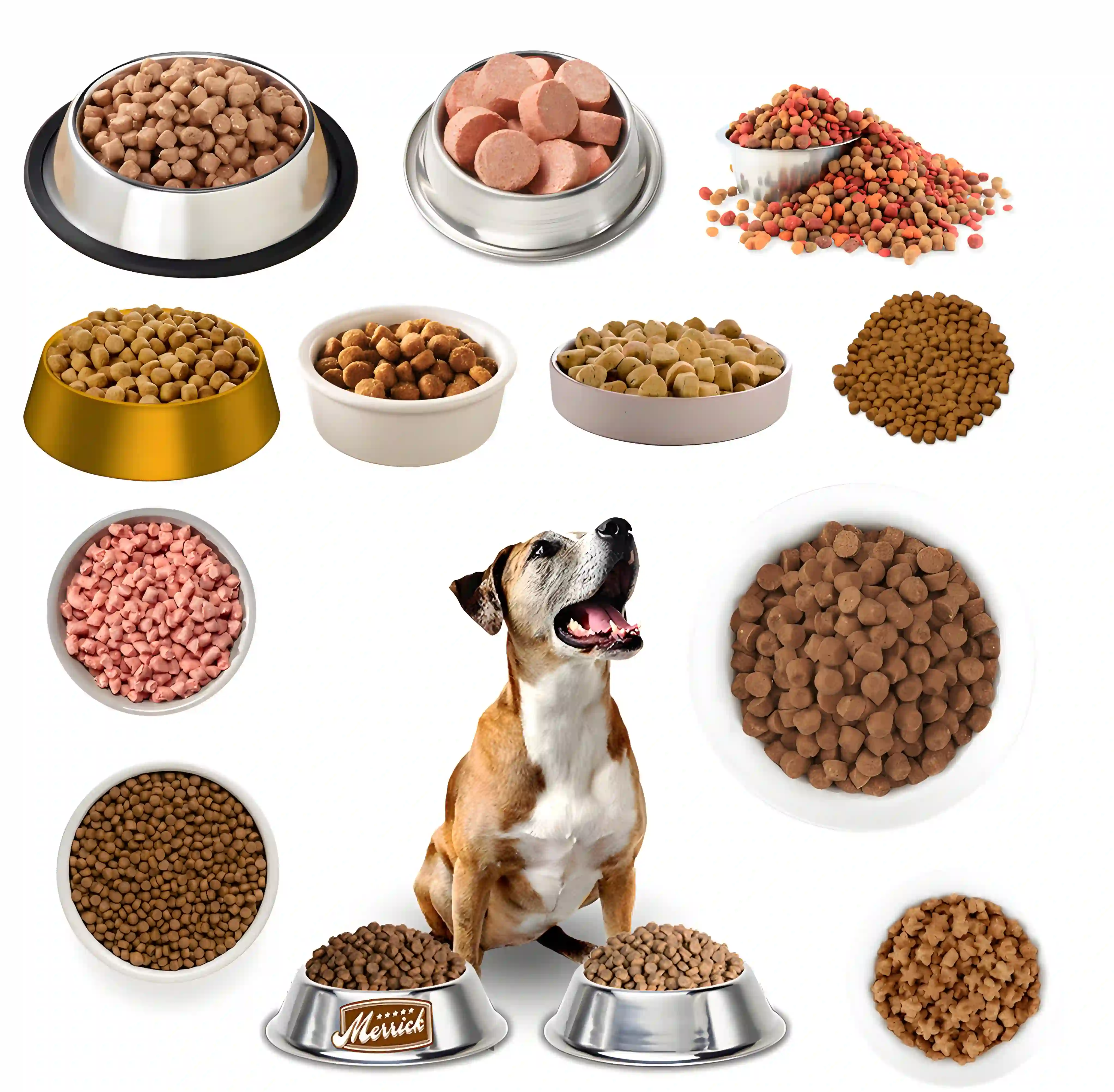
        • Main Food (主粮): This is the core of the market, including dry kibble, wet food, and freeze-dried options. Dry kibble remains the most popular choice due to its convenience and long shelf life. However, there is a growing demand for wet food and freeze-dried products as pet owners seek higher-quality, less-processed options.
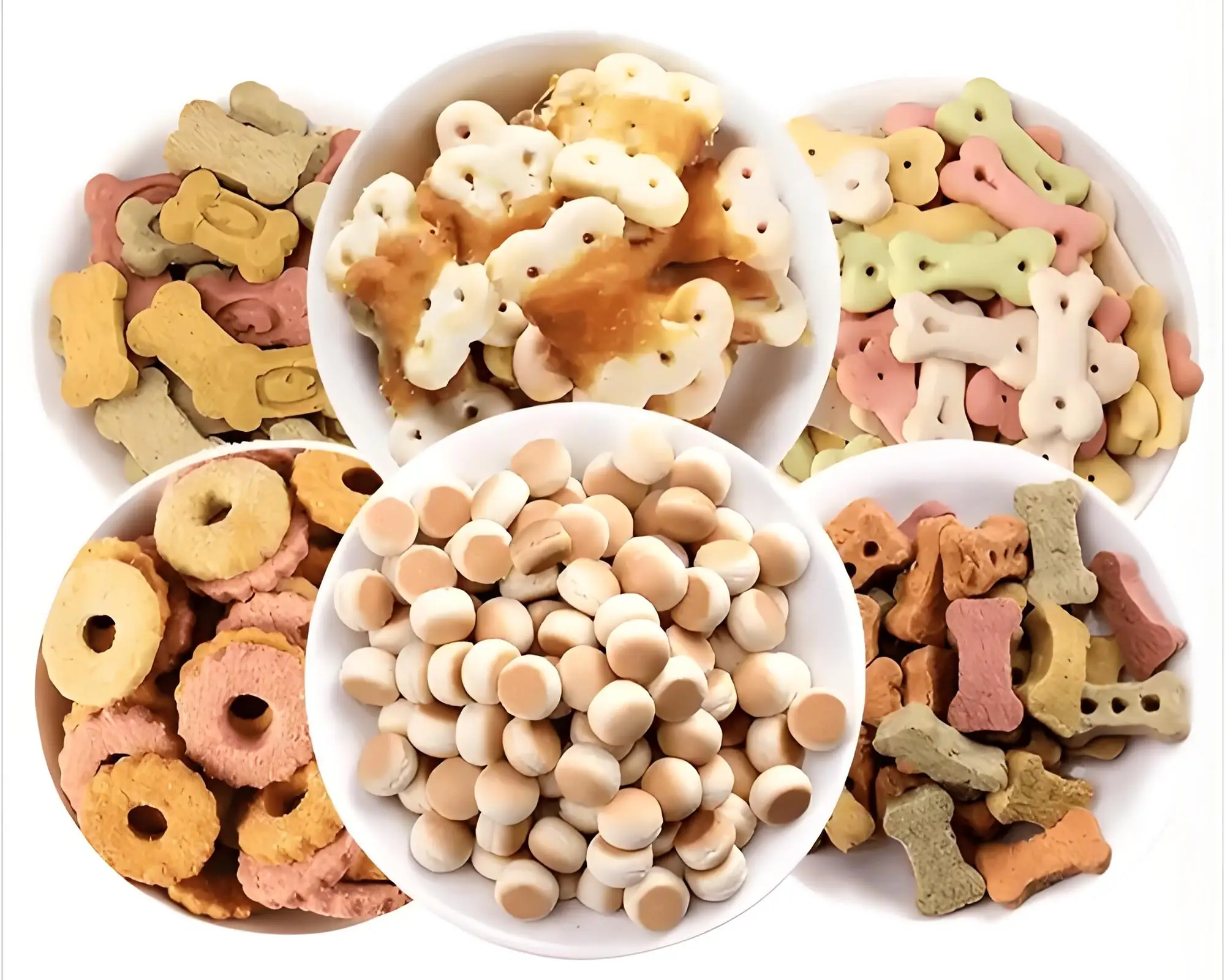
        • Pet Snacks (零食): This segment is growing at a remarkable pace. It includes a vast array of products like jerky, dental chews, biscuits, and freeze-dried treats. These products often focus on specific functions, such as dental health, joint support, or a simple reward.
        • Nutritional Supplements & Health Products (保健品): As pet humanization continues, so does the market for supplements. Products such as probiotics for digestive health, fish oil for skin and coat, glucosamine for joint support, and various vitamins are increasingly popular.

        II. Product Features and Advantages of Chinese Pet Food

        Chinese pet food manufacturers offer several advantages for international buyers:

        • Cost-Effectiveness: The well-developed supply chain and efficient manufacturing processes in China result in competitive pricing, allowing buyers to achieve higher profit margins.
        • Diverse Product Portfolio: Chinese manufacturers offer a wide range of products, from basic dry kibble to advanced freeze-dried, raw-inspired diets, catering to different market segments and consumer preferences.
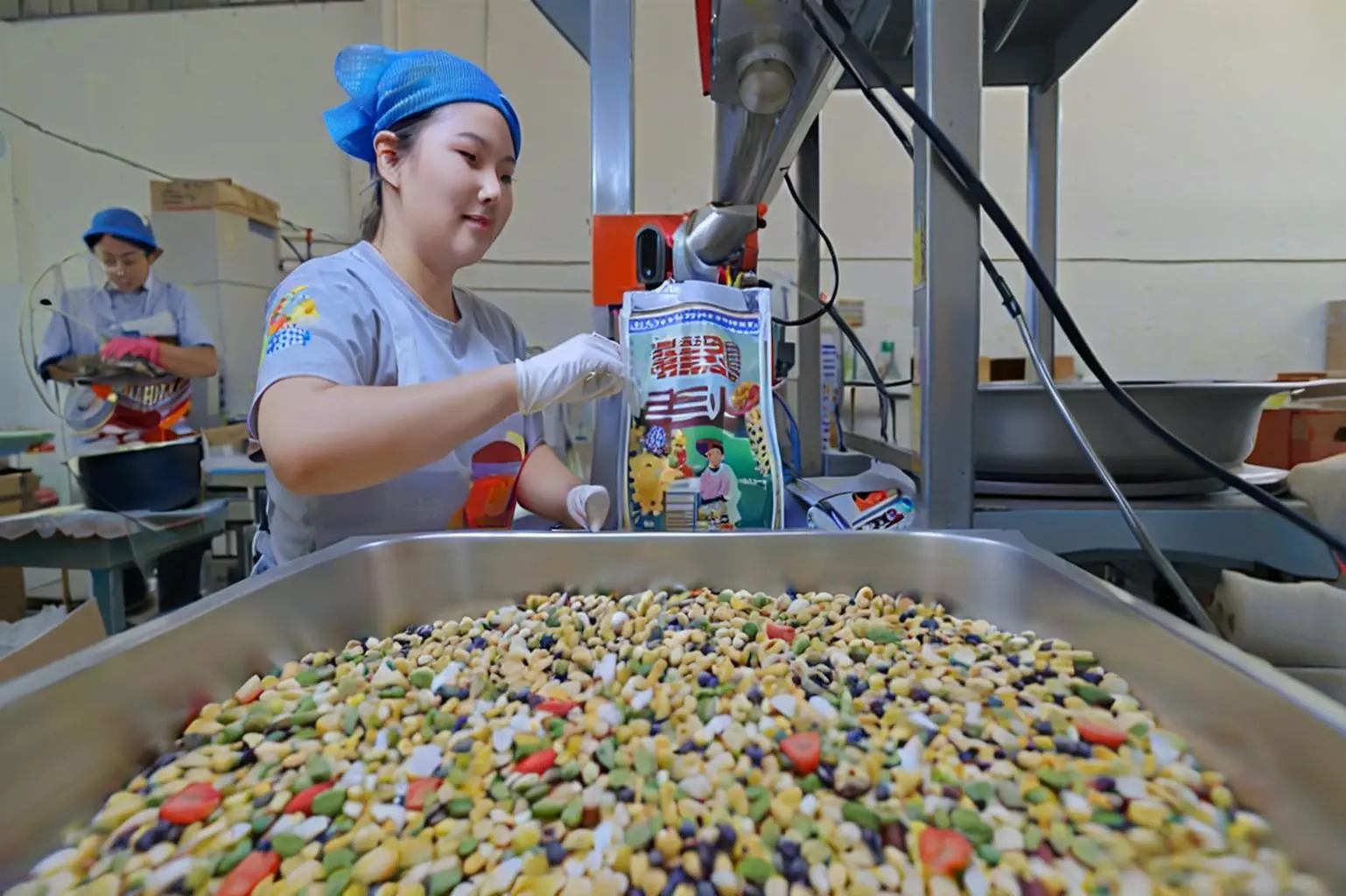
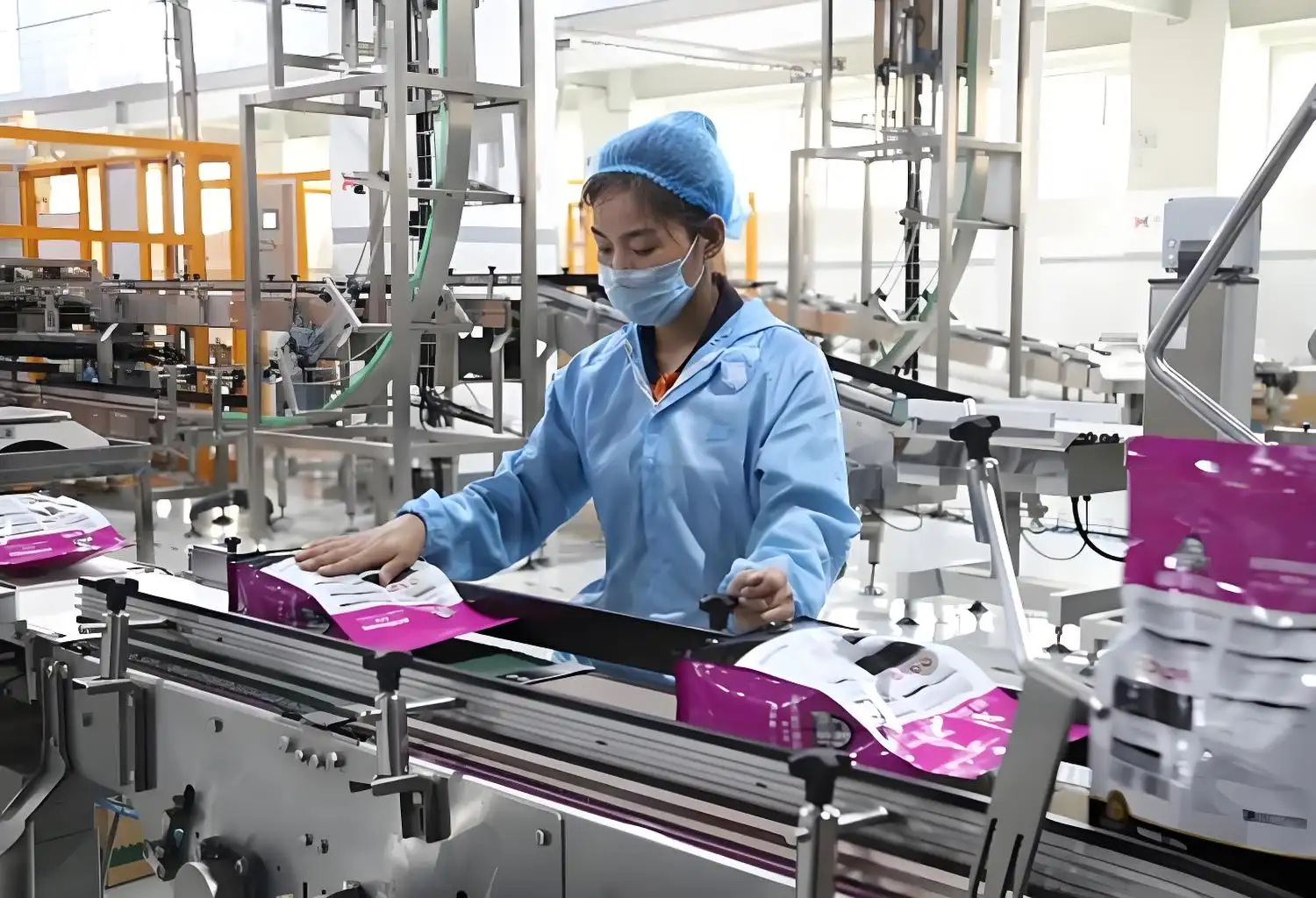
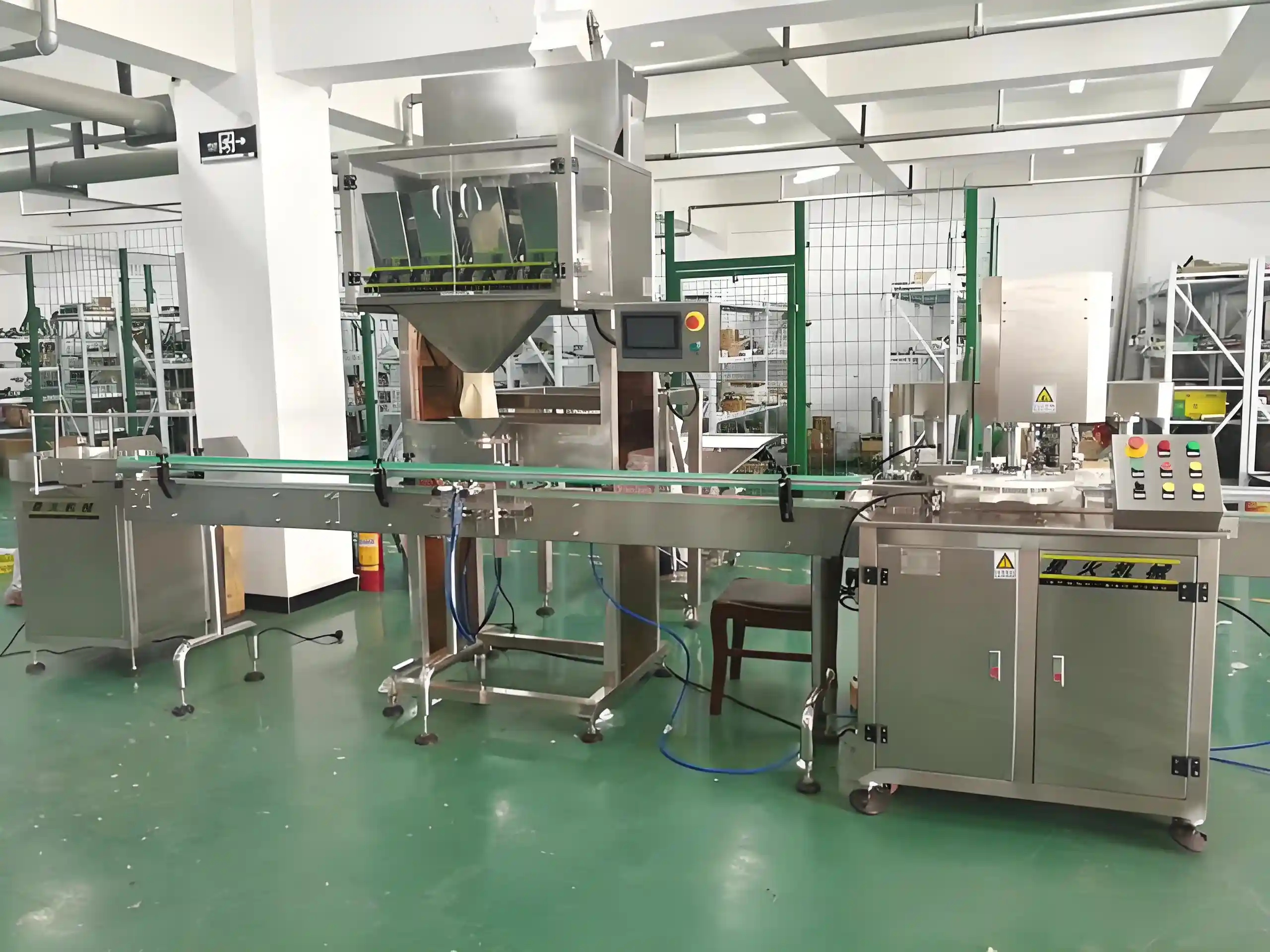
        • Technological Advancement: Many leading Chinese pet food companies have invested heavily in R&D and state-of-the-art production lines. They utilize advanced extrusion, baking, and freeze-drying technologies to ensure product quality and safety.
        • Flexible Production: Manufacturers are often capable of handling large-scale OEM/ODM orders, providing flexible customization options for private labeling and unique product formulations.

        • Innovation in Formulas: The domestic market’s intense competition has spurred innovation. Chinese manufacturers are quick to adopt international trends, offering products with high-meat content, grain-free formulas, and functional ingredients.

        III. Key Ingredients and Healthy Formulations

        The focus on pet health is a major trend in China, leading to sophisticated product formulations. Key ingredients and healthy formulation concepts include:

        • High-Meat Content: A significant number of premium products feature fresh meat as a primary ingredient, moving away from grain-heavy recipes.

        • Functional Ingredients: Formulas are often enriched with ingredients designed to address specific health concerns. Common additions include:
          • Probiotics and Prebiotics: For gut health and improved digestion.
          • Omega-3 and Omega-6 Fatty Acids: Sourced from fish oil, these promote a healthy coat and skin.
          • Glucosamine and Chondroitin: Crucial for joint and bone health, especially in large-breed dogs and aging pets.
          • Taurine: An essential amino acid for feline heart and vision health, commonly added to cat food.
        • Grain-Free and Limited Ingredient Diets (LID): These formulas cater to pets with food sensitivities or allergies, using alternative carbohydrates like sweet potato or lentils.
        • Natural and Organic Ingredients: A growing number of manufacturers are offering products with natural, organic, or human-grade ingredients to meet the demands of discerning pet owners.

        IV. Main Specifications and Parameters

        Understanding the specifications is crucial for sourcing the right products. When communicating with a Chinese supplier, be prepared to discuss:

        • Physical Specifications:
          • Kibble Size and Shape: Dry food comes in various shapes (e.g., round, star, bone-shaped) and sizes to suit different breeds and ages.
          • Moisture Content: This affects shelf life and is a key parameter for both dry and wet food.
        • Nutritional Parameters:
          • Crude Protein, Fat, and Fiber: These are fundamental metrics that must meet or exceed international standards (e.g., AAFCO).
          • Vitamins and Minerals: Ensure the product contains a balanced profile of essential micronutrients.

        • Packaging:

          • Material: Common options include multi-layer plastic bags, aluminum foil pouches, and cans.
          • Weight/Volume: Products are typically packaged in various sizes (e.g., 1.5kg, 5kg, 10kg bags) to serve different consumer needs.
        • Technical Standards: Manufacturers often adhere to a combination of national and international standards. For example, China’s national standards (GB/T series) cover aspects like ingredient safety, production processes, and product testing.

        V. Major Pet Food Industry Clusters and Manufacturers

        The Chinese pet food industry is geographically concentrated, primarily in coastal regions with strong logistical networks.

        • Major Industry Clusters: Shandong province stands out as a key hub for the pet industry. It has a robust infrastructure for agriculture, livestock, and manufacturing, supporting a large number of pet food and veterinary medicine companies. This geographical concentration fosters a strong supply chain and a competitive ecosystem. Other coastal provinces like Zhejiang and Jiangsu also have significant pet food manufacturing presence.

        • Leading Manufacturers: The market is a mix of established international brands and rapidly growing domestic players.
          • International Brands: Mars (Royal Canin, Pedigree, Whiskas) and Nestlé (Purina) hold a significant market share.
          • Leading Domestic Companies: These manufacturers have rapidly gained market share with innovative products and strong branding. Key players include:
            • Zhongchong Pet Foods (中宠股份): http://www.wanpy.com.cn A major public company known for its diverse range of products and international partnerships.

            • Gambol (GuaiBao) Pet Food Group (乖宝宠物): http://en.gambolpet.com Known for its strong domestic brand “Myfoodie” (麦富迪) and modern production facilities.

            • Petty (Peidi) Pet Food (佩蒂股份): https://www.peidibrand.com A prominent manufacturer of pet snacks and chews, with a strong focus on OEM for overseas markets.

            • Bridge PetCare (比瑞吉) http://www.naturebridge.cn and Yiyun Pet Food (上海依蕴): Brands that have established a reputation for high-quality, premium domestic products.

        VI. Essential Certifications and Quality Control

        For global buyers, ensuring a supplier has the right certifications is paramount. This guarantees product safety, quality, and compliance with international trade regulations.

        • Export Requirements: To legally export pet food from China, manufacturers must be registered with the relevant authorities in the destination country. For example, a manufacturer exporting to the United States must be in compliance with the FDA and USDA regulations.
        • International Quality Standards: Look for suppliers that hold certifications from recognized international bodies, such as:
          • ISO 9001: For quality management systems.
          • ISO 22000 / HACCP: For food safety management.
          • BRCGS (Brand Reputation Compliance Global Standard): A global standard for food safety.
          • GMP (Good Manufacturing Practices): Ensuring products are consistently produced and controlled according to quality standards.

        • Domestic Chinese Regulations: While the focus is on export, understanding domestic regulations is also important. The Chinese Ministry of Agriculture and Rural Affairs (MARA) oversees pet food standards and production licenses. A reliable manufacturer will have a valid production license and a solid track record of compliance.

        VII. Key Considerations for Sourcing from China

        Sourcing pet food from China requires a strategic approach. Here are some key considerations for successful procurement:

        • Supplier Vetting: Don’t just rely on online listings. Conduct thorough due diligence. Request factory audit reports, visit the facilities if possible, and check for all necessary certifications. A reputable sourcing agent can be invaluable in this process.
        • Sample Testing: Always request and test product samples before placing a large order. This allows you to verify quality, taste, and consistency.

        • Contract and Communication: Ensure all terms—from specifications and pricing to quality control standards and delivery schedules—are clearly laid out in a legally binding contract. Maintain open and regular communication with your supplier to prevent misunderstandings.
        • Logistics and Shipping: Understand the logistics chain, including shipping costs, customs procedures, and lead times. A sourcing partner with expertise in international trade can help streamline this process.

        • Quality Control (QC): Implement a robust QC process. This can include pre-shipment inspections by a third-party agency to ensure the products meet your standards before they leave the factory.

        VIII. Choose IMEXsourcing as Your Sourcing Partner for Pet Food in China

        The Chinese pet food market offers immense opportunities for global buyers seeking high-quality, innovative, and cost-effective products. By understanding the market dynamics, vetting potential partners, and focusing on quality assurance, you can successfully source pet food from China and gain a significant competitive edge in your market. As the industry continues to mature, partnering with the right Chinese manufacturer will be a strategic move for any brand looking to expand its pet care portfolio.

        Message us for more information

        Please let us know your request, we will get back to you within 24 hours.

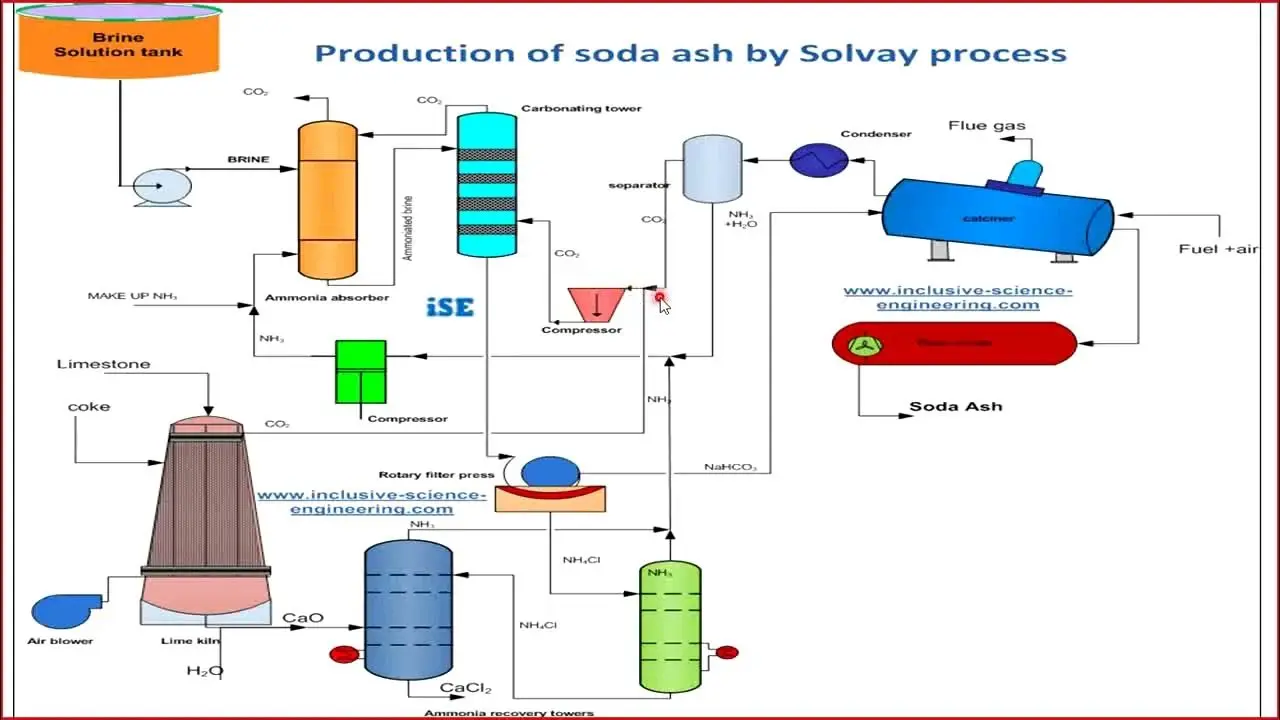
          How to Sourcing Soda Ash (Na₂CO₃, Sodium Carbonate) from China

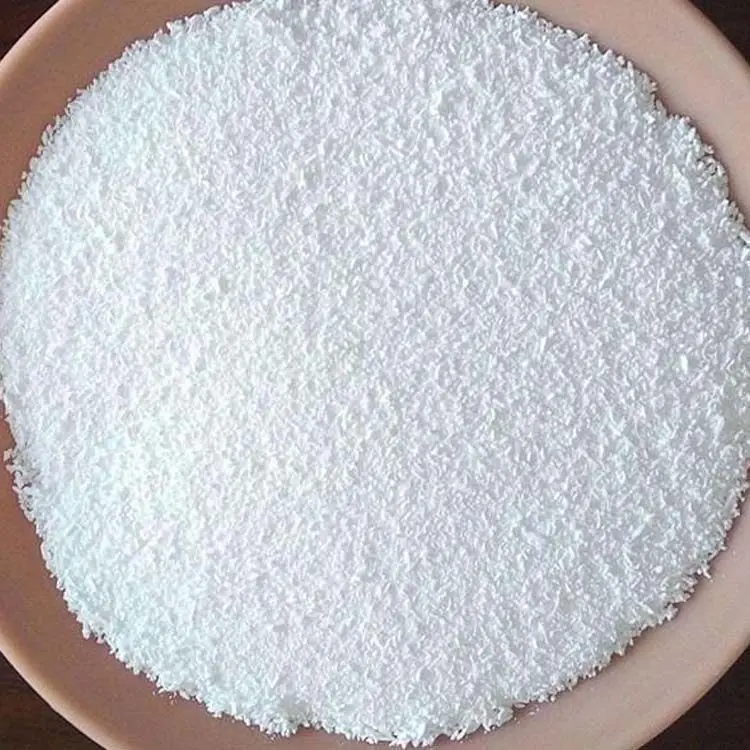
          With a chemical formula of Na₂CO₃, commonly known as soda, soda ash, disodium carbonate, or sodium carbonate, it is typically a white powder. It is a strong electrolyte with a density of 2.532 g/cm₃ and a melting point of 851°C. It is freely soluble in water and glycerin, slightly soluble in anhydrous ethanol, and poorly soluble in propanol. It has the general properties of salt and is classified as an inorganic salt. It absorbs moisture and forms lumps in humid air, partially converting to sodium bicarbonate. Sodium carbonate can be produced through the combined alkali process, the ammonia-soda process, and the Leblanc process. It can also be refined from natural alkali. As an important inorganic chemical raw material, it is primarily used in the production of flat glass, glassware, and ceramic glazes. It is also widely used in household cleaning, acid neutralization, and food processing.

          This guide provides a comprehensive overview of the Chinese soda ash industry, helping you navigate the market and find the right suppliers. Following the example of a successful sourcing blog, we’ll cover everything you need to know about purchasing this essential chemical from China.

          I. Introduction to Soda Ash: Types and Applications

          Soda ash, or sodium carbonate (Na₂CO₃), is a fundamental inorganic chemical widely used across various industries. In China, it is primarily categorized into two main types based on density: Light Soda Ash and Dense Soda Ash.

          • Light Soda Ash: With a bulk density of approximately 500-600 kg/m³, light soda ash is a fine, white powder. It dissolves quickly and is primarily used in light industries. Its major applications include:
            • Detergents and Soaps: As a builder to improve cleaning efficiency.
            • Daily-use Glass: In the production of glass bottles, jars, and other household glassware.
            • Chemicals and Pharmaceuticals: As a raw material for various chemical reactions and medical products.
            • Inorganic Salts: Manufacturing sodium silicate, sodium metasilicate, and other sodium-based chemicals.
          • Dense Soda Ash: This type has a higher bulk density, typically ranging from 1000-1200 kg/m³, and appears as larger, granular particles. Its density and particle size make it ideal for high-temperature processes where it won’t be easily carried away by heat. Dense soda ash is the preferred choice for:
            • Float Glass: The largest consumer of soda ash, used in the production of windows, car windshields, and architectural glass.
            • Photovoltaic Glass: An increasingly important application in the solar energy sector.
            • Metallurgy: Used as a flux and desulfurizer in steel and antimony refining.

          II. Key Advantages of Sourcing Soda Ash from China

          China is one of the world’s largest producers and exporters of soda ash, offering several advantages for international buyers:

          • Scale and Capacity: China’s soda ash industry boasts massive production capacity, ensuring stable supply and competitive pricing. The sheer volume of production helps buffer against global market volatility.
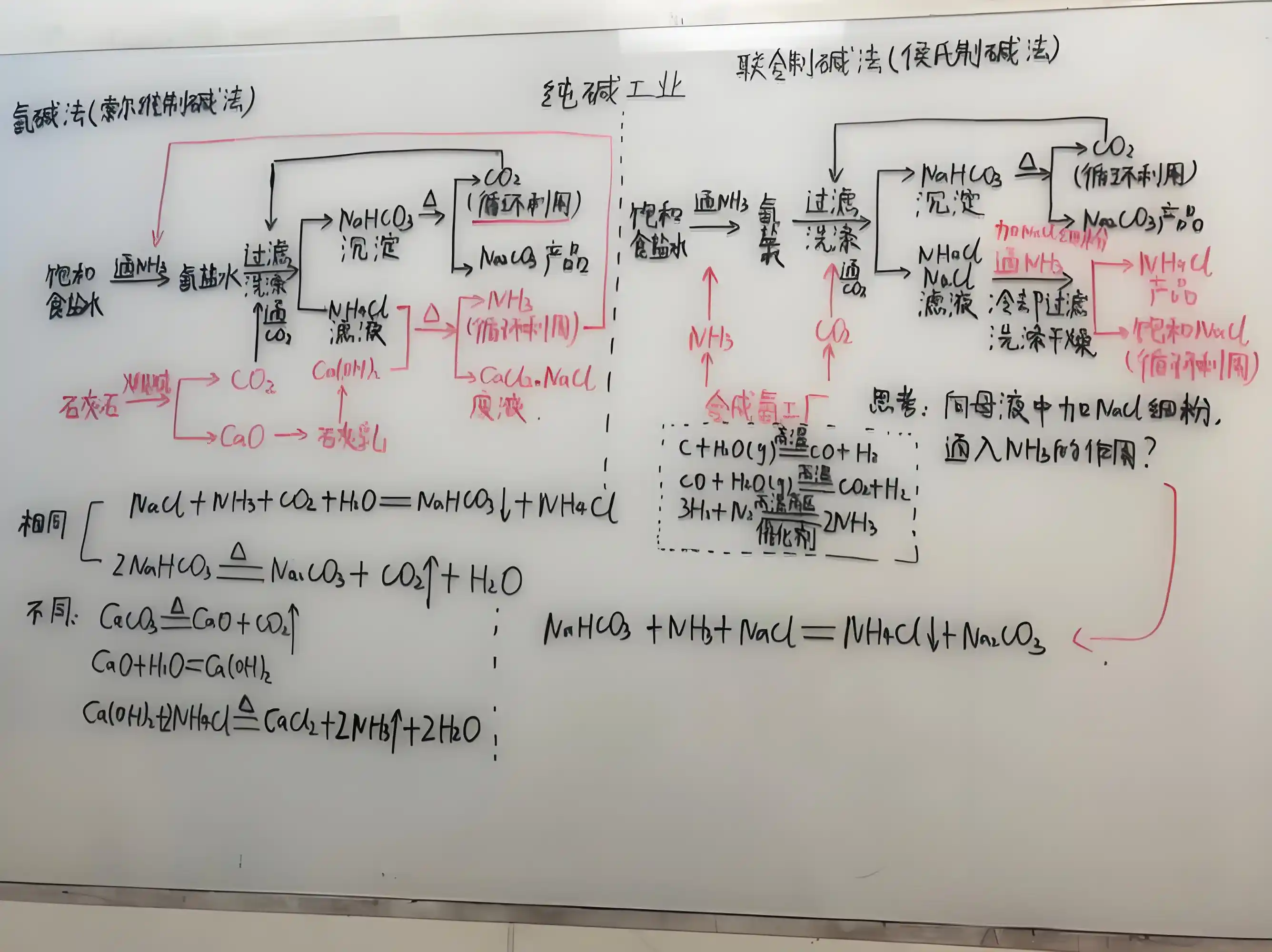
          • Advanced Production Technology: China employs three main production methods: the Ammonia-Soda Process (氨碱法), the Solvay Process (联碱法), and the Natural Alkali Method (天然碱法). The Natural Alkali Method, in particular, offers significant cost advantages due to its lower energy consumption and reduced environmental impact.

            Diverse Product Portfolio: Chinese manufacturers produce both high-quality light and dense soda ash to meet a wide range of industrial requirements, from high-precision glass to basic detergents.

          • Robust Supply Chain and Logistics: The well-developed logistics infrastructure ensures efficient and reliable delivery, whether by sea or land. Many large manufacturers are located near major ports, simplifying the export process.

          III. Main Specifications and Technical Parameters

          When procuring soda ash, it is crucial to understand the key technical specifications. These parameters ensure the product meets your exact requirements.

          • Chemical Purity: The most important parameter is the concentration of Na₂CO₃, which typically should be over 99.2% for industrial grade.
          • Bulk Density: This is the primary difference between light and dense soda ash.
            • Light Soda Ash: 500-600 kg/m³
            • Dense Soda Ash: 1000-1200 kg/m³
          • Particle Size: Particle size distribution is critical, especially for dense soda ash used in glass manufacturing, as it affects the mixing process and prevents airborne loss.
          • Impurities: The levels of impurities like chlorides, sulfates, and iron content must be within acceptable limits for specific applications.
          • Moisture Content: Low moisture content is essential to prevent caking during storage and transport.

          IV. Industry Clusters and Major Production Hubs

          China’s soda ash manufacturing is geographically concentrated in several key regions. These clusters have developed robust supply chains, advanced infrastructure, and skilled labor.

          • Shandong Province: A long-standing hub for chemical production, Shandong is home to some of the largest soda ash manufacturers. Companies in cities like Weifang and Qingdao are known for both their scale and established market presence.
          • Hebei Province: With a strategic location near Beijing and Tianjin, Hebei’s chemical industry is well-developed, with several significant players contributing to the national output.
          • Jiangsu Province: Known for its thriving chemical and pharmaceutical sectors, Jiangsu also has a strong presence in the soda ash industry, particularly for light soda ash production.
          • Central China (Henan, Hubei): These provinces have growing chemical industries and benefit from their central location, which facilitates distribution to both northern and southern markets.
          • Qinghai Province: A key region for the Natural Alkali Method, Qinghai’s producers leverage vast natural resources to offer cost-competitive products. This region is becoming increasingly important for high-volume production.

          V. Leading Manufacturers in China

          Here are some of the most prominent soda ash manufacturers in China, categorized by their production method. These companies are industry leaders with a strong reputation for quality and reliability.

          • Natural Alkali Method:
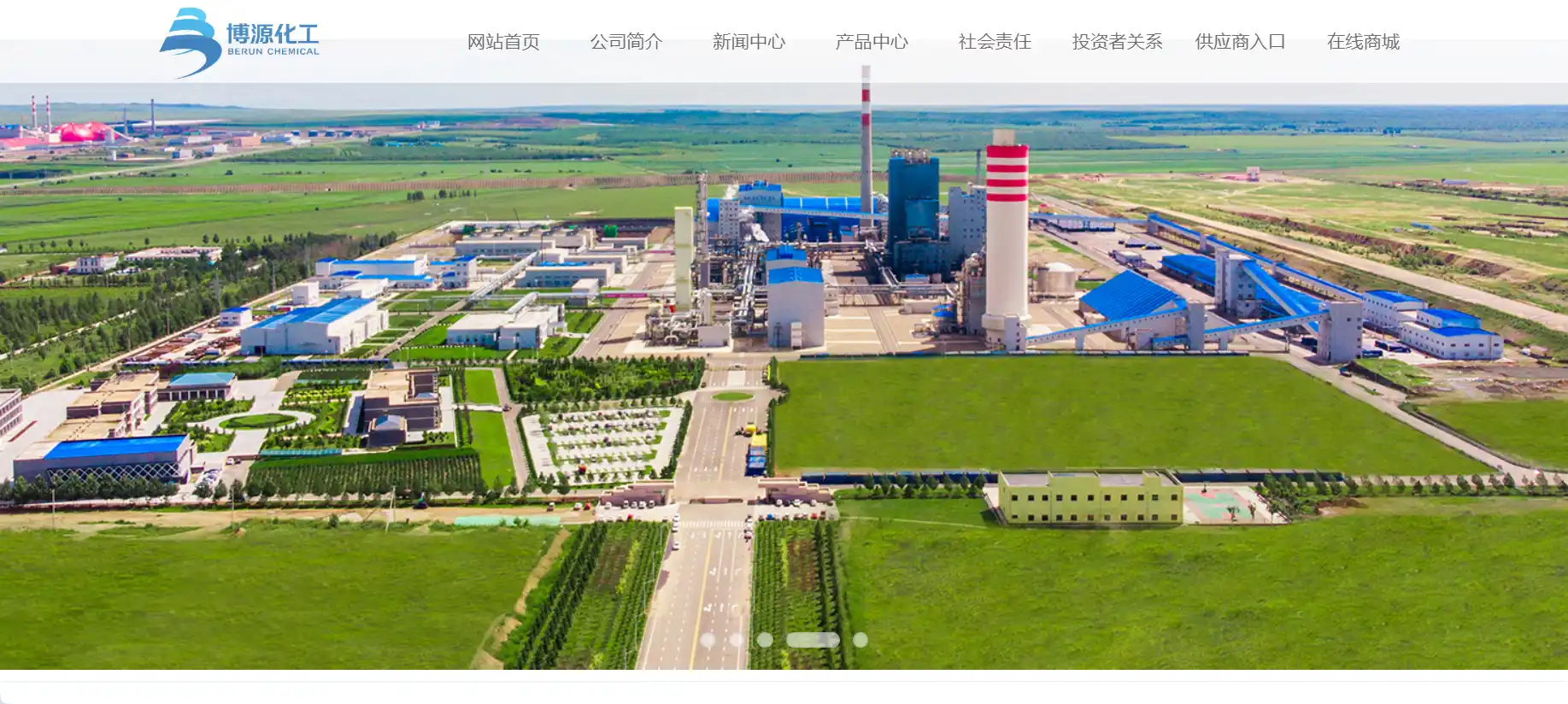
            • Berun Chemical (博源化工) (Former Name: Yuanxing Energy /远兴能源): http://www.yuanxing.com A leader in the natural alkali method, known for its cost-effective and large-scale production.

          • Solvay Process (联合制碱法): This method produces both soda ash and ammonium chloride, a valuable byproduct.
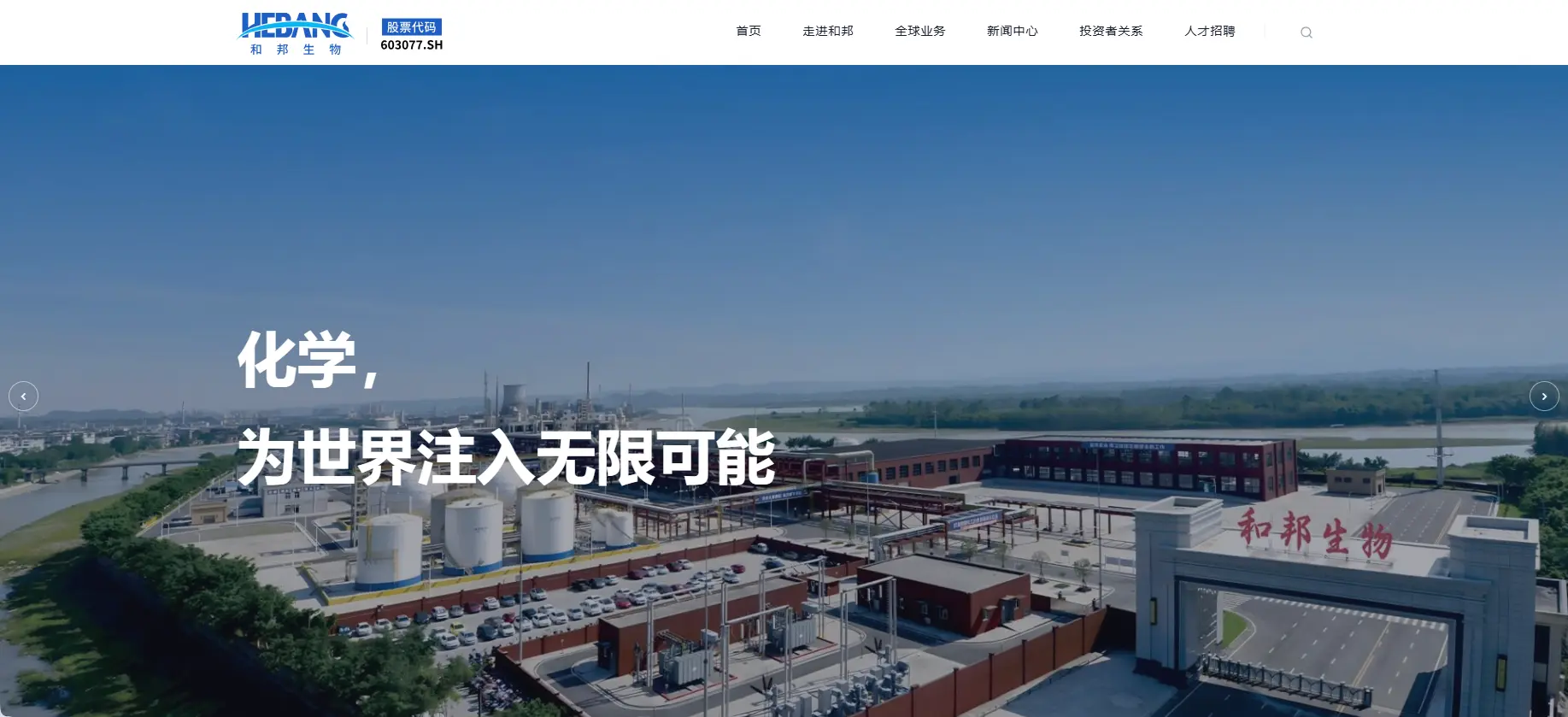
            • Hebang Biotech (和邦生物): https://hebang.cn A significant player in Sichuan Province in the southernwest China with a focus on both soda ash and other chemical products.

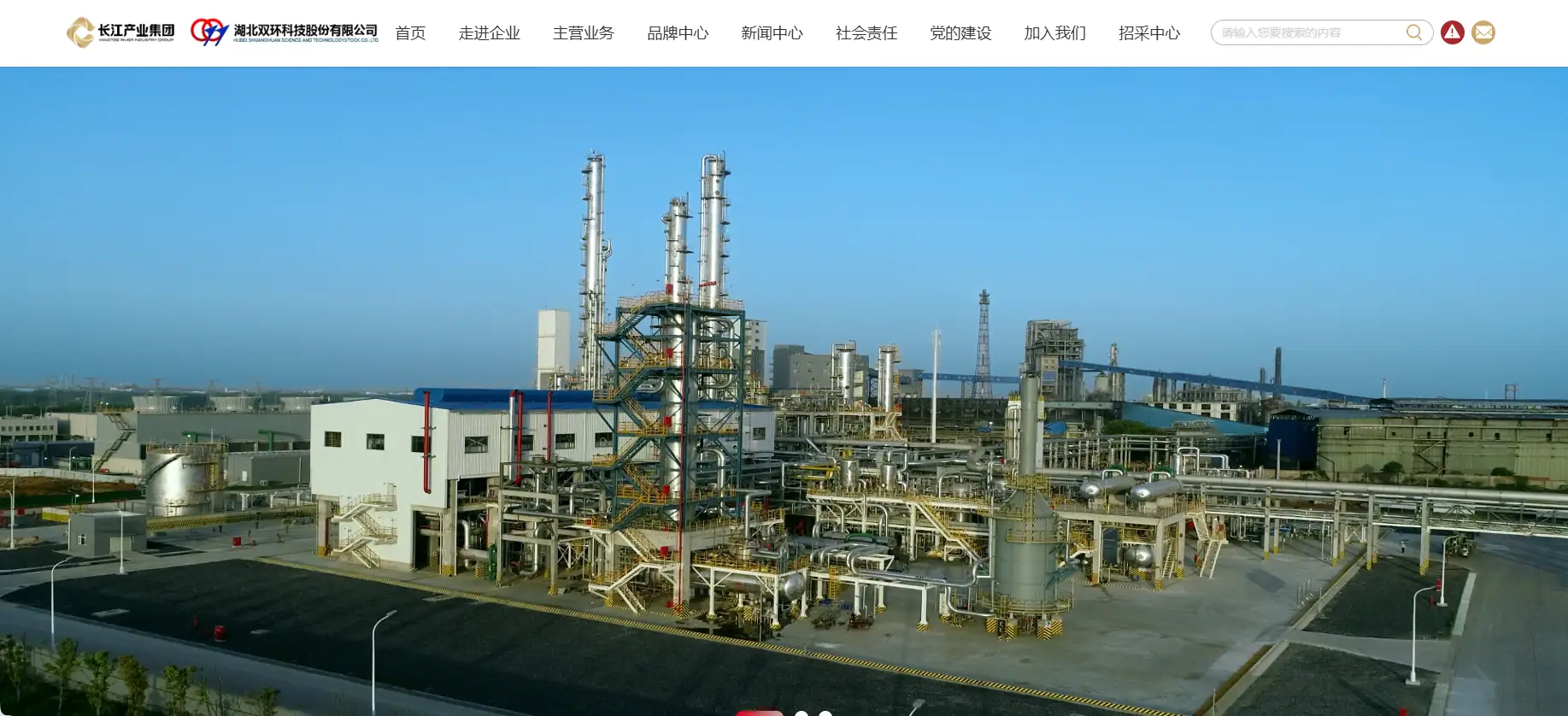
            • Shuanghuan Technology (双环科技): https://www.hbshkj.cn A well-established company in Middle China’s Hubei Province with a strong market presence.

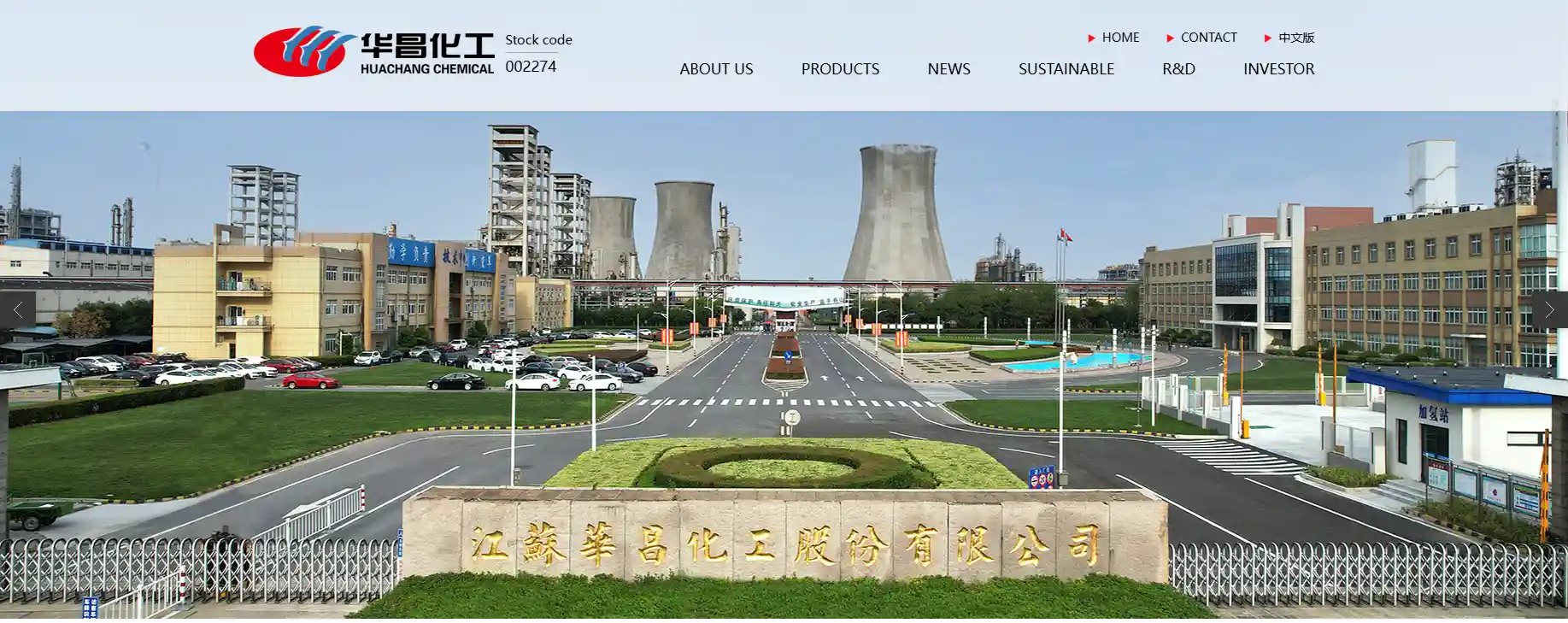
            • Huachang Chemical (华昌化工): https://www.huachangchem.cn Known for its diversified chemical product portfolio, including soda ash.

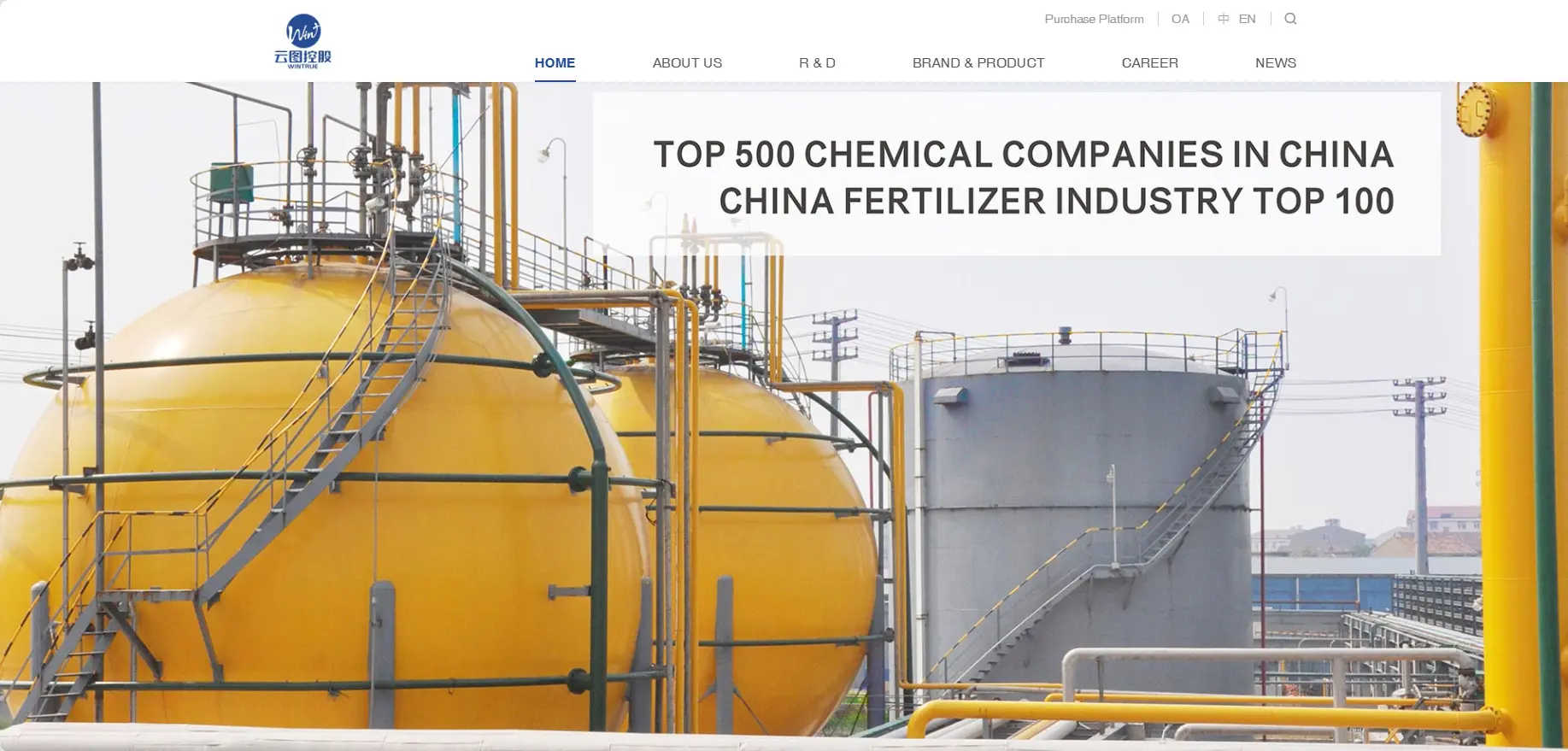
            • Yuntu Holdings (云图控股), also known as Wintrue: https://www.wintrueholding.com A major producer with a focus on comprehensive chemical solutions.

          • Ammonia-Soda Process (氨碱法):
            • Zhongyan Chemical (中盐化工), also known as China Salt Chemical: https://www.chinasaltchemical.com One of the largest state-owned chemical companies, a major producer of soda ash.

            • Sanyou Chemical (三友化工): http://www.sanyou-chem.com.cn A diversified company with significant production capacity in soda ash and other chemicals.

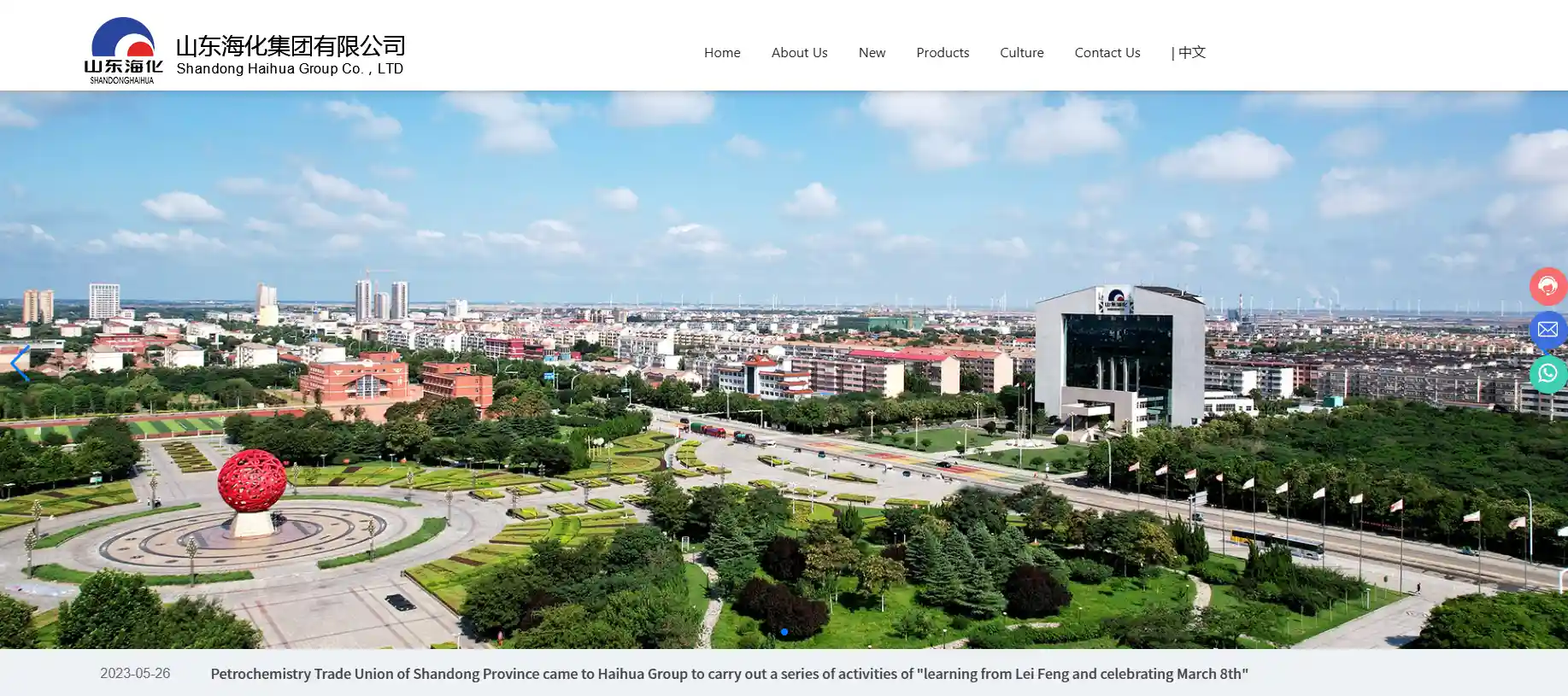
            • Shandong Haihua (山东海化): https://www.haihua.com.cn A key player in Shandong Province, known for its large-scale operations, listed in the year 1998.

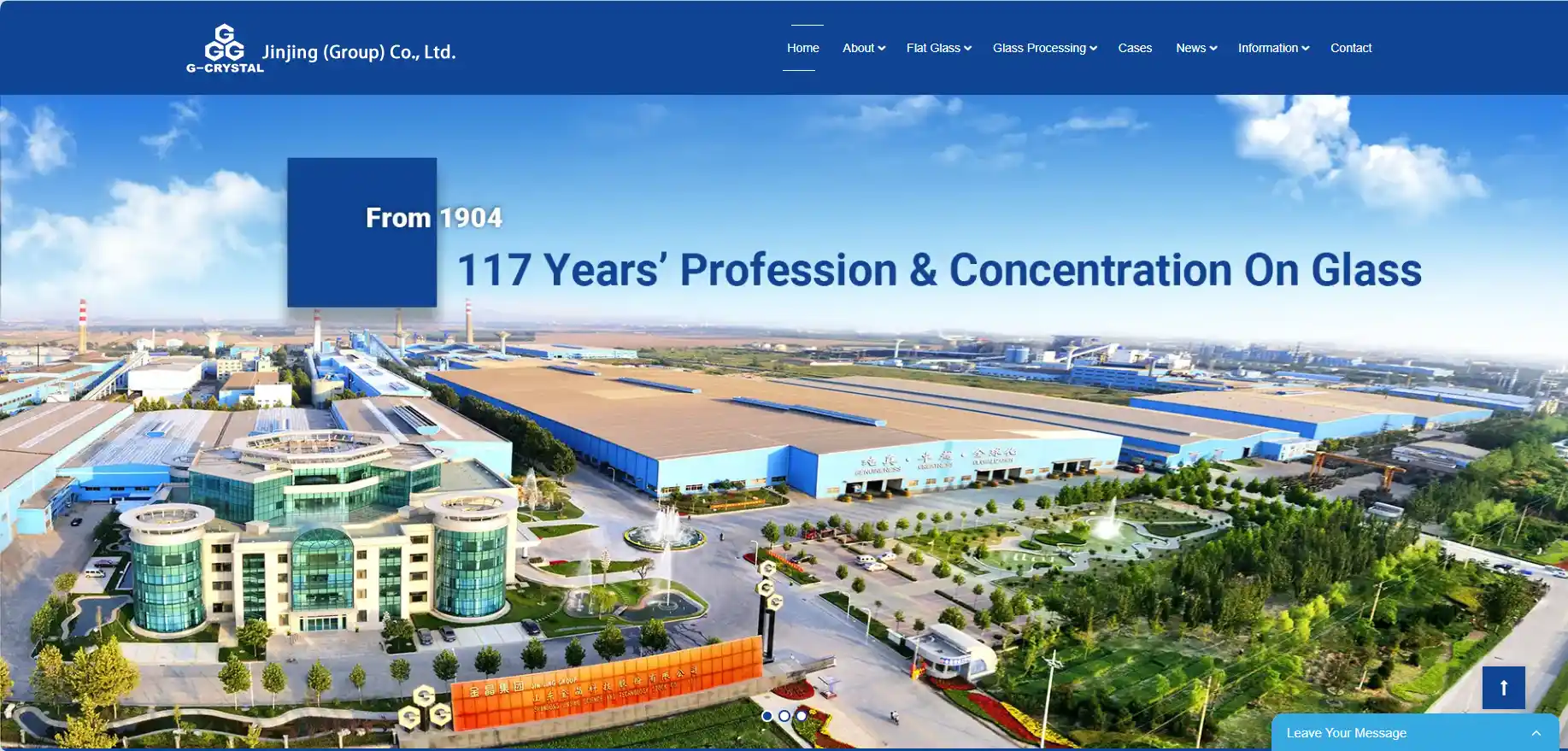
              Shandong G-Crystal (山东金晶): https://www.jinjing-glass.com The second key player in Shandong Province, famous for its high end glasses. The soda ash factory is run itself for glass produciton as well as exporting.

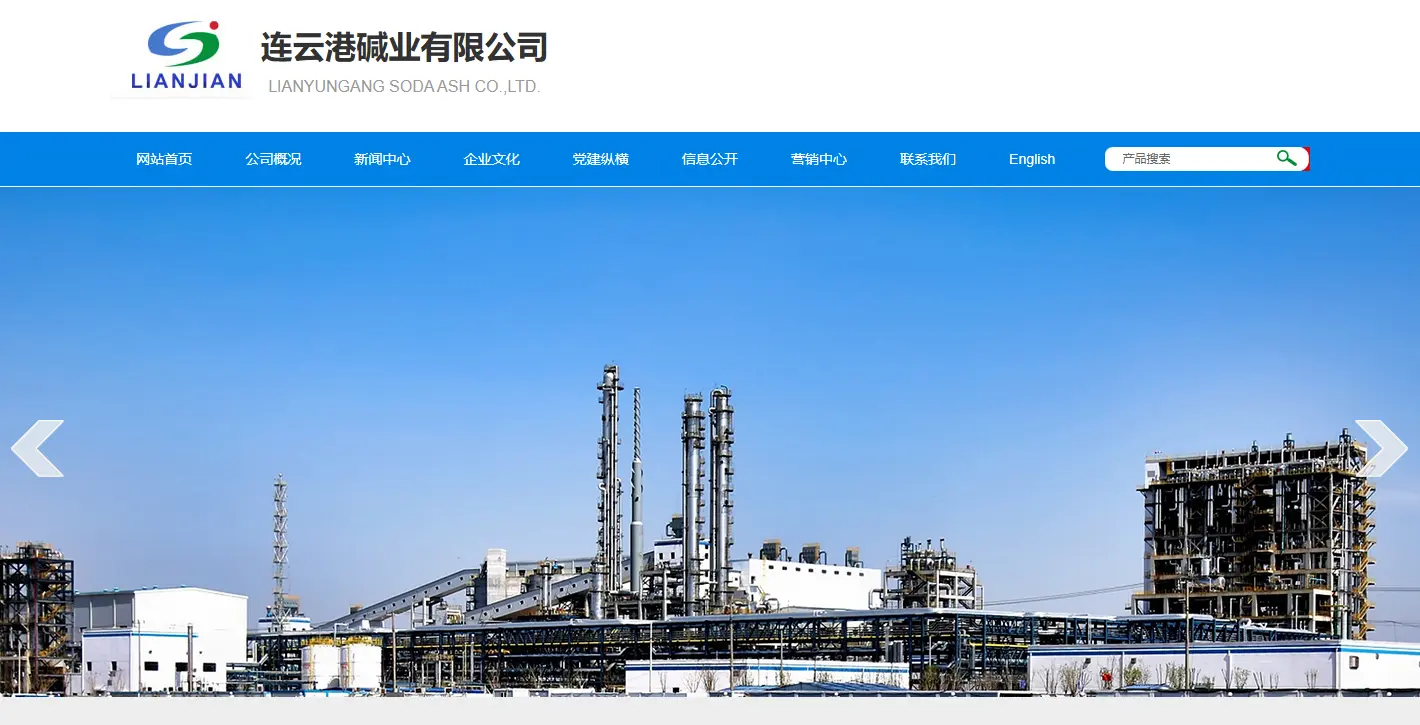
              Lianyungang Soda Ash (连云港碱业): http://www.lygsoda.com/ Located in a coastal city for export, offers both light, dense, sodium bicarbonate etc.

          VI. Relevant Certifications and Quality Standards

          Ensuring product quality and environmental compliance is paramount. When selecting a Chinese supplier, look for the following certifications and standards:

          • ISO 9001: Demonstrates a company’s commitment to quality management systems. This is a fundamental certification for any reputable manufacturer.
          • Clean Production Standards (清洁生产标准纯碱行业): Issued by the Chinese government, this standard outlines strict requirements for equipment, resource utilization, energy consumption, and pollutant discharge. Suppliers who meet these standards are recognized for their environmental responsibility.
          • Energy Management System Certification: This shows that a company has a systematic approach to improving energy performance, including efficiency, use, and consumption.
          • REACH and other international chemical regulations: Reputable suppliers should be able to provide documentation proving their products comply with the chemical regulations of your target market, such as Europe’s REACH.

          VII. Essential Tips for a Successful Procurement

          To ensure a smooth and successful procurement process, keep the following points in mind:

          • Specify Your Requirements Clearly: Be very specific about whether you need light or dense soda ash and provide a detailed list of required specifications. Small differences in purity or particle size can significantly affect the product’s performance in your application.
          • Check Production Methods: The production method can influence cost and quality. Natural alkali-based products often have a cost advantage.
          • Verify Certifications: Always request and verify up-to-date certification documents. This is your primary way to ensure product quality and ethical manufacturing practices.
          • Leverage Industry Reputation: Partner with well-known manufacturers and “brand-free inspection system” (免检品牌制度) approved suppliers, as they often offer greater stability and reliability.
          • Conduct Quality Inspections: For large-volume orders, consider third-party quality inspections before shipment. This can include checking for caking, moisture content, and chemical composition.
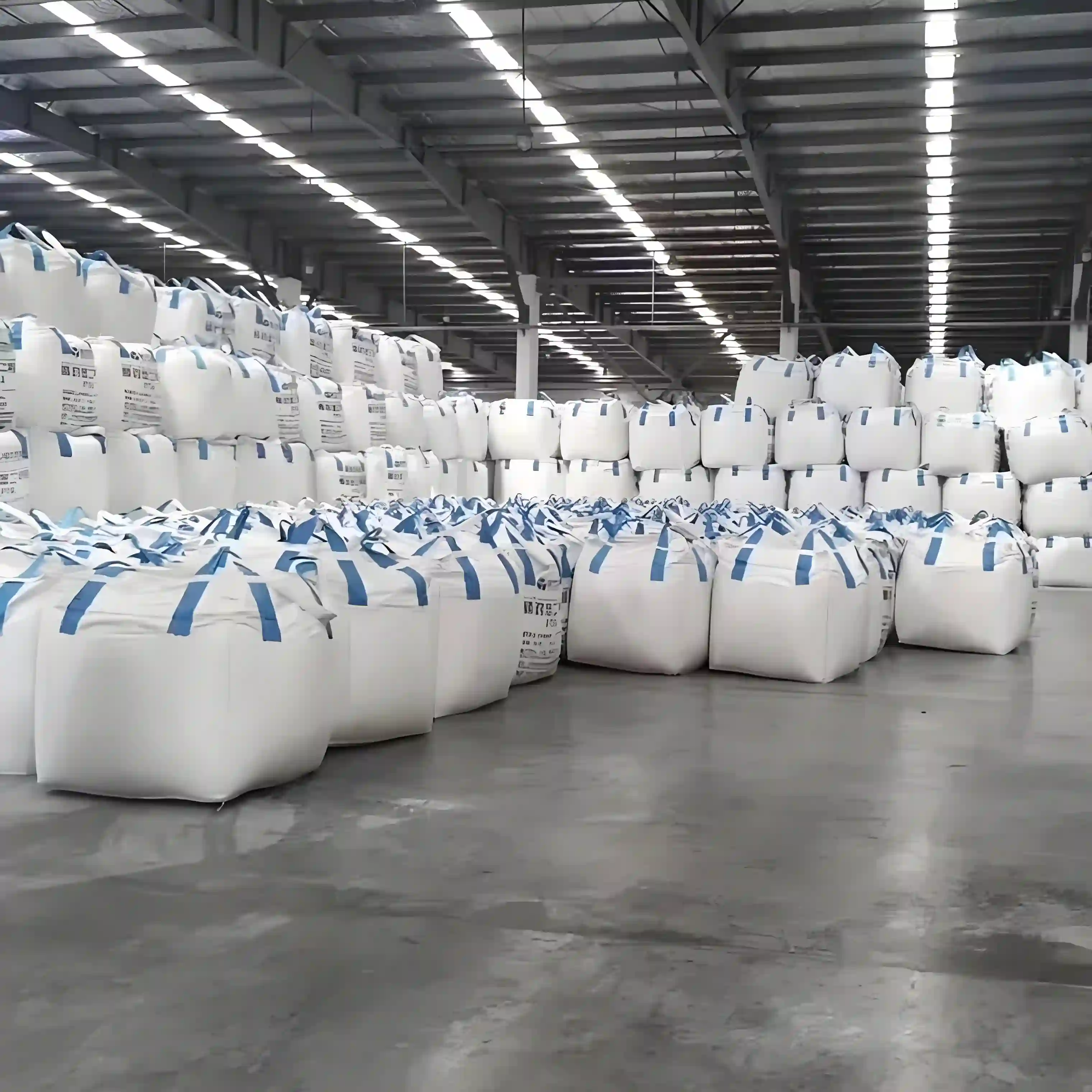
          • Understand Logistics and Delivery: Clarify the delivery terms, including packaging, shipping method (typically by sea in 25kg or 50kg bags), and any specific handling requirements.

          VIII. Choose IMEXsourcing as Your Sourcing Partner for Soda Ash in China

          When it comes to sourcing high-quality Soda Ash from China, partnering with a trusted and experienced sourcing agent is essential. IMEXsourcing is a leading choice, offering end-to-end procurement services that simplify the process and maximize your return on investment. Here are the key reasons to choose IMEXsourcing for your next Soda Ash procurement project:

          Extensive Sourcing Expertise

          With years of experience in the global sourcing industry, IMEXsourcing possesses in-depth knowledge of China’s chemical supply chain. We have built strong connections with reputable Soda Ash manufacturers, enabling us to efficiently identify and source a wide range of products that meet international quality standards.

          Customized Procurement Solutions

          We understand that different industries and applications require specific formulations and specifications. IMEXsourcing offers fully customized sourcing solutions, allowing you to procure Soda Ash that is precisely tailored to your technical and operational needs, whether light or dense grade, packaged in bulk or bags.

          Comprehensive Supplier Verification

          Quality begins with selecting the right partner. IMEXsourcing conducts thorough audits and factory verifications to assess production capacity, quality control systems, compliance with regulatory standards, and overall reliability. This ensures that you only work with qualified and certified Soda Ash producers.

          Strategic Price Negotiation

          Thanks to our strong supplier relationships and deep market insight, we excel at negotiating competitive pricing and favorable terms. IMEXsourcing ensures that you receive not only high-quality Soda Ash, but also cost-effective solutions that optimize your purchasing budget and enhance profitability.

          Reliable and Continuous Supply Chain Support

          As a fundamental industrial chemical, Soda Ash is in high demand across a wide range of sectors including glass manufacturing, detergents, chemicals, and metallurgy. IMEXsourcing has the resources, networks, and proven strategies to secure first-hand supply channels directly from leading manufacturers. We ensure a stable, long-term supply that supports uninterrupted production for our clients—helping you avoid costly delays and maintain operational continuity.

          End-to-End Quality Assurance

          From supplier selection to final shipment, IMEXsourcing enforces strict quality control at every stage of the procurement cycle. We monitor production, conduct in-process and pre-shipment inspections, and oversee independent product testing when necessary—ensuring that your Soda Ash meets all performance and safety requirements.

          Message us for more information

          Please let us know your request, we will get back to you within 24 hours.

            How to Purchase Mining Grinding Materials, Steel Balls, and Ball Mill Liners from China

            Introduction

            The mining industry requires highly durable and efficient grinding materials to maximize the performance of their milling processes. Key components such as grinding cast steel balls, forged steel balls, and mill liners are crucial for optimizing productivity and extending the lifespan of mining equipment. In this article, we will explore the details of these essential materials, their specifications, industry hotspots in China, leading suppliers, and key considerations when selecting the right products for your mining operations.

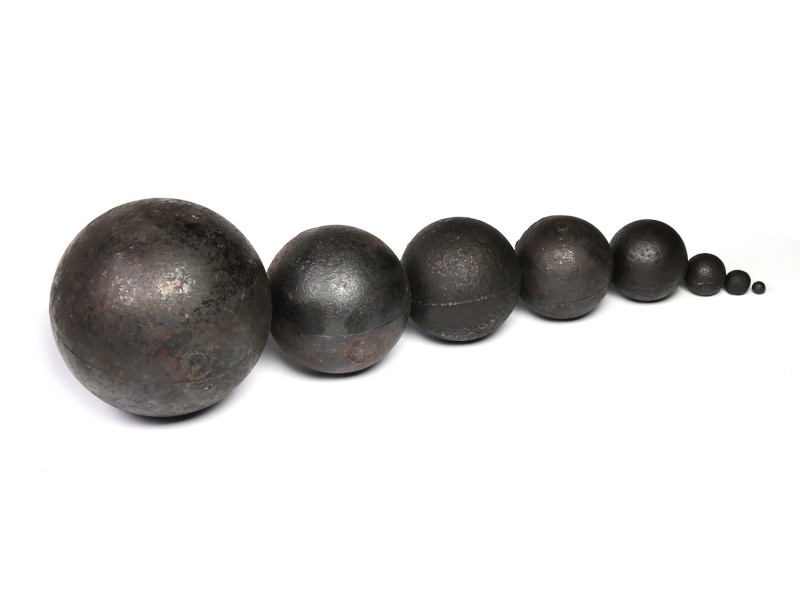
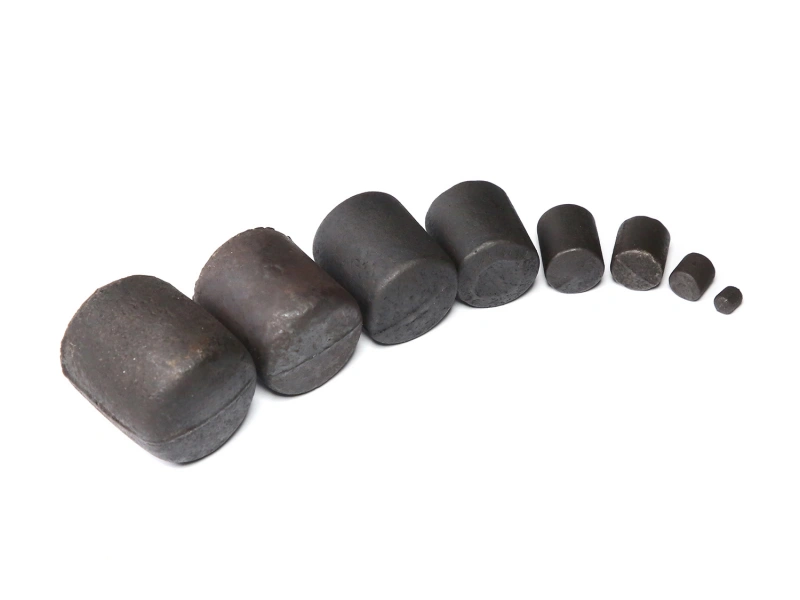
            I. Introduction to Grinding Steel Balls

            Grinding steel balls are core grinding media for ball mills in mining, building materials, power, and other industries. Their manufacturing principles vary by process—cast steel balls and forged steel balls are the most widely used types today. Below is a detailed breakdown of their core principles, key steps, and performance correlations.

             I. Cast Steel Balls: “Liquid Forming + Hardening Strengthening”  

            Cast steel balls are formed by pouring molten steel into molds and then optimizing performance through heat treatment. They are suitable for grinding scenarios with medium-to-low impact loads (e.g., cement production, mineral flotation).

            Core Principle:

            Leveraging the fluidity of liquid metal to form spherical blanks via molds, then enhancing hardness, wear resistance, and toughness through **chemical composition control** and **heat treatment (quenching + tempering).

            Key Steps & Principles:  

            •  1. Raw Material Melting & Composition Design  

            Using scrap steel, pig iron, and alloys (chromium, manganese, etc.) as raw materials, the composition is adjusted based on performance requirements (e.g., high-chromium balls contain 10%-15% chromium). The mixture is melted in a medium-frequency furnace at 1500-1600°C to remove impurities, resulting in uniform molten steel.

                Principle: Alloy elements form wear-resistant carbides (chromium, molybdenum) or improve toughness (manganese, nickel).

            •  2. Casting & Forming  

            Molten steel is poured into sand molds, metal molds, or centrifugal molds. After cooling and solidification, the mold is removed to obtain spherical blanks.

             Principle: Liquid metal takes shape according to the mold. Faster cooling speeds lead to finer grains and higher blank strength.

            •  3. Heat Treatment Strengthening  

            Quenching: Heated to 850-1000°C, then cooled in water or oil. Austenite transforms into hard and brittle martensite, achieving a hardness of HRC55-65.

            Tempering: Slow cooling at 200-400°C to reduce internal stress, balancing hardness and toughness.

                 Principle: Optimizing microstructure through solid-state phase transformation, ensuring both wear resistance and fracture resistance.

            • 4. Post-Processing

            Remove risers, grind burrs, and conduct size screening and hardness testing before finalizing the product.

            II. Forged Steel Balls: “Solid Plastic Deformation + Microstructure Optimization”  

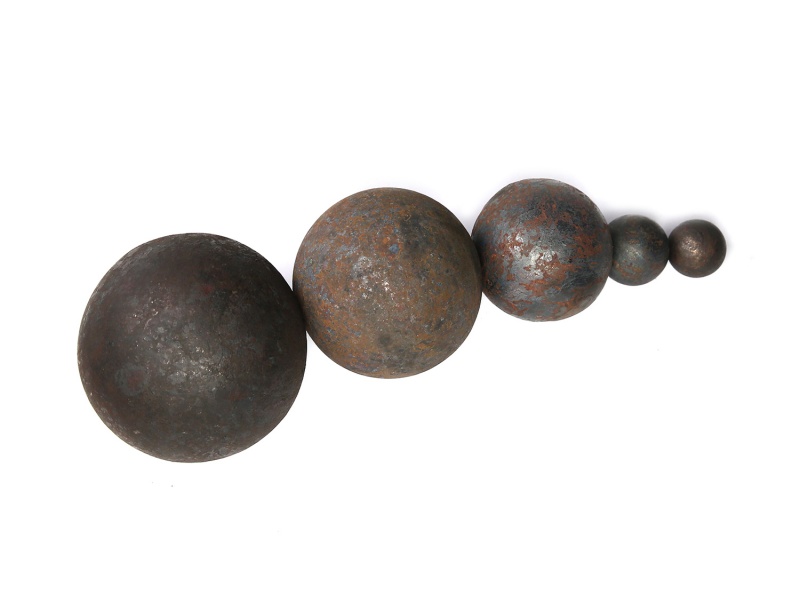
            Forged steel balls are formed by applying external force to solid steel billets for plastic deformation. They are ideal for heavy-duty grinding scenarios with high impact loads (e.g., rough grinding of metal ores, pellet grinding).

            Core Principle

            Utilizing metal plasticity, forging (hammer forging, roll forging, etc.) induces plastic deformation of steel billets at high temperatures to refine grains, eliminate internal defects, and further enhance mechanical properties through heat treatment.

            Key Steps & Principles  


            • 1. Raw Material Selection & Billet Preparation  

            High-quality round steel (e.g., 45# steel) is cut into fixed-length cylindrical billets, with lengths slightly larger than the steel ball diameter.

            Principle: High-quality steel has uniform microstructure and few impurities, providing a good plastic foundation for forging.

            • 2. Heating & Softening  

            Billets are heated to the austenitizing temperature range (800-1200°C), significantly improving steel plasticity and reducing resistance to facilitate plastic deformation.

            Principle: High temperatures enhance metal atom activity and weaken grain boundaries, making billets easier to forge without cracking.

            • 3. Forging & Forming  

            Hammer forging: Steel billets are repeatedly struck by air hammers or hydraulic hammers, forming spherical shapes under mold constraints.

            Roll forging: Arc rollers rotate to extrude billets for continuous forming (suitable for mass production).

            Principle: External force breaks and rearranges grains into dense fibrous structures, eliminating defects like pores and improving density and strength.

            • 4. Heat Treatment  

            Processes vary by steel type: Low-carbon steel undergoes normalizing to refine grains; medium-high carbon steel undergoes quenching (to form martensite) followed by tempering to balance performance.

            Principle: Forging-refined grains enhance base strength, while heat treatment further optimizes microstructure, achieving HRC50-60 hardness with better toughness than cast steel balls of the same hardness.

            • 5. Surface Treatment & Inspection  

            Shot blasting removes oxide scales, followed by inspections for dimensional accuracy, roundness, and internal defects (e.g., ultrasonic testing).

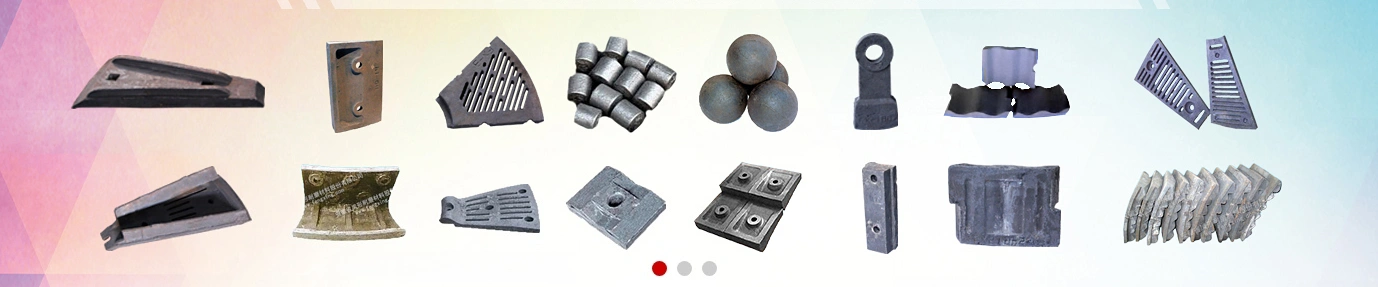
            III.Mill Liners:

            These are metal or composite plates that are installed inside the ball mill to protect the interior surface of the mill from wear and tear, while also optimizing the grinding action.

            Overview: China’s Edge in Steel Ball Production  

            Cast steel balls are energy-intensive, requiring substantial electricity. China’s stable and low-cost power supply, coupled with a continuous supply of scrap iron, has created unique advantages in steel ball manufacturing. Today, China stands as the world’s largest producer of steel balls.

            II.Specifications and Parameters

            Each type of grinding material comes with its own set of specifications and parameters, which can affect performance and efficiency in the milling process. Let’s look at the common parameters for each material:

            Grinding Cast Steel Balls


            • Material Composition: Typically made from high carbon steel, cast steel balls contain alloys such as chromium, manganese, and molybdenum to enhance hardness and wear resistance.

            • Diameter: The diameter of cast steel balls generally ranges from 20mm to 150mm, depending on the size of the mill.

            • Hardness: Cast steel balls typically have a hardness of HRC 45-55. The higher the hardness, the longer the lifespan of the balls.

            • Density: Around 7.8 g/cm³, ensuring optimal impact resistance and effective grinding.

            Forged Steel Balls


            • Material Composition: Made from carbon steel or alloy steel, forged steel balls have higher density and greater uniformity in their hardness compared to cast balls.

            • Diameter: Forged balls typically range from 20mm to 150mm in diameter, with larger balls used for coarse grinding.

            • Hardness: Generally, forged steel balls have a hardness range of HRC 55-65.

            • Impact Toughness: Due to their manufacturing process, forged steel balls exhibit higher toughness and resistance to fracture.

            Mill Liners


            • Material Composition: Mill liners are typically made from high-chromium alloy, manganese steel, or rubber composites. The choice of material depends on the type of ore being processed and the wear conditions inside the mill.

            • Thickness: Mill liners can vary in thickness from 30mm to 100mm or more, depending on the specific needs of the mill.

            • Shape: Mill liners come in various designs, such as wave, ribbed, and lifter configurations, to improve the milling efficiency by creating a better grinding environment.

            III. Key Industry Hotspots in China

            China is the global leader in the production and export of mining grinding materials. The country hosts a number of major production hubs, especially in regions that are rich in minerals. Here are the key areas where these materials are produced:

            • Shandong Province: Known for its large-scale steel production and mining equipment manufacturing, Shandong is home to many companies specializing in forging and casting steel balls and mill liners. Cities like Zibo and Weifang are major centers for the production of these materials.

            • Hebei Province: As a steel manufacturing powerhouse, Hebei is a key region for producing high-quality grinding materials. The province houses several companies that export forged and cast steel balls worldwide.

            • Jiangsu Province: Jiangsu is another significant region in China for the production of mining equipment, including grinding materials. Companies in cities like Nanjing and Wuxi are known for their high standards in producing mill liners and grinding balls.

            • Anhui Province: Anhui FengXing New Material Technology Co., Ltd, China’s largest steel ball manufacturer, is located in Ningguo City, Anhui Province.

            IV. Leading Companies in the Mining Grinding Materials Industry

            Several Chinese companies are well-known for producing and supplying high-quality grinding materials. Here are some of the industry leaders:

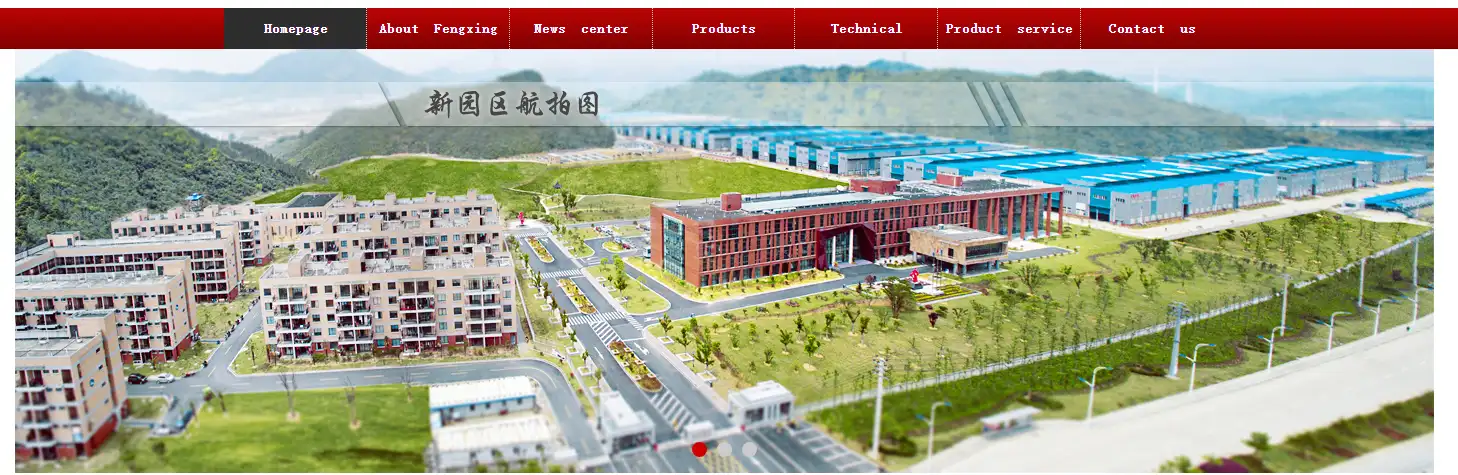
            • Anhui FengXing New Material Technology Co., Ltd.: Headquartered in Ningguo, Anhui, it is a listed company in China and one of the leading manufacturers in the steel ball industry.

            • Shandong Huamin Steel Ball Co., Ltd.: Located in Shandong Province, its main products include mining wear-resistant forged steel balls, heat-treated steel grinding rods, and cast iron balls, with an annual production capacity of 150,000 tons.

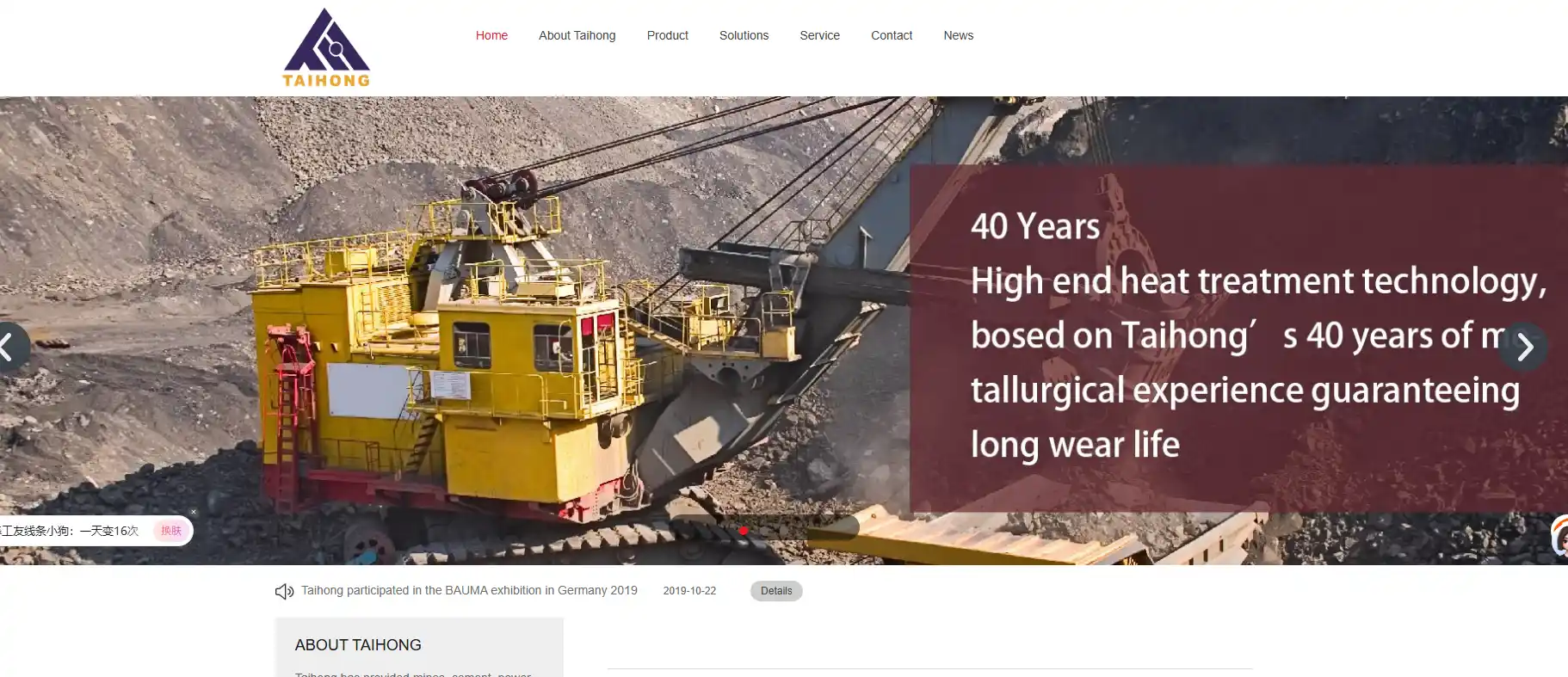
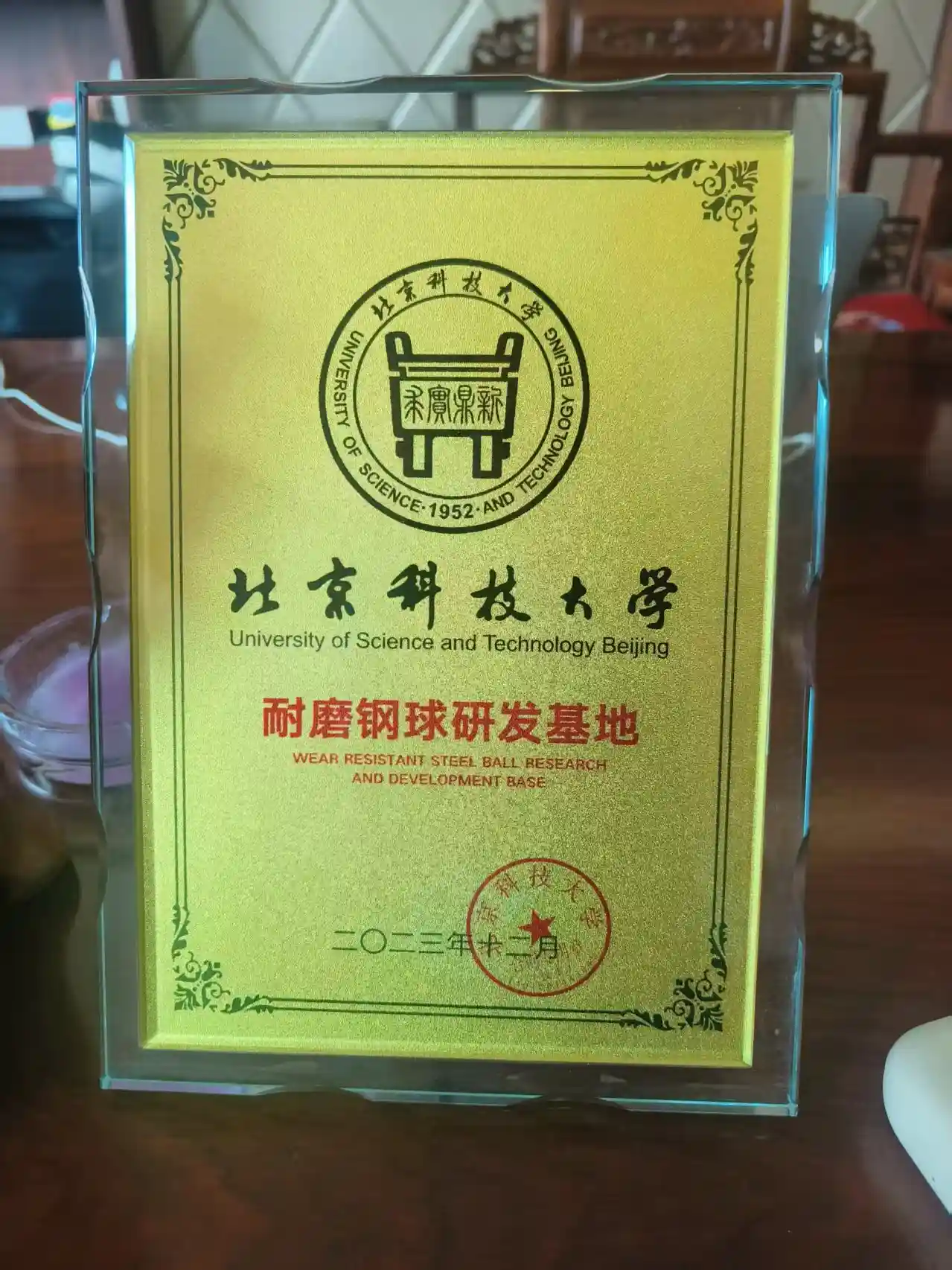
            • Qingzhou Taihong Special Casting Steel Co., Ltd.: Founded in 1978, the company boasts advanced technology and serves as a wear-resistant steel ball R&D base of the University of Science and Technology Beijing. It provides cost-effective and high-quality products for clients in multiple mining sectors and holds a high market share in South America and Africa.

            • Qingzhou Huahong Grinding Ball Co., Ltd. : As a well-known manufacturer in Shandong Province, the company owns fully automatic production lines and innovative patented technologies, and has long-term cooperative relationships with many famous gold mines in China.

            • Weifang Durable Mining Equipment Co., Ltd.: Located in Weifang, Shandong, it specializes in the production of high-performance forged steel balls and is a trusted supplier for global mining operations.

            V. Key Considerations for Selecting Mining Grinding Materials

            When purchasing grinding materials for your mining operations, several factors should be taken into account to ensure you select the right products for your needs:

            Material Compatibility

            The type of ore being processed plays a critical role in selecting the right grinding material. Harder ores may require higher toughness and hardness in the grinding balls and mill liners to maintain efficiency and minimize wear.

            Wear Resistance

            Choose materials with superior wear resistance to prolong the lifespan of your milling equipment and reduce maintenance costs. Forged steel balls tend to have a longer lifespan than cast steel balls, though cast balls are often more cost-effective.

            Grinding Efficiency

            The shape, size, and surface texture of the grinding balls or mill liners can impact the grinding process. Smooth balls may generate less impact force, while textured balls or liners improve the grinding action, but can increase wear rates.

            Cost

            Cost is always an important factor. Forged steel balls tend to be more expensive than cast steel balls due to the manufacturing process. However, they may provide better performance and last longer, which can offset the higher initial cost in the long run.

            Supplier Reliability

            Choose a reliable supplier with a proven track record in the industry. Ensure they provide high-quality products, offer competitive pricing, and have good customer service.

            VI. Choose IMEXsourcing as Your Sourcing Partner for steel balls in China

            When it comes to procuring high-quality steel balls from China, partnering with an experienced and reliable sourcing agent is paramount. IMEXsourcing stands out as a premier choice, offering a comprehensive suite of services designed to streamline your acquisition process and secure exceptional value. Here are compelling reasons to select IMEXsourcing for your next purchase on  steel balls:

            Extensive Procurement Expertise

            IMEXsourcing boasts a profound and long-standing history in the sourcing industry, enabling us to proficiently locate and secure a wide array of lawn mower types from highly regarded Chinese suppliers. Our deep market knowledge ensures that we connect you with manufacturers known for their reliability and superior products.

            Thorough Supplier Verification

            Our commitment to quality begins with rigorous due diligence. We conduct comprehensive factory verifications for all potential manufacturers. This meticulous audit confirms their production capabilities, assesses their quality control protocols, and ensures their full compliance with relevant industry standards and legal requirements.

            Expert Price Negotiation

            Leveraging our veteran status and in-depth understanding of the market dynamics, IMEXsourcing excels in negotiation. This invaluable expertise allows us to secure the most favorable pricing and terms with top-tier manufacturers renowned for their lawn mowers, optimizing your investment.

            Stringent Quality Assurance

            IMEXsourcing implements a robust quality management framework that spans the entire procurement cycle. This includes careful selection of suppliers, diligent oversight through production inspections, and thorough product testing prior to shipment, guaranteeing the integrity and performance of your equipment.

            Optimized Warehouse Management

            Our advanced warehouse operations are meticulously designed to facilitate optimal inventory flow and minimize delivery lead times. This efficient system ensures that your equipment consistently arrives promptly from the manufacturer.

            Seamless Logistics Handling

            We manage the entire logistical chain, from initial transportation and overseas shipping to final delivery directly to your designated location. This end-to-end service guarantees that your lawn mower reach you efficiently and directly from the production facility.

            Effortless Customs Processing

            Navigating international customs can be complex, but with IMEXsourcing, it’s simplified. We take full responsibility for gathering all necessary documentation and ensuring a smooth customs clearance process, alleviating bureaucratic hurdles and streamlining paperwork for our valued partners.

            VII. Conclusion

            Steel balls are products with notoriously difficult quality control—they may look identical in appearance, but many unethical suppliers often provide qualified samples during the purchasing process, only to substitute them with inferior steel balls in bulk shipments to defraud customers. IMEXsourcing, equipped with extensive experience in steel ball procurement and a reliable legal team, can provide full protection to help you avoid all such risks effectively.
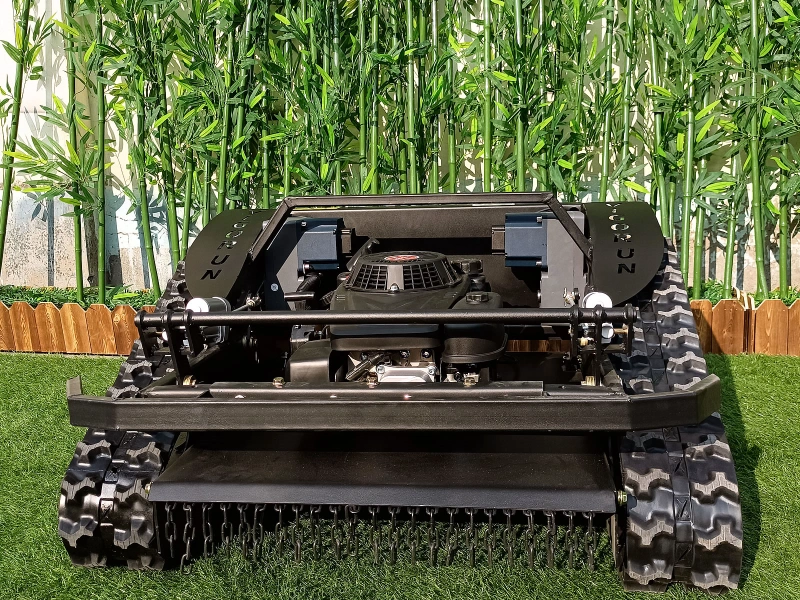
            Message us for more information

            Please let us know your request, we will get back to you within 24 hours.

              How to Import Water Sports Equipment From China?

              Water sports equipment encompasses a diverse array of products crafted to meet varied needs, catering to a broad customer base—from professionals deeply engaged in water sports to enthusiasts who pursue it as a leisure activity.


              Many companies in this sector seek my professional advice on two key matters. The first revolves around how to source and supply such a wide-ranging product portfolio, spanning everything from jet skis and swimwear to fishing rods and surfboards.

              I. Top Water Sports Equipment Manufacturers in China (2024-2025)

              If you’re seeking to source water sports equipment—including kayaks, inflatable paddleboards, and boats—from China, the following manufacturers stand out as top choices. They’ve been selected based on robust production capacity, strong export performance, and a solid market reputation.

              1. DWF Sports Co., LTD.

              Pros:

              • One of China’s largest producers of hard-shell and inflatable kayaks
              • Good OEM/ODM relationships with international brands
              • ISO 9001 qualified; sophisticated R&D capabilities

              Cons:

              • Mainly B2B-focused; minimal volume of direct-to-consumer activity
              • Sensitive to export prices due to export dependence

              2. Guangzhou Haisan Amusement Technology Co., Ltd.

              Pros:

              • Specialises in large-scale water park infrastructure and equipment
              • Recognised as a high-tech enterprise
              • CE, EN, and ASTM-certified

              Cons:

              • High MOQs for customisation
              • Focusing on commercial water parks may limit consumer product diversity
              • Minimal level of devotion to eco-friendly materials

              3. Guangzhou Jingyinfeng Enterprise Co., Ltd

              Pros:

              • Manufacturer of water sports products under the “Dovod” brand
              • Well-established logistics network for exports worldwide
              • Established brand presence in water sports gear

              Cons:

              • Product designs are less innovative compared to the main competitors
              • Dependent on third-party inspections for QC

              4. Aqua Marina (of ORPC Group)

              Pros:

              • World leader in inflatable SUP and kayak
              • Owns retail brands Aqua Marina and has a partnership with Sevylor
              • Vertically integrated to improve cost control

              Cons:

              • Unreliable product feedback in certain regions
              • Environmental issues due to PVC-dominant production

              5. Xiamen K-power Sports Co., Ltd.

              Pros:

              • Diverse sports equipment portfolio, potentially including water sports
              • Xiamen’s coastal location supports R&D and testing for water-based products
              • Manufactures more than 1 million units per year

              Cons:

              • Not as accommodating with small-volume customers

              6. Kingmax Sports

              Pros:

              • Offers rigid as well as inflatable kayaks
              • Prioritises global safety certifications (CE, TUV)
              • OEM delivery speeds are fast

              Cons:

              • Smaller R&D team than regional competitors
              • Less accommodating to specialised market trends

              7. Zhongshan Worldmark Sporting Goods

              Pros:

              • Strong manufacturing scale and supply chain capabilities
              • Growing rapidly in Europe and Australia

              Cons:

              • Quality control issues during peak production seasons
              • Potential reliance on OEM contracts rather than branded products

              Key Takeaways

              • Geographic Concentration: Guangdong leads with over half of the makers, followed by the coastal areas of Shandong.
              • OEM vs. Branding: Most companies focus on OEM/ODM and are not seen by end consumers.
              • Sustainability: A few (e.g., Nature Time) are shifting to green manufacturing, but PVC remains the standard.
              • Challenges: Quality control, environmental regulation, and rising labour expenses in coastal China still hamper operations.

              IMEXsourcing Recommendation
              For low-cost products, suppliers in Guangdong have greater advantages in terms of scale and pricing. For higher-quality products, consider manufacturers in Shandong, whose technologies originate from South Korea. Be sure to verify relevant certifications and request samples before placing large-volume orders. 

              II. How to Import Water Sports Equipment from China

              The answer to the question of how to Import Water Sports Equipment from China is similar to a standard import process, but there are also conditions specific to China.

              As mentioned in the introduction, preliminary research on a scale consisting of quite different products is necessary.

              The most difficult aspect of this product group is that you will need to work with many manufacturers at the same time.

              As an importer, you must check each manufacturer’s factory certificates and perform quality controls.

              After agreeing with the suppliers on conditions such as price, quantity, production date, and shipment, requesting a sample for quality assessment is essential.

              As a result of the right product, the right manufacturer selection, and production in accordance with quality standards, your products are ready, but you should also check the documentation process.

              Important documents such as product safety certificates, certificates of origin, and bills of lading must be obtained for the smooth operation of shipment and customs procedures.

              Think of the import process as a single-piece process from the preliminary research stage until the products reach your facilities.

              For a profitable, safe, and long-term trade, you must manage the import process correctly at all stages.

              Today, many companies, from startups to global brands, receive support from sourcing agents or inspection companies in these processes.

              III. How to Buy Water Sports Equipment from China?

              Question: I only want to buy a jet ski or a surfboard from China. How can I make the purchase? And can it be shipped directly to my country?

              Answer:

              1. Purchasing Platforms
                You can place orders through Chinese e-commerce platforms such as JD.com and Taobao. Simply search for keywords like “jet ski” or “surfboard” to browse and purchase directly.
              2. Assistance for Non-Chinese Speakers
                If you don’t speak Chinese, you can send the specific product model to IMEXsourcing’s customer service team. Our specialists will select suitable items from Chinese e-commerce platforms and share them with you for reference. Once you confirm the product, IMEXsourcing can provide purchasing-on-behalf services.
              3. Shipping Arrangements
                After placing an order on the e-commerce platform, you can have the goods delivered to IMEXsourcing’s warehouse. After inspection, we can arrange either door-to-door tax-inclusive shipping or send small parcels directly to your location.

              IV. Why Choose IMEXsourcing as Your China Water Sports Equipment Procurement Agent?

              IMEXsourcing will help you find the most suitable water sports equipment manufacturers in China that meet your needs and source high-quality products.


              We have experts familiar with the Chinese market, and our agency is just a one-hour drive from Weihai, China’s largest water sports equipment industrial base in the north. We provide comprehensive services including translation, quality inspection, and goods verification, with in-depth knowledge of how Chinese factories operate.
              We handle all aspects from procurement to transportation, ensuring a seamless end-to-end solution for your needs.

              Here are the main services that IMEXsourcing offers.

              1. Products Sourcing
              2. Import & Export Consulting
              3. Samples Collection 
              4. Factory Audit
              5. Price & MOQ Negotiation
              6. Order follow-up
              7. Quality Inspection
              8. Free Warehousing (90days)
              9. Goods Consolidation
              10. Low-cost shipping door-to-door Solution
              11. Goods delivery inspection

              V. What Documents Do You Need When Importing Water Sports Equipment from China?

              Here are the six key documents required by your freight forwarder and customs for goods clearance, presented in a streamlined format:

              1. Contract

              • Essential for verifying legal procurement and payment terms.
              • Outlines product specifications, quality standards, warranty clauses, and penalty terms.
              • Customs uses it to confirm the legitimacy of the transaction.

              2. Invoice

              • Proforma Invoice: Provides an estimated order value for customs declaration.
              • Commercial Invoice: Details the full import transaction for taxation and audit purposes.
              • Retain both for compliance and record-keeping.

              3. Packing List

              • Prepared by the freight forwarder to generate the bill of lading.
              • Lists items, net/gross weights, and dimensions to enable customs inspection without container opening.

              4. Bill of Lading (B/L) / Airway Bill

              • Issued by the carrier, specifying cargo details and delivery terms.
              • Critical for customs to validate shipment information in sea or air freight.

              5. Insurance Certificate

              • Confirms whether the selling price includes insurance coverage.
              • Helps customs assess the goods’ value and calculate import duties.

              6. Certification Documents

              • Certificate of Origin: Issued by chambers of commerce or embassies to verify the product’s country of origin.
              • CE Certificate: Ensures compliance with EU safety standards for goods entering EU markets.
              • Test Certificates: Include conformity certificates, electrical test reports, and safe transport documentation to prove product quality and safety.


              Note: Ensuring completeness and accuracy of these documents minimizes customs delays and ensures smooth import clearance.

              Message us for more information

              Please let us know your request, we will get back to you within 24 hours.

                Chinese Diesel Generator Set Manufacturers: A Comprehensive Guide

                China’s generator set manufacturers provide a full spectrum of generators set, ranging from portable models to massive diesel units. For those looking to launch a generator set business, importing from China is a prime strategy—and this guide simplifies the process for you.

                I. What Types of Generator sets can You Import from China?

                Generator sets can be classified into different types based on the fuel they use. Below are the common types of generator sets in China.

                1. Diesel Generator Sets

                • Fuel: Runs on diesel fuel, known for high energy density and reliability.
                • Uses: Widely applied in industrial plants, data centers, and construction sites for continuous power supply, as well as emergency backup during power outages.
                • Feature: Ideal for heavy-duty operations due to its long-lasting performance and ability to handle high-load demands.

                2. Gasoline Generator Sets

                • Fuel: Operates on gasoline, a readily available and affordable fuel source.
                • Uses: Suited for small-scale needs like household backup power, camping trips, outdoor events, or portable tools in remote areas.
                • Feature: Lightweight and compact, making it easy to transport, though typically less efficient than diesel models for prolonged use.

                3. Gas Generator Sets

                • Fuel: Utilizes natural gas or liquefied petroleum gas (LPG), offering a cleaner-burning alternative.
                • Uses: Commonly used in commercial buildings, hospitals, and residential areas for both primary power and eco-friendly backup solutions.
                • Feature: Emits fewer pollutants than diesel/gasoline, suitable for environments where low emissions are required (e.g., urban settings).

                4. Methanol Generator Sets

                • Fuel: Runs on methanol, a renewable or synthetic alcohol-based fuel.
                • Uses: Applied in specialized scenarios like remote research stations, marine vessels, or areas with limited access to traditional fuels, often as a low-carbon alternative.
                • Feature: Lower in carbon emissions than fossil fuels but requires dedicated fuel storage and handling due to its chemical properties.

                5. Solar Generator Sets

                • Fuel: Harnesses solar energy via photovoltaic (PV) panels, converting sunlight into electricity.
                • Uses: Perfect for off-grid locations, camping, RVs, or remote communities, providing sustainable power without fuel costs.
                • Feature: Emission-free and low-maintenance, though dependent on sunlight availability and often paired with batteries for energy storage.

                6. Mobile Generator Sets

                • Fuel: Can use diesel, gasoline, or gas, housed in transportable units (e.g., truck-mounted or trailer-based).
                • Uses: Critical for emergency response (e.g., natural disasters), temporary construction sites, outdoor festivals, or mobile workstations needing on-the-go power.
                • Feature: Designed for quick deployment, offering flexibility to supply power in areas without fixed electrical infrastructure.

                In this article, we mainly focus on diesel generator sets. IMEXsourcing will release other fuels and categories of generator sets in subsequent blog posts, so please stay tuned.

                II. Where are the industrial bases of generator sets in China?

                If you plan to source diesel generator set manufacturers in China, here are three cities to consider based on the type of generator sets you intend to purchase.

                1. Weifang, Shandong Province

                • Weifang is home to China’s largest engine manufacturer, Weichai, which specializes in producing large-scale generator sets.
                • Its main products include diesel generator sets, natural gas generator sets, and methanol generator sets, catering to heavy-duty industrial and commercial applications.

                2. Wuxi, Jiangsu Province

                • As China’s mechanical and electrical production hub, Wuxi boasts a complete diesl engine supply chain, supporting a great domestic production base for diesel generator sets.
                • The city’s manufacturing ecosystem ensures high-efficiency production and cost-effective solutions for portable and small-to-medium power needs.

                3. Fuzhou, Fujian Province

                • Fuzhou hosts a dense cluster of generator manufacturers, offering diverse products ranging from traditional diesel units to innovative energy solutions.
                • The city’s suppliers are known for flexibility in customization and comprehensive after-sales support, making it an ideal sourcing destination for varied requirements.


                III. How to Find Generator Manufacturers in China?

                Finding Chinese Generator Manufacturers

                Once you’ve determined the type of generators to import, the subsequent crucial step is selecting a reliable generator manufacturer in China. There are multiple effective ways to identify suitable manufacturers, including Google Search, B2B platforms, Yellow Pages, and Trade Fairs. Let’s explore each of these methods in detail.

                Google Search

                As the world’s largest search engine, Google plays a pivotal role in the online presence of Chinese generator suppliers. Most of these suppliers invest significantly in Google SEO, making it highly likely for you to discover them through this powerful search engine. The process is straightforward: simply enter relevant keywords into the search bar and click search. Google will then present a plethora of potential generator suppliers. For more targeted and accurate results, consider using long – tail keywords like “the best generator manufacturers in China.” This will help you narrow down the search and find the most suitable suppliers more efficiently.

                Trade Shows

                Trade shows and fairs offer an invaluable opportunity for buyers to meet Chinese suppliers in person. Given the substantial costs associated with participating in these events, most generator manufacturers that regularly attend are generally considered reliable. However, to make the most of your trade show experience, it’s advisable to first identify several potential suppliers through online channels. This pre – selection process allows you to focus your efforts at the trade show, where you can then conduct in – depth evaluations of these suppliers to determine their credibility and suitability for your business needs.

                Sourcing Agent

                Hiring a professional sourcing agent, such as IMEXsourcing, is another excellent strategy for finding a trustworthy Chinese generator manufacturer. One of the key advantages of this approach is that the sourcing agent will conduct on – site factory inspections on your behalf, ensuring that the manufacturing facilities meet your quality and operational standards. Additionally, language barriers won’t be a concern, as most sourcing agents are proficient in both English and Chinese. Nevertheless, it’s essential to do thorough research and select a credible sourcing agent with a proven track record in the industry.

                B2B Platform

                The Chinese B2B marketplace has witnessed remarkable growth in recent years. These platforms empower sellers to create customized websites, enabling them to showcase their products and services to a global audience of online buyers while also facilitating connections with international customers. Here are some top – tier B2B sites that can assist you in finding the finest Chinese generator brands and manufacturers:

                1. Alibaba.com

                Established in 1999 by Jack Ma, Alibaba.com has emerged as the largest B2B platform for online wholesale trade. Headquartered in China, its primary objective is to bridge the gap between Chinese manufacturers and buyers from around the world. A vast majority of diesel generator manufacturers on Alibaba are known for their reliability, making it a go – to platform for sourcing high – quality generators.

                2. Made-in-China.com

                Launched by Focus Technology Co., Ltd, a pioneer and leading force in China’s electronic industry, Made – in – china.com has been a trusted source since its inception in 1996. The platform offers comprehensive, accurate, and up – to – date information on a wide range of Chinese products and suppliers. Whether you’re located in Asia, Europe, or any other part of the globe, you can rely on Made – in – china.com to find the best generators manufactured in China.

                IV. Top 9 Selected High-Quality Chinese Generator Set Suppliers

                China is the world’s largest producer of generator sets. If you are looking to purchase generator sets, China will definitely be an important choice for you. Below are high-quality manufacturers of various types of generators in China.

                1. Weichai Holding Group Co.,Ltd.

                Founded in 1946, Weichai stands as China’s pioneer diesel engine manufacturer, with its heavy-duty engines leading global sales. Its generator sets are renowned for compact design, stable performance, low fuel consumption, minimal noise, and ease of maintenance, finding extensive applications in marine, national defense, telecommunications, and various other sectors.

                2. Guangxi Yuchai Machinery Group Co., Ltd.


                Guangxi Yuchai Machinery Group Co., Ltd., founded in 1951 and headquartered in Yulin, Guangxi, is a large – scale state – owned enterprise group. Its main business covers six major sectors, including diesel engines, construction machinery, and auto parts.

                Yuchai is a complete and comprehensive internal combustion engine manufacturing base in China, with industrial bases distributed in many places. The annual sales scale exceeds 40 billion yuan, and the engine sales volume has been among the top in the industry for many consecutive years. The company ranks 10th among the top 100 mechanical industrial enterprises in China, and its brand value exceeded 102 billion yuan in 2023. Yuchai has multiple R&D bases and national – level scientific research platforms. Many of its technologies have filled domestic gaps, and it has led the industry in launching engines that meet the national emission regulations from National I to National VI. Its products are sold to more than 180 countries and regions, and a complete marketing and service network has been established globally.
                3. Baudouin (Weifang) Power Co., Ltd.
                Baudouin (Weifang) Power Co., Ltd., founded in 1918, is a renowned French engine manufacturer. With a history spanning over a century, it specializes in marine engines and power systems, and has long been a major supplier of French military diesel engines. In 2009, it underwent a strategic reorganization by Weichai Power.


                Baudouin engines are highly acclaimed for their performance. For instance, the 12M55 gas generator, with its 12 – cylinder setup, offers a power range of 1388 – 1588 kW. It employs lean – burn technology, ensuring low – temperature, high – efficiency combustion. This not only enhances reliability but also achieves a thermal efficiency of up to 43%, and an 85% combined efficiency in CHP mode, making it suitable for various applications like hospitals and data centers. The 20M55 generator set, the world’s most powerful high – speed diesel engine, provides 4550 kW of power. Its outstanding transient response enables it to handle 100% load without stalling, while also meeting high standards in power generation efficiency and environmental protection. These engines are top choices for power – intensive scenarios.
                Qastco’s core goal is to create value for customers, by providing eco-friendly superior quality engines and generators. Based on 20+ years of product design, manufacture and service experience, with a number of industry senior experts and high-efficiency supplychain management team, the company aims to provide customers with package solutions and resources for humanized and professional power system. Sophisticated engineers, experienced designers, high-skilled workers, ISO standard production procedures, strict inspections, customer-centered services, all of our team members are dedicating themselves in supplying the best quality products.
                5. CNPC Jichai Power Company Limited.
                CNPC Jichai is a professional manufacturer of natural gas generator sets.
                As a wholly-owned subsidiary of China National Petroleum Corporation (CNPC), it originated from Jinan Diesel Engine Factory, founded in 1920. Its core business focuses on R&D and manufacturing of medium and large-power internal combustion engines, boasting three major product clusters: land-use engines, marine engines, and gas engines, with power coverage ranging from 150 to 2,400 kW. Headquartered in Jinan, Shandong, the company has production bases in Chengdu, Sichuan, and Qingxian, Hebei. Its products are widely applied in petroleum, marine, military, and other fields, exported to more than 50 countries and regions.


                6. Shandong Xingchuang Technology Co., Ltd.
                Shandong Xingchuang Technology Co., Ltd. specializes in the R&D and manufacturing of methanol generator sets, and serves as a drafter of relevant regulations for China’s methanol generator set industry.
                Methanol generator sets offer the following advantages:
                Good fuel economy: Methanol costs lower than traditional diesel and gasoline, with wide availability (convertible from coal, natural gas, etc.), reducing operating costs by about 30%-50%.
                Outstanding environmental performance: Combustion products are mainly water and carbon dioxide, with sulfur oxides and nitrogen oxides emissions reduced by over 90% compared to diesel units, meeting low-carbon environmental requirements.
                Flexible application scenarios: With a wide power coverage (10kW-2000kW), they can be used in distributed power stations, marine power, backup power, etc., especially suitable for areas with high emission standards.
                Strong technical compatibility: They can be combined with new energy sources like photovoltaic and wind power to form hybrid power systems, improving energy efficiency and adapting to the development trend of smart grids.
                7. Dongfeng Cummins Engine Co., Ltd.
                Dongfeng Cummins Engine Co., Ltd., located in Xiangyang, Hubei Province, is a modern medium and heavy-duty engine manufacturing company jointly established by Dongfeng Motor Co., Ltd. and Cummins Inc. (USA) with a 50:50 equity ratio. The company specializes in producing B/C/D/L/M/Z series diesel and natural gas engines, as well as the Yingdong AMT automatic transmission. It designs and manufactures Cummins engines ranging from 120 to 680 horsepower for vehicles and 80 to 770 horsepower for non-vehicle applications, with displacements covering 2.5 to 15 liters.
                8. Henan Diesel Engine Industry Co.,Ltd.
                Founded in May 1958, Henan Diesel Engine Industry Co., Ltd. (HND) is China’s first manufacturer of marine high-speed diesel engines, specializing in R&D, manufacturing, sales, and maintenance services for diesel engines, diesel generator sets, and components.
                The company successively introduced diesel engine licensing technologies from Germany’s Deutz-Mannheim in 1985 and 1999, and obtained production patents for MAN’s L16/24 and L21/31 series diesel engines in 2007. Its products are widely applied in land, sea, and air equipment, marine engineering, nuclear power, petroleum, coal, and other fields, standing as a key industry player with technical superiority and reliable performance.
                9. Shaanxi Diesel Heavy Industry Co., Ltd.
                Founded in 1966, Shaanxi Diesel Engine Heavy Industry Co., Ltd. (SDEC) is a core enterprise under China State Shipbuilding Corporation. Specializing in R&D and manufacturing of medium and high-power marine diesel engines and power generation equipment, its products cover authorized models from international brands like MAN B&W and WARTSILA. Its core businesses include integrated ship power systems, distributed energy equipment, and marine engineering supporting facilities, with products widely applied in naval vessels, civil ships, and the energy sector.

                V. How to Choose the Suitable Power of a Generator for Your Use?

                Diesel generators can be used as backup or primary power sources, but the power of a diesel generator is important. If your diesel generator is undersized, you won’t be able to power your equipment. If you have an oversized diesel generator, you’ll be wasting money. You can avoid undersizing your diesel generator by considering all the loads that will be connected to the power supply of a diesel generator, and by determining the power requirements of all equipments.

                You must make sure that the diesel generator you choose is large enough to meet your current needs and anticipated needs.

                Here are the basic steps on how to size and select a diesel generator:

                1. Load sizing calculation.

                To determine the right size diesel generator, add up the total wattage of all lights, appliances, tools, or other equipment you will be connecting to the diesel generator. The total wattage will tell you how much power the equipment requires, and from there you can calculate the minimum electrical input required for the diesel generator.

                You can find wattage information on the nameplate of the equipment or in the manufacturer’s guide. If wattage is not shown, but amps and volts are given, you can use this simplified formula:

                Amps x Volts = Watts

                You can use a tool to measure the load current of an appliance/equipment that may not have a nameplate rating. The voltage rating depends on whether the appliance or equipment requires single-phase or three-phase power.

                Once you have the total load, it is prudent to add 20%-25% for future load expansion, which will meet any future load additions.

                2. Define your power requirements

                Will your diesel generator be your primary power source?

                Diesel generators should not be run at maximum capacity for more than 30 minutes. If you plan to use diesel generators as a primary power source, you need to adjust 70-80% of the capacity. In addition to improving performance, leaving 20-30% of safety capacity can also meet future power needs.

                3. Analyze the situation of site conditions and location

                Once you have calculated the load size and taken into account your operating requirements, you will have a good understanding of the amount of power input required for the diesel generator. The next step is to confirm that your power requirements are feasible given your site conditions and location.

                Site operability has a great impact on the way diesel generators are delivered and installed, which will also affect the selection of diesel generators. If the site is relatively large, it may be preferred to enter the site with a large generator set; on the contrary, if the site is not large enough, multiple small units can be selected for inline use, which can save space.

                VI. Why Choose IMEXsourcing as Your China Generator Set Procurement Agent?

                IMEXsourcing will help you find the best generator set manufacturers in China and procure top-quality products.

                We have experts familiar with the Chinese market and professional generator set engineers who understand all types of generator sets suitable for import, the required quality standards, and pricing dynamics.

                Our agency is just a one-hour drive from Weifang, China’s largest generator set industrial base. We provide comprehensive services including translation, quality inspection, and goods verification, with in-depth knowledge of how Chinese factories operate.

                We handle all aspects from procurement to transportation, ensuring a seamless end-to-end solution for your needs.

                Here are the main services that IMEXsourcing offers.

                1. Products Sourcing
                2. Import & Export Consulting
                3. Samples Collection 
                4. Factory Audit
                5. Price & MOQ Negotiation
                6. Order follow-up
                7. Quality Inspection
                8. Free Warehousing (90days)
                9. Goods Consolidation
                10. Low-cost shipping door-to-door Solution
                11. Goods delivery inspection

                VII. What Documents Do You Need When Importing Generators from China?

                Here are the six key documents required by your freight forwarder and customs for goods clearance, presented in a streamlined format:

                1. Contract

                • Essential for verifying legal procurement and payment terms.
                • Outlines product specifications, quality standards, warranty clauses, and penalty terms.
                • Customs uses it to confirm the legitimacy of the transaction.

                2. Invoice

                • Proforma Invoice: Provides an estimated order value for customs declaration.
                • Commercial Invoice: Details the full import transaction for taxation and audit purposes.
                • Retain both for compliance and record-keeping.

                3. Packing List

                • Prepared by the freight forwarder to generate the bill of lading.
                • Lists items, net/gross weights, and dimensions to enable customs inspection without container opening.

                4. Bill of Lading (B/L) / Airway Bill

                • Issued by the carrier, specifying cargo details and delivery terms.
                • Critical for customs to validate shipment information in sea or air freight.

                5. Insurance Certificate

                • Confirms whether the selling price includes insurance coverage.
                • Helps customs assess the goods’ value and calculate import duties.

                6. Certification Documents

                • Certificate of Origin: Issued by chambers of commerce or embassies to verify the product’s country of origin.
                • CE Certificate: Ensures compliance with EU safety standards for goods entering EU markets.
                • Test Certificates: Include conformity certificates, electrical test reports, and safe transport documentation to prove product quality and safety.


                Note: Ensuring completeness and accuracy of these documents minimizes customs delays and ensures smooth import clearance.

                Message us for more information

                Please let us know your request, we will get back to you within 24 hours.

                  What are the Advantageous Industrial Clusters in Shandong Province, China

                  China’s Shandong Province, which Qingdao belongs to, is the only province in the world that has the complete range of 41 major industrial categories. Qingdao ranks top in the Province, takes the advantage of opening to the world and leads the growth of Import and Export Business in the north China. Every products could be sourced and ordered by one step.

                  Starting from this article, IMEXsourcing will begin to explore the advantageous industries and products in Shandong Province.

                  Based in Shandong Province, IMEXsourcing will explore all competitive products and recommend them to international buyers. According to the requirements of international buyers, we will search for the required products and find the supply chains to provide good services for buyers.

                  If you are interested in the advantageous products in Shandong Province, please keep an eye on the updates of www.IMEXsourcing.com and contact us for more detailed information.

                  I. Top Advantageous Industrial Clusters in Shandong Province, China

                  The industrial clusters announced by Shandong in 2025 mainly include two categories: advanced manufacturing clusters and characteristic industrial clusters.

                  In the year 2025, the Management Office of the Manufacturing Industry in Shandong Province announced 13 provincial advanced manufacturing clusters, covering safety emergency equipment, artificial intelligence, biomedicine, aerospace and other fields. Here we are listing all the 13 clusters in the following:

                  No. 1. Jidetai (Jinan, Dezhou, Tai’an) Safety Emergency Equipment Cluster: Focusing on safety emergency equipment, covering emergency rescue equipment, monitoring and early warning systems, disposal and rescue equipment, etc., the products are used in natural disasters, production accidents and other emergencies.

                  No. 2. Jide (Jinan, Dezhou) Integrated Circuit Cluster: Focusing on the research and development and updating of integrated circuits and chips, including silicon materials and silicon wafers, AIoT chips and visual chips, as well as chips packaging testing and equipment, key materials and targets, and terminal application products.

                  No. 3. Qingdao Artificial Intelligence Cluster: With artificial intelligence as the core, it covers multiple fields such as algorithm research and development, chip design, intelligent hardware manufacturing, and big data processing. Qingdao has the first large-scale inclusive artificial intelligence computing power cluster in Shandong Province. ‌

                  No‌. 4. ‌Zibo Fine Chemicals and Polymer New Materials Cluster‌: With fluorosilicon materials as the leading factor, it covers the research and development and manufacturing of inorganic fluorides, fluorine-containing refrigerants, fluorine-containing functional membrane materials and other products. Among them, the production capacity of polytetrafluoroethylene (PTFE) and polyvinylidene fluoride (PVDF) ranks first in China, and has achieved domestic substitution of chlor-alkali ion membranes and fuel cell membranes.

                  No. 5. Dongying High-end Green Rubber Cluster: Focus on the development of all-steel truck/bus radial tires, semi-steel radial tires, engineering radial tires and retread tires, and also cover synthetic rubber, steel cord and other fields to form a complete industrial chain.

                  No. 6. Yantai Aerospace Cluster: Focus on the development of satellite research and development, rocket launches and supporting services, including offshore launch platform construction, aerospace information processing applications, etc., and have formed a complete industrial chain of satellite and rocket research and development production, high-end equipment manufacturing, satellite applications, etc.

                  No. 7. Weifang Bio-based New Materials Cluster: Focus on polylactic acid (PLA), polybutylene succinate (PBS), cellulose chemical fiber, biomass thermoplastic composite materials and other industries as the key to cultivate strategic bio-based materials emerging industries.

                  No. 8. Tai’an Chemical New Materials and Pharmaceutical Intermediates Cluster: Driven by scientific and technological innovation, focus on the development of fine chemicals, chemical new materials and bio-based new materials, and extend to the field of new medicines to form a closed loop of the “chemical-new materials-pharmaceutical” industrial chain

                  No. 9. Linyi Health Food Cluster: Focus on the health food industry, covering pet food, leisure (snack) food, pre-prepared dishes and other fields, and promote the agglomeration and development of deep processing industries such as grain and oil processing, livestock and poultry processing, and canned fruits and vegetables.

                  No. 10. Dezhou High-end Sports Equipment Cluster: Relying on Taishan Sports Group, it covers the intelligent manufacturing system in the fields of fitness equipment, carbon fiber bicycles, artificial turf, etc.

                  No. 11. Liaocheng Precision Bearing Cluster: With Linqing City as the core, it has formed an industrial chain covering the whole process of manufacturing such as bearing steel, rolling elements, and retainers. The largest professional bearing market of China is located in the city.

                  No. 12. Binzhou Functional Nutrition Products Cluster: Focus on the research and development, production and application of functional nutritional products. It has formed 11 champion product systems represented by white corundum and ultra-fine aluminum hydroxide flame retardant materials, and the products are widely used in high-end manufacturing, green energy, EV battery, life and health, etc.

                  No. 13. Heze Biomedicine Cluster: Focus on building a full-format biomedicine industry cluster, focusing on the characteristics of traditional Chinese medicine.

                  II. Characteristic Industrial Clusters 2025 in Shandong Province, China

                  The Department of Industry and Information Technology of Shandong Province recently organized and carried out the cultivation and recognition work of characteristic industrial clusters in Shandong Province for the year 2025. After voluntary application by clusters, recommendation by various cities, expert review and online public announcement, 35 clusters, including the high-end Software Characteristic Industrial Cluster in Jinan High-tech Zone, were determined as the characteristic industrial clusters of Shandong Province for 2025. The list was announced on June 11th.

                  List of Shandong Provincial Characteristic Industrial Clusters in 2025

                  Serial Number Name of Industrial Cluster
                  1 Characteristic Industrial Cluster of High-end Software in Jinan High-tech Zone
                  2 Characteristic Industrial Cluster of Powder Metallurgy in Economic Development Zone, Gangcheng District, Jinan
                  3 Characteristic Industrial Cluster of Green and Healthy Food in Laixi City, Qingdao
                  4 Characteristic Industrial Cluster of Smart Home Appliance Circuit Boards in Jiaozhou City, Qingdao
                  5 Characteristic Industrial Cluster of Beauty Eyelashes in Pingdu City, Qingdao
                  6 Characteristic Industrial Cluster of Ceramic and Glass in Boshan District, Zibo
                  7 Characteristic Industrial Cluster of Bean Products in Shanting District, Zaozhuang
                  8 Characteristic Industrial Cluster of Precision Casting in Dongying District, Dongying
                  9 Characteristic Industrial Cluster of Precision Petrochemical New Materials in Hekou District, Dongying
                  10 Characteristic Industrial Cluster of Automobile Parts in Laizhou City, Yantai
                  11 Characteristic Industrial Cluster of High-end Chemical New Materials in Longkou City, Yantai
                  12 Characteristic Industrial Cluster of Engineering Machinery in Qingzhou City, Weifang
                  13 Characteristic Industrial Cluster of Commercial Vehicle Parts in Zhucheng City, Weifang
                  14 Characteristic Industrial Cluster of Energy Conservation and Environmental Protection in Anqiu City, Weifang
                  15 Characteristic Industrial Cluster of High-end Rubber Products in Yanzhou District, Jining
                  16 Characteristic Industrial Cluster of High-end Chemical Industry in Jinxiang County, Jining
                  17 Characteristic Industrial Cluster of Engineering Machinery Accessories in Wenshang County, Jining
                  18 Characteristic Industrial Cluster of Digital Port and Shipping Economy in Dongping County, Tai’an
                  19 Characteristic Industrial Cluster of Intelligent Manufacturing of Engineering Machinery in Feicheng City, Tai’an
                  20 Characteristic Industrial Cluster of Wind Power Equipment in Rushan City, Weihai
                  21 Characteristic Industrial Cluster of Ship and Marine Engineering Equipment Manufacturing in Weihai Economic and Technological Development Zone
                  22 Characteristic Industrial Cluster of Industrial Internet in Donggang District, Rizhao
                  23 Characteristic Industrial Cluster of Lightweight New Energy Vehicles in Luozhuang District, Linyi
                  24 Characteristic Industrial Cluster of HVAC (Heating, Ventilation and Air-conditioning) in Wucheng County, Dezhou
                  25 Characteristic Industrial Cluster of High-efficiency Compound Fertilizer in Pingyuan County, Dezhou
                  26 Characteristic Industrial Cluster of Elevator Equipment Manufacturing in Ningjin County, Dezhou
                  27 Characteristic Industrial Cluster of Chemical New Materials in Yanggu County, Liaocheng
                  28 Characteristic Industrial Cluster of Green Food Processing in Shen County, Liaocheng
                  29 Characteristic Industrial Cluster of Equipment Manufacturing in Gaotang County, Liaocheng
                  30 Characteristic Industrial Cluster of Aluminum – based Materials in Zhanhua District, Binzhou
                  31 Characteristic Industrial Cluster of Sports, Leisure and Entertainment Facilities in Huimin County, Binzhou
                  32 Characteristic Industrial Cluster of Poultry Processing in Boxing County, Binzhou
                  33 Characteristic Industrial Cluster of Deep Processing of Peony (Paeonia lactiflora) in Mudan District, Heze
                  34 Characteristic Industrial Cluster of Rubber and Additives in Cao County, Heze
                  35 Characteristic Industrial Cluster of Intelligent Core Components of Automobiles in Luxi New Area, Heze

                  III. Characteristic Industrial Clusters 2024 in Shandong Province, China

                  The Department of Industry and Information Technology of Shandong Province announced the list of characteristic industrial clusters in Shandong Province for 2024, designating 36 clusters, including the high-end laser equipment characteristic industrial cluster in Jinan High-tech Zone, as characteristic industrial clusters in Shandong Province for 2024.

                  The cultivation and recognition work of characteristic industrial clusters this time was carried out in accordance with the “Interim Measures for Promoting the Development of Characteristic Industrial Clusters of Small and Medium-sized Enterprises” (Ministry of Industry and Information Technology (MIIT), [2022] No. 119) and the “Measures for the Administration of Characteristic Industrial Clusters in Shandong Province” (Department of Industry and Information Technology of Shandong Province [2020] No. 5).

                  The final list is determined through procedures such as voluntary application by the cluster, recommendation by each city, expert review and online public announcement.

                  The complete list is as following:

                  Serial Number Name of Industrial Cluster
                  1 High-end Laser Equipment Characteristic Industrial Cluster in Jinan High-tech Zone
                  2 Precision Forging and Casting Industrial Cluster in Zhangqiu District, Jinan
                  3 High-end Equipment Characteristic Industrial Cluster in Laiwu District, Jinan
                  4 Xinhe Fine Chemicals Characteristic Industrial Cluster in Pingdu City, Qingdao
                  5 Precision Instrument and Meter Characteristic Industrial Cluster in Qingdao High-tech Zone
                  6 Special Food Characteristic Industrial Cluster in Chengyang District, Qingdao
                  7 Electromechanical Pump Characteristic Industrial Cluster in Boshan District, Zibo
                  8 Lithium-ion New Energy Characteristic Industrial Cluster in Zaozhuang High-tech Zone
                  9 High-performance Special New Materials Industrial Cluster in Kenli District, Dongying
                  10 High-end Resin New Materials Characteristic Industrial Cluster in Lijin County, Dongying
                  11 Digital Economy Software Information Characteristic Industrial Cluster in Dongying Economic and Technological Development Zone
                  12 Grape and Wine Industrial Cluster in Penglai District, Yantai
                  13 Green Food Industrial Cluster in Laiyang City, Yantai
                  14 Woolen Sweater Industrial Cluster in Haiyang City, Yantai
                  15 Metaverse Characteristic Industrial Cluster in Weifang High-tech Zone
                  16 Characteristic Active Pharmaceutical Ingredients Industrial Cluster in Shouguang City, Weifang
                  17 Carbon-based New Materials Characteristic Industrial Cluster in Rencheng District, Jining
                  18 Green Chemicals Characteristic Industrial Cluster in Zoucheng Economic Development Zone, Jining
                  19 Prefabricated Steel Structure Building Characteristic Industrial Cluster in Yanzhou District, Jining
                  20 High-end Equipment Manufacturing Characteristic Industrial Cluster in Ningyang County, Tai’an
                  21 Smart Manufacturing of Power Transmission and Transformation Characteristic Industrial Cluster in Xintai City, Tai’an
                  22 Modern Food Characteristic Industrial Cluster in Daiyue District, Tai’an
                  23 Fashion Design and Manufacturing Industrial Cluster in Weihai Torch High-tech Industrial Development Zone
                  24 Ship Repair, Building and Marine Engineering Equipment Characteristic Industrial Cluster in Rongcheng City, Weihai
                  25 Agricultural Machinery Equipment Characteristic Industrial Cluster in Wulian County, Rizhao
                  26 Advanced Iron & Steel and Supporting Industry Characteristic Industrial Cluster in Lanshan District, Rizhao
                  27 Food Processing Characteristic Industrial Cluster in Hedong District, Linyi
                  28 Carbon-based New Materials Industrial Cluster in Linyi County, Dezhou
                  29 Functional Food Characteristic Industrial Cluster in Yucheng City, Dezhou
                  30 Lithium-Sodium New Energy Industrial Cluster in Qingyun County, Dezhou
                  31 Green Functional Aluminum Characteristic Industrial Cluster in Chiping District, Liaocheng
                  32 High-end Cotton Textile Characteristic Industrial Cluster in Guan County, Liaocheng
                  33 Characteristic Industrial Cluster of New Building Materials in Dong’e County, Liaocheng
                  34 Characteristic Industrial Cluster of Agricultural and Sideline Products (Animal Husbandry) Processing in Huimin County, Binzhou
                  35 Characteristic Industrial Cluster of Beef Cattle in Yangxin County, Bingzhou
                  36 Characteristic Industrial Cluster of Hanfu in Cao County, Heze

                  IV. IMEXsourcing’s Advantage of Sourcing from Shandong Province, China

                  From this article, IMEXsourcing will focus on exploring the superior industries and products of Shandong Province.

                  IMEXsourcing will be based in Shandong Province, explore all competitive products, and recommend them to international buyers. We will find the required products according to the needs of international buyers, and establish supply chains to provide buyers with quality services.

                  Most of the team members of IMEXsoucing are born and raised in Shandong, graduated from excellent universities, and have many years of experience with international business & partners, so each of us has regional advantages and international vision. Shandong is the hometown of Confucius, a famous thinker and founder of Confucianism. Shandong people are simple and kind, have good business reputation, and strive for excellence in products. This is also the reason why Shandong products enjoy a high reputation in exports.

                  If you are interested in the superior products of Shandong Province, please keep an eye on the updates of www.IMEXsourcing.com and feel free to contact us for more details.

                  Message us for more information

                  Please let us know your request, we will get back to you within 24 hours.

                    Goods Inspection & Apply for PVoC — IMEXsourcing Professional Services Ensure Export Compliance​

                    IMEX Sourcing Goods Inspection Record in Qingdao Free Trade Zone: Professional Service Guarantees Export Compliance


                    On June 30, the IMEX Sourcing inspection team was entrusted by the customer to go to the Qingdao Free Trade Zone LCL warehouse to provide full-process inspection services for a batch of export products of the customer before shipment. This task covers key links such as product inspection, quality verification, photo archiving, certification labeling, and PVoC certificate (pre-shipment conformity verification) application to ensure that the goods comply with the regulations of the destination country and help customers pass customs smoothly

                    I. Inspection background and customer needs

                    The customer plans to export a batch of industrial parts to a country in Africa. The customs of that country requires all imported goods to provide PVoC certificates to prove that the products meet local technical standards and safety regulations. Since the customer’s factory is located in an inland area, the goods must first be collected in the Qingdao Free Trade Zone LCL warehouse before being shipped to the destination port. Therefore, the customer entrusted IMEX Sourcing to complete the following work before the goods were shipped:

                    ​Product inspection​: Check whether the quantity, specifications, appearance and function of the goods meet the order requirements;

                    Quality sampling​: Sampling test according to international standards (such as ISO/ASTM);

                    Document review​: Check the integrity and consistency of documents such as packing list, invoice, quality inspection report, etc.;

                    Certification labeling​: Affix the anti-counterfeiting label and certification mark specified by the customer to qualified products;

                    PVoC application​: Organize the test report and inspection record and submit it to the certification body for review.

                    ​II. Inspection process execution details

                    ​1. On-site inspection at the warehouse

                    At 8 o’clock in the morning, the IMEX team arrived at the Qingdao Free Trade Zone warehouse. The goods in the warehouse have been sorted and preliminarily packaged according to the customer’s requirements. The inspector first checked whether the goods mark, batch number and order information were consistent, and then randomly unpacked and inspected according to the AQL 2.5 standard (international general inspection sampling standard). Key inspection contents include:

                    ​Appearance defects: such as scratches, rust, deformation, etc.;

                    ​Functional test: Randomly select 5% of samples for assembly test to ensure that the component interfaces match and there is no jamming;

                    ​Packaging compliance: Confirm that the inner packaging is adequately filled with shockproof materials, and the printed information on the outer box is clear and complies with the labeling regulations of the destination country.

                    ​2. Problem discovery and communication

                    During the inspection process, the team found that the batch labels of some product boxes were blurred, which could easily lead to difficulties in customs inspection. Immediately contacted the customer’s quality department, and after confirmation, asked the warehouse to replace the label and reprint it. At the same time, it was found that a box of goods had a slight bump. After communicating with the customer, the team assisted the warehouse in repackaging and reinforcing the goods to ensure the transportation safety of all goods and guarantee the shipping standards.

                    ​3. Photo and document record

                    IMEX inspectors took photos of each batch of goods from multiple angles for archiving, including:

                    Overall goods stacking;

                    Product details (such as nameplates, specifications);

                    Close-up of packaging logos and certification labels. The photos are uploaded to the IMEX cloud system for customers to view in real time and serve as auxiliary evidence for PVoC application.

                    ​4. Labeling and certification preparation​

                    According to the label template provided by the customer, the team affixes a QR code anti-counterfeiting label and CE mark to each product (some parts must comply with EU directives). Then, the inspection report, test certificate, packing list and other documents are sorted out and submitted to the cooperative certification agency to start the expedited application process for the PVoC certificate.

                    ​III. The key role of PVoC certificate​

                    PVoC (pre-shipment conformity verification) is a customs clearance document required by many countries in Africa and the Middle East to prevent unqualified goods from entering the market. The IMEX team pays special attention to the following in the inspection:

                    ​Consistency between products and test reports: Ensure that the actual goods fully match the declared model and parameters;

                    ​Document integrity: Assist customers to supplement missing supplier declarations or test data;

                    ​Quick response: Through long-term certification channels, the original 3 working days process is compressed to 1 day to avoid delays in shipping.

                    ​IV. Customer Feedback and Project Summary​

                    In the evening of the same day, the customer received the detailed inspection report and PVoC pre-audit approval notice submitted by IMEX, and highly recognized the team’s efficient execution and problem-solving capabilities. This inspection not only ensured the smooth shipment of the goods, but also laid a foundation of trust for the customer’s subsequent long-term cooperation.

                    V. ​Conclusion​

                    IMEX Sourcing has always adhered to the concept of “details determine success or failure” and helped customers avoid trade risks through professional inspection services. From on-site inspection to certification support, we are committed to becoming a reliable quality gatekeeper in the global supply chain.

                    Message us for more information

                    Please let us know your request, we will get back to you within 24 hours.

                      How to Reduce Shipping Costs on Alibaba?

                      Alibaba shipping costs are a critical factor in shaping the overall expenses of your business operations. Fortunately, with strategic measures, you can effectively lower these shipping costs without compromising efficiency.


                      Here are ten practical strategies to help you minimize shipping expenses when importing goods from Alibaba:

                      I. Alibaba Shipping Options: A Basic Overview

                      Shipping Method
                      Pros
                      Cons
                      Port to Port
                      Door to Door
                      Price
                      Regular Post
                      Most cost-effective for small shipments; Basic online tracking available
                      Slow (15-35 days); Less reliable and secure
                      15-35 days
                      Not available
                      Low cost (varies)
                      Air Express
                      Fastest (3-5 days); Reliable tracking; Door-to-door service
                      High cost; Restrictions on product categories and size
                      N/A
                      3-5 days
                      $5-$15 per lb
                      Air Freight
                      Cost-effective for 100kg+ shipments; Faster than sea freight
                      Minimum weight requirements; Possible weather delays
                      3-7 days
                      4-11 days
                      $4-$8 per kg
                      Sea Freight (LCL)
                      Affordable for large shipments; No weight/size limit
                      Long shipping time (30-60 days); Potential delays in peak seasons
                      30-60 days
                      35-65 days
                      $2-$2.5 per kg
                      Sea Freight (FCL)
                      Cheapest for bulk cargo; Flexible container options
                      Requires full container load; Long transit time
                      30-60 days
                      35-70 days
                      $3,000-$5,000 per container


                      Choosing the right shipping method when purchasing goods from Alibaba is of paramount importance as it directly impacts both the delivery time and the overall shipping costs. To assist you in making an informed and cost-effective decision, here’s an in-depth look at the major shipping options:
                      • Regular Post
                      Regular postal services, such as China Post or Hong Kong Post, generally take 15 to 35 days for delivery. This option is the most economical choice for small shipments like samples and parcels. Although it provides online tracking, the updates may not be very frequent.
                      • Air Express
                      Opting for courier companies like DHL, UPS, and FedEx is a great choice, especially for those new to international shipping. Air Express offers reliable online tracking and fast delivery, typically within 3 to 5 business days.
                      While express couriers come with a higher price compared to regular post, their convenience, reliability, and quick resolution of any issues make them a worthwhile investment.
                      • Air Freight
                      For larger shipments, air freight becomes a more cost-effective option than courier services, particularly when the shipment weight exceeds 100kg.
                      It is suitable for moderately fragile goods that require prompt delivery. The delivery time for air freight ranges from 3 to 7 days, depending on the flight schedule.
                      It’s crucial to note that this method usually has a minimum weight requirement, and the cost ranges from $4 to $8 per kilogram.
                      • Ocean Freight
                      Sea freight is a cheaper alternative for large shipments but has a longer delivery time, usually taking 30 to 60 days. It is highly effective for goods distribution planning and dispatching large quantities of products.
                      Sea freight offers flexibility with two main options: Full Container Load (FCL) and Less than Container Load (LCL) shipping services. These options allow clients to conveniently choose the appropriate container size based on their shipping needs and budget.


                      Now that you have a comprehensive understanding of the shipping services offered by Alibaba through this article, let’s explore how you can further reduce your shipping costs.
                      In most cases, there are various strategies to cut costs while ensuring that your products reach your customers in perfect condition. It’s now time to delve into these methods in detail.


                      II. Can I ship directly from Alibaba?

                      For buyers using Alibaba, the simplest shipping method is to have the supplier handle delivery. Most Alibaba platforms offer this service; therefore, you can ask the supplier to arrange shipping, with the freight costs included in your invoice.


                      This approach helps avoid additional hassle when shipping small batches of goods by air: just provide your delivery address, and they will deliver the goods directly to you. This is especially helpful for first-time operators, as it eliminates the need to work with separate freight companies and simplifies the learning process.

                      III. Is Alibaba shipping expensive?

                      Shipping from Alibaba can be costly for the following reasons:


                      • International freight charges: Including tariffs, duties, and regulatory fees.
                      • Weight and volume: Shipping costs are calculated based on the greater of actual weight or dimensional weight.
                      • Market fluctuations: Factors such as fuel prices, trade policies, and global logistics conditions.
                      • Additional fees: Insurance premiums, documentation fees, and handling charges.

                      IV. Who Can Assist with Shipping from Alibaba?

                      Supplier-Managed Shipping (Best for First-Time Users)

                      Suppliers will arrange transportation and include the costs in your invoice.
                      This option offers convenience but may involve supplier markups.

                      Direct Carrier Integration (Suitable for Advanced Importers)

                      Work directly with carriers like FedEx, DHL, or UPS.
                      Provides full control over the process but requires logistics expertise.

                      Local Freight Forwarders (Convenient but Costly)

                      Freight forwarders in your home country will handle the entire process.
                      Ensure they have an extensive network in China to avoid additional fees.

                      Chinese Freight Forwarders: Cost-Effective Choice

                      Work directly with logistics experts based in China.
                      Benefit from more timely updates, lower costs, and more comprehensive shipping solutions.

                      V. 8 Proven Strategies to Cut Alibaba Shipping Costs

                      Strategy
                      Description
                      Bulk Purchasing
                      Buying in larger quantities reduces the per-unit shipping cost, as suppliers often provide better rates for bulk orders.
                      Negotiating with Suppliers
                      Engage in price discussions, particularly for large shipments, to secure lower shipping rates from your supplier.
                      Choosing the Right Shipping Agent
                      Partner with reputable freight forwarders who can negotiate better rates and efficiently manage logistics.
                      Consolidating Shipments
                      Combine multiple orders into a single shipment to cut down on the number of shipments and overall costs.
                      Optimizing Packaging and Weight
                      Use lightweight, durable packaging to reduce shipping costs while ensuring product protection.
                      Shipping During Off-Peak Seasons
                      Schedule shipments during low-demand periods to take advantage of reduced shipping rates.
                      Door-to-Door Transportation
                      This shipping method can cover tax clearance and customs clearance, saving time, effort, and money.
                      Tracking and Evaluating Shipping Costs
                      Regularly review shipping expenses, compare carrier rates, and adjust strategies to improve cost efficiency.

                      VI. What Can We Do to Reduce Shipping Costs on Alibaba?

                      To minimize shipping costs on Alibaba, it is essential to engage the services of a reputable and reliable shipping agent.


                      IMEXSourcing specializes in coordinating all stages of the import process and possesses extensive knowledge of supply chain solutions. With years of experience, we are capable of providing a wide range of cargo transportation services, including air freight, sea freight, Amazon FBA, and express delivery.


                      Our commitment to you is to offer the fastest and most effective solutions to reduce your shipping expenses on Alibaba.

                      Message us for more information

                      Please let us know your request, we will get back to you within 24 hours.

                        One-Stop Logistics Solutions for South Africa

                        1. LCL Sea Freight

                        After goods are delivered to our warehouse, customers provide a true cargo list. Our warehouse will issue dimension and weight data, and arrange container loading upon confirmation.
                        The cost includes domestic customs declaration, trucking, sea freight, and destination country customs clearance duties. The full logistics tracking can be checked in real-time through our official website. After arriving at the South African warehouse, if delivery is needed, door-to-door delivery service covering the entire South Africa is available.

                        2. South Africa Air Freight

                        Air freight services are divided into two categories: bulk cargo air freight and small parcel air freight:


                        • Bulk Cargo Air Freight: Accepting shipments starting from 45kg, with a cut-off time every Thursday. The transit time is 7-14 days, providing tax-inclusive door-to-door clearance service, directly to the Johannesburg warehouse.
                        • Small Parcel Air Freight: Accepting shipments starting from 1kg, capable of handling branded and own-brand goods. Shipments can be sent daily, with full logistics tracking available.

                        3. South Africa E-commerce Parcels

                        E-commerce parcel services include sea freight parcels and air freight parcels, accepting shipments starting from 1kg, with tax-inclusive door-to-door clearance and delivery covering the entire South Africa.
                        Operation Process: After customers place orders on domestic e-commerce platforms (such as 1688.com, Taobao, JD.com, etc.), they can add parcels by entering the shipped courier tracking number on our official website. After goods arrive at the warehouse, customer service will notify customers promptly, followed by centralized packaging, weighing, and shipment. Full logistics tracking is available in real-time.

                        4. South Africa FCL Booking & Customs Declaration/Clearance

                        Based on the cargo list provided by customers, we will formulate a reasonable shipping plan, match appropriate sailing schedules, and sign a booking note after mutual confirmation.
                        We provide FCL customs clearance services, quote clearance fees based on the cargo list, and support separate customs declaration and tax refund. We offer one-stop solutions for booking, customs declaration, and clearance for customers.

                        5.What Can IMEXsourcing Do for You?

                        IMEXsourcing simultaneously offers procurement agency services for domestic e-commerce platforms in China, as well as sourcing and procurement support for various mechanical parts. After procurement, goods can be stored free of charge in IMEXsourcing’s warehouse for up to 60 days, with subsequent options of consolidated shipping via LCL (Less than Container Load) or separate tax-inclusive shipping.

                        Message us for more information

                        Please let us know your request, we will get back to you within 24 hours.

                          International Trade Dispute Resolution: IMEXsourcing’s Professional Service

                          Trade Dispute Resolution is a specialized service tailored to address conflicts arising from the execution of trade contracts between you and your Chinese business counterparts, with our operations firmly based in China. IMEXsourcing takes on the responsibility of navigating these disputes on your behalf, ensuring that your interests are effectively safeguarded throughout the entire process.

                          I. What Constitutes an International Trade Dispute​

                          Trade disputes encompass a range of issues that may emerge during the course of trade transactions. Specifically, they can include:
                              • Chinese exporters failing to meet delivery deadlines, refusing to make deliveries, or cutting off all forms of communication;
                              • Chinese exporters supplying products that fall short of the agreed-upon quality standards or specifications;
                              • Chinese importers delaying or outright refusing to make payments for goods received or services rendered;
                              • Any other disputes that arise in the context of trade activities.
                          In cases where your Chinese business partner acknowledges the existence of a debt but simply refuses to make the payment, we are able to offer our debt collection service. For more detailed information about this service, please contact IMEXsourcing Legal Service Team.

                          II. IMEXsourcing’s Approach to Resolving Disputes​

                          ​IMEXsourcing can handle your international trade disputes with Chinese suppliers through a step-by-step escalation approach.
                          • Notification: IMEXsourcing can act as your representative to assert your claims to your Chinese business partner in Chinese. This can be done through various means such as formal attorney letters, emails, phone calls, and other appropriate communication channels, ensuring that your position is clearly and effectively conveyed.
                          • Negotiation and Settlement: IMEXsourcing lawyer team can engage in negotiations with your Chinese business partner on your behalf within China. We work towards facilitating a mutually acceptable settlement that addresses your concerns and interests, aiming to resolve the dispute amicably without the need for more formal legal proceedings.
                          • Mediation: If you decide to pursue mediation as a way to resolve the dispute, IMEXsourcing will take the lead in communicating with your Chinese business partner and the mediators. Our goal is to actively participate in the mediation process, striving to reach a settlement agreement that is fair and satisfactory to all parties involved.
                          • Litigation and Arbitration: When it becomes necessary to escalate the dispute to Chinese courts or arbitration institutions, IMEXsourcing’s experienced lawyers are prepared to represent you in these legal proceedings. They will utilize their expertise in Chinese law and legal procedures to advocate for your rights and interests effectively.

                          • Judgment or Award Collection: After a judgment or arbitration award has been obtained, if your Chinese business partner still refuses to fulfill their obligations as specified in the judgment or award, IMEXsourcing will take decisive action. We can initiate enforcement procedures to collect the owed debt and also pursue credit penalties against them, ensuring that they face the consequences of their non-compliance.

                          III. Contact IMEXsourcing for Further Assistance

                          ​IMEXsourcing can handle your international trade disputes with Chinese suppliers through a step-by-step escalation approach. As you embark on this dispute, consider working with an experienced professional who can guide you through the intricacies of Chinese trade law. If you are ready to protect your interests in international trade, or need help resolving disputes and recovering payments from suppliers, contact IMEXsourcing for further assistance. With the expertise of our professional legal team, you can confidently to do business with the Chinese suppliers.

                          Message us for more information

                          Please let us know your request, we will get back to you within 24 hours.

                            Sue a Supplier in China: Five Things You Must Think

                            At IMEXsourcing, one of our core service is managing cross-border disputes—handling all these steps for you.
                            There are five key steps to prepare for legal action in China:
                            1. ​Identify the legal Chinese name of the company,
                            2. ​Decide whether to sue in China,
                            3. ​If proceeding, hire a local Chinese lawyer,
                            4. ​Assess the costs and benefits of litigation, and
                            5. ​Gather evidence acceptable to Chinese courts in advance.

                            I. ​Find the Legal Chinese Name of the Supplier

                            To sue a Chinese entity, you must know its legal Chinese name. Contracts or packaging may display English or foreign-language names, but these are informal and lack legal standing. Only the ​official Chinese name​ is recognized in court.

                            Without the correct Chinese name, the court cannot identify the defendant, and your case will be rejected.

                            We can help trace the legal Chinese name using available information and verify its match to the foreign name provided.

                            II. ​Decide Whether to Sue in China​

                            Even if you’re outside China, you can file a lawsuit in Chinese courts. However, you ​must hire a Chinese lawyer​ to represent you. The lawyer can handle all procedures without requiring your physical presence.

                            Note:​ Foreign lawyers cannot represent clients in Chinese courts—only licensed Chinese attorneys are permitted.

                            III. ​Work with a Group of Local Chinese Lawyers​

                            Jurisdiction rules in China typically require lawsuits to be filed where the defendant is based or where the contract was performed—often in industrial cities, not major hubs like Beijing or Shanghai.

                            Local lawyers understand regional regulations and courts better than elite firms in big cities, making them more effective for your case.

                            IV. ​Evaluate Costs vs. Potential Recovery​

                            Litigation costs in China include:

                            (1) ​Court Fees

                            • Based on your claim amount (e.g., 200~ fo10,000; 1,600~ for100,000).
                            • If you win, the losing party reimburses these fees.

                            (2) ​Attorney Fees

                            • Typically ​8–15% of the claim amount.
                            • Not recoverable​ unless the contract explicitly states the breaching party must cover them (and you provide proof of payment).

                            (3) ​Notarization & Authentication

                            • Documents like your ID, power of attorney, and pleadings must be ​notarized locally and authenticated by a Chinese embassy/consulate.
                            • Costs range from ​hundreds to thousands of dollars, depending on your country.
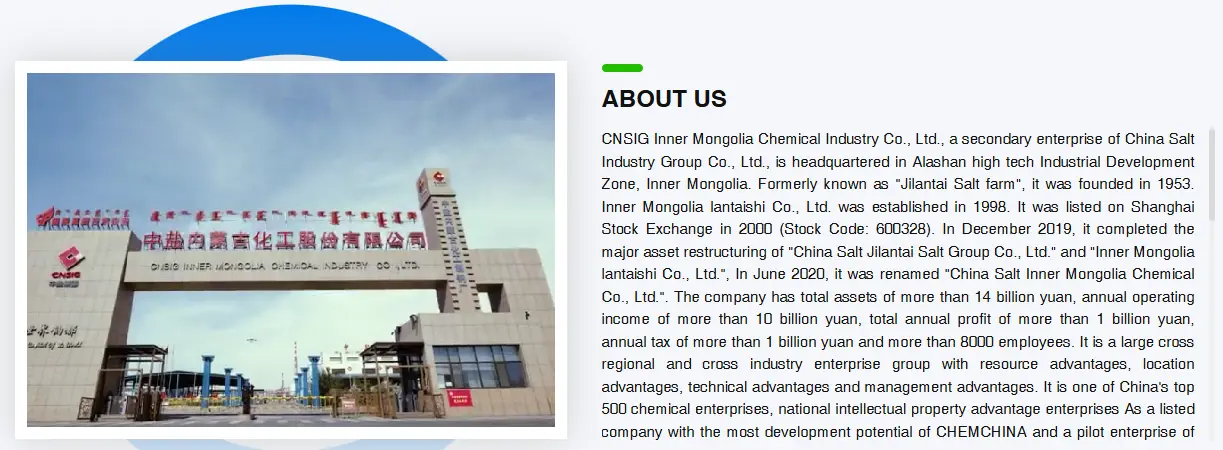
                            V. ​Gather Evidence Before Alerting the Supplier​
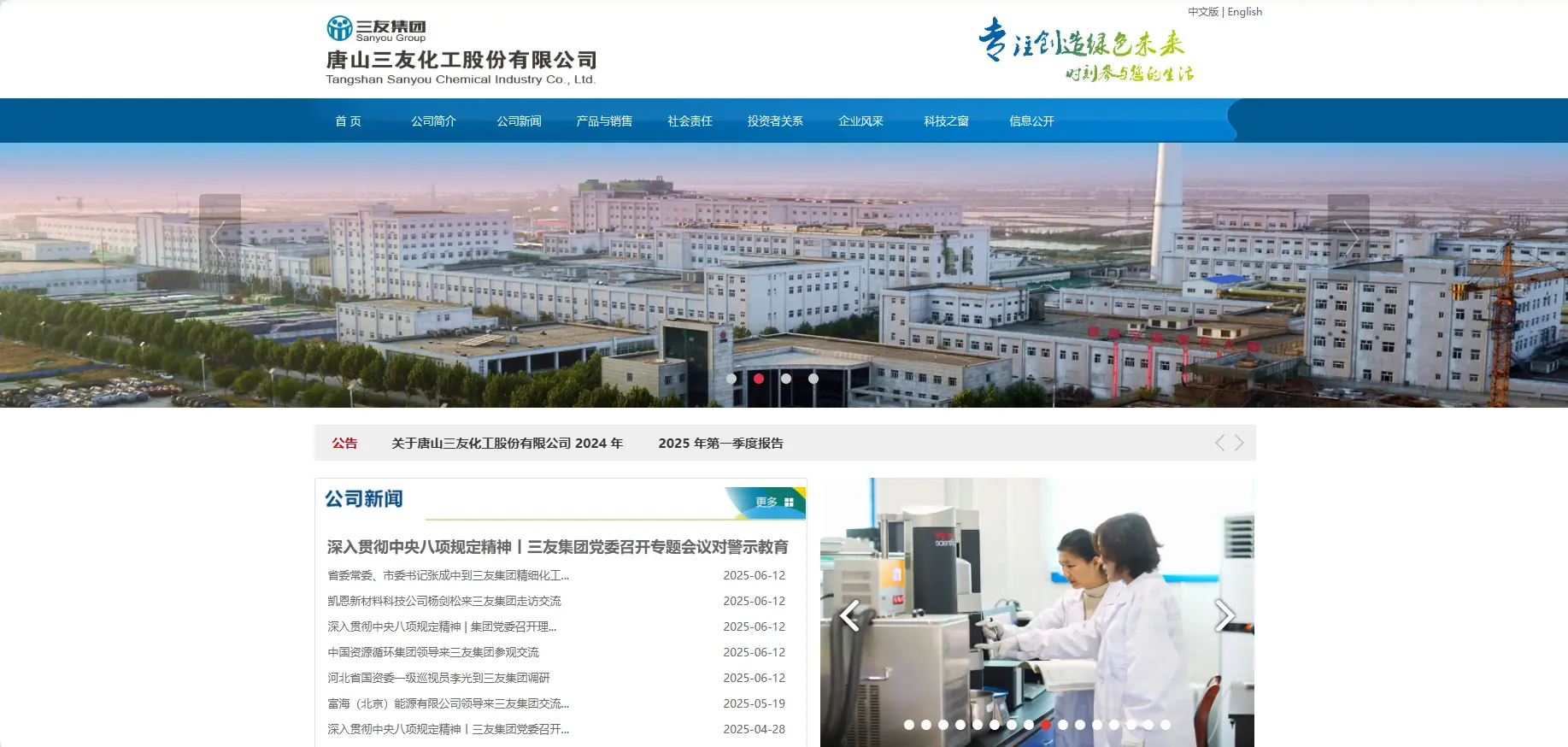
                            Chinese courts follow the principle: ​​“The burden of proof lies with the claimant.”​​ You must provide all evidence supporting your claim—don’t expect the other party to disclose helpful documents.

                            Challenges:​

                            • Defendants often ​deny or falsify facts​ with little legal consequence.
                            • Judges may disregard your evidence if the defendant disputes it—but ​rarely reject evidence the defendant admits or produces.

                            Strategy:​

                            • Secure written admissions​ of key facts before the supplier suspects litigation.
                            • Chinese courts prioritize ​documentary evidence, so prepare thoroughly before taking action.

                            As you embark on this journey, consider working with an experienced professional who can guide you through the intricacies of Chinese trade law. If you are ready to protect your interests in international trade, or need help resolving disputes and recovering payments from suppliers, contact IMEXsourcing for further assistance. With the expertise of our professional legal team, you can confidently to do business with the Chinese suppliers.

                            Message us for more information

                            Please let us know your request, we will get back to you within 24 hours.

                              How to Hire a Reliable Lawyer in China?

                              In international trade, understanding China’s legal environment can be a daunting task for foreign buyers. A reliable Chinese lawyer can help you avoid disputes when sourcing products and assist you in resolving international trade disputes. This guide will combine insights from experienced international trade lawyers to provide practical advice on hiring a trustworthy Chinese lawyer.

                              Understand the Importance of Reliable Lawyers in International Trade

                              In recent years, as more and more businesses trade with China, hiring a reliable lawyer has become increasingly important. The complexity of Chinese law, coupled with cultural differences and language barriers, can lead to misunderstandings and disputes. Hiring a good lawyer who is familiar with Chinese law and international trade regulations can protect your interests and ensure compliance.

                              With the right legal support, foreign buyers can minimize risks, handle contracts effectively, and resolve disputes. Whether you need to source products or recover funds from suppliers, the expertise of a reliable lawyer can bring a smoother experience to your transaction.

                              I. Clarify your Legal Needs

                              Before you start looking for a lawyer, it is crucial to clarify your legal needs. This may include:

                              • Contract negotiation and drafting
                              • Compliance with Chinese trade regulations
                              • Dispute resolution and litigation
                              • Intellectual property protection

                              Clarifying your specific needs will help you find a lawyer whose skills match your business goals.

                              II. Finding Potential Lawyers in China

                              Once you have determined your legal needs, the next step is to do in-depth research to find the right lawyer. Here are some practical strategies:

                              Online Directories and Bar Associations: Websites such as the China Bar Association or the International Lawyers Directory can provide lists of practicing lawyers who specialize in international trade.

                              Attorney Referrals: Asking for referrals from colleagues or other businesses that have successfully traded in China can yield useful leads.

                              Legal Forums and Social Media: Platforms such as LinkedIn or Legal Forums can provide information about reputable lawyers, as well as client reviews and ratings.

                              Consulting Services: Some law firms offer initial consultations to give you a sense of their expertise and approach to legal issues.

                              When evaluating potential lawyers, pay attention to their credentials, areas of expertise, and experience dealing with foreign clients.

                              III. Evaluate Qualifications and Experience

                              Understanding how to hire a reliable lawyer in China means thoroughly evaluating their qualifications and experience. Here are some key points to consider:

                              Education and credentials: Verify their education and any relevant certifications. Attorneys with advanced degrees in international law or trade may have a deeper understanding of your needs.

                              International trade specialization: Make sure the attorney has extensive experience in the field of international trade law, as this area is highly specialized.

                              Past cases: Ask about cases they have handled. This will give you an idea of their ability to handle disputes and how they might handle your situation.

                              Language skills: Make sure the attorney is fluent in both Mandarin and your native language. This can avoid miscommunication and make contract negotiations clearer.

                              Client reviews and testimonials: Look for online reviews, testimonials, and case histories of previous clients, especially those who have had similar experiences to yours.

                              IV. Communication and Cultural Considerations

                              Effective communication is a key element in working with Chinese lawyers. Due to cultural differences, misunderstandings are bound to occur, so it is crucial to establish clear lines of communication. Here are some considerations:

                              Regular updates: Make sure your lawyer commits to regular updates on your case progress. This allows you to stay informed and respond promptly when necessary.

                              Understand Chinese business etiquette: Familiarize yourself with Chinese business culture to enhance communication. For example, polite and formal expressions are often preferred in legal discussions.

                              Be transparent and clear: Look for a lawyer who communicates transparently and can explain complex legal terms in simple, easy-to-understand language. This is especially important for non-lawyers.

                              Understanding these cultural differences will not only help build a better working relationship, but also avoid potential legal disputes.

                              V. Build a Solid Partnership

                              Once you have hired an attorney, building a solid partnership is critical to success. It is essential to establish trust and keep open lines of communication. Here is how to ensure a productive partnership:

                              Set Clear Expectations: Discuss your goals and be clear about expectations for timelines, deliverables, and fees. A written agreement outlining these points can be helpful.

                              Stay Engaged: Actively participate in your case, review documents, and provide feedback when necessary. Engagement demonstrates your commitment to the process.

                              Be Receptive to Feedback: A reliable attorney may be able to provide critical feedback or suggest alternative strategies. Receiving their professional advice is essential to effectively navigate legal challenges.

                              Evaluate Progress: Schedule regular reviews to evaluate your case progress. This helps identify any issues that may arise.

                              VI. Final Thoughts on Hiring a Lawyer in China

                              Hiring a reliable Chinese lawyer is a critical step in safeguarding your interests when navigating the complexities of international trade matters. Whether sourcing products or handling disputes, legal expertise can make a huge difference.

                              By understanding your legal needs, researching potential attorneys, and establishing effective communication, you can mitigate the risks associated with international trade. Be sure to evaluate the attorney’s credentials and maintain an open relationship with your attorney.

                              As you embark on this journey, consider working with an experienced professional who can guide you through the intricacies of Chinese trade law. If you are ready to protect your interests in international trade, or need help resolving disputes and recovering payments from suppliers, contact IMEXsourcing for further assistance. With the expertise of our professional legal team, you can confidently to do business with the Chinese suppliers.

                              Message us for more information

                              Please let us know your request, we will get back to you within 24 hours.