Speaking of China’s shopping platforms, Alibaba is a well-known brand that cannot be ignored. Its four major shopping platforms — Alibaba.com, 1688.com, Taobao.com and AliExpress — cover diverse trade scenarios, and 1688.com stands out for its exceptional cost-effectiveness. This article will elaborate on the characteristics and practical usage guidelines of the 1688.com.
I. Overview of Alibaba’s Four Major Shopping Platforms
Below is a core introduction to Alibaba’s four major shopping/trade platforms, namely Alibaba.com (International), 1688.com (), Taobao.com, and AliExpress. It helps you quickly distinguish and select the right platform for your needs.
Positioning: A global B2B import and export trade platform launched in 1999. It serves corporate buyers and suppliers worldwide, focusing on bulk procurement, customization, and cross-border trade.
Key Features: Supports multiple languages and currencies, provides foreign trade payment and settlement solutions such as L/C (Letter of Credit) and TT (Telegraphic Transfer), and offers full supply chain services including customs clearance, logistics, and factory audits. It covers a complete range of categories including industrial products, consumer goods, and raw materials.
Applicable Scenarios: Enterprise export order acquisition, overseas bulk purchasing, and customized production cooperation. 🌐
Positioning: A domestic B2B wholesale platform in mainland China, evolved from Alibaba’s early domestic website. It focuses on domestic industrial belts and source suppliers, mainly engaging in spot wholesale, low-minimum-order-quantity purchases, and corporate procurement.
Core Audience: Sellers on online or mobile platforms like Taobao (Tmall), Douyin (TikTok), JD and PDD (Temu), physical store owners, purchasers from small, medium, and micro enterprises, and individuals making small-batch purchases.
Key Features: Concentrates source factory goods from industrial belts, supports dropshipping, customized processing, and corporate bulk purchasing. It provides merchant certification and guarantee services such as Integrity Pass, covering categories including apparel, 3C products, home furnishings, and industrial goods.
Applicable Scenarios: Stock preparation for online stores, purchasing for physical stores, corporate administrative/production procurement, and small-batch trial sales. 📦
Positioning: Tmall.com & Taobao.com are comprehensive retail platforms in mainland China, Taobao.com was launched in 2003. Based on the C2C marketplace model, it integrates B2C (tmall.com) and content e-commerce, covering full-category retail business.
Core Audience: Domestic individual consumers, small and medium-sized merchants, and brand merchants (including tmall.com – Taobao enterprise stores).
Key Features: Boasts a rich variety of products and flexible pricing, supporting marketing models such as live-streaming commerce. It is equipped with Alipay secured transactions, Cainiao Logistics, and a sound after-sales service system. It also offers diverse supplies including second-hand goods, auctions, and characteristic agricultural products, exclusively serving domestic C-end customers in China.
Applicable Scenarios: Daily personal shopping, purchasing niche/customized products, placing orders via live streams, and second-hand transactions (goofish.com). 🛒
Positioning: A cross-border B2C retail platform targeting global consumers, launched in 2010. It focuses on the “one store sells to the world” model, catering to both small-batch wholesale and retail businesses.
Core Audience: Overseas individual consumers, small wholesalers, and overseas purchasing agents.
Key Features: Covers over 200 countries and regions worldwide with multi-language sites, supporting international logistics and cross-border payments. It has launched the AliExpress Choice service (including free shipping, return policy, and delivery time commitment). Its advantageous categories include 3C products, apparel, and home furnishings, with regular global promotion campaigns.
Applicable Scenarios: Chinese merchants engaging in cross-border retail, overseas consumers directly purchasing Chinese goods, and small-batch cross-border wholesale. 🚢
Since its establishment in 1999, as the pioneering business segment under Alibaba Group, 1688 has evolved from an initial B2B information directory platform into a pivotal commercial ecosystem hub covering the entire industrial chain. Today, the platform connects millions of source factories and serves hundreds of millions of buyers (the majority being wholesalers). Its unique dual – sided attribute (linking supply and demand) endows it with distinct advantages alongside inherent drawbacks.
II. Core Advantages: Irreplaceability Rooted in Industrial Clusters
1688’s core competitiveness stems from its solid industrial foundation and precise positioning, forming three key advantages that have secured its long – standing leadership in the B2B sector.
Solid Supply Chain Foundation with Prominent Source – Direct Attributes
As a leading domestic platform for source factory goods, 1688 has established a nationwide network of industrial clusters. By the end of 2023, it had gathered 1 million source manufacturers, covering 100 industrial locations each with a 10 – billion – yuan scale, and the annual number of active products reached 150 million. Ranging from apparel and luggage in the Pearl River Delta (The Guangzhou-Shenzhen Urban Agglomeration), electronic components in the Yangtze River Delta (The Shanghai-Nanjing-Hangzhou Urban Agglomeration), to small commodities in Yiwu and furniture in Foshan, the platform directly links factories to buyers, completely simplifying the traditional supply chain model of “factory – intermediate dealer – buyer”. This source – direct feature not only enables buyers to access cost – effective products such as “high – end brand alternatives” and “factory – same – source goods” but also achieves the precise matching of factory production capacity with market demand, maximizing the operational efficiency of the supply chain.
Comprehensive Dual – sided Ecosystem and Strong User Stickiness
After more than two decades of development, 1688 has built a large – scale and diverse supply – demand ecosystem. Data shows that the number of merchant members on the platform has exceeded 1 million, with buyer members reaching 200 million, including 65 million B – end buyers. The annual transaction volume has stabilized at 800 billion yuan. The platform offers diverse sourcing scenarios: it provides one – click listing services for sellers on domestic e – commerce platforms such as Taobao and Douyin, features cross – border listing functions for overseas markets, and delivers customized solutions for physical store owners and corporate procurement teams.
III. Existing Disadvantages: Inevitable Challenges Amidst Scale Expansion
In the process of rapid development and continuous expansion of both supply and demand sides, 1688 has exposed a series of issues that hinder the upgrading of platform experience. These challenges mainly focus on merchant management, service standards, competitive barriers, and international adaptation.
Uneven Merchant Qualifications and Difficult Quality Control
The million – level merchant scale brings abundant supply but also leads to distinct stratification in merchant qualifications. Some small – sized manufacturers lack complete certifications and standardized quality inspection processes, resulting in “same – style but different – quality” products on the platform. A handful of merchants even engage in false advertising and pass off inferior products as high – quality ones to seize traffic, which not only damages the legitimate rights and interests of buyers but also undermines the operations of high – quality merchants.
Inconsistent Service Standards and Differentiated After – sales Experience
Most merchants on 1688 are small and medium – sized enterprises (SMEs) and factories, which generally lack mature e – commerce service capabilities, leading to uneven service quality. Some factory merchants, accustomed to offline transactions, face problems such as delayed online responses and insufficient professional communication. In the after – sales process, disputes frequently arise regarding the liability for return shipping costs and compensation for quality issues. Moreover, the efficiency and standards of the platform’s intervention in mediation are not yet unified. This non – standardized service model stands in sharp contrast to the sophisticated service systems of C – end e – commerce platforms and has become one of the primary pain points for user complaints.
Fierce Homogeneous Competition and Weakened Differentiated Advantages
In popular categories such as apparel and small commodities, a large number of merchants adopt similar production technologies and pricing strategies, intensifying homogeneous competition. Many SMEs lack core technologies and independent design capabilities, and can only compete for the market through low prices. This not only compresses their own profit margins but also traps the platform in a vicious cycle of “price wars”. As a result, buyers are prone to falling into low – price traps and purchasing inferior products during actual procurement.
Inadequate International Adaptation and Language Barriers
The platform’s core customer base consists mainly of domestic merchants, with a purely Chinese – language environment and insufficient support for foreign languages. Meanwhile, most merchants on 1688 lack foreign language proficiency and are basically unable to communicate directly with overseas customers in other languages, which severely restricts the platform’s international development.
IV. Portrait of 1688’s Customer Base
1688’s customer base has evolved beyond professional B2B buyers to include two key groups: procurement agents acting like large-scale consumers and aggregated small and medium-sized businesses (SMBs). These distinct segments, each with unique demand profiles, together form the platform’s vast and dynamic buyer ecosystem.
Core Business Customers: Small and Medium – sized E-commerce Sellers and Physical Store Operators
This group constitutes the core buyers of 1688, including small and medium – sized (SMEs) e-commerce sellers on platforms such as Taobao, Pinduoduo, Douyin, and Kuaishou, as well as physical store owners and community group buying leaders, accounting for over 60% of the total buyers. Their core demands focus on “stable supply sources + high cost-effectiveness + fast delivery”. They have high procurement frequency and strong repurchase willingness, and are highly dependent on the platform’s one – click listing and dropshipping services. Among them, the proportion of young e – commerce sellers under 30 is increasing year by year, accounting for 50% of the total young buyers. This group attaches greater importance to digital services such as AI product selection tools and market trend analysis.
Corporate Procurement Customers: SMEs and Institutional Buyers
This category includes administrative procurement and production material procurement of various SMEs, as well as material procurement of institutions such as schools and hospitals, accounting for approximately 20% of the total buyers. Their procurement is characterized by “large batch sizes + stable demand + high qualification requirements”. They pay more attention to rigid indicators such as the factory’s production capacity, quality inspection reports, and delivery cycles, and frequently use inquiry tools or plug-ins for price history. For some large – scale procurement projects, customers also conduct offline inspections through platform connections and sign formal procurement contracts.
Cross – border Platform Customers
A growing number of international e – commerce platforms choose to source goods on 1688 and list them on their own platforms via cross – border listing. After overseas customers place orders, the products are directly delivered to them from China via international courier services.
V. Portrait of 1688’s Merchant Groups
1688’s merchant groups are centered around industrial clusters, presenting a structural feature of “factories as the mainstay, traders as supplements, and service providers as complements”. Different types of merchants have distinct positioning and demands.
Source Factory Merchants: Core Supply Force
Accounting for approximately 50% of the total merchants, they are the core suppliers of goods on the platform. They are mainly distributed in the Yangtze River Delta, the Pearl River Delta, and major inland industrial clusters, covering various categories such as electronics, apparel, furniture, and hardware. Their core advantages lie in stable production capacity and low prices, but they generally lack brand awareness and online operation capabilities, with an urgent need for digital transformation. Their primary motivation for settling on the platform is to expand sales channels and absorb production capacity, and they have a strong demand for services such as AI marketing tools and online customer acquisition training.
Traders and Wholesalers: Channel Integrators
Making up about 30% of the merchants, this group includes regional wholesalers and brand agents. Although not direct manufacturers, they possess strong capabilities in supply integration and channel resources. They often act as agents for products from multiple manufacturers, providing “one – stop procurement” services for buyers, which are particularly suitable for the small – batch and multi – category procurement needs of small and medium – sized buyers. Their core competitiveness lies in supply chain integration capabilities and service response speed, with profit models mainly based on earning commodity price differences.
Brand Merchants and Service Providers: Ecosystem Complements
Accounting for roughly 20% of the merchants, this category includes OEM factories for well – known brands, independent brand merchants, and e – commerce service providers. OEM factories leverage their qualifications as suppliers for top brands to promote the “same – source quality” label; independent brand merchants create distinctive products through differentiated design; e – commerce service providers offer supporting services such as store operation, product photography, and logistics distribution for SMEs. Positioned at the mid – to high – end market, these merchants play a crucial role in enhancing the product quality and service standards of the platform.
In summary, 1688 is an extremely valuable procurement platform. Many products that are hard to find on platforms such as Alibaba.com and AliExpress are available on 1688. However, due to differences in the platform’s after – sales service standards and language barriers, overseas customers face significant difficulties in purchasing directly on 1688. For this reason, we have established IMEXsourcing. We can provide professional one – stop procurement services for overseas customers on 1688: you can select the required products on 1688 independently, and we will take full responsibility for subsequent processes including procurement coordination, goods consolidation and packaging, and after – sales service.
Message us for more information
Please let us know your request, we will get back to you within 24 hours.
I. Introduction: The “Climate-Controlled Cornerstone” of Modern Agriculture
In global agriculture and horticulture, greenhouses are indispensable infrastructure—ranging from small plastic film sheds for family farms to large-span glass greenhouses for commercial plantations and IoT-integrated intelligent multi-span greenhouses. Built with steel, glass, or PC panel structures and equipped with environmental control systems, they create stable growing conditions through light transmission, thermal insulation, and humidity regulation, underpinning continuous crop production and quality optimization.
China leads the global greenhouse production and export market. It boasts a complete industrial chain covering core components (steel frames, covering materials) to smart supporting systems (temperature control, irrigation, shading equipment). Large-scale manufacturing brings cost advantages, while upgraded technical standards—such as energy-saving insulation, IoT-based precision control, and eco-friendly materials—make Chinese greenhouses a top choice for global buyers. However, procurement requires attention to structural differences (single-span/multi-span), material specifications (glass/PC film thickness, steel frame corrosion resistance), and international certifications (ISO, CE) to mitigate supply risks.
This guide helps international buyers master key knowledge for sourcing from quality Chinese greenhouse manufacturers, enabling efficient supplier connection and access to high-performance, customized greenhouse solutions that meet diverse agricultural needs.
II. Main Application Scenarios of Greenhouses
1. Agricultural Production Scenarios
As the core application field of greenhouses, this category covers the entire crop planting chain and adapts to diverse geographical conditions and requirements:
Off-season Crop Cultivation: Breaking through climatic constraints, it enables the planting of vegetables such as tomatoes, cucumbers, and green peppers in northern China during winter, and the cultivation of cold-tolerant vegetables (e.g., spinach, lettuce) in southern China during summer, ensuring the year-round supply of fruits and vegetables. In flower cultivation, it supports the winter growth of cut flowers like roses and lilies to meet the market demand throughout the year.
Early-maturing/Late-maturing Crop Cultivation: In spring, greenhouses raise temperatures to advance the seedling cultivation of crops such as watermelons, strawberries, and eggplants. These seedlings are then transplanted to open fields when the external temperature is suitable, shortening the growth cycle and seizing market opportunities. In autumn, thermal insulation extends the crop growth period and delays the harvest time (e.g., late-maturing grapes and citrus fruits).
Specialty Crop Cultivation: It is used for growing high-value-added medicinal plants (e.g., Dendrobium officinale, ginseng), tropical crops (e.g., pitayas, bananas in northern regions), edible fungi (e.g., shiitake mushrooms, enoki mushrooms with controlled humidity and light), as well as soilless crops including hydroponic vegetables and aeroponic lettuce.
Seedling Propagation: It provides high-quality seedlings for open-field agriculture and horticulture, such as rice seedlings, vegetable seedlings, and fruit tree saplings. By controlling temperature and humidity inside greenhouses, the survival rate and growth consistency of seedlings are significantly improved.
2. Scientific Research and Experimental Scenarios
Agricultural research institutions use greenhouses to build controlled experimental environments for conducting studies on crop variety improvement, pest and disease control, water and fertilizer management technologies, and the impacts of environmental stress (high temperature, low temperature, drought). These facilities eliminate interference from natural environments and ensure the acquisition of accurate experimental data.
Relevant agricultural majors in universities utilize greenhouses for teaching practice, allowing students to intuitively understand crop growth patterns and protected agriculture operation techniques.
3. Tourism and Leisure Scenarios
Modern agricultural parks and eco-farms develop greenhouses into tourism and experience projects, such as picking gardens (for greenhouse-grown strawberries and cherry tomatoes), flower viewing greenhouses, and tropical plant pavilions. Combining agricultural experiences and popular science education, these projects promote the development of leisure agriculture and rural tourism.
4. Other Special Scenarios
In some regions, greenhouses serve as auxiliary facilities for livestock and poultry breeding. For example, insulated greenhouses are built for chicks and piglets in winter to reduce cold stress. They are also applied in aquaculture to control water temperature for raising tropical fish, shrimps, crabs, etc.
In cold northern regions, greenhouses are used for overwintering protection of seedlings, preventing frost damage and ensuring the survival rate of afforestation in the following year.
III. How Does a Greenhouse Work?
The core working principle of a greenhouse is to create a stable and suitable growing environment for crops by artificially constructing an enclosed or semi-enclosed space to regulate environmental factors such as light, temperature, humidity, and ventilation. It is not affected by drastic changes in the external natural climate, enabling off-season cultivation and improving crop yield and quality. Its operational mechanism revolves around “environmental regulation,” with key systems working synergistically, detailed as follows:
1. Core Energy Cycle: Temperature Regulation (Heat Preservation + Heating + Cooling)
Temperature is the most fundamental regulatory target of greenhouses, and dynamic balance is achieved through multiple structures and equipment:
Passive Heat Preservation and Heating: Greenhouses are mainly constructed with transparent covering materials (glass, PC solar panels, plastic films). During the day, these materials can efficiently transmit short-wave solar radiation, allowing the ground, soil, and crops inside the greenhouse to absorb heat and warm up. At night, when heat is emitted in the form of long-wave radiation, the enclosed structure reduces heat convection. Combined with thermal insulation blankets/straw mats (used at night in winter), the heat inside the greenhouse is retained to prevent sudden temperature drops. Some greenhouses in northern regions also lay thermal insulation layers under the soil to avoid root damage caused by excessively low ground temperatures.
Active Heating: In low-temperature seasons, auxiliary heating can be achieved through coal/gas-fired heaters, electric heating wires, or hot water pipe heating systems. Modern agricultural greenhouses are often equipped with geothermal systems, which utilize the constant temperature characteristics of the underground to provide a stable heat source. Others adopt biomass combustion furnaces, balancing environmental protection and heating needs.
Active Cooling: During high-temperature summer, ventilation systems (roof vents + side vents) are used to form air convection and expel hot air. Shade nets are deployed to block part of the intense sunlight and heat, preventing crop scorching due to overheating inside the greenhouse. High-end greenhouses are installed with pad-fan cooling systems, which realize rapid cooling by absorbing heat through water evaporation.
Light is the energy source for crop photosynthesis. Greenhouses optimize light conditions through structural design and auxiliary equipment:
Efficient Utilization of Natural Light: Most greenhouses adopt arch/ sloped structures and are oriented north-south (in the Northern Hemisphere) to ensure crops receive uniform sunlight, reducing shadow coverage. Transparent covering materials with high light transmittance are selected, and surface dust and snow are regularly cleaned to avoid affecting light penetration.
Artificial Light Supplement: In winter with short daylight hours or rainy and cloudy weather, LED grow lights, high-pressure sodium lamps and other equipment are used for supplementary lighting. This extends the photosynthesis duration of crops and promotes their growth and development. The light spectrum of supplementary lamps can be adjusted according to crop types (e.g., leafy vegetables require mainly blue light, while fruit vegetables need primarily red light).
3. Humidity and Ventilation: Regulating Air Humidity to Prevent Pests and Diseases
High humidity is prone to occur in enclosed environments, leading to crop diseases. Thus, humidity needs to be regulated through ventilation and humidity control equipment:
Natural Ventilation: By opening roof and side vents, air convection is formed relying on temperature differences and wind power between inside and outside the greenhouse. This expels high-humidity air and introduces dry external air to reduce humidity.
Forced Ventilation: In large-scale greenhouses or windless weather, circulation fansare activated to accelerate air flow inside the greenhouse, avoiding local excessive humidity. Dehumidifiers (equipped in high-end greenhouses) are used for precise humidity control.
Humidity Utilization: For humidity-loving crops (such as strawberries and lettuce), spray systems can be used to increase air humidity and meet their growth requirements. Meanwhile, appropriate humidity reduces crop water evaporation, saving irrigation water.
4. Water and Fertilizer Management: Precise Supply to Improve Resource Utilization
Most greenhouses are equipped with water-saving irrigation and precision fertilization systems, which avoid water and fertilizer waste in traditional planting and meet the needs of crops at different growth stages:
Irrigation Methods: Common systems include drip irrigation and micro-sprinkler irrigation, which deliver water directly to the vicinity of crop roots, reducing evaporation and seepage. Some greenhouses are installed with ebb and flow irrigation systems, allowing crop roots to fully absorb water and nutrients through periodic water rise and fall.
Integration of Water and Fertilizer: Fertilizers are dissolved in irrigation water and accurately delivered to crop roots through pipelines, realizing “fertilization while irrigation.” This not only saves fertilizer consumption but also prevents soil compaction and improves crop absorption efficiency. Some systems can automatically adjust the water-fertilizer ratio based on crop growth data.
5. Other Auxiliary Systems (Modern Agricultural Greenhouses)
With technological advancement, high-end greenhouses integrate more intelligent systems to achieve automated and precise management:
Intelligent Control Systems: Sensors are used to real-time monitor data such as temperature, humidity, light, CO₂ concentration, and soil moisture inside the greenhouse. Computers or mobile apps automatically control the operation of ventilation, irrigation, light supplement, fertilization and other equipment, reducing manual intervention.
CO₂ Fertilization Systems: In enclosed environments, crop photosynthesis consumes a large amount of CO₂, resulting in reduced concentration. CO₂ generators (e.g., natural gas or biomass combustion) are used to supplement CO₂, improving crop photosynthesis efficiency and increasing yield.
Insect Screens and Pest Control: Insect screens are installed at greenhouse entrances and vents to physically block pests from entering. Combined with green prevention and control equipment such as sticky traps and insect-killing lamps, pesticide use is reduced, achieving green planting.
IV.How to Choose a Greenhouse?
Selecting export – oriented greenhouses requires focusing on core needs (crop types, target country’s environment, budget costs, technical adaptability), and making comprehensive decisions based on the product’s structural strength, weather resistance, operational convenience, and the industry standards of the target market. Below is a systematic selection framework and practical recommendations:
Clarify Core Needs: Pinpoint the Core Direction of Selection
Determine Greenhouse Grade by Crop Type
Common leafy vegetables (lettuce, romaine lettuce) and short – term seedling raising: Have low requirements for environmental control. Simple plastic film greenhouses are optional, balancing cost and practicality;
High – value – added crops (strawberries, tomatoes, high – end flowers): Require precise control of temperature, humidity, and light. Prioritize glass greenhouses or PC board intelligent greenhouses to meet the needs of refined cultivation;
Heat – loving crops (succulents, tropical fruits and vegetables): Need to be equipped with heating systems for cold target countries, and medium – sized plastic film greenhouses with cooling equipment can be selected for hot regions.
Determine Specifications by Planting Scale and Cycle
Home planting/small – scale experiments: Recommend small – sized plastic film greenhouses with a span of 5 – 8 meters and a length of 20 – 30 meters, which are flexible for assembly and disassembly and have low transportation costs;
Large – scale commercial planting (over 100 mu): Choose multi – span greenhouses with a span of 12 – 20 meters. They have high space utilization, adapt to foreign mechanized farming models, and improve production efficiency.
Balance Investment by Budget and Return
Low – cost short – term projects (1 – 3 years): Prioritize simple plastic film greenhouses, which are quick to build and low in cost, suitable for short – term leased land or trial planting needs;
Long – term stable operations (more than 5 years): Invest in glass or PC board greenhouses, which are durable and have low operational and maintenance costs. They conform to the long – term profit logic of large – scale agriculture abroad and enhance product competitiveness.
Adapt to Foreign Environments: Address Global Regional Climatic Differences
Customize the greenhouse structure and supporting systems according to the climate characteristics (temperature, light, wind force, rainfall, etc.) of the target export country, while complying with local building codes and disaster resistance standards:
Cold/Temperate Regions (North America, Europe, Central Asia, etc.)
Core needs: Strong thermal insulation, resistance to heavy snow, and efficient heating;
Recommended types: Solar greenhouses (designed with a south – facing slope, covered with thickened thermal insulation blankets at night to reduce energy consumption), multi – span plastic film/glass greenhouses (equipped with oil/gas – fired heating systems and geothermal heating equipment);
Key configurations: Snow – load – resistant reinforced steel frames, double – layer insulated glass/thickened PC boards, soil cold protection layers, and automatic film – rolling thermal insulation systems.
Tropical/Subtropical Regions (Southeast Asia, South America, Southern Africa, etc.)
Recommended types: Multi – span plastic film greenhouses (equipped with high – density shade nets and pad – fan cooling systems), detachable film arch sheds (the film can be removed in summer for natural ventilation);
Key configurations: Typhoon – resistant reinforced frames, heavy rain drainage gutters, insect screens, and UV – resistant special plastic films.
Rainy and Low – Light Regions (Western Europe, surrounding areas of South American rainforests, etc.)
Core needs: High light transmittance, adaptability to artificial supplementary lighting, moisture prevention, and mildew resistance;
Recommended types: Multi – span glass greenhouses (with a light transmittance of over 90%, stable and non – aging for a long time), matched with LED plant growth lamp supplementary lighting systems;
Arid and Sandy Regions (Middle East, Northern Africa, etc.)
Core needs: Wind and sand resistance, water – saving irrigation, and moisture retention;
Recommended types: Closed PC board greenhouses to reduce wind and sand erosion, equipped with integrated water and fertilizer systems;
Key configurations: Wind and sand filter screens, drip/micro – sprinkler irrigation equipment, and soil water – retaining agent laying layers.
Focus on Key Configurations: Enhance the Practicality and Competitiveness of Export Products
In addition to the basic structure, supporting equipment directly determines the planting efficiency and adaptability of the greenhouse. It is necessary to configure them according to the agricultural technical level and usage habits of the target country:
Basic Essential Configurations: Bidirectional vents (top + side) to improve air circulation, high – density insect screens (complying with foreign green planting standards), and water – saving irrigation systems (drip/micro – sprinkler irrigation, adapting to the water shortage situation in arid regions);
Climate – Adapted Configurations: Add thermal insulation blankets and oil – fired heating equipment for cold regions, install shade nets and pad – fan cooling systems for tropical regions, and configure full – spectrum LED supplementary lights for low – light regions;
Intelligent Upgrade Configurations: Temperature/humidity/light/CO₂ concentration sensors, mobile APP remote automatic control systems, and intelligent integrated water and fertilizer equipment, which are in line with the needs of large – scale and refined agricultural management in developed countries such as Europe and the United States;
Export – Exclusive Configurations: Electrical equipment that meets the voltage standards of the target country, internationally universal interface accessories, and multilingual operation manuals to reduce the usage threshold for overseas users.
Consider Subsequent Operation and Maintenance: Reduce Long – Term Usage Costs for Overseas Users
Convenience of Maintenance: Adopt greenhouses with modular design and standardized production of accessories to facilitate replacement and maintenance for overseas users; plastic film greenhouses are equipped with easily replaceable special films, and glass/PC board greenhouses use impact – resistant materials to reduce maintenance frequency;
Energy Consumption Optimization: Prioritize materials with good thermal insulation and energy – saving equipment, such as solar – assisted heating systems and photovoltaic shade sheds, to reduce electricity/fuel costs for users in the target country;
Site Adaptability: Design greenhouse solutions that can adapt to different terrains. Multi – span greenhouses are suitable for flat land, and solar greenhouses are suitable for sloping land. At the same time, provide customized site planning suggestions to expand the product’s adaptation range.
V. How to Find Greenhouse Suppliers in China?
There are multiple ways to find wholesalers of greenhouses and related products in China, as follows:
Google Search
Enter keywords like “China greenhouse suppliers” to quickly screen top suppliers and check their official websites and customer reviews.
Trade Exhibitions
Attend agricultural and greenhouse equipment exhibitions to communicate with suppliers face-to-face, understand products intuitively and establish cooperation.
Alibaba.com
As a cross-border B2B platform, enter keywords to find a large number of suppliers and communicate online about quotations and customization needs.
made-in-china.com
Filter greenhouse manufacturers by category or location, check quality inspection reports and qualifications to reduce procurement risks.
Chinese Toilet Paper Bases
Main bases: Qingzhou (Shandong), Yongnian (Hebei), Foshan (Guangdong).
Procurement Agent
Hire IMEXsourcing to accurately connect with suppliers according to needs and assist in completing orders and quality inspections.
VI. What are the Production Bases of Greenhouses?
Qingzhou, Shandong 🇨🇳 🌐: Known as “China’s Hometown of Flowers and Trees”, it has in-depth integration of the greenhouse manufacturing industry and the flower industry, with leading production capacity and market share. Its products include glass/membrane multi-span greenhouses and solar greenhouses, with large export volume. It also provides a complete industrial chain supporting resources such as seedling raising, irrigation and temperature control, suitable for bulk procurement and customized export orders.
Yongnian, Hebei 🥬 🚛: A core production area for protected leafy vegetables in North China, featuring a large scale of protected vegetable cultivation. Its main products are solar greenhouses, steel-framed arch sheds and small-to-medium arch sheds. Equipped with a mature intensive seedling raising system and high annual seedling output, its products focus on the early spring leafy vegetable market in Beijing and Tianjin, suitable for bulk procurement of standardized leafy vegetable greenhouses and meeting the needs of small and medium-sized farmers as well as cooperatives.
Foshan, Guangdong 🌸 🔬: Focused on supporting the cultivation of high-value flowers (such as phalaenopsis) and special fruits and vegetables, it mainly produces intelligent glass multi-span greenhouses and membrane steel structure greenhouses. These greenhouses integrate technologies including precise temperature control, integrated water and fertilizer systems, and light-converting agricultural films, adapting to the high-temperature and high-humidity environment in South China. Its products cover the Pearl River Delta and are exported overseas, with strong demand for high-value greenhouse facilities.
VII. Major Domestic Manufacturers of Greenhouses in China
1. Chengdu Chengfei Green Environment Technology Co., Ltd.
Since its inception in 1996, Chengfei Greenhouse has provided a full range of greenhouse services for global customers and gained wide recognition for its quality solutions and services.
A core manufacturer in Qingzhou, offering glass/PC multi-span greenhouses, photovoltaic greenhouses with irrigation and temperature control, ideal for flowers, vegetables and seedling raising.
3.Foshan Kunyu Greenhouse Engineering Co., Ltd.
A benchmark for high-value flower greenhouses in South China, specializing in phalaenopsis-specific greenhouses with precise environmental control, suitable for high-temperature, high-humidity and typhoon-prone climates.
A leading greenhouse enterprise in Southwest China, offering film multi-span greenhouses, solar greenhouses and seedling facilities, with rich construction experience adapting to mountainous climates in Southwest China.
5. Qingzhou Huade Agricultural Equipment Co., Ltd
Covers Venlo-type glass, PC, film multi-span and solar greenhouses; customizes ecological restaurants and photovoltaic greenhouses.
Main products are single tunnel greenhouse,multi span film greenhouse,polycarbonate greenhouse,Venlo glass greenhouse,Photovoltaic greenhouse,winter solar
greenhouse,blackout greenhouse,hydroponic system, greenhouse film,cooling fan and pad,shading system, heating system,nursery bench,etc.
Covers Venlo-type glass, PC, film multi-span and solar greenhouses; customizes ecological restaurants and photovoltaic greenhouses, serving provinces nationwide.
VIII. Precautions for Purchasing Greenhouses: A Guide to Informed Decisions
After identifying potential greenhouse suppliers and their products, follow these steps to ensure a smooth procurement process:
Request samples or site visits first: Always ask for structural samples (e.g., frame materials, covering films/panels) or arrange site visits to existing projects before placing bulk orders. Check core quality such as frame load-bearing capacity, covering material lighttransmittance/insulation, joint firmness, and corrosion resistance, while confirming that structural specifications and accessory configurations meet your planting needs.
Evaluate production and customization capabilities: Inquire about the supplier’s daily/monthly production capacity of greenhouse components and overall installation cycles to ensure they can fulfill bulk or customized orders (e.g., special spans, climate-adapted designs). Confirm consistency in material quality across batches (e.g., no differences in steel frame thickness or film UV resistance).
Consider after-sales support: Confirm the supplier offers after-sales guarantees such as on-site maintenance for structural failures, replacement of damaged parts during transportation, and technical guidance for installation and operation. For intelligent greenhouses, clarify the warranty period for control systems and the availability of troubleshooting services.
Calculate total costs: Beyond the unit price of the greenhouse, include costs for auxiliary equipment (e.g., irrigation, temperature control systems), transportation fees for bulk components, on-site installation labor costs, and additional expenses for customization (e.g., anti-typhoon reinforcement, intelligent sensor integration).
Verify qualifications and certifications: Use third-party inspection services or platform certifications to check if the supplier holds relevant certifications (e.g., ISO, agricultural facility production licenses) and if materials meet safety and environmental standards (e.g., non-toxic and pollution-free covering films, corrosion-resistant and durable steel frames).
IX. Choose IMEXsourcing as Your Greenhouse Sourcing Partner in China
When procuring high-quality greenhouses and related equipment from China, partnering with an experienced and reliable sourcing agent is crucial. IMEXsourcing stands out with a comprehensive service suite to streamline your procurement process and secure exceptional value, with core advantages as follows:
Extensive procurement expertise: With years of experience in the greenhouse sourcing industry, we accurately connect you with top Chinese suppliers, covering a full range of products including intelligent glass multi-span greenhouses, solar greenhouses, film arch sheds, and matching equipment (irrigation systems, temperature control devices) to meet diverse procurement needs for different crops and climates.
Bespoke solutions: We support customization based on your requirements, including greenhouse span/size, covering material selection (glass/PC board/anti-UV film), climate-adapted designs (anti-typhoon/insulation reinforcement), and intelligent system configuration (IoT monitoring, automatic water-fertilizer integration), perfectly aligning with your planting scale, crop types and regional environmental characteristics.
Strict supplier verification: We conduct comprehensive factory audits on cooperative manufacturers, verifying production capacity, structural design capabilities and quality control processes to ensure suppliers hold relevant certifications (e.g., ISO, agricultural facility production licenses) and products meet domestic and international safety and performance standards (load-bearing capacity, light transmittance).
Professional negotiation capabilities: Leveraging industry resources and aggregated procurement volume, we secure the most favorable pricing and terms for you, minimizing procurement costs while avoiding hidden expenses such as substandard materials or delayed delivery.
Full-cycle quality assurance: We implement a robust end-to-end quality management system, including sample confirmation, production process supervision, and pre-shipment inspection (verifying core indicators such as frame firmness, covering material performance, and accessory completeness), ensuring stable quality of delivered greenhouses and equipment.
X. Conclusion
In conclusion, the Chinese greenhouse market offers abundant opportunities for global buyers. By carefully researching product categories (from cost-effective film arch sheds to high-end intelligent glass multi-span greenhouses, cold-resistant solar greenhouses, and crop-specific custom facilities), clarifying technical parameters (such as structural load-bearing standards, climate-adapted configurations for diverse regions, and requirements for light transmittance and thermal insulation), and following a systematic procurement process, importers can source high-quality, cost-effective greenhouses to meet diverse market demands—whether for commercial crop cultivation, agricultural park development, or high-value flower planting needs.
Partnering with IMEXsourcing provides solid protection for your procurement journey. We understand that the greenhouse industry involves complex structural manufacturing and multi-system integration, and some factories may face operational instability risks, leading to issues like order delays, substandard component quality, and advance payment losses. Additionally, IMEXsourcing boasts a strategic location, just a 1-hour drive from Qingzhou, Shandong—the largest core greenhouse production base in China—enabling quick on-site inspections and real-time production supervision. Through on-site verification, we confirm factories’ actual operating status (e.g., equipment advancement, engineering team professionalism), financial health (e.g., potential cash flow risks), and past performance records (e.g., project completion timeliness), helping you screen high-quality manufacturers with stable operations and strong risk resistance from the source, and completely avoiding financial losses and procurement disruptions caused by factory operational problems.
Message us for more information
Please let us know your request, we will get back to you within 24 hours.
I. Introduction: The “Invisible Cornerstone” of Global Essentials
In global livelihood and business sectors, toilet paper is a high-frequency essential—from household rolls/tissue packs to commercial large-roll paper and industrial cleaning wipes. Made from wood/bamboo pulp, it ensures daily order and public health via softness and water absorption.
China leads global toilet paper production and export: its complete industrial chain, scale-driven cost advantages, and upgraded environmental standards (e.g., degradability, fluorescent agent control) make it the top choice for global buyers. However, procurement requires attention to raw material differences (wood/bamboo pulp), specifications (grammage/plies), and hygiene certifications (FDA/CE) to avoid risks.
This guide helps international buyers master core knowledge for sourcing from quality Chinese manufacturers, connecting efficiently with suppliers to obtain high-quality products that meet needs.
II. Product Type Introduction and Classification
Household Daily Use
Toilet Rolls: The most common type, with/without cores, 2-4 plies, compatible with home toilet roll holders. Single-roll grammage ranges from 100g to 200g, balancing softness and durability.
Facial Tissues: Boxed or bagged, single sheets extracted independently, used for hand/mouth wiping in living rooms/bedrooms. Some add wet strength agents to resist breaking when wet.
Commercial Scenarios
Jumbo Toilet Rolls: Large diameter and long length (over 200 meters usually), compatible with commercial roll holders in hotels, office buildings, and restaurants. Focus on durability to reduce replacement frequency.
Commercial Hand Towels: Thick and highly absorbent, mostly folded (e.g., Z-fold, C-fold), used for hand drying in public restrooms like malls and airports.
Special Functions
Bamboo Pulp Toilet Paper: Made from bamboo fiber, naturally antibacterial and degradable, suitable for eco-conscious users or those with sensitive skin.
Wet Toilet Wipes: Contain mild cleaning ingredients, moderately moist, for deep cleaning. Some are water-soluble and flushable in toilets.
Industrial Cleaning Paper: Tough and tear-resistant, used for wiping factory equipment and cleaning oil stains. No civilian softeners added, focusing on practicality.
III. How to Choose Good Toilet Paper
1.Check Raw Material Composition
Prioritize products labeled “100% virgin wood pulp” or “bamboo pulp”—these materials have long fibers and good toughness, with less lint during use. Avoid products with high proportions of “recycled pulp” (unless clearly meeting hygiene standards), as they may contain more impurities and have poor water absorption. Choose wood pulp for household use (for softness) or bamboo pulp for eco-friendly needs; for industrial use, focus on products with “pure wood pulp + tough formula”.
2.Verify Core Performance Indicators
Plies and Grammage: For household use, 2-4 plies (balancing softness and thickness) with a single-roll grammage of 150-200g are more durable; for commercial jumbo rolls, check “grammage per square meter” (usually 40-60g/㎡)—sufficient grammage prevents tearing.
Water Absorption: A simple test: dip a sheet in water—quality products absorb water quickly without breaking. For hand towels, focus on “wet strength” to avoid tearing during use.
Lint Resistance: Wipe a dry sheet lightly on your arm—good products leave no obvious fiber residue, while low-quality ones shed lint easily, affecting user experience.
3.Confirm Safety and Environmental Standards
Check packaging for labels like “food-contact safe”, “no fluorescent agents”, or “degradable”. For household use, products should comply with national standards such as GB/T 20810 (toilet paper) or GB/T 24455 (facial tissues) (China). For export or high-quality needs, prioritize products certified by FDA (US) or CE (EU) to ensure no harmful additives.
4.Choose the Right Type for the Scenario
Use cored/non-cored toilet rolls for home bathrooms (matching your roll holder) and facial tissues for living rooms (easy extraction); commercial jumbo rolls are ideal for hotels and offices (reducing replacements), and folded hand towels for mall restrooms (high water absorption); for sensitive skin, prioritize bamboo pulp paper or products labeled “mild and non-irritating”.
IV. How to Find Toilet Paper Suppliers in China
There are multiple ways to find wholesalers of toilet paper and related products in China, as follows:
Google Search
Enter keywords like “China toilet paper suppliers” to quickly screen top suppliers and check their official websites and customer reviews.
Trade Exhibitions
Attend tissue and hygiene product exhibitions to communicate with suppliers face-to-face, understand products intuitively and establish cooperation.
Alibaba.com
As a cross-border B2B platform, enter keywords to find a large number of suppliers and communicate online about quotations and customization needs.
made-in-china.com
Filter toilet paper factories by category or location, check quality inspection reports and qualifications to reduce procurement risks.
Chinese Toilet Paper Bases
Main bases: Weifang (Shandong), Quanzhou (Fujian), Chengdu (Sichuan), Hangzhou (Zhejiang).
Procurement Agent
Hire IMEXsourcing to accurately connect with suppliers according to needs and assist in completing orders and quality inspections.
V. What are the Production Bases of Toilet Paper?
As the world’s core producer and exporter of toilet paper, China’s industrial bases feature “clusterization and regional characteristics”, mainly concentrated in provinces with sufficient raw material supply, convenient transportation, or dense consumer markets. The following is a detailed overview of core industrial bases, covering production capacity, representative enterprises, and industrial advantages, providing accurate regional positioning references for international buyers.
1. Shandong Province – “Leader” of China’s Toilet Paper Industry
Shandong is the largest province in China in terms of tissue paper production capacity, with an annual output of over 1.7 million tons. It has 76 large-scale manufacturing enterprises, forming a complete industrial chain from raw material processing, base paper production to finished product processing. Supporting industries such as non-woven fabrics and packaging materials are complete, with significant cluster effects.
Core Agglomeration Areas: Weifang (18 enterprises, accounting for nearly 24% of the province), Tai’an (12 enterprises), Qingdao (6 enterprises). In addition, Zaozhuang, Linyi, Jinan and other cities also have dense distributions.
Representative Enterprises: Shandong Taiyang Tissue Paper Co., Ltd. (Jining), Shandong Huatai Tissue Paper Co., Ltd. (Dongying), Weifang Henglian Meilin Tissue Paper Co., Ltd. (Weifang), Qingdao Yinaiya Tissue Paper Co., Ltd. (Qingdao), etc. Among them, Taiyang Paper and Huatai Paper are national leading enterprises with integrated forest-pulp-paper production capacity.
Industrial Advantages: Diversified raw material procurement channels (adjacent to Northeast wood pulp base, convenient for imported pulp ports), advanced production technology, logistics network covering North China and the whole country. Products have both domestic sales and export advantages, covering all categories such as mid-to-high-end household toilet rolls and commercial jumbo rolls.
2. Fujian Province – Core Export Base in Southeast Coast
Ranking second in China with 74 large-scale enterprises, Fujian has concentrated production capacity and obvious export orientation. Relying on the advantages of southeast coastal ports, its products are exported to Southeast Asia, Europe, America and other regions, making it a key area for international buyers.
Core Agglomeration Areas: Quanzhou (38 enterprises, accounting for over 50% of the province), forming an industrial cluster centered on Jinjiang; Fuzhou (7 enterprises) and Zhangzhou (6 enterprises) are secondary agglomeration areas.
Representative Enterprises: Jinjiang Hengan Household Tissue Paper Co., Ltd. (core production base of Hengan International, parent company of “Heartful” brand), Fengzhu (Zhangzhou) Paper Co., Ltd. (Zhangzhou), Quanzhou Songyang Paper Co., Ltd. (Quanzhou), etc. Hengan Paper has established bases in Fujian, Shandong and Hunan, with an annual designed production capacity of 300,000 tons.
Industrial Advantages: High brand awareness, rich export experience, products meet international certification standards such as FDA and CE, and have outstanding competitiveness in household facial tissues and high-end tissue paper categories.
3. Sichuan Province – Characteristic Bamboo Pulp Paper Base in Southwest China
Relying on local abundant bamboo resources, Sichuan has formed an industrial cluster featuring bamboo pulp paper. Among the 60 large-scale enterprises, 30 are concentrated in Chengdu, making it the core production capacity in Southwest China. Its products balance environmental protection and cost-effectiveness.
Core Agglomeration Areas: Chengdu (30 enterprises, accounting for 50% of the province), Deyang (10 enterprises), Leshan (6 enterprises), forming the central Sichuan industrial belt.
Representative Enterprises: Vinda Paper (Sichuan) Co., Ltd. (Deyang, regional base of international brand), Sichuan Hongfushi Paper Co., Ltd. (Deyang), Chengdu Tianyao Paper Co., Ltd. (Chengdu), Sichuan Jiajiang Yajie Paper Factory (Leshan), etc.
Industrial Advantages: High self-sufficiency rate of bamboo pulp raw materials, focusing on natural antibacterial and degradable bamboo pulp toilet paper, which meets global environmental protection needs; radiating the southwest inland market, and expanding export channels through the Yangtze River water transportation and China-Europe Railway Express.
VI. Major Domestic Manufacturers of Toilet Paper in China
The toilet paper industry has relatively low entry barriers. Core technologies like pulping and papermaking are easy to master, and initial investments in pulp and equipment are manageable, leading to a large number of small and medium-sized suppliers.
In terms of market structure, most enterprises focus on regional markets or niche categories (e.g., household rolls, commercial jumbo rolls, bamboo pulp paper). Monopolistic leading brands are rare, resulting in a fragmented “large industry, small companies” pattern.
1. Vinda Paper (China) Co., Ltd.
Founded in 1985, it is a large – scale household paper enterprise integrating R & D, production and sales. It has built ten major production bases in China. Its products are famous for high toughness and quality, covering toilet paper, facial tissue and other categories.
2. Zhongshun Jierou Paper Co., Ltd.
It has three core brands including Jierou. Its wet – resistant facial tissue enjoys an excellent reputation and it also holds many practical patents such as the V – shaped easy – opening design.
3. Fujian Heng’an Group Co., Ltd.
Established in 1985, its brand Hearttex is a leading household paper brand in China. The enterprise is also a large – scale manufacturer of household paper and maternal and child hygiene products in China, with its market share ranking among the top for many consecutive years.
4. Shandong Kaiyuan Paper Co., Ltd.
The company has a deep processing capacity of 2000 tons, and its main products are small rolls of toilet paper, kitchen paper, box paper, large rolls of paper, etc. The company has 6 modern full-automatic packaging lines, 10 sets of automatic rewinding machines, one set of kitchen paper rewinding machines, 4 sets of full-automatic paper tube production lines and 4 sets of high-speed multi-color printing machines. Annual output of 1 million fine color carton production line a set. High standard paper tape production line in preparation.
5. Shandong Quanlin Paper Co., Ltd.
A national innovative enterprise founded in 1976, it takes the “natural – colored” pulp technology as its core and does not use bleaching agents during production. It is a national pilot unit for circular economy standardization, focusing on environment – friendly and healthy household paper.
6. Fujian Hengyuan Paper Co., Ltd.
Founded in 2005 and located in Jiangmen City, Guangdong with convenient transportation, Fujian Hengyuan Paper Co., Ltd. has emerged as a leading manufacturer of virgin toilet paper in China. Covering 4,200 square meters with standard workshops and multi-functional offices, the company boasts four advanced, automated production lines that enable efficient and large-scale toilet paper production.
7. Dongguan Jinfong Paper Industry Co., Limited
Based in Dongguan City, Guangdong, China with convenient transportation, Dongguan Jifong Industry Co., Ltd. is a bulk toilet paper supplier offering a wide range of products including tissue paper, business paper, various towels, air-laid paper, TAD and more, with its toilet paper exported to Malaysia, Australia, the United States, South Africa and many other countries.
8. Weifang Lancel Hygiene Products Limited
Founded through restructuring in 2003, it has an annual production capacity of 55,000 tons and owns brands like “Yu Brand” and “Kite Brand”. Its various household paper products are sold at home and abroad, making it a benchmark enterprise in Shandong’s water-absorbing liner paper sector.
9. Zhucheng Lizhou Paper Co., Ltd.
Based in Weifang City, Shandong Province, this toilet paper manufacturer is renowned for producing OEM and ODM toilet paper. It has obtained ISO 9001 and ISO 14001 certifications, with its products exported to numerous countries in South America, Southeast Asia and beyond.
10. Shandong Fenite New Materials Co., Ltd.
With 12 years of toilet paper production experience and multiple international certifications, we specialize in providing environmentally friendly and biodegradable products, export over 150 containers monthly to many countries.
VII. Precautions for Purchasing Toilet Paper: A Guide to Informed Decisions
After identifying potential toilet paper suppliers and their products, follow these steps to ensure a smooth procurement process:
Request samples first: Always ask for samples before placing bulk orders to check core quality such as paper toughness (resistant to breaking when wet), softness, uniform grammage, odorlessness, and no lint loss, while confirming that size and packaging meet requirements.
Evaluate production capacity: Inquire about the supplier’s daily/monthly output and delivery timeframes to ensure they can fulfill bulk orders, with consistent quality across batches (e.g., no obvious differences in color or thickness).
Consider after-sales support: Confirm the supplier offers after-sales guarantees such as return/exchange for shipping damage and rework for substandard quality. For custom orders, clarify the revision policy for design deviations.
Calculate total costs: Beyond the unit price, include packaging fees, shipping costs, customs duties, clearance fees, and additional expenses for customization (e.g., branded packaging, special specifications).
Verify qualifications: Use third-party inspection services or platform certifications to check if the supplier holds relevant certifications (e.g., ISO) and if materials meet environmental and safety standards (e.g., no fluorescent agents, harmful substances within limits).
VIII. Choose IMEXsourcing as Your Toilet Paper Sourcing Partner in China
When procuring high-quality toilet paper from China, partnering with an experienced and reliable sourcing agent is crucial. IMEXsourcing stands out with a comprehensive service suite to streamline your procurement process and secure exceptional value, with core advantages as follows:
Extensive procurement expertise: With years of experience in the toilet paper sourcing industry, we accurately connect you with top Chinese suppliers, covering a full range of products including high-end virgin wood pulp paper, eco-friendly bamboo pulp paper, and custom-specification toilet paper to meet diverse procurement needs.
Bespoke solutions: We support customization based on your requirements, including paper grammage, size, packaging design (e.g., exclusive logos, quantitative packaging), and eco-friendly material options, perfectly aligning with your brand positioning and usage scenarios.
Strict supplier verification: We conduct comprehensive factory audits on cooperative manufacturers, verifying production capacity and quality control processes to ensure suppliers hold relevant certifications (e.g., ISO) and products meet domestic and international environmental and safety standards (no fluorescent agents, harmful substances within limits).
Professional negotiation capabilities: Leveraging industry resources and procurement scale, we secure the most favorable pricing and terms for you, minimizing procurement costs.
Full-cycle quality assurance: We implement a robust end-to-end quality management system, including sample confirmation, production supervision, and pre-shipment inspection (verifying core indicators such as toughness, softness, and no lint loss), ensuring stable quality of delivered products.
IX. Conclusion
In conclusion, the Chinese toilet paper market offers abundant opportunities for global buyers. By carefully researching product categories (from cost-effective daily-use toilet paper to high-end virgin wood pulp paper, eco-friendly bamboo pulp paper, and custom-specification products), clarifying technical parameters (such as material safety standards, size customization for diverse scenarios, and requirements for paper toughness and softness), and following a systematic procurement process, importers can source high-quality, cost-effective toilet paper to meet diverse market demands—whether for retail, brand collaborations, or custom private-label needs.
Partnering with IMEXsourcing provides solid protection for your procurement journey. We understand that the toilet paper industry is highly competitive, and some factories may face operational instability risks, leading to issues like order disruptions and advance payment losses. Additionally, IMEXsourcing boasts a strategic location, just a 1-hour drive from Weifang, China’s northern toilet paper production base, enabling quick on-site inspections and production supervision. Through on-site verification, we confirm factories’ actual operating status (e.g., production equipment operation, employee team stability), financial health (e.g., potential cash flow issues), and past performance records (e.g., order delay history), helping you screen high-quality manufacturers with stable operations and strong risk resistance from the source, and completely avoiding financial losses and procurement delays caused by factory operational problems.
Message us for more information
Please let us know your request, we will get back to you within 24 hours.
Introduction: The Rise of China’s Archery & Crossbow Manufacturing Powerhouse
The global market for archery and crossbow equipment, driven by hunting, competitive target shooting, and recreational sports, has seen exponential growth over the past decade. At the heart of this supply chain sits China, which has transitioned from being solely a source of low-cost goods to a world leader in manufacturing technologically advanced, high-performance archery gear. Chinese manufacturers now produce equipment ranging from Olympic-grade recurve limbs and high-speed hunting compound bows to reliable target arrows and tactical crossbows.
This comprehensive procurement guide is designed for international buyers, wholesalers, and brands seeking to source quality archery and crossbow equipment from Chinese manufacturers. Drawing inspiration from successful B2B sourcing models, we will delve into the product landscape, material science advantages, key technical specifications, geographical clusters, leading suppliers, compliance requirements, and crucial purchasing considerations. By leveraging China’s supply chain efficiency and manufacturing prowess, buyers can secure competitive pricing without compromising on quality or regulatory compliance.
1. Overview of Archery and Crossbow Product Types
The Chinese manufacturing base caters to a diverse range of archery disciplines. Understanding the distinct product categories is the first step in successful sourcing.
Characterized by a system of cables and cams (pulleys) that create a “let-off” effect, reducing the holding weight at full draw.
Hunting, 3D Shooting, Long-Distance Target Archery.
Focus on cam design (single, hybrid, binary), IBO/ATA speed rating, and CNC riser quality.
Recurve Bows
Limbs curve away from the archer at the tips, efficiently storing energy. They are simple, lightweight, and often designed as Takedown Bows (detachable limbs and riser).
Olympic Target Shooting, Beginner/Youth Training, Traditional Archery.
Material quality of the riser (aluminum/carbon) and limbs (fiberglass/carbon laminate) is critical for consistency.
Traditional Bows
Includes Longbows and Asiatic Horsebows. Made primarily from wood, bamboo, or horn/sinew composites (or modern fiberglass substitutes).
Traditional Shooting, Historical Reenactment, Instinctive Archery.
Sourcing revolves around aesthetic quality, wood lamination techniques, and craftsmanship.
Crossbows
A horizontal bow mechanism mounted on a stock, shooting short, thick bolts. Highly regulated in many countries.
Requires strict regulatory compliance checks due to classification as a potential “dual-use item” in China and a firearm in many destination markets.
1.2. Arrows, Bolts, and Archery Sport Accessories
Arrows are the consumables of the archery market and often drive repeat business.
Arrows/Bolts: Produced from Carbon Fiber, Aluminum, Fiberglass, or hybrid materials. Sourcing requires strict adherence to spine rating, straightness tolerance, and weight consistency (GPI). Crossbows use specialized, shorter Bolts.
Archery Sights & Optics: Includes multi-pin fiber optic sights (compound) and adjustable target sights (recurve). High-end sourcing involves CNC-machined aluminum bodies and precision optical lenses.
Stabilizers: Used to dampen vibration and achieve balance. Materials range from solid aluminum/carbon rods to specialized carbon tubing with dampening weights.
Release Aids: Mechanical devices used by compound shooters to ensure a consistent, clean release of the string. Sourced based on mechanism precision (caliper, hinge, resistance).
Protective Gear: Armguards, finger tabs, chest guards. Focus on durable, comfortable, and breathable materials.
2. Advantages of Product Materials and Manufacturing Expertise
China’s competitive edge is derived from its expertise in processing key materials used in modern archery equipment, combined with large-scale precision manufacturing.
2.1. Riser and Handle Materials
Material
Advantage
Disadvantage
Application
Aircraft-Grade Aluminum (6061/7075 Alloy)
Excellent rigidity, low cost relative to carbon, high durability. Easily CNC machined for complex designs.
Heavier than carbon, sensitive to temperature changes, requires robust machining quality control.
Compound Bow Risers, Mid-to-High End Recurve Risers.
Carbon Fiber Composite
Extremely light weight, exceptional vibration dampening, consistent performance across temperature extremes.
High material and manufacturing cost, prone to internal splintering if damaged.
Lighter than aluminum, good for mass-produced entry-level risers (often cast, not machined).
Lower strength/rigidity compared to CNC aluminum, less customizable.
Entry-Level Recurve Bows.
2.2. Limb and Arrow Materials
Limbs (Recurve/Compound)
Modern bow limbs are highly engineered laminates:
Fiberglass/Wood Laminate: The most common. Provides a good power-to-cost ratio. Used widely for entry-level and mid-range recurve and compound limbs.
Carbon Fiber/Foam Core Laminate: Offers superior stability, torsional stiffness, and energy return. Essential for competitive recurve bows, providing maximum speed and consistency. The foam core (often synthetic) reduces weight while the carbon skin provides strength.
Arrows and Shafts
The material chosen directly affects speed, spine consistency, and durability.
Carbon Fiber: The standard for competitive and serious hunting arrows. Advantage: Exceptional straightness retention, light weight (for speed), and high durability—they break rather than bend. Sourcing Tip: Demand high straightness tolerance (e.g., ±.003″ or better) and consistent GPI (Grains Per Inch).
Aluminum: Known for extreme precision and diameter consistency, often preferred for indoor target shooting. Advantage: Can be precisely manufactured for specific spine/weight ratios. Disadvantage: Permanently bends upon heavy impact.
Carbon-Aluminum Hybrids: Combine the strength of carbon with the internal diameter consistency of aluminum, providing a stiff yet precisely weighted shaft, popular in high-end target shooting.
3. Main Specifications and Parameters
Procurement requires fluency in the technical language of archery. Buyers must specify their requirements based on these parameters.
3.1. Bow Specifications (Compound & Recurve)
Parameter
Unit
Description
Impact on Performance
Draw Weight
Pounds (LBS)
The peak force required to pull the string back.
Directly relates to arrow speed and kinetic energy. Regulated in many regions.
IBO / ATA Speed
Feet Per Second (FPS)
Industry standard measurement of arrow speed. IBO is measured at 70# DW, 30″ DL, and 350-grain arrow.
The highest indicator of bow efficiency and power.
Draw Length
Inches (IN)
The fixed or adjustable distance the string travels from the riser to the anchor point.
Crucial for archer fit and maximizing performance. Compound bows require precise DL modules.
Let-Off (Compound Only)
Percentage (%)
The reduction in holding weight at full draw (e.g., 80% let-off means a 70# bow only requires 14# to hold).
Higher let-off allows for longer, steadier aiming—ideal for hunting.
Axle-to-Axle (ATA)
Inches (IN)
The distance between the centers of the cam/wheel axles.
Shorter ATA is more compact (hunting), longer ATA provides greater stability (target).
Brace Height
Inches (IN)
The distance between the bowstring and the pivot point of the grip (at rest).
Shorter BH means more speed, longer BH means more forgiving/consistent shots.
3.2. Arrow and Bolt Specifications
Parameter
Unit
Description
Importance
Static Spine
Deflection (Inches)
A measurement of arrow stiffness (how much it flexes). Measured by hanging a 1.94lb weight from the center of a 29” span.
Must perfectly match the bow’s draw weight and arrow length to fly straight (tuning).
GPI
Grains Per Inch
The weight of the arrow shaft material per inch of length.
Determines the overall arrow weight, affecting speed and kinetic energy.
Straightness Tolerance
Inches (e.g., ±.001”)
The maximum deviation of the arrow shaft from perfect straightness.
A crucial quality metric; lower number equals higher quality/accuracy.
4. Industry Clusters in China
The Chinese archery manufacturing industry is strategically concentrated in a few key provinces, primarily leveraging existing light manufacturing and precision metalworking expertise.
4.1. Henan Province (Jiaozuo & Zhengzhou)
Focus: High-Volume, High-Performance Bows and Accessories.
Henan has emerged as a central hub, largely anchored by major players like Sanlida Archery. This region benefits from established infrastructure and access to raw material supply chains. Manufacturers here focus on scaling production of technically advanced gear, including compound bows, metal risers, and high-quality recurve components. Jiaozuo is noted for its ability to supply large domestic and international brands with economical yet quality-assured archery systems.
4.2. Guangdong Province (Huizhou & Dongguan)
Focus: Precision Accessories, Carbon Fiber, and Arrows.
Guangdong’s proximity to Hong Kong and its immense history in light manufacturing and electronics make it ideal for producing sophisticated archery accessories. Companies in Huizhou (like Elongoutdoor Archery) and Dongguan specialize in:
Optical Gear: Sights, rangefinders, and scopes for archery and crossbow hunting.
CNC Parts: Custom-machined aluminum components for cams, sights, and releases.
4.3. Shandong Province (Linyi)
Focus: Crossbows, Entry-Level Equipment, and Traditional Bows.
Shandong, particularly the city of Linyi (home to JunXing Sports Equipment), has a strong history in producing cost-effective and general-purpose sports equipment. This area is the primary cluster for sourcing consumer-grade crossbows and simpler, mass-produced recurve and traditional bows. Buyers sourcing budget-friendly, high-volume products often look to this region.
5. Major Domestic Manufacturers (Notable Enterprises)
Sourcing success often depends on partnering with established manufacturers known for capacity, consistency, and compliance. Here are notable players in the Chinese archery and crossbow sector:
Sanlida Archery (Henan):https://www.sanlidaarchery.com Arguably the leading large-scale archery manufacturer in mainland China. Sanlida specializes in full-range equipment, including advanced compound and recurve bows, recognized for providing high quality at competitive price points. They have significant OEM experience for major international brands and sponsor global archery events.
Linyi JunXing Sports Equipment Co., Ltd. (Shandong): A long-established name, often linked to the production of consumer-grade recurve bows, compound bows, and a wide variety of slingshots and crossbows. Known for high volume and serving the entry-to-mid-level market segment.
Elongoutdoor Archery (Guangdong): Based in Huizhou, this company focuses strongly on the components market, especially high-quality carbon arrows, fiberglass shafts, and protective gear. They are a reliable source for wholesale archery accessories and custom arrow production.
Man Kung Enterprise Co., Ltd. (Taiwan/Mainland China Supply Chain): While originally a Taiwanese entity, Man Kung is a globally recognized crossbow and archery manufacturer with extensive Mainland China manufacturing and sourcing networks. They are a crucial supplier for buyers focused on high-demand crossbow models and tactical archery gear, though buyers should verify the specific origin for compliance purposes.
Zhengzhou VELOX Co., Ltd. (Henan): Specializes in producing high-quality carbon arrows and related components, focusing on speed and accuracy required for target and hunting applications. A good choice for buyers needing consistent, specialized carbon arrow shafts.
Ningbo Topoint Archery Co., Ltd. (Zhejiang): While a broader metal products company, Ningbo is known for its high-precision CNC machining capabilities, which are crucial for producing compound bow cams, risers, and high-tolerance accessories like broadheads and release mechanisms. They represent the precision component supply chain essential to the industry.
6. Relevant Certification and Compliance Requirements
Archery and crossbow products, particularly those related to hunting or high kinetic energy, fall into a heavily regulated category, often classified as “dual-use items” (civilian and military potential). Strict compliance is mandatory for successful importation.
6.1. China Export Control Regulations (ECR)
This is the single most critical compliance hurdle for high-powered archery equipment.
Dual-Use Items Classification: Crossbows, high-draw weight compound bows (typically over 150 LBS or specific speed/KE thresholds), and certain high-precision optical sights may be classified by China’s Ministry of Commerce (MOFCOM) as dual-use items or controlled commodities.
Export License Requirement: If a product falls under ECR, the Chinese manufacturer/exporter must obtain an Export License from MOFCOM before shipment. This process is rigorous and requires detailed disclosure of the product’s technical specifications.
End-User and End-Use Certification (EUC): The foreign importer must provide a certificate or detailed documentation proving the legitimate civilian end-use of the product and committing that the item will not be transferred to a military or unauthorized entity. This is vital for obtaining the Chinese export license.
Customs and Tariffs (HTSUS/TARIC): Buyers must verify the correct Harmonized Tariff Schedule (HTSUS) classification (e.g., 9506.99.0520 for arrows, 9506.99.0530 for accessories). Tariffs and duties, such as those imposed by the US Section 301 tariffs (often cited under Chapter 99 subheadings), must be factored into total landed cost.
Federal Excise Tax (FET – US Market): In the United States, a FET is imposed on the sale of bows, archery equipment, and arrow shafts by the manufacturer or importer. Buyers must understand their liability for this tax if they are the Importer of Record.
Safety and Materials Compliance (EU/Global):
REACH/RoHS: For all electronics and components (sights, rangefinders, lights), compliance with the European Union’s Restriction of Hazardous Substances (RoHS) and Registration, Evaluation, Authorization, and Restriction of Chemicals (REACH) directives is necessary.
CE Marking/General Product Safety: While archery gear rarely requires a specific CE mark, adherence to general product safety standards (e.g., strength testing, non-sharp edges, stable materials) is expected.
Domestic Weapon Laws: The importer must confirm that the equipment (especially crossbows) meets all local legal requirements regarding draw weight, minimum size, and classification as a sporting good versus a controlled weapon. Failure to comply can result in immediate seizure and destruction of the cargo.
7. Critical Purchasing Considerations for Buyers
To navigate the market effectively, buyers must implement a strategic procurement plan focusing on quality, customization, and legal safeguards.
7.1. Quality Control and Testing Protocols
Adherence to IBO/ATA Standards: Demand that manufacturers test and certify bow speeds and kinetic energy output according to the standard practices of the International Bowhunting Organization (IBO) or the Archery Trade Association (ATA).
Arrow Consistency Testing: Require inspection reports for every batch of arrows, verifying:
Straightness: Tested via rolling bench or specialized laser equipment.
Spine Consistency: Checked for uniform stiffness across the shaft and batch.
Weight Sorting: Arrows intended for competition must be tightly weight-sorted (e.g., ±2 grains tolerance).
Machining Tolerance: For CNC-machined risers, demand specific dimensional tolerances, especially in the limb pockets and accessory mounting holes, to ensure universal compatibility.
7.2. Customization and Intellectual Property (IP)
OEM vs. ODM: Most Chinese manufacturers offer Original Equipment Manufacturing (OEM)—producing a buyer’s existing design—or Original Design Manufacturing (ODM)—adapting an existing factory design. Clearly define the scope of work.
Minimum Order Quantity (MOQ): Due to the high cost of molds and CNC programming, MOQs for premium bows (especially compound models) are typically high, often requiring hundreds of units per model and color. Accessories usually have lower MOQs.
IP Protection: Secure a robust Non-Disclosure Agreement (NDA) and a Manufacturing Agreement that explicitly addresses ownership of molds, tooling, and intellectual property to prevent unauthorized sales of your exclusive designs.
7.3. Pricing, Contracts, and Logistics
Pricing Negotiation: Leverage the factory cluster effect. Manufacturers in the same cluster (e.g., Henan) are highly competitive. Pricing for bows should be quoted as FOB (Free On Board) or EXW (Ex Works), clearly separating the cost of goods from logistics and tariffs.
Payment Terms: Standard practice is a 30% deposit to start production and the 70% balance paid upon completion and passing of the final third-party Quality Control inspection (before shipping).
Logistics Management: Due to the often long, bulky, and fragile nature of bows and arrows, carefully select freight forwarders experienced in handling sporting goods. Be prepared for high cubic weight charges.
Compliance Audit: Before placing large orders, audit the manufacturer’s internal control system to ensure they are equipped to handle the MOFCOM license application process for controlled items (like high-power crossbows).
Liability Insurance: The buyer should ensure that their product liability insurance covers items sourced from China, particularly given the inherent risk associated with archery and crossbow equipment.
Supplier Diversification: To mitigate supply chain risks and leverage unique regional expertise, source different product categories (e.g., bows from Henan, carbon shafts from Guangdong, entry-level bows from Shandong).
Conclusion: Mastering the Archery Supply Chain
China’s archery and crossbow manufacturing sector offers an unparalleled combination of advanced technology, material expertise (especially in aluminum and carbon fiber), and immense scalability. However, successful procurement requires more than just finding a low price. It demands a deep understanding of technical specifications, strict adherence to global compliance—particularly regarding the “dual-use” classification of crossbows and high-draw weight bows—and establishing robust quality control processes.
By strategically partnering with leading manufacturers in specialized clusters like Henan, Guangdong, and Shandong, and by meticulously addressing certification requirements (MOFCOM licenses, HTSUS codes, and FET liability), international buyers can confidently source premium, compliant, and cost-effective archery equipment, ensuring their brand remains competitive and their supply chain remains secure.
Message us for more information
Please let us know your request, we will get back to you within 24 hours.
1. Introduction: A Client’s Sample Shipping Mishap & How We Resolved It
As a foreign trade service team deeply rooted in the Middle Eastern market, we once assisted a client who faced an absurd tax “shock” due to unfamiliarity with Egyptian customs regulations: When the client shipped daily necessities samples worth only USD 8 (equivalent to RMB 50), they used a standard export invoice without chamber of commerce certification. As a result, Egyptian customs imposed over USD 100 in tariffs—15 times the sample’s value! Later, the client turned to us for a solution. For the second shipment, we helped them adopt FedEx’s standard invoice format and complete the required chamber of commerce certification documents. Eventually, the client paid tariffs at the normal rate, and costs became fully controllable.
Egyptian customs are known for “strict inspections and subjective valuation,” and there are no tax-included dual-clearance channels. Samples can only be shipped via international couriers (e.g., FedEx, DHL). Combining the latest policies (2025 tariff adjustments) and our practical experience serving clients, this article shares the complete process and pitfall-avoidance guide for shipping samples to Egypt, helping more foreign trade professionals deliver samples to their Egyptian clients smoothly.
2. Core Process for Shipping Samples to Egypt (3 Steps)
2.1 Pre-Shipment Preparation: Documents Are the “Key to Customs Clearance”
Mandatory Document List(none can be omitted):
Commercial Invoice: Must be certified by the chamber of commerce(CCPIT certification, completed in 2-3 working days). It should include the ACID number (applied by the client via the Nafeza platform—ensure acquisition before shipment), HS code, detailed information of both buyer and seller, and the actual value of the goods;
Packing List: Consistent with the invoice in all details, including weight, dimensions, and itemized goods for each package;
Certificate of Origin (COO): Certified by CCPIT, enabling tariff preferences for some products;
Supplementary Documents for Special Products: Textiles must indicate composition/country of origin; children’s toys require a COC inspection certificate; sunglasses must specify lens material (e.g., resin/glass) and UV protection level (UV400 marking).
Courier Selection: Only international couriers are supported (FedEx, DHL preferred). No tax-included channels exist—do not trust “dual-clearance with tax included” promises.
2.2 Shipment Operation: Invoice Completion Is Critical
Prioritize official courier invoice templates (e.g., FedEx template), which are more likely to pass customs review than standard export invoices;
Accurate goods description: Examples include “Plastic shower head (HS Code: 392220), for sample use, non-commercial” or “Resin-lens sunglasses (HS Code: 900490, UV400 protection), for sample use, non-commercial.” Avoid vague descriptions to prevent valuation disputes;
Value Declaration: Declare truthfully (Egyptian customs will revalue based on market prices—under-declaration may result in fines). Shipments worth less than USD 160(equivalent to 5,000 Egyptian Pounds) still require tariff payment; no duty-free threshold applies.
2.3 Customs Clearance Collaboration: Client-Side Coordination Is Essential
Confirm the client’s customs clearance capability in advance to ensure they have completed import qualification registration;
Advise the client to appoint a local customs clearance agent—familiarity with policies shortens inspection time;
Maintain communication: Respond within 24 hours if customs request additional documents to avoid demurrage fees.
3.1 Invoice Certification: Chamber of Commerce Certification Is a “Must”
Why is certification required? Egyptian customs explicitly mandate that commercial invoices be certified by the chamber of commerce or consulate. Uncertified invoices may be deemed “invalid declarations,” leading directly to high fines or shipment returns;
Application Process: Prepare materials including a copy of the business license, original invoice, and certification letter of guarantee. Submit to CCPIT for review. Cost: RMB 150; Processing time: Approximately 3 working days.
3.2 Tariff Details for Daily Necessities (2025 Latest Adjustments)
Egyptian tariff rates are categorized by product type. Below are the latest rates (including 14% VAT) for common daily necessities:
Accurate HS Code Matching: Incorrect codes may double the tariff rate (e.g., solar panels misdeclared as glass products—rate increases from 10% to 30%; sunglasses misdeclared as ordinary glasses—rate drops from 50% to 30%, but fines may be imposed later for material discrepancies);
Reject Under-Declaration: Egyptian customs have a comprehensive price database—under-declaration will trigger revaluation and fines;
Leverage Preferential Policies: Provide a Certificate of Origin to enjoy tariff reductions for some products (e.g., clothing from 30% to 20%).
4. Conclusion: “Survival Rules” for Shipping Samples to Egypt
Documents First: Chamber of commerce certification + ACID number + accurate invoice—all three are indispensable;
Choose the Right Courier: Only use well-known international couriers; abandon the illusion of tax-included channels;
Synchronize Communication: Confirm customs clearance procedures with the client in advance and reserve a 1-2 week buffer period;
Policy Awareness: Closely monitor Egyptian tariff adjustments (5,791 new product tariff lines added in 2025) to avoid losses from policy changes.
The Egyptian market has great potential, but its customs clearance rules are complex. Mastering the above tips will effectively reduce inspection risks and tax costs, ensuring your samples reach the Land of Pyramids smoothly. If you need HS code inquiries for specific products or details on chamber of commerce certification applications, feel free to leave a comment for further discussion!
Message us for more information
Please let us know your request, we will get back to you within 24 hours.
A ball mill is a core material grinding equipment in industries such as mining, building materials, and chemical engineering. It crushes bulk and granular materials into micron-level powder through the impact and grinding of steel balls (or other grinding media) inside the cylinder. Its working principle is that the motor drives the cylinder to rotate, and the grinding media inside the cylinder rise to a certain height with the cylinder before falling or being thrown due to gravity. The materials are gradually crushed under the impact, extrusion, and grinding of the grinding media, and finally, qualified particle size products are screened out through a classification device and discharged.
Classified by discharge method, ball mills can be divided into grid type (suitable for coarse grinding with high discharge efficiency) and overflow type (suitable for fine grinding with uniform product particle size). Classified by transmission method, they include edge transmission (simple structure and low cost) and central transmission (stable transmission, suitable for large-scale equipment). It features a wide range of applicable materials, stable grinding efficiency, adjustable product particle size, mature and reliable structure, and simple operation and maintenance. Its core applications include ore grinding before mineral processing of metal ores, non-metallic mineral processing, and clinker grinding in cement production.
II. Common Classifications of Ball Mills
Ball mills are primarily classified into three types based on the grinding media, with the core criterion being the material of the media used to crush materials in the grinding chamber. This directly determines the equipment’s application scenarios and material processing effects.
Steel ball mills: Using high-chromium steel balls as grinding media, they feature high hardness and grinding efficiency. Suitable for processing most industrial materials such as metal ores and construction aggregates, they account for over 70% of applications.
Ceramic ball mills: Adopting alumina or zirconia ceramic balls as grinding media, they prevent material contamination. Specifically designed for scenarios requiring high material purity, such as non-metallic minerals, food, and pharmaceuticals.
Cobblestone ball mills: Utilizing natural cobblestones or granite as grinding media, they offer low cost and minimal wear. Ideal for the rough grinding of high-hardness materials with low purity requirements.
III. What Are the Major Production Bases of Ball Mills in China?
Major domestic ball mill production bases are concentrated in the following regions (sorted by scale and industrial concentration):
Henan (Zhengzhou, Xingyang, Luoyang, etc.): Leveraging the solid mechanical manufacturing foundation in the Central Plains, it gathers a large number of manufacturers, with products covering mining, cement, ceramics and other fields. Boasting mature technology and complete industrial supporting facilities, this region is one of the leading ball mill production clusters in China in terms of scale.
Shandong (Yantai, Linyi, Jining, Weifang, etc.): Endowed with profound industrial heritage, its ball mill products are mainly used in mining, mineral processing and building materials industries. Some enterprises possess strong export capabilities, and their product design focuses on energy-saving features and large-scale development trends.
Jiangxi (Ganzhou, Nanchang, Ji’an, etc.): Industrial development is closely linked to the local development of mining, rare earth and non-metallic mineral resources. It ranks among the top in output of ball mills for mineral processing (especially grid-type and overflow-type), with products featuring remarkable cost-performance advantages.
IV. How to Find Ball Mill Suppliers in China
There are multiple ways to find wholesalers of ball mills and related supporting products in China, as follows:
Google Search
Enter keywords such as “China ball mill suppliers” or “ball mill manufacturers China” to quickly screen top supplier resources, check their official websites, product parameter details and customer reviews, and initially evaluate the enterprise strength.
Industry Exhibitions
Attend professional exhibitions such as China International Mining Equipment Expo and Construction Machinery & Mining Machinery Exhibition. Communicate face-to-face with suppliers to intuitively inspect the performance and production process of ball mill prototypes, and negotiate cooperation terms on-site to establish trust.
Alibaba.com
As a comprehensive cross-border B2B platform, enter keywords to search for a large number of ball mill suppliers. It supports online quotation inquiries, sample applications and customized demand communication. With a wide range of covered categories, the platform is suitable for initially screening supplier pools.
made-in-china.com
Compared with Alibaba’s comprehensive positioning, made-in-china.com focuses more on industrial machinery and large-scale equipment, making it the preferred platform for purchasing heavy equipment such as ball mills. You can accurately screen manufacturers by product type, production base, certification qualifications, etc. Most enterprises settled on the platform have rich experience in large-scale machinery production, and provide detailed quality inspection reports, production capacity certificates and export qualification documents, which can effectively reduce the quality risks and communication costs of heavy equipment procurement.
On-site Inspection of China’s Ball Mill Production Bases
Major production bases include Henan (Zhengzhou, Xingyang), Shandong (Yantai, Linyi), Jiangxi (Ganzhou, Nanchang), etc. Visiting factories directly in the bases to inspect the factory scale, production lines and finished product quality is suitable for purchasers with bulk procurement or long-term cooperation needs.
Procurement Agent
Hire professional procurement agencies such as IMEXsourcing to accurately match high-quality suppliers according to procurement requirements (e.g., production capacity, model, certification standards). The agency can provide full-process follow-up services, including order negotiation, quality supervision, logistics coordination, etc., to help complete the procurement process efficiently.
Integrates mining design and mineral processing equipment manufacturing. Products are exported globally, offering energy-saving ball mills and more.
Agico Cement International Engineering Co., Ltd.
Specializes in the design and manufacturing of industrial ball mills. Products are exported to multiple countries with complete specifications and advanced technology.
Henan Hongxing Mining Machinery Co., Ltd.
A well-known mining machinery enterprise producing ball mills, crushing equipment, etc., with a direct sales model.
Zhengzhou Zhongding Heavy Duty Machine Manufacturing Co., Ltd.
Provides mineral processing, crushing and screening equipment, exported to over 130 countries.
Henan Zhengzhou Mining Machinery Co., Ltd.
Founded in 1956, specializing in mining equipment such as ball mills and rotary kilns.
Shanghai Clirik Machinery Co., Ltd.
Professional manufacturer of mining grinding and crushing equipment, including ball mills.
Henan Zhongke Engineering Technology Co., Ltd.
Focuses on R&D and manufacturing of mining machinery and mineral processing equipment, providing customized solutions.
Shanghai Zenith Mineral Co., Ltd.
Provides crushing, grinding and other equipment. Ball mill products cover mining and aggregate fields.
VI. What are the consumables of ball mills?
The core consumables of ball mills are centered on the core goal of “ensuring the efficient realization of grinding functions”, mainly covering the following categories, which are fully compatible with industrial large-scale production scenarios:
Grinding media: As the core components for material crushing, they need regular supplement and replacement. The key types include: steel balls (high-chromium steel balls, wear-resistant steel balls) which are the most widely used, pollution-proof ceramic balls (alumina/zirconia materials), and cost-effective natural material balls (cobblestones, granite balls).
Liner plates: Installed on the inner wall of the ball mill cylinder, they play a dual role in protecting the cylinder from material scouring and wear while improving grinding efficiency. As high-frequency replacement core consumables, common types include manganese steel liner plates, rubber liner plates, and ceramic liner plates.
VII. Precautions for Purchasing Ball Mills: Make an Informed Decision
After identifying potential ball mill suppliers and their products, foreign buyers can follow these key steps to ensure a smooth cross-border procurement process:
Clarify cross-border compliance requirements: Ensure the equipment meets the target country’s industry standards (e.g., EU CE, US UL, Australia SAA certifications) to avoid violations during customs clearance or use.
Lock in working condition adaptation details: Inform the manufacturer of local voltage standards (e.g., 110V/220V/380V), power frequency (50Hz/60Hz) and climatic conditions in advance to ensure the equipment can be directly adapted after cross-border installation.
Verify the manufacturer’s export qualifications: Prioritize manufacturers with cross-border supply experience and the ability to provide English technical documents (manuals, parameter sheets) to reduce communication barriers.
Clarify international logistics and customs clearance: Confirm whether the manufacturer supports international trade terms such as FOB/CIF and provides necessary customs clearance documents (commercial invoice, packing list, certificate of origin, etc.).
Evaluate cross-border after-sales service: Confirm the distribution of overseas maintenance outlets, English after-sales response time (recommended ≤24 hours) and cross-border spare parts supply capacity to avoid delayed maintenance.
Calculate full-cycle cross-border costs: In addition to the purchase price, include customs duties, value-added tax, international freight, overseas installation and commissioning fees, and long-term consumable import costs to avoid hidden expenses.
Confirm customization and compatibility: If adaptation to existing overseas production lines is required, provide production line parameters in advance and communicate with the manufacturer about customization support and cross-border technical docking.
VIII. Choose IMEXsourcing as Your Sourcing Partner for Ball Mills in China
When it comes to procuring high-quality ball mills from China, partnering with an experienced and reliable sourcing agent is paramount. IMEXsourcing stands out with a comprehensive service suite designed to streamline your acquisition process and secure exceptional value. Here are compelling reasons to select IMEXsourcing for your next ball mill purchase:
Extensive Procurement Expertise
IMEXsourcing boasts a profound and long-standing history in the industrial equipment sourcing industry, enabling us to proficiently identify and connect with a wide range of reputable Chinese ball mill manufacturers. Our deep market knowledge ensures we match you with suppliers known for reliability and superior products, covering everything from high-end custom options (e.g., large-scale energy-saving ball mills for mineral processing plants, precision ceramic ball mills for chemical industries) to standard mass-produced models (e.g., grid-type ball mills for mining, overflow-type ball mills for cement production) and custom-configured systems.
Bespoke Customization Solutions
We understand that unique production needs often demand tailored equipment. IMEXsourcing empowers you to commission ball mills aligned with your specific operational requirements—whether it’s custom specifications (such as cylinder diameter and length, motor power matching, grinding media capacity), specialized materials (e.g., high-chromium alloy liners for wear resistance, corrosion-resistant stainless steel cylinders for chemical use), or functional upgrades (e.g., intelligent control systems for automated operation, energy-saving motor retrofits, noise reduction designs). Each ball mill is precisely engineered to your technical parameters, ensuring perfect alignment with your production workflow.
Thorough Supplier Verification
Our commitment to quality begins with rigorous due diligence. We conduct comprehensive factory audits for all potential manufacturers, verifying their production capabilities (e.g., annual output of ball mills, capacity for custom engineering, advanced manufacturing equipment such as CNC machining centers), assessing quality control protocols (e.g., material hardness testing, cylinder precision inspection, load-bearing performance trials), and ensuring full compliance with domestic and international industry standards (such as China’s GB/T standards for mining machinery, EU CE certification, US UL safety standards) and legal requirements.
Expert Price Negotiation
Leveraging our veteran status and in-depth understanding of the ball mill market dynamics, IMEXsourcing excels in negotiation. This expertise allows us to secure the most favorable pricing and terms with top-tier manufacturers renowned for their craftsmanship (e.g., precision machining of key components, strict assembly quality control), material reliability (e.g., high-quality steel for cylinders, durable bearings from trusted brands), after-sales support, and cost efficiency, optimizing your investment return.
Stringent Quality Assurance
IMEXsourcing implements a robust quality management framework spanning the entire procurement cycle, including careful supplier selection, diligent production oversight (such as monitoring cylinder welding quality, verifying motor performance, checking grinding efficiency trials), and thorough pre-shipment inspection (such as dimensional accuracy verification, load testing under simulated working conditions, packaging integrity checks for long-distance transportation), guaranteeing the reliability, performance, and durability of your ball mills.
IX. Conclusion
In conclusion, the Chinese ball mill market offers abundant opportunities for global buyers. By carefully researching product categories (from standard grid-type ball mills for mining to high-end energy-saving ball mills for cement production and precision ceramic ball mills for chemical industries), clarifying technical specifications (such as cylinder size matching production capacity, motor power adapting to voltage standards, and liner material meeting wear-resistance requirements), and following a systematic cross-border procurement process, importers can source high-quality, cost-effective ball mills to meet diverse operational needs—whether for mineral processing plants, construction material factories, or custom industrial production lines.
Partnering with IMEXsourcing provides critical protection for your procurement journey. We understand that the industrial equipment sector, including ball mill manufacturing, may face risks such as inconsistent product quality, delayed production due to insufficient factory capacity, and even order disruptions caused by sudden factory operational issues. Therefore, we specifically offer comprehensive factory verification services: through on-site inspections, we verify the actual operating status of manufacturers (e.g., the operation condition of advanced machining equipment, the stability of technical teams), production capacity authenticity (e.g., whether the annual output matches the promised supply volume), and past performance records (e.g., whether there are historical cases of delivery delays or quality complaints). This helps you screen out high-quality manufacturers with stable operations, reliable production capabilities, and strong risk resistance from the source, completely avoiding financial losses and project delays caused by substandard equipment or factory operational failures.
Message us for more information
Please let us know your request, we will get back to you within 24 hours.
China has established itself as a prominent global player in automatic car wash equipment manufacturing, with touchless and self-service car wash machines standing out as its highly competitive product lines. Characterized by high efficiency, intelligent operation, and adaptability to various scenarios, Chinese automatic car wash machines (including drive-through, portable, and in-bay models) are gaining growing popularity among international clients for commercial car wash facilities, gas stations, parking lots, and even residential communities. This guide offers crucial insights into product categories, core technical parameters, industrial concentration areas, leading manufacturers, international certifications, and procurement strategies, aiming to assist overseas buyers in making well-informed purchasing decisions.
I. What scenarios suit automatic car wash machines?
Automatic car wash machines are ideally suited for high-frequency, convenient, and profit-driven scenarios. Below are the precisely matched application areas:
Gas Stations/LPG Stations
As a value-added supporting service for refueling and gas filling, it attracts car owners for combined consumption, boosts store conversion rates and customer loyalty, and meets the demand for efficient quick washes.
Car Detailing Shops/Car Washes
Replace part of manual labor or supplement production capacity, solve the pain point of queuing during peak hours, reduce long-term labor costs, and ensure service quality through standardized cleaning.
Large Shopping Malls/Shopping Centers
Located around parking lots, it aligns with the time car owners spend shopping, providing a one-stop “shopping + car washing” service and creating additional revenue streams for shopping malls.
Expressway Service Areas
Target the emergency cleaning needs of long-distance car owners, fill the gap in car washing services along the route, offer a convenient and fast car washing experience, and improve the supporting functions of service areas.
Self-Service Car Wash Outlets
Deploy small-sized automatic equipment to fit the 24/7 unattended operation mode, cover subdivided areas such as communities and business districts, and meet car owners’ fragmented car washing needs.
II. What are the advantages of automatic car wash machines?
The core advantages of automatic car wash machines focus on efficiency, cost, experience, and standardization, with details as follows:
1. High Efficiency and Speed, Suitable for High-Frequency Needs
A single car wash takes only 3-10 minutes, far exceeding manual efficiency, and can quickly handle queuing during peak hours.
Supports continuous operation without frequent breaks, ideal for high-frequency usage scenarios such as gas stations and service areas.
2. Reduce Operating Costs and Boost Profit Margins
Significantly reduces labor input, requiring only 1-2 staff for supervision and operation, saving long-term labor costs.
Standardized control of water and consumable usage avoids waste from manual washing, lowering consumable costs.
3. Stable Cleaning Effect and Vehicle Protection
Adopts standardized cleaning processes to avoid discrepancies from manual operations, achieving higher cleaning uniformity.
Touchless/soft-touch cleaning technology reduces body scratches and is gentler on car paint.
4. Convenience and Flexibility, Adapting to Multi-Scenario Operations
Supports unattended and 24/7 operation modes, extending service hours and increasing revenue opportunities.
Flexible equipment footprint options, from small self-service devices to large tunnel machines, meeting different venue requirements.
5. Enhance Service Experience and Competitiveness
Car owners do not need to get off the vehicle; the entire process is completed automatically, saving time and operational hassle.
As a supporting service, it can improve scenario attractiveness (e.g., gas stations, shopping malls) and enhance customer loyalty.
III. Main Specifications and Parameters
The key parameters of automatic car wash machines focus on four core dimensions: performance, adaptability, operating costs, and safety & compliance. The core parameters are as follows:
1. Core Performance Parameters (Determine Cleaning Effect and Efficiency)
Washing time: Cleaning cycle per car (common range: 3-10 minutes/car), directly affecting hourly throughput.
Cleaning pressure: Output pressure of high-pressure water guns (usually 8-15MPa), related to the ability to remove stubborn stains.
Cleaning method: Touchless/soft-touch/brush-type, determining the level of car paint protection and cleaning coverage.
Motor power: Rated power of the main motor (5-30kW), influencing equipment operation stability and cleaning power.
2. Adaptability Parameters (Match Usage Scenarios and Vehicle Types)
Suitable vehicle models: Supported vehicle dimensions (length 4.5-6.5m, width 1.8-2.5m), compatibility with sedans, SUVs, light trucks, etc.
Equipment size: Floor space (length × width × height), adapting to different venue spaces such as gas stations and stores.
Water supply requirements: Rated water supply (100-300L/car), water inlet pressure (0.3-0.6MPa), needing to match on-site water supply conditions.
3. Operation and Cost-Related Parameters
Water/electricity consumption: Water consumption per wash (80-200L), power consumption per hour (5-25kWh), directly affecting operating costs.
Consumable compatibility: Supported types of cleaning agents and consumable replacement cycles, related to maintenance convenience and long-term costs.
Continuous working time: Trouble-free continuous operation time (8-24 hours), adapting to high-frequency scenario needs.
4. Safety and Compliance Parameters
Protection level: Equipment enclosure protection level (IP54 or higher), resisting dust and moisture erosion to ensure safe outdoor use.
Safety devices: Equipped with anti-collision sensors, emergency stop buttons, overload protection, etc., to avoid vehicle or personnel damage.
Certification qualifications: Compliance with international standards such as CE, FCC, and ISO, ensuring compliance with import and usage regulations.
IV. Top 10 Leading Automatic Car Wash Manufacturers in China
China is home to numerous automatic car wash machine manufacturers. As such equipment has a relatively complex structure and different manufacturers boast their own technological and product advantages, careful consideration is required when making a selection. This list of top automatic car wash machine manufacturers in China will provide practical references and effective support for you to find a suitable supplier.
Takes “3-minute quick car wash” as the core selling point, achieves millimeter-level precise cleaning through AI visual recognition and IoT control technology. Its equipment covers 32 provincial administrative regions in China, with a total service volume exceeding 18 million vehicles.
2. WashTec (WashTec Group Shanghai Branch)
A high-end German brand with 50 years of technological accumulation. Its patented SofTecs non-porous brush technology achieves zero damage to car paint. The global installed capacity exceeds 40,000 units, with a daily car wash volume of 2.75 million vehicles.
A Sino-Japanese joint venture relying on Japan’s MK Seiko technology. It offers a full range of products including touchless and tunnel-type car wash machines. The CKD production model keeps the failure rate at a low industry level.
4. Haitian (Nanjing Haiying Machinery Co., Ltd.)
A long-established domestic manufacturer. Its product range includes tunnel continuous and gantry reciprocating car wash machines. It has passed the European CE certification and its export business covers many countries.
An innovative enterprise focusing on the new energy track. Its IoT platform supports remote equipment diagnosis and consumable early warning, and its car wash robots are suitable for multi-scenario operations.
A high-tech enterprise that independently developed variable-frequency energy-saving direct-drive touchless car wash machines. The equipment operates stably, with a car wash cost as low as 3 yuan per vehicle, saving more than 30% water and electricity.
7. Kaimen (Beijing Ziranlü Environmental Technology Development Co., Ltd.)
A large domestic R&D and production base for car wash equipment. Its products include reciprocating, tunnel-type, and bus car wash machines, with core components from international brands such as Siemens and Fuji.
A company specializing in the production and processing of automatic car wash machines, touchless car wash machines, intelligent car wash machines, etc., as a source factory, with a complete and scientific quality management system.
9. Shandong Boyou Automation Equipment Co., Ltd.
Boyou automatic car washing machine combined with domestic car washing machine industry years of experience and technical principles of research and development, the car washing system to achieve complete automation, no manual operation, automatic completion of the vehicle cleaning, care, waxing, polishing, water, air drying. Realize the real sense of the wash and protect the whole intelligent car cleaning equipment.
Founded in 2014, the company is a long-established manufacturer in China’s automatic car wash machine industry, with profound accumulation and a solid reputation.
V. Relevant Certification Requirements
The certification requirements for exporting automatic car wash machines vary by target market. Below are the key certification requirements for major markets:
1. European Union (EU)
CE Certification: A fundamental requirement for products entering the EU market. Automatic car wash machines typically need to comply with the Machinery Directive (MD), Low Voltage Directive (LVD), and Electromagnetic Compatibility Directive (EMC). Relevant standards include EN ISO 12100 (Safety of machinery – General principles for design – Risk assessment and risk reduction), EN 60204-1 (Safety of machinery – Electrical equipment of machines), and EN 60335-2-79 (Safety of household and similar electrical appliances – Part 2-79: Particular requirements for high-pressure cleaners and steam cleaners). If the car wash machine includes wireless communication functions, it must also comply with the Radio Equipment Directive (RED).
RoHS Certification: Restricts the use of certain hazardous substances in electrical and electronic equipment. All car wash machines with electrical/electronic components must meet this directive’s requirements.
2. North America
UL Certification: In the United States, high-pressure car wash machines must comply with UL 1776, which sets strict requirements for indicators such as safety valve response time (≤0.5 seconds).
CSA Certification: In Canada, products generally require CSA certification to ensure compliance with Canadian safety standards.
3. Japan
PSE Certification: A mandatory safety standard in Japan, imposing strict requirements on the electrical safety, waterproof performance, functional testing, and material safety of electric car wash machines. For example, the insulation resistance between live parts and accessible metal parts must reach at least 100MΩ, and products must pass IPX5 waterproof testing.
4. Australia
SAA Certification: Car wash machines must comply with AS/NZS 60335.2.79. Outdoor models may also require IPX6 waterproof rating.
5. United Arab Emirates (UAE)
ECAS Certification: Electric car wash machines must adhere to UAE’s relevant safety and quality standards, including electrical safety, mechanical safety, energy efficiency, and environmental impact. They usually need to comply with IEC electrical safety and performance standards (e.g., IEC 60335-1) as well as UAE national standards (UAE S standards).
VI. Precautions for Purchasing: Making an Informed Decision
Once you have identified potential suppliers and their products, follow these steps to secure a successful purchase.
1. Clarify Detailed Parameters, Request Test Videos, and Confirm Specific Dimensions:
Before placing a large order, you must first ask the supplier to clarify the full set of detailed parameters of the product, including core performance indicators such as motor power, rated water pressure, cleaning cycle range, water/electricity consumption, and applicable voltage. At the same time, request actual test videos to visually observe the equipment’s cleaning process, movement coordination, and cleaning effect (e.g., stain removal rate, car paint protection). In addition, you must confirm the specific dimensions of the equipment (length × width × height), space requirements for installation, and weight to ensure compatibility with the subsequent installation site and avoid inability to use normally after purchase due to vague parameters or mismatched dimensions.
2. Assess Supplier Production Capacity:
A supplier’s production capacity is a crucial indicator of their ability to fulfill your demands, especially for bulk orders or continuous restocks. Inquire about their monthly output, production lead times, and peak-season capacity. A well-established manufacturer with advanced production lines, standardized processes, and a proven track record in handling large orders is more likely to deliver on time and maintain consistent product quality.
3. Define Your Intended Use Clearly:
Be specific about your target market, usage scenarios, and customer needs. Will the machines be used for high-frequency gas station operations, 24/7 unattended self-service sites, or professional car wash shops? Clarify requirements such as compatible vehicle types (sedans, SUVs, light trucks), desired cleaning speed (3–10 minutes per car), water/energy efficiency, and whether touchless or soft-touch cleaning is preferred. These details will dictate key specifications like motor power, water pressure, equipment size, and functional configurations.
4. Consider After-Sales Support:
A reliable supplier should offer comprehensive after-sales support to minimize operational downtime. Inquire about their warranty policy (e.g., 1–3 years for core components), availability of spare parts (e.g., nozzles, brushes, sensors), and technical assistance channels (on-site maintenance, remote troubleshooting, or training programs). Ensure they can provide timely support in your target region to address potential malfunctions or maintenance needs.
5. Calculate Total Cost:
Beyond the unit price, account for all hidden and associated costs. This includes international shipping fees, import duties, customs clearance charges, local installation and training costs, long-term water/electricity consumption, and expenses for consumables (cleaning agents, replacement parts). Also, factor in potential costs for modifying the machine to meet local safety or compliance standards (e.g., CE, UL certification).
6. Perform Due Diligence:
Verify the supplier’s legitimacy and capabilities using trusted resources. Look for third-party audit certifications (e.g., ISO 9001, Alibaba Audited Supplier), inspect their factory facilities (via virtual tours or on-site visits if possible), and request references from other international buyers. Confirm their compliance with your target market’s safety and environmental standards to avoid regulatory issues post-purchase.
VII. Choose IMEXsourcing as Your Sourcing Partner for Automatic Car Wash Machines in China
When it comes to procuring high-quality automatic car wash machines from China, partnering with an experienced and reliable sourcing agent is paramount. IMEXsourcing stands out as a premier choice, offering a comprehensive suite of services designed to streamline your acquisition process and secure exceptional value. Here are compelling reasons to select IMEXsourcing for your next purchase of automatic car wash machines:
Extensive Procurement Expertise
IMEXsourcing boasts a profound and long-standing history in the sourcing industry, enabling us to proficiently locate and secure a wide array of automatic car wash machines from highly regarded Chinese suppliers. Our deep market knowledge ensures that we connect you with manufacturers known for their reliability, advanced technology, and superior product performance.
Bespoke Design Solutions
At IMEXsourcing, we understand that unique requirements often demand tailored solutions. We empower you to commission well-designed and standardized automatic car wash machines precisely engineered to your specifications—whether for touchless cleaning, high-speed operation, IoT integration, or compliance with regional safety standards—ensuring the final product perfectly aligns with your operational needs and target market demands.
Thorough Supplier Verification
Our commitment to quality begins with rigorous due diligence. We conduct comprehensive factory verifications for all potential manufacturers. This meticulous audit confirms their production capabilities (including core component manufacturing and assembly lines), assesses their quality control protocols, and ensures their full compliance with relevant industry standards (such as CE, UL, PSE) and legal requirements.
Expert Price Negotiation
Leveraging our veteran status and in-depth understanding of the automatic car wash machine market dynamics, IMEXsourcing excels in negotiation. This invaluable expertise allows us to secure the most favorable pricing and terms with top-tier manufacturers renowned for their product quality, functional stability, after-sales service, and cost efficiency, optimizing your investment return.
Stringent Quality Assurance
IMEXsourcing implements a robust quality management framework that spans the entire procurement cycle. This includes careful selection of suppliers, diligent oversight through production inspections (focusing on key components like motors, sensors, and cleaning systems), and thorough product testing (including water pressure, cleaning effect, and durability) prior to shipment, guaranteeing the integrity and performance of your automatic car wash machines.
VIII. Conclusion
In conclusion, the Chinese automatic car wash machine market offers abundant opportunities for global buyers. By carefully researching product categories (such as touchless, tunnel-type, and intelligent self-service models), clarifying technical specifications, and following a structured procurement process, importers can source high-quality, cost-effective equipment to meet diverse commercial needs—from gas stations and car wash shops to unattended self-service sites.
Moreover, partnering with reputable suppliers and conducting thorough due diligence, with the professional support of IMEXsourcing, ensures that the procurement process is not only efficient but also minimizes risks associated with international trade (such as compliance issues, quality inconsistencies, and delivery delays). This strategic approach not only enhances the value proposition of your procurement but also fosters long-term business relationships with reliable manufacturers, ultimately contributing to sustained profitability and market competitiveness in the global automatic car wash equipment sector.
Message us for more information
Please let us know your request, we will get back to you within 24 hours.
I. Introduction: The Unsung Workhorse of Global Logistics
In the vast landscape of global supply chains, few products are as critical yet as overlooked as woven packaging. Polypropylene (PP) woven bags, alongside their large-scale counterparts, Flexible Intermediate Bulk Containers (FIBCs)—also known as jumbo or ton bags—serve as the foundational packaging solution for nearly all dry, granular, and powdered goods moved around the world. From agricultural produce and mineral ores to cement and chemical compounds, these bags provide a versatile, durable, and cost-effective method of containment and transport.
China dominates the global supply of these critical packaging materials. Its matured plastics and textile industry, coupled with immense production capacity and advanced weaving technology, positions it as the premier sourcing hub for buyers worldwide. However, navigating the Chinese market requires an in-depth understanding of product specifications, regional specializations, and essential quality controls.
This comprehensive procurement guide, modeled after expert sourcing methodologies, is designed to equip international buyers with the knowledge necessary to successfully source high-quality PP woven bags and FIBCs from reliable Chinese manufacturers.
II. Product Type Introduction and Classification
The term “woven bag” encompasses a broad range of products, each engineered for specific containment and logistics challenges. Understanding the core distinctions is the first step in successful sourcing.
A. Standard PP Woven Bags (Polypropylene Sacks)
These are the most common form of woven packaging, typically designed to hold weights ranging from 5 kg to 100 kg.
Definition: Made from weaving flat strands (tapes) of polypropylene into a fabric, which is then cut, printed, and sewn into a sack shape.
Typical Applications: Packaging rice, flour, feed, fertilizers, salt, sand, and other granular goods.
Key Features: Lightweight, high tensile strength, excellent resistance to tearing and punctures. They can be single-stitched or double-stitched and often feature an open mouth or a heat-cut edge.
B. Specialty & Laminated Woven Bags (High-Performance Sacks)
To address specific requirements such as moisture barrier, enhanced aesthetics, or fine powder containment, standard bags are modified.
Function: A BOPP film, printed with high-resolution, photographic-quality graphics, is laminated onto the woven fabric.
Advantage: Offers superior visual appeal, moisture protection, and scuff resistance, making it ideal for retail-shelf products like premium pet food, specialized fertilizers, or branded rice.
Lined or Coated Woven Bags:
Function: The woven fabric is coated with a thin layer of PP or PE resin (lamination) to seal the porous weave, providing a moisture barrier. Alternatively, an inner liner (usually a loose PE film bag) is inserted for maximum protection against humidity and fine powder leakage.
Block Bottom/Valve Bags:
Function: Bags constructed with a rectangular block bottom (similar to paper sacks) and a self-sealing valve at the top.
Advantage: Maximizes pallet utilization, provides a stable, brick-like stack, and prevents product leakage, commonly used for packaging cement, drywall plaster, or chemical powders.
C. Flexible Intermediate Bulk Containers (FIBCs) / Ton Bags / Jumbo Bags
FIBCs are designed for bulk handling, typically accommodating 500 kg to 2,000 kg of material. They are critical for efficient storage and shipping via rail, truck, or container ship.
FIBC Construction Types:
U-Panel/4-Panel: Constructed from separate pieces of fabric sewn together, offering the best shape-holding capability and stability.
Circular/Tubular: Made from a single piece of woven fabric that forms the body, eliminating vertical seams and reducing the chance of failure (cost-effective).
Baffle Bags: Incorporate internal fabric panels (baffles) to maintain a square shape when filled. This maximizes container space (up to 30% more product) and prevents the “bellying” effect common in standard FIBCs.
FIBC Safety and Electrical Types:
Type A: Standard FIBCs, no anti-static features. Safe for non-flammable products.
Type B: Designed to prevent propagating brush discharges by having a low breakdown voltage. Safe for dry, flammable powders, provided no flammable solvents or gases are present around the bag.
Type C (Conductive/Groundable): Constructed with interwoven conductive threads (often carbon fibers) that must be electrically grounded during filling/discharging to safely dissipate static charge. Essential for packaging highly flammable powders or use in highly flammable environments.
Type D (Dissipative/Anti-static): Made from static-dissipative fabric that does not require grounding. Utilizes specialty anti-static coatings to safely dissipate static charges into the atmosphere.
III. Product Multi-functional Advantages
The Chinese packaging industry has leveraged continuous innovation and economy of scale to endow their woven products with key functional advantages essential for modern logistics.
1. Unmatched Durability and Mechanical Strength
PP woven materials, especially high-denier tapes woven at high density, offer an exceptional strength-to-weight ratio. They are inherently resistant to most mild chemicals, corrosion, and biological damage. This resistance is crucial for agricultural and chemical goods that may undergo prolonged storage. The high tensile strength means these bags can survive the rigors of multi-modal transportation, including repeated lifting by forklifts and container stuffing.
2. Versatile Moisture and Environmental Protection
For products sensitive to moisture (e.g., cement, milk powder, chemicals), Chinese manufacturers offer highly effective barriers:
Lamination/Coating: A thin polymer coating prevents moisture from seeping through the weave. This lamination adds a few cents to the cost but exponentially increases the bag’s protective capability.
UV Stabilization: For products stored outdoors (such as minerals or construction materials), manufacturers incorporate UV-resistant additives into the PP resin during the tape extrusion process. This stabilization extends the bag’s service life significantly, often rated for 1,600 to 3,000 hours of sunlight exposure, preventing premature degradation and catastrophic failure during transport and storage.
3. High-Fidelity Customization and Branding
The shift towards BOPP lamination has transformed PP woven bags from plain packaging into powerful branding tools. Chinese printing capabilities allow for up to 10-color photorealistic printing, ensuring that the final package commands attention on a retail shelf or maintains corporate branding standards, even in industrial settings. Furthermore, customization extends to every dimension: loop type, spout size, skirt top, and vent panels.
4. Cost-Efficiency and Sustainable Sourcing Options
China’s massive raw material market and highly automated factories drive down unit costs, making PP woven packaging one of the most cost-effective bulk solutions available globally. Furthermore, in response to global sustainability trends, many Chinese manufacturers now offer:
Recycled Content Bags: Utilizing high-quality post-consumer or post-industrial recycled PP (often GRS certified). This allows buyers to meet their own sustainability targets while still benefiting from the cost advantage.
Single-Material Designs: Creating bags (e.g., liner-less, non-laminated) that are easier for importers to recycle at the end of their lifecycle, simplifying waste management for the end user.
IV. Key Specifications and Critical Parameters
In sourcing woven bags, specifications are not suggestions—they are precise engineering requirements that dictate the bag’s performance and safety. Misunderstanding these parameters is the primary cause of shipment failures.
Parameter
Description
Criticality
Safety Factor (SF)
The ratio of the maximum load the bag can sustain to its nominal Working Load Limit (WLL).
High. Standard is 5:1 (Single Trip use). 6:1 is required for multi-use or UN Certified bags, signifying a higher strength margin.
Working Load Limit (WLL)
The maximum safe weight (in kg/lbs/tons) the bag is designed to carry.
High. Must be clearly marked and strictly adhered to. Exceeding the WLL is dangerous and voids warranties.
Fabric Weight (GSM)
Grams per Square Meter. Determines the thickness and inherent strength of the woven fabric.
High. Typically ranges from 140 GSM to 240 GSM for FIBCs, and 50 GSM to 120 GSM for sacks. Lower GSM means lower material cost but greater risk of tear.
UV Stabilization
Measured in hours (e.g., 1,600 hours or 3,000 hours). The time the bag can resist UV degradation before losing a certain percentage of its strength.
Medium/High. Crucial for agricultural and construction materials stored outdoors for months.
Material Composition
Percentage of virgin PP vs. recycled PP. Virgin PP offers guaranteed consistency and strength. Food-grade applications must use 100% virgin resin.
High. Must meet regulatory or food-grade standards (e.g., FDA/EU food contact).
Weave Density
Number of tapes (ends and picks) per unit of measurement (e.g., per 10 cm). Directly impacts puncture resistance and overall tensile strength.
High. A tighter weave is essential for fine powders to prevent sifting.
Lifting Loop Strength
The construction (Cross-corner, Side-seam) and material of the loops. Loops must withstand 2-3 times the WLL during testing.
High. Loop failure is the most common point of FIBC breakage during handling.
V. China’s Industrial Cluster Regions
The concentration of manufacturers in specific regions provides buyers with distinct logistical and price advantages based on the product type they require.
1. Shandong Province: The FIBC and Industrial Bulk Powerhouse
Shandong province stands as the undisputed champion of large-scale industrial packaging in China, particularly for FIBCs and heavy-duty PP woven sacks.
Key Hubs: Qingzhou, Zibo, Taian, Linyi and parts of Qingdao.
Specialization: This region houses factories with vast weaving and laminating capacity, specializing in Type C and D conductive bags, UN-certified hazardous goods bags, and multi-trip FIBCs used for minerals, chemicals, and construction materials.
Advantage: These manufacturers typically possess advanced, vertically integrated production lines, rigorous in-house testing labs, and decades of experience in high-volume, export-quality FIBC manufacturing, serving the world’s largest chemical and mining corporations.
2. Zhejiang Province: Consumer-Grade and BOPP Experts
Zhejiang, especially cities like Wenzhou and proximity to Yiwu, is a core cluster for consumer packaging and high-aesthetic sacks.
Key Hubs: Wenzhou (known for flexible packaging).
Specialization: Wenzhou-based companies excel in BOPP laminated woven bags, small to medium-sized PP sacks, and woven tote/shopping bags. They focus heavily on high-resolution printing and customization, targeting the retail, food, and agricultural sectors requiring eye-catching shelf presence.
Advantage: Suppliers here are highly responsive to custom orders, offer competitive pricing for medium volumes, and benefit from excellent port logistics in Ningbo and Shanghai.
3. Hunan Province: The Cement and Fine Powder Specialists
Specific areas in Hunan, such as Yiyang, have developed a niche expertise focusing on block bottom and valve bag technology.
Specialization: Manufacturing the specialized, automated valve bags used extensively for cement, mortar, gypsum, and other fine construction powders. These bags require precise valve formation and high-speed filling capabilities.
Advantage: Manufacturers are highly experienced in the precise machinery and material specifications needed to ensure the self-sealing valve functions perfectly under high-speed filling conditions.
VI. Main Domestic Manufacturers in China
Leading Chinese manufacturers distinguish themselves through scale, quality control, and international certification. While the market is fragmented, certain large-scale enterprises, particularly in the Shandong FIBC cluster, lead in export volume and technical compliance. Buyers are advised to prioritize working with companies that exhibit the following profiles:
A. Leaders in FIBC/Jumbo Bag Production (Shandong-based Examples)
These companies often maintain large, dedicated factories with specialized testing capabilities necessary for bulk transportation safety.
Shandong Dapoly Group Co., Ltd. (DAPOLY):https://www.dapoly.com A large, vertically integrated group founded in 1997. They control the entire process from plastic extrusion to the final product. Dapoly is known for a wide range of products including FIBCs and woven bags, backed by stringent international certifications (often including FDA, HACCP, and ISO standards).
Shandong (Jinyangguang) Golden Sunshine New Material Technology Co., Ltd.:http://www.sunpack.com.cn/ Located in Linyi (Shandong), this manufacturer focuses heavily on export-grade PP Jumbo Bags (Big Bags). They are often recognized for their complete product lines, competitive pricing, and strong reputation for short lead times on high-volume FIBC orders.
Shandong Guansong Industrial Co.,Ltd.:https://www.ppbigbag.com A major player specializing in high-compliance FIBCs, including sophisticated variants like UN Certified Bags (for hazardous materials), Antistatic Bags (Type C and D), and Food Grade Bags, serving global clients in highly regulated industries.
Zibo Yundu Plastic Products Co., Ltd.:https://www.ydbags.com A high-capacity FIBC supplier in the Zibo cluster, known for producing bulk bags tailored for specific materials like stone, seafood, and large sands, indicating diverse load testing capabilities.
B. Leaders in High-End & Specialty Sacks (Others)
These companies focus on material specialization and advanced printing/lamination technologies.
Linyi Donglian Import & Export Co., Ltd.:https://www.ppbagwoven.com While located near the Shandong hub, Linyi Donglian is a significant player across jumbo bags, standard PP woven sacks, and mesh bags, demonstrating massive production capacity and a broad product portfolio crucial for diversified buyers.
Taihua Plastic Products Co., Ltd (Shanghai/Jiangsu):http://www.taihuapackaging.com/ Although located outside the main Shandong cluster, Taihua is a highly reputable enterprise group known for specializing in high-performance, complex bags such as conductive bags, dangerous goods bags, and clean bags, often servicing pharmaceutical and high-tech chemical clients.
Buyer Strategy: When engaging with these leading firms, leverage their scale to negotiate price, but emphasize the use of their most sophisticated quality control processes and highest certification levels (e.g., asking a Dapoly or Guansong to apply their UN-certified testing protocols to your standard FIBC order).
VII. Essential Certification and Compliance Requirements
Certifications are non-negotiable proof that a Chinese manufacturer can meet global quality, safety, and ethical standards. Failure to confirm relevant certifications can lead to disastrous customs rejections or catastrophic product failures.
1. Foundational Quality and Environmental Standards
ISO 9001:2015 (Quality Management): The basic requirement. This confirms the manufacturer has a documented, functioning quality management system from raw material inspection through to final dispatch, ensuring traceability.
ISO 14001:2015 (Environmental Management): Essential for demonstrating a commitment to environmental responsibility in the manufacturing process (e.g., waste management, energy consumption).
GRS (Global Recycled Standard): Increasingly sought after by North American and European buyers to verify the exact percentage and source of recycled PP content in the bag, providing a reliable chain of custody for sustainability claims.
2. Sector-Specific Safety and Compliance
Certification/Standard
Required For
Purpose
UN Certification
FIBCs used to transport dangerous goods (e.g., certain chemicals, infectious waste).
Confirms the bag passed rigorous drop, stack, and tear tests specific to the product hazard level, enabling legal international shipment of hazardous materials.
HACCP / FSSC22000 / BRCGS
Bags intended for direct food contact (e.g., sugar, flour, feed ingredients).
Guarantees the bags are manufactured in a hygienic, controlled (cleanroom) environment, free from contaminants, and compliant with global food safety standards. BRCGS (Global Standard for Packaging Materials) is often the highest packaging safety benchmark.
IEC 61340-4-4
Type C (Conductive) and Type D (Anti-static) FIBCs.
Certifies the bag’s electrical conductivity or static dissipation properties are functional and safe for use in explosive atmospheres (e.g., grain silos, dusty chemical environments).
BSCI / Sedex
Manufacturers serving socially conscious brands or retailers (EU/US).
Focuses on labor standards, ensuring ethical working conditions, fair wages, and compliance with local labor laws throughout the supply chain.
VIII. Critical Purchasing Notes for Importers
The final step is translating the technical requirements into a robust procurement process. Avoiding common pitfalls can save significant time and money.
1. Never Buy on Price Alone: The Hidden Cost of Low GSM
The biggest sourcing mistake is chasing the lowest unit price, which almost always means sacrificing fabric GSM (weight/thickness) and using lower-grade, non-virgin PP resin. The cost of a single shipment failure (product loss, cleanup, legal fees) dwarfs the savings from a thinner bag. Always verify GSM, weave density, and the resin’s Melt Flow Index (MFI) via a third-party inspection before shipment.
2. Demand Detailed Technical Data Sheets (TDS)
Do not rely on pictures or vague descriptions. A professional Chinese manufacturer must provide a TDS for every FIBC or custom sack order, detailing:
WLL and SF rating (e.g., 1000kg @ 5:1 SF).
The exact resin grade used (e.g., 100% Virgin PP, Raffia Grade).
UV stabilization hours (e.g., 1,600 hours).
Seam strength guarantees (in N/mm).
A certified test report from their in-house or third-party lab matching the bag specification.
3. The Crucial Role of Third-Party Quality Control (QC)
For bulk orders, a pre-shipment inspection (PSI) is mandatory, focusing on:
Destructive Testing: Observing the supplier perform certified load and drop tests on a sample batch of FIBCs to ensure they meet the WLL and SF rating.
Dimensional Checks: Verifying the bag’s height, width, and loop length conform to the specified dimensions for automated filling lines. Loop height variance can cause serious issues with forklift handling.
Visual and Contamination Checks: Ensuring printing registration is accurate, there are no missing stitches, and, critically for food-grade bags, that the inside of the bag is clean, dry, and free from loose threads, lint, or debris.
4. Managing Freight and Logistics
PP woven bags and FIBCs are volumetrically large. Shipping costs are often governed by Cubic Meters (CBM), not just weight.
Maximizing Container Space: Discuss packaging and folding techniques with the supplier. Ask them to maximize the bags per pallet and to compress the final palletized goods to minimize air space, ensuring you get the maximum quantity in a 20ft or 40ft HQ container. Leading suppliers have automated compression systems.
Documentation: Ensure all required customs documentation—Certificate of Origin, Bill of Lading, and, most importantly, the relevant Certification Certificates (ISO, UN, BRCGS)—are correctly prepared and match the order specification exactly to avoid customs delays.
By following this structured approach—understanding the product’s technical classification, targeting the correct manufacturing cluster, verifying adherence to rigorous international standards, and engaging with documented industry leaders—importers can establish a successful, high-quality, and reliable supply chain for woven packaging from China.
IX. Choosing IMEXsourcing as Your Sourcing Partner for PP Woven Jumbo Bags (FIBCs) in China
When it comes to procuring high-quality PP Woven Jumbo Bags (also known as Flexible Intermediate Bulk Containers or FIBCs) from China, partnering with an experienced and reliable sourcing agent is paramount. IMEXsourcing stands out with a comprehensive service suite designed to streamline your acquisition process and secure exceptional value. Here are compelling reasons to select IMEXsourcing for your next FIBC purchase:
Extensive Procurement Expertise
IMEXsourcing boasts a profound and long-standing history in the sourcing industry, enabling us to proficiently identify and connect with a wide range of reputable Chinese PP woven bag and FIBC suppliers. Our deep market knowledge ensures we match you with manufacturers known for reliability and superior products, covering everything from specialized high-compliance FIBCs (e.g., UN Certified bags for hazardous goods, Type C/D Anti-Static bags, Food Grade BRCGS-certified bags) to mass-produced standard solutions (e.g., 5:1 single-trip U-panel bags, tubular construction sacks, laminated PP woven bags) and custom-labeled sets.
Bespoke Design Solutions
We understand that unique commodity needs often demand tailored solutions. IMEXsourcing empowers you to commission FIBCs aligned with your specific packing requirements—whether it’s specific materials (high-UV stabilized resin, low-MFI virgin PP for strength), construction styles (e.g., baffle bags for max container space, duffle top/discharge spout closures, cross-corner lift loops), or practical details (custom Working Load Limits (WLLs), specific fabric weights in GSM, or precise coating thickness for moisture protection). Each product is precisely engineered to your specifications, ensuring perfect alignment with your logistics and safety requirements.
Thorough Supplier Verification
Our commitment to quality begins with rigorous due diligence. We conduct comprehensive factory audits for all potential manufacturers, verifying their production capabilities (e.g., daily output of FIBCs, inventory of weaving looms, in-house lamination capacity), assessing quality control protocols (e.g., tape tensile strength testing, seam strength analysis, raw material resin MFI checks), and ensuring full compliance with domestic and international industry standards (such as ISO 9001 for quality management, UN Certification requirements, AIB/BRCGS for food-grade compliance) and legal requirements.
Expert Price Negotiation
Leveraging our veteran status and in-depth understanding of market dynamics, IMEXsourcing excels in negotiation. This expertise allows us to secure the most favorable pricing and terms with top-tier FIBC manufacturers renowned for their craftsmanship (e.g., precise loop attachment, reinforced seams), material control (e.g., guaranteed virgin PP use, certified UV additives), after-sales service, and cost efficiency, optimizing your investment.
Stringent Quality Assurance
IMEXsourcing implements a robust quality management framework spanning the entire procurement cycle, including careful supplier selection, diligent production oversight (such as checking final bag dimensions, fabric GSM uniformity, and loop-to-body connection integrity), and thorough pre-shipment testing (such as mandatory Safety Factor (5:1 or 6:1) destructive testing, certification of WLL performance, and packaging compression-resistance tests), guaranteeing the integrity and performance of your PP Woven Jumbo Bags.
X. Conclusion
In conclusion, the Chinese PP Woven Jumbo Bag (FIBC) market presents abundant opportunities for global buyers. By carefully researching product categories (from affordable standard U-panel FIBCs to high-compliance UN Certified bags, specialized Type C/D Anti-Static containers, and complex Baffle Bags), clarifying technical specifications (such as Safety Factor (SF) ratings, fabric GSM and UV stabilization requirements, and specific loop strength certifications), and following a systematic procurement process, importers can source high-quality, cost-effective FIBCs to meet diverse bulk material demands—whether for the agricultural, chemical, construction, or mining sectors.
Partnering with IMEXsourcing provides critical protection for your procurement journey. We understand that the FIBC industry, while stable, requires constant due diligence to mitigate risks associated with sudden factory issues or capacity shortfalls that can lead to order disruptions and advance payment losses. Therefore, we specifically offer factory investigation services: through on-site inspections, we verify the actual operating status of manufacturers (e.g., the operational status of weaving looms and tape extrusion equipment, the stability of the technical employee base), financial health (e.g., checking for potential cash flow problems), and past performance records (e.g., whether there are order delays for critical compliance bags). This helps you screen out high-quality manufacturers with stable operations and strong risk resistance from the source, completely avoiding financial losses and procurement delays caused by unstable supplier performance.
Message us for more information
Please let us know your request, we will get back to you within 24 hours.
China has solidified its position as a world-leading hub for artificial flower manufacturing, accounting for a significant portion of global production and excelling in both budget-friendly bulk orders and high-end custom creations. For global brands and businesses, sourcing artificial flowers directly from China offers distinct advantages: cost-effectiveness driven by well-developed industrial chains, reliable production capacity backed by comprehensive supply networks, and a vast product range—from everyday decorative silk blooms to realistic wedding centerpieces and seasonal holiday arrangements. This guide delves into the intricacies of procuring artificial flowers from China, covering critical areas such as product categories (e.g., silk, foam, plastic flowers) and material specifications, top manufacturing clusters and reputable suppliers, essential quality certifications for international markets, key purchasing factors (e.g., durability, color fastness), and the strategic benefit of collaborating with manufacturers that blend customization capabilities (e.g., bespoke bouquet designs) and regulatory compliance.
I. What Are Artificial Flowers?
Artificial flowers, also called fake, faux, or silk flowers, are man-made replicas of real flowers. Crafted from materials like silk, plastic, or foam, they keep their shape and color long-term, need little upkeep, and work as decor in places where fresh flowers are impractical—such as low-light spaces, allergy-friendly areas, or for events needing lasting floral displays.
Advantages of Artificial Flowers
Durable: No watering or maintenance required, they retain their shape and color for a long time and will not wither like fresh flowers.
Wide scene adaptation: They can be used in outdoor or indoor spaces with insufficient light and variable temperatures, and are also suitable for people allergic to pollen.
Controllable cost: Purchased once and reusable, they are suitable for scenes that need a lot of floral decoration such as weddings and exhibitions, reducing long-term expenses.
Easy style unification: Their color, flower shape and size can be customized according to needs, easily matching different decoration styles or event themes.
No maintenance burden: There is no need to prune branches and leaves, change water, or worry about diseases and pests, saving time and energy for care.
II. What are the types of artificial flowers?
Silk Flowers: Mainly made of silk or polyester fabric, with soft and shiny petals and high simulation, often used for indoor decoration.
Plastic Flowers: Made of plastic, hard and drop-resistant, with strong water resistance, suitable for placing in outdoor courtyards, balconies and other scenes.
Foam Flowers: Shaped from foam materials and then colored, the flowers are full and three-dimensional, commonly used in wedding bouquets and decorative flower bundles.
Paper Flowers: Made from cardstock, crepe paper and other raw materials through folding and cutting, with a fresh style, mostly used as hand-made decorations or holiday ornaments.
Fabric Flowers: Sewn from cotton, linen and other fabrics, with a simple texture, suitable for matching pastoral and retro style home decor.
Wooden Flowers: Cut and carved from wood, the surface can be painted or retain the original wood texture, with both decorative and natural feeling.
Metal Flowers: Bent and forged from iron wire, aluminum sheets and other metal materials, often matched with spray painting process, with a modern and simple style, suitable for industrial style spaces.
Glass Flowers: Made by glass blowing or manual shaping, transparent and beautiful, mostly used as exquisite ornaments, need to avoid collision.
Dried Artificial Flowers: Processed and shaped from natural plants (such as dried flowers, hay), retaining the natural shape, no maintenance required, suitable for minimalist decoration.
3D Printed Flowers: Made by 3D printing technology, which can accurately restore the details of flowers, support personalized customization, and have a strong sense of technology.
III. Why Source Artificial Flowers from China?
Sourcing artificial flowers from China offers core advantages in supply chain, cost, production capacity, quality and flexibility, meeting procurement needs efficiently:
Mature supply chain: Boasts key industrial clusters such as Yiwu, Guangzhou and Qingdao, forming a complete chain from the procurement of raw materials (silk fabric, plastic, foam) to design, production, warehousing and logistics, with a high global market share.
Competitive cost: Concentrated raw material procurement, suitable labor resources, and the superimposition of large-scale production effects make product pricing more advantageous, effectively reducing procurement costs.
Sufficient production capacity: Large-scale manufacturers can produce millions of branches (bouquets) monthly, which can not only deliver regular orders quickly, but also undertake large-volume customized orders for scenarios such as festivals and weddings.
Reliable quality: Products meet strict international market standards such as EU CE and US ASTM, and some enterprises have also obtained ISO9001 quality system certification, ensuring stable quality from basic models to high-simulation high-end models.
Flexible services: Supports personalized customization of flower shape, color and size, can quickly respond to seasonal trends (such as Christmas and spring themes) and aesthetic needs of different markets, and the mature cross-border e-commerce cooperation model simplifies the procurement process.
IV. How to find artificial flower suppliers in China
There are multiple ways to find wholesalers of artificial flowers and related products in China, as follows:
Google Search
Enter keywords like “China artificial flower suppliers” to quickly screen top suppliers and check their official websites and customer reviews.
Trade Exhibitions
Attend home decoration and gift exhibitions to communicate with suppliers face-to-face, understand products intuitively and establish cooperation.
Alibaba.com
As a cross-border B2B platform, enter keywords to find a large number of suppliers and communicate online about quotations and customization needs.
made-in-china.com
Filter artificial flower factories by category or location, check quality inspection reports and qualifications to reduce procurement risks.
Chinese Artificial Flower Bases
Main bases: Yiwu, Guangzhou, Qingdao, Quanzhou.
Procurement Agent
Hire IMEXsourcing to accurately connect with suppliers according to needs and assist in completing orders and quality inspections.
V. What are the Production Bases of Artificial Flowers?
Yiwu: A global hub for floral accessory trade, gathering over 400 business entities. It has built a full-chain ecosystem from R&D and intelligent manufacturing to cross-border supply, with best-selling products like “Brazilian Roses” exporting 200,000 branches monthly.
Guangzhou: A benchmark for large-scale production in South China, offering over 300 varieties including artificial flowers and green walls. With eco-friendly materials and intelligent production lines, its products achieve over 95% simulation degree, serving wedding and hotel sectors extensively.
Qingdao: A traditional artificial flower producing area, starting with plastic flowers. The polyester flowers developed in 1983 became a main export product, and it now has production foundations for silk flowers and polyester flowers.
Quanzhou: Gradually forming a characteristic industrial cluster in recent years. It leverages local flower planting advantages to build differentiated supply capacity in fields like artificial bonsai and small decorative floral works.
VI. Major Domestic Manufacturers of Artificial Flowers
The artificial flower industry has low entry barriers, as core technologies (such as basic cutting, shaping, and coloring) are easy to master, and the initial investment in equipment and raw materials (silk fabric, plastic, etc.) is relatively low. This has given rise to a large number of small and medium-sized suppliers. Most enterprises focus on regional markets or niche categories, making it difficult to form monopolistic leading brands, resulting in a fragmented market pattern of “large industry, small companies”.
Xiajin Jiaji Crafts Co., Ltd.
The company was founded in 2015, currently has more than 50 employees, and its products are mainly for export. Its main products include artificial flowers, handicrafts and Christmas gifts.
Sunwing Industrie Ltd.
Founded in 2004, Sunwing Industrie Ltd is a leading Chinese artificial plants supplier with customers in over 50 countries, two factories (800,000+㎡) making various fake plants, and a trustworthy partner in China.
Sinofloral Co.,Ltd.
As a leading manufacturer of artificial flowers in China, the company boasts a well-established supply chain system, innovative designs, and launches new products every month.
Yiwu Tinghong Import and Export Co., Ltd
Founded in 2019, the company has achieved rapid growth and now provides OEM customization services.
Please note: Due to low craftsmanship barriers and fierce price competition in the artificial flower industry, a large number of enterprises are established or closed down every day. If you have artificial flower procurement needs, we recommend that you come to China for an on-site inspection in person, or entrust us, IMEXsourcing, to provide you with professional inspection and research services.
VII. Precautions for Purchasing Artificial Flowers: Making an Informed Decision
Once Potential Artificial Flower Suppliers and Their Products Have Been Identified, the Following Steps Can Be Followed to Ensure a Smooth Procurement Process
1. Start with samples
Before placing a large order, it’s highly recommended to order samples. This allows you to assess quality in terms of craftsmanship (e.g., neatness of flower petal cutting without fraying, firmness of stem and flower head connections to avoid easy detachment, uniformity of flower arrangement without lopsidedness), material performance (colorfastness of fabrics or plastics to prevent fading under light exposure, flexibility of stems to avoid breaking when bent, dust resistance of surface materials to reduce frequent cleaning), and application experience (suitability of stem length for intended use scenarios like vases or bouquets, realism of flower shape and texture compared to real flowers, and safety of materials—especially for decorative use in homes with children or pets, ensuring no sharp edges or toxic substances).
2. Evaluate supplier production capacity
A supplier’s production capacity is key to meeting your needs, especially for bulk orders. Inquire about their daily/monthly output (e.g., number of single-stem artificial flowers, bouquets, or large decorative arrangements) and delivery timelines. Mature high-volume manufacturers are better at handling large orders efficiently, with stricter control over process stability—critical for maintaining consistency in product specifications across batches, such as color uniformity of flower petals (matching the confirmed Pantone number), size accuracy of flower heads (aligning with the agreed 8cm/10cm diameter standard), and accessory consistency (ensuring all matching leaves have the same shape and texture as the sample).
3. Consider after-sales support
A reliable supplier should offer comprehensive after-sales assistance. This includes return/exchange services for issues like flower petal damage during shipping, stem breakage, or crushed packaging, as well as rework solutions for bulk products that fail quality standards (e.g., severe color fading of flowers, loose connections between stems and heads). For custom orders (e.g., artificial flower arrangements with specific themes, or logo-printed decorative pots), confirm if they provide revisions for design deviations (such as incorrect color matching of flower combinations or misplaced logos on pots).
4. Calculate total costs
Remember to account for all costs beyond the unit price. This includes shipping fees (artificial flowers—especially those with delicate petals or large arrangements—require shock-proof and compression-resistant packaging to prevent deformation, so packaging volume and protective materials may affect logistics costs), import duties, customs clearance fees, local taxes, and potential extra costs for customization (e.g., custom flower colors, branded packaging boxes) or additional accessories (e.g., matching vases, decorative ribbons, or anti-dust bags for long-term storage).
5. Conduct due diligence
Use tools like Alibaba’s “Audited Supplier” badge or third-party inspection services (e.g., SGS, Intertek) to verify the supplier’s qualifications and factory conditions. You can also hire professional sourcing agencies to check their business status—including financial health, actual production lines, past order fulfillment records (e.g., on-time delivery rate), and compliance with safety standards (e.g., whether materials meet EU REACH regulations or China’s GB/T standards for harmful substance limits in decorative products, such as formaldehyde content in fabric flowers or heavy metal content in plastic stems)—to minimize collaboration risks.
VIII. Choose IMEXsourcing as Your Sourcing Partner for Artificial Flowers in China
When it comes to procuring high-quality artificial flowers from China, partnering with an experienced and reliable sourcing agent is paramount. IMEXsourcing stands out with a comprehensive service suite designed to streamline your acquisition process and secure exceptional value. Here are compelling reasons to select IMEXsourcing for your next artificial flower purchase:
Extensive Procurement Expertise
IMEXsourcing boasts a profound and long-standing history in the sourcing industry, enabling us to proficiently identify and connect with a wide range of reputable Chinese artificial flower suppliers. Our deep market knowledge ensures we match you with manufacturers known for reliability and superior products, covering everything from high-end custom options (e.g., large artificial flower arrangements for hotel decor, high-realism silk rose sets) to mass-produced daily-use styles (e.g., single plastic sunflower stems, fabric daisy bouquets) and custom-labeled sets.
Bespoke Design Solutions
We understand that unique brand needs often demand tailored solutions. IMEXsourcing empowers you to commission artificial flowers aligned with your brand identity—whether it’s specific materials (such as water-resistant fabric petals, deformation-resistant wire stems, eco-friendly PE foam flower cores), styles (e.g., romantic waterfall-style arrangements for weddings, minimalist single-stem greenery for offices, foldable travel-friendly bouquets), or practical details (custom petal tints matching your brand palette, branded logos on stems, or personalized packaging with decorative ribbons). Each product is precisely engineered to your specifications, ensuring perfect alignment with your brand positioning.
Thorough Supplier Verification
Our commitment to quality begins with rigorous due diligence. We conduct comprehensive factory audits for all potential manufacturers, verifying their production capabilities (e.g., daily output of single artificial flower stems or bouquets, ratio of manual assembly to automated production lines), assessing quality control protocols (e.g., petal colorfastness testing, stem flexibility inspection, overall arrangement sturdiness checks), and ensuring full compliance with domestic and international industry standards (such as China’s GB/T standards for decorative products, EU REACH regulations, US ASTM safety standards) and legal requirements.
Expert Price Negotiation
Leveraging our veteran status and in-depth understanding of market dynamics, IMEXsourcing excels in negotiation. This expertise allows us to secure the most favorable pricing and terms with top-tier artificial flower manufacturers renowned for their craftsmanship (e.g., neat petal cutting without fraying, uniform flower arrangement), material control (e.g., formaldehyde-free fabrics, heavy metal-free plastics), after-sales service, and cost efficiency, optimizing your investment.
Stringent Quality Assurance
IMEXsourcing implements a robust quality management framework spanning the entire procurement cycle, including careful supplier selection, diligent production oversight (such as checking flower head size accuracy, petal color uniformity, and stem-flower head connection firmness), and thorough pre-shipment testing (such as material safety verification, overall arrangement integrity checks, and packaging shock-resistance and compression-resistance tests), guaranteeing the integrity and performance of your artificial flowers.
IX. Conclusion
In conclusion, the Chinese artificial flower market presents abundant opportunities for global buyers. By carefully researching product categories (from affordable daily-use plastic artificial flowers to high-end realistic silk arrangements and large custom decorative floral pieces), clarifying technical specifications (such as material safety standards, stem length customization for diverse scenarios, and petal colorfastness requirements), and following a systematic procurement process, importers can source high-quality, cost-effective artificial flowers to meet diverse market demands—whether for retail, home decor brand collaborations, or custom private-label needs.
Partnering with IMEXsourcing provides critical protection for your procurement journey. We understand that the artificial flower industry sees frequent business turnover, and sudden factory closures may lead to risks such as order disruptions and advance payment losses. Therefore, we specifically offer factory investigation services: through on-site inspections, we verify the actual operating status of factories (e.g., the operation status of production equipment, the stability of employee scale), financial health (e.g., whether there are cash flow problems), and past performance records (e.g., whether there are order delays). This helps you screen out high-quality manufacturers with stable operations and strong risk resistance from the source, completely avoiding financial losses and procurement delays caused by factory closures.
Message us for more information
Please let us know your request, we will get back to you within 24 hours.
China has firmly established itself as a preeminent global hub for sunglasses manufacturing, contributing a substantial share of the world’s total output and playing a pivotal role in both mass-market and high-value segments. For brands and businesses across the globe, sourcing sunglasses directly from China presents compelling advantages, including cost competitiveness rooted in mature industrial clusters, robust production capacity supported by complete supply chains, and a diverse range of offerings spanning functional sport models to fashion-forward designs. This guide explores the complexities of procuring sunglasses from China, covering key aspects such as product categories and technical specifications, leading manufacturing clusters and brands, essential international certifications, core purchasing considerations, and the strategic value of partnering with manufacturers capable of integrating innovation (e.g., smart dimming technology) and compliance.
I. What Are the Functions of Sunglasses?
The core purpose of wearing sunglasses is to protect your eyes from external harm while enhancing visual comfort. They are not just a fashion item, but also an “outdoor shield” for your eyes.
This is the most critical function of sunglasses and the primary reason you must wear them.
Ultraviolet rays, especially UVA and UVB, can penetrate the eyeball. Long-term exposure may lead to eye diseases such as cataracts and macular degeneration, and in severe cases, it can even affect vision.
Qualified sunglasses can block over 99% of UVA and UVB rays, acting like a “UV filter” for your eyes and reducing harm at the source.
2. Enhance Visual Comfort and Relieve Eye Fatigue
Glare and reflected light can keep your eyes in a state of tension, and sunglasses can effectively improve this situation.
When sunlight shines directly in summer, or when there is reflection from snow or water surfaces, strong light can make it hard to open your eyes and may even cause “glare,” resulting in blurred vision.
By reducing the intensity of strong light, sunglasses make the field of vision softer and clearer, preventing eye fatigue and dryness caused by prolonged eye adjustment.
3. Physical Protection to Isolate External Stimuli
In outdoor environments, sunglasses also serve as a “physical barrier” for your eyes.
They block foreign objects such as sand, dust, and flying insects from entering the eyes directly, reducing the risk of infections like conjunctivitis and keratitis.
They prevent strong winds from blowing directly on the eye surface, stopping excessive evaporation of moisture on the eye surface and relieving dryness when using eyes outdoors.
II. What Are the Classifications of Sunglasses?
Sunglasses are mainly categorized into two core dimensions: function and lens material. The classification logic directly corresponds to usage scenarios and practical needs, helping you efficiently select suitable styles.
1. Categorization by Core Function (Primary Reference for Purchase)
This classification focuses on the core uses of sunglasses, with different functions corresponding to different outdoor scenarios.
Polarized Sunglasses: Can filter out strong light glare from roads, water surfaces, and snow. Suitable for scenarios such as driving, fishing, and skiing, they improve visual clarity and reduce eye strain.
UV-Protective Sunglasses: Their core function is to block UVA and UVB rays. All qualified sunglasses have this feature, making them suitable for basic outdoor scenarios like daily commuting and shopping, protecting eyes from UV damage.
Sports Sunglasses: Frames are mostly made of non-slip materials, and lenses have strong impact resistance, which can cope with bumps during intense sports and complex outdoor environments. Suitable for sports such as running, cycling, and mountaineering.
Photochromic Sunglasses: Lenses can automatically adjust their darkness according to light intensity, suitable for both indoor and outdoor scenarios. Ideal for people who need to switch frequently between indoor and outdoor environments (e.g., commuting office workers).
2. Categorization by Lens Material (Affecting User Experience)
Different materials vary significantly in weight, durability, and light transmittance, which determine the comfort and applicable population of sunglasses.
Resin Lenses: Lightweight, impact-resistant, and unbreakable. They are the current mainstream choice, balancing comfort and safety, suitable for daily use by most people.
Glass Lenses: High light transmittance and good visual clarity, but heavy and easy to break. Currently, they are rarely used in ordinary sunglasses and are mostly applied in high-end optical fields.
PC Lenses: Lighter and more impact-resistant than resin lenses, capable of withstanding accidental collisions in children’s use or sports scenarios, but their light transmittance is slightly lower than that of resin lenses.
III.What Is the Most Important Parameter of Sunglasses?
The CAT parameter of sunglasses refers to “Visible Light Transmittance (VLT)”, a key indicator for measuring the ability of sunglass lenses to filter visible light. It directly determines the lightness or darkness of the lenses and their applicable scenarios.
According to GB 39552.1—2020 Sunglasses and Sunglass Lenses – Part 1: General Requirements, sunglasses can be classified into 5 categories based on visible light transmittance:
Category 0 (CAT.0)Light-tint Sunglasses: Transmittance > 80%. The lenses have a very light tint, mainly used for decoration or in environments with extremely weak light.
Category 1 (CAT.1)Light-tint Sunglasses: Transmittance 43%-80%. The lenses have a relatively light tint, suitable for cloudy days or environments with weak light, such as shopping on cloudy days or taking photos.
Category 2 (CAT.2) Sunshades: Transmittance 18%-43%. These are medium-tint lenses that can effectively reduce sunlight intensity. They are suitable for most daily occasions, such as daily commuting and general outdoor activities.
Category 3 (CAT.3) Sunshades: Transmittance 8%-18%. The lenses have a relatively dark tint, which can strongly block sunlight and glare. They are suitable for use in strong light environments, such as the beach, mountain climbing, and skiing, and also for daily wear in areas with intense sunlight.
Category 4 (CAT.4) Special-purpose Sunglasses: Transmittance 3%-8%. The lenses have the darkest tint, mainly used in special strong light environments such as deserts and snowfields. However, they are not suitable for wearing while driving or walking, as they will seriously affect visual clarity.
As shown in the picture, “CAT.3” of this sunglasses indicates the protection category, “50*21-140” refers to the frame size, and “UV 400” means it can effectively block ultraviolet rays with wavelengths within 400 nanometers.
IV. Why Source Sunglasses from China?
Sourcing sunglasses from China offers core advantages in supply chain, cost, production capacity, quality and flexibility, meeting procurement needs efficiently:
Mature supply chain: Boasts industrial clusters like Danyang and Shenzhen, with a complete chain from raw materials to production and logistics, holding a high global share.
Competitive cost: Lower labor and raw material costs result in more advantageous product pricing.
Sufficient production capacity: Large factories can produce millions of pairs monthly, capable of undertaking large orders.
Reliable quality: Meets strict standards of markets like Europe and the US, with some brands expanding into the high-end segment.
Flexible services: Supports customization, responds quickly to trends and personalized needs of different markets, and cross-border e-commerce facilitates procurement.
V. What are the Production Bases of Sunglasses?
The main production bases of sunglasses in China are as follows:
Xiamen, Fujian: It is one of the four major eyewear production bases in China and is known as the “China Sunglasses Production Base”. Its sunglasses industry is characterized by high-end manufacturing and export orientation, with an annual production capacity of approximately 120 million pairs, accounting for 25% of the national total, and the export ratio is as high as 68%. It is home to OEM factories of international brands such as Luxottica and Safilo, as well as local leading enterprises like Yari Optics.
Wenzhou, Zhejiang: It is a traditional major town for eyewear manufacturing. Relying on the industrial foundation of Ouhai District, known as the “Capital of Chinese Eyewear”, it has formed a complete industrial chain. By the end of 2024, Wenzhou had more than 1,200 eyewear production enterprises, among which over 800 have the capacity to produce sunglasses, with an annual production capacity of 210 million pairs, accounting for 43.75% of the national total. Its products mainly target the mid-to-low-end mass market.
Duqiao Town, Taizhou, Zhejiang: Known as the “No.1 Eyewear Town in China”, it is one of the six major eyewear production bases in China. Currently, Duqiao Town has 25 eyewear Taobao villages and more than 600 eyewear e-commerce businesses. The annual output of ordinary sunglasses exceeds 200 million pairs and lenses exceed 800 million pairs, with a national market share of over 70%. Its products are exported to more than 50 countries and regions around the world, including Europe, America, Russia, Japan and South Korea.
Danyang, Jiangsu: It is the world’s largest lens production base and also has a certain scale of sunglasses production. Its eyewear industry mainly focuses on mid-to-low-end lenses, frames and accessories. Relying on a complete industrial chain and large output, it occupies an important position in the domestic eyewear market.
VI. Major Domestic Manufacturers of Sunglasses
Xiamen Yari Optics Co., Ltd.
A leading enterprise in China’s sunglasses industry. Its core brand BOLON achieved sales of 3.98 billion yuan in 2024, with an 11.4% market share among domestic brands, ranking first. It also operates well-known brands such as Molsion and Prosun, with over 3,800 offline terminals, and is expanding its export business to Southeast Asia. Leveraging Xiamen’s high-end manufacturing foundation, it boasts prominent advantages in design innovation and craftsmanship, and is an important partner of many international brands.
Yingchang Group Co., Ltd.
Focused on fashionable sunglasses, its flagship brand PRSR/ PARZIN is recognized for its accurate fashion positioning and exquisite craftsmanship, securing a stable share in the mid-end market and covering mainstream national retail channels. With a complete industrial chain, it integrates R&D, design and manufacturing, standing as a representative enterprise in China’s fashionable sunglasses sector.
Parim Optics (Xiamen) Co., Ltd.
Founded in 1992, it is one of the early domestic enterprises specializing in independent sunglasses production. Positioned as “light fashion”, it focuses on adapting designs to Eastern facial features and enhancing wearing comfort. Its products combine cost-effectiveness and design innovation, with online-offline channels covering major cities nationwide and deep brand recognition in the mass market.
Xiamen Meige Jinding Technology Co., Ltd.
The operator of the international brand Arnold Palmer in China, it also develops and produces its own brands. With “good quality and affordable price” as its core advantage, its products cover fashionable decorative and basic functional sunglasses. Relying on Xiamen’s mature eyewear industry cluster, it excels in supply chain integration and cost control, with products exported overseas.
Yiwu Kangchen Glasses Co., Ltd.
Originating from Wenxiang Glasses Store established in 2008, it was officially registered in 2013 and has developed into an integrated enterprise integrating R&D, design, production and sales. It mainly engages in sunglasses, optical glasses and accessories, forming a product system focusing on mid-to-high-end products and featuring bamboo-wooden glasses. With an annual sales volume of 3 million pairs and an annual turnover of 8-12 million US dollars, its products are mainly sold to Western Europe and North America. It has won customer recognition for its advantages of “complete categories, stable quality and timely delivery”, and expands domestic and overseas businesses through Alibaba platforms, self-built websites and international exhibitions.
VII. Precautions for Purchasing Sunglasses: Making an Informed Decision
Once Potential Sunglasses Suppliers and Their Products Have Been Identified, the Following Steps Can Be Followed to Ensure a Smooth Procurement Process
1. Start with samples
Before placing a large order, it’s highly recommended to order samples. This allows you to assess quality in terms of craftsmanship (e.g., smoothness of frame edges without burrs, firmness of hinge connections to avoid loose temples, neatness of lens edge polishing), material performance (impact resistance of polycarbonate lenses, flexibility and durability of TR-90 frames without easy deformation, scratch resistance of lens coatings), and application experience (comfort of nose pads and temple tips without pressing marks, clarity of lenses without distortion, effectiveness of UV 400 protection to block harmful ultraviolet rays, and anti-glare effect of polarized lenses in strong light).
2. Evaluate supplier production capacity
A supplier’s production capacity is key to meeting your needs, especially for bulk orders. Inquire about their daily/monthly output (e.g., number of sunglasses or sets of sunglasses with matching cases) and delivery timelines. Mature high-volume manufacturers are better at handling large orders efficiently, with stricter control over process stability—critical for maintaining consistency in product specifications across batches, such as frame size accuracy (matching the confirmed 50*21-140mm standard), lens color uniformity (aligning with the agreed Pantone number), and protection category consistency (ensuring all CAT.3 lenses meet the same light transmittance standards).
3. Consider after-sales support
A reliable supplier should offer comprehensive after-sales assistance. This includes return/exchange services for issues like frame deformation during shipping, lens scratches, or damaged packaging, as well as rework solutions for bulk products that fail quality standards (e.g., lenses not meeting UV 400 protection requirements, loose hinges affecting wear). For custom orders (e.g., private-label sunglasses with brand logos or custom frame shapes), confirm if they provide revisions for design deviations (such as misplaced logos or inconsistent frame curves with the sample).
4. Calculate total costs
Remember to account for all costs beyond the unit price. This includes shipping fees (sunglasses require shock-proof and pressure-resistant packaging to protect lenses and frames from damage, so packaging volume and protective materials may affect logistics costs), import duties, customs clearance fees, local taxes, and potential extra costs for customization (e.g., branded cases, custom lens coatings like anti-reflective layers) or additional accessories (e.g., cleaning cloths, repair tools for loose hinges).
5. Conduct due diligence
Use tools like Alibaba’s “Audited Supplier” badge or third-party inspection services (e.g., SGS, Intertek) to verify the supplier’s qualifications and factory conditions. You can also hire professional sourcing agencies to check their business status—including financial health, actual production lines, past order fulfillment records (e.g., on-time delivery rate), and compliance with safety standards (e.g., whether materials meet EU CE regulations or China’s GB/T standards for harmful substance limits in eyewear, such as lead and cadmium content in metal frames)—to minimize collaboration risks.
VIII.Choose IMEXsourcing as Your Sourcing Partner for Sunglasses in China
When it comes to procuring high-quality sunglasses from China, partnering with an experienced and reliable sourcing agent is paramount. IMEXsourcing stands out with a comprehensive service suite designed to streamline your acquisition process and secure exceptional value. Here are compelling reasons to select IMEXsourcing for your next sunglasses purchase:
Extensive Procurement Expertise
IMEXsourcing boasts a profound and long-standing history in the sourcing industry, enabling us to proficiently identify and connect with a wide range of reputable Chinese sunglasses suppliers. Our deep market knowledge ensures we match you with manufacturers known for reliability and superior products, covering everything from high-end professional-grade options (e.g., polarized UV 400 sunglasses for outdoor sports, titanium-frame luxury styles) to mass-produced daily-use styles (e.g., TR-90 lightweight casual sunglasses, plastic-frame fashion designs) and custom-labeled sets.
Bespoke Design Solutions
We understand that unique brand needs often demand tailored solutions. IMEXsourcing empowers you to commission sunglasses aligned with your brand identity—whether it’s specific materials (such as corrosion-resistant stainless steel frames, impact-resistant polycarbonate lenses, or eco-friendly bamboo frames), styles (wrap-around sports sunglasses for glare reduction, cat-eye fashion sunglasses for aesthetics, or foldable travel-friendly designs), or practical details (custom lens tints matching your brand palette, branded logos on temple arms, or personalized packaging with cleaning cloths). Each product is precisely engineered to your specifications, ensuring perfect alignment with your brand positioning.
Thorough Supplier Verification
Our commitment to quality begins with rigorous due diligence. We conduct comprehensive factory audits for all potential manufacturers, verifying their production capabilities (e.g., daily output of sunglasses or sets with matching cases, ratio of manual polishing to automated assembly lines), assessing quality control protocols (e.g., lens UV protection testing, hinge durability inspection, frame deformation resistance checks), and ensuring full compliance with domestic and international industry standards (such as China’s GB/T standards, EU CE certification, US ANSI Z80.3 regulations) and legal requirements.
Expert Price Negotiation
Leveraging our veteran status and in-depth understanding of market dynamics, IMEXsourcing excels in negotiation. This expertise allows us to secure the most favorable pricing and terms with top-tier sunglasses manufacturers renowned for their craftsmanship (e.g., smooth frame edges, precise lens alignment), material control (e.g., lead-free metal frames, scratch-resistant lens coatings), after-sales service, and cost efficiency, optimizing your investment.
Stringent Quality Assurance
IMEXsourcing implements a robust quality management framework spanning the entire procurement cycle, including careful supplier selection, diligent production oversight (such as checking frame size accuracy, lens color uniformity, and hinge tightness), and thorough pre-shipment testing (such as UV 400 protection verification, lens clarity assessment, and packaging shock-resistance checks), guaranteeing the integrity and performance of your sunglasses.
IX. Conclusion
In conclusion, the Chinese sunglasses market presents abundant opportunities for global buyers. By carefully researching product categories (from affordable daily-use TR-90 plastic-frame sunglasses to high-end professional-grade polarized titanium-frame styles and UV 400 protective sports sunglasses), clarifying technical specifications (such as material safety standards, frame size customization for diverse facial shapes, and lens anti-glare performance), and following a systematic procurement process, importers can source high-quality, cost-effective sunglasses to meet diverse market demands—whether for retail, outdoor brand collaborations, or custom private-label needs.
Notably, core production hubs like Xiamen (Fujian), Wenzhou and Taizhou (Zhejiang), and Danyang (Jiangsu) dominate China’s sunglasses industry, collectively accounting for over 85% of the national total output and hosting tens of thousands of industry-related manufacturers and supporting enterprises (such as lens suppliers and frame component factories). While many local manufacturers excel in production efficiency (e.g., large-scale automated assembly lines for frame polishing and lens mounting), product diversity (covering everything from basic casual sunglasses to custom CAT.3 protective styles), and adherence to quality standards (such as China’s GB/T standards for eyewear and lens UV protection), a significant number lack independent foreign trade capabilities—such as expertise in cross-border logistics (e.g., shockproof packaging for lens protection), multilingual client support, and compliance with global certification requirements (e.g., EU CE, US ANSI Z80.3 regulations for eyewear safety). This is where partnering with IMEXsourcing becomes your optimal choice: we bridge the gap between these capable manufacturers and global buyers, leveraging our local resources and trade expertise to streamline procurement, ensuring you access top-tier sunglasses without the barriers of limited foreign trade capacity.
Moreover, collaborating with reliable partners like IMEXsourcing and conducting thorough due diligence (including factory verification, pre-shipment quality inspections—such as testing lens UV 400 protection and frame hinge durability—and cost transparency checks) not only makes the procurement process efficient but also minimizes risks associated with international trade—such as quality inconsistencies (e.g., uneven lens color), delivery delays, or certification non-compliance. This strategic approach not only enhances the value of your procurement (securing high-quality sunglasses at competitive prices) but also fosters long-term, trustworthy business relationships. In turn, this contributes to sustained profitability for your business and strengthens your competitiveness in the global sunglasses market.
Message us for more information
Please let us know your request, we will get back to you within 24 hours.
China occupies an unshakable leading position in the global abrasives and abrasive products industry, with its annual output contributing more than 65% of the world’s total. Zhengzhou in Henan Province and Zibo in Shandong Province are the two core production hubs of this sector in China. Zhengzhou, relying on its prominent advantages in superhard material R&D and industrial agglomeration (known as the “Capital of Superhard Materials in China”), has become a global core supply base for superhard abrasive products such as diamond grinding wheels and CBN cutting tools. Its product portfolio covers high-precision industrial-grade superhard abrasives to cost-effective conventional grinding tools, fully meeting the diverse demands of industries like automotive manufacturing, aerospace, and construction worldwide. Zibo, on the other hand, takes advantage of its mature coated abrasive production chain, focusing on the R&D and production of high-performance sanding discs, abrasive belts, and flap discs, and has established a strong reputation in the global coated abrasive market for its stable product quality and efficient supply capabilities.
Chinese abrasives enterprises provide OEM services for over 70% of the world’s well-known international hardware and power tool brands, including but not limited to leading companies such as Bosch, Makita, and DeWalt, as well as a large number of regional professional abrasive tool brands across Europe, North America, and Southeast Asia.
Notably, China’s abrasives and abrasive products industry boasts a highly complete industrial chain, with seamless collaboration among all links: from the R&D and production of raw materials (aluminum oxide, silicon carbide, synthetic diamonds, etc.), the manufacturing of abrasive molds, the pressing and sintering of bonded abrasives, to the coating and processing of coated abrasives, and the final packaging of finished products.
I. Abrasives & Abrasive Products: Classification of Grinding Wheels
The versatility of angle grinders depends on compatible grinding wheels, and the right wheel must be selected based on the intended use. Below are detailed descriptions of grinding wheel matching for 6 high-frequency scenarios:
Metal Cutting (Rebar, Angle Iron):For cutting metal materials like rebar and angle iron, 4-inch or 4.5-inch resin-bonded metal cutting discs are required. The combination of their ultra-thin base and aluminum oxide abrasive enables efficient cutting, and they are suitable for the high-speed operation of angle grinders. Stone cutting discs should be avoided in this scenario to prevent low cutting efficiency or wheel burnout.
Metal Rust Removal/Weld Slag Cleaning:When removing rust from old metal parts or weld slag after welding, wire wheels or 80-120 grit aluminum oxide sanding discs can be used—thick-wire wire wheels are suitable for heavy rust and thin-wire ones for light rust, removing rust quickly through rigid friction; sanding discs can keep the metal surface smooth while removing rust. Cutting discs should be avoided in this scenario to prevent base material wear or low efficiency.
Stone/Tile Processing:Diamond cutting blades are needed for cutting stones such as marble and granite, while diamond edging wheels are used for tile beveling. The high hardness of diamond ensures no chipping during cutting and prevents tile chipping during beveling, meeting the aesthetic requirements of home decoration. Metal cutting discs must not be used, otherwise the cutting blades will fail due to incompatible abrasives.
Fine Metal Grinding:When grinding burrs on metal parts or pursuing a smooth surface, 40-120 grit aluminum oxide flap discs are selected for flat surface grinding, which have the advantage of efficient deburring; elastic grinding discs are used for curved surface grinding, which can fit curved surfaces to avoid dead corners. Wire wheels are not recommended in this scenario to prevent scratches on the metal surface affecting precision.
Wood Processing:80-240 grit wood-specific sanding discs are used for grinding burrs on solid wood furniture, and the special sand-planting process can prevent wood surface fuzzing; wood cutting discs with heat dissipation holes are required for cutting small wood parts to reduce cutting temperature and avoid wood carbonization and splitting. Metal grinding wheels must not be used to prevent over-grinding or wood damage.
Concrete/Wall Treatment:Diamond grinding blocks are used for grinding protrusions on concrete floors, and the diamond particles fixed by high-temperature sintering ensure efficient grinding; 80-grit coarse sanding discs are selected for wall putty leveling, which can quickly smooth bumps without penetrating the putty layer. Flap discs should be avoided in this scenario, as their sandcloth sheets are easily clogged by concrete dust leading to failure.
II. Multifunctional Advantages: Why Chinese Angle Grinder Grinding Wheels Stand Out
In recent years, China’s angle grinder grinding wheel industry has developed rapidly, gaining distinct competitiveness in technology, cost, and market adaptation. Here are the key advantages of Chinese angle grinder grinding wheels:
Complete Industrial Chain and Mass Production Capacity
China has built a full industrial chain for angle grinder grinding wheels, covering raw materials (abrasives, binders), semi-finished product processing, and finished product assembly. According to industry data, China’s annual output of angle grinder grinding wheels exceeded 800 million pieces in 2023, accounting for over 60% of global output. This large-scale production not only ensures stable supply for both domestic and international markets but also enables flexible customization of specifications (such as 4-inch, 4.5-inch) to meet diverse user needs.
High Cost-Effectiveness
Compared with grinding wheels from Europe, America, and Japan, Chinese products have obvious cost advantages. Relying on localized supply of raw materials (like aluminum oxide, silicon carbide) and mature manufacturing processes, Chinese enterprises can control production costs effectively. For example, a standard 4-inch resin-bonded metal cutting wheel from China is 20%-30% cheaper than imported equivalents, while maintaining comparable durability—making it highly competitive in price-sensitive fields such as home decoration, hardware processing, and small-scale construction.
Strong R&D Capabilities and Product Innovation
Chinese enterprises and research institutions have continuously invested in R&D for angle grinder grinding wheels, achieving breakthroughs in material formulas and manufacturing technologies. For instance, some leading enterprises have developed diamond grinding wheels with enhanced wear resistance (service life increased by 50% compared to traditional models) and ultra-thin metal cutting wheels (thickness 0.8mm) that reduce material waste. These innovations not only improve product performance but also expand application scenarios, such as high-precision stone processing and fine metal grinding.
Close Alignment with Market Demand
China’s huge manufacturing and construction sectors create massive demand for angle grinder grinding wheels, driving enterprises to optimize products based on real-world needs. For example, targeting the high frequency of rust removal in old house renovation, enterprises have launched high-density wire wheels that remove rust 30% faster; for woodworking scenarios, they have developed dust-reducing sanding discs to improve operation comfort. This market-oriented R&D model forms a virtuous cycle—meeting user needs while promoting the industry’s sustainable development.
III. Key Specifications & Parameters of Angle Grinder Wheels
The specifications of angle grinder wheels determine compatibility, safety and performance, and should be selected based on the grinder model and application. Key information is as follows:
1. Basic Specifications (Compatibility Key)
Outer Diameter: 4-inch (100mm) / 4.5-inch (115mm) for household/small grinders; 5-6 inches for industrial ones. Must match the grinder’s max compatible diameter to avoid hazards.
Bore Diameter: 16mm for 4-4.5-inch wheels (fits household grinder flanges); 20-25.4mm for industrial wheels. Mismatch causes vibration.
Thickness: 0.8-2mm for cutting wheels (thinner for metal, thicker for stone); 8-20mm for grinding wheels (thicker for flap discs, thinner for wire wheels).
2. Performance Parameters (Effect Key)
Abrasive Material: Aluminum oxide for metal (cutting/flap discs); silicon carbide for stone/glass; diamond for super-hard materials (stone/concrete); steel wire for rust removal.
Grit Size: 40-80 grit for rough grinding/rust removal; 100-180 grit for fine grinding; 200-240 grit for ultra-fine finishing. Choose based on operation stage.
Bond Type: Resin bond for cutting (high-speed impact-resistant); vitrified bond for precision grinding (heat-resistant); metal bond for super-hard processing (wear-resistant, 3-5x longer life).
3. Compatibility Parameters (Safety Key)
Max Operating Speed: 12,200-13,300 r/min for 4-4.5-inch resin cutting wheels. Must be ≥ the grinder’s no-load speed to prevent bursting.
Recommended Material: Follow the label (e.g., “metal-only” wheels can’t cut stone). Cross-material use causes failure.
IV. Industrial Clusters: Where to Find Carbon Fiber Manufacturers in China
China’s angle grinder wheel industry has formed distinct regional industrial clusters. Each cluster focuses on different types of wheel production based on advantages in resources, technology, or market access, serving as core regions to find high-quality manufacturers:
Zhengzhou-Xuchang Cluster (Henan Province): The largest abrasive and abrasive product industrial base in China, with over 300 wheel-related enterprises (e.g., Baige Abrasives). It benefits from sufficient local supply of aluminum oxide abrasives, focusing on mid-to-high-end metal cutting discs and flap discs. Its products offer high cost-performance, covering household and industrial-grade angle grinder wheel needs.
Foshan-Zhongshan Cluster (Guangdong Province): Relying on the Pearl River Delta manufacturing market, it is dominated by small and medium-sized customized wheel enterprises. Specializing in resin-bonded cutting discs and wood-specific sanding discs, it has fast response speeds, suitable for small-batch customization needs in home decoration and hardware processing scenarios.
Zibo Cluster (Shandong Province): With silicon carbide abrasive as its core advantage, it focuses on producing diamond wheels for stone cutting and concrete grinding discs. Closely linked to the local stone processing industry, its products have excellent wear resistance, adapting to high-intensity operations of industrial-grade angle grinders.
Suzhou-Wuxi Cluster (Jiangsu Province): Focusing on R&D and production of precision wheels, enterprises mostly support high-end equipment manufacturing needs. Specializing in ultra-thin metal cutting discs and high-precision elastic grinding discs, it has a high technical threshold, suitable for scenarios requiring high cutting precision and surface finish (e.g., auto sheet metal processing).
V. Domestic Major Manufacturers (Leading Enterprises)
The rapid development of China’s angle grinder wheel industry is driven by a group of key companies with core technologies and large-scale production capabilities. These enterprises specialize in different segments, collectively forming the backbone of China’s grinding wheel sector.
Baige Abrasives Co., Ltd.
As the leading enterprise in the Zhengzhou-Xuchang industrial cluster (Henan Province), Baige Abrasives, formerly China No.2 Grinding Wheel Factory, has been deeply engaged in the industry for nearly 70 years and owns comprehensive upstream and downstream industrial chain resources for abrasives and abrasive products. Focusing on R&D of mid-to-high-end angle grinder wheels, the company specializes in aluminum oxide metal cutting discs, flap discs, and super-hard abrasives. It has jointly undertaken provincial key projects such as “high-end super-hard abrasives for new energy vehicle key components” with Henan University of Technology, breaking through the “bottleneck” technology in gear grinding. Its products cover household and industrial scenarios, and have become core suppliers for hardware processing enterprises at home and abroad due to stable quality.
Hubei Yuli Abrasive Belts Group Co.,LTD.
Rooted in the Sandcloth Town of Tongcheng (Hubei Province), Yuli Group is a leading enterprise in the coated abrasive field, leading the town to form a grinding supply chain platform with “complete products and fast delivery”. The company has a rich product line of angle grinder wheels, including resin cutting discs, abrasive cloth flap wheels, and fiber discs. Its flagship products such as silicon carbide water sandpaper for automobiles are renowned for high wear resistance, widely used in metal weld grinding and rust removal scenarios. With an annual output value exceeding 100 million yuan, its products are exported to Europe, America, and Southeast Asia.
Guangdong Chuanghui Industrial Co., Ltd.
Belonging to the Foshan-Zhongshan industrial cluster (Guangdong Province), Chuanghui Industrial takes resin-bonded grinding wheels as its core advantage, focusing on the production of fiber-reinforced resin cutting discs and other angle grinder accessories. Relying on the Pearl River Delta manufacturing market, the company specializes in small-batch customization services, with products suitable for home decoration and hardware processing scenarios. Its “Golden Diamond” brand cutting discs have passed the inspection by Qingdao Municipal Administration for Market Regulation, showing outstanding performance in cutting precision and durability, and are favored by regional small and medium-sized processing enterprises.
The company was founded in 2010, and it specializes in manufacturing three categories of grinding wheel products in various specifications: large-diameter fiber-reinforced cutting wheels, roll grinding wheels, and heavy-duty billet dressing grinding wheels.
VI. Relevant Certification Requirements
Exporting angle grinder grinding wheels requires different certification requirements in different regions. Here are the certification details for major regions:
European Union (EU)
CE Certification: A mandatory pass for entering the EU market. Angle grinder grinding wheels must comply with requirements of the Machinery Directive (MD 2006/42/EC), Low Voltage Directive (LVD 2014/35/EU), and Electromagnetic Compatibility Directive (EMC 2014/30/EU). The specific testing standard is the EN 60745 series, such as EN 60745-2-3. This standard specifies requirements for mechanical safety (e.g., the protective cover must withstand an impact force of 150 joules without breaking, and the spindle locking system must prevent accidental startup when replacing grinding wheels) and electrical safety (e.g., insulating materials must pass a 1000V high-voltage test, and a double insulation structure is required). In addition, compliance with the RoHS Directive is necessary to restrict the use of hazardous substances such as lead, mercury, cadmium, and hexavalent chromium.
United States (US)
UL Certification: Power tools must obtain UL certification to ensure electrical safety. Standards such as UL 60745 or UL 62841-1 cover test items including impact resistance, electric shock prevention, and overheat protection. FCC Certification: If angle grinder grinding wheels have wireless or electronic functions, FCC ID certification is required to meet electromagnetic compatibility requirements.
CPSC Certification: Focuses on preventing child injuries, such as checking for choking hazards from small parts.
Russia
CUTR Certification: Exporting angle grinder grinding wheels to Russia must comply with relevant requirements of CUTR Certification, and an EAC Conformity Certificate is usually required. The certification must be issued by a certification body registered with the Customs Union for unified certification. For applicants that are not enterprises in the Eurasian Economic Union (EAEU), they must entrust an importer or agent within the Union as the application entity. Document requirements include Russian-language product manuals, test reports issued by EAEU-accredited laboratories, and risk analysis reports. Certified products should be affixed with the EAC mark.
VII. Precautions for Purchasing: Making an Informed Decision
After identifying potential Chinese angle grinder wheel suppliers and their products, follow these steps to ensure a successful purchase:
1.Prioritize Small-Batch Purchases or Samples First
Before placing a large-order, it is recommended to procure a small batch or samples first. Conduct hands-on tests to evaluate the grinding wheel’s quality and specification consistency—for example, test the cutting efficiency and durability of metal cutting discs (number of consecutive metal cuts) and check abrasive shedding of grinding discs. Ensure the product meets your technical requirements (e.g., bore diameter, speed compatibility).
2.Assess Supplier Production Capacity and Supply Chain Stability
A supplier’s production capacity is critical for meeting order demands, especially for large-volume purchases. Inquire about their monthly output, supply channels for core raw materials (e.g., aluminum oxide, diamond abrasives), and delivery timelines for regular orders. Manufacturers with large-scale production capabilities and stable abrasive procurement channels are more capable of handling orders efficiently and avoiding delays.
3.Clearly Define Your Application Scenario Needs
Clearly inform the supplier of the specific application scenario for the grinding wheel: is it for home decoration metal cutting, industrial stone processing, or wood grinding? Different scenarios have significantly different requirements for grinding wheel parameters—for example, ultra-thin resin cutting discs (0.8-1.2mm) are needed for metal cutting, and diamond grinding blocks for concrete grinding. Clear needs ensure accurate matching of product models and avoid wrong purchases.
4.Focus on Technical Support and Customization Services
A reliable supplier should provide technical support, such as recommending suitable grinding wheel specifications based on the angle grinder model, or offering customization services for special scenarios (e.g., high-precision metal chamfering). Confirm whether their technical team can assist in solving problems during use (e.g., grinding wheel installation deviation) and whether they support specification customization (e.g., non-standard bore diameter, special grit size).
5.Comprehensively Calculate Total Cost
Beyond the unit price, include end-to-end costs: domestic transportation fees, export customs declaration fees, international shipping and insurance, as well as import duties, customs clearance fees in the destination country, and potential costs for third-party quality inspections (e.g., grinding wheel speed testing, safety performance testing). Avoid budget overruns due to omitted costs.
6.Perform Supplier Due Diligence
Verify the supplier’s qualifications and factory conditions through third-party audit institutions. Request quality management system certifications (e.g., ISO 9001) and product safety test reports (e.g., EN 60745-2-3 test report for EU CE certification). If possible, ask the supplier for cooperation cases or recommendation letters from other international buyers to verify their credibility.
VIII. Choose IMEXsourcing Partner for Angle Grinder Wheels in China
When it comes to procuring high-quality angle grinder wheels from China, partnering with an experienced and reliable IMEXsourcing agent is paramount. A good agent offers a comprehensive suite of services designed to streamline your acquisition process and secure exceptional value. Here are compelling reasons to select an IMEXsourcing partner for your next angle grinder wheel purchase:
1.Extensive Procurement Expertise
A professional IMEXsourcing agent has long-standing experience in the angle grinder wheel procurement sector, enabling them to proficiently screen and connect with high-quality Chinese wheel suppliers covering the full product range—including metal cutting discs, diamond grinding blocks, and flap discs. Leveraging deep market insights, they can quickly match suppliers that meet “specific specifications (e.g., 4.5-inch/16mm bore diameter)” and “scenario needs (e.g., industrial stone processing, home decoration rust removal)”, avoiding the risk of wrong selection caused by information gaps.
2.Bespoke Design Solutions
A great agent understands the diverse needs of different clients—for example, automotive manufacturing requires “ultra-thin 0.8mm metal cutting discs” to reduce material waste, while woodworking enterprises need “dust-reducing sanding discs” to improve working conditions. They can assist clients in proposing customization requirements to suppliers, and follow up on product design (e.g., abrasive grit adjustment, bond type optimization) throughout the process, ensuring the final grinding wheel perfectly aligns with actual production or application needs.
3.Thorough Supplier Verification
The commitment to quality begins with rigorous supplier screening. A professional IMEXsourcing agent conducts comprehensive factory verifications for all potential grinding wheel manufacturers, including verifying monthly production capacity (to ensure delivery capability for large orders), reviewing abrasive procurement channels (e.g., quality stability of aluminum oxide and diamond), inspecting quality control processes (e.g., speed testing, wear resistance testing), and confirming compliance with industry standards and legal requirements such as ISO 9001 and CE certification (EN 60745-2-3 standard), eliminating risks of non-compliant supplier qualifications from the source.
4.Expert Price Negotiation
An IMEXsourcing agent has rich industry negotiation experience and is familiar with the cost structure of angle grinder wheels (e.g., abrasive price fluctuations, production process costs). They can negotiate the most favorable purchasing prices and terms (e.g., payment period, minimum order quantity) with leading domestic grinding wheel manufacturers. Especially for large-volume purchases (e.g., annual demand of over 100,000 pieces), they can effectively reduce unit procurement costs and maximize the client’s return on investment.
5.Stringent Quality Assurance
A professional agent implements a robust quality management framework covering the entire procurement cycle: in the early stage, they assist clients in defining quality standards (e.g., metal cutting discs can cut metal continuously for ≥50 times without breaking, sanding disc abrasive shedding rate ≤1%); during production, they conduct factory inspections to supervise key links such as abrasive proportioning and molding processes; before shipment, they perform sampling tests (e.g., maximum speed testing, bore diameter accuracy measurement) to ensure the performance and safety of each batch of grinding wheel products, avoiding return and exchange losses caused by quality issues.
IX. Conclusion
In conclusion, the Chinese angle grinder wheel market offers abundant opportunities for global buyers. By gaining in-depth knowledge of product types (such as metal cutting discs, diamond grinding blocks, and flap discs), clarifying technical specifications (outer diameter, bore diameter, abrasive material, etc.), and following a structured procurement process (sample testing, supplier verification, total cost calculation), importers can source high-quality, cost-effective grinding wheel products to meet diverse application needs—including home decoration, industrial processing, and stone treatment.
Furthermore, partnering with reputable suppliers and conducting comprehensive due diligence (such as factory capacity verification and quality management system certification review) not only improves procurement efficiency but also effectively mitigates potential risks in international trade (e.g., delivery delays, substandard quality). IMEXsourcing possesses professional advantages in the angle grinder wheel sector, with extensive successful experiences in grinding wheel export coordination and quality inspection, and can provide reliable support for buyers. This strategic procurement approach not only enhances purchasing value but also helps build long-term stable cooperative relationships, ultimately laying a foundation for enterprises to improve profitability and market competitiveness.
Message us for more information
Please let us know your request, we will get back to you within 24 hours.
Boost Your Project Efficiency
with Elite Chinese Construction Material Suppliers by IMEXsourcing
The success of any global construction project hinges on two critical factors: the quality of the raw materials and the efficiency of the supply chain. China, the undisputed global manufacturing powerhouse, offers an unparalleled variety of construction and building materials, from essential structural components to sophisticated power tools. However, navigating this vast landscape—with its thousands of suppliers, complex logistics, and stringent quality control requirements—is a daunting task for international buyers.
This is where the expertise of a dedicated China Sourcing Agent becomes invaluable. By leveraging a centralized, trade-and-logistics-integrated procurement strategy, international construction firms can drastically reduce costs, mitigate risks, and ensure on-time delivery of a diverse range of materials.
This comprehensive guide is designed to walk you through the entire procurement process, focusing on key construction materials used on building sites—including formwork, timber, scaffolding, fasteners, tools, and large machinery—and demonstrating the transformative advantages of utilizing a professional Sourcing Agent.
I. Overview of Major Chinese Construction Materials (Product Type Introduction)
A typical construction site requires a vast array of products, which can be broadly categorized into four main groups. Understanding the role and composition of each is the first step in strategic sourcing.
1. Structural and Temporary Support Systems
These materials form the backbone of the construction process, providing temporary molds and permanent shelters.
Construction Formwork (Building Templates): Primarily plywood, plastic, or steel panels used as a temporary mold to hold concrete while it sets. Plywood is the most common, categorized by the core material (poplar, birch, eucalyptus) and the surface film (phenolic resin film). Steel and plastic formwork are increasingly used for their high reuse rate and smooth finish.
Square Timber/Lumber: Used for supports, bracing, and secondary structural components in formwork and temporary structures. Typically sourced from fast-growing, dense woods like fir or pine, often treated for moisture and pest resistance.
Scaffolding: Temporary external or internal support structures allowing workers to access high areas. The dominant systems in China are Ringlock, Cuplock, and Kwikstage, chosen for their safety, stability, and ease of assembly. Materials are typically high-strength steel tubes.
Container Houses & Prefabricated Houses: Essential for temporary site offices, worker accommodation, and storage. Container houses (ISO-standard or modified) offer quick deployment and mobility. Prefabricated houses utilize light-gauge steel framing (LGSF) and sandwich panels for rapid, modular construction.
2. Fasteners, Consumables, and Hardware
These are the essential linking and supporting components that ensure structural integrity and operational flow.
Iron Nails & Binding Wire: Iron nails (common wire nails, concrete nails) are fundamental for timber framing and temporary structures. Binding wire (usually black annealed or galvanized) is crucial for securing reinforcing steel bars (rebar) before concrete pouring, ensuring the rebar cage remains intact.
General Hardware and Fittings: A broad category including bolts, nuts, washers, brackets, connectors, and various metal fittings required for assembling scaffolding, formwork, and securing permanent building components. Quality and material grade (e.g., stainless steel, carbon steel with galvanization) are paramount.
Safety and Labor Protection (PPE): Encompasses Personal Protective Equipment (PPE) such as safety helmets, gloves, safety harnesses, boots, and high-visibility vests. Security and safety products include perimeter fencing, surveillance systems, fire suppression equipment, and site signage. Compliance with international safety standards is non-negotiable.
3. Tools, Power, and Machinery
The equipment necessary for material processing, assembly, and core construction work.
Electric/Power Tools: Handheld or portable electrically powered devices like rotary hammers, angle grinders, circular saws, and demolition breakers. Reliability and ergonomic design are key due to continuous, heavy usage.
Manual/Hand Tools: Non-powered tools such as wrenches, spanners, pliers, tape measures, trowels, and shovels. While seemingly simple, their material quality (e.g., chrome-vanadium steel for durability) dictates longevity.
Large Construction Equipment: High-value, heavy-duty machinery vital for major operations, including Tower Cranes, Mobile Cranes, Concrete Mixer Trucks, excavators, and bulldozers.
Generator Sets: Essential power sources for sites lacking permanent grid access or for emergency backup, ranging from small portable units to large, containerized diesel generators.
II. Key Specifications and Parameters
Procurement success relies on accurately specifying requirements. Using a Sourcing Agent ensures that product specifications meet both the buyer’s needs and international industry standards.
Product Category
Main Specifications/Parameters
Critical Selection Factors
Construction Formwork
Thickness: 9mm, 12mm, 15mm, 18mm. Core Material: Poplar (lighter), Birch/Eucalyptus (denser, stronger). Glue: WBP (Weather and Boil Proof – for exterior/structural use) vs. MR (Moisture Resistant). Film: Density (typically 120g/m² to 240g/m² phenolic film).
Number of reuse cycles, water resistance of the edge sealant, flatness, and weight per sheet.
Scaffolding
System Type: Ringlock, Cuplock, Kwikstage. Steel Grade: Q235, Q345 (Higher grade for higher load capacity). Tube Diameter: Typically 48.3mm (OD). Wall Thickness: 3.2mm or 4.0mm. Load Capacity: Must meet local and international safety load standards (e.g., EN 12811).
Welding quality (crucial for safety), hot-dip galvanization thickness (for corrosion resistance), fit and alignment of components.
Binding Wire/Nails
Binding Wire:Gauge/Diameter (e.g., 18# / 1.2mm),Material: Black Annealed (soft, most common), Galvanized (rust-resistant). Nails:Length (e.g., 1 inch to 4 inches), Gauge, Tensile Strength.
Purity and softness (for easy tying) of binding wire, consistent diameter, corrosion protection for nails (e.g., hot-dip galvanized).
Motor type (Brushed vs. Brushless), battery capacity (Ah) and charging time, compliance with CE/UL/ETL standards.
Concrete Mixer Trucks
Capacity: 6 CBM, 8 CBM, 10 CBM, 12 CBM (Cubic Meters). Chassis: Specific Chinese (e.g., SINOTRUK, FOTON) or international brands. Engine: Power (HP), Fuel efficiency, Emission standards (e.g., Euro V, VI). Drum Rotation Speed.
Drum material thickness (wear resistance), hydraulic system reliability, weight distribution, and maneuverability.
Generator Sets
Prime/Standby Power: kVA or kW rating. Engine Brand: (e.g., Perkins, Cummins, Yuchai). Alternator Brand: (e.g., Stamford, Leroy Somer). Fuel Type: Diesel (most common), Natural Gas. Voltage and Frequency: 400V/50Hz or 480V/60Hz.
Fuel consumption rate, noise level (dB), ease of maintenance, and availability of local after-sales support for the engine/alternator brand.
PPE/Safety
Helmets: Standard (e.g., EN 397). Gloves: Material (Nitrile, Leather), Cut Resistance Level (e.g., EN 388). Safety Shoes: Steel toe cap rating (e.g., EN ISO 20345), anti-slip rating.
Crucially, all PPE must hold valid international certifications (CE, ANSI, ISO) to ensure worker protection and meet liability requirements.
III. China’s Industrial Clusters
The concentration of specific manufacturing capabilities in geographical clusters is a key advantage of sourcing from China. These clusters offer lower logistics costs, specialized labor, and intense competition, which benefits the buyer.
Linyi is the largest wood-based panel production base globally, specializing in construction-grade plywood, film-faced plywood, and bamboo formwork. Offers low cost and massive production capacity.
Daqiuzhuang is a global hub for steel pipe and fittings, ensuring high-volume, standardized production of scaffolding components and steel props. Proximity to Tianjin port facilitates export.
Yongkang is famous as the “Hardware Capital of China”, specializing in power tools, measuring tools, and general-purpose hardware. Focus on rapid iteration and cost-effective production.
Large Construction Equipment & Machinery
Xuzhou (Jiangsu Province), Changsha (Hunan Province), Shandong Province (Various Cities)
Xuzhou (XCMG), Changsha (Sany, Zoomlion) are home to China’s largest heavy machinery manufacturers, specializing in cranes, concrete pump trucks, and excavators. Known for robust, scaled production.
These coastal areas specialize in modular building systems, benefiting from access to high-quality steel (from nearby steel mills) and proximity to major shipping ports for global delivery.
A Sourcing Agent is essential for effectively managing procurement across these diverse clusters, consolidating orders and quality checks before final shipment.
IV. Relevant Certification Requirements
For construction materials, quality and safety certifications are not just desirable—they are mandatory for market entry and liability protection.
1. Quality Management and General Product Standards
ISO 9001: Nearly all reputable Chinese suppliers hold this certification, signifying adherence to international quality management systems.
CE Marking (Conformité Européenne): Mandatory for all relevant products (especially power tools, machinery, and some PPE) entering the European Economic Area (EEA), indicating conformity with health, safety, and environmental protection standards.
TÜV/SGS: Independent third-party inspection and testing certifications are often requested by international buyers to confirm product quality (material, load capacity, welding) before shipment.
2. Structural and Safety Certifications
Scaffolding: Must comply with standards like EN 12810/12811 (European), BS 1139 (British), or AS/NZS (Australian/New Zealand). A reputable manufacturer will have test reports from accredited labs confirming the scaffolding’s load-bearing capacity.
PPE: Must meet the standards of the intended market: ANSI/ISEA (American National Standards Institute), OSHA (Occupational Safety and Health Administration), or EN Standards (e.g., EN 397 for safety helmets, EN 388 for protective gloves).
Formwork: While primary standards relate to glue and material (e.g., WBP glue for exterior use), performance often relies on testing for moisture resistance, bending strength, and modulus of elasticity, often confirmed by lab test reports.
3. Electrical and Mechanical Equipment
Power Tools and Generator Sets: Must have certifications such as UL (Underwriters Laboratories) or ETL (Intertek) for the North American market, ensuring electrical safety.
Large Machinery: Requires conformity certificates relating to emission standards (for engine-driven machines), road safety certifications (for concrete trucks), and operational safety standards.
The Sourcing Agent’s Role: A professional Sourcing Agent vets suppliers to ensure they possess current and valid certifications, and critically, arranges independent third-party inspections to verify that the actual batch of products being shipped meets the certified standards, closing the gap between a certificate and the final product quality.
V. Selection and Procurement Considerations
Beyond specifications and certifications, successful procurement requires diligence in vetting suppliers and managing the purchase process.
1. Supplier Vetting: Capability and Reliability
Factory Audit vs. Trading Company: A Sourcing Agent can conduct a comprehensive factory audit to verify the supplier’s genuine manufacturing capability, ensuring they are not just a middleman.
Production Capacity: Ensure the factory can handle the required Minimum Order Quantity (MOQ) and meet the production timeline. This is crucial for large-volume items like scaffolding and fasteners.
Export Experience: Verify the supplier has experience exporting to your specific country, understanding the required customs documentation, packaging rules, and quality standards of that region.
2. Product Quality Control (QC)
Pre-Production Sample: Always demand a sample that accurately reflects the final product before mass production begins (e.g., a scaffold ledger, a set of power tools, or a sheet of formwork).
In-Line and Pre-Shipment Inspection (PSI): The Sourcing Agent’s team should perform QC during production (to catch welding defects, material substitution, or incorrect dimensions) and a final PSI (AQL inspection) to verify quantities, packaging, and quality before the final payment and shipment.
Material Testing: For high-risk products like scaffolding or high-strength bolts, request a Material Test Report (MTR) from an independent lab to confirm the chemical composition and mechanical properties of the steel.
3. Logistics and Packaging Requirements
Container Optimization: Construction materials like scaffolding tubes and lumber are bulky. Efficient loading and container utilization (e.g., fitting 40ft HQ containers with optimal stacking) are essential for reducing freight costs.
Durable Packaging: Ensure formwork edges are properly protected, small hardware is packaged in durable cartons to prevent spillage, and heavy machinery is secured against shifting during ocean transit.
4. Financial and Legal Management
Incoterms: Clearly define the terms of trade (e.g., FOB, EXW, CIF) and responsibilities for shipping and insurance.
Payment Terms: Standard T/T (Telegraphic Transfer) deposits (30% upfront, 70% upon completion of QC/before shipment) are common, but L/C (Letter of Credit) may be used for high-value machinery.
VI. The Integrated Advantage: Trade and Logistics
The single greatest advantage a Sourcing Agent provides is the seamless integration of trade services and logistics management, often referred to as “Integrated Trade and Logistics” or “Trade and Logistics Integrated”. This system is perfectly suited for the diverse, multi-cluster sourcing required for construction projects.
1. Centralized Consolidation and Multi-Vendor Management
The Problem: A buyer typically sources formwork from Shandong, scaffolding from Tianjin, power tools from Zhejiang, and PPE from Guangzhou—four different suppliers, four separate logistics challenges.
The Sourcing Agent Solution: The agent serves as a single point of contact, managing the production, QC, and collection of goods from all four suppliers. They consolidate all materials into one, or a few, full containers (FCL) at their central warehouse or a strategically located port. This eliminates expensive Less than Container Load (LCL) fees and ensures the goods arrive at the destination port simultaneously.
2. Cost and Time Efficiency in Logistics
Optimized Freight Rates: Professional sourcing agents have established relationships with multiple freight forwarders, allowing them to negotiate significantly better sea freight rates and ensure container availability, which is critical in volatile shipping markets.
Reduced Documentation Errors: Managing a single set of documents (Bill of Lading, Commercial Invoice, Packing List, Certificate of Origin) for consolidated goods, rather than four separate sets, drastically reduces the risk of customs delays and associated demurrage charges at the destination.
Tariff and Compliance Expertise: They ensure all HS codes and product descriptions align with export/import regulations, proactively addressing potential tariff disputes or compliance issues before the ship even sails.
3. Comprehensive Risk Mitigation
Single-Point Quality Check: All materials, regardless of origin cluster, pass through the agent’s final QC process at the consolidation point. If a piece of hardware from Zhejiang is missing or defective, it is caught before it enters the container with the scaffolding from Tianjin, allowing for immediate rectification.
Supplier Accountability: The agent bears the responsibility for ensuring all materials meet the agreed-upon delivery timeline, managing the individual factory production schedules to prevent any single delay from crippling the entire shipment.
4. End-to-End Service Model
The integrated model extends beyond the port, often offering DDP (Delivered Duty Paid) service, which covers sea freight, insurance, destination customs clearance, and local delivery to the final job site. This hands-off approach allows the construction firm to focus entirely on its core competency: building.
VII. Why Choose IMEX Sourcing as the Agent for Construction Materials?
Sourcing construction materials is fundamentally different from sourcing consumer goods. The products are large, diverse, geographically scattered, and carry high safety risks. Choosing a specialized Sourcing Agent like IMEXsourcing transforms this complex process into a seamless, risk-free operation.
Consulting Services Tailored to Your Needs: We understand that every project has unique requirements, from tropical-grade timber treatments to seismic-resistant scaffolding standards. Our experts provide personalized consulting to match your project specifications with the correct Chinese standards and suppliers.
Rich Experience in Multi-Cluster Sourcing: Our deep knowledge of China’s industrial geography allows us to efficiently combine purchases from Linyi (formwork), Tianjin (scaffolding), and Yongkang (tools), maximizing container space and reducing total landed cost.
Efficient and Dedicated Team: From material composition testing (e.g., steel MTRs) to load-bearing checks on safety harnesses, our dedicated QC team works tirelessly to ensure every single product meets stringent international safety and quality protocols.
Comprehensive Market and Product Research: We track the ever-changing material costs (e.g., steel and lumber), supplier reputation, and emerging technologies (like new modular housing solutions), providing you with a competitive edge and ensuring you are always sourcing the best value products.
By choosing an agent that offers true Integrated Trade and Logistics, you are not just outsourcing purchasing; you are investing in a strategic partnership that ensures your entire construction material supply chain is safe, cost-effective, and absolutely reliable.
Ready to streamline your construction supply chain? Contact us today for a free consultation and let us help you build your next success story.
Message us for more information
Please let us know your request, we will get back to you within 24 hours.
China has firmly established itself as the “world’s factory,” and the fitness equipment sector is no exception. With a robust supply chain, competitive pricing, and a diverse range of products, China offers unparalleled opportunities for businesses looking to source gym equipment. This comprehensive guide will walk you through the key aspects of navigating the Chinese fitness equipment market, from understanding product types and specifications to identifying reliable manufacturers and ensuring quality.
I. Introduction to Chinese Fitness Equipment Market
The Chinese fitness equipment market is a significant global player, with a market size valued at $1.26 billion in 2023 and projected to grow at a CAGR of over 7% between 2023 and 2028. This growth is driven by increasing demand for fitness solutions in both commercial settings (new residential buildings, gyms) and the burgeoning trend of home-based workouts. While globally established companies like Johnson Health Tech. Co., Ltd., Yanre Fitness, WNQ Fitness, and DHZ Fitness dominate, the market is also highly fragmented, with numerous small to medium-sized enterprises contributing to its vast product offerings. China’s complete industrial chain, from raw material extraction to processing, coupled with strategic logistics hubs, positions it as a leading exporter, accounting for approximately 40% of the global market share.
II. Product Type Overview
The Chinese fitness equipment market caters to a wide spectrum of needs, broadly categorized into home, commercial, and outdoor fitness equipment. Understanding the nuances of each category is crucial for effective sourcing.
2.1 Home Fitness Equipment
Designed for personal use in residential settings, home fitness equipment prioritizes compactness, ease of use, and often, affordability. While less robust than commercial-grade machinery, quality home equipment offers sufficient durability for individual workouts.
Key Products:
Cardio: Manual and motorized treadmills (compact designs), exercise bikes (upright, recumbent, air bikes), elliptical trainers, rowing machines.
Characteristics: Often foldable or designed for minimal space, user-friendly interfaces, lighter construction materials compared to commercial counterparts.
Typical Specifications:
Treadmills: Motor horsepower (e.g., 1.5-3.0 HP), speed range (e.g., 1-16 km/h), incline levels, running belt size, weight capacity (e.g., 100-150 kg).
Exercise Bikes: Flywheel weight (e.g., 6-20 kg), resistance levels (manual knob or magnetic), display features (time, distance, calories, heart rate), user weight capacity.
Dumbbells: Available in various weight increments, often in sets with racks.
Multi-gyms: Number of exercise stations, weight stack capacity (e.g., 45-90 kg), frame material (steel gauge).
2.2 Commercial Gym Equipment
Built for high-traffic environments like professional gyms, fitness centers, hotels, and institutional facilities, commercial equipment emphasizes durability, heavy-duty construction, advanced features, and ergonomic design to withstand continuous and varied use.
Strength Training (Selectorized): Leg press, chest press, shoulder press, lat pulldown, abductor/adductor machines, functional trainers, multi-station gyms (2-station, 4-station, 5-station towers). These machines use weight stacks with pins for resistance adjustment.
Strength Training (Plate-Loaded): Squat racks, power cages, Olympic benches, plate-loaded leg presses, hack squats, T-bar rows. These require users to load weight plates.
Free Weights: Comprehensive sets of dumbbells, barbells, weight plates, kettlebells, and associated racks.
Functional Training Gear: Kettlebells, resistance bands, agility ladders, battle ropes, plyometric boxes, specialized rigs and cages.
Characteristics: Robust steel frames (thicker gauge), high weight capacities, advanced cushioning and biomechanics, extensive adjustability, often network-compatible for tracking and entertainment.
Typical Specifications:
Treadmills: Motor horsepower (e.g., 3.0-6.0 HP AC motor), maximum speed (e.g., 20-25 km/h), incline/decline range, large running deck, advanced display consoles (touchscreen, pre-set programs), maximum user weight (e.g., 180-250 kg).
Racks: Weight capacity (e.g., 450 kg to over 1000 kg), steel gauge (e.g., 11-gauge steel), hole spacing (e.g., 1-inch or 2-inch for adjustability).
2.3 Outdoor Fitness Equipment
Designed for public parks, community spaces, and outdoor gyms, this equipment is built to withstand diverse weather conditions and heavy public use. Durability, weather resistance, and safety are paramount.
Strength Training Equipment (Outdoor versions): Leg presses, chest presses, lat pulldown stations, shoulder presses. These are often simplified, non-adjustable versions of indoor machines.
Multi-Station Gyms: Units combining multiple exercise options for full-body workouts.
Balance and Stability Tools: Balance beams, wobble boards, agility courses.
Community Fitness Solutions: Integrated setups for diverse age groups and fitness levels.
Characteristics: Constructed from weather-resistant materials like galvanized steel, stainless steel, or heavy-duty plastics with anti-UV coatings. Fixed resistance or bodyweight-based.
Typical Specifications:
Material: Galvanized steel, stainless steel, durable powder coatings for corrosion and UV resistance.
Anchoring: Designed for secure ground installation (e.g., concrete embedding).
Durability: Ability to withstand extreme temperatures, rain, and sunlight without degradation.
III. Key Specifications and Parameters
When sourcing fitness equipment, beyond the type, understanding the technical specifications is critical to ensure quality, safety, and suitability for its intended use.
Material Quality:
Steel Gauge: For strength equipment, a lower gauge number indicates thicker, more durable steel (e.g., 11-gauge for commercial, 12-14 gauge for home use).
Welds: Look for clean, strong, and consistent welds.
Powder Coating: A high-quality powder coating ensures resistance to rust, scratches, and wear.
Upholstery: For padded surfaces, durable, tear-resistant, and easy-to-clean PU leather or similar materials are preferred, especially for commercial use.
Cables & Pulleys: High-tensile strength aircraft-grade cables and smooth, durable pulleys (often nylon or aluminum) are essential for cable machines.
Durability and Testing:
Load Capacity: Maximum weight the equipment can safely support (crucial for benches, racks, and weight-bearing machines).
Motor (for cardio): AC motors are generally preferred for commercial treadmills due to their longevity and ability to handle continuous use, while DC motors are common in home units.
Shock Absorption: Important for treadmills to reduce impact on joints.
Stability: Equipment should be stable and not wobble during use.
Safety Features:
Emergency Stop: For treadmills and other motorized equipment.
Safety Gaps/Pinch Points: No areas where users can get pinched or injured.
Non-slip Surfaces: On footplates, pedals, and handles.
Secure Adjustments: Adjustment mechanisms should be easy to use and lock securely into place.
Dimensions and Footprint: Consider the available space for installation.
Technological Integration: For modern equipment, assess the quality of display screens (LED, LCD, touchscreen), connectivity options (Bluetooth, Wi-Fi), and compatibility with fitness apps.
IV. Industry Clusters in China
China’s fitness equipment manufacturing is concentrated in several key regions, each with its own specializations and advantages. Understanding these clusters can help streamline your sourcing efforts.
Shandong Province (Dezhou, Qingdao): Often considered the heartland of commercial fitness equipment manufacturing. Dezhou, in particular, is renowned for its strong concentration of factories producing professional-grade gym machinery, including strength training equipment and heavy-duty cardio machines. Shandong also has a significant presence in home fitness equipment. Companies like DHZ Fitness, MBH Fitness, Brightway Fitness, and Tianzhan Fitness are prominent here.
Zhejiang Province (Ningbo, Wuyi, Yongkang): This province is a major hub for a wide range of fitness products, particularly strong in home-use fitness equipment, smaller cardio machines, and fitness accessories. Its robust light industrial base and extensive port facilities (Ningbo Port) make it efficient for export.
Guangdong Province (Guangzhou, Shenzhen, Foshan): Known for its diversified manufacturing capabilities and strong export infrastructure. Guangdong produces a mix of home, commercial, and outdoor fitness equipment. It’s also a hub for electronic components, which is advantageous for smart fitness devices. Guangzhou Jason Fitness and BFT Fitness are examples of manufacturers in this region.
Fujian Province (Xiamen): Xiamen is strong in various sporting goods, including some fitness equipment, often focusing on niche products or ODM/OEM services.
Jiangsu Province: Similar to Zhejiang, Jiangsu has a strong manufacturing base and contributes to the production of various fitness equipment, especially home and light commercial categories.
These clusters benefit from established supply chains, skilled labor, and efficient logistics, making them ideal for sourcing.
V. Leading Chinese Manufacturers (Dragon Enterprises)
While many small and medium-sized enterprises exist, several large and reputable manufacturers stand out in the Chinese fitness equipment industry. These “dragon enterprises” often have extensive R&D capabilities, strong quality control, and a global presence.
Johnson Health Tech. Co., Ltd. (Matrix Fitness, Horizon Fitness, Vision Fitness):https://www.johnsonhealthtech.com/ While an international company headquartered in Taiwan, Johnson Health Tech has a significant manufacturing footprint in mainland China. They are a global leader known for high-quality commercial and home fitness equipment.
Yanre Fitness:https://www.yanrefitness.com A well-known Chinese brand specializing in commercial gym equipment. They are praised for their durable strength machines and commitment to quality.
DHZ Fitness: https://www.dhzfitness.com One of the largest manufacturers of fitness equipment in China, particularly strong in commercial strength training and cardio machines. They offer a wide range of product series catering to different gym styles and budgets.
WNQ Fitness:http://www.wnq.com Another established Chinese brand with a strong focus on commercial gym equipment, offering both cardio and strength solutions.
Coming Health Tech Fitness:https://www.cominghealthfit.com/https://www.comingtech.eu A well-known high-tech enterprise specializing in the development and production of fitness equipment.
ComingTech has established long-term partnerships with professional clients and fitness organizations in over 50 countries and regions. Through continuous innovation and strict quality control, ComingTech has become a premium fitness equipment brand, delivering exceptional products for high-end gyms and professional training.
BFT Fitness:https://www.bodyfittraining.com/ An integrated manufacturer from China, focusing on commercial fitness equipment, offering R&D, manufacturing, and sales. They provide gym design and operation solutions and have ISO9001, CE, and RoHS certifications.
Shandong MBH Fitness Co., Ltd.:http://www.mbhfit.com/ A prominent manufacturer in Shandong, known for its comprehensive range of commercial fitness equipment.
Shandong Brightway Fitness Equipment Co., Ltd.:https://bltwfitness.com/ Another key player in Shandong, producing a variety of fitness equipment.
Shandong Tianzhan Fitness Equipment Co., Ltd.:https://tzfit.com Located in Shandong, known for its focus on quality and innovation in fitness equipment.
When engaging with these larger manufacturers, you can often expect higher minimum order quantities (MOQs) but also more consistent quality, better after-sales service, and greater customization capabilities.
VI. Relevant Certification Requirements
Certifications are critical for ensuring product safety, quality, and compliance with international regulations. When importing fitness equipment from China, pay close attention to the following:
ISO 9001: This is a general quality management system standard. Most reputable large factories will have ISO 9001 certification, indicating a commitment to quality processes.
CE Marking (Conformité Européenne): Mandatory for products sold within the European Union (EU) and European Economic Area (EEA). It signifies that the product meets EU safety, health, and environmental protection requirements. Most fitness equipment falls under the Machinery Directive or Low Voltage Directive.
UKCA Marking (UK Conformity Assessed): The equivalent of CE marking for products placed on the market in Great Britain (England, Scotland, Wales) since Brexit.
RoHS (Restriction of Hazardous Substances): Relevant for electronic fitness equipment. It restricts the use of certain hazardous materials in electrical and electronic products sold in the EU and other regions.
FCC (Federal Communications Commission) Certification: Required for electronic fitness equipment sold in the United States that emits radio frequency energy (e.g., smart treadmills with Bluetooth/Wi-Fi).
ASTM (American Society for Testing and Materials) Standards: While not a mandatory certification, adherence to relevant ASTM standards (e.g., F1250 for stationary exercise equipment) demonstrates a commitment to safety and performance, especially for the US market. Some platforms like Amazon US may require it.
UL (Underwriters Laboratories) Certification: A highly respected safety certification, primarily for electrical products in North America. While not always mandatory, UL listed products offer a higher level of assurance regarding electrical safety.
GS Mark (Geprüfte Sicherheit – Tested Safety): A voluntary German certification mark for product safety, often recognized beyond Germany and indicating compliance with relevant European safety standards.
EN 957 (Stationary Training Equipment): A series of European standards specifically for stationary training equipment, covering general safety requirements and test methods for various types of fitness machines. Compliance with EN 957-1 (general safety) and specific parts (e.g., EN 957-2 for strength training, EN 957-6 for treadmills) is crucial for CE marking.
Always request copies of relevant certificates from your supplier and verify their authenticity.
VII. Purchasing Considerations and Tips
Sourcing fitness equipment from China requires careful planning and due diligence to ensure a successful import.
Supplier Sourcing:
Direct Factory vs. Trading Company vs. Sourcing Agent:
Direct Factory: Offers the best pricing and direct communication for customization, but often has higher MOQs and may require more effort in managing the process. Ideal for large-volume buyers.
Trading Company: Acts as an intermediary, potentially offering a wider range of products from different factories, lower MOQs, and better communication (often English-speaking staff). However, prices will be slightly higher.
Sourcing Agent (e.g., Jingsourcing): Provides end-to-end services, including supplier identification, negotiation, quality control, and shipping. Ideal for buyers new to importing from China or those looking for a hands-off approach.
Online Platforms: Alibaba, Made-in-China.com, and Global Sources are major B2B platforms to find suppliers. Look for “Gold Suppliers,” “Audited Suppliers,” and “Diamond Members” for more reliability.
Trade Shows: Attending major industry trade shows in China (e.g., China International Sporting Goods Show, Canton Fair) allows you to meet suppliers face-to-face, inspect products, and build relationships.
Minimum Order Quantity (MOQ) and Customization:
Chinese manufacturers typically have MOQs. Be prepared to meet them, or negotiate if your order is slightly below.
Most factories offer OEM/ODM services, allowing for private labeling, custom colors, logos, and sometimes minor design modifications. Clearly communicate your customization needs early in the process.
Quality Inspections:
Pre-Production Inspection (PPI): Checks raw materials and components before manufacturing begins.
During Production Inspection (DUPRO): Monitors production processes and initial product quality.
Pre-Shipment Inspection (PSI): The most crucial inspection, conducted when the order is 80-100% complete. This verifies product quantity, quality, specifications, packaging, and marking. Focus on checking for paint peeling, deformation, steel pipe thickness, and accessory material standards.
Container Loading Check (CLC): Ensures the correct products are loaded safely and securely into the container.
Third-Party Inspection: Consider hiring a reputable third-party inspection company (like QIMA or SGS) for unbiased quality checks, especially for large or critical orders.
Payment Terms:
Common terms include a deposit (e.g., 30%) upfront and the remaining balance upon completion or before shipment.
Consider secure payment methods like T/T (Telegraphic Transfer) through your bank or Alibaba Trade Assurance.
Avoid paying 100% upfront, especially with new suppliers.
Shipping and Logistics:
Incoterms: Understand Incoterms (International Commercial Terms) like FOB (Free On Board) or CIF (Cost, Insurance and Freight). FOB is often recommended as it gives you more control over freight costs and the choice of freight forwarder.
FCL vs. LCL: For large volumes, Full Container Load (FCL) is generally more cost-effective. For smaller orders, Less than Container Load (LCL) allows you to share container space.
Freight Forwarder: Partner with a reliable freight forwarder who specializes in shipping from China. They can handle customs clearance, documentation, and transportation.
Shipping Insurance: Always insure your shipment to protect against damage or loss during transit.
After-Sales Service and Warranty:
Clarify warranty terms, spare parts availability, and technical support. Reputable manufacturers usually offer warranties (e.g., 1-5 years on frame, 6 months to 1 year on wear parts).
Understand the process for claims and returns, which can be complex with international shipping.
Communication:
Effective communication is key. Be clear and specific in your requirements.
Consider using translation tools or working with suppliers who have good English-speaking staff.
Be aware of time zone differences.
VIII. Choose IMEXsourcing as Your Sourcing Partner for Fitness Equipment in China
When it comes to procuring high-quality Fitness Equipment from China, partnering with an experienced and reliable sourcing agent is paramount. IMEXsourcing stands out as a premier choice, offering a comprehensive suite of services designed to streamline your acquisition process and secure exceptional value. Here are compelling reasons to select IMEXsourcing for your next purchase on Fitness Equipment:
Extensive Procurement Expertise
IMEXsourcing boasts a profound and long-standing history in the sourcing industry, enabling us to proficiently locate and secure a wide array of Fitness Equipment from highly regarded Chinese suppliers. Our deep market knowledge ensures that we connect you with manufacturers known for their reliability and superior products.
Bespoke Design Solutions
At IMEXsourcing, we understand that unique requirements often demand tailored solutions. We empower you to commission custom-designed Fitness Equipment precisely engineered to your specifications, ensuring the final product perfectly aligns with your operational needs.
Thorough Supplier Verification
Our commitment to quality begins with rigorous due diligence. We conduct comprehensive factory verifications for all potential manufacturers. This meticulous audit confirms their production capabilities, assesses their quality control protocols, and ensures their full compliance with relevant industry standards and legal requirements.
Expert Price Negotiation
Leveraging our veteran status and in-depth understanding of the market dynamics, IMEXsourcing excels in negotiation. This invaluable expertise allows us to secure the most favorable pricing and terms with top-tier manufacturers renowned for their Fitness Equipment, optimizing your investment.
Stringent Quality Assurance
IMEXsourcing implements a robust quality management framework that spans the entire procurement cycle. This includes careful selection of suppliers, diligent oversight through production inspections, and thorough product testing prior to shipment, guaranteeing the integrity and performance of your equipment.
Optimized Warehouse Management
Our advanced warehouse operations are meticulously designed to facilitate optimal inventory flow and minimize delivery lead times. This efficient system ensures that your equipment consistently arrives promptly from the manufacturer.
Seamless Logistics Handling
We manage the entire logistical chain, from initial transportation and overseas shipping to final delivery directly to your designated location. This end-to-end service guarantees that your Fitness Equipment reach you efficiently and directly from the production facility.
Effortless Customs Processing
Navigating international customs can be complex, but with IMEXsourcing, it’s simplified. We take full responsibility for gathering all necessary documentation and ensuring a smooth customs clearance process, alleviating bureaucratic hurdles and streamlining paperwork for our valued partners.
IX. Conclusion
Sourcing fitness equipment from China presents a lucrative opportunity for businesses worldwide. By understanding the diverse product landscape, key specifications, prominent manufacturing clusters, and reputable suppliers, you can make informed decisions. Furthermore, prioritizing certifications, implementing robust quality control measures, and carefully managing logistics are crucial steps for a successful import. With diligent research and strategic partnerships, you can unlock the immense potential of China’s fitness equipment market and provide high-quality, cost-effective solutions to your customers.
Message us for more information
Please let us know your request, we will get back to you within 24 hours.
KUALA LUMPUR, September 23, 2025 – The China (Shandong) – Malaysia Economic and Trade Cooperation Conference was successfully convened at W Hotel in Kuala Lumpur, Malaysia.
The event featured addresses and speeches by distinguished guests including Mr. Lin Wu, Secretary of the Shandong Provincial Committee of the Communist Party of China and Director of the Standing Committee of the Shandong Provincial People’s Congress; Mr. Fan Bo, Standing Committee Member of the Shandong Provincial Party Committee and Secretary-General; Mr. Zheng Xuefang, Chargé d’Affaires ad interim of the Embassy of the People’s Republic of China in Malaysia; YB Mr. Chang Lih Kang, Minister of Science, Technology and Innovation of Malaysia; Tan Sri Dato’ Sri Dr. Low Kian Chuan, Chairman of the Malaysia-China Business Council; Mr. Rashidi Said, Senior Director of the Bilateral Economic Relations Division, Ministry of Investment, Trade and Industry of Malaysia; and Dato’ Ng Yek Pyu, President of the Associated Chinese Chambers of Commerce and Industry of Malaysia. Senior officials from relevant cities in Shandong Province and heads of relevant provincial departments also attended the meeting.
This Conference was a significant event during the Shandong Economic and Trade Delegation’s visit to Malaysia. Mr. Eric Wu, Vice President of IMEX Sourcing, was honored to be invited to participate and represented IMEX Sourcing in a signing ceremony with a Malaysian partner company.
In his speech, Mr. Zheng Xuefang, Chargé d’Affaires ad interim of the Chinese Embassy in Malaysia, stated that Shandong is not only a crucial cradle of Chinese civilization but also one of China’s most economically dynamic provinces. He highlighted Shandong’s robust industrial foundation and comprehensive range of manufacturing sectors, with “Shandong Manufacturing” and “Shandong Creation” gaining global recognition. Noting the vitality of Shandong’s outward-oriented economy and Malaysia’s role as a key regional hub for trade and investment, Mr. Zheng emphasized the shared commitment of both sides to seeking development through openness and mutual benefit through cooperation, characterizing them as strong partners in the Belt and Road Initiative. He described the collaboration between Shandong and Malaysia as a partnership for industrial upgrading and kinetic energy conversion, an alignment of the principles of open cooperation and mutual benefit, and a dialogue between the birthplace of Confucian civilization and a significant representative of Islamic civilization. With this year marking the beginning of a new “Golden 50 Years” for China-Malaysia relations, Mr. Zheng expressed confidence that Shandong-Malaysia cooperation is poised to embrace new opportunities. He encouraged more Shandong enterprises to invest in Malaysia and welcomed more Malaysian businesses to explore opportunities in Shandong.
Mr. Lin Wu, Secretary of the Shandong Provincial Party Committee, noted that economic and trade ties between Shandong and Malaysia are growing increasingly close, with Malaysia having become Shandong’s largest trading partner within ASEAN. He expressed Shandong’s willingness to work with Malaysia to deepen collaboration in industrial and supply chains, continuously expand two-way investment, and strengthen cooperation in sectors such as chemicals, energy, and electronic information. He also proposed exploring broader trade markets by vigorously developing new forms of business like cross-border e-commerce to cultivate more growth points; jointly enhancing maritime cooperation advantages by strengthening collaboration in port construction, marine transportation, and marine industry synergy and innovation to bolster the blue economy; and enhancing cooperation in emerging fields by actively aligning with Malaysia’s strategies such as its digital plan and energy transition, deepening collaboration in artificial intelligence, integrated circuits, and clean energy development, thereby injecting strong momentum into each other’s development.
YB Mr. Chang Lih Kang, Minister of Science, Technology and Innovation of Malaysia, emphasized Malaysia’s commitment to driving energy transition and sustainable growth, actively developing its hydrogen economy, renewable energy technologies, and biotechnology. He expressed hope that both sides would strengthen cooperation in advanced materials, smart agriculture, and aquaculture, combining Malaysia’s innovation ecosystem with Shandong’s industrial strengths to contribute to sustainable development for both countries and the region.
IMEX Sourcing has always placed high importance on cooperation and development within the ASEAN region, particularly in Malaysia. Over the years, the company has provided product resources – including power machinery, energy equipment, construction machinery and materials, and agricultural equipment – to dozens of Malaysian clients. These products align with Shandong’s key industrial strengths and have earned a strong reputation among clients both domestically and internationally, making a unique contribution to Shandong-Malaysia commercial cooperation. In recent years, IMEX Sourcing has actively seized opportunities presented by national strategies like the Belt and Road Initiative and RCEP. Through global layout and industrial synergy, the company has promoted the export of its products and services to over 60 countries and regions worldwide, achieving healthy development through integrated domestic and international cycles. Moving forward, IMEX Sourcing will adopt a broader global perspective, proactively seize opportunities arising from economic transformation and innovation-driven development, further accelerate its “Going Global” strategy, continuously expand its business coverage, foster new competitive advantages in international cooperation, explore new spaces for international collaboration, and actively contribute to promoting high-quality development of the Belt and Road Initiative.
The China (Shandong) – Malaysia Economic and Trade Cooperation Conference was organized by the Shandong Provincial People’s Government, the Ministry of Investment, Trade and Industry of Malaysia, and the Malaysia-China Business Council. It was undertaken by the Department of Commerce of Shandong Province, and co-organized by the National Chamber of Commerce and Industry of Malaysia, the Associated Chinese Chambers of Commerce and Industry of Malaysia, and the Malaysia China Enterprises Association. The meeting attracted over 400 participants from relevant government departments, business associations, and key enterprises of both countries, all witnessed the signing of 22 commercial projects. Adhering to the principle of “pragmatic engagement,” the meeting successfully worked towards further expanding cooperation scale in emerging areas such as agricultural product deep processing and green energy.
This Conference has opened a new window of cooperation between Shandong and Malaysia, facilitating the progression of sub-national collaboration from conceptual exchange to strategic alignment. It is anticipated that more practical outcomes will be achieved in the future across industrial, economic, trade, and people-to-people domains.
Message us for more information
Please let us know your request, we will get back to you within 24 hours.
On the morning of September 23, the IMEXsourcing Delegation, together with China Council for the Promotion of International Trade – Shandong Provincial Sub-Council (CCPIT-Shandong) delegation,was invited to visit the Malaysia-China Chamber of Commerce (MCCC). The delegation was warmly welcomed by their Malaysian counterparts, leading to a candid, efficient, and highly fruitful communication.
The MCCC, headquartered in Kuala Lumpur and established in 1990, is an independent, non-governmental, non-profit, and multi-racial business association. Its mission is to build bridges for Malaysia-China economic and trade cooperation, promote bilateral trade and investment, and strengthen ties with governmental and business organizations in both countries, playing a vital role in facilitating commercial collaboration.
In his welcome address, Mr. Lim Chee Kiat, President of the MCCC Chapter, commended Shandong Province as a leading economic powerhouse in China, highlighting its forefront position in economic innovation, industrial production, intelligent machinery, agricultural development, industrial upgrading, and internationalization. Noting the long-standing and comprehensive cooperation between Malaysia and Shandong, he expressed confidence that enterprises from both sides will forge more collaborations under the new “Golden 50 Years” of China-Malaysia relations.
Mr. Chia Chong Seng, Secretary-General of the MCCC, thanked the CCPIT-Shandong delegation for their special visit, stating that their journey from Shandong demonstrated the high importance Shandong enterprises place on the Malaysian market. He affirmed that the chambers will deepen their cooperation to build a solid bridge for business collaboration between the two regions.
Ms. Zhang Yuanyuan, Central Committee Member and Vice Chairman of the International Business Committee of the MCCC, extended a sincere welcome to the Shandong delegation and provided a detailed introduction to the MCCC’s operations and structure. She reiterated the chamber’s commitment to working hand-in-hand with Chinese partners to foster enterprise-level cooperation.
Mr. Zhou Liang, head of the CCPIT-Shandong delegation, expressed sincere gratitude for the warm reception and briefed on the development status of Shandong’s key industries. Against the strategic backdrop of building a “high-level China-Malaysia community with a shared future,” as guided by the top leaders of both nations, he conveyed confidence that cooperation between Shandong and Malaysian enterprises in machinery manufacturing, equipment upgrading, and energy power will deepen and reach new heights.
Representatives from both sides engaged in targeted and in-depth discussions on industry development and future cooperation. The active and constructive dialogue enhanced mutual confidence and consensus, resulting in a series of concrete cooperative outcomes.
The meeting concluded with an exchange of commemorative gifts and a group photo.
The Qingdao IMEXsourcing Delegation, including Executive Vice President Mr. Eric Wu, Vice President and Chief Engineer Mr. Zhang Sijing, attended the Conference. New procurement intentions were confirmed with Malaysian partners during the event.
Message us for more information
Please let us know your request, we will get back to you within 24 hours.
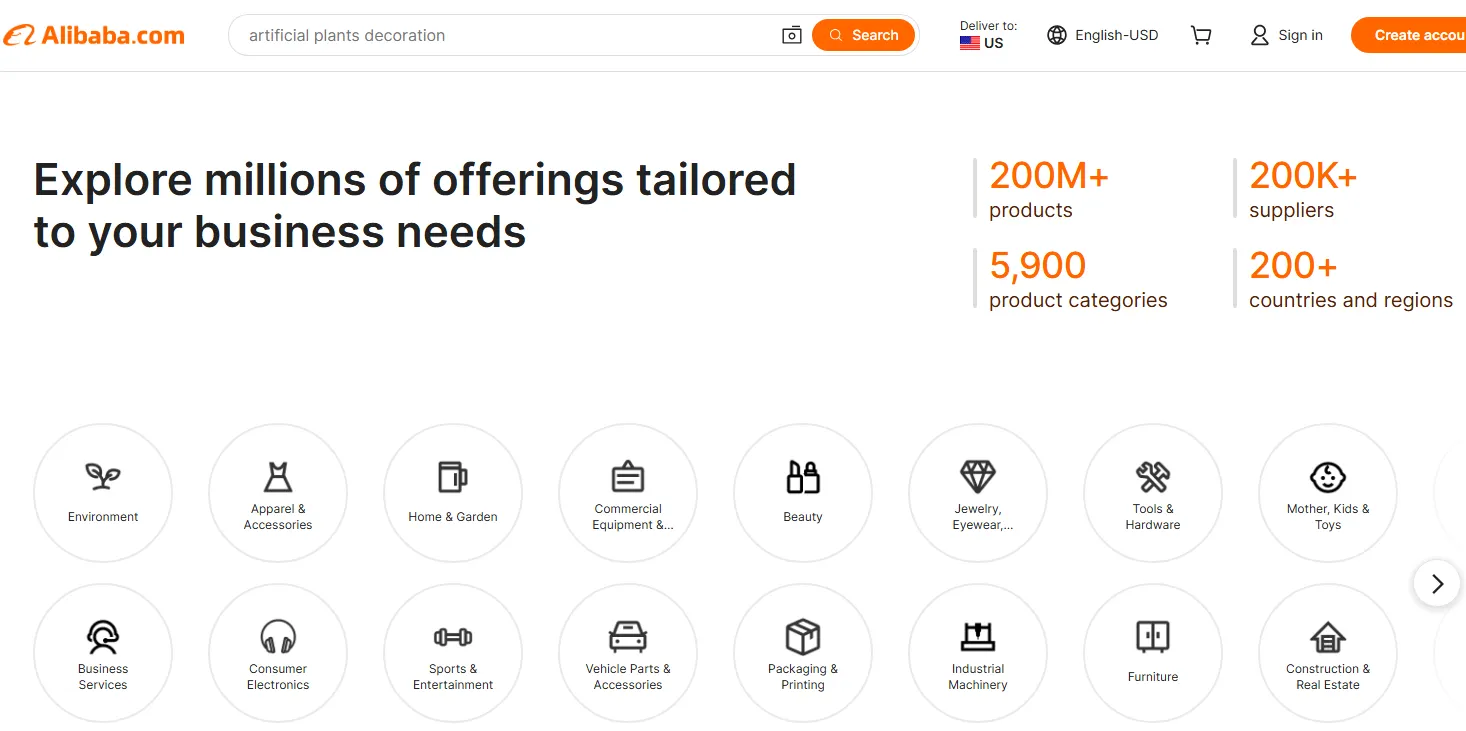


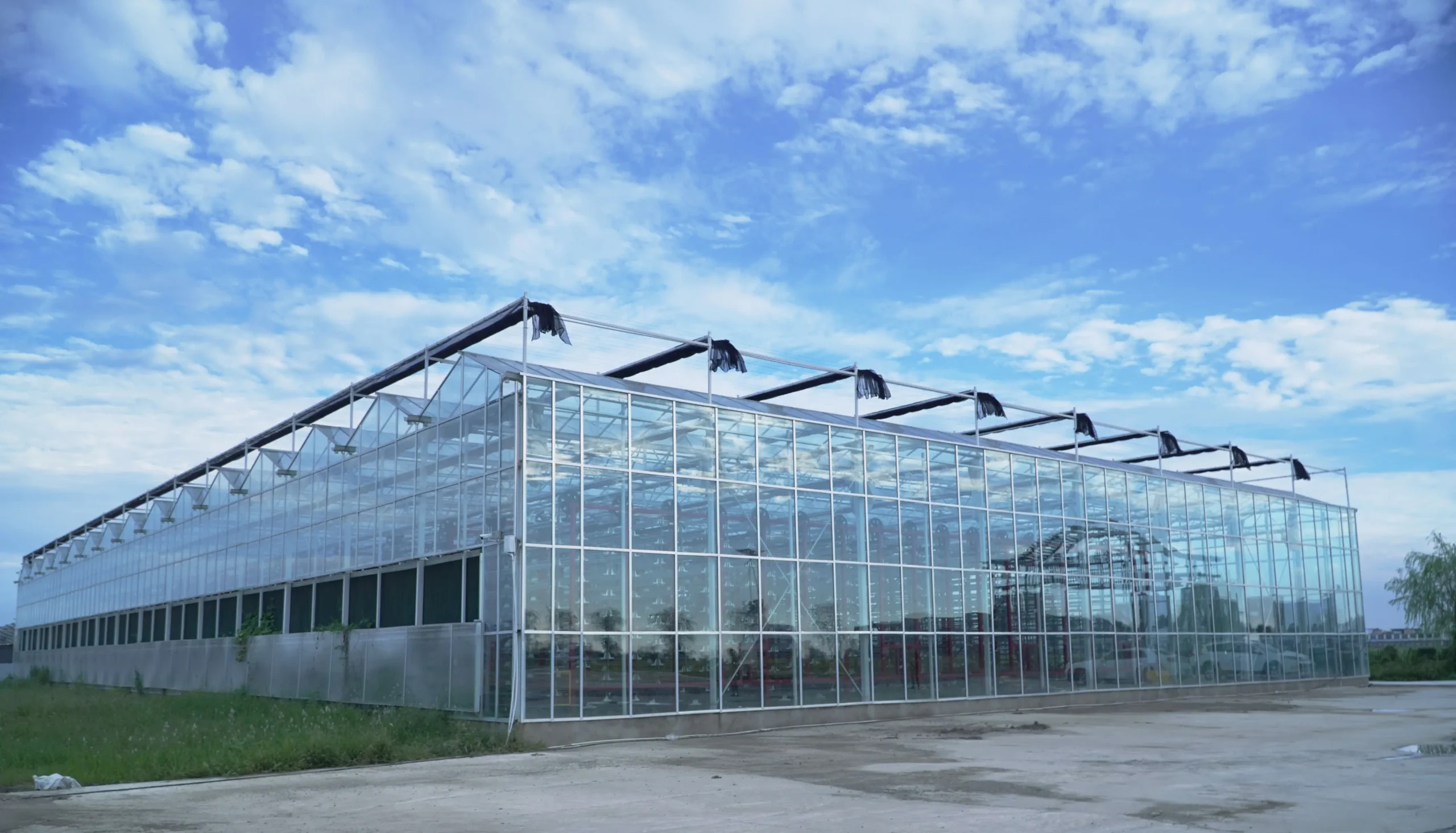

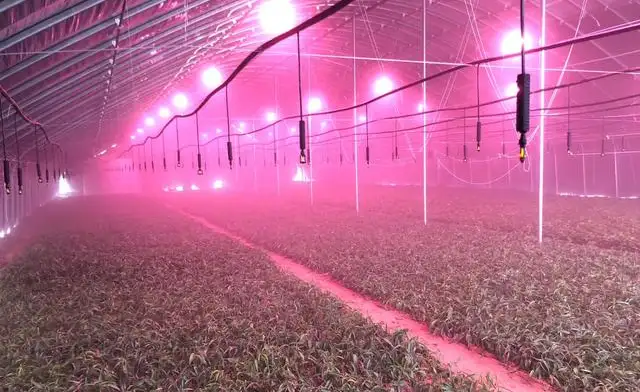
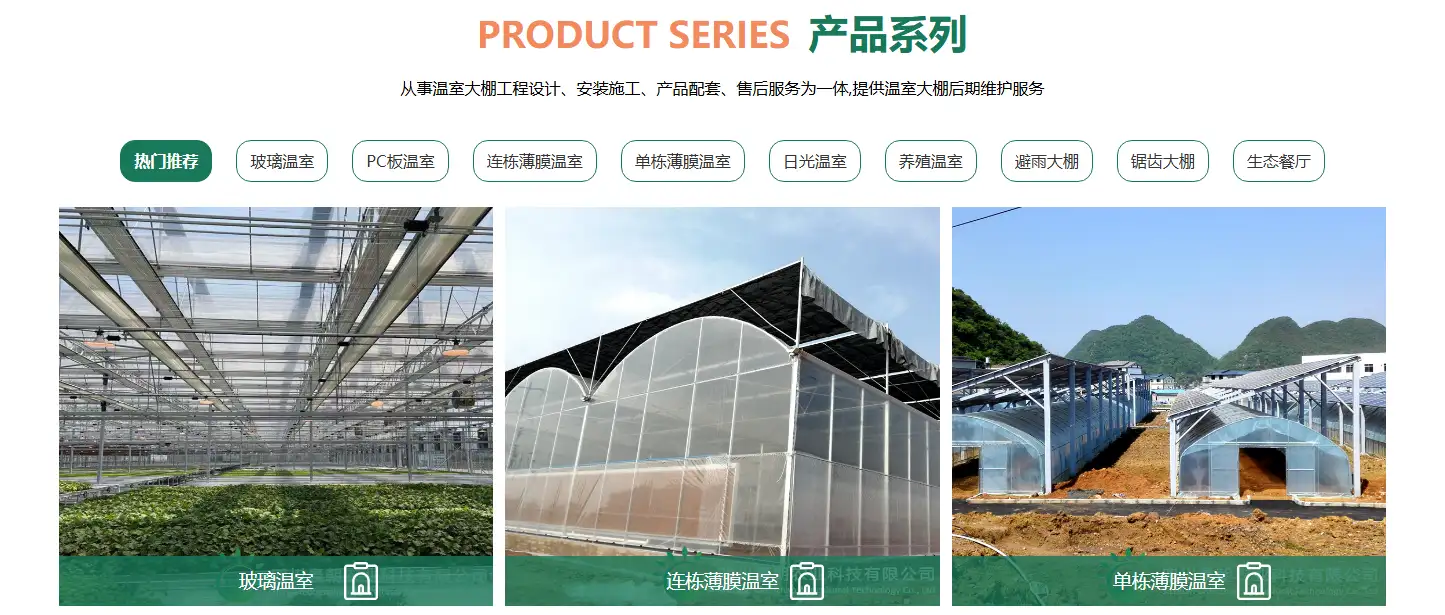

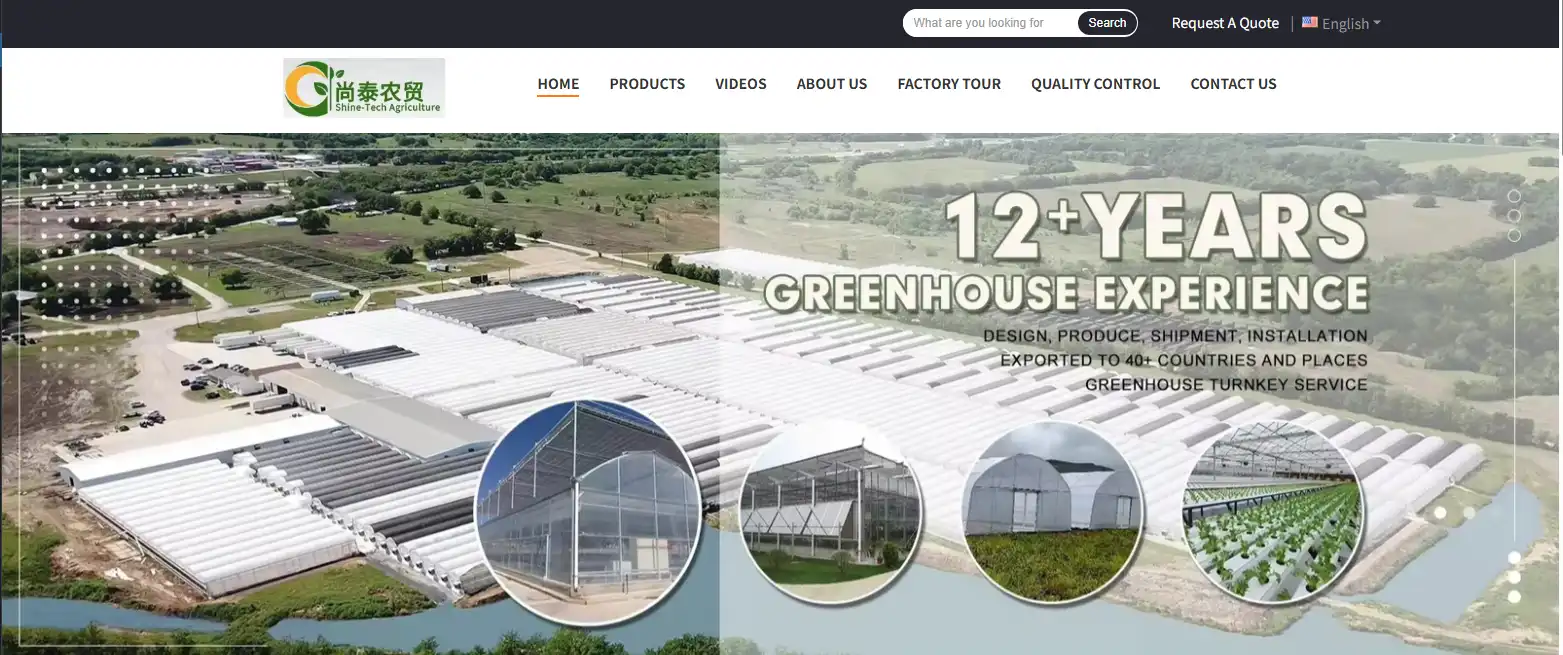
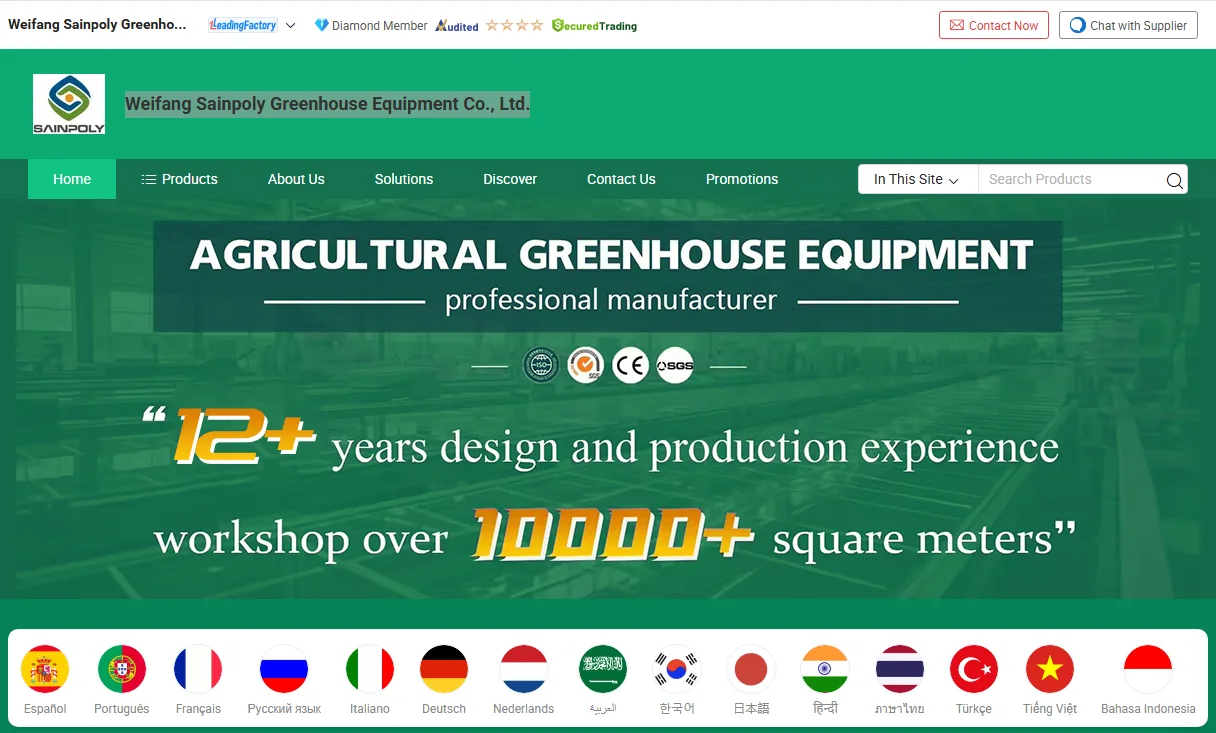


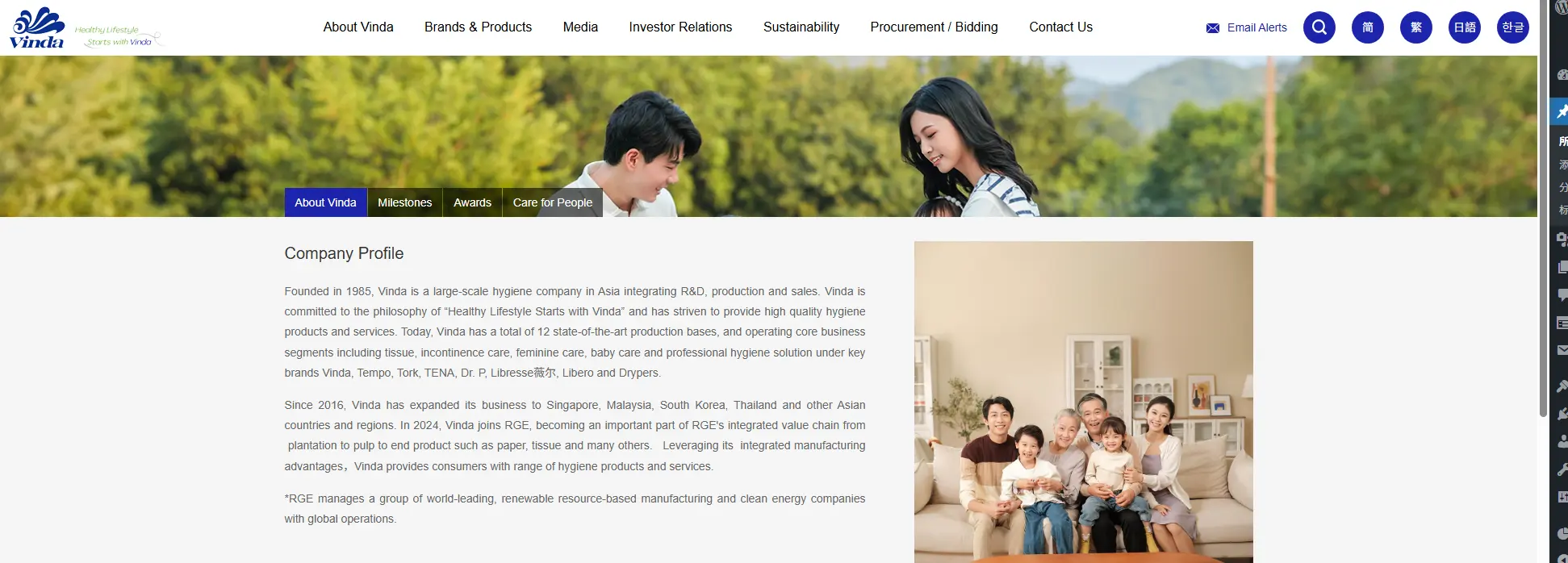

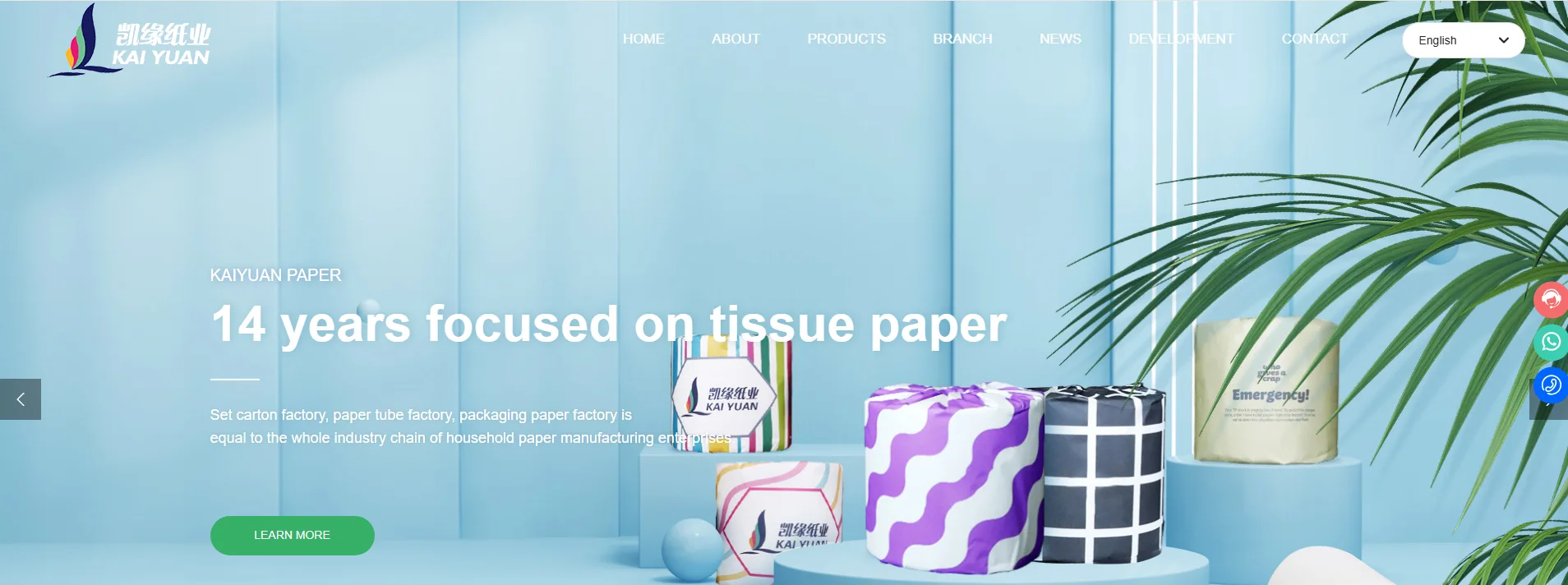
 A national innovative enterprise founded in 1976, it takes the “natural – colored” pulp technology as its core and does not use bleaching agents during production. It is a national pilot unit for circular economy standardization, focusing on environment – friendly and healthy household paper.
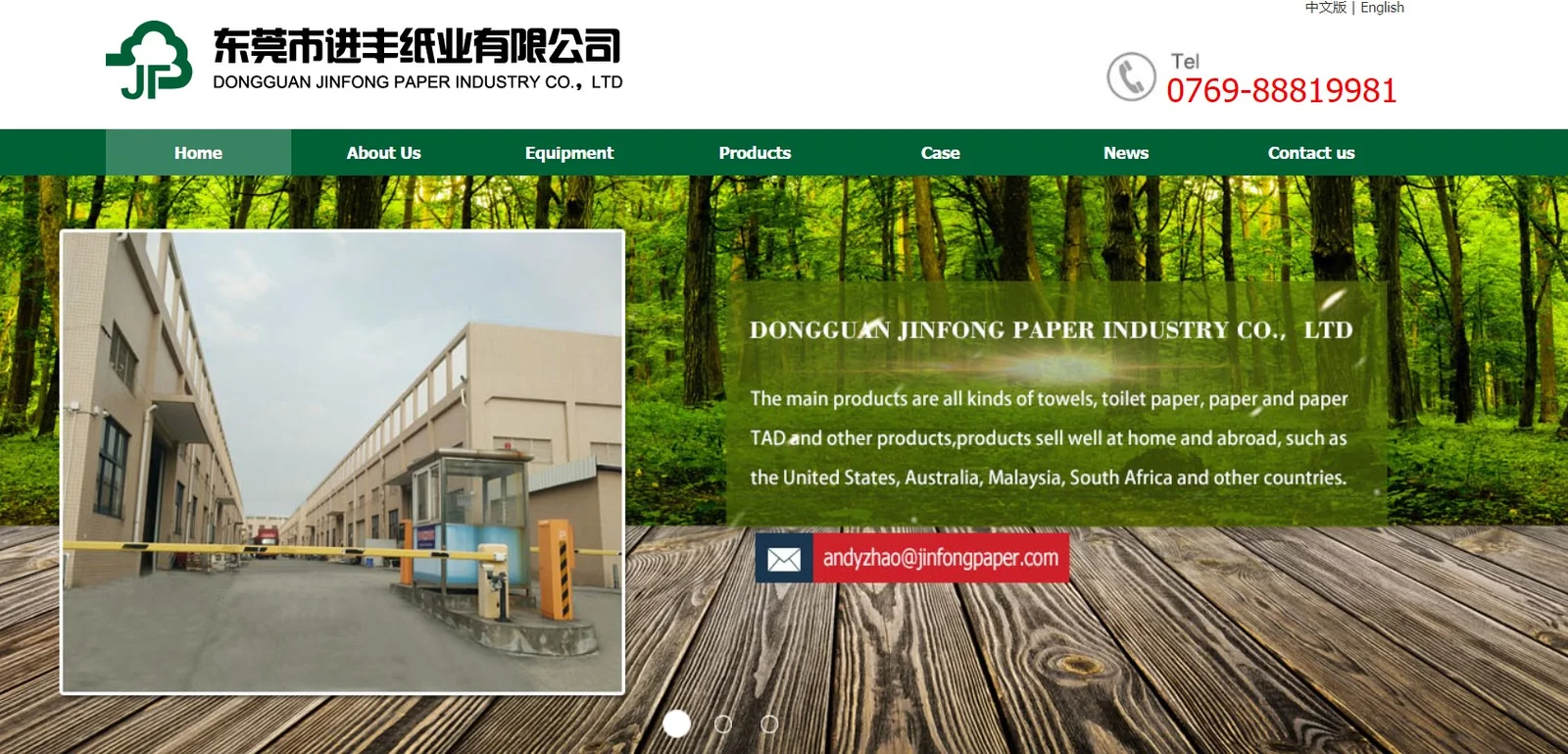
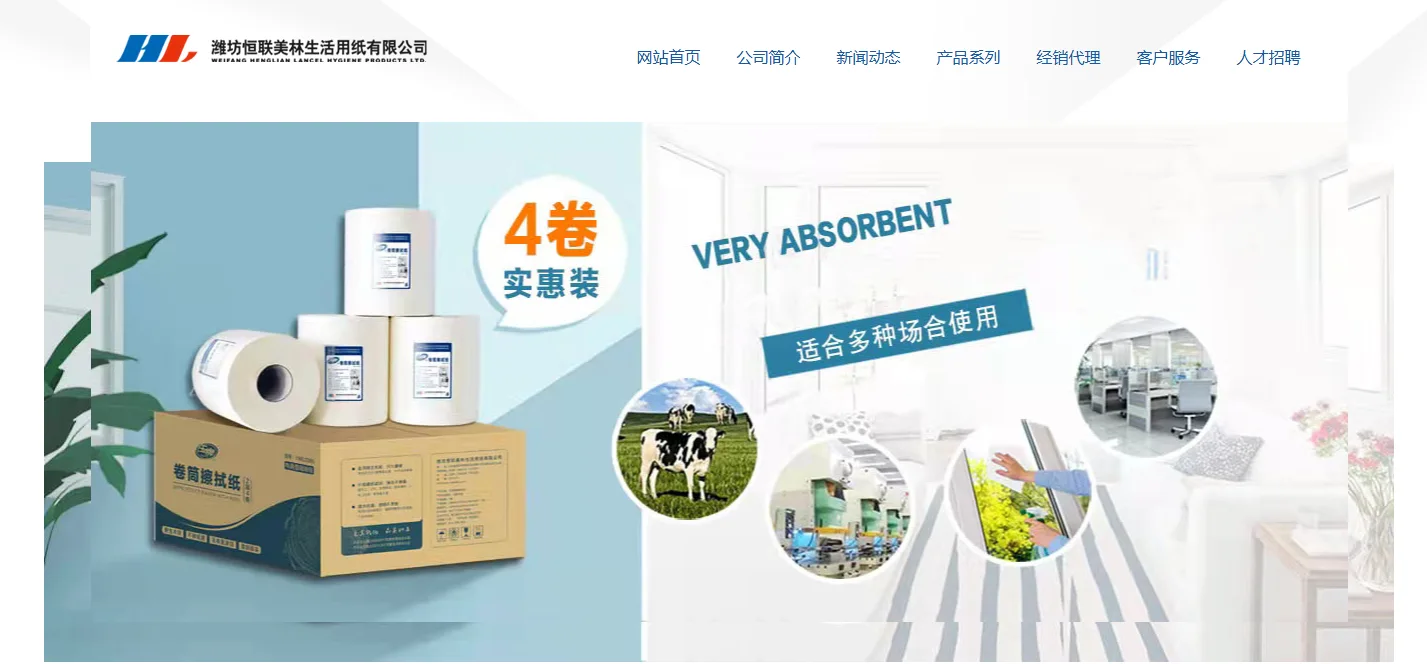

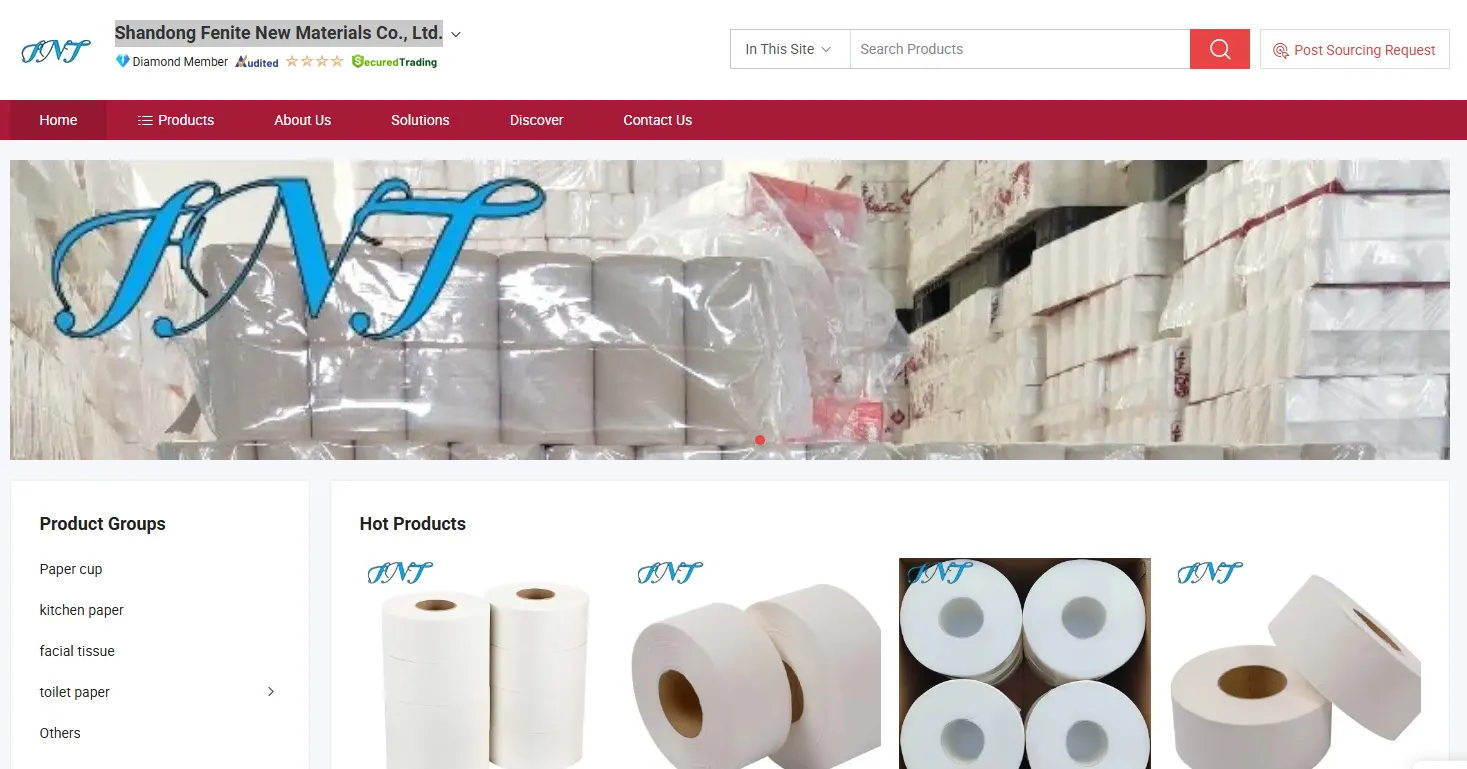 With 12 years of toilet paper production experience and multiple international certifications, we specialize in providing environmentally friendly and biodegradable products, export over 150 containers monthly to many countries.
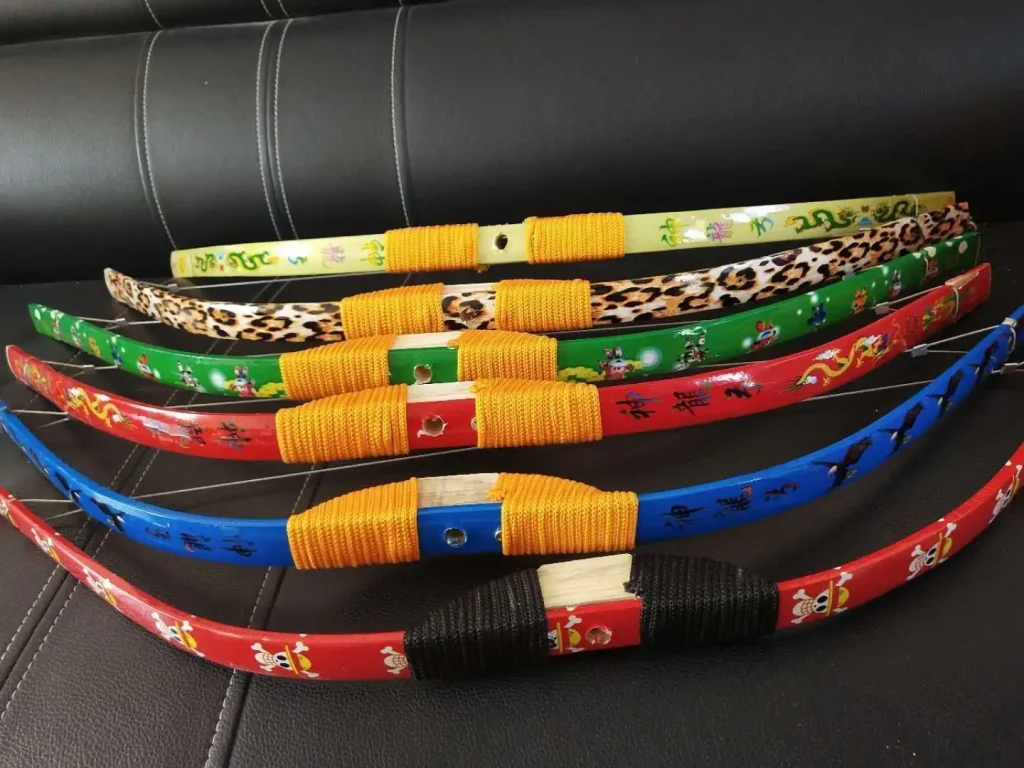 This comprehensive procurement guide is designed for international buyers, wholesalers, and brands seeking to source quality archery and crossbow equipment from Chinese manufacturers. Drawing inspiration from successful B2B sourcing models, we will delve into the product landscape, material science advantages, key technical specifications, geographical clusters, leading suppliers, compliance requirements, and crucial purchasing considerations. By leveraging China’s supply chain efficiency and manufacturing prowess, buyers can secure competitive pricing without compromising on quality or regulatory compliance.

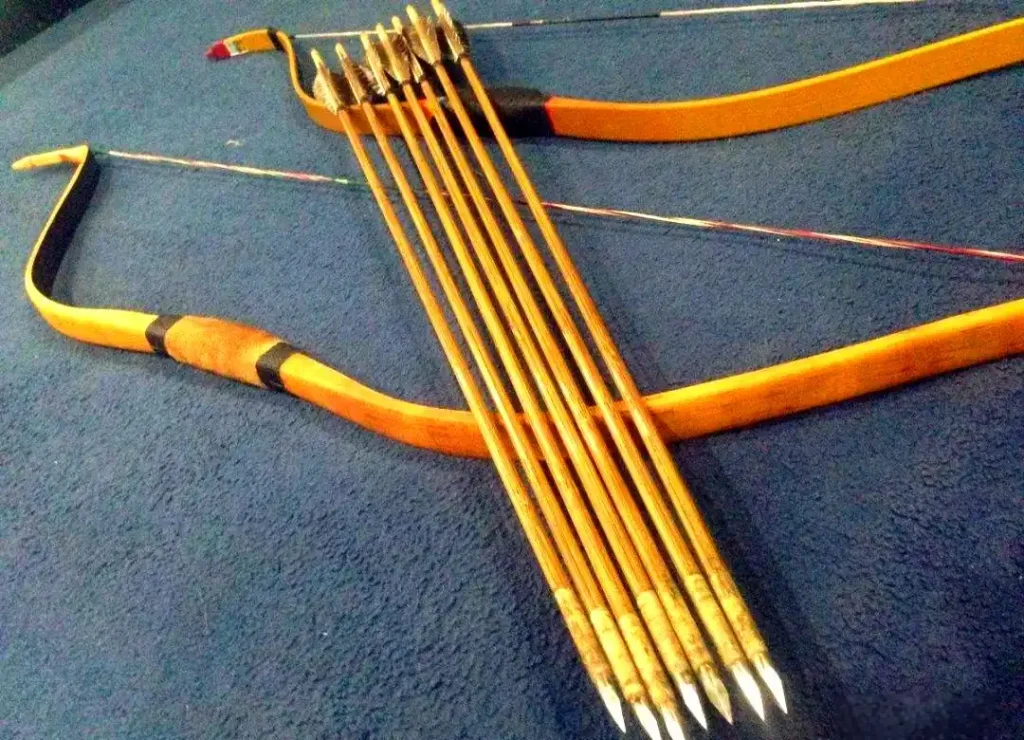


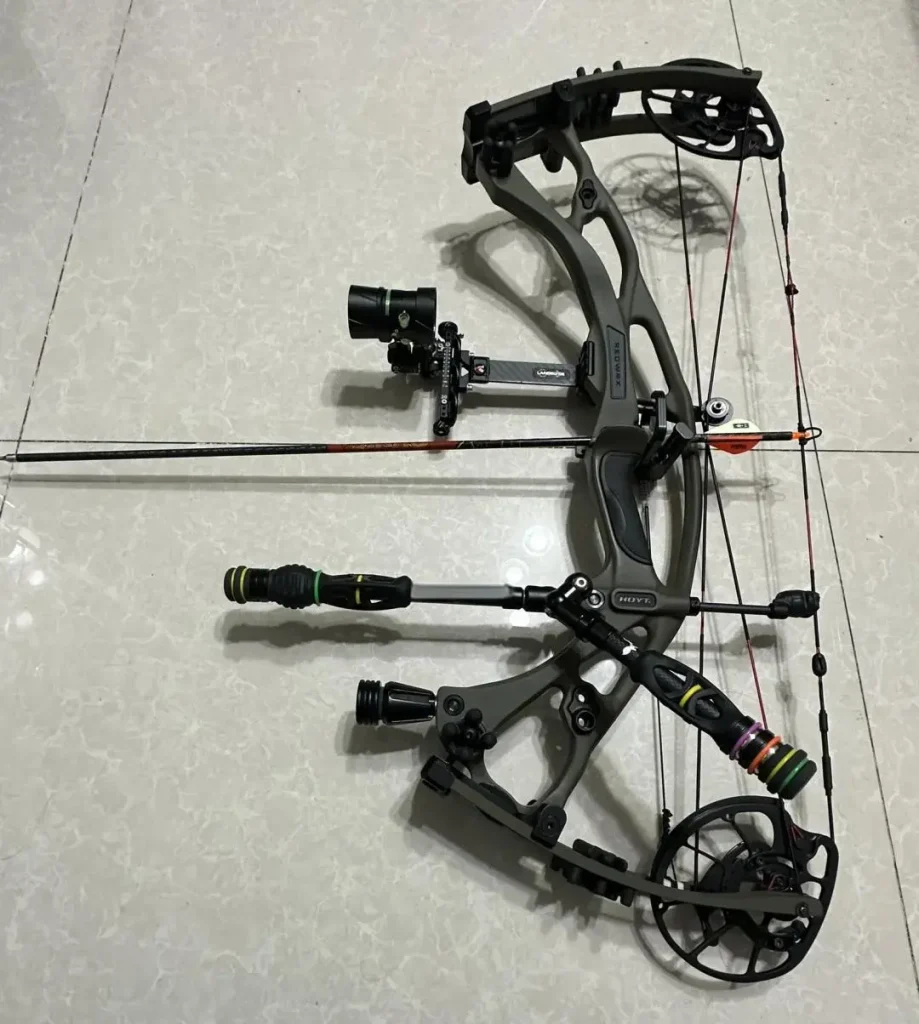


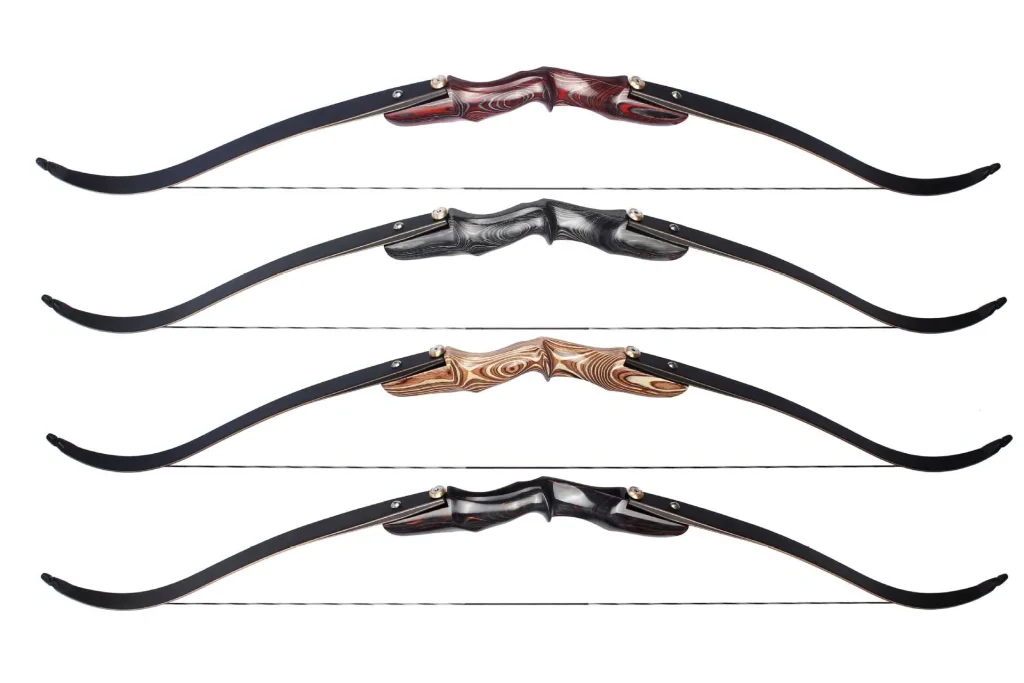


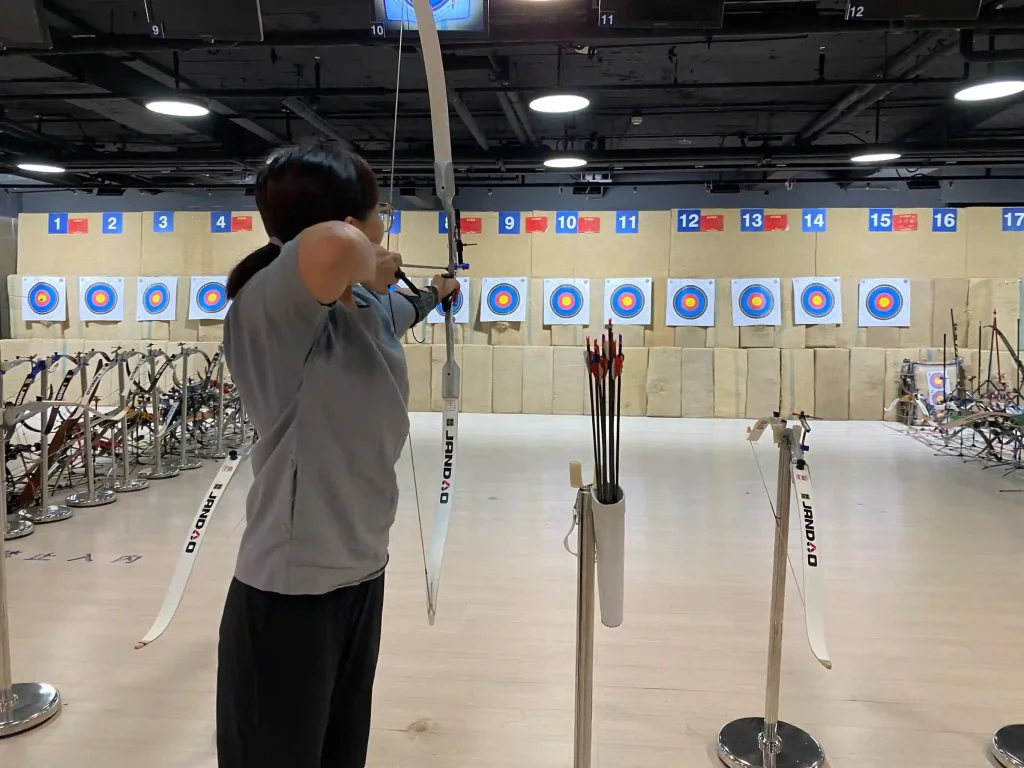
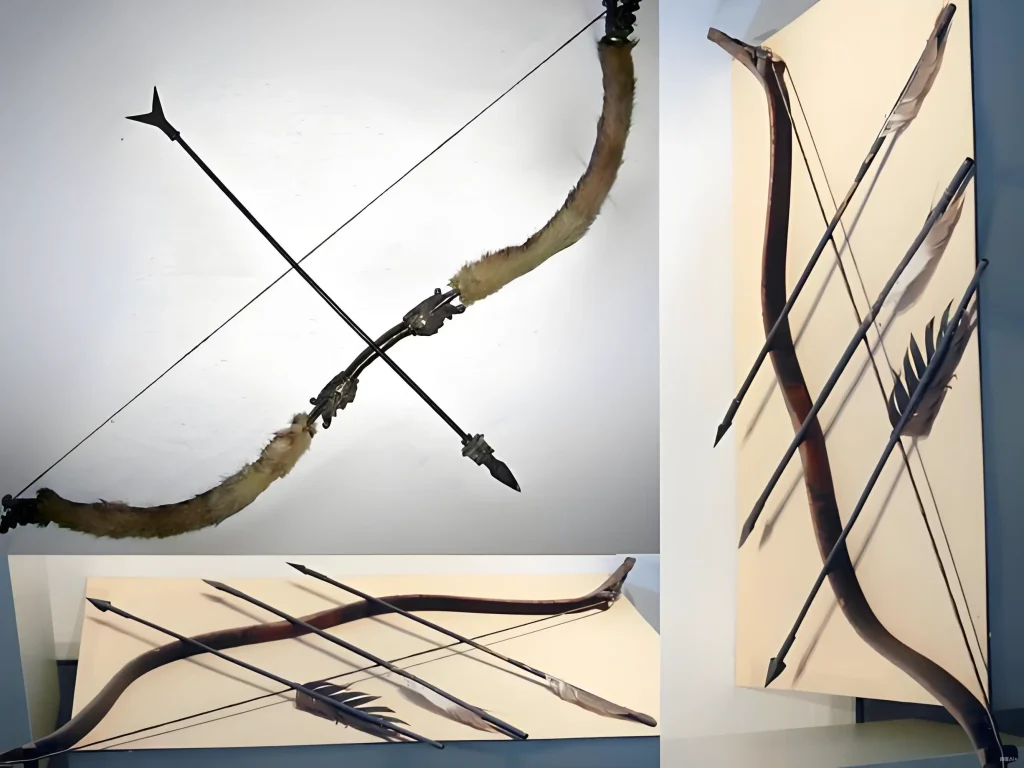


 Specializes in the design and manufacturing of industrial ball mills. Products are exported to multiple countries with complete specifications and advanced technology.
 A well-known mining machinery enterprise producing ball mills, crushing equipment, etc., with a direct sales model.
 Provides mineral processing, crushing and screening equipment, exported to over 130 countries.
 Founded in 1956, specializing in mining equipment such as ball mills and rotary kilns.
 Professional manufacturer of mining grinding and crushing equipment, including ball mills.
 Focuses on R&D and manufacturing of mining machinery and mineral processing equipment, providing customized solutions.
 Provides crushing, grinding and other equipment. Ball mill products cover mining and aggregate fields.