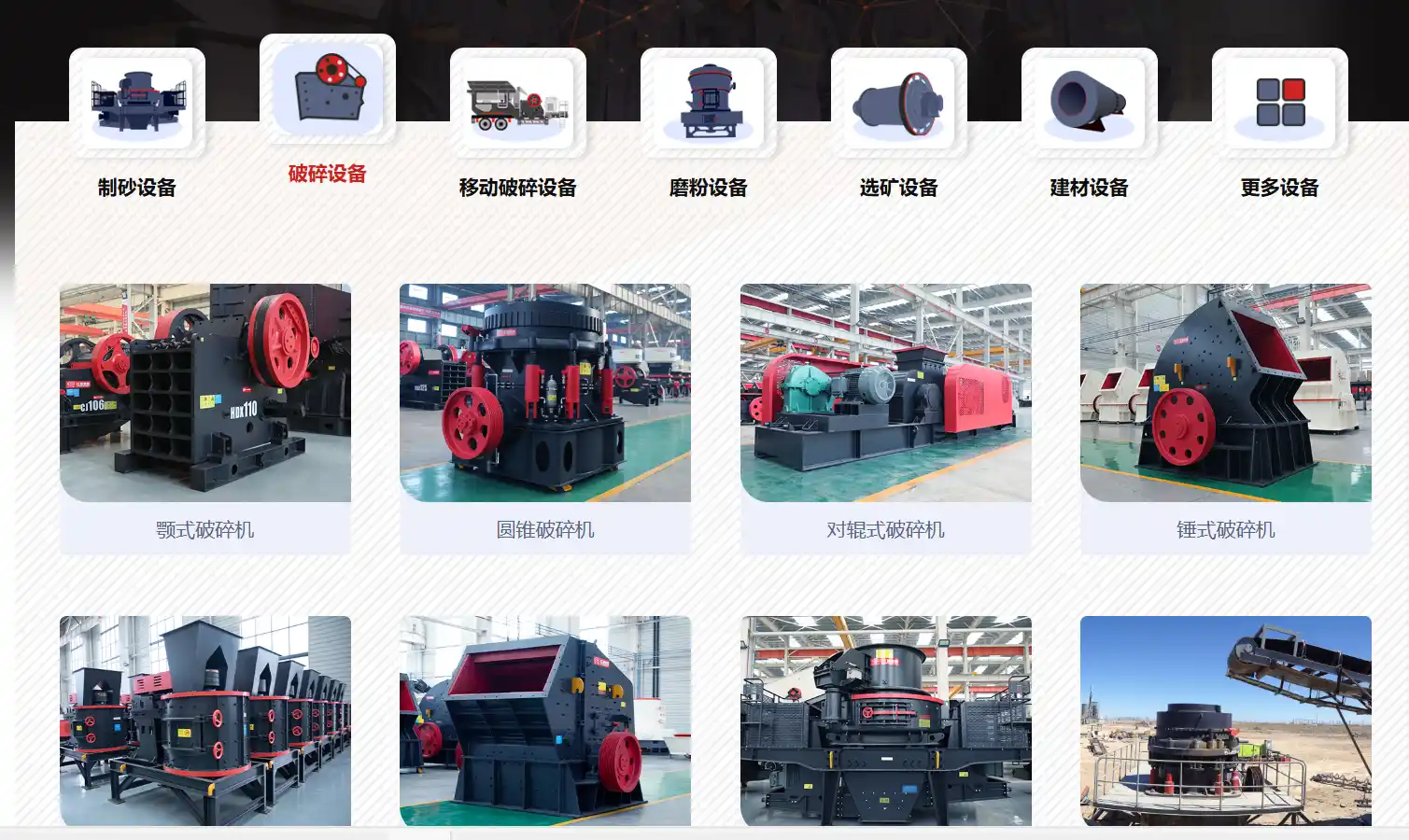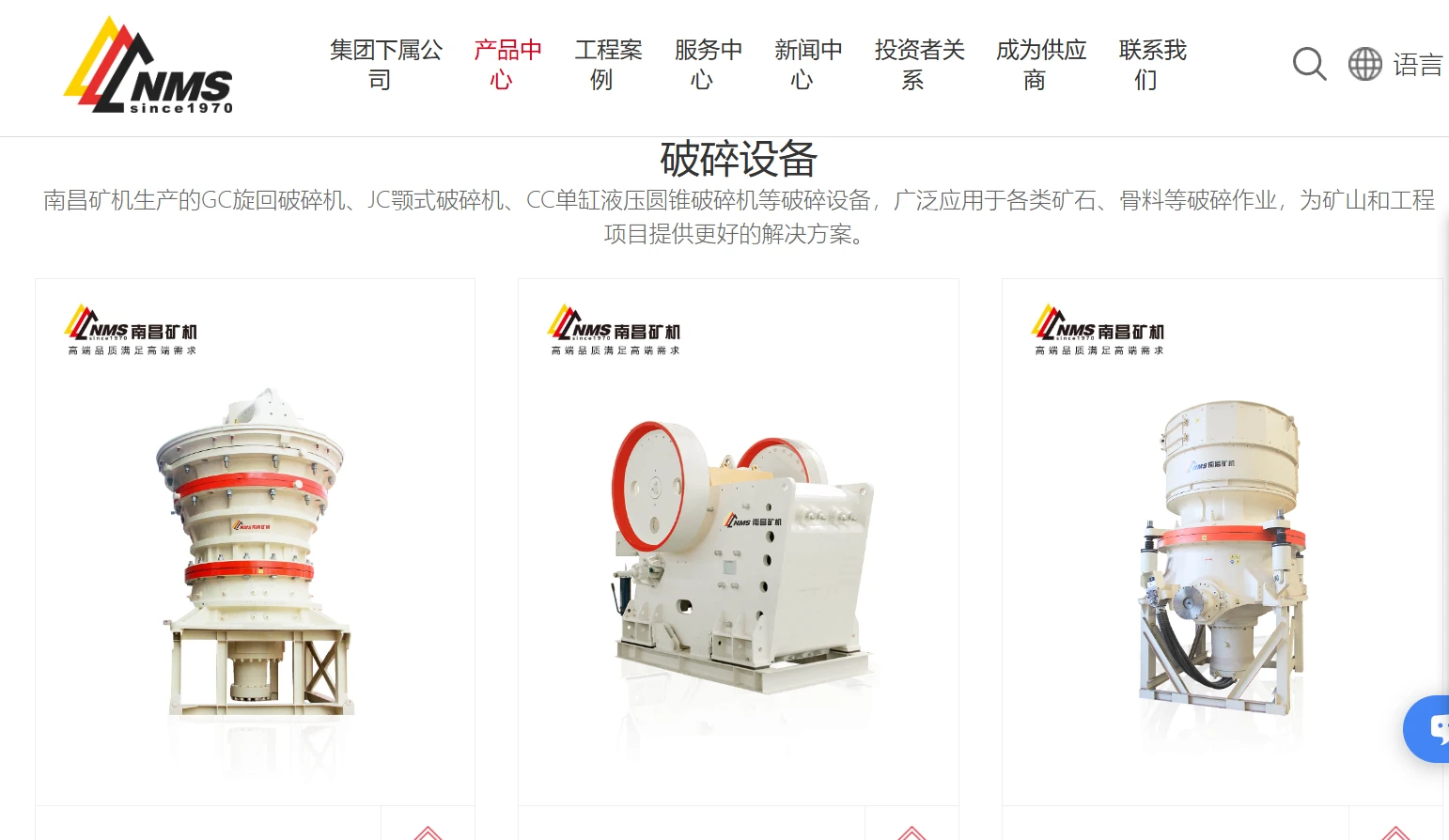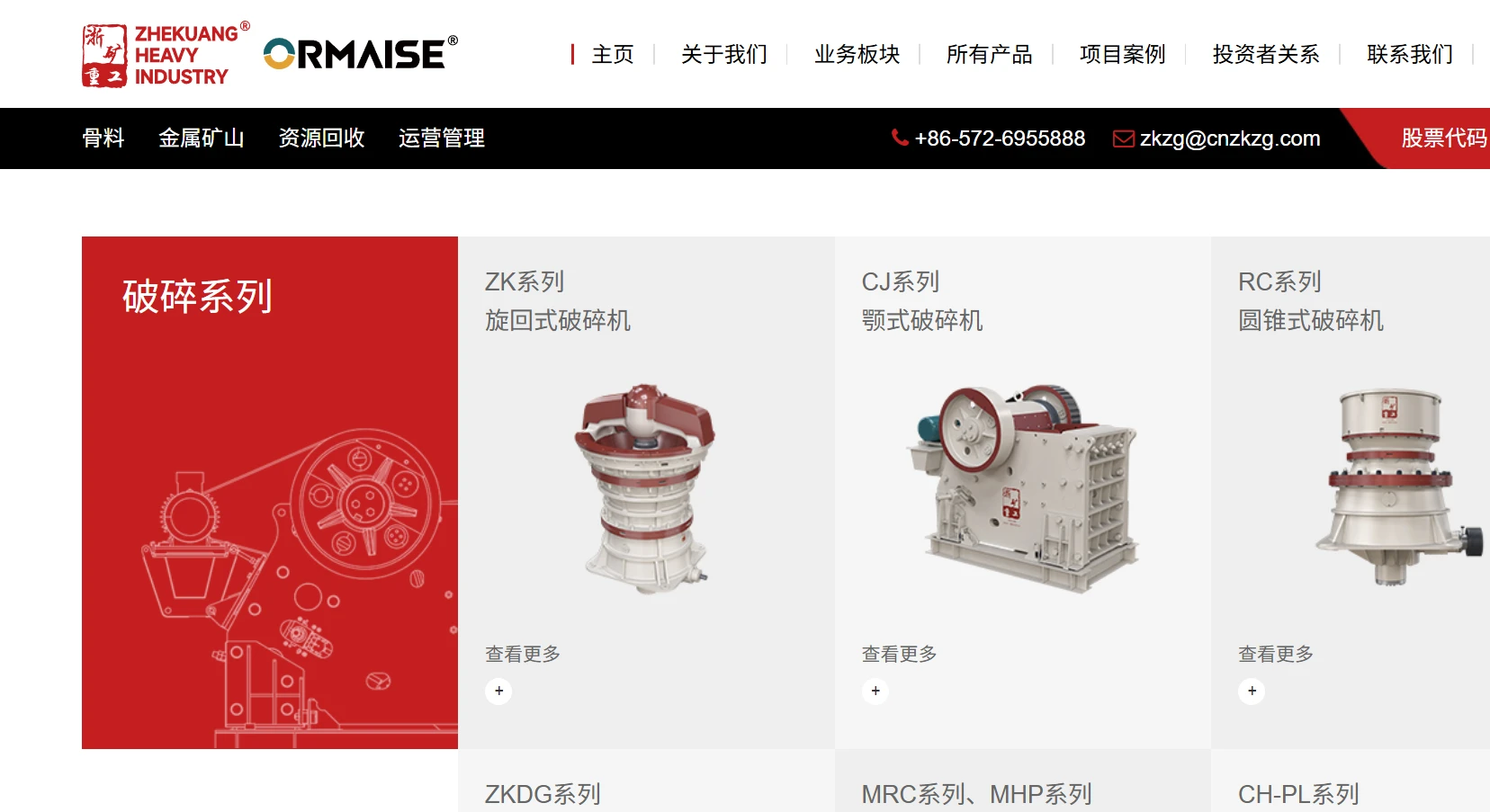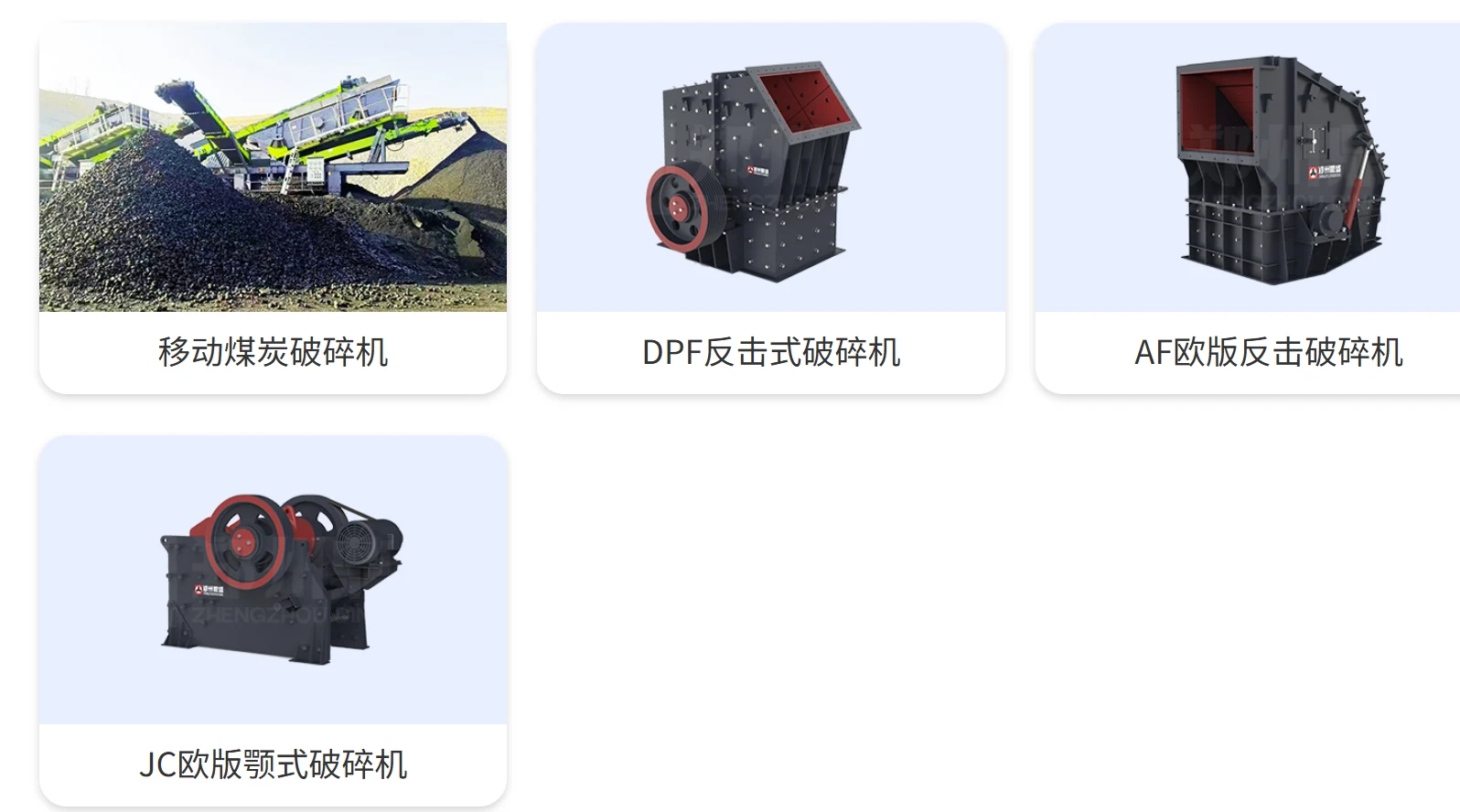
作者归档:imexadmin

China Sand Making Machine–Reliable VSI Crusher Manufacturers for Manufactured Sand Production

Introduction

When you think of sand, you might imagine beaches or deserts. But in the modern construction industry, sand is a critical resource—one that is becoming increasingly scarce. Natural river sand is being depleted at an alarming rate, and environmental regulations are restricting its extraction worldwide. This is where sand making machines, also known as vertical shaft impact crushers, come into play. China has emerged as a global leader in manufacturing high-efficiency sand making equipment, transforming rocks, pebbles, and construction waste into high-quality artificial sand that meets the strictest standards for concrete, asphalt, and infrastructure projects.

If you are looking for reliable, cost-effective, and technologically advanced sand making solutions, this article will provide a comprehensive analysis of China’s sand making machine industry—from working principles and product types to major manufacturers and global market performance.

I. Understanding Sand Making Machines

    What is a Sand Making Machine?

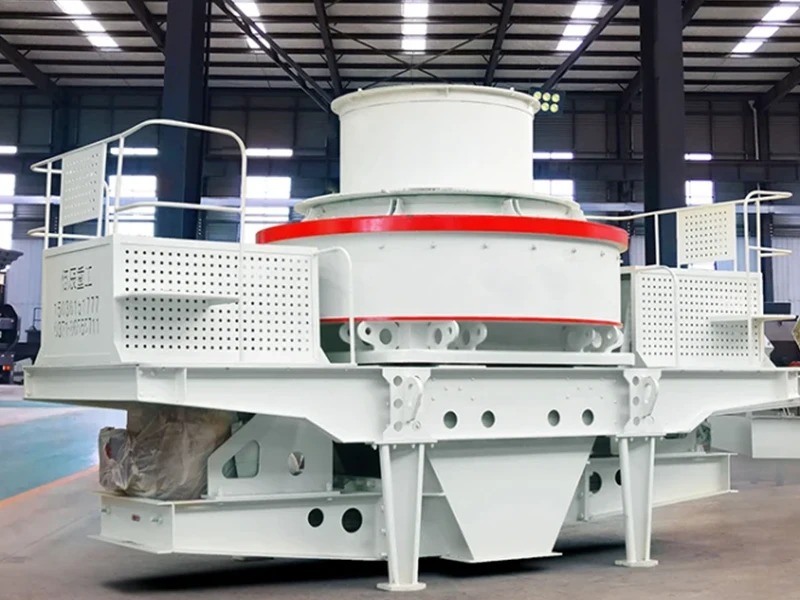
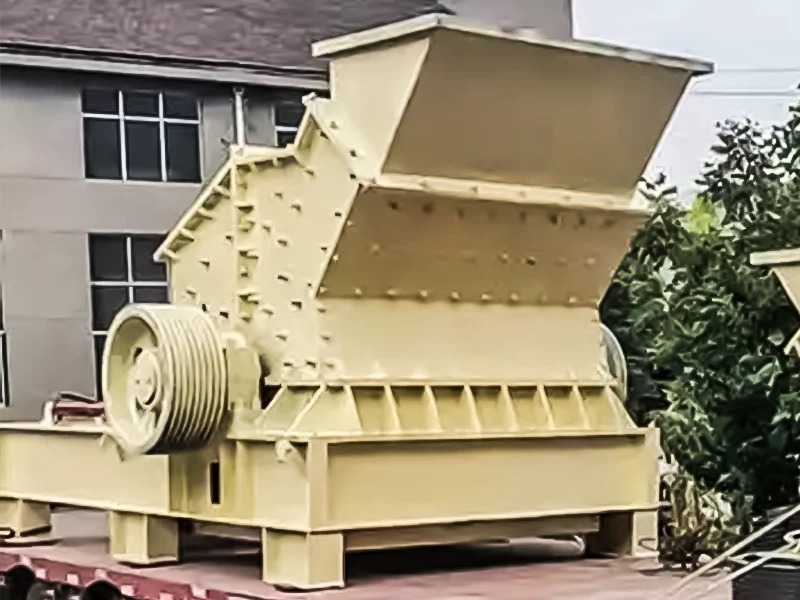
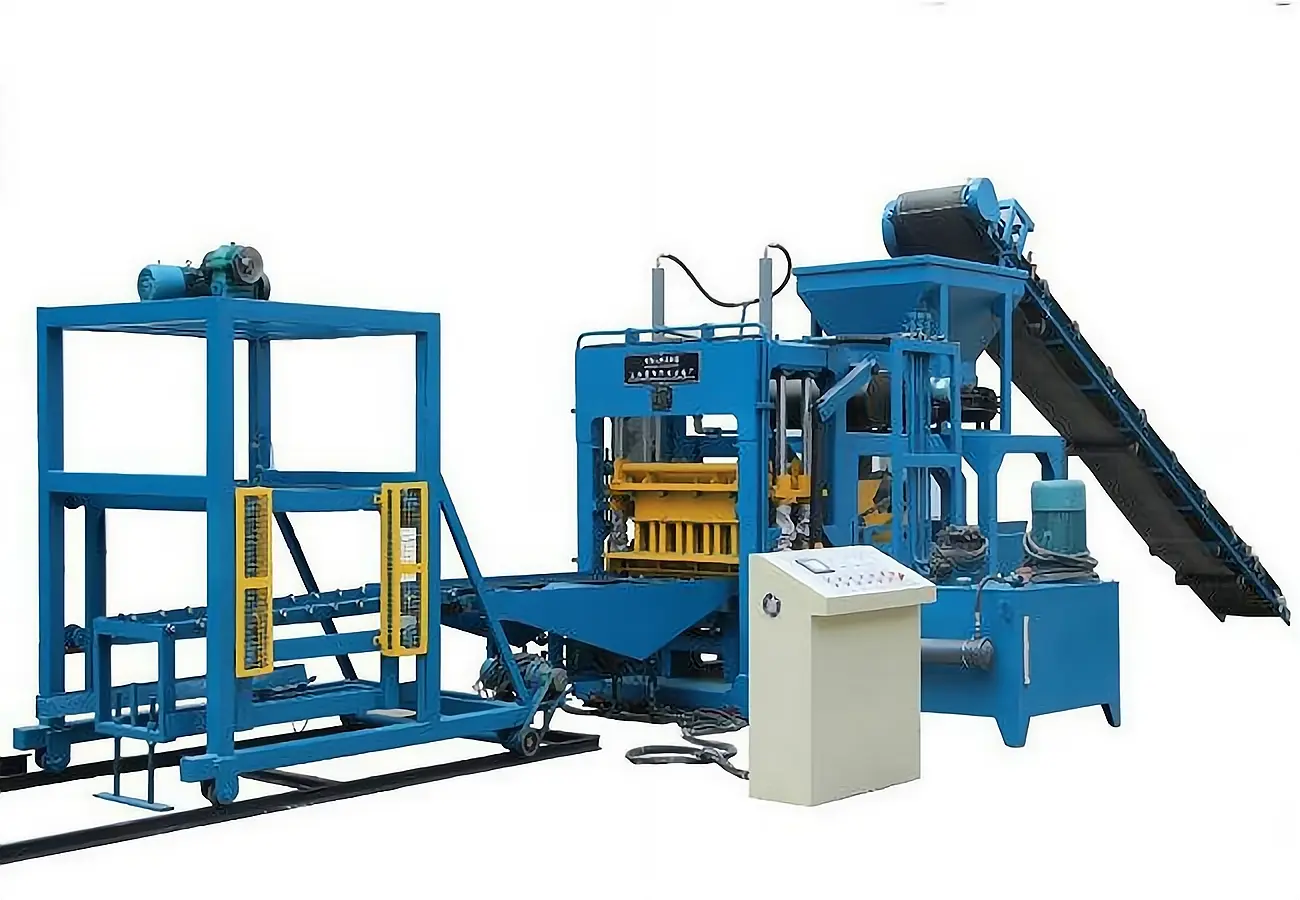
A sand making machine, also known as a vertical shaft impact crusher (VSI), is a specialized piece of equipment designed to produce high-quality artificial sand from hard rocks, pebbles, and other materials. Unlike traditional crushers that focus on reducing size, sand making machines focus on shaping particles to create a cubical, well-graded product that mimics—and often surpasses—the quality of natural river sand.

    Core Working Principles

Sand making machines operate on the principle of “rock-on-rock” or “rock-on-iron” crushing:

  • Rock-on-Rock Crushing: Material is fed into the center of a high-speed rotor, which throws the material against a bed of material lining the crushing chamber. This produces excellent particle shape with minimal wear on the machine components.
  • Rock-on-Iron Crushing: Material is thrown against anvils or wear plates, achieving higher reduction ratios and finer outputs, ideal for processing softer materials or when higher sand output is required.
  • Centrifugal Force: Material enters the rotor, accelerates to high speed (typically 50-80 m/s), and is discharged through peripheral ports, impacting the crushing chamber with tremendous force.
  • Superior Particle Shape: Produces cubical, well-graded sand with low flakiness content, ideal for high-strength concrete and asphalt
  • High Sand Output: Sand production rate can reach 50-80% of total output, significantly higher than traditional crushers
  • Adjustable Gradation: Fineness modulus can be adjusted by varying rotor speed and feed rate
  • Energy Efficient: Advanced design reduces energy consumption per ton of sand produced
  • Wear-Resistant Components: Key wear parts are made from high-chromium iron or tungsten carbide for extended service life
  • Low Water Consumption: Dry sand making processes eliminate the need for water, making them environmentally friendly and suitable for water-scarce regions

II. Types and Common Uses

Based on design and application, sand making machines are mainly divided into the following types:

Type Crushing Principle Main Use Typical Application Scenarios
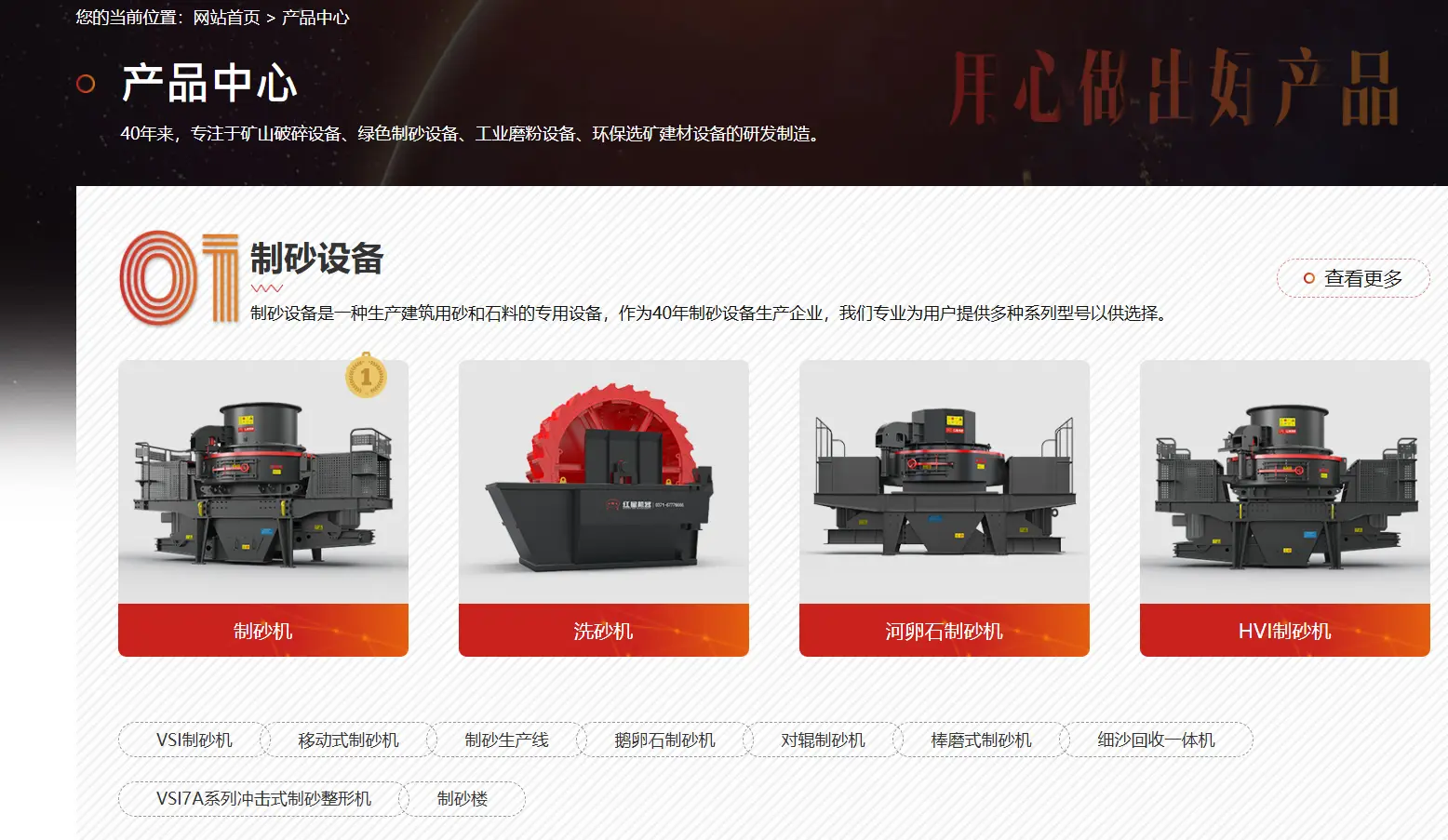
VSI Sand Making Machine Rock-on-rock High-quality sand production Concrete sand, asphalt sand, manufactured sand
Vertical Shaft Impact Crusher Rock-on-iron / Rock-on-rock Medium-hard material processing Construction aggregate, industrial minerals
HVI Sand Making Machine Combined impact High-capacity sand production Large-scale manufactured sand projects
Mobile Sand Making Station Integrated design Flexible, on-site sand production Remote locations, temporary projects
Wheeled Sand Washing Unit Water washing Sand cleaning and grading Wet sand production, recycling applications

III. Industry Application Fields

    Construction and Infrastructure

  • Production of high-quality concrete sand for buildings, bridges, and tunnels
  • Asphalt sand for highway and airport runway construction
  • Fine aggregates for railway ballast and foundation works

    Mining and Mineral Processing

  • Manufactured sand for mining backfill operations
  • Grinding media for mineral processing circuits
  • Tailings re-processing and value recovery

    Construction Waste Recycling

  • Processing demolished concrete into recycled sand
  • Converting brick and block waste into usable aggregates
  • Urban renewal projects with on-site material recycling

    Hydropower and Dams

  • Large-scale manufactured sand production for dam construction
  • High-strength sand for roller-compacted concrete (RCC) dams

IV. China’s Industrial Landscape and Key Production Hubs

After decades of development, China’s sand making machine industry has formed a clustered distribution pattern, with major production bases concentrated in East China, Central China, and South China. This distinctive industrial layout, with unique characteristics in each region, provides buyers with rich resource options.

  • East China Region

    East China is one of the most active regions in China’s sand making machine manufacturing industry. The region is home to numerous established manufacturers with decades of experience in crushing and screening equipment. Companies in this area have pioneered many innovations in VSI technology, including advanced rotor designs, hydraulic systems, and intelligent control modules. East China’s complete industrial chain—from foundries and forging plants to precision machining and assembly—combined with excellent port infrastructure, makes it a leading export hub for sand making equipment serving markets worldwide.

  • Central China Region

    Central China has emerged as a significant manufacturing base for sand making machinery, particularly in Henan Province. This region is known for its concentration of heavy machinery manufacturers that offer comprehensive product lines, including sand making machines, jaw crushers, cone crushers, and complete sand production systems. Companies here leverage the region’s abundant industrial resources and central location to serve both domestic and international markets efficiently. Central China manufacturers are recognized for delivering cost-effective solutions without compromising quality, making them popular among buyers in emerging markets.

  • South China Region

    South China has developed a strong presence in the sand making machine industry, particularly in Guangdong Province and Guangxi Zhuang Autonomous Region. This region is known for its innovative approach to mobile crushing and screening equipment, including mobile sand making stations that offer flexibility for remote or temporary projects. South China manufacturers benefit from proximity to major ports in Guangzhou and Shenzhen, facilitating efficient export to Southeast Asia, the Middle East, Africa, and the Americas. The region’s emphasis on design innovation and user-friendly operation has made its products particularly popular among international buyers.

  • Northeast China Region

    Northeast China, as the country’s traditional industrial base, contributes to the sand making machine industry with its heavy-duty, high-reliability equipment. Manufacturers in this region leverage decades of experience in metallurgy and heavy machinery to produce robust sand making machines capable of handling the most abrasive materials. These products are particularly valued in large-scale mining operations and projects requiring exceptional durability and long service life.

V. Top 10 Chinese Sand Making Machine Manufacturers

Based on multi-dimensional indicators such as market share, technological innovation, customer reputation, and after-sales service, the following are representative companies in China’s sand making machine industry:

  • Qingzhou Dayang Heavy Industrial Machinery Manufacturing Co., Ltd.

It is a leading manufacturer specializing in gold dredging and mineral processing equipment. The company integrates R&D, mechanical design, production, installation, and commissioning services, offering high-efficiency solutions across the entire mining lifecycle, including dredging and extraction, processing and refinement, crushing and recovery, and specialized machinery. Guided by the spirit of “Virtue as the Foundation, Integrity, and Harmonious Development,” Dayang Heavy Industry is dedicated to providing unparalleled service and reliable engineering to customers worldwide.

  • Leimeng Machinery

It founded in 2009 and headquartered in Guangzhou, Guangdong, specializes in large crushing equipment including VSI sand making machines. The company has established a strong presence in Southeast Asia, the Middle East, Africa, and the Americas, earning recognition for its robust equipment and continuous technological innovation. Leimeng’s sand making machines are designed for high output and excellent particle shape, making them popular in large-scale aggregate production projects.

  • Hongxing Machinery

It established in the 1980s and based in Zhengzhou, Henan, offers a full range of crushing and sand making equipment. With extensive market reach across Asia, Africa, and South America, the company is known for its comprehensive product lines and reliable after-sales support. Its VSI sand making machines feature advanced rotor designs and hydraulic systems that ensure stable operation and minimal maintenance requirements.

  • Nanchang Mineral Systems (NMS)

It founded in 1970 and headquartered in Nanchang, Jiangxi, focuses on intelligent crushing and screening solutions, including high-performance sand making equipment. As a national-level “Little Giant” enterprise, the company has exported its advanced sand making technology to more than 60 countries and regions worldwide. NMS sand making machines are recognized for their energy efficiency and intelligent control features.

  • Zhejiang Mining Heavy Industry

It established in 2003 and based in Huzhou, Zhejiang, specializes in large gyratory crushers, cone crushers, and sand making equipment. The company has achieved internationally leading technological levels with products designed for high-capacity applications. Its sand making machines serve the global market, particularly in large-scale infrastructure and mining projects.

  • Zhengzhou Dingsheng Engineering Technology Co., Ltd.

It founded in 1997 and headquartered in Zhengzhou, Henan, focuses on crushing machinery, sand making equipment, and wear-resistant materials. The company has exported its products to over 20 countries and regions, including Malaysia, Turkey, Germany, and France, supported by 74 accumulated patents. Dingsheng’s sand making machines are widely used in construction aggregate production and construction waste recycling.

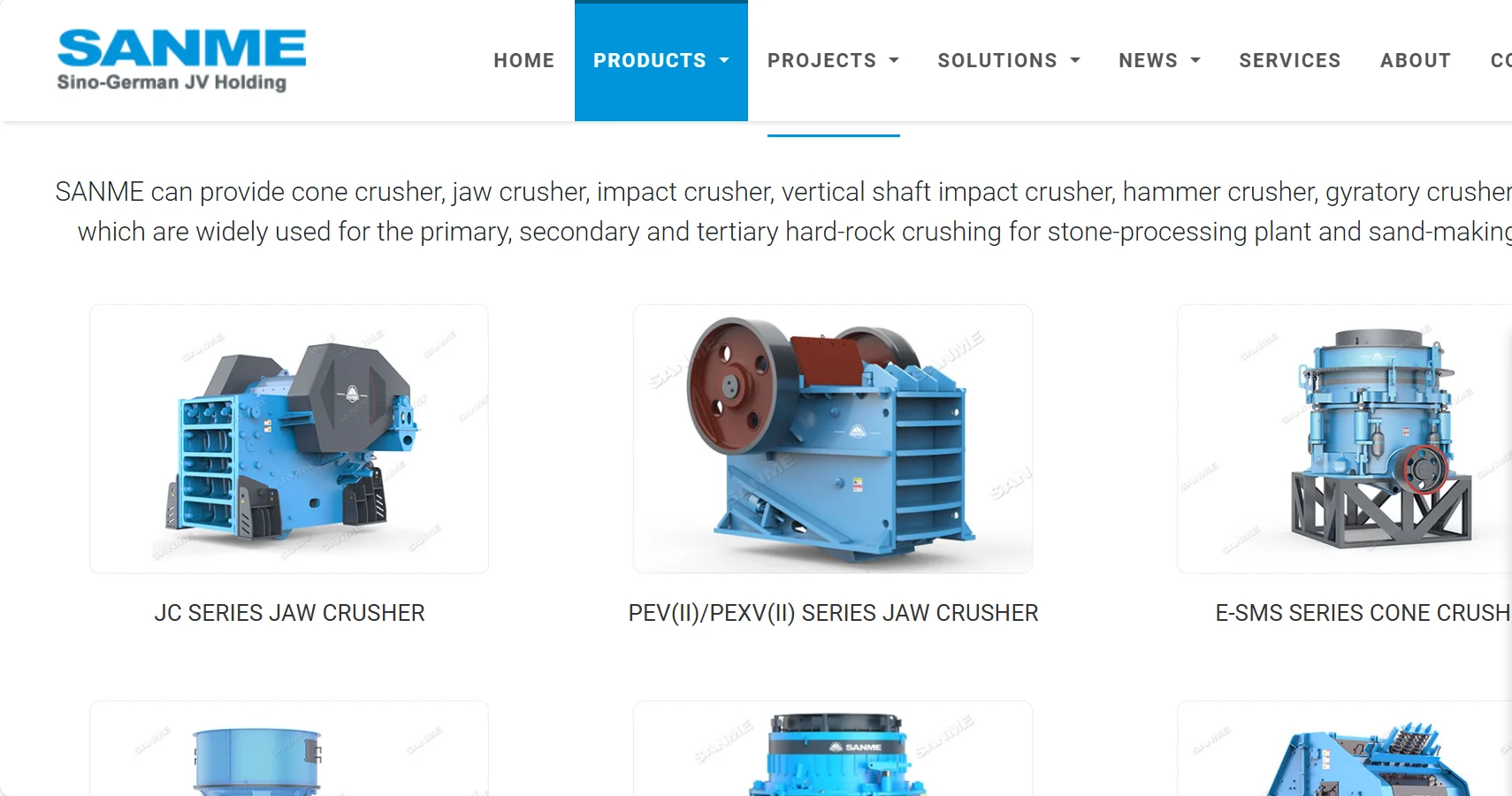
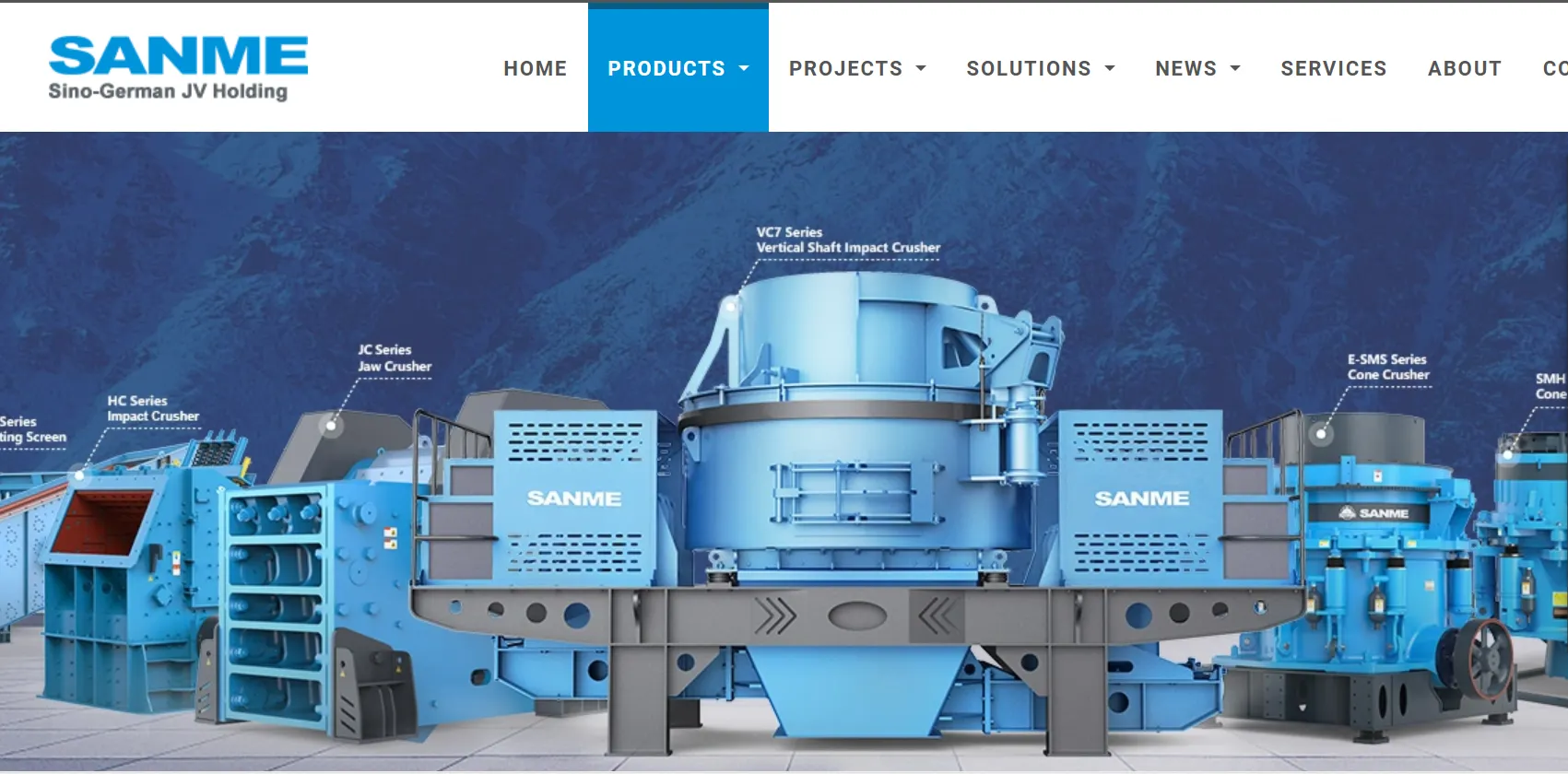
  • Shanghai SANME

It established in 1985 and based in Shanghai, leverages Sino-German joint venture technology to produce advanced crushing, screening, and sand making equipment. The company has built a strong reputation across Europe, Asia, and Africa for its high-quality, technologically sophisticated products. SANME’s sand making machines incorporate German engineering principles and are recognized for precision and durability.

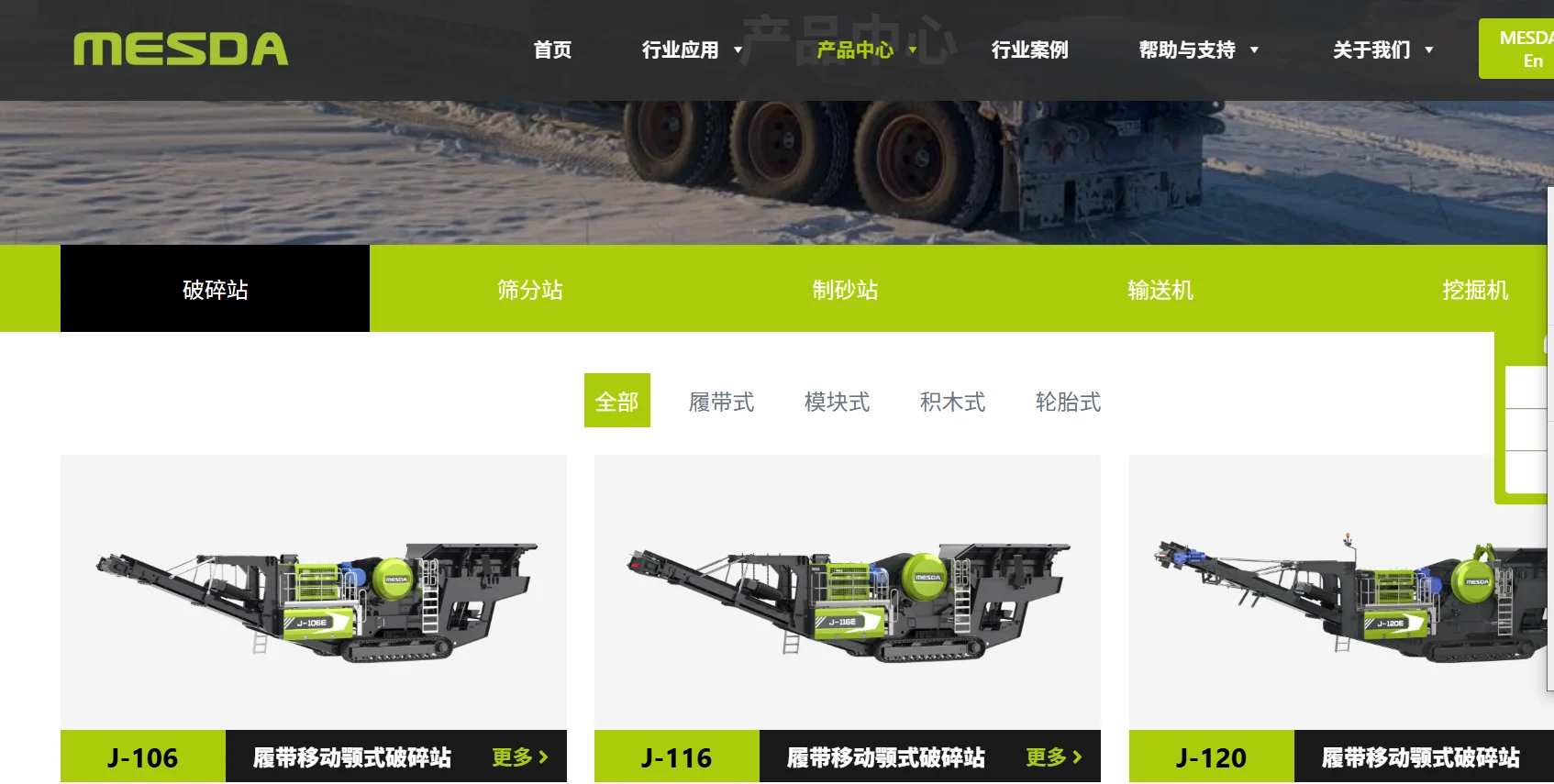
  • MESDA

It founded in 2009 and headquartered in Nanning, Guangxi, is a leading manufacturer of mobile crushing and screening equipment in China. As a pioneer in electric drive technology, MESDA offers mobile sand making stations that provide flexible, on-site sand production capabilities. The company exports to more than 60 countries worldwide, including Europe, the Middle East, and the Americas, with products widely used in construction waste recycling, infrastructure projects, and aggregate production.

  • SBM Industrial Technology Group

It headquartered in Shanghai, is a global leader in crushing, grinding, and sand making equipment. With decades of experience and a strong focus on R&D, SBM offers a comprehensive range of VSI sand making machines and complete manufactured sand production lines. The company serves customers in over 180 countries, backed by extensive international service networks.

  • Liming Heavy Industry

It established in 1987 and based in Zhengzhou, Henan, specializes in crushing, grinding, and sand making equipment. The company has developed a full range of VSI sand making machines and mobile sand production plants that are widely used in aggregate production, mining, and industrial mineral processing. Liming’s products are exported to numerous countries across Asia, Africa, and South America.

Note: This list represents representative companies; there are hundreds of qualified manufacturers serving different market segments in China.

VI. Why Choose Chinese Sand Making Machines?

    6.1 Technological Innovation and R&D Investment

The era when “Made in China” meant simple imitation is over. Today’s Chinese sand making machine manufacturers invest heavily in research and development. Leading manufacturers have established dedicated R&D centers, collaborated with universities, and developed proprietary technologies in rotor design, hydraulic systems, and intelligent control. Advanced VSI machines now feature variable frequency drives, automatic lubrication systems, and remote monitoring capabilities that allow operators to optimize performance and predict maintenance needs.

   6.2 Superior Particle Shape and Gradation

Chinese sand making machines are designed to produce sand with excellent particle shape—cubical, well-graded, and with minimal flakiness or elongation. This is critical for high-strength concrete and asphalt applications. Advanced rotor designs and adjustable speed controls allow operators to fine-tune the gradation to meet specific customer requirements, whether for C30 concrete or high-performance pavement materials.

   6.3 Adaptability to Diverse Materials

Chinese manufacturers design sand making machines to handle a wide range of feed materials, including:

  • Hard rocks: granite, basalt, diabase, andesite
  • Pebbles: river pebbles, cobblestones
  • Limestone and dolomite
  • Construction waste: concrete, brick, asphalt
  • Industrial byproducts: slag, tailings

    6.4 Cost-Effectiveness Without Compromising Quality

Thanks to a complete domestic supply chain and economies of scale, Chinese manufacturers offer sand making equipment that maintains international quality standards while being more competitively priced. China’s industrial ecosystem—with its concentration of foundries, forging facilities, and precision machining shops—enables manufacturers to control costs while maintaining strict quality control.

   6.5 Energy Efficiency and Environmental Compliance

Modern Chinese sand making machines are designed with energy efficiency in mind. Advanced VSI machines consume significantly less energy per ton of sand produced compared to older technologies. Additionally, dry sand making processes eliminate water consumption, making them environmentally friendly and suitable for water-scarce regions. Dust collection systems and sound enclosures further reduce environmental impact.

VII. How IMEXsourcing Helps You Source Sand Making Machines from China

For machinery and equipment procurement, choosing the right supplier is only the first step. From technical communication and quality control to export logistics, every link affects the success or failure of a project. IMEXsourcing, as your strategic sourcing partner in China, provides end-to-end comprehensive services.

   7.1 Professional Technical Background

Large machinery differs from ordinary commodities; sourcing it requires more specialized knowledge, better supply chain management capabilities, and a strong ability to coordinate various parties. IMEXsourcing’s core competitiveness lies in its professional engineering team.

    7.2 Strict Supplier Verification

IMEXsourcing implements a four-step verification process to ensure supplier reliability:

  • Qualification Verification: Verify the validity of business licenses, ISO, and CE certifications
  • Factory Audit: Conduct on-site evaluations using more than 20 quality control indicators
  • Capacity Analysis: Assess production capacity for industrial equipment
  • Customer Verification: Check overseas customer cases and reference information

    7.3 Comprehensive Quality Control

Quality is at the core of procurement. IMEXsourcing implements a multi-level quality control system:

  • Pre-production Inspection: Inspect raw materials and components
  • In-process Control: Follow up on production progress and quality checks throughout the process
  • 100% Functional Testing: Conduct pre-delivery testing on all machinery and equipment
  • Third-party Inspection: Arrange inspections by international authorities such as SGS or BV as needed

   7.4 Complete Export Logistics Solutions

IMEXsourcing cooperates with internationally renowned logistics companies such as DHL, FedEx, COSCO, ONE, and Maersk to manage the complete export process:

  • Free Warehousing: Can consolidate goods from different factories for centralized shipping
  • Documentation Services: HS code classification, preparation of certificates of origin (FTA, etc.)
  • Certification Assistance: Assist in obtaining required certifications such as CE until certificates are obtained
  • Dangerous Goods Documentation: Prepare specialized documents for lubricants, pneumatic components, etc.
  • Flexible Trade Terms: Support various delivery methods including EXW, FOB, CIF, and DDP

    7.5 Attentive Procurement Support Services

Whether you visit China in person or purchase through online platforms, IMEXsourcing provides comprehensive support:

  • Visit Support:

Airport/station pickup

Hotel and train ticket booking

Professional translation services (technical and business support available)

Transparent access to production sites

  • Online Procurement Support:

Help screen high-quality manufacturers and avoid trading companies

Assist with sample confirmation and production follow-up

Ensure smooth delivery of goods

VIII. Future Trends

China’s sand making machine industry is undergoing significant transformation toward intelligent manufacturing and sustainable development:

  •  Intelligent Automation

Manufacturers are integrating artificial intelligence, IoT, and 5G technology into sand making equipment. Smart sand making plants now feature real-time monitoring of rotor speed, bearing temperature, vibration levels, and product gradation. Operators can remotely adjust parameters, predict maintenance needs, and optimize production through cloud-based platforms.

  • Dry Sand Making Technology

Dry sand making processes are gaining popularity due to their environmental advantages and lower operating costs. Advanced dry sand making systems combine VSI crushers with air classifiers and dust collectors to produce high-quality sand without water. This technology is particularly valuable in regions facing water scarcity.

  • Manufactured Sand as a Sustainable Alternative

As natural river sand becomes increasingly scarce and environmental regulations tighten, manufactured sand is becoming the preferred choice for construction projects worldwide. Chinese sand making machine manufacturers are at the forefront of this transition, developing equipment that produces sand meeting international standards for concrete, asphalt, and other applications.

  • Recycling and Circular Economy

The ability to process construction waste into recycled sand is creating new opportunities for sand making machine applications. Mobile and stationary plants capable of converting demolished concrete, brick, and asphalt into usable aggregates and sand are becoming increasingly important in urban renewal projects and sustainable construction initiatives.

IX. Conclusion

China’s sand making machine industry has evolved from simple manufacturing to intelligent, sustainable solutions serving the global construction and mining sectors. Today, Chinese manufacturers are not just suppliers of cost-effective equipment—they are technology innovators, providing solutions that address the world’s growing demand for high-quality manufactured sand while protecting natural resources.

With continuous R&D investment, comprehensive product lines, superior particle shape capabilities, and competitive pricing, Chinese sand making machines deserve to be a reliable choice for global buyers seeking to establish or expand their manufactured sand production operations.

However, cross-border procurement of machinery and equipment involves multiple complex links including technology, quality, logistics, and legal matters. IMEXsourcing, as your strategic sourcing partner in China, helps you easily meet these challenges with its professional engineering team, strict supplier verification, comprehensive quality control, and transparent service system.

Whether you are developing infrastructure in Southeast Asia, expanding quarries in Africa, or establishing recycling operations in Europe and America, IMEXsourcing will work with you to deliver China’s high-quality sand making equipment to every corner of the world that needs it.

Message us for more information

Please let us know your request, we will get back to you within 24 hours.

    Dredgers: A Comprehensive Procurement Guide for Global Buyers

    I. Overview of Dredgers

    A dredger is a specialized marine engineering vessel core to waterway construction, port maintenance, marine resource development and environmental governance industries. It is designed to excavate, transport and deposit underwater sediment, mud, sand and gravel, as well as exploit marine mineral resources such as river sand and sea sand. Its working principle is to use dedicated excavation equipment (e.g., cutters, suction nozzles, grab buckets) to break and collect underwater materials, then transport the materials to the designated area through a conveying system (pipe lines, conveyor belts or hoppers) for discharge and stacking.

    II. Core Technical Indicators of Dredgers

    For global buyers, output, dredging depth, discharge distance, discharge height are the four non-negotiable core technical indicators that directly determine the dredger’s construction efficiency, application scope, project adaptability and economic benefits, which are the top priorities for equipment selection and procurement negotiation.

    Output: Refers to the volume or weight of silt, sand and gravel that the dredger can excavate and transport per hour (unit: m³/h, t/h), which is the core index reflecting construction efficiency. Higher output means shorter construction period and lower overall project cost, suitable for large-scale reclamation, waterway widening and long-term dredging projects.

    Dredging Depth: Refers to the maximum underwater depth that the dredger’s excavation system can reach (unit: m), which defines the applicable water area. It is divided into conventional shallow water dredging, medium-deep water dredging and deep-water dredging, and must match the actual water depth of the project to avoid insufficient operation or equipment waste.

    Discharge Distance: Refers to the maximum horizontal transportation distance of the dredged slurry through the conveying pipeline (unit: m), a key index for long-distance slurry transportation. It directly affects the layout of construction sites, pipeline laying and material stacking areas, especially critical for offshore and remote shore dumping projects.

    Discharge Height: Refers to the maximum vertical height that the dredger can lift the slurry (unit: m), mainly used for shore stacking, elevated pipeline transportation and high-platform material distribution. It solves the problem of height difference between the dredger’s operating water surface and the material storage area, ensuring smooth discharge without backflow or blockage.

    Classified by operational function, dredgers can be divided into cutter suction dredgers, suction dredgers, trailing suction hopper dredgers and grab dredgers, each with matched ranges of output, dredging depth, discharge distance and discharge height to adapt to different construction scenarios. Dredgers feature strong adaptability to complex water areas, adjustable technical parameters, high construction efficiency and mature technical systems, with core applications covering waterway dredging, port deepening, reclamation, river regulation and marine sand mining.

    III. Common Classifications of Dredgers & Matching Technical Parameters

    Dredgers are mainly categorized according to their excavation and operating modes. Each type comes with its own performance characteristics in terms of output, dredging depth, discharge distance and discharge height, which define its applicable scenarios, working efficiency and adaptability to different geological environments. These features serve as important references for equipment selection.

    Cutter Suction Dredgers

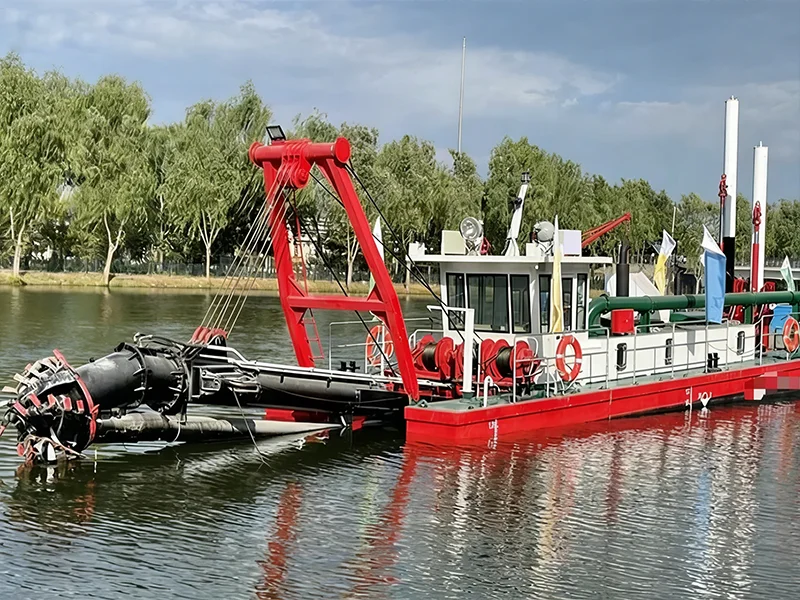
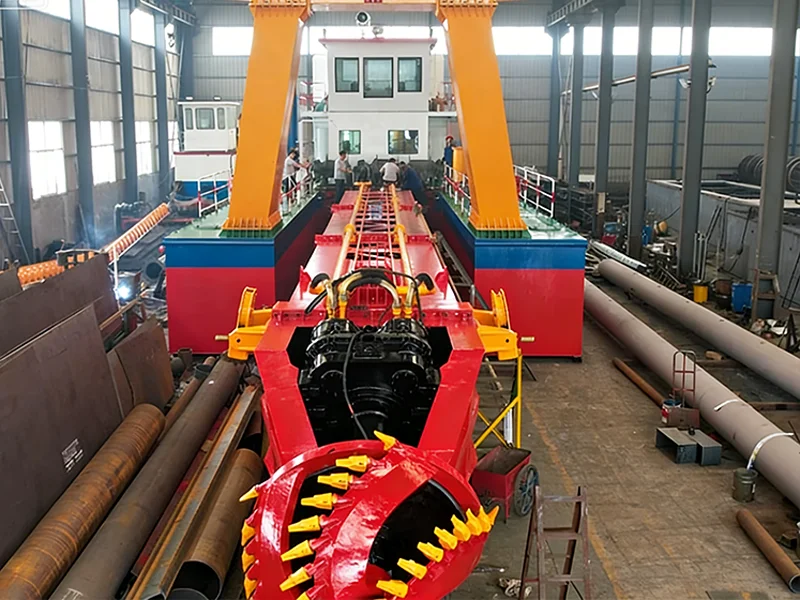
    Cutter suction dredgers are fitted with a rotating cutter head at the suction inlet, which can cut and break up hard underwater soil, rock and compacted sand layers. The mixture of materials and water is then drawn into the hull through a high-performance suction system. With a wide performance range, this type is widely applied in large-scale dredging projects. It is ideal for waterway construction, port deepening and reclamation works that involve complex geological conditions and demand high working efficiency.

    Bucket Chain Dredgers

    Bucket chain dredgers are equipped with a continuous chain of robust steel buckets mounted on a bucket ladder, which rotates to forcefully cut and excavate underwater soil, stiff clay, and even gravel layers. The excavated materials are lifted to the top of the ladder by the circulating buckets and then discharged into barges or conveying systems via gravity. Characterized by high excavation precision and exceptional geological adaptability, this type is particularly suitable for waterway widening, demanding trench excavation, and underwater leveling projects requiring superior flatness. It maintains stable output even in complex conditions involving cobbles or high-density clay, making it an ideal choice for ensuring construction quality in large-scale dredging operations.

    Trailing Suction Hopper Dredgers

    Trailing suction hopper dredgers integrate the functions of excavation, loading, transportation and discharging. They collect underwater materials through trailing suction nozzles and store the materials in built-in hoppers, then navigate to designated areas for automatic discharge. Characterized by strong mobility and large-capacity operation, this type is suitable for long-distance offshore dredging and marine sand mining projects, with high automation and independent working capacity.

    Grab Dredgers

    Grab dredgers adopt hydraulic or mechanical grab buckets to grasp underwater materials, then lift the materials to the hull or barges for transportation and discharge. With a simple structure and low maintenance cost, this type offers strong versatility. It is widely used for small-scale dredging, underwater salvage and port cargo handling in shallow water areas.

    IV. What Are the Major Production Bases of Dredgers in China?

    Major domestic dredger production bases are concentrated in the following regions, each specializing in different scales and technical applications:

    • Shandong (Qingzhou, Weifang, Binzhou, etc.): Recognized as the “Capital of Small and Medium-Sized Dredgers” in China. Qingzhou, in particular, leverages a highly mature industrial cluster for sand mining and environmental dredging equipment. The region specializes in cutter suction dredgers (CSDs) and jet suction dredgers, offering rapid delivery, high cost-performance, and modular designs that are easy to export in containers. It is the primary hub for private enterprises serving inland rivers and international mining projects.

    • Jiangsu & Shanghai (Nantong, Qidong, Shanghai, etc.): This region represents the pinnacle of China’s heavy dredging technology. Utilizing the deep-water berths of the Yangtze River Delta, these bases focus on “Super-Heavy” equipment, such as ultra-large trailing suction hopper dredgers (TSHDs) and self-propelled cutter suction dredgers. These facilities are characterized by high-end automation and the ability to manufacture specialized vessels for massive land reclamation and offshore engineering.

    • Southern China (Guangzhou, Zhongshan, Zhuhai, etc.): Benefiting from proximity to the South China Sea and extensive shipyard infrastructure, the Pearl River Delta is a vital hub for both medium and large-scale dredging vessels. Due to current national shipbuilding subsidies and the global surge in maritime demand, these southern dockyards are experiencing a significant production boom. Most major production lines are currently operating at full capacity, with order schedules and production slots already pushed out to 2028.

    • Hubei (Wuhan, Yichang, etc.): As an inland R&D and manufacturing center, this region focuses on specialized dredging equipment for hydroelectric dams and river maintenance. It combines strong domestic research capabilities with heavy mechanical manufacturing, producing high-efficiency equipment tailored for complex freshwater environments.

    V. Major Domestic Manufacturers of Dredgers

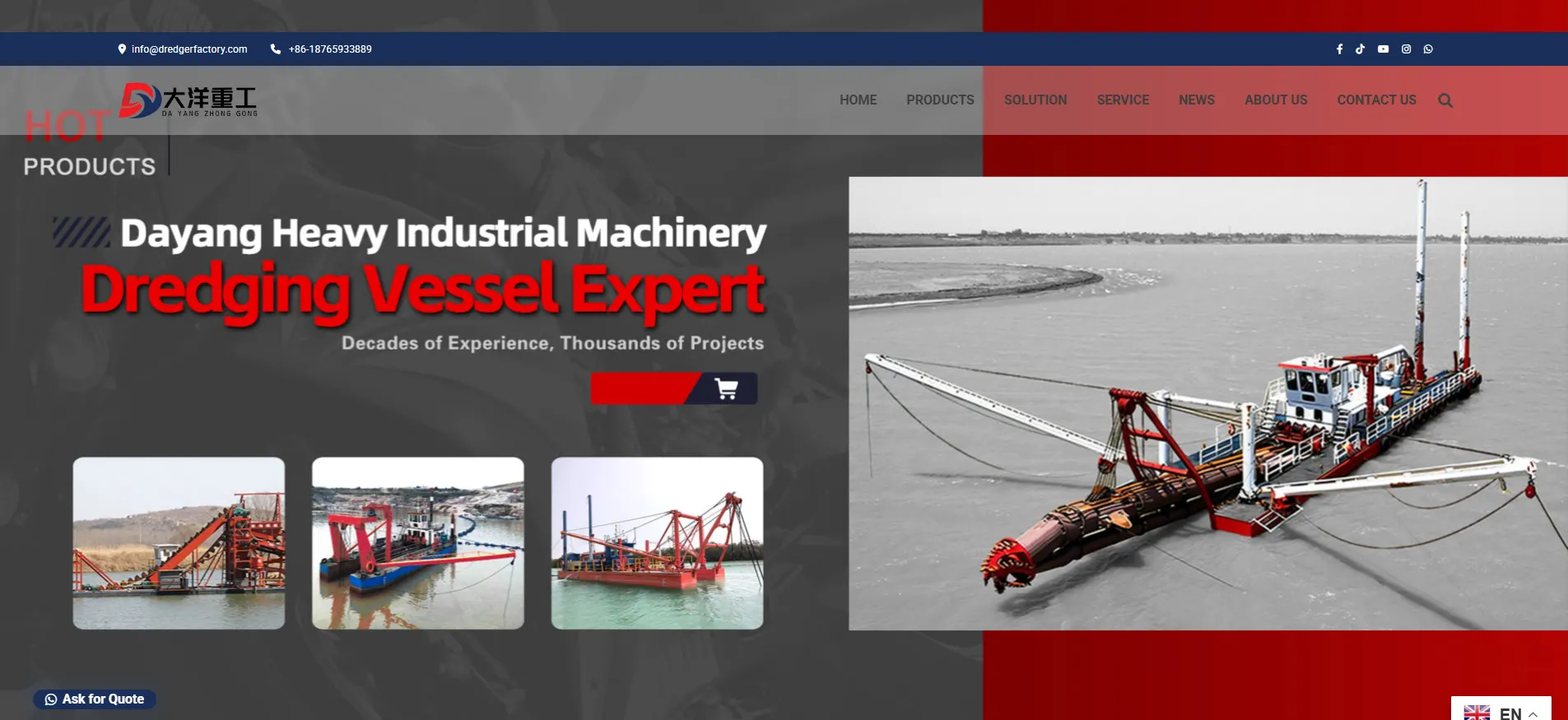
    1. Qingzhou Dayang Heavy Industrial Machinery Manufacturing Co., Ltd.

    An integrated manufacturer of mineral sand and dredging equipment, it mainly engages in cutter suction and jet suction dredgers, with a digging depth of up to 25 meters, serving river dredging and mineral mining in the Yangtze River and Yellow River basins.

    2. Shandong Haohai Dredging Equipment Co. Ltd


    A core domestic manufacturer of medium-sized dredgers, it focuses on cutter suction, bucket chain and jet suction dredgers, with strong customization capabilities. It has delivered more than 500 sets of equipment, covering inland river, port and mine dredging scenarios.

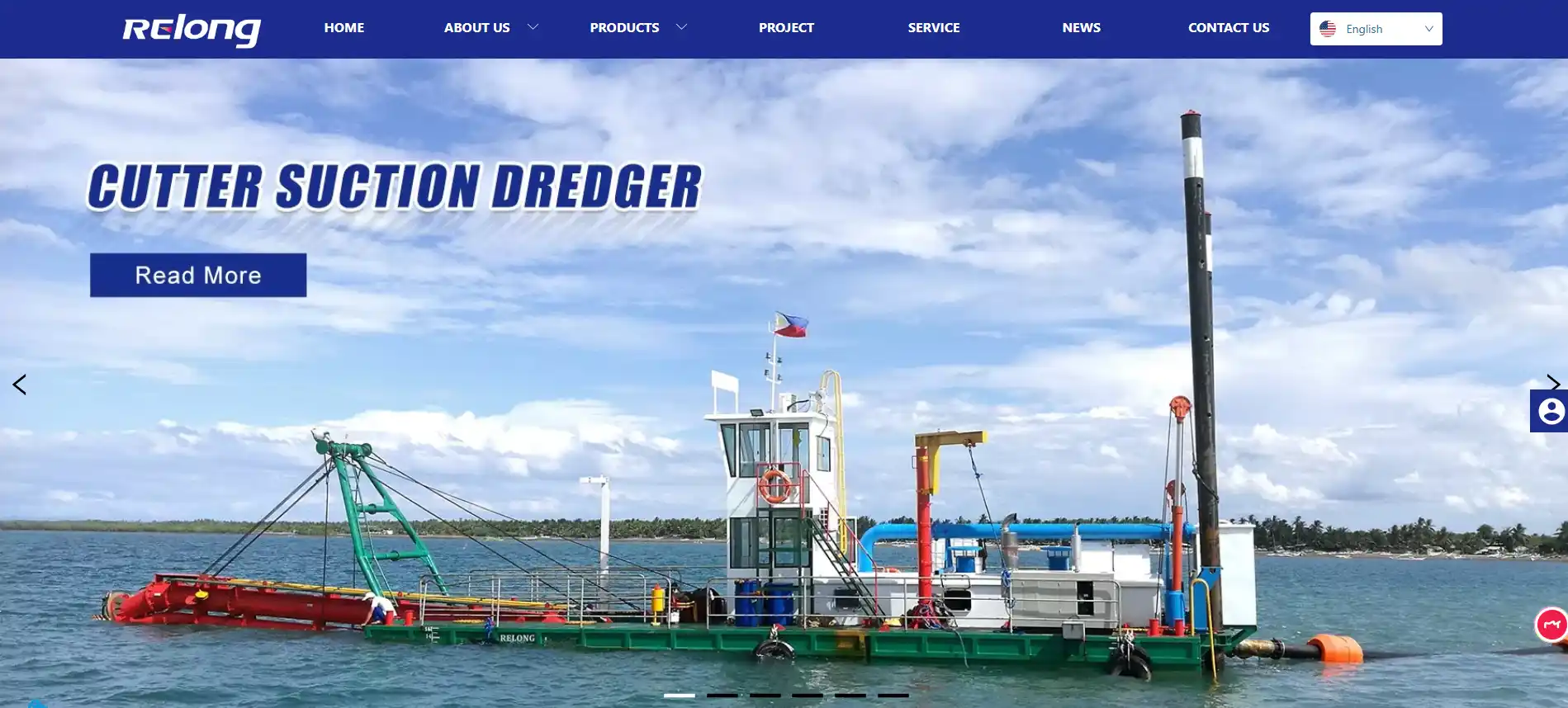
    3. Relong Technology Co., Ltd.

    A professional enterprise specializing in environmental protection dredgers and a national high-tech enterprise, it focuses on environmental protection cutter suction dredgers and electric dredgers. Its low-disturbance dredging technology meets the EU CE standard, suitable for ecological dredging and river regulation.

    4. Qingzhou Keda Mineral Sand Machinery Co., Ltd.

    An integrated manufacturer of mineral sand and dredging equipment, it mainly engages in cutter suction and jet suction dredgers, with a digging depth of up to 25 meters, serving river dredging and mineral mining in the Yangtze River and Yellow River basins.

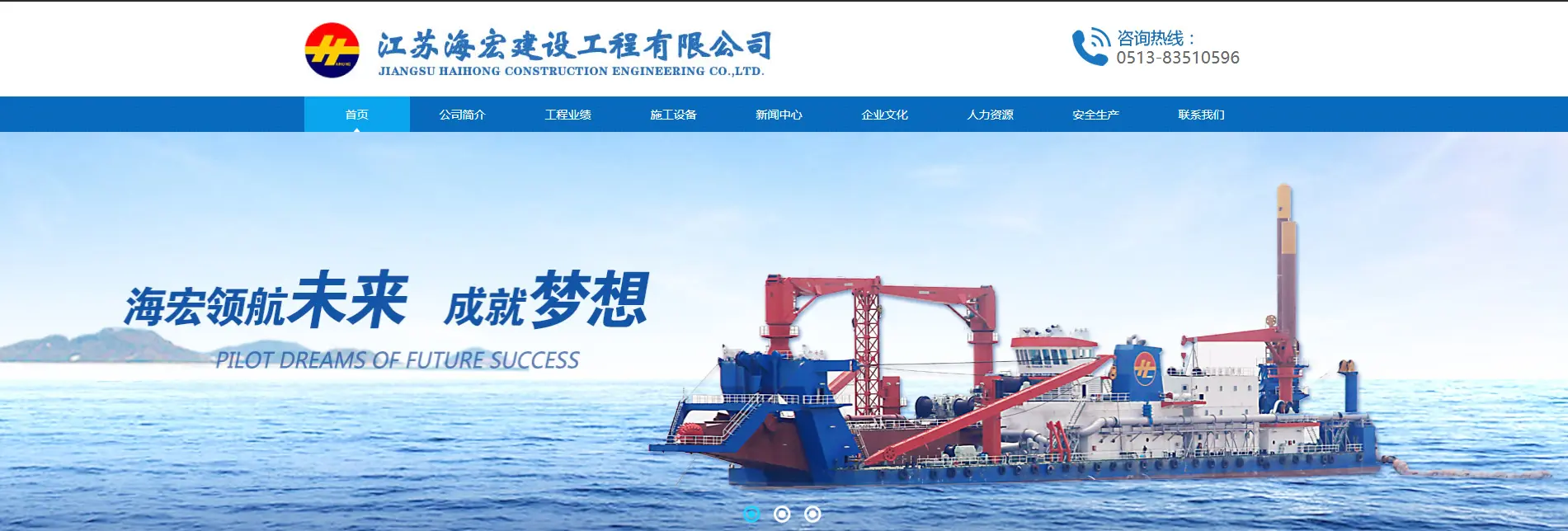
    5. Jiangsu Haihong Construction Engineering Co., Ltd.

    It holds the Class B qualification for ship manufacturing, focusing on the R & D and manufacturing of inland river dredgers. Its products cover East China and Central China, providing stable supply of dredging equipment for water conservancy engineering enterprises.

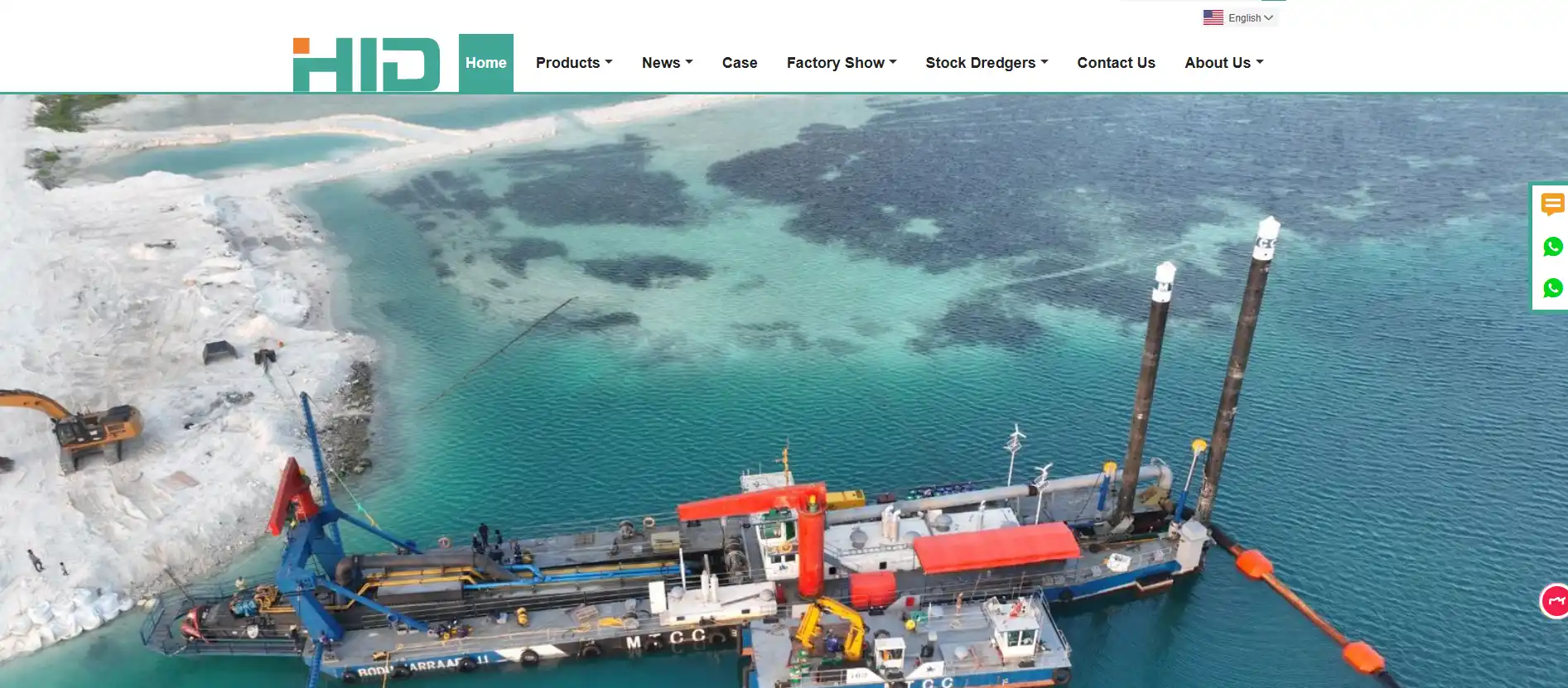
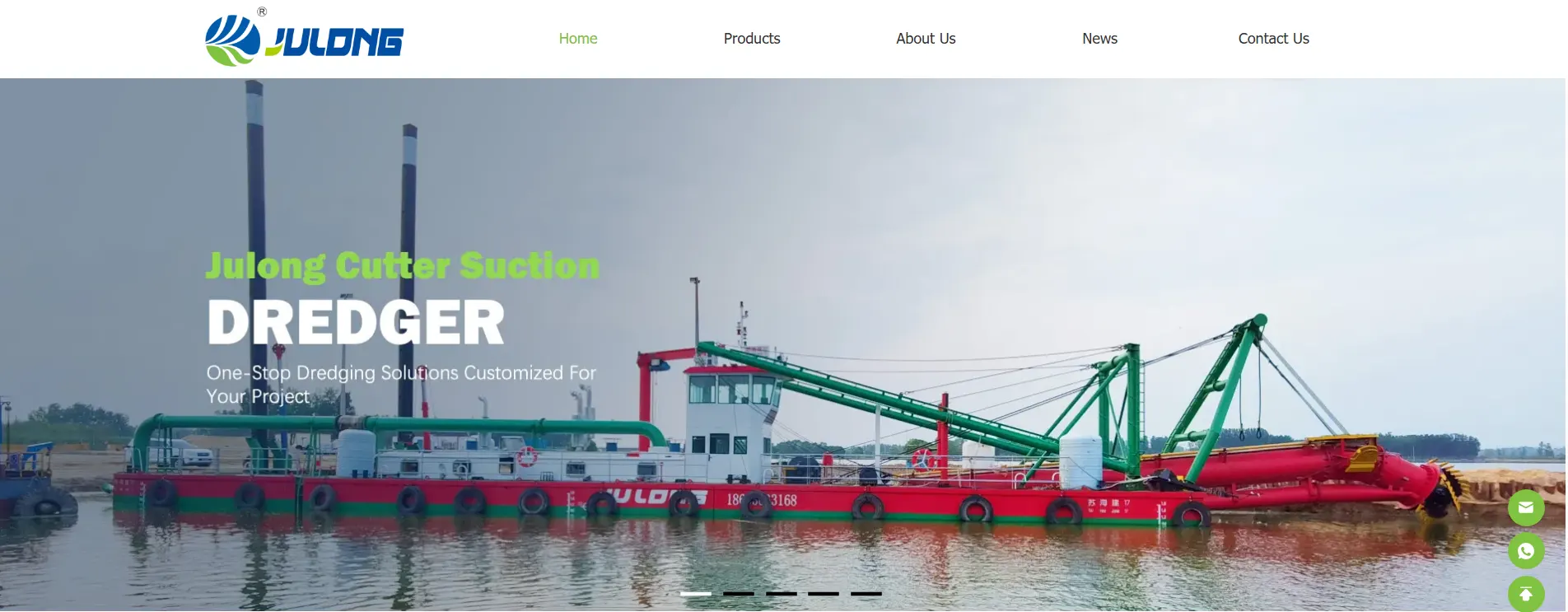
    6. Shandong Julong Intel-Tech Co.,Ltd.

    Shandong Julong Intel-Tech Co.,Ltd. focuses on the design and manufacture of dredging equipment, mining equipment, cleaning boats and related equipment, supplying products to over 80 countries with multiple certifications, patents and advanced international technology.

    VI. How to Find Dredger Suppliers in China

    There are multiple ways to find wholesalers of dredgers and related supporting products in China, as follows:​

    Google Search​

    Enter keywords such as “China dredger suppliers” or “dredger manufacturers China” to quickly screen top supplier resources, check their official websites, product parameter details (such as cutter suction dredger specifications, dredging depth, and hourly output) and customer reviews, and initially evaluate the enterprise strength and project experience.​

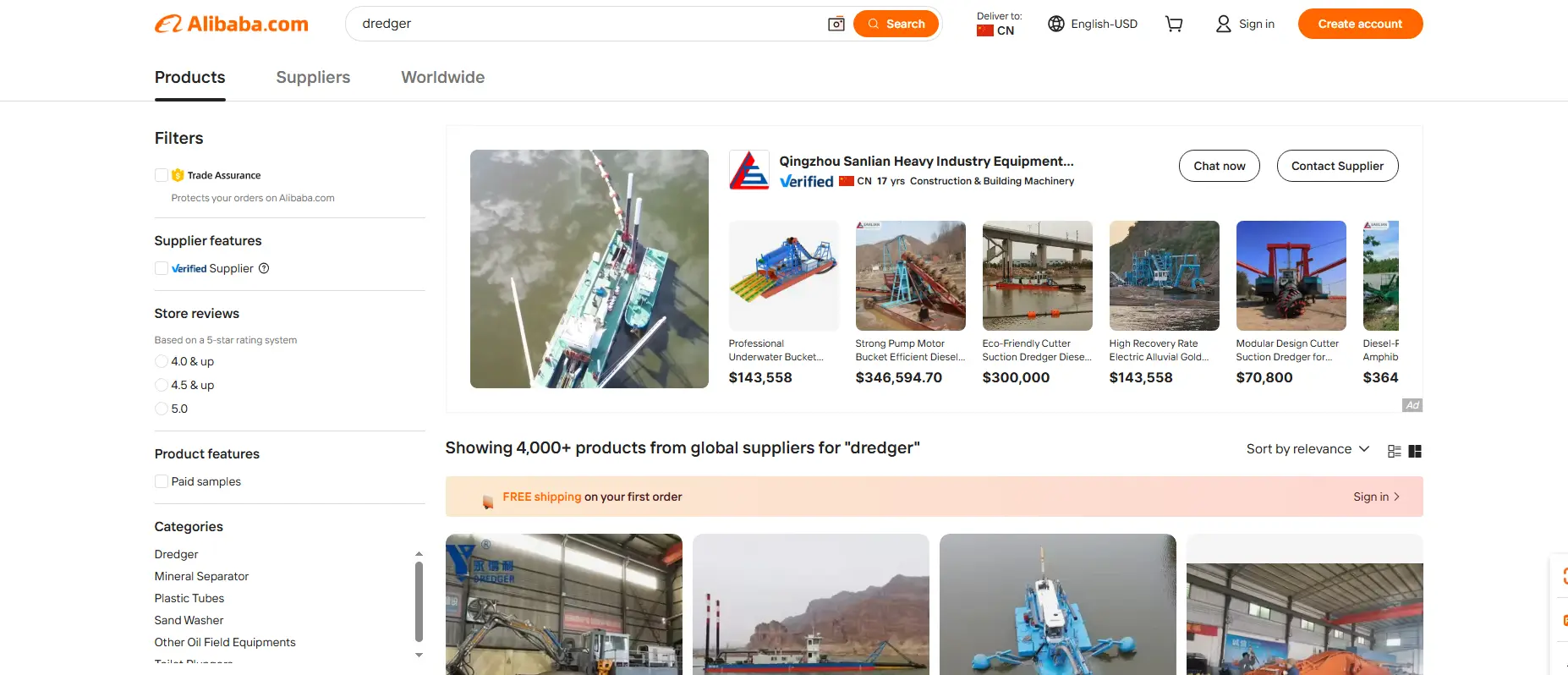
    Alibaba.com​

    As a comprehensive cross-border B2B platform, enter keywords to search for a large number of dredger suppliers. It supports online quotation inquiries, sample applications and customized demand communication (such as customized dredging depth, power configuration and supporting equipment). With a wide range of covered categories, including small portable dredgers and large-scale hydraulic dredgers, the platform is suitable for initially screening supplier pools.​

    made-in-china.com​

    Compared with Alibaba’s comprehensive positioning, made-in-china.com focuses more on industrial machinery and large-scale equipment, making it the preferred platform for purchasing heavy equipment such as dredgers. You can accurately screen manufacturers by product type (cutter suction, jet suction, bucket chain dredgers, etc.), production base, certification qualifications (ISO 9001, ISO 14001, CE, etc.) and export experience. Most enterprises settled on the platform have rich experience in large-scale dredger production, and provide detailed quality inspection reports, production capacity certificates and export qualification documents, which can effectively reduce the quality risks and communication costs of heavy equipment procurement.​

    On-site Inspection of China’s Dredger Production Bases​

    Major production bases include Shandong (Qingzhou, Weifang, Yantai), Jiangsu (Nantong, Yangzhou), Zhejiang (Ningbo, Zhoushan), etc. These regions gather a large number of professional dredger manufacturers with mature production lines and rich project experience. Visiting factories directly in the bases to inspect the factory scale, production lines, finished product quality and after-sales service system is suitable for purchasers with bulk procurement or long-term cooperation needs.​

    Procurement Agent​

    Hire professional procurement agencies such as IMEXsourcing to accurately match high-quality suppliers according to procurement requirements (e.g., production capacity, dredger model, certification standards, export destinations). The agency can provide full-process follow-up services, including order negotiation, quality supervision (especially for key components such as hydraulic systems and dredge pumps), logistics coordination and customs clearance services, to help complete the procurement process efficiently.​

    VII.Precautions for Purchasing Dredgers: Make an Informed Decision

    After identifying potential dredger suppliers and their products, foreign buyers can follow these key steps to ensure a smooth cross-border procurement process:
    Clarify cross-border compliance requirements: Ensure the dredger meets the target country’s industry standards and marine safety certifications (e.g., EU CE, US Coast Guard Certification, IMO Standards) to avoid violations during customs clearance, port inspection or actual operation at sea.
    Lock in working condition adaptation details: Inform the manufacturer of the local water depth conditions (shallow water, deep water), sediment type (sand, mud, gravel), marine climate (wind force, wave height) and power supply specifications (e.g., 380V/415V, 50Hz/60Hz) in advance to ensure the dredger can be directly put into use after cross-border transportation and installation.
    Verify the manufacturer’s export qualifications: Prioritize manufacturers with rich cross-border dredger supply experience and the ability to provide English technical documents (operation manuals, maintenance guides, product parameter sheets) and export-related certificates to reduce communication barriers and avoid risks caused by incomplete documents.
    Clarify international logistics and customs clearance: Confirm whether the manufacturer supports international trade terms such as FOB/CIF and can provide necessary customs clearance documents (commercial invoice, packing list, certificate of origin, marine equipment inspection report, etc.) to ensure smooth customs clearance in the target country.
    Evaluate cross-border after-sales service: Confirm the distribution of overseas maintenance outlets, English after-sales response time (recommended ≤24 hours), cross-border spare parts supply cycle (e.g., key components such as dredge pumps, hydraulic systems) and on-site maintenance support capabilities to avoid production delays caused by equipment failure.
    Calculate full-cycle cross-border costs: In addition to the purchase price of the dredger, include customs duties, value-added tax, international marine freight, port handling fees, overseas installation and commissioning fees, and long-term spare parts import costs to avoid hidden expenses affecting the overall procurement budget.
    Confirm customization and compatibility: If the dredger needs to be adapted to the existing marine operation system or construction requirements overseas, provide detailed operation parameters in advance and communicate with the manufacturer about customization support (e.g., dredging depth, hourly output adjustment) and cross-border technical docking services.

    VIII. Choose IMEXsourcing as Your Sourcing Partner for Dredgers in China

    When it comes to procuring high-performance dredgers from China, partnering with an experienced and reliable sourcing agent is paramount. IMEXsourcing stands out with a comprehensive service suite designed to streamline your acquisition process and secure exceptional value. Here are compelling reasons to select IMEXsourcing for your next dredger purchase:

    Extensive Procurement Expertise

    IMEXsourcing boasts a profound and long-standing history in the hydraulic engineering and dredging equipment industry. We proficiently identify and connect with top-tier Chinese dredger manufacturers, covering everything from high-end custom models (e.g., eco-friendly cutter suction dredgers equipped with advanced PLC systems, bucket wheel dredgers for deep-sea excavation) to standardized cost-effective models (e.g., hydraulic cutter suction dredgers for river desilting, jet suction dredgers for small reservoir cleaning).

    Bespoke Customization Solutions

    We understand that diverse water conditions and project environments demand tailored equipment. IMEXsourcing empowers you to commission dredgers aligned with your specific operational requirements—whether it’s key performance parameters (such as discharge capacity per hour, maximum dredging depth, and discharge distance), core component configurations (e.g., selecting Cummins or Caterpillar engines, high-performance wear-resistant slurry pumps, hydraulic drive systems), or functional upgrades (e.g., high-precision GPS positioning, automated monitoring platforms, and noise reduction designs).

    Thorough Supplier Verification & Quality Control

    Quality is the lifeline of dredging operations. We conduct rigorous due diligence and production oversight:

    • Supplier Audits: Verifying shipbuilding licenses, annual production capacity, and international certifications (e.g., ISO, CE, or Classification Society certifications).
    • Production Monitoring: Focused monitoring of hull welding quality, slurry pump sealing tests, and hydraulic system pressure trials.
    • Pre-shipment Inspection: Conducting dry-run tests, verifying core component dimensions, and checking anti-corrosion packaging for long-distance maritime transport.

    Expert Price Negotiation & Risk Mitigation

    Leveraging our deep understanding of the Chinese dredger supply chain, IMEXsourcing excels in securing favorable pricing and terms. Furthermore, to address risks such as delivery delays or exaggerated production capacities, we provide on-site factory presence to verify production progress and technical team stability, preventing financial losses and project delays caused by substandard equipment or factory operational failures.

    IX. Conclusion

    In conclusion, the Chinese dredger market offers abundant opportunities for global buyers. By clarifying technical specifications (such as discharge pipe diameter, power matching, and wear-resistance requirements) and following a systematic procurement process, importers can source high-quality, cost-effective dredging solutions for port construction, river maintenance, or mining operations.

    Partnering with IMEXsourcing provides critical protection for your procurement journey. We ensure you screen out high-quality manufacturers with stable operations and reliable production capabilities, ensuring your cross-border acquisition is secure, efficient, and professional.

    Message us for more information

    Please let us know your request, we will get back to you within 24 hours.

      Chinese Crushers – Global Supplier of High-efficiency Hard Rock Crushing Equipment

      Introduction

      When you think of heavy crushing equipment, you might first think of century-old brands from established industrial powers in Europe and America. However, over the past two decades, China has quietly emerged as a force to be reckoned with in the global crusher manufacturing industry. From high-altitude mines in Tibet at over 5,000 meters above sea level, to quarries across the African continent, and infrastructure sites in Southeast Asia, Chinese-made crushers are winning the trust of global customers with their excellent performance and reliable quality.

      If you are looking for efficient, durable, and cost-effective crushing solutions, this article will provide a comprehensive analysis of China’s crusher industry—from product types and core advantages to major manufacturers and global market performance.

      I. Understanding Crushers

      What is a Crusher?

      A crusher is a mechanical device that uses mechanical force to break solid materials into smaller pieces, fine particles, or powder. They are the cornerstone of modern industry and are widely used in mining, metallurgy, construction, chemical engineering, railways, and highway construction.

      Core Working Principles

      Crushers apply mechanical force—compression, impact, or shear—to break large rocks into more manageable particles. Different types of crushers use different working principles:

      • Jaw Crushers: Crush materials through compression between a fixed jaw plate and a movable jaw plate
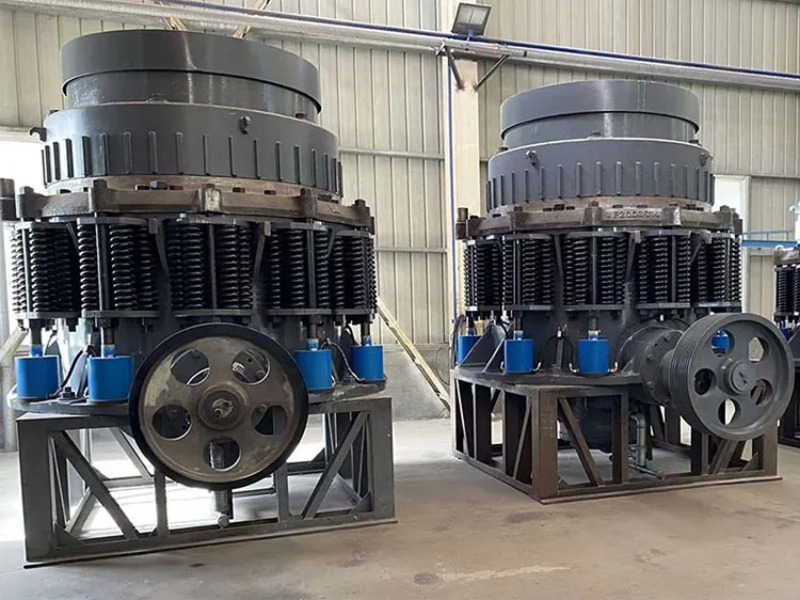
      • Cone Crushers: Achieve inter-particle crushing through the协同 action of a moving cone and a fixed cone
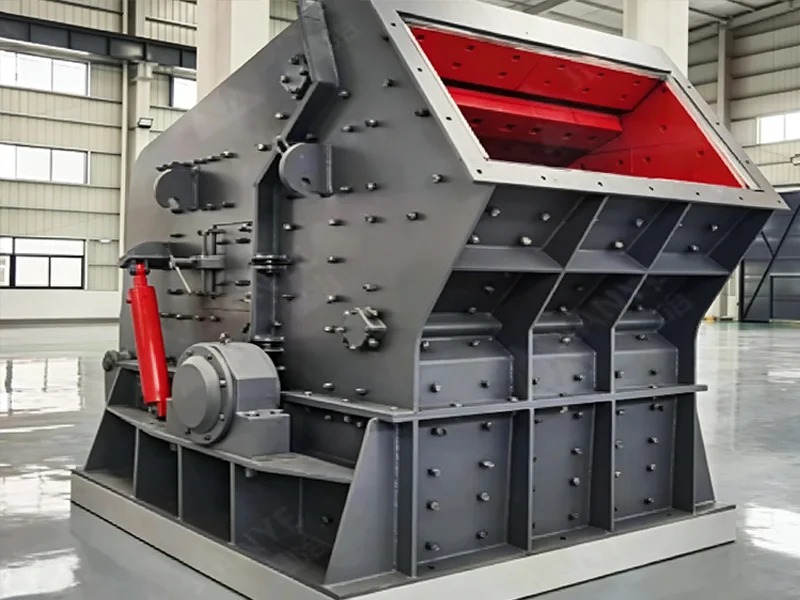
      • Impact Crushers: Use a high-speed rotating rotor to impact and crush materials
      • Gyratory Crushers: Continuous crushing method with high capacity, suitable for primary crushing in large mines

      Main Technical Features of Chinese Crushers

      • Strong Crushing Force: Can handle various high-hardness materials with compressive strength up to 300MPa
      • Stable Operation: Heavy-duty frame and precision machining processes ensure long-term stable operation
      • Excellent Particle Shape: Inter-particle crushing principle produces cubic-shaped products with low flakiness content
      • Intelligent Control: Integrated hydraulic lubrication units and automatic monitoring modules enable intelligent automatic adjustment
      • Energy Efficient: 10%-20% lower energy consumption compared to traditional equipment
      • Strong Adaptability: Can be specially designed for extreme environments such as plateaus and extremely cold regions

      II. Types and Common Uses

      Based on crushing principles and application scenarios, crushers are mainly divided into the following types:

      Type Working Principle Main Use Typical Application Scenarios
      Jaw Crusher Compression crushing Primary crushing First-stage crushing of materials with various hardness levels
      Cone Crusher Inter-particle crushing Secondary and tertiary crushing Medium and fine crushing of high-hardness materials
      Impact Crusher Impact crushing Medium-soft material crushing Construction aggregate production, resource recycling
      Gyratory Crusher Continuous compression Large mine primary crushing 10-million-ton level large mines
      Mobile Crushing Station Integrated design Flexible operation scenarios Construction waste treatment, temporary projects

      III. Industry Application Fields

        Mining

      • Crushing of iron ore, copper ore, gold ore
      • Medium and fine crushing of non-ferrous minerals
      • Crushing and processing of non-metallic minerals

        Aggregates

      • Production of high-quality construction aggregates
      • Crushed stone for highway and railway construction
      • Manufactured sand for hydropower projects

        Metallurgical Industry

      • Crushing and processing of metallurgical auxiliaries
      • Resource utilization of slag

        Construction Waste Resource Utilization

      • Urban construction waste treatment
      • Recycling of waste concrete

      IV. China’s Industrial Landscape and Key Production Hubs

      After decades of development, China’s crusher industry has formed a clustered distribution pattern, with major production bases concentrated in South China, East China, Central China, and Northeast China. This distinctive industrial layout, with unique characteristics in each region, provides buyers with rich resource options.

       South China Region

      South China is one of the important bases for China’s crusher manufacturing industry, gathering numerous medium and large-sized enterprises with independent R&D capabilities. Companies in this region have strong technical accumulation in fields such as large jaw crushers, cone crushers, and mobile crushing stations, with products widely used in industries including mining and aggregates. Relying on the complete industrial chain of the Pearl River Delta and convenient access to sea routes, crushing equipment from South China is not only supplied to the domestic market but also extensively exported to Southeast Asia, the Middle East, Africa, and the Americas.

        East China Region

      East China is one of the most active regions in China’s crusher manufacturing industry, forming several distinctive industrial clusters. Companies in this region have achieved breakthroughs in high-end equipment fields such as large hydraulic gyratory crushers and intelligent cone crushers, with some products reaching internationally leading levels with processing capacities exceeding 6,000 tons per hour. East China possesses a complete industrial chain from raw material supply and precision machining to complete machine assembly. Coupled with superior port conditions, this region has become an important export base for Chinese crushers, with products exported to numerous countries and regions around the world.

        Central China Region

      Central China is another important agglomeration area for China’s crusher manufacturing industry, hosting several professional manufacturers with decades of development history. Companies in this region have strong market competitiveness in fields such as compound crushers, impact crushers, and mobile crushing stations, with products widely used in industries including mining and construction waste resource utilization. Leveraging the geographical advantages and transportation network of Central China, crushing equipment from this region not only covers the national market but is also exported to more than 20 countries and regions including Europe, Southeast Asia, and Africa.

        Northeast China Region

      As China’s old industrial base, Northeast China possesses profound historical accumulation and technical expertise in heavy machinery manufacturing. Crusher manufacturers in this region are mostly established factories dating back to the 1960s and 1970s, having accumulated rich experience in the field of large-scale mining crushing equipment. Relying on a strong industrial foundation and mature manufacturing processes, crushing equipment from Northeast China is renowned for its high stability and durability, mainly serving large domestic mining projects and select overseas markets.

      V. Top 10 Chinese Crusher Manufacturers

      Based on multi-dimensional indicators such as market share, technological innovation, customer reputation, and after-sales service, the following are representative companies in China’s crusher industry:

      • Qingzhou Dayang Heavy Industrial Machinery Manufacturing Co., Ltd.

      It is a leading manufacturer specializing in gold dredging and mineral processing equipment. The company integrates R&D, mechanical design, production, installation, and commissioning services, offering high-efficiency solutions across the entire mining lifecycle, including dredging and extraction, processing and refinement, crushing and recovery, and specialized machinery. Guided by the spirit of “Virtue as the Foundation, Integrity, and Harmonious Development,” Dayang Heavy Industry is dedicated to providing unparalleled service and reliable engineering to customers worldwide.

      • Leimeng Machinery

      It founded in 2009 and headquartered in Guangzhou, Guangdong, specializes in large jaw crushers, cone crushers, and mobile crushers. The company has established a strong presence in Southeast Asia, the Middle East, Africa, and the Americas, earning recognition for its robust equipment and continuous technological innovation.

      • Hongxing Machinery

      It established in the 1980s and based in Zhengzhou, Henan, offers a full range of crushing equipment. With extensive market reach across Asia, Africa, and South America, the company is known for its comprehensive product lines and reliable after-sales support.

      • Nanchang Mineral Systems (NMS)

      It founded in 1970 and headquartered in Nanchang, Jiangxi, focuses on intelligent cone crushers. As a national-level “Little Giant” enterprise, the company has exported its advanced crushing solutions to more than 60 countries and regions worldwide.

      • Zhejiang Mining Heavy Industry

      It established in 2003 and based in Huzhou, Zhejiang, specializes in large gyratory crushers and cone crushers. The company has achieved internationally leading technological level with products like the ZK70-110 large hydraulic gyratory crusher, serving the global market with high-capacity solutions.
      • Zhengzhou Dingsheng Engineering Technology Co., Ltd.

      It founded in 1997 and headquartered in Zhengzhou, Henan, focuses on crushing machinery and wear-resistant materials. The company has exported its products to over 20 countries and regions, including Malaysia, Turkey, Germany, and France, supported by 74 accumulated patents.

      • Shanghai SANME

      It established in 1985 and based in Shanghai, leverages Sino-German joint venture technology to produce advanced crushing and screening equipment. The company has built a strong reputation across Europe, Asia, and Africa for its high-quality, technologically sophisticated products.

      • MESDA

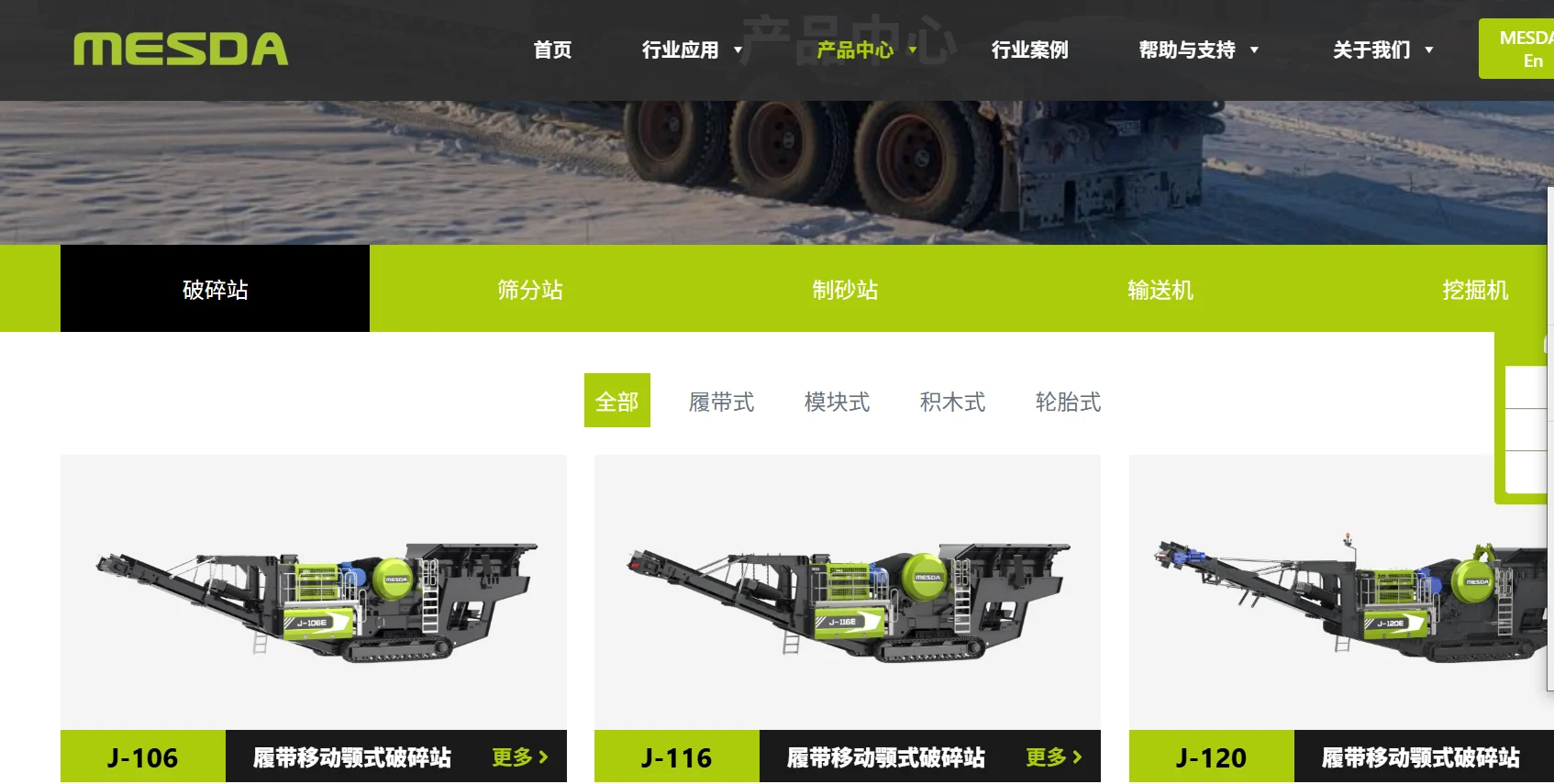
      It founded in 2009 and headquartered in Nanning, Guangxi, is a leading manufacturer of mobile crushing and screening equipment in China . As a pioneer in electric drive technology, MESDA offers over 120 models of mobile crushers, screens, and material handling equipment . The company has captured over 50% of China’s mobile crushing equipment market and exports to more than 60 countries worldwide, including Europe, the Middle East, and the Americas . MESDA’s products are widely used in mining, construction waste recycling, infrastructure projects, and aggregate production, with a strong reputation for innovative design and reliable performance

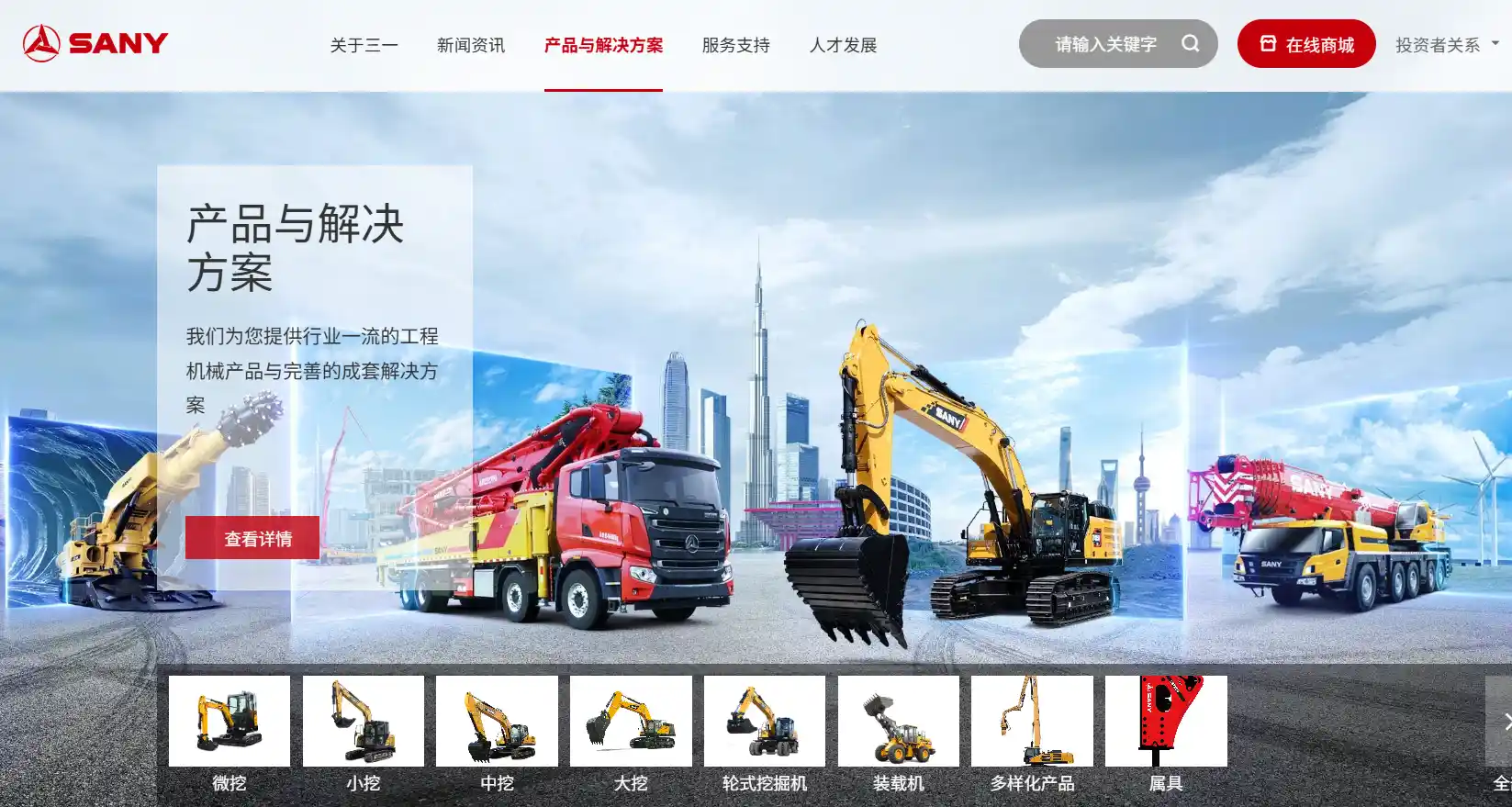
      • SANY

      It founded in 1989 and headquartered in Changsha, Hunan, offers a full range of construction machinery, including crushing equipment. As a global industry leader, SANY’s products are deployed across diverse markets, backed by strong R&D capabilities and international service networks.

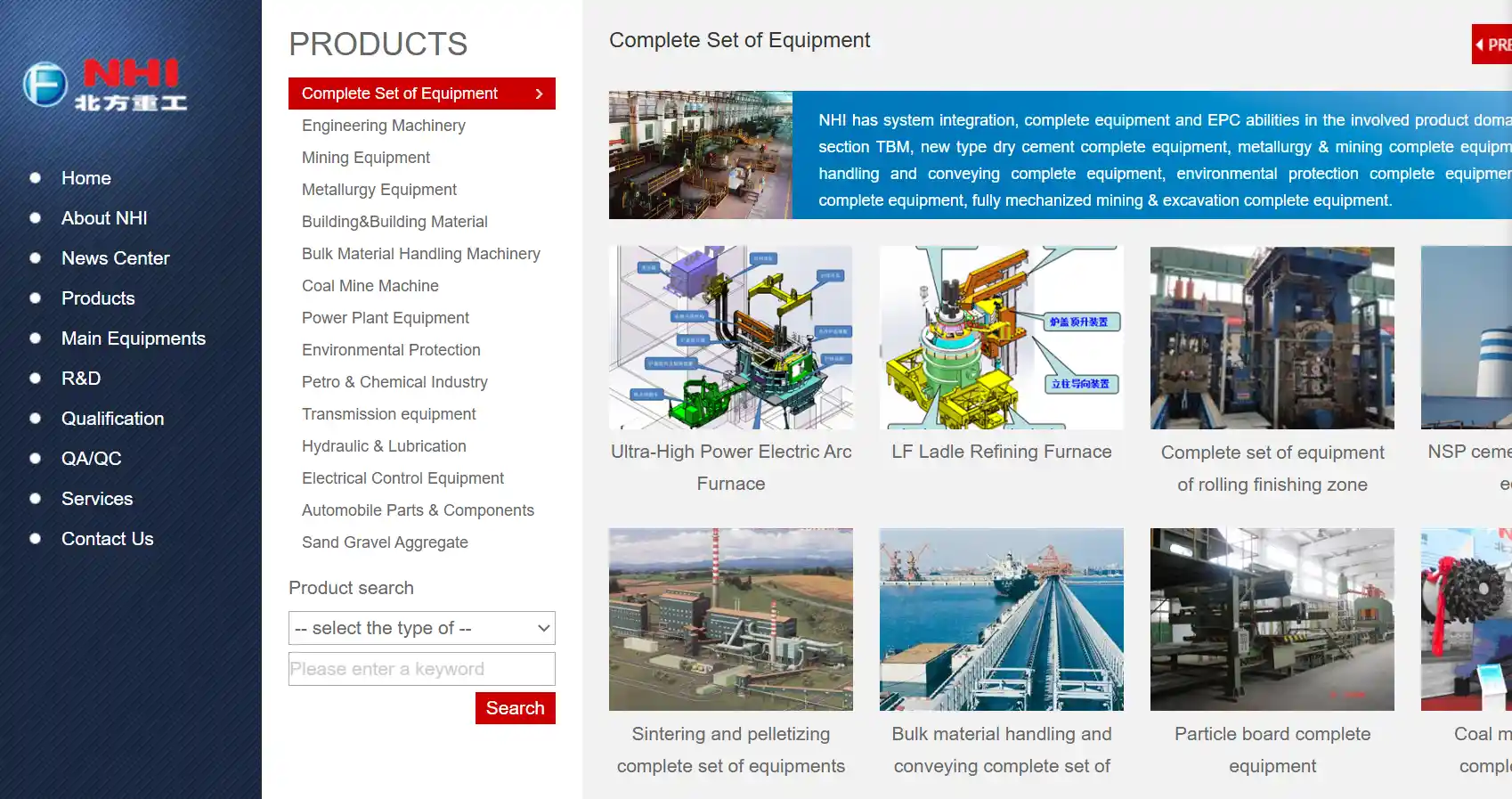
      • Northern Heavy Industries (NHI)

      It established in 1921 and based in Shenyang, Liaoning, specializes in large mining equipment. With over a century of manufacturing heritage, NHI is known for its heavy-duty crushers serving major mining projects both in China and internationally.

      Note: This list represents representative companies; there are hundreds of qualified manufacturers serving different market segments in China.

      VI. Why Choose Chinese Crushers?

          1.Technological Innovation and R&D Investment

      The era when “Made in China” meant simple imitation is over. Today’s Chinese crusher manufacturers invest heavily in research and development:

      Leimeng Machinery holds 49 patents and collaborates with universities to advance crushing technology. They developed the GC200 high-performance jaw crusher with a capacity of up to 2,500 tons per hour.

      Nanchang Mineral Systems (NMS) has established five global R&D centers, set up a laboratory in Sweden, and collaborates with universities such as Central South University and China University of Mining and Technology to promote industry-academia-research integration.

      Zhejiang Mining Heavy Industry, after years of research, has achieved new breakthroughs in key technologies such as structural design and intelligent control, reaching an internationally leading level.

          2.Adaptability to Extreme Environments

      Chinese manufacturers design equipment for the world’s most challenging environments:

      • High-altitude Adaptability: NMS technicians analyze the properties of different ores to ensure equipment can adapt to different environments such as plateaus and extremely cold regions.
      • Intelligent Control Systems: Integrated hydraulic lubrication units and automatic monitoring modules can assess equipment operating status in real-time, reducing manual maintenance costs.

          3.Cost-Performance Advantage

      Thanks to a complete domestic supply chain and economies of scale, Chinese manufacturers offer equipment that maintains international quality standards while being more competitively priced. China has the advantage of the most complete industrial chain—Shandong Province is the only province in the world with all 41 industrial categories, providing an unparalleled supply chain foundation for equipment manufacturing. From casting and forging of large components to innovative applications in automation control, this enables optimal product cost control and shorter delivery cycles.

      VII. How IMEXsourcing Helps You Source Crushers from China

      For machinery and equipment procurement, choosing the right supplier is only the first step. From technical communication and quality control to export logistics, every link affects the success or failure of a project. IMEXsourcing, as your strategic sourcing partner in China, provides end-to-end comprehensive services.

          1. Professional Technical Background

      Large machinery differs from ordinary commodities; sourcing it requires more specialized knowledge, better supply chain management capabilities, and a strong ability to coordinate various parties. IMEXsourcing’s core competitiveness lies in its professional engineering team:

      • The team consists of experienced mechanical and electrical engineers, with an average of over 8 years of experience in the machinery industry and international trade
      • Provides free pre-sales engineering and technical consultation, including professional advice on machinery, electrical systems, and component selection
      • Supports technical drawing conversion (CAD/SolidWorks) and can complete prototype development within 15 working days

          2. Strict Supplier Verification

      IMEXsourcing implements a four-step verification process to ensure supplier reliability:

      • Qualification Verification: Verify the validity of business licenses, ISO, and CE certifications
      • Factory Audit: Conduct on-site evaluations using more than 20 quality control indicators
      • Capacity Analysis: Assess production capacity for industrial equipment
      • Customer Verification: Check overseas customer cases and reference information

          3. Comprehensive Quality Control

      Quality is at the core of procurement. IMEXsourcing implements a multi-level quality control system:

      • Pre-production Inspection: Inspect raw materials and components
      • In-process Control: Follow up on production progress and quality checks throughout the process
      • 100% Functional Testing: Conduct pre-delivery testing on all machinery and equipment
      • Third-party Inspection: Arrange inspections by international authorities such as SGS or BV as needed

          4.  Complete Export Logistics Solutions

      IMEXsourcing cooperates with internationally renowned logistics companies such as DHL, FedEx, COSCO, ONE, and Maersk to manage the complete export process:

      • Free Warehousing: Can consolidate goods from different factories for centralized shipping
      • Documentation Services: HS code classification, preparation of certificates of origin (FTA, etc.)
      • Certification Assistance: Assist in obtaining required certifications such as CE until certificates are obtained
      • Dangerous Goods Documentation: Prepare specialized documents for lubricants, pneumatic components, etc.
      • Flexible Trade Terms: Support various delivery methods including EXW, FOB, CIF, and DDP

          5.  Attentive Procurement Support Services

      Whether you visit China in person or purchase through online platforms, IMEXsourcing provides comprehensive support:

          Visit Support:

      • Airport/station pickup
      • Hotel and train ticket booking
      • Professional translation services (technical and business support available)
      • Transparent access to production sites

          Online Procurement Support:

      • Help screen high-quality manufacturers and avoid trading companies
      • Assist with sample confirmation and production follow-up
      • Ensure smooth delivery of goods

      IMEXsourcing is the buyer’s partner, representing the buyer’s interests, and promises not to accept any commissions, kickbacks, or referral fees from factories. Its core philosophy is: “Achieve for clients before we achieve for ourselves”—our client’s success is our success.

      VIII. Future Trends

      China’s crusher industry is undergoing a dual-track transformation toward intelligent automation and green sustainable development:

      • Intelligent Automation

      Manufacturers are integrating artificial intelligence, the Internet of Things, and 5G technology into crushing equipment. In NMS’s “5G+ Smart Factory” metalworking workshop, each part has a unique QR code and number, allowing every process to be traced by scanning the code.

      • Large-scale Development

      As large mines with tens of millions of tons require higher processing capacity from primary crushing equipment, large-scale development has become an important trend. The introduction of large equipment such as Zhejiang Mining Heavy Industry’s 1800 gyratory crusher and Leimeng Machinery’s GC200 jaw crusher meets the market demand for high processing capacity.

      • Green Sustainability

      The demand for crushers with high energy efficiency and low emissions is growing, driving innovations such as hybrid drive and electric models. NMS’s CC series cone crushers consume 10%-20% less energy than traditional equipment.

      • Circular Economy Applications

      The demand for crushers capable of processing recycled materials is increasing. Zhengzhou Dingsheng’s tracked mobile crushing stations are used in the field of construction waste resource utilization, contributing to urban sustainable development.

      IX. Conclusion

      China’s crusher industry has evolved from simple manufacturing to intelligent manufacturing, from the domestic market to the global stage. Today, Chinese manufacturers are not just synonymous with cost-effectiveness but are also an important force in technological innovation.

      Message us for more information

      Please let us know your request, we will get back to you within 24 hours.

        Precision & Perception: A Complete Guide to Sourcing Next-Gen AI Smart Glasses in China

        AI Glasses are the next frontier of wearable tech, blending the familiarity of classic frames with the power of an AI assistant. They act as your “second pair of eyes,” offering features like real-time captioning, voice-activated search, and immersive POV recording—essentially moving the smartphone’s most essential functions directly into your line of sight.

        The Chinese industry leads the charge through a combination of manufacturing scale and specialized innovation. While others are still in the prototyping phase, Chinese developers have already optimized the “lightweight-to-power” ratio, delivering sleek, stylish glasses that don’t compromise on performance. Their advantage is simple: the ability to turn cutting-edge AI concepts into affordable, consumer-ready products faster than anyone else on the planet.

        I. Core Capabilities of AI Smart Glasses

        In 2026, AI smart glasses have transcended their status as mere accessories to become our most intimate “cognitive partners.” Unlike the bulky prototypes of the past, today’s devices seamlessly blend high-end optics with advanced artificial intelligence to offer three game-changing capabilities:

        • Multimodal Environmental Awareness: Powered by next-gen sensors and models like Gemini 3, these glasses don’t just record—they “understand.” Whether you’re looking at a complex engine repair, a foreign menu, or ingredients on a kitchen counter, the AI can analyze the visual feed in real-time to provide step-by-step guidance, nutritional facts, or instant contextual answers.

        • Seamless Real-Time Translation: Breaking language barriers is now as simple as putting on your glasses. With binocular waveguide displays, the glasses can overlay live subtitles directly onto your field of vision during a conversation. Supporting over 150 languages and dialects, it allows for fluid, natural communication without ever glancing at a phone.

        • Intuitive POV Content Creation: We have entered the era of “Eyes-on” storytelling. High-definition 4K cameras and specialized stabilization chips allow creators to capture authentic, first-person perspectives hands-free. From professional vlogging to documenting industrial workflows, the transition from handheld to POV has made capturing life’s moments more immersive than ever.

        II. What Are the Classifications of AI Glasses?

        AI glasses are currently in a period of rapid development. Based on their functional focus and hardware form factors, the current market can be categorized into four main types:

        1. Smart Audio Glasses

        The most popular type, featuring a design nearly identical to traditional frames.

        • Core Features: Built-in Bluetooth speakers and microphones for music, calls, and AI voice assistants.
        • AI Applications: Interaction with AI (e.g., ChatGPT, Gemini) for weather updates, news, scheduling, or real-time voice translation.

        2. AR Display & Information Prompting Glasses

        These utilize micro-displays (such as Micro-OLED) to project information directly into the wearer’s line of sight.

        • Core Features: Teleprompters, real-time navigation arrows, translation subtitles, and notification pushes.
        • AI Applications: Real-time Multilingual Translation and AI-driven tour guiding.

        3. Multimodal Perception & Visual Recognition Glasses

        Equipped with high-definition cameras, these glasses “see” the world alongside the user.

        • Core Features: Photography, video recording, object recognition, and barcode scanning.
        • AI Applications: Object identification, accessibility for visually impaired, and industrial maintenance.

        4. Spatial Computing & XR Glasses

        The most powerful category, designed for complex interactions and immersive experiences.

        • Core Features: 3D modeling, virtual large-screen displays, and gesture interaction.
        • AI Applications: SLAM (Simultaneous Localization and Mapping), human posture recognition, and complex MR/VR interaction.

        Quick Comparison Table

        Category Core Value Aesthetics Primary Use Case
        Audio Glasses Voice Interaction Like regular glasses Daily commute, driving, office
        Display/AR Real-time Prompts Slightly thicker lenses Meetings, navigation, logistics
        Visual AI Multimodal Recognition Visible camera module Tourism, accessibility, industry
        Spatial/XR Immersive Display Goggle-like/Opaque Cinema, gaming, 3D design

        III. What Is the Most Important Parameter of AI Glasses?

        Essential Parameters of AI Glasses: A Technical Analysis

        When evaluating AI glasses, the specifications can be broken down into three core dimensions: Wearability, Interaction, and AI Performance. Here is a simplified analysis of the most important parameters.

        1. Wearability (The Foundation)

        Comfort determines whether a user will wear the device daily or leave it on the shelf.

        • Weight: Standard prescription glasses weigh between 20g and 30g. High-quality AI glasses should ideally stay under 50g. Anything over 70g often causes noticeable pressure on the bridge of the nose and ears during long-term use.
        • Lens Compatibility: The ability to support prescription (myopia/hyperopia) lenses is crucial for expanding the user base to those who already wear glasses.

        2. Interaction & Perception (Functional Core)

        These parameters define how the AI “hears, sees, and speaks” to the user.

        • Camera Resolution: Typically ranging from 8MP to 13MP. Beyond taking photos, the camera’s primary role is providing visual data for AI tasks like object recognition and real-time text translation.
        • Microphone Array: Noise cancellation is vital. In loud outdoor environments, the quality of the mic array determines if the AI can accurately capture your voice commands.
        • Audio Output: Directional sound technology is preferred to ensure clear audio for the user while preventing “sound leakage,” which protects privacy in public spaces.

        3. Display & Endurance (Advanced Specs)

        • Display Brightness: For glasses with screens (AR types), brightness must reach at least 1000 nits to remain visible under direct sunlight.
        • Battery Life: This includes standby time and continuous active time (voice/recognition). Most current models require a charging case to get through a full day of heavy use.
        • Connectivity: Bluetooth 5.3 or higher is the industry standard, ensuring stable connections and low latency between the glasses and the smartphone.

        4. AI Intelligence (The “Soul”)

        • Multimodal Capability: The ability for the AI to process voice and visual data simultaneously (e.g., looking at a menu and asking, “Which dish is healthy?”).
        • Response Latency: The time elapsed from a voice command to an AI response. Ideally, this should be under 1.5 seconds for a natural user experience.

        IV. Why Sourcing AI Glasses from China is a Strategic Edge

        China has emerged as the global powerhouse for AI glasses, combining a world-class manufacturing ecosystem with rapid technological innovation. For B2B buyers and brands, sourcing from China offers several irreplaceable advantages:

        1. Unmatched Supply Chain Efficiency

        The “Silicon Valley of Hardware” (the Pearl River Delta) hosts over 80% of the global AI glasses supply chain. From camera modules and optical waveguides to Micro-LED displays, every core component is manufactured within a tight industrial cluster. This proximity allows for prototyping in days rather than months, significantly shortening your time-to-market.

        2. Rapid Hardware-Software Iteration

        Chinese manufacturers are known for their “speed to market.” Unlike traditional cycles, Chinese tech firms iterate their hardware and AI integration monthly. This ensures that the products you source are always equipped with the latest features, such as multimodal AI perception and real-time multilingual translation.

        3. Open Ecosystem & Compatibility

        Unlike some global giants that lock users into closed software ecosystems, many Chinese AI glasses manufacturers adopt an open approach. Their devices often support multiple Large Language Models (LLMs) including OpenAI, Llama, and Gemini, providing the flexibility needed for different international markets.

        4. Superior Cost-Performance Ratio

        Leveraging massive economies of scale and advanced automated production, China provides high-performance AI hardware at a fraction of the cost of Western counterparts. This allows businesses to maintain healthy margins while offering competitive retail pricing.

        5. Proven Quality & Scalability

        Years of experience in manufacturing smartphones and high-end optics have created a skilled workforce and robust quality control systems. Whether you need a small batch for market testing or a mass-production run of 100,000 units, the infrastructure is built to scale reliably.

        V. Leading Manufacturing Hubs for AI Glasses in China

        The production of AI glasses requires a complex integration of optics, electronics, and structural design. In China, these capabilities are concentrated in three primary industrial clusters, each offering unique strategic advantages:

        1. Shenzhen & Dongguan (The Global Hardware Core)

        Known as the “World’s Hardware Capital,” the Pearl River Delta (Shenzhen and Dongguan) is the primary hub for AI glasses. This region excels in electronic integration, PCB assembly, and rapid prototyping. Most smart audio glasses and multimodal AI devices are designed and manufactured here, benefiting from a complete ecosystem of chip providers, battery manufacturers, and assembly plants.

        2. Yangtze River Delta (Optics & Display Expertise)

        Regions including Suzhou, Hangzhou, and Wuxi are home to world-leading optical lens and display module manufacturers. This cluster is essential for AR (Augmented Reality) glasses that require high-precision optical waveguides and Micro-OLED displays. Many high-end AI glasses rely on the precision manufacturing and coating technologies found in this area.

        3. Xiamen & Wenzhou (Precision Frame Manufacturing)

        While Shenzhen handles the “smart” components, Xiamen and Wenzhou have been the global centers for traditional eyewear frames for decades. Many AI glasses startups collaborate with factories in these cities to ensure that smart glasses are not only functional but also lightweight, stylish, and durable, meeting the ergonomic standards of traditional high-end eyewear.

        Why Regional Concentration Matters for Sourcing

        This geographic concentration means that all components—from the AI chip to the hinge of the frame—can be sourced within a 100-mile radius. For international buyers, this results in lower logistics costs, faster quality control, and unmatched speed in moving from design to mass production.

        VI. Top 10 Chinese Manufacturers of AI Glasses

        1. Huawei Technologies Co., Ltd.

        • Introduction:Leverages HarmonyOS and on-device AI, focusing on waveguide and cross-device collaboration. Targets high-end smart glasses and industry solutions.
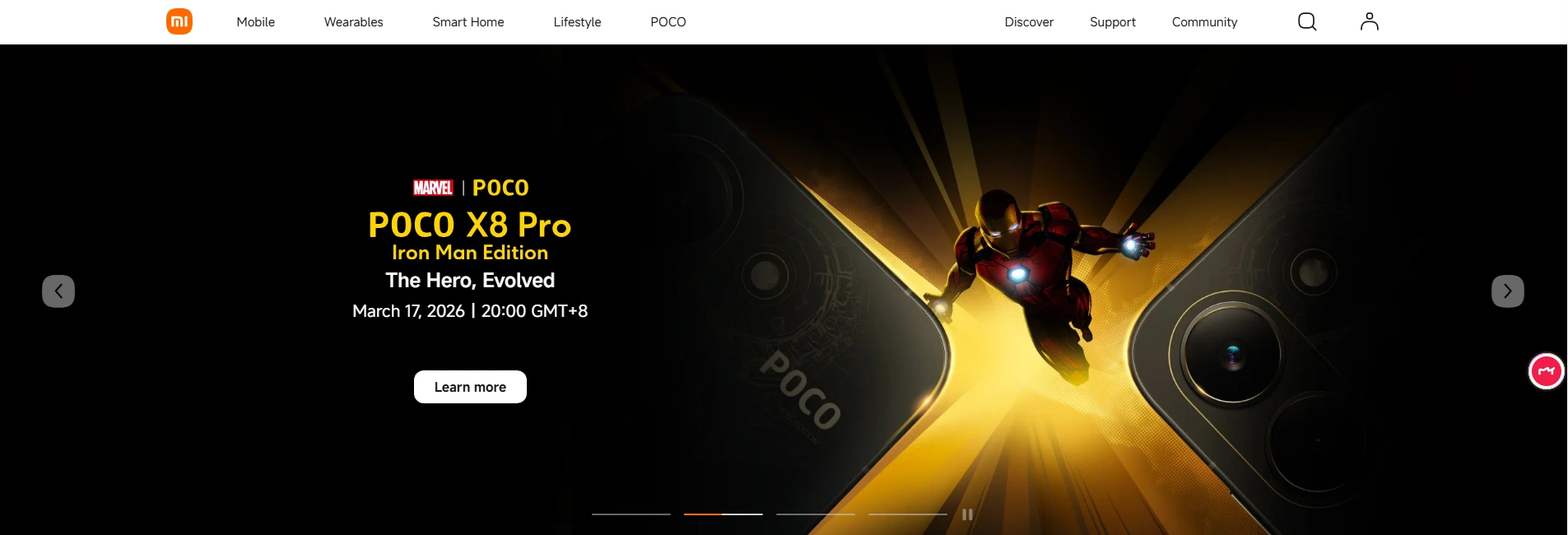
        2. Xiaomi Corporation

        • Introduction:Popularizer of consumer-grade AI glasses, ranked No.2 in global market share. Focuses on cost-effective AI vision and ecosystem integration.

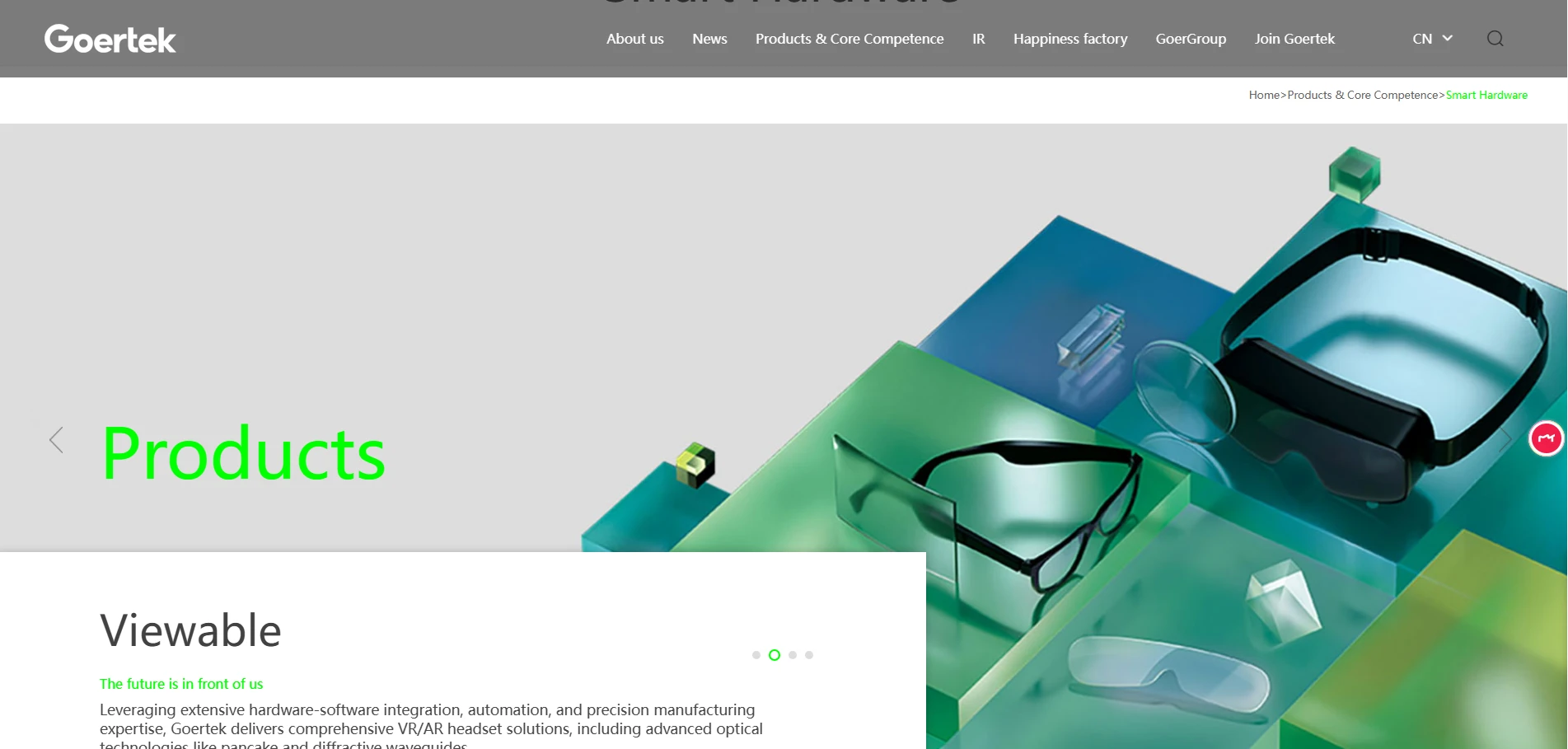
        3. Goertek Inc.

        • Introduction:Global leading ODM/OEM for VR/AR/AI glasses, providing one-stop manufacturing from optical modules to finished products. Annual capacity exceeds 1 million units.

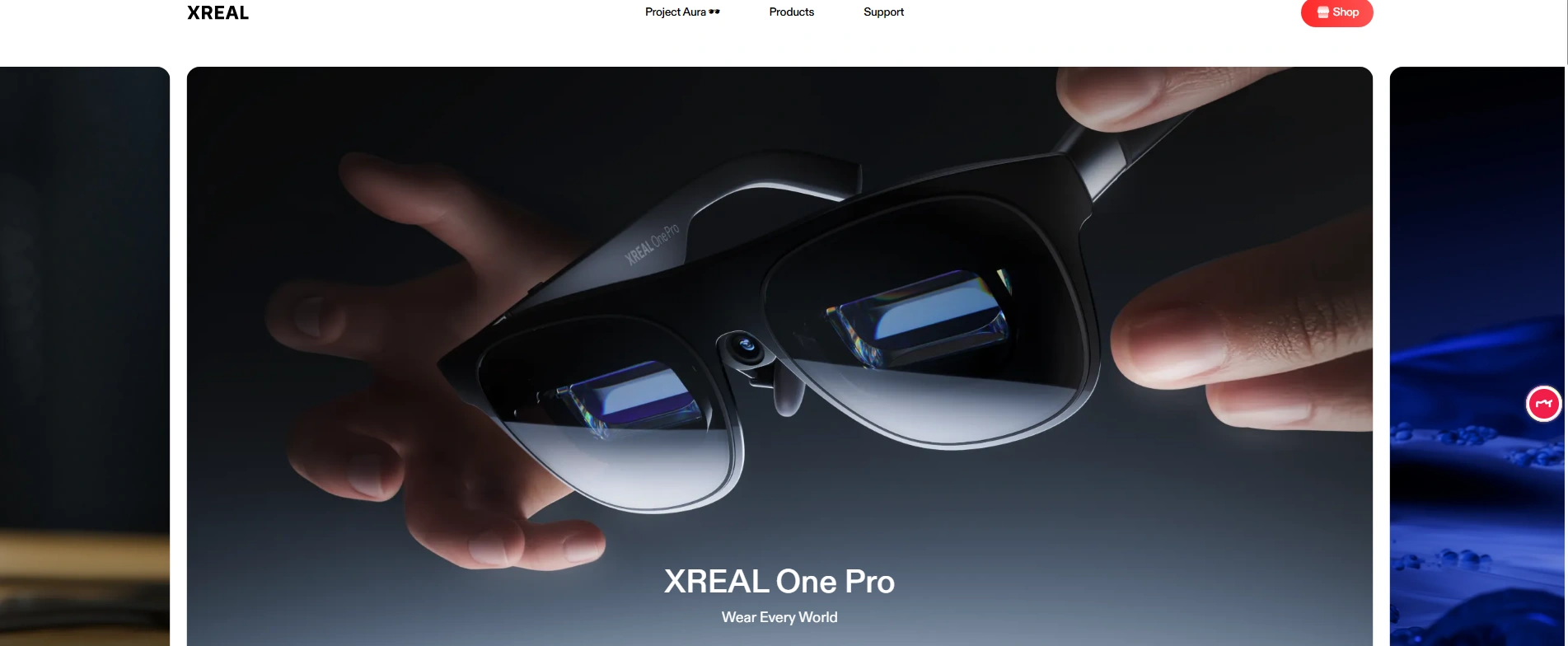
        4. XREAL Technology (Shenzhen) Co., Ltd.

        • Introduction:A top Chinese AR glasses exporter, leading Amazon sales for years. Focuses on lightweight split-type AR/AI glasses; overseas revenue accounts for over 60%.

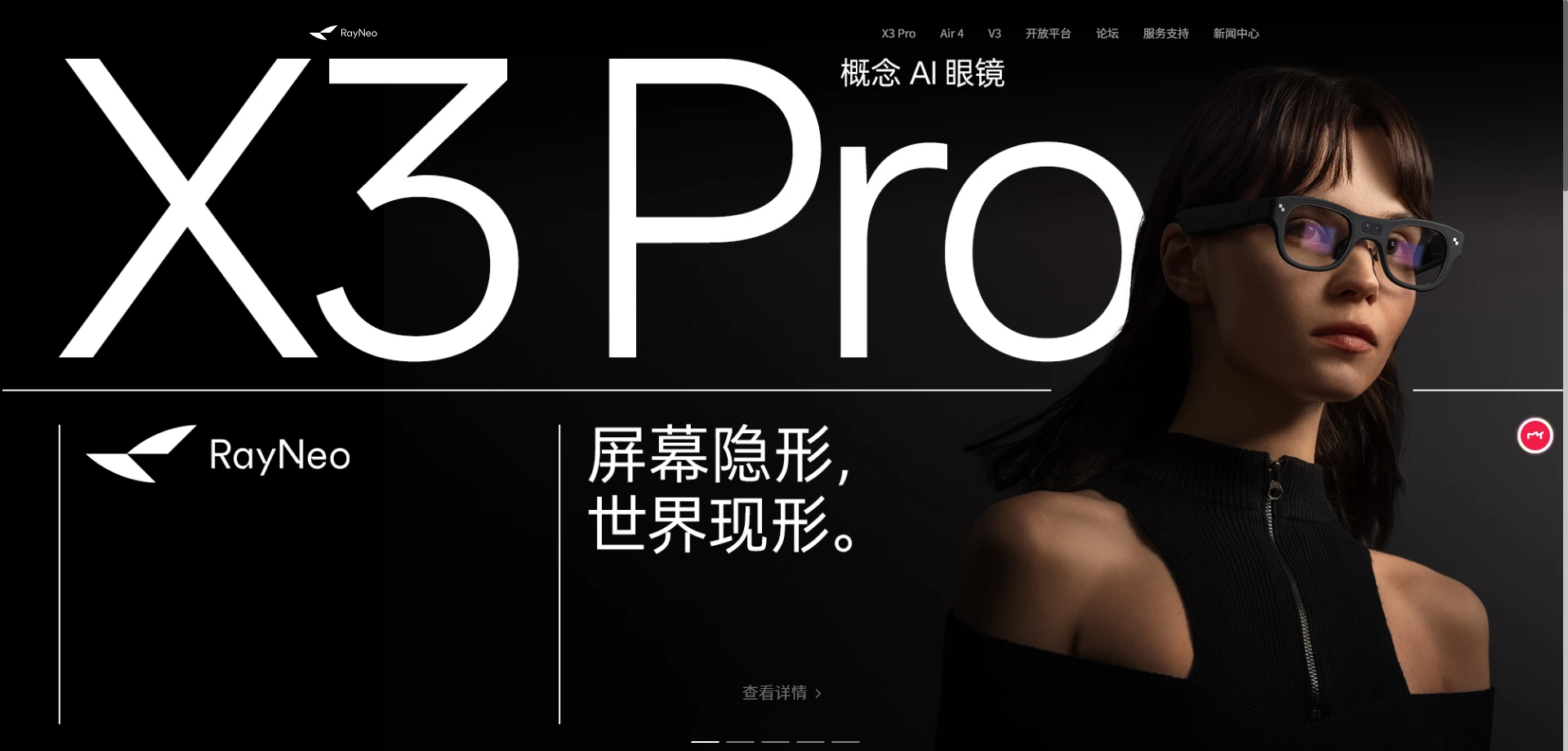
        5. RayNeo Innovation Technology (Shenzhen) Co., Ltd.

        • Introduction:A leading AR/AI glasses brand under TCL ecosystem, ranked No.1 in China market share in 2025. Specializes in full-color MicroLED waveguide and AI interaction; flagship models: RayNeo V3, Air series.

        6. Beijing Lingban Technology Co., Ltd. (Rokid)

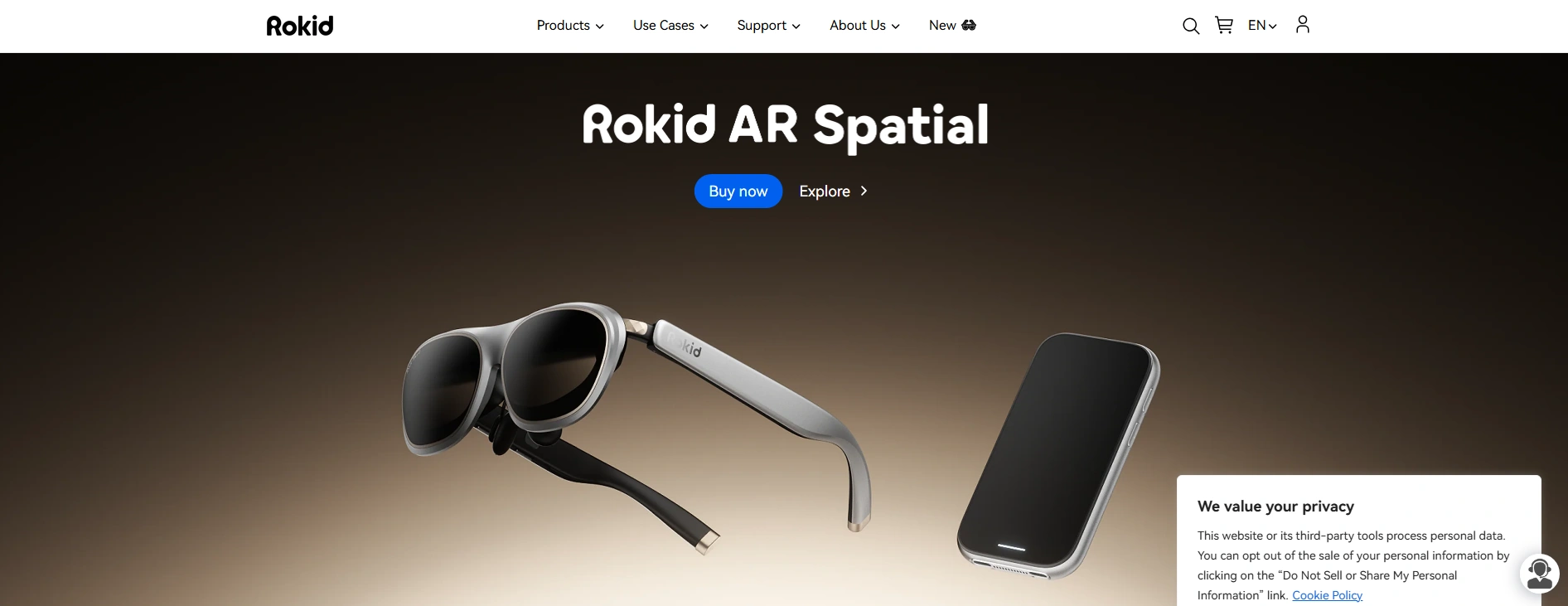
        • Introduction:Pioneer in AR/AI glasses in China, focusing on binocular waveguide, AI translation and enterprise applications. Strong presence in both consumer and B2B markets.

        7. INMO Technology (Shenzhen) Co., Ltd.

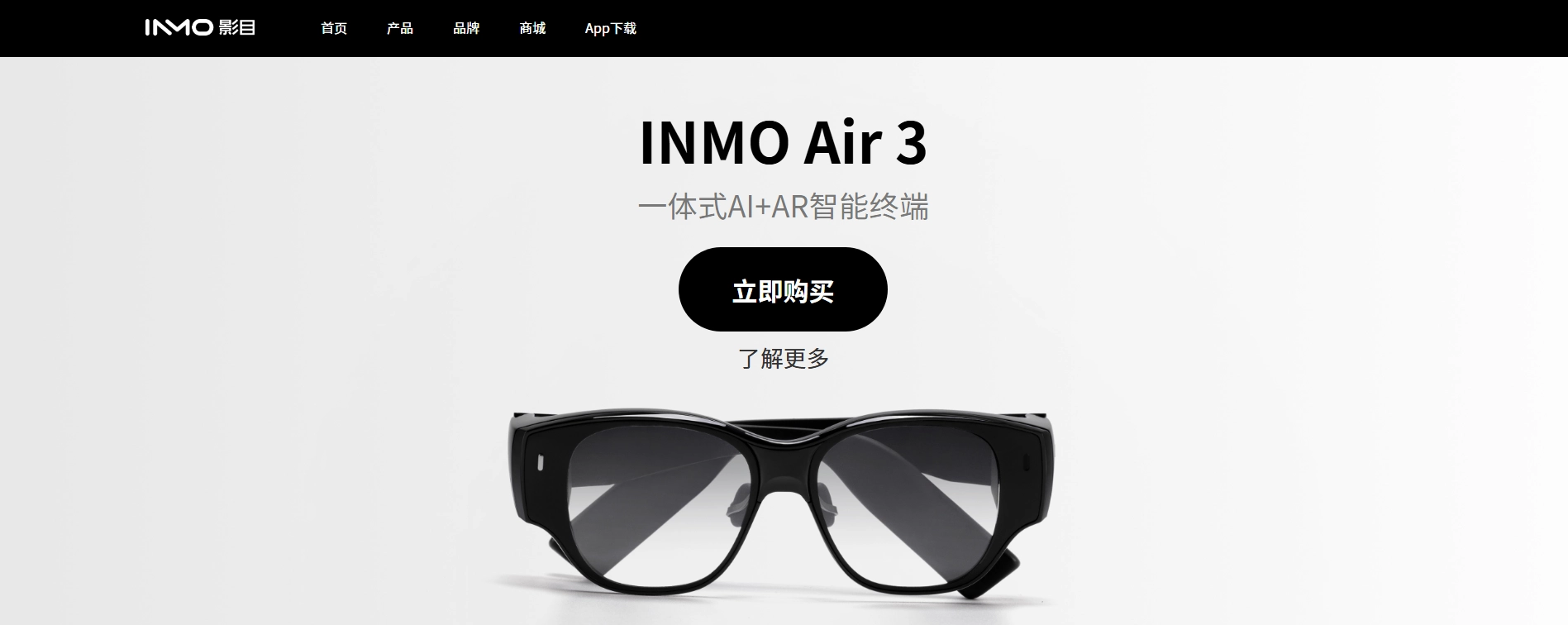
        • Introduction:Emerging consumer AI glasses brand, focusing on all-day wear, AI translation and social sharing. Lightweight and cost-effective.

        8. Hangzhou Wigain Technology Co., Ltd.

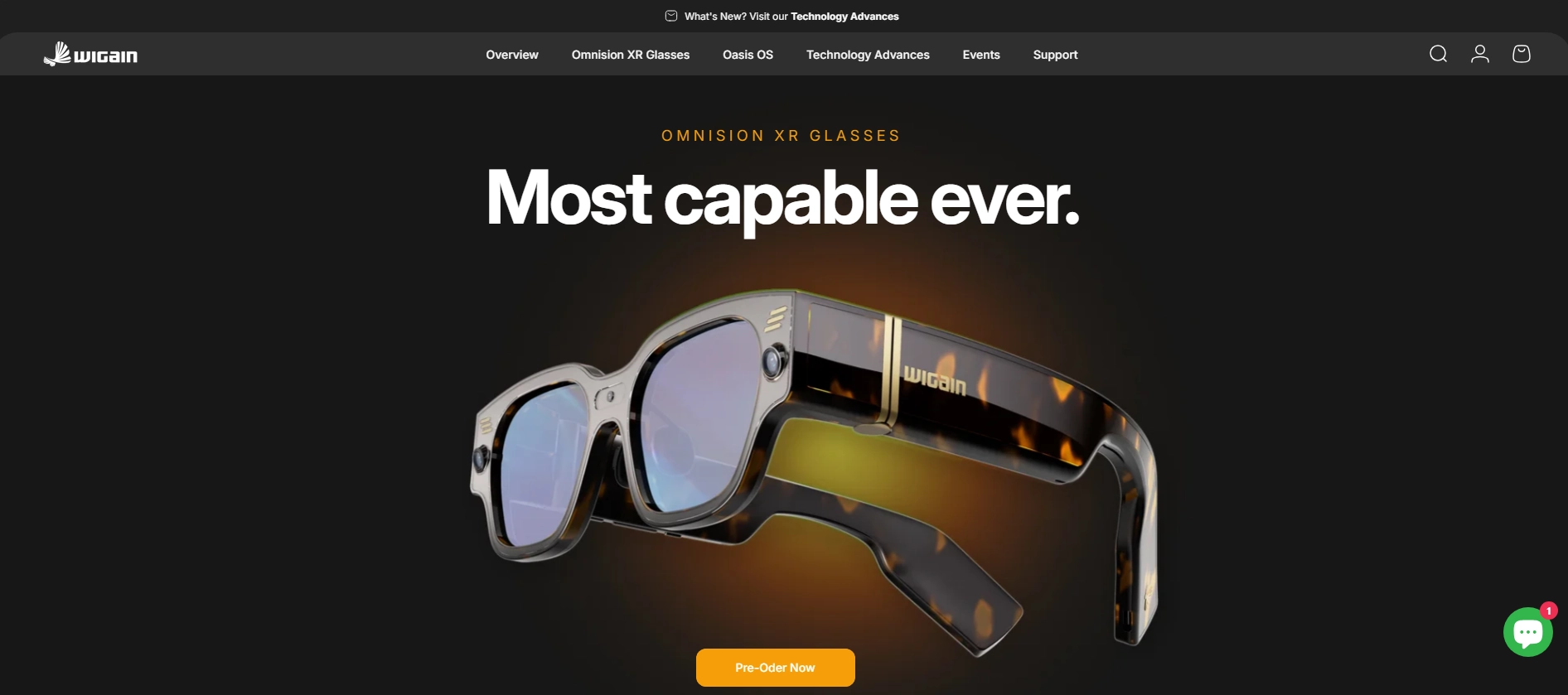
        • Introduction:Alibaba-backed AI/XR company, specializing in full-color waveguide and large model interaction. Flagship: Wigain Omnision, optimized for outdoor bright environments.

        9. Liweike Technology (Hangzhou) Co., Ltd.

        • Introduction:Focuses on AI+AR interaction, all-day wear and vertical domain agents. Cooperates with telecom operators for industry applications.

        10. Luxshare Precision Industry Co., Ltd.

        • Introduction:Major consumer electronics manufacturer, engaged in precision manufacturing and ODM for AI glasses, supplying finished products and core components to multiple brands.

        VII. Precautions for Purchasing AI Glasses: Making an Informed Decision

        Once potential AI glasses suppliers and their products have been identified, the following steps should be followed to ensure a smooth procurement process and to mitigate the unique technical risks associated with smart wearables.

        1. Prioritize Multi-Scenario Sample Testing

        Before placing a large order, it is essential to order samples. Beyond assessing traditional craftsmanship (such as frame smoothness, hinge firmness, and weight balance), you must rigorously test electronic performance:

        • Hardware Performance: Check camera clarity, microphone accuracy in windy environments, and directional audio privacy to ensure minimal sound leakage in public.
        • Interaction Experience: Test the response latency of the AI voice assistant, the sensitivity of touch controls, and the accuracy of wear-detection sensors (auto-pause when removed).
        • Thermal Management: Run AI functions like real-time translation or video recording for 15-30 minutes to ensure the battery and chipset areas do not overheat, guaranteeing user safety.

        2. Evaluate Software Ecosystem and Compatibility

        The value of AI glasses is split between hardware and software. You must evaluate the digital infrastructure:

        • App Stability: Does the supplier provide a stable companion app? Does it support Over-the-Air (OTA) updates for bug fixes and AI model improvements?
        • AI Model Integration: Confirm which Large Language Models (LLMs) are integrated (e.g., ChatGPT, Gemini, or Llama) and ensure these services are accessible in your target market.
        • System Compatibility: Verify Bluetooth stability across various iOS and Android models and ensure the firmware supports multiple language interfaces.

        3. Verify Battery Life and Charging Efficiency

        Power management remains the primary challenge for AI wearables.

        • Real-world Usage: Verify the actual duration for standby time, continuous audio playback, and high-intensity AI recognition or recording modes.
        • Charging Solutions: Evaluate the convenience of the charging method (e.g., magnetic or Type-C). Ensure the batteries have necessary international safety certifications (UL, UN38.3, MSDS) for compliant air and sea freight.

        4. Confirm Technical After-Sales and IP Support

        AI glasses contain complex electronic components, requiring higher after-sales standards than traditional eyewear.

        • Technical Support: Confirm if the supplier provides troubleshooting for software glitches and remote firmware recovery for batch issues.
        • Warranty & RMA: Establish clear protocols for battery degradation, camera failure, or PCB malfunctions within the warranty period.
        • IP Compliance: Ensure the design and optical solutions do not infringe on existing patents and that the product meets mandatory market certifications like FCC (US) or CE (EU).

        5. Total Cost and Scalability Analysis

        Account for hidden costs beyond the unit price:

        • Subscription Fees: Determine if specific AI features require ongoing API call fees and who is responsible for these costs (supplier, brand, or end-user).
        • Customization Costs: Confirm the Minimum Order Quantity (MOQ) and Non-Recurring Engineering (NRE) costs for customized UI, startup logos, or proprietary AI voice packs.
        • Logistics Protection: AI glasses require anti-static and shock-proof packaging. Account for how increased packaging volume affects total shipping costs.

        6. Conduct Comprehensive Due Diligence

        Use professional verification to minimize collaboration risks:

        • Production Qualifications: Use third-party services (SGS, Intertek) to verify ISO 9001 and electronics manufacturing licenses.
        • Fulfillment Records: Investigate the supplier’s history in delivering smart hardware, specifically their ability to maintain high yield rates during mass production.
        • Supply Chain Audit: Confirm their partnerships with major chip (e.g., Qualcomm, BES) or optical solution providers to ensure long-term technical support and component availability.

        VIII. Choose IMEXsourcing as Your Sourcing Partner for AI Glasses in China

        When it comes to procuring cutting-edge AI glasses from China, partnering with an experienced and reliable sourcing agent is paramount. IMEXsourcing stands out with a comprehensive service suite designed to streamline your technology acquisition process and secure exceptional value. Here are compelling reasons to select IMEXsourcing for your next AI glasses purchase:

        Extensive Tech-Driven Procurement Expertise

        IMEXsourcing boasts a profound history in the smart wearable industry, enabling us to identify and connect with top-tier Chinese AI glasses suppliers. Our deep market knowledge ensures we match you with manufacturers known for hardware stability and software excellence, covering everything from lightweight smart audio glasses (e.g., voice-assistant integrated, open-ear directional audio styles) to advanced multimodal AR glasses (e.g., real-time AI translation, Micro-OLED displays, and spatial computing capabilities).

        Bespoke AI and Hardware Solutions

        We understand that unique brand needs demand tailored technical solutions. IMEXsourcing empowers you to commission AI glasses aligned with your brand identity—whether it involves specific hardware components (such as Qualcomm Snapdragon AR chips, high-pixel low-power cameras, or high-capacity safe batteries), customized software experiences (such as integrated LLM APIs, custom APP interfaces, or localized voice packs), or ergonomic details (such as prescription-ready frame designs or ultra-light carbon fiber materials).
        Rigorous Technical and Factory Audits

        Our commitment to quality begins with specialized due diligence. For AI glasses, we conduct comprehensive factory audits that go beyond basic production, verifying clean-room environments for electronics assembly, assessing technical quality control protocols (e.g., PCBA stress testing, camera module calibration, battery cycle safety checks), and ensuring full compliance with international standards such as EU CE, US FCC, and global privacy regulations.

        Strategic Price and Tech-Resource Negotiation

        Leveraging our veteran status in the smart hardware sector, IMEXsourcing excels in complex cost-structure negotiations. We secure favorable pricing not only for hardware units but also for software licensing and NRE (Non-Recurring Engineering) terms. This expertise allows us to optimize your investment by ensuring access to top-tier craftsmanship and faster firmware update cycles from manufacturers renowned for their technical reliability.

        Comprehensive Intelligent Quality Assurance

        IMEXsourcing implements a robust quality management framework spanning the entire procurement cycle. This includes diligent production oversight (such as firmware flashing verification and hinge durability testing) and thorough pre-shipment testing (such as AI response latency assessment, audio leakage control, and anti-static packaging checks), guaranteeing the integrity and high-performance of every pair of AI glasses.

        IX. Conclusion

        In conclusion, the Chinese AI glasses market offers unparalleled opportunities for global buyers to access next-generation wearable technology. By researching diverse product categories—from audio-centric smart frames to advanced spatial computing AR glasses—and strictly verifying parameters like battery life and AI latency, importers can source high-quality, cost-effective devices to meet modern market demands.

        With hubs like Shenzhen dominating over 80% of the global supply chain, China provides unmatched production efficiency and innovation. However, since many manufacturers lack expertise in global software compliance and multilingual technical support, partnering with IMEXsourcing is the optimal choice. We bridge the gap through rigorous factory verification, pre-shipment quality inspections, and cost transparency, minimizing international trade risks and ensuring your business maintains a competitive edge in the global AI wearable market.

        Message us for more information

        Please let us know your request, we will get back to you within 24 hours.

          The Complete Guide to Chinese Aluminum Foil Containers for Global Buyers Introduction

          Introduction

          As the world increasingly prioritizes sustainability, food safety, and convenience, aluminum foil food containers from China are emerging as the smart packaging solution for a global market. Often referred to colloquially as “tin foil,” these containers are, in fact, made from high-grade aluminum. China plays a dominant role in this industry, accounting for an estimated 60%-65% of the world’s total aluminum foil production. With supportive national policies and a mature, innovative supply chain, China offers international buyers a combination of scale, quality, and competitive pricing that is unmatched.

          This guide is designed to provide overseas importers, distributors, and food service businesses with a comprehensive understanding of the Chinese aluminum foil container industry, empowering you to make informed purchasing decisions.

          I. Understanding Aluminum Foil Containers

          Aluminum foil containers are made from aluminum that is rolled into thin sheets (typically between 0.006mm and 0.2mm thick) and then pressed into various shapes. Despite their thin profile, they possess exceptional properties:

          • Superior Barrier Protection: They excel at blocking moisture, oxygen, light, and odors, which is crucial for preserving food freshness, flavor, and extending shelf life. For instance, butter packaged in aluminum foil in the 1930s was found to have its freshness extended by two to three months.
          • Excellent Temperature Tolerance: They are safe for use in ovens, freezers, and microwaves (following guidelines), making them perfect for ready-to-eat meals, takeaway, and food storage.
          • Formability and Design Flexibility: Aluminum can be easily molded into a vast array of shapes, sizes, and compartmentalized designs to suit any culinary need.
          • 100% Recyclable: Aluminum is endlessly recyclable without loss of quality, aligning with global eco-friendly initiatives and regulations like the EU’s Single-Use Plastics Directive.

          II. Types and Common Uses

          Chinese manufacturers produce a diverse range of containers to meet global demands. The market is segmented by capacity, with common categories including containers over 200mL, 200-400mL, and over 400mL.

          Type/Form Primary Uses & Advantages
          Standard Takeaway Boxes (Round, Rectangular) Ideal for restaurant leftovers, meal delivery, and fast food. Often come with secure-fitting lids.
          Compartmentalized Trays Perfect for airline meals, prepared dinner kits, and catering where different foods need separation.
          Deep-Dish Pans & Baking Trays Used for lasagnas, casseroles, catering sides, and bakery items. Their rigidity supports heavier, wetter foods.
          Specialty Shapes (e.g., Pie Pans, Burger Wraps) Designed for specific food items, enhancing presentation and functionality.
          Lidded Containers with Custom Films Used for prepared salads, snacks, and dairy products. The lidding film can be peeled or pierced.

          Beyond standard meal boxes, aluminum foil packaging is essential for coffee capsules (blocking oxygen to preserve aroma), chocolate bars (preventing fat bloom), liquid dairy (enabling long shelf-life), and pre-packaged nuts and oily snacks (preventing rancidity).

          III. China’s Industrial Landscape and Key Production Hubs

          China’s aluminum foil container industry is concentrated in well-developed industrial clusters, primarily in the eastern and southern coastal provinces. These regions benefit from complete supply chains, advanced logistics, and export-friendly infrastructure.

          • East China (Jiangsu, Zhejiang, Shanghai): This is a core manufacturing hub with a high concentration of sophisticated manufacturers. The area is known for technological innovation, high-quality production, and strong export capabilities.
          • South China (Guangdong): Another major production base, leveraging the manufacturing power and extensive port facilities of the Pearl River Delta. Producers here are highly responsive to international market trends and demands.
          • North China (Shandong): Shandong Province is a significant production base for aluminum foil containers in northern China. Leveraging its well-established industrial chain and strategic geographical location, it has fostered a number of competitive manufacturing enterprises that serve both domestic and international markets.

          This concentrated expertise allows Chinese suppliers to efficiently serve the global market, with the Asia-Pacific region being the largest consumer, followed by steady demand from Europe and North America.

          IV. Top10 Chinese Aluminum Foil Container Manufacturers

          Disclaimer: The status of manufacturers changes. Buyers should always conduct current due diligence. The following are historically significant, large-scale players representative of the industry’s capabilities.

            Binzhou Hailong Aluminum-Plastic Products Co., Ltd.

          • Location: Binzhou Economic and Technological Development Zone
          • Core Features: Established in 2006, a high-tech enterprise covering 10,000 square meters. Specializes in R&D, production, and sales of aluminum foil and aluminum-plastic products, covering household packaging, industrial applications, and airline meal containers. Holds 23 patents, with products exported to over 20 countries and regions including Europe, America, and Asia. In 2020, invested in aluminum foil deep-processing projects in Cambodia and Malaysia to expand cross-border business.

            Hengcheng Aluminum

          • Location: Jinan, Shandong
          • Core Features: Specializes in producing aluminum foil containers in specifications ranging from 0.04mm to 0.20mm, using Alloy 8011.

             Ningbo Times Aluminium Foil Technology Corp., Ltd.

          • Location: Ningbo, Zhejiang
          •  Core Features: A company listed on the NEEQ (New Third Board), one of the leading enterprises in China’s aluminum foil container industry, with annual production capacity and export scale ranking among the top in the sector.
          • Certifications & Markets: Products meet international standards and are extensively exported to European and American markets.

            Guangzhou Huafeng Aluminum Foil Technologies Co. Ltd.

          • Location: Guangzhou, Guangdong
          • Core Features: Focuses on R&D and production of aluminum foil technology, with a diverse product line.

            Luoyang Huake Metal Co., Ltd.

          • Location: Luoyang, Henan
          • Core Features: A National Sci-Tech SME and a High-Tech Enterprise in Henan Province, holding over 20 utility model patents. Products are certified to ISO22000, IAF, and CNAS quality systems, and tested by SGS to comply with U.S. FDA and Chinese GB food-grade standards. Product range includes color-coated aluminum foil containers and color-coated aluminum foil, exported to Australia, Europe, the Americas, the Middle East, and South Asia. Supplies airline meal containers to China Southern Airlines and provides packaging for major brands like “Zi Hai Guo”. Innovatively developed colored and cow-pattern embossed materials for enhanced visual appeal.

            Zhengzhou Mingtai Aluminum

          • Location: Zhengzhou, Henan
          • Core Features: Offers custom-made aluminum foil containers, using Alloy 8006 aluminum foil.

            Hubei Weibo Aluminum Foil Products Co., Ltd.

          • Location: Hubei
          • Core Features: One of the significant manufacturers of aluminum foil containers in Central China.

          Qingdao Wohler Aluminium Environmental Technology Co., Ltd.

          • Location: Qingdao, Shandong
          • Core Features: A major exporter of aluminum foil containers in the Shandong region.

            Qingdao Runfeng Aluminum Foil Co., Ltd.

          • Location: Qingdao High-tech Industrial Development Zone
          • Core Features: The parent company, Shandong Lufeng Aluminum Foil Co., Ltd., is a high-tech enterprise in Shandong Province with 4 aluminum foil production lines and large annual production capacity. Products are certified under ISO9001 and ISO14001, and the aluminum foil has passed U.S. FDA certification as food and pharmaceutical packaging material. The “Lufeng” brand aluminum foil is a renowned Shandong Province product.

            Qingdao Weile Daily Products Co., Ltd.

          • Location: Qingdao
          • Core Features: Established in 2015, specializes in R&D, production, and distribution of aluminum foil products, including standard aluminum foil rolls, aluminum foil containers, and coated aluminum foil. Employs 100-500 people and focuses on developing wrinkle-free coated products.

          V. How to Find Aluminum Foil Container Suppliers in China?

          Navigating the Chinese supply chain for aluminum foil containers requires a strategic approach tailored to the specifics of food-contact materials and food service packaging. Here are the primary channels:

          • Direct Manufacturer Contact: Highly suitable for high-volume buyers, restaurant chains, catering businesses, or those with very specific customization needs (e.g., unique compartment designs, custom sizes, proprietary embossing patterns, or specialized coatings). This path offers the greatest control over specifications and potentially the best pricing, but requires significant in-house resources for supplier vetting, quality control management, and navigating international logistics and food safety compliance.
          • B2B Platforms (Alibaba.com, 1688.com, Made-in-China.com): Excellent for initial discovery and comparing a vast range of suppliers, from large-scale aluminum foil producers to specialized container manufacturers. Use precise keywords like “aluminum foil container,” “tin foil takeaway box wholesale,” or “custom aluminum foil tray.” Critical due diligence is required here: always verify supplier credentials, insist on official food-grade safety certificates (FDA, LFGB, ISO 22000), request material thickness specifications, and order physical samples to test durability, lid fit, and heat resistance before any bulk commitment.
          • Industry Trade Shows: Attending major industry exhibitions such as ALUMINIUM CHINA (Shanghai) or Canton Fair (Guangzhou) is one of the most effective methods. It allows you to physically inspect and compare product quality, thickness, and finish, meet suppliers face-to-face, and gain firsthand insights into the latest innovations in eco-friendly coatings, material lightweighting, and design trends. This is invaluable for building trust and assessing a supplier’s professionalism beyond their online profile.
          • Engaging a Professional Sourcing Agent (Highly Recommended): For most international buyers, especially those without a local team or deep experience in the sector, this is the most efficient and low-risk path to finding reliable, compliant suppliers. A specialized agent manages the entire process: vetting factories for true production capability, verifying raw material sourcing (alloy quality), conducting rigorous on-site quality inspections, handling negotiations and logistics, and ensuring all products meet the required international food safety and environmental standards. This is where a partner with expertise in food-contact packaging, like IMEXsourcing, provides decisive value by navigating the complexities on your behalf.

          VI. Key Precautions for Purchasing Aluminum Foil Containers

          Purchasing aluminum foil containers involves critical considerations of food safety, functional performance, and commercial reliability. The following precautions are essential for international buyers seeking to source these products from China.

             1.Food Safety & Compliance Certification

          Food safety and regulatory compliance represent the most fundamental requirement, directly impacting market access and consumer health. Buyers must verify that suppliers hold valid international food contact material certifications, including FDA (U.S.) , LFGB (Germany/EU) , or equivalent standards for target markets. A critical emerging concern is the presence of PFAS (per- and polyfluoroalkyl substances) in container coatings. Importers should explicitly inquire whether coatings are used and, if so, confirm they are PFAS-free water-based coatings, as Europe and America markets are imposing increasingly strict restrictions on these substances. Additionally, request heavy metal migration test reports from accredited third-party laboratories such as SGS, TÜV, or Intertek, ensuring that aluminum ions or other heavy metals do not migrate into food—particularly acidic or oily contents—during use. Traceability of raw materials is equally important; suppliers should provide documentation on the alloy grade (commonly 8011, 3003, or 8006) and source of aluminum coils to guarantee material consistency and compliance.

            2.Product Quality & Functionality Testing

          Product quality and functional testing are essential to ensure containers perform as expected in real-world applications. Buyers should clearly specify the foil thickness (gauge) , typically ranging from 0.03mm to 0.12mm, and conduct random inspections using high-precision micrometers to verify uniformity and ialized applications like airline catering, performance in convection ovens may require additional tabsence of pinholes. Temperature resistance testing should simulate actual usage conditions: place samples in ovens (180°C–220°C), microwave ovens, and freezers (below -18°C) through multiple cycles to check for deformation, cracking, or coating delamination. For specesting. Seal integrity and lid compatibility are crucial—if purchasing containers with lids (aluminum, paper, or PET), test the seal strength between lid and container body, and evaluate whether peelable films have appropriate peel force (not too tight to open, not too loose to leak). Edge smoothness must be checked by running fingers along container rims to detect sharp burrs or flash; high-quality containers feature rolled or crimped edges for safe handling. Rigidity and load-bearing capacity should be assessed by filling containers with food or water to check for excessive bottom sagging or sidewall collapse, particularly for larger sizes.

            3.Supplier Qualification & Commercial Reliability Verification

          Supplier qualification and commercial reliability verification often prove more important than price comparisons. Conduct factory audits—either on-site or via video—to confirm whether suppliers operate fully automated high-speed stamping production lines or merely function as trading companies. Evaluate production environments for cleanliness, raw material storage practices, and the presence of comprehensive quality control procedures (IQC, IPQC, OQC). Quantify production capacity and delivery capabilities by requesting monthly output figures (in tons or number of standard containers), minimum order quantities (MOQs), and maximum supply capacity during peak seasons such as year-end food delivery rushes. Assess export experience and logistics competence by inquiring about major export markets and familiarity with documentation requirements (bills of lading, packing lists, commercial invoices, certificates of origin, health certificates) for destination countries. Reputable exporters provide professional FOB or CIF quotations. Implement sample sealing and pre-shipment inspection protocols: retain signed sealed samples as reference standards, and conduct mid-production or pre-shipment inspections against these samples to verify material, thickness, printing, and packaging details. Establish clear after-sales service and contract terms, including quality objection periods, return/exchange policies, and liability clauses. Avoid suppliers demanding 100% advance payment without formal contracts or refusal to provide test reports.

            4.Special Recommendations for Small & Medium Importers

          For small and medium-sized importers undertaking their first China sourcing initiatives or managing unstable order volumes, specialized precautions apply. Engaging a professional sourcing agent such as IMEXsourcing represents the most efficient and low-risk approach for most overseas buyers, particularly those without local presence or deep industry experience. Agents serve as risk shields by pre-vetting qualified suppliers and conducting background checks. They act as quality guardians through independent inspection teams performing in-process and pre-shipment quality control. As cost optimizers, agents leverage market knowledge to negotiate better pricing and payment terms (e.g., improving from 100% advance payment to 30% deposit + 70% against copy of bill of lading). They function as communication bridges, accurately conveying technical requirements to prevent specification mismatches. For buyers choosing direct procurement, essential precautions include: ordering samples for comprehensive testing before bulk commitments; conducting live video factory tours via WeChat or Zoom; negotiating staged payment terms (preferably 30% deposit, 70% against BL copy, never 100% advance); and meticulously reviewing contracts to specify material, thickness, dimensions, packaging, and liability provisions.

          VII. Choose IMEXsourcing as Your Aluminum Foil Container Sourcing Partner in China

          When procuring functional and compliant food packaging consumables from China, partnering with an expert sourcing agent is crucial due to the complexities of material science, regulatory standards, and manufacturing consistency. As your dedicated partner, IMEXsourcing offers a comprehensive service portfolio tailored to the food packaging and food service supplies sector, ensuring you acquire products that are safe, reliable, and market-ready.

          • Specialized Expertise in Food-Contact Materials & Compliance
            Our team possesses in-depth knowledge of global food safety regulations for aluminum materials and coatings. We don’t just collect certificates; we understand the technical requirements behind FDA, LFGB, and PFAS-Free standards. We critically evaluate supplier claims, verify the authenticity of test reports, and advise on material suitability for your specific application and target market—whether for oven-safe baking, freezer storage, or high-temperature food delivery.
          •  Direct Access to Vetted, Tiered Manufacturers
            We have established networks with reputable factories specializing in different product tiers: large-scale automated stamping production lines, specialized coating processing facilities, and eco-material innovators. This allows us to match you with the ideal supplier based on your order volume, quality level, and budget—whether you need cost-effective bulk containers for restaurant chains or premium, customized foil trays with proprietary embossing for retail brands.
          • Rigorous, Function-Based Quality Assurance
            Our quality control protocol is designed for performance. We conduct pre-production sample reviews, factory process audits, and strict pre-shipment inspections. We test for critical functional attributes: accurate temperature resistance (oven/freezer cycling), verified oil and moisture barrier properties, dimensional accuracy (thickness uniformity, edge smoothness), lid fit and seal integrity, and packaging integrity. We ensure the product you receive performs flawlessly in real-world food service environments.
          • Supply Chain Optimization & Risk Management
            We leverage our aggregated purchasing power and local presence to negotiate better pricing, payment terms, and Minimum Order Quantities (MOQs) . We proactively manage risks by preventing unauthorized material substitution (e.g., switching to lower-grade aluminum), ensuring on-time delivery through close production monitoring, and providing clear logistics solutions tailored to lightweight but bulky goods.
          • End-to-End Logistics & Clear Communication Bridge
            We manage the entire supply chain, from order placement to delivery at your destination port or door. We handle export formalities, coordinate cost-effective shipping (FOB, CIF, DDP options), and ensure proper packaging (carton boxes, palletization) to minimize transit damage. Furthermore, we act as your seamless communication bridge, ensuring your technical specifications—from alloy type to coating requirements—are perfectly understood and executed by the manufacturer.

          Partner with IMEXsourcing to transform your procurement of aluminum foil containers into a streamlined, secure, and strategically advantageous process. Let us ensure your supply chain is as reliable as the products you sell.

          VIII. Conclusion

          In summary, while navigating China’s aluminum foil container industry presents significant opportunities, its complexities—from selecting the right industrial clusters across East, South, and Central China to ensuring strict food safety compliance, material quality, and manufacturing consistency—can be daunting for international buyers. This underscores the critical value of partnering with a specialized expert like IMEXsourcing. Leveraging deep local expertise and an integrated service model, IMEXsourcing transforms a complex supply chain into a clear and reliable competitive advantage for your business. They not only guide you to certified, high-quality manufacturers with proven track records in FDA and LFGB compliance, but also manage the entire process—from factory verification, material testing, and production monitoring to logistics coordination and customs clearance—ensuring a consistent supply of premium, fully compliant aluminum foil containers tailored to your specifications. Ultimately, this partnership provides a solid and worry-free supply chain foundation, supporting your business growth and brand reputation in the global food service and packaging market.

          With IMEXsourcing as your partner, you can confidently source any aluminum foil containers you envision, precisely engineered to meet the demands of your customers and the requirements of your market.

          Message us for more information

          Please let us know your request, we will get back to you within 24 hours.

            The Complete Guide to Premium Cake Boards & Stands from China: Source Smart, Present Perfect

            Introduction:The Unsung Hero of Cake Artistry

            In the world of professional baking, where every detail contributes to the final masterpiece, the foundation is paramount. A warped, flimsy, or aesthetically mismatched base can compromise the stability and visual impact of even the most exquisite cake. For bakery owners, custom cake artists, and wholesalers, selecting the right support is a critical business decision that affects presentation, transport safety, and brand perception.

            This comprehensive guide delves into the full spectrum of high-quality cake presentation solutions manufactured in China. We will explore not only the traditional and modern types of cake boards and stands but also introduce innovative silicone tools, provide a practical sourcing roadmap, and highlight key considerations for a successful procurement journey. Whether you’re scaling your business or refining your craft, understanding these options will empower you to build your creations on a foundation of quality, reliability, and style.

            I. The Product Spectrum – From Classic Foundations to Modern Tools

                1. The Essential Workhorses: Paperboard Cake Boards & Drums

            These are the indispensable, rigid bases for tiered cakes and standard presentations.

            • White Coated Cake Boards: The industry standard for a clean, professional finish. Ideal for fondant-covered cakes and weddings.Key Specs: 2mm-4mm thickness, high GSM for rigidity.

            • Brown Kraft Cake Boards: The eco-friendly choice for a rustic, natural aesthetic. Perfect for naked cakes and sustainable brands. Key Specs: Oftcen FSC-certified, fully recyclable.

            • Custom Printed Cake Boards: A powerful branding tool. Print your logo or design directly onto the board for weddings and retail. Key Specs: Low MOQs for custom designs available.

               2. For Elevated Presentation: Cake Stands & Pedestals

            These add height and drama, turning cakes into centerpieces.

            • Acrylic Cake Stands: Offer a modern, “floating” illusion. Crystal-clear, durable, and perfect for retail displays. Key Specs: Made from food-safe Plexiglas, anti-yellowing.

            • Mirror & Glass Stands: Add instant luxury and glamour by reflecting light and decor. Key Specs: Tempered glass or high-fidelity mirror acrylic, often with beveled edges.

               3. The Modern Efficiency Experts: Food-Grade Silicone Baking Solutions

            A shift from disposable to durable, high-performance tools.

            • Silicone Baking Mats: Replace parchment paper for flawless, non-stick cake layer release. Reusable thousands of times. Key Specs: Platinum-cured silicone, withstands -40°C to 230°C, requires FDA/LFGB certs.

            • Silicone Decorating/Chilling Mats: Multi-purpose mats for lining turntables, separating cake layers in the fridge, or as portable work surfaces. Key Specs: Non-slip, often with measurement grids.

            • Silicone Novelty Molds: Enable easy demolding of complex shapes (3D figures, textured patterns) for creative cakes and mousses. Key Specs: High flexibility preserves intricate details.

            4. Specialty & Decorative Options

            • Lace Doily Boards: For a vintage, feminine touch under cupcakes.

            • Greaseproof Boards: Coated to prevent oil seepage from moist cakes.

            • Doll Pick Boards: Small, reinforced boards to secure doll pick stands.

            II. How to Choose: A Functional and Aesthetic Guide

            Select the perfect base by answering these questions:

            • What is the Cake’s Weight & Size? Heavier tiers need thicker boards (4mm+). Always choose a board 2-3 inches larger than the cake diameter for handling.
            • What is the Visual Theme? Match the board to the cake’s style: white for modern fondant, kraft for rustic buttercream, acrylic for a sleek look, mirror for luxury.
            • Is it for Transport, Display, or Branding? Use sturdy boards for shipping, decorative stands for display, and custom-printed boards for brand visibility.
            • Do You Prioritize Workflow Efficiency & Sustainability? For high-volume production, silicone mats save time and cost long-term. They are the eco-conscious choice over disposable papers.

            III. The Strategic Advantage of Sourcing from China

            Partnering with a professional Chinese manufacturer offers tangible benefits:

            • Superior Quality-to-Price Ratio: Advanced manufacturing and scale enable high-rigidity, precision products at competitive wholesale prices.
            • Stringent Compliance: Reputable suppliers provide products with FDA, LFGB, SGS certifications and operate under ISO-quality systems.
            • Unmatched Customization (OEM/ODM): Flexibility in materials (like silicone Shore hardness), sizes, shapes, and full-color printing.
            • Scalability & Reliability: Consistent quality and reliable lead times from small to container-load orders.

            IV. China’s Cake Board Manufacturing Industrial Clusters

            China’s cake board industry is highly regionalized, with specialized manufacturing clusters dominating different product categories. These clusters have evolved based on local supply chains, material expertise, and market focus.

                  1. North China Cluster:The Paper & Pulp Packaging Hub

            • Core Region: Wuqing District, Tianjin (specifically Huahuadian Town, recognized as a national “Packaging Town”).
            • Profile: This is the most significant concentration for paper-based cake boards, drums, and cupcake liners in China. It is characterized by a highly mature and automated supply chain, serving a massive domestic market. The cluster’s strength lies in large-scale production, cost efficiency, and a complete ecosystem from raw material to finished packaging.

               2.East China Cluster:The Full-Category Manufacturing Center

            • Core Regions: Shandong, Jiangsu, and Zhejiang provinces.
            • Profile: This is the most diverse and comprehensive manufacturing base. It leads in producing MDF (Medium-Density Fiberboard) cake boards, wooden display trays, and various paper products. Factories here are known for strong customization capabilities, adherence to international quality standards, and serving both extensive domestic and export markets.

                3. South China Cluster:The Silicone Product Innovation Base

            • Core Region: Guangdong Province (centered around Dongguan, Foshan, and Shenzhen).
            • Profile: This cluster is the undisputed national center for food-grade silicone baking products. Leveraging a world-class rubber and silicone industry chain, it specializes in manufacturing silicone baking mats, molds, and tools. Its key advantages are rapid innovation, flexibility in OEM/ODM services, and extensive experience in global export.

            V. Top Chinese Cake Boards Manufacturers

            Disclaimer: The status of manufacturers changes. Buyers should always conduct current due diligence. The following are historically significant, large-scale players representative of the industry’s capabilities.

            • Shandong Hongbo Packaging Technology Co., Ltd.

                Address: Weifang City, Shandong Province.

               Main Products: A professional manufacturer specializing in cake packaging. Its primary products include corrugated cardboard and MDF (Medium-Density Fiberboard) cake boards. It holds international food safety certifications such as FDA and LFGB, offers deep customization on dimensions, shapes, and thicknesses, and operates automated production lines.

            • Qingdao PACKREY Packaging Products Co., Ltd.

                 Main Products: Focuses on wooden pastry trays and packaging. It works with materials like pine, bamboo, and walnut wood, and is known for fine craftsmanship. The company offers customization services such as laser engraving and provides good value for money.

            • Guangzhou Jiawang Paper Products Co., Ltd.

                Main Products: Produces paper cake boards, offering a range of shapes and thicknesses (from 1mm to 5mm). It accepts custom logo and pattern printing, is active on B2B platforms like Alibaba.com, and has substantial experience in foreign trade.

            • Bakeasy

                Address: Manufacturers associated with this brand are located in Shandong Province. Main        Products: Specializes in MDF cake boards, known for producing sturdy boards with standard thicknesses like 5.0mm. Its products are marketed as biodegradable, and it supports customization options.

            • EASTERN Cake Board

                  Address: Shanghai City.

                 Main Products: Focuses on molded pulp cake trays. Its products are made from recyclable pulp, highlighting a commitment to environmental sustainability. The company provides custom manufacturing services for these eco-friendly trays.

            • Sunshine Cake Boards

                 Address: Guangdong Province.

                Main Products: Recognized for its extra-thick cake drums, which can be up to 12mm thick. These boards offer excellent load-bearing capacity for heavy or multi-tiered cakes, and feature smoothly finished edges.

            • Huzhou Senyun Wood Art Co., Ltd.

                Address: Huzhou City, Zhejiang Province.

               Main Products: Positions itself in the high-end market for wooden pastry trays. It emphasizes innovative design and uses wood with FSC (Forest Stewardship Council) certification, ensuring responsible sourcing. Its products are exported internationally.

            • Dongguan Yazhi Woodware Craft Factory

                Address: Dongguan City, Guangdong Province.

               Main Products: Produces medium to high-end wooden trays. It features scaled and automated production, making it suitable for large-scale procurement by chain brands. The company is also known for its fast logistics response.

            VI. How to Find Peanut Grinder Suppliers in China?

            Navigating the Chinese supply chain for baking liners and mats requires a strategic approach tailored to the specifics of food-contact materials and consumer goods. Here are the primary channels:

            • Direct Manufacturer Contact: Highly suitable for high-volume buyers, private-label brands, or those with very specific customization needs (e.g., unique silicone hardness, proprietary dimensions, or exclusive print designs). This path offers the greatest control over specifications and potentially the best pricing but requires significant in-house resources for supplier vetting, quality control management, and navigating international logistics and compliance.
            • B2B Platforms (Alibaba.com, 1688.com, Made-in-China.com): Excellent for initial discovery and comparing a vast range of suppliers, from large factories to specialized workshops. Use precise keywords like “silicone baking mat,” “cupcake liner wholesale,” or “custom cake board.” Critical due diligence is required here: always verify supplier credentials, insist on official food-grade safety certificates (FDA, LFGB), and order physical samples to test functionality (non-stick performance, grease resistance) before any bulk commitment.
            • Industry Trade Shows: Attending major industry exhibitions such as Bakery China (Shanghai) is one of the most effective methods. It allows you to physically inspect and compare product quality, texture, and print detail, meet suppliers face-to-face, and gain firsthand insights into the latest material innovations and market trends. This is invaluable for building trust and assessing a supplier’s professionalism beyond their online profile.
            • Engaging a Professional Sourcing Agent (Highly Recommended): For most international buyers, especially those without a local team or deep experience in the sector, this is the most efficient and low-risk path to finding reliable, compliant suppliers.
            • A specialized agent manages the entire process: vetting factories for true production capability and material authenticity, conducting rigorous on-site quality inspections, handling negotiations and logistics, and ensuring all products meet the required international safety standards. This is where a partner with expertise in food-contact consumables, like IMEXsourcing, provides decisive value by navigating the complexities on your behalf.

            VII. Key Precautions for Purchasing Cake Boards

            Purchasing cake boards involves considerations of safety, functionality, and commercial reliability. Here is a checklist of key precautions.
               1. Material Safety & Regulatory Compliance

            This is the foremost priority for food-contact products.

            • Demand Official Certificates: Always request valid, factory-issued certificates for food-contact compliance. For silicone products, ensure they meet FDA 21 CFR 177.2600, EU 10/2011 (LFGB). For paper/paperboard, confirm FDA compliance and FSC certification if making eco-claims. Be cautious of verbal assurances.
            • Verify for Specific Markets: Ensure certifications match your target market’s regulations (e.g., LFGB for Germany/EU, FDA for the USA).

               2. Product Quality & Functional Specifications

            Precise specifications prevent receiving unsuitable products.

            • Define Exact Parameters: Specify material type, thickness, diameter, weight tolerance, and color (provide Pantone codes). For MDF/wood, clarify edge finishing.
            • Test Functional Performance: For silicone mats, test non-stick properties, temperature resistance, and durability. For paper liners, verify grease resistance. For boards, confirm load-bearing capacity for multi-tiered cakes.
            • Insist on Pre-Production Samples: Never approve bulk production before testing a signed, pre-production sample from the actual factory line.

               3. Supplier Verification & Commercial Terms

            Due diligence minimizes transaction risks.

            • Verify Supplier Credentials: Request a business license and conduct a video factory audit to assess scale and conditions. Check their transaction history and reviews on B2B platforms.
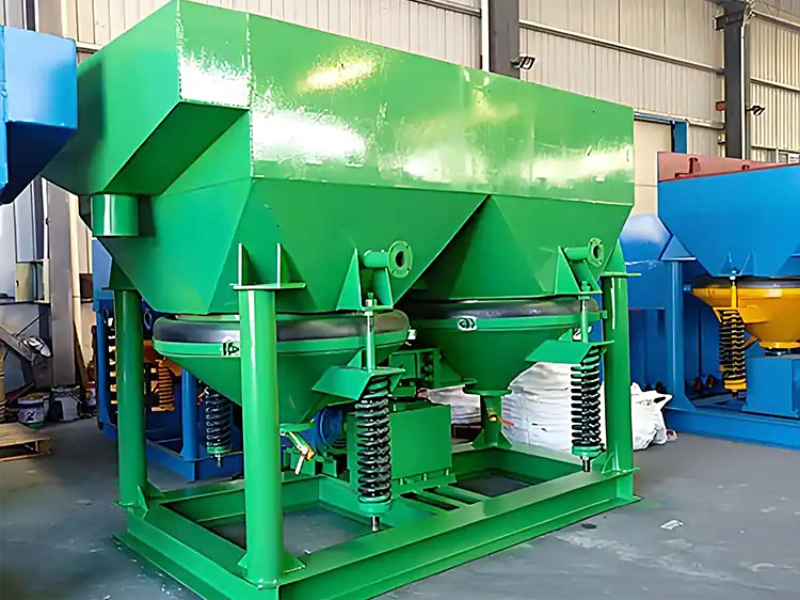
            • Use Secure Payment Methods: For new suppliers, use secure channels like Alibaba Trade Assurance or PayPal Goods & Services. For large orders, consider a Letter of Credit (L/C). Avoid 100% upfront payments.
            • Detail Contract Terms: The contract or Proforma Invoice must specify: product specs, quality standards (AQL), packaging, delivery schedule, and liability for defective goods.

               4. Logistics & Packaging

            Proper handling is crucial for flat, intact delivery.

            • Specify Protective Packaging: Require shock-proof packaging—stiff cardboard for paper boards, edge protectors for MDF/wood, and moisture-proof wrap. Clarify liability for transit damage.
            • Clarify Incoterms & Costs: Choose terms wisely. DDP is simpler for beginners. If using FOB, you are responsible for main freight and import duties. Confirm all costs upfront.
            • Understand Lead Times: Account for production, inspection, and shipping. Rushed orders risk quality compromises.

               5. Using a Sourcing Agent

            For complex orders or new market entry, a professional agent can be invaluable.

            • Agent’s Role: They handle supplier vetting, factory audits, price negotiation, quality inspections (pre-shipment), and logistics, mitigating risks and saving time.
            • Focus on Specialists: Choose an agent with proven experience in food-contact packaging or baking supplies, not a generalist.

            VIII. Choose IMEXsourcing as Your Baking Liners & Mats Sourcing Partner in China

            When procuring functional and compliant baking consumables from China, partnering with an expert sourcing agent is crucial due to the complexities of material science, regulatory standards, and manufacturing consistency. As your dedicated partner, IMEXsourcing offers a comprehensive service portfolio tailored to the kitchenware and baking supplies sector, ensuring you acquire products that are safe, reliable, and market-ready.

            • Specialized Expertise in Food-Contact Materials & Compliance
              Our team possesses in-depth knowledge of global food safety regulations for polymers and paper products. We don’t just collect certificates; we understand the technical requirements behind FDA, LFGB, and BPA-Free standards. We critically evaluate supplier claims, verify the authenticity of test reports, and advise on material suitability for your specific application and market.
            • Direct Access to Vetted, Tiered Manufacturers
              We have established networks with reputable factories specializing in different product tiers: high-volume silicone molders, precision paper converting plants, and eco-material specialists. This allows us to match you with the ideal supplier based on your order volume, quality level, and budget—whether you need cost-effective bulk liners or premium, branded silicone mats.
            • Rigorous, Function-Based Quality Assurance
              Our quality control protocol is designed for performance. We conduct pre-production sample reviews, factory process audits, and strict pre-shipment inspections. We test for critical functional attributes: accurate temperature resistance, verified non-stick properties, colorfastness, dimensional accuracy, and packaging integrity. We ensure the product you receive performs as promised in the kitchen.
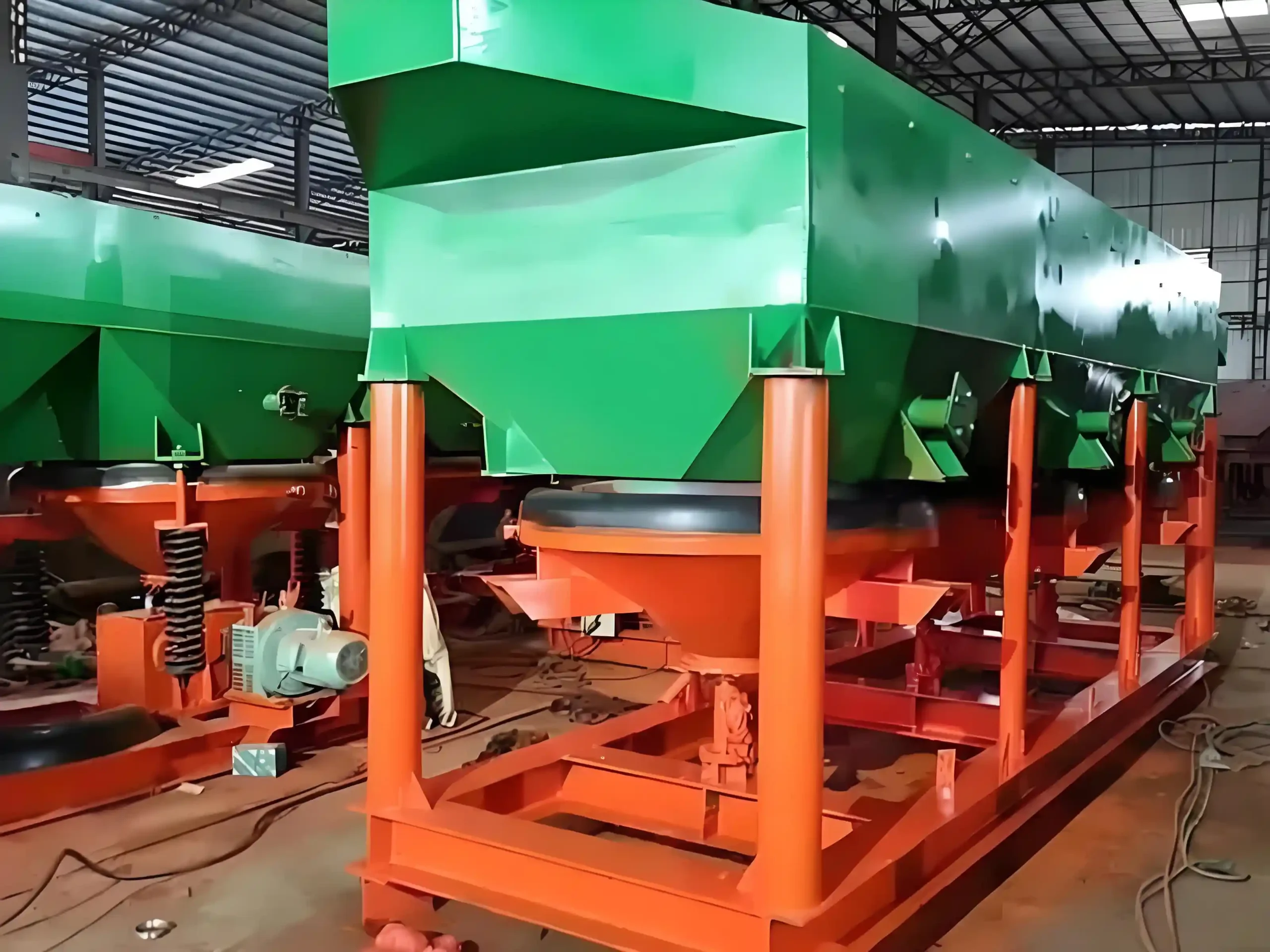
            • Supply Chain Optimization & Risk Management
              We leverage our aggregated purchasing power and local presence to negotiate better pricing, payment terms, and Minimum Order Quantities (MOQs). We proactively manage risks by preventing material substitution, ensuring on-time delivery through close production monitoring, and providing clear logistics solutions tailored to lightweight, volumetric goods.
            • End-to-End Logistics & Clear Communication Bridge
              We manage the entire supply chain, from order placement to delivery at your destination port or door. We handle export formalities, coordinate cost-effective shipping, and ensure proper packaging to minimize transit damage. Furthermore, we act as your seamless communication bridge, ensuring your technical specifications and quality requirements are perfectly understood and executed by the manufacturer.

            Partner with IMEXsourcing to transform your procurement of baking liners and mats into a streamlined, secure, and strategically advantageous process. Let us ensure your supply chain is as reliable as the products you sell.

            IX. Conclusion

            In summary, while navigating China’s cake board manufacturing landscape presents significant opportunities, its complexities—from selecting the right industrial clusters across the North, East, and South to ensuring strict product compliance and quality control—can be daunting for international buyers. This underscores the critical value of partnering with a specialized expert like IMEXsourcing. Leveraging deep local expertise and an integrated service model, IMEXsourcing transforms a complex supply chain into a clear and reliable competitive advantage for your business. They not only guide you to certified, high-quality manufacturers but also manage the entire process—from verification and production to logistics—ensuring a consistent supply of premium, fully compliant products. Ultimately, this partnership provides a solid and worry-free supply chain foundation, supporting your business growth and brand reputation in the global baking market.

            With IMEXsourcing as your partner, you can confidently source any cake boards you envision, tailored precisely to your needs.


            Message us for more information

            Please let us know your request, we will get back to you within 24 hours.

              Chasing the Horizon: How IMEXsourcing Kicked Off 2026

              At IMEXsourcing, we believe that how you start your year sets the tempo for the months to follow. On January 1st, 2026, while most were still shaking off the New Year’s Eve festivities, our team was at the starting line of the Qingdao New Year’s Run, ready to embrace the challenge.

              The Route: 6.6km of Coastal Grit

              The 6.6km course began at Huoju Avenue, stretching along the rugged beauty of the Qingdao coastline. We pushed past the iconic “May Wind” sculpture—a vibrant symbol of energy—and pressed on toward the “Between Heaven and Earth” monument before making the turn for home.

              The conditions were far from easy. A biting winter wind whipped off the Yellow Sea, testing our resolve with every stride. But in the world of sourcing and supply chain, we are used to navigating headwinds; this was just another day at the office, only with better views.

              Grit in the Flesh: A Lesson in Spirit

              Just as we approached the race grounds, we witnessed a scene that perfectly captured the “Qingdao Spirit.” A local running club was out for their winter training—most of the men were running shirtless in the freezing wind. It was a powerful display of raw discipline and mental toughness. Seeing them reminded us that comfort is the enemy of growth. Their grit gave us an extra surge of adrenaline, reinforcing the idea that no matter how harsh the environment, success belongs to those who show up and give it their all.

              One Team, Two Locations

              While Frank, Eric, Charles, and Chloe were battling the winds in Qingdao, the IMEXsourcing spirit wasn’t confined to one city. Our colleague, Willian Sun, was away on a business trip, but he didn’t let the distance stop him. True to our culture of accountability, Willian laced up his shoes and completed his own New Year’s run solo at his location.

              Distance might separate us geographically, but our goals and our pace remain perfectly aligned.

              Looking Ahead

              After crossing the finish line, the four of us gathered at the gate for a celebratory photo—tired, cold, but incredibly energized.

              For IMEXsourcing, this run wasn’t just about the 6.6 kilometers. It was about momentum. We are heading into 2026 with the same endurance, discipline, and “shirtless-in-winter” grit we saw on the track.

              Whatever the “headwinds” of the global market may bring this year, we are ready to run through them.

              Message us for more information

              Please let us know your request, we will get back to you within 24 hours.

                The Complete Guide to Wood-Fired Tea Cups: Art, Utility, and How to Source from China

                Introduction: The Captivating Unpredictability of Fire

                In the world of fine ceramics, few techniques embody the harmony of human craftsmanship and natural force as profoundly as wood-firing, or Chai Shao. Unlike the controlled environment of a modern electric kiln, wood-firing is a days-long, alchemical dance with fire, clay, and ash. The results are never guaranteed, and no two pieces emerge exactly alike. This very unpredictability is the soul of its beauty.

                For the discerning tea enthusiast, a wood-fired cup is more than a vessel.It’s a one-of-a-kind work of art that enhances the ritual of tea, telling a unique story with every sip through its natural ash glazes, dramatic fire marks (火痕), and textured surfaces. This guide will explore the types, functional benefits, origins, and practical pathways to acquiring these remarkable pieces directly from China.

                I. Types and Functions: Choosing Your Perfect Cup

                Each style of wood-fired tea cup offers a distinct personality, shaped by centuries of tradition, the potter’s intent, and, of course, the serendipity of the flame. Understanding these types will help you select a cup that complements both your favorite tea and your personal aesthetic.

                • Jian Zhan : The Timeless Classic

                Hailing from Fujian province, Jian Zhan is revered for its profound, lustrous black glaze, often adorned with crystalline patterns like “hare’s fur” or “oil spots.” This effect is achieved through the controlled crystallization of iron oxides in a reducing atmosphere. The cup is typically thick and substantial in the hand.

                       Function : Its thick walls excel at heat retention, ideal for steeping dark teas like ripe Pu-erh or heavily roasted oolongs. The iron-rich clay is believed by many to subtly soften and mellow the tea’s flavor, rounding out any harsh edges.

                • Natural Ash Glaze Cups: The Purity of Fire

                These cups represent the most direct dialogue between wood and clay. No commercial glaze is applied; the finish is created solely by molten wood ash traveling through the kiln and settling on the pieces. The results are endless variations of greens, grays, blues, and warm flashes of orange, with a texture that can be glassy or pebbled.

                       Function : Prized for their non-intrusive character, they are perfect for delicate, aromatic teas like green tea, white tea, or high-mountain oolong. The natural glaze allows the tea’s pure, original fragrance and subtle flavors to shine without interference.

                • “Hidasuki” or Fire Mark Cups: The Graphic Statement

                Characterized by bold, bright orange-red linear patterns streaking across a darker clay body, these cups get their dramatic look from a specific firing technique. Rice straw or wadding is wrapped around the piece, and where it touches the clay, it creates a vivid oxidizing effect against the reduced background.

                       Function : Beyond being a stunning visual centerpiece, the firing process often makes these cups exceptionally smooth to the lips. They are versatile for most tea types, with the fiery lines beautifully complementing the amber hue of black teas or aged oolongs.

                •  Modern Artistic Cups: The Contemporary Dialogue

                Here, tradition meets personal expression. Contemporary potters use wood-firing as a medium to explore non-traditional forms, textures, and combined techniques. These pieces are often one-of-a-kind sculptures that happen to be functional, pushing the boundaries of what a tea cup can be.

                      Function : Their function is dual: as a provocative art object and a personal tea vessel. They are chosen not for a specific tea, but for the statement they make, serving as a daily reminder of artistic innovation and individual taste.

                II. Key Specifications and Parameters for Buyers

                When sourcing wood-fired tea cups, evaluating beyond pictures and descriptions is crucial. The following table outlines the core technical parameters for assessing and verifying product quality.

                Parameter Category Specific Parameters Explanation & Key Points for Procurement Inquiry
                Core Process Parameters 1. Firing Method Must confirm traditional wood firing (e.g., dragon kiln, anagama). Imitations from electric or gas kilns cannot produce authentic ash glaze and fire marks. Ask: “Is this fired in a traditional wood kiln or a modern kiln? Can you provide photos/videos of the kiln or firing process?”
                2. Firing Temperature High-quality wood firing requires sustained temperatures above 1200°C to properly melt ash into glaze. Insufficient temperature results in a dull surface. Ask: “What was the peak firing temperature and how long was the high-temperature stage maintained?”
                3. Clay Body Material The local clay defines the final color and texture (e.g., iron-rich clay in Jianyang, Zisha clay in Yixing, kaolin in Jingdezhen). Ask: “Where is the clay from and what are its characteristics?”
                Physical Specifications 1. Capacity (Volume) Common ranges: ~50ml (small tasting cup) to 280-400ml (mug). Define the primary use case: tea tasting or daily drinking.
                2. Dimensions Typically includes diameter (mouth), height, and base diameter. Data affects grip, stacking, and packaging. Example: “H 4.6cm, Mouth D 6.8cm”.
                3. Weight Weight varies for handmade pieces. Extremely light pieces may be fragile; overly heavy ones may be cumbersome. Typical range: 100g to 260g per cup.
                Aesthetic Features 1. Glaze & Surface Effects Describe the ash glaze (color, thickness), fire marks (pattern, color), metallic luster, and crystalline patterns (e.g., oil spot, hare’s fur). Request unedited, multi-angle videos of the actual batch to prevent fraud.
                2. Kiln Marks (Spurs) on Base Authentic wood-fired pieces are often fired on spurs, leaving 3-4 small, unglazed marks on the base. This is a key authenticity indicator. Always request clear photos of the base.
                Practicality & Safety 1. Craftsmanship Details Check if the rim is smooth and rounded (to prevent lip irritation), and inspect for major cracks, deformation, or glaze sticking that affects use. Minor “crackle” patterns are normal.
                2. Food Contact Safety Must confirm all materials (clay, natural glaze) are food-safe. Inquire if relevant test reports are available.

                III. The Heart of the Craft: Key Origins and Enterprises in China

                While countless individual artisans practice this craft, several regions stand as the recognized epicenters of wood-fired ceramics in China, each with its own legacy and a mix of traditional workshops and modern enterprises.

                • Jingdezhen, Jiangxi: The Porcelain Capital As the undisputed “Porcelain Capital,” Jingdezhen’s heritage is unparalleled. It is home to both masters preserving ancient dragon kiln techniques and innovative contemporary artists. The city’s ecosystem supports everything from large-scale ceramic manufacturers to intimate studios. Key enterprises here range from established ceramic groups that produce high-quality porcelain bodies ideal for refined ash glazes, to renowned collectives and independent studios within communities like the “Yaozhou” area, which are often directly open to collaboration with international clients.
                • Fujian Province: The Home of Jian Zhan This province is the birthplace of the legendary Jian Zhan tea bowl. In areas like Jianyang, enterprises specialize in replicating and innovating upon the classic iron-rich black glazes and wood-firing methods of the Song Dynasty. The local, iron-rich clay is essential for achieving the authentic “oil spot” and “hare’s fur” effects. Key players include dedicated Jian Zhan cultural companies and specialized studios that focus exclusively on this art form, catering to tea enthusiasts worldwide.
                • Yixing, Jiangsu: Fusing Purple Clay and Fire Globally famous for its Zisha (purple clay) teapots, Yixing’s expertise extends into wood-firing. Several local ceramic art companies and skilled workshops here apply wood-firing techniques to their distinctive purple clay pottery. This fusion results in cups with uniquely textured surfaces and subtle, natural colors that enhance the inherent qualities of the prized Yixing clay.
                • Contemporary Studios & Commercial Workshops:Beyond these historic centers, a vibrant revival is underway across China. From the artistic communities in Yunnan to the coastal regions of Zhejiang, modern studios and commercial workshops are reviving old kilns and pioneering new wood-fired styles. These entities often operate as cultural creativity companies or design-driven studios. They are increasingly visible on global B2B platforms like Alibaba, at major international ceramics fairs such as the Jingdezhen International Ceramics Expo, and on professional social media and portfolio sites like Instagram and Behance, making them accessible to international buyers.

                IV. Top Chinese wood-fired tea cups Manufacturers

                Of the many producers in China’s wood-fired tea ware sector, a few stand out as leaders due to their distinct heritage, artistic philosophy, and mastery of the flame. The industry is not dominated by a single giant, but by specialized workshops and brands excelling in different aspects of this ancient craft. The following are several top-tier manufacturers, each representing a pinnacle of a specific tradition.

                •  Guixitang Ceramics Co., Ltd.

                Based in Jianyang, Fujian Province, Guixitang is the definitive authority on authentic Jianzhan tea bowls fired in traditional dragon kilns. Founded by master craftsman Zhan Guixi, the company is renowned for its strict adherence to ancient Song Dynasty techniques. They specialize in reviving and perfecting the classic iron-rich black glazes that produce the coveted “oil spot” and “hare’s fur” crystalline patterns. Their commitment is such that they have reconstructed a massive 135.6-meter-long dragon kiln, using only pine wood for firing to achieve the unpredictable, natural beauty for which true Jianzhan is celebrated. Their products are considered collectible art pieces.

                •  Jingdezhen Zhong Family Millennial Ceramic Culture Development Co., Ltd.

                Hailing from Jingdezhen, Jiangxi, Zhong Jia Yao is a fourth-generation family kiln that represents the fusion of exquisite painting with ancient wood-firing. They are celebrated for their “blue and white” and “enamel color”  porcelain that is finished in wood-burning kilns. Their signature lies in combining meticulous, hand-painted designs with the rich, oily texture and subtle color variations imparted by wood ash and flame. This marriage of refined artistry and primal fire has earned them recognition as a “Non-Material Cultural Heritage Production and Protection Demonstration Base.” They are a prime source for collectors seeking traditional elegance with the soul of wood firing.

                • Chang Fu
                  Also operating from the creative heart of Jingdezhen, Chang Fu is a brand that pushes the boundaries of wood-fired aesthetics towards a modern, minimalist sensibility. They are known for their “creative wood-fired cups” which often embrace a raw, unglazed body where the natural ash deposits become the sole decoration. Their style is deliberately rustic and textured, highlighting the direct marks of fire and ash. Some pieces feature subtle hand-painted details over these natural textures, creating a dialogue between human intention and natural chance. Their work appeals to those seeking a contemporary, wabi-sabi expression of the wood-firing tradition.

                Disclaimer: The status of manufacturers changes. Buyers should always conduct current due diligence. The following are historically significant, large-scale players representative of the industry’s capabilities.

                V. How to Source and Purchase Wood-Fired Tea Cups in China

                Navigating the Chinese ceramics market for authentic wood-fired tea cups requires an understanding of both traditional craftsmanship and modern trade channels. Here are the primary procurement paths:

                • Direct Studio/Kiln Contact: Ideal for collectors, connoisseurs, or brands seeking unique, high-end pieces or custom collaborations. This approach allows for direct dialogue with masters, such as Guixitang for Jianzhan or Zhong Jia Yao for painted porcelain. It requires expertise in authenticating true wood-firing, overcoming language barriers, and managing small-batch logistics independently.
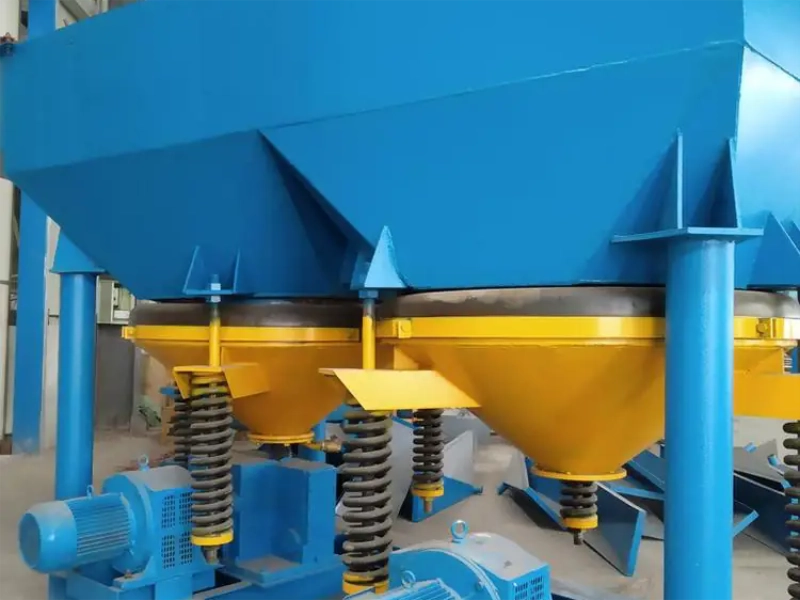
                • B2B Platforms (Alibaba.com, 1688.com): Efficient for discovering a broad spectrum of suppliers, from large workshops to individual artisans. Use keywords like wood fired tea cup or ash glaze cup. Critical due diligence is required: always request unedited videos of the firing process and the specific batch, and verify kiln type and clay origin to distinguish true wood-fired pieces from imitations.
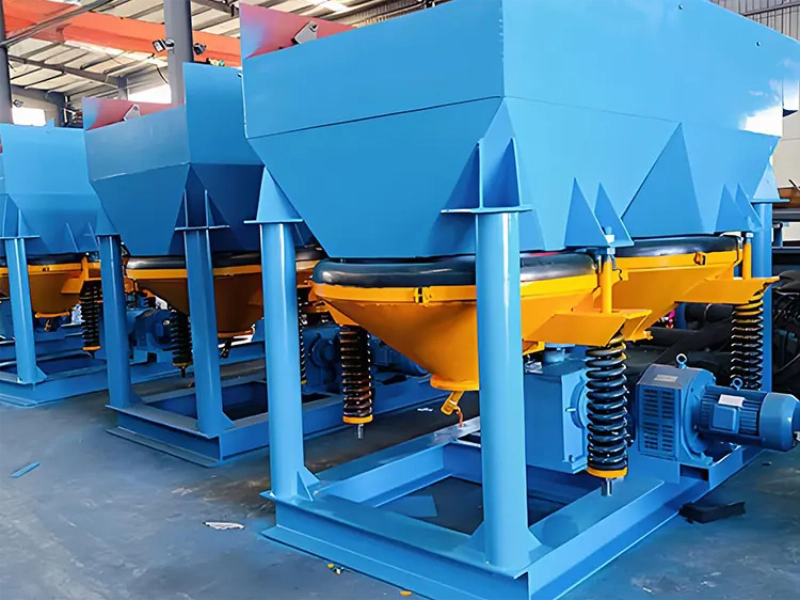
                • Industry Trade Shows & Ceramic Fairs: Attending events like the Jingdezhen International Ceramics Expo is invaluable. It allows you to physically assess the texture, weight, and glaze quality of cups, meet numerous suppliers in one location, and gain insights into current trends and leading artists.
                • Engaging a Professional Sourcing Agent (Highly Recommended): For most international buyers, this is the most reliable and efficient path to mitigate risk. A specialized agent provides indispensable services: vetting suppliers for authenticity, conducting on-site quality inspections, handling negotiations and logistics, and ensuring compliance. This is where a partner with deep expertise in the niche ceramic arts sector, such as IMEXsourcing, can provide decisive value by navigating the complexities of the market on your behalf.

                VI. Key Considerations for Sourcing Wood-Fired Tea Cups from China

                     1.Quality & Authenticity Verification (The Most Critical)

                • Verify True Wood-Firing: Insist that suppliers provide photos of the kiln and a short video of the firing process. Authentic wood-fired cups often have 3-4 small, unglazed spur marks on the base, a key indicator.
                • Ask Technical Questions: Inquire about specific parameters such as kiln type (dragon kiln, anagama), peak firing temperature (must exceed 1200°C), and clay origin. Be cautious of vendors with vague answers.
                • Inspect for Flaws: Carefully examine samples for defects that affect use and aesthetics, such as cracks, significant warping, glaze sticking, or rough rims. Minor “crackle” patterns are normal.
                • Request Batch-Specific Media: Before bulk ordering, always request unedited, multi-angle videos of the actual batch to be shipped to avoid discrepancies between “samples” and “production goods”.

                    2.Commercial & Transaction Security

                • Payment Methods: Prioritize secure channels like Alibaba’s Trade Assurance or PayPal Goods & Services. For large orders, consider using a Letter of Credit (L/C). Define Contract
                • Terms: Contracts must clearly state quality standards, inspection methods, payment schedule, packaging requirements (shock-proof wooden crates), delivery timeline, and solutions for defective goods.
                • Order Samples: Never skip the sampling stage. Physical samples are the only reliable way to verify all descriptions and quality.
                • Verify Supplier Credentials: Conduct comprehensive checks through video factory audits, requesting business licenses, and reviewing transaction history and ratings on B2B platforms.

                    3.Logistics & Customs Clearance

                • Professional Packaging: Explicitly require shock-absorbent, secure packaging (e.g., bubble wrap + foam inserts + reinforced outer carton). High-value items should be crated. Clarify breakage liability in the contract.
                • Understand Clearance Costs: Confirm the HS Code with the supplier and independently verify the import duty and VAT rates for that code with your home country’s customs authority to accurately calculate costs.
                • Choose Incoterms Wisely: Opt for DDP (Delivered Duty Paid) terms where the seller handles all shipping and import taxes for maximum convenience. If other terms (e.g., FOB) are used, you must arrange customs clearance at the destination.

                   4.Cultural Understanding & Communication Communicate

                • Directly and Clearly: Confirm all quality requirements, specifications, and commercial terms in writing (contract or email) to avoid verbal agreements and ambiguity.
                • Build in Buffer Time: Handmade production has inherent uncertainties. Allow ample buffer time in your schedule for production, quality control, and shipping to avoid rushed work that compromises quality.
                • Respect Craft Value: Avoid decisions based solely on price. Quotes that are too low often indicate imitation techniques, inferior clay, or shortcuts in the process.

                In summary, sourcing wood-fired tea cups is a specialized process centered on verifying authenticity, clarifying terms, and securing logistics.

                VII. Choose IMEXsourcing as Your Wood-Fired Tea Cup Sourcing Partner in China

                When procuring authentic and high-quality wood-fired tea cups from China, partnering with an experienced and reliable sourcing agent is crucial due to the complexities of traditional craftsmanship, material authenticity, aesthetic evaluation, and cultural nuances. As your dedicated partner, IMEXsourcing offers a comprehensive and specialized service portfolio to navigate this unique market, ensuring you acquire pieces of exceptional artistry and value. Our core advantages are meticulously tailored to the world of wood-fired ceramics:

                • Deep Expertise in Ceramic Arts & Authentication

                Our team possesses specialized knowledge in traditional ceramic arts, with a sharp focus on wood-fired techniques. We go beyond basic supplier matching to provide expert authentication. We understand and evaluate the critical nuances that define quality, such as identifying true ash glaze formation versus commercial imitations, assessing the beauty and authenticity of natural fire marks (hi-iro), and distinguishing between different kiln types (dragon kiln, anagama, noborigama). This expertise ensures that every piece we source is genuinely crafted through the revered wood-firing process.

                •  Direct Access to Master Artisans & Renowned Kilns

                We have established direct relationships with master potters, esteemed studios, and heritage kilns across key ceramic centers in China, including Jingdezhen, Jianyang for Jianzhan, and Yixing. This network grants you privileged access to source authentic works from celebrated artisans like those from Guixitang or Zhong Jia Yao, as well as discover emerging talents. We facilitate direct collaboration for custom commissions, exclusive designs, or limited-edition series, connecting you with the source of true craftsmanship.

                •  Full-Cycle, Craftsmanship-Centric Quality Assurance

                We implement a rigorous, end-to-end quality management process designed specifically for handcrafted ceramics. This begins with a meticulous pre-production evaluation of master samples, examining not just dimensions but also the depth of glaze, texture of the clay body, and balance of the form. During production, we monitor critical stages. Our final pre-shipment inspection is exhaustive, checking for structural integrity (hairline cracks, warping), functional details (smoothness of the rim, stability of the foot), aesthetic consistency within the batch, and the security of specialized, shock-absorbent packaging to prevent damage in transit.

                • Professional Negotiation & Supply Chain Risk Mitigation

                Leveraging our strong industry relationships and aggregated purchasing power, we secure favorable pricing and transparent terms with workshops and kilns, helping you navigate Minimum Order Quantities (MOQs) common with artisan producers. We protect your interests by mitigating key risks: verifying the use of appropriate, food-safe local clays and natural glazes, preventing substitution with lower-quality or electric-kiln imitations, and ensuring realistic timelines that respect the slow, unpredictable nature of wood-firing cycles.

                • Integrated Logistics & Cultural Bridge

                We manage the complete logistics chain, from secure packaging and export documentation to shipping and customs clearance, ensuring a smooth journey for your fragile cargo. Furthermore, we act as your essential cultural and communication bridge, accurately conveying your technical specifications and design intent to artisans while providing you with insights into the craft’s heritage, enhancing the story and value of your final product.

                Partner with IMEXsourcing to transform the complex journey of sourcing authentic wood-fired tea cups into a seamless, secure, and deeply insightful experience. Let us connect you directly to the heart of Chinese ceramic artistry.

                VIII. Conclusion

                In conclusion, sourcing authentic wood-fired tea cups from China is a rewarding journey that connects you to a profound artistic heritage. This guide has equipped you with the knowledge to navigate this world—from appreciating the unique artistry of pieces from regions like Jingdezhen and Jianyang, to making informed decisions between direct sourcing and professional agents. By understanding the key specifications and partnering with experts who respect the craft, you can confidently build a collection that offers unparalleled beauty and serenity to the tea experience. The perfect cup, marked by the serendipitous kiss of flame and ash, awaits your discovery.


                Message us for more information

                Please let us know your request, we will get back to you within 24 hours.

                  Sourcing Brick Making Machines from China: The Ultimate Buyer’s Guide to Manufacturers, Types, and Strategies

                  Introduction

                  The global construction industry is undergoing a paradigm shift. With rapid urbanization across Africa, Southeast Asia, and South America, the demand for sustainable, cost-effective building materials has never been higher. At the heart of this revolution lies the Brick Making Machine—a critical piece of industrial equipment that transforms raw materials like sand, cement, fly ash, and construction waste into the literal foundations of our cities.

                  China has emerged as the undisputed global hub for brick-making technology. From simple, hand-operated presses for rural development to massive, fully automated hydraulic production lines capable of outputting tens of thousands of blocks daily, Chinese manufacturers offer a range of solutions that balance performance with price. However, for international buyers, the sheer scale of the Chinese market can be overwhelming. You are not just buying a machine; you are investing in a production system that involves hydraulic pressures, vibration frequencies, mold precision, and long-term after-sales support.

                  This comprehensive guide, modeled on professional sourcing practices, provides everything you need to know to successfully source brick-making machines from China. Whether you are a construction firm looking to reduce material costs or an entrepreneur starting a block factory, this guide will navigate you through the technical, geographical, and strategic landscape of the industry.

                  I. Understanding the Diverse Types of Chinese Brick Making Machines

                  The Chinese market classifies brick-making machines primarily by their level of automation and their driving mechanism. Choosing the right type depends on your budget, target output, and local labor costs.

                  A. Manual Brick Making Machines

                  These are the entry-level solutions, often used for small-scale projects or in areas with limited electricity.

                  • Mechanism: Hand-operated levers or simple foot pedals provide the compression.

                  • Pros: Extremely low cost ($500–$2,000), portable, and requires no complex maintenance.

                  • Cons: Low density/strength of bricks, inconsistent quality, and low output (typically 500–1,000 bricks per day).

                  B. Semi-Automatic Brick Making Machines

                  A popular choice for small-to-medium enterprises (SMEs). They combine manual material feeding with mechanical/vibratory pressing.

                  • Mechanism: Uses electric motors for vibration and hydraulic or mechanical pressing, but requires workers to load raw materials and move the finished pallets.

                  • Pros: Good balance between cost and speed; produces bricks with much higher density than manual machines.

                  • Cons: Still labor-intensive (requiring 4–6 workers).

                  C. Fully Automatic Hydraulic Machines

                  These are high-tech production lines designed for 24/7 industrial operation.

                  • Mechanism: Controlled by a PLC (Programmable Logic Controller), these machines automate everything from batching and mixing to molding and stacking. They use advanced hydraulic pressure (often exceeding 12-20 MPa) combined with high-frequency vibration.

                  • Pros: Massive output (up to 20,000+ blocks per 8-hour shift), superior block strength, and minimal labor (1–2 operators).

                  • Cons: Significant capital investment ($30,000–$150,000+) and requires a stable power grid.

                  D. Mobile (Egg-Laying) Machines

                  A unique category where the machine “walks” on a concrete floor, laying bricks as it moves, eliminating the need for pallets.

                  • Best For: Rural road construction or projects where pallet costs and transport are a bottleneck.

                  II. The Production Ecosystem: Auxiliary Equipment

                  A brick machine is rarely a standalone purchase. To achieve high efficiency and consistent quality, you must consider the “Auxiliary Equipment” that completes the production line.

                  1. Concrete Mixer (Planetary vs. Twin-Shaft): The heart of material preparation. Twin-shaft mixers are standard for high volume, while planetary mixers are preferred for colored pavers to ensure uniform pigment distribution.

                  2. Belt Conveyor: Transports the mixed wet concrete from the mixer to the machine’s hopper.

                  3. Automatic Batching Machine: Uses load cells to precisely weigh cement, sand, and aggregates according to a pre-set recipe.

                  4. Automatic Stacker (Cuber): Picks up the loaded pallets of wet bricks and stacks them for transport to the curing area.

                  5. Pallet Feeder: Automatically feeds empty pallets into the machine.

                  6. Molds: The most critical consumable. High-quality Chinese molds are heat-treated (carburized) to ensure they can withstand 100,000+ cycles before wearing out.

                  III. Why Concrete? The Advantages of Non-Burning Brick Technology

                  Chinese machinery has spearheaded the move away from traditional clay-fired bricks toward Non-Burning (Concrete/Cement) Blocks. The advantages are compelling:

                  • Environmental Sustainability: Unlike clay bricks, these do not require fertile topsoil or high-temperature kilns that emit massive CO2. They utilize fly ash, slag, and construction waste.

                  • Cost-Efficiency: The raw materials (sand, stone dust, gravel) are often cheaper and more widely available than high-quality clay.

                  • Structural Superiority: Concrete blocks are more uniform in size, which reduces the amount of mortar required during construction by up to 30%.

                  • Insulation: Hollow concrete blocks provide better thermal and sound insulation compared to solid red bricks.

                  IV. Key Technical Specifications and Parameters for Buyers

                  When comparing quotes from different Chinese suppliers, do not just look at the price. Look at these “Core Specs”:

                  Parameter Significance Standard Benchmarks
                  Cycle Time How long it takes to make one “press.” 15–25 seconds for auto machines.
                  Vibration Frequency Higher frequency = denser, stronger bricks. 3,000–4,500 rpm (Servo motors are best).
                  Hydraulic Pressure Determines the compaction force. 12 MPa to 21 MPa for heavy-duty lines.
                  Pallet Size Limits how many bricks you can make per cycle. e.g., 850x550mm or 1100x700mm.
                  Total Power Crucial for calculating operational costs. 15kW for small; 50kW+ for large lines.
                  Control System The “brain” of the machine. Look for Siemens PLC or Schneider components.

                  V. Product Versatility: Types, Styles, and Sizes of Bricks Produced

                  By simply changing the mold, a single Chinese brick machine can produce dozens of different products:

                  • Hollow Blocks: The standard for wall construction. Sizes like 400x200x200mm (8-inch) or 400x150x200mm.

                  • Solid Bricks: For load-bearing structures. Common size: 240x115x53mm.

                  • Interlocking Pavers: Used for driveways and parking lots. Includes “I-shape,” “Hexagon,” and “Zig-zag” patterns.

                  • Color Pavers: Machines with a “Face-mix” device can add a thin layer of colored concrete to the top of a block, saving on pigment costs.

                  • Curbstones & Grass Bricks: For landscaping and municipal road projects.

                  • Hourdis Blocks: Specialized hollow blocks used for floor slabs.

                  VI. China’s Brick Machinery Industrial Clusters

                  Geography plays a huge role in sourcing. Most manufacturers are concentrated in three provinces:

                  1. Linyi, Shandong Province (The Volume Hub):Linyi is the “Capital of Brick Machines.” It hosts hundreds of factories ranging from small family workshops to massive industrial groups. If you are looking for cost-effective, mid-range machines (like the QT4-15 or QT4-24 models), Linyi is the place.
                  2. Quanzhou, Fujian Province (The High-End Hub):Fujian manufacturers focus on high-tech, export-quality machinery. Many companies here have collaborated with German firms (e.g., QGM’s acquisition of Zenith). If you need a premium, fully automatic line for a large-scale plant, look here.
                  3. Gongyi/Zhengzhou, Henan Province (The Clay Specialist):While the world is moving to concrete, if you specifically need Vacuum Extruders for clay/fired bricks, Henan is the historical center for this technology.

                  VII. Top Chinese Brick Making Machine Manufacturers

                  Note: Always conduct fresh due diligence before ordering.

                  1. QGM (Quangong Machinery Co., Ltd.) – Fujian https://www.qgmblockmachine.com
                    The industry leader. They acquired the German brand Zenith and offer the “ZN” series which represents the pinnacle of Chinese/German engineering. Best for high-budget, high-output projects.
                  2. Hongfa Group – Shandong https://www.hongfamach.com
                    One of the oldest and largest manufacturers. They specialize in integrated production lines, including AAC (Autoclaved Aerated Concrete) lines and large-scale block machines.
                  3. REIT – Fujian https://www.reitmachine.com
                    Known for high-end automatic systems with a strong focus on “Smart” manufacturing and remote diagnostics.
                  4. Qunfeng Machinery – Fujian https://www.qunfeng.com
                    A very popular export brand. Their machines are known for aesthetic design and user-friendly PLC interfaces.
                  5. Dongyue Group – Shandong https://www.donyuegroup.com
                    A massive conglomerate that produces everything from simple manual machines to massive chemical-processing equipment. Very reliable for mid-to-high-tier buyers.
                  6. Fulang Machinery – Shandong https://www.blocksmachine.com
                    A leader in the Linyi cluster. Excellent for entrepreneurs and SMEs looking for reliable, cost-effective hydraulic machines with great after-sales support.
                  7. Shengya Machinery – Shandong https://www.sdshengya.com
                    Similar to Fulang, they have a massive presence across Africa and Southeast Asia with local service centers in many countries.
                  8. Aimix Group – Henan https://www.aimixgroup.com
                    A diversified construction machinery supplier. They are great for buyers who need to bundle brick machines with other equipment like concrete pumps or batching plants.
                  9. ZCJK Group – Wuhan Hubei http://www.wh8108.cn/
                    Literally China Materials Construction Tech Group, specializing in the research of new wall materials, comprehensive utilization of solid waste resources, complete sets of brick-making machine machinery and equipment.
                  10. Allian Machinery – Shandong

                  VIII. Sourcing Considerations and Buying Checklist

                  Sourcing heavy machinery is different from sourcing consumer goods. One mistake can lead to months of downtime.

                  1. The “Real” Capacity vs. “Theoretical” Capacity

                  Manufacturers often quote capacity based on a 15-second cycle time. In reality, due to material loading and worker speed, your actual output might be 20% lower. Always plan your plant layout based on 80% efficiency.

                  2. Power Supply Compatibility

                  China uses 380V/50Hz/3-Phase. If your country uses 220V, 415V, or 60Hz, you must specify this. Changing a motor after the machine arrives is expensive and difficult.

                  3. Spare Parts Package

                  A machine is only as good as its uptime. Ensure your quote includes a 2-year wear-and-tear kit:

                  • Proximity switches and relays.

                  • Hydraulic seals and O-rings.

                  • Vibration springs.

                  • Additional mold liners.

                  4. Factory Acceptance Test (FAT)

                  Before the final payment, the machine must be tested.

                  • Ask for a video of your specific machine running with molds.

                  • Verify the vibration noise (excessive noise indicates poor balancing).

                  • Check the welding quality on the main frame.

                  5. Logistics: The Container Challenge

                  Large machines are heavy. A QT10-15 line can require multiple 40ft HQ containers. Ensure the supplier packs the machine with anti-rust oil and secures it properly to prevent shifting during ocean transit.

                  IX. Why Choose IMEXsourcing as Your Machinery Partner

                  At IMEXsourcing, we understand that buying a brick machine is a high-stakes investment. We act as your eyes and ears on the ground in China to mitigate risks.

                  • Deep Supplier Audits: We don’t just look at Alibaba profiles. We visit the factories in Linyi or Quanzhou to verify their actual manufacturing capacity, the quality of their steel, and the authenticity of their “Siemens” components.

                  • Technical Inspection: Our inspectors check the thickness of the steel frames, the quality of the hydraulic pumps, and ensure the PLC is programmed in your local language.

                  • Price Negotiation: Because we deal with these clusters daily, we know the “real” factory price. We help you negotiate not just the machine price, but the cost of custom molds and spare parts.

                  • Loading Supervision: We ensure that every component—from the tiny sensors to the heavy mixer—is accounted for and safely loaded into the container to prevent transit damage.

                  • After-Sales Mediation: If a part fails under warranty, we communicate with the factory in their native language to ensure replacement parts are dispatched immediately, minimizing your downtime.

                  X. Conclusion

                  The transition from manual construction to mechanized brick production is one of the most profitable moves a construction business can make. China offers the world’s most versatile range of brick-making machinery, capable of meeting any budget or production scale.

                  However, success lies in the details. By understanding the difference between a Linyi-made mid-range machine and a Quanzhou-made premium line, specifying the right technical parameters, and performing rigorous quality control, you can build a production facility that lasts for decades.

                  Ready to start your brick production journey? Contact IMEXsourcing today for a consultation on the best manufacturers and equipment configurations for your specific market needs. Let us help you turn Chinese innovation into your local success.

                  Message us for more information

                  Please let us know your request, we will get back to you within 24 hours.

                    Sourcing Scented Candles from China: All about Manufacturers, Materials, and Buying Strategies

                    Introduction

                    The global home fragrance market is experiencing unprecedented growth. Fueled by the “self-care” trend, the rise in remote work, and a desire for affordable luxury, scented candles have transformed from occasional gifts into everyday essentials. For global importers, retailers, and brand owners, this presents a massive opportunity.

                    When it comes to turning wax and fragrance into profitable products, China remains the undisputed world leader. China is not just about low-cost production; it is the global center for innovation in wax blends, sophisticated fragrance diffusion, complex vessel manufacturing, and scalable customization. Whether you are launching a high-end boutique aromatherapy line or stocking mass-market shelves with dinner candles, Chinese manufacturers offer the capacity and versatility required.

                    However, sourcing candles is more complex than sourcing inert plastic goods. You are dealing with chemical compositions, fragrance loads, burn performance, and safety regulations. Finding the right supplier who balances aesthetics, olfactory performance, and compliance is crucial.

                    This comprehensive guide, modeled on professional sourcing practices, will walk you through everything you need to know to successfully procure scented, dinner, botanical, and specialty candles from China.

                    I. Understanding the Diverse Landscape of Chinese Candle Products

                    China’s manufacturing capability covers the entire spectrum of the candle industry. Buyers must first define their niche. Below are the primary categories produced in high volume across Chinese factories.

                    A. Scented Container Candles (The Market Leader)

                    This is the largest category. Wax is poured into a vessel—usually glass, ceramic, metal tin, or concrete.

                    • Key Features: High fragrance load capability; the container itself is a major design element.

                    • Target Market: Home decor, gifts, aromatherapy, mass retail.

                    B. Dinner & Taper Candles

                    Traditional, long, slender candles designed for candelabras and dining settings.

                    • Key Features: Usually unscented or very lightly scented so as not to interfere with food. Often made of harder paraffin or paraffin-stearin blends for structural integrity.

                    • Variations: Classic tapers, spiral twists, fluted designs.

                    C. Tealights and Votives

                    Small, disposable candles in metal or plastic cups used for heating (fondue, tea warmers) or ambiance.

                    • Key Features: Short burn times (3-6 hours), highly commoditized, extremely low price points per unit, often sold in bulk packs (e.g., 50-packs, 100-packs).

                    D. Specialty and Trending Types

                    • Botanical/Inclusion Candles: Clear gel or outer wax shells embedded with dried flowers, herbs, or fruits. Requires high manufacturing skill to ensure safety (preventing inclusions from catching fire).

                    • Essential Oil/Aromatherapy Candles: Focus on natural wellness. Must use 100% natural essential oils rather than synthetic fragrance oils. Often paired with soy or beeswax.

                    • Odor-Eliminating Candles: Formulated with specific enzyme-based or neutralizing fragrances designed to combat pet, smoke, or kitchen odors, rather than just masking them.

                    • Sand Wax / Granulated Wax: A DIY trend where loose, scented wax granules are poured into a container with a separate wick inserted by the end-user.

                    II. The Core: Materials and Their Advantages

                    The perceived quality and price point of a candle are determined almost entirely by the materials used. Chinese manufacturers are adept at blending different waxes to achieve desired price-performance ratios.

                    Wax Types

                    Wax Material Description & Advantages Disadvantages Ideal Application
                    Paraffin Wax A byproduct of petroleum refining. The traditional standard. Excellent “scent throw” (both cold and hot). Very stable and inexpensive. Derived from fossil fuels; can produce more soot if wicks are not trimmed; perceived negatively by eco-conscious consumers. Mass-market scented candles, taper candles, tealights.
                    Soy Wax Vegetable wax made from soybean oil. The undisputed king of the current market. Biodegradable, renewable, burns cleaner and slower than paraffin. Softer than paraffin; can struggle with very high fragrance loads; sometimes “frosts” (white crystalline look) over time. Mid-to-high-end container candles, eco-friendly brands.
                    Beeswax 100% natural wax produced by honeybees. Emits a natural honey scent; burns very clean with a bright flame. The most expensive option; natural scent can clash with added fragrances; difficult to color. Luxury, ultra-natural, or religious candles.
                    Coconut Wax A premium vegetable wax. Extremely creamy appearance and holds scent very well. Expensive and very soft (low melting point), so it is almost always blended with soy or harder waxes. High-end luxury container candles.
                    Wax Blends The Industry Standard. Most commonly a Paraffin/Soy blend. Blends allow manufacturers to combine the scent throw and stability of paraffin with the marketing appeal and creaminess of soy. Requires transparency with consumers if claiming “natural.”

                    Wicks and Fragrances

                    • Cotton Wicks: The standard. Look for lead-free, 100% cotton, sometimes with a paper core for rigidity.

                    • Wood Wicks: Trendy due to the crackling sound they make when burning. They require specific wax formulations to stay lit reliably.

                    • Fragrance Oils: The soul of the candle. Chinese factories source fragrances globally (Givaudan, IFF, Symrise) and locally.

                      • Crucial Metric: Fragrance Load. This is the percentage of fragrance oil to wax. A cheap candle might have 3-5%. A luxury candle might have 8-12%.

                    III. Key Specifications and Parameters for Buyers

                    When communicating with suppliers, vague requests lead to poor samples. You must specify:

                    1. Wax Weight vs. Total Weight: Don’t just say “a 300g candle.” Clarify if that is 300g of wax fill or the total weight including the heavy glass jar.

                    2. Burn Time: Measured in hours. This is heavily influenced by wax type, wick size, and jar diameter.

                    3. Fragrance Load Percentage: Specify your required level (e.g., “We require an 8% fragrance load”).

                    4. Container Finish: Clear glass, frosted, matte sprayed color, electroplated (metallic look), ceramic glazing.

                    5. Secondary Packaging: Gift box quality (thickness of cardboard), internal inserts to prevent breakage.

                    IV. China’s Candle Manufacturing Industrial Clusters

                    Like many industries in China, candle manufacturing is clustered geographically. Knowing these hubs helps locate the right type of supplier.

                    A. Qingdao & Yantai (Shandong Province)

                    The Hub for Glass & Volume.

                    Shandong is massive in glassware production. Consequently, many of China’s largest candle fillers are located here to be close to the container source.

                    • Best For: Large volume orders of glass container candles, mid-range retail brands, and major supermarket suppliers.

                    B. Dongguan, Shenzhen & Guangzhou (Guangdong Province)

                    The Hub for Design, Luxury & Exports.

                    Factories here are highly export-oriented, accustomed to Western quality standards, and skilled in complex designs, premium packaging, and working with high-end fragrance houses.

                    • Best For: Boutique brands, luxury gift candles, complex OEM/ODM projects requiring unique molds or sophisticated scents.

                    C. Yiwu & Jinhua (Zhejiang Province)

                    The Hub for Commodities & Budget Items.

                    Famous for small commodities. Factories here excel at high-speed production of low-cost items.

                    • Best For: Tealights, basic votives, party candles, and budget-tier container candles where price is the primary driver.

                    V. Top Chinese Candle Manufacturers

                    Disclaimer: The status of manufacturers changes. Buyers should always conduct current due diligence. The following are historically significant, large-scale players representative of the industry’s capabilities.

                    1. Qingdao Kingking Applied Chemistry Co., Ltd.

                      • Location: Qingdao, Shandong. https://www.chinakingking.com/en/

                      • Profile: One of the largest candle manufacturers globally, and perhaps the biggest in Asia. They supply major global retailers like Walmart, IKEA, and Target. They have massive R&D facilities and enormous production capacity for glass candles and diffusers.

                      • Strength: High volume, standardized quality, reliable supply chain.

                    2. Talent Fareast Candle Co., Ltd.

                      • Location: various, main in North China. http://www.talentfareast.com

                      • Profile: Another industry giant with a long history of exporting to Europe and North America. They cover the full spectrum from basic tealights to high-end decorative candles.

                      • Strength: Diverse product range and deep experience in regulatory compliance for Western markets.

                    3. Dalian Talent Gift Co., Ltd.

                      • Location: Dalian, Liaoning (North China). https://www.daliantalent.com

                      • Profile: Known for high-quality production and artistic designs. They often focus on mid-to-high-end market segments and have strong design capabilities for seasonal gifts (Christmas, Halloween).

                      • Strength: Design-led manufacturing and quality finishes.

                    4. Zhejiang Shaoxing Wonders Artware Co., Ltd.

                      • Location: Shaoxing, Zhejiang. https://www.wax-wonders.com

                      • Profile: A strong player in the Zhejiang cluster, often focusing on cost-effective production of tealights, pillars, and basic container candles.

                      • Strength: Competitive pricing and high output for commodity items.

                    5. Xiamen Apple Aroma Co., Ltd. (and similar Fujian/Guangdong based firms)

                      • Location: Xiamen, Fujian. http://applearoma.com/about.asp

                      • Profile: These types of companies often focus heavily on the “aroma” aspect, specializing in diffusers, essential oil candles, and design-centric home fragrance products.

                      • Strength: Focus on scent trends, modern aesthetics, and ODM services for boutique brands.

                    6. Ningbo Kwung’s Wisdom Art & Design Co., Ltd.

                      • Location: Ningbo, Zhejiang. https://showroom.kwungs.com

                      • Profile: A prominent Chinese orginal design manufacturer and supplier of aromatic candles, reed fragrance diffusers and other home fragrance and decoration products with a glorious history of over 20 years.

                      • Strength: Has 300,000 products, fashionable and exquisite designs, various shapes and styles, rich and colorful scents.

                    IV. Navigating Certifications and Compliance

                    Candles involve fire and inhaled chemicals; compliance is non-negotiable. You must ensure your imported products meet the standards of your target market.

                    Safety & Performance Standards (Crucial for EU/US)

                    • EN 15493 (European Standard): Specifications for fire safety of candles. It dictates maximum flame height, stability so it doesn’t tip over, and self-extinguishing properties at the end of the wax life.

                    • EN 15426 (European Standard): Specifications for sooting behavior. It limits how much black smoke a candle can emit.

                    • ASTM F-Standards (USA): The US equivalents for fire safety and labeling (e.g., ASTM F2058 for caution labeling).

                    Chemical & Material Compliance

                    • REACH (Europe): A massive regulation concerning chemicals. You must ensure the wax, fragrance, and wick do not contain Substances of Very High Concern (SVHC) above permitted limits.

                    • TSCA (USA): Toxic Substances Control Act compliance for chemical substances.

                    • SDS / MSDS (Safety Data Sheets): Your supplier must be able to provide an SDS for the fragrance oil mixture used. This is essential for shipping logistics and customs clearance.

                    VII. Essential Sourcing Considerations: A Buyer’s Checklist

                    Sourcing candles has unique pitfalls. Here is how to avoid them.

                    A. The “Cold Throw” vs. “Hot Throw” Test

                    Do not judge a sample just by smelling it out of the box.

                    • Cold Throw: The scent strength when the candle is unlit. Important for retail shelf appeal.

                    • Hot Throw: The scent strength when burning. This is what generates repeat customers. A cheap candle may smell strong initially but have zero throw when lit. Always burn-test samples.

                    B. Wick Testing and “Tunneling”

                    If the wick is too small for the container diameter, the wax will not melt to the edges. It will burn straight down the middle, leaving wasted wax on the sides. This is called “tunneling” and is a sign of a poorly engineered candle. Ensure the factory matches the wick size correctly to your chosen jar.

                    C. The MOQ (Minimum Order Quantity) Challenge

                    Candles are heavy and low-value-per-cubic-meter, making full container loads (FCL) the most economical shipping method.

                    • The Issue: Factories need high MOQs to make a custom fragrance run worth it (often 1,000–3,000 pieces per scent).

                    • Strategy for Startups: To lower MOQs, ask the factory for their “stock fragrance list.” Using scents they already have in production for other clients can significantly lower the minimum buy required.

                    D. Packaging is Paramount (Preventing Breakage)

                    Most scented candles are in glass. Shipping a container of glass across the ocean requires robust packaging.

                    • Requirement: Demanded drop-tested packaging. Specify inner cartons (e.g., 6 candles per inner box) separated by sturdy cardboard dividers, inside a master carton. Do not accept bulk-packed glass candles without individual separators.

                    E. Seasonal Timing

                    The candle industry is highly seasonal, peaking in Q3 for Christmas production. If you want orders delivered by September/October, you must finalize samples and place orders by April/May.

                    VIII. Choose IMEXsourcing as Your Scented Candle Sourcing Partner in China

                    When procuring high-quality scented candles, home fragrance products, and specialty wax items from China, partnering with an experienced and reliable sourcing agent is crucial given the complexities of fragrance formulations, wax properties, and safety regulations. IMEXsourcing offers a comprehensive service portfolio to streamline your procurement process and ensure exceptional value, with the following core advantages:

                    Extensive Industry Procurement Experience: With years of experience in sourcing home fragrance and decor products, we accurately connect you with top-tier Chinese manufacturers. Our product range is comprehensive, covering everything from luxury scented container candles (glass, ceramic, metal tins) and aromatherapy essential oil candles to eco-friendly plant-based wax options (soy, coconut, palm blends), traditional dinner tapers, pressed tealights, and functional odor-eliminating candles. This meets your diverse needs for different market tiers, scent profiles, and aesthetic designs.

                    Tailored Solutions: We support in-depth customization based on your specific requirements, including precise fragrance load percentages for optimal scent throw, selection of specific wax blends to achieve desired burn characteristics, and choice of wick materials (such as lead-free cotton or crackling wood). We also facilitate bespoke container design (custom colors, finishes like electroplating or frosting, and unique lid materials) and intricate secondary packaging solutions to ensure the final product perfectly matches your brand image, target market price point, and quality standards.

                    Stringent Supplier Verification: We conduct thorough factory audits of our manufacturing partners, verifying their production capacity, fragrance blending expertise, laboratory testing capabilities, and quality control systems. We ensure suppliers hold relevant business certifications (e.g., ISO 9001) and that their raw materials and final products comply with domestic and international safety and performance standards (such as IFRA compliance for fragrance oils, ASTM F/EN fire safety and container integrity standards, and necessary REACH/CLP documentation for international shipping).

                    Professional Negotiation Capabilities: Leveraging strong industry relationships and aggregated purchasing volume, we secure the most favorable pricing and contract terms for you, which is particularly helpful in managing the complex Minimum Order Quantities (MOQs) often required by fragrance houses. We aim to reduce procurement costs while avoiding potential hidden risks such as the use of inferior wax fillers, diluted fragrances, or delivery delays caused by seasonal production congestion.

                    Full-Cycle Quality Assurance: We implement a rigorous end-to-end quality management process, starting with critical pre-production sample evaluation (verifying both “cold throw” and “hot throw” scent performance). We continue with production process monitoring (checking crucial parameters like wax pouring temperatures) and conclude with detailed pre-shipment inspection. Our final checks focus on visual aesthetics (ensuring no defects like tunneling, wet spots, or frosting), wick centering accuracy, adherence to specified burn times, and the robustness of master carton packaging to prevent melting or breakage during ocean transit. This ensures stable and reliable quality for every delivered shipment

                    IX. Conclusion

                    Sourcing candles from China offers an incredible spectrum of possibilities, from budget-friendly tealights in Yiwu to luxurious, complex-scented soy candles in Dongguan. The key to success lies in moving beyond a generic request for “candles.” By specifying your wax blend, demanding rigorous burn testing, understanding the regional specializations, and ensuring strict safety compliance, you can leverage China’s manufacturing might to build a successful and profitable home fragrance brand.

                    Message us for more information

                    Please let us know your request, we will get back to you within 24 hours.

                      How to Buy Oil Press Machines from China: The Ultimate Buyer’s Guide

                      I. Introduction: The Core Engine of Global Oil Production

                      The Oil Press Machine is the central equipment in global edible and industrial oil production lines, covering specialized machinery for processing diverse oilseeds, from peanuts and soybeans to sesame and crucially, palm oil. Through precise pressing techniques, these machines ensure highly efficient oil separation and maintain the quality of the final product.

                      China dominates the global manufacturing and export of oil press equipment. Benefiting from a complete industrial chain, significant scale advantages, and continuous technical upgrades—including high-yield cold-pressing technology and compliance with international food safety standards—Chinese-made machinery is the preferred choice for global buyers. This guide aims to equip international buyers with essential knowledge to efficiently connect with top-tier Chinese manufacturers and source customized, high-performance oil pressing solutions tailored to various oil processing requirements.

                      II. Oil Press Machines: Key Equipment for Efficient Extraction and Main Classifications

                      The Oil Press Machine (also known as an Oil Expeller) is central to the oil processing industry, functioning to separate oil from oil-bearing crops through physical mechanical methods. It is widely used for processing raw materials like rapeseed, peanuts, soybeans, sesame, sunflower seeds, and importantly, palm fruit. The design and operational mechanism of the oil press directly impact both the final oil yield and quality. Based on their working principle and scale of application, modern oil press machines are primarily categorized into three main types:

                      • Screw Press Machine: The most common type. It generates immense thrust and friction inside a press cage using a rotating screw to continuously squeeze the raw material. Screw presses are simple in structure and suitable for various oilseeds and production scales, from small farms to large factories.

                      • Hydraulic Press Machine: This type relies on a hydraulic system to generate tremendous static pressure to expel oil. Since the pressing process involves no heating, it is ideal for cold pressing, preserving the maximum nutritional value and flavor of specialty oils (like sesame oil or olive oil).

                      • Pre-press and Solvent Extraction Unit: Designed specifically for large-scale, industrial production. It first uses a screw press to remove the bulk of the oil, and then employs solvents (such as hexane) to extract residual oil from the meal, achieving the highest possible yield and operational efficiency.

                      III. How to Choose the Right Oil Press Machine: Seven Key Factors Before Purchase

                      Selecting the appropriate oil press machine is a pivotal step that dictates the success of your oil processing business. Before engaging with manufacturers, you must clearly define the following seven core criteria based on your business model and raw material characteristics:

                      1. Raw Material Type: Confirm the primary oilseeds you will be pressing. For materials like peanuts or rapeseed, a Screw Press is typically recommended; if your focus is sesame, walnuts, or premium olive oil, a Hydraulic Cold Press is better suited. Palm fruit requires specialized Palm Oil Pressing equipment.

                      2. Capacity Demand: You must specify the required throughput—how many raw materials you plan to process per hour or per day (tons/hour or kg/day). This directly determines the machine’s model and power rating, serving as the benchmark for distinguishing between small household, medium commercial, and large industrial scales.

                      3. Pressing Method: Do you require:

                        • Cold Pressing: Preserves oil flavor and nutrients but yields slightly less, suitable for premium edible oils.

                        • Hot Pressing: Maximizes oil yield and improves stability, suitable for general-purpose cooking oils.

                      4. Oil Yield and Residual Oil: These are the key performance indicators (KPIs) for the equipment. An excellent screw press should achieve high yield with an acceptable level of residual oil; if maximum yield is critical, you must consider the Pre-press and Solvent Extraction combination.

                      5. Energy Consumption and Maintenance Cost: For large equipment, focus on the energy consumption of the motor and heating system. Simultaneously, inquire about the wear-and-tear lifespan and replacement costs for key parts (like press screws and pressing bars).

                      6. Machine Material: Especially for edible oils, it is crucial that parts in contact with the oil—such as the feed inlet, pressing cage inner walls, and oil outlet—are made of food-grade Stainless Steel to ensure hygiene and product safety.

                      7. Automation and Certification: Consider the level of automation you need (continuous feeding, automatic temperature control). Crucially, ensure the equipment carries internationally recognized ISO Quality Management and CE Safety Certifications to meet export or local regulatory requirements.

                      IV. How to Find Oil Press Machine Suppliers in China?

                      There are multiple ways to find wholesalers of oil press machines and related products in China, as follows:

                        • Google Search Enter keywords like “China oil press machine suppliers” or “industrial oil expeller manufacturer” to quickly screen top suppliers and check their official websites, technical specifications, and customer reviews.
                        • Industry Trade Exhibitions Attend major domestic and international oil processing and grain machinery exhibitions (e.g., China International Oils & Fats and Grains Expo) to communicate with suppliers face-to-face, understand product performance intuitively, and establish cooperation.
                        • Alibaba.com As a major cross-border B2B platform, enter keywords to find a large number of suppliers and communicate online regarding quotations, Minimum Order Quantities (MOQ), and customization needs (such as specifications for palm oil presses).
                        • 1688.com (China Domestic Wholesale Platform) This platform is primarily for buyers within mainland China and often offers the most competitive direct-from-factory prices. However, it is important to note that the site operates primarily in Chinese and does not directly support international shipping or English-language services.

                        • made-in-china.com Filter oil press manufacturers by equipment category (Screw Press, Hydraulic Press) or location, and check quality inspection reports and export qualifications to effectively reduce procurement risks.
                        • Main Chinese Oil Press Machine Bases Major manufacturing bases are concentrated in:

                      Henan (Zhengzhou, Xinxiang): Focuses on large-scale, continuous oil processing equipment.
                      handong (Jinan, Qingdao):
                      Features a mix of medium-sized and automated oil refining equipment.
                      Sichuan/Chongqing:
                      Traditional manufacturing hub, often specializing in small-scale and specialty oil presses.

                        • Procurement Agent Hire a procurement agency like IMEXsourcing to accurately connect with manufacturers according to specific needs (e.g., capacity, raw material type). IMEXsourcing can provide 1688.com sourcing agent services, helping you navigate the language barrier, secure the best factory pricing, and assist with order tracking, equipment quality inspections, and logistics arrangements.

                      V. What are the Production Bases of Oil Press Machines?

                        • Zhengzhou/Xinxiang, Henan: Known as the “Capital of China’s Oil Machinery,” this region features a highly concentrated industrial cluster for manufacturing large-scale complete oil processing plants, encompassing the full value chain from design and manufacturing to installation and commissioning. Its main products include large-scale continuous screw pre-press machines, solvent extraction equipment, and complete oil refining units. This area is specialized in handling materials like soybeans, rapeseeds, cottonseed, and large-volume palm oil. The base is recognized for its strong technical capabilities and high level of equipment automation, making it suitable for large industrial oil mill projects and international engineering contracts.
                        • Jinan/Qingdao, Shandong: Manufacturers in this area focus on small-to-medium scale, multi-functional, and cost-effective oil pressing equipment. Their product line is extensive, covering household cold/hot presses, commercial hydraulic presses, and specialized equipment for local oil workshops. The Shandong base excels in the application of food-grade stainless steel and ease of operation. Their products offer high flexibility, catering primarily to the bulk procurement needs of small and medium-sized food processing enterprises and domestic/international distributors.
                        • Chengdu/Chongqing, Sichuan: As a traditional oil machinery manufacturing hub in Western China, manufacturers here specialize in high-precision, high-yield hydraulic oil press machines and equipment tailored for specialty oilseeds (such as sesame, walnuts, and tea seed). Their products are known for high pressing purity and superior raw material preservation, making them ideal for producing premium cold-pressed oils and local specialty oil products. This base meets the demands of professional oil mills and high-end food markets with stringent requirements for oil flavor and quality.

                      VI. Major Domestic Manufacturers of Oil Press Machines in China

                      1.Anyang Best Complete Machinery Engineering Co., Ltd

                      Anyang Best Complete Machinery Engineering Co., Ltd (ABC Machinery) is a leading Chinese manufacturer and supplier of oil press machines. Merged in 2014 from GEMCO and KMEC, it leverages the combined strengths of both entities to excel in designing and manufacturing high-quality, efficient screw oil press machinery, backed by an experienced team of engineers and fabricators.

                      2.Zhengzhou Dingsheng Machine Manufacturing Co., Ltd.

                      Oil Press Machines

                      Features spiral oil press machines with various models and capacities, and rich international export experience.

                      3.Zhengzhou Penguin Grain and Oil Machinery Co., Ltd.

                      Oil Press Machines

                      It is a high-tech group enterprise specializing in the production of large-scale spiral oil presses and supporting equipment. It mainly sells spiral oil presses, frying pans, oil filters and other series of products, and has gained wide recognition from customers at home and abroad due to its stable product performance.

                      4.Anlu Tianxing Grain and Oil Machinery Equipment Co., Ltd.

                      Oil Press Machines

                      Established in 2001, it is a high-tech enterprise integrating oil engineering design and equipment manufacturing. It has 66 patents, mainly dealing in oil presses, extruders and other equipment, and has focused on the grain and oil machinery field for more than 20 years with a sound service system.

                      5. Yongkang Yongguan Food Machinery Co., Ltd.

                      Oil Press Machines

                      This factory ranked as the top-selling manufacturer of household oil presses on China’s 1688 platform in 2025.

                      6. Leling Jinxing Food Machinery Factory

                      Oil Press Machines

                      Founded in 2016, the factory focuses on the production and sales of oil presses, material roasting machines, sesame paste machines, and steam engines, while offering value-added services including sample-based processing and OEM/ODM customization.

                      Research indicates that the manufacturing process for oil press machines is relatively straightforward, resulting in a substantial number of production enterprises operating within China. When navigating this extensive supplier market, the most crucial principle for selecting a partner is to conduct on-site, in-person inspections. The primary goal of this inspection is to thoroughly assess the company’s overall strength and capacity for contract fulfillment (performance capability), which is the vital step for guaranteeing procurement quality and reliable future cooperation.

                      VII. Precautions for Purchasing Oil Press Machines: A Guide to Informed Decisions 💡

                      After identifying potential oil press machine suppliers and their products, follow these steps to ensure a smooth and informed procurement process:

                      1. Request Trial Runs or Sample Testing First: Always request a video of the equipment trial run using your specific raw materials or arrange a site visit for testing before placing bulk orders. Check core performance metrics such as whether the actual oil yield meets promised standards, if the residual oil rate is acceptable, the machine’s stability during continuous operation, and if the pressing chamber temperature control is accurate. Also, confirm the machine can process your target raw materials, including palm fruit.
                      2. Evaluate Production and Customization Capabilities: Inquire about the supplier’s daily/monthly production capacity and the overall delivery timeline to ensure they can fulfill bulk or customized orders (e.g., specific capacity requirements, special material grades, or multi-stage pressing configurations). Confirm the consistency of material quality across batches (e.g., the hardness of the crucial press screw steel or the thickness of stainless steel components).
                      3. Consider After-Sales Support and Spare Parts Supply: Confirm the supplier offers comprehensive after-sales guarantees, such as remote diagnostic/on-site maintenance support for equipment failures, replacement of parts damaged during transit, and technical guidance for installation and operation. Clarify the warranty period, stock availability, and long-term supply capability for critical wear-and-tear parts (such as press screws, pressing bars, and sealing rings).
                      4. Calculate Total Cost of Ownership (TCO): Beyond the unit price of the oil press machine itself, include costs for auxiliary equipment (e.g., roasters, filters, refining units), freight charges, on-site installation and commissioning labor costs, and the long-term energy consumption (electricity, fuel) and maintenance expenses. TCO is more critical than the upfront price alone.
                      5. Verify Qualifications and Certifications: Utilize third-party inspection services or platform certifications to check if the supplier holds relevant industry certifications (e.g., ISO 9001 Quality Management, CE/CCC Safety Certifications). Crucially, ensure the materials used in the equipment adhere to international Food Contact Safety Standards, particularly for components that directly touch the oil.

                      VIII. Choose IMEXsourcing as Your Oil Press Machine Sourcing Partner in China

                      When procuring high-quality oil press machines and complete oil processing equipment from China, partnering with an experienced and reliable sourcing agent is crucial. IMEXsourcing stands out with a comprehensive service suite to streamline your procurement process and secure exceptional value, with core advantages as follows:

                      1. Extensive Procurement Expertise: With years of experience in the oil machinery sourcing industry, we accurately connect you with top Chinese suppliers. We cover a full range of products, including smart screw presses, high-efficiency hydraulic cold presses, large-scale palm oil press units, solvent extraction equipment, and matching refining systems, meeting your diverse procurement needs for various oilseeds and capacities.
                      2. Bespoke Solutions: We support customization based on your specific requirements, including machine throughput/power, material selection for critical press screws, structural adaptations for specific oilseeds (like high-wax content materials), and industrial automation system configuration (such as precise temperature control, integrated online filtration), perfectly matching your production scale, raw material characteristics, and desired product quality standards.
                      3. Strict Supplier Verification: We conduct comprehensive factory audits on cooperative manufacturers, verifying their production capacity, technical design capabilities, and quality control processes. We ensure suppliers hold relevant certifications (e.g., ISO 9001, CE certification), and products meet domestic and international safety and performance standards (oil yield stability, food-grade stainless steel usage, motor efficiency).
                      4. Professional Negotiation Capabilities: Leveraging industry resources and aggregated procurement volume, we secure the most favorable pricing and terms for you, minimizing procurement costs while avoiding hidden expenses such as substandard materials or delayed delivery.
                      5. Full-Cycle Quality Assurance: We implement a robust end-to-end quality management system, including sample confirmation, production process supervision, and pre-shipment inspection (verifying core indicators such as press screw hardness, pressing cage precision, and completeness of wear parts), ensuring the stable quality of delivered oil press machines and equipment.

                      IX. Conclusion

                      The Chinese oil press machine market presents significant opportunities for global buyers. By clearly defining core technical parameters like oil yield, energy consumption, and food-grade material usage, and selecting suitable equipment for various oilseeds (such as palm oil), importers can source high-quality, cost-effective machinery.

                      Partnering with IMEXsourcing is crucial for ensuring procurement success. We understand the risks associated with precision manufacturing and complex integration in the oil press industry. IMEXsourcing leverages deep knowledge of core production bases like Zhengzhou and Xinxiang, Henan, enabling swift on-site technical audits and production supervision. By verifying a factory’s operational status, financial health, and past delivery records, we help you screen the most stable and technologically capable manufacturers at the source, completely preventing financial losses and procurement disruptions caused by factory issues.

                      Message us for more information

                      Please let us know your request, we will get back to you within 24 hours.

                        Direct from China: 1688.com, the Ultimate Low-Cost Wholesale Source

                        Speaking of China’s shopping platforms, Alibaba is a well-known brand that cannot be ignored. Its four major shopping platforms — Alibaba.com, 1688.com, Taobao.com and AliExpress — cover diverse trade scenarios, and 1688.com stands out for its exceptional cost-effectiveness. This article will elaborate on the characteristics and practical usage guidelines of the 1688.com.

                        I. Overview of Alibaba’s Four Major Shopping Platforms

                        Below is a core introduction to Alibaba’s four major shopping/trade platforms, namely Alibaba.com (International), 1688.com (), Taobao.com, and AliExpress. It helps you quickly distinguish and select the right platform for your needs.

                        Alibaba.com (International B2B Platform)

                        • Positioning: A global B2B import and export trade platform launched in 1999. It serves corporate buyers and suppliers worldwide, focusing on bulk procurement, customization, and cross-border trade.
                        • Core Audience: Foreign trade enterprises, manufacturing factories, trading companies, and overseas wholesalers/purchasers.
                        • Key Features: Supports multiple languages and currencies, provides foreign trade payment and settlement solutions such as L/C (Letter of Credit) and TT (Telegraphic Transfer), and offers full supply chain services including customs clearance, logistics, and factory audits. It covers a complete range of categories including industrial products, consumer goods, and raw materials.
                        • Applicable Scenarios: Enterprise export order acquisition, overseas bulk purchasing, and customized production cooperation. 🌐

                        1688.com (China Domestic B2B Platform)

                        • Positioning: A domestic B2B wholesale platform in mainland China, evolved from Alibaba’s early domestic website. It focuses on domestic industrial belts and source suppliers, mainly engaging in spot wholesale, low-minimum-order-quantity purchases, and corporate procurement.
                        • Core Audience: Sellers on online or mobile platforms like Taobao (Tmall), Douyin (TikTok), JD and PDD (Temu), physical store owners, purchasers from small, medium, and micro enterprises, and individuals making small-batch purchases.
                        • Key Features: Concentrates source factory goods from industrial belts, supports dropshipping, customized processing, and corporate bulk purchasing. It provides merchant certification and guarantee services such as Integrity Pass, covering categories including apparel, 3C products, home furnishings, and industrial goods.
                        • Applicable Scenarios: Stock preparation for online stores, purchasing for physical stores, corporate administrative/production procurement, and small-batch trial sales. 📦

                        Tmall.com & Taobao.com (China Domestic B2C/C2C Platform)

                        • Positioning: Tmall.com & Taobao.com are comprehensive retail platforms in mainland China, Taobao.com was launched in 2003. Based on the C2C marketplace model, it integrates B2C (tmall.com) and content e-commerce, covering full-category retail business.
                        • Core Audience: Domestic individual consumers, small and medium-sized merchants, and brand merchants (including tmall.com – Taobao enterprise stores).
                        • Key Features: Boasts a rich variety of products and flexible pricing, supporting marketing models such as live-streaming commerce. It is equipped with Alipay secured transactions, Cainiao Logistics, and a sound after-sales service system. It also offers diverse supplies including second-hand goods, auctions, and characteristic agricultural products, exclusively serving domestic C-end customers in China.
                        • Applicable Scenarios: Daily personal shopping, purchasing niche/customized products, placing orders via live streams, and second-hand transactions (goofish.com). 🛒

                        AliExpress.com (Cross Boarder B2C)

                        • Positioning: A cross-border B2C retail platform targeting global consumers, launched in 2010. It focuses on the “one store sells to the world” model, catering to both small-batch wholesale and retail businesses.
                        • Core Audience: Overseas individual consumers, small wholesalers, and overseas purchasing agents.
                        • Key Features: Covers over 200 countries and regions worldwide with multi-language sites, supporting international logistics and cross-border payments. It has launched the AliExpress Choice service (including free shipping, return policy, and delivery time commitment). Its advantageous categories include 3C products, apparel, and home furnishings, with regular global promotion campaigns.
                        • Applicable Scenarios: Chinese merchants engaging in cross-border retail, overseas consumers directly purchasing Chinese goods, and small-batch cross-border wholesale. 🚢

                        Since its establishment in 1999, as the pioneering business segment under Alibaba Group, 1688 has evolved from an initial B2B information directory platform into a pivotal commercial ecosystem hub covering the entire industrial chain. Today, the platform connects millions of source factories and serves hundreds of millions of buyers (the majority being wholesalers). Its unique dual – sided attribute (linking supply and demand) endows it with distinct advantages alongside inherent drawbacks.

                        II. Core Advantages: Irreplaceability Rooted in Industrial Clusters

                        1688’s core competitiveness stems from its solid industrial foundation and precise positioning, forming three key advantages that have secured its long – standing leadership in the B2B sector.

                        1. Solid Supply Chain Foundation with Prominent Source – Direct Attributes

                          As a leading domestic platform for source factory goods, 1688 has established a nationwide network of industrial clusters. By the end of 2023, it had gathered 1 million source manufacturers, covering 100 industrial locations each with a 10 – billion – yuan scale, and the annual number of active products reached 150 million. Ranging from apparel and luggage in the Pearl River Delta (The Guangzhou-Shenzhen Urban Agglomeration), electronic components in the Yangtze River Delta (The Shanghai-Nanjing-Hangzhou Urban Agglomeration), to small commodities in Yiwu and furniture in Foshan, the platform directly links factories to buyers, completely simplifying the traditional supply chain model of “factory – intermediate dealer – buyer”. This source – direct feature not only enables buyers to access cost – effective products such as “high – end brand alternatives” and “factory – same – source goods” but also achieves the precise matching of factory production capacity with market demand, maximizing the operational efficiency of the supply chain.

                        2. Comprehensive Dual – sided Ecosystem and Strong User Stickiness

                          After more than two decades of development, 1688 has built a large – scale and diverse supply – demand ecosystem. Data shows that the number of merchant members on the platform has exceeded 1 million, with buyer members reaching 200 million, including 65 million B – end buyers. The annual transaction volume has stabilized at 800 billion yuan. The platform offers diverse sourcing scenarios: it provides one – click listing services for sellers on domestic e – commerce platforms such as Taobao and Douyin, features cross – border listing functions for overseas markets, and delivers customized solutions for physical store owners and corporate procurement teams.

                        III. Existing Disadvantages: Inevitable Challenges Amidst Scale Expansion

                        In the process of rapid development and continuous expansion of both supply and demand sides, 1688 has exposed a series of issues that hinder the upgrading of platform experience. These challenges mainly focus on merchant management, service standards, competitive barriers, and international adaptation.

                        1. Uneven Merchant Qualifications and Difficult Quality Control

                          The million – level merchant scale brings abundant supply but also leads to distinct stratification in merchant qualifications. Some small – sized manufacturers lack complete certifications and standardized quality inspection processes, resulting in “same – style but different – quality” products on the platform. A handful of merchants even engage in false advertising and pass off inferior products as high – quality ones to seize traffic, which not only damages the legitimate rights and interests of buyers but also undermines the operations of high – quality merchants.

                        2. Inconsistent Service Standards and Differentiated After – sales Experience

                          Most merchants on 1688 are small and medium – sized enterprises (SMEs) and factories, which generally lack mature e – commerce service capabilities, leading to uneven service quality. Some factory merchants, accustomed to offline transactions, face problems such as delayed online responses and insufficient professional communication. In the after – sales process, disputes frequently arise regarding the liability for return shipping costs and compensation for quality issues. Moreover, the efficiency and standards of the platform’s intervention in mediation are not yet unified. This non – standardized service model stands in sharp contrast to the sophisticated service systems of C – end e – commerce platforms and has become one of the primary pain points for user complaints.

                        3. Fierce Homogeneous Competition and Weakened Differentiated Advantages

                          In popular categories such as apparel and small commodities, a large number of merchants adopt similar production technologies and pricing strategies, intensifying homogeneous competition. Many SMEs lack core technologies and independent design capabilities, and can only compete for the market through low prices. This not only compresses their own profit margins but also traps the platform in a vicious cycle of “price wars”. As a result, buyers are prone to falling into low – price traps and purchasing inferior products during actual procurement.

                        4. Inadequate International Adaptation and Language Barriers

                          The platform’s core customer base consists mainly of domestic merchants, with a purely Chinese – language environment and insufficient support for foreign languages. Meanwhile, most merchants on 1688 lack foreign language proficiency and are basically unable to communicate directly with overseas customers in other languages, which severely restricts the platform’s international development.

                        IV. Portrait of 1688’s Customer Base

                        1688’s customer base has evolved beyond professional B2B buyers to include two key groups: procurement agents acting like large-scale consumers and aggregated small and medium-sized businesses (SMBs). These distinct segments, each with unique demand profiles, together form the platform’s vast and dynamic buyer ecosystem.

                        1. Core Business Customers: Small and Medium – sized E-commerce Sellers and Physical Store Operators

                          This group constitutes the core buyers of 1688, including small and medium – sized (SMEs) e-commerce sellers on platforms such as Taobao, Pinduoduo, Douyin, and Kuaishou, as well as physical store owners and community group buying leaders, accounting for over 60% of the total buyers. Their core demands focus on “stable supply sources + high cost-effectiveness + fast delivery”. They have high procurement frequency and strong repurchase willingness, and are highly dependent on the platform’s one – click listing and dropshipping services. Among them, the proportion of young e – commerce sellers under 30 is increasing year by year, accounting for 50% of the total young buyers. This group attaches greater importance to digital services such as AI product selection tools and market trend analysis.

                        2. Corporate Procurement Customers: SMEs and Institutional Buyers

                          This category includes administrative procurement and production material procurement of various SMEs, as well as material procurement of institutions such as schools and hospitals, accounting for approximately 20% of the total buyers. Their procurement is characterized by “large batch sizes + stable demand + high qualification requirements”. They pay more attention to rigid indicators such as the factory’s production capacity, quality inspection reports, and delivery cycles, and frequently use inquiry tools or plug-ins for price history. For some large – scale procurement projects, customers also conduct offline inspections through platform connections and sign formal procurement contracts.

                        3. Cross – border Platform Customers

                          A growing number of international e – commerce platforms choose to source goods on 1688 and list them on their own platforms via cross – border listing. After overseas customers place orders, the products are directly delivered to them from China via international courier services.

                        V. Portrait of 1688’s Merchant Groups

                        1688’s merchant groups are centered around industrial clusters, presenting a structural feature of “factories as the mainstay, traders as supplements, and service providers as complements”. Different types of merchants have distinct positioning and demands.

                        1. Source Factory Merchants: Core Supply Force

                          Accounting for approximately 50% of the total merchants, they are the core suppliers of goods on the platform. They are mainly distributed in the Yangtze River Delta, the Pearl River Delta, and major inland industrial clusters, covering various categories such as electronics, apparel, furniture, and hardware. Their core advantages lie in stable production capacity and low prices, but they generally lack brand awareness and online operation capabilities, with an urgent need for digital transformation. Their primary motivation for settling on the platform is to expand sales channels and absorb production capacity, and they have a strong demand for services such as AI marketing tools and online customer acquisition training.

                        2. Traders and Wholesalers: Channel Integrators

                          Making up about 30% of the merchants, this group includes regional wholesalers and brand agents. Although not direct manufacturers, they possess strong capabilities in supply integration and channel resources. They often act as agents for products from multiple manufacturers, providing “one – stop procurement” services for buyers, which are particularly suitable for the small – batch and multi – category procurement needs of small and medium – sized buyers. Their core competitiveness lies in supply chain integration capabilities and service response speed, with profit models mainly based on earning commodity price differences.

                        3. Brand Merchants and Service Providers: Ecosystem Complements

                          Accounting for roughly 20% of the merchants, this category includes OEM factories for well – known brands, independent brand merchants, and e – commerce service providers. OEM factories leverage their qualifications as suppliers for top brands to promote the “same – source quality” label; independent brand merchants create distinctive products through differentiated design; e – commerce service providers offer supporting services such as store operation, product photography, and logistics distribution for SMEs. Positioned at the mid – to high – end market, these merchants play a crucial role in enhancing the product quality and service standards of the platform.

                        In summary, 1688 is an extremely valuable procurement platform. Many products that are hard to find on platforms such as Alibaba.com and AliExpress are available on 1688. However, due to differences in the platform’s after – sales service standards and language barriers, overseas customers face significant difficulties in purchasing directly on 1688. For this reason, we have established IMEXsourcing. We can provide professional one – stop procurement services for overseas customers on 1688: you can select the required products on 1688 independently, and we will take full responsibility for subsequent processes including procurement coordination, goods consolidation and packaging, and after – sales service.


                        Message us for more information

                        Please let us know your request, we will get back to you within 24 hours.

                          Top Chinese Greenhouse Equipment Manufacturers: Buyer Guide

                          I. Introduction: The “Climate-Controlled Cornerstone” of Modern Agriculture

                          In global agriculture and horticulture, greenhouses are indispensable infrastructure—ranging from small plastic film sheds for family farms to large-span glass greenhouses for commercial plantations and IoT-integrated intelligent multi-span greenhouses. Built with steel, glass, or PC panel structures and equipped with environmental control systems, they create stable growing conditions through light transmission, thermal insulation, and humidity regulation, underpinning continuous crop production and quality optimization.

                          China leads the global greenhouse production and export market. It boasts a complete industrial chain covering core components (steel frames, covering materials) to smart supporting systems (temperature control, irrigation, shading equipment). Large-scale manufacturing brings cost advantages, while upgraded technical standards—such as energy-saving insulation, IoT-based precision control, and eco-friendly materials—make Chinese greenhouses a top choice for global buyers. However, procurement requires attention to structural differences (single-span/multi-span), material specifications (glass/PC film thickness, steel frame corrosion resistance), and international certifications (ISO, CE) to mitigate supply risks.

                          This guide helps international buyers master key knowledge for sourcing from quality Chinese greenhouse manufacturers, enabling efficient supplier connection and access to high-performance, customized greenhouse solutions that meet diverse agricultural needs.

                          II. Main Application Scenarios of Greenhouses

                          1. Agricultural Production Scenarios

                          As the core application field of greenhouses, this category covers the entire crop planting chain and adapts to diverse geographical conditions and requirements:

                          • Off-season Crop Cultivation: Breaking through climatic constraints, it enables the planting of vegetables such as tomatoes, cucumbers, and green peppers in northern China during winter, and the cultivation of cold-tolerant vegetables (e.g., spinach, lettuce) in southern China during summer, ensuring the year-round supply of fruits and vegetables. In flower cultivation, it supports the winter growth of cut flowers like roses and lilies to meet the market demand throughout the year.
                          • Early-maturing/Late-maturing Crop Cultivation: In spring, greenhouses raise temperatures to advance the seedling cultivation of crops such as watermelons, strawberries, and eggplants. These seedlings are then transplanted to open fields when the external temperature is suitable, shortening the growth cycle and seizing market opportunities. In autumn, thermal insulation extends the crop growth period and delays the harvest time (e.g., late-maturing grapes and citrus fruits).
                          • Specialty Crop Cultivation: It is used for growing high-value-added medicinal plants (e.g., Dendrobium officinale, ginseng), tropical crops (e.g., pitayas, bananas in northern regions), edible fungi (e.g., shiitake mushrooms, enoki mushrooms with controlled humidity and light), as well as soilless crops including hydroponic vegetables and aeroponic lettuce.
                          • Seedling Propagation: It provides high-quality seedlings for open-field agriculture and horticulture, such as rice seedlings, vegetable seedlings, and fruit tree saplings. By controlling temperature and humidity inside greenhouses, the survival rate and growth consistency of seedlings are significantly improved.

                          2. Scientific Research and Experimental Scenarios

                          • Agricultural research institutions use greenhouses to build controlled experimental environments for conducting studies on crop variety improvement, pest and disease control, water and fertilizer management technologies, and the impacts of environmental stress (high temperature, low temperature, drought). These facilities eliminate interference from natural environments and ensure the acquisition of accurate experimental data.
                          • Relevant agricultural majors in universities utilize greenhouses for teaching practice, allowing students to intuitively understand crop growth patterns and protected agriculture operation techniques.

                          3. Tourism and Leisure Scenarios

                          Modern agricultural parks and eco-farms develop greenhouses into tourism and experience projects, such as picking gardens (for greenhouse-grown strawberries and cherry tomatoes), flower viewing greenhouses, and tropical plant pavilions. Combining agricultural experiences and popular science education, these projects promote the development of leisure agriculture and rural tourism.

                          4. Other Special Scenarios

                          • In some regions, greenhouses serve as auxiliary facilities for livestock and poultry breeding. For example, insulated greenhouses are built for chicks and piglets in winter to reduce cold stress. They are also applied in aquaculture to control water temperature for raising tropical fish, shrimps, crabs, etc.
                          • In cold northern regions, greenhouses are used for overwintering protection of seedlings, preventing frost damage and ensuring the survival rate of afforestation in the following year.

                          1. Core Energy Cycle: Temperature Regulation (Heat Preservation + Heating + Cooling)

                          Temperature is the most fundamental regulatory target of greenhouses, and dynamic balance is achieved through multiple structures and equipment:

                          • Passive Heat Preservation and Heating: Greenhouses are mainly constructed with transparent covering materials (glass, PC solar panels, plastic films). During the day, these materials can efficiently transmit short-wave solar radiation, allowing the ground, soil, and crops inside the greenhouse to absorb heat and warm up. At night, when heat is emitted in the form of long-wave radiation, the enclosed structure reduces heat convection. Combined with thermal insulation blankets/straw mats (used at night in winter), the heat inside the greenhouse is retained to prevent sudden temperature drops. Some greenhouses in northern regions also lay thermal insulation layers under the soil to avoid root damage caused by excessively low ground temperatures.
                          • Active Heating: In low-temperature seasons, auxiliary heating can be achieved through coal/gas-fired heaters, electric heating wires, or hot water pipe heating systems. Modern agricultural greenhouses are often equipped with geothermal systems, which utilize the constant temperature characteristics of the underground to provide a stable heat source. Others adopt biomass combustion furnaces, balancing environmental protection and heating needs.
                          • Active Cooling: During high-temperature summer, ventilation systems (roof vents + side vents) are used to form air convection and expel hot air. Shade nets are deployed to block part of the intense sunlight and heat, preventing crop scorching due to overheating inside the greenhouse. High-end greenhouses are installed with pad-fan cooling systems, which realize rapid cooling by absorbing heat through water evaporation.

                          2. Light Management: Maximizing Natural Light + Artificial Supplement

                          Light is the energy source for crop photosynthesis. Greenhouses optimize light conditions through structural design and auxiliary equipment:

                          • Efficient Utilization of Natural Light: Most greenhouses adopt arch/ sloped structures and are oriented north-south (in the Northern Hemisphere) to ensure crops receive uniform sunlight, reducing shadow coverage. Transparent covering materials with high light transmittance are selected, and surface dust and snow are regularly cleaned to avoid affecting light penetration.
                          • Artificial Light Supplement: In winter with short daylight hours or rainy and cloudy weather, LED grow lights, high-pressure sodium lamps and other equipment are used for supplementary lighting. This extends the photosynthesis duration of crops and promotes their growth and development. The light spectrum of supplementary lamps can be adjusted according to crop types (e.g., leafy vegetables require mainly blue light, while fruit vegetables need primarily red light).

                          3. Humidity and Ventilation: Regulating Air Humidity to Prevent Pests and Diseases

                          High humidity is prone to occur in enclosed environments, leading to crop diseases. Thus, humidity needs to be regulated through ventilation and humidity control equipment:

                          • Natural Ventilation: By opening roof and side vents, air convection is formed relying on temperature differences and wind power between inside and outside the greenhouse. This expels high-humidity air and introduces dry external air to reduce humidity.
                          • Forced Ventilation: In large-scale greenhouses or windless weather, circulation fans are activated to accelerate air flow inside the greenhouse, avoiding local excessive humidity. Dehumidifiers (equipped in high-end greenhouses) are used for precise humidity control.
                          • Humidity Utilization: For humidity-loving crops (such as strawberries and lettuce), spray systems can be used to increase air humidity and meet their growth requirements. Meanwhile, appropriate humidity reduces crop water evaporation, saving irrigation water.

                          4. Water and Fertilizer Management: Precise Supply to Improve Resource Utilization

                          Most greenhouses are equipped with water-saving irrigation and precision fertilization systems, which avoid water and fertilizer waste in traditional planting and meet the needs of crops at different growth stages:

                          • Irrigation Methods: Common systems include drip irrigation and micro-sprinkler irrigation, which deliver water directly to the vicinity of crop roots, reducing evaporation and seepage. Some greenhouses are installed with ebb and flow irrigation systems, allowing crop roots to fully absorb water and nutrients through periodic water rise and fall.
                          • Integration of Water and Fertilizer: Fertilizers are dissolved in irrigation water and accurately delivered to crop roots through pipelines, realizing “fertilization while irrigation.” This not only saves fertilizer consumption but also prevents soil compaction and improves crop absorption efficiency. Some systems can automatically adjust the water-fertilizer ratio based on crop growth data.

                          5. Other Auxiliary Systems (Modern Agricultural Greenhouses)

                          With technological advancement, high-end greenhouses integrate more intelligent systems to achieve automated and precise management:

                          • Intelligent Control Systems: Sensors are used to real-time monitor data such as temperature, humidity, light, CO₂ concentration, and soil moisture inside the greenhouse. Computers or mobile apps automatically control the operation of ventilation, irrigation, light supplement, fertilization and other equipment, reducing manual intervention.
                          • CO₂ Fertilization Systems: In enclosed environments, crop photosynthesis consumes a large amount of CO₂, resulting in reduced concentration. CO₂ generators (e.g., natural gas or biomass combustion) are used to supplement CO₂, improving crop photosynthesis efficiency and increasing yield.
                          • Insect Screens and Pest Control: Insect screens are installed at greenhouse entrances and vents to physically block pests from entering. Combined with green prevention and control equipment such as sticky traps and insect-killing lamps, pesticide use is reduced, achieving green planting.

                          IV.How to Choose a Greenhouse?

                          Selecting export – oriented greenhouses requires focusing on core needs (crop types, target country’s environment, budget costs, technical adaptability), and making comprehensive decisions based on the product’s structural strength, weather resistance, operational convenience, and the industry standards of the target market. Below is a systematic selection framework and practical recommendations:

                          1. Clarify Core Needs: Pinpoint the Core Direction of Selection
                            • Determine Greenhouse Grade by Crop Type
                              • Common leafy vegetables (lettuce, romaine lettuce) and short – term seedling raising: Have low requirements for environmental control. Simple plastic film greenhouses are optional, balancing cost and practicality;
                              • High – value – added crops (strawberries, tomatoes, high – end flowers): Require precise control of temperature, humidity, and light. Prioritize glass greenhouses or PC board intelligent greenhouses to meet the needs of refined cultivation;
                              • Heat – loving crops (succulents, tropical fruits and vegetables): Need to be equipped with heating systems for cold target countries, and medium – sized plastic film greenhouses with cooling equipment can be selected for hot regions.
                            • Determine Specifications by Planting Scale and Cycle
                              • Home planting/small – scale experiments: Recommend small – sized plastic film greenhouses with a span of 5 – 8 meters and a length of 20 – 30 meters, which are flexible for assembly and disassembly and have low transportation costs;
                              • Large – scale commercial planting (over 100 mu): Choose multi – span greenhouses with a span of 12 – 20 meters. They have high space utilization, adapt to foreign mechanized farming models, and improve production efficiency.
                            • Balance Investment by Budget and Return
                              • Low – cost short – term projects (1 – 3 years): Prioritize simple plastic film greenhouses, which are quick to build and low in cost, suitable for short – term leased land or trial planting needs;
                              • Long – term stable operations (more than 5 years): Invest in glass or PC board greenhouses, which are durable and have low operational and maintenance costs. They conform to the long – term profit logic of large – scale agriculture abroad and enhance product competitiveness.
                          2. Adapt to Foreign Environments: Address Global Regional Climatic Differences

                            Customize the greenhouse structure and supporting systems according to the climate characteristics (temperature, light, wind force, rainfall, etc.) of the target export country, while complying with local building codes and disaster resistance standards:

                            • Cold/Temperate Regions (North America, Europe, Central Asia, etc.)
                              • Core needs: Strong thermal insulation, resistance to heavy snow, and efficient heating;
                              • Recommended types: Solar greenhouses (designed with a south – facing slope, covered with thickened thermal insulation blankets at night to reduce energy consumption), multi – span plastic film/glass greenhouses (equipped with oil/gas – fired heating systems and geothermal heating equipment);
                              • Key configurations: Snow – load – resistant reinforced steel frames, double – layer insulated glass/thickened PC boards, soil cold protection layers, and automatic film – rolling thermal insulation systems.
                            • Tropical/Subtropical Regions (Southeast Asia, South America, Southern Africa, etc.)
                              • Core needs: Efficient cooling, strong ventilation, rain protection, and typhoon resistance;
                              • Recommended types: Multi – span plastic film greenhouses (equipped with high – density shade nets and pad – fan cooling systems), detachable film arch sheds (the film can be removed in summer for natural ventilation);
                              • Key configurations: Typhoon – resistant reinforced frames, heavy rain drainage gutters, insect screens, and UV – resistant special plastic films.
                            • Rainy and Low – Light Regions (Western Europe, surrounding areas of South American rainforests, etc.)
                              • Core needs: High light transmittance, adaptability to artificial supplementary lighting, moisture prevention, and mildew resistance;
                              • Recommended types: Multi – span glass greenhouses (with a light transmittance of over 90%, stable and non – aging for a long time), matched with LED plant growth lamp supplementary lighting systems;
                              • Key configurations: Light – transmitting coated glass, dehumidifiers, circulation fans, and light sensors.
                            • Arid and Sandy Regions (Middle East, Northern Africa, etc.)
                              • Core needs: Wind and sand resistance, water – saving irrigation, and moisture retention;
                              • Recommended types: Closed PC board greenhouses to reduce wind and sand erosion, equipped with integrated water and fertilizer systems;
                              • Key configurations: Wind and sand filter screens, drip/micro – sprinkler irrigation equipment, and soil water – retaining agent laying layers.
                          3. Focus on Key Configurations: Enhance the Practicality and Competitiveness of Export Products
                            In addition to the basic structure, supporting equipment directly determines the planting efficiency and adaptability of the greenhouse. It is necessary to configure them according to the agricultural technical level and usage habits of the target country:

                            • Basic Essential Configurations: Bidirectional vents (top + side) to improve air circulation, high – density insect screens (complying with foreign green planting standards), and water – saving irrigation systems (drip/micro – sprinkler irrigation, adapting to the water shortage situation in arid regions);
                            • Climate – Adapted Configurations: Add thermal insulation blankets and oil – fired heating equipment for cold regions, install shade nets and pad – fan cooling systems for tropical regions, and configure full – spectrum LED supplementary lights for low – light regions;
                            • Intelligent Upgrade Configurations: Temperature/humidity/light/CO₂ concentration sensors, mobile APP remote automatic control systems, and intelligent integrated water and fertilizer equipment, which are in line with the needs of large – scale and refined agricultural management in developed countries such as Europe and the United States;
                            • Export – Exclusive Configurations: Electrical equipment that meets the voltage standards of the target country, internationally universal interface accessories, and multilingual operation manuals to reduce the usage threshold for overseas users.
                          4. Consider Subsequent Operation and Maintenance: Reduce Long – Term Usage Costs for Overseas Users
                            • Convenience of Maintenance: Adopt greenhouses with modular design and standardized production of accessories to facilitate replacement and maintenance for overseas users; plastic film greenhouses are equipped with easily replaceable special films, and glass/PC board greenhouses use impact – resistant materials to reduce maintenance frequency;
                            • Energy Consumption Optimization: Prioritize materials with good thermal insulation and energy – saving equipment, such as solar – assisted heating systems and photovoltaic shade sheds, to reduce electricity/fuel costs for users in the target country;
                            • Site Adaptability: Design greenhouse solutions that can adapt to different terrains. Multi – span greenhouses are suitable for flat land, and solar greenhouses are suitable for sloping land. At the same time, provide customized site planning suggestions to expand the product’s adaptation range.

                          V. How to Find Greenhouse Suppliers in China?

                          There are multiple ways to find wholesalers of greenhouses and related products in China, as follows:
                          • Google Search
                          Enter keywords like “China greenhouse suppliers” to quickly screen top suppliers and check their official websites and customer reviews.
                          • Trade Exhibitions
                          Attend agricultural and greenhouse equipment exhibitions to communicate with suppliers face-to-face, understand products intuitively and establish cooperation.
                          • Alibaba.com
                          As a cross-border B2B platform, enter keywords to find a large number of suppliers and communicate online about quotations and customization needs.
                          • made-in-china.com
                          Filter greenhouse manufacturers by category or location, check quality inspection reports and qualifications to reduce procurement risks.
                          • Chinese Toilet Paper Bases
                          Main bases: Qingzhou (Shandong), Yongnian (Hebei), Foshan (Guangdong).
                          • Procurement Agent
                          Hire IMEXsourcing to accurately connect with suppliers according to needs and assist in completing orders and quality inspections.

                          VI. What are the Production Bases of Greenhouses?

                          1. Qingzhou, Shandong 🇨🇳 🌐: Known as “China’s Hometown of Flowers and Trees”, it has in-depth integration of the greenhouse manufacturing industry and the flower industry, with leading production capacity and market share. Its products include glass/membrane multi-span greenhouses and solar greenhouses, with large export volume. It also provides a complete industrial chain supporting resources such as seedling raising, irrigation and temperature control, suitable for bulk procurement and customized export orders.
                          2. Yongnian, Hebei 🥬 🚛: A core production area for protected leafy vegetables in North China, featuring a large scale of protected vegetable cultivation. Its main products are solar greenhouses, steel-framed arch sheds and small-to-medium arch sheds. Equipped with a mature intensive seedling raising system and high annual seedling output, its products focus on the early spring leafy vegetable market in Beijing and Tianjin, suitable for bulk procurement of standardized leafy vegetable greenhouses and meeting the needs of small and medium-sized farmers as well as cooperatives.
                          3. Foshan, Guangdong 🌸 🔬: Focused on supporting the cultivation of high-value flowers (such as phalaenopsis) and special fruits and vegetables, it mainly produces intelligent glass multi-span greenhouses and membrane steel structure greenhouses. These greenhouses integrate technologies including precise temperature control, integrated water and fertilizer systems, and light-converting agricultural films, adapting to the high-temperature and high-humidity environment in South China. Its products cover the Pearl River Delta and are exported overseas, with strong demand for high-value greenhouse facilities.

                          VII. Major Domestic Manufacturers of Greenhouses in China

                          1. Chengdu Chengfei Green Environment Technology Co., Ltd.

                          Since its inception in 1996, Chengfei Greenhouse has provided a full range of greenhouse services for global customers and gained wide recognition for its quality solutions and services.

                          2.Qingzhou Luyuan Greenhouse & Horticulture Engineering Co., Ltd.

                          A core manufacturer in Qingzhou, offering glass/PC multi-span greenhouses, photovoltaic greenhouses with irrigation and temperature control, ideal for flowers, vegetables and seedling raising.

                          3.Foshan Kunyu Greenhouse Engineering Co., Ltd.

                          A benchmark for high-value flower greenhouses in South China, specializing in phalaenopsis-specific greenhouses with precise environmental control, suitable for high-temperature, high-humidity and typhoon-prone climates.

                          4. Sichuan Chenchao Agricultural Technology Co., Ltd.

                          A leading greenhouse enterprise in Southwest China, offering film multi-span greenhouses, solar greenhouses and seedling facilities, with rich construction experience adapting to mountainous climates in Southwest China.

                          5. Qingzhou Huade Agricultural Equipment Co., Ltd

                          Covers Venlo-type glass, PC, film multi-span and solar greenhouses; customizes ecological restaurants and photovoltaic greenhouses.

                          6.Qingzhou Shine Tech Agriculture Equipment Co.,LTD

                          Main products are single tunnel greenhouse,multi span film greenhouse,polycarbonate greenhouse,Venlo glass greenhouse,Photovoltaic greenhouse,winter solar
                          greenhouse,blackout greenhouse,hydroponic system, greenhouse film,cooling fan and pad,shading system, heating system,nursery bench,etc.

                          7. Weifang Sainpoly Greenhouse Equipment Co., Ltd.

                          Covers Venlo-type glass, PC, film multi-span and solar greenhouses; customizes ecological restaurants and photovoltaic greenhouses, serving provinces nationwide.

                          VIII. Precautions for Purchasing Greenhouses: A Guide to Informed Decisions

                          After identifying potential greenhouse suppliers and their products, follow these steps to ensure a smooth procurement process:

                          1. Request samples or site visits first: Always ask for structural samples (e.g., frame materials, covering films/panels) or arrange site visits to existing projects before placing bulk orders. Check core quality such as frame load-bearing capacity, covering material lighttransmittance/insulation, joint firmness, and corrosion resistance, while confirming that structural specifications and accessory configurations meet your planting needs.
                          2. Evaluate production and customization capabilities: Inquire about the supplier’s daily/monthly production capacity of greenhouse components and overall installation cycles to ensure they can fulfill bulk or customized orders (e.g., special spans, climate-adapted designs). Confirm consistency in material quality across batches (e.g., no differences in steel frame thickness or film UV resistance).
                          3. Consider after-sales support: Confirm the supplier offers after-sales guarantees such as on-site maintenance for structural failures, replacement of damaged parts during transportation, and technical guidance for installation and operation. For intelligent greenhouses, clarify the warranty period for control systems and the availability of troubleshooting services.
                          4. Calculate total costs: Beyond the unit price of the greenhouse, include costs for auxiliary equipment (e.g., irrigation, temperature control systems), transportation fees for bulk components, on-site installation labor costs, and additional expenses for customization (e.g., anti-typhoon reinforcement, intelligent sensor integration).
                          5. Verify qualifications and certifications: Use third-party inspection services or platform certifications to check if the supplier holds relevant certifications (e.g., ISO, agricultural facility production licenses) and if materials meet safety and environmental standards (e.g., non-toxic and pollution-free covering films, corrosion-resistant and durable steel frames).

                          IX. Choose IMEXsourcing as Your Greenhouse Sourcing Partner in China

                          When procuring high-quality greenhouses and related equipment from China, partnering with an experienced and reliable sourcing agent is crucial. IMEXsourcing stands out with a comprehensive service suite to streamline your procurement process and secure exceptional value, with core advantages as follows:

                          1. Extensive procurement expertise: With years of experience in the greenhouse sourcing industry, we accurately connect you with top Chinese suppliers, covering a full range of products including intelligent glass multi-span greenhouses, solar greenhouses, film arch sheds, and matching equipment (irrigation systems, temperature control devices) to meet diverse procurement needs for different crops and climates.
                          2. Bespoke solutions: We support customization based on your requirements, including greenhouse span/size, covering material selection (glass/PC board/anti-UV film), climate-adapted designs (anti-typhoon/insulation reinforcement), and intelligent system configuration (IoT monitoring, automatic water-fertilizer integration), perfectly aligning with your planting scale, crop types and regional environmental characteristics.
                          3. Strict supplier verification: We conduct comprehensive factory audits on cooperative manufacturers, verifying production capacity, structural design capabilities and quality control processes to ensure suppliers hold relevant certifications (e.g., ISO, agricultural facility production licenses) and products meet domestic and international safety and performance standards (load-bearing capacity, light transmittance).
                          4. Professional negotiation capabilities: Leveraging industry resources and aggregated procurement volume, we secure the most favorable pricing and terms for you, minimizing procurement costs while avoiding hidden expenses such as substandard materials or delayed delivery.
                          5. Full-cycle quality assurance: We implement a robust end-to-end quality management system, including sample confirmation, production process supervision, and pre-shipment inspection (verifying core indicators such as frame firmness, covering material performance, and accessory completeness), ensuring stable quality of delivered greenhouses and equipment.

                          X. Conclusion

                          In conclusion, the Chinese greenhouse market offers abundant opportunities for global buyers. By carefully researching product categories (from cost-effective film arch sheds to high-end intelligent glass multi-span greenhouses, cold-resistant solar greenhouses, and crop-specific custom facilities), clarifying technical parameters (such as structural load-bearing standards, climate-adapted configurations for diverse regions, and requirements for light transmittance and thermal insulation), and following a systematic procurement process, importers can source high-quality, cost-effective greenhouses to meet diverse market demands—whether for commercial crop cultivation, agricultural park development, or high-value flower planting needs.

                          Partnering with IMEXsourcing provides solid protection for your procurement journey. We understand that the greenhouse industry involves complex structural manufacturing and multi-system integration, and some factories may face operational instability risks, leading to issues like order delays, substandard component quality, and advance payment losses. Additionally, IMEXsourcing boasts a strategic location, just a 1-hour drive from Qingzhou, Shandong—the largest core greenhouse production base in China—enabling quick on-site inspections and real-time production supervision. Through on-site verification, we confirm factories’ actual operating status (e.g., equipment advancement, engineering team professionalism), financial health (e.g., potential cash flow risks), and past performance records (e.g., project completion timeliness), helping you screen high-quality manufacturers with stable operations and strong risk resistance from the source, and completely avoiding financial losses and procurement disruptions caused by factory operational problems.


                          Message us for more information

                          Please let us know your request, we will get back to you within 24 hours.

                            Toilet Paper & Tissue Products: The Ultimate Guide to Sourcing from China

                            I. Introduction: The “Invisible Cornerstone” of Global Essentials​

                            In global livelihood and business sectors, toilet paper is a high-frequency essential—from household rolls/tissue packs to commercial large-roll paper and industrial cleaning wipes. Made from wood/bamboo pulp, it ensures daily order and public health via softness and water absorption.​
                            China leads global toilet paper production and export: its complete industrial chain, scale-driven cost advantages, and upgraded environmental standards (e.g., degradability, fluorescent agent control) make it the top choice for global buyers. However, procurement requires attention to raw material differences (wood/bamboo pulp), specifications (grammage/plies), and hygiene certifications (FDA/CE) to avoid risks.​
                            This guide helps international buyers master core knowledge for sourcing from quality Chinese manufacturers, connecting efficiently with suppliers to obtain high-quality products that meet needs.​

                            II. Product Type Introduction and Classification

                              • Household Daily Use​
                                • Toilet Rolls: The most common type, with/without cores, 2-4 plies, compatible with home toilet roll holders. Single-roll grammage ranges from 100g to 200g, balancing softness and durability.
                                • ​Facial Tissues: Boxed or bagged, single sheets extracted independently, used for hand/mouth wiping in living rooms/bedrooms. Some add wet strength agents to resist breaking when wet.​
                              • Commercial Scenarios​
                                • Jumbo Toilet Rolls: Large diameter and long length (over 200 meters usually), compatible with commercial roll holders in hotels, office buildings, and restaurants. Focus on durability to reduce replacement frequency.​
                                • Commercial Hand Towels: Thick and highly absorbent, mostly folded (e.g., Z-fold, C-fold), used for hand drying in public restrooms like malls and airports.​
                              • Special Functions​
                                • Bamboo Pulp Toilet Paper: Made from bamboo fiber, naturally antibacterial and degradable, suitable for eco-conscious users or those with sensitive skin.​
                                • Wet Toilet Wipes: Contain mild cleaning ingredients, moderately moist, for deep cleaning. Some are water-soluble and flushable in toilets.​
                                • Industrial Cleaning Paper: Tough and tear-resistant, used for wiping factory equipment and cleaning oil stains. No civilian softeners added, focusing on practicality.​

                            III. How to Choose Good Toilet Paper

                            1.Check Raw Material Composition​

                            Prioritize products labeled “100% virgin wood pulp” or “bamboo pulp”—these materials have long fibers and good toughness, with less lint during use. Avoid products with high proportions of “recycled pulp” (unless clearly meeting hygiene standards), as they may contain more impurities and have poor water absorption. Choose wood pulp for household use (for softness) or bamboo pulp for eco-friendly needs; for industrial use, focus on products with “pure wood pulp + tough formula”.​

                            2.Verify Core Performance Indicators​

                              • Plies and Grammage: For household use, 2-4 plies (balancing softness and thickness) with a single-roll grammage of 150-200g are more durable; for commercial jumbo rolls, check “grammage per square meter” (usually 40-60g/㎡)—sufficient grammage prevents tearing.​
                              • Water Absorption: A simple test: dip a sheet in water—quality products absorb water quickly without breaking. For hand towels, focus on “wet strength” to avoid tearing during use.​
                              • Lint Resistance: Wipe a dry sheet lightly on your arm—good products leave no obvious fiber residue, while low-quality ones shed lint easily, affecting user experience.​

                            3.Confirm Safety and Environmental Standards​

                            Check packaging for labels like “food-contact safe”, “no fluorescent agents”, or “degradable”. For household use, products should comply with national standards such as GB/T 20810 (toilet paper) or GB/T 24455 (facial tissues) (China). For export or high-quality needs, prioritize products certified by FDA (US) or CE (EU) to ensure no harmful additives.​
                            4.Choose the Right Type for the Scenario​

                            Use cored/non-cored toilet rolls for home bathrooms (matching your roll holder) and facial tissues for living rooms (easy extraction); commercial jumbo rolls are ideal for hotels and offices (reducing replacements), and folded hand towels for mall restrooms (high water absorption); for sensitive skin, prioritize bamboo pulp paper or products labeled “mild and non-irritating”.

                            IV. How to Find Toilet Paper Suppliers in China

                            There are multiple ways to find wholesalers of toilet paper and related products in China, as follows:

                            • Google Search

                            Enter keywords like “China toilet paper suppliers” to quickly screen top suppliers and check their official websites and customer reviews.

                            • Trade Exhibitions

                            Attend tissue and hygiene product exhibitions to communicate with suppliers face-to-face, understand products intuitively and establish cooperation.

                            • Alibaba.com

                            As a cross-border B2B platform, enter keywords to find a large number of suppliers and communicate online about quotations and customization needs.

                            • made-in-china.com

                            Filter toilet paper factories by category or location, check quality inspection reports and qualifications to reduce procurement risks.

                            • Chinese Toilet Paper Bases

                            Main bases: Weifang (Shandong), Quanzhou (Fujian), Chengdu (Sichuan), Hangzhou (Zhejiang).

                            • Procurement Agent

                            Hire IMEXsourcing to accurately connect with suppliers according to needs and assist in completing orders and quality inspections.

                            V. What are the Production Bases of Toilet Paper?

                            As the world’s core producer and exporter of toilet paper, China’s industrial bases feature “clusterization and regional characteristics”, mainly concentrated in provinces with sufficient raw material supply, convenient transportation, or dense consumer markets. The following is a detailed overview of core industrial bases, covering production capacity, representative enterprises, and industrial advantages, providing accurate regional positioning references for international buyers.

                            1. Shandong Province – “Leader” of China’s Toilet Paper Industry

                            Shandong is the largest province in China in terms of tissue paper production capacity, with an annual output of over 1.7 million tons. It has 76 large-scale manufacturing enterprises, forming a complete industrial chain from raw material processing, base paper production to finished product processing. Supporting industries such as non-woven fabrics and packaging materials are complete, with significant cluster effects.

                            • Core Agglomeration Areas: Weifang (18 enterprises, accounting for nearly 24% of the province), Tai’an (12 enterprises), Qingdao (6 enterprises). In addition, Zaozhuang, Linyi, Jinan and other cities also have dense distributions.
                            • Representative Enterprises: Shandong Taiyang Tissue Paper Co., Ltd. (Jining), Shandong Huatai Tissue Paper Co., Ltd. (Dongying), Weifang Henglian Meilin Tissue Paper Co., Ltd. (Weifang), Qingdao Yinaiya Tissue Paper Co., Ltd. (Qingdao), etc. Among them, Taiyang Paper and Huatai Paper are national leading enterprises with integrated forest-pulp-paper production capacity.
                            • Industrial Advantages: Diversified raw material procurement channels (adjacent to Northeast wood pulp base, convenient for imported pulp ports), advanced production technology, logistics network covering North China and the whole country. Products have both domestic sales and export advantages, covering all categories such as mid-to-high-end household toilet rolls and commercial jumbo rolls.

                            2. Fujian Province – Core Export Base in Southeast Coast

                            Ranking second in China with 74 large-scale enterprises, Fujian has concentrated production capacity and obvious export orientation. Relying on the advantages of southeast coastal ports, its products are exported to Southeast Asia, Europe, America and other regions, making it a key area for international buyers.

                            • Core Agglomeration Areas: Quanzhou (38 enterprises, accounting for over 50% of the province), forming an industrial cluster centered on Jinjiang; Fuzhou (7 enterprises) and Zhangzhou (6 enterprises) are secondary agglomeration areas.
                            • Representative Enterprises: Jinjiang Hengan Household Tissue Paper Co., Ltd. (core production base of Hengan International, parent company of “Heartful” brand), Fengzhu (Zhangzhou) Paper Co., Ltd. (Zhangzhou), Quanzhou Songyang Paper Co., Ltd. (Quanzhou), etc. Hengan Paper has established bases in Fujian, Shandong and Hunan, with an annual designed production capacity of 300,000 tons.
                            • Industrial Advantages: High brand awareness, rich export experience, products meet international certification standards such as FDA and CE, and have outstanding competitiveness in household facial tissues and high-end tissue paper categories.
                            3. Sichuan Province – Characteristic Bamboo Pulp Paper Base in Southwest China

                            Relying on local abundant bamboo resources, Sichuan has formed an industrial cluster featuring bamboo pulp paper. Among the 60 large-scale enterprises, 30 are concentrated in Chengdu, making it the core production capacity in Southwest China. Its products balance environmental protection and cost-effectiveness.

                            • Core Agglomeration Areas: Chengdu (30 enterprises, accounting for 50% of the province), Deyang (10 enterprises), Leshan (6 enterprises), forming the central Sichuan industrial belt.
                            • Representative Enterprises: Vinda Paper (Sichuan) Co., Ltd. (Deyang, regional base of international brand), Sichuan Hongfushi Paper Co., Ltd. (Deyang), Chengdu Tianyao Paper Co., Ltd. (Chengdu), Sichuan Jiajiang Yajie Paper Factory (Leshan), etc.
                            • Industrial Advantages: High self-sufficiency rate of bamboo pulp raw materials, focusing on natural antibacterial and degradable bamboo pulp toilet paper, which meets global environmental protection needs; radiating the southwest inland market, and expanding export channels through the Yangtze River water transportation and China-Europe Railway Express.

                            VI. Major Domestic Manufacturers of Toilet Paper in China

                            The toilet paper industry has relatively low entry barriers. Core technologies like pulping and papermaking are easy to master, and initial investments in pulp and equipment are manageable, leading to a large number of small and medium-sized suppliers.

                            In terms of market structure, most enterprises focus on regional markets or niche categories (e.g., household rolls, commercial jumbo rolls, bamboo pulp paper). Monopolistic leading brands are rare, resulting in a fragmented “large industry, small companies” pattern.

                            1. Vinda Paper (China) Co., Ltd.

                            Founded in 1985, it is a large – scale household paper enterprise integrating R & D, production and sales. It has built ten major production bases in China. Its products are famous for high toughness and quality, covering toilet paper, facial tissue and other categories.

                            2. Zhongshun Jierou Paper Co., Ltd.

                            It has three core brands including Jierou. Its wet – resistant facial tissue enjoys an excellent reputation and it also holds many practical patents such as the V – shaped easy – opening design.

                            3. Fujian Heng’an Group Co., Ltd.

                            Established in 1985, its brand Hearttex is a leading household paper brand in China. The enterprise is also a large – scale manufacturer of household paper and maternal and child hygiene products in China, with its market share ranking among the top for many consecutive years.

                            4. Shandong Kaiyuan Paper Co., Ltd.

                            The company has a deep processing capacity of 2000 tons, and its main products are small rolls of toilet paper, kitchen paper, box paper, large rolls of paper, etc. The company has 6 modern full-automatic packaging lines, 10 sets of automatic rewinding machines, one set of kitchen paper rewinding machines, 4 sets of full-automatic paper tube production lines and 4 sets of high-speed multi-color printing machines. Annual output of 1 million fine color carton production line a set. High standard paper tape production line in preparation.

                            5. Shandong Quanlin Paper Co., Ltd.

                            A national innovative enterprise founded in 1976, it takes the “natural – colored” pulp technology as its core and does not use bleaching agents during production. It is a national pilot unit for circular economy standardization, focusing on environment – friendly and healthy household paper.

                            6. Fujian Hengyuan Paper Co., Ltd.

                            Founded in 2005 and located in Jiangmen City, Guangdong with convenient transportation, Fujian Hengyuan Paper Co., Ltd. has emerged as a leading manufacturer of virgin toilet paper in China. Covering 4,200 square meters with standard workshops and multi-functional offices, the company boasts four advanced, automated production lines that enable efficient and large-scale toilet paper production.

                            7. Dongguan Jinfong Paper Industry Co., Limited

                            Based in Dongguan City, Guangdong, China with convenient transportation, Dongguan Jifong Industry Co., Ltd. is a bulk toilet paper supplier offering a wide range of products including tissue paper, business paper, various towels, air-laid paper, TAD and more, with its toilet paper exported to Malaysia, Australia, the United States, South Africa and many other countries.

                            8. Weifang Lancel Hygiene Products Limited

                            Founded through restructuring in 2003, it has an annual production capacity of 55,000 tons and owns brands like “Yu Brand” and “Kite Brand”. Its various household paper products are sold at home and abroad, making it a benchmark enterprise in Shandong’s water-absorbing liner paper sector.

                            9. Zhucheng Lizhou Paper Co., Ltd.

                            Based in Weifang City, Shandong Province, this toilet paper manufacturer is renowned for producing OEM and ODM toilet paper. It has obtained ISO 9001 and ISO 14001 certifications, with its products exported to numerous countries in South America, Southeast Asia and beyond.

                            10. Shandong Fenite New Materials Co., Ltd.

                            With 12 years of toilet paper production experience and multiple international certifications, we specialize in providing environmentally friendly and biodegradable products, export over 150 containers monthly to many countries.

                            VII. Precautions for Purchasing Toilet Paper: A Guide to Informed Decisions

                            After identifying potential toilet paper suppliers and their products, follow these steps to ensure a smooth procurement process:

                            1. Request samples first: Always ask for samples before placing bulk orders to check core quality such as paper toughness (resistant to breaking when wet), softness, uniform grammage, odorlessness, and no lint loss, while confirming that size and packaging meet requirements.
                            2. Evaluate production capacity: Inquire about the supplier’s daily/monthly output and delivery timeframes to ensure they can fulfill bulk orders, with consistent quality across batches (e.g., no obvious differences in color or thickness).
                            3. Consider after-sales support: Confirm the supplier offers after-sales guarantees such as return/exchange for shipping damage and rework for substandard quality. For custom orders, clarify the revision policy for design deviations.
                            4. Calculate total costs: Beyond the unit price, include packaging fees, shipping costs, customs duties, clearance fees, and additional expenses for customization (e.g., branded packaging, special specifications).
                            5. Verify qualifications: Use third-party inspection services or platform certifications to check if the supplier holds relevant certifications (e.g., ISO) and if materials meet environmental and safety standards (e.g., no fluorescent agents, harmful substances within limits).

                            VIII. Choose IMEXsourcing as Your Toilet Paper Sourcing Partner in China

                            When procuring high-quality toilet paper from China, partnering with an experienced and reliable sourcing agent is crucial. IMEXsourcing stands out with a comprehensive service suite to streamline your procurement process and secure exceptional value, with core advantages as follows:

                            1. Extensive procurement expertise: With years of experience in the toilet paper sourcing industry, we accurately connect you with top Chinese suppliers, covering a full range of products including high-end virgin wood pulp paper, eco-friendly bamboo pulp paper, and custom-specification toilet paper to meet diverse procurement needs.
                            2. Bespoke solutions: We support customization based on your requirements, including paper grammage, size, packaging design (e.g., exclusive logos, quantitative packaging), and eco-friendly material options, perfectly aligning with your brand positioning and usage scenarios.
                            3. Strict supplier verification: We conduct comprehensive factory audits on cooperative manufacturers, verifying production capacity and quality control processes to ensure suppliers hold relevant certifications (e.g., ISO) and products meet domestic and international environmental and safety standards (no fluorescent agents, harmful substances within limits).
                            4. Professional negotiation capabilities: Leveraging industry resources and procurement scale, we secure the most favorable pricing and terms for you, minimizing procurement costs.
                            5. Full-cycle quality assurance: We implement a robust end-to-end quality management system, including sample confirmation, production supervision, and pre-shipment inspection (verifying core indicators such as toughness, softness, and no lint loss), ensuring stable quality of delivered products.

                            IX. Conclusion

                            In conclusion, the Chinese toilet paper market offers abundant opportunities for global buyers. By carefully researching product categories (from cost-effective daily-use toilet paper to high-end virgin wood pulp paper, eco-friendly bamboo pulp paper, and custom-specification products), clarifying technical parameters (such as material safety standards, size customization for diverse scenarios, and requirements for paper toughness and softness), and following a systematic procurement process, importers can source high-quality, cost-effective toilet paper to meet diverse market demands—whether for retail, brand collaborations, or custom private-label needs.

                            Partnering with IMEXsourcing provides solid protection for your procurement journey. We understand that the toilet paper industry is highly competitive, and some factories may face operational instability risks, leading to issues like order disruptions and advance payment losses. Additionally, IMEXsourcing boasts a strategic location, just a 1-hour drive from Weifang, China’s northern toilet paper production base, enabling quick on-site inspections and production supervision. Through on-site verification, we confirm factories’ actual operating status (e.g., production equipment operation, employee team stability), financial health (e.g., potential cash flow issues), and past performance records (e.g., order delay history), helping you screen high-quality manufacturers with stable operations and strong risk resistance from the source, and completely avoiding financial losses and procurement delays caused by factory operational problems.


                            Message us for more information

                            Please let us know your request, we will get back to you within 24 hours.

                              China Archery and Crossbow Procurement Guide: A 2025 Sourcing Handbook

                              Introduction: The Rise of China’s Archery & Crossbow Manufacturing Powerhouse

                              The global market for archery and crossbow equipment, driven by hunting, competitive target shooting, and recreational sports, has seen exponential growth over the past decade. At the heart of this supply chain sits China, which has transitioned from being solely a source of low-cost goods to a world leader in manufacturing technologically advanced, high-performance archery gear. Chinese manufacturers now produce equipment ranging from Olympic-grade recurve limbs and high-speed hunting compound bows to reliable target arrows and tactical crossbows.

                              This comprehensive procurement guide is designed for international buyers, wholesalers, and brands seeking to source quality archery and crossbow equipment from Chinese manufacturers. Drawing inspiration from successful B2B sourcing models, we will delve into the product landscape, material science advantages, key technical specifications, geographical clusters, leading suppliers, compliance requirements, and crucial purchasing considerations. By leveraging China’s supply chain efficiency and manufacturing prowess, buyers can secure competitive pricing without compromising on quality or regulatory compliance.

                              1. Overview of Archery and Crossbow Product Types

                              The Chinese manufacturing base caters to a diverse range of archery disciplines. Understanding the distinct product categories is the first step in successful sourcing.

                              1.1. Bows (Bows, Recurves, Compounds, Traditional)

                              Product Category Description Primary Use Sourcing Considerations
                              Compound Bows Characterized by a system of cables and cams (pulleys) that create a “let-off” effect, reducing the holding weight at full draw. Hunting, 3D Shooting, Long-Distance Target Archery. Focus on cam design (single, hybrid, binary), IBO/ATA speed rating, and CNC riser quality.
                              Recurve Bows Limbs curve away from the archer at the tips, efficiently storing energy. They are simple, lightweight, and often designed as Takedown Bows (detachable limbs and riser). Olympic Target Shooting, Beginner/Youth Training, Traditional Archery. Material quality of the riser (aluminum/carbon) and limbs (fiberglass/carbon laminate) is critical for consistency.
                              Traditional Bows Includes Longbows and Asiatic Horsebows. Made primarily from wood, bamboo, or horn/sinew composites (or modern fiberglass substitutes). Traditional Shooting, Historical Reenactment, Instinctive Archery. Sourcing revolves around aesthetic quality, wood lamination techniques, and craftsmanship.
                              Crossbows A horizontal bow mechanism mounted on a stock, shooting short, thick bolts. Highly regulated in many countries. Hunting (where legal), Recreational Target Shooting. Requires strict regulatory compliance checks due to classification as a potential “dual-use item” in China and a firearm in many destination markets.

                              1.2. Arrows, Bolts, and Archery Sport Accessories

                              Arrows are the consumables of the archery market and often drive repeat business.

                              • Arrows/Bolts: Produced from Carbon Fiber, Aluminum, Fiberglass, or hybrid materials. Sourcing requires strict adherence to spine rating, straightness tolerance, and weight consistency (GPI). Crossbows use specialized, shorter Bolts.

                              • Archery Sights & Optics: Includes multi-pin fiber optic sights (compound) and adjustable target sights (recurve). High-end sourcing involves CNC-machined aluminum bodies and precision optical lenses.

                              • Stabilizers: Used to dampen vibration and achieve balance. Materials range from solid aluminum/carbon rods to specialized carbon tubing with dampening weights.

                              • Release Aids: Mechanical devices used by compound shooters to ensure a consistent, clean release of the string. Sourced based on mechanism precision (caliper, hinge, resistance).

                              • Protective Gear: Armguards, finger tabs, chest guards. Focus on durable, comfortable, and breathable materials.

                              2. Advantages of Product Materials and Manufacturing Expertise

                              China’s competitive edge is derived from its expertise in processing key materials used in modern archery equipment, combined with large-scale precision manufacturing.

                              2.1. Riser and Handle Materials

                              Material Advantage Disadvantage Application
                              Aircraft-Grade Aluminum (6061/7075 Alloy) Excellent rigidity, low cost relative to carbon, high durability. Easily CNC machined for complex designs. Heavier than carbon, sensitive to temperature changes, requires robust machining quality control. Compound Bow Risers, Mid-to-High End Recurve Risers.
                              Carbon Fiber Composite Extremely light weight, exceptional vibration dampening, consistent performance across temperature extremes. High material and manufacturing cost, prone to internal splintering if damaged. High-End Target Recurve Risers (Olympic Grade), Premium Compound Risers.
                              Magnesium Alloy Lighter than aluminum, good for mass-produced entry-level risers (often cast, not machined). Lower strength/rigidity compared to CNC aluminum, less customizable. Entry-Level Recurve Bows.

                              2.2. Limb and Arrow Materials

                              Limbs (Recurve/Compound)

                              Modern bow limbs are highly engineered laminates:

                              • Fiberglass/Wood Laminate: The most common. Provides a good power-to-cost ratio. Used widely for entry-level and mid-range recurve and compound limbs.

                              • Carbon Fiber/Foam Core Laminate: Offers superior stability, torsional stiffness, and energy return. Essential for competitive recurve bows, providing maximum speed and consistency. The foam core (often synthetic) reduces weight while the carbon skin provides strength.

                              Arrows and Shafts

                              The material chosen directly affects speed, spine consistency, and durability.

                              • Carbon Fiber: The standard for competitive and serious hunting arrows. Advantage: Exceptional straightness retention, light weight (for speed), and high durability—they break rather than bend. Sourcing Tip: Demand high straightness tolerance (e.g., ±.003″ or better) and consistent GPI (Grains Per Inch).

                              • Aluminum: Known for extreme precision and diameter consistency, often preferred for indoor target shooting. Advantage: Can be precisely manufactured for specific spine/weight ratios. Disadvantage: Permanently bends upon heavy impact.

                              • Carbon-Aluminum Hybrids: Combine the strength of carbon with the internal diameter consistency of aluminum, providing a stiff yet precisely weighted shaft, popular in high-end target shooting.

                              3. Main Specifications and Parameters

                              Procurement requires fluency in the technical language of archery. Buyers must specify their requirements based on these parameters.

                              3.1. Bow Specifications (Compound & Recurve)

                              Parameter Unit Description Impact on Performance
                              Draw Weight Pounds (LBS) The peak force required to pull the string back. Directly relates to arrow speed and kinetic energy. Regulated in many regions.
                              IBO / ATA Speed Feet Per Second (FPS) Industry standard measurement of arrow speed. IBO is measured at 70# DW, 30″ DL, and 350-grain arrow. The highest indicator of bow efficiency and power.
                              Draw Length Inches (IN) The fixed or adjustable distance the string travels from the riser to the anchor point. Crucial for archer fit and maximizing performance. Compound bows require precise DL modules.
                              Let-Off (Compound Only) Percentage (%) The reduction in holding weight at full draw (e.g., 80% let-off means a 70# bow only requires 14# to hold). Higher let-off allows for longer, steadier aiming—ideal for hunting.
                              Axle-to-Axle (ATA) Inches (IN) The distance between the centers of the cam/wheel axles. Shorter ATA is more compact (hunting), longer ATA provides greater stability (target).
                              Brace Height Inches (IN) The distance between the bowstring and the pivot point of the grip (at rest). Shorter BH means more speed, longer BH means more forgiving/consistent shots.

                              3.2. Arrow and Bolt Specifications

                              Parameter Unit Description Importance
                              Static Spine Deflection (Inches) A measurement of arrow stiffness (how much it flexes). Measured by hanging a 1.94lb weight from the center of a 29” span. Must perfectly match the bow’s draw weight and arrow length to fly straight (tuning).
                              GPI Grains Per Inch The weight of the arrow shaft material per inch of length. Determines the overall arrow weight, affecting speed and kinetic energy.
                              Straightness Tolerance Inches (e.g., ±.001”) The maximum deviation of the arrow shaft from perfect straightness. A crucial quality metric; lower number equals higher quality/accuracy.

                              4. Industry Clusters in China

                              The Chinese archery manufacturing industry is strategically concentrated in a few key provinces, primarily leveraging existing light manufacturing and precision metalworking expertise.

                              4.1. Henan Province (Jiaozuo & Zhengzhou)

                              Focus: High-Volume, High-Performance Bows and Accessories.

                              Henan has emerged as a central hub, largely anchored by major players like Sanlida Archery. This region benefits from established infrastructure and access to raw material supply chains. Manufacturers here focus on scaling production of technically advanced gear, including compound bows, metal risers, and high-quality recurve components. Jiaozuo is noted for its ability to supply large domestic and international brands with economical yet quality-assured archery systems.

                              4.2. Guangdong Province (Huizhou & Dongguan)

                              Focus: Precision Accessories, Carbon Fiber, and Arrows.

                              Guangdong’s proximity to Hong Kong and its immense history in light manufacturing and electronics make it ideal for producing sophisticated archery accessories. Companies in Huizhou (like Elongoutdoor Archery) and Dongguan specialize in:

                              • Carbon Components: High-precision carbon arrow shafts, carbon stabilizers, and molded carbon risers.

                              • Optical Gear: Sights, rangefinders, and scopes for archery and crossbow hunting.

                              • CNC Parts: Custom-machined aluminum components for cams, sights, and releases.

                              4.3. Shandong Province (Linyi)

                              Focus: Crossbows, Entry-Level Equipment, and Traditional Bows.

                              Shandong, particularly the city of Linyi (home to JunXing Sports Equipment), has a strong history in producing cost-effective and general-purpose sports equipment. This area is the primary cluster for sourcing consumer-grade crossbows and simpler, mass-produced recurve and traditional bows. Buyers sourcing budget-friendly, high-volume products often look to this region.

                              5. Major Domestic Manufacturers (Notable Enterprises)

                              Sourcing success often depends on partnering with established manufacturers known for capacity, consistency, and compliance. Here are notable players in the Chinese archery and crossbow sector:

                              1. Sanlida Archery (Henan): https://www.sanlidaarchery.com Arguably the leading large-scale archery manufacturer in mainland China. Sanlida specializes in full-range equipment, including advanced compound and recurve bows, recognized for providing high quality at competitive price points. They have significant OEM experience for major international brands and sponsor global archery events.

                              1. Linyi JunXing Sports Equipment Co., Ltd. (Shandong): A long-established name, often linked to the production of consumer-grade recurve bows, compound bows, and a wide variety of slingshots and crossbows. Known for high volume and serving the entry-to-mid-level market segment.

                              1. Elongoutdoor Archery (Guangdong): Based in Huizhou, this company focuses strongly on the components market, especially high-quality carbon arrows, fiberglass shafts, and protective gear. They are a reliable source for wholesale archery accessories and custom arrow production.

                              1. Man Kung Enterprise Co., Ltd. (Taiwan/Mainland China Supply Chain): While originally a Taiwanese entity, Man Kung is a globally recognized crossbow and archery manufacturer with extensive Mainland China manufacturing and sourcing networks. They are a crucial supplier for buyers focused on high-demand crossbow models and tactical archery gear, though buyers should verify the specific origin for compliance purposes.

                              2. Zhengzhou VELOX Co., Ltd. (Henan): Specializes in producing high-quality carbon arrows and related components, focusing on speed and accuracy required for target and hunting applications. A good choice for buyers needing consistent, specialized carbon arrow shafts.

                              1. Ningbo Topoint Archery Co., Ltd. (Zhejiang): While a broader metal products company, Ningbo is known for its high-precision CNC machining capabilities, which are crucial for producing compound bow cams, risers, and high-tolerance accessories like broadheads and release mechanisms. They represent the precision component supply chain essential to the industry.

                              6. Relevant Certification and Compliance Requirements

                              Archery and crossbow products, particularly those related to hunting or high kinetic energy, fall into a heavily regulated category, often classified as “dual-use items” (civilian and military potential). Strict compliance is mandatory for successful importation.

                              6.1. China Export Control Regulations (ECR)

                              This is the single most critical compliance hurdle for high-powered archery equipment.

                              • Dual-Use Items Classification: Crossbows, high-draw weight compound bows (typically over 150 LBS or specific speed/KE thresholds), and certain high-precision optical sights may be classified by China’s Ministry of Commerce (MOFCOM) as dual-use items or controlled commodities.

                              • Export License Requirement: If a product falls under ECR, the Chinese manufacturer/exporter must obtain an Export License from MOFCOM before shipment. This process is rigorous and requires detailed disclosure of the product’s technical specifications.

                              • End-User and End-Use Certification (EUC): The foreign importer must provide a certificate or detailed documentation proving the legitimate civilian end-use of the product and committing that the item will not be transferred to a military or unauthorized entity. This is vital for obtaining the Chinese export license.

                              6.2. Destination Market Import Compliance (US, EU, etc.)

                              • Customs and Tariffs (HTSUS/TARIC): Buyers must verify the correct Harmonized Tariff Schedule (HTSUS) classification (e.g., 9506.99.0520 for arrows, 9506.99.0530 for accessories). Tariffs and duties, such as those imposed by the US Section 301 tariffs (often cited under Chapter 99 subheadings), must be factored into total landed cost.

                              • Federal Excise Tax (FET – US Market): In the United States, a FET is imposed on the sale of bows, archery equipment, and arrow shafts by the manufacturer or importer. Buyers must understand their liability for this tax if they are the Importer of Record.

                              • Safety and Materials Compliance (EU/Global):

                                • REACH/RoHS: For all electronics and components (sights, rangefinders, lights), compliance with the European Union’s Restriction of Hazardous Substances (RoHS) and Registration, Evaluation, Authorization, and Restriction of Chemicals (REACH) directives is necessary.

                                • CE Marking/General Product Safety: While archery gear rarely requires a specific CE mark, adherence to general product safety standards (e.g., strength testing, non-sharp edges, stable materials) is expected.

                              • Domestic Weapon Laws: The importer must confirm that the equipment (especially crossbows) meets all local legal requirements regarding draw weight, minimum size, and classification as a sporting good versus a controlled weapon. Failure to comply can result in immediate seizure and destruction of the cargo.

                              7. Critical Purchasing Considerations for Buyers

                              To navigate the market effectively, buyers must implement a strategic procurement plan focusing on quality, customization, and legal safeguards.

                              7.1. Quality Control and Testing Protocols

                              • Adherence to IBO/ATA Standards: Demand that manufacturers test and certify bow speeds and kinetic energy output according to the standard practices of the International Bowhunting Organization (IBO) or the Archery Trade Association (ATA).

                              • Arrow Consistency Testing: Require inspection reports for every batch of arrows, verifying:

                                • Straightness: Tested via rolling bench or specialized laser equipment.

                                • Spine Consistency: Checked for uniform stiffness across the shaft and batch.

                                • Weight Sorting: Arrows intended for competition must be tightly weight-sorted (e.g., ±2 grains tolerance).

                              • Machining Tolerance: For CNC-machined risers, demand specific dimensional tolerances, especially in the limb pockets and accessory mounting holes, to ensure universal compatibility.

                              7.2. Customization and Intellectual Property (IP)

                              • OEM vs. ODM: Most Chinese manufacturers offer Original Equipment Manufacturing (OEM)—producing a buyer’s existing design—or Original Design Manufacturing (ODM)—adapting an existing factory design. Clearly define the scope of work.

                              • Minimum Order Quantity (MOQ): Due to the high cost of molds and CNC programming, MOQs for premium bows (especially compound models) are typically high, often requiring hundreds of units per model and color. Accessories usually have lower MOQs.

                              • IP Protection: Secure a robust Non-Disclosure Agreement (NDA) and a Manufacturing Agreement that explicitly addresses ownership of molds, tooling, and intellectual property to prevent unauthorized sales of your exclusive designs.

                              7.3. Pricing, Contracts, and Logistics

                              • Pricing Negotiation: Leverage the factory cluster effect. Manufacturers in the same cluster (e.g., Henan) are highly competitive. Pricing for bows should be quoted as FOB (Free On Board) or EXW (Ex Works), clearly separating the cost of goods from logistics and tariffs.

                              • Payment Terms: Standard practice is a 30% deposit to start production and the 70% balance paid upon completion and passing of the final third-party Quality Control inspection (before shipping).

                              • Logistics Management: Due to the often long, bulky, and fragile nature of bows and arrows, carefully select freight forwarders experienced in handling sporting goods. Be prepared for high cubic weight charges.

                              7.4. Risk Mitigation: Managing Regulatory & Safety Concerns

                              • Compliance Audit: Before placing large orders, audit the manufacturer’s internal control system to ensure they are equipped to handle the MOFCOM license application process for controlled items (like high-power crossbows).

                              • Liability Insurance: The buyer should ensure that their product liability insurance covers items sourced from China, particularly given the inherent risk associated with archery and crossbow equipment.

                              • Supplier Diversification: To mitigate supply chain risks and leverage unique regional expertise, source different product categories (e.g., bows from Henan, carbon shafts from Guangdong, entry-level bows from Shandong).

                              Conclusion: Mastering the Archery Supply Chain

                              China’s archery and crossbow manufacturing sector offers an unparalleled combination of advanced technology, material expertise (especially in aluminum and carbon fiber), and immense scalability. However, successful procurement requires more than just finding a low price. It demands a deep understanding of technical specifications, strict adherence to global compliance—particularly regarding the “dual-use” classification of crossbows and high-draw weight bows—and establishing robust quality control processes.

                              By strategically partnering with leading manufacturers in specialized clusters like Henan, Guangdong, and Shandong, and by meticulously addressing certification requirements (MOFCOM licenses, HTSUS codes, and FET liability), international buyers can confidently source premium, compliant, and cost-effective archery equipment, ensuring their brand remains competitive and their supply chain remains secure.

                              Message us for more information

                              Please let us know your request, we will get back to you within 24 hours.