作者归档:imexadmin

Navigating the Dragon’s Den: A Comprehensive Guide to Sourcing Shipping Containers from China

China stands as the undisputed global leader in shipping container manufacturing, producing an overwhelming majority of the world’s containers. For businesses worldwide, sourcing containers directly from China offers significant advantages, including competitive pricing, vast production capacity, and a wide array of specialized options. This guide delves into the intricacies of procuring shipping containers from China, covering everything from product types and specifications to key manufacturers, essential certifications, purchasing considerations, and the strategic advantages of using Shipper-Owned Containers (SOCs).
I. Introduction to Chinese Container Manufacturing

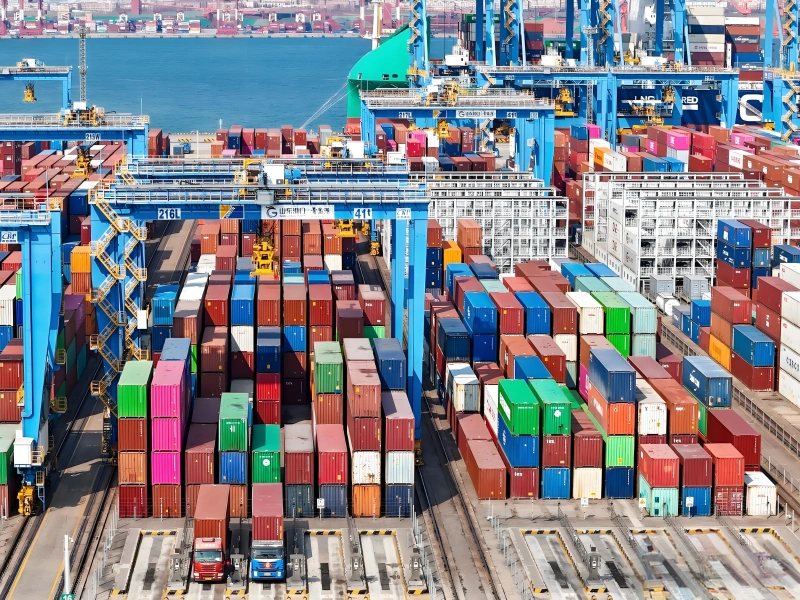
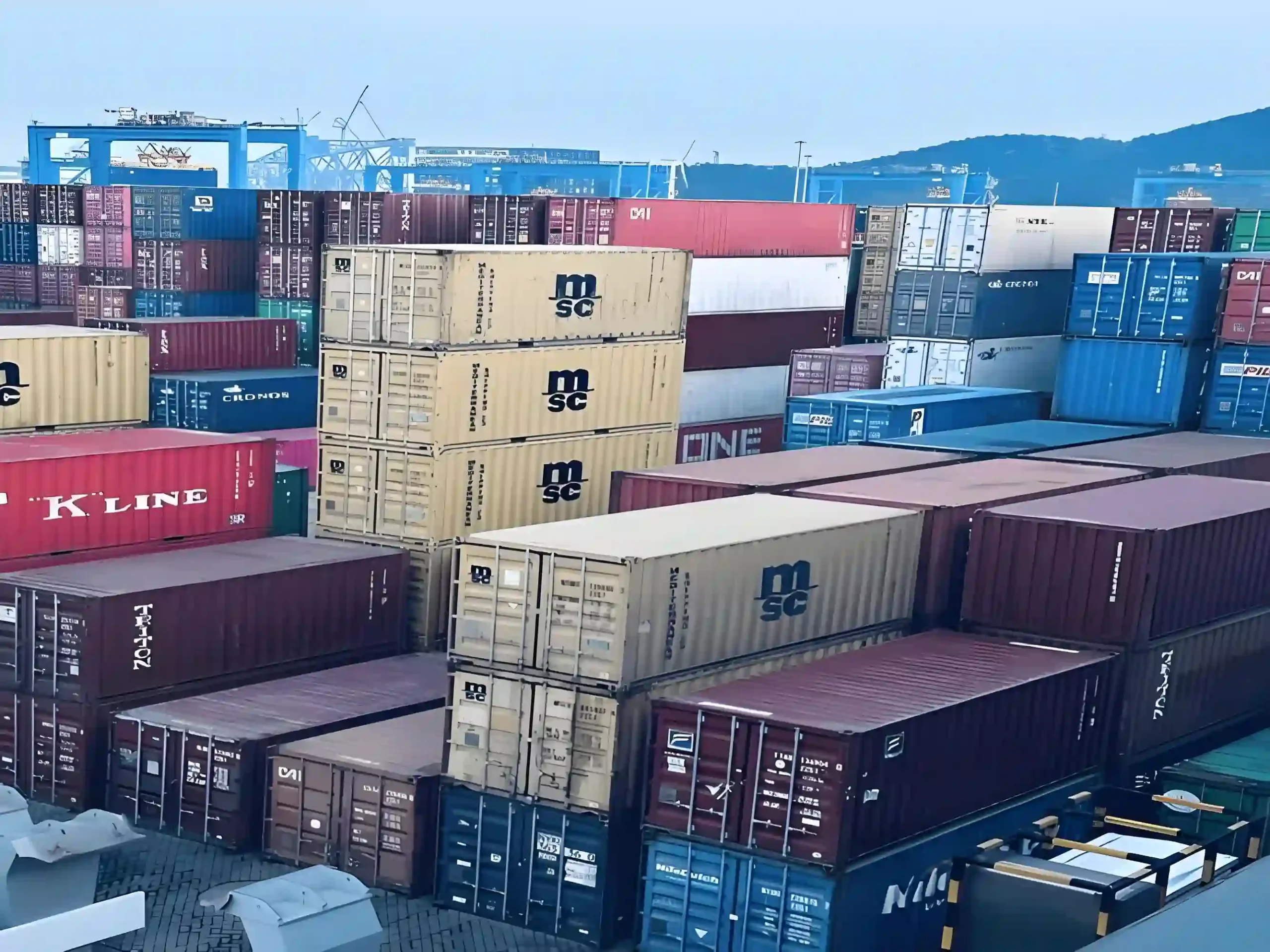
The Chinese container industry has witnessed exponential growth since its inception in the late 1970s and early 1980s. What began with modest production has transformed into a colossal industry, with China accounting for over 96% of the world’s container manufacturing capacity. This dominance is not just in volume but also in diversity, with over 900 types of containers now produced to meet varied global demands. The continuous surge in production, even surpassing previous records, underscores China’s pivotal role in supporting global trade and logistics. This robust manufacturing ecosystem ensures that despite global trade fluctuations, the supply of new containers remains abundant, mitigating equipment shortages.

II. Product Type Overview: From General Purpose to Specialized Solutions

China’s container manufacturers offer an extensive range of container types, each designed for specific cargo requirements. Understanding these types is crucial for making informed purchasing decisions:

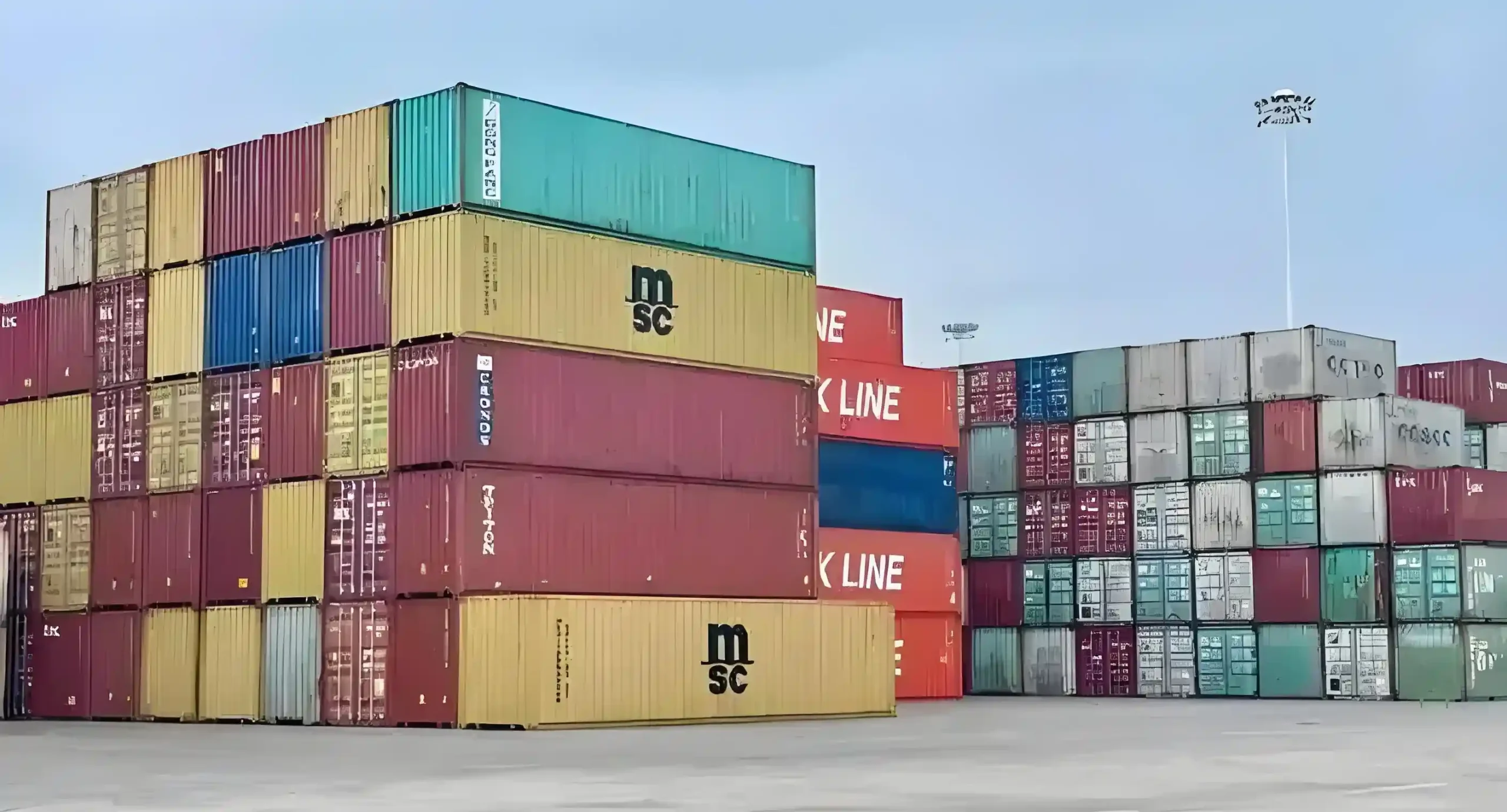
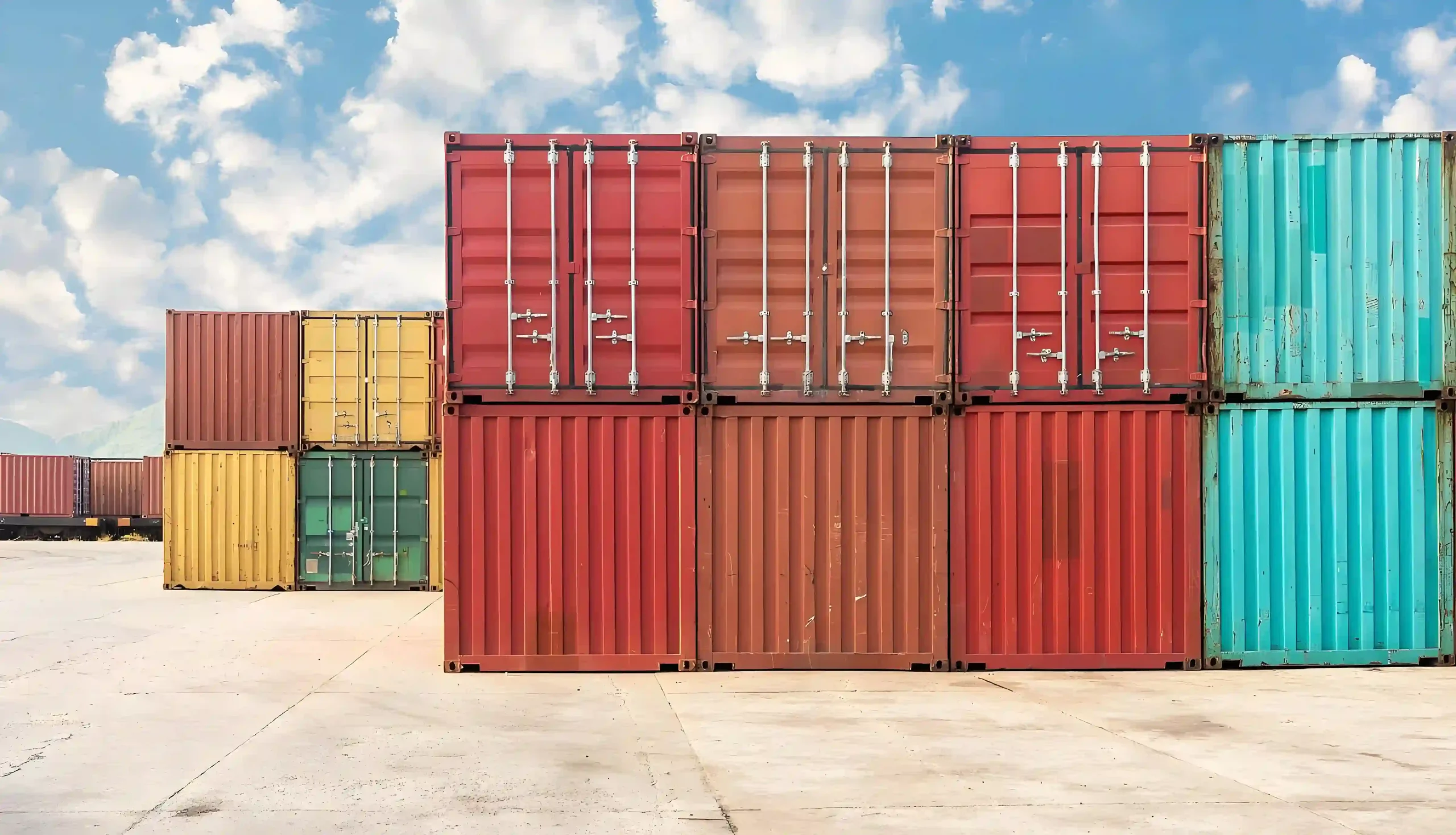
  • General Purpose Dry Containers (普柜 – Standard Containers): These are the most common type, used for transporting various dry goods. They are fully enclosed, wind and watertight, and come in standard lengths like 20ft and 40ft.
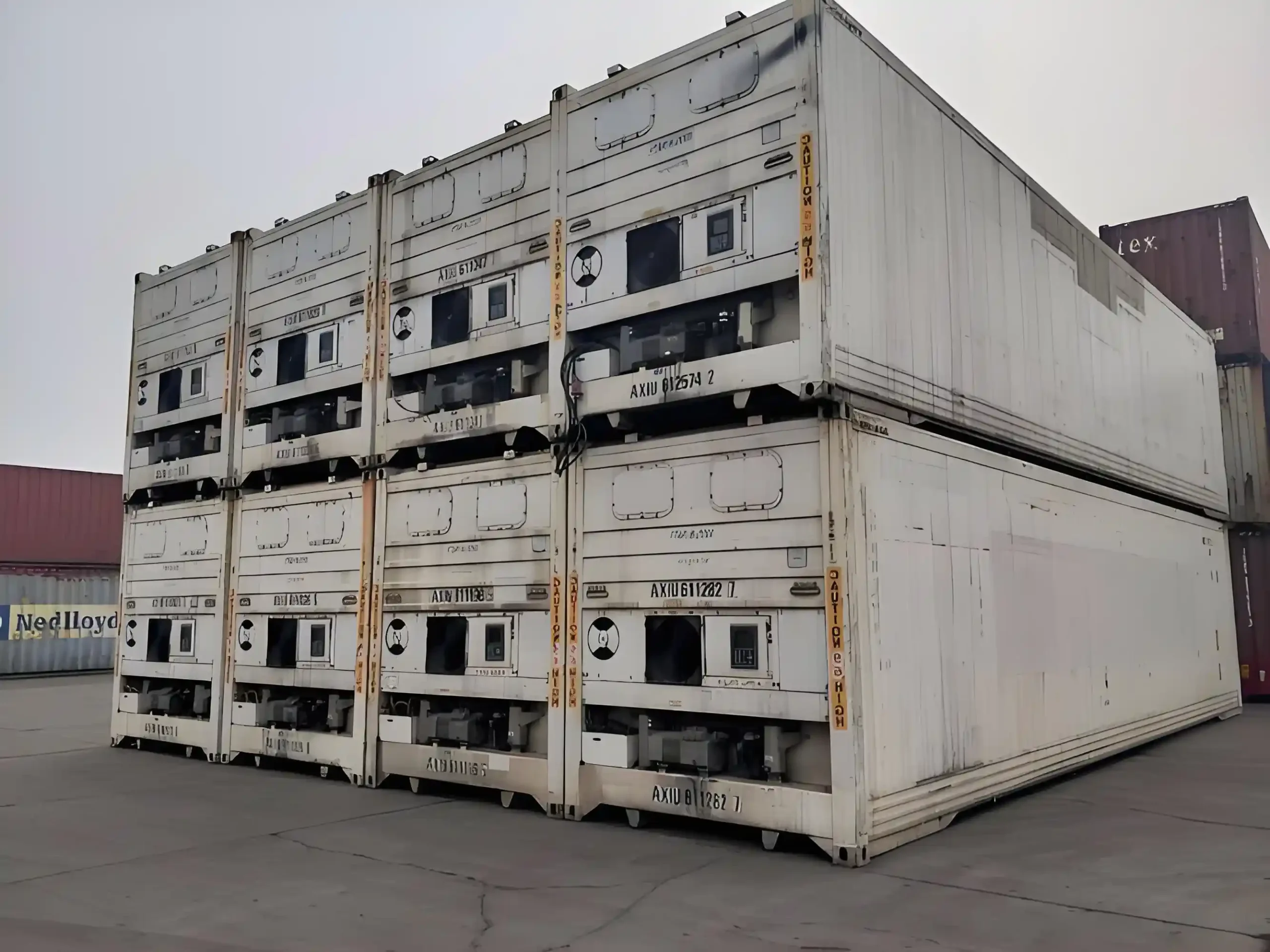
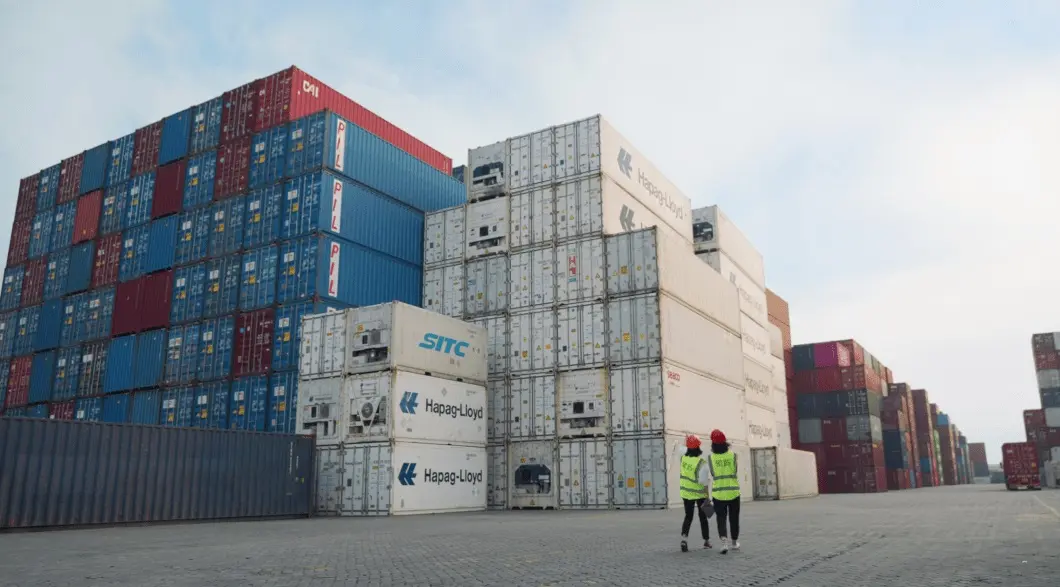
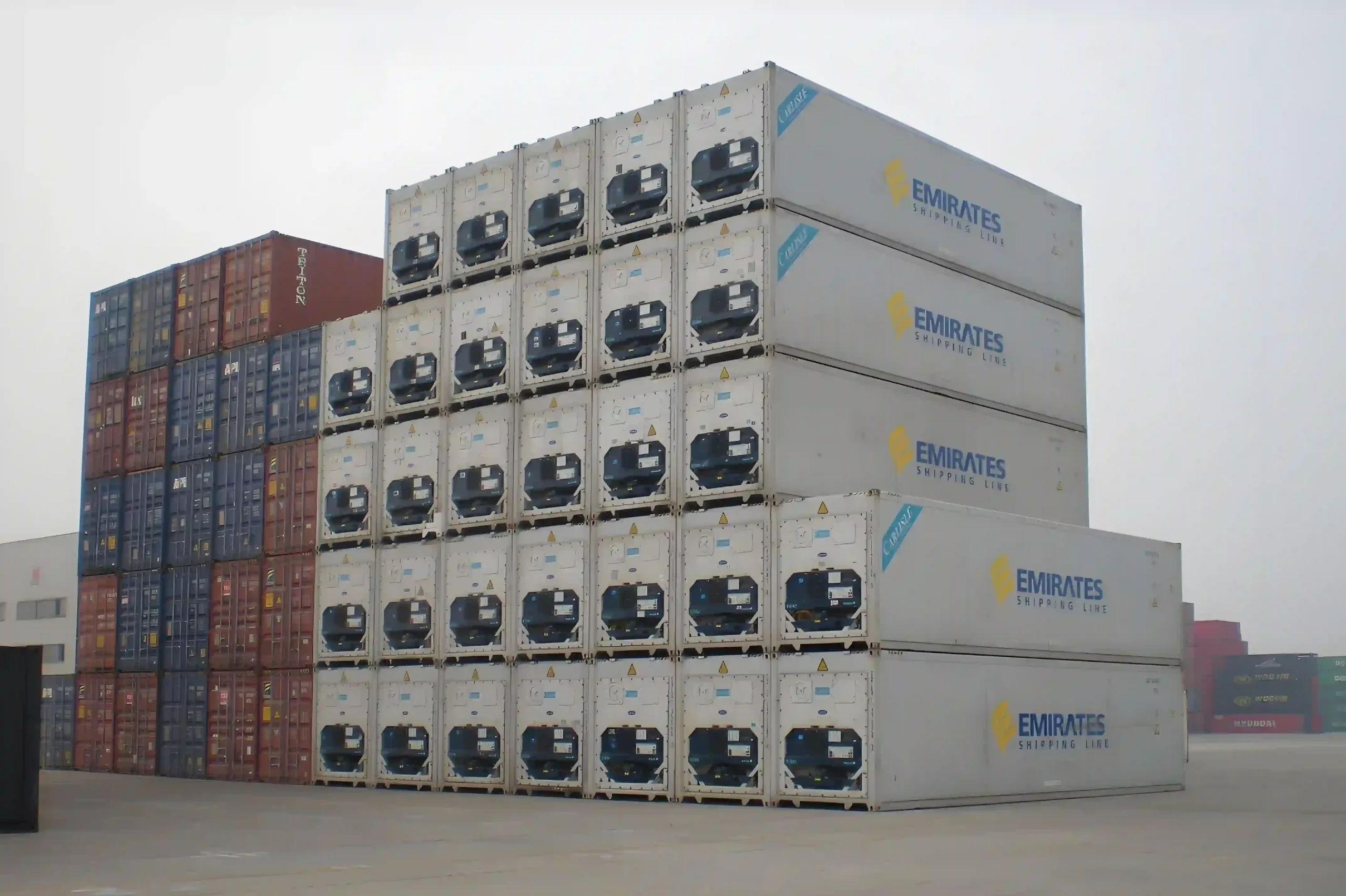
  • Refrigerated Containers (冻柜 – Reefer Containers): Also known as “reefers,” these are equipped with a refrigeration unit to maintain a constant temperature, essential for transporting perishable goods such as food, pharmaceuticals, and chemicals.
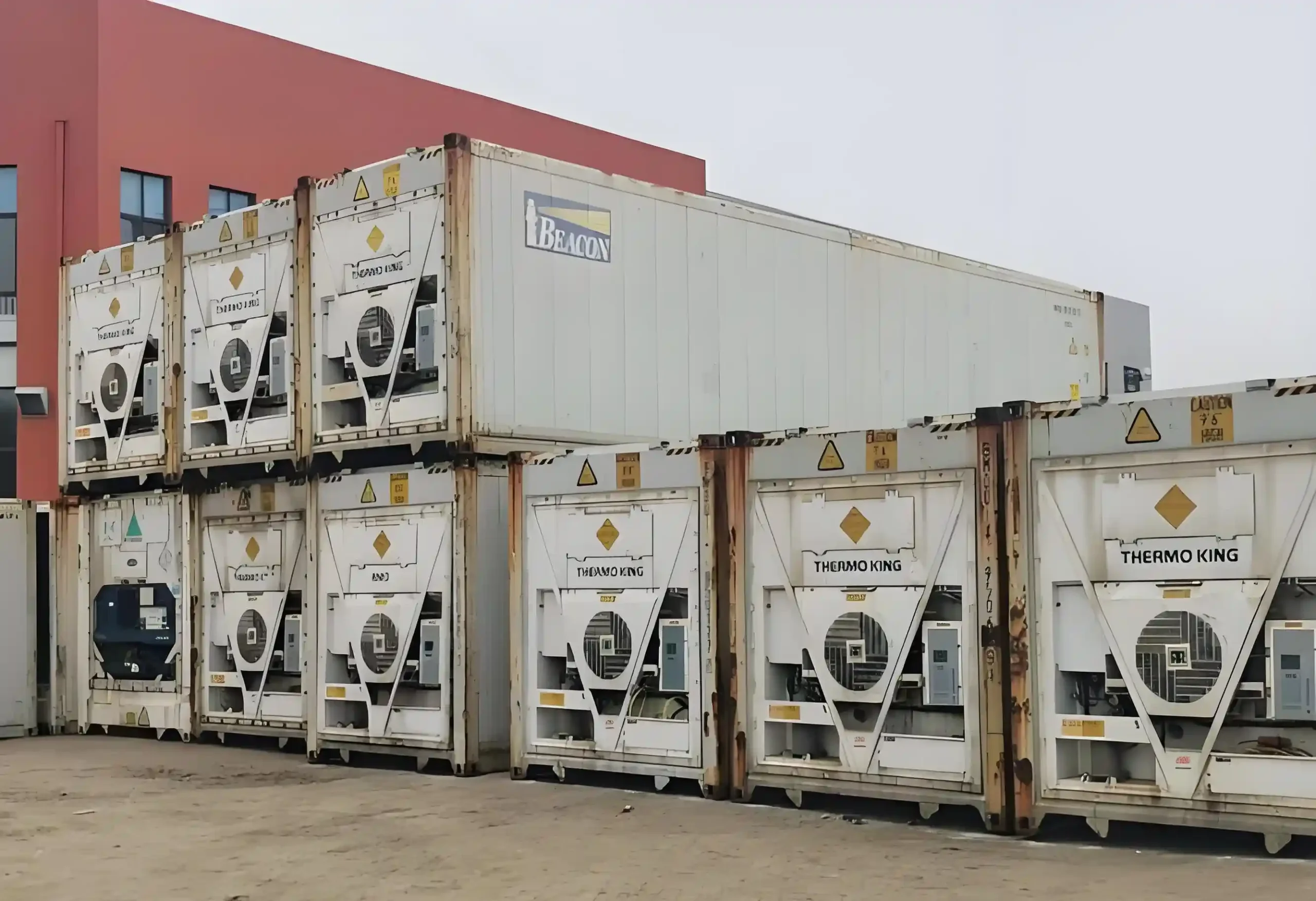
  • High Cube Containers: Similar to general-purpose containers but with an additional foot in height (typically 9.5 feet tall), providing extra cubic capacity for light, voluminous cargo.

  • Open Top Containers: These containers have a removable tarpaulin roof instead of a solid one, allowing for easy loading of oversized cargo (e.g., machinery, tall equipment) from the top.
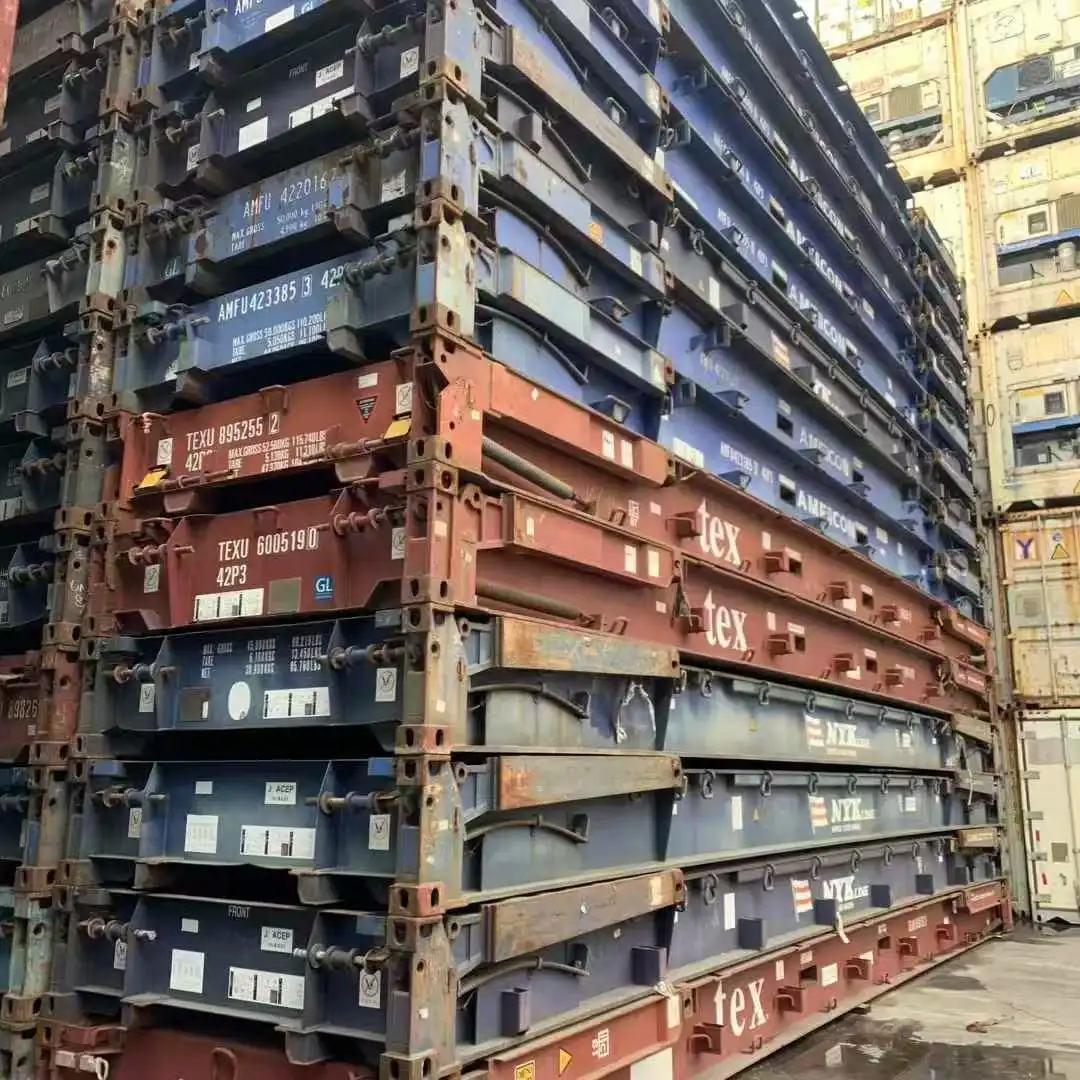
  • Flat Rack Containers: These feature collapsible sides or no sides at all, designed for oversized or oddly shaped cargo that cannot fit into standard containers. They are ideal for heavy machinery, vehicles, or timber.
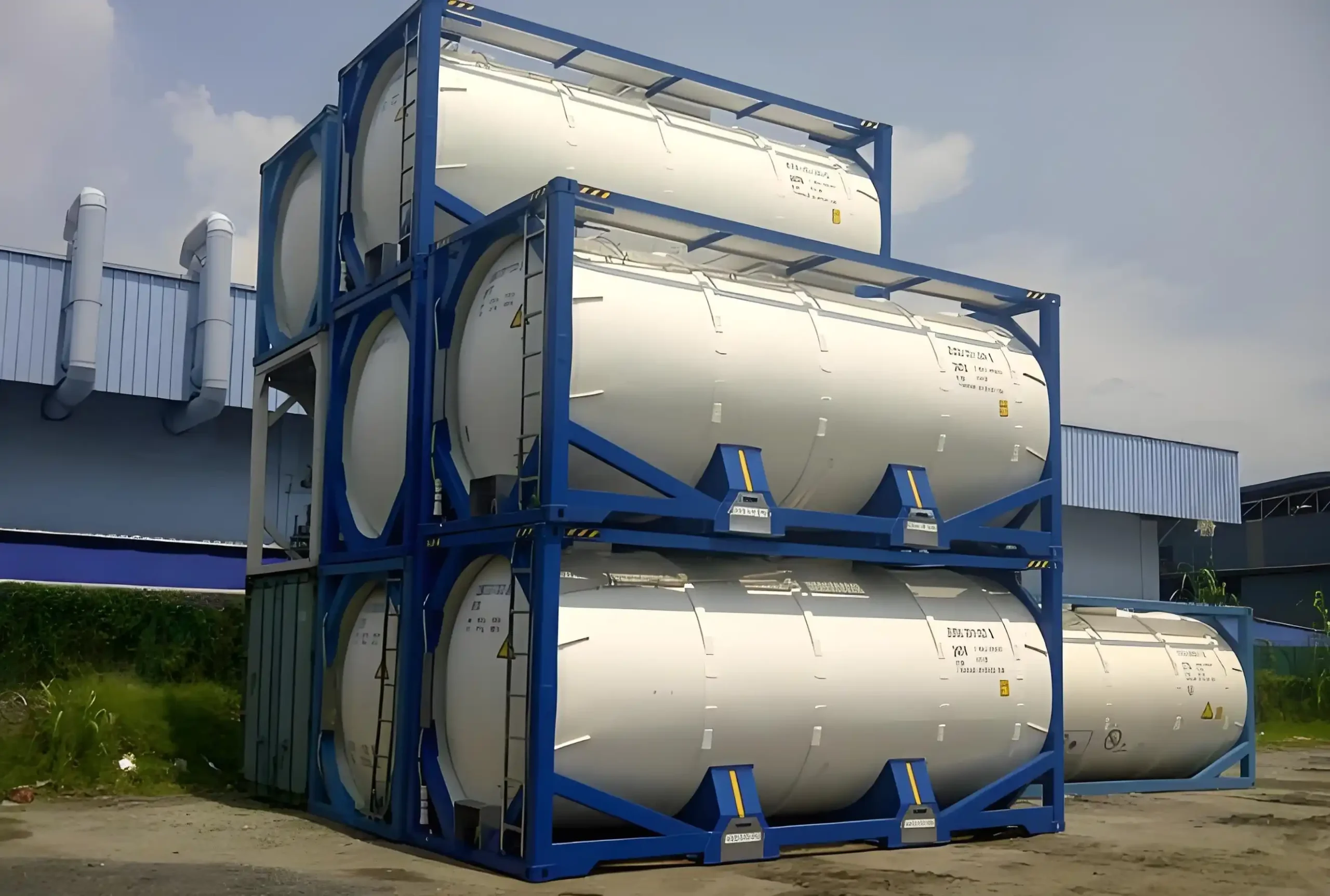
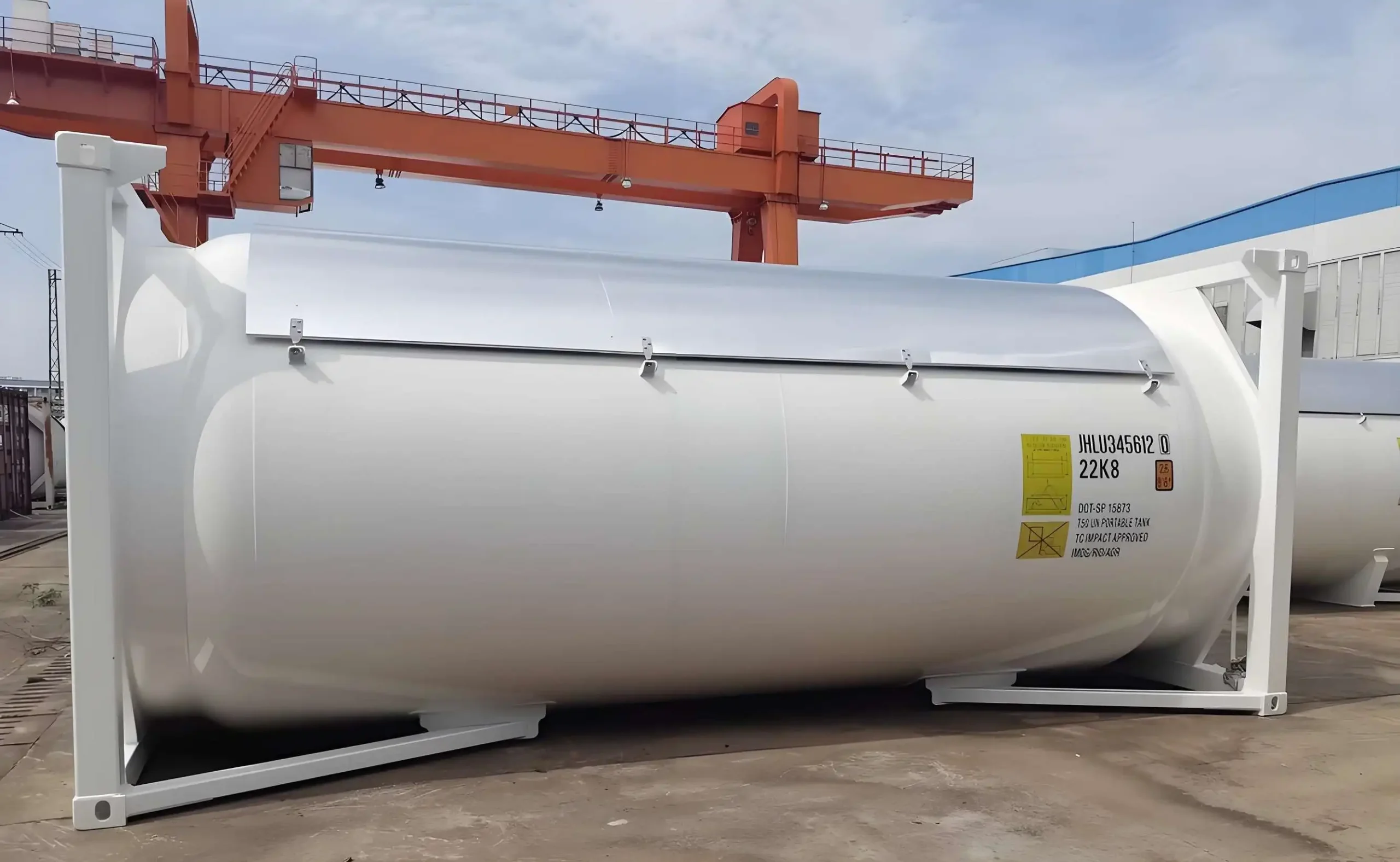
  • Tank Containers (ISO Tank Containers): Constructed from robust steel or anti-corrosive materials, these are specifically designed for the safe transportation of liquids, gases, and powders.
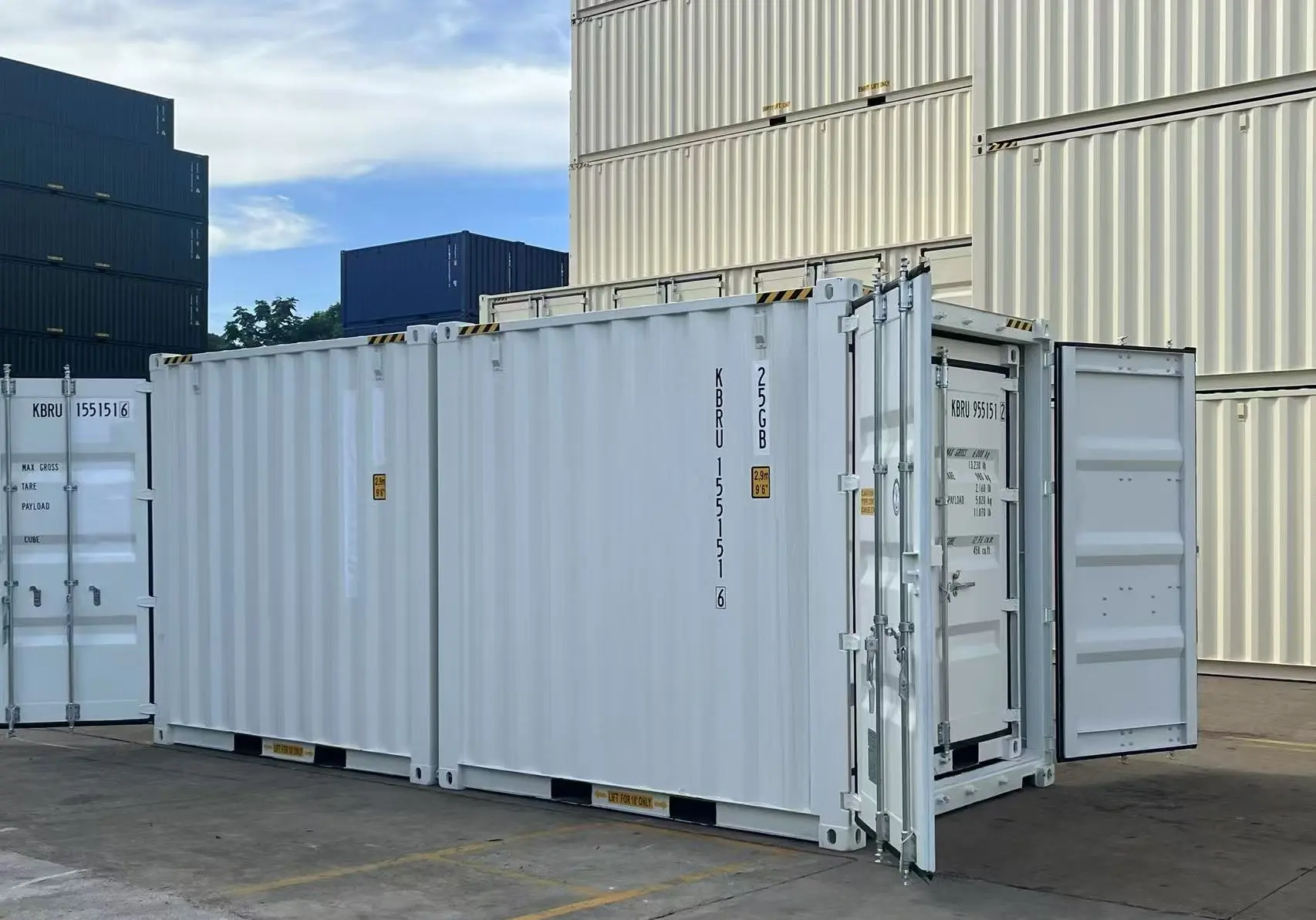
  • Open Side Containers: Also known as “side door containers,” these have doors that open along the entire long side, facilitating easy loading and unloading of cargo that requires wider access.
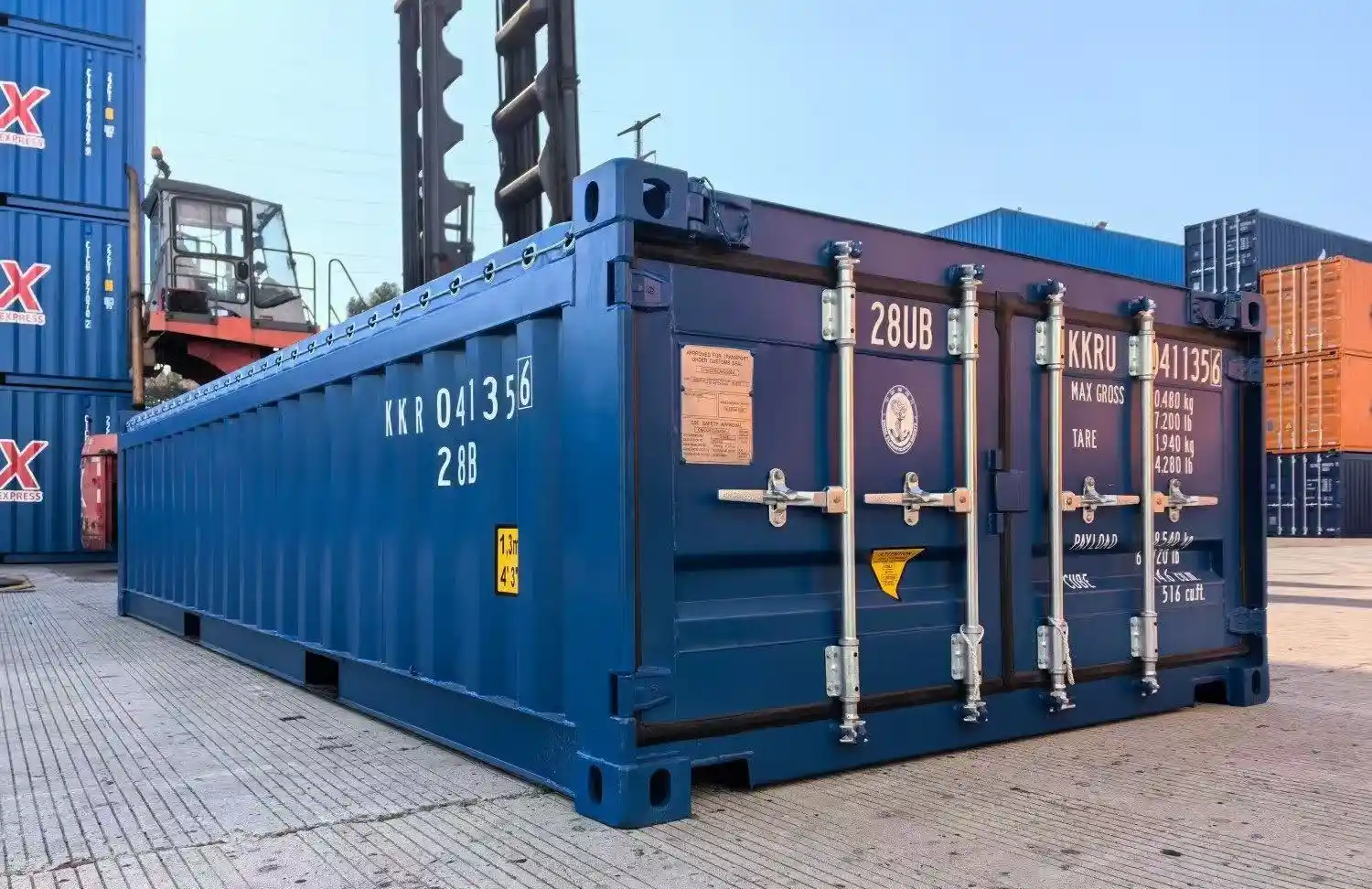
  • Insulated Containers: These are built like a “thermos” bottle, maintaining a stable internal temperature without active cooling, suitable for goods that need protection from extreme temperature fluctuations.

  • Specialized Containers (各种特种集装箱 – Various Special Containers): This category encompasses a wide array of customized containers, including:

    • Bulk Containers: For granular or powdered materials.

    • Ventilated Containers: For goods requiring air circulation.

    • Car Carriers: Designed to transport vehicles.

    • Workshop/Accommodation Containers: Modified for specific on-site uses.

    • Offshore Containers: Built to withstand the harsh conditions of offshore environments, meeting stringent DNV standards.

Beyond new containers, the market also offers used containers (二手集装箱) and one-trip containers (新集装箱). One-trip containers are essentially new containers that have made a single journey with cargo from their manufacturing origin (often China) and are then sold. They offer a cost-effective alternative to brand-new containers while still being in excellent condition. Used containers, categorized as “cargo-worthy” (seaworthy) or “wind and watertight” (suitable for storage), provide even more economical options.

III. Key Specifications and Parameters

Standardization is paramount in the global shipping industry, largely governed by ISO (International Organization for Standardization) standards. The most common container sizes and their typical specifications are:

Container Type External Dimensions (L x W x H) Internal Dimensions (L x W x H) Cubic Capacity (Approx.) Tare Weight (Approx.) Max Payload (Approx.)
20-Foot Standard 19’10.5″ x 8′ x 8’6″ 19’3″ x 7’8″ x 7’10” 33.2 CBM / 1172 CU FT 2,220 kg / 4,895 lbs 28,260 kg / 62,300 lbs
40-Foot Standard 40′ x 8′ x 8’6″ 39’5″ x 7’8″ x 7’10” 67.7 CBM / 2390 CU FT 3,800 kg / 8,375 lbs 26,680 kg / 58,820 lbs
40-Foot High Cube 40′ x 8′ x 9’6″ 39’5″ x 7’8″ x 8’10” 75.9 CBM / 2680 CU FT 3,900 kg / 8,600 lbs 26,580 kg / 58,600 lbs


Materials: Modern shipping containers are primarily constructed from Corten steel (also known as “weathering steel”), which is highly resistant to corrosion. Key components include:

  • Body: 16-gauge vertically corrugated Corten steel.

  • Doors: Double, asymmetrical steel doors with ground-level entry and robust locking bars.

  • Flooring: Heavy-duty, marine-grade wood (typically plywood or bamboo).

  • Roofing: Die-stamped steel.

  • Corner Fittings: Casted weldable steel, crucial for stacking and lifting.
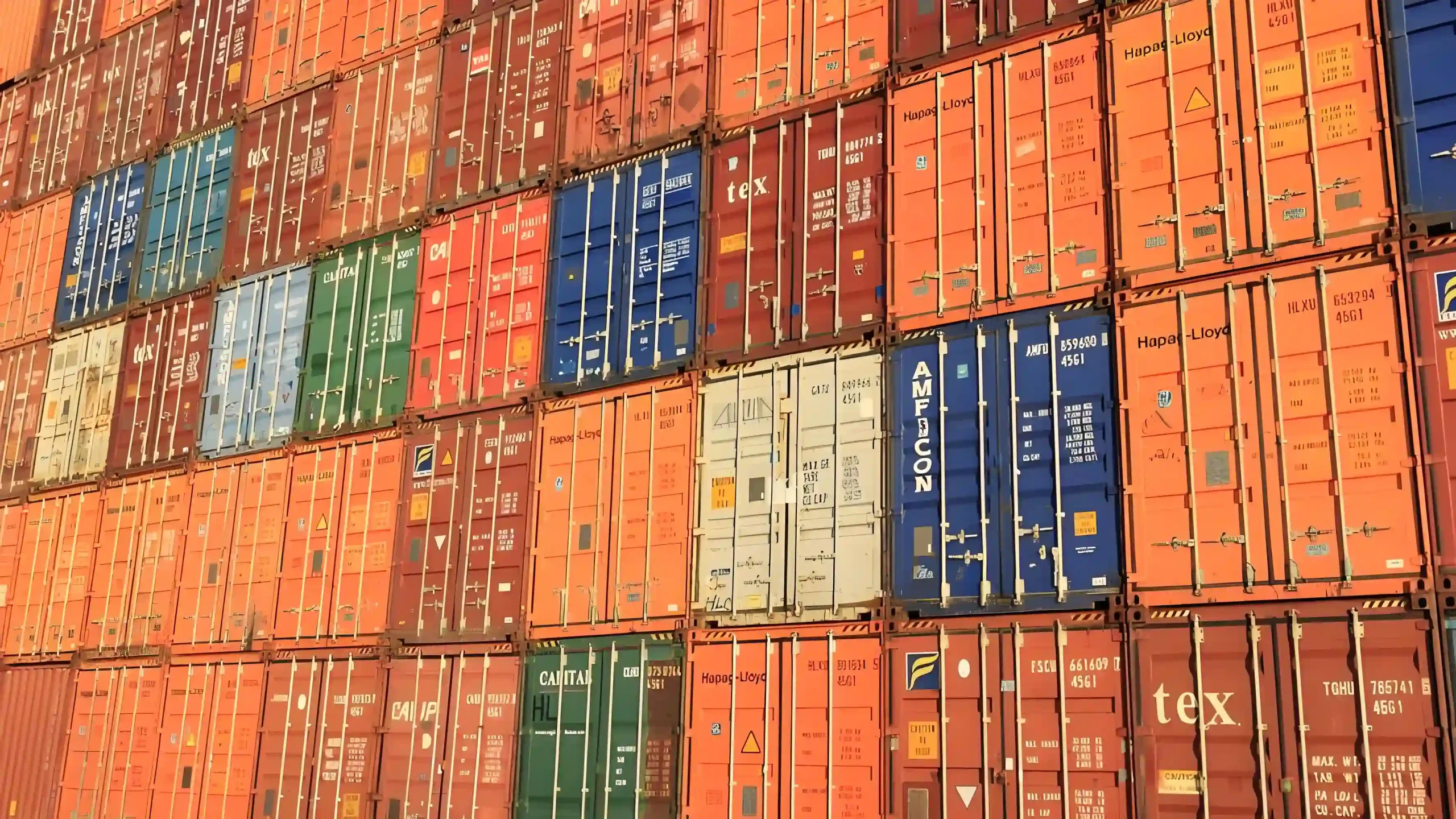
Containers are designed to withstand extreme temperatures ranging from -40°C (-40°F) to +70°C (+158°F) without compromising their structural integrity or watertightness.

IV. Industry Clusters and Key Manufacturing Hubs

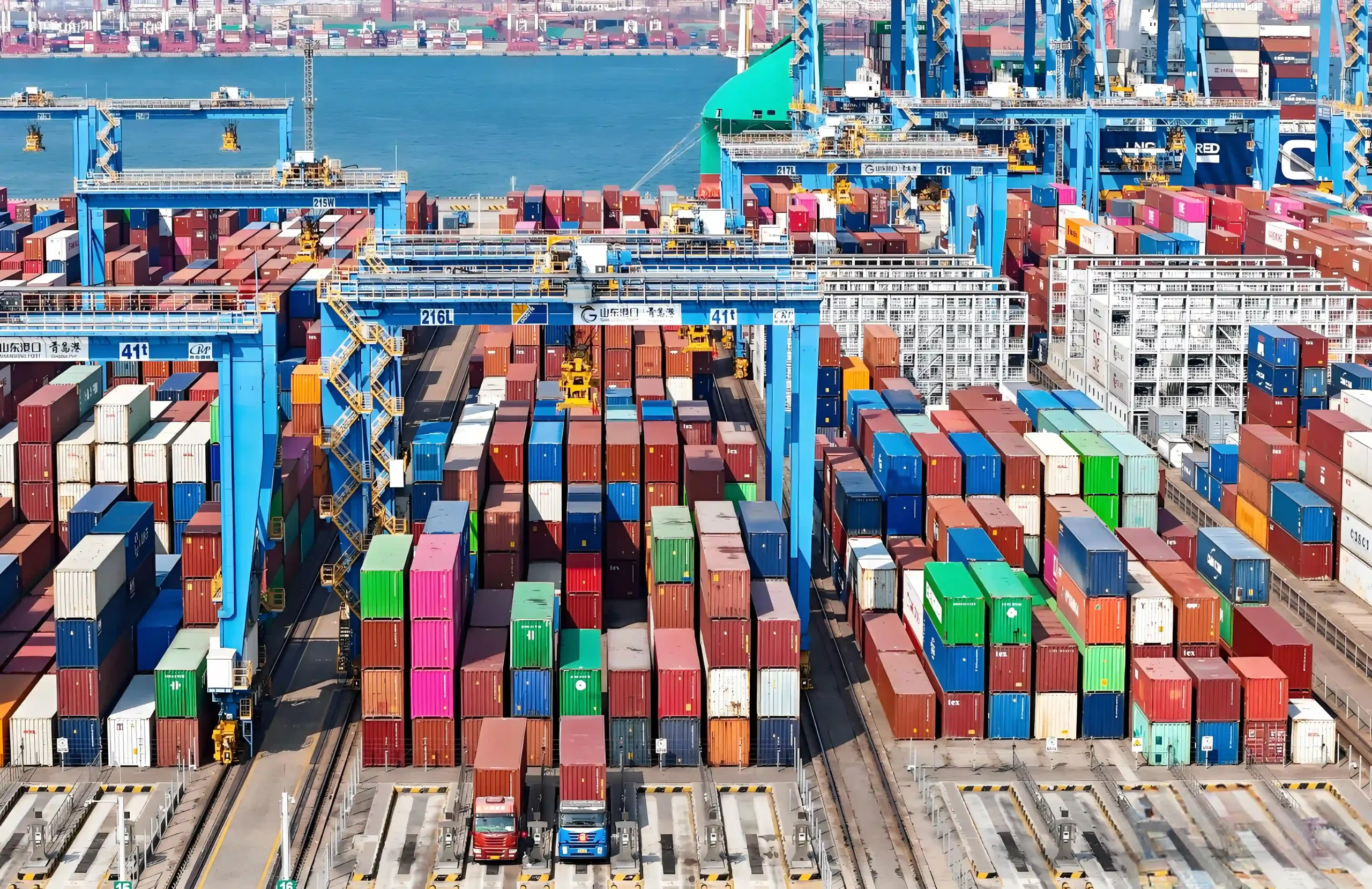
While container manufacturing plants are spread across China, the industry naturally clusters around major port cities, which serve as crucial logistics and export hubs. These areas provide easy access to raw materials, skilled labor, and most importantly, efficient shipping routes for container distribution.
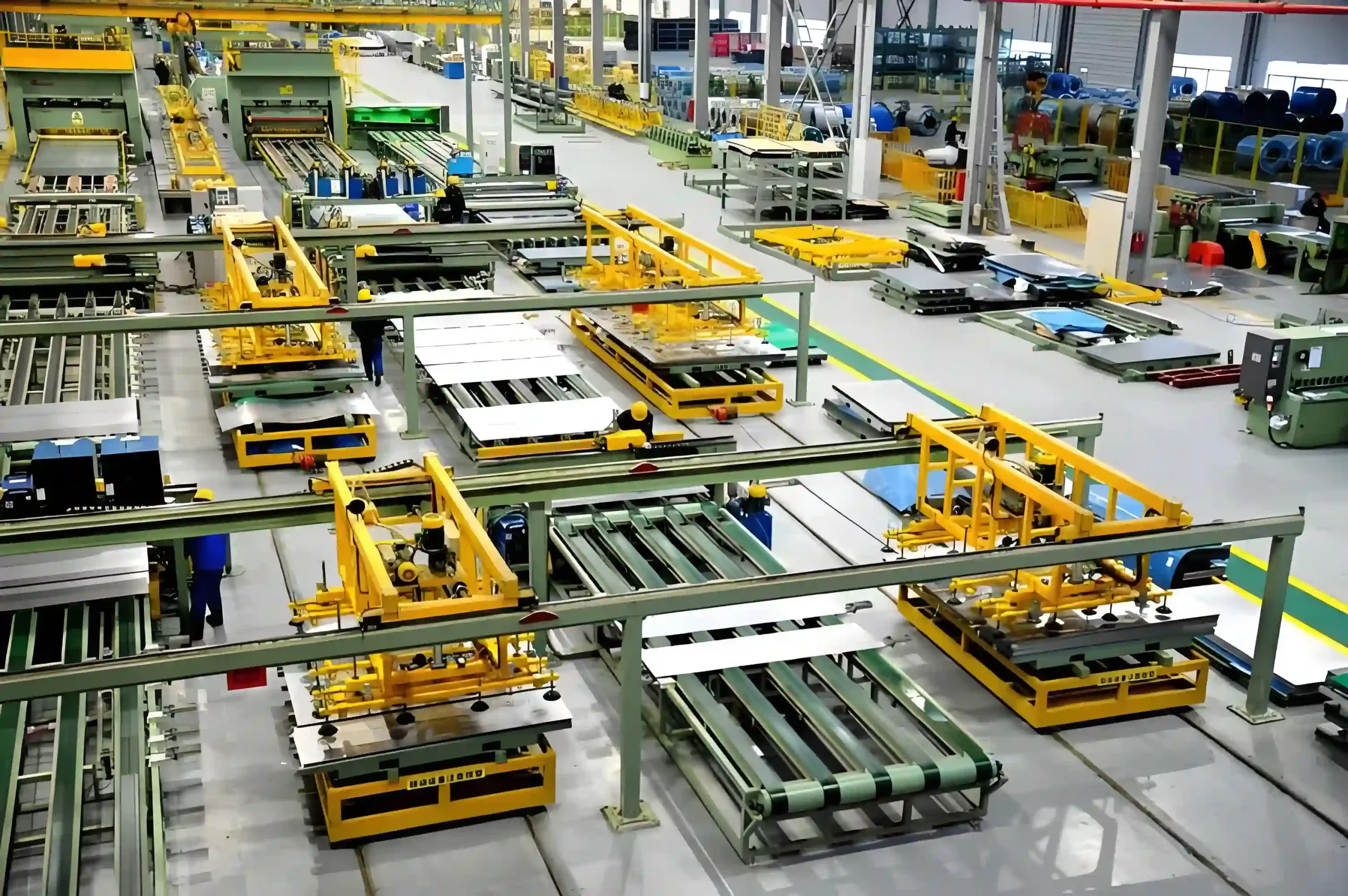
Key regions and cities that are significant in China’s container industry include:

  • Shenzhen/Guangdong Province: As a major export-oriented economy in South China, Guangdong Province, particularly Shenzhen, is a prime location for container manufacturing due to its proximity to one of the world’s busiest ports (Port of Shenzhen) and established industrial infrastructure.

  • Shanghai/Yangtze River Delta: Shanghai, with its massive Yangshan Deep-Water Port and Waigaoqiao Port Area, is a critical hub. The surrounding Yangtze River Delta region is a manufacturing powerhouse, supporting container production and related industries.

  • Qingdao/Shandong Province: Qingdao is another significant port city with established container manufacturing facilities, benefiting from its strategic location for Northern China’s trade.

  • Tianjin: Close to Beijing, Tianjin also hosts major container production facilities, serving as a key gateway for northern China.

  • Ningbo-Zhoushan: This port, one of the world’s largest by tonnage and container capacity, also facilitates the container industry in its vicinity.
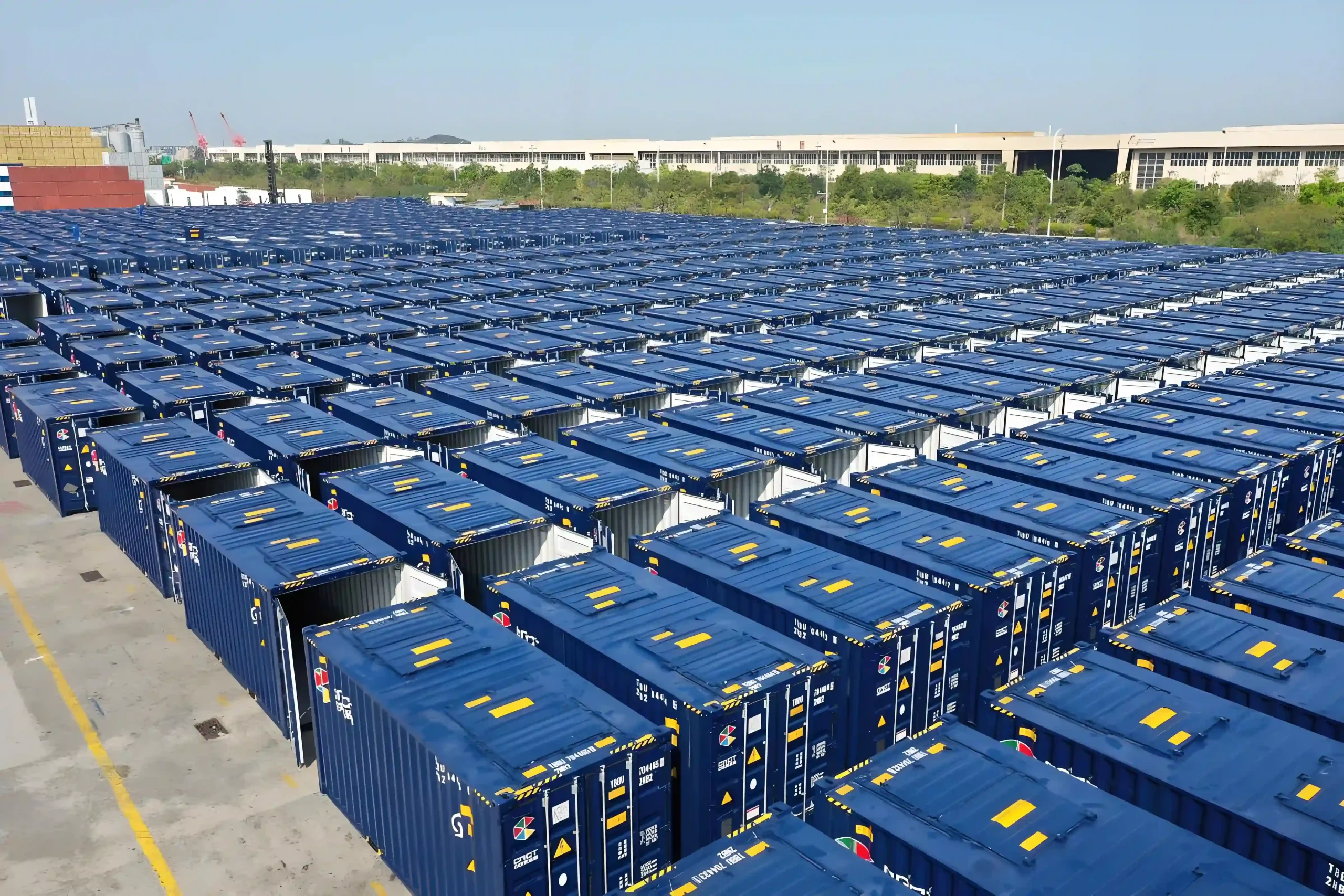
These areas provide the necessary ecosystem, including steel suppliers, labor, and efficient logistics, to support the high-volume production of shipping containers.

V. Leading Chinese Manufacturers of Shipping Containers

China is home to the world’s largest and most reputable container manufacturers. These companies dominate the global market with their immense production capacities and diversified product portfolios.

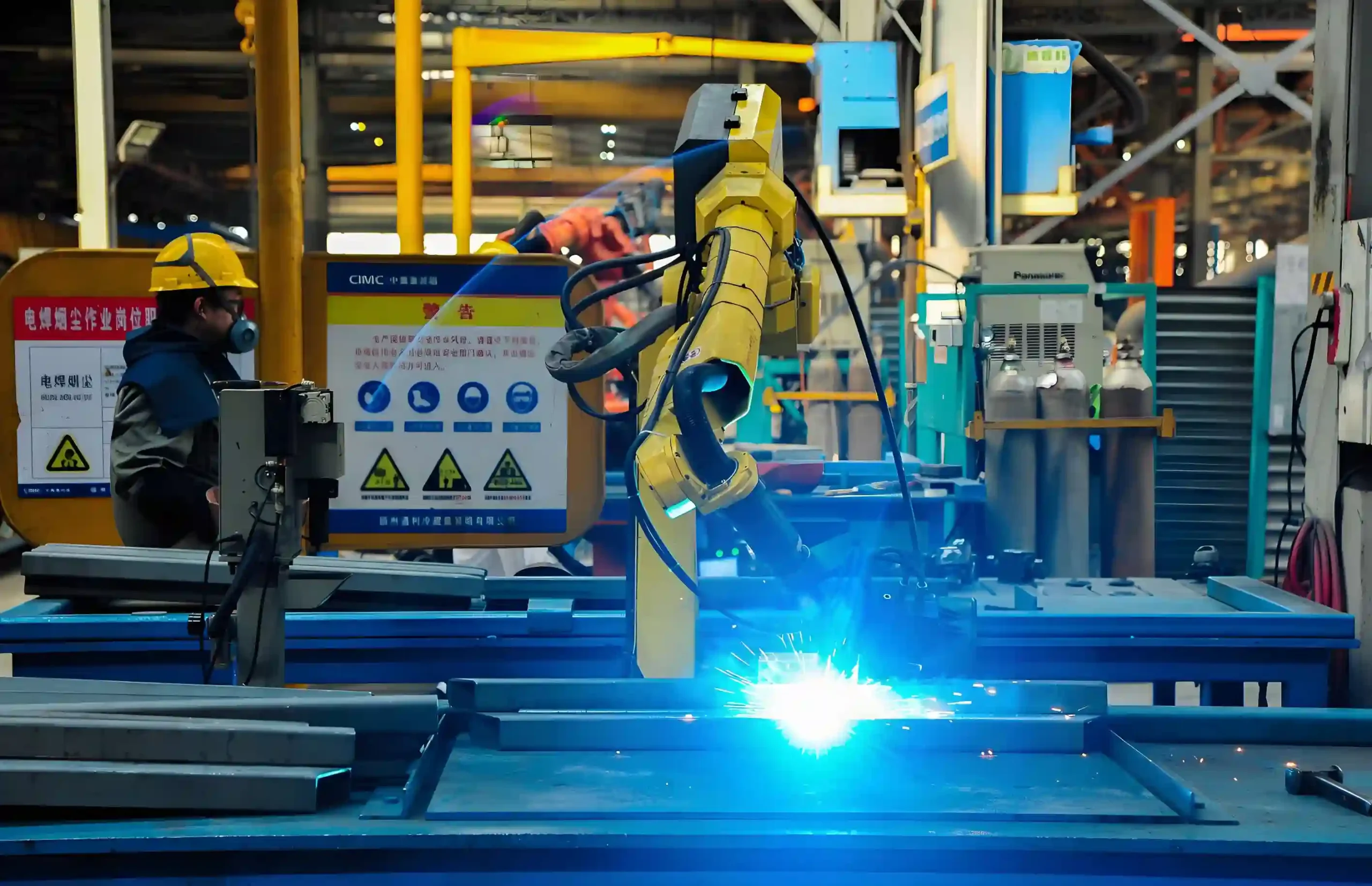
  • CIMC (China International Marine Containers Group Co., Ltd.): https://www.cimc.com CIMC is by far the largest container manufacturer globally, headquartered in Shenzhen. They produce a comprehensive range of transportation equipment, including dry freight containers, reefer containers, special containers, modular buildings, and road transport vehicles. Their innovation and scale make them a preferred choice for many global buyers.
  • COSCO Shipping Development Co., Ltd.: http://en.development.coscoshipping.com As a subsidiary of China COSCO Shipping Corporation Limited, one of the world’s largest shipping conglomerates, COSCO Shipping Development is a major player in container manufacturing. They produce dry, reefer, and special containers, with a significant emphasis on research and development.
  • Singamas Container Holdings Limited: https://www.singamas.com Headquartered in Shanghai, Singamas is another leading manufacturer with multiple production factories across China. They specialize in dry freight containers, collapsible flat-rack containers, tank containers, offshore containers, and other specialized units.
  • CXIC Group Containers Company Limited: http://en.cxic.com Based in Changzhou, CXIC has been a key manufacturer of dry cargo, special, and tank containers since 1996. They boast a substantial annual manufacturing capacity and export a large percentage of their products globally.
  • Dong Fang International Container (Hong Kong) Ltd.: https://www.oocl.com  While listed as Hong Kong-based, Dong Fang operates significant manufacturing facilities in mainland China and is considered one of the largest container manufacturing groups.
These companies are renowned for their quality, adherence to international standards, and capacity to handle large-scale orders.

VI. Relevant Certification Requirements

Ensuring the quality, safety, and international compatibility of shipping containers is paramount. Chinese manufacturers adhere to a stringent set of international standards and certifications:
  • ISO (International Organization for Standardization): All standard shipping containers must comply with ISO standards, particularly ISO 6346, which defines container coding, identification, and marking, and ISO 1496, which specifies container dimensions and structural requirements.

  • CSC (International Convention for Safe Containers): This convention, ratified by the IMO (International Maritime Organization), ensures that containers used in international transport are safe. All new containers must have a valid CSC plate, indicating they have passed structural tests and are approved for international shipping. This certification is crucial for safety and intermodal transport.
  • Classification Societies (e.g., DNV, RINA, Lloyd’s Register, Bureau Veritas): For specialized containers, particularly offshore containers, certifications from reputable classification societies are often required. DNV (Det Norske Veritas) is particularly prominent for its DNV 2.7-1 standard for offshore containers, ensuring they can withstand harsh marine environments and are safe for lifting and transport on offshore installations.

  • ADR (European Agreement Concerning the International Carriage of Dangerous Goods by Road): For tank containers carrying dangerous goods, compliance with ADR regulations is essential for road transport within Europe.
  • IMDG (International Maritime Dangerous Goods Code): This code, also from the IMO, sets out regulations for the safe transport of dangerous goods by sea. Tank containers and certain specialized containers must comply.

  • RID (International Regulations Concerning the Carriage of Dangerous Goods by Rail): Similar to ADR, RID applies to the rail transport of dangerous goods.
  • UIC (International Union of Railways): Relevant for containers designed for intermodal rail transport, ensuring compatibility with railway systems.

When purchasing containers, especially new ones, buyers must verify that all necessary certifications are in place, confirming the container’s structural integrity, safety, and compliance with international shipping regulations.

VII. Purchasing Considerations: A Buyer’s Guide

Sourcing shipping containers from China requires careful planning to ensure a smooth and successful transaction.
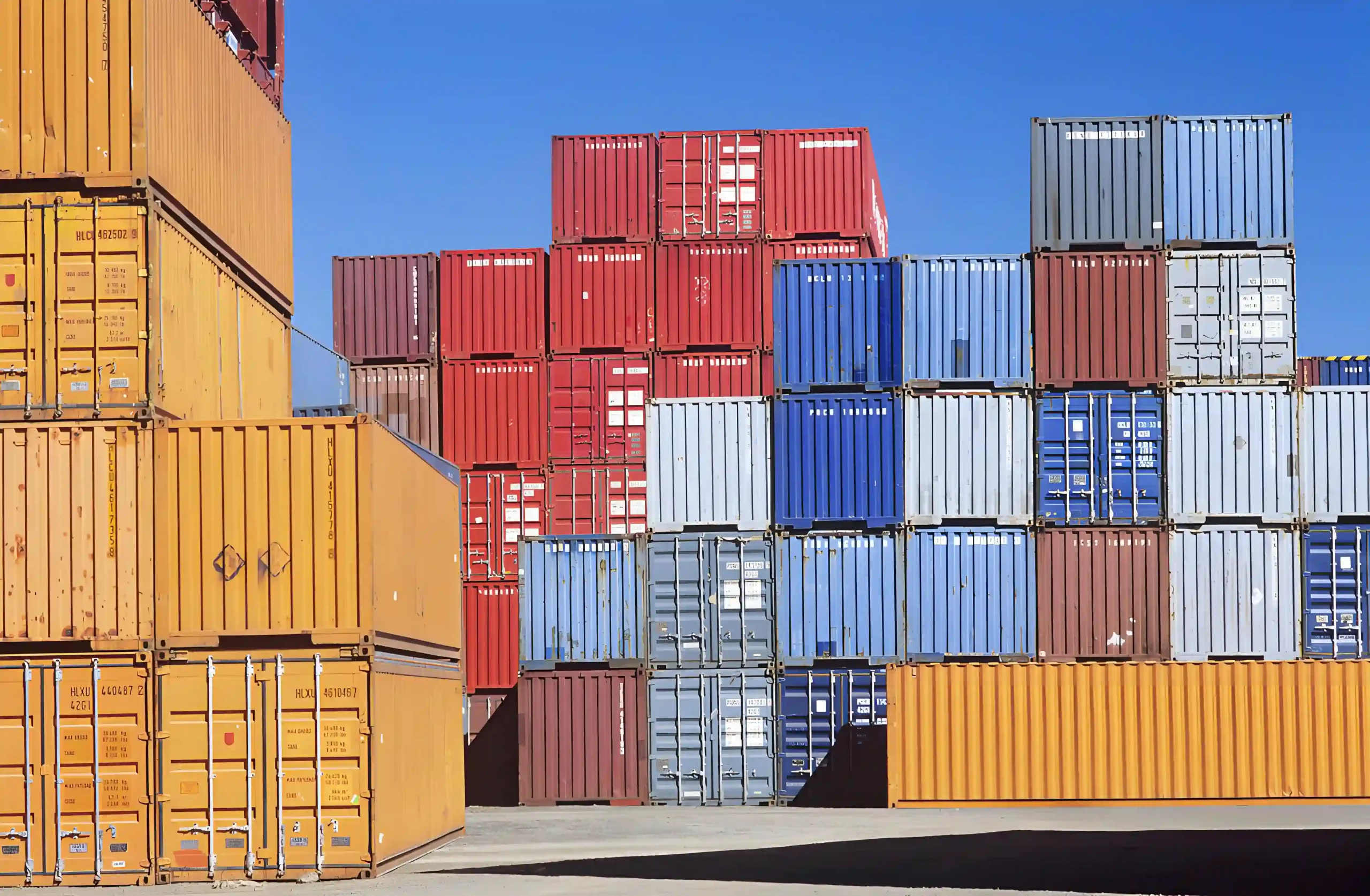
  • Define Your Needs Clearly: Before anything else, precisely determine the type, size, and quantity of containers you need. Consider the cargo type, transport mode, and any specific environmental conditions. Do you need a new (one-trip) container for pristine condition or a used “cargo-worthy” or “wind and watertight” unit for more budget-friendly storage?

  • Identify Reputable Suppliers/Manufacturers: Focus on established manufacturers with a proven track record. Leverage online marketplaces with vetted suppliers or work with experienced sourcing agents. Verify their production capacity, quality control processes, and export experience. Websites often feature client testimonials and case studies.
  • Request Detailed Quotations: Obtain comprehensive quotes that include:

    • Container unit price.

    • FOB (Free On Board) or EXW (Ex Works) pricing.

    • Any customization costs.

    • Packaging costs (if applicable).

    • Lead time for production and delivery.

    • Payment terms and methods.

  • Quality Inspection: For large orders, consider arranging a third-party inspection (e.g., SGS, Bureau Veritas) at the factory before shipment. This ensures that the containers meet agreed-upon specifications and quality standards. For used containers, detailed photo/video inspection or a physical survey is crucial.
  • Payment Terms: Be cautious with upfront payments. Reputable suppliers typically require a deposit (e.g., 30%) with the balance due upon completion or before shipment. Consider using secure payment methods like Letters of Credit (LC) for larger transactions.

  • Logistics and Freight Forwarding:

    • Work with an Experienced Freight Forwarder: This is crucial. A good freight forwarder will manage the entire shipping process from China to your destination, including booking cargo space, handling customs clearance, and arranging inland transport. They can advise on the best shipping routes and consolidate shipments if needed.

    • Understand Incoterms: Familiarize yourself with Incoterms (e.g., FOB, CIF, EXW) to clarify responsibilities and costs between you and the supplier at different stages of the shipping process.

    • Customs Clearance and Documentation: Ensure all necessary documentation is accurate and complete, including the commercial invoice, packing list, bill of lading, and any required import licenses or certificates. Inaccurate documentation can lead to delays and penalties.

  • After-Sales Service: Inquire about the manufacturer’s warranty and after-sales support for any potential issues or defects.
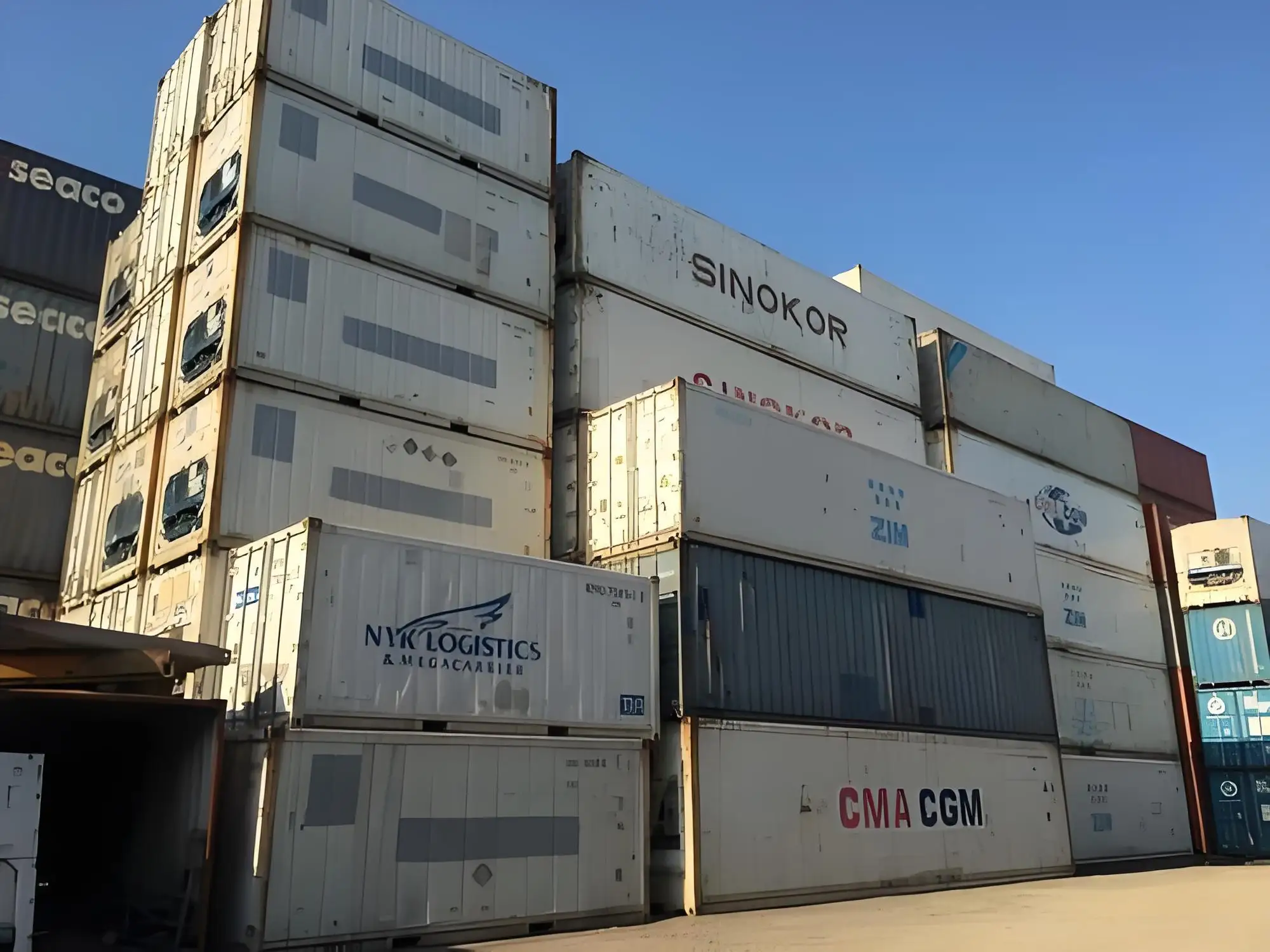
VIII. The Strategic Advantage of Shipper-Owned Containers (SOCs)

In international logistics, shippers primarily use two types of containers: Carrier-Owned Containers (COCs) and Shipper-Owned Containers (SOCs). While COCs are provided by the shipping line and are common, SOCs offer distinct advantages, particularly for specific shipping needs.
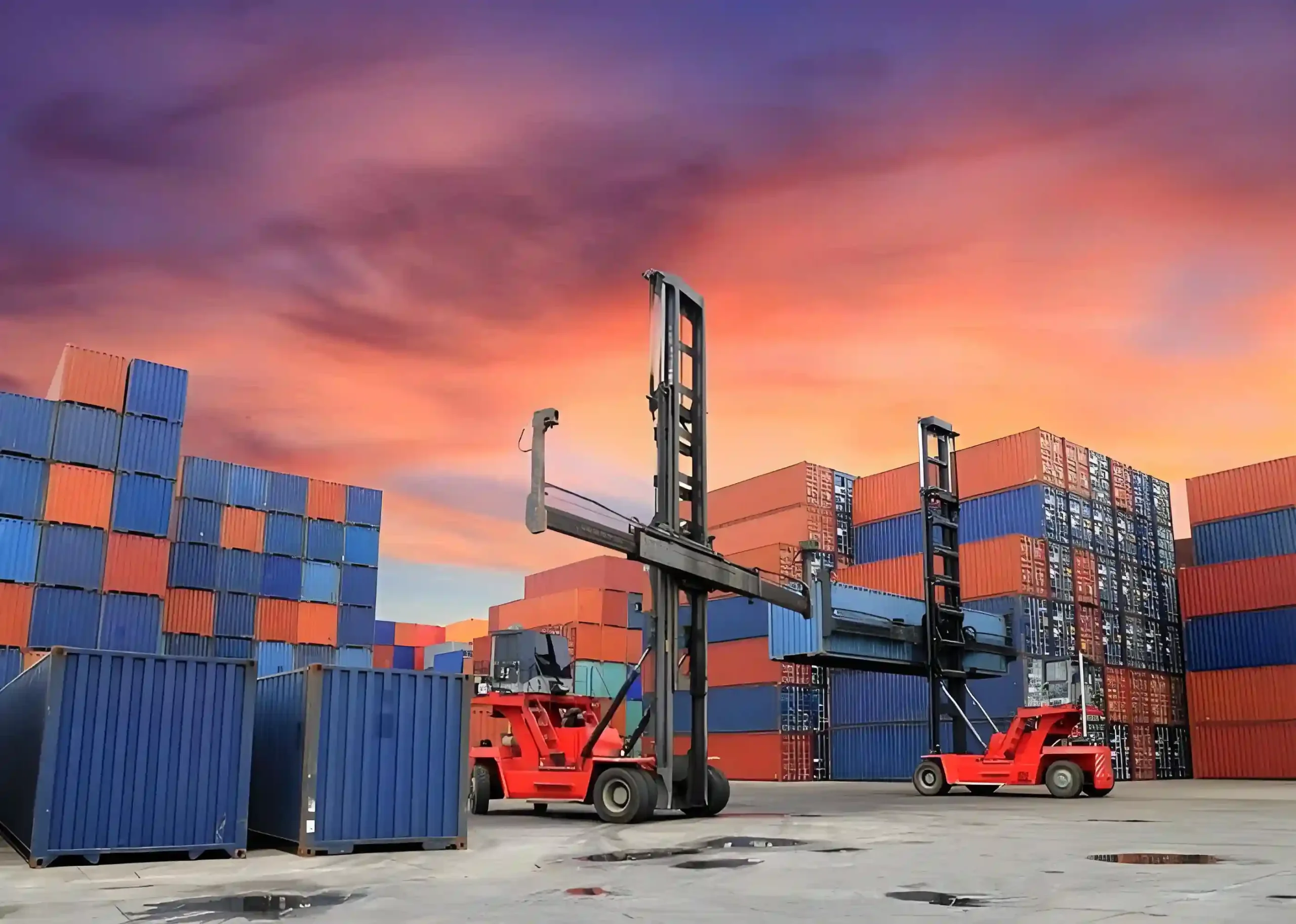
What are SOCs?
SOCs are containers that are owned or leased by the shipper (the cargo owner) rather than the shipping line. The shipper is responsible for the container’s maintenance, repositioning, and return.

Advantages of Using SOCs:

  • Cost Savings (Avoiding Demurrage & Detention): This is arguably the biggest benefit. Demurrage charges are fees incurred when a container stays too long at the port or terminal beyond the agreed-upon free days, while detention charges apply when a container is held by the consignee beyond the free time outside the port. With SOCs, you are not subject to these carrier-imposed fees, offering significant savings, especially during port congestion, unforeseen delays, or when shipping to remote locations with limited infrastructure.

  • Greater Flexibility in Routes and Schedules: COCs are often restricted to a carrier’s specific routes and schedules. SOCs provide shippers with the freedom to choose any carrier, route, or delivery schedule that best suits their needs. This flexibility is invaluable for shipping to distant or less popular destinations where COC availability might be limited.

  • Control over Container Quality: When purchasing or long-term leasing an SOC, you have direct control over the container’s condition and quality. This is particularly important for sensitive cargo that requires specific container standards (e.g., for food-grade cargo or high-value goods).

  • Reduced Dependency on Carrier Equipment: In times of container shortages or high demand, relying solely on COCs can lead to delays and increased costs. Owning or leasing SOCs reduces this dependency, providing a more resilient supply chain.

  • Easier Empty Container Repositioning: For long-term or frequent shippers, especially those with imbalanced trade lanes, managing empty container repositioning can be a significant challenge with COCs. With SOCs, you have more control over where the empty container goes next, potentially using it for a new shipment or selling it at the destination, thereby avoiding costly empty repositioning fees charged by carriers.

  • Suitable for Specialized Shipments: For unique or oversized cargo requiring custom container modifications, SOCs are often the only viable option as carriers typically do not provide highly specialized units.

  • Better Budgeting and Predictability: By owning or long-term leasing containers, businesses can better predict and control their shipping costs, as they are not subject to fluctuating spot rates for COC usage or unexpected demurrage/detention charges.


While SOCs offer numerous advantages, they also entail the responsibility for maintenance, repair, and potential repositioning costs if not planned strategically. However, for businesses with substantial and consistent shipping volumes, or those frequently dealing with remote destinations and potential delays, the strategic advantages of SOCs often outweigh the challenges.

IX. Conclusion

China’s dominance in shipping container manufacturing presents an unparalleled opportunity for global buyers. By understanding the diverse product offerings, key specifications, leading manufacturers, and critical certification requirements, businesses can confidently navigate the procurement process. Furthermore, leveraging the strategic advantages of Shipper-Owned Containers can lead to significant cost savings and enhanced logistical flexibility. As global trade continues to evolve, sourcing containers from China remains a cornerstone for efficient and cost-effective international supply chains.

Message us for more information

Please let us know your request, we will get back to you within 24 hours.

    China Beauty Products Buying Guide (5): Makeup Sponges & powder puffs

    China maintains an unshakable leading position in the global powder puff and makeup sponge industry, with its annual output contributing more than 85% of the world’s total. Yangjiang in Guangdong Province and Taizhou in Zhejiang Province stand out as the two core production bases driving this industry.​

    Chinese enterprises provide OEM services for over 80% of the world’s well-known international beauty and cosmetics brands, including but not limited to renowned global beauty giants like L’Oréal and Estée Lauder, as well as popular fast-beauty brands such as The Ordinary and e.l.f. Cosmetics.​

    Remarkably, China’s powder puff and makeup sponge industry possesses a well-integrated industrial chain, with seamless collaboration across all key stages: from the R&D and production of raw materials (natural latex, non-latex polyurethane, etc.), mold design and manufacturing, precision cutting and shaping, to surface treatment (such as velvet coating and antibacterial processing) and high-end packaging of finished products. Supporting industries, including specialized cleaning solutions for beauty tools, eco-friendly packaging materials, and custom mold accessories, are also highly developed, forming a comprehensive “one-stop” production and supply system that meets the diverse and sophisticated needs of the global beauty market.

    I. Powder Puff & Makeup Sponge: Brief Intro

    • Makeup Sponge​

    Definition: Specifically refers to makeup tools with sponge as the core material, and is a general term for sponge-based makeup tools such as “beauty sponges”. Its core advantage is that it can make the makeup look more adherent and natural.​

    Common Materials: Mainly artificial synthetic sponges, such as polyurethane sponges; some are latex-free sponges (suitable for sensitive skin). The material is soft and elastic, and will expand when exposed to water.​

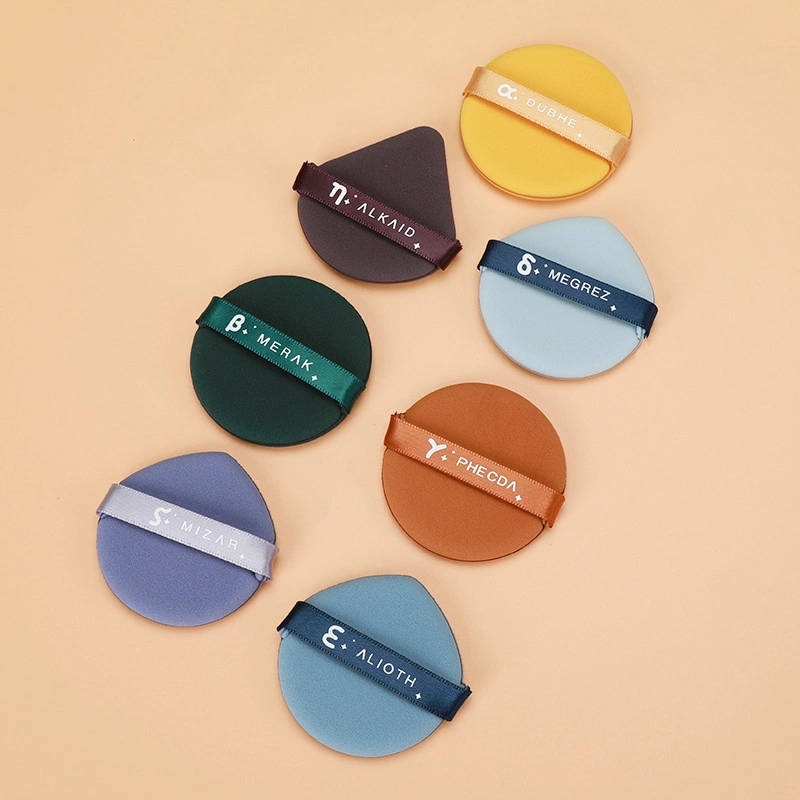
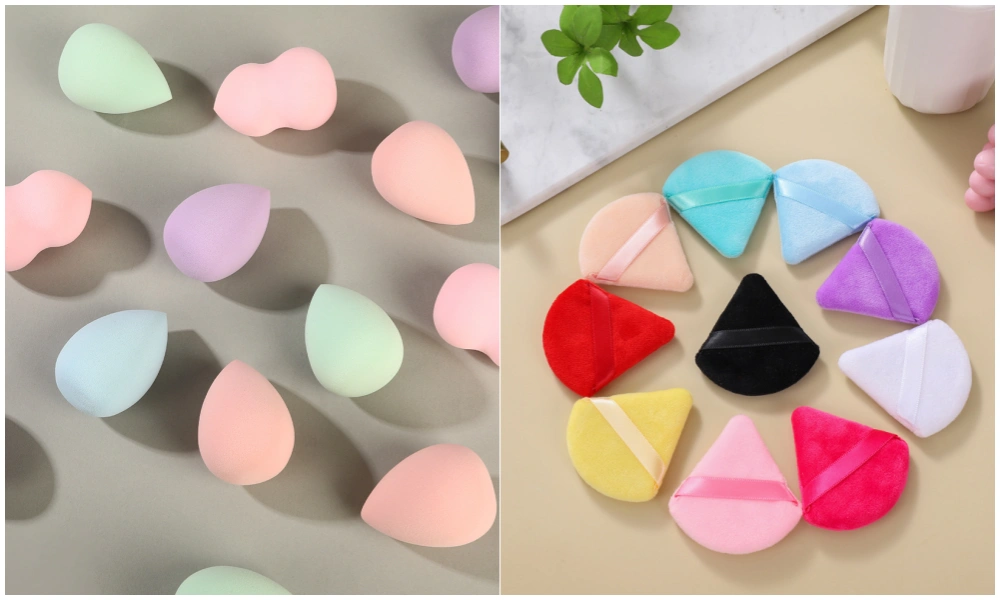
    Functions & Scenarios: Primarily used for applying liquid or cream-based cosmetics like liquid foundation, concealer, and cream blush. It blends cosmetics by patting and pressing to avoid brush marks. It usually comes in irregular shapes such as teardrop and gourd, which are more suitable for applying makeup on detailed areas (such as the sides of the nose and under the eyes). It is a commonly used tool for daily makeup and professional makeup styling.

    • Powder Puff​

    Definition: A commonly used makeup tool in the beauty field, mainly used to pick up and apply powder or cream-based cosmetics to achieve setting, touch-up, or partial makeup effects.​

    Common Materials: Including sponge (such as the sponge powder puff mentioned earlier), velvet, cotton, etc. Among them, sponge-based powder puffs have a relatively dense texture, while velvet/cotton powder puffs feel soft.​

    Functions & Scenarios: Mostly used for setting makeup with powder products like loose powder, pressed powder, and face powder; some can also be used for applying cream foundation. It usually comes in regular sheet shapes such as round and square, with strong portability, making it suitable for daily touch-ups and professional makeup scenarios.

    II. What Advantages Do Chinese Makeup Sponges and Puffs Offer?

    Chinese-manufactured makeup sponges and puffs are increasingly popular in the market, typically boasting the following significant advantages:

    1. Excellent Cost-Performance Ratio

    This is one of the most prominent advantages of Chinese beauty tools.

    Affordable Pricing: Compared to some international high-end brands, Chinese-made makeup sponges and puffs are often much more price-competitive, making them very economical for general consumers and emerging beauty brands alike.

    Quality Materials: Despite the lower price point, many Chinese products use high-quality materials, such as latex-free Hydrophilic Polyurethane (PU), which provides a soft, skin-friendly experience that absorbs less product.

    2. Material and Technological Innovation

    Chinese manufacturers invest heavily in R&D for beauty tools, continuously launching innovative products.

    Rubycell/Velour Puffs: Especially popular in China are cushion puffs made of Rubycell material (or similar velvet/velour fabrics).

    Feature: This material is excellent at picking up and distributing liquid foundation evenly, creating a sheer, well-adhered, and dewy/radiant finish (often referred to as the “cream skin” look).

    Use: Ideal for use with cushion foundations or liquid foundations to achieve a flawless, natural base.

    Pore Structure and Expansion: Many high-quality beauty blenders (sponges) significantly expand and become extremely soft when dampened, which helps minimize product absorption and ensures the foundation blends smoothly and evenly, offering an air-cushion-like gentle touch.

    3. Rich Variety and Design Diversification

    Chinese suppliers are quick to respond to market trends, offering a wide array of products to suit different makeup needs.

    Diverse Shapes: They offer everything from classic teardrop and hourglass shapes to angled cuts, triangular puffs, or viral extra-large and uniquely shaped puffs, catering to detailed application and various face contours.

    Different Uses: There are beauty blenders (sponges) for liquid/cream products, velour puffs primarily for setting with loose/pressed powder, and specialized cushion puffs for compact foundation application.

    4. Strong Manufacturing Capability

    China possesses a mature and large-scale supply chain and manufacturing base for beauty tools.

    Mass Production: They are capable of large-scale, high-efficiency production, ensuring a stable supply of products.

    ODM/OEM Services: Many Chinese factories offer professional Original Design Manufacturing (ODM) and Original Equipment Manufacturing (OEM) services, allowing them to quickly customize and produce products that meet the specific requirements of global brands.

    In short, the advantages of Chinese makeup sponges and puffs lie in their balance of affordability, high-quality materials (like dewy/velour textures), innovative design, and powerful production capacity.

    III. What are the Production Bases of  Makeup Sponges and Powder Puffs?

    China’s makeup sponge and puff industry boasts prominent industrial cluster features. Among various regions, Dongguan (Guangdong Province), Yiwu (Zhejiang Province), Taizhou (Zhejiang Province), and Qingdao (Shandong Province) have emerged as core production bases for this category, leveraging their well-established industrial chain support and mature manufacturing technologies. Their specific industrial characteristics and representative focuses are as follows:

    1. Dongguan, Guangdong:

    A Technology-Driven Manufacturing Hub Focused on Diverse Materials and Precision Craftsmanship

    As a key node in the production of beauty tools in the Pearl River Delta, Dongguan excels in material R&D and process innovation for makeup sponges and puffs, thanks to the advantages of its local chemical material supply chain. Most local manufacturers possess full-chain capabilities, from raw material processing to customized finished product production. Their product range covers various categories, including one-step PU foam-molded puffs, precision ground sponges, and non-latex air cushion puffs — catering not only to the basic needs of the mass market but also undertaking customized orders for mid-to-high-end brands (e.g., professional-grade puffs with high density and low product absorption).

    With “technology-driven development” as its core, the typical production focus here involves some enterprises introducing automated cutting and surface treatment equipment to enhance product consistency and production efficiency. In addition to supplying domestic brands, products are often exported to Southeast Asia, Europe, and the United States through OEM/ODM models.

    2. Yiwu, Zhejiang:

    The Core of Industrial Clusters, Focused on Cost-Effectiveness and Full-Category Supply

    Yiwu serves as both a “dual center for distribution and production” of domestic beauty tools. Relying on the circulation advantages of the Yiwu Small Commodity Market, the local makeup sponge and puff industry exhibits the characteristics of “complete product categories, large output, and high cost-effectiveness”.

    Manufacturers are mostly concentrated in industrial zones such as Niansanli Street, forming a complete industrial chain encompassing raw material procurement, mold development, finished product production, and packaging logistics — enabling rapid responses to market demands. Their product range covers popular mass-market categories, including basic round puffs, gourd-shaped beauty blenders, and flocked puffs. Meanwhile, flexible cooperation models such as “small-batch customization” and “sample-based processing” are offered, providing cost-effective ready-to-ship products for e-commerce brands and affordable beauty brands, as well as meeting the personalized order needs of small and medium-sized businesses. Yiwu is also one of the core supply bases for China’s sinking market and cross-border e-commerce platforms (e.g., Amazon, AliExpress).

    3. Taizhou, Zhejiang:

    Specialized in Niche Segments, Focused on Integrating Traditional and Innovative Materials

    Although Taizhou’s industrial scale is slightly smaller than Yiwu’s, its makeup sponge and puff production is characterized by “specialization in niche segments”. Local enterprises have accumulated mature experience in traditional stitched puffs (e.g., stitched puffs with long/short fibers) and pressed flocked puffs. Some enterprises also explore the integration of “traditional craftsmanship + innovative materials” (e.g., adding antibacterial coatings to flocked puffs), balancing user experience with functional upgrades.

    Furthermore, Taizhou’s proximity to ports in Ningbo and Wenzhou ensures convenient logistics for exports. Some enterprises have long focused on the foreign trade market, maintaining stable customer groups in regions such as Japan, South Korea, and the Middle East, and excel at adjusting product density and softness according to the skin type needs of different markets.

    4. Qingdao, Shandong:

    A Northern Industrial Hub, Focused on Quality Production and Brand Supporting Services

    Qingdao is a core production base for makeup sponges and puffs in northern China. Leveraging the chemical raw material resources of the Bohai Rim region and port advantages, its industrial positioning leans toward “quality production and brand supporting services”.

    Local enterprises mainly focus on mainstream categories such as non-latex beauty blenders and polyurethane gourd/droplet-shaped sponges, with a strong emphasis on product “skin-friendliness” and “practicality”. Some enterprises have obtained certification through testing (e.g., skin irritation tests) and provide supporting products for domestic mid-to-high-end beauty brands and offline counter products.

    In terms of production models, Qingdao-based enterprises tend to establish long-term cooperation with brands, offering end-to-end services from product design to mass production. Simultaneously, relying on port advantages, their export business covers Northeast Asia and Europe, solidifying their important position in the beauty tool supply chain of northern China.

    IV. Major Domestic Manufacturers of Makeup Sponges and Powder Puffs

    • Guangzhou Xiulan Biotechnology Co., Ltd.

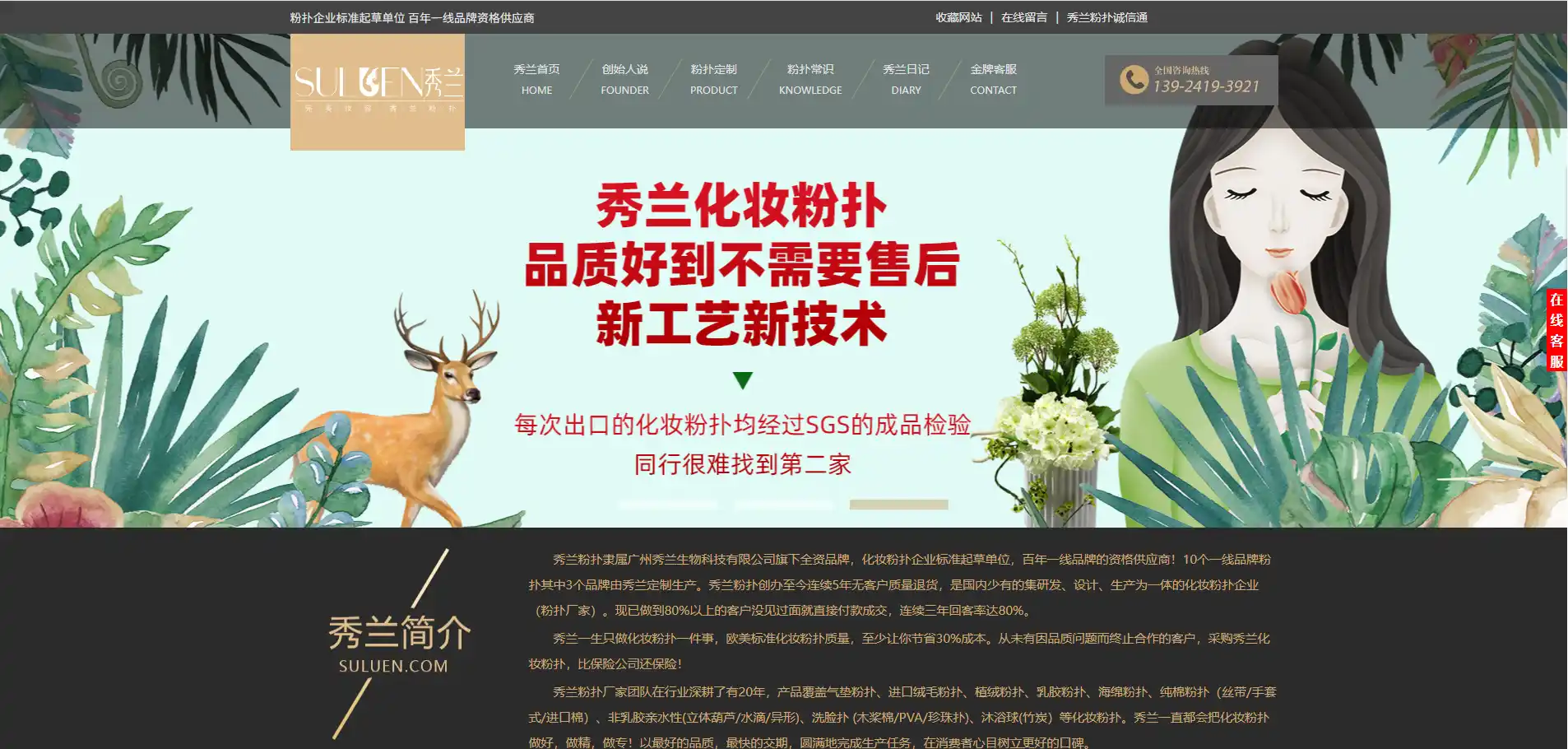
    It is a drafter of enterprise standards for cosmetic powder puffs. Its product range covers air cushion puffs, imported flocked puffs, and velvet flocked puffs, which are exported to more than 20 countries and regions including Europe and the United States.

    • Ningbo Kanshi Personal Care Products Co., Ltd.

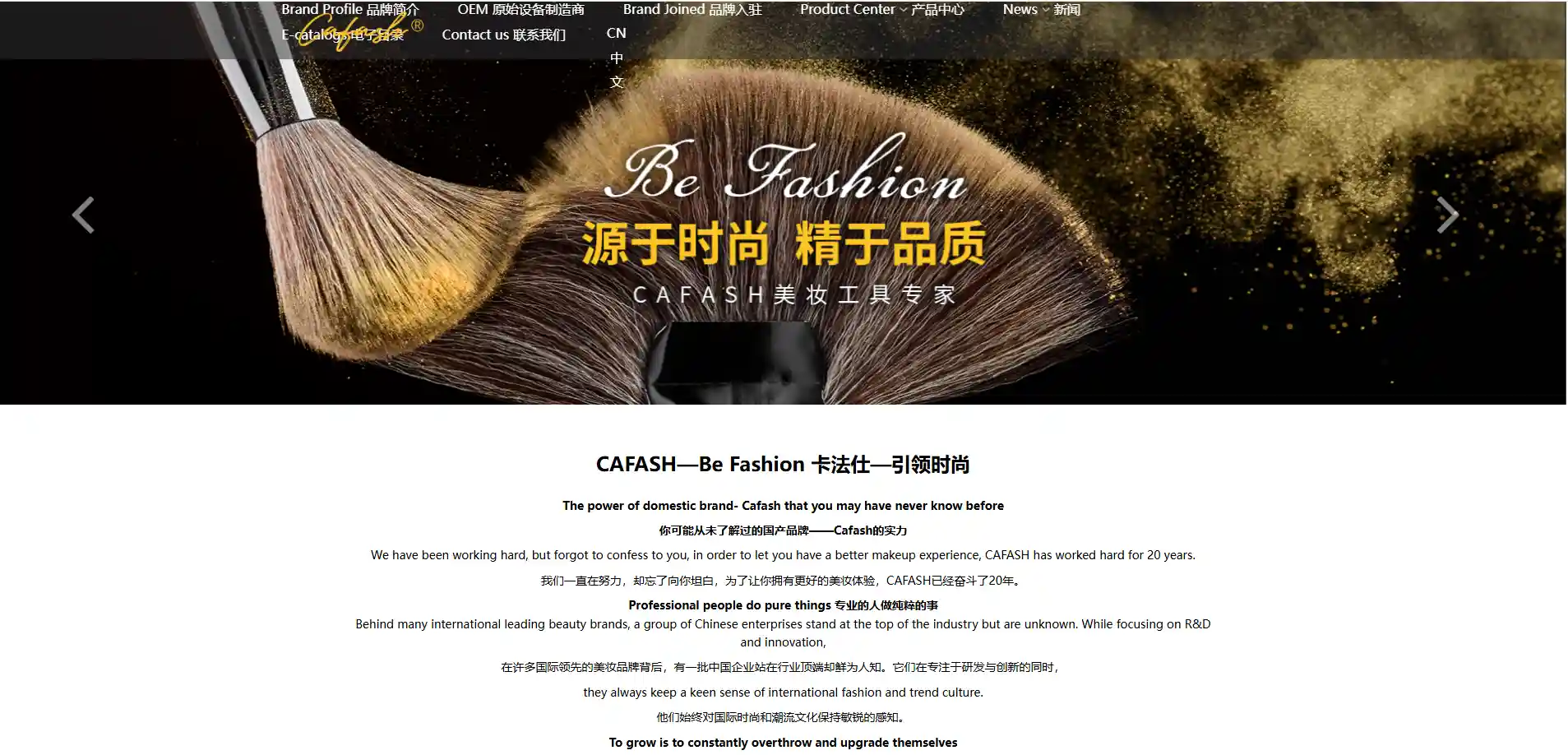
    Its brand is CAFASH. It is a professional enterprise engaged in the R&D, design, production and sales of beauty, hair, nail tools and personal care products. Its cooperative customers include global well-known beauty brands such as Revlon and Sephora.

    • Guangzhou Baoping Cosmetic Tools Co., Ltd.

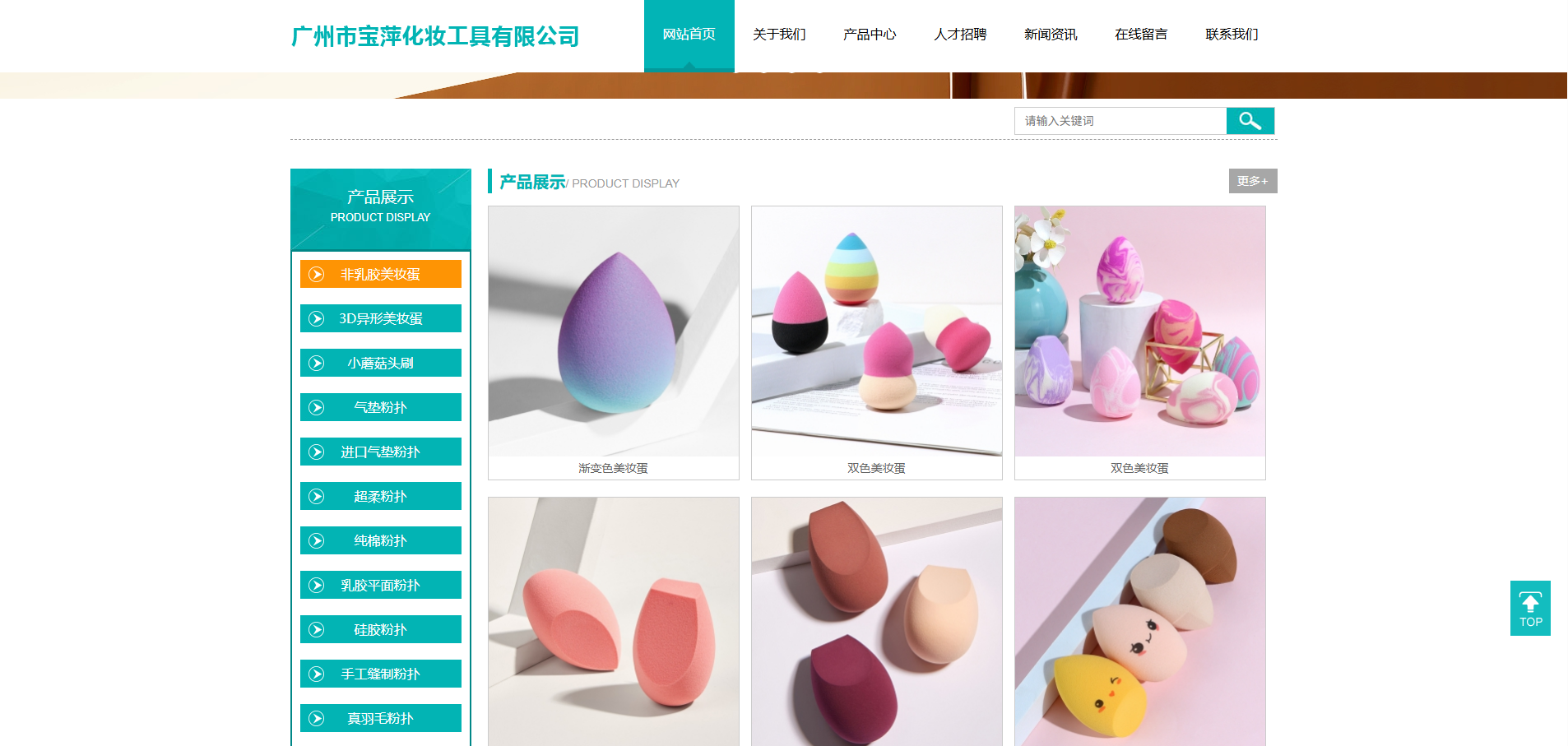
    Integrating R&D, design, production and international sales of cosmetic tools, the company mainly sells imported air cushion puffs, flocked puffs, pure cotton puffs and other products, and can undertake OEM/ODM processing and customization.

    • Dongguan Chenxi Business Co., Ltd

    The company has related business on the Alibaba platform. It mainly produces beauty blenders and other products, and can provide customization services for colors and shapes.

    V. Precautions for Purchasing Press-On Nails: Making an Informed Decision

    Once Potential Makeup Sponge and Powder Puff Suppliers and Their Products Have Been Identified, the Following Steps Can Be Followed to Ensure a Smooth Procurement Process

    1. Start with samples

    Before placing a large order, it’s highly recommended to order samples. This allows you to assess quality in terms of craftsmanship (e.g., smoothness of sponge edges, uniformity of flocking on powder puffs, firmness of bonded parts like handles or decorative layers), material performance (water absorption and rebound of hydrophilic polyurethane sponges, lint resistance of non-latex powder puffs, durability without easy tearing), and application experience (fit with facial contours during makeup, product absorption rate—ensuring minimal foundation waste, and comfort without irritation to sensitive skin).

    2. Evaluate supplier production capacity

    A supplier’s production capacity is key to meeting your needs, especially for bulk orders. Inquire about their daily/monthly output (e.g., number of beauty blenders or sets of powder puffs) and delivery timelines. Mature high-volume manufacturers are better at handling large orders efficiently, with stricter control over process stability—critical for maintaining consistency in product density (avoiding uneven softness), color accuracy (matching the confirmed Pantone number), and size specifications (e.g., standardizing the diameter of round powder puffs or the length of drop-shaped beauty blenders) across batches.

    3. Consider after-sales support

    A reliable supplier should offer comprehensive after-sales assistance. This includes return/exchange services for issues like deformed sponges, peeling flocking, or damaged packaging during shipping, as well as rework solutions for bulk products that fail quality standards (e.g., excessive product absorption leading to foundation waste, uneven thickness affecting makeup application). For custom orders (e.g., private-label sponges with brand logos or custom-shaped powder puffs), confirm if they provide revisions for design deviations (such as misplaced logos or inconsistent shapes with the sample).

    4. Calculate total costs

    Remember to account for all costs beyond the unit price. This includes shipping fees (makeup sponges and powder puffs require dust-proof and compression-resistant packaging to avoid deformation, so packaging volume may affect logistics costs), import duties, customs clearance fees, local taxes, and potential extra costs for customization (e.g., branded packaging, custom color matching) or additional accessories (e.g., reusable sponge cases, cleaning tools for powder puffs).

    5. Conduct due diligence

    Use tools like Alibaba’s “Audited Supplier” badge or third-party inspection services (e.g., SGS, Intertek) to verify the supplier’s qualifications and factory conditions. You can also hire professional sourcing agencies to check their business status—including financial health, actual production lines, past order fulfillment records (e.g., on-time delivery rate), and compliance with safety standards (e.g., whether materials meet EU REACH regulations or China’s GB/T standards for harmful substance limits in cosmetic tools)—to minimize collaboration risks.

    VI. Choose IMEXsourcing as Your Sourcing Partner for Makeup Sponges and Powder Puffs in China

    When it comes to procuring high-quality makeup sponges and powder puffs from China, partnering with an experienced and reliable sourcing agent is paramount. IMEXsourcing stands out with a comprehensive service suite designed to streamline your acquisition process and secure exceptional value. Here are compelling reasons to select IMEXsourcing for your next makeup sponge and powder puff purchase:

    • Extensive Procurement Expertise

    IMEXsourcing boasts a profound and long-standing history in the sourcing industry, enabling us to proficiently identify and connect with a wide range of reputable Chinese makeup sponge and powder puff suppliers. Our deep market knowledge ensures we match you with manufacturers known for reliability and superior products, covering everything from high-end professional-grade options (e.g., ultra-soft non-latex beauty blenders, dense velvet flocked powder puffs) to mass-produced daily-use styles (e.g., basic hydrophilic polyurethane sponges, disposable cotton powder puffs) and custom-labeled sets.

    • Bespoke Design Solutions

    We understand that unique brand needs often demand tailored solutions. IMEXsourcing empowers you to commission makeup sponges and powder puffs aligned with your brand identity—whether it’s specific materials (such as eco-friendly non-latex foam, hypoallergenic cotton, or high-lint-resistance flocking), styles (multi-shaped beauty blenders for precision makeup, compact powder puffs for on-the-go use, or oversized foundation sponges for broad application), or practical details (custom colors matching your brand palette, branded logos on sponge surfaces, or personalized packaging sets). Each product is precisely engineered to your specifications, ensuring perfect alignment with your brand positioning.

    • Thorough Supplier Verification

    Our commitment to quality begins with rigorous due diligence. We conduct comprehensive factory audits for all potential manufacturers, verifying their production capabilities (e.g., daily output of beauty blenders or powder puff sets, ratio of manual to automated production lines), assessing quality control protocols (e.g., sponge rebound testing, flocking adhesion inspection, harmful substance detection), and ensuring full compliance with domestic and international industry standards (such as China’s GB/T standards, EU REACH, US FDA regulations) and legal requirements.

    • Expert Price Negotiation

    Leveraging our veteran status and in-depth understanding of market dynamics, IMEXsourcing excels in negotiation. This expertise allows us to secure the most favorable pricing and terms with top-tier makeup sponge and powder puff manufacturers renowned for their craftsmanship (e.g., smooth sponge edges, even flocking distribution), material control (e.g., non-toxic foam, skin-friendly adhesives), after-sales service, and cost efficiency, optimizing your investment.

    • Stringent Quality Assurance

    IMEXsourcing implements a robust quality management framework spanning the entire procurement cycle, including careful supplier selection, diligent production oversight (such as checking sponge density consistency, powder puff thickness uniformity, and size accuracy), and thorough pre-shipment testing (such as water absorption and rebound evaluation, lint-shedding resistance assessment, and packaging integrity checks), guaranteeing the integrity and performance of your makeup sponges and powder puffs.

    VII. Conclusion

    In conclusion, the Chinese makeup sponge and powder puff market presents abundant opportunities for global buyers. By carefully researching product categories (from affordable daily-use hydrophilic polyurethane sponges to high-end professional-grade non-latex beauty blenders and velvet flocked powder puffs), clarifying technical specifications (such as material safety standards, shape customization for facial contour fit, and lint-resistance of powder puffs), and following a systematic procurement process, importers can source high-quality, cost-effective makeup sponges and powder puffs to meet diverse market demands—whether for retail, beauty salon supplies, or custom brand needs.

    Notably, core production hubs like Dongguan (Guangdong), Yiwu and Taizhou (Zhejiang), and Qingdao (Shandong) dominate China’s makeup sponge and powder puff industry, collectively accounting for over 80% of the national total output and hosting tens of thousands of industry-related manufacturers and supporting enterprises. While many local manufacturers excel in production efficiency (e.g., large-scale automated lines for beauty blenders), product diversity (covering everything from basic round powder puffs to custom-shaped tools), and adherence to quality standards (such as China’s GB/T standards for cosmetic tools), a significant number lack independent foreign trade capabilities—such as expertise in cross-border logistics (e.g., shockproof packaging for fragile sponges), multilingual client support, and compliance with global certification requirements (e.g., EU REACH, US FDA regulations for skin-contact products). This is where partnering with IMEXsourcing becomes your optimal choice: we bridge the gap between these capable manufacturers and global buyers, leveraging our local resources and trade expertise to streamline procurement, ensuring you access top-tier makeup sponges and powder puffs without the barriers of limited foreign trade capacity.

    Moreover, collaborating with reliable partners like IMEXsourcing and conducting thorough due diligence (including factory verification, pre-shipment quality inspections—such as testing sponge water absorption and powder puff flocking adhesion—and cost transparency checks) not only makes the procurement process efficient but also minimizes risks associated with international trade—such as quality inconsistencies (e.g., uneven sponge density), delivery delays, or certification non-compliance. This strategic approach not only enhances the value of your procurement (securing high-quality makeup sponges and powder puffs at competitive prices) but also fosters long-term, trustworthy business relationships. In turn, this contributes to sustained profitability for your business and strengthens your competitiveness in the global makeup sponge and powder puff market.

    Message us for more information

    Please let us know your request, we will get back to you within 24 hours.

      China Beauty Products Buying Guide (4): All About Press-On Nails

      China holds an absolute dominant position in the global press-on nail industry, with annual output accounting for over 90% of the world’s total. Yiwu in Zhejiang Province and Guangzhou in Guangdong Province are the two core production hubs. Yiwu, with its strong small-commodities manufacturing and e-commerce supply chain advantages, has become the world’s largest distribution center for press-on nails. Its products range from low-to-mid-end options to high-value, custom handmade designs, meeting the diverse needs of both domestic and international markets. Guangzhou, on the other hand, leverages its robust cosmetics and nail art industry clusters to focus on developing new materials and techniques, leading technological innovation in the sector.

      Chinese enterprises provide OEM services for over 90% of the world’s well-known international beauty and nail brands, including but not limited to fast-fashion e-commerce giants like SHEIN and TEMU, as well as numerous international professional nail brands.

      Notably, China’s press-on nail industry boasts a complete industrial chain, with tight collaboration across all stages: from the R&D and production of raw materials (ABS, PMMA, etc.), mold manufacturing, printing, and electroplating, to manual decoration and finished product packaging. Supporting industries like nail glue, jelly adhesive tabs, and manicure tools are also highly mature, forming a “one-stop” production and supply system.

      I. Press-on Nails: Instant Manicure Solution

      Press-on nails, also known as fake nails or nail tips, are detachable nail art accessories that allow users to create exquisite nail looks quickly without the complicated processes of traditional nail art, such as applying glue and curing under a UV/LED lamp. They are mostly made of materials like ABS resin, gel polish, and solid nail stickers, which are both flexible and wear-resistant. These nails can fit the curvature of natural nail beds and are not easy to fall off after wearing.
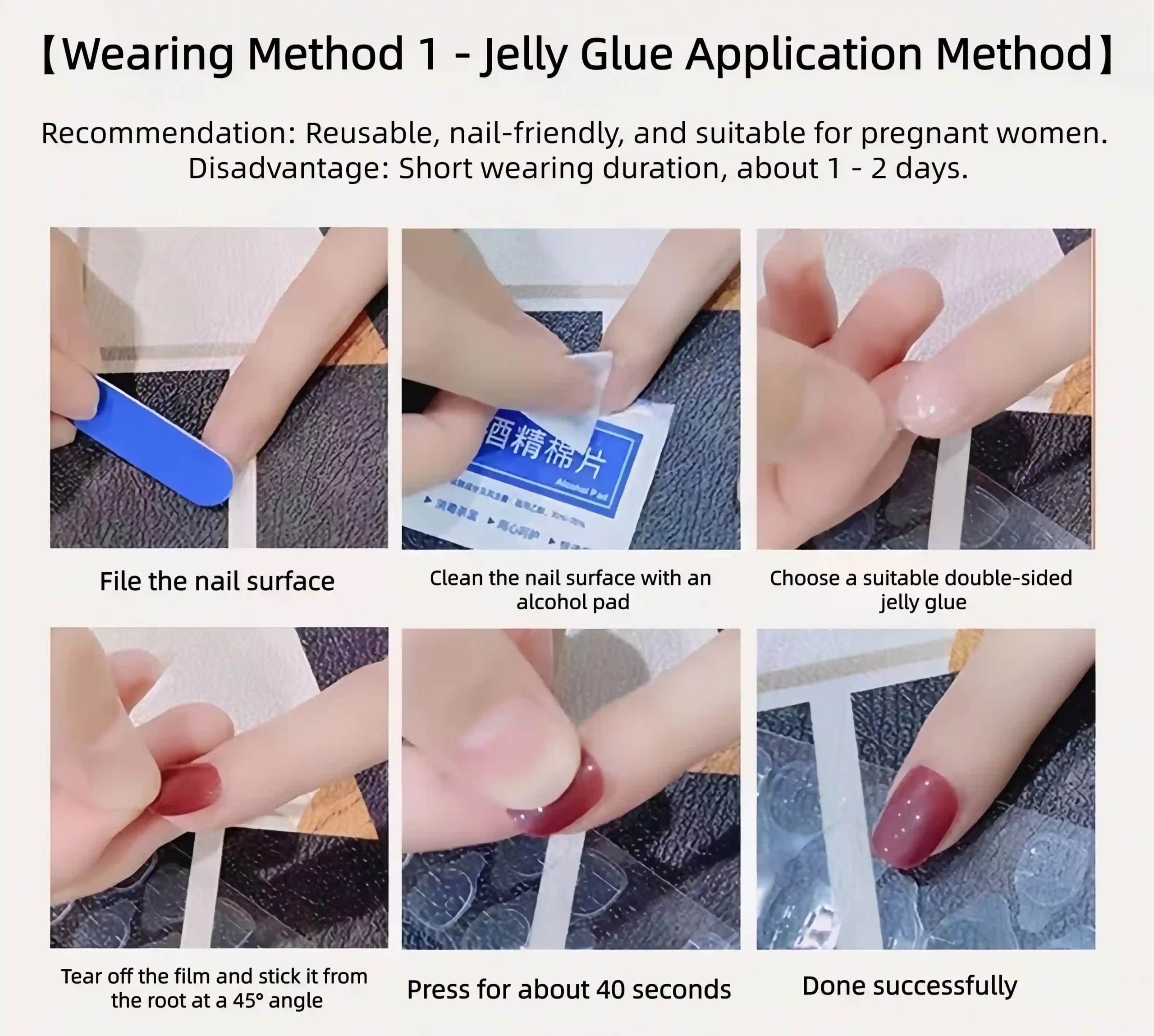
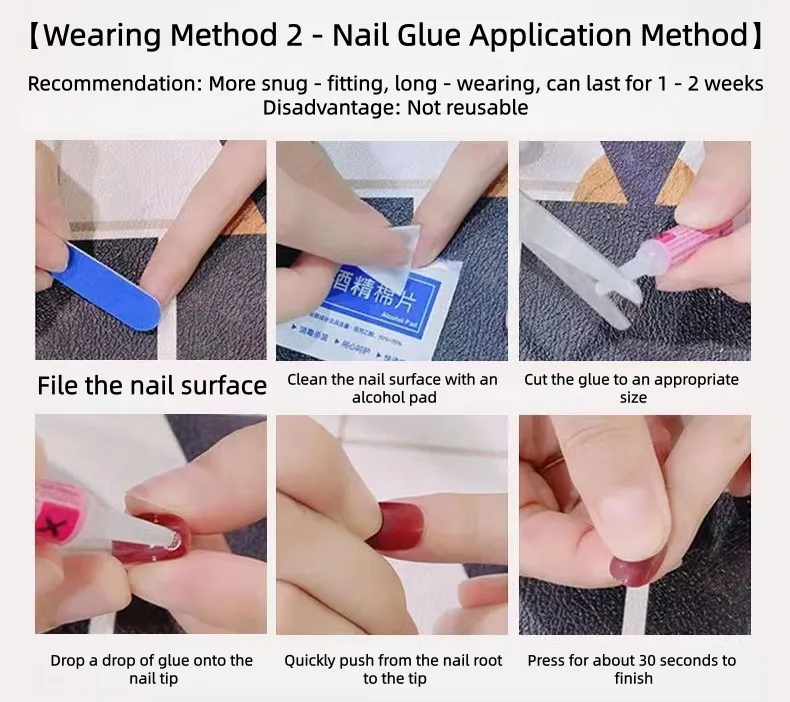
      In terms of styles, press-on nails include various designs such as solid colors, gradients, hand-painted patterns, diamond decorations, and embossments, suitable for different scenarios like daily commuting, parties, and weddings. In terms of size, they are available in standard sizes (S/M/L) or custom sizes to fit different nail bed sizes. Some products also come with two fixing methods: jelly glue and nail glue. Jelly glue is easy to apply and does not damage natural nails, making it suitable for short-term wear; nail glue has stronger adhesion, ideal for long-term use.
      Compared with traditional nail art, press-on nails not only save time but also avoid damage to natural nails caused by chemicals in gel polish. Additionally, they can be reused, which not only meets the demand for personalized aesthetics but also conforms to the concept of environmental protection, making them a popular choice for convenient nail art nowadays.

      II. What Types of Press-On Nails Are There

      Press-on nails can be classified around three core dimensions: material, fixing method, and nail shape & size, catering to different usage needs and nail bed conditions. The specific classifications are as follows:

      1. Classification by Material (Core Impact on Texture and Durability)

      • ABS Resin Nails

        The most common basic material, which is lightweight, somewhat flexible, not easy to break, and affordable. Its surface can be printed, decorated with diamonds, or coated with gel polish, suitable for most daily styles. It is ideal for beginners or users who frequently change nail styles.

      • Gel Polish Nails

        Made mainly from gel polish, shaped by molds and then cured. Their texture is similar to “gel nails” in traditional nail art, with rich colors, high gloss, and better wear resistance than ABS resin nails. Some can be reused 3-5 times.

      2. Classification by Fixing Method (Determines Wearing Convenience and Durability)

      • Jelly Glue Type

        Equipped with transparent jelly glue, no additional tools are needed for pasting. Just stick the jelly glue on the natural nail bed and press the press-on nails, completing the wearing in 10-20 seconds. It has the advantages of easy removal and no damage to natural nails, and can be worn for 3-7 days at a time, suitable for users who change styles in the short term or have fragile nails.

      • Nail Glue Type

        Requires special nail glue for fixation, with strong adhesion. After wearing, it can last for 10-15 days or even longer. Suitable for scenarios that require long-term maintenance of nail art effects (such as weddings, business trips). However, a glue remover is needed for removal, and frequent use may cause slight damage to natural nails.

      • Magnetic Type

        Miniature magnetic sheets are built into the back of the press-on nails, which are fixed by magnetic adsorption with magnetic base glue. No glue or jelly glue is needed, and wearing/removal takes only 1-2 seconds. They can be reused countless times. The disadvantage is that the durability is affected by magnetism, and they may loosen during strenuous activities.

      3. Classification by Nail Shape and Size (Adapting to Different Nail Bed Conditions)

      • Classification by Nail Shape
        • Square: The nail surface is square, with sharp or slightly rounded edges. It makes fingers look slender and is suitable for people with wide nail beds.
        • Oval: The nail surface narrows gradually from the root to the tip, presenting an oval shape. It fits all hand shapes, especially looks gentle, and is the most versatile nail shape.
        • Almond: The tip is sharp and the root is rounded, shaped like an almond. It has an elegant style but may be restrictive in daily activities, suitable for users who like French elegance.
        • Stiletto: The tip is extremely sharp, with strong visual impact. It is mostly matched with exaggerated decorations, suitable for trendsetters pursuing individuality, and rarely used in daily life.


      • Classification by Size
        • Standard Size (S/M/L): Divided into 3 sizes according to the width of the nail bed. Each size contains 10-12 nail tips of different widths (e.g., size S is suitable for nail beds with a width of 15-18mm, size M for 18-21mm, and size L for 21-24mm), which is convenient for most people to match quickly.
        • Custom Size: Made separately according to the nail bed length and width data provided by the user, perfectly fitting the personal nail bed without loosening or blank spaces. Suitable for users with special nail beds (too wide, too narrow, irregular) or those pursuing extreme fit.

      III. What are the Production Bases of Press-On Nails?

      During its development, China’s press-on nail industry has formed several industrial bases. These bases have their own advantages in production scale, product characteristics, and other aspects, playing a crucial role in promoting the industry’s rapid growth.

      • Donghai County, Lianyungang, Jiangsu

      Role and Status: Donghai County is recognized as the world’s largest production base for handcrafted press-on nails, proudly earning the title “China’s Press-on Nail Capital.”

      Production Characteristics: The county’s focus is on mid-to-high-end, customized handmade press-ons. Leveraging its industrial heritage as the “Crystal Capital,” its nail designs are known for their intricate craftsmanship, artistic complexity, and high added value, often featuring complex decorations and hand-painted details.

      Industrial Scale: Its output accounts for over 70% of the national total press-on nail volume. The area maintains a complete industry chain, employing over 50,000 skilled manicurists and housing more than 200 dedicated design and production teams.

      Primary Function: Donghai serves as the central hub for wholesale procurement and cross-border e-commerce exports. Products from this region are rapidly gaining international market share due to their unique handcrafted quality and aesthetic appeal.

      • Yiwu, Zhejiang

      Role and Status: Yiwu is primarily the raw material supply and industrialized product distribution center for the press-on nail sector, acting as a critical node in the global small commodities supply chain.

      Production Characteristics: Production here is mainly concentrated on raw material supply (such as basic nail tips, gel polish, and adhesives) and the high-volume manufacturing of mass-produced, low-cost machine-made press-on nails. This focuses on efficiency and standardization.

      Industrial Scale: It boasts a highly efficient logistics and warehousing infrastructure, establishing it as the most frequent destination for global beauty product buyers seeking ready-stock and generic inventory for quick turnover.

      Primary Function: Yiwu is crucial for supply chain support, low-price bulk (generic styles) wholesale, and rapid distribution to satisfy the massive global demand for basic and entry-level press-on nails.

      • Guangzhou, Guangdong

      Role and Status: Guangzhou functions as the center for press-on nail brand operations, technology R&D, and high-end customization services.

      Production Characteristics: Leveraging Southern China’s strong chemical and manufacturing base, Guangzhou holds a leading edge in advanced nail material technology (e.g., soft gel materials), non-toxic glues, and new adhesive systems. The cluster primarily offers OEM/ODM services for established major domestic and international brands.

      Industrial Scale: This area attracts a large cluster of specialized professionals in the beauty industry, R&D departments of international brands, and sophisticated market marketing teams.

      Primary Function: Guangzhou drives branding and product upgrades. It is responsible for the design innovation and stringent quality control of mid-to-high-end press-ons, leading the industry toward professionalism and higher quality standards.

      IV. Major Domestic Press-On Nails Manufacturers

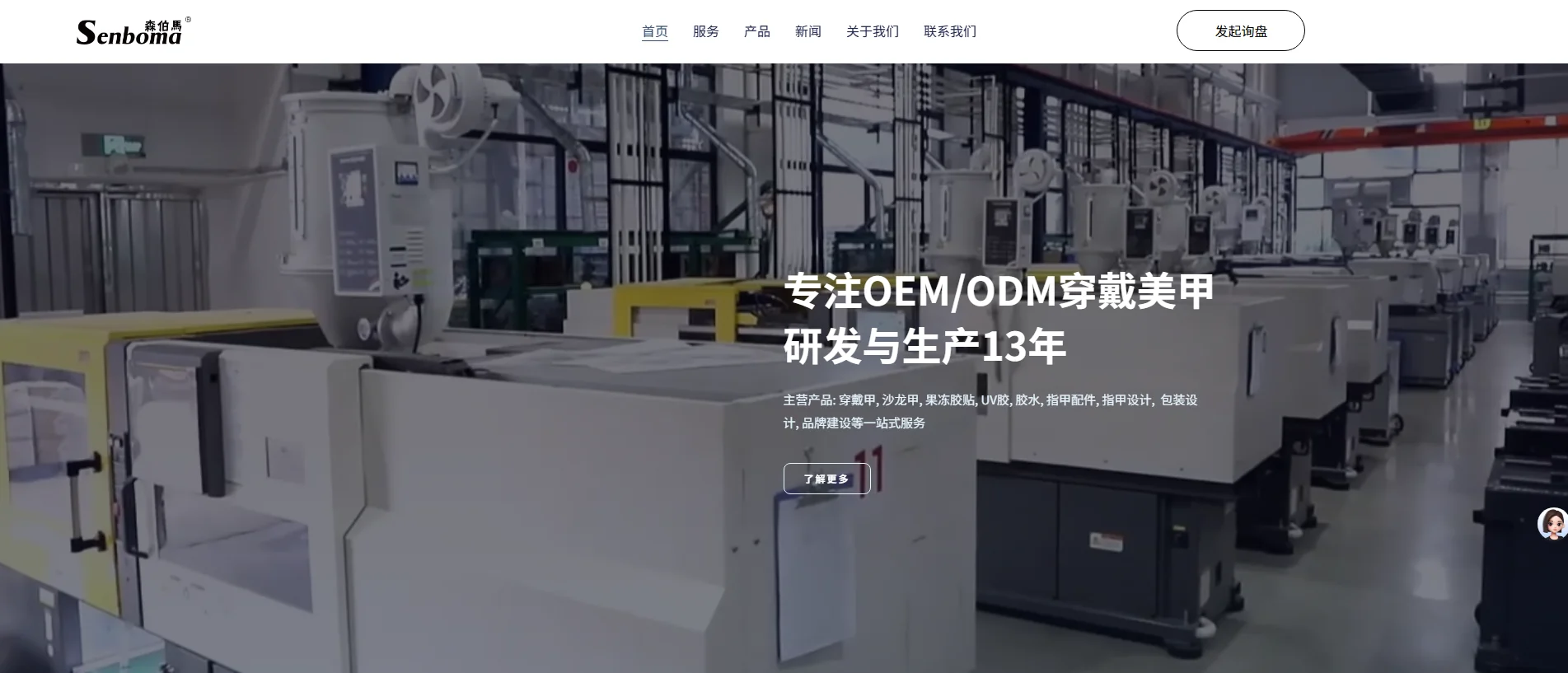
      • Senboma

      With 13 years of experience in R&D and production of OEM/ODM press-on nails, Senboma offers one-stop services including press-on nails, salon nails, jelly adhesive strips and UV glue. Positioned as a medium-to-high-end professional brand, it combines international fashion trends and cultural concepts, with products sold globally. It holds multiple patents, has a 12,345㎡ factory and over 123 employees, and its high-quality products are well-received—large U.S. chain press-on nail salons have praised their good quality and rich styles.

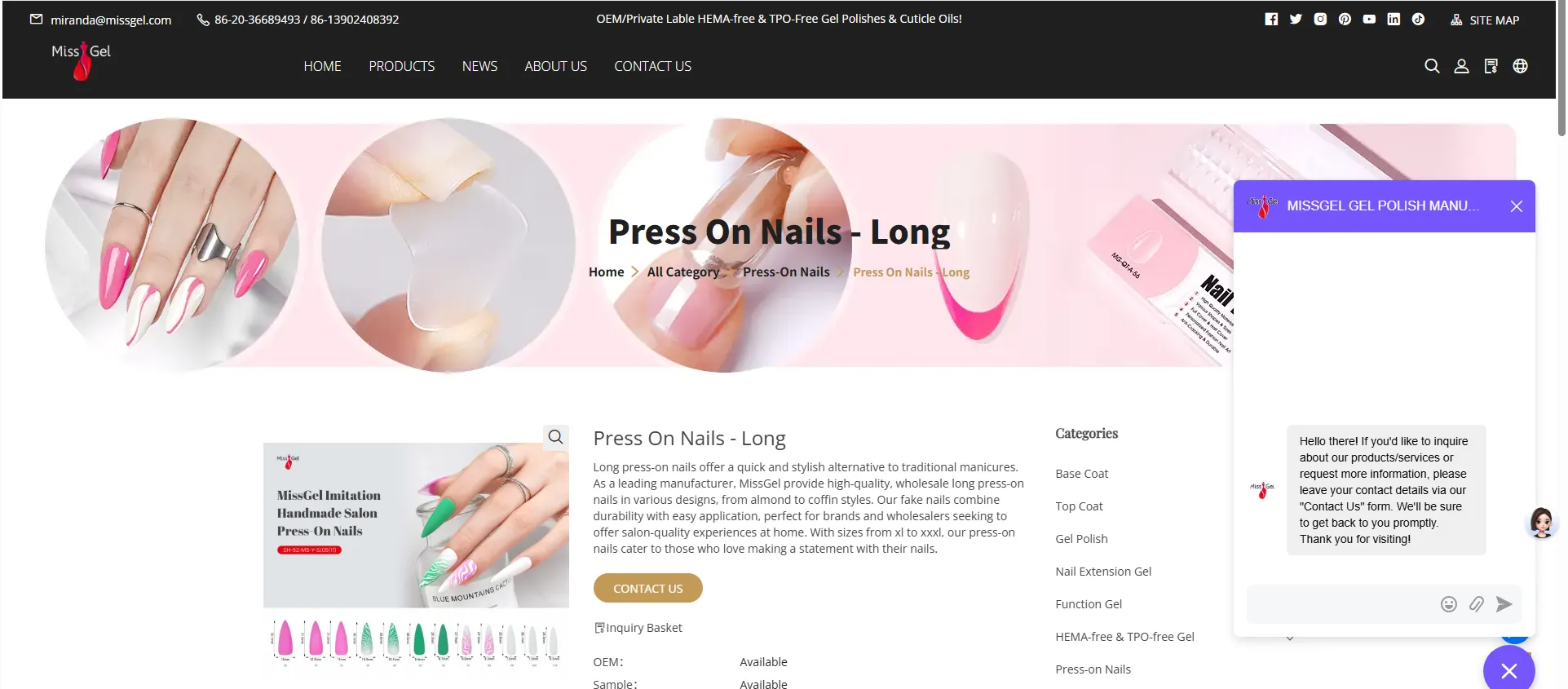
      • MissGel

      MissGel specializes in UV/LED nail gel products, but their press-on division focuses on high-quality, durable press-on nails made from UV gel-like materials. They offer extensive OEM/ODM services and have a strong capacity for producing extra-long sizes (XXL, XXXL) and customized designs, aligning with Guangzhou’s high-tech manufacturing base.

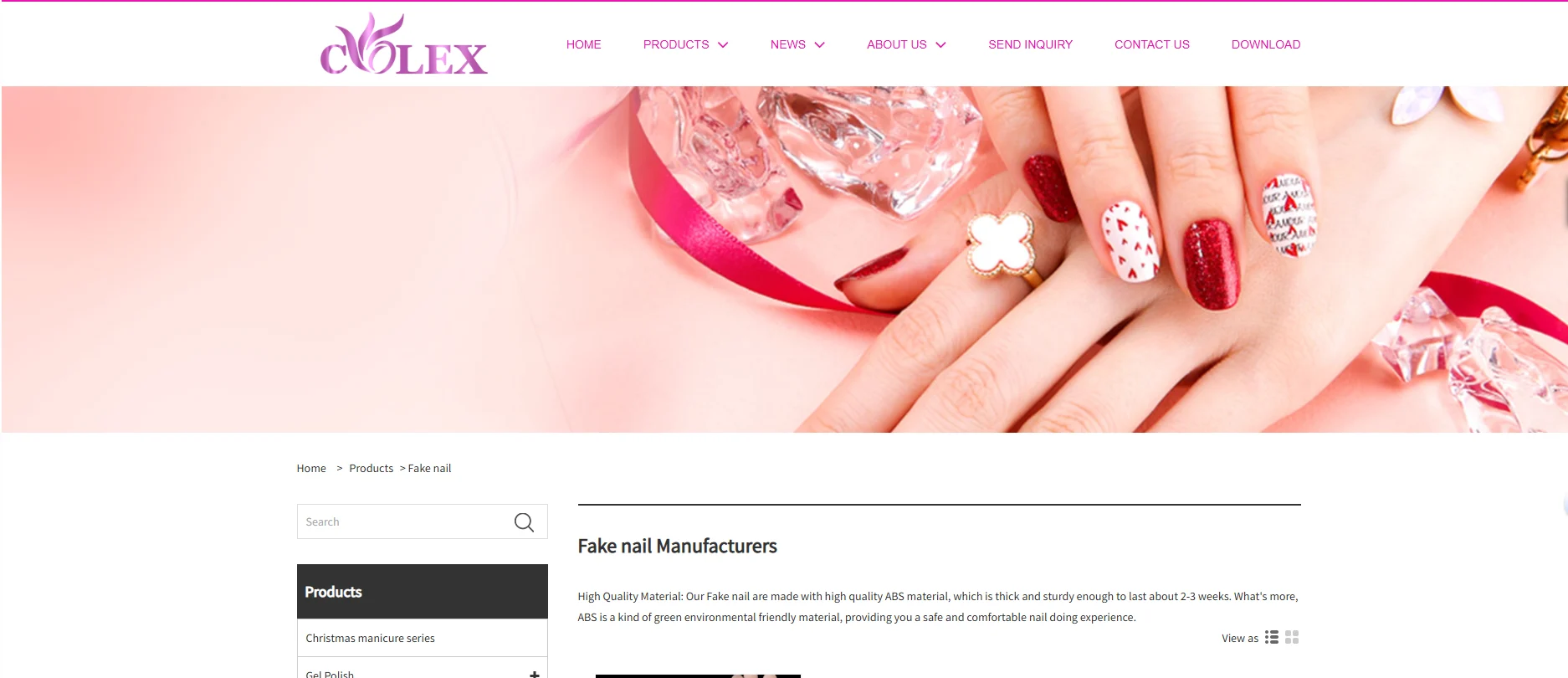
      • Colex (Shenzhen Colex Cosmetics Co., Ltd.)

      Colex is a primary manufacturer focusing on high-quality materials, particularly Soft Gel Tips and thick, sturdy ABS material for press-on nails. They offer a wide range of tips, including 5XL ultra-long tips and professional full-cover systems, catering heavily to the wholesale market with a focus on product durability and quality certification.

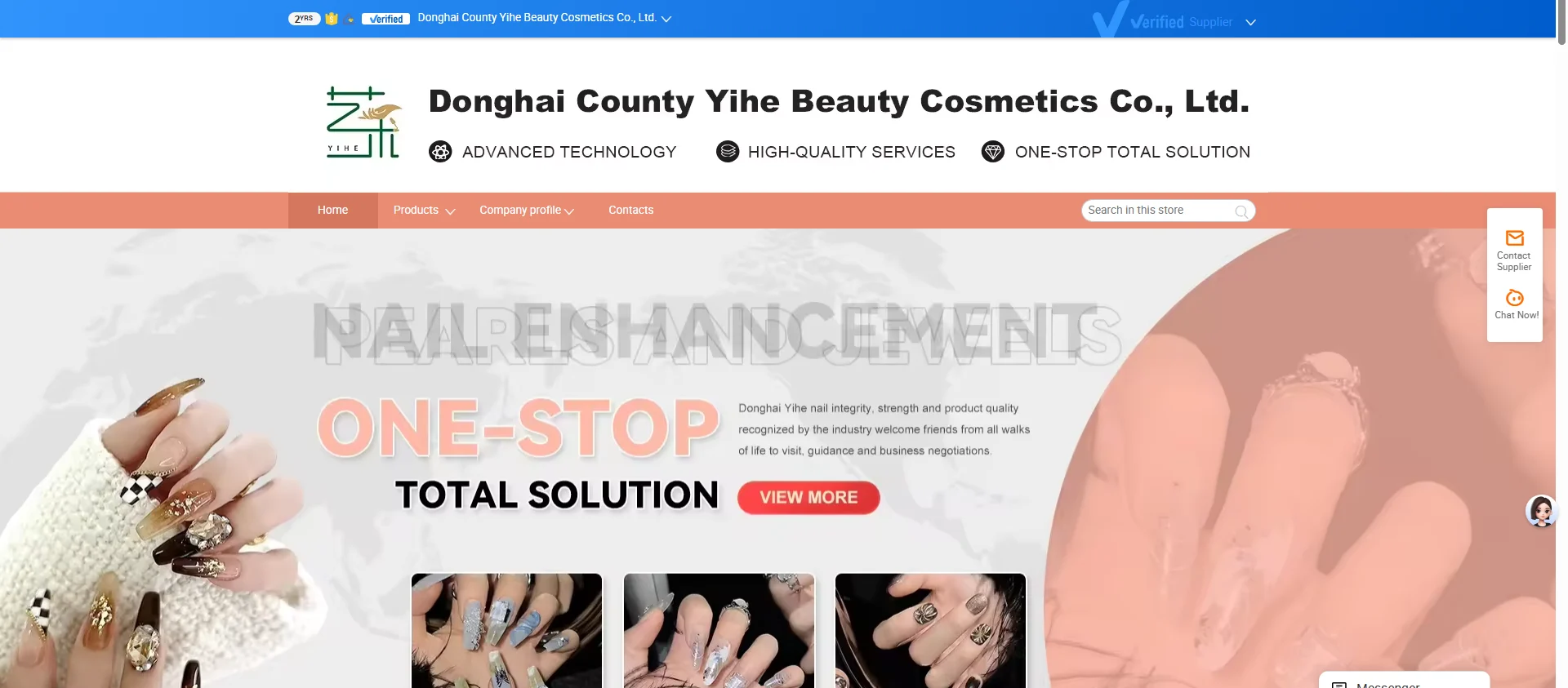
      This factory is representative of the Donghai cluster, which specializes in purely handmade and high-luxury press-on nails. Their products feature complex, high-value-added designs, including 3D floral designs, hand-carved elements, and full-diamond zircon heavy crafts, ideal for brands targeting the boutique or luxury customization market.

      V. Precautions for Purchasing Press-On Nails: Making an Informed Decision

      Once potential press-on nail suppliers and their products have been identified, the following steps can be followed to ensure a smooth procurement process.
      1. Start with samples:​
      Before placing a large order, it’s highly recommended to order samples. This allows you to assess quality in terms of craftsmanship (e.g., smoothness of nail edges, clarity of printed/painted patterns, firmness of decorations like rhinestones or embossments), material performance (flexibility of ABS resin or gel polish nails, adhesion of matching jelly glue/nail glue), and wear experience (fit with different nail bed shapes, comfort without tightness or sharp edges).​
      2. Evaluate supplier production capacity:​
      A supplier’s production capacity is key to meeting your needs, especially for bulk orders. Inquire about their daily/monthly output (e.g., number of press-on nail pairs) and delivery timelines. Mature high-volume manufacturers are better at handling large orders efficiently, with stricter control over process stability—critical for maintaining consistency in nail size, color saturation, and decoration placement across batches (e.g., ensuring no missing rhinestones or uneven color on the same style).​
      3. Consider after-sales support:​
      A reliable supplier should offer after-sales assistance. This includes return/exchange services for issues like cracked nail tips, peeling patterns, or invalid jelly glue during shipping, as well as rework solutions for bulk products that fail quality standards (e.g., inconsistent nail thickness, mismatched sizes with labeled S/M/L). For custom orders (e.g., private-label designs), confirm if they provide revisions for design deviations.​
      4. Calculate total costs:​
      Remember to account for all costs beyond the unit price. This includes shipping fees (press-on nails require shockproof packaging to avoid decoration damage, so dimensional weight may affect costs), import duties, customs clearance fees, local taxes, and potential extra costs for customization (e.g., branded packaging, personalized size sets) or additional accessories (e.g., extra jelly glue packs, glue removers).
      5. Conduct due diligence:​
      Use tools like Alibaba’s “Audited Supplier” badge or third-party inspection services (e.g., SGS, Intertek) to verify the supplier’s qualifications and factory conditions. You can also hire professional sourcing agencies to check their business status—including financial health, actual production lines, past order fulfillment records (e.g., on-time delivery rate), and compliance with safety standards (e.g., whether materials meet GB 24613 for harmful substance limits in nail products)—to minimize collaboration risks.

      VI. Choose IMEXsourcing as Your Sourcing Partner for Press-On Nails in China

      When it comes to procuring high-quality press-on nails from China, partnering with an experienced and reliable sourcing agent is paramount. IMEXsourcing stands out with a comprehensive service suite designed to streamline your acquisition process and secure exceptional value. Here are compelling reasons to select IMEXsourcing for your next press-on nail purchase:
      Extensive Procurement Expertise
      IMEXsourcing boasts a profound and long-standing history in the sourcing industry, enabling us to proficiently identify and connect with a wide range of reputable Chinese press-on nail suppliers. Our deep market knowledge ensures we match you with manufacturers known for reliability and superior products, covering everything from high-end handcrafted artisanal press-on nails (e.g., hand-painted, 3D-embossed styles) to mass-produced mechanized options (e.g., basic ABS resin nails, gel polish nails) and custom-labeled sets.
      Bespoke Design Solutions
      We understand that unique brand needs often demand tailored solutions. IMEXsourcing empowers you to commission press-on nails aligned with your brand identity—whether it’s specific materials (such as eco-friendly ABS resin, high-gloss gel polish, or skin-friendly jelly glue), styles (minimalist daily wear, blingy party designs, elegant wedding sets), or practical details (custom nail shapes like almond or stiletto, personalized size sets for niche markets). Each product is precisely engineered to your specifications, ensuring perfect alignment with your brand positioning.
      Thorough Supplier Verification
      Our commitment to quality begins with rigorous due diligence. We conduct comprehensive factory audits for all potential manufacturers, verifying their production capabilities (e.g., daily output of press-on nail pairs, ratio of manual to automated production lines), assessing quality control protocols (e.g., decoration firmness testing, color fastness inspection, harmful substance detection), and ensuring full compliance with domestic and international industry standards (such as China’s GB 24613, EU REACH, US CPSIA regulations) and legal requirements.
      Expert Price Negotiation
      Leveraging our veteran status and in-depth understanding of market dynamics, IMEXsourcing excels in negotiation. This expertise allows us to secure the most favorable pricing and terms with top-tier press-on nail manufacturers renowned for their craftsmanship (e.g., smooth edge finishing, clear pattern printing), material control (e.g., non-toxic adhesives, durable decorations), after-sales service, and cost efficiency, optimizing your investment.
      Stringent Quality Assurance
      IMEXsourcing implements a robust quality management framework spanning the entire procurement cycle, including careful supplier selection, diligent production oversight (such as checking nail thickness consistency, decoration adhesion, and size accuracy), and thorough pre-shipment testing (such as wear durability assessment, heat/cold resistance evaluation, and packaging integrity checks), guaranteeing the integrity and performance of your press-on nails.

      VII. Conclusion

      In conclusion, the Chinese press-on nails market presents abundant opportunities for global buyers. By carefully researching product categories (from affordable daily-wear ABS resin nails to high-end hand-painted artisanal sets), clarifying technical specifications (such as material safety standards, nail shape customization, and decoration durability), and following a systematic procurement process, importers can source high-quality, cost-effective press-on nails to meet diverse market demands—whether for retail, beauty salon supplies, or custom brand needs.
      Notably, Donghai County (in Lianyungang City, Jiangsu Province), China’s largest press-on nails production base, accounts for over 70% of the national total output and is home to more than 24,000 industry-related business entities. While many local manufacturers excel in production efficiency, style diversity, and adherence to quality standards (e.g., China’s GB 24613), a significant number lack independent foreign trade capabilities—such as expertise in cross-border logistics, multilingual client support, and compliance with global certification requirements (e.g., EU REACH, US CPSIA). This is where partnering with IMEXsourcing becomes your optimal choice: we bridge the gap between these capable manufacturers and global buyers, leveraging our local resources and trade expertise to streamline procurement, ensuring you access top-tier press-on nails without the barriers of limited foreign trade capacity.
      Moreover, collaborating with reliable partners like IMEXsourcing and conducting thorough due diligence (including factory verification, pre-shipment quality inspections, and cost transparency checks) not only makes the procurement process efficient but also minimizes risks associated with international trade—such as quality inconsistencies, delivery delays, or certification non-compliance. This strategic approach not only enhances the value of your procurement (securing high-quality press-on nails at competitive prices) but also fosters long-term, trustworthy business relationships. In turn, this contributes to sustained profitability for your business and strengthens your competitiveness in the global press-on nails market.

      Message us for more information

      Please let us know your request, we will get back to you within 24 hours.

        China Carbon Fiber: An In-Depth Procurement Guide

        In the realm of carbon fiber, China is emerging as a global powerhouse, leveraging its cutting-edge manufacturing technology and cost-effectiveness. From high-performance aerospace applications to everyday sports equipment, Chinese suppliers offer a wide range of high-quality carbon fiber products that meet or even exceed international standards. This guide is designed to assist procurers, manufacturers, and distributors in navigating the Chinese carbon fiber market, covering product types, key advantages, quality control, main specifications, industrial hubs, leading enterprises, necessary certifications, and successful procurement strategies.

        Introduction to Carbon Fiber

        Carbon fiber (CF) is a special material composed of carbon elements. Its carbon content usually exceeds 90%, and it has excellent mechanical properties such as being lightweight, high-strength, high-modulus, temperature-resistant, corrosion-resistant, and fatigue-resistant.

        The production of carbon fiber generally involves two main steps:

        1. Precursor Filament Production: Using polyacrylonitrile (PAN), pitch, rayon, or phenolic resins as precursors, a continuous filament is produced through a spinning process.

        2. Carbonization: The precursor filament is subjected to high-temperature pre-oxidation and carbonization in an oxygen-free environment, transforming it into a high-purity carbon fiber.

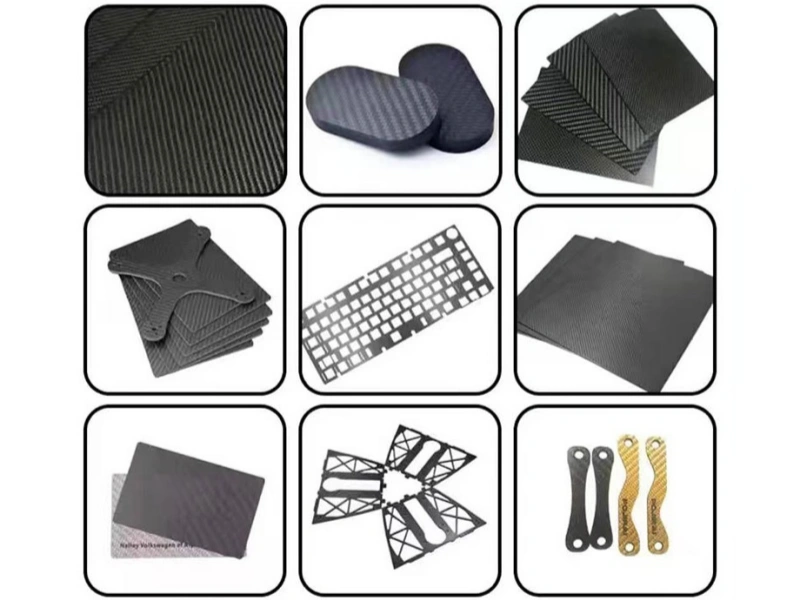
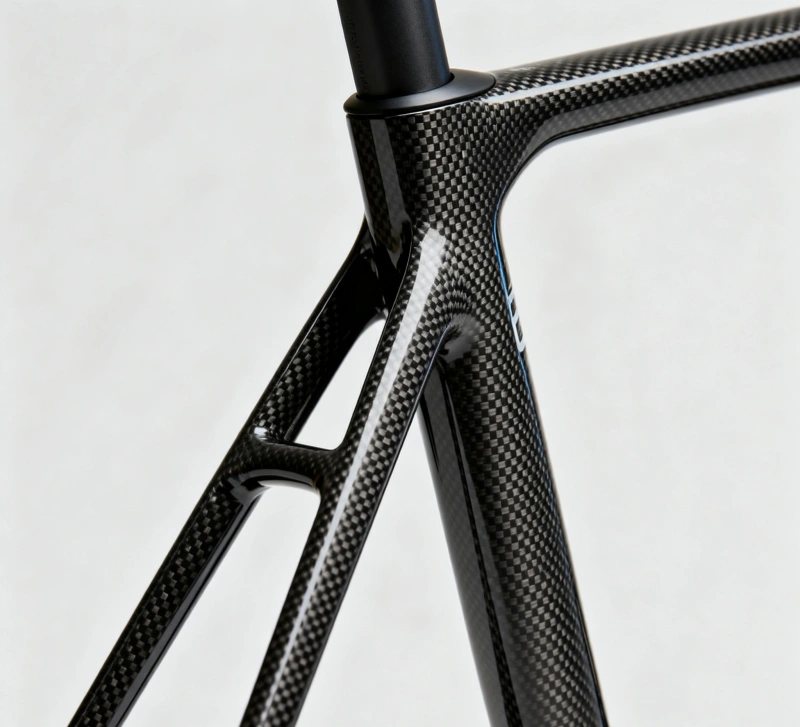
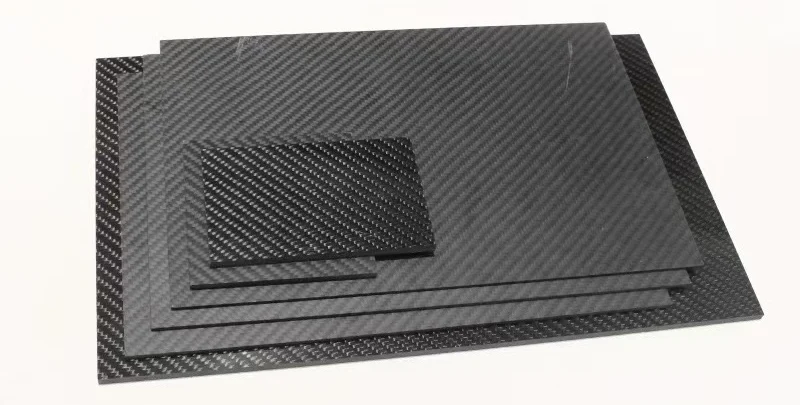
        Carbon fiber is typically used in the form of tow, fabric, felt, chopped fibers, or prepregs. It is often combined with a resin matrix (like epoxy resin) to form Carbon Fiber Reinforced Polymers (CFRPs), which are widely used in aerospace, automotive, sporting goods, wind power, and construction industries.

        I. Classification of Carbon Fiber

        There are many ways to classify carbon fibers. Here are a few common methods:

        1. By Mechanical Properties

        This is the most common classification method, based on the carbon fiber’s tensile strength and tensile modulus.

        • High-Strength (HS) Carbon Fiber: High tensile strength but relatively low modulus. It’s often used in applications requiring high strength, such as aerospace structural components and high-pressure vessels.

        • High-Modulus (HM) Carbon Fiber: High tensile modulus but relatively low strength. It’s often used in applications requiring high rigidity, such as satellite skeletons, optical instruments, and golf club shafts.

        • High-Strength and High-Modulus (HSHM) Carbon Fiber: Possesses both high strength and high modulus. This type of carbon fiber has a balanced performance and is a key direction for future development.

        2. By Precursor Material

        Based on the precursor (raw filament) used to produce the carbon fiber, it can be classified as:

        • Polyacrylonitrile-based (PAN-based) Carbon Fiber: This is the most widely produced and used type of carbon fiber. Its production process is relatively mature, and it offers excellent performance.

        • Pitch-based Carbon Fiber: Made from petroleum or coal tar pitch. This type of carbon fiber usually has a very high modulus but relatively lower strength.

        • Rayon-based Carbon Fiber: Made from rayon fiber, this type is now less commonly used.

        • Phenolic-based Carbon Fiber: Made from phenolic resin, this type of carbon fiber has excellent high-temperature resistance and ablation resistance.

        3. By Form

        Based on the form in which the carbon fiber is used, it can be classified as:

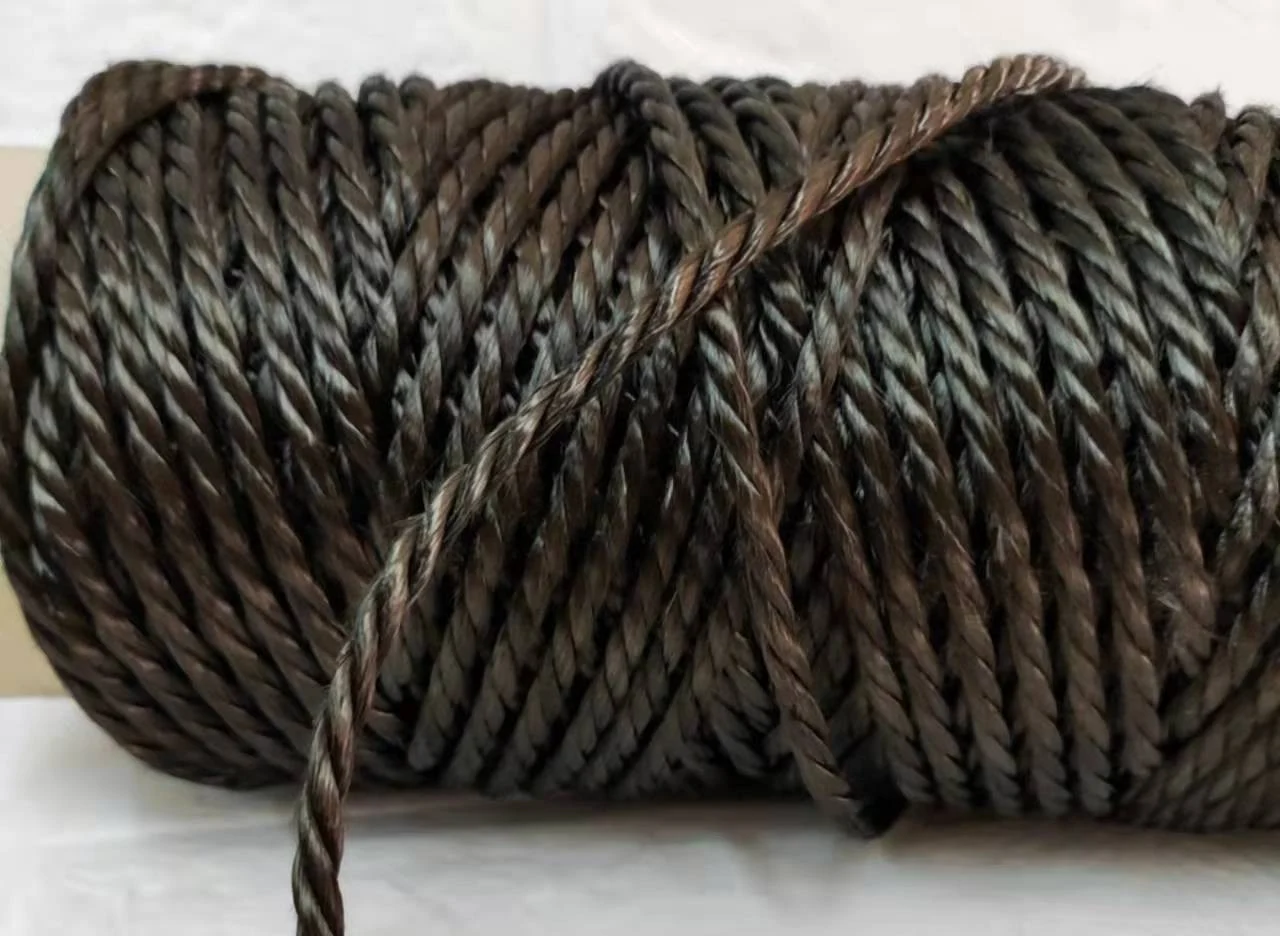
        • Continuous Filament: In the form of a continuous strand, typically used for weaving or filament winding to create structural components.

        • Chopped Fiber: Continuous carbon fibers are cut into short lengths, often used to reinforce plastics, concrete, etc.

        • Carbon Fiber Fabric: Continuous carbon fibers are woven into a cloth-like material for easier layering and composite molding.

        • Carbon Fiber Mat: A non-woven mat of randomly oriented fibers, often used for non-structural or filler applications.

        II. Multifunctional Advantages: Why Chinese Carbon Fiber Stands Out

        The Chinese carbon fiber industry has been developing rapidly in recent years, demonstrating unique advantages in technology, cost, and market aspects. Here are some key advantages of Chinese carbon fiber:

        1. Complete Industrial Chain and Large-Scale Production

        China has established a complete industrial chain, from precursor fibers and prepregs to finished carbon fiber products and composite material applications. According to data from Carbon Fiber Circular (CCF), the total carbon fiber capacity in mainland China exceeded 160,000 tons in 2023, accounting for half of the global capacity. The actual production reached 97,600 tons, an increase of 41.3% year-on-year. This large-scale production capacity ensures a more stable supply of carbon fiber products, meeting the growing market demand.

        2. Cost-Effectiveness

        Compared to some traditional carbon fiber-producing countries, China has a cost advantage in labor, energy, and raw materials. Although carbon fiber production is a technology and capital-intensive industry, China’s technical advancements and economies of scale have given its products a good cost-performance ratio in the international market. For example, the price of domestic T700-grade general-purpose carbon fiber is often more competitive than imported products, especially in price-sensitive fields like wind turbine blades and sports equipment.

        3. Strong R&D Capabilities and Technological Breakthroughs

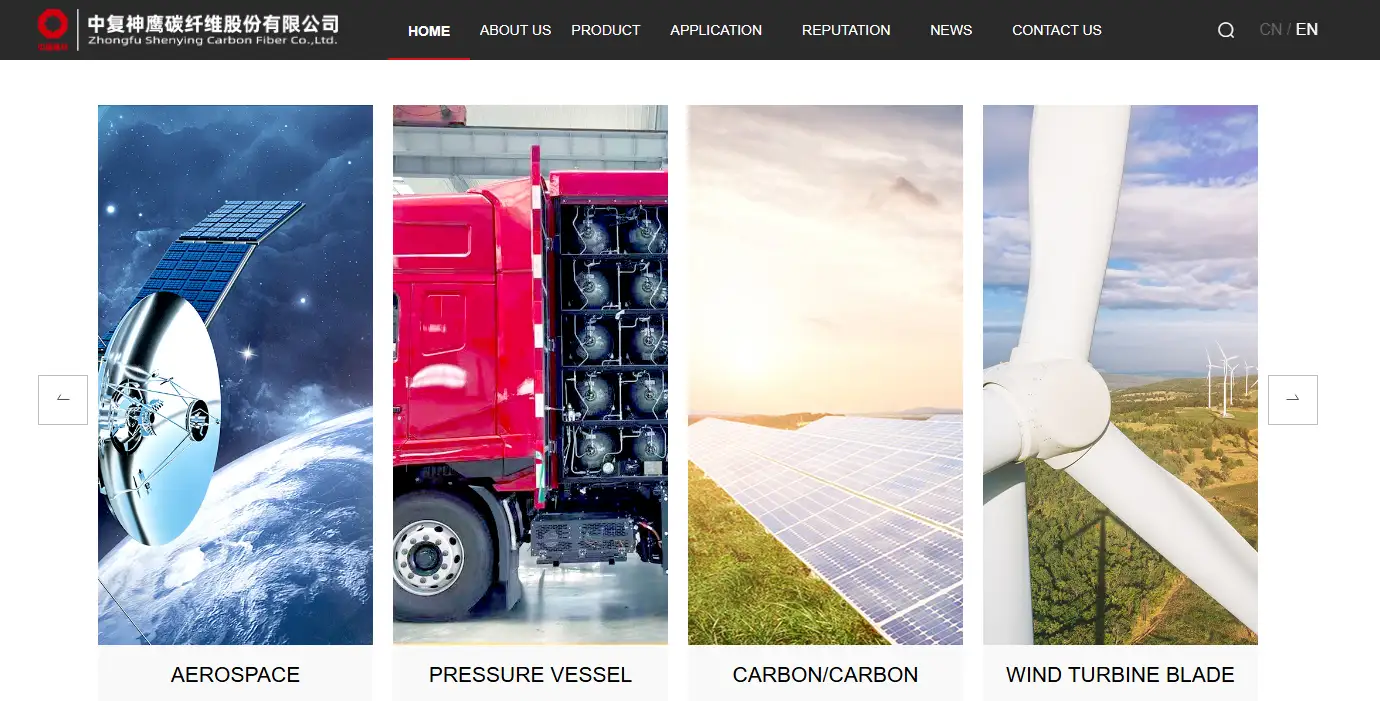
        China has invested significant resources into carbon fiber technology research and development. Some enterprises and research institutions have made remarkable progress in the R&D of high-performance carbon fiber. For instance, Zhongfu Shenying Carbon Fiber Co., Ltd. (SYT) has successfully achieved stable mass production of T1100-grade ultra-high-strength carbon fiber, which indicates that China is now among the world’s leaders in the high-performance carbon fiber sector. These technological breakthroughs provide solid support for high-end applications like aerospace and defense.

        4. Huge Domestic Market Demand

        China has one of the world’s largest manufacturing systems, with huge demand for carbon fiber in industries such as wind turbine blades, automobiles, and sports equipment. According to CCF data, the total demand for carbon fiber in mainland China was approximately 79,000 tons in 2023, with wind turbine blades contributing over 40,000 tons of that demand, accounting for the vast majority. The vast domestic market provides a solid foundation for Chinese carbon fiber enterprises and a broad testing ground for the application of new technologies and product iterations, creating a virtuous cycle.

        III. Main Specifications and Parameters

        The performance of carbon fiber is typically measured by a series of key parameters that determine its suitability for various applications.

        1. Strength

        Tensile Strength: This is the maximum stress a carbon fiber can withstand before breaking under tension. It is the most important parameter for measuring the fiber’s tensile capacity, typically measured in Megapascals (MPa) or Gigapascals (GPa). For example, the tensile strength of T700-grade carbon fiber is usually around 4.9 GPa.

        2. Modulu

        Tensile Modulus: Also known as Young’s Modulus, it indicates the stiffness of the material during elastic deformation. A higher modulus means the material is more resistant to deformation. The unit is typically GPa. For example, the tensile modulus of high-modulus carbon fiber (such as M55J) can exceed 540 GPa, while T700-grade is around 230 GPa.

        3. Density

        Density: Refers to the mass per unit volume of the carbon fiber. One of the key advantages of carbon fiber is its high strength-to-weight ratio. The density of carbon fiber is generally between 1.7 and 2.0 grams per cubic centimeter (g/cm³), which is significantly lower than steel (7.8 g/cm³) or aluminum (2.7 g/cm³).

        4. Filament Count (Tow Size)

        Filament Count: Refers to the number of individual filaments in a single tow of carbon fiber. Common sizes include:

            • Small Tow: Typically 1K, 3K, 6K, or 12K, where K represents 1,000 filaments. Small tows are used for high-precision applications, such as aerospace and high-end sports equipment.
            • Large Tow: Typically 24K, 48K, or higher, such as 320K and 480K. Large tows are more cost-effective and are commonly used in industrial applications, such as wind turbine blades and automotive parts.

        5. Sizing

        Sizing: A chemical coating applied to the surface of carbon fibers. This treatment improves the interfacial adhesion between the fiber and the matrix resin (e.g., epoxy resin), thereby enhancing the mechanical properties and processability of the composite material. Different sizing formulations are designed for specific resin systems.

        IV. Industrial Clusters: Where to Find Carbon Fiber Manufacturers in China

        The development of China’s carbon fiber industry shows distinct regional cluster characteristics, primarily concentrated in a few core areas. These clusters integrate R&D, production, and application resources, forming a complete industrial chain ecosystem.

        1. Bohai Rim Region

          • Core Cities: Weihai (Shandong), Yanbian (Jilin)
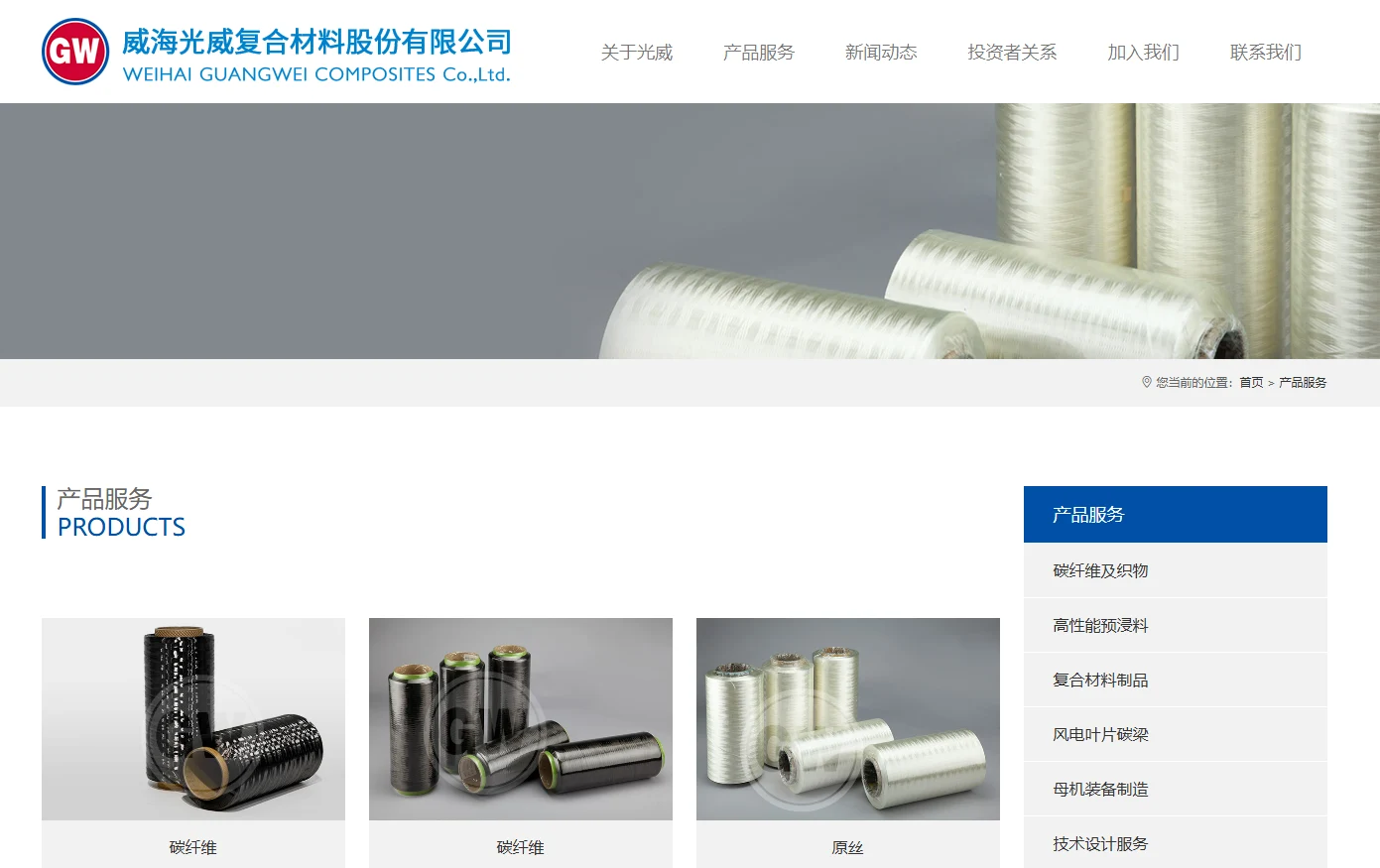
          • Features: Represented by Weihai, Shandong, this is one of the earliest regions in China to develop carbon fiber. It has gathered leading companies like Ture Carbon and Guangwei Composites, forming a complete industrial chain from precursor fibers to carbon fiber and composite products. This region holds strong technological capabilities and market influence in aerospace, wind turbine blades, and sports equipment. Jilin, on the other hand, relies on scientific research institutions like the Chinese Academy of Sciences to play an important role in the R&D of high-performance carbon fiber.

        2. Yangtze River Delta Region

          • Core Cities: Lianyungang (Jiangsu), Hangzhou (Zhejiang), Shanghai
          • Features: This area is centered around Zhongfu Shenying in Lianyungang, Jiangsu, which is one of the largest carbon fiber production bases in China. The Yangtze River Delta has a strong manufacturing foundation and R&D capabilities, attracting numerous downstream application companies. The cluster’s advantages lie in its strong capacity for technological innovation and its close integration with downstream industries like automotive manufacturing and wind energy, leading to a wide range of market applications.

        3. Pearl River Delta Region

          • Core Cities: Shenzhen, Foshan (Guangdong)
          • Features: The Pearl River Delta is known for its advanced manufacturing and innovative capabilities. The carbon fiber industrial cluster here focuses on downstream applications and technical services, especially in high-end consumer goods such as drones, 3C electronics, and sports equipment. This region leverages its strong market reach and supply chain advantages to quickly translate carbon fiber technology into commercial products, creating a unique industrial ecosystem.

        V. Domestic Major Manufacturers (Leading Enterprises)

        Exporting carbon fiber from China requires adherence to a complex set of international certifications and standards to ensure the product meets the technical and quality requirements of the target market. Verifying your supplier’s compliance is crucial to avoid customs and performance issues.

        For Aerospace and High-End Markets

          • AS9100/ISO 9001: This is the quality management system standard for the aerospace industry. A supplier with this certification demonstrates a strict commitment to quality control, capable of meeting the high reliability demands of the aerospace and defense sectors. While not a product certification, it is a key indicator of a supplier’s credentials.
          • SAE AMS (Aerospace Material Specification): These are aerospace material specifications developed by the Society of Automotive Engineers (SAE). Carbon fiber products must comply with specific AMS standards to ensure their performance and manufacturing processes meet the rigorous requirements of aerospace applications.
          • Nadcap (National Aerospace and Defense Contractors Accreditation Program): Nadcap is a worldwide program that audits the special processes (like composite manufacturing) of aerospace and defense suppliers. It certifies that the supplier’s manufacturing processes meet the highest industry standards.

        For General Industrial and Consumer Goods Markets

          • CE Marking (EU): When used as a component in certain end products (e.g., sports equipment, construction materials) entering the EU market, carbon fiber products may need to comply with health, safety, and environmental protection standards related to the CE Mark.
          • ISO 14001: This is an environmental management system standard. For environmentally conscious buyers, especially for applications like wind turbine blades that require sustainability, a supplier with ISO 14001 certification can demonstrate its commitment to environmental management.
          • ISO 45001: This is an occupational health and safety management system standard. It indicates that the manufacturer is committed to providing a safe working environment for its employees, which is an important consideration for some socially responsible importers.

        Crucial Tip

        Always request and verify the official certification documents and test reports for the specific carbon fiber models you plan to import. Do not rely solely on a supplier’s verbal assurances to ensure your products can smoothly enter the international market and comply with regulations.

        VII. Precautions for Purchasing: Making an Informed Decision

        Once you have identified potential Chinese carbon fiber suppliers and their products, follow these steps to ensure a successful purchase.

        1. Start with Small Batches or Samples

        Before placing a large order, it is highly recommended to procure a small batch or a sample. This allows you to perform a hands-on quality assessment of the carbon fiber’s quality, specifications, and consistency. Test its tensile strength, modulus, density, and sizing to ensure it meets your technical requirements.

        2. Assess Supplier Production Capacity

        A supplier’s production capacity is a crucial indicator of their ability to meet your demands, especially for large orders. Inquire about their production metrics, manufacturing processes, and delivery timelines. A well-established manufacturer with high output and a stable supply chain is more likely to handle your orders efficiently.

        3. Clearly Define Your Application Needs

        Be specific about how you will use the carbon fiber. Is it for high-end structural components in aerospace, or for general-purpose industrial applications like wind turbine blades? Different applications have specific requirements for fiber strength, modulus, tow size, and sizing, which will dictate the product model you choose.

        4. Consider Technical Support and Customization

        A reliable supplier should be able to provide technical support, including application advice and customization services. Inquire if their technical team can assist you with integration and processing challenges, and whether they offer customized products for specific needs.

        5. Calculate Total Cost

        Remember to account for all costs beyond the unit price. This includes shipping fees, insurance, import duties, customs clearance costs, local taxes, and potential costs for third-party quality inspections and verification.

        6. Perform Due Diligence

        Utilize third-party audit services to verify a supplier’s credentials and factory conditions. Request to see their quality management system certifications (e.g., ISO 9001, AS9100) and relevant product test reports. If possible, ask for references from other international buyers.

        VIII. Choose IMEXsourcing Partner for Carbon Fiber in China

        When it comes to procuring high-quality carbon fiber from China, partnering with an experienced and reliable IMEXsourcing agent is paramount. A good agent offers a comprehensive suite of services designed to streamline your acquisition process and secure exceptional value. Here are compelling reasons to select an IMEXsourcing partner for your next carbon fiber purchase:

        Extensive Procurement Expertise

        A professional IMEXsourcing agent boasts a profound and long-standing history in the IMEXsourcing industry, enabling them to proficiently locate and secure a wide array of carbon fiber products from highly regarded Chinese suppliers. Their deep market knowledge ensures that they connect you with manufacturers known for their reliability and superior products.

        Bespoke Design Solutions

        A great agent understands that unique requirements often demand tailored solutions. They empower you to commission carbon fiber products precisely engineered to your specifications, ensuring the final product perfectly aligns with your operational needs.

        Thorough Supplier Verification

        The commitment to quality begins with rigorous due diligence. A professional agent conducts comprehensive factory verifications for all potential manufacturers. This meticulous audit confirms their production capabilities, assesses their quality control protocols, and ensures their full compliance with relevant industry standards and legal requirements.

        Expert Price Negotiation

        A professional agent excels in negotiation. This invaluable expertise allows them to secure the most favorable pricing and terms with top-tier carbon fiber manufacturers, optimizing your investment.

        Stringent Quality Assurance

        A professional agent implements a robust quality management framework that spans the entire procurement cycle. This includes careful selection of suppliers, diligent oversight through production inspections, and thorough product testing prior to shipment, guaranteeing the integrity and performance of your carbon fiber.

        IX. Conclusion

        In conclusion, the Chinese carbon fiber market offers a wealth of opportunities for global buyers. By carefully researching product types, understanding technical specifications, and following a structured procurement process, importers can find high-quality, cost-effective carbon fiber materials to meet a variety of application needs.

        Moreover, engaging with reputable suppliers and conducting thorough due diligence ensures that the procurement process is not only efficient but also minimizes risks associated with international trade. IMEXsourcing is highly professional in the carbon fiber sector, with multiple successful experiences in carbon fiber export and quality inspection, and can provide you with reliable assistance. This strategic approach not only enhances the value proposition but also fosters long-term business relationships, ultimately contributing to sustained profitability and market competitiveness.

        Message us for more information

        Please let us know your request, we will get back to you within 24 hours.

          Sourcing Guide of Automotive Brake Components from China

          Introduction

          In the global automotive aftermarket, China has emerged as a powerhouse for manufacturing and exporting high-quality, cost-effective brake components. From the bustling industrial clusters to leading-edge manufacturing facilities, Chinese suppliers offer a vast range of products that meet or exceed international standards. This comprehensive guide is designed to assist importers, distributors, and businesses in navigating the Chinese market for automotive brake parts, including brake pads, brake shoes, brake discs, brake drums, and brake calipers. We will delve into the types of products, key advantages, quality and safety considerations, main specifications, industrial hubs, leading manufacturers, necessary certifications, and essential tips for a successful procurement process.

          I. Overview of Product Types and Their Functions

          The brake system is a critical safety component in any vehicle. Chinese manufacturers produce a full spectrum of parts for this system. Understanding each component is the first step in a successful sourcing strategy.

          • Brake Pads and Brake Shoes: These are the friction materials that press against a brake disc or drum to slow down or stop the vehicle. Brake pads are used in disc brake systems, while brake shoes are used in drum brake systems. China’s brake pad industry offers a wide variety of friction materials, including Semi-Metallic, Non-Asbestos Organic (NAO), Low-Metallic, and Ceramic formulations. Ceramic pads are particularly popular due to their low dust, low noise, and excellent heat dissipation properties.

          • Brake Discs (Rotors) and Brake Drums: These are the rotating metal surfaces against which the friction materials of the pads or shoes are pressed. Brake discs (rotors) are used in disc brake systems, and brake drums are used in drum brake systems. Chinese factories are known for their precision casting and machining capabilities, producing high-grade cast iron and composite brake discs that are durable and resistant to thermal deformation.

          • Brake Calipers: The brake caliper is a crucial part of the disc brake system. It houses the brake pads and pistons and is responsible for squeezing the pads against the rotor. Calipers come in various designs, including fixed and floating types. Chinese manufacturers produce both types, often with a focus on lightweight design and improved corrosion resistance.

          • Brake Kits: For convenience and a complete replacement solution, many Chinese suppliers offer comprehensive brake kits. These typically include a pair of brake pads and brake discs, or a set of brake shoes and drums, designed to work together seamlessly for optimal performance.

          II. Compatible Vehicle Models

          Chinese automotive brake component manufacturers serve a vast range of vehicle models, catering to both domestic and international markets. Due to the high volume of production and extensive R&D, they have developed products compatible with a staggering number of car makes and models from around the world.

          • Global Coverage: Chinese suppliers produce parts for a wide range of global brands, including but not limited to, Ford, GM, Volkswagen, Toyota, Honda, Nissan, BMW, Mercedes-Benz, and Audi. They also have a strong focus on the parts needed for Chinese domestic brands like BYD, Geely, Chery, and Great Wall Motors.

          • Vehicle Segments: Whether you are sourcing for passenger cars (sedans, SUVs, hatchbacks), commercial vehicles (light trucks, heavy-duty trucks), or even industrial and off-road vehicles, China has a robust supply chain.

          • New Energy Vehicles (NEVs): With China’s leadership in the NEV sector, a new generation of brake parts is being developed specifically for electric and hybrid vehicles, focusing on regenerative braking compatibility and noise reduction.

          III. Functional Advantages and Features

          The rise of Chinese manufacturers in the global market is not just about price; it’s about a commitment to continuous improvement and innovation.

          • Advanced Material Science: Chinese manufacturers are investing heavily in R&D for advanced friction materials. This results in products that offer superior performance in key areas:

            • Low Noise and Vibration: Ceramic and NAO formulations are widely used to ensure quiet braking.

            • Low Dust: Ceramic pads produce significantly less brake dust, keeping wheels cleaner.

            • Enhanced Lifespan: Improved material formulas and manufacturing processes lead to longer-lasting brake pads and discs, reducing replacement frequency.

          • Precision and Quality: The use of advanced CNC machining and automated production lines ensures high precision and dimensional accuracy, guaranteeing a perfect fit and reliable performance.

          • Innovative Design: Many companies are developing lightweight brake components and incorporating features like slotted and drilled discs for better heat dissipation and improved braking performance under high-stress conditions.

          IV. Quality, Reliability, and Safety

          Safety is non-negotiable when it comes to brake components. Chinese manufacturers are increasingly focused on meeting and exceeding stringent international safety and quality standards to build trust and market share.

          • Strict Quality Control: Reputable factories have implemented rigorous quality management systems. From raw material inspection to in-process checks and final product testing, every step is meticulously monitored to ensure consistency and reliability.

          • Safety Performance: Products are subjected to various tests, including dyno testing to simulate real-world braking conditions, strength tests for brake calipers, and noise and wear-rate tests for friction materials. This ensures the products provide consistent and safe braking performance.


          • Counterfeit Prevention: To combat the issue of counterfeit products, many leading manufacturers use advanced anti-counterfeiting measures, such as unique serial numbers, QR codes, and holographic labels, allowing buyers to verify the authenticity of the product.

          V. Key Specifications and Parameters

          When sourcing, understanding the key specifications is crucial for ensuring product compatibility and performance.

          • Dimensional Specifications:

            • Brake Discs/Drums: Diameter, thickness, height, center hole diameter, and bolt hole circle diameter (PCD).

            • Brake Pads/Shoes: Length, width, thickness, and backing plate design.

            • Brake Calipers: Piston diameter, mounting bolt spacing, and mounting type.

          • Material Composition: For brake pads, key parameters include the percentage of metallic fibers, organic compounds, and ceramic materials. For discs and drums, the grade of cast iron (e.g., GG20, HT250) is a crucial indicator of strength and heat resistance.

          • Performance Metrics:

            • Coefficient of Friction (COF): A measure of the braking effectiveness. Different friction materials have different COF ratings, which are often categorized by standard codes (e.g., FF, GG).

            • Wear Rate: Indicates how quickly the brake pad or shoe wears down.

            • Noise Level: A key parameter for user comfort.

            • Thermal Stability: The ability of the component to perform consistently under high-temperature conditions.

          VI. Industrial Clusters

          China’s automotive parts industry is characterized by distinct industrial clusters, where a concentration of suppliers, manufacturers, and related services creates a highly efficient supply chain.

          • Yangtze River Delta (Shanghai, Jiangsu, Zhejiang, Anhui): This is the largest and most developed auto parts cluster in China. It is home to a vast number of both domestic and foreign-owned enterprises, specializing in a wide range of components, including brake systems, electronics, and engines. Its proximity to major ports like Shanghai and Ningbo makes it ideal for exports.

          • Pearl River Delta (Guangdong): Known for its strong manufacturing base and export-oriented economy, this region focuses on a diverse range of auto parts, including high-tech components.

          • Northeast China (Jilin, Liaoning): With a deep history in heavy industry, this cluster is centered around the traditional auto manufacturing hub of Changchun. It focuses on larger components for commercial and heavy-duty vehicles.

          • Central and Western Regions (Hubei, Chongqing, Sichuan): These areas are rapidly developing and becoming significant clusters, with companies specializing in brake systems and other key components for both traditional and new energy vehicles.

          VII. Major Chinese Manufacturers and Leading Enterprises

          The Chinese market is home to thousands of brake component manufacturers, but a few key players stand out for their scale, technology, and market presence.

          • Jinqilin (Shandong Gold麒麟): A leading manufacturer of friction materials, specializing in brake pads and shoes. They have a strong reputation for producing high-quality products that meet international standards and are a significant player in the global aftermarket.

          • Huayu Automotive Systems (HASCO): As a subsidiary of SAIC Motor, HASCO is one of China’s largest automotive parts conglomerates. While not exclusively focused on brakes, their extensive network includes key brake system suppliers.

          • Zhejiang Shuanghuan Driveline Co., Ltd.: While primarily a gear and transmission component manufacturer, they represent the high-quality, precision manufacturing capabilities found in the Zhejiang province, which also extends to brake systems.

          • Yongxin (永新): A Taiwan-based company with a strong presence in mainland China, specializing in aftermarket brake products. Known for their extensive mold library and flexible production, they have successfully penetrated the North American market and supply major brands.

          • Others: Many other large-scale manufacturers, such as Laizhou Santa Brake Co., Ltd., Guangzhou TTSports, Taizhou Savanini, and Danaher Automotive Parts Co., Ltd., are also recognized for their specialized production capabilities.

          Inspeed

          CheZVi

          VIII. Relevant Certifications and Standards

          Ensuring that products have the right certifications is a vital part of the procurement process. These standards guarantee that the products meet national and international safety, quality, and environmental requirements.

          • China Compulsory Certification (CCC): This is the most important mandatory certification for automotive parts exported to or sold within China. The CCC Mark indicates that a product has passed rigorous safety and quality tests according to Chinese GB standards.

          • GB 5763-2018: This is a key mandatory national standard for automotive brake linings (pads and shoes). It replaced the previous version and introduced new requirements for friction performance and, critically, a limit on hazardous substances. It restricts the content of lead, mercury, hexavalent chromium, and cadmium.

          • ISO/TS 16949 / IATF 16949: The International Automotive Task Force (IATF) 16949 standard is a global quality management system standard for the automotive industry. Many leading Chinese manufacturers are IATF 16949 certified, which demonstrates a commitment to a high level of quality management.

          • ECE R90 (E-Mark): For brake pads and shoes sold in the European market, this certification is mandatory. It ensures that aftermarket replacement parts perform equivalently to the original equipment. Many Chinese manufacturers have obtained this certification to serve their European clients.

          • SAE (Society of Automotive Engineers) and AMECA (Automotive Manufacturers Equipment Compliance Agency): These are U.S.-based standards. SAE J2975 and AMECA’s Brake Pad Friction Material Registered Program are voluntary but highly respected in the North American market.

          IX. Purchasing Considerations and Best Practices

          A successful sourcing strategy requires a meticulous approach to supplier selection and product verification.

          • Supplier Vetting: Do not rely solely on online platforms. Conduct thorough due diligence, including factory visits (if possible), requesting references, and checking their certifications. Pay attention to the age of the factory and its export history.

          • Quality Control and Testing: Before placing a large order, request samples for independent testing. Verify that the product’s specifications (dimensions, materials) match your requirements. It is also advisable to work with a local quality inspection agent who can conduct pre-shipment inspections.

          • Communication: Clear and consistent communication is key. Be precise about your product specifications, quality expectations, packaging requirements, and delivery schedules. Many Chinese suppliers have English-speaking sales representatives, but a strong local partner can bridge potential communication gaps.

          • Logistics and Shipping: Understand the supplier’s incoterms (e.g., FOB, CIF) and their experience with international shipping. Factor in shipping costs, customs duties, and lead times when calculating the total landed cost of your products.

          • After-Sales Support: Inquire about the supplier’s policy on returns, defects, and warranties. A reliable partner will offer good after-sales support to protect your business interests.

          IX. Conclusion

          China’s automotive brake component industry is a mature and dynamic sector. By carefully selecting your partners, verifying product quality through certifications and testing, and understanding the logistics of international trade, you can successfully leverage the vast manufacturing capabilities and competitive pricing that China offers. This guide provides a solid foundation for your sourcing journey, helping you to procure high-quality, reliable, and safe brake components that will serve your customers well and grow your business.

          Message us for more information

          Please let us know your request, we will get back to you within 24 hours.

            Sourcing Guide of Wire Mesh from China

            When making a key business purchase—like vibrating screen mesh (vital for mining, food processing, or waste sorting)—navigating the global market can be tricky. As a top manufacturing hub, China offers a wide range of these specialized meshes, from heavy-duty abrasion-resistant types to precision-grade options. This guide breaks down keyurcing steps: defining mesh specs, vetting suppliers, and ensuring compliance.

            This procurement guide covers all you need for informed decisions when importing vibrating screen mesh from China—including product types, key advantages, technical specs, major manufacturing hubs, top firms, certification needs, and critical purchasing considerations.

            I. Product Type Introduction

            China’s wire mesh market is highly diverse, meeting nearly all application needs. Understanding different wire mesh types is the first step to finding the right product.

            • Stainless Steel Mesh: Corrosion-resistant, high-strength; used in food processing, chemical filtration

            • Galvanized Mesh: Zinc-coated for rust prevention; used in agricultural fencing, construction protection

            • Woven Wire Mesh: Warp-weft interwoven, uniform aperture; suitable for particle screening

            • Welded Wire Mesh: Strong welds, stable structure; used as protective nets, concrete reinforcement

            • Nylon Mesh: Lightweight, acid-alkali resistant; used in fine filtration。

            II. Multifunctional Advantages: Why Chinese Wire Mesh Stands Out

            Chinese manufacturers have refined the production of wire mesh—their products are not only cost-effective but also highly functional, catering to a wide range of application needs.

            • 1. Outstanding cost-effectiveness: Low purchase cost, high durability, and controllable long-term usage costs.
            • 2. Extensive product range: Covers various materials like stainless steel and nylon, adapting to different scenario needs.
            • 3. Wide adaptability: Customizable specifications to meet demands in industries, agriculture, food processing, etc.

            III. Main Specifications and Parameters

            When placing an order for wire mesh, it’s crucial to clarify the key technical specifications that define the mesh’s performance and suitability.

            1. Material (e.g., stainless steel, galvanized steel, nylon): Determines core performance like corrosion resistance and strength of the wire mesh;

            2. Mesh specification (aperture size/mesh count): Affects screening precision, suitable for filtering different particles or impurities;

            3. Wire diameter: Related to the load-bearing capacity and service life—thicker wires are more durable, while thinner ones fit fine screening;

            4. Dimension (roll/sheet specification): E.g., 1m×2m sheets, 50m×1.2m rolls, matching different application scenarios;

            5. Weaving/welding process: Woven mesh has uniform apertures, and welded mesh has a stable structure, adapting to different strength requirements.

            IV. Industrial Clusters: Where to Find Wire Mesh Manufacturers in China

            The wire mesh manufacturing industry in China is highly concentrated in specific regions, with each cluster boasting its own unique strengths.

            • Laiwu & Zibo, Shandong Industrial Cluster: An important base for China’s wire mesh industry; its total production capacity together with the Xinxiang, Henan industrial base accounts for 62% of the national total. Relying on the advantages of the Yangtze River Delta’s metal wire industrial chain, it has outstanding performance in wire mesh production capacity.
            • Anping, Hebei Industrial Cluster: Known as the “Capital of China’s Wire Mesh”, it is the world’s largest wire mesh industrial base. In 2024, the output value of the wire mesh industry reached 106.7 billion yuan, with the production and sales volume of woven wire mesh accounting for over 80% of the national total.
            • Taizhou, Jiangsu Industrial Cluster: An important base for China’s wire mesh industry; its total production capacity together with the Xinxiang, Henan industrial base accounts for 62% of the national total. Relying on the advantages of the Yangtze River Delta’s metal wire industrial chain, it has outstanding performance in wire mesh production capacity.
            • Taihe, Anhui Industrial Cluster: It mainly produces polyester mesh and metal mesh, and leads the nation in segmented fields such as papermaking mesh, printing mesh, and coal washing mesh. The industrial output value reached 3.75 billion yuan in 2019.

            V. Domestic Major Manufacturers (Leading Enterprises)

            The Chinese wire mesh market is dominated by several key players, which stand out for their product quality, technological innovation, and production scale.

            • Anping Guangming Wire Mesh Factory: The factory has strong technical strength, advanced loom equipment, and a complete quality inspection system. It uses high-quality raw materials, and its products are complete in specifications and excellent in quality. The main products include mud vibrating screen mesh, oil sand control pipe, stainless steel mesh, wound wire screen pipe, etc., which are widely used in many industries such as petroleum, chemical, construction, and medicine. Its “Hengying” brand wire mesh products are not only sold well across the country but also exported to countries such as the United States, Canada, and the United Kingdom
            • Binzhou Wosen Wire Mesh Co., Ltd.: The factory has focused on the wire mesh field for over 20 years, boasting notable achievements in custom non-standard slotted wire mesh. Its independently developed polyurethane composite technology boosts the mesh’s wear resistance by 70% and achieves industry-leading tensile strength; its custom slotted wire mesh, with a slot precision of ±0.02mm, holds an 18% market share in stone and coal screening.
            • Xinxiang Xinhang Wire Mesh Filter Co., Ltd.,: located in Xinxiang, Henan Province, is a key enterprise in China’s high-end wire mesh weaving field. It mainly produces standard classification screens, test sieves, electroformed sieves, etc. Its newly developed dense mesh holds over 80% market share, while its test sieves take over 50% of the high-end market; it also participates in formulating international standards for test sieves and wire meshes.

            VI. Relevant Certification Requirements

            Exporting wire mesh from China requires compliance with a complex set of international certifications and standards; ensuring suppliers meet these regulations is crucial to avoid customs issues.

            Exporting wire mesh to different markets requires corresponding certifications:

            • For the EU, CE certification (proving compliance with safety, health and other directives) is needed;
            • For the US, FDA certification (for food-contact wire mesh) or ASTM standards (for general industrial wire mesh) are required;
            • For some countries in the Middle East and Southeast Asia, certifications like SASO (Saudi Arabia) and SIRIM (Malaysia) are necessary to meet local quality regulations.

            VII. Precautions for Purchasing: Making an Informed Decision

            Once you have identified potential suppliers and their products, follow these steps to secure a successful purchase.

            • Start with Samples: Before placing a large order, it’s highly recommended to order samples. This allows you to visually assess the wire mesh’s craftsmanship, material and performance, and test its aperture precision, wear resistance and load-bearing capacity.
            • Assess Supplier Production Capacity: A supplier’s production capacity is key to meeting your needs, especially for large orders. Inquire about their production metrics and delivery timelines—well-established, high-output manufacturers handle bulk orders more efficiently.
            • Define Intended Use Clearly: Specify your target market and the wire mesh’s purpose—for food filtration or ore screening? Different needs will determine the required aperture specification, material and temperature resistance.
            • Consider After-Sales Support: A reliable supplier should offer after-sales support, including spare parts supply and technical assistance. Inquire about their warranty policy and how they handle repairs or part replacements.
            • Calculate Total Cost: Beyond the unit price, include shipping fees, import duties, customs clearance costs, local taxes, and potential costs for modifications or a separate warranty program.
            • Perform Due Diligence: Use online tools like Alibaba’s “Audited Supplier” badge or third-party inspection services to verify a supplier’s qualification and factory conditions, and ask for references from other international buyers.

            VIII. Choose IMEXsourcing as Your Sourcing Partner for Tricycles in China

            When procuring high-quality wire mesh from China, partnering with an experienced and reliable sourcing agent is paramount. IMEXsourcing stands out as a premier choice, offering comprehensive services to streamline your procurement process and secure exceptional value. Here are compelling reasons to select IMEXsourcing for your next wire mesh purchase:

            • Extensive Procurement Expertise

            IMEXsourcing has a long-standing, profound history in the sourcing industry, enabling it to proficiently locate and secure a wide range of wire mesh from reputable Chinese suppliers. Its deep market knowledge ensures connection with manufacturers known for reliability and superior products.

            • Bespoke Design Solutions

            At IMEXsourcing, we understand unique needs often require tailored solutions. We help you commission well-designed custom wire mesh or source standard wire mesh, ensuring the final product perfectly meets your operational requirements.

            • Thorough Supplier Verification

            Our commitment to quality begins with rigorous due diligence. We conduct comprehensive factory verifications for all potential manufacturers. This meticulous audit confirms their production capabilities, assesses their quality control protocols, and ensures their full compliance with relevant industry standards and legal requirements.

            • Expert Price Negotiation

            With its veteran industry experience and in-depth understanding of market dynamics, IMEXsourcing excels in negotiations. This expertise enables it to secure the most favorable pricing and terms with top-tier wire mesh manufacturers—renowned for quality, functionality, after-sales service and cost-efficiency—optimizing your investment.

            • Stringent Quality Assurance

            IMEXsourcing implements a strict quality management framework across the entire procurement cycle, covering careful supplier selection, diligent production inspection oversight, and thorough pre-shipment product testing—guaranteeing the reliability and performance of your wire mesh.

            IX. Conclusion

            In conclusion, the Chinese wire mesh market offers abundant opportunities for global buyers. By carefully researching product types, clarifying technical specifications, and following a structured procurement process, importers can source high-quality, cost-effective wire mesh to meet various commercial and industrial needs.

            Moreover, engaging with reputable suppliers and conducting thorough due diligence ensures that the procurement process is not only efficient but also minimizes risks associated with international trade. This strategic approach not only enhances the value proposition but also fosters long-term business relationships, ultimately contributing to sustained profitability and market competitiveness.

            Message us for more information

            Please let us know your request, we will get back to you within 24 hours.

              Centrifugal Pumps and Spare Parts for Oilfield Applications: An In-Depth Procurement Guide

              Across the globe, the demand for reliable centrifugal pumps and their spare parts—key equipment for oilfield operations—is steadily going up. These centrifugal pumps are like the “powerful hearts” in oil extraction work: they’re in charge of moving crude oil, drilling fluid, and other materials smoothly during processes like oil drilling, production, and transportation. China, as a major manufacturer of oilfield equipment, has become a vital supplier of such centrifugal pumps and their matching spare parts. These pumps and parts are loved for their sturdiness, stable performance, and ability to handle the harsh conditions of oilfields (like high pressure, corrosion, and dust). That’s why they’re absolutely essential for the oil industry—whether it’s in onshore oilfields, offshore drilling platforms, or oil transportation stations.

              This guide is made for buyers around the world who want to learn all about China’s market for centrifugal pumps and spare parts used in oilfield operations. We’ll break down the key traits of these pumps and parts, why they’re a good pick, and who the main Chinese manufacturers are. Plus, we’ll share practical tips you need to keep in mind when buying—so you can make a smart, well-thought-out decision.

              I. Product Types and Application Scenarios

              Centrifugal pumps and their spare parts for oilfield use come in many different types—and each one is made to work really well for specific jobs in oil operations. If you want to buy the right ones, the first thing you need to do is figure out what each type does, and which situations they’re best for.

              • Drilling Centrifugal Pumps

              • Key Features: With ultra-wear-resistant materials, a specialized flow channel design, and excellent sealing performance, this centrifugal pump for sand-containing crude oil handles high-sand conditions efficiently, boasting a service life 3 to 5 times longer than ordinary pumps.

               Ideal Scenarios: Designed specifically for drilling operations, it mainly transports “drilling fluid” (commonly called “mud”). Drilling fluid cools the drill bit, carries cuttings (bringing broken rock particles from the borehole back to the surface), and balances formation pressure—so the pump must have excellent wear resistance and stable flow.

              • Oil Production Centrifugal Pumps

              •Key Features: Oil production centrifugal pumps handle gas-liquid mixture transport (preventing cavitation and maintaining efficiency), resist corrosion from crude oil’s sulfides and salts, and some are submersible—ideal for deep wells and high-sand oil reservoirs.

              •Ideal Scenarios: A key oil-lifting device in oilfield production, it extracts crude oil (often mixed with water, natural gas and small amounts of sand) from underground reservoirs to the surface during oil production. Ideal for medium-to-high permeability reservoirs and low-viscosity crude oil.

              • Oil Transportation Centrifugal Pumps

              •Key Features: Oil transfer centrifugal pumps feature high pressure & large flow (multi-stage design, ideal for long-distance transport), stable operation (less maintenance needed). Some have insulation jackets to heat and reduce viscosity of thick crude for efficient transfer.

              •Ideal Scenarios: For oilfield gathering/transfer stages – moves primarily separated wellhead crude to processing stations (for dehydration, desalting, stabilization) or transports crude/products via short-haul pipelines. Core needs: high pressure, large flow, low energy consumption.

              • Sand-Containing Crude Oil Centrifugal Pumps

              • Key Features: It boasts ultra-wear-resistant impellers/casings (made of super wear-resistant materials like high-chromium cast iron and alloy wear-resistant steel, or with welded alloy layers, lasting 3-5x longer than ordinary pumps), a special wider and smoother internal flow channel that reduces sand retention/impact to lower clogging risk, and excellent sealing via double mechanical seals plus a flushing system to prevent sand from damaging seals and causing oil leaks.

              •Ideal Scenarios: Designed for high-sand oil reservoirs (e.g., sandstone reservoirs, heavy oil reservoirs post-steam flooding with high sand content in crude), solving common centrifugal pumps’ fast wear and short lifespan caused by sand erosion.

              • Oilfield Wastewater Centrifugal Pumps

              • Key Features: It features anti-clogging design (wide flow channels and open-face impellers for easy passage of suspended solids), oil/corrosion resistance (flow components made of oil-resistant rubber, PTFE linings or stainless steel), and low shear force (low-speed impellers to avoid emulsifying oil-water mixtures, easing subsequent treatment).

              •Ideal Scenarios: For oilfield wastewater (e.g., production, drilling, well-flushing wastewater) generated during oil extraction, this pump transports it to treatment stations for purification (to meet standards for reinjection or discharge). The medium is oily, contains suspended solids, and is corrosive.

              II. Core Functional Advantages and Quality Reliability

              Opting for Chinese-manufactured centrifugal pumps and spare parts for oil extraction offers remarkable benefits in terms of performance, cost-efficiency, and adaptability.

              1. Reliable Performance: Adopts advanced materials and fluid design for corrosion/wear resistance (suitable for sand-containing, sulfur-bearing complex conditions), with core indicators like flow rate and head reaching international advanced levels.

              2. High Cost-Effectiveness: Low production costs driven by mature supply chains and large-scale production; equipment and accessories feature competitive prices, with controllable maintenance costs.

              3. Strong Adaptability: Customizable for specific oilfield scenarios (e.g., offshore, high-sand, deep wells), flexibly meeting special needs of different extraction environments.

              Ⅲ. Safety and Operational Convenience

              When sourcing centrifugal pumps and related accessories for oil extraction, safety takes top priority. Chinese manufacturers have incorporated a host of safety functions into their products, alongside a focus on boosting operational ease.

              1.  Overload Protection:  Equipped with motor overload protectors that auto-power off to avoid damage (e.g., motor burnout) during overloading; paired with alarms for timely troubleshooting.

              2.  Leak-Proof Sealing:  Features double mechanical seals + seal chamber pressure monitoring, with real-time alerts to prevent hazards from medium leakage due to seal failure.

              3. Anti-Cavitation & Stable Operation:  Inlet gas-liquid separators reduce cavitation; vibration/temperature sensors trigger alarms for abnormal conditions, enabling timely maintenance.

              IV. Key Specifications and Parameters

              Understanding a product’s technical specifications is crucial during the procurement process. Here are some key parameters to focus on:

              1.Flow Rate: Volume/mass of medium delivered per unit time (e.g., m³/h, L/min), matching actual transport needs.

              2. Head: Height/pressure the pump can lift/generate (e.g., m, MPa), determining transport distance/height.

              3. Medium Characteristics: Viscosity, corrosiveness, solid content – key for material and structure selection.

              4. Rotational Speed: Pump shaft speed (e.g., r/min), linked to performance and wear rate.

              5. Power: Motor power (e.g., kW), calculated to avoid under/overloading.

              6. Material: Of flow components (impeller, pump casing) – adapted to medium’s corrosion/wear resistance needs.

              7. Sealing Method: E.g., mechanical packing/seal, affecting leakage prevention.

              V. Industrial Clusters and Key Manufacturers in China

              China, as one of the world’s largest manufacturers of construction machinery, has developed several industrial clusters. These regions gather numerous manufacturers and suppliers, forming complete supply chains.
              1. Shandong Province (especially Qingdao): A key hub for China’s oilfield equipment industry. Qingdao hosts concentrated oil extraction equipment and component manufacturers, forming a solid supply chain network.

              2. Henan Province (especially Puyang): Puyang Oil Equipment Industrial Base, located northeast of Puyang urban area, Henan, has over 20 years of oil equipment production history and was awarded “China·Puyang Oil Equipment Manufacturing Base” by CPEIA in 2014. It houses 151 oil equipment manufacturers (41 being large-scale), with 11,000 employees. Its products cover the “drilling – oil production – gathering/transfer” chain (8 equipment categories, 2,300+ varieties), 39 high-tech products, and are sold to over 30 countries/regions.

              VI. Noteworthy Manufacturers and Companies:

              • Qingdao Tianshi Oil & Gas Equipment Co., Ltd.(TSC)

              specializes in designing, manufacturing, selling and servicing oil extraction equipment—including rig automation systems, mud pumps & accessories, and solids control equipment & accessories. Certified with API Q1 (quality management) and API 7K (drilling equipment standards), its products meet global oil and gas industry benchmarks. It exports widely to North America, South America, Indonesia, Russia, the Middle East, etc., serving key clients like Atwood Oceanic, Diamond Offshore and ENSCO International, with an engineering technology center in Houston, USA to support its global  business.

              • Lanzhou LS Petroleum Equipment Engineering Co., Ltd

              Lanzhou LS Petroleum Equipment Engineering Co., Ltd., a pioneer in China’s oil drilling & production equipment industry founded in 1953 (formerly Lanzhou Petroleum Machinery Plant, a key project of China’s First Five-Year Plan), specializes in manufacturing 1,000-15,000m drilling rigs, offshore drilling equipment and intelligent rigs, with over 2,000 rigs supplied globally and a once over 90% domestic market share.

              VII. Relevant Certification Requirements

              When procuring oilfield extraction equipment from China, understanding the certification requirements is essential. This is not only a guarantee for legal import and sale but also a key indicator of product quality.

              1. API Certification (American Petroleum Institute Certification)

              · Applicable Markets: Primarily the North American market (U.S., Canada), as well as global markets dominated by international oil companies (IOCs) and offshore engineering firms (e.g., Europe, Middle East, Southeast Asia).

              · Key Applicable Equipment: Drilling rigs, mud pumps, wellhead equipment, oil pipes, and other core oil extraction equipment. It is a mandatory or preferred certification for entering mature oil and gas markets, ensuring compliance with U.S. and international industry safety and performance standards.

              2. ISO 9001 (Quality Management System Certification)

              · Applicable Markets: Globally universal, applicable to all countries/regions (e.g., Africa, Latin America, South Asia) that have no mandatory specialized equipment certifications but require basic quality management guarantees.

              · Key Applicable Equipment: All types of oil extraction equipment (e.g., centrifugal pumps, solids control equipment, accessories). It is a basic certification to prove the manufacturer’s standardized quality control capabilities, often a prerequisite for participating in international procurement tenders.

              3. CE Certification

              · Applicable Markets: Mandatory for entering the European Economic Area (EEA) (EU member states, Iceland, Liechtenstein, Norway) and regions that recognize CE marking (e.g., Switzerland, Turkey).

              · Key Applicable Equipment: Oilfield auxiliary equipment (e.g., control systems, electrical components for drilling rigs, safety valves) and machinery that falls under the EU’s “Machinery Directive” and “ATEX Directive” (for explosive environments in oilfields). It ensures compliance with EU safety, health, and environmental protection requirements.

              4. GOST Certification

              · Applicable Markets: Mandatory for equipment sold in Russia and Belarus (and other countries/regions in the Commonwealth of Independent States that recognize GOST standards).

              · Key Applicable Equipment: Drilling rigs, oilfield pipelines, and pressure vessels for oil extraction. It aligns with local technical and safety standards, a must for accessing the CIS oil and gas equipment market.

              5. CNAS Certification (China National Accreditation Service for Conformity Assessment)

              · Applicable Markets: Primarily for domestic Chinese oilfield procurement (e.g., for state-owned oil companies like CNPC, Sinopec), and serves as a supporting certification for entering some developing markets (e.g., Southeast Asia, Africa) that recognize Chinese national standards.

              · Key Applicable Equipment: All oil extraction equipment produced and sold in China. It proves that the manufacturer’s testing laboratories and quality management systems meet national accreditation standards, ensuring compliance with China’s industrial and safety regulations.

              VIII. Key Purchasing Considerations

              Successfully procuring the right oilfield extraction equipment from China requires careful planning and due diligence. Here are some crucial factors to consider:

              1. Clarify oilfield equipment’s application scenarios (onshore/offshore/gathering) & harsh conditions (high-salt/high-sulfur), to define specific types (drilling rig, centrifugal pump, etc.).

              2. Prioritize equipment with market-compliant certifications: API 7K (North America), CE/ATEX (EU), GOST (Russia), CNAS (domestic China).

              3. Match core performance parameters: e.g., centrifugal pump flow (m³/h)/head (MPa); drilling rig depth/speed (r/min); material for medium properties (corrosiveness/solid content).

              4. Select experienced suppliers (hi-tech qualified) from industrial clusters (Dongying, Jingzhou) for quality & delivery efficiency.

              5. Ensure after-sales support: on-site installation, overseas maintenance, spare parts supply (critical for export markets like Middle East/North America).

              6. Evaluate total cost: include procurement, transportation, maintenance; prioritize energy-efficient, easy-maintain equipment for lifecycle value.

              IV.Choose IMEXsourcing as Your Sourcing Partner for Hydraulic Crawler Truck in China

              When it comes to procuring high-quality oilfield extraction equipment from China, partnering with an experienced and reliable sourcing agent is paramount. IMEXsourcing stands out as a premier choice, offering a comprehensive suite of services designed to streamline your acquisition process and secure exceptional value. Here are compelling reasons to select IMEXsourcing for your next purchase of oil extraction equipment:

              • Extensive Procurement Expertise

              IMEXsourcing boasts a profound and long-standing history in the sourcing industry, enabling us to proficiently locate and secure a wide array of hydraulic crawler truck from highly regarded Chinese suppliers. Our deep market knowledge ensures that we connect you with manufacturers known for their reliability and superior products.

              • Bespoke Design Solutions

              At IMEXsourcing, we understand that unique requirements often demand tailored solutions. We empower you to commission well-designed, standard-produced oilfield extraction equipment precisely engineered to your specifications, ensuring the final product perfectly aligns with your operational needs.

              • Thorough Supplier Verification

              Our commitment to quality begins with rigorous due diligence. We conduct comprehensive factory verifications for all potential manufacturers. This meticulous audit confirms their production capabilities, assesses their quality control protocols, and ensures their full compliance with relevant industry standards and legal requirements. 

              • Expert Price Negotiation

              Leveraging our veteran status and in-depth understanding of market dynamics, IMEXsourcing excels in negotiations. This invaluable expertise allows us to secure the most favorable pricing and terms with top-tier oilfield extraction equipment manufacturers—renowned for product quality, functionality, after-sales service, and cost-effectiveness—optimizing your investment.

              • Stringent Quality Assurance

               IMEXsourcing implements a robust quality management framework covering the entire procurement cycle, including careful supplier selection, diligent production inspection oversight, and thorough pre-shipment product testing—guaranteeing the integrity and performance of your oilfield extraction equipment.

              X. Conclusion

              China’s oilfield extraction equipment industry has matured considerably, with robust manufacturing capacity and technical expertise. It offers a wide range of products—from drilling rigs and centrifugal pumps to solids control equipment—to meet the diverse needs of the global market. This guide aims to help you better understand the market, select the most suitable Chinese partners and products for your specific requirements, and, by following a rigorous procurement process and considering the aforementioned factors, successfully acquire high-quality, high-performance oil extraction equipment that delivers significant value to your projects and business.

              Message us for more information

              Please let us know your request, we will get back to you within 24 hours.

                Hydraulic Crawler Carrier: An In-Depth China Procurement Guide

                Across the globe, the demand for robust engineering machinery capable of efficiently transporting heavy loads across rugged, uneven, and challenging terrains is on the rise. China, as a leading manufacturing hub for construction and heavy-duty equipment, has become a key supplier of hydraulic crawler carriers—also known as tracked dumpers, all-terrain transporters, or mining track carriers. These versatile vehicles are renowned for their exceptional off-road capabilities and powerful carrying capacity, making them indispensable across various industries, including construction, mining, agriculture, forestry, and public utilities.

                This guide is designed to provide global buyers with a comprehensive overview of the Chinese hydraulic crawler carrier market. We will delve into the key features, advantages, and main manufacturers of these machines and offer essential purchasing considerations to help you make an informed and strategic decision.

                I. Product Types and Application Scenarios

                Hydraulic crawler carriers come in a wide variety of types, each specifically designed to excel in particular applications. Understanding these different types and their ideal use cases is the first step toward a successful procurement.

                1. Basic Crawler Dumpers
                This is the most common type, consisting of a tracked chassis and a dump bed for transporting loose materials.

                • Key Features: Compact and maneuverable, typically used for small to medium-sized loads. The hydraulic dumping function allows for quick and efficient unloading of materials.

                • Ideal Scenarios: Navigating narrow construction sites, small-scale quarries, landscaping projects, farm transportation, and any small-scale project that requires traversing muddy or slippery ground.

                2. Multi-functional Crawler Carriers
                These vehicles usually feature an open or customizable platform, allowing for the easy integration of various attachments to suit different tasks.

                • Key Features: Highly versatile, capable of being fitted with cranes, drilling rigs, concrete mixers, water tanks, or other tools. This makes them a mobile, multi-purpose workstation.

                • Ideal Scenarios: Transporting equipment in remote areas, geological exploration, pipe laying, power line maintenance, firefighting, and engineering tasks in complex terrains where standard vehicles cannot access.

                3. All-Terrain and Specialized Crawler Carriers
                These are engineered for the most extreme environments, including wetlands, swamps, sandy areas, and steep mountainous slopes.

                • Key Features: Often equipped with extra-wide rubber tracks to achieve extremely low ground pressure, preventing the vehicle from sinking. Some models even have amphibious capabilities, allowing them to traverse both land and water.

                • Ideal Scenarios: Working in intertidal zones and offshore wind power foundation construction, ecological preservation projects in wetlands, seismic exploration, desert research, and mountain mining operations.

                4. Heavy-Duty Crawler Transporters
                Designed for the transportation of oversized or overweight equipment, these platforms can carry loads ranging from tens to over a hundred tons.

                • Key Features: Modular design with a high-strength steel chassis and a precise hydraulic control system. Many heavy-duty platforms feature wireless remote control functionality to ensure operator safety during loading and unloading.

                • Ideal Scenarios: Relocating large semi-mobile crushing plants in open-pit mines, transporting massive industrial equipment, moving bridge components, and other super-heavy logistics tasks.

                II. Core Functional Advantages and Quality Reliability

                Choosing a hydraulic crawler carrier from a Chinese manufacturer offers significant advantages in performance, cost-effectiveness, and adaptability.

                1. Superior All-Terrain Capability
                This is the core advantage of these machines. Their broad tracks distribute the vehicle’s weight, significantly reducing ground pressure and allowing them to effortlessly cross soft, muddy, rocky, or slippery ground without getting stuck. This capability is crucial in construction, agriculture, and mining.

                2. Powerful Traction and Climbing Ability
                The tracked drive system provides far more traction than wheeled vehicles, enabling them to easily handle steep slopes and uneven terrain. This is why they are often nicknamed “mountain-climbing tigers” (爬山虎运输车) in China, as they can operate efficiently in challenging environments like mountainous regions and mining sites.

                3. Versatility and Attachment Compatibility
                The hydraulic system is the heart of these vehicles, providing not only the power for movement but also a robust hydraulic source for various attachments. Buyers can choose to equip the carrier with a range of hydraulic tools, such as crane arms, winches, drills, or specialized cargo boxes, allowing for multiple uses from a single machine and maximizing return on investment.

                4. Quality and Reliability
                Leading Chinese manufacturers have established stringent quality control systems to ensure that every stage, from raw material sourcing to final assembly, meets high standards. The widespread use of high-strength steel and internationally recognized hydraulic components and engines (such as Cummins, Isuzu, or Kubota) ensures durability and reliability. These vehicles undergo rigorous factory testing and quality inspections to guarantee stable performance in demanding conditions.

                III. Safety and Operational Convenience

                Safety is a top priority when procuring any heavy machinery. Chinese manufacturers have incorporated numerous safety features into their designs while focusing on improving operational convenience.

                1. Remote Control Technology
                Many modern crawler carriers are equipped with wireless remote control systems, allowing operators to work from a safe distance, especially in hazardous or low-visibility environments. This significantly reduces the risk of operator injury and enhances precision during operation.

                2. Stable Hydraulic Systems and Inclinometer Displays
                Advanced load-sensing hydraulic systems can automatically adjust output based on the load and slope, ensuring the vehicle remains stable during transport. Some models are equipped with inclinometers that display the platform’s tilt in real time, helping operators make timely adjustments and minimize safety risks when transporting heavy or high-center-of-gravity loads.

                3. Ergonomic Design
                Modern cabin designs prioritize operator comfort and safety. A wide field of vision, ergonomically designed seating, and intuitive control panels (such as touch screens) reduce operator fatigue and increase efficiency. The standard inclusion of high-definition rearview cameras also greatly improves visibility to the rear of the machine, further enhancing safety.

                IV. Key Specifications and Parameters

                Understanding a product’s technical specifications is crucial during the procurement process. Here are some key parameters to focus on:

                • Rated Load Capacity: This is the most important parameter, typically ranging from 1 to 60 tons, with heavy-duty platforms exceeding 120 tons. When choosing a capacity, consider your actual transportation needs and allow for a safety margin.

                • Engine Power: Affects the vehicle’s traction, climbing ability, and operating speed. It is usually measured in kilowatts (kW) or horsepower (HP).

                • Traveling Speed: Generally ranges from 2 to 10 kilometers per hour, depending on the model and application.

                • Hydraulic System Pressure: Determines the vehicle’s power and the performance of its attachments, typically measured in megapascals (MPa) or pounds per square inch (psi).

                • Track Width and Type: Track width influences ground pressure. Wide tracks (e.g., 500mm-800mm) are suitable for soft terrains. Tracks can be made of rubber or steel; rubber is ideal for protecting surfaces, while steel is more durable for rocky, harsh terrain.

                • Dimensions and Operating Weight: Affect the vehicle’s transportability and maneuverability in confined spaces.

                V. Industrial Clusters and Key Manufacturers in China

                China, as one of the world’s largest manufacturers of construction machinery, has developed several industrial clusters. These regions gather numerous manufacturers and suppliers, forming complete supply chains.
                • Shandong Province (especially Jining and Qingzhou): Shandong is a major hub for China’s engineering machinery industry. Jining is renowned for its heavy machinery manufacturing, with a concentration of crawler carrier and component manufacturers, forming a robust supply chain network. Many companies, such as Jining Shanmei Industrial & Mining Materials Group, are based here.

                • Jiangsu Province: Jiangsu hosts several manufacturers specializing in hydraulic systems and tracked undercarriages, including well-known companies like XCMG Group. These companies have a competitive advantage in technological research and quality control, providing high-quality tracked chassis and complete vehicle solutions.

                • Hunan Province: Hunan is another important base for the engineering machinery industry, home to globally recognized industry leaders like SANY Group. While crawler carriers may not be their primary product line, their strong technological background and manufacturing capabilities support numerous small and medium-sized manufacturers in this field.

                Noteworthy Manufacturers and Companies:

                • XCMG Group: A leading enterprise in the Chinese engineering machinery industry with deep technical expertise in heavy machinery manufacturing.

                • SANY Group: A globally renowned heavy machinery manufacturer known for its high quality and innovative technology.

                • Lonking: Focused on loaders, excavators, and other engineering machinery, its technology also extends into the crawler carrier sector.

                • NORINCO Group Harbin First Machinery: A key national military security enterprise and the birthplace of many first military products in China. More than 70 years, it has now become a research and production base for clawler tracked machinery systems, and engineering support equipment in China.
                • Other Specialized Manufacturers: Within these industrial clusters, there are also many small and medium-sized manufacturers specializing in crawler carriers. They often provide more flexible customization services and competitive pricing, such as Hunan Plum Mechanical and Electrical Technology Co., Ltd., and

                • Shandong Dongda Electromechanical Co., Ltd.

                • Shandong Huake Machinery Co., Ltd.

                VI. Relevant Certification Requirements

                When procuring machinery from China, understanding the certification requirements is essential. This is not only a guarantee of legal import and sale but also a key indicator of product quality.

                1. China Compulsory Certification (CCC)
                CCC certification is a mandatory certification issued by the Chinese government for products that meet national safety standards. For motor vehicles (including certain tracked vehicles) sold and used within China, CCC certification is a must. The certification process involves product testing and factory audits to ensure compliance with China’s safety, EMC (electromagnetic compatibility), and environmental standards.

                2. CE Certification (for the European Market)
                If your target market is Europe, CE (Conformité Européenne) certification is mandatory. It signifies that the product complies with EU health, safety, and environmental protection standards. For crawler carriers, this means meeting the requirements of the Machinery Directive and other relevant directives. Many export-oriented Chinese manufacturers have obtained CE certification to cater to international buyers.

                3. ISO Certification
                International standards like ISO 9001 (Quality Management System) and ISO 14001 (Environmental Management System) are not mandatory, but they are crucial indicators of a manufacturer’s management level and product quality. A supplier with these certifications typically has well-documented production processes, reliable product quality, and a commitment to continuous improvement.

                4. Other Certifications
                Depending on the import requirements of different countries, other certifications may be necessary, such as ANSI and OSHA standards for the U.S. market. Before purchasing, it’s vital to confirm with the supplier whether their products meet the specific requirements of your destination market.

                VII. Key Purchasing Considerations

                Successfully procuring the right hydraulic crawler carrier from China requires careful planning and due diligence. Here are some crucial factors to consider:

                1. Define Your Application Needs
                First, clearly define the vehicle’s intended use and expected tasks. Is it for small-scale transport on a construction site, or for heavy-duty hauling in a mountainous quarry? Do you need to cross muddy wetlands or operate in narrow tunnels? This will determine whether you need a light-duty dumper, a multi-functional platform, or a specialized all-terrain vehicle.

                2. Match Load Capacity and Power
                When selecting the rated load capacity, consider the maximum possible transport weight and leave a safety margin. Simultaneously, ensure the engine power is well-matched to the load capacity to guarantee optimal performance and fuel efficiency under full load conditions.

                3. Track Type and Chassis Configuration
                Choose the appropriate track type based on the terrain you plan to operate on. For soft ground, select wide rubber tracks to reduce ground pressure. For rocky or uneven terrain, steel tracks are more durable. Also, pay attention to the chassis design, such as track tension, suspension systems, and smoothness, as these directly affect the vehicle’s operational stability.

                4. Hydraulic System and Core Components
                The hydraulic system is the “heart” of the vehicle, directly impacting its performance and reliability. Opt for vehicles that use hydraulic components from reputable brands (e.g., Kawasaki, Bosch Rexroth, or top-tier domestic brands). Ask the supplier about the brand and model of the hydraulic pumps, motors, and valves to assess their quality.

                5. After-Sales Service and Parts Supply
                As with any heavy machinery, after-sales service is crucial. When selecting a supplier, investigate whether they offer an adequate inventory of spare parts, technical support, and repair services. A strong after-sales network ensures your machine can be quickly returned to operation when maintenance is needed, minimizing downtime.

                6. Evaluate the Manufacturer’s Credibility
                You can assess a manufacturer’s strength and reputation through factory visits, inspecting production lines, evaluating their quality control processes, or reviewing reports from third-party audit firms. A reputable manufacturer typically has a well-established R&D, production, and quality management system.

                7. Price vs. Value
                When comparing different suppliers, do not focus solely on the price. You must consider the total value, including product quality, technical specifications, after-sales service, and certifications. A higher-quality machine may have a greater initial cost, but its reliability, durability, and lower failure rate will lead to a higher long-term return on investment.

                VIII.Choose IMEXsourcing as Your Sourcing Partner for Hydraulic Crawler Truck in China

                When it comes to procuring high-quality hydraulic crawler carrier from China, partnering with an experienced and reliable sourcing agent is paramount. IMEXsourcing stands out as a premier choice, offering a comprehensive suite of services designed to streamline your acquisition process and secure exceptional value. Here are compelling reasons to select IMEXsourcing for your next purchase on hydraulic crawler truck:

                Extensive Procurement Expertise

                IMEXsourcing boasts a profound and long-standing history in the sourcing industry, enabling us to proficiently locate and secure a wide array of hydraulic crawler truck from highly regarded Chinese suppliers. Our deep market knowledge ensures that we connect you with manufacturers known for their reliability and superior products.

                Bespoke Design Solutions

                At IMEXsourcing, we understand that unique requirements often demand tailored solutions. We empower you to commission well-designed and standard-produced hydraulic crawler truck precisely engineered to your specifications, ensuring the final product perfectly aligns with your operational needs.

                hydraulic crawler carrier

                Thorough Supplier Verification

                Our commitment to quality begins with rigorous due diligence. We conduct comprehensive factory verifications for all potential manufacturers. This meticulous audit confirms their production capabilities, assesses their quality control protocols, and ensures their full compliance with relevant industry standards and legal requirements. 

                Expert Price Negotiation

                Leveraging our veteran status and in-depth understanding of the market dynamics, IMEXsourcing excels in negotiation. This invaluable expertise allows us to secure the most favorable pricing and terms with top-tier hydraulic crawler truck manufacturers renowned for their products, function, aftersales service and cost-efficient, optimizing your investment.

                Stringent Quality Assurance

                IMEXsourcing implements a robust quality management framework that spans the entire procurement cycle. This includes careful selection of suppliers, diligent oversight through production inspections, and thorough product testing prior to shipment, guaranteeing the integrity and performance of your hydraulic crawler transporters.


                IX. Conclusion

                The Chinese hydraulic crawler carrier industry has matured significantly, boasting strong manufacturing capabilities and technical expertise. It offers a wide range of products, from light-duty dumpers to heavy-duty transporters, to meet the diverse demands of the global market. By using this guide, we hope you will gain a better understanding of the market and be able to select the most suitable Chinese partner and product for your specific needs. By following a meticulous procurement process and considering all the factors discussed above, you can successfully acquire a high-quality, high-performance crawler carrier that will bring significant value to your projects and business.

                Message us for more information

                Please let us know your request, we will get back to you within 24 hours.

                  Oil Machinery Procurement Guide (1): Mud Pumps

                  When your oil extraction or oil and gas exploration business needs to purchase core equipment—such as various oil machinery suitable for onshore deep-well drilling and offshore platform operations—selecting the right products in the global market is often quite challenging. As a key hub for oil machinery manufacturing, China offers a wide range of options: from lightweight auxiliary equipment for small-scale operations to large-scale complete sets of equipment (e.g., drilling rigs, wellhead equipment, etc.) equipped with intelligent control systems (such as real-time parameter monitoring and remote operation and maintenance functions), all are readily available. This guide will break down the key links in procurement, providing practical references for you, from clarifying requirements and screening suppliers to ensuring compliance with safety and environmental standards.
                  This article focuses on mud pumps, the core equipment in oil machinery, and will help you understand key information about purchasing mud pumps from China, including key points for mud pump selection, working principles, basic technical specifications (rated displacement, working pressure, power), as well as certifications (API, ISO) that need to be focused on during procurement, and after-sales services (including detailed model and parameter tables for various mud pump accessories). It will assist you in completing the procurement efficiently.

                  I. Product Type Introduction: A World of Mud Pumps

                  Mud pumps can be categorized into the following three types based on their structural form and working principle:

                  1. Reciprocating Mud Pump

                  This is the most widely used type in current oil drilling operations. It changes the volume of the pump chamber through the reciprocating motion of pistons/plungers to realize the suction and discharge of mud. Its core advantage is the ability to output high pressure, making it suitable for deep and ultra-deep well drilling needs. According to the structural differences between pistons and plungers, it can be further subdivided into:
                  • Piston Mud Pump: It relies on the reciprocating motion of the piston in the pump cylinder and seals the pump chamber with piston rings. Suitable for conveying mud with a small amount of solid particles, it is often used in medium-deep well drilling (e.g., well depth of 2000-4000 meters) and features high cost-effectiveness and low maintenance costs.
                  • Plunger Mud Pump: It uses plungers (without piston rings, relying on packing for sealing) instead of pistons. It has stronger sealing performance and more outstanding high-pressure resistance (working pressure can reach 35-70MPa), and can convey high-viscosity mud with a large amount of solid particles. It is the mainstream choice for deep wells, ultra-deep wells (>4000 meters), and shale gas horizontal well drilling. However, it has slightly higher requirements for mud cleanliness and needs to be equipped with a high-efficiency filtration system.

                  2. Centrifugal Pump

                  In oil drilling, it is mostly used as an auxiliary mud pump rather than a main circulation pump. Its working principle is to generate centrifugal force through the high-speed rotation of the impeller, thereby conveying mud from the suction end to the discharge end. It has the advantages of stable flow, simple structure, and low failure rate, but its output pressure is relatively low (usually <5MPa). It is mainly used for:
                  • Pre-treatment of drilling fluid (e.g., stirring in the mud tank, conveying to the suction end of the main mud pump);
                  • Drilling of shallow small-boreholes (e.g., exploration wells with a depth of <1000 meters), or as a supporting conveying equipment for solid control systems.

                  3. Screw Pump

                  It is a type of positive displacement pump. Through the meshing rotation of the driving screw and driven screw, it forms a sealed chamber and drives the continuous conveyance of mud. It is rarely used in oil drilling and only applied in specific scenarios:
                  • Conveying special mud with high viscosity and high solid content (e.g., drilling fluid containing weighting agents);
                  • Mud recovery systems on offshore drilling platforms. Due to its small size and small floor space, it is suitable for the limited space of platforms. However, its high-pressure resistance is weak (working pressure is usually <10MPa), so it is not suitable for the main circulation of deep wells.

                  II. The Working Principle of a Mud Pump

                  A mud pump, primarily referring to the reciprocating mud pump widely used in drilling operations, operates on the principle of positive displacement. It converts mechanical energy into the pressure energy of the mud through the reciprocating motion of pistons or plungers, facilitating the continuous transportation of mud (drilling fluid) to the drilling well. The specific steps are as follows:

                  Suction Stroke:
                  When the power end (driven by a motor) drives the crankshaft to rotate, the connecting rod pulls the piston/plunger to move backward in the cylinder. This creates a negative pressure zone inside the cylinder. Under the action of atmospheric pressure, the mud in the suction tank pushes open the suction valve (a one-way valve) and enters the cylinder cavity, completing the suction process.

                  1. Discharge Stroke
                  As the crankshaft continues to rotate, the connecting rod pushes the piston/plunger to move forward in the cylinder. The mud in the cylinder is compressed, and the pressure rises rapidly. When the pressure exceeds the pressure of the discharge pipeline, the discharge valve (another one-way valve) is pushed open, and the high-pressure mud is discharged into the pipeline and transported to the drilling well or related equipment (e.g., desanders, drill bits).

                  2. Continuous Operation
                  With the continuous rotation of the crankshaft, the piston/plunger alternately performs “suction stroke” and “discharge stroke.” The suction valve and discharge valve open and close alternately (controlled by pressure differences) to ensure that mud is continuously sucked into the cylinder and discharged at high pressure, realizing the stable circulation of drilling fluid in the drilling system.

                  Key Term Explanations

                  · Reciprocating Mud Pump: The most common type of mud pump, characterized by the reciprocating motion of pistons/plungers, suitable for conveying high-pressure, high-solid-content mud.

                  · Positive Displacement Principle: The pump delivers fluid by changing the volume of the working cavity (cylinder) to push the fluid forward, ensuring stable discharge pressure even with changes in pipeline resistance.

                  · Suction/Discharge Valves: One-way valves that prevent mud backflow, critical for maintaining the direction of fluid flow during suction and discharge strokes.

                  III. A Detailed Introduction to a Mud Pump

                  High Pressure Mud Pump (TSC Work Force Series)

                  1. Description

                  The High Pressure Mud Pumps belong to the triplex type, which TSC designates as the Work Force series. Their core function is to deliver mud at high pressure from the mud storage tank to the drill pipes.

                  2. Features

                  • Compact footprint with a high horsepower-to-weight ratio
                  • Bearings and gearing engineered for a minimum L10 service life of 30,000 hours under rated load
                  • Rigid, fabricated oilfield-style frame and skid, providing a stable operating platform
                  • Fabricated crankshaft with a forged core to reduce vibration and ensure long-term durability
                  • Cast crossheads and guides for maximum service life
                  • Standard valve-over-valve, 5000 psi fluid ends (PZ8/9 style)

                  3. Performance Criteria

                  Parameter
                  Specification
                  Nominal Input Horsepower
                  700 HP (522 kW)
                  Maximum Strokes per Minute
                  150
                  Stroke
                  8.5 inches (215.9 mm)
                  Maximum Piston Diameter & Pressure
                  7 inches (177.8 mm) @ 1695 PSI
                  Minimum Piston Diameter & Pressure
                  4 inches (101.6 mm) @ 5000 PSI **
                  Suction Manifold
                  8 inches (203.2 mm) with 150 # flanges
                  Discharge Manifold
                  4 inches (101.6 mm) with 5000 PSI RJ flanges
                  Estimated Dry Weight
                  19,000 pounds (8600 kg) ^^
                  Oil Capacity
                  55 gallons (208 litres)
                  Gear Ratio
                  5.05:1
                  Compliance
                  API standard expendables

                  WF700 Typical Performance Characteristi

                  Notes:

                  • All data is subject to change without notice.
                  • All data is based on 100% or continuous duty cycle.
                  • Data is based on 90% mechanical and 100% volumetric efficiency.
                  • Achievable pressure will be limited by the horsepower available or the pressure
                  • limitations of the module used.

                  WF700 Typical Arrangement Drawing:

                  NOTE: Dimensions are approximate & subject to change; shown with standard accessories.

                  Standard Accessories:

                   • One 10 gallon pulsation dampener with strainer cross

                   • Pressure relief valve

                   • Pressure gauge

                  • Complete electrical lube & liner wash system

                   Optional Accessories:

                  • Charge pump

                  • Custom skids

                  • Motor starter(s) in explosion proof enclosure

                  • Dual lubrication pump

                   • Dual liner wash pump

                   • Custom drive unitization

                  • Jib crane

                  IV. Mud Pump Spare Parts List and Part Numbers

                  No Qty NOV Part No TSC part # Description materials
                  1* 1 See below See below Casing Hard Iron
                  1A 1 10399-46-1 TS-10399-46-1 Gasket, Casing Vellumoid
                  1B 12 3932-61 TS-3932-61 Nut,Casing Stl
                  1C 12 3862-76 TS-3862-76 Stud,Casing Stl
                  1D 1 8505-4-1 TS-8505-04-01 Plug, Casing Drain StI
                  1E 1 8505-4-1 TS-8505-04-01 Plug, Flush Line Iron
                  2* 1 See below See below Impeller Hard Iron
                  2A 1 19110-72 TS-19110-72 Seal, Impeller Viton
                  2B 1 TS-7300239 Washer, Impeller Stl
                  2C 1 TS-7415648 Bolt, Impeller Lock Sd
                  3* 1 22223-01-30 TS-22223-01-30 Stuffing Box, Mech.Seal Hard lorn
                  3* 1 20614-01-30 TS-20614-01-30 Stuffing Box, Packed Hard lorn
                  3A 2 3861-117 TS-3861-117 Bolt, Stuffing Box Stl
                  3B 1 19368-01 TS-19368-01 Grease Fitting Bronze
                  4 1 20622A TS-20622A Gland Assy.,Packing Bronze
                  5 1 22451-1 TS-22451-1 Scal, Mechanical Tungsten Carbide
                  5A 1 25014-04M-B TS-25014-04M-B Packing,Shaft Kevlar
                  6 2 B3701A TS-B3701A Bolt Assy, Gland Stl
                  7 1 TS-20612-02-33-S shaft AISI 4140
                  7A 1 20943-21 TS-20943-21 Sleeve,Shaft (M.S. Pump) AISI E7140
                  7A 1 20613-21G-7A TS-20613-21G-7A Sleeve, Shaft (Pack Pump) AISI E7140
                  7B 1 4372-5-21 TS-4372-5-21 Key,Shaft 416SS
                  7C 1 23444-01-72 TS-23444-01-72 Seal,Shaft Sleeve Viton
                  8 1 22210-1A TS-22210-1A Deflector Assembly Bronze
                  9 1 20938-02-01 TS-20938-02-01 frame Cast Iron
                  9A N/A
                  9B N/A
                  9C 1 8505-05 TS-8505-05 Plug,Oil Drain Iron
                  9D 1 8267-01 TS-8267-01 Breather Stl
                  9E N/A
                  9F 1 JB/T9740.3-1995 Oil cupa B18 A1
                  9G 3 2538-1H TS-2538-1H Bolt, casing jack Stl
                  10A 1 20626 TS-20626 Cover,Inboard Bearing Iron
                  10B 1 20625 TS-20625 Gasket, I.B. Bearing Cover Vegetable Fiber
                  10C 1 20619-01 TS-20619-01 Oil Seal, I.B. Bearing Cover Buna-n
                  10D 2 3861-1 TS-3861-1 Bolt, LB.Bearing Cover Stl
                  10E 2 3932-2 TS-3932-2 Nut, I.B.Brg. Cover Stl
                  10F N/A
                  10G 1 21641-01 TS-21641-01 Grease Fitting Stl
                  11 1 N/A TS-661009010 Bearing,Inboard Vendor
                  12 1 22224-01-43 TS-22224-01-43 Hydraulic Bearing Housing Stl
                  12A 1 7496-253 TS-7496-253 Seal, O.B. Bearing Housing Buna-n
                  13 1 20617-01-01 TS-20617-01-01 Cover, O.B. Bearing Iron
                  13A 1 TS-661010020 Grease Zerk, O.B. Bearing Cvr. Stl
                  13B 1 7496-26 TS-7496-26 O-ring, O.B. Bearing Cover Buna-n
                  13C 1 20619-02 TS-20619-02 Oil Seal, O.B. Bearing Cover Buna-n
                  13D 2 3861-139 TS-3861-139 Bolt, O.B. Bearing Cover Stl
                  14 1 N/A TS-648408201S Bearing, O.B.(2 Req’d) Vendor
                  14A 1 6124-4 TS-6124-4 Lockwasher, O.B. Bearing Stl
                  14B 1 6123-4 TS-6123-4 Locknut, O.B. Bearing Stl
                  15 1 22225-01-01 TS-22225-01-01 Hydraulic Motor Adapter Stl
                  15A 1 N/A TS-2273-1 Spacer, Hydraulic Motor Stl
                  15B 1 N/A TS-HDAGUARDS Guards, Hydraulic Drive Adapter 304
                  15C 2 N/A Bolt, Adapter Guards Stl
                  15D 8 N/A Bolt, Adapter Spacer Stl
                  Casing
                  1* 1 19203-01-30A TS-19203-01-30A Casing,3x2x13 Hard Iron
                  1* 1 19205-01-30A TS-19205-01-30A Casing,4x3x13 Hard Iron
                  1* 1 19222-01-30A TS-19222-01-30A Casing,5x4x11 Hard Iron
                  1* 1 19122-01-30A TS-19122-01-30A Casing,6x5x11 Hard Iron
                  1* 1 19123-01-30A TS-19123-01-30A Casing,6x5x14 Hard Iron
                  1* 1 19763-01-30A TS-19763-01-30A Casing,8x6x11 Hard Iron
                  1* 1 19117-01-30A TS-19117-01-30A Casing,8x6x14 Hard Iron
                  1* 1 20937-01-30A TS-20937-01-30A Casing,10x8x14 Hard Iron
                  Impeller
                  2* 1 19204-XX-30 TS-19204-XX-30 Impeller,3x2x13 Hard Iron
                  2* 1 19206-XX-30 TS-19206-XX-30 Impeller,4x3x13 Hard Iron
                  2* 1 19224-XX-30 TS-19224-XX-30 Impeller,5x4x14 Hard Iron
                  2* 1 19121-XX-30 TS-19121-XX-30 Impeller,6x5x11 Hard Iron
                  2* 1 19121-XX-30 TS-19121-XX-30 Impeller,6x5x14 Hard Iron
                  2* 1 19121-XX-30 TS-19121-XX-30 Impeller,8x6x11 Hard Iron
                  2* 1 19116-XX-30 TS-19116-XX-30 Impeller,8x6x14 Hard Iron
                  2* 1 21867-XX-30 TS-21867-XX-30 Impeller,10x8x14 Hard Iron

                  V. Domestic Major Manufacturers (Leading Enterprises)

                  • CM Energy Tech Co., Ltd.Founded in 1995, the company is listed on the Main Board of the Hong Kong Stock Exchange (Stock Code: HK00206). As a well-known provider in the field of oil and gas drilling & production equipment as well as marine supporting equipment, it boasts comprehensive capabilities in design, manufacturing and engineering services. The mud pumps produced by the company are of world-class standard.

                  • Shandong Rongli Petroleum Machinery Co., Ltd. Founded in 2002, it is an enterprise specialized in manufacturing petroleum drilling and production equipment such as drilling rigs and mud pumps. The company has independent technological R&D capabilities and has obtained 24 national patents. Its main products include petroleum drilling rigs, single mud pumps, mud pump units, diaphragm pumps, etc., which are widely used in various fields such as onshore petroleum drilling platforms and offshore petroleum drilling platforms.

                  • Qingdao Kehua Petroleum Machinery Co., Ltd. It has focused on petroleum drilling mud pumps and pump hydraulic end accessories for 22 years, and can provide oilfield well teams with a variety of mud pumps and accessories, such as the Baoshi F Series and Lanshi 3NB Series.

                  • Shengli Oilfield Gubang Petroleum Equipment Co., Ltd.The company has a broad business scope, covering the production and sales of various products such as mechanical processing, metal structural parts, solid control equipment and mud pumps, as well as services including the leasing and maintenance of drilling and production equipment.

                  VI. Relevant Certification Requirements

                  The certifications required for the export of petroleum machinery vary depending on the target market. Below are some common certifications:
                  • Eurasian Economic Union (EAEU) CU-TR Certification: Most petroleum machinery falls into the high-risk product category under the EAEU CU-TR certification system and thus requires the application for a CU-TR Certificate of Conformity (COC). Examples include drilling rigs, high-pressure oil pipelines, and explosion-proof motors, which are subject to technical regulations such as TR CU 010/2011 “Safety of Machinery and Equipment”TR CU 012/2011 “Safety of Explosion-Proof Equipment”, and TR CU 032/2013 “Safety of Equipment Operating Under Overpressure”. The certification process involves full-scale testing by an EAEU-accredited laboratory, as well as on-site factory audits and annual supervision audits. Only a small number of low-risk auxiliary equipment (e.g., manual wrenches, oil drum brackets) are eligible for the CU-TR Declaration of Conformity (DOC), which can be obtained through document review, self-declaration of compliance by the enterprise, and registration.
                  • Uzbekistan GOST-UZ Certification: GOST-UZ is Uzbekistan’s mandatory certification system, and petroleum machinery is generally within the scope of mandatory certification. The certification process involves confirming the product classification and HS code, selecting a certification model (e.g., type approval or single-batch certification), and submitting application forms, technical documents, test reports, and the manufacturer’s ISO 9001 certificate. Samples must undergo testing in a Uzbekistan-accredited laboratory, and factory audits are required for type approval. Certificates are typically valid for 1–3 years, while single-batch certification is only valid for the specific import consignment.
                  • Ukraine UkrSEPRO Certification: Ukraine’s UkrSEPRO Certification (formerly GOST-U Certification) is a mandatory certification system for petroleum machinery and other products to enter the Ukrainian market. The process involves determining the certification scheme (e.g., single-batch certification or serial production certification), preparing technical documents such as product technical passports, design drawings, and user manuals (which must be translated into Ukrainian and notarized). Samples need to be tested in a Ukraine-accredited laboratory, and factory audits are required for serial production certification. Certificates are valid for 1–3 years.
                  • EU CE Certification: CE Certification is a mandatory requirement for petroleum machinery to enter the EU market. For petroleum machinery, it may be subject to directives such as the Low Voltage Directive (LVD)Machinery Directive (MD), and ATEX Directive (Explosion Protection Directive). For instance, electrical components of petroleum machinery must comply with the LVD to ensure electrical safety under normal use and fault conditions; mechanical parts must meet the MD to guarantee safety in design, manufacturing, and installation; and if the equipment is used in environments with potential explosive gases, it must adhere to the ATEX Directive.
                  • US API Certification: Standards and certifications developed by the American Petroleum Institute (API) are widely recognized in the global petroleum industry. API certifications include API Spec 4F (Drilling Structures)API Spec 7K (Rotary Drilling Equipment), and API Spec 16A (Drilling Choke and Kill Equipment). Obtaining API certification indicates that petroleum machinery products meet the quality, performance, and safety standards specified by API, which helps enhance the product’s competitiveness in the international market—especially in the United States and other countries/regions that follow API standards.

                  VII. Precautions for Purchasing: Making an Informed Decision

                  Once you have identified potential suppliers and their mud pump products, follow these steps to ensure a successful purchase:

                  Prioritize Technical Drawing Confirmation

                  Before placing an official order, it is essential to confirm the details of the mud pump’s technical drawings with the supplier. This is a core step to ensure the product meets the actual working condition requirements. Focus on verifying key parameters: basic performance indicators such as the pump’s rated pressure, displacement range, and drive method (e.g., electric, diesel-driven); dimensional accuracy and material standards of hydraulic end components (e.g., cylinder liners, plungers, such as whether wear-resistant alloys are used); and adapter interface specifications for the drilling system (e.g., flange connection dimensions, compatibility with transmission devices). At the same time, confirm whether the drawings comply with industry standards (such as API 7K) or special technical requirements of the target market to avoid subsequent issues where equipment cannot be installed or operated normally due to drawing deviations.

                  Assess Supplier Production Capacity

                  A supplier’s production capacity is critical to determining whether it can meet your procurement needs, especially for bulk purchases. Inquire about the supplier’s monthly/annual output of mud pumps, whether the production line has flexible manufacturing capabilities (to handle rapid switching between different product models), and the typical delivery timelines for orders of different sizes (e.g., delivery time differences between small-batch orders of less than 10 units and large-batch orders of more than 50 units). Manufacturers with mature production lines and rich industry experience are more capable of completing large orders on time while ensuring consistent product quality, reducing the risk of project delays caused by insufficient production capacity.

                  Define Product Application Requirements Clearly

                  Clearly inform the supplier of the target market and the specific application scenarios of the mud pumps, as this directly determines the core configuration of the product. For example, if used for onshore conventional drilling (with relatively stable working conditions and low restrictions on equipment weight), cost-effective standard models can be prioritized; if used for offshore drilling platforms (requiring resistance to high salt spray corrosion and compact space), emphasize anti-corrosion coating processes, lightweight design, and explosion-proof performance; if used for ultra-deep well drilling (facing extreme conditions of high temperature and high pressure), customize high-temperature-resistant cylinder liners, high-pressure sealing components, and high-strength pump body structures. In addition, clarify supporting needs, such as whether it is necessary to provide matching accessories for solid control systems or remote monitoring modules simultaneously, to ensure the product is fully compatible with the actual operating environment.

                  Consider After-Sales Support

                  A reliable mud pump supplier should provide comprehensive after-sales support, which is crucial for the long-term stable operation of the equipment. Confirm whether the supplier can timely supply wearing parts (e.g., pistons, sealing rings, valve seats) and whether it has technical service capabilities for on-site installation guidance and fault diagnosis (e.g., remote video guidance or on-site engineer support). At the same time, understand the warranty policy in detail: including the warranty period for structural parts (e.g., pump casings, crankshafts), compensation terms for electrical system (e.g., motors, control systems) failures, and the return and exchange process, repair cycle for product quality issues (e.g., whether there is a temporary replacement service for spare equipment), to avoid delays in drilling operations due to delayed after-sales support.

                  Calculate Total Cost Composition

                  When purchasing mud pumps, do not focus solely on the unit price; instead, comprehensively calculate all hidden costs. These include: international transportation costs (especially sea freight packaging fees for large-sized mud pumps and rental costs for special transportation tools), import duties and customs clearance costs in the target market (which need to be combined with local customs policies, such as whether there are preferential tax rates for mechanical equipment imports), domestic warehousing and secondary transportation costs, as well as product customization costs (e.g., engraving corporate logos, upgrading intelligent monitoring systems) and long-term maintenance costs (e.g., regular maintenance service packages, long-term supply agreements for wearing parts). A comprehensive cost calculation helps avoid the risk of budget overruns in the later stage and ensures the economy of the procurement plan.

                  Conduct Supplier Due Diligence

                  Verify the supplier’s legitimacy and production capabilities through reliable channels to reduce cooperation risks. For example, check whether it has “Certified Supplier” qualifications on B2B platforms (such as Made-in-China), or entrust third-party inspection agencies (such as SGS, BV) to conduct on-site inspections of the factory to evaluate the standardization of its production processes (e.g., whether there are complete raw material inspection and finished product pressure testing links), quality control systems (whether it has passed ISO 9001, API Q1 certifications), and compliance with industry regulatory requirements such as environmental protection and safety. In addition, ask the supplier for cooperation cases and contact information of other international customers, and further verify its service quality and product reliability by referring to feedback from previous customers (e.g., product failure rate, after-sales response speed).

                  VIII. Choose IMEXsourcing as Your Sourcing Partner for Mud Pumps in China

                  When procuring high-quality mud pumps from China, partnering with an experienced and reliable sourcing agent is crucial. IMEXsourcing stands out as an excellent choice, offering comprehensive services that streamline the procurement process while ensuring cost-effective, high-quality products. The key reasons to choose IMEXsourcing for your mud pump purchase are as follows:

                  Profound Procurement Expertise

                  IMEXsourcing has long-standing and extensive experience in the mud pump sourcing industry. It can accurately screen and connect with high-quality Chinese suppliers, helping you acquire a variety of mud pump products suitable for different working conditions such as conventional drilling, offshore operations, and ultra-deep well drilling. Leveraging market insights gained from years of cooperation with top manufacturers, it ensures you are matched with partners that have reliable production capacity, exquisite craftsmanship, and compliance with international standards like API 7K.

                  Core Geographic Advantage

                  A key advantage of IMEXsourcing lies in its superior geographic location: it is only a 5-minute drive from CM Energy Tech Co., Ltd., a well-known mud pump manufacturer. This proximity enables on-site factory visits at any time, real-time supervision of mud pump production progress (such as key processes like hydraulic end component processing and pump body assembly), and quick resolution of potential issues during production. It also significantly shortens communication and sample delivery time, allowing you to grasp product details faster and improve procurement decision-making efficiency—an advantage that remote sourcing agents cannot match.

                  Strict Supplier Verification

                  Our commitment to quality starts with strict supplier screening. Before collaborating with any mud pump manufacturer, IMEXsourcing conducts comprehensive audits, focusing on three core aspects: first, the authenticity of production capacity (e.g., monthly output, ability to handle bulk orders); second, quality control systems (e.g., raw material inspection, pump body pressure testing, and wear part service life verification processes); third, compliance with industry standards (e.g., API certification, ISO 9001 quality management system). This eliminates the risk of partnering with unqualified suppliers from the source.

                  Professional Quality Control Management

                  IMEXsourcing has established a strict quality control system covering the entire mud pump procurement cycle: verifying supplier qualifications and confirming drawings before production; conducting on-site inspections during production to supervise the processing accuracy and assembly quality of key components such as cylinder liners and plungers; and performing comprehensive pre-shipment testing, including rated pressure testing, displacement calibration, and sealing performance verification. This ensures every mud pump meets your technical requirements and actual working condition needs, guaranteeing product performance and integrity.

                  IX. Conclusion

                  In conclusion, the Chinese mud pump market offers abundant opportunities for global buyers. By carefully understanding product types (covering mud pumps for different working conditions such as conventional drilling and offshore operations), clarifying technical requirements (like rated pressure, material standards, and adapter interfaces), and following a standardized procurement process, importers can source high-quality, cost-effective mud pumps to meet various needs—whether for retail or oilfield project supporting.
                  Furthermore, collaborating with reliable partners like IMEXsourcing and conducting thorough due diligence (including factory verification, pre-shipment quality checks, and cost transparency confirmation) not only makes the procurement process more efficient but also reduces risks in international trade (such as inconsistent quality, delivery delays, or non-compliance with certifications). This practical approach not only enhances procurement value (securing high-quality products at competitive prices) but also builds long-term, trustworthy partnerships, ultimately supporting sustained business profitability and strengthening competitiveness in the global mud pump market.

                  Message us for more information

                  Please let us know your request, we will get back to you within 24 hours.

                    Sourcing River Gold Dredgers for Your Gold Mining Business

                    When considering a major purchase for your river gold mining business—such as river gold dredgers tailored for shallow-water prospecting, medium-depth channel mining, or large-scale riverbed operations—navigating the global market can be a complex endeavor. China, a leading manufacturer of specialized mining equipment, offers a diverse range of river gold dredgers, from compact, portable models ideal for small teams to industrial-grade, self-propelled vessels equipped with advanced gold recovery systems (like sluice boxes, centrifugal concentrators, and mercury-free separation tech). This guide serves as your essential resource, breaking down the key aspects of sourcing these machines, from defining operational needs to vetting suppliers and ensuring compliance with environmental and industry standards.
                     
                    This article, structured as a procurement guide, will cover everything you need to know to make an informed decision and successfully import river gold dredgers from China, including product types (by water depth, capacity, or recovery technology), key advantages (adaptability to river conditions, high gold recovery rates, cost-effectiveness), technical specifications (processing capacity, hull material, power type, dredging depth), major manufacturing hubs, reputable suppliers, certification requirements (e.g., ISO, CE for global markets, environmental compliance certifications), and critical purchasing considerations (after-sales maintenance, spare parts availability, on-site installation support).
                     

                    I. Introduction to River Gold Dredger Product Types

                    Gold dredgers can be mainly divided into the following three types based on their working principles. Each type has simple and practical features, suitable for different mining scenarios:

                    1. Bucket Chain Gold Dredger

                    A bucket chain gold dredger uses a series of buckets attached to a chain to continuously dig ore sand from the riverbed. The buckets are usually made of wear-resistant manganese steel. For example, a single bucket can hold 0.06 cubic meters of ore sand, and the edge of the bucket mouth is reinforced with 15mm-thick manganese steel to handle the complex environment of the riverbed. You can adjust the digging depth, and some equipment can dig as deep as 40 meters.
                    This type of gold dredger combines the functions of digging, screening and gold separation. It also has two floating bodies to prevent capsizing, so it is very stable when working on water. For gold separation, it often uses a dual system of “vibrating sluice + water jacket centrifuge”, and the recovery rate of fine gold particles can exceed 90%. It is suitable for gold mining in deep-water rivers, alluvial placer mines and other areas with different geological conditions.

                    2. Siphon Gold Dredger

                    A siphon gold dredger works on the “siphon principle”: it uses a centrifugal pump to generate suction, allowing the siphon pipe to suck ore sand from the riverbed. It is usually equipped with a 6-inch siphon pipe and two sets of power systems, saving about 15% more energy than traditional equipment.
                    The hull is often made of a stainless steel frame with plastic floating bodies. It can be disassembled and assembled, lightweight and rust-proof. It is suitable for working in narrow tributaries and areas with lots of fine gold particles, especially in terrains like mountain canyons and shallow rivers. It is easy to operate—even one person can use it. It is often called the “Couple’s Gold Panning Boat” and is very suitable for family or small-scale gold mining.

                    3. Cutter Suction Gold Dredger

                    A cutter suction gold dredger mainly works in deep-water areas: first, it uses a cutter to loosen the ore sand on the riverbed, then uses a mud suction pump to suck the mixture of “ore sand + water” onto the ship, and separates the ore sand through a special grading screen.
                    The grading screen of this dredger can effectively screen ore sand of different sizes. It is suitable for gold mining in deep-water areas and areas rich in fine sand, with a large processing capacity—it can handle 100 to 300 cubic meters of ore sand per hour. It plays an important role in deep gold mining in large rivers.
                     

                    II. Working Principle of Gold Dredgers

                    The core working logic of a gold dredger is simple: first, extract gold-bearing ore sand from the river, then separate gold particles from the sand using “separation” technology, and finally collect the gold particles. The entire process revolves around three core steps: “ore extraction → separation → gold collection”. The main difference between different types of gold dredgers lies in the specific methods of “ore extraction” and “separation”. Below is a detailed breakdown of the three mainstream types:
                     

                    1. Bucket Chain Gold Dredger
                    • Step 1: Ore Extraction
                    Chains with buckets are installed on both sides or at the bottom of the dredger. A motor drives the chains to rotate continuously, and the buckets (like “small spoons”) dig into the riverbed to scoop up gold-bearing ore sand. The chains then transport the ore sand to the screening device on the dredger.
                    • Step 2: Separation
                    First, the ore sand passes through a screen to filter out large impurities such as rocks and weeds, leaving fine ore sand mixed with water (called “slurry”). The slurry then flows into a vibrating sluice: since gold particles are heavier than sand, they settle inside the sluice. Finally, a centrifuge is used (replacing manual panning) — the high-speed rotating centrifuge generates strong centrifugal force, throwing even finer gold particles to the inner wall for collection, while ordinary sand is discharged with water.
                    • Step 3: Gold Collection
                    Regularly clean the concentrated materials (mainly gold particles and heavy minerals) from the sluice and centrifuge to obtain raw gold.
                    2. Siphon Gold Dredger
                    • Step 1: Ore Extraction
                    It extracts ore sand using the “siphon effect”: when the centrifugal pump on the dredger starts, it creates negative pressure in the siphon pipe (similar to sucking a drink with a straw), sucking fine ore sand and water from the riverbed onto the dredger. It does not require buckets to touch the riverbed directly, making it suitable for shallow water or scenarios where the riverbed should not be damaged.
                    • Step 2: Separation
                    The sucked slurry first passes through a simple filter to remove small stones, then flows into a small sluice. Since siphon dredgers mainly target fine gold, the sluice is lined with special felt or rubber mats — gold particles stick to the mats, while sand flows away with water.
                    • Step 3: Gold Collection
                    After a period of time, rinse the felt/rubber mats in the sluice and collect the rinsed gold particles. It is easy to operate, and can be handled by one person alone.
                    3. Cutter Suction Gold Dredger
                    • Step 1: Ore Extraction
                    A cutter (similar to a “propeller”) is installed at the bow. When the cutter rotates, it loosens and crushes the hard ore sand on the riverbed. Then, a mud suction pump (like a “large vacuum cleaner”) sucks the mixture of loosened ore sand and water onto the dredger. It is suitable for deep water or rivers with compact ore sand.
                    • Step 2: Separation
                    The sucked slurry first enters a grading screen, which separates it into coarse sand and fine sand by particle size. Coarse sand may contain large gold pieces and is screened separately; fine sand flows into a centrifugal concentrator, where fine gold particles are separated by centrifugal force. Finally, a sluice is used for “secondary checks” to ensure no gold particles are lost.
                    • Step 3: Gold Collection
                    Collect concentrated gold from the grading screen, centrifuge, and sluice respectively, and combine them to obtain raw gold. Its processing capacity is larger than the first two types, making it suitable for large-scale mining.
                     

                    III. Parameter Selection of Gold Dredgers

                    When selecting parameters for gold dredgers, it is necessary to comprehensively consider the operating scenario, production demand, and ore characteristics.
                     
                    From the perspective of the operating scenario, if working in shoals or narrow rivers, models with a suction lift of 5 – 10 meters and compact overall dimensions can be selected, which is convenient for flexible operation in restricted waters. If working in deep water or rivers with hard ore sand, equipment with a large digging depth and strong power must be selected to ensure mining efficiency.
                     
                    In terms of production demand, for family or small – scale operations, gold dredgers with a processing capacity of 1 – 5 cubic meters per hour are sufficient. For small and medium – sized mines, equipment with a processing capacity of 10 – 30 cubic meters per hour can be selected. For large – scale mines, gold dredgers with a processing capacity of more than 50 cubic meters per hour should be selected to meet the needs of large – scale production.
                     
                    Looking at the ore characteristics, for fine – grained gold ore, gold dredgers equipped with centrifuges should be selected to improve the recovery rate of fine – grained gold. If the gold particles are large and have few impurities, gold dredgers equipped with ordinary chutes are sufficient, which can also reduce costs. In addition, the weight of the equipment is also a factor to consider. If the operation location needs to be frequently transferred, models with lighter weight should be given priority for easy handling.
                    Model (Inch) Power (ps) Overall Dimension (cm) Chute Dimension (cm) Suction Lift (m) Processing Capacity (m³/h) Fuel Consumption (L/H) Weight (kg)
                    2 1.2 100*68*51 90*25 3 1 0.9 28
                    2.5 4 170*110*61 95*35 6 2 1.3 59
                    3 6.5 170*110*65 105*40 6 3 1.7 75
                    4 6.5 170*110*65 105*45 6 5 1.7 85
                    5 6.5*2 270*120*65 135*55 12 9 3.4 182
                    6 6.5*2 270*125*65 136*60 10 12 3.4 230
                    23 465*250*135 360*65 14 15 5 800
                    8 23 620*270*135 480*70 10 19 9 960
                    40 620*270*135 480*70 12 19 9 990
                    60 775*275*152 600*75 15 23 7 1000
                    95 775*275*152 600*75 24 26 12 2150

                    IV. Industrial Clusters: Where to Find Gold Dredgers Manufacturers in China

                    The gold dredger industry clusters are mainly distributed in Liuyang (Hunan Province), Qingzhou (Shandong Province) and other regions. The specific introduction is as follows:
                     
                    • Qingzhou, Shandong Province
                    Qingzhou is one of the important production bases for gold dredgers, with enterprises including Qingzhou Julong Mining Machinery Co., Ltd., Qingzhou Hengrun Machinery Co., Ltd., and Qingzhou Qiangrun Gold Mining Equipment Co., Ltd. These companies integrate scientific research and development, production & installation, and after-sales service. Their product range covers sand-suction gold dredgers, bucket chain gold mining equipment and other types, which are exported to more than 50 countries such as Russia, Mongolia and Canada.
                     
                    • Liuyang, Hunan Province
                    There are many gold dredger manufacturing enterprises in Zhentou Town, Guanqiao Town and other areas of Liuyang City, such as Liuyang Chengxin Sand Dredging Machinery Factory, Liuyang Guanqiao Jinxin Shipyard, and Hunan Liuyang Zhentou Huangjinling Shipyard. These enterprises mainly deal in products like gold dredgers and sand dredgers, which are not only well-received in the domestic market but also exported to Southeast Asia, Africa and other regions.
                     

                    V. Domestic Major Manufacturers (Leading Enterprises)

                    • Shandong Haohai Dredging Equipment Co., Ltd.  The company focuses on the R&D and manufacturing of products such as dredgers and dredging vessels. It has an R&D team composed of 15 senior engineers, and has successively developed China’s first chain-type sand dredger and intelligent split-type cutter suction dredger, as well as drafted and formulated two industry standards.

                    • SHANDONG LU HAI HEAVY INDUSTRY CO., LTD.Its core products include ultra-deep water cutter suction sand dredgers, intelligent and environmentally friendly sand washing production lines, and tailings treatment systems. The enterprise has an annual production capacity of 300 sets, and its equipment is exported to more than 60 countries, with a market share of over 25% in Africa.
                    • Qingzhou Julong Environment Technology Co., Ltd.It focuses on the R&D and manufacturing of high-end sand dredgers and is a benchmark enterprise in China’s sand dredger manufacturing field. Its core products include fully automatic hydraulic sand dredgers, high-efficiency jet-type sand dredging platforms, and environmental protection dredging equipment.

                    • Qingzhou Yongsheng Environmental Dredging Equipment Co., Ltd.It focuses on the medium and small-sized sand dredger market, with its main products including portable cutting-suction sand dredgers, shoal dredging vessels and mobile sand screening equipment. Through modular design, the enterprise has shortened its delivery cycle to within 30 days and achieved a service response time of 4 hours.
                    • Qingzhou Qiangrun Environmental Protection Machinery Co., Ltd.Founded in 1998, the company focuses on the production of small and medium-sized gold dredgers. Endowed with strong R&D capabilities, it also provides customization services for various types of sand dredging and gold dredging equipment.

                    VI. Precautions for Purchasing: Making an Informed Decision

                    Once you have identified potential suppliers and their gold dredger products, follow these steps to ensure a successful purchase:
                    Clarify Specific Components and Parameters: Before placing an order, it is essential to confirm the specifications of core components and key parameters of the gold dredger with the supplier. You need to specify details such as bucket material (e.g., manganese steel or wear-resistant steel), motor power, processing capacity (cubic meters per hour), suction depth, and beneficiation equipment configuration (e.g., whether it includes a centrifuge or sluice). These parameters directly determine the equipment’s adaptability and operational efficiency, avoiding situations where the equipment fails to meet actual needs due to vague parameters.
                    Assess Supplier Production Capacity: A supplier’s production capacity is a crucial indicator of their ability to meet your requirements, especially for large orders. Inquire about their monthly/annual output, number of production lines, and regular delivery timelines. A well-established manufacturer with high production capacity is more capable of handling bulk orders efficiently and reducing the risk of delayed delivery.
                    Define Target Mine Type Clearly: Clearly inform the supplier about your target mine type and operating environment—for example, whether it will be used in shallow river placer mines, deep river ore sands, or mines with high clay content. Different mine characteristics determine the gold dredger’s excavation method (bucket chain type, cutter suction type, etc.), body protection level, and beneficiation process, ensuring the equipment is tailored to the mine’s needs.
                    Consider After-Sales Support: A reliable supplier should provide comprehensive after-sales support, including the supply of vulnerable parts (such as buckets and filters), on-site installation guidance, and technical support for fault repair. Proactively ask about their warranty period (e.g., 1-year warranty for the dredger body, 2-year warranty for core components) and how they handle off-site equipment maintenance or component replacement.
                    Calculate Total Cost: Beyond the unit price of the equipment, you need to comprehensively account for all hidden costs, including equipment transportation fees (especially hoisting and logistics costs for large gold dredgers), import duties, customs clearance fees, local installation and commissioning fees, as well as potential costs for subsequent equipment modifications or additional warranty services.
                    Perform Due Diligence: Use online tools (such as Alibaba’s “Verified Supplier” badge) or third-party factory audit services to verify the supplier’s legitimacy and factory conditions. At the same time, ask the supplier for cooperation cases or recommendation letters from other international buyers to further verify their reputation and product quality.

                    VII. Choose IMEXsourcing as Your Sourcing Partner for Gold Dredgers in China

                    When you need to procure high-quality gold dredgers from China, partnering with an experienced and reliable sourcing agent is paramount. IMEXsourcing stands out as a premier choice, offering a comprehensive suite of services designed to streamline your acquisition process and secure exceptional value. Here are compelling reasons to select IMEXsourcing for your next gold dredger purchase:
                    • Extensive Procurement Expertise​
                      IMEXsourcing boasts a profound and long-standing history in the gold dredger sourcing industry, enabling us to proficiently locate and secure a wide array of gold dredger resources—from small-to-medium siphon gold dredgers to large cutter suction gold mining equipment—from highly regarded Chinese suppliers. Our deep market knowledge, honed through years of collaboration with top manufacturers, ensures that we connect you with partners known for their reliability, exquisite craftsmanship, and adherence to international quality standards, helping you mitigate procurement risks.​
                    • Strategic Geographic Advantage​
                      A key differentiator for IMEXsourcing is our unbeatable geographic location: we are merely a 1.5-hour drive away from Qingzhou, Shandong Province—the largest gold dredger production base in China. This proximity allows us to conduct on-site factory visits at short notice, closely monitor production progress in real time, and quickly address any issues that may arise during manufacturing. It also shortens the cycle of equipment component verification and trial operation, enabling you to obtain equipment performance feedback faster and advance purchasing decisions efficiently—an advantage that remote sourcing agents simply cannot match.​
                    • Bespoke Design Solutions​
                      At IMEXsourcing, we understand that unique mine needs or brand identities often demand tailored gold dredger solutions. Whether you require small bucket chain gold dredgers for shallow river placer mines, large high-suction cutter suction equipment for deep rivers, or custom models with intelligent beneficiation systems (such as dual centrifuge units and automatic screening modules), we empower you to commission equipment precisely engineered to your specifications. Our team works closely with manufacturers to translate your requirements into tangible products, ensuring the final gold dredgers perfectly align with your target mine characteristics and operational goals.​
                    • Thorough Supplier Verification​
                      Our commitment to quality begins with rigorous due diligence. Before partnering with any gold dredger manufacturer, we conduct comprehensive factory verifications that cover three core areas: (1) confirming production capacity (e.g., monthly output, ability to handle bulk orders, assembly cycle for large equipment); (2) assessing quality control protocols (e.g., steel material testing, inspection of core components (motors, cutters), and acceptance procedures for whole-machine trial operation); (3) verifying compliance with industry standards (e.g., China’s industrial equipment quality certification, international mining equipment safety standards, and environmental emission requirements). This meticulous audit process eliminates risks of partnering with unqualified suppliers.​
                    • Expert Price Negotiation​
                      Leveraging our veteran status in the Chinese manufacturing sector and long-standing relationships with top gold dredger manufacturers, IMEXsourcing excels in negotiation. We have a clear understanding of gold dredger production costs, market pricing trends, and supplier capabilities—allowing us to secure the most favorable pricing and terms for you. Whether you’re purchasing entry-level small gold dredgers or high-end custom large beneficiation equipment, we ensure you get cost-efficient solutions without compromising on quality, craftsmanship, or after-sales service, ultimately optimizing your investment return.​
                    • Stringent Quality Assurance​
                      IMEXsourcing implements a robust quality management framework that spans the entire gold dredger procurement cycle. This includes: (1) pre-production supplier selection (based on our verification process); (2) in-production oversight (on-site inspections to check steel cutting, core component assembly, and beneficiation system debugging); and (3) pre-shipment testing (comprehensive checks of equipment excavation efficiency, gold recovery rate, hydraulic/electrical system stability, and compliance with your specifications). Every gold dredger undergoes rigorous testing before shipment, guaranteeing its integrity, performance, and adherence to your requirements.

                    VIII. Conclusion

                    In conclusion, the Chinese gold dredger market presents abundant opportunities for global buyers. By carefully researching product categories (from small-to-medium siphon gold dredgers for small-scale mines to large cutter suction gold dredging equipment for large-scale mining operations), clarifying technical specifications (such as bucket material, processing capacity, and beneficiation system configuration), and following a systematic procurement process, importers can source high-quality, cost-effective gold dredgers to meet diverse market demands—whether for small placer mining, large-scale mine operations, or custom beneficiation projects.
                    Notably, Qingzhou, Shandong Province—the largest gold dredger production base in China—is home to more than 120 professional gold dredger manufacturers. While many of these enterprises excel in production craftsmanship and quality control, a significant number lack independent foreign trade capabilities—such as expertise in international logistics planning, language support for overseas clients, and compliance with global certification standards (e.g., EU CE certification, Australia AS certification). This is where partnering with IMEXsourcing becomes your optimal choice: we bridge the gap between these capable manufacturers and global buyers, leveraging our local resources and foreign trade expertise to streamline procurement, ensuring you access top-tier products without the barriers of limited foreign trade capacity.
                    Moreover, collaborating with reliable partners like IMEXsourcing and conducting thorough due diligence (including factory verification, pre-shipment quality inspections, and cost transparency checks) not only makes the procurement process efficient but also minimizes risks associated with international trade—such as quality inconsistencies, delivery delays, or certification non-compliance. This strategic approach not only enhances the value of your procurement (securing high-quality gold dredgers at competitive prices) but also fosters long-term, trustworthy business relationships. In turn, this contributes to sustained profitability for your business and strengthens your competitiveness in the global gold dredger market.

                    Message us for more information

                    Please let us know your request, we will get back to you within 24 hours.

                      China Electric Guitars: An In-Depth Procurement Guide

                      When you are thinking about buying electric guitars for your business—such as those used for instrument retail, music training school teaching, or stage performances—finding the right products in the global market can be a complicated task. As a core global manufacturing base for electric guitars, China offers a wide range of electric guitars, from cost-effective entry-level practice models to well-crafted professional performance models. This guide will be an indispensable resource for you. It breaks down the key steps of purchasing these instruments, from understanding product types to inspecting suppliers and ensuring compliance.
                      In the form of a procurement guide, this article covers everything you need to know to make an informed decision and successfully import electric guitars from China, including product types, core advantages, technical parameters, major production bases, leading manufacturers, certification requirements, and key purchasing considerations.

                      I. Product Type Introduction: A World of Electric Guitars

                      After years of development, electric guitars have evolved into a wide variety of types to meet different musical styles and playing needs. Below is a detailed introduction to common electric guitar product categories:

                      • Classification by Body Structure
                        • Solid Body Electric Guitar: Solid body electric guitars are the most common, accounting for about 95% of the market share. The guitar body is made of a single piece of solid wood with no hollow parts, making the manufacturing process relatively simple and allowing for quick production of various styles. Without acoustic limitations, the body can be designed in diverse shapes—from simple classic styles with a neck and pickups to bold, unconventional ones. This design avoids feedback issues at high volumes and high gain, delivering smooth sustain and tight low-frequency performance during playing, which is especially suitable for high-distortion rock music. Fender’s Stratocaster (ST type), Telecaster (TELE type), and Gibson’s Les Paul (LP type) all fall into this category.

                        • Hollow Body Electric Guitar: Hollow body electric guitars have a thick body, composed of a top panel, side panels, and back panel with a hollow interior. The top and back panels are smoothly curved in an arch shape, and F-shaped sound holes are usually cut on the left and right sides of the front. This design enables the guitar to produce rich, full sounds with excellent resonance, featuring warm and mellow tones that are highly favored by jazz guitarists. However, hollow body electric guitars have relatively short sustain and are prone to feedback issues due to signal reflection when connected to an amplifier, so more careful volume control is required.
                        • Semi-Hollow Body Electric Guitar: The weight of a semi-hollow body electric guitar falls between that of solid body and hollow body electric guitars, and its tone combines the sharpness of solid body guitars and the warmth of hollow body guitars. Its body looks like a slightly thinned hollow body guitar, with F-holes on the top panel. The interior is not fully hollow—instead, a piece of wood (called a center block) is placed in the middle of the body. This design reduces the possibility of feedback and offers flexible tone performance, suitable for various musical styles. Whether it’s rock or blues, it helps players achieve satisfying sounds, making it a top choice for many musicians.
                        • Chambered Body Electric Guitar: The main focus of chambered body electric guitars is to reduce the overall weight of the guitar, ensuring comfort after long hours of playing. Weight reduction is usually achieved by hollowing out parts of the wood while keeping the exterior sealed. Although this may slightly affect tone resonance, the performance is still close to that of solid body guitars, which is favored by some players. It is a good option for musicians who want to reduce weight without sacrificing tone.
                      • Classification by Classic Body Styles

                        • Stratocaster (ST Type): Launched by Fender in the 1950s, it established the basic shape of modern electric guitars. It features a smooth double-cutaway body design, bright tones, and is mostly equipped with single-coil pickups, with outstanding high-frequency response. It is an iconic instrument for pop, funk, and other styles.
                        • Telecaster (TELE Type): Also launched by Fender, it is one of the first successfully mass-produced solid body electric guitars. It has a simple single-cutaway structure and bright tones, and dominates in country music.
                        • Les Paul (LP Type): Released by Gibson in 1952, it has a relatively thick body and is equipped with humbucker pickups, producing warm and rich tones. It has become the top choice for hard rock and heavy metal.
                        • SG Type: Produced by Gibson, its iconic double-pointed cutaway design improves the playing experience on the higher frets, with more balanced and bright tones. It is often used by metal guitarists.
                        • ES Type: As a representative of semi-hollow body guitars, it combines the resonance of acoustic guitars and the amplification characteristics of electric guitars, and is highly respected in the jazz field.
                      • Classification by Pickup Configuration

                        • Single Coil Pickup Electric Guitar: It captures string vibrations through a single magnetic coil, producing clear and bright sounds with excellent high-frequency response—just like the classic tone of Fender Stratocaster. However, single-coil pickups have a 60Hz AC hum issue.
                        • Humbucker Pickup Electric Guitar: It uses two coils wound in opposite directions, which effectively eliminates noise and delivers richer, warmer tones with prominent mid-low frequencies. It is suitable for rock, metal, and other styles. For example, Gibson Les Paul is often equipped with this type of pickup.
                        • Hybrid Pickup Electric Guitar: Modern electric guitars often use hybrid configurations, such as “S-S-H” (single-coil at neck and middle + humbucker at bridge) or “H-S-H” combinations, to meet diverse tone needs. The pickup at the bridge tends to have bright and sharp tones, suitable for lead playing; the pickup at the neck produces mellow and warm tones, more suitable for rhythm playing.

                      II. Multifunctional Advantages: Why Chinese Electric Guitars Stand Out

                      The world’s main electric guitar production hubs include countries like China, the United States, Japan, and South Korea.
                      • The U.S. is home to famous brands such as Fender and Gibson. Their high-end products are highly respected in the professional music field.
                      • Japan’s guitar brands, like Ibanez and ESP, are known for excellent craftsmanship and attention to detail, and perform well in the mid-to-high-end market.
                      • Some South Korean brands hold a certain market share with cost-effective products.
                      China has significant advantages in electric guitar production:

                      1. Complete Industrial Chain for Electric Guitars

                      China has a large number of musical instrument manufacturers and accessory processing enterprises. All links—from wood and accessory supply to finished product assembly—work closely together.
                      Just one town in China produces 30% of the world’s electric guitars. Enterprises can easily obtain all types of raw materials and accessories, which reduces procurement costs and transportation time, and improves production efficiency.
                      For example, the wood needed to make electric guitars can be sourced from North America and Africa, and musical accessories from places like Zhejiang and Guangdong in China are gathered locally—enabling efficient production.

                      2. Cost Advantage

                      Labor costs make up a large part of the total cost of electric guitars. Compared with other production hubs, some regions in China have an advantage in labor costs.
                      In addition, large-scale production lowers raw material procurement costs, further reducing overall production costs. This makes Chinese electric guitars more price-competitive and suitable for large-scale market supply.

                      3. Industrial Cluster Effect

                      Many electric guitar manufacturers and supporting enterprises are concentrated in the Tangwu Town Electric Guitar Base in China, forming an industrial cluster.
                      This concentration enables fast exchange and sharing of information and technology, and promotes mutual learning and competition among enterprises.
                      Enterprises can keep up with the latest industry trends, technological innovations, and changes in market demand—speeding up product innovation and technological upgrades. At the same time, industrial clusters attract a large number of professional talents, providing enterprises with sufficient labor and technical support.

                      4. Technological Innovation and Upgrading

                      Chinese electric guitar enterprises actively invest in technological research and development to drive innovation in production technology.
                      On the production side, smart workshops in Chinese factories have introduced CNC machines and robotic arms, replacing traditional manual processes like sanding and body carving.
                      This intelligent transformation has increased production consistency by 90%, and the product defect rate is close to 0.
                      For example, EART Musical Instruments has launched fingerboard curve optimization technology. Through 3D modeling and ergonomic analysis, it lowers string height and uses a gradual curve transition—improving playing comfort and intonation stability.

                      III. Main Specifications and Parameters

                      The specifications and parameters of an electric guitar directly determine its playability, tone, and suitability for different scenarios. Different parameter combinations work for various music styles and playing needs. Below is a clear, easy-to-understand breakdown of core specifications and parameters, with simple explanations for professional terms:

                      1. Core Body Parameters (Affect Tone, Weight, and Resonance)

                      1.1 Body Material (Shapes the Basic Tone)

                      • Common Materials:
                        • Basswood: Lightweight, with balanced tone and warm mid-low frequencies. Ideal for entry-level guitars or pop/rock styles. Low cost (used in most entry-level Strat-style guitars).
                        • Maple: Dense and hard, producing bright, sharp high frequencies. Often used as a “top veneer” (e.g., the maple top on Gibson Les Pauls). Full maple bodies are rare (they’re heavy).
                        • Mahogany: Rich mid-low frequencies, great sustain, and warm, thick tone. Perfect for hard rock/metal (e.g., Gibson Les Paul bodies).
                        • Alder: Balanced tone—clear highs and tight lows. Combines brightness and warmth. The main material for classic Fender Strat/Tele bodies.
                      • Note: The effect of body material on tone depends on the pickup. For example, mahogany + humbucker pickups boost thickness, while alder + single-coil pickups enhance brightness.

                      1.2 Body Structure (Relates to Resonance and Feedback Control)

                      • Matches the “body type” categories mentioned earlier. Parameters are usually labeled directly:
                        • Solid Body: Labeled “Solid” (no extra explanation—this is the most common type).
                        • Semi-Hollow Body: Labeled “Semi-Hollow”. Some add “center block size” (e.g., “Center Block: 50mm”) to reduce feedback.
                        • Hollow Body: Labeled “Hollow”. May note “sound hole type” (e.g., “F-Holes”—common in jazz guitars).

                      1.3 Body Weight (Affects Playing Comfort)

                      • Typical range: 2.5kg – 4kg (varies by material):
                        • Lightweight (2.5-3kg): Usually basswood/light alder. Good for long standing performances (e.g., stage shows).
                        • Standard (3-3.5kg): Alder/mahogany. Balances tone and comfort.
                        • Heavy (3.5-4kg): Full mahogany or maple-veneer guitars. Solid tone but tiring for long playing (e.g., some Les Paul models).

                      2. Neck and Fingerboard Parameters (Determine Playability and Smoothness)

                      2.1 Neck Material (Affects Stability and Feel)

                      • Neck Core: Mostly maple (hard, not easy to warp). Some low-end guitars use basswood. High-end guitars may label “quartersawn maple” (more stable).
                      • Fingerboard Material:
                        • Rosewood: Smooth texture, warm feel, and soft high frequencies. The most common fingerboard material (used in most Fender/Gibson guitars).
                        • Maple: Smooth surface, bright high frequencies. Needs a protective finish (e.g., Fender Telecaster’s “Maple Fingerboard” models).
                        • Ebony: Dense and hard, with sharp tone and smooth feel. Used in high-end guitars or metal-style guitars (e.g., Schecter, ESP high-end models).

                      2.2 Neck Shape (Affects Grip—varies by hand size)

                      • Common types (parameters use simple abbreviations):
                        • C-Shape: Moderate curve, comfortable grip. Fits most hand sizes (the main shape for classic Fender Strats/Teles).
                        • V-Shape: V-curved sides. Divided into “Soft V” (gentle curve, good for modern playing) and “Hard V” (steeper curve, good for vintage styles or large hands).
                        • U-Shape: Thick, like a “baseball bat”. Good for vintage guitars or players who like a solid feel (e.g., some Gibson Les Paul vintage models).
                        • Oval: Between C-Shape and U-Shape. Balances comfort and solidity (used in some PRS guitars).

                      2.3 Fingerboard Radius (Affects Comfort—fits chords or fast playing)

                      • Unit: Inches. Smaller numbers = more curved; larger numbers = flatter.
                        • Small radius (7.25″-9.5″): More curved. Fingers fit better for chords. Good for rhythm playing or vintage styles (e.g., Fender vintage models use 7.25″).
                        • Medium radius (10″-12″): Balances chords and single notes. Fits most styles (modern Fender/Gibson models use 9.5″-12″).
                        • Large radius (14″-16″): Flatter. Good for fast playing, string bending, or metal (e.g., ESP/Jackson guitars use 12″-16″).

                      2.4 Scale Length (Affects string tension and tuning—fixed by brand)

                      • Unit: Inches. Common sizes:
                        • 25.5″: Fender’s standard. Moderate string tension, wide range. Good for pop, rock, fusion (e.g., Strats/Teles).
                        • 24.75″: Gibson’s standard. Lower string tension—easier to bend strings. Warmer tone. Good for blues, hard rock (e.g., Les Pauls, SGs).
                        • 24.625″ (or 24.6″): PRS’s unique scale length. Balances tension and feel.
                        • Short scale (22.75″-24″): Found in travel guitars or kids’ guitars. Low tension—good for small hands.

                      2.5 Fret Size (Affects tone clarity and durability)

                      • Common types (labeled as “Gauge” or “Size”):
                        • Narrow Tall / Medium Narrow: Small contact area, delicate tone. Good for vintage guitars or players who like precise fretting.
                        • Medium Jumbo: Balances durability and feel. The main size for modern guitars (most modern Fender/Gibson models).
                        • Jumbo / Extra Jumbo: Thick frets. Less finger pressure needed, good sustain. Perfect for fast playing or metal (e.g., ESP/Jackson guitars).
                      • Fret Count: Usually 22 frets. Some metal guitars have 24 frets (more high notes, e.g., Schecter C-1). Vintage guitars often have 21 frets (e.g., Fender vintage models).

                      3. Pickup and Circuit Parameters (Determine Core Tone Style)

                      3.1 Pickup Type (The most important tone parameter—easy to distinguish)

                      • Labels show the type directly, with clear tone differences:
                        • Single Coil: Labeled “Single Coil”. Bright, clear highs. Good for pop, funk, country (e.g., Fender Strat’s “Texas Special” pickups). Drawback: 60Hz hum.
                        • Humbucker: Labeled “Humbucker”. Thick, rich mid-low frequencies. No obvious hum. Good for rock, metal (e.g., Gibson Les Paul’s “Burstbucker” pickups).
                        • Piezo: Labeled “Piezo Pickup”. Installed under the bridge. Simulates acoustic guitar tone. Good for “acoustic-electric” needs (e.g., some PRS SE models).

                      3.2 Pickup Configuration (Labeled as “Neck-Middle-Bridge”—affects tone variety)

                      • Common setups (directly impact tone options):
                        • S-S-S (3 single coils): Bright, versatile tone. Good for pop, funk (e.g., standard Fender Strats).
                        • H-H (2 humbuckers): Thick tone. Good for rock, metal (e.g., Gibson Les Pauls, Schecter C-1s).
                        • S-S-H (Single-Single-Humbucker): Neck/middle single coils (bright rhythm), bridge humbucker (thick leads). Balances many styles (main setup for modern entry-level guitars).
                        • H-S-H (Humbucker-Single-Humbucker): Neck/bridge humbuckers (high gain), middle single coil (clean tone). Good for metal + clean switching (e.g., ESP LTD M series).

                      3.3 Circuit Controls (Affect tone adjustment range)

                      • Common labels (usually “knobs + switches”):
                        • Volume Knob: 1-2 knobs. Controls overall volume. Some high-end guitars have a “Push-Pull” switch (switches pickup modes, e.g., “single coil/humbucker”).
                        • Tone Knob: 1-2 knobs. Controls high-frequency cut (turn clockwise for brightest highs; counterclockwise for darker highs).
                        • Pickup Selector Switch:
                          • 3-Way Switch: Common in H-H or basic S-S-S models. Switches pickup combinations (e.g., H-H models: “neck pickup – both pickups – bridge pickup”).
                          • 5-Way Switch: Common in S-S-S or S-S-H models. More combinations (e.g., S-S-S models: “neck – neck+middle – middle – middle+bridge – bridge”).

                      4. Hardware Parameters (Affect Durability, Tuning Stability, and Intonation)

                      4.1 Bridge Type (Determines tuning stability and vibrato function)

                      • Common types (labels show function directly):
                        • Fixed Bridge: No vibrato. Simple structure, stable tuning. Good for rhythm guitars or metal guitars (e.g., Gibson Les Paul’s “Tune-O-Matic” bridge, Schecter’s “Fixed Bridge”).
                        • Tremolo Bridge (Single-Cutaway): Press down to make vibrato. Can’t pull up. Stable structure (e.g., Fender Strat’s “Standard Tremolo”).
                        • Floyd Rose Bridge (Double-Cutaway): Both up and down vibrato. Good for big techniques (e.g., metal’s “Dive Bomb”). Needs frequent tuning. Guitars with this bridge label “Floyd Rose” or “Double Locking Tremolo”.

                      4.2 Tuners (Affect tuning stability—also called “machine heads”)

                      • Key parameter: Usually labeled by brand or type. E.g., “Grover Tuners” (used in Gibsons, stable), “Fender Standard Tuners” (entry-level), “Locking Tuners” (used in high-end or double-cutaway guitars—reduces string slip, faster tuning).

                      4.3 Nut Material (Affects intonation transfer and durability)

                      • Common materials:
                        • Plastic: Used in entry-level guitars. Low cost, average tone transfer.
                        • Bone: Main material for mid-high-end guitars. Good tone transfer, stable intonation. Needs regular care.
                        • Graphite: Self-lubricating. Reduces string breakage. Good for tremolo bridges (e.g., some Fender models).
                        • Titanium: Used in high-end guitars. Hard, excellent transfer. Expensive.

                      5. Other Auxiliary Parameters (Affect Usage Scenarios and Details)

                      • Finish Type: Labeled “Finish Type”. E.g., “Polyurethane” (durable, easy to maintain), “Nitrocellulose” (vintage look, good tone transfer but easy to scratch—used in high-end vintage guitars).
                      • Color: Labeled “Color”. E.g., “Black”, “Sunburst” (Gibson’s classic color), “Olympic White” (Fender’s classic color).
                      • Output Jack: Labeled “Output Jack”. Usually a “1/4-inch mono jack”. Some acoustic-electric guitars add an “XLR balanced jack” (for professional shows).
                      • Weight Relief: High-end solid-body guitars may label “Chambered Body” (hollowed inside to reduce weight) or “Lightweight Construction”. Reduces weight without losing tone.

                      Summary: How to Check Parameters and Buy

                      1. Focus on Core Parameters First: For beginners, start with “neck shape (C-Shape first) + scale length (25.5″ or 24.75″) + pickup configuration (choose based on style: S-S-S/H-H/S-S-H)”. Then check material and hardware brand.
                      2. Where to Find Parameters: Brand websites list full specs under “Specifications”. E-commerce product pages highlight key parameters (e.g., “Mahogany body + humbucker pickups + 24 frets”).
                      3. Don’t Rely Only on Parameters: Guitars with the same parameters can sound/feel different due to brand craftsmanship. Try playing if possible—real feel and tone matter more than numbers.

                      IV. Industrial Clusters: Where to Find Electric Guitars Manufacturers in China

                      During its development, China’s electric guitar industry has formed several industrial bases. These bases have their own advantages in production scale, product characteristics, and other aspects, playing an important role in promoting the development of China’s electric guitar industry:

                      Changle Tangwu Town, Shandong Province:It is an important electric guitar industry base in China, known as the “China Electroacoustic Instrument Industry Base”.

                      The town has a large number of musical instrument production and accessory processing enterprises. It produces 2 million electric guitars and 5 million sets of accessories every year, accounting for 40% of China’s total electric guitar output and 30% of the global output. Its products are sold to more than 130 countries and regions, with an annual income of over 1 billion yuan.
                      The industry here started in the 1970s, initially focusing on OEM production. Later, it gradually shifted to developing independent brands and has fostered more than 40 local brands such as “EART”, “Delura” and “Big Tree”.
                      A complete industrial chain has also been formed locally: all links, from wood and accessory supply to finished product assembly, work closely together.

                      Guangzhou, Guangdong Province:As an important manufacturing center in southern China, Guangzhou’s electric guitar industry mainly focuses on high-end customization and export.

                      It has strong technical strength, with many experienced guitar makers and advanced production equipment, which can meet customers’ high requirements for guitar quality and personalization.
                      In terms of export, Guangzhou has convenient transportation and a complete logistics system, making it easy to ship products to all parts of the world quickly. It holds an important position in the international electric guitar market.

                      Tianjin:Tianjin’s electric guitar industry started relatively early and has many long-established musical instrument factories.

                      These old factories have accumulated rich manufacturing experience and formed mature production processes.
                      Electric guitars produced in Tianjin are famous for their high cost-performance, meeting the needs of different consumer groups.

                      Shanghai:As an international metropolis, Shanghai has attracted many OEM factories and R&D centers of international brands.

                      This makes Shanghai take the lead in electric guitar production technology, mainly producing mid-to-high-end electric guitars.
                      A large number of professional talents gather here, with strong design and innovation capabilities. They can keep up with international trends and launch new products that meet market needs, leading the industry in the design, R&D and production of electric guitars.

                      V. Major Domestic Electric Guitar Manufacturers

                      • Changle Dongfang Instrument Factory: https://www.dongfangyueqi.com/  This is a Sino-Korean technical cooperation enterprise, specializing in the production of electric guitars, electric basses, acoustic guitars, and speaker series products. The Tramp-branded electric guitars and electric basses developed by it come in nearly 100 varieties across high, medium, and low grades.

                      • Shandong EART Musical Instruments Co., Ltd. :https://www.eartmusic.com/ The company’s products are mainly sold to Europe, America, Japan, South Korea, Australia and other countries and regions, and it also undertakes OEM orders.

                      • Changle Changyunda Musical Instruments Co., Ltd. :The company boasts a large scale, with an annual output of over 200,000 electric guitars. From raw material processing to finished product assembly, tuning and inspection, each guitar goes through nearly 100 production processes. The guitars produced by the company can meet the needs of different customers.

                      • Changle Mingyu Musical Instruments Co., Ltd. The company has registered its independent brand in the United States and sells its products there. It offers flexible order acceptance and undertakes OEM orders of various batch sizes.

                      VI. Relevant Certification Requirements

                      The certification requirements for electric guitar exports vary by target market. Below are the certification requirements for major markets and domestic production in China:

                      1. Certification Requirements for Export to Major Markets

                      1.1 EU Market

                      • CE Certification: It is a mandatory “passport” for entering the EU market. As an electronic product, electric guitars must comply with the Low Voltage Directive (LVD), Electromagnetic Compatibility Directive (EMC), and Restriction of Hazardous Substances (RoHS) Directive:
                        • The LVD applies to electronic products with a rated voltage of 50-1000V AC or 75-1500V DC, ensuring the electrical safety of electric guitars.
                        • The EMC Directive requires that electromagnetic interference generated by electric guitars be controlled within specified limits, and that the guitars can normally resist a certain level of electromagnetic interference.
                        • The RoHS Directive restricts electric guitars and their internal electronic components from containing six types of hazardous substances, such as lead, mercury, and cadmium.
                      • REACH Regulation: It focuses on the registration, evaluation, authorization, and restriction of chemicals, covering the chemical safety of electric guitar accessories and materials.
                      • Battery and Battery Pack Certification: If an electric guitar is equipped with a built-in battery, it must also comply with the relevant requirements of the EU Battery Directive.

                      1.2 US Market

                      • FCC Certification: It is a mandatory certification issued by the U.S. Federal Communications Commission (FCC) for the electromagnetic compatibility (EMC) and radio frequency interference (RFI) of electronic products.
                        • Electronic components in electric guitars (such as pickups, amplifiers, and tuning devices) generate electromagnetic interference and thus require FCC certification.
                        • If an electric guitar includes a wireless transmission module (e.g., a wireless guitar system), it must obtain FCC Certification (a formal certification).
                        • For ordinary electric guitars with only wired interfaces and traditional pickups, they generally comply with the limits of FCC Part 15 Subpart B, and enterprises need to submit a corresponding self-declaration to prove that the guitars do not generate excessive radiation.

                      1.3 Other Markets

                      • Japanese Market: Electric guitars generally need to comply with PSE Certification, which ensures the safety of electrical products. PSE Certification is divided into “Specified Electrical Appliances and Materials” (high-risk products) and “Non-Specified Electrical Appliances and Materials” (low-risk products). Electric guitars usually fall into the latter category and need to be labeled with the circular PSE mark.
                      • Australian Market: Electric guitars must comply with ACMA Certification (administered by the Australian Communications and Media Authority). It mainly covers requirements for electromagnetic compatibility and radio frequencies, ensuring that electric guitars do not interfere with Australia’s communication and electronic equipment.

                      2. Certification Requirements for Domestic Production in China

                      • CCC Certification: In accordance with the Administrative Regulations on Compulsory Product Certification, electric guitars must meet the standards of China Compulsory Certification (CCC). It is a key certification to ensure that electric guitars meet basic safety and quality requirements.
                      • GB/T 31794-2015 Electroacoustic Instruments: This national standard specifies the product classification, requirements, test methods, and inspection rules for electric guitars. It covers the technical performance requirements of electric guitars, including tone, pickups, circuits, structure, appearance, and durability.
                      • Quality Management System Certification: For example, ISO 9001 Quality Management System Certification can prove that an enterprise has a sound quality management process and capability, enabling effective quality control in all links such as product design, manufacturing, and after-sales service.

                      VII. Precautions for Purchasing: Making an Informed Decision

                      Once you have identified potential suppliers and their electric guitar products, follow these steps to ensure a successful purchase:
                      Start with Samples: Before placing a large order, it is highly recommended to order sample electric guitars. This allows you to conduct a hands-on quality assessment, including checking the guitar’s body craftsmanship (such as wood grain consistency and surface smoothness), component performance (like pickup tone, knob responsiveness, and string stability), and overall playability. Test factors such as fret smoothness, string action, and sound projection across different musical styles.
                      Assess Supplier Production Capacity: A supplier’s production capacity is critical to determining whether they can meet your needs, especially for bulk orders. Inquire about their monthly/annual output of electric guitars, production line efficiency, and typical delivery timelines for orders of different sizes. A well-experienced manufacturer with mature production lines is more likely to fulfill large orders on time while maintaining consistent product quality.
                      Define Your Intended Use Clearly: Be specific about your target market and the intended use of the electric guitars. Will they be for beginner players (prioritizing affordability and ease of use)、professional musicians (requiring high-quality tone and stable performance)、or genre-specific needs (such as heavy metal, which may demand high-output pickups and durable hardware)? These specific requirements will determine key features like pickup type, body wood material, hardware quality, and electronic configuration.
                      Consider After-Sales Support: A reliable electric guitar supplier should offer comprehensive after-sales support, including provision of spare parts (such as strings, pickups, and tuning pegs) and technical assistance (like guidance on maintenance or repair). Inquire about their warranty policy (e.g., coverage period for structural defects or electronic malfunctions) and how they handle issues such as returns, repairs, or component replacements for defective products.
                      Calculate Total Cost: Don’t just focus on the unit price of electric guitars; account for all additional costs. These include international shipping fees (especially for bulk orders), import duties and customs clearance costs in your target market, local sales taxes, and potential expenses for product modifications (such as custom logos or hardware upgrades) or additional warranty services.
                      Perform Due Diligence: Verify the supplier’s legitimacy and production conditions using reliable tools. For example, check for “Audited Supplier” certifications on B2B platforms (like Alibaba), or hire third-party inspection services to assess their factory’s production standards, quality control processes, and compliance with industry regulations. Additionally, ask the supplier for references from other international buyers to learn about their past cooperation experiences and product quality feedback.

                      VIII. Choose IMEXsourcing as Your Sourcing Partner for Electric Guitars in China

                      When it comes to procuring high-quality electric guitars from China, partnering with an experienced and reliable sourcing agent is paramount. IMEXsourcing stands out as a premier choice, offering a comprehensive suite of services designed to streamline your acquisition process and secure exceptional value. Here are compelling reasons to select IMEXsourcing for your next electric guitar purchase:

                      Extensive Procurement Expertise

                      IMEXsourcing boasts a profound and long-standing history in the electric guitar sourcing industry, enabling us to proficiently locate and secure a wide array of electric guitars—from beginner models to professional-grade instruments—from highly regarded Chinese suppliers. Our deep market knowledge, honed through years of collaboration with top manufacturers, ensures that we connect you with partners known for their reliability, craftsmanship, and adherence to international quality standards.

                      Strategic Geographic Advantage

                      A key differentiator for IMEXsourcing is our unbeatable geographic location: we are merely a 1-hour drive away from Tangwu Town, China’s largest electric guitar production base (located in Changle County, Shandong Province). This proximity allows us to conduct on-site factory visits at short notice, closely monitor production progress in real time, and quickly address any issues that may arise during manufacturing. It also eliminates delays in sample collection and delivery, ensuring you receive product samples faster and can make purchasing decisions more efficiently—an advantage that remote sourcing agents simply cannot match.

                      Bespoke Design Solutions

                      At IMEXsourcing, we understand that unique market needs or brand identities often demand tailored electric guitar solutions. Whether you require custom body shapes, specialized pickup configurations, branded finishes, or genre-specific features (e.g., high-output pickups for metal or hollow-body designs for jazz), we empower you to commission instruments precisely engineered to your specifications. Our team works closely with manufacturers to translate your ideas into tangible products, ensuring the final electric guitars perfectly align with your target audience and operational goals.

                      Thorough Supplier Verification

                      Our commitment to quality begins with rigorous due diligence. Before partnering with any electric guitar manufacturer, we conduct comprehensive factory verifications that cover three core areas: (1) confirming production capacity (e.g., monthly output, ability to handle bulk orders); (2) assessing quality control protocols (e.g., inspection processes for wood selection, electronic component testing, and playability checks); and (3) verifying compliance with industry standards (e.g., China’s CCC certification, EU RoHS, and US FCC requirements). This meticulous audit process eliminates risks of partnering with unqualified suppliers.

                      Expert Price Negotiation

                      Leveraging our veteran status in the Chinese electric guitar market and long-standing relationships with top manufacturers, IMEXsourcing excels in negotiation. We have a clear understanding of production costs, market pricing trends, and supplier capabilities—allowing us to secure the most favorable pricing and terms for you. Whether you’re purchasing entry-level models or high-end custom guitars, we ensure you get cost-efficient solutions without compromising on quality, craftsmanship, or after-sales service, ultimately optimizing your investment return.

                      Stringent Quality Assurance

                      IMEXsourcing implements a robust quality management framework that spans the entire electric guitar procurement cycle. This includes: (1) pre-production supplier selection (based on our verification process); (2) in-production oversight (on-site inspections to check wood processing, hardware installation, and electronic assembly); and (3) pre-shipment testing (comprehensive checks of playability, tone, hardware functionality, and compliance with your specifications). Every electric guitar undergoes rigorous testing before shipment, guaranteeing its integrity, performance, and adherence to your requirements.

                      IX. Conclusion

                      In conclusion, the Chinese electric guitar market presents abundant opportunities for global buyers. By carefully researching product categories (from entry-level models for beginners to professional-grade instruments for musicians), clarifying technical specifications (such as wood materials, pickup types, and hardware configurations), and following a systematic procurement process, importers can source high-quality, cost-effective electric guitars to meet diverse market demands—whether for retail, music education, or custom brand needs.
                      Notably, Tangwu Town (in Changle County, Shandong Province), China’s largest electric guitar production base, is home to 108 professional electric guitar manufacturers. While many of these enterprises excel in production craftsmanship and quality control, a significant number lack independent foreign trade capabilities—such as expertise in international logistics, language support for overseas clients, and compliance with global certification standards (e.g., EU CE, US FCC). This is where partnering with IMEXsourcing becomes your optimal choice: we bridge the gap between these capable manufacturers and global buyers, leveraging our local resources and trade expertise to streamline procurement, ensuring you access top-tier products without the barriers of limited foreign trade capacity.
                      Moreover, collaborating with reliable partners like IMEXsourcing and conducting thorough due diligence (including factory verification, pre-shipment quality inspections, and cost transparency checks) not only makes the procurement process efficient but also minimizes risks associated with international trade—such as quality inconsistencies, delivery delays, or certification non-compliance. This strategic approach not only enhances the value of your procurement (securing high-quality guitars at competitive prices) but also fosters long-term, trustworthy business relationships. In turn, this contributes to sustained profitability for your business and strengthens your competitiveness in the global electric guitar market.

                      Message us for more information

                      Please let us know your request, we will get back to you within 24 hours.

                        Product Sourcing

                        IMEXsourcing connects businesses with high-quality, trend-driven products & manufacturers to meet the ever-changing demands of market.​​ Our expertise lies in identifying market trends and matching them with trustworthy manufacturers who deliver affordable yet premium-quality goods. From machinery, industrial components, daily commodity, electronics and apparel to home goods, we ensure every product meets stringent quality standards while remaining budget-friendly.

                        If You Want to Buy Large Mechanical Equipment from China, IMEXsourcing is Your Best Choice

                        Large mechanical equipment is not like ordinary goods. To buy it, you need more professional knowledge, better supply chain management skills, and strong ability to coordinate different departments and industries. But IMEXsourcing has unique regional advantages, solid professional strength, and full-range service guarantees. That’s why many companies trust us.
                         

                        I. Regional Advantages: Based on Good Industrial Resources, Connecting North and South

                        After developing for a long time, China’s manufacturing in the north and south has different but strong industrial structures. This difference gives companies rich resources and wide space for cooperation. We are at the core of this industrial pattern, so we can help you find high-quality resources accurately.
                        Southern China’s manufacturing focuses on light industry and export business. It has strong industrial groups in areas like electronic information, home appliance making, and textile clothing. The Yangtze River Delta and Pearl River Delta have great port advantages. They have complete industrial chains—from buying raw materials, making products, to exporting goods. Many of their products are sold abroad, and they can quickly meet global market needs.
                        Northern China’s manufacturing focuses on heavy industry and resource-based industries. The Northeast and North China have many traditional strong industries, such as iron and steel, machinery making, and chemical engineering. These industries provide a solid foundation for industrial production.

                        What’s more, Shandong Province—where IMEXsourcing is located is a bright spot in China’s manufacturing. It has hundreds of strong industrial bases covering many areas: home appliances, marine engineering, petroleum engineering, engine making, ceramics, refractory materials, construction machinery, auto parts, chemical engineering, animal husbandry machinery, food machinery, air energy equipment, and agricultural machinery. Whether you need light industry or heavy industry products, traditional or new industry products, Shandong’s rich industrial resources can give you many choices. You don’t have to travel around—you can find good partners and products here. This saves you time and communication costs, and makes cooperation more efficient.

                        II. Professional Advantages: Senior Engineers Give Strong Technical Support

                        In manufacturing cooperation, technical support is key to making cooperation smooth and ensuring product quality. We know how important technology is, so we built a technical team with more than ten professional engineers. These engineers have deep professional knowledge and rich practical experience in fields like mechanical engineering, electronic engineering, electrical engineering, equipment R&D, and chemical engineering.
                        No matter what you need: advice to improve technical plans when developing products, help to solve technical problems during production, or professional guidance when choosing equipment—our engineering team will respond quickly. They use their professional skills to give you accurate and useful technical support. They know the latest industry technology trends and standards, and can make solutions just for your needs. This ensures your projects go well, products meet your expectations, and you have an advantage in the market.

                        III. Service Advantages: Professional Teams in Many Areas Protect Your Rights

                        Besides regional and technical advantages, we also try to give customers full-range good services covering the whole cooperation process. We have many professional teams to protect your cooperation—including legal, financial, quality inspection, certification, logistics, and project management teams. You don’t have to worry about anything.
                        • Legal Team: Made up of professional lawyers certified by China’s judicial system. They know Chinese laws well, especially those related to manufacturing and international trade. They can give you professional legal advice and services in areas like protecting intellectual property, solving disputes, helping with lawsuits/arbitration, and helping with court enforcement. This helps you avoid legal risks and protect your legal rights.
                        • Accounting Team: The core members are professionals who passed China’s top accounting exam—the Certified Public Accountant (CPA) exam. They have solid financial knowledge and rich experience in cross-border financial work. They can help you with accurate financial calculation, tax planning, foreign-related accounting work, and tax planning for cross-border staff. This lets you clearly know the financial situation of cooperative projects, control costs well, and get the most economic benefits.
                        • Other Professional Teams: We also have professionals with proper qualifications and rich experience in quality inspection, certification, logistics, and project management.
                          • The quality inspection team checks product quality strictly to make sure the products you get meet the agreed standards.
                          • The certification team knows the processes and requirements of various product certifications. They can help you get the needed certifications quickly, so your products can enter the market smoothly.
                          • The logistics team has long-term partnerships with many famous logistics companies. They provide efficient, convenient, and safe logistics solutions to make sure goods are delivered on time and correctly.
                          • The project management team follows up on cooperative projects all the way. They coordinate resources from all sides to make sure projects go as planned and are delivered on time.
                        From connecting regional resources accurately, to giving strong professional technical support, and providing full-range service guarantees—we always put customers’ needs first. We try to give you better, more efficient, and more caring cooperation experiences. Choosing us means choosing a reliable partner. We will work with you hand in hand to create a better future!


                        Best Ways to Buy Products from China

                        To buy products efficiently and with good quality, companies need to pick the best buying method for their business. Below are two common ways to buy products, plus our service support. This helps you easily connect with good suppliers in China.

                        Way 1: Visit China to Buy in Person (Control Everything from Start to Finish)

                        China’s visa rules are getting better and better. So, many companies like to visit China to buy products in person. The best things about this way are: you can see things clearly, control the process, and work quickly.


                        • You can go to Chinese factories yourself. You can check how they make products, their production lines, and how they keep quality good. You can also see and test the products on the spot to make sure they meet what you need.

                        • What’s more, Chinese factories often gather in the same area. For example, in places like the Yangtze River Delta, Pearl River Delta, and Shandong Province, you can find dozens or even hundreds of similar factories in one area. You don’t have to travel far—you can compare different suppliers’ product quality, prices, and services all in one place. This makes it much faster to decide who to buy from.
                        As your local partner, IMEXsourcing helps you with everything during your buying process:
                        • We find good suppliers and check if they’re qualified.
                        • We talk with suppliers many times to get good prices.
                        • We check product quality the whole time they’re making it.
                        • We help you avoid risks (like following import-export rules and protecting your ideas).
                        We also offer extra helpful services:
                        • Picking you up from the airport/station and taking you back.
                        • Booking hotels and train/plane tickets for you.
                        • Renting a car just for you.
                        • Providing translators (who can help with technology and business talks).
                        • Helping you use mobile payment in China.
                        • Giving advice on money, taxes, and laws.
                        With all this, you can visit China to buy products without any worries.

                        Way 2: Buy from Online Platforms

                        The Internet makes it easy for companies to use global online platforms (like Alibaba and Global Sources). On these platforms, you can quickly look for products, compare suppliers, and talk directly to the people who make the products.
                        This way is good because it’s convenient, fast, and you can see clear information. It’s great if you want to first pick possible suppliers or buy standard products.

                        But you need to know: online platforms have some problems.


                        • First, not all Chinese suppliers are on these platforms. Many good factories (especially small and medium ones) don’t join. Why? Some don’t speak English, and some aren’t good at using online platforms. Even if they join, their shops are hard to find because they don’t know how to promote them.
                        • Second, most suppliers on the platforms are trading companies (they don’t make products themselves). Few are real factories that make products. This might make you pay more, or the supply chain might not be stable.

                        We Help You No Matter Which Way You Choose

                        Whether you visit China to buy in person or use online platforms, IMEXsourcing can help you a lot.
                        • We know Chinese factory areas well and have many local contacts. We help you get past information gaps—so you can find and pick the best real factories for your needs.
                        • We also help you with your order from start to finish: checking samples, following up on how production is going, and making sure goods are delivered smoothly. This way, your buying process goes well, and you avoid possible problems.

                        Message us for more information

                        Please let us know your request, we will get back to you within 24 hours.

                          Quality Assurance

                          IMEXsourcing understands well that quality is the foundation of your brand. We’ve implemented a ​comprehensive, multi-layered quality control system​ that ensures every product meets your exact specifications and standards. ​Our QA includes ​Supplier Vetting, ​Factory Audits, ​Pre-Production Checks, ​During-Production Inspections, Functional Testing, Pre Ex-factory Acceptance, Certifications especially for electronics, machinery, and technical products. ​Trust IMEXsourcing to be your quality gatekeeper.​​

                          Quality Assurance: The Foundation of Your Brand with IMEXsourcing

                          In the competitive global market, product quality is not merely an expectation—it is the bedrock of your brand’s reputation and customer loyalty. At IMEXsourcing, we are committed to being the vigilant guardian of your product’s quality. We have developed and implemented a comprehensive, multi-layered quality control system designed to ensure that every item you import from China meets your precise specifications and exceeds international standards. Our meticulous approach guarantees that your products are not only compliant but also a true reflection of your brand’s commitment to excellence.

                          Our quality assurance process is integrated at every critical stage of the supply chain, providing you with complete peace of mind and full transparency.

                          Pre-Production & Supplier Vetting

                          Supplier Vetting: The first step in our quality control process is a rigorous vetting of potential suppliers. We conduct thorough background checks and due diligence to evaluate a supplier’s reputation, production capabilities, financial stability, and ethical practices. This crucial step ensures that we partner only with reliable and reputable manufacturers who can consistently meet your quality requirements.

                          Factory Audits: We perform in-depth audits of manufacturing facilities before production begins. Our audits assess the factory’s operational management, production processes, quality control systems, and social compliance. This provides you with a clear picture of the factory’s capabilities and helps to identify and mitigate any potential risks early on.
                          Pre-Production Checks: Once a supplier is selected, we carry out a detailed check of raw materials and components before mass production starts. We verify that all materials are of the correct type and quality, ensuring that the foundation of your product is sound and meets the approved standards. This proactive measure prevents costly issues from arising later in the production cycle.

                          In-Process & Production Oversight

                          During-Production Inspections (DUPRO): Our quality assurance team conducts unannounced inspections throughout the manufacturing process. These “During Production” checks monitor the assembly line, assess the consistency of the product, and verify that the production schedule is on track. This ongoing oversight allows us to address any manufacturing deviations in real-time, preventing a large batch of products from being compromised.

                          Functional Testing: We perform rigorous functional tests on your products to confirm they operate as intended. This testing is tailored to your product’s specific requirements and simulates real-world usage to identify any performance issues or potential defects. We ensure that every product not only looks good but also performs flawlessly.

                          Final Quality Control & Certification

                          Pre-Ex-factory Acceptance (Final Random Inspection): Before your products leave the factory, our inspectors perform a final, comprehensive inspection. This is a critical step to verify that the finished goods are in full compliance with your order specifications. We check everything from product quantity and packaging integrity to labeling and overall quality, ensuring that the entire shipment is ready for export.
                          Certifications for Technical Products: For electronics, machinery, and other technical products, compliance with international standards is non-negotiable. We assist you in navigating the complex world of certifications. Our team ensures that your products meet all necessary regulatory standards, such as CE, FCC, RoHS, and others, facilitating a smooth customs clearance process and ensuring your products are legally marketable in your target country.
                          The IMEXsourcing Commitment

                          At IMEXsourcing, our quality assurance service is more than just an inspection—it is an embedded part of our partnership. We act as your quality gatekeeper, leveraging our expertise and presence on the ground in China to safeguard your investment and protect your brand’s reputation. By entrusting your quality control to us, you gain a powerful advantage: the confidence that your products will arrive exactly as you envisioned them, ready to delight your customers and strengthen your position in the market.

                          Message us for more information

                          Please let us know your request, we will get back to you within 24 hours.

                            Value-Added Services

                            Beyond product sourcing, IMEXsourcing offers a complete suite of ​value-added services​ ensure every aspect of your purchasing – from manufacturing to delivery – is handled professionally. We offer services such as Photography & Videography​, Custom Appearance, Quality Inspection​, Commissioning and Trail Running, Financial Solutions, Lawyer Service, Production Support​ of Manpower, Raw Material Supplement. By integrating these services, we can be your ​all-in-one partner, while you focus on growing business!

                            Beyond Sourcing: Comprehensive Value-Added Services by IMEXsourcing

                            At IMEXsourcing, we recognize that a successful business relationship with China extends well beyond the simple act of product sourcing. Our mission is to be your all-in-one strategic partner, providing a complete suite of value-added services designed to manage every facet of your procurement process—from a product’s initial concept to its final delivery. By integrating these expert services into a single, cohesive solution, we empower you to focus on your core business growth while we handle the operational complexities with professional precision.

                            Our comprehensive service portfolio is engineered to address the full lifecycle of your product, ensuring quality, efficiency, and full control at every stage.

                            I. Pre-Production & Manufacturing Support

                            Production Management & Manpower Support: We act as your on-the-ground team in China, providing dedicated manpower to oversee your production line. Our experienced staff ensures that manufacturing timelines are met, quality standards are upheld, and any operational issues are addressed immediately. This service is crucial for maintaining a smooth production flow, especially for complex or large-scale orders.

                            Raw Material Supplement: Supply chain disruptions can be costly. We offer a reliable raw material supplementation service, leveraging our extensive network to source and secure necessary materials for your production. This guarantees that your manufacturing process remains uninterrupted, even in the face of material shortages or supplier issues.

                            II. Quality Assurance & Product Customization

                            Quality Inspection: Our rigorous quality inspection service is a cornerstone of our value proposition. We conduct detailed checks at various stages of the manufacturing process, from pre-production to final packaging. Our inspectors verify product specifications, quality, and conformity, helping you to prevent costly defects and returns. We provide comprehensive inspection reports with photos and videos for your full transparency and peace of mind.
                            Custom Appearance & Design Support: We assist in bringing your unique product vision to life. Our team works with manufacturers to manage the customization of your product’s appearance, packaging, and branding. From selecting materials and finishes to ensuring accurate logo placement, we ensure that the final product perfectly matches your design and market requirements.
                            Commissioning & Trial Running: For machinery and complex equipment, we provide essential commissioning and trial running services. Our technical team oversees the setup and initial operation of new equipment at the factory, testing its functionality and performance against your specifications before it is shipped. This critical step ensures that your machinery is fully operational upon arrival, saving you time and money.

                            III. Creative & Marketing Services

                            Professional Photography & Videography: High-quality visual content is vital for successful marketing. We offer professional photography and videography services for your products. Our creative team captures your products from the best angles, highlighting their features and quality, providing you with compelling visual assets for your e-commerce listings, catalogs, and marketing campaigns.

                            IV. Financial & Legal Security

                            Financial Solutions: Navigating international payments and financial transactions can be complex and risky. We offer flexible and secure financial solutions to streamline your payment process. Our services are designed to protect you from financial risks associated with international trade, providing transparent and reliable payment channels.

                            Lawyer Service: Legal protection is paramount when conducting international business. We connect you with trusted legal experts in China who can assist with contract drafting, intellectual property protection, dispute resolution, and regulatory compliance. Our legal support ensures that your business interests are fully protected at every stage of your partnership with Chinese suppliers.

                            By integrating these specialized services, IMEXsourcing serves as your single point of contact for all sourcing, manufacturing, and logistical needs in China. We take the complexities out of the process, allowing you to focus your energy and resources on strategic business development and market expansion. With IMEXsourcing, you’re not just buying a product; you’re investing in a seamless, secure, and fully managed supply chain solution.

                            Message us for more information

                            Please let us know your request, we will get back to you within 24 hours.

                              Warehouse Services

                              IMEXsourcing provides customers with up to 60 days of free warehousing services for temporary storage and cargo consolidation. We have a 10,000 square meter warehouse in Qingdao Free Trade Zone, which can help customers collect products from different factories and pack them centrally, thereby reducing delivery costs and improving efficiency. We can also arrange to pick up goods from different cties and help customers consolidate goods at the best packaging method to save space and costs to the greatest.

                              Warehousing Services from IMEXsourcing

                              At IMEXsourcing, we believe that an efficient supply chain extends far beyond mere transportation. Our suite of value-added services is designed to provide you with a seamless, end-to-end logistics solution, allowing you to optimize your operations and focus on what matters most—growing your business. We act as your strategic partner in China, offering a full range of warehousing and supplementary services that streamline your import process and enhance your bottom line.

                              Our Comprehensive Warehousing Solutions

                              Our state-of-the-art warehousing facilities in Qingdao China are strategically located to serve as a central hub for your goods. We provide a secure, organized environment that is essential for effective inventory management and pre-shipment preparation.

                              Complimentary Warehousing: We are pleased to offer 30 days of free warehousing for all orders with a value of $6,000 or more. This complimentary period provides ample time for you to manage multiple suppliers, consolidate shipments, and prepare your goods for their final journey without incurring initial storage costs.

                              Extended Storage: Should your logistics plan require more time, you can continue to utilize our warehousing facilities beyond the free period. Our extended storage service is available at a competitive rate of just $10 per CBM per month, offering a flexible and cost-effective solution for your long-term storage needs.

                              Streamlined Pickup and Consolidation

                              Managing goods from multiple suppliers can be a logistical headache. We simplify this process by providing a unified solution that saves you time and reduces transportation costs.

                              Nationwide Pickup Service: We provide comprehensive pickup services across China, ensuring we can collect your goods directly from suppliers, even under the EXW (Ex Works) trade term. Our logistics team will manage the pickup of your goods from any location nationwide and transport them to our warehouses or designated ports, eliminating the complexities of coordinating with multiple factories.

                              Expert Consolidation: Consolidation is a key strategy for maximizing efficiency and minimizing shipping expenses. Our experienced team excels at precise container loading planning. We meticulously arrange your goods within a container to achieve the highest possible loading rate and space utilization. By consolidating multiple smaller shipments into a single container, we help you significantly reduce your overall transportation costs and shipping frequency.

                              Quality Control and Inspection Services

                              Quality assurance is paramount to a successful import business. Our inspection services provide you with peace of mind by ensuring your goods meet the required quality and conformity standards before they are shipped.

                              Thorough Product Inspection: We offer comprehensive inspection services to verify that your products meet your specifications and quality expectations. This proactive step helps to identify and rectify any issues before they become a costly problem at the destination.

                              Certification and Compliance: We can also assist you in applying for various certifications and compliance documents, such as PVoC (Pre-shipment Verification of Conformity), in countries where they are a mandatory requirement. Our expertise in navigating these procedures ensures your goods comply with international regulations, facilitating a smooth customs clearance process.

                              On-Demand Labor and Packaging Solutions

                              We understand that pre-shipment tasks can be labor-intensive. Our skilled warehouse staff is available to perform a wide range of tasks to prepare your products for their final shipment, all charged at a transparent hourly rate.

                              Flexible Labor Support: Our experienced workers are available for a variety of tasks at a labor rate of $5 per hour. This includes product packing, repackaging, and bundling to meet your specific requirements.

                              Specialized Labeling: We provide specialized services for preparing your products for e-commerce platforms like Amazon. This includes applying FNSKU stickers and other essential labels to ensure your goods are ready for a seamless fulfillment process. FNSKU stickers are applied at a minimal cost starting from $0.03 per sticker, providing an affordable solution for your labeling needs.

                              At IMEXsourcing, our value-added services are designed to be an extension of your business operations in China. From initial pickup and consolidation to quality control and final packing, we manage every detail with the utmost care and professionalism, allowing you to streamline your supply chain and achieve greater operational efficiency.

                              Message us for more information

                              Please let us know your request, we will get back to you within 24 hours.