Table of Contents
Introduction
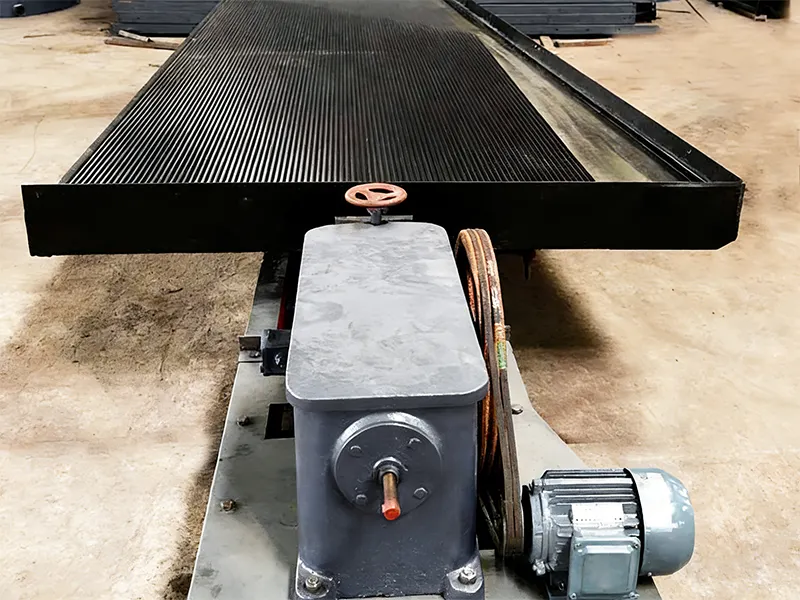
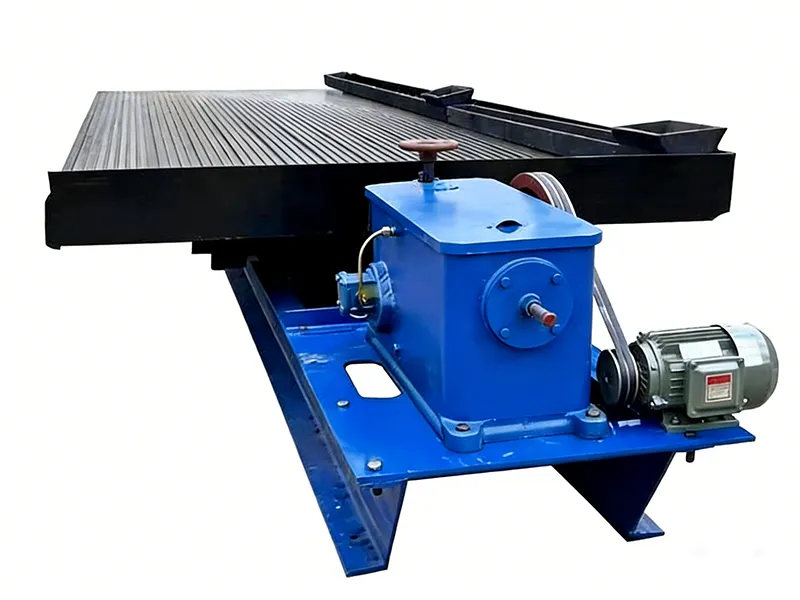
When it comes to recovering fine heavy minerals, shaking tables are one of the most precise gravity separation devices available. They use a combination of riffled deck motion, water flow, and gravity to create perfect stratification of minerals by specific gravity. China has become a global leader in manufacturing high-efficiency shaking tables for recovering gold, tin, tungsten, tantalum, chromite, and other valuable minerals from fine-grained ores and tailings.
If you need reliable, cost-effective, and high-precision gravity separation solutions for fine minerals, this guide covers everything you need to know about China’s shaking table industry.
I. Understanding Shaking Tables
What is a Shaking Table?
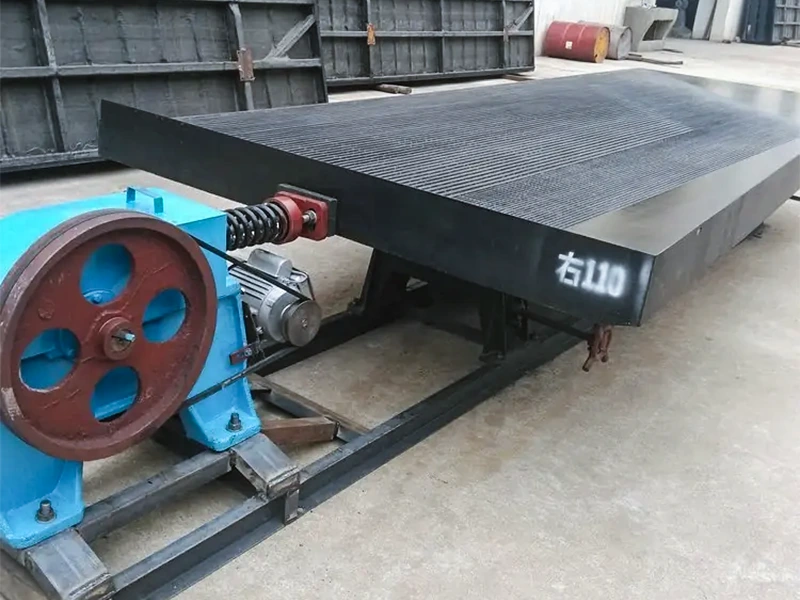
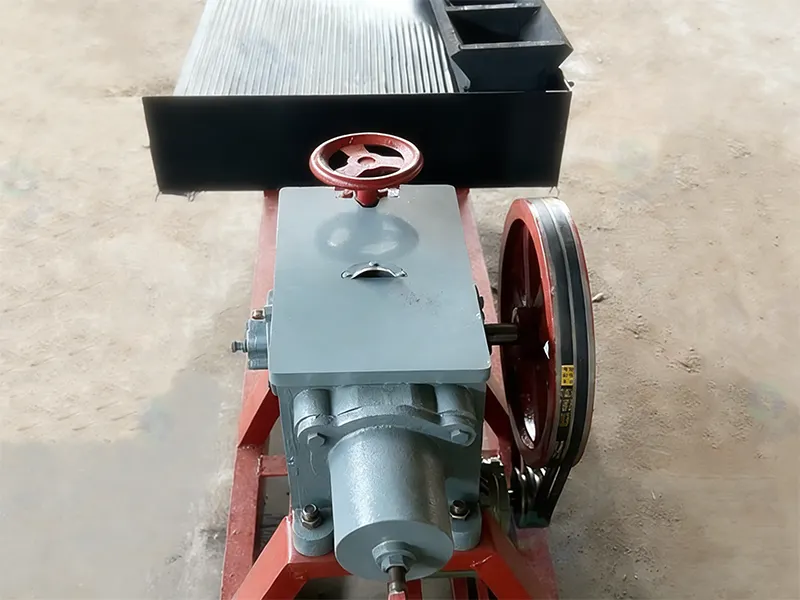
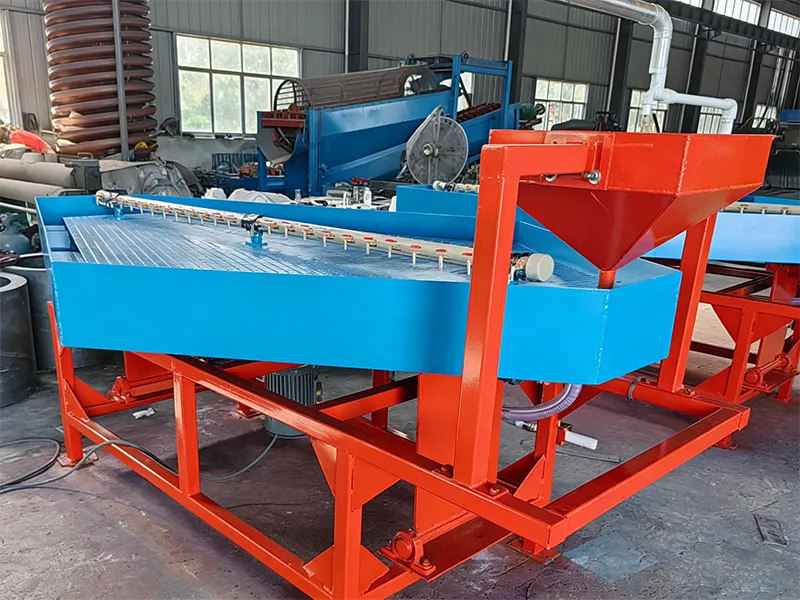
A shaking table, also known as a gravity shaking table or wilfley table, is a gravity separation device that uses a combination of reciprocating deck motion, water flow, and riffles to separate fine minerals based on their specific gravity. It is widely used for recovering fine particles of gold, tin, tungsten, tantalum, chromite, and other heavy minerals from 0.037mm to 2mm size range.
Core Working Principle
Shaking tables operate on three key actions working together:
- Deck Motion: The table deck moves back and forth asymmetrically (slow forward stroke, fast return stroke), carrying material toward the discharge end while allowing stratification.
- Water Flow: A stream of water flows along the deck from the feed side, washing lighter particles downward while heavy particles are held back by riffles.
- Riffle Action: Riffles (grooves or ridges) on the deck create turbulence and capture heavy minerals, allowing them to settle and move along the deck.
The result is three distinct product streams: concentrate (heavy minerals), middlings (mixed particles), and tailings (light waste).
Key Technical Features of Chinese Shaking Tables
- High Separation Precision: Capable of separating minerals with specific gravity differences as small as 0.3
- Fine Particle Recovery: Effective recovery down to 0.037mm (37 microns)
- Adjustable Operation: Stroke length, stroke frequency, water flow rate, and deck tilt angle can be adjusted for optimal performance
- Multiple Deck Options: Single, double, triple, and 4-deck configurations available for different capacity requirements
- Durable Construction: Fiberglass-reinforced plastic decks with epoxy surface for long service life
- Low Operating Cost: No chemicals required, low power consumption, minimal maintenance
II. Types and Common Uses
| Type | Working Principle | Main Use | Typical Application Scenarios |
|---|---|---|---|
| Diaphragm Jig | Mechanical diaphragm pulsation | Coarse particle separation | Tungsten, tin, iron, placer gold |
| Saw-tooth Wave Jig | Asymmetric pulsation curve | Fine and coarse particle recovery | Alluvial gold, coltan, chromite, manganese |
| Hydraulic Radial Jig | Hydraulic drive with fan-shaped tank | Large capacity processing | Dredger operations, large-scale alluvial mining |
| InLine Pressure Jig | Continuous pressure jigging | Fine mineral recovery | Gold carriers, sulfide-associated minerals |
| Mobile Jig Plant | Integrated design | Flexible, on-site processing | Remote locations, small to medium-scale operations |
III. Industry Application Fields
Gold Mining
- Recovery of fine gold from grinding circuits and tailings
- Final concentration after centrifugal concentrators
- Artisanal and small-scale gold mining operations
Tin and Tungsten Processing
- Final cleaning of cassiterite and wolframite concentrates
- Recovery of fine tin particles from slimes
Tantalum and Niobium
- Final concentration of coltan ores
- Production of high-grade tantalum concentrate
Chromite Processing
- Upgrading chromite fines
- Removal of silica and other gangue minerals
Tailings Retreatment
- Recovery of residual heavy minerals from old tailings dumps
- Environmental remediation with value recovery
IV. China’s Industrial Landscape and Key Production Hubs
East China (Jiangxi Province)
Jiangxi is the most important manufacturing base for shaking tables in China. The region has decades of experience in gravity separation equipment and offers a complete supply chain from raw materials to finished products.
Central China (Henan Province)
Henan manufacturers offer cost-effective shaking tables for emerging markets, with a focus on complete mineral processing plant solutions.
South China (Guangdong and Guangxi)
Manufacturers in this region specialize in mobile and modular processing plants that integrate shaking tables with other gravity equipment.
V. Top 10 Chinese Shaking Table Manufacturers
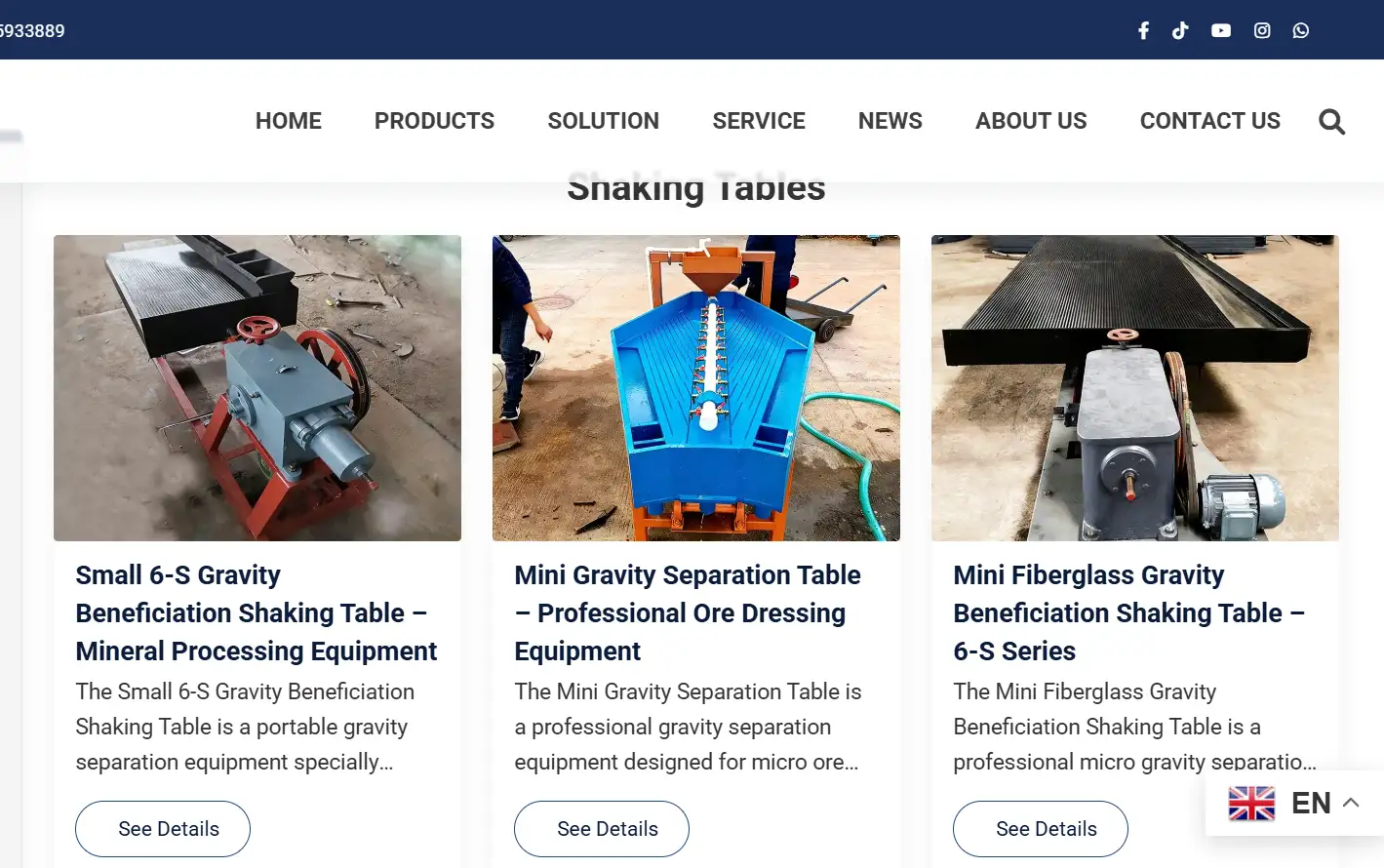
Qingzhou Dayang Heavy Industrial Machinery Manufacturing Co., Ltd.
It is a leading manufacturer specializing in gold dredging and mineral processing equipment. The company integrates R&D, mechanical design, production, installation, and commissioning services, offering high-efficiency solutions across the entire mining lifecycle, including dredging and extraction, processing and refinement, crushing and recovery, and specialized machinery. Guided by the spirit of “Virtue as the Foundation, Integrity, and Harmonious Development,” Dayang Heavy Industry is dedicated to providing unparalleled service and reliable engineering to customers worldwide.
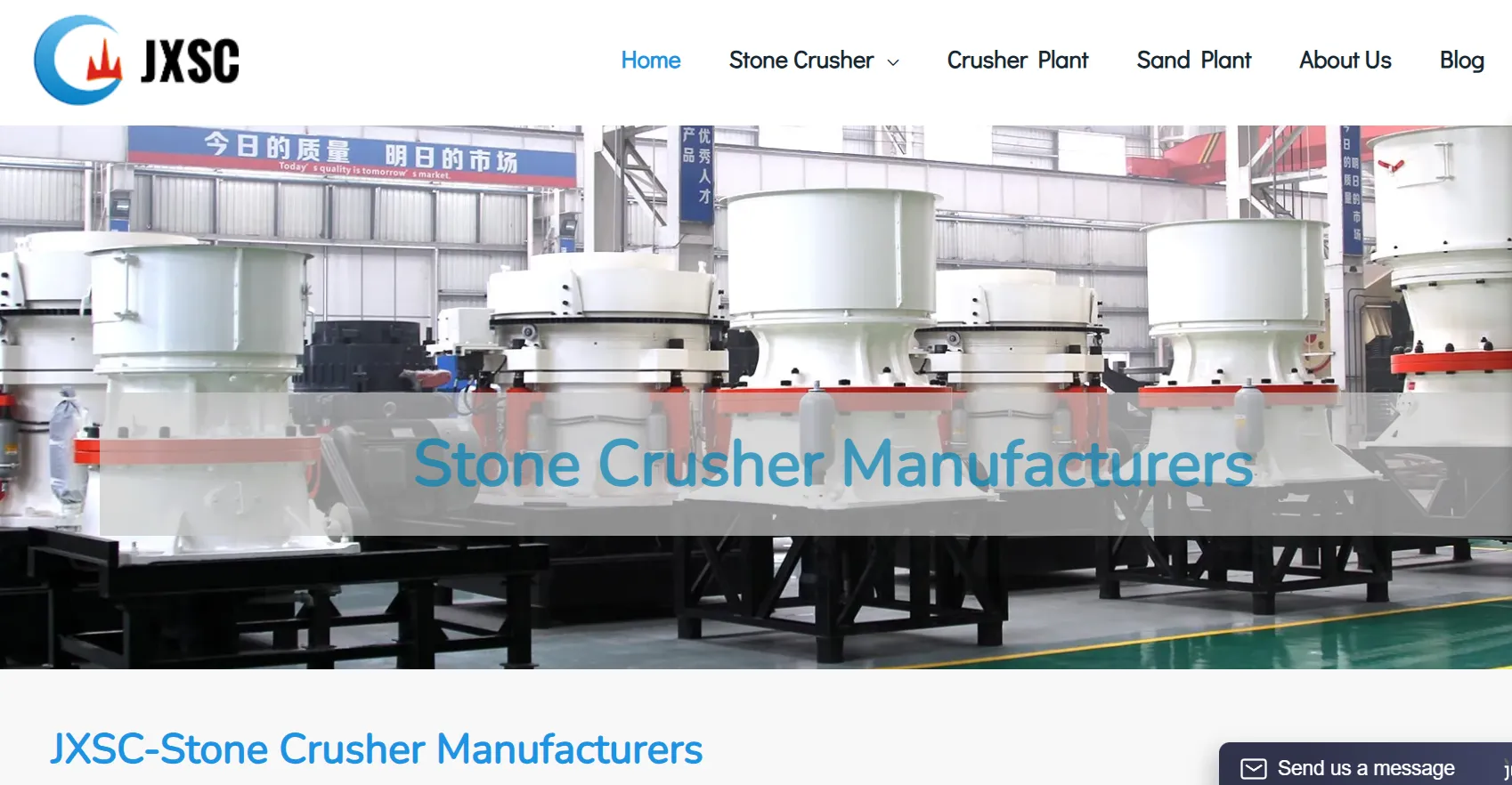
JXSC Mine Machinery
It founded in 1985 and headquartered in Jiangxi, is a leading manufacturer of gravity separation equipment including 6-S shaking tables, wilfley tables, and multi-deck tables. The company serves gold, tin, tungsten, chromite, and coltan mining operations worldwide.
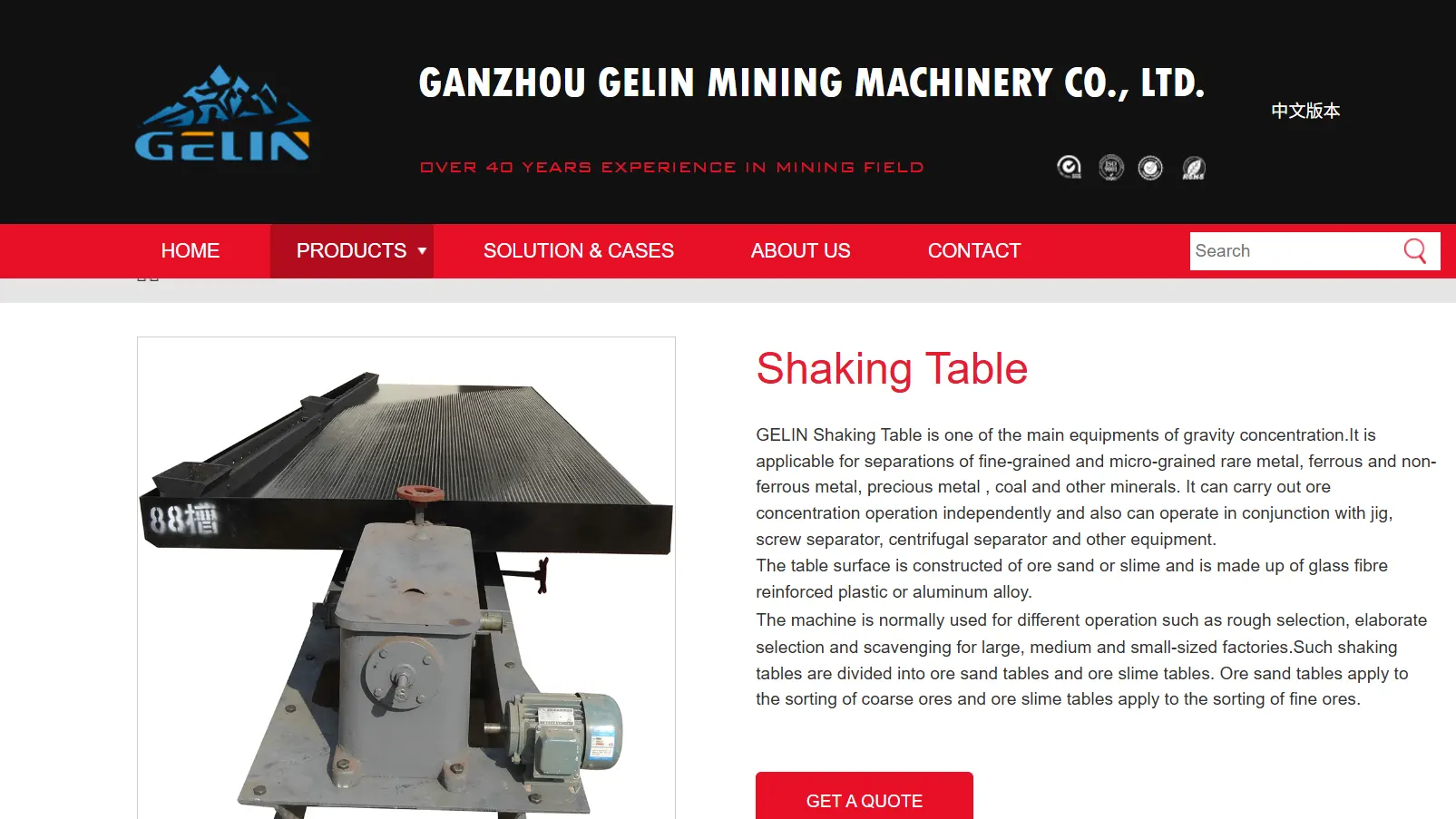
Ganzhou Gelin Mining Machinery
It based in Jiangxi, manufactures high-quality 6-S shaking tables with fiberglass decks and epoxy surfaces. The company offers single, double, and triple-deck configurations for different capacity requirements.
Jiangxi Shicheng Mine Machinery
It located in Jiangxi, specializes in fine mineral recovery shaking tables, particularly for gold and tin processing applications.
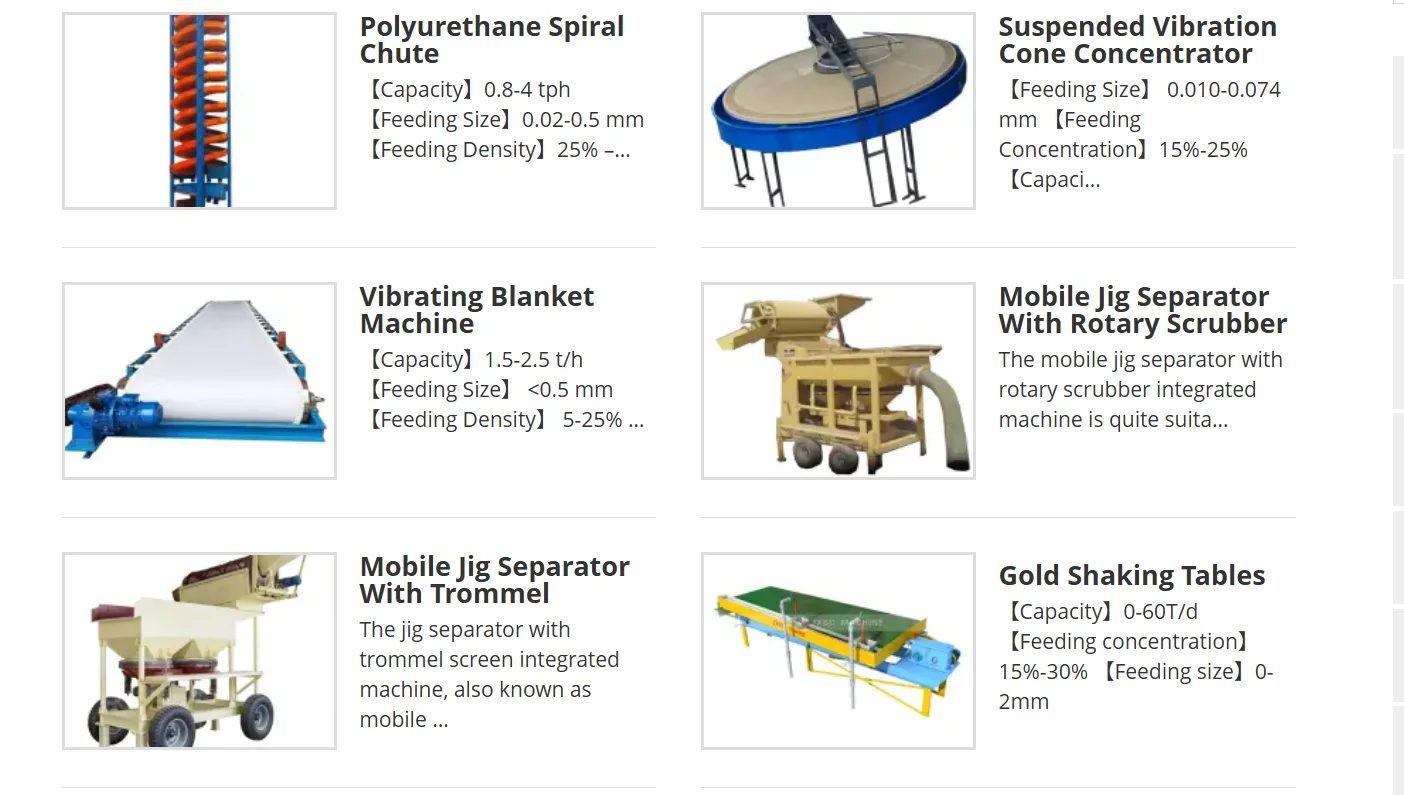
Jiangxi Victor International Mining Equipment
It based in Jiangxi, offers a full range of shaking tables for laboratory and production-scale applications.
Ganzhou Jinqiang Non-Ferrous Machinery
It located in Jiangxi, is known for its durable and precision-engineered shaking tables for tungsten, tin, and tantalum beneficiation.
Henan Forui Machinery Technology
It based in Henan, manufactures shaking tables as part of its complete gravity separation equipment line.
Qingzhou Keda Mining Machine
It based in Shandong, produces shaking tables for placer gold and alluvial mineral processing.
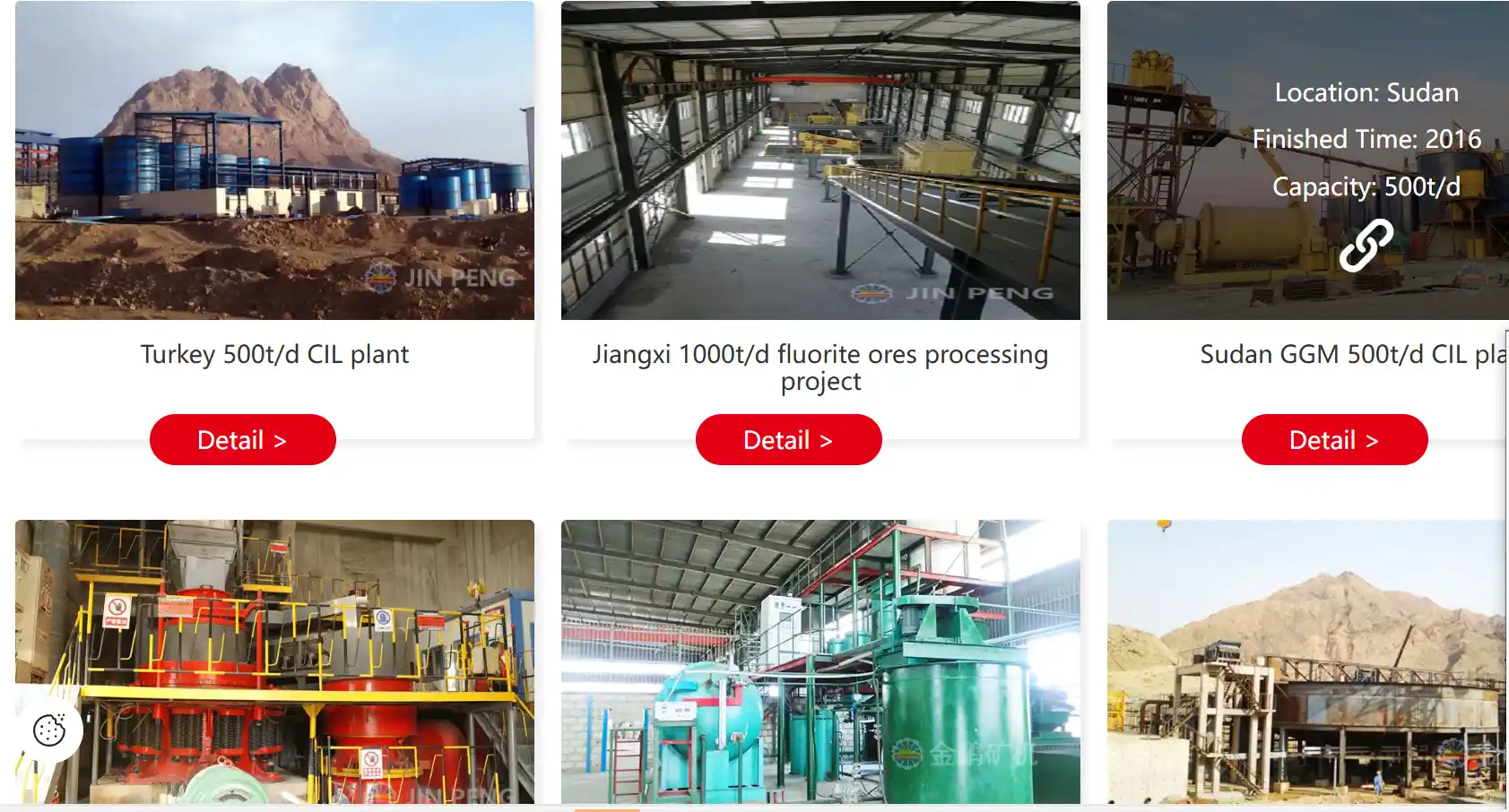
Yantai Jinpeng Mining Machinery
It based in Shandong, offers shaking tables integrated into its full EPC mineral processing solutions.
Shanghai SANME
It based in Shanghai, includes shaking tables in its comprehensive mineral processing equipment portfolio.
Note: This list represents representative companies; there are many other qualified manufacturers serving different market segments.
VI. Why Choose Chinese Shaking Tables?
6.1 High Separation Precision
Chinese shaking tables are designed to achieve sharp separation even when specific gravity differences between target mineral and gangue are small. The adjustable stroke, frequency, water flow, and deck tilt allow operators to fine-tune performance for specific ores.
6.2 Fine Particle Recovery
While many gravity devices lose efficiency below 0.1mm, Chinese shaking tables effectively recover down to 0.037mm (37 microns). This makes them ideal for recovering fine gold, tin, and tungsten that would otherwise be lost to tailings.
6.3 Cost-Effective
Shaking tables have no moving parts in contact with the slurry except the deck drive mechanism, which means low maintenance costs. They use no chemicals, only water and gravity, making them environmentally friendly and inexpensive to operate.
6.4 Durable Construction
Modern Chinese shaking tables feature fiberglass-reinforced plastic decks with epoxy surfaces that resist wear and corrosion. The deck drive mechanisms are built for continuous operation with minimal maintenance.
6.5 Multiple Configurations
Chinese manufacturers offer single, double, triple, and 4-deck shaking tables to match capacity requirements from 0.5 to 8 tons per hour per machine. Laboratory-scale tables are also available for test work.
VII. How IMEXsourcing Helps You Source Shaking Tables from China
For mineral processing equipment procurement, choosing the right supplier is only the first step. IMEXsourcing, as your strategic sourcing partner in China, provides end-to-end services:
- Professional Engineering Team: Experienced metallurgical and mechanical engineers provide free pre-sales consultation
- Supplier Verification: Four-step verification process including factory audits and customer reference checks
- Quality Control: Pre-production, in-process, and 100% functional testing before shipment
- Logistics Support: Free warehousing, documentation, and flexible trade terms (EXW, FOB, CIF, DDP)
- Transparent Fees:No hidden costs
VIII. Future Trends
Multi-deck Tables for Higher Capacity
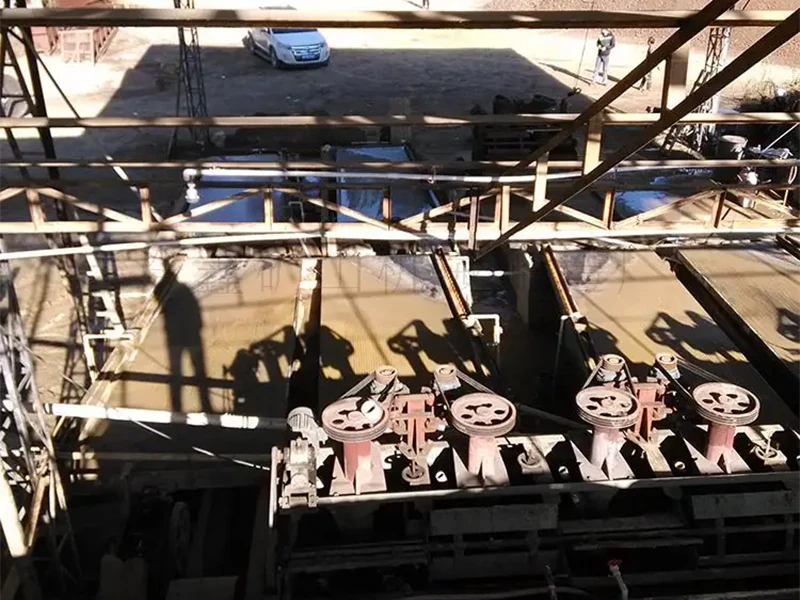
Demand for higher capacity in limited floor space is driving adoption of triple and 4-deck shaking tables.
Automated Operation
Sensors and control systems are being integrated to automatically adjust water flow, deck tilt, and stroke for consistent concentrate grade.
Tailings Retreatment
Shaking tables are increasingly used to recover fine heavy minerals from old tailings dumps, turning waste into value.
Mobile Processing Plants
Containerized and skid-mounted plants integrating shaking tables are becoming popular for remote and temporary operations.
IX. Conclusion
China’s shaking table industry offers high-precision, cost-effective gravity separation solutions for fine mineral recovery worldwide. With continuous innovation, durable construction, and competitive pricing, Chinese shaking tables are a reliable choice for gold, tin, tungsten, chromite, and tantalum processing operations.
IMEXsourcing helps you navigate the Chinese market with professional engineering support, strict quality control, and transparent service.