作者归档:blog1

Snow Removal, Reimagined: Your Guide to China’s Remote-Controlled Snow Blowers

Winter operations are evolving. For municipalities, facility managers, and contractors worldwide, the demand is shifting from sheer power to intelligent, efficient, and safe snow removal solutions. At the forefront of this evolution is China, which has rapidly become a global hub for manufacturing advanced remote-controlled snow removal machinery. This guide provides a comprehensive overview of this innovative sector, detailing what these machines are, their key advantages, the leading manufacturers, and how to successfully procure them.

I. What Are Remote-Controlled Snow Blowers?

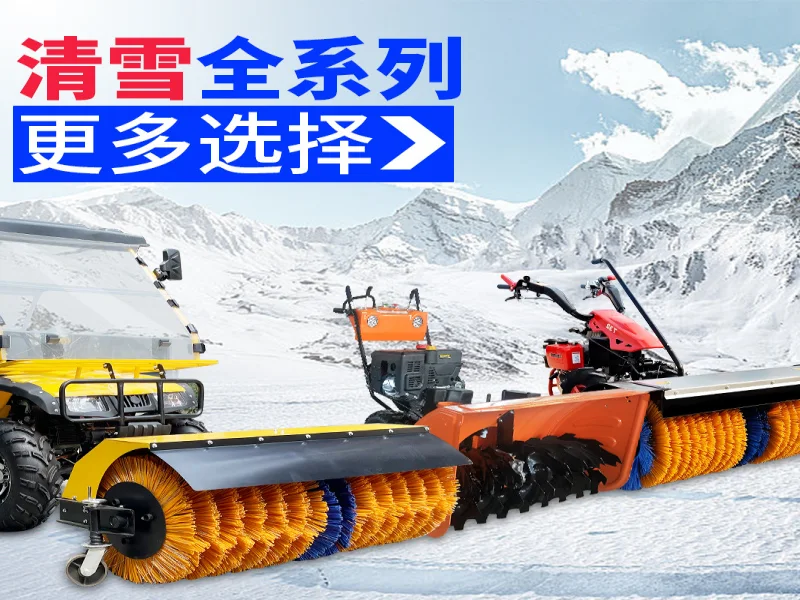
Remote-controlled snow blowers, often called snow removal robots, are intelligent machines that clear snow without requiring an operator in the cab. Controlled via a handheld wireless remote or a tablet interface, they represent a significant leap in winter maintenance technology. These machines are designed for a variety of applications, from clearing residential driveways and commercial parking lots to maintaining public sidewalks and access roads.

II. Core Features & Competitive Advantages

Chinese manufacturers have focused on integrating smart technology with robust engineering, creating machines with compelling advantages for the global market.

  • Enhanced Safety & Accessibility: The primary advantage is operational safety. Operators can clear snow from a warm, safe distance, avoiding exposure to harsh weather, slip hazards, and equipment noise. This also allows access to dangerous or confined areas, such as steep slopes, rooftops, or tight spaces between vehicles, that are risky for traditional equipment.
  • Superior Efficiency & Precision: Remote control allows for pinpoint accuracy, reducing overspray and damage to landscaping, curbs, or parked cars. Advanced models feature programmable paths and GPS guidance for systematic, efficient clearing of large areas without overlaps or missed spots.
  • Power & Environmental Flexibility: The market offers both electric (battery-powered) and natural gas/gasoline models to suit different environmental policies and runtime needs. Electric models are particularly popular for their zero local emissions, quiet operation, and lower long-term energy costs.
  • Proven Durability & Smart Tech: Built to withstand extreme conditions, these machines often incorporate high-strength steel augers and wear-resistant components. Increasingly, they feature smart diagnostics, real-time status monitoring, and automated functions like self-adjusting impeller speed based on snow density.
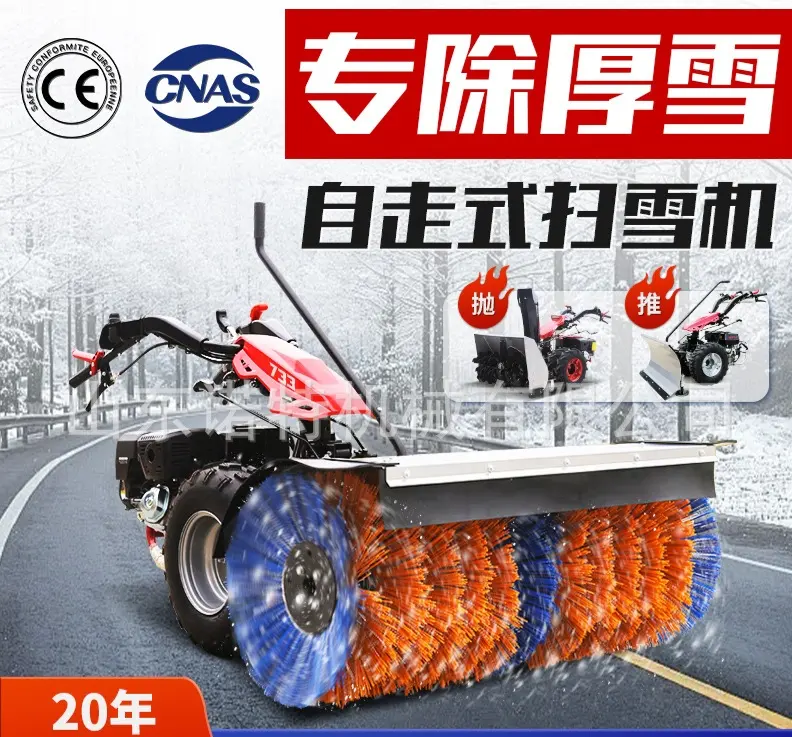
III. Product Classification: Matching the Machine to Your Task

The remote-controlled snow blower market can be segmented to help you find the perfect fit:

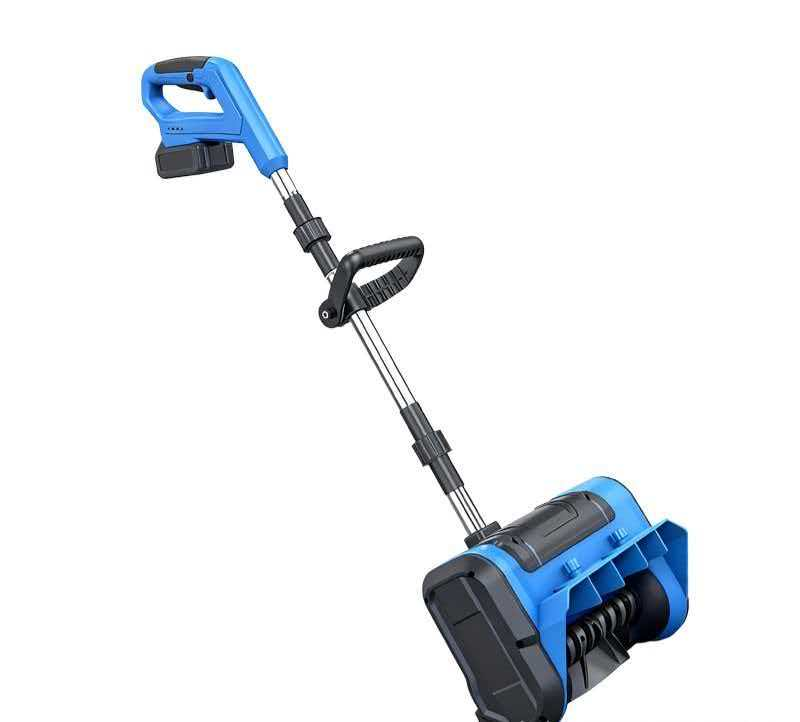
  • Compact Residential Robots
    This category is primarily powered by electric (Li-ion battery) systems, featuring a typical clearing width of 20 to 24 inches. Designed for home driveways, walkways, and patios, these units are characterized by their quiet operation, zero local emissions, and easy storage, making them ideal for daily household use.
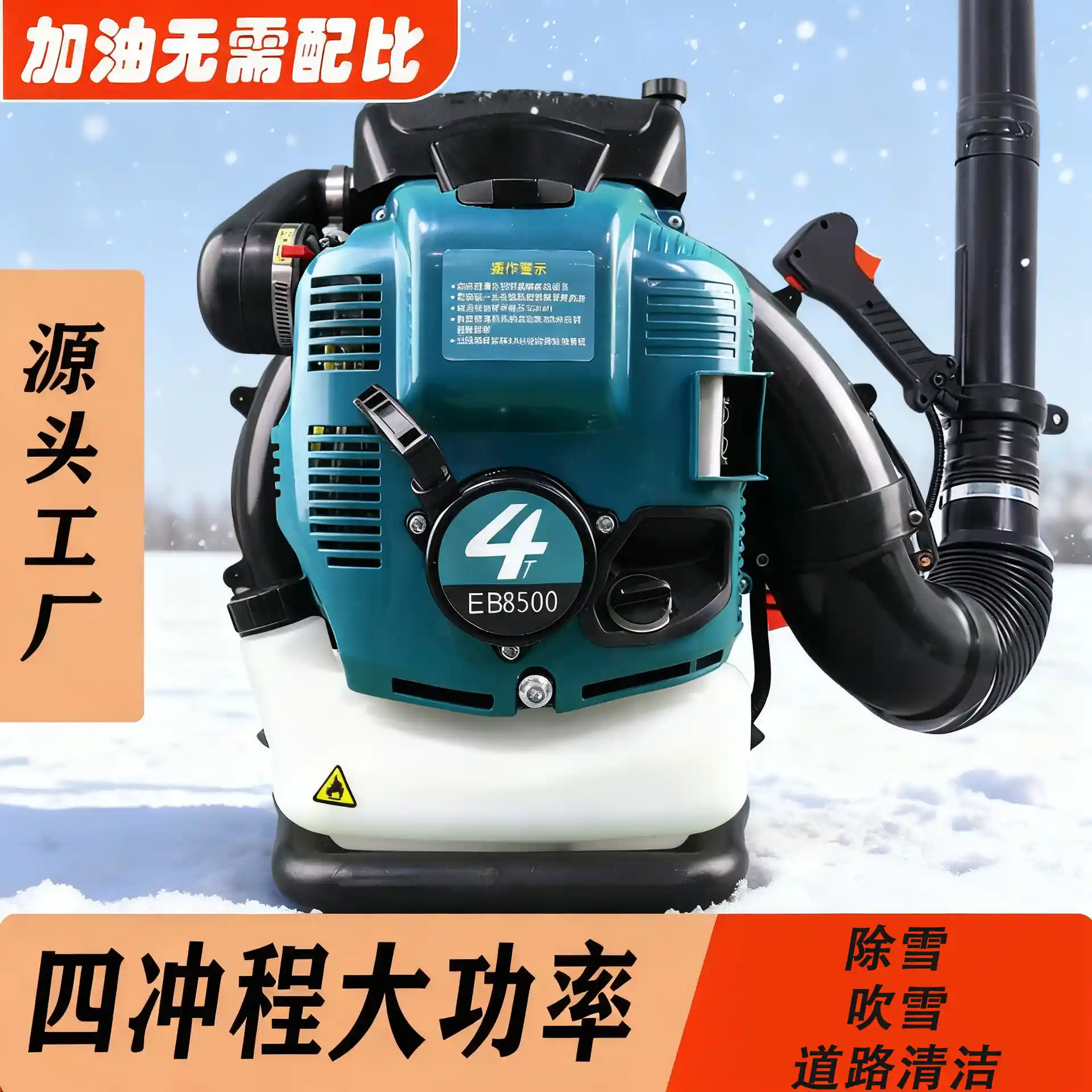
  • Commercial-Grade Tracked Blowers
    Models in this segment typically run on gasoline or diesel, offering a larger clearing width of 30 to 50 inches. Their superior traction and powerful performance are built to handle heavy, wet snow, making them the perfect choice for clearing expansive commercial areas such as large parking lots, industrial yards, and school campuses.
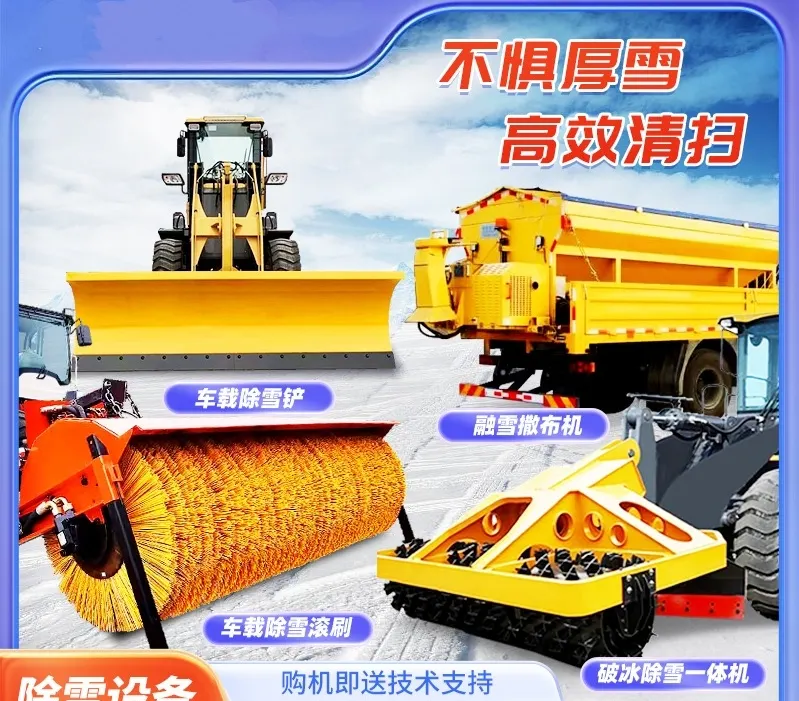
  • Municipal & Heavy-Duty Robots
    As the most robust category, these machines are mainly powered by diesel or natural gas, with clearing widths usually exceeding 50 inches. Engineered for maximum uptime and large-scale removal operations, they are commonly deployed in demanding municipal and heavy-duty applications like city sidewalks, airport aprons (non-critical areas), and long access roads.
IV. China’s Manufacturing Landscape: Hubs and Leaders

China’s manufacturing ecosystem for this equipment is robust and growing. While production is spread across industrial regions, there are key areas of concentration.

  • Zhejiang & Jiangsu Provinces: A major hub for general machinery and electrical components, many innovators and assemblers of smart, compact snow removal robots are located here, benefiting from a mature supply chain.
  • Shandong & Hebei Provinces: Traditional centers for agricultural and construction machinery, these regions host factories producing the heavy-duty chassis and drivetrains used in larger commercial remote-controlled units.
  • Leading Industry Players: The market features both specialized robotics companies and established machinery manufacturers expanding into smart equipment. According to industry analyses, key players contributing to the market include both international brands and growing Chinese specialists focused on automation and remote control solutions.

V. Top 10 Snow Removal Machine Suppliers in China

The strength and diversity of China’s snow removal equipment industry are best exemplified by its leading manufacturers. The market is served by a dynamic mix of global heavy machinery conglomerates offering full-system solutions, specialized technology innovators, and experienced regional experts. This ecosystem ensures that virtually any snow clearing need—from urban street maintenance to airport runway de-icing—can be met with reliable and increasingly advanced equipment. The following profiles highlight some of the key players driving innovation and setting standards in this vital sector.

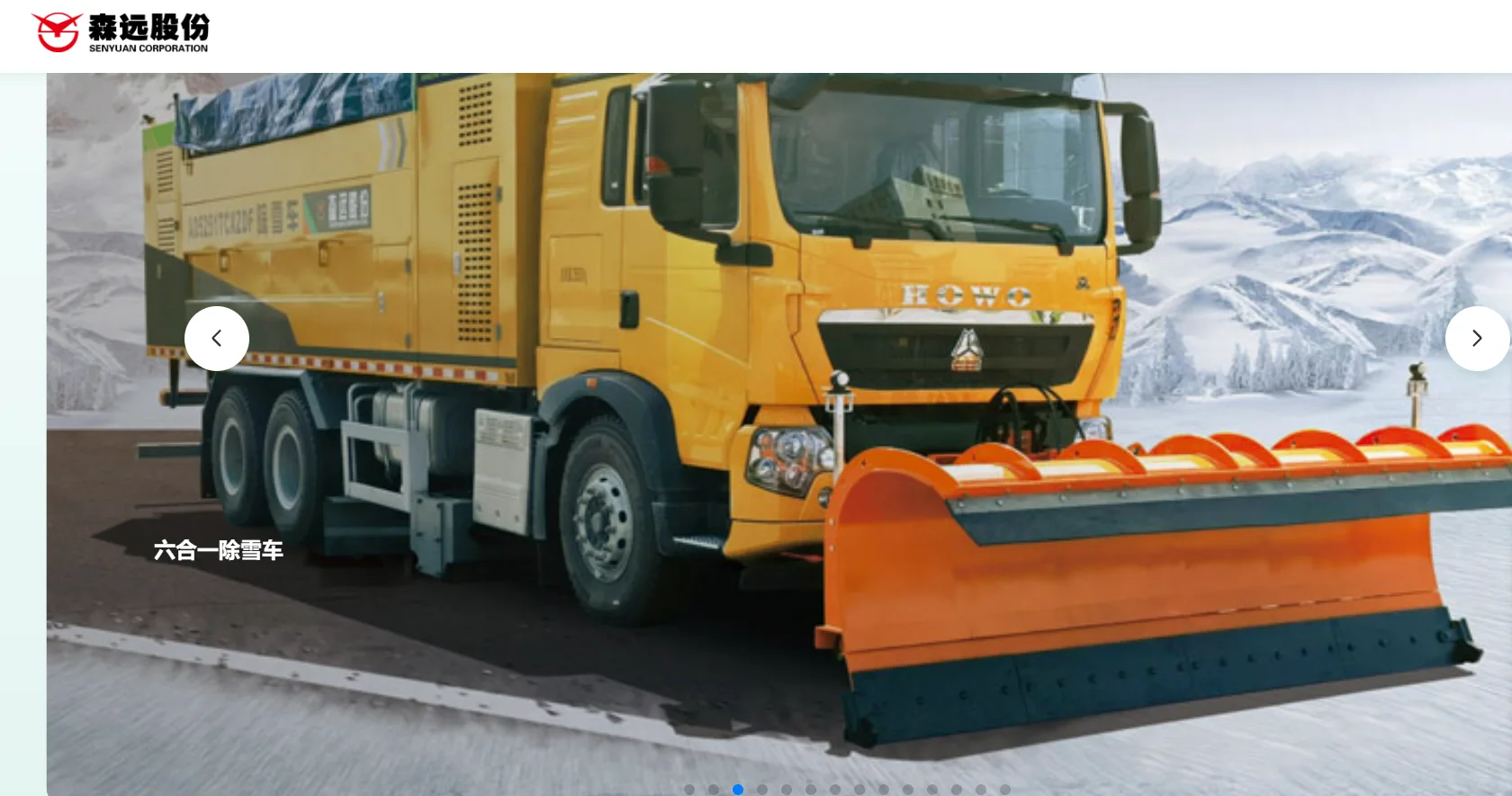
  • Senyuan Road & Bridge Co., Ltd.

It is a leading service-oriented manufacturer in China’s road maintenance sector. It provides complete technological solutions and a full product line for road snow removal, cleaning, and recycling, emphasizing integrated services.

  • Xuzhou Construction Macuphinery Gro (XCMG)
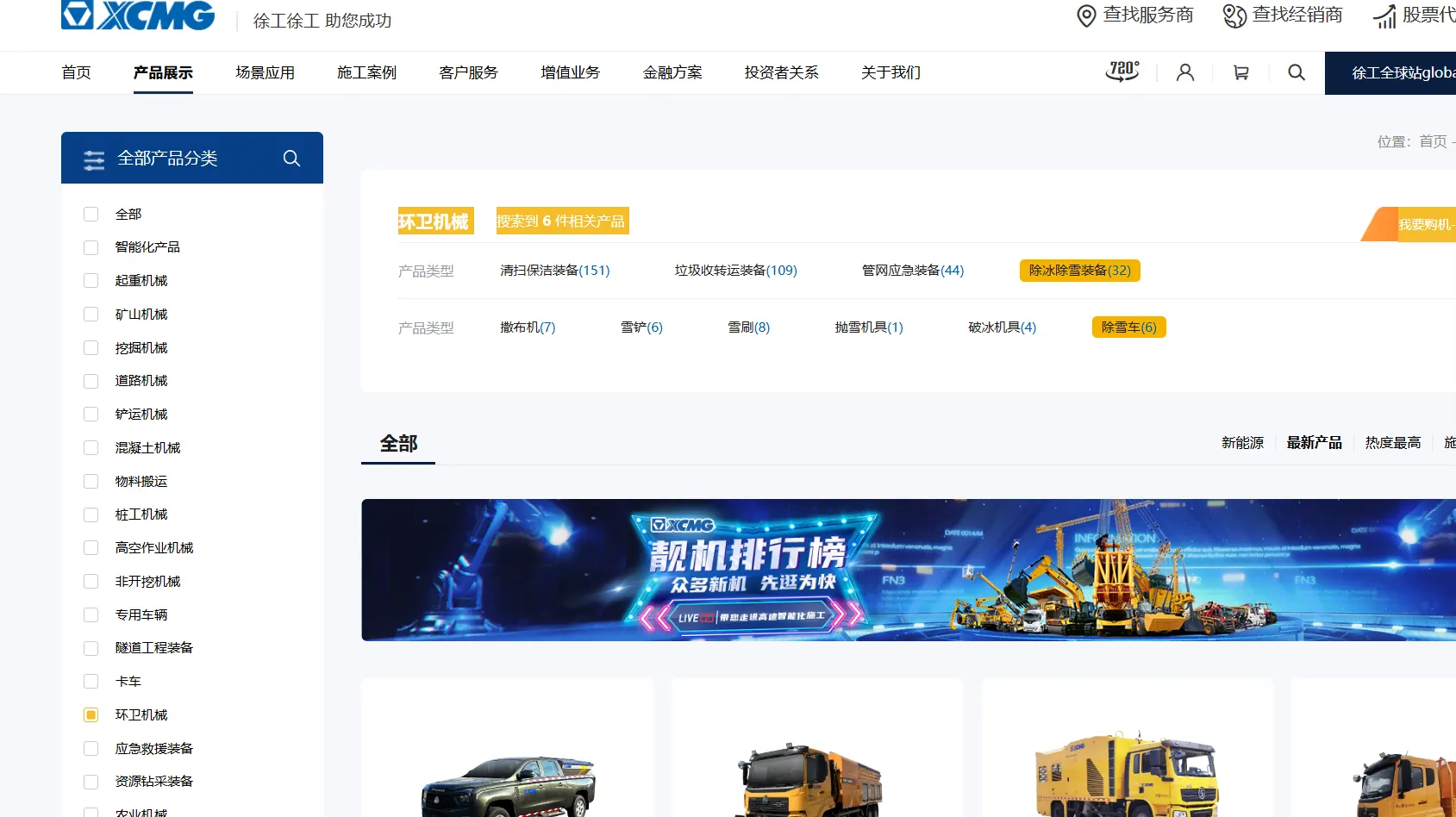
It is a leading global player in construction machinery and a comprehensive supplier for snow removal solutions. It offers a complete product line, ranging from snow plows and spreaders to high-capacity snow blowers and combination vehicles. Known for rugged reliability and strong performance, its equipment is widely used for clearing highways, urban roads, and airport runways, backed by an extensive service network.

  • Zoomlion Heavy Industry Science & Technology Co., Ltd. (Zoomlion)
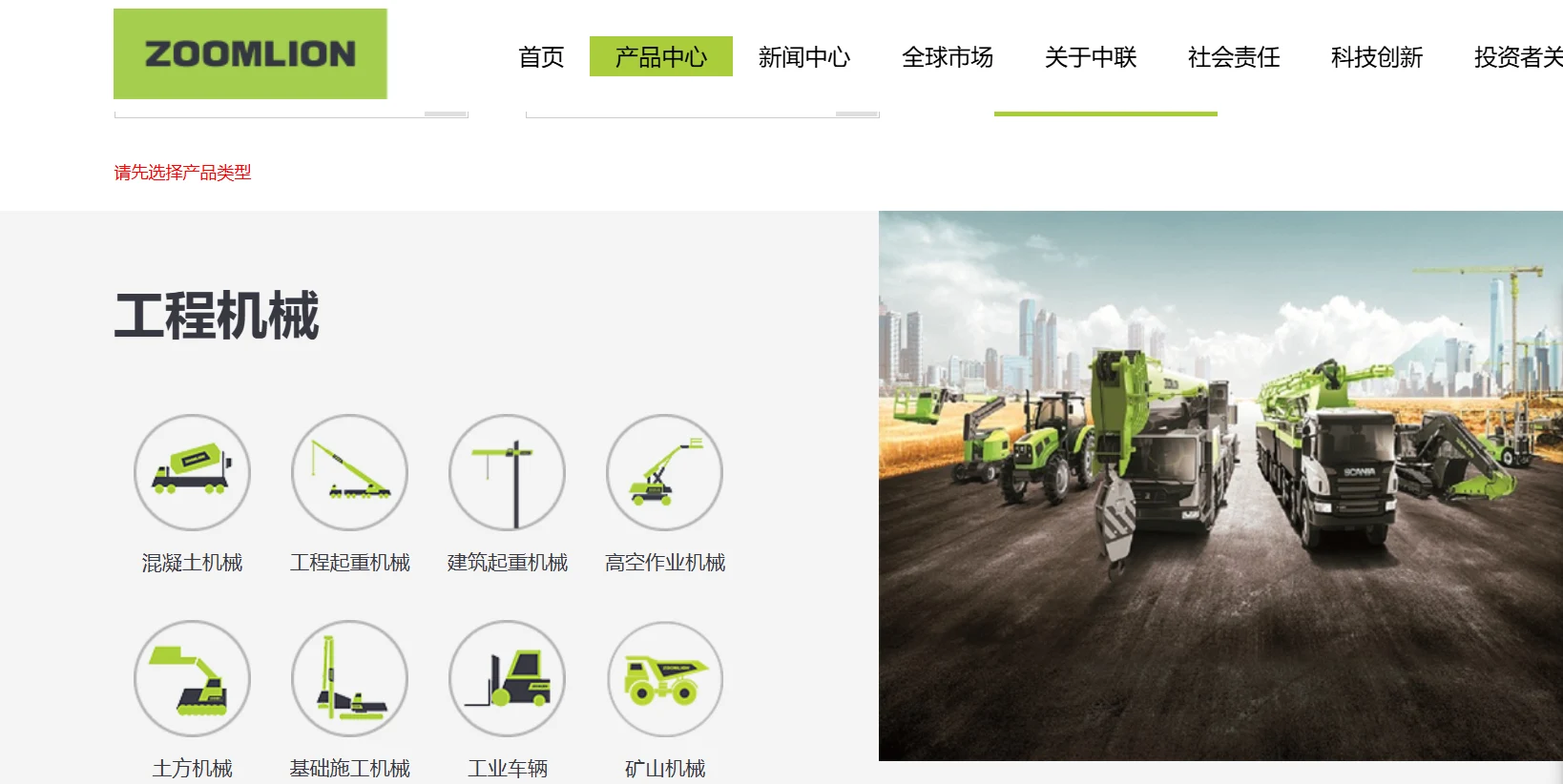
It stands out for integrating intelligent technology into winter maintenance equipment. Its product portfolio includes advanced snow removal vehicles, de-icing spreaders with precision control systems, and multi-functional maintenance trucks. The company emphasizes smart features like route planning and automated spread control, catering to modern, efficient municipal and highway operations.

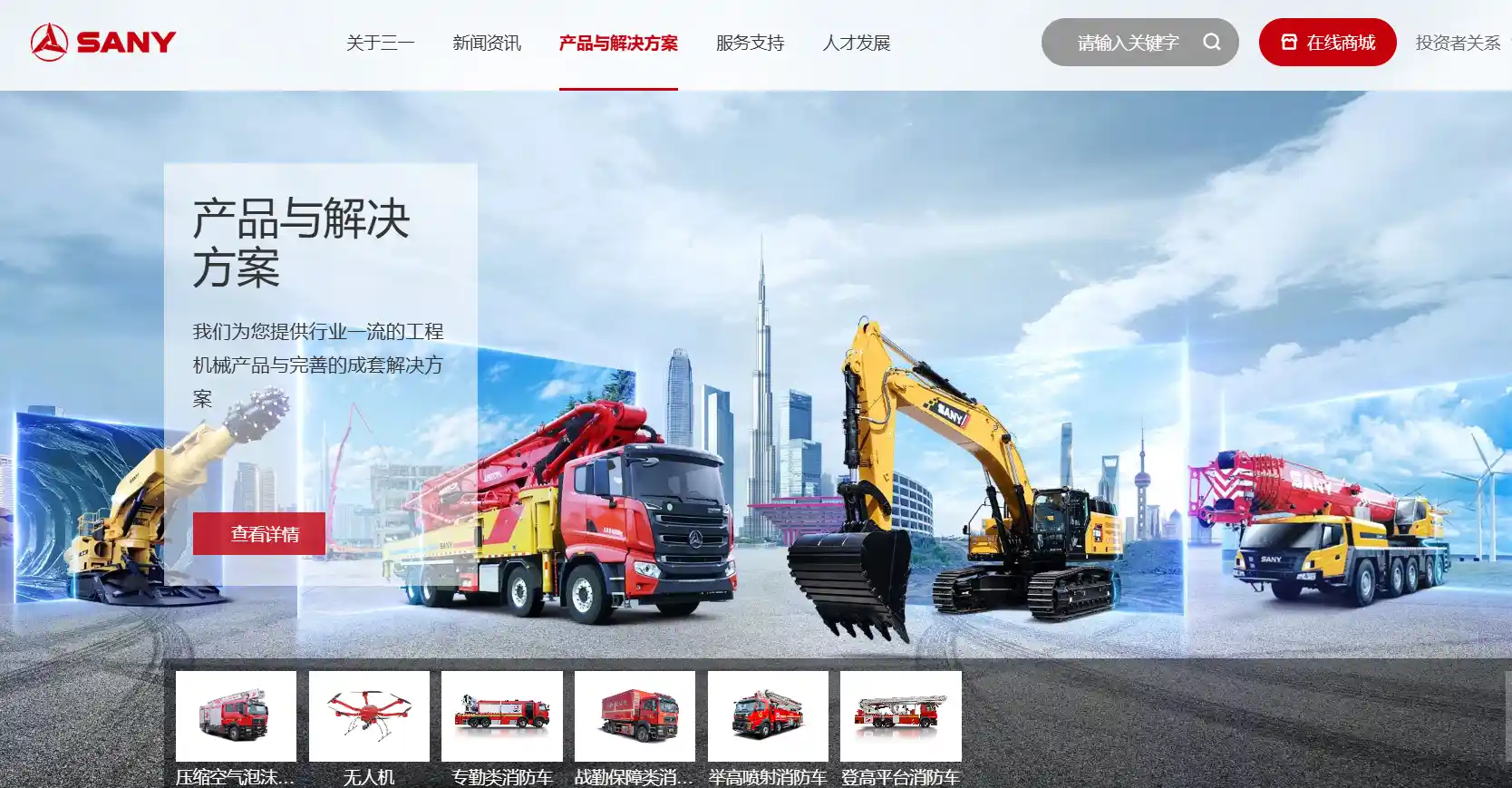
  • Sany Heavy Industry Co., Ltd. (Sany)

It leverages its formidable manufacturing prowess to produce powerful and heavy-duty snow removal machinery. Its focus lies on high-efficiency snow blowers and robust combination vehicles designed for extreme conditions and large-scale projects. Sany’s equipment is commonly deployed for critical tasks such as clearing major highways and airport aprons after heavy snowfalls.

  • Shandong Huiqiang Heavy Industry Technology Co., Ltd. 
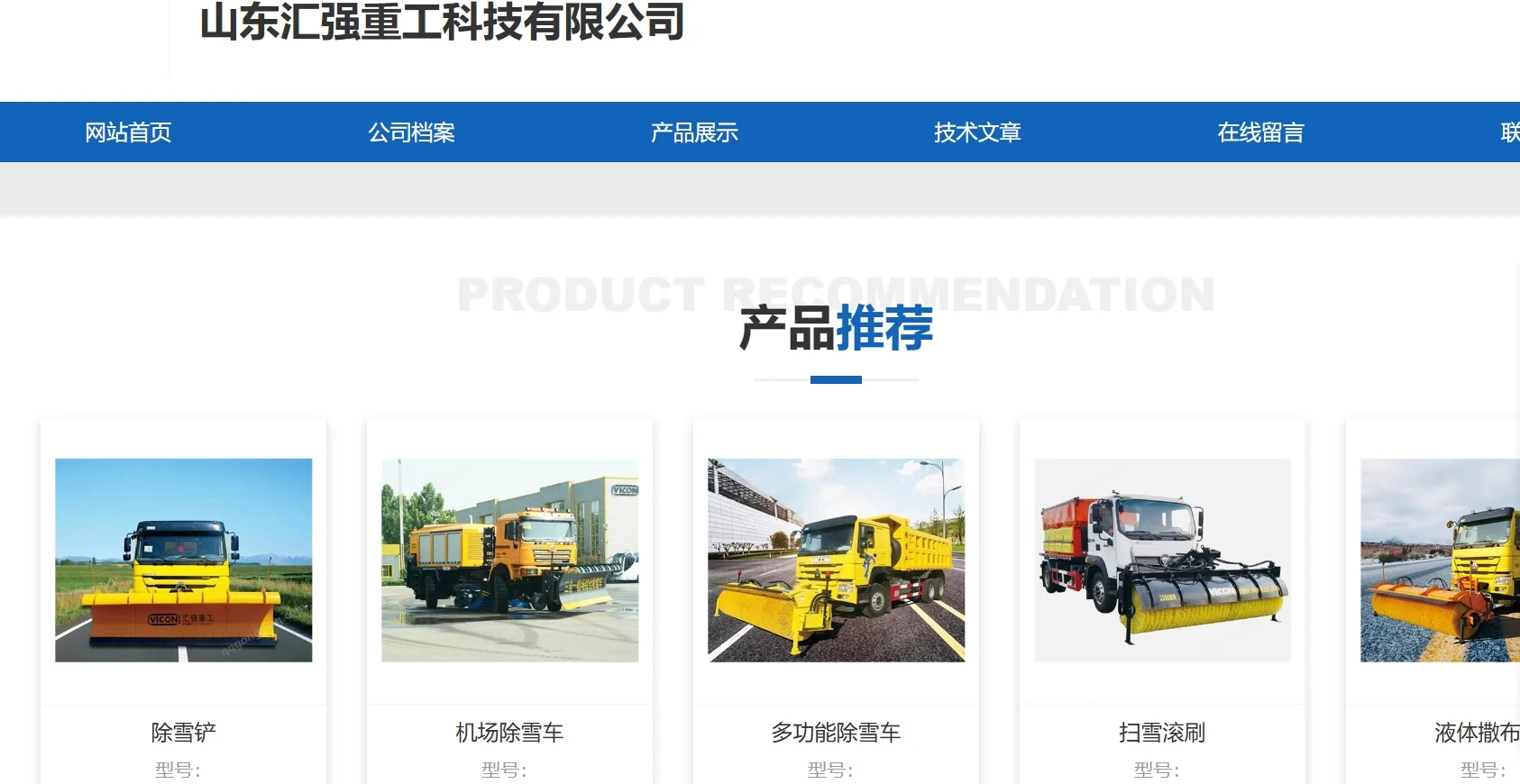
It is a high-tech enterprise specializing in the R&D and manufacturing of snow removal equipment and environmental sanitation machinery. It boasts a complete scientific research and production system, and its products have been exported to the international market.

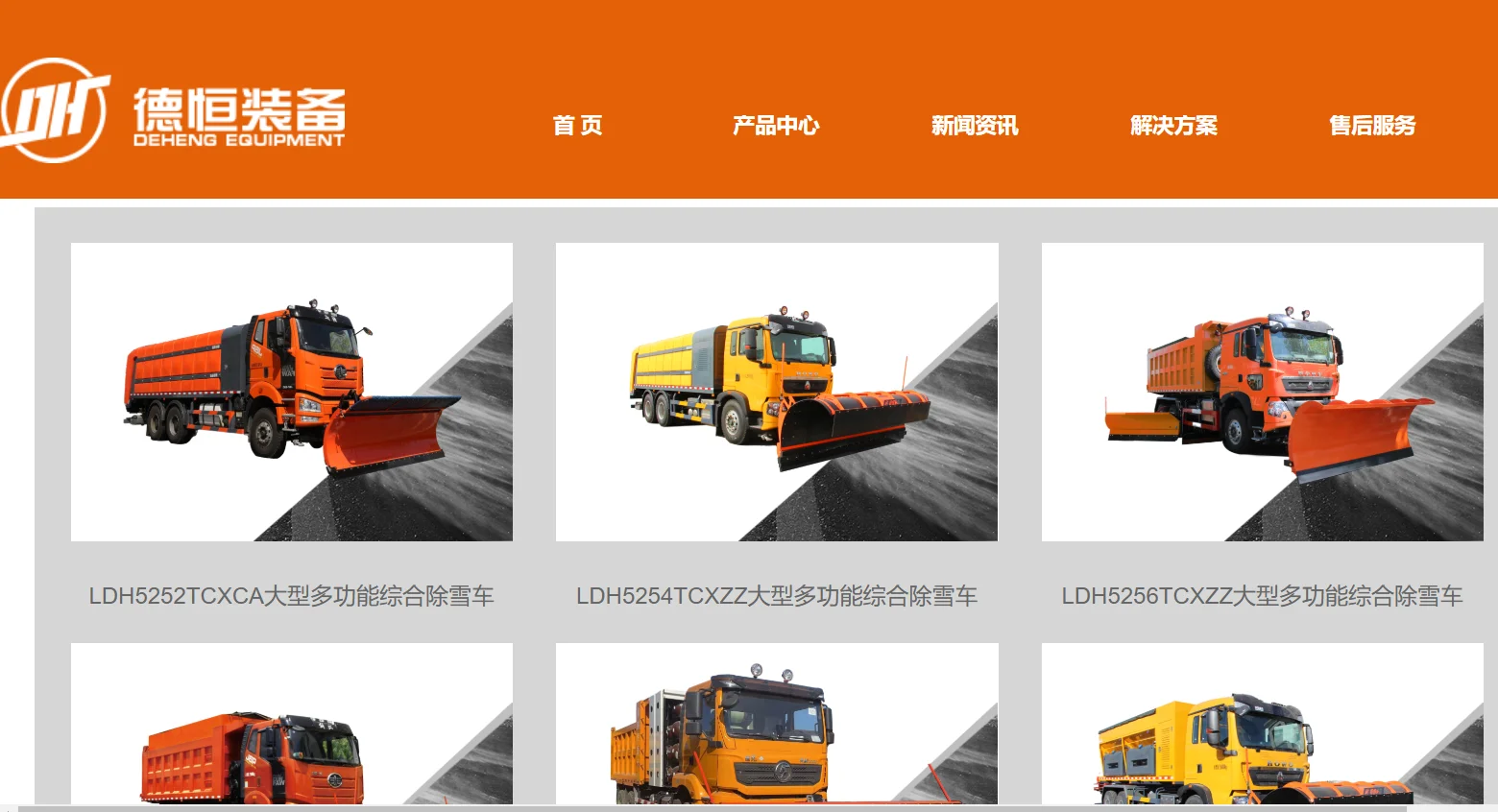
  • Shenyang Deheng Equipment Co., Ltd.

Deheng Equipment is a comprehensive service-oriented manufacturer that integrates the manufacturing of environmental sanitation equipment with operational management. It is one of the earlier enterprises in China to propose the “Green + Mechanized Snow Removal” concept.

  • Shenyang Wanjie Intelligent Environment Technology Co., Ltd.
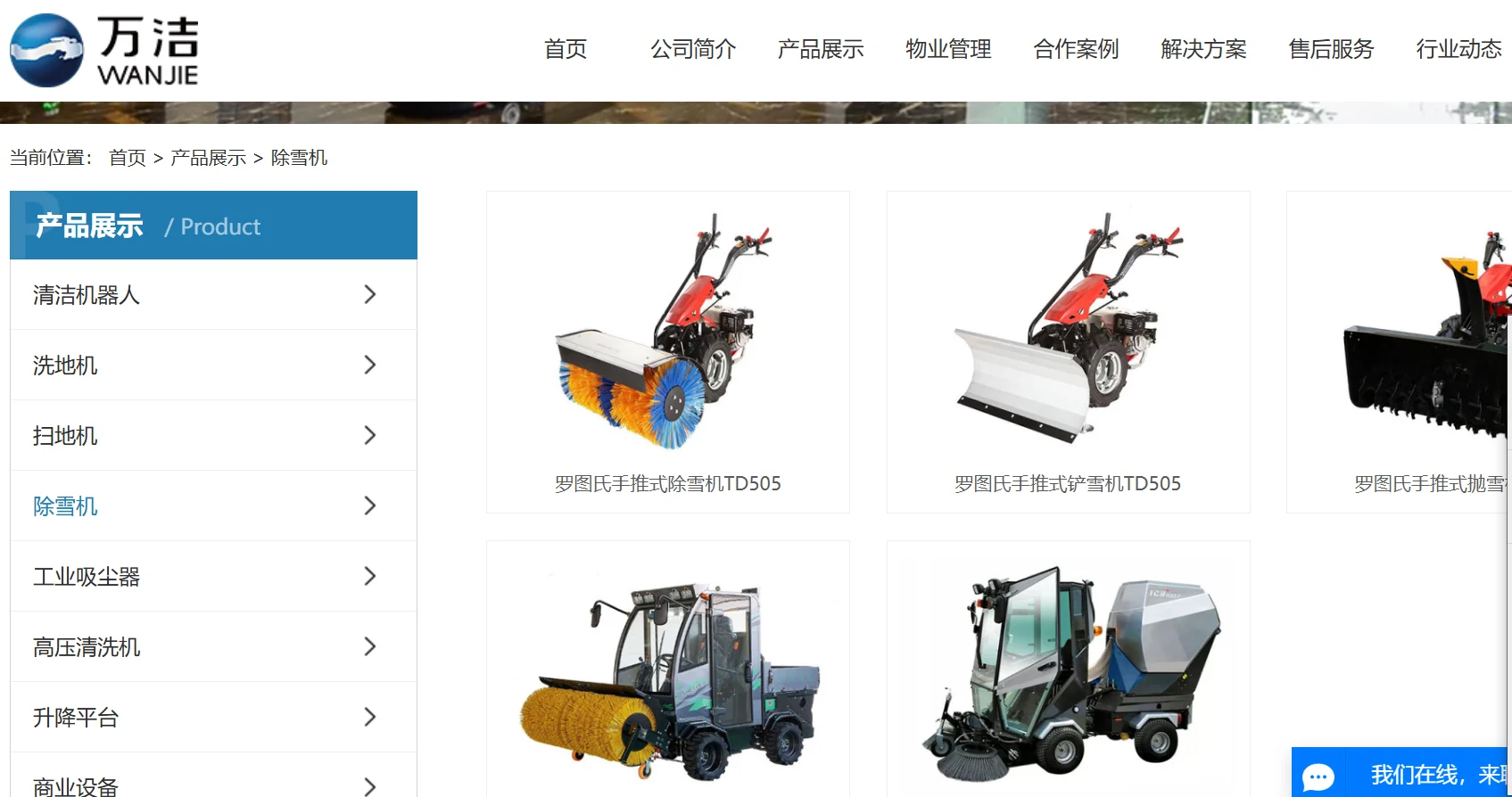
Wanjie Intelligent Environment is a professional manufacturer with years of specialization in the cleaning equipment sector. It provides full-range intelligent snow removal solutions, from walk-behind to ride-on models, and is particularly adept at serving municipal and industrial applications.

  • Chengli Special Purpose Vehicle Co., Ltd.
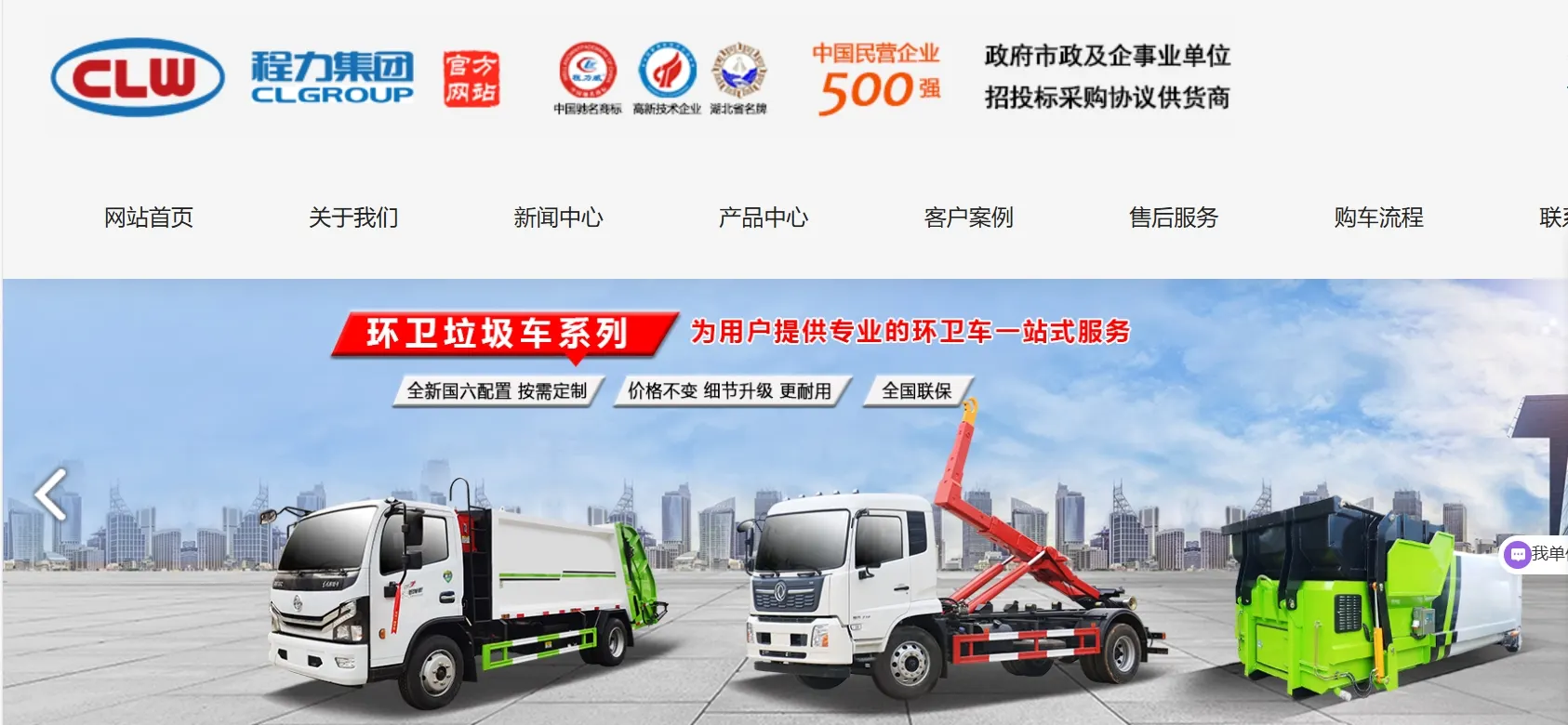
It is a backbone enterprise in the special purpose vehicle sector of Hubei Province, representing the Suizhou region. Its business scope encompasses the manufacturing and sales of various special purpose vehicles, including snow removal equipment.

  • Henan Lutaï Road Maintenance Machinery Co., Ltd.
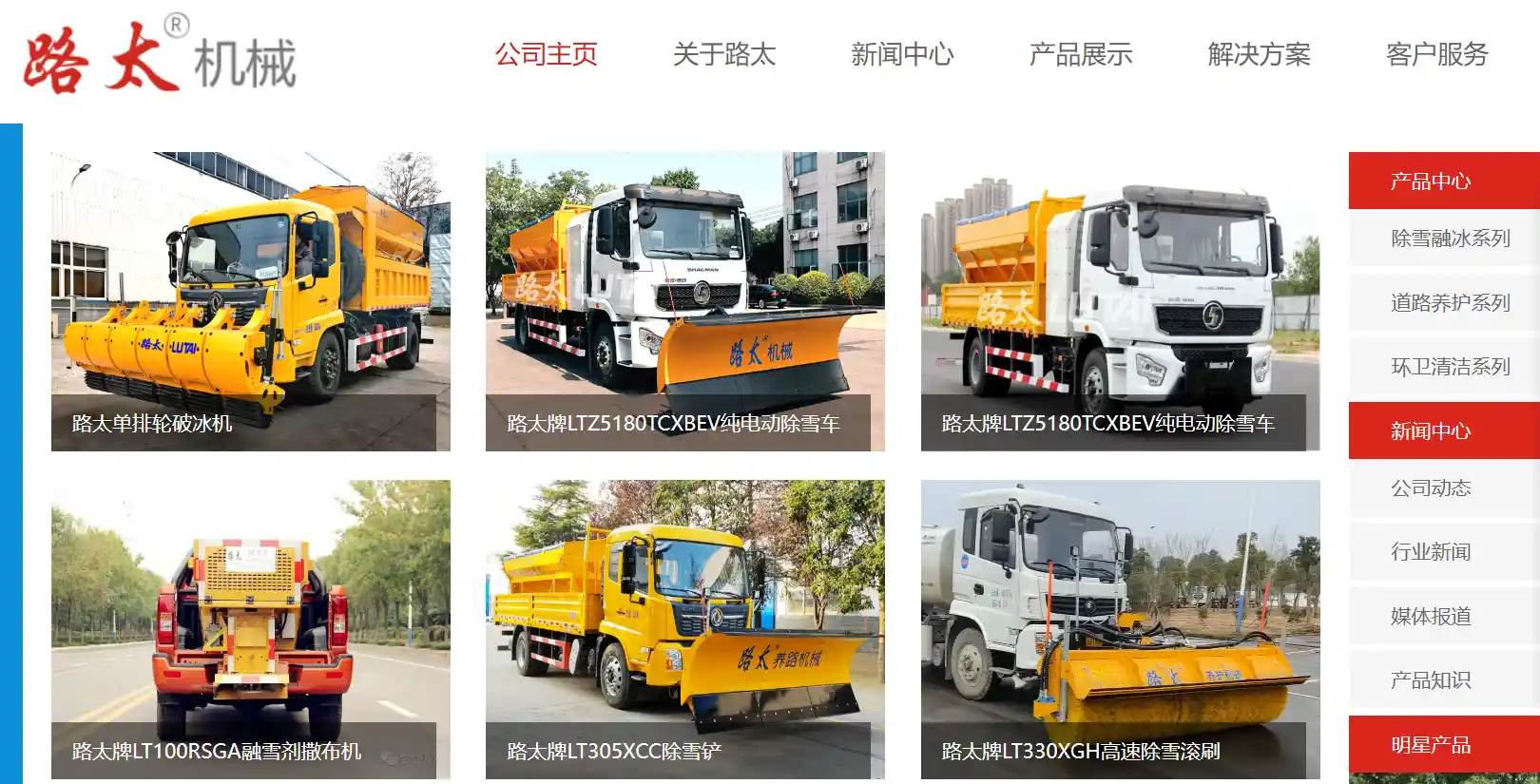
Lutaï Machinery is a high-tech enterprise specializing in the R&D and manufacturing of environmental sanitation and road maintenance equipment. It provides comprehensive sanitation services, including emergency snow removal and treatment.

  • Huigong Heavy Industry Technology Co., Ltd.

It is a high-tech enterprise specializing in snow removal and sanitation equipment. With a complete R&D and production system, it manufactures various snow plows and snow blowers, and has successfully exported its products to the international market.

VI. How to Source and Purchase in China

Navigating the Chinese supply chain for specialized equipment requires a strategic approach. Here are the primary channels:

  • Direct Manufacturer Contact: Suitable for high-volume buyers or those with very specific technical requirements. This requires significant research, language capability, and quality assurance resources.
  • B2B Platforms (Alibaba.com, Made-in-China.com): Excellent for discovering a wide range of suppliers, from factories to exporters. You can filter by product type, request quotes, and verify business certifications. Always request product videos and specifications.
  • Industry Trade Shows: Attending major international trade shows for landscaping, municipal equipment, or robotics is one of the best ways to see machines in action, compare brands, and establish direct contacts.
  • Engaging a Professional Sourcing Agent (Highly Recommended): For most international buyers, this is the most efficient and low-risk path to finding reliable, high-quality suppliers. This is where a partner like IMEXsourcing provides immense value.

VII. Key Considerations for Procuring Snow Removal Equipment from China

Successfully procuring snow removal machinery from China requires careful planning and attention to detail beyond just finding a supplier with a good price. Navigating the international supply chain involves several critical steps to ensure you receive equipment that meets your specifications, quality standards, and operational timeline. Here are the essential factors to consider.

    1. Supplier Verification and Due Diligence
The first and most crucial step is thoroughly vetting potential suppliers. Do not rely solely on their online presence.

  • Factory Audit: Request a virtual or in-person factory tour to assess their manufacturing capabilities, workshop organization, and quality control processes firsthand.
  • Business License & Certifications: Verify their business license and relevant international certifications, such as CE for the European market or EPA regulations for engine emissions, which are crucial for customs clearance.
  • References and Track Record: Ask for references from previous international clients, especially in your region, and look for case studies or proven experience in exporting to your country.

    2. Precise Technical Specifications and Compatibility
Clearly defining and confirming every technical detail is paramount to avoid receiving unsuitable equipment.

  • Detailed Specification Sheet: Create and contractually agree upon a comprehensive technical specification sheet covering dimensions, engine power and type (diesel/gasoline/electric), clearing width and height, operating capacity, material grade (e.g., steel quality for blades), and all required features.
  • Climate Compatibility: Explicitly state the environmental conditions the machine must withstand, including temperature ranges, humidity, and terrain type. Equipment for Scandinavian winters differs from that for North American wet snow.
  • Spare Parts Availability: Discuss the availability and cost of critical spare parts (like shear bolts, belts, hydraulic hoses) and ensure the supplier can provide a recommended spare parts list for initial purchase.

   3. Commercial Terms and Contract Clarity
Protect your business interests with clear, unambiguous commercial terms.

  • Incoterms: Clearly define responsibilities using Incoterms 2020 (e.g., FOB, CIF, DAP). Understand exactly what the quoted price includes (e.g., packaging, inland freight, export duties, insurance, sea freight).
  • Payment Terms: Negotiate secure and staged payment terms. Common structures include a deposit (e.g., 30%), balance against copy of shipping documents, and a portion (e.g., 10%) held until after successful delivery and inspection.
  • Warranty and After-Sales Service: Secure a clear warranty policy (duration, scope, what is excluded). Clarify how after-sales support, troubleshooting, and technical guidance will be provided remotely.

   4. Quality Control and Inspection
Never assume quality; always verify it through independent checks.

  • Pre-Shipment Inspection (PSI): Hiring a third-party inspection company to conduct a PSI is highly recommended. They will check the equipment against your specs for build quality, function, safety, and packaging before it leaves the factory.
  • Sample or Pre-Production Unit: For large orders, consider requesting a sample or inspecting the first unit off the production line to confirm quality before full production begins.

   5. Logistics, Packaging, and Customs
Proper planning for shipping prevents damage and delays.

  • Export-Compliant Packaging: Ensure the supplier uses professional, heavy-duty export packaging (crated or seaworthy wooden cases) to withstand ocean freight. Specify if it needs to be fumigated if using wood.
  • Shipping and Lead Times: Factor in realistic manufacturing and shipping lead times, considering potential port congestion. Choose a reliable freight forwarder with experience in handling heavy machinery.
  • Import Regulations: Research your country’s import regulations, duties, and any required documentation for heavy equipment well in advance. The supplier should provide all necessary export documents (commercial invoice, packing list, certificate of origin, etc.).

   6. The Value of a Sourcing Partner
Given these complexities, partnering with a professional sourcing agent like IMEXsourcing can be a strategic decision that mitigates risk and saves significant time and cost. An agent provides on-the-ground expertise for supplier vetting, negotiation, quality control, and logistics coordination, acting as your trusted representative throughout the entire process.

By systematically addressing these key areas, you can transform the procurement process from a daunting challenge into a streamlined and successful investment in reliable winter maintenance equipment.

VIII. Why Partner with IMEXsourcing for Your Purchase?

Procuring technical machinery like remote-controlled snow blowers from abroad involves navigating complexities in communication, quality control, and logistics. IMEXsourcing acts as your expert partner on the ground.

  • Supplier Vetting & Technical Matchmaking: We go beyond online listings. We identify and audit factories based on your specific needs—whether it’s battery life, clearing capacity, or after-sales support—ensuring a perfect technical match.
  • End-to-End Quality Assurance: We manage the entire quality control process, from initial sample evaluation to pre-shipment inspections. We ensure the machine you receive matches the specifications and performance standards you ordered.
  • Cost Negotiation & Contract Security: We leverage local expertise to secure the best possible pricing and clear contractual terms, protecting your payments and intellectual property.
  • Logistics & Customs Simplification: We handle all complexities of international shipping, export documentation, and customs clearance, ensuring your equipment arrives smoothly at its destination.

IX. Conclusion

China’s remote-controlled snow blower industry offers a compelling blend of advanced technology, operational safety, and cost-effective manufacturing. For any organization looking to modernize its winter operations, reduce labor risks, and improve efficiency, this market presents a powerful solution.

Ready to explore how remote-controlled snow removal can transform your winter workflow? Contact IMEXsourcing today for a personalized consultation. We can connect you with vetted suppliers, arrange virtual factory tours, and manage the entire procurement process to equip you for smarter winter seasons ahead.
 

Message us for more information

Please let us know your request, we will get back to you within 24 hours.

    Made in China: When Sewing Machines Meet AI – A New Global Procurement Focus

    I. From Manual Stitches to AI Code: China Now Makes Over 80% of the World’s Industrial Sewing Machines

    In a smart factory in Taizhou, robotic arms precisely grab soft fabrics and automatically feed them into sewing machines. An AI system monitors the tension of every stitch in real time, while operators control complex processes with simple hand gestures – this is today’s reality in China’s sewing machine industry.

    Out of every 10 industrial sewing machines produced globally, over 8 are now made in China. An industry once famous for cheap labor is now redefining the future of sewing production through deep integration of artificial intelligence (AI), the Internet of Things (IoT), and automation technologies.

    China’s sewing machine industry has completed a strategic transformation from “cost advantage” to “technological leadership,” becoming a key partner for the transformation and upgrading of global industries such as apparel, home textiles, and automotive interiors.

    II. Taizhou Cluster: Powering Global Sewing with a Seamless Supply Chain

    China’s sewing machine industry has formed a complete ecosystem. This system encompasses not only sewing machine manufacturing itself but also extends to key component production, intelligent system development, and technical services.

    Industrial clusters are mainly concentrated in Taizhou (Zhejiang), Shanghai, and surrounding areas, forming the world’s most complete industrial chain for sewing equipment.

    According to industry statistics, Chinese manufacturers hold approximately an 85% share of the global industrial sewing machine market. Behind this figure lies continuous technological innovation and supply chain optimization.

    In Taizhou, Zhejiang—a key sewing machine industry cluster—there are over 1,000 related enterprises. Everything from tiny screws to complex electronic control systems can be sourced and produced locally.

    This highly integrated supply chain enables Chinese manufacturers to respond rapidly to market changes, offering high-quality products at competitive prices.

    A modern sewing machine manufacturing cluster in Taizhou, Zhejiang, showing automated production lines.

    China’s sewing machine manufacturing hub in Taizhou, Zhejiang, featuring advanced automated production lines.

    III. Intelligent Transformation: How AI is Reshaping Traditional Sewing

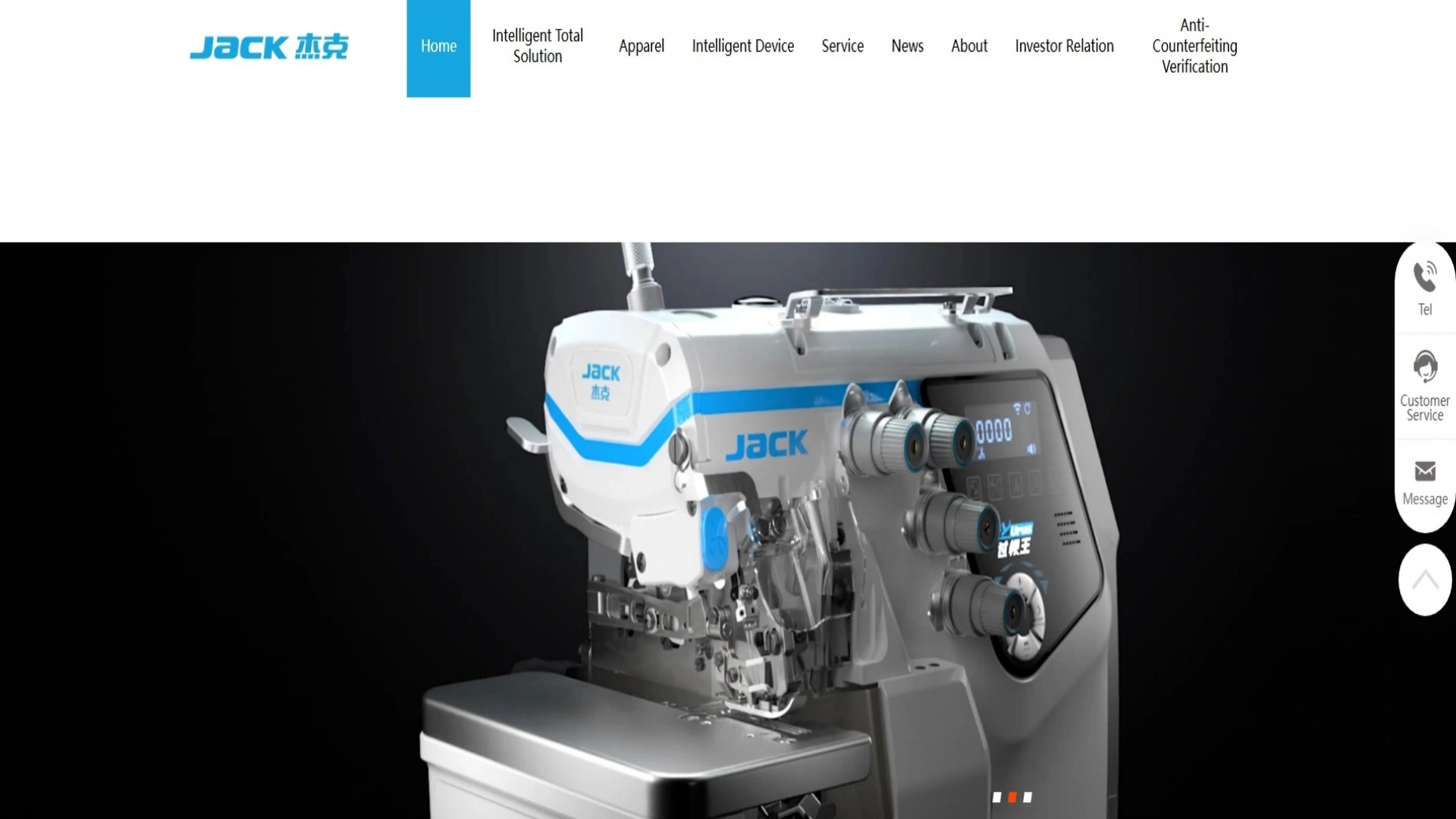
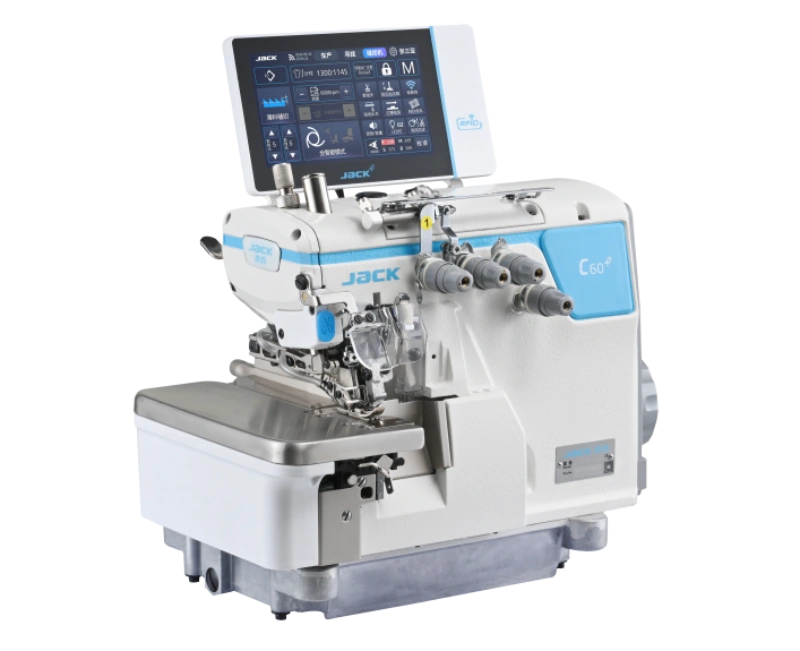
    The application of artificial intelligence (AI) technology is completely transforming the landscape of sewing production. Leading Chinese enterprises like Jack Sewing Machine, with their AI sewing machine Ai10, represent the cutting edge of this intelligent transformation.

    Hailed as the “world’s first AI sewing machine,”the Ai10 contains a vertical model trained on over 1 million hours of sewing data. It uses sensors to recognize an operator’s hand gestures and compares them in real-time with “expert experience” within the system.

    When a novice operator makes common mistakes, the system provides immediate corrective prompts, reducing traditional training cycles by over 60%. Even experienced workers can optimize their workflow through AI, boosting efficiency by 8-15%.

    Another breakthrough comes from Yina Smart’s AI hanging production system. Evolving from a simple “execution system” to a predictive “management system,” it monitors production line status in real time, predicts potential bottlenecks and equipment failures, and proactively adjusts production pace and resource allocation.

    This shift from “reactive” to “predictive” operation increases overall production efficiency by 20-30% while significantly reducing unplanned downtime.

    IV. Commercial & Household: A Full-Scenario Product Matrix

    Chinese-made sewing machines cover the complete spectrum of needs—from large-scale industrial production to household crafts—forming a differentiated product matrix.

    • Commercial/Industrial Sewing Machines

    In the industrial sector, Chinese manufacturers offer a complete series from basic lockstitch machines to highly automated intelligent units.

    Intelligent lockstitch/overlock machines are equipped with high-efficiency servo motors, saving up to 60% more energy than traditional clutch motors while significantly reducing operational noise. Fully automatic pattern sewing machines complete complex pattern sewing through pre-programming, lowering skill requirements for workers and ensuring product consistency.

    Specialized automatic machines, like fully automatic buttonholers and button sewers, are optimized for specific processes, offering 3-5 times the efficiency of ordinary machines. Smart sewing units integrate robots, robotic arms, and sewing machines, providing preliminary solutions to the industry challenge of automated handling of soft fabrics.

    • Household Sewing Machines

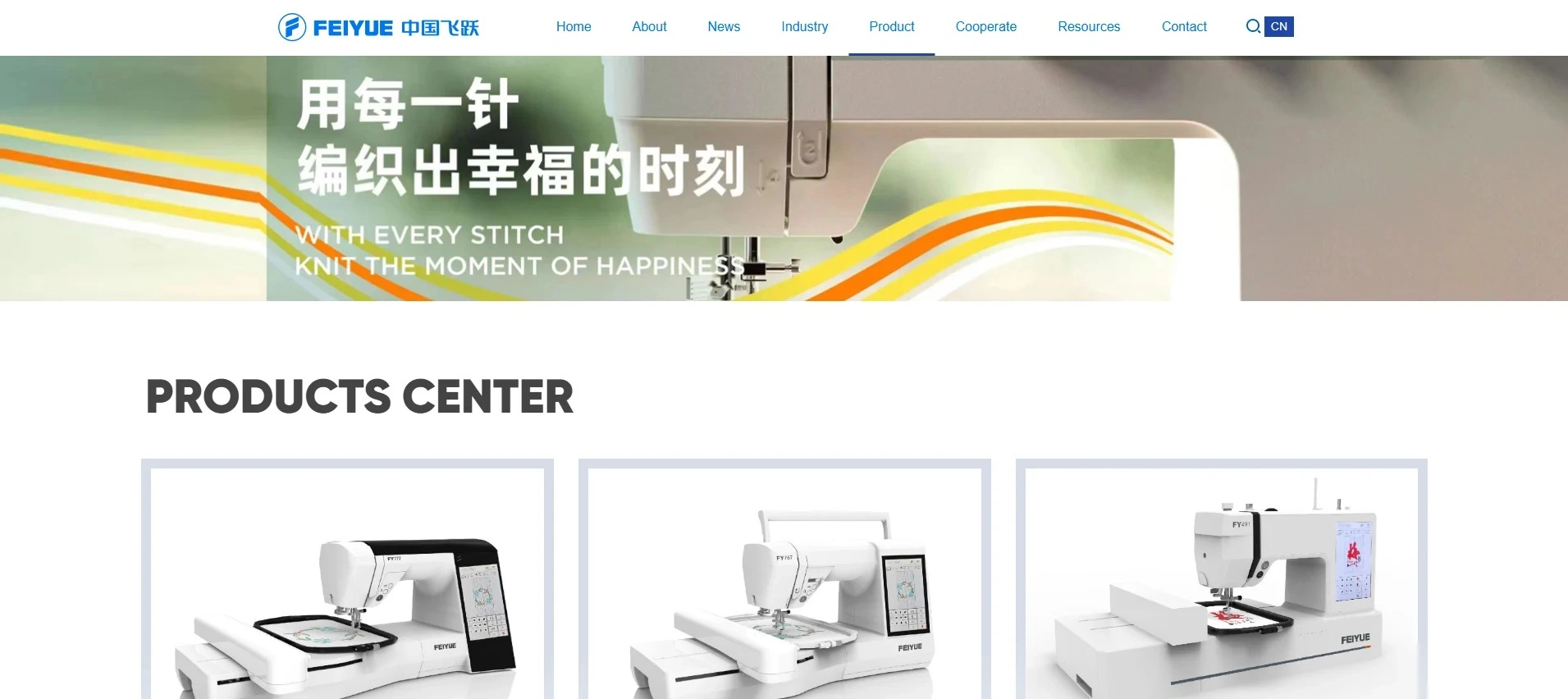
    For the household market, Chinese manufacturers also offer diverse options. Multi-function electric sewing machines integrate dozens or even hundreds of stitch patterns to meet daily sewing needs. Computerized sewing-embroidery combo machines combine precise sewing with automatic embroidery functions, serving as creative tools for hobbyists.

    Mini/portable sewing machines are lightweight and easy to use, ideal for minor repairs and student projects. These household models are generally user-friendly and affordable, holding a significant share in the global DIY market.

    V. China’s Sewing Machine Ecosystem: The Core Clusters Driving Global Leadership

    While China’s sewing machine industry spans the country, its unparalleled strength is concentrated in a few key geographic powerhouses. These core clusters, each with distinct specializations, form the world’s most complete and efficient manufacturing ecosystem for sewing technology.

    Core Clusters and Their Specializations:

    Taizhou, Zhejiang Province:

    • The Manufacturing Heartland & Supply Chain Nexus Role:

    The undisputed global epicenter and largest production base.

    • Scale & Ecosystem:

    With over 1,000 related enterprises, it boasts perfect vertical integration. Every component, from micro-screws to advanced electronic controls, can be sourced locally, enabling unmatched agility and cost efficiency.

    • Modernization:

    Rapidly transitioning to automated and smart manufacturing.

    Shanghai and Surrounding Areas:

    • The R&D, High-End & Global Business Hub Role:

    The center for innovation, premium branding, and international operations.

    • Focus:

    Leads in developing computerized, automated, and intelligent sewing systems. Hosts major corporate headquarters and drives high-end market trends.

    The Extended Yangtze River Delta Network:

    • The Integrated Support Belt Role:

    Provides critical synergy and specialized support.

    • Function:

    The provinces around Shanghai and Zhejiang offer a dense network for advanced components, materials, and logistics, creating a resilient “one-hour supply circle.”

    VI. Top 5 Industry Leaders : Brand Power Driven by Technological Innovation

    The rise of China’s sewing machine industry is powered by a group of enterprises driven by technological innovation.

    •  Jack Technology Co., Ltd.

    Jack Sewing Machine, a global sales leader, has set an industry technology benchmark with its Aitu brand’s AI sewing machine

    • ShangGong Group Co., Ltd.

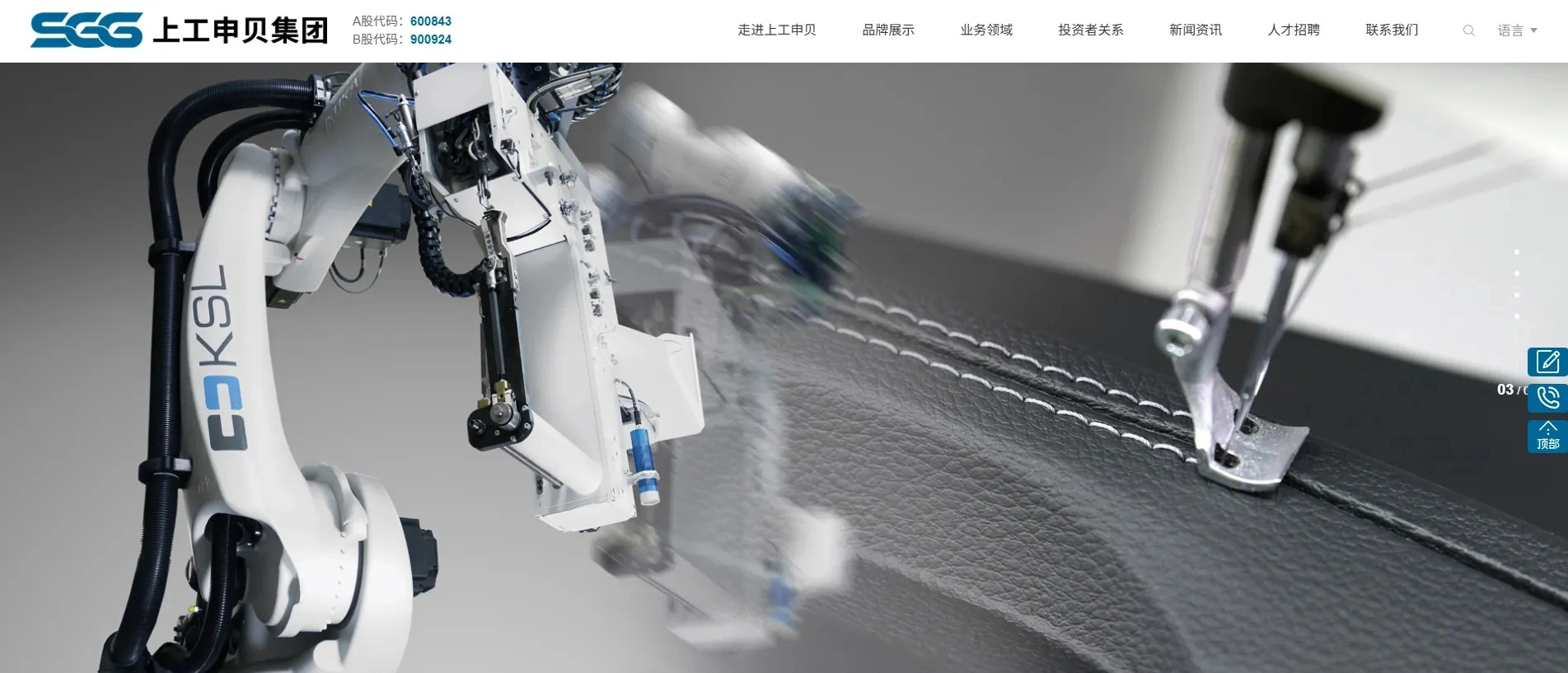
    The ShangGong Group combines technology from international brands like Germany’s Pfaff—acquired through global M&A—with Chinese manufacturing advantages.

    •   Zhejiang ZOJE Sewing Technology Co., Ltd.

    Zhongjie Sewing Technology focuses on the mid-to-high-end industrial market, with clear advantages in efficiency and precision for specialized machines like its fully intelligent pocket setters.

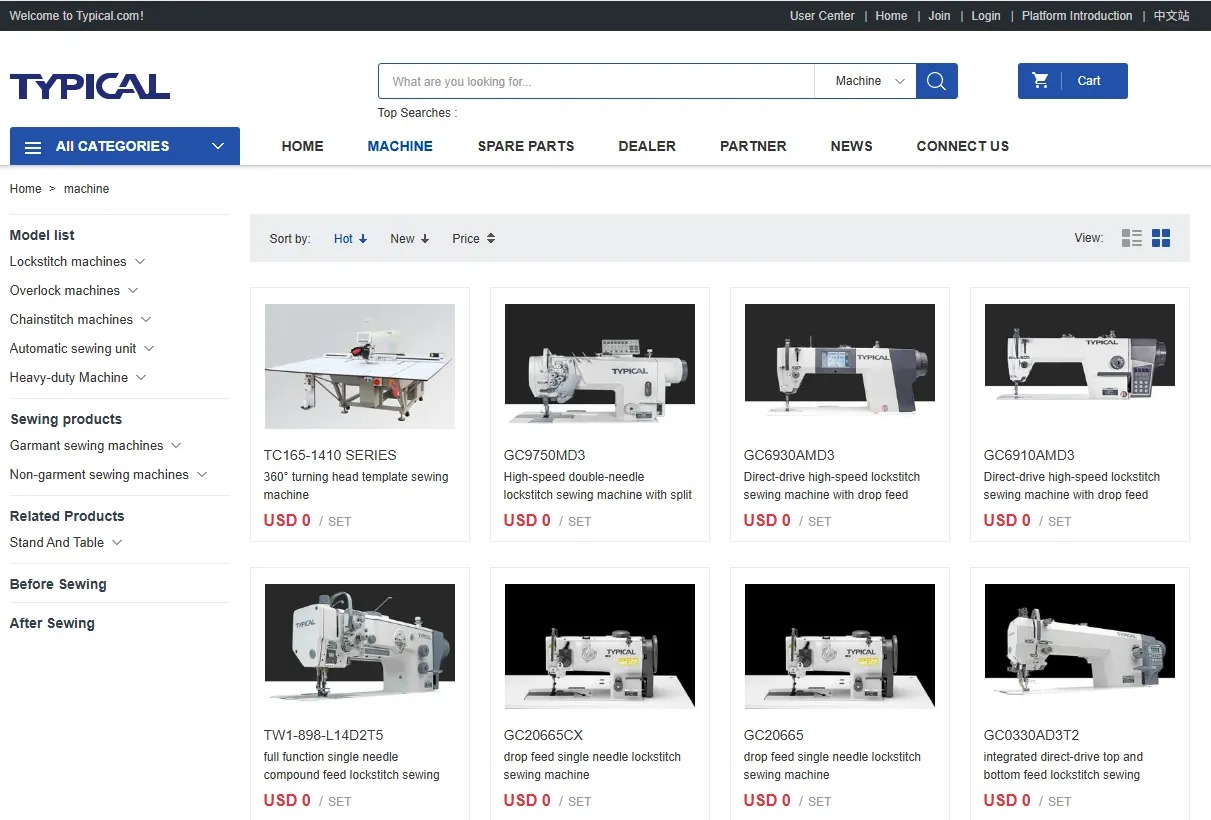
    •   Xi’an Typical Industries Co., Ltd.

    As a historic and publicly-listed enterprise in China’s sewing machinery sector, it delivers comprehensive system solutions for apparel and related industries.

    •  Feiyue Group Co., Ltd.

    A primary supplier of sewing equipment in China, the company combines research & development, production, and trading in its integrated business model.

    These companies compete not only in product innovation but also in building global service systems. By establishing service centers and spare parts warehouses in major world markets, Chinese sewing machine manufacturers can provide timely localized support to international clients.

    VII. Procurement Guide: Sourcing High-Quality Sewing Machines from China

    Navigating the Chinese supply chain for industrial and commercial sewing machines requires a strategic and informed approach. Understanding the various channels available will help you find the right supplier efficiently. Here are the primary methods:

     1.Direct Manufacturer Contact

    This path is suitable for high-volume buyers, OEM projects, or those with highly specific technical requirements (e.g., specialized stitches for shoemaking or automotive interiors). It demands significant investment in market research, native-level language skills for technical negotiation, and robust internal resources for factory audits and quality control. Successfully navigating this channel can lead to direct pricing but carries higher due diligence risk.

      2.B2B Online Platforms (Alibaba.com, Made-in-China.com)

    These platforms are excellent for initial discovery, allowing you to filter hundreds of suppliers by machine type (e.g., overlock, coverstitch, bar tack), brand, and price point. You can view company certifications, request quotations, and communicate directly. Key advice: Always request authentic factory walk-through videos and detailed specification sheets, and ask for sewing samples on your specific materials to verify stitch quality and machine performance.

      3.Industry Trade Shows

    Attending major international trade shows remains one of the most effective ways to source. Events like CISMA (China International Sewing Machinery & Accessories Show) in Shanghai or international exhibitions like Texprocess allow you to see machines running live, compare build quality and noise levels, test user interfaces, and establish direct, trusted relationships with sales and engineering teams.

    4. Engaging a Professional Sourcing Agent (Highly Recommended)

    For most international buyers, partnering with a specialist like IMEXsourcing is the most efficient and low-risk strategy. We provide immense value by leveraging our local network to vet reliable factories, negotiate favorable terms, conduct rigorous pre-shipment inspections (checking motor power, stitch consistency, and safety features), and manage complex logistics and customs clearance. This single-point-of-contact service saves time, mitigates risk, and ensures you receive equipment that precisely matches your production needs.

    VIII. Choose IMEXsourcing as Your Sewing Machine Sourcing Partner in China

    When procuring high-quality sewing machines and complete production line equipment from China, partnering with an experienced and reliable sourcing agent is crucial. IMEXsourcing offers a comprehensive service portfolio to streamline your procurement process and ensure exceptional value, with the following core advantages:

    1. Extensive Industry Procurement Experience: With years of experience in sourcing garment and textile machinery, we accurately connect you with top-tier Chinese manufacturers. Our product range is comprehensive, covering everything from industrial lockstitch/overlock machines and specialized equipment (e.g., buttonholing, bartacking) to fully automated sewing units and smart production lines, as well as supporting pre-processing and finishing systems. This meets your diverse needs for different production scales, garment types, and automation levels.
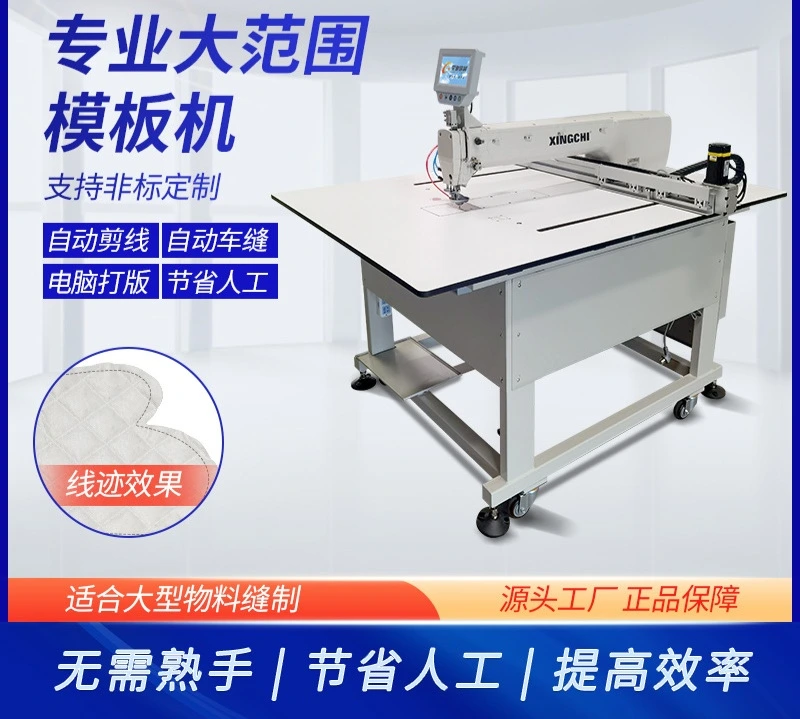
    2. Tailored Solutions: We support in-depth customization based on your specific requirements, including equipment speed and configuration, selection of core components (such as needles, feed systems, and motors), structural adaptations for specific fabric characteristics (e.g., elasticity of knits, thickness of denim), and industrial automation system integration (such as programmable pattern sewing, automatic thread trimming, and real-time production data monitoring). This ensures the equipment perfectly matches your production volume, material properties, and final product quality standards.
    3. Stringent Supplier Verification: We conduct thorough factory audits of our manufacturing partners, verifying their production capacity, technical R&D capabilities, and quality control systems. We ensure suppliers hold relevant certifications (e.g., ISO 9001, CE) and that their products comply with domestic and international safety and performance standards (such as stitching precision, machine durability, energy efficiency, and operational safety).
    4. Professional Negotiation Capabilities: Leveraging industry resources and aggregated purchasing volume, we secure the most favorable pricing, payment terms, and after-sales service agreements for you, reducing overall procurement costs and mitigating risks.
    5. Full-Cycle Quality Assurance: We implement a rigorous end-to-end quality management process, including sample testing, production process monitoring, and pre-shipment inspection (focusing on key checks such as stitching quality, machine stability, durability testing, and completeness of accessories and spare parts). This ensures every delivered sewing machine and production line meets your expectations for performance and reliability.

    IX.Conclusion

    The future of China’s sewing machine industry is quietly unfolding in humanoid robot labs. Companies like Jack have demonstrated smart units that combine sewing robots with 3D vision-grasping technology, capable of recognizing, picking up, and sewing completely different fabrics.

    These technological breakthroughs signal that global garment factories will eventually transition from labor-intensive operations to fully automated “lights-out” factories. The core technologies driving this transformation will increasingly bear the mark of “Intelligent Manufacturing in China.”


    Message us for more information

    Please let us know your request, we will get back to you within 24 hours.

      Your Complete Guide to Sourcing Embroidery Machines from China

      I. Why China’s Embroidery Machines Are Stitching Up the Global Market

      Embroidery, an art form with millennia of tradition, has been utterly transformed by modern technology. Today, China stands at the forefront of this revolution, manufacturing some of the world’s most advanced, efficient, and innovative computerized embroidery machines. This guide will navigate the vibrant landscape of China’s embroidery machinery sector, highlighting what makes it a premier choice for global businesses.

      II. What is a Computerized Embroidery Machine?

      A computerized embroidery machine, the pinnacle of modern embroidery equipment, automates the intricate process of stitching designs onto fabric.It translates digital patterns into precise, high-speed needlework, achieving levels of speed, uniformity, and complexity that are impossible with manual embroidery.These machines are sophisticated electromechanical products that blend precision engineering with digital intelligence.

      III. Key Features & Technological Advantages

      Chinese manufacturers have moved far beyond imitation, now driving innovation with machines that offer compelling advantages:

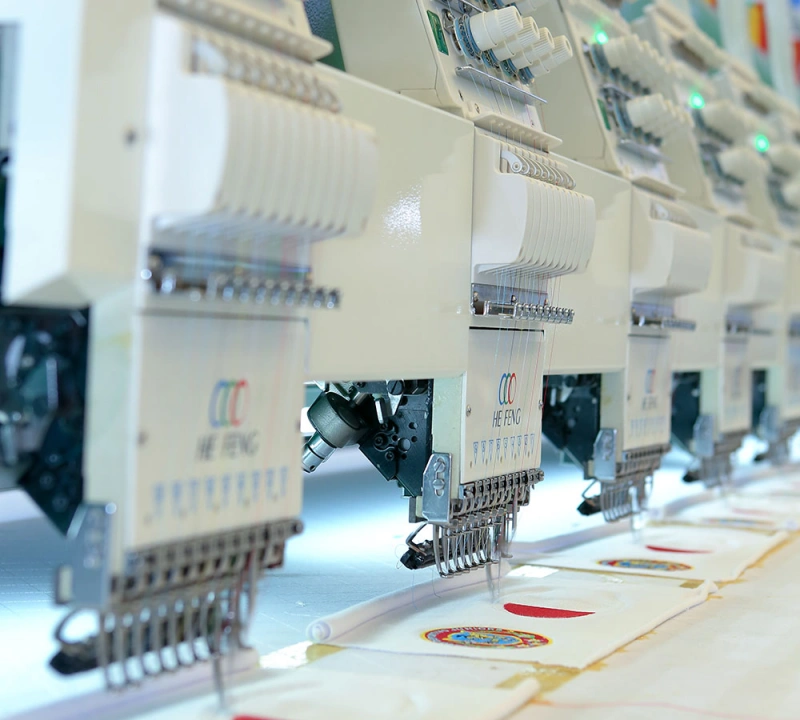
      • Unmatched Speed & Stability: Modern high-end models, like the 266-head machines showcased in Zhejiang, operate at stunning speeds of up to 1400 RPM while maintaining exceptional stability, solving the traditional problem of high breakage rates at high speeds.
      • Precision Engineering: Utilizing imported core components such as Japanese-made hooks and Italian Mechatronics belts, these machines ensure reliable, high-quality stitching. Advanced servo motors and drive systems provide needle positioning accuracy within ±0.05mm.
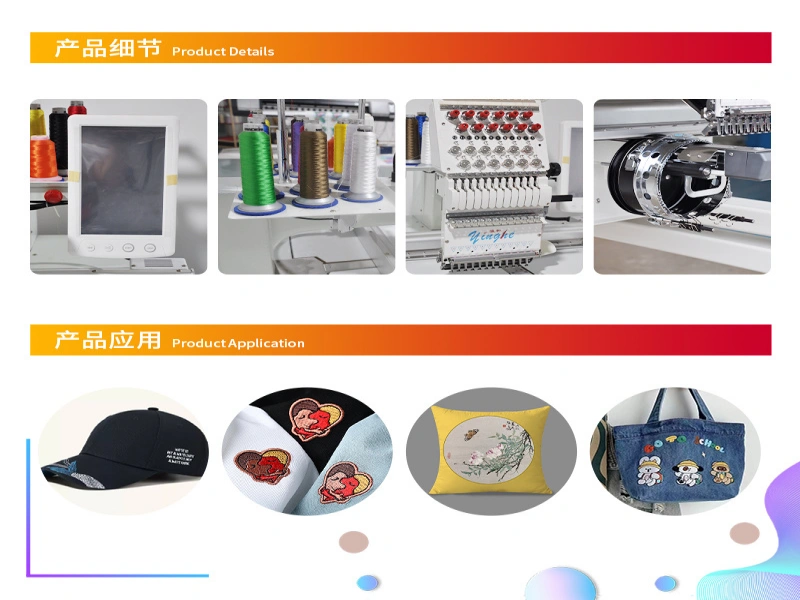
      • Smart, User-Friendly Controls: Equipped with high-resolution color touchscreens and intuitive interfaces (often available in multiple languages), they simplify operation. Intelligent features like automatic thread trimming, broken thread detection, and automatic color changing are now standard.
      • Versatility & Customization: From standard flat embroidery to specialized functions like sequin, towel (loop), and chenille embroidery, Chinese machines offer tremendous versatility. Many are multi-functional “combo” machines that integrate several techniques into one unit, a capability leading manufacturers highlight as unique in the global market.
      • Connectivity & Automation: The industry is rapidly embracing Industry 4.0. Leading companies provide cloud-based platforms that connect thousands of machines for remote monitoring, production management, and data analytics, enabling true smart factories.

      IV. Product Classification: Finding Your Perfect Match

      The market offers a machine for every need, primarily categorized by function:

      • Flat/Plain Embroidery Machines: The Unbeatable Workhorse
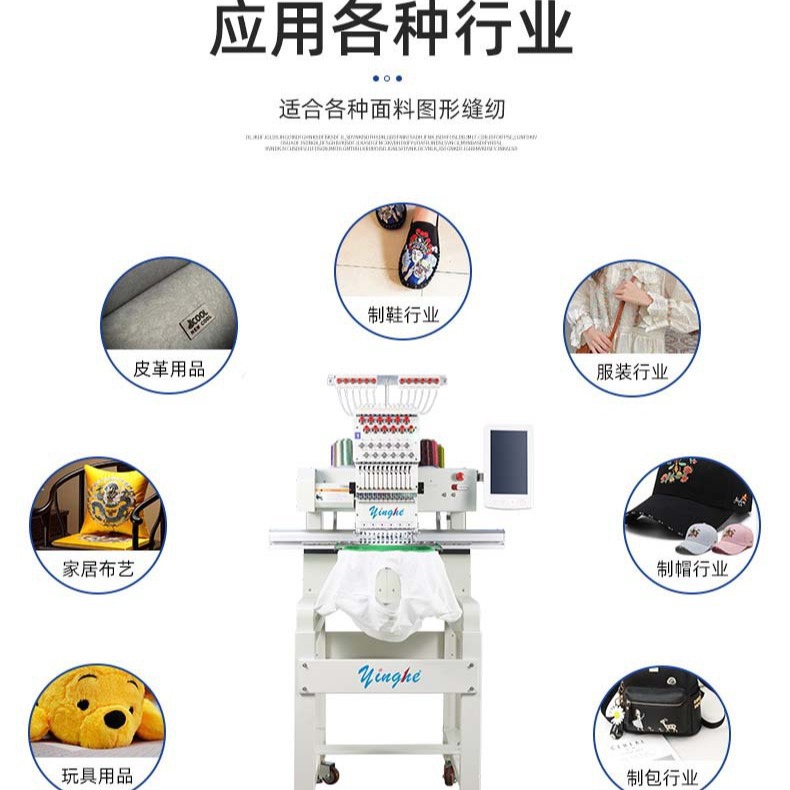
        As the cornerstone of the industry, flat embroidery machines offer unmatched versatility and reliability for applying intricate, two-dimensional designs. They are the essential powerhouse for everyday production, delivering consistent, high-quality results on everything from corporate apparel and brand logos to elegant home textiles like curtains and bedding. This is your foundational tool for building a stable and profitable embroidery business.

      • Sequin/Spangle Embroidery Machines: Capture the Spotlight
        Transform ordinary fabric into extraordinary showpieces. Sequin embroidery machines automatically and precisely attach sequins of various shapes and sizes, infusing garments with dazzling sparkle and texture. This technology is indispensable for creating eye-catching fashion garments, breathtaking stage costumes, statement haute couture, and luxurious handbags that command attention and higher price points.
      • Towel (Loop) Embroidery Machines: Create Touchable Dimension
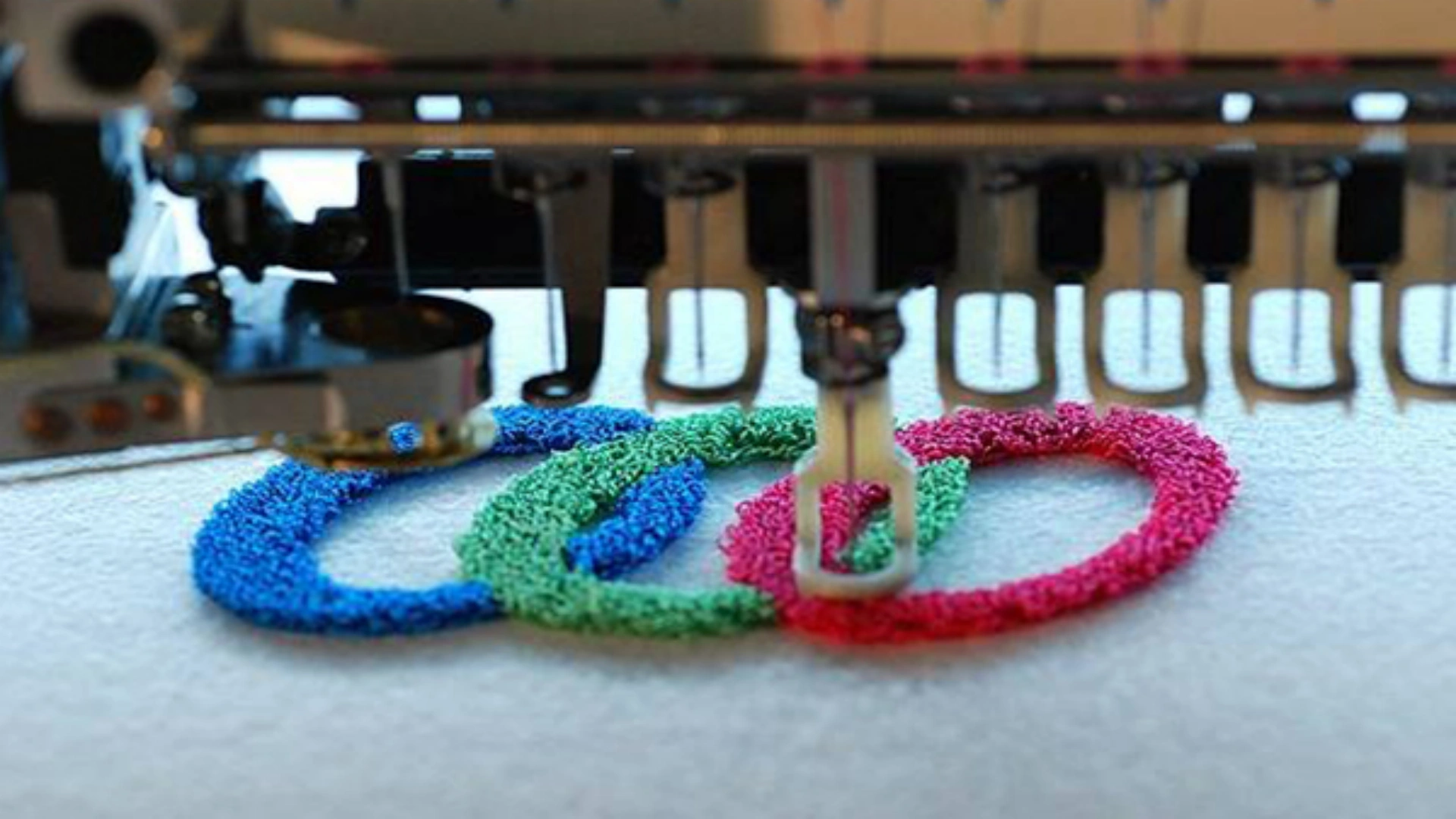
        Add a soft, tactile experience to your products. Towel embroidery machines expertly create a looped pile stitch, resulting in a soft, three-dimensional terrycloth-like effect. This unique texture is perfect for adding playful and durable accents to children’s wear, creating distinctive decorative patches, or providing a luxurious feel to high-end fashion items, opening doors to premium markets.

      • Chenille (Rope) Embroidery Machines: Embody Bold Tradition
        Make a statement with raised, textured outlines. Chenille machines stitch down thick, cord-like threads to create bold, raised designs that are both visual and tactile. This classic technique is iconic for letterman jackets, durable logos, and decorative emblems, appealing to markets that value tradition, durability, and a rugged, high-quality aesthetic.
      • Cap & Apparel Embroidery Machines: Master Direct-to-Garment Precision
        Unlock the lucrative direct-to-finished-goods market with specialized expertise. These machines are engineered with unique frames and hoops designed to securely hold and perfectly embroider finished caps and pre-assembled garments. They are the key to efficiently producing custom headwear, branded workwear, and personalized ready-to-wear fashion with professional results.

      • High-Speed Machines: Unleash Mass Production Power
        When volume is king, speed is your greatest competitive edge. High-speed embroidery machines are engineered for one primary goal: maximizing output. Optimized for the flawless and rapid production of standard designs, these machines are the engines behind large-scale textile and garment manufacturing, driving down per-unit costs and ensuring you meet demanding deadlines.

      • Multi-Function Combo Machines: Ultimate Versatility, Maximum ROI
        Why limit your capabilities? Multi-function combo machines are the strategic investment for agile workshops. By seamlessly integrating three or more techniques—such as flat, sequin, and chenille embroidery—into a single, intelligent unit, they empower you to tackle diverse, small-batch orders, produce custom luxury goods, and pivot quickly between projects without sacrificing floor space or capital.

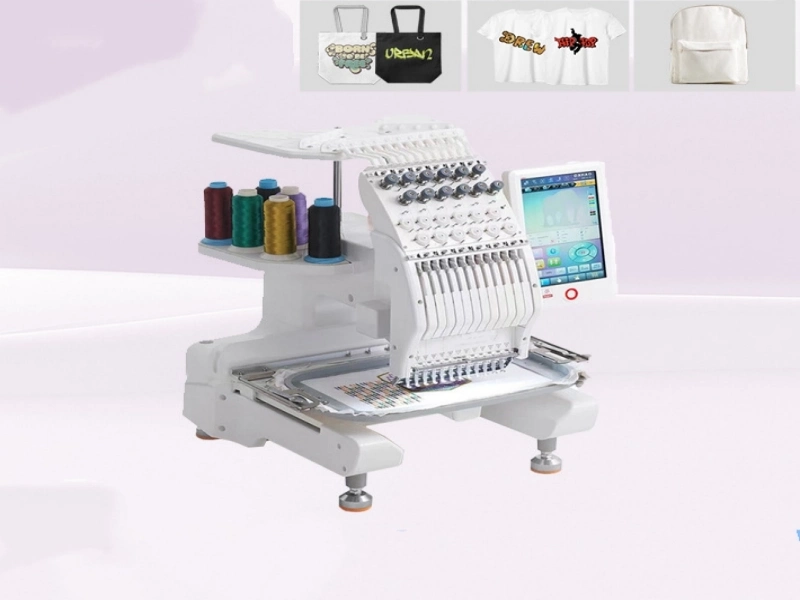
      Machines are also classified by the number of heads (single to over 20) and needles per head, allowing fine-tuning for production scale and color complexity.

      V. The Heart of Production: China’s Embroidery Machine Capital

      The undisputed global epicenter for embroidery machine manufacturing is Zhuji City in Zhejiang Province, officially designated as the “Chinese Embroidery Machine Industry Base“.

      • Market Dominance: This single cluster produces an estimated 70% of China’s and 65% of the world’s computerized embroidery machines.
      • Complete Ecosystem: The area hosts over 50 complete machine manufacturers and 80 specialized component suppliers, creating a robust and efficient supply chain.
      • Economic Powerhouse: In 2024, the industry here achieved an output value of approximately ¥115.9 billion (about $16.3 billion USD), with exports reaching ¥35.3 billion.

      VI. Top 5 Leading Manufacturers to Know

      Several companies from Zhuji and beyond are industry leaders:

      • Zhejiang Xinsheng Science & Technology Co., Ltd.: A technology-driven leader known for its ultra-high-speed, multi-head machines (like the 266-head model) and holding over 400 national patents.
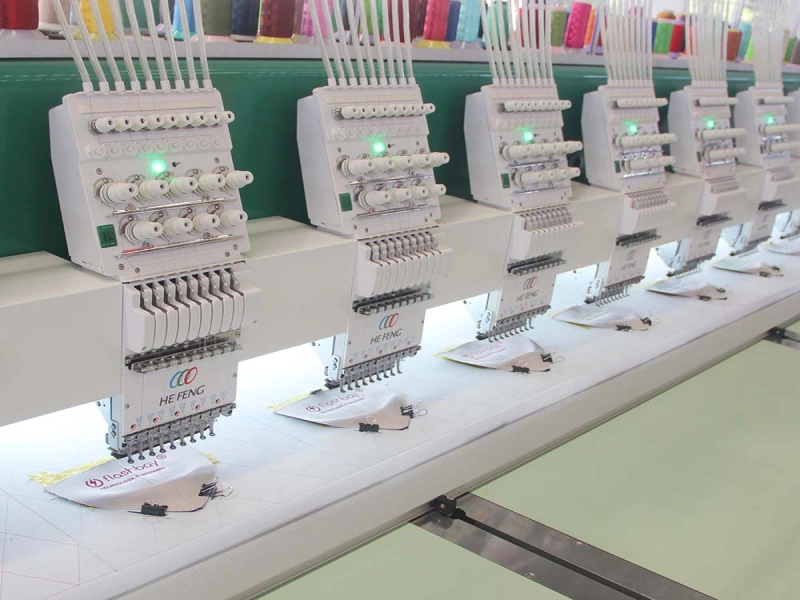
      • Hefeng Embroidery Machinery Co., Ltd.: A reputable manufacturer offering a wide nine-series product range from flat and high-speed machines to cap and sequin embroidery models, all certified under the ISO9001 quality management system.

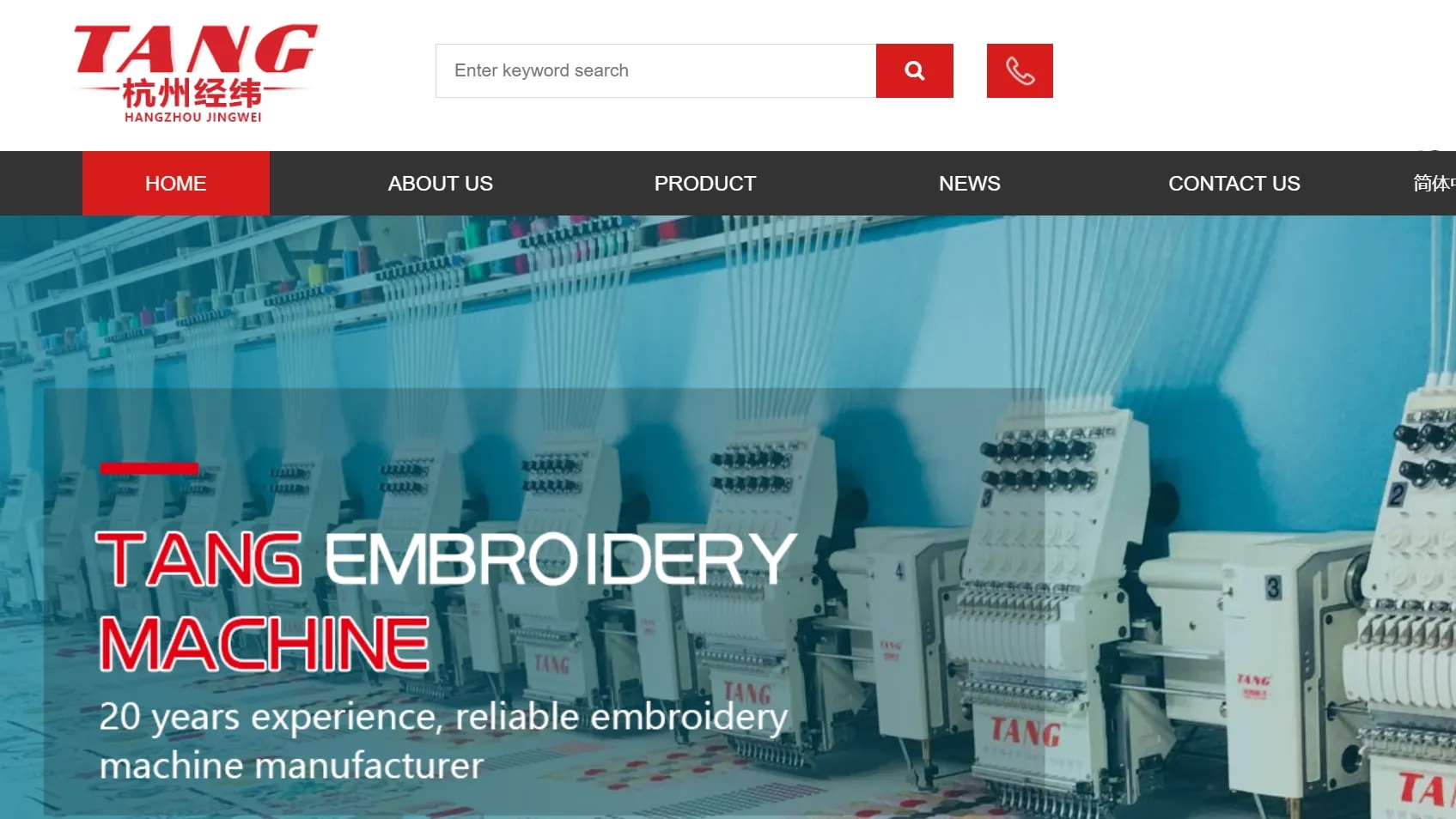
      • TANG Hangzhou Jingwei Electronic Mechanical Manufacture Co., Ltd.:A well-known manufacturer and high-tech enterprise specializing in multi-head, multi-needle computerized embroidery machines.

      • Zhejiang Yuelong Sewing Equipment Co., Ltd.:A domestic industry leader and high-tech enterprise, integrated in R&D, design, production, sales, and service.

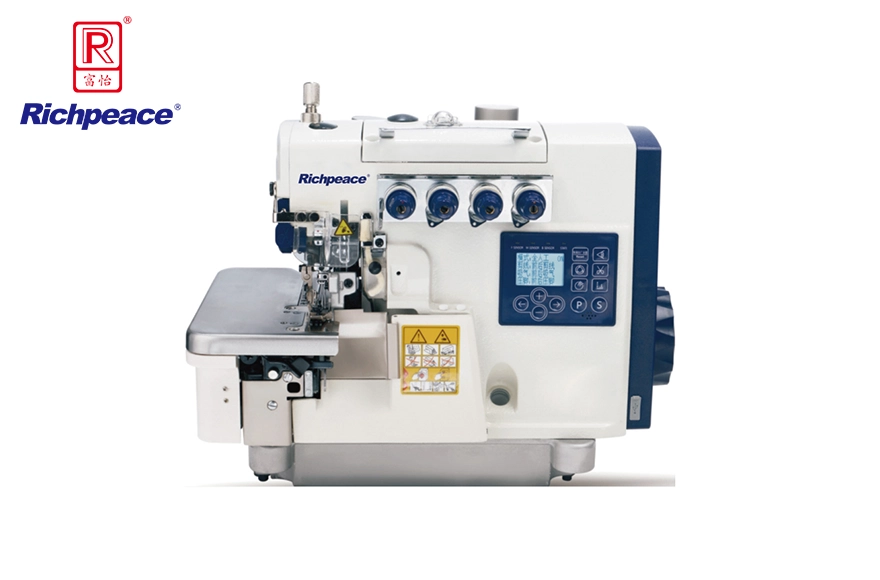
      • ShangGong Richpeace Intelligent Manufacturing (Tianjin) Co., Ltd.:A high-tech group focusing on cutting and sewing for flexible materials, offering a wide range of products including CAD software and laser equipment.

      VII. How to Source and Purchase in China

      There are several effective channels to source wholesalers and manufacturers for embroidery machines in China, each with distinct advantages for international buyers:

         1. Google Search
      Initiate your search by using targeted keywords such as “China embroidery machine manufacturer”, “computerized multi-head embroidery machine supplier”, or “industrial cap embroidery machine”. This method helps you quickly identify industry leaders, access their official websites to review detailed technical specifications, and evaluate their market reputation through customer testimonials and case studies.

          2.Industry Trade Exhibitions
      Attending major trade shows is invaluable for direct engagement. Key exhibitions in the textile and garment machinery sector include:

      • CISMA (China International Sewing Machinery & Accessories Show) – The largest and most authoritative exhibition of its kind in Asia.
      • ITMA Asia – A premier international textile and garment technology exhibition held in Shanghai.

      Visiting these events allows you to communicate face-to-face with suppliers, observe machine demonstrations to compare performance and stitch quality, and establish trusted relationships for future cooperation.

          3. Alibaba.com
      As a dominant global B2B platform, Alibaba.com hosts a vast number of verified suppliers. Use specific keywords like “computerized embroidery machine”, “12-head embroidery machine”, or “sequin embroidery machine” to filter results. You can efficiently communicate with multiple suppliers to request quotations, clarify Minimum Order Quantities (MOQ), and discuss customization options (such as specific head configurations, high-speed requirements, or specialized functions like towel or chenille embroidery).

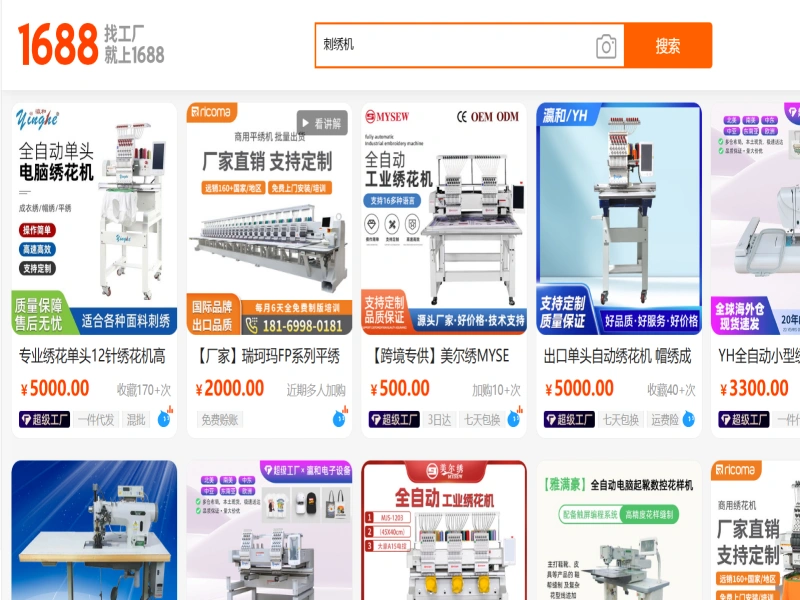
         4. 1688.com (Domestic Chinese Wholesale Platform)
      This is Alibaba Group’s primary wholesale marketplace for the domestic market, where prices are often the most competitive as they come directly from factories. Critical note for international buyers: The platform operates almost entirely in Chinese, with minimal support for international logistics or English-language service. Navigating it successfully typically requires local assistance or advanced language skills.

         5. Made-in-China.com
      This established B2B export platform allows you to filter manufacturers by machine type (e.g., High-Speed Flat Embroidery, Multi-Function Combination Machine) or location. A significant advantage is th
        6. Procurement Agent / Sourcing Service
      Hiring a professional procurement agency like IMEXsourcing streamlines the entire process. They can accurately match you with suitable manufacturers based on your precise needs (e.g., required daily output, fabric type, or budget). A key service is acting as your 1688.com sourcing agent, effectively bridging the language gap, negotiating the best factory prices, and managing the complexities of order follow-up, pre-shipment equipment quality inspections, and international logistics arrangements. This option significantly reduces risk and saves considerable time and effort.

      VIII. Why Partner with IMEXsourcing?

      This is where a specialized partner like IMEXsourcing becomes invaluable. While general sourcing agents are listed in directories, choosing one with relevant expertise is critical. A capable partner provides:

      • Expert Navigation:We cut through the complexity of the vast Zhuji cluster, identifying manufacturers that truly match your technical needs and quality standards, not just the most prominent exporters.
      • Quality Assurance & Factory Audits: We conduct rigorous pre-shipment inspections and can audit factories to ensure their processes and quality control meet international expectations.
      • Technical Liaison & Negotiation: We bridge language and cultural gaps, ensuring your specifications are perfectly understood and securing the best possible commercial terms.
      • End-to-End Logistics Management: We handle the intricacies of international shipping, customs clearance, and documentation, ensuring a smooth journey from the factory floor to your doorstep.
      • Risk Mitigation: From secure payment protocols to contract management, we protect your interests throughout the purchasing process.

      IX. Conclusion

      China’s embroidery machine industry represents a powerful combination of scale, innovation, and value. From the dense, innovative ecosystem of Zhuji to the cutting-edge machines produced there, it offers global businesses an unparalleled source of equipment to enhance creativity and productivity.

      Ready to explore how the right embroidery machine can transform your business? Let’s connect.We can provide deeper insights into specific models, facilitate introductions to certified manufacturers, or discuss how a structured sourcing partnership can streamline your entire procurement process.


      Message us for more information

      Please let us know your request, we will get back to you within 24 hours.

        How to buy Peanut Grinders from China:The Ultimate Buyer’s Guide

        I. Introduction: Advantages of Chinese Peanut Grinders

        China possesses the world’s most complete and concentrated industrial chain for food machinery. This means you can find every product type, from mini household models to large industrial-grade lines, from manual equipment to fully automated intelligent systems. No matter how specific or niche your requirements are, you can find a corresponding supplier.

        II. Main types of Peanut Grinders

        A peanut grinding machine is a food processing device used to crush and grind peanuts into powder or paste. It is widely used in home kitchens, food workshops, and industrial production for making peanut butter, peanut powder, seasonings, and more.Its main types include:

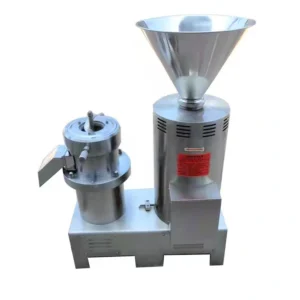
          • Colloid Mill Type: Uses the high-speed relative rotation of the stator and rotor to generate shear and grinding forces, refining particles to the micron level. The resulting product is fine and uniform, suitable for commercial and industrial batch production.

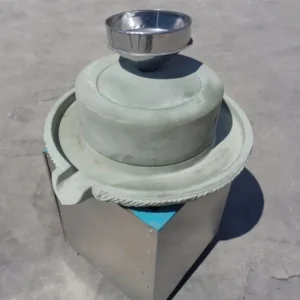
          • Stone Mill Type: Employs natural stone grinding discs for low-speed, low-temperature, and eco-friendly processing. Preserves the natural flavor of peanuts and is ideal for artisanal workshops and specialty food processing.

          • Twin-Screw Type: Features intermeshing twin screws for extrusion grinding, enabling continuous high-efficiency operation. Allows simultaneous addition of auxiliary ingredients and is compatible with industrial production lines.
          • Vertical Circulation Type: Processes materials through multiple cycles of grinding for controllable fineness. Suitable for products requiring high smoothness, such as infant food-grade peanut butter.

        III. How to Choose the Right Peanut Grinders: Five Key steps 

        Step 1: Clarify Product Requirements

        • Product Type: Determine whether you need peanut butter (smooth/chunky), peanut powder, or compound seasoned paste.
        • Capacity Requirement: Calculate hourly/daily production needs (household use <5 kg/h, small commercial use 10–50 kg/h, industrial use >100 kg/h).
        • Quality Standards: Fineness requirements (e.g., 80–200 mesh), temperature control (whether low-temperature grinding ≤60℃ is required).

        Step 2: Evaluate Raw Material Characteristics

        • Preprocessing Level: Whole peanuts, halves, or pre-crushed peanuts.
        • Oil Content: Variations among peanut varieties (high-oil types require better heat dissipation).
        • Additives: Whether ingredients like sugar, salt, oil, or other nuts need to be added during grinding.

        Step 3: Compare Equipment Types

        Equipment Type Best For Capacity Range Temperature Control Investment Level
        Colloid Mill Type Smooth paste 20–500 kg/h ≤60℃ Medium
        Stone Mill Type Traditional chunky paste 5–50 kg/h ≤45℃ Low–Medium
        Twin-Screw Type Compound paste 100–1,000 kg/h ≤70℃ High
        Vertical Circulation Type Ultra-fine paste 10–200 kg/h ≤55℃ Medium

        Step 4: Verify Technical Parameters

        Material Certification: Ensure food-grade 304/316 stainless steel for contact parts.
        • Power Efficiency: Evaluate operating costs via specific energy consumption (kWh/kg).
        • Adjustability: Range and precision of grinding gap adjustment.
        • Cooling System: Effectiveness of water/air cooling configurations.

        Step 5: Validate Supplier Qualifications

          1. On-Site Testing: Provide raw materials for trial grinding to verify:
            Continuous operation stability (≥2 hours).
            Product uniformity and temperature.
            Ease of cleaning.

          2. Document Review:
            International certifications (CE/UL/FDA, etc.).
            Material test reports.
            Energy consumption test data.

          3. Service Assessment:
            Spare parts supply cycle (recommended stock <7 days).
            Technical response time (recommended <24 hours).
            Warranty terms (recommended ≥12 months).

          4. Decision Checklist
            • Product type and capacity match ≥90%.
            • Equipment operating costs fit within the budget.
            • Supplier provides complete test reports.
            • Availability of critical spare parts is confirmed.
            • Production line space and power supply are compatible.

        IV. How to Find Peanut Grinder Suppliers in China?

        There are multiple ways to find wholesalers of peanut grinders and related products in China, as follows:

          • Google Search Enter keywords like “China peanut butter machine manufacturer ” or “ndustrial peanut grinder supplier” to quickly screen top suppliers and check their official websites, technical specifications, and customer reviews.
          • Industry Trade Exhibitions Attend major domestic and international oil processing and grain machinery exhibitions (e.g., China International Oils & Fats and Grains Expo) to communicate with suppliers face-to-face, understand product performance intuitively, and establish cooperation.
          • Alibaba.com As a major cross-border B2B platform, enter keywords to find a large number of suppliers and communicate online regarding quotations, Minimum Order Quantities (MOQ), and customization needs (such as specifications for peanut grinders).
          • 1688.com (China Domestic Wholesale Platform) This platform is primarily for buyers within mainland China and often offers the most competitive direct-from-factory prices. However, it is important to note that the site operates primarily in Chinese and does not directly support international shipping or English-language services.
          • made-in-china.com Filter peanut grinders manufacturers by equipment category or location, and check quality inspection reports and export qualifications to effectively reduce procurement risks.
          • Procurement Agent Hire a procurement agency like IMEXsourcing to accurately connect with manufacturers according to specific needs (e.g., capacity, raw material type). IMEXsourcing can provide 1688.com sourcing agent services, helping you navigate the language barrier, secure the best factory pricing, and assist with order tracking, equipment quality inspections, and logistics arrangements.

        V. What are the Production Bases of Peanut Grinders?

        1. Shandong Province (The Largest Base)

        Complete Industrial Chain: Benefits from Shandong’s status as a major agricultural and food processing province, with easy access to peanut raw materials and downstream food factories.
        Scale and Concentration: Home to some of the largest and most well-known manufacturers, offering a full range from household to industrial models.
        Export Advantage: Major ports like Qingdao facilitate efficient international logistics.

        2. Guangdong Province (High-Tech & Export Hub)

        Technology & Innovation: Manufacturers here often focus on advanced models like colloid mill grinders and automated production lines, emphasizing R&D.
        Export-Oriented: Strong experience in international trade, with products commonly meeting CE, UL, and other international standards. Communication and customization for foreign buyers are typically smooth.
        Premium Market Focus: Tends to produce more mid-to-high-end equipment.

        3. Henan Province (Cost-Effective & Traditional Hub)

        Cost Leadership: Offers highly competitive pricing due to comprehensive inland industrial support and lower operational costs.
        Strength in Traditional Models: A strong base for stone mill grinders and robust, simple mechanical designs.
        Central Logistics: Serves as a major domestic transportation hub, facilitating distribution within China and to neighboring countries.

        4. Zhejiang Province (Precision Machinery Hub)

        Precision Manufacturing: Renowned for expertise in pumps, motors, and precision mechanical components, which benefits the production of high-quality grinding chambers and transmission systems.
        Component Supplier: Many factories here supply critical parts to assemblers in other regions.

        VI. Major Domestic Manufacturers of Peanut Grinders in China

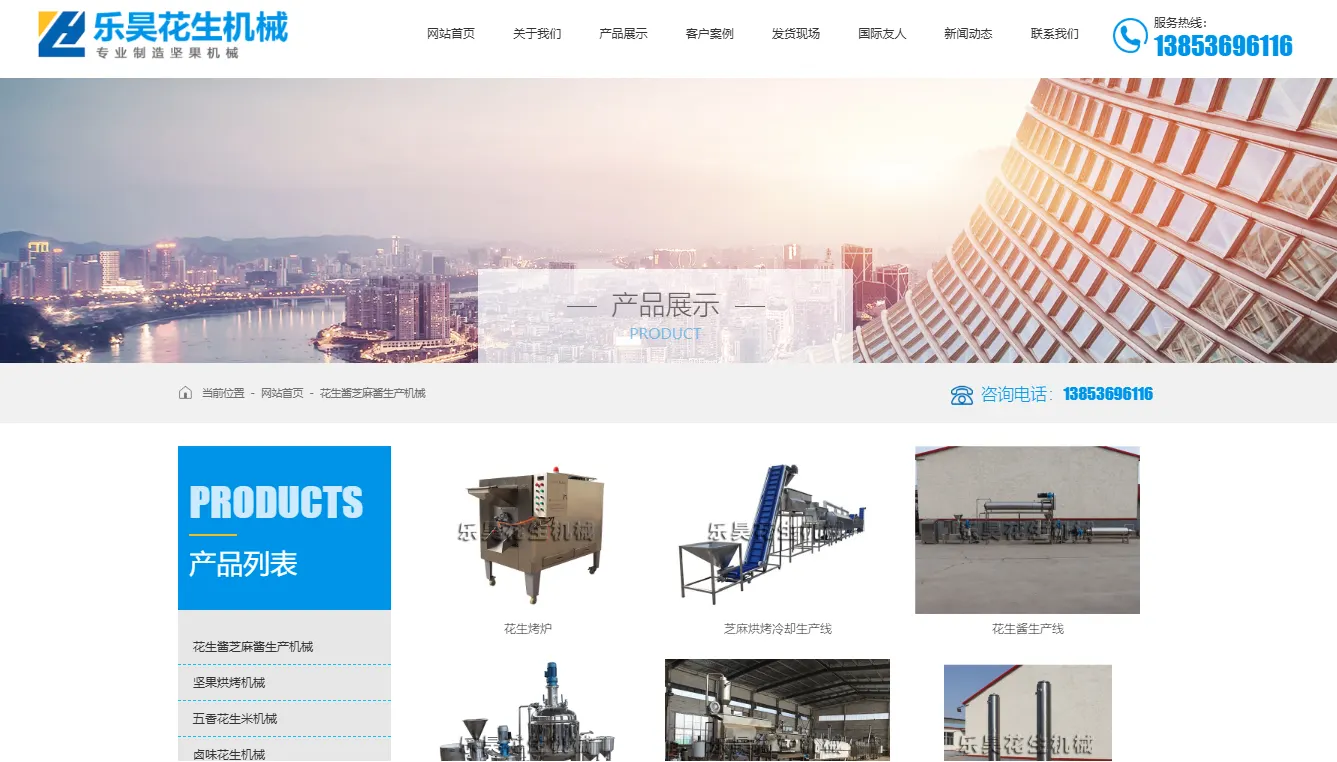
        1. Shandong Xianlin Stone Mill Co., Ltd.

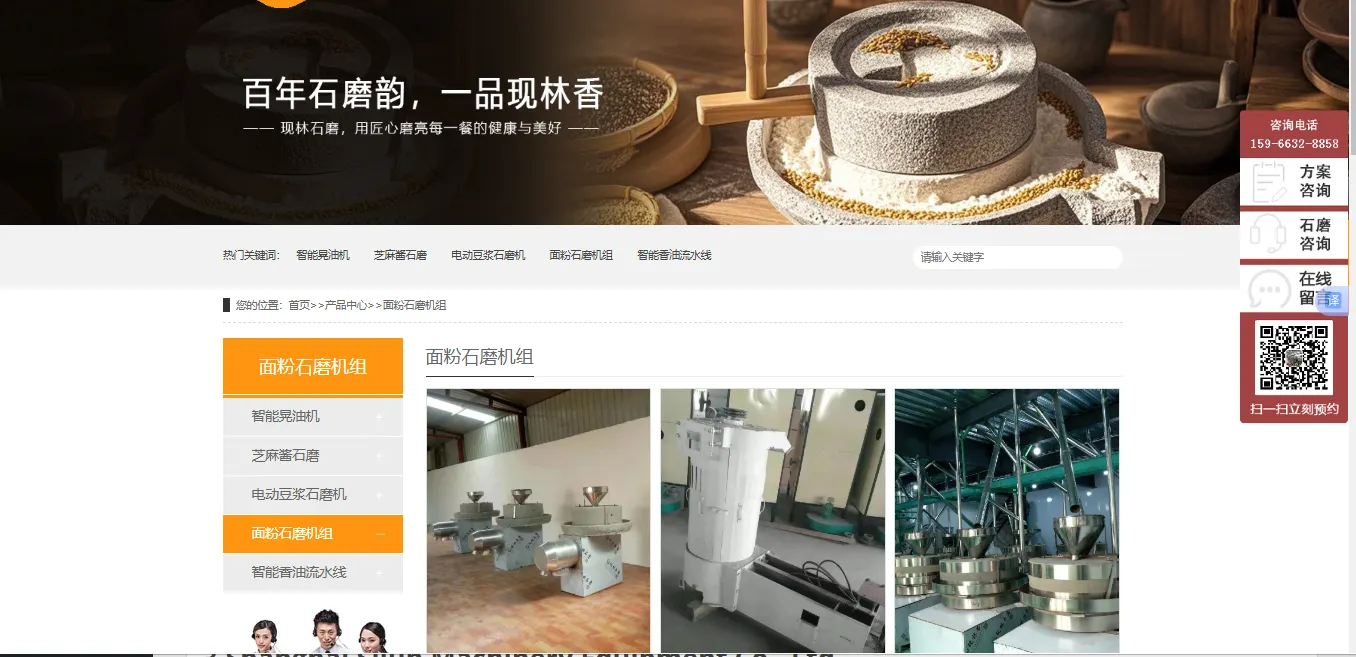
        The company has been renamed Shandong Xianlin Stone Mill Co., Ltd. It is a specialized equipment manufacturer for agro-food processing that focuses on traditional stone mill craftsmanship, with particular distinction in stone mill equipment for grinding oily ingredients such as peanut butter and sesame paste.

        2. Weifang Lehao Peanut Machinery Co., Ltd

        It is a specialized nut processing equipment manufacturer that integrates manufacturing and trade. It offers a comprehensive range of machinery, particularly for peanut-related processing, and its business also extends to international markets.

        3.Shanghai Sijun Machinery Equipment Co., Ltd.

        It is a Sino-German cooperative manufacturer of high-precision fluid processing equipment. Its main products include emulsifiers, colloid mills, homogenizers, etc., serving industries such as food and chemicals. Its equipment is suitable for liquid mixing and ultra-fine dispersion, not for dry crushing of nuts like peanuts.

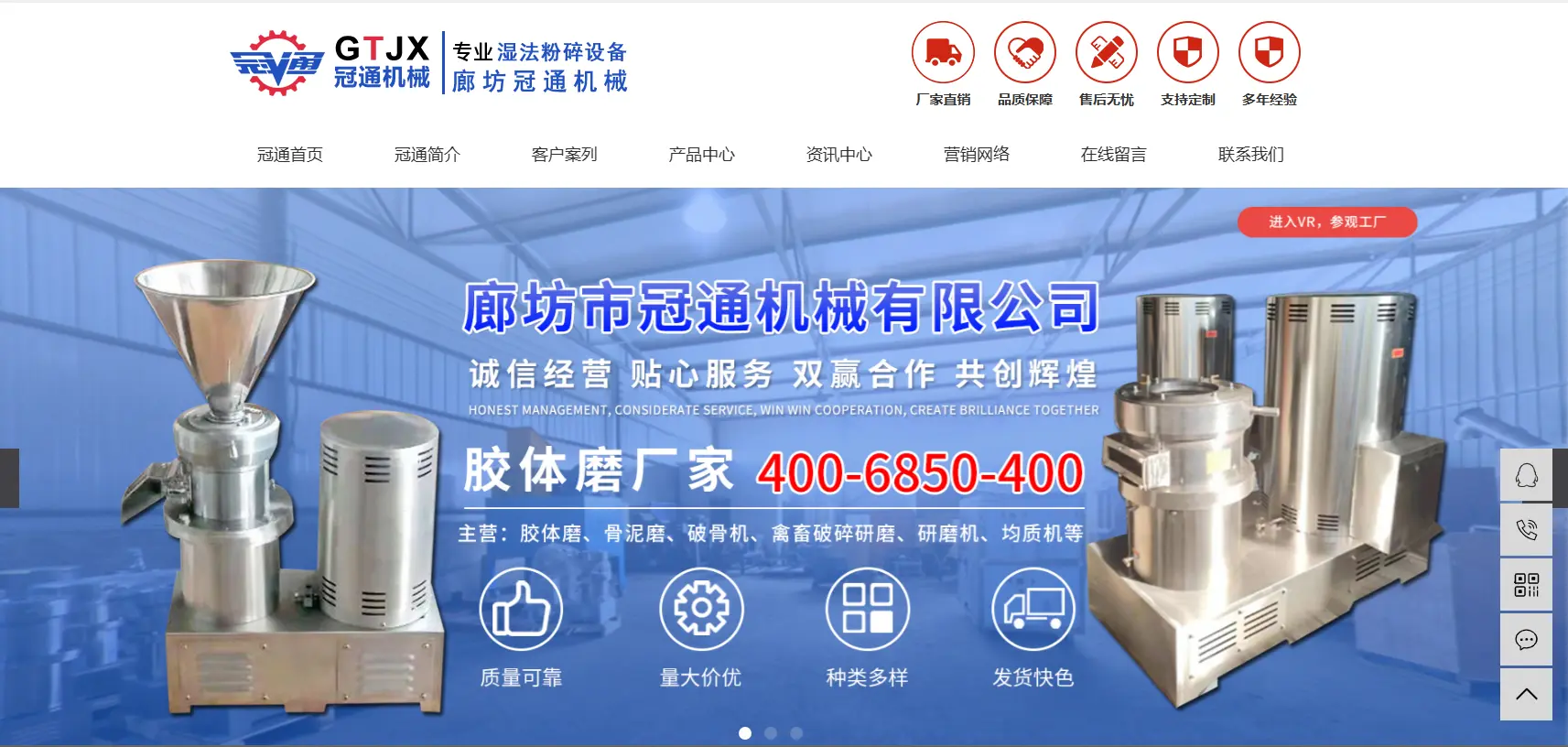
        4. Langfang Guantong Machinery Co., Ltd.

        It is a professional manufacturer of wet fine grinding equipment. Its core products include colloid mills for superfine grinding and homogenization, homogenizers for mixing and stabilizing, ultra-micro grinders for higher demands, specialized bone processing equipment, and matching food processing tanks. The company offers services ranging from single machines to complete solutions, with products widely used in food (e.g., sauces, condiments), pharmaceutical, and chemical industries.

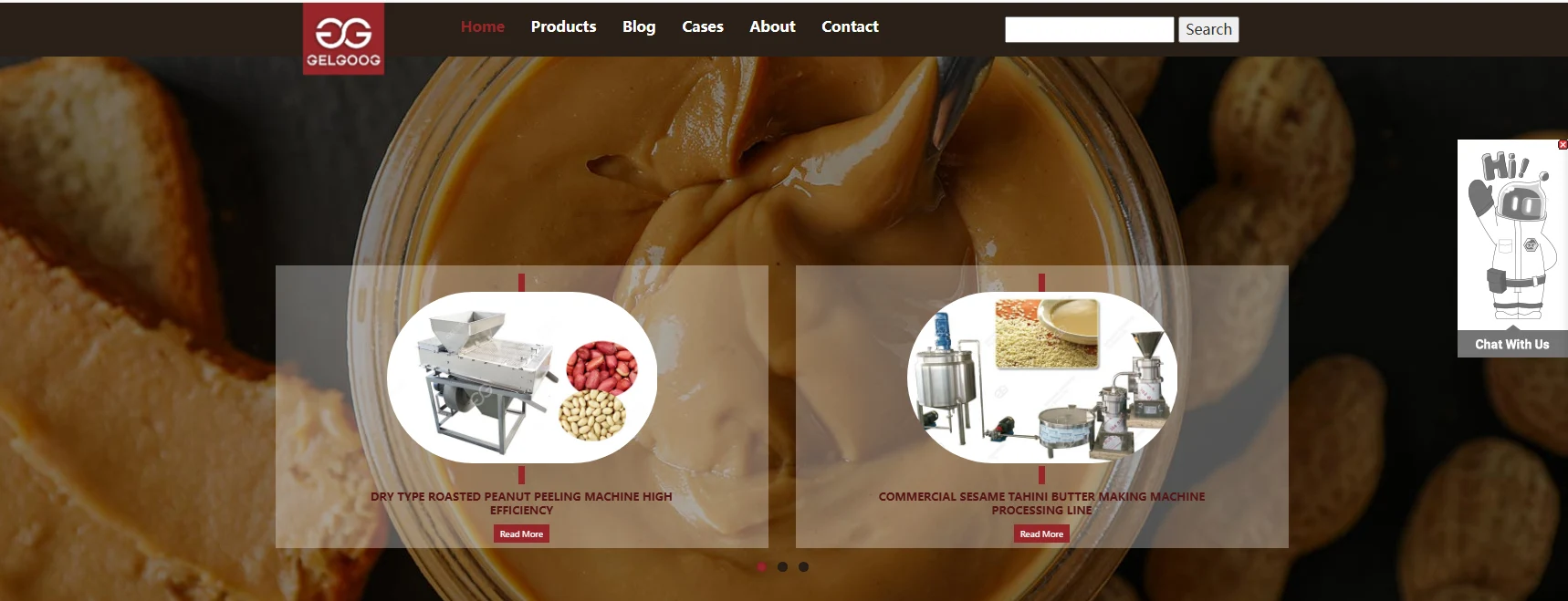
        5. GELGOOG Machinery

        Founded in 2010, GELGOOG focuses on the processing of fruits, vegetables, nuts, cocoa and pastries, providing end-to-end integrated solutions of “food technology + production line equipment + full-process services”.

        The core technology for peanut butter grinding machines is not overly complex, supported by China’s established industrial base of specialized suppliers. This means most manufacturers are small to mid-sized, not large-scale enterprises. Therefore, we have prioritized only the top 5 most reliable factories rather than providing an exhaustive list. When purchasing, the most critical steps are conducting an on-site factory visit and carefully inspecting the material and precision of the grinding heads (rotors and stators), which are the main wearing parts and directly determine the final product quality.

        VII. Precautions for Purchasing Peanut Grinders : A Guide to Informed Decisions

        After identifying potential peanut grinding machine suppliers and their products, follow these steps to ensure a smooth and informed procurement process:

        1. Request Trial Runs or Sample Testing First: Always request a video of the equipment trial run using your specific raw materials (e.g., roasted or raw peanuts of your typical grade and moisture content) or arrange a site visit for testing before placing bulk orders. Check core performance metrics such as whether the actual grinding fineness and consistency meet your standards, if the machine’s temperature control effectively prevents overheating and preserves flavor, the equipment’s stability and noise level during continuous operation, and the ease of cleaning and maintenance. Also, confirm the machine can handle your target throughput and peanut varieties.
        2. Evaluate Production and Customization Capabilities: Inquire about the supplier’s production capacity and standard delivery timeline to ensure they can fulfill bulk or customized orders (e.g., specific grinding disc/stone materials, special motor power requirements, feed rate adjustments, or integration into a full production line). Confirm the consistency and quality of key components (e.g., the hardness and precision of grinding parts, the grade of stainless steel used in contact surfaces).
        3. Consider After-Sales Support and Spare Parts Supply: Confirm the supplier offers comprehensive after-sales guarantees, such as remote guidance/on-site maintenance support for equipment failures, replacement of parts damaged during transit, and technical assistance for installation and calibration. Clarify the warranty period, availability, and long-term supply capability for critical wear-and-tear parts (such as grinding discs/stones, blades, seals, and bearings).
        4. Calculate Total Cost of Ownership (TCO): Beyond the unit price of the grinding machine itself, include costs for necessary auxiliary equipment (e.g., feeders, cooling systems, downstream mixing or packaging units), freight charges, on-site installation and commissioning costs, and the long-term energy consumption (electricity) along with routine maintenance and part replacement expenses. TCO provides a more accurate financial picture than the upfront price alone.
        5. Verify Qualifications and Certifications: Utilize available resources to check if the supplier holds relevant industry certifications (e.g., ISO 9001 Quality Management, CE Marking for machinery safety). Crucially, ensure the materials used in the grinding chamber and all parts contacting the product adhere to Food Contact Safety Standards (such as FDA or EU regulations for food-grade materials).

        VIII. Choose IMEXsourcing as Your Peanut Grinders Sourcing Partner in China

        When procuring high-quality peanut grinding machines and complete grinding processing equipment from China, partnering with an experienced and reliable sourcing agent is crucial. IMEXsourcing offers a comprehensive service portfolio to streamline your procurement process and ensure exceptional value, with the following core advantages:

        1. Extensive Industry Procurement Experience: With years of experience in sourcing nut and food processing machinery, we accurately connect you with top-tier Chinese suppliers. Our product range is comprehensive, covering everything from stone grinding mills and high-speed shear grinders to fully automated peanut butter production lines and integrated cooling-grinding systems, as well as supporting pre-processing (e.g., roasting, peeling) and post-processing (mixing, filling) systems. This meets your diverse needs for different capacities, processes, and finished product specifications.
        2. Tailored Solutions: We support in-depth customization based on your specific requirements, including equipment capacity and power configuration, selection of materials for core grinding components (such as grinding discs, stones, and blades), structural adaptations for specific raw material characteristics (e.g., oil content and hardness of different peanut varieties), and industrial automation system configuration (such as precise grinding temperature control, online particle size monitoring, and full-process linkage). This ensures the equipment perfectly matches your production scale, raw material properties, and final product quality standards (e.g., fineness, texture, freshness).
        3. Stringent Supplier Verification: We conduct thorough factory audits of our manufacturing partners, verifying their production capacity, technical design capabilities, and quality control systems. We ensure suppliers hold relevant certifications (e.g., ISO 9001, CE) and that their products comply with domestic and international safety and performance standards (such as grinding stability, food-grade contact material compliance, hygienic equipment design, motor efficiency, and noise control).
        4. Professional Negotiation Capabilities: Leveraging industry resources and aggregated purchasing volume, we secure the most favorable pricing and contract terms for you, reducing procurement costs while avoiding potential hidden expenses such as substandard materials or delivery delays.
        5. Full-Cycle Quality Assurance: We implement a rigorous end-to-end quality management process, including sample confirmation, production process monitoring, and pre-shipment inspection (focusing on key checks such as precision and material quality of core grinding components, equipment assembly quality, hygiene and cleanliness, and the completeness of wearable spare parts). This ensures stable and reliable quality for every delivered peanut grinding machine and complete set of equipment.

        IX. Conclusion

        The Chinese peanut grinding machine market presents significant opportunities for global buyers. By clearly defining core technical parameters such as grinding fineness, throughput efficiency, temperature control, and food-grade material compliance, and selecting suitable equipment for various nut types and processing scales, importers can source high-quality, cost-effective machinery.

        Partnering with IMEXsourcing is crucial for ensuring procurement success. We understand the risks associated with precision manufacturing and process integration in the grinding equipment industry. IMEXsourcing leverages deep knowledge of core production bases like Shandong and Henan, enabling swift on-site technical audits and production supervision. By verifying a factory’s operational status, financial stability, and past delivery performance, we help you identify the most reliable and technically proficient manufacturers at the source, effectively preventing financial losses and procurement delays caused by supplier issues.

        Message us for more information

        Please let us know your request, we will get back to you within 24 hours.