标签归档:construction machinery

Sourcing Brick Making Machines from China: The Ultimate Buyer’s Guide to Manufacturers, Types, and Strategies

Introduction

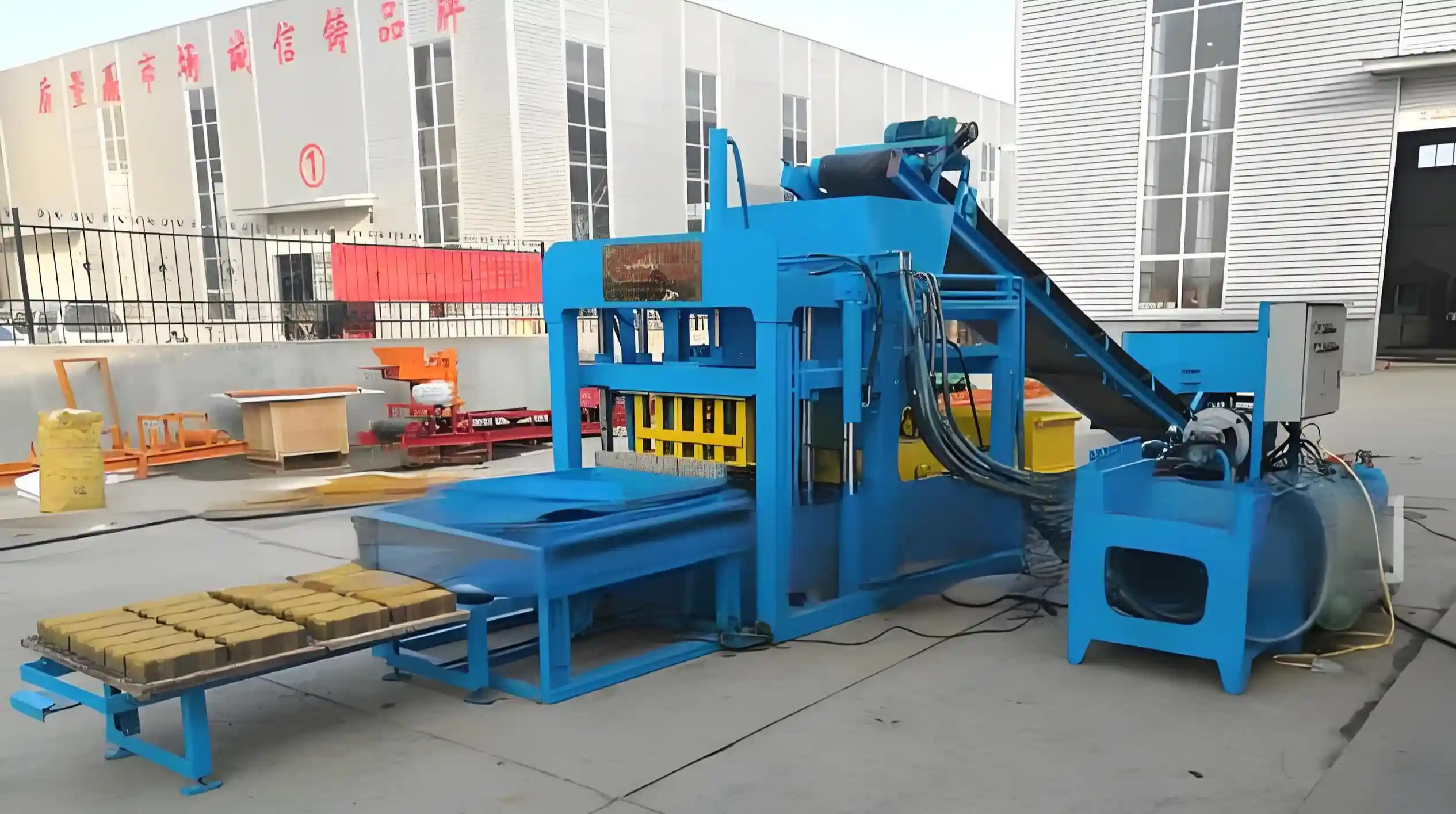
The global construction industry is undergoing a paradigm shift. With rapid urbanization across Africa, Southeast Asia, and South America, the demand for sustainable, cost-effective building materials has never been higher. At the heart of this revolution lies the Brick Making Machine—a critical piece of industrial equipment that transforms raw materials like sand, cement, fly ash, and construction waste into the literal foundations of our cities.

China has emerged as the undisputed global hub for brick-making technology. From simple, hand-operated presses for rural development to massive, fully automated hydraulic production lines capable of outputting tens of thousands of blocks daily, Chinese manufacturers offer a range of solutions that balance performance with price. However, for international buyers, the sheer scale of the Chinese market can be overwhelming. You are not just buying a machine; you are investing in a production system that involves hydraulic pressures, vibration frequencies, mold precision, and long-term after-sales support.
This comprehensive guide, modeled on professional sourcing practices, provides everything you need to know to successfully source brick-making machines from China. Whether you are a construction firm looking to reduce material costs or an entrepreneur starting a block factory, this guide will navigate you through the technical, geographical, and strategic landscape of the industry.

I. Understanding the Diverse Types of Chinese Brick Making Machines

The Chinese market classifies brick-making machines primarily by their level of automation and their driving mechanism. Choosing the right type depends on your budget, target output, and local labor costs.

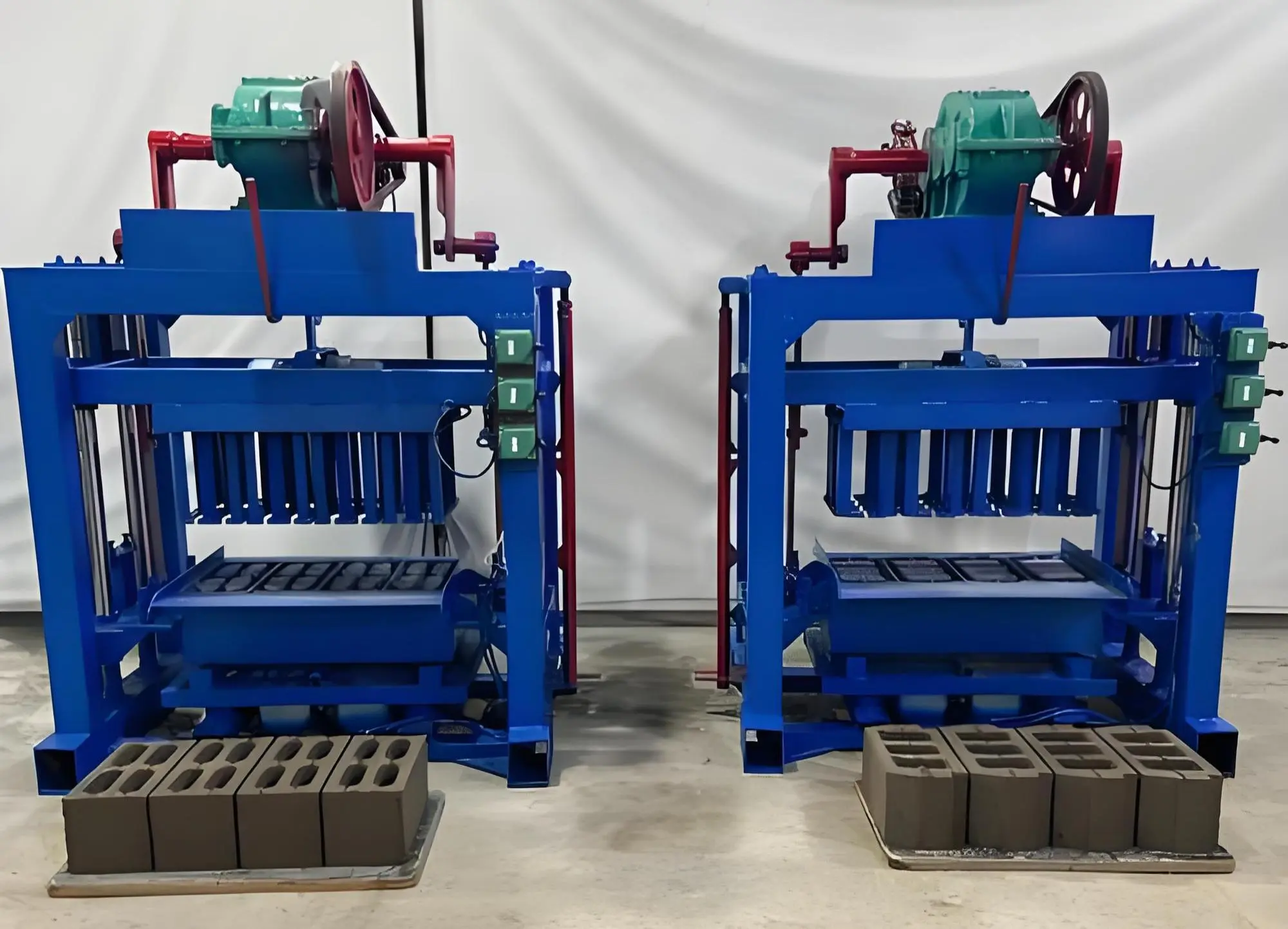
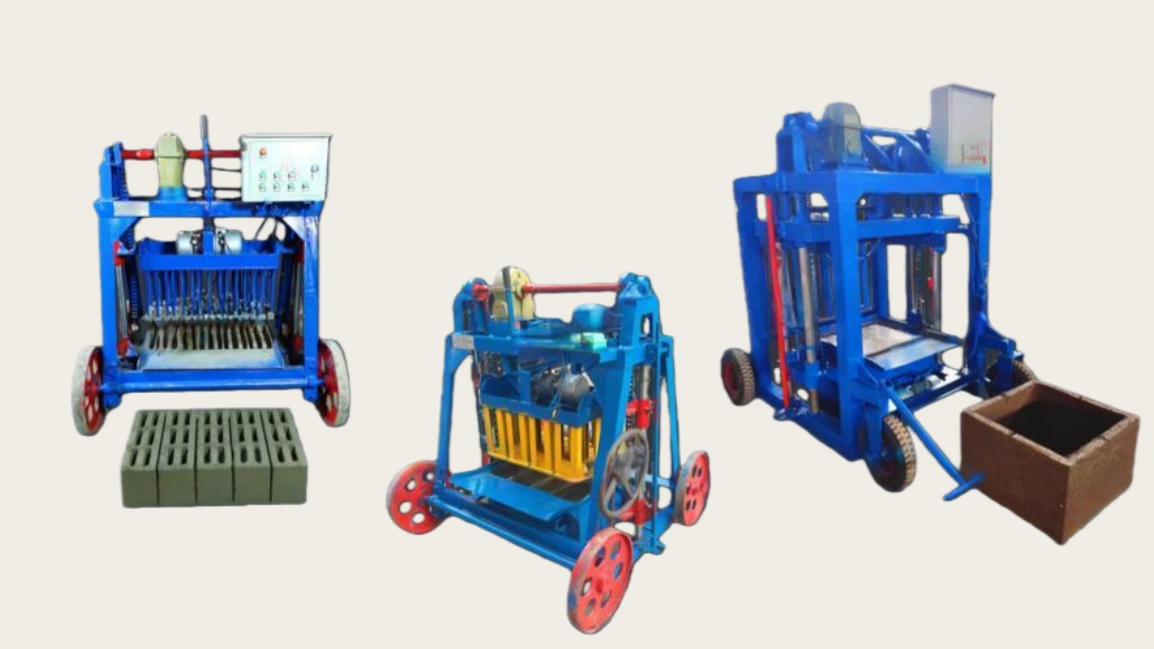
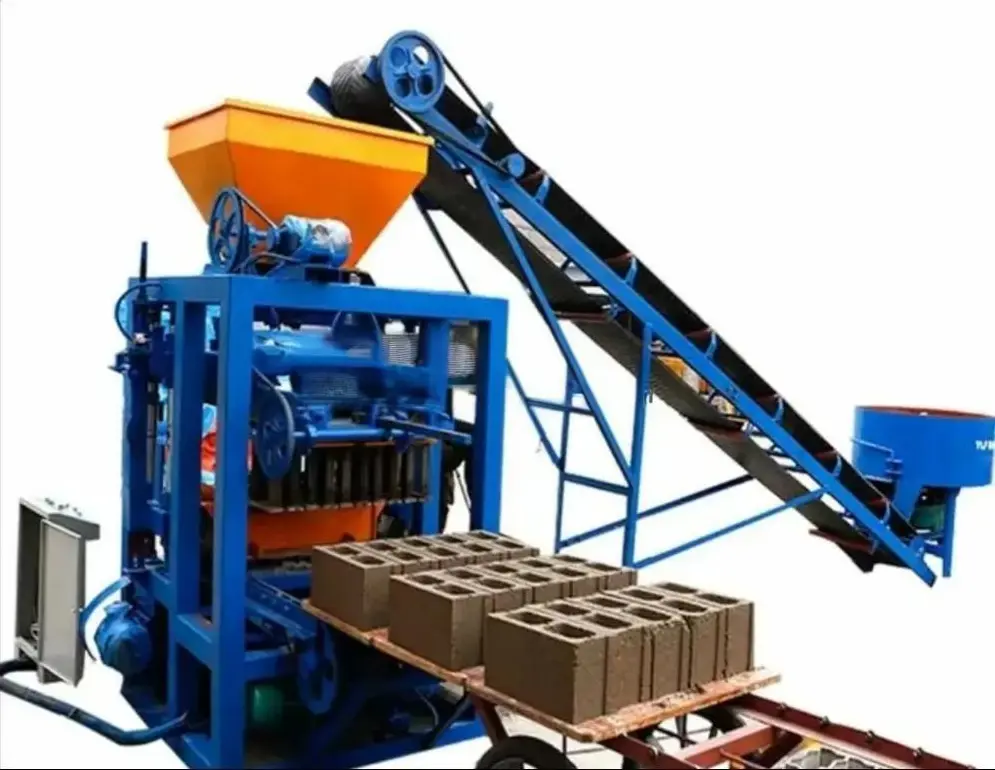
A. Manual Brick Making Machines

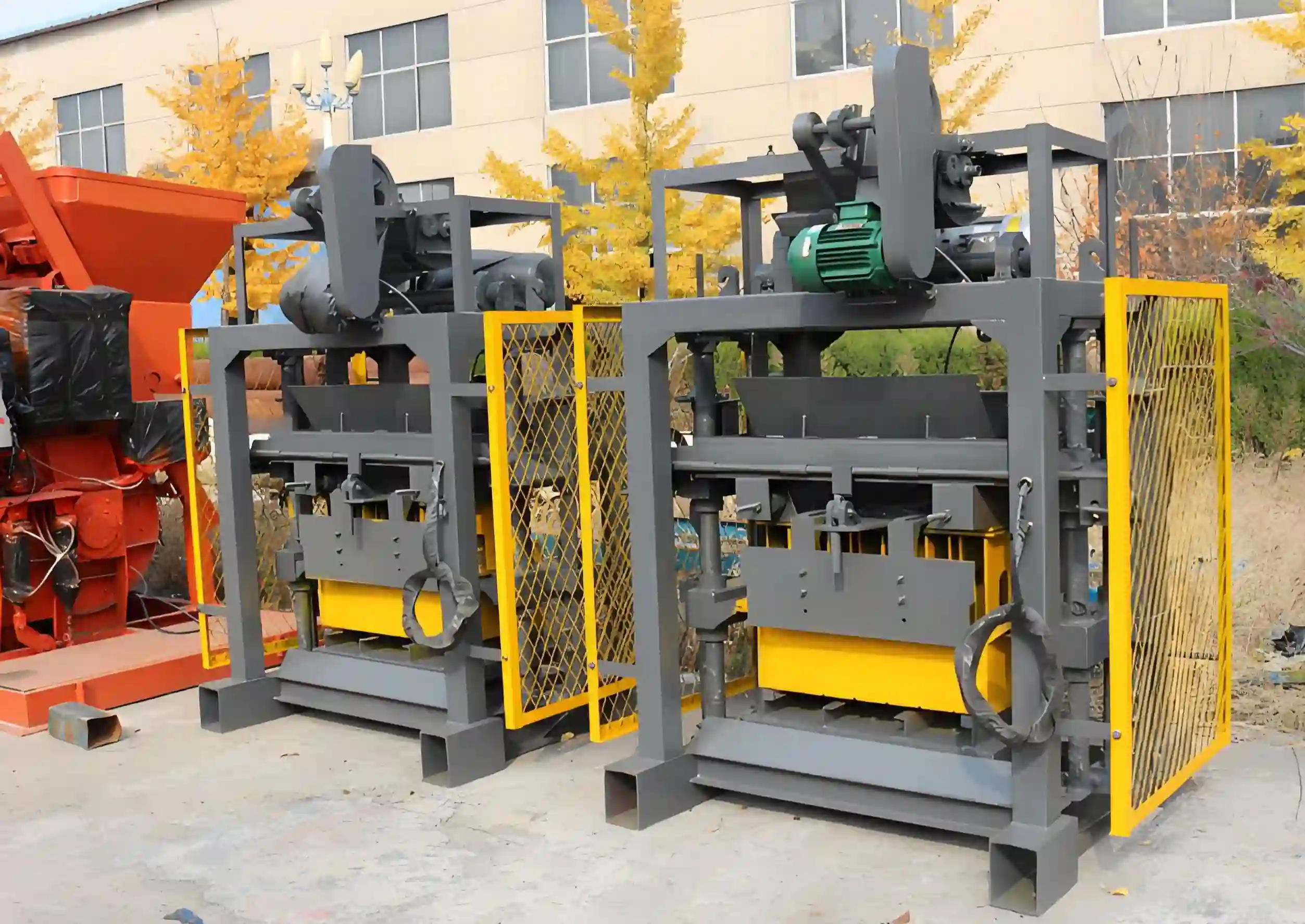
These are the entry-level solutions, often used for small-scale projects or in areas with limited electricity.

  • Mechanism: Hand-operated levers or simple foot pedals provide the compression.

  • Pros: Extremely low cost ($500–$2,000), portable, and requires no complex maintenance.

  • Cons: Low density/strength of bricks, inconsistent quality, and low output (typically 500–1,000 bricks per day).
B. Semi-Automatic Brick Making Machines

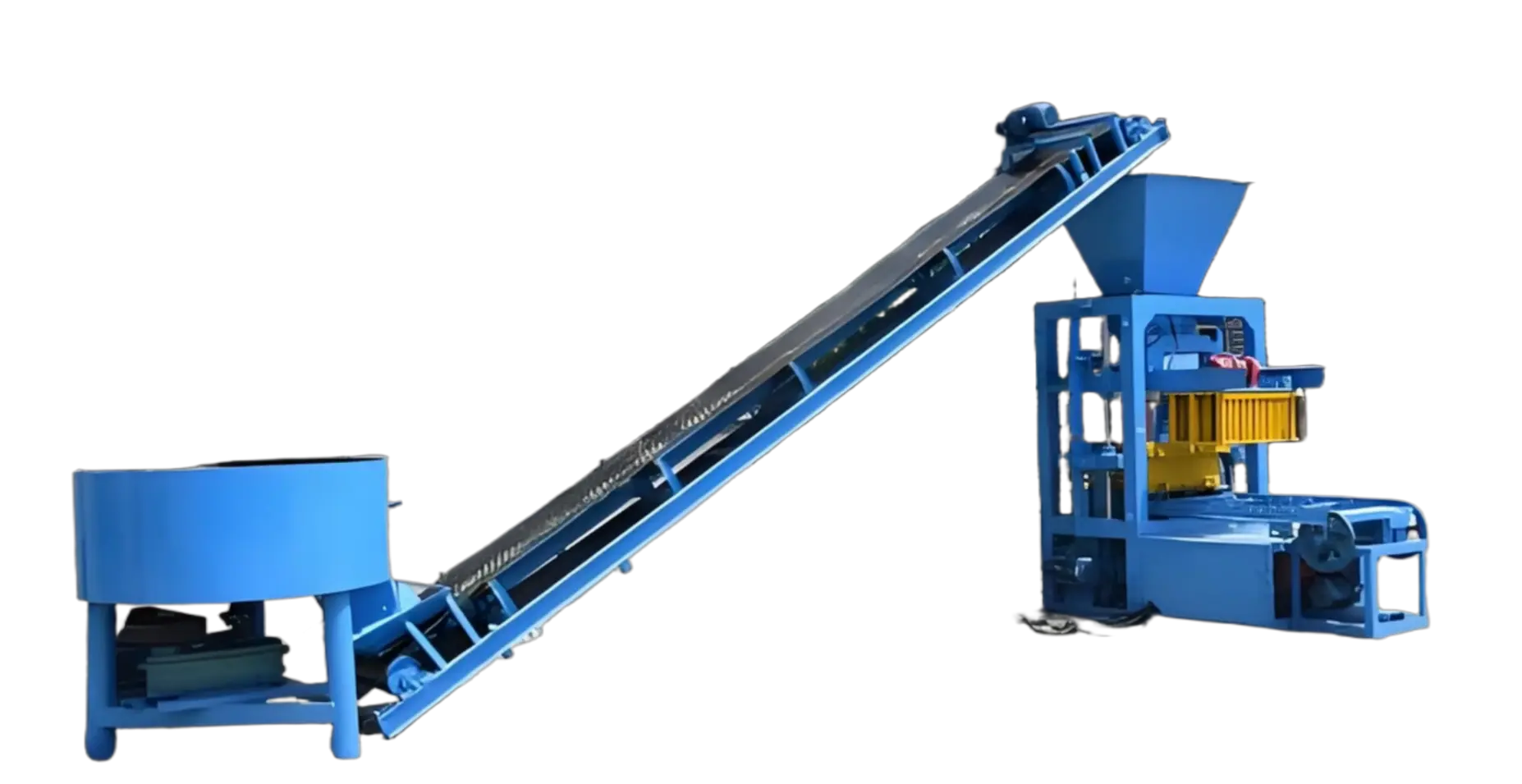
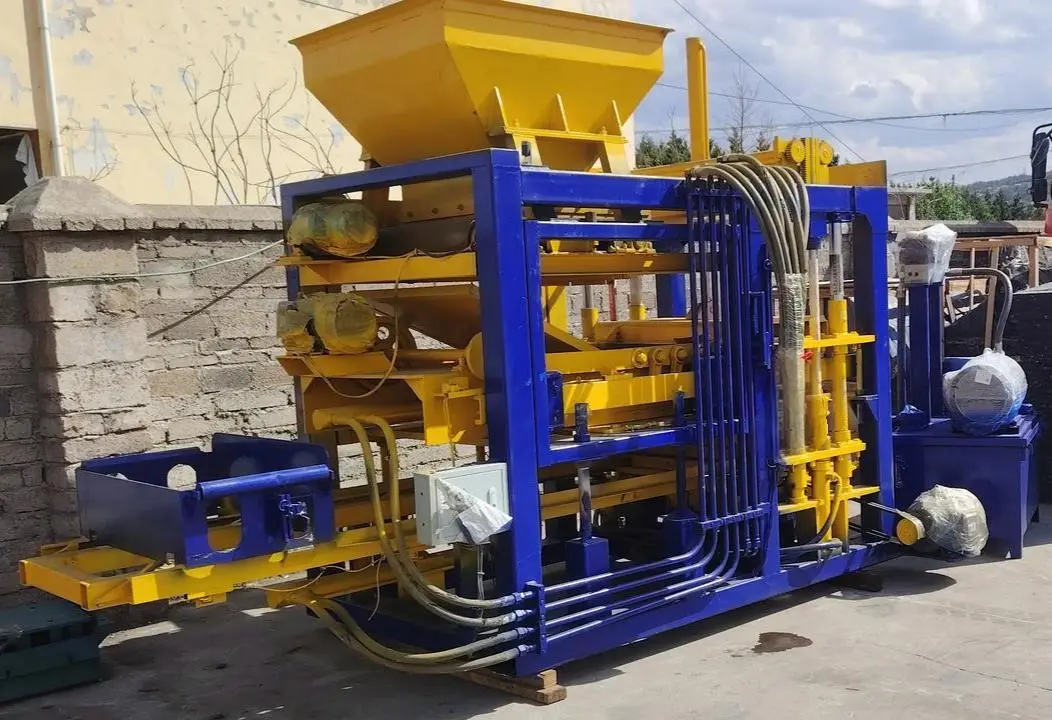
A popular choice for small-to-medium enterprises (SMEs). They combine manual material feeding with mechanical/vibratory pressing.

  • Mechanism: Uses electric motors for vibration and hydraulic or mechanical pressing, but requires workers to load raw materials and move the finished pallets.

  • Pros: Good balance between cost and speed; produces bricks with much higher density than manual machines.

  • Cons: Still labor-intensive (requiring 4–6 workers).
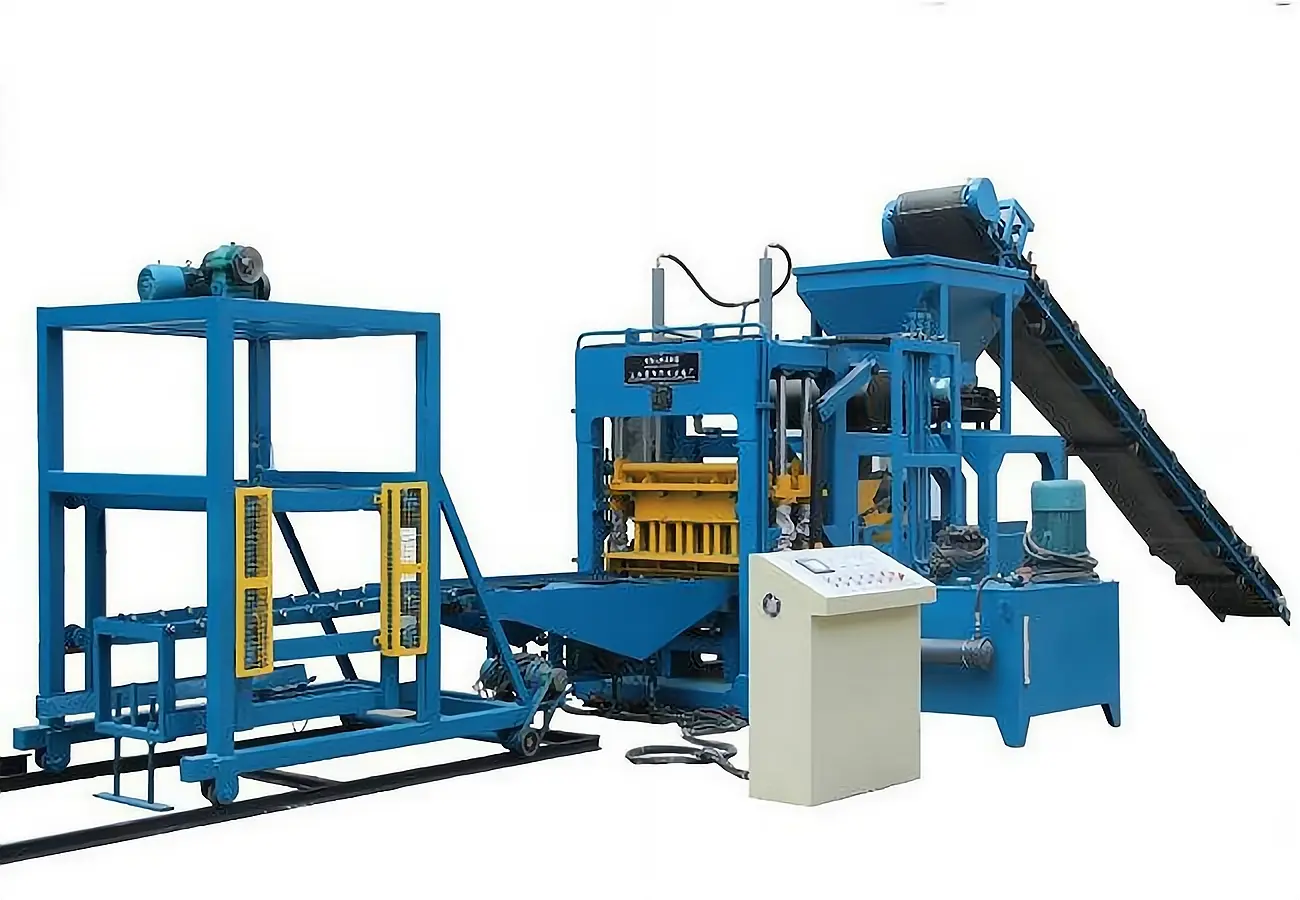
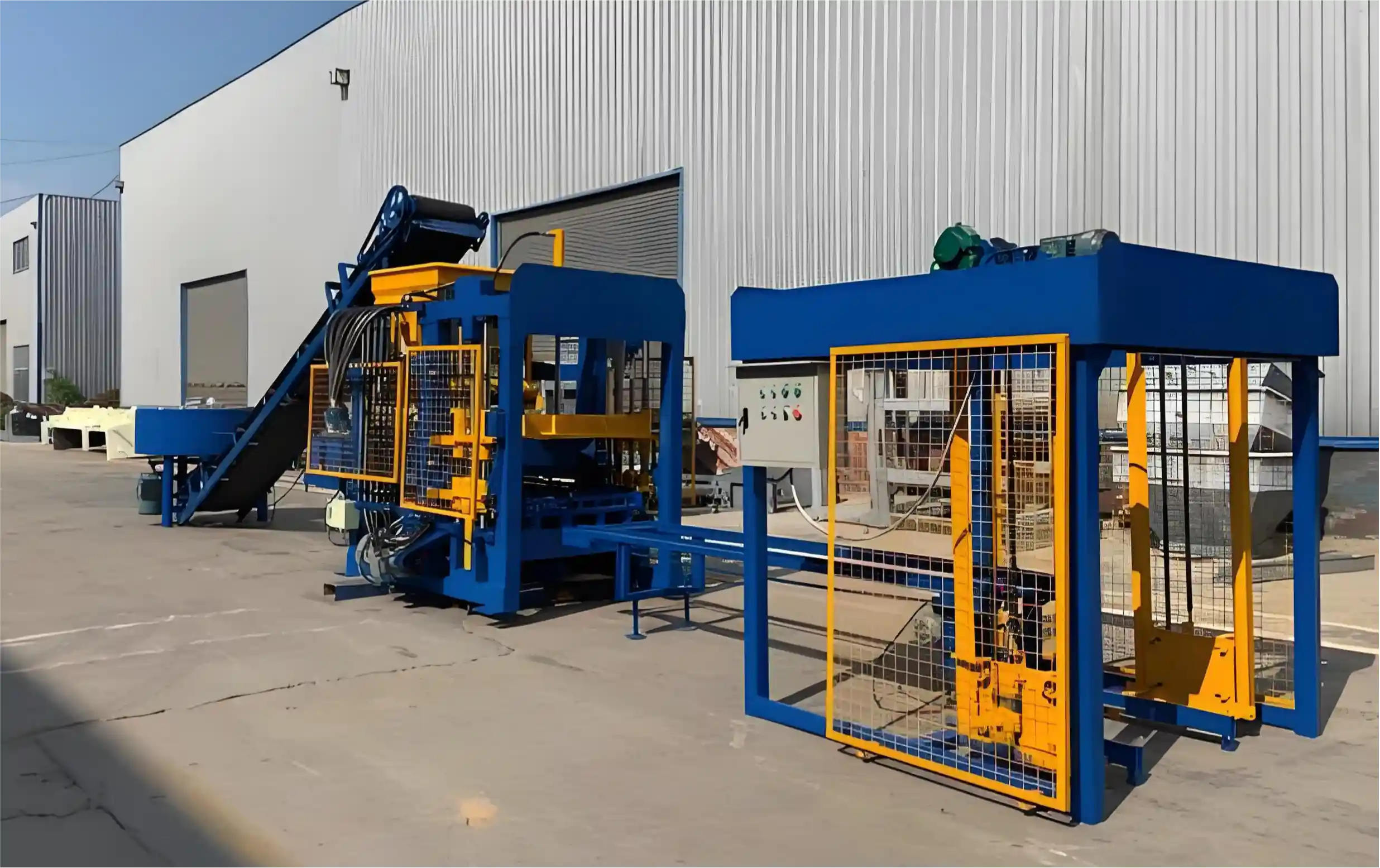
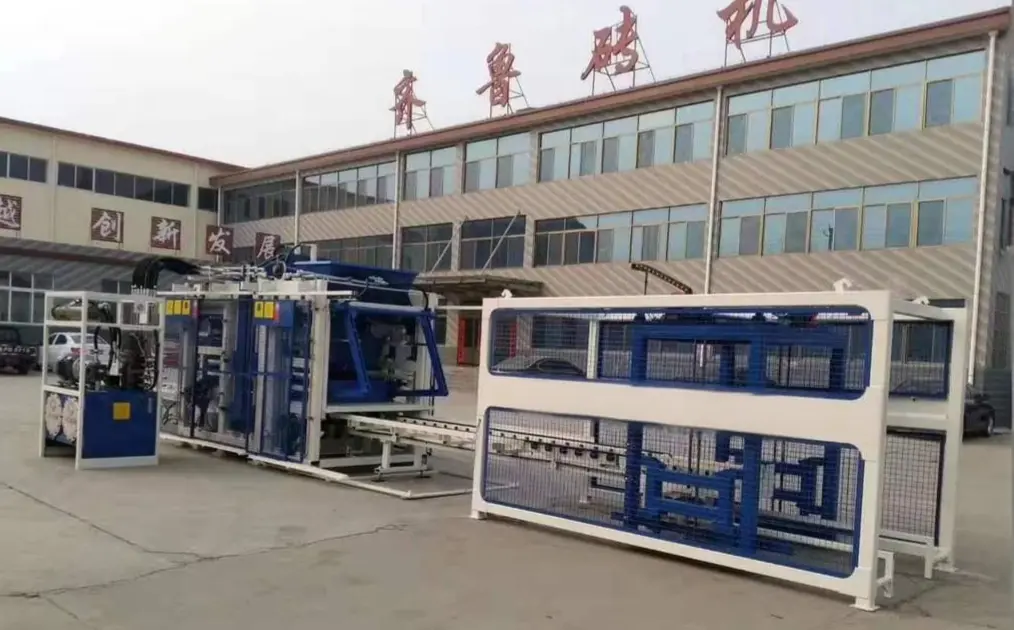
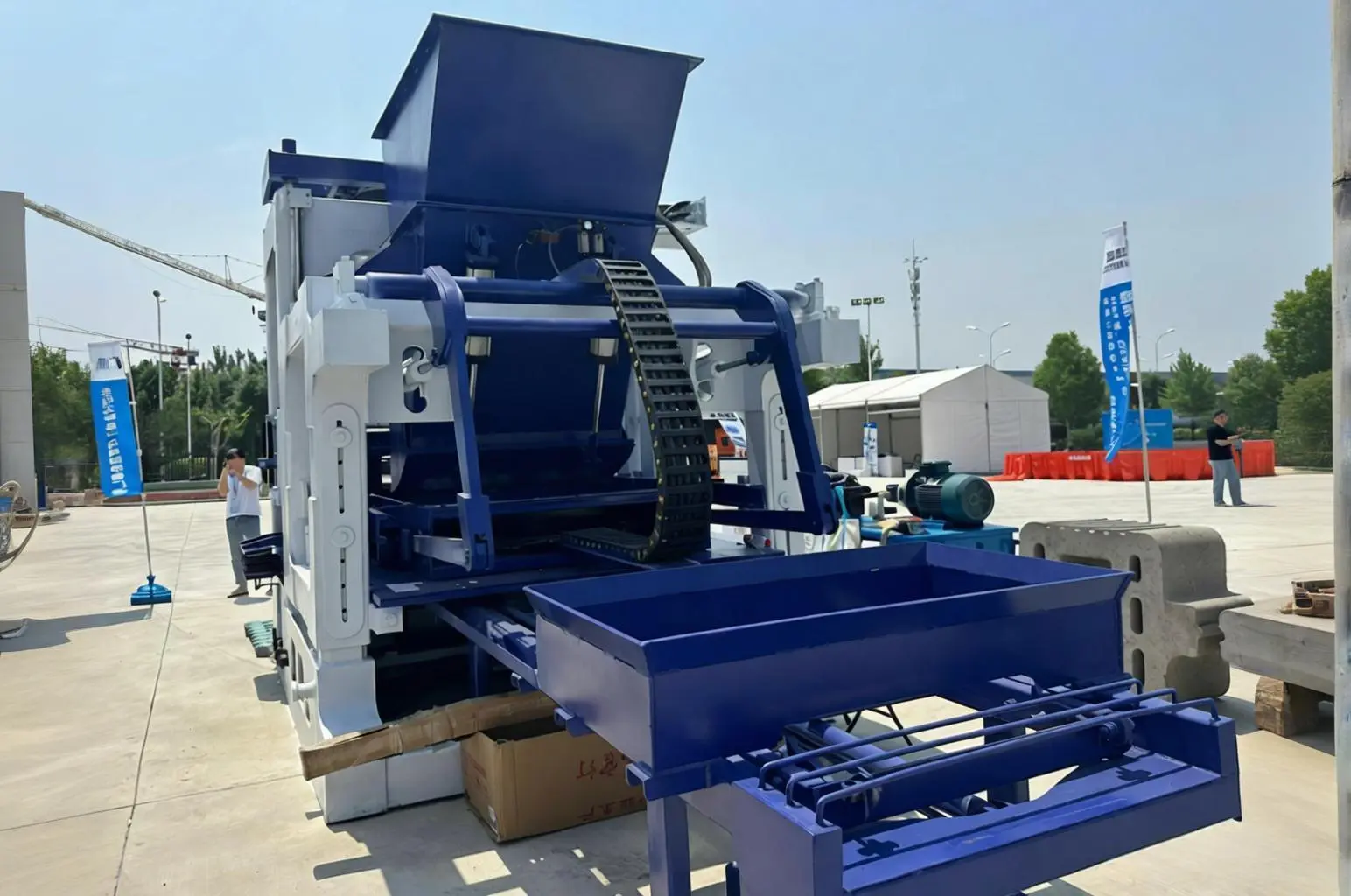
C. Fully Automatic Hydraulic Machines

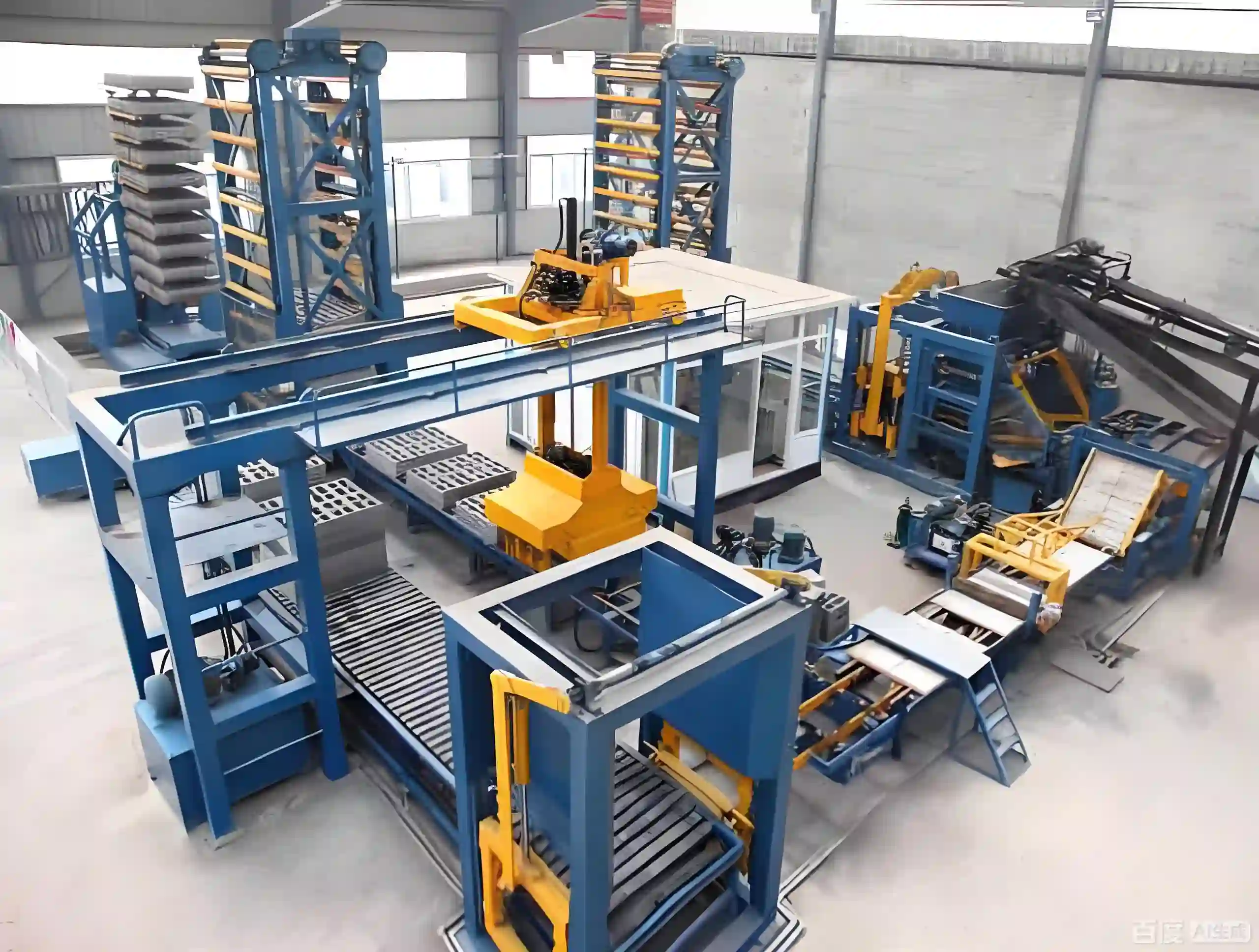
These are high-tech production lines designed for 24/7 industrial operation.

  • Mechanism: Controlled by a PLC (Programmable Logic Controller), these machines automate everything from batching and mixing to molding and stacking. They use advanced hydraulic pressure (often exceeding 12-20 MPa) combined with high-frequency vibration.

  • Pros: Massive output (up to 20,000+ blocks per 8-hour shift), superior block strength, and minimal labor (1–2 operators).

  • Cons: Significant capital investment ($30,000–$150,000+) and requires a stable power grid.
D. Mobile (Egg-Laying) Machines

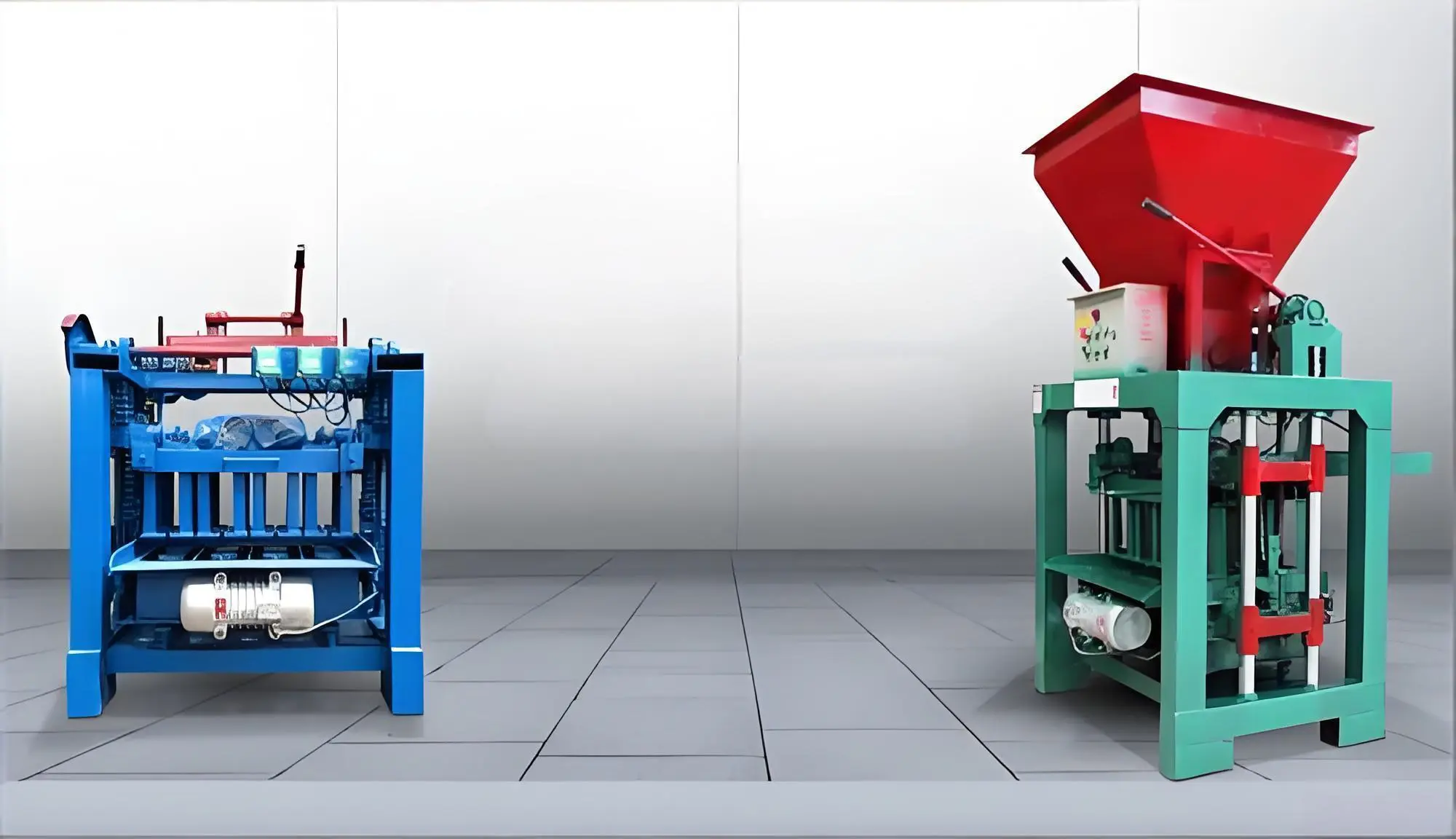
A unique category where the machine “walks” on a concrete floor, laying bricks as it moves, eliminating the need for pallets.

  • Best For: Rural road construction or projects where pallet costs and transport are a bottleneck.
II. The Production Ecosystem: Auxiliary Equipment

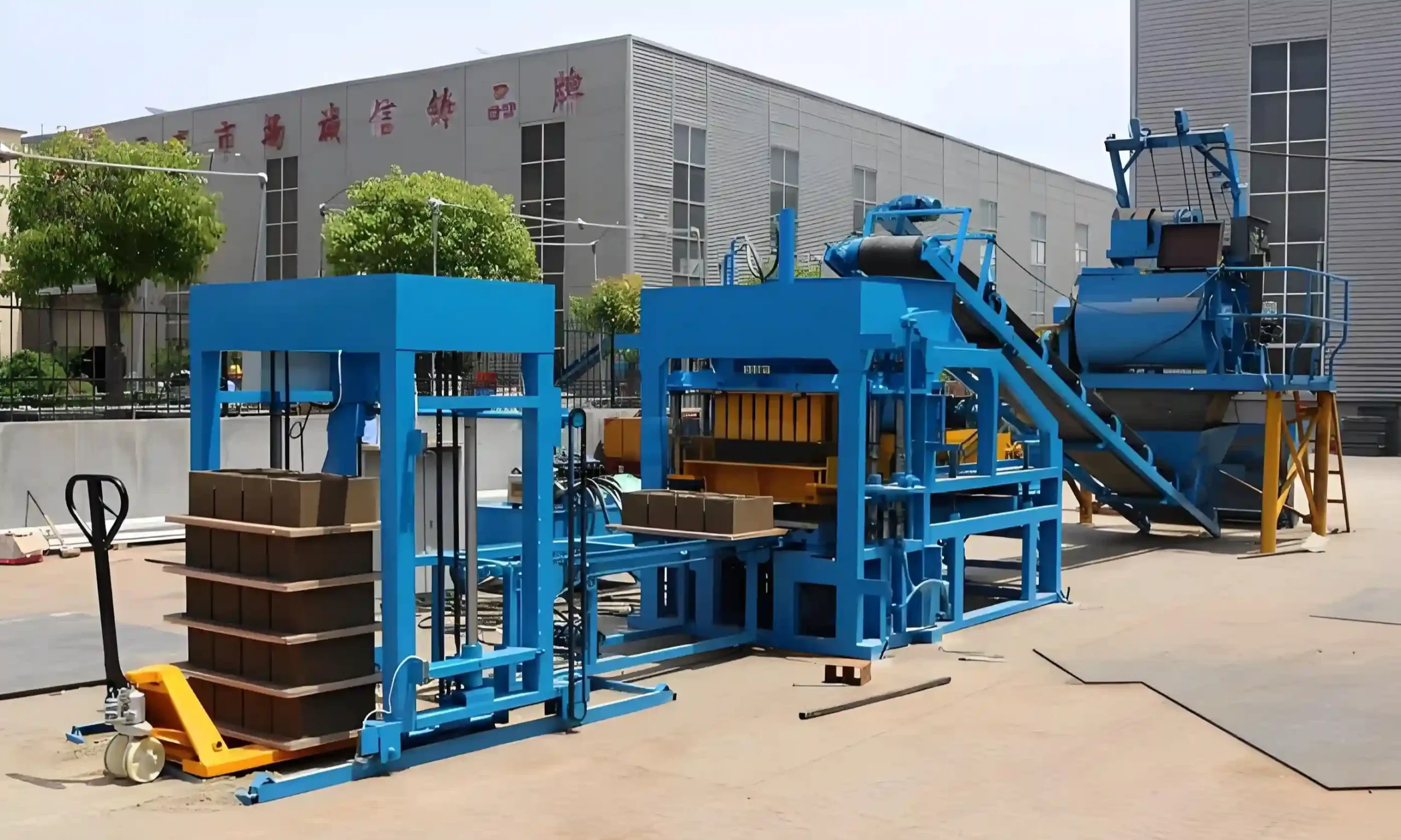
A brick machine is rarely a standalone purchase. To achieve high efficiency and consistent quality, you must consider the “Auxiliary Equipment” that completes the production line.

  1. Concrete Mixer (Planetary vs. Twin-Shaft): The heart of material preparation. Twin-shaft mixers are standard for high volume, while planetary mixers are preferred for colored pavers to ensure uniform pigment distribution.

  2. Belt Conveyor: Transports the mixed wet concrete from the mixer to the machine’s hopper.
  3. Automatic Batching Machine: Uses load cells to precisely weigh cement, sand, and aggregates according to a pre-set recipe.

  4. Automatic Stacker (Cuber): Picks up the loaded pallets of wet bricks and stacks them for transport to the curing area.

  5. Pallet Feeder: Automatically feeds empty pallets into the machine.

  6. Molds: The most critical consumable. High-quality Chinese molds are heat-treated (carburized) to ensure they can withstand 100,000+ cycles before wearing out.
III. Why Concrete? The Advantages of Non-Burning Brick Technology

Chinese machinery has spearheaded the move away from traditional clay-fired bricks toward Non-Burning (Concrete/Cement) Blocks. The advantages are compelling:

  • Environmental Sustainability: Unlike clay bricks, these do not require fertile topsoil or high-temperature kilns that emit massive CO2. They utilize fly ash, slag, and construction waste.

  • Cost-Efficiency: The raw materials (sand, stone dust, gravel) are often cheaper and more widely available than high-quality clay.

  • Structural Superiority: Concrete blocks are more uniform in size, which reduces the amount of mortar required during construction by up to 30%.

  • Insulation: Hollow concrete blocks provide better thermal and sound insulation compared to solid red bricks.

IV. Key Technical Specifications and Parameters for Buyers
When comparing quotes from different Chinese suppliers, do not just look at the price. Look at these “Core Specs”:

Parameter Significance Standard Benchmarks
Cycle Time How long it takes to make one “press.” 15–25 seconds for auto machines.
Vibration Frequency Higher frequency = denser, stronger bricks. 3,000–4,500 rpm (Servo motors are best).
Hydraulic Pressure Determines the compaction force. 12 MPa to 21 MPa for heavy-duty lines.
Pallet Size Limits how many bricks you can make per cycle. e.g., 850x550mm or 1100x700mm.
Total Power Crucial for calculating operational costs. 15kW for small; 50kW+ for large lines.
Control System The “brain” of the machine. Look for Siemens PLC or Schneider components.

V. Product Versatility: Types, Styles, and Sizes of Bricks Produced
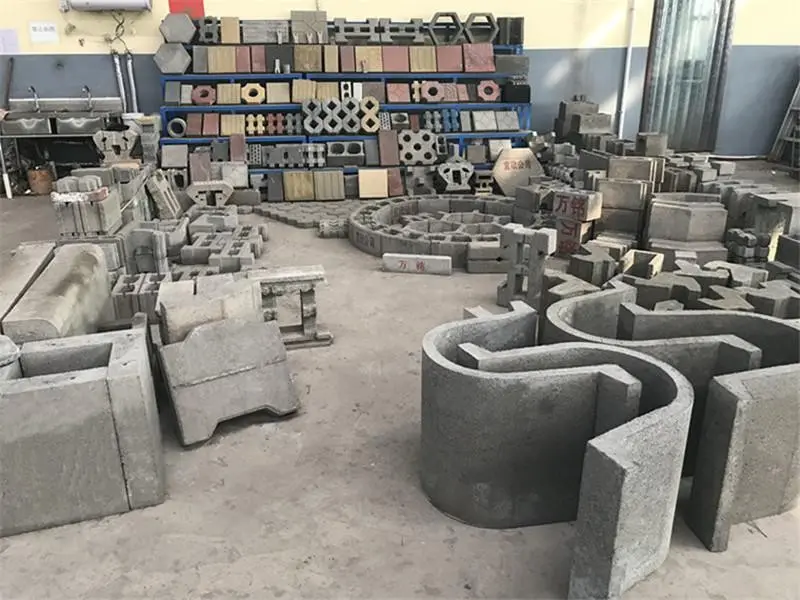
By simply changing the mold, a single Chinese brick machine can produce dozens of different products:

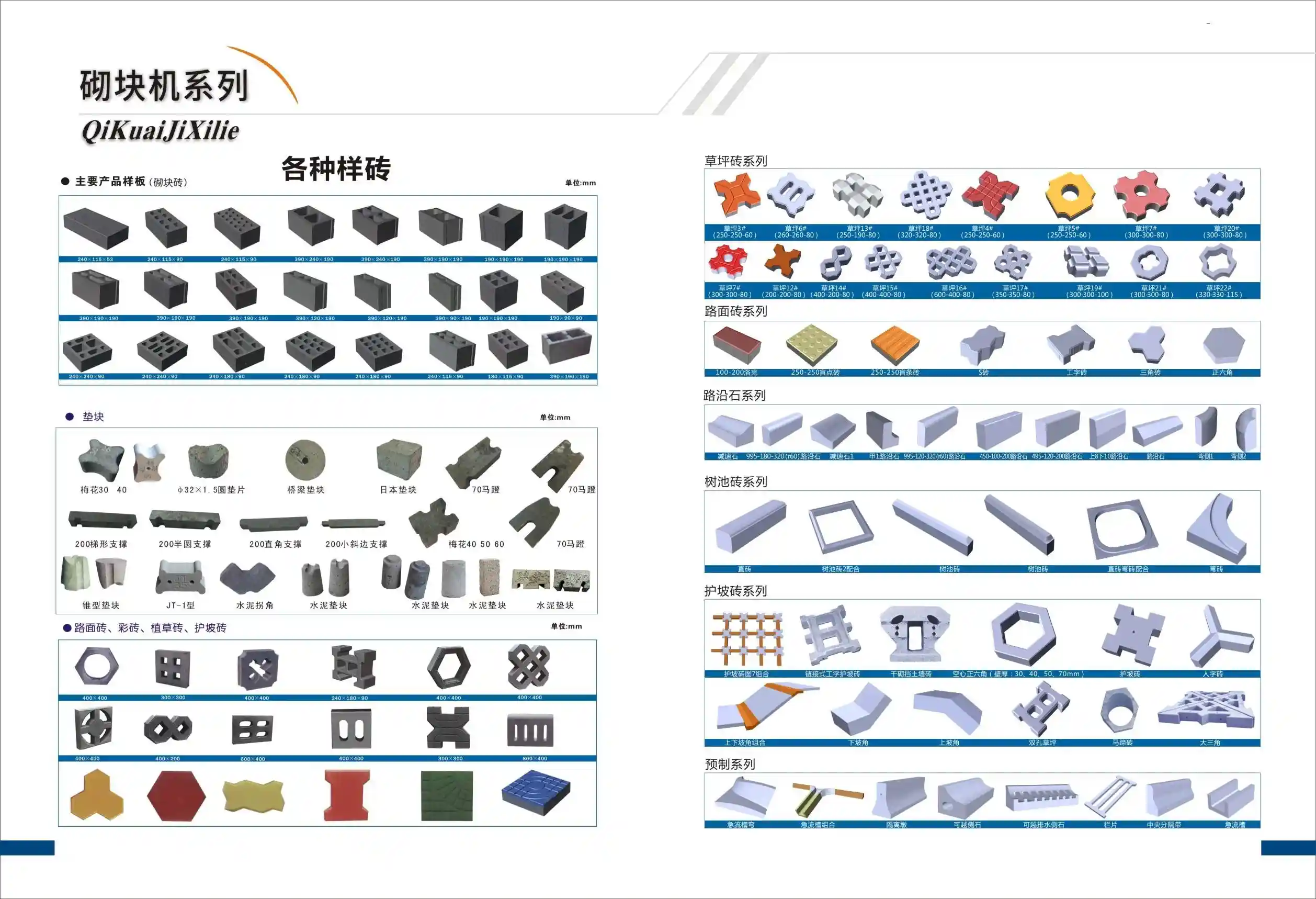
  • Hollow Blocks: The standard for wall construction. Sizes like 400x200x200mm (8-inch) or 400x150x200mm.

  • Solid Bricks: For load-bearing structures. Common size: 240x115x53mm.

  • Interlocking Pavers: Used for driveways and parking lots. Includes “I-shape,” “Hexagon,” and “Zig-zag” patterns.

  • Color Pavers: Machines with a “Face-mix” device can add a thin layer of colored concrete to the top of a block, saving on pigment costs.

  • Curbstones & Grass Bricks: For landscaping and municipal road projects.

  • Hourdis Blocks: Specialized hollow blocks used for floor slabs.

VI. China’s Brick Machinery Industrial Clusters

Geography plays a huge role in sourcing. Most manufacturers are concentrated in three provinces:
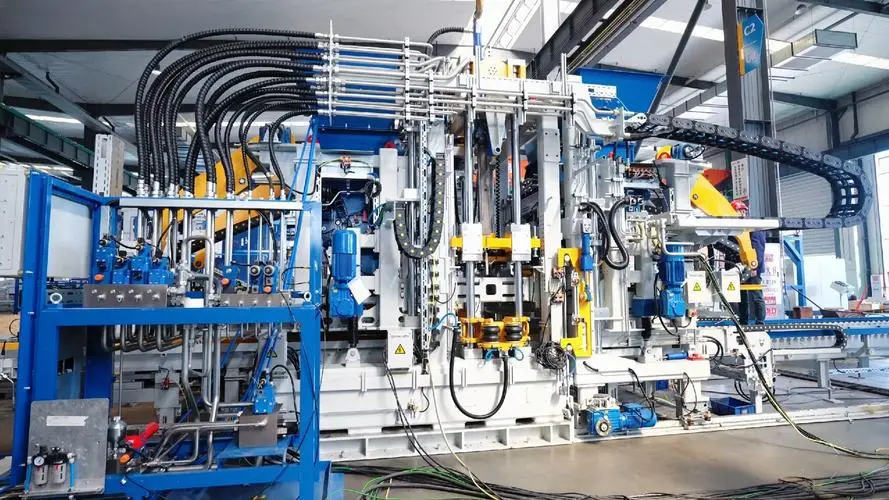
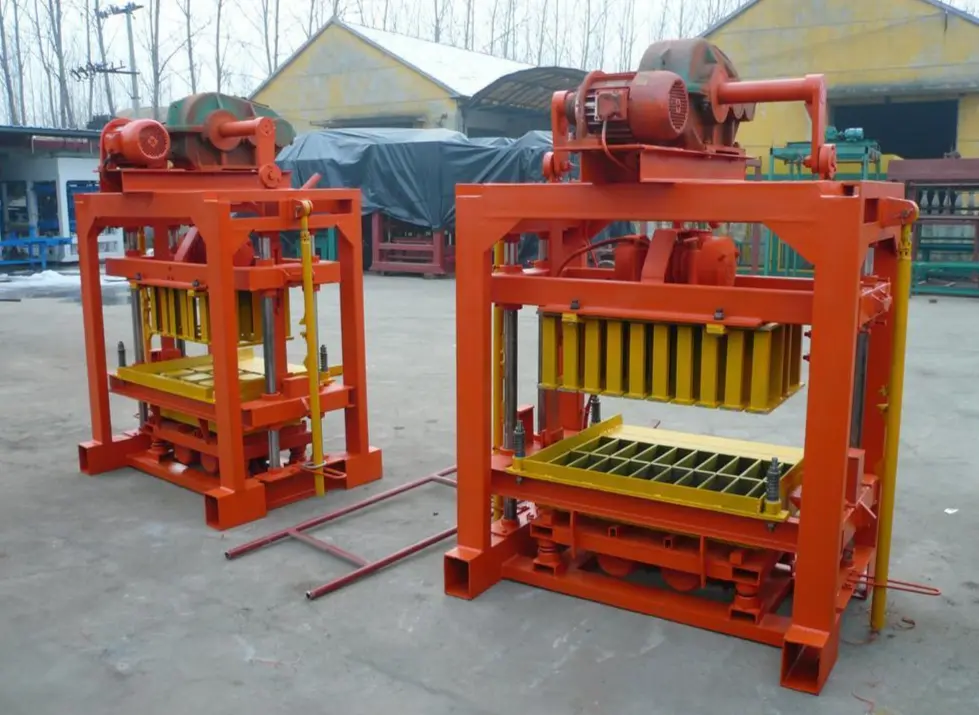
  1. Linyi, Shandong Province (The Volume Hub):Linyi is the “Capital of Brick Machines.” It hosts hundreds of factories ranging from small family workshops to massive industrial groups. If you are looking for cost-effective, mid-range machines (like the QT4-15 or QT4-24 models), Linyi is the place.
  2. Quanzhou, Fujian Province (The High-End Hub):Fujian manufacturers focus on high-tech, export-quality machinery. Many companies here have collaborated with German firms (e.g., QGM’s acquisition of Zenith). If you need a premium, fully automatic line for a large-scale plant, look here.
  3. Gongyi/Zhengzhou, Henan Province (The Clay Specialist):While the world is moving to concrete, if you specifically need Vacuum Extruders for clay/fired bricks, Henan is the historical center for this technology.
VII. Top Chinese Brick Making Machine Manufacturers

Note: Always conduct fresh due diligence before ordering.

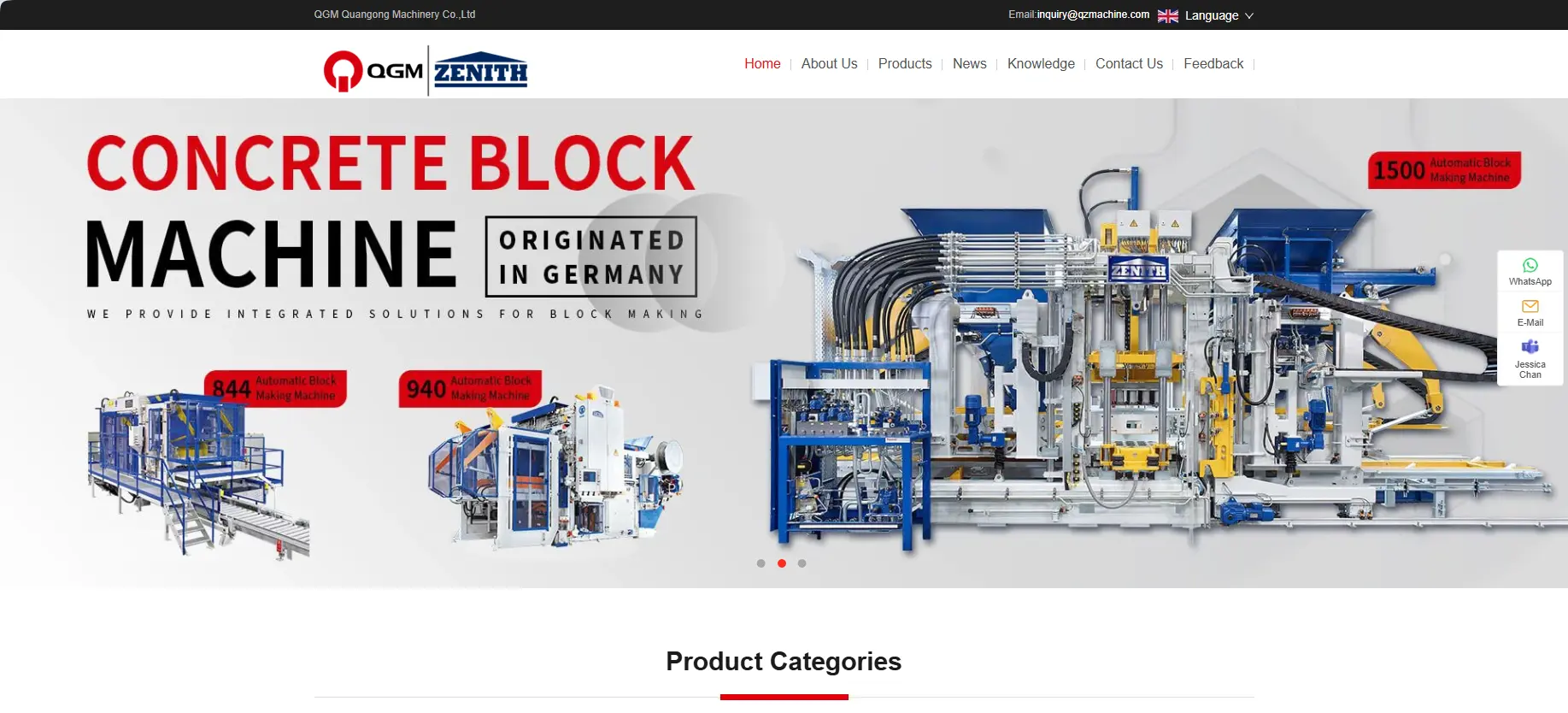
  1. QGM (Quangong Machinery Co., Ltd.) – Fujian https://www.qgmblockmachine.com
    The industry leader. They acquired the German brand Zenith and offer the “ZN” series which represents the pinnacle of Chinese/German engineering. Best for high-budget, high-output projects.
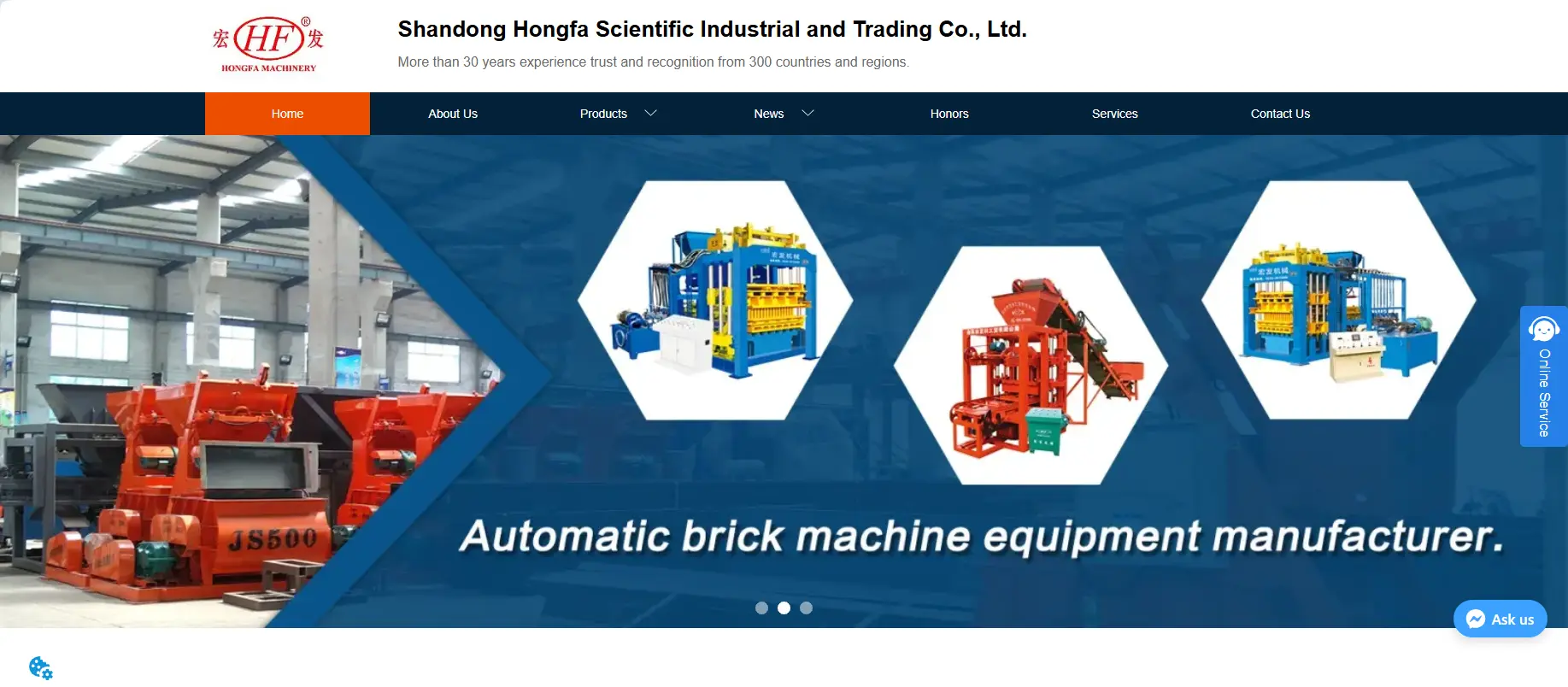
  2. Hongfa Group – Shandong https://www.hongfamach.com
    One of the oldest and largest manufacturers. They specialize in integrated production lines, including AAC (Autoclaved Aerated Concrete) lines and large-scale block machines.
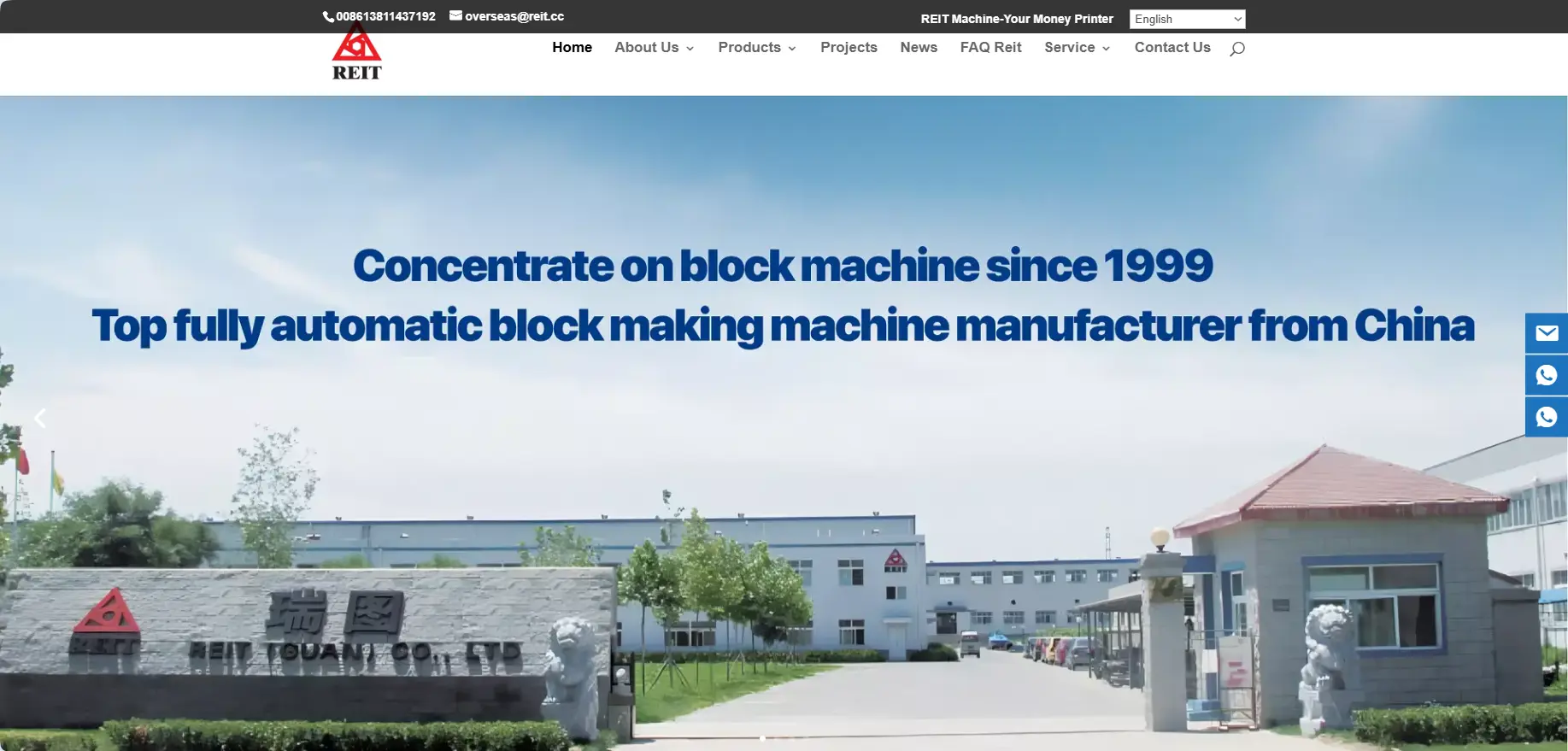
  3. REIT – Fujian https://www.reitmachine.com
    Known for high-end automatic systems with a strong focus on “Smart” manufacturing and remote diagnostics.
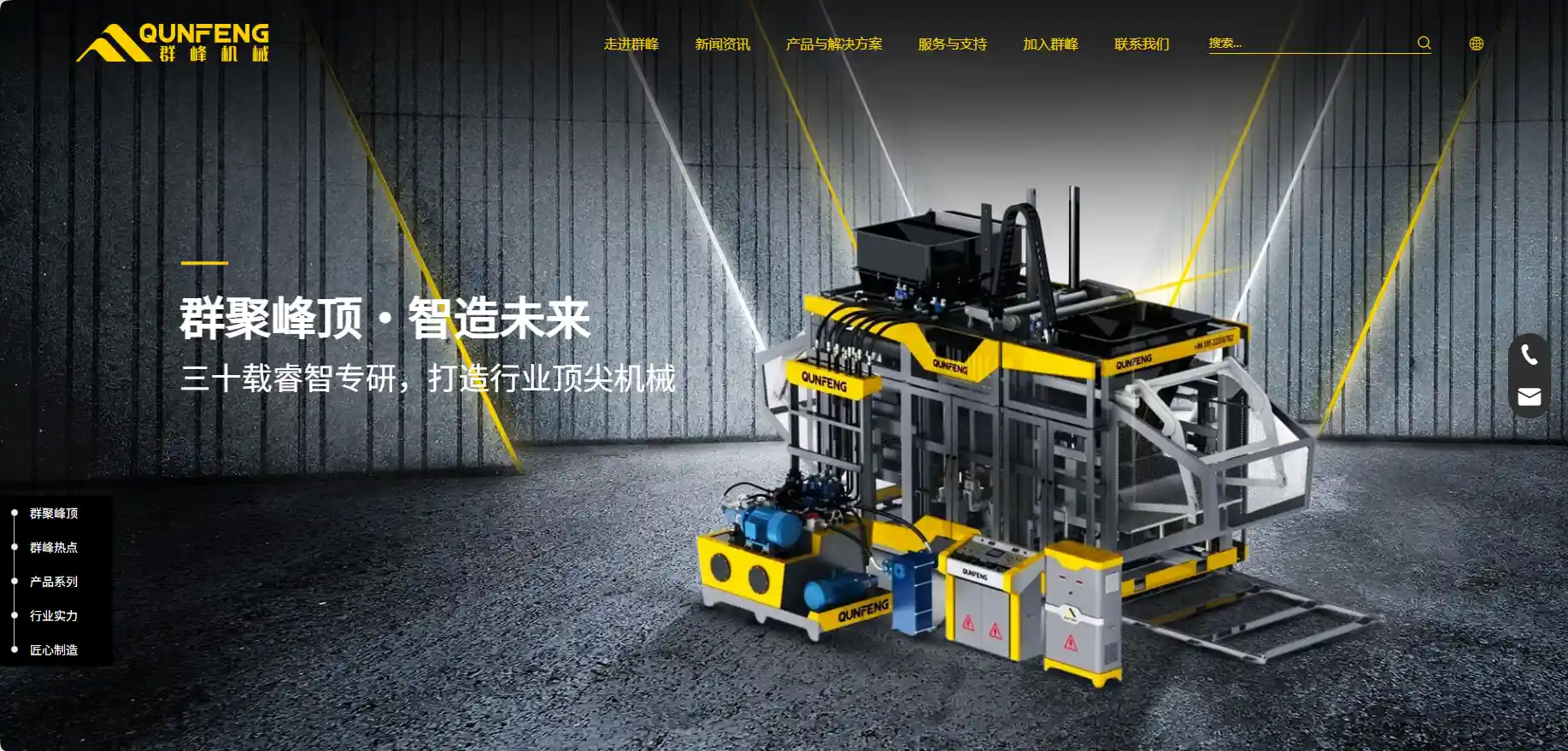
  4. Qunfeng Machinery – Fujian https://www.qunfeng.com
    A very popular export brand. Their machines are known for aesthetic design and user-friendly PLC interfaces.
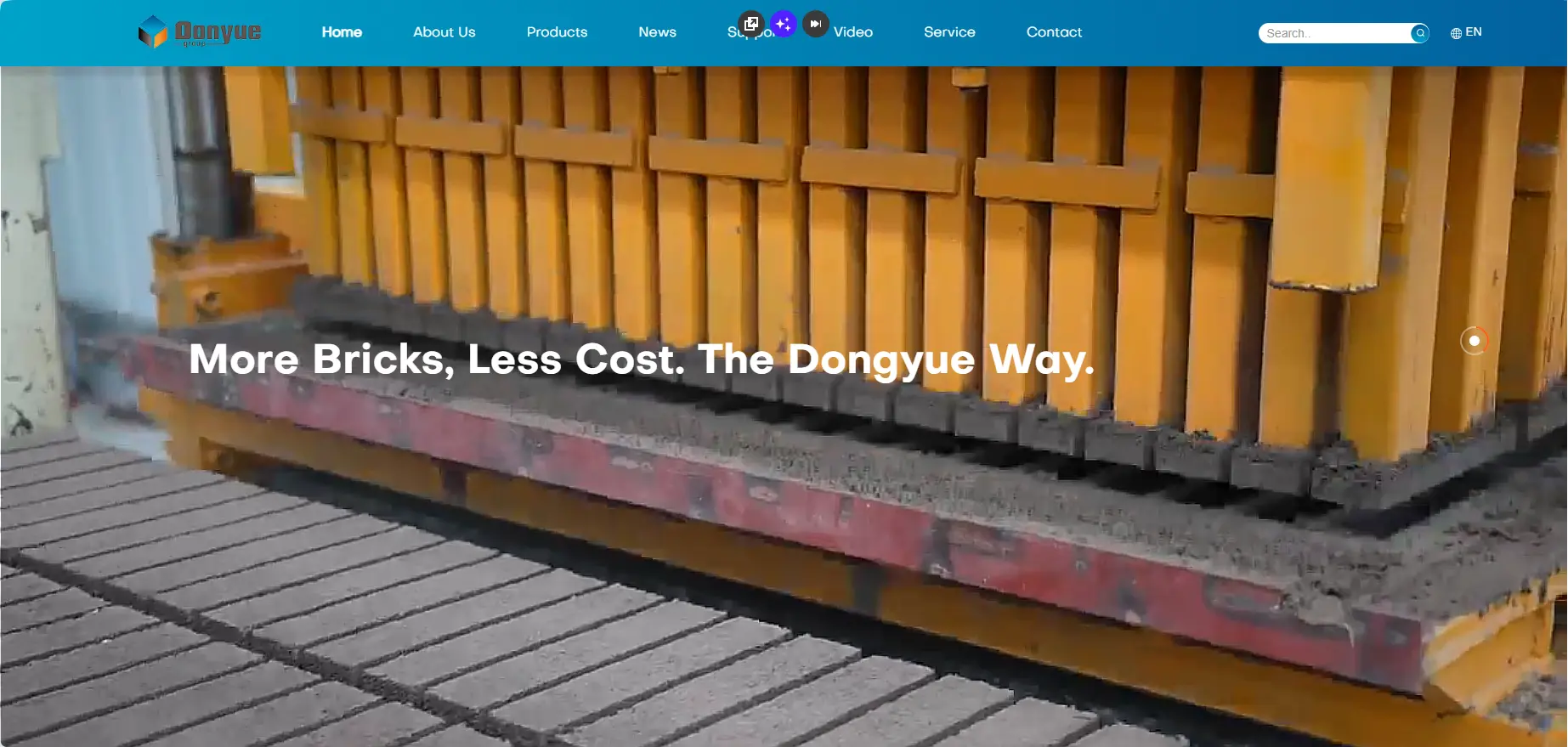
  5. Dongyue Group – Shandong https://www.donyuegroup.com
    A massive conglomerate that produces everything from simple manual machines to massive chemical-processing equipment. Very reliable for mid-to-high-tier buyers.
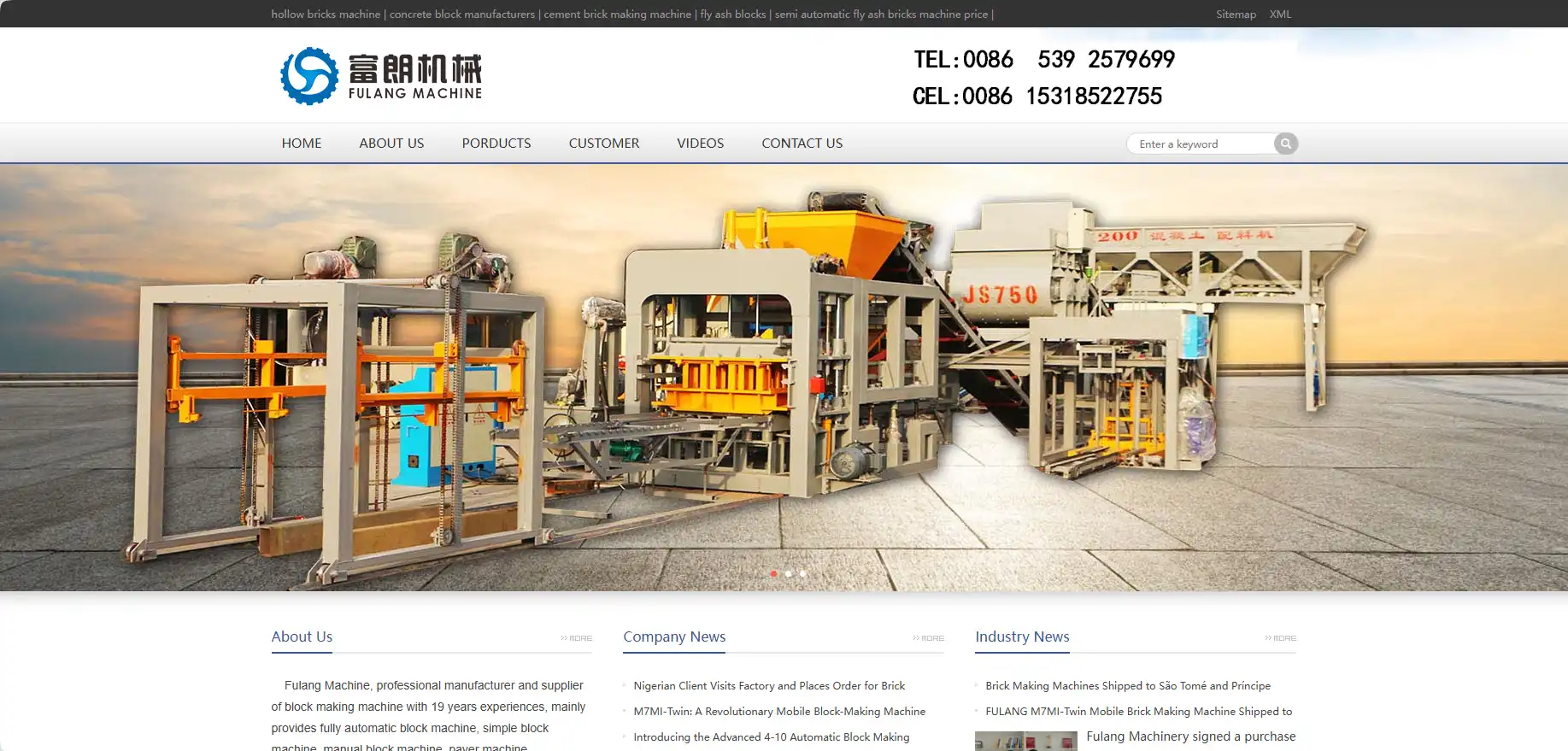
  6. Fulang Machinery – Shandong https://www.blocksmachine.com
    A leader in the Linyi cluster. Excellent for entrepreneurs and SMEs looking for reliable, cost-effective hydraulic machines with great after-sales support.
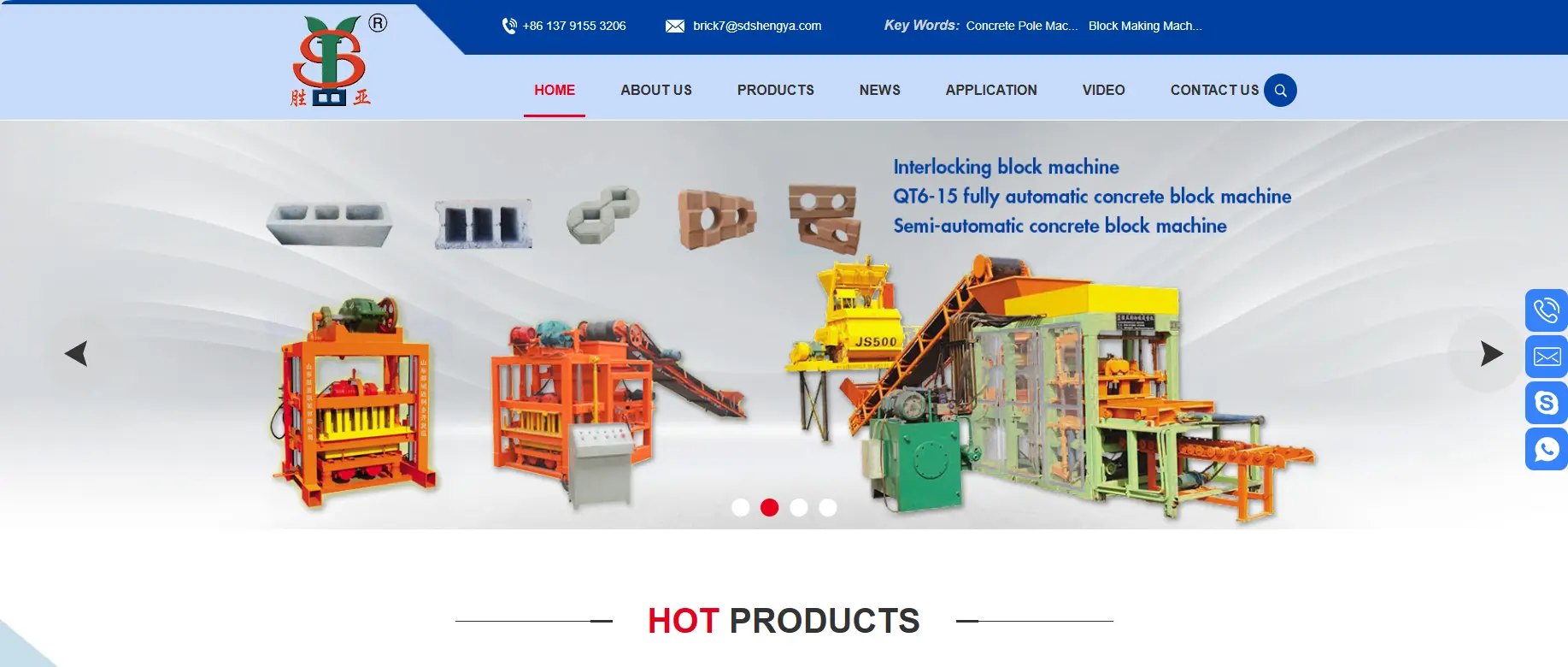
  7. Shengya Machinery – Shandong https://www.sdshengya.com
    Similar to Fulang, they have a massive presence across Africa and Southeast Asia with local service centers in many countries.
  8. Aimix Group – Henan https://www.aimixgroup.com
    A diversified construction machinery supplier. They are great for buyers who need to bundle brick machines with other equipment like concrete pumps or batching plants.
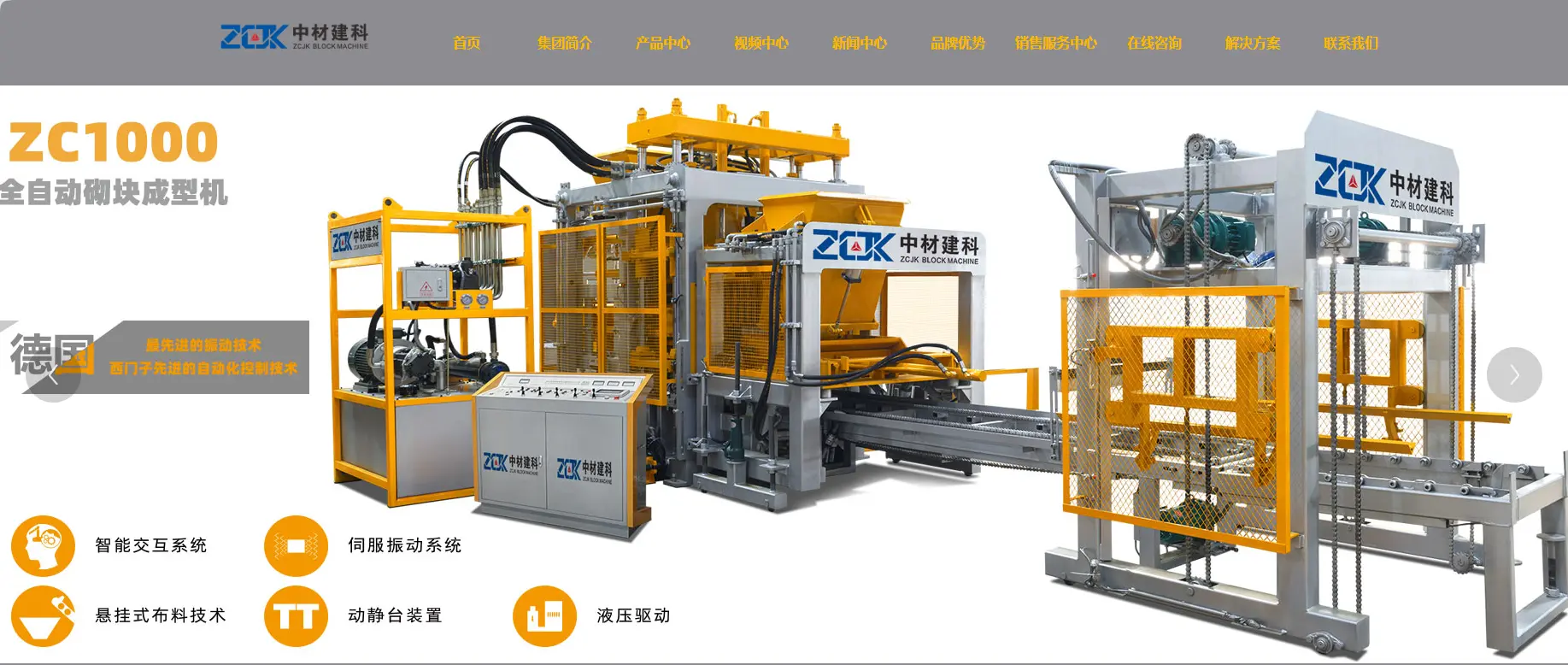
  9. ZCJK Group – Wuhan Hubei http://www.wh8108.cn/
    Literally China Materials Construction Tech Group, specializing in the research of new wall materials, comprehensive utilization of solid waste resources, complete sets of brick-making machine machinery and equipment.
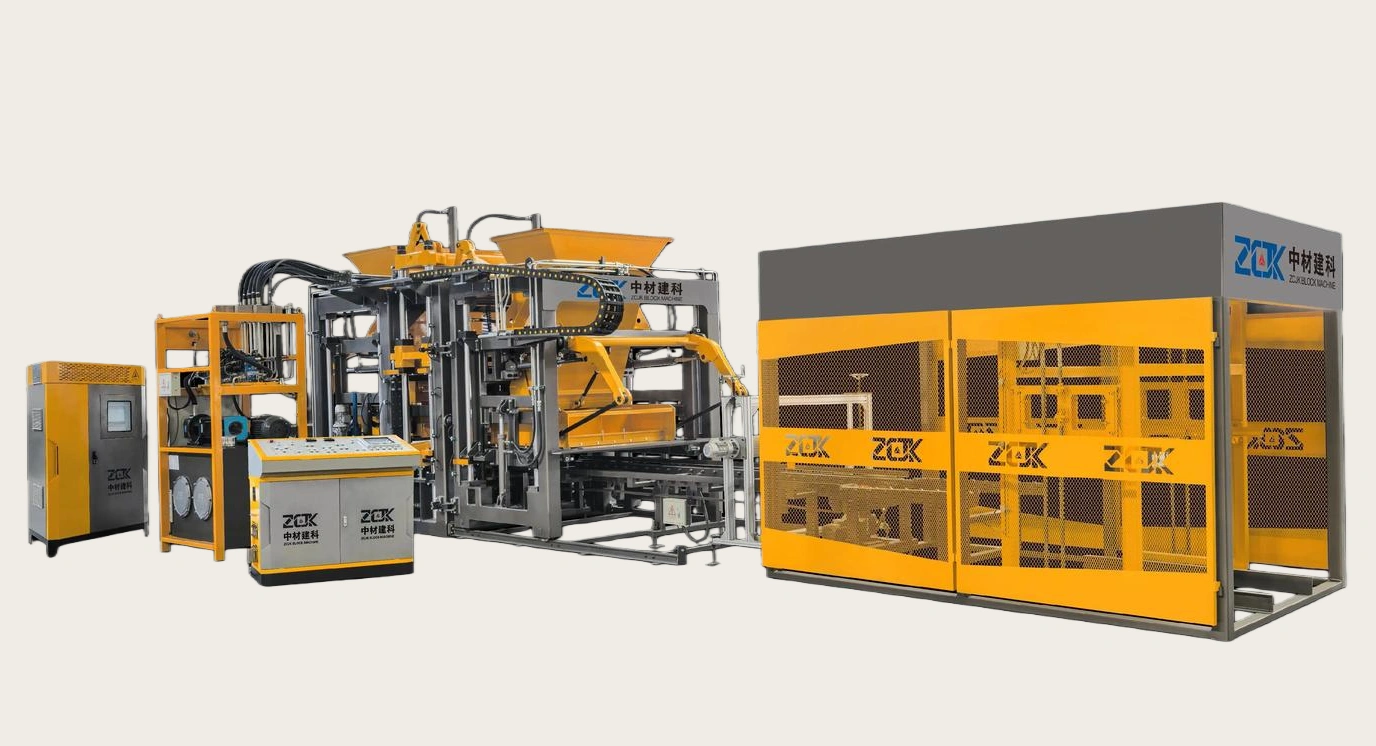
  10. Allian Machinery – Shandong

VIII. Sourcing Considerations and Buying Checklist

Sourcing heavy machinery is different from sourcing consumer goods. One mistake can lead to months of downtime.

1. The “Real” Capacity vs. “Theoretical” Capacity

Manufacturers often quote capacity based on a 15-second cycle time. In reality, due to material loading and worker speed, your actual output might be 20% lower. Always plan your plant layout based on 80% efficiency.

2. Power Supply Compatibility

China uses 380V/50Hz/3-Phase. If your country uses 220V, 415V, or 60Hz, you must specify this. Changing a motor after the machine arrives is expensive and difficult.
3. Spare Parts Package

A machine is only as good as its uptime. Ensure your quote includes a 2-year wear-and-tear kit:

  • Proximity switches and relays.

  • Hydraulic seals and O-rings.

  • Vibration springs.

  • Additional mold liners.

4. Factory Acceptance Test (FAT)

Before the final payment, the machine must be tested.

  • Ask for a video of your specific machine running with molds.

  • Verify the vibration noise (excessive noise indicates poor balancing).

  • Check the welding quality on the main frame.
5. Logistics: The Container Challenge

Large machines are heavy. A QT10-15 line can require multiple 40ft HQ containers. Ensure the supplier packs the machine with anti-rust oil and secures it properly to prevent shifting during ocean transit.
IX. Why Choose IMEXsourcing as Your Machinery Partner

At IMEXsourcing, we understand that buying a brick machine is a high-stakes investment. We act as your eyes and ears on the ground in China to mitigate risks.

  • Deep Supplier Audits: We don’t just look at Alibaba profiles. We visit the factories in Linyi or Quanzhou to verify their actual manufacturing capacity, the quality of their steel, and the authenticity of their “Siemens” components.

  • Technical Inspection: Our inspectors check the thickness of the steel frames, the quality of the hydraulic pumps, and ensure the PLC is programmed in your local language.

  • Price Negotiation: Because we deal with these clusters daily, we know the “real” factory price. We help you negotiate not just the machine price, but the cost of custom molds and spare parts.
  • Loading Supervision: We ensure that every component—from the tiny sensors to the heavy mixer—is accounted for and safely loaded into the container to prevent transit damage.

  • After-Sales Mediation: If a part fails under warranty, we communicate with the factory in their native language to ensure replacement parts are dispatched immediately, minimizing your downtime.

X. Conclusion

The transition from manual construction to mechanized brick production is one of the most profitable moves a construction business can make. China offers the world’s most versatile range of brick-making machinery, capable of meeting any budget or production scale.
However, success lies in the details. By understanding the difference between a Linyi-made mid-range machine and a Quanzhou-made premium line, specifying the right technical parameters, and performing rigorous quality control, you can build a production facility that lasts for decades.

Ready to start your brick production journey? Contact IMEXsourcing today for a consultation on the best manufacturers and equipment configurations for your specific market needs. Let us help you turn Chinese innovation into your local success.
Message us for more information

Please let us know your request, we will get back to you within 24 hours.

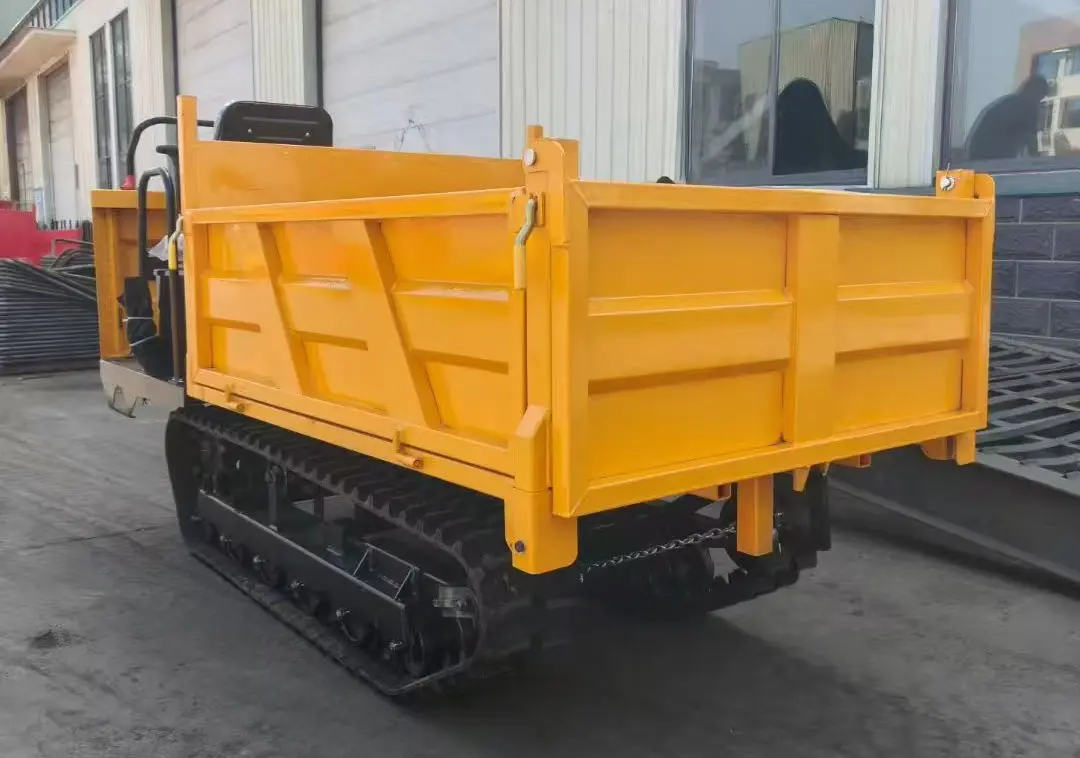
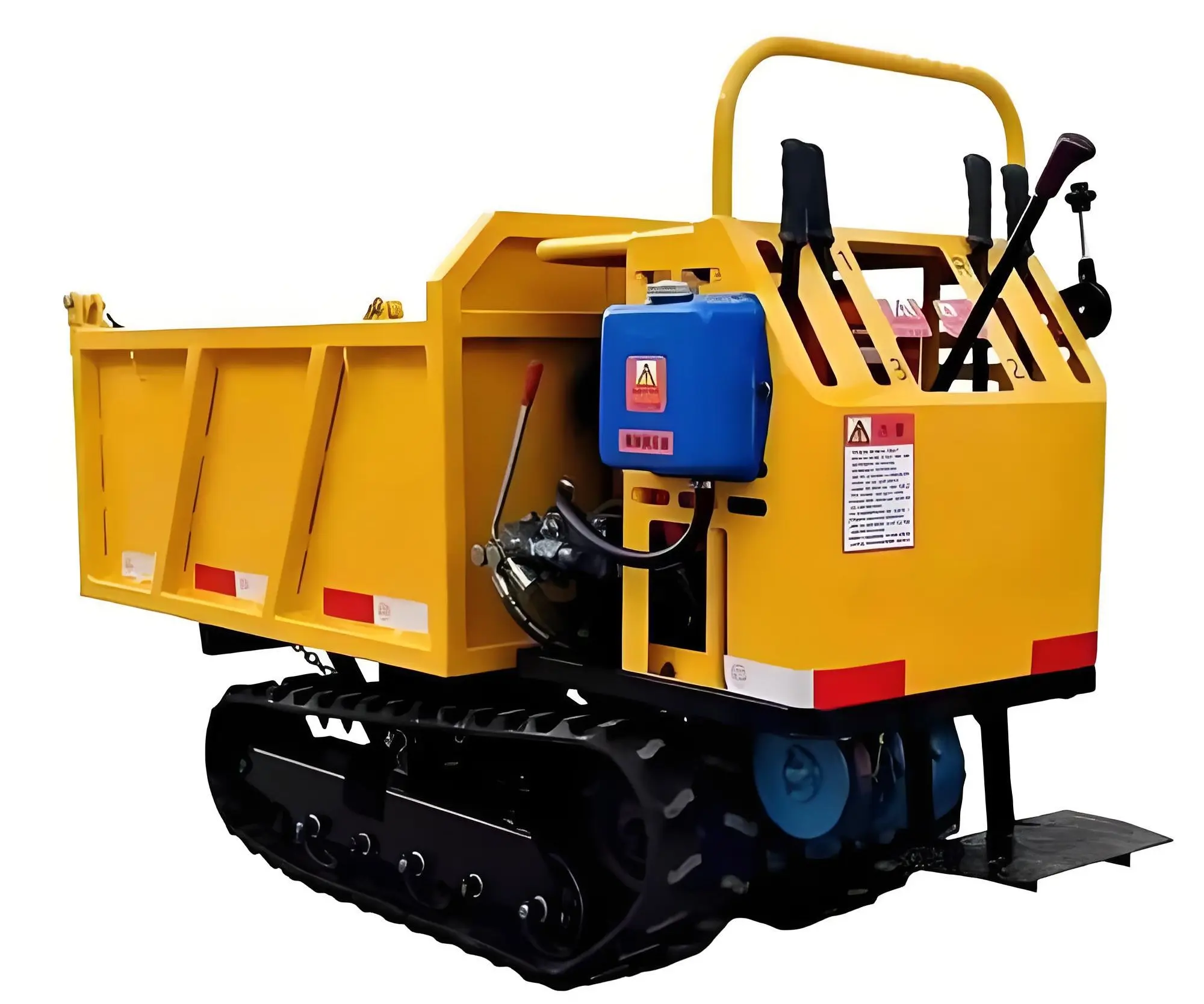
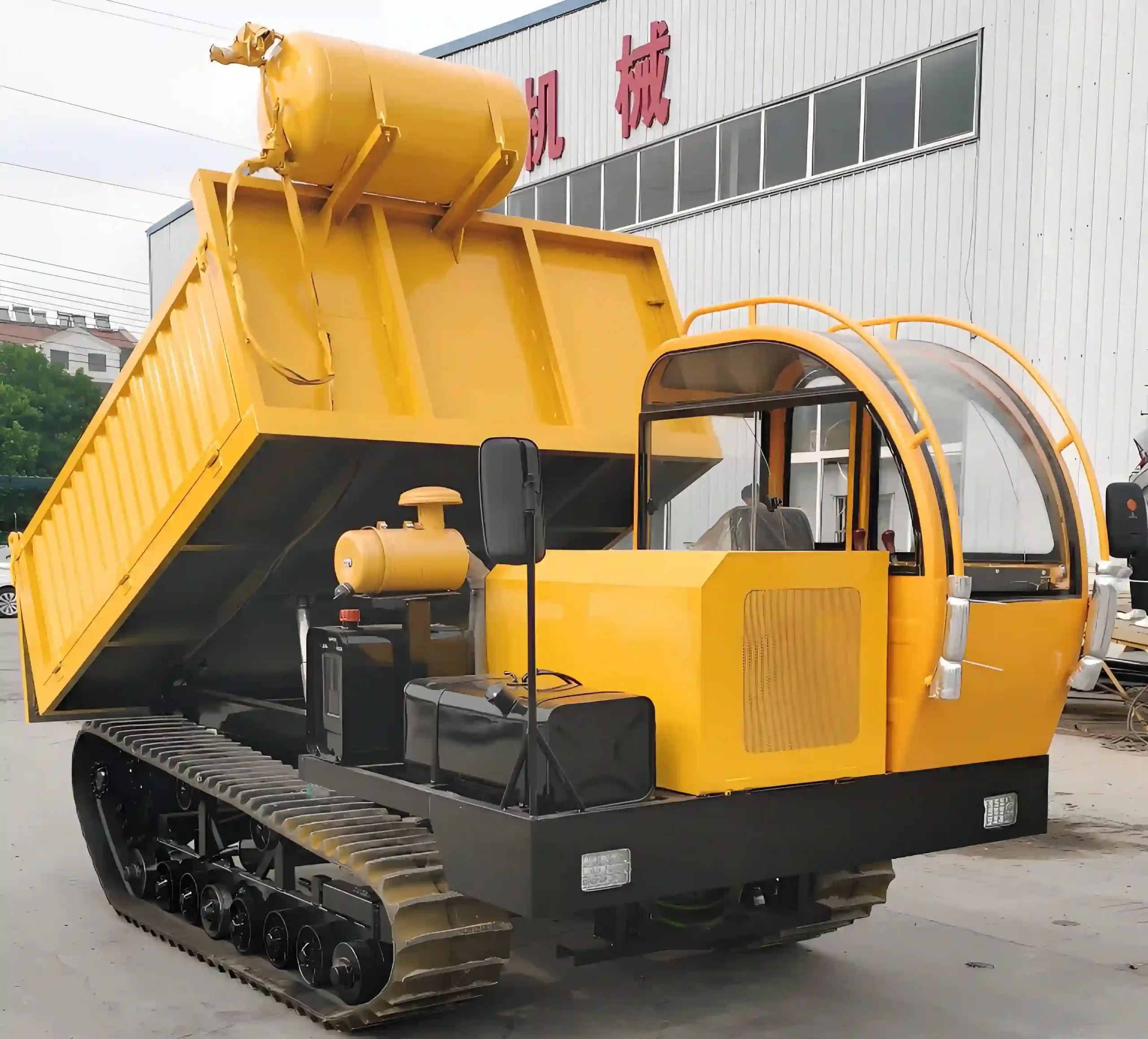
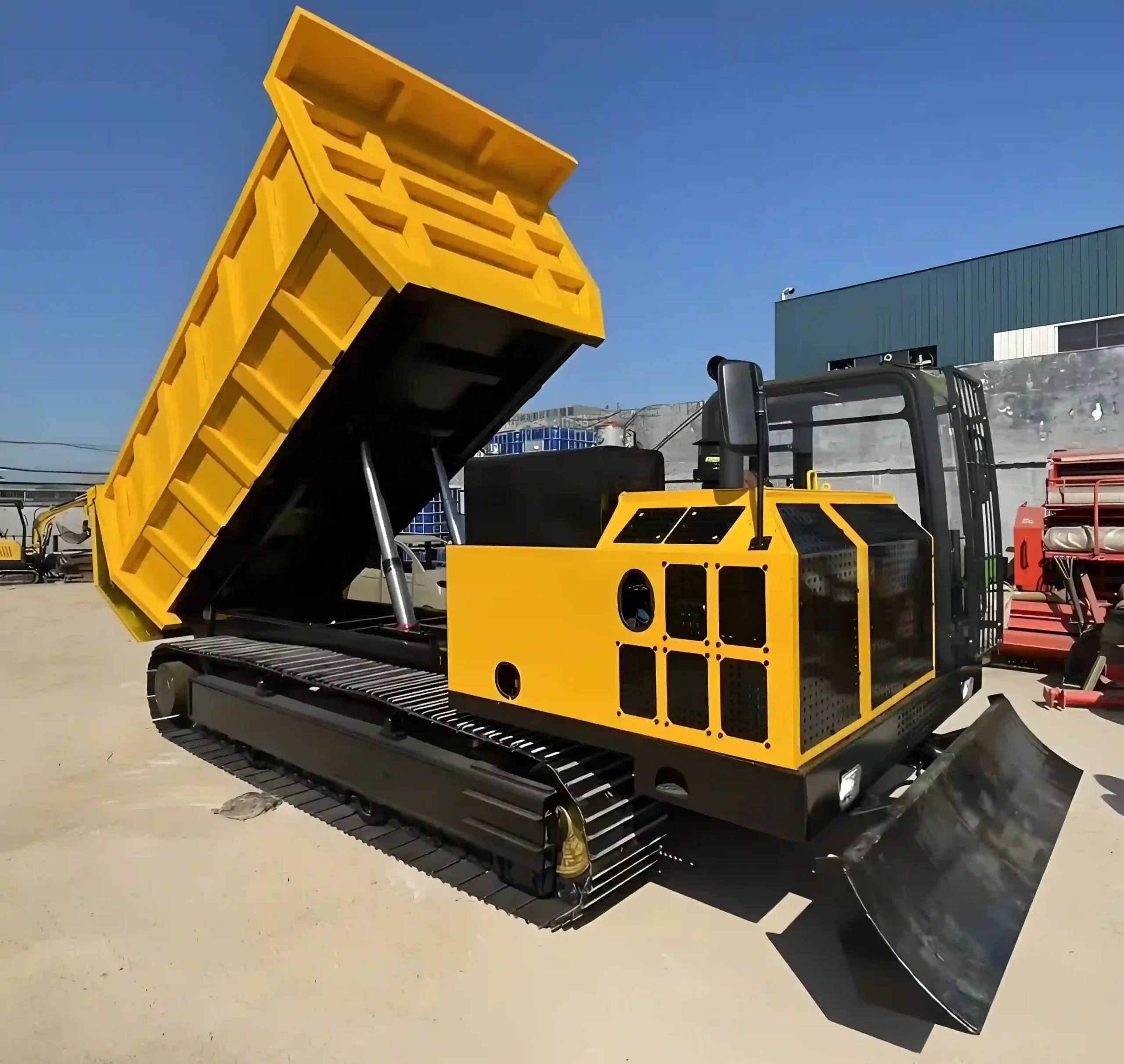
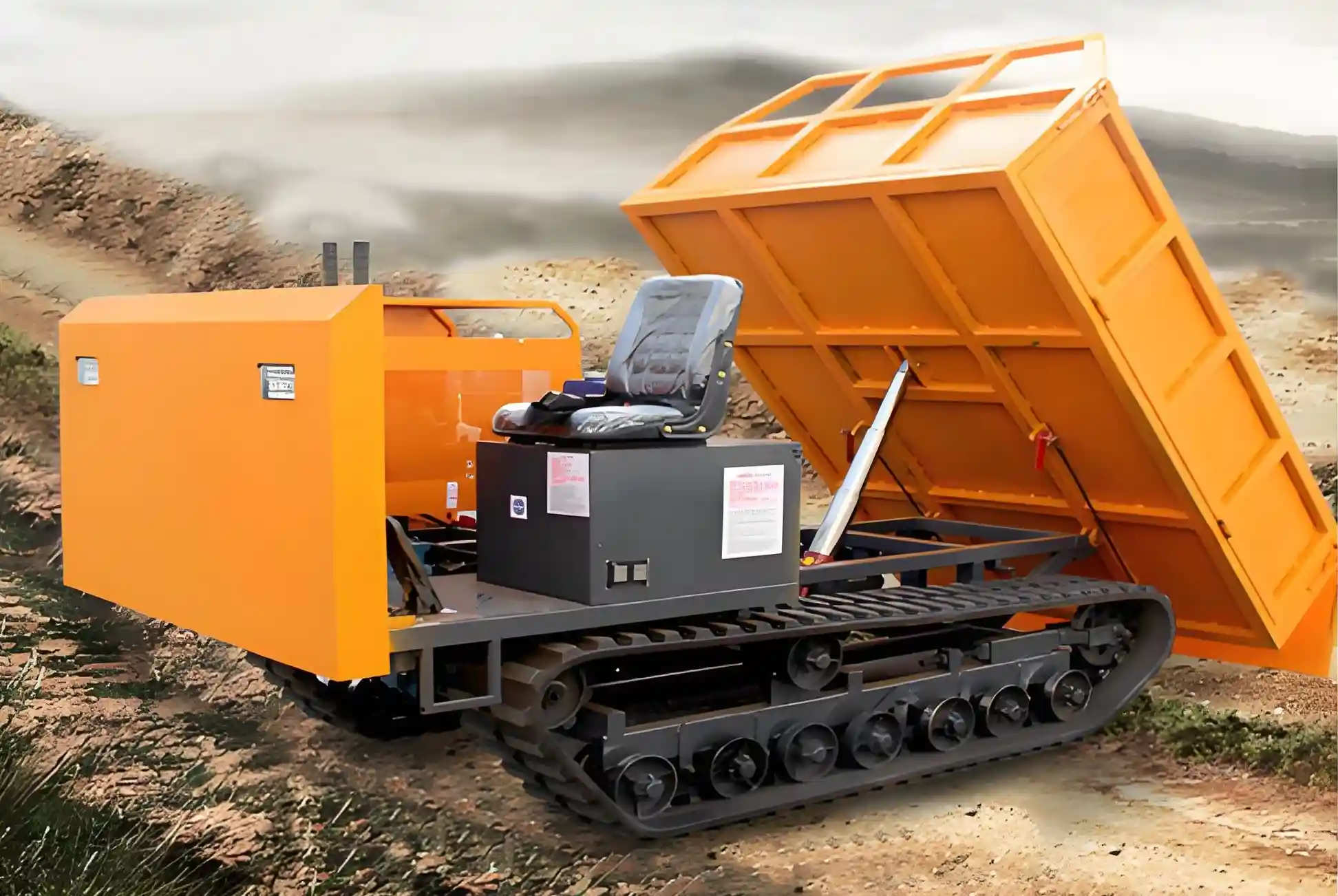
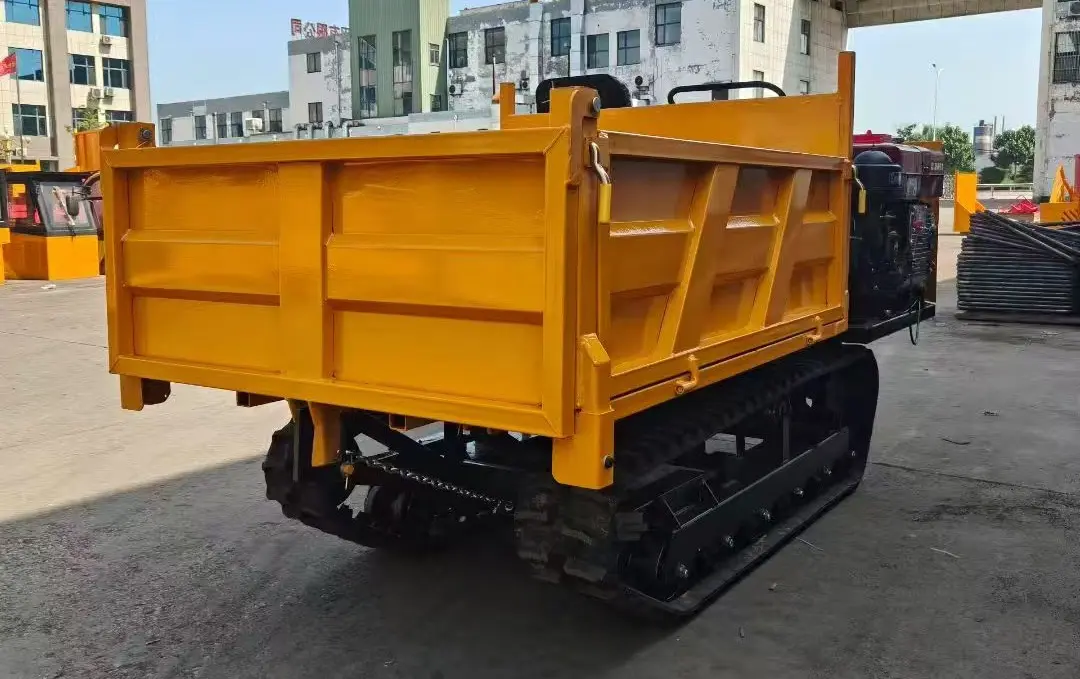
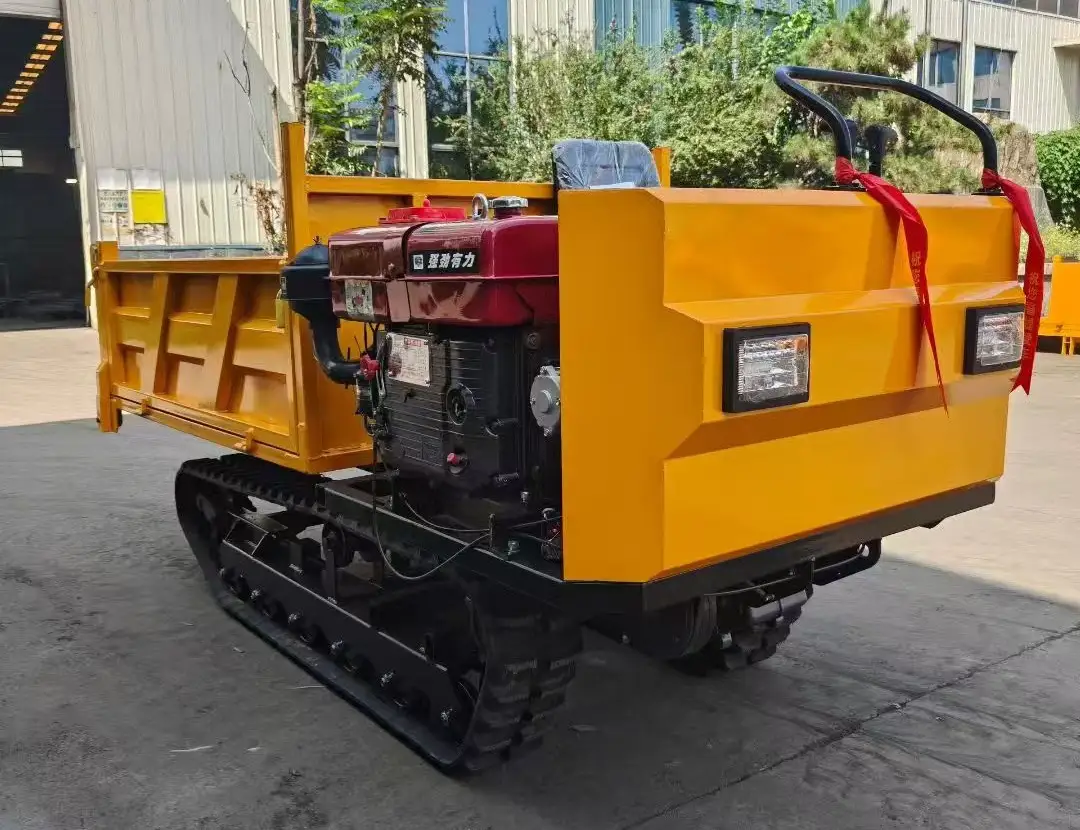
    Hydraulic Crawler Carrier: An In-Depth China Procurement Guide

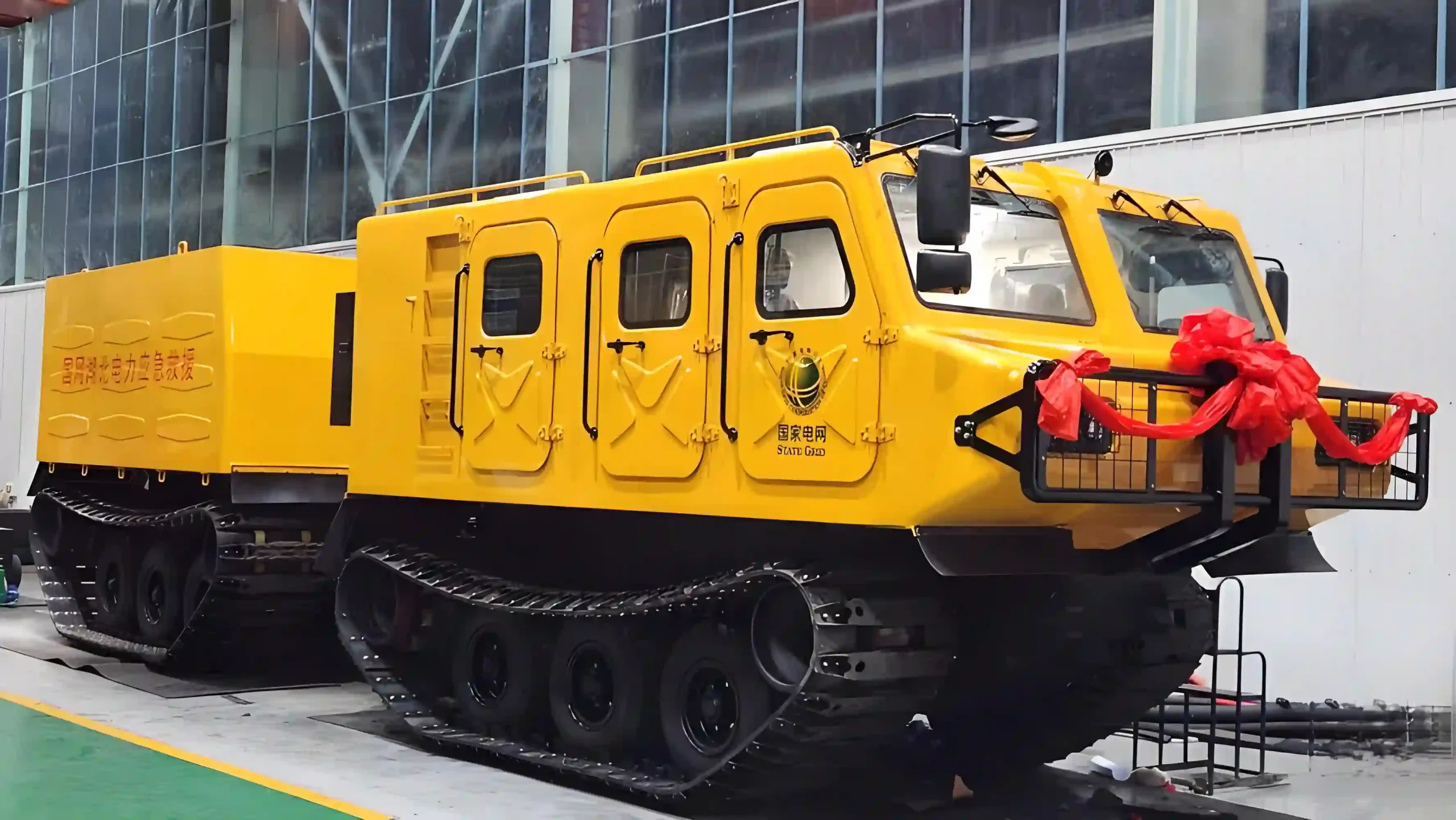
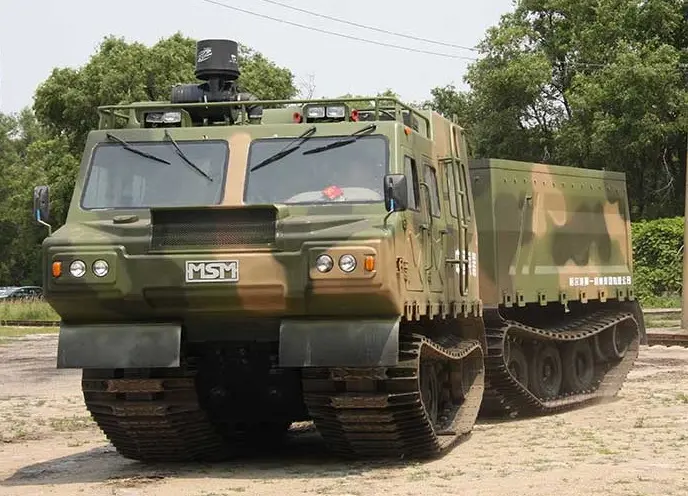
    Across the globe, the demand for robust engineering machinery capable of efficiently transporting heavy loads across rugged, uneven, and challenging terrains is on the rise. China, as a leading manufacturing hub for construction and heavy-duty equipment, has become a key supplier of hydraulic crawler carriers—also known as tracked dumpers, all-terrain transporters, or mining track carriers. These versatile vehicles are renowned for their exceptional off-road capabilities and powerful carrying capacity, making them indispensable across various industries, including construction, mining, agriculture, forestry, and public utilities.

    This guide is designed to provide global buyers with a comprehensive overview of the Chinese hydraulic crawler carrier market. We will delve into the key features, advantages, and main manufacturers of these machines and offer essential purchasing considerations to help you make an informed and strategic decision.

    I. Product Types and Application Scenarios

    Hydraulic crawler carriers come in a wide variety of types, each specifically designed to excel in particular applications. Understanding these different types and their ideal use cases is the first step toward a successful procurement.

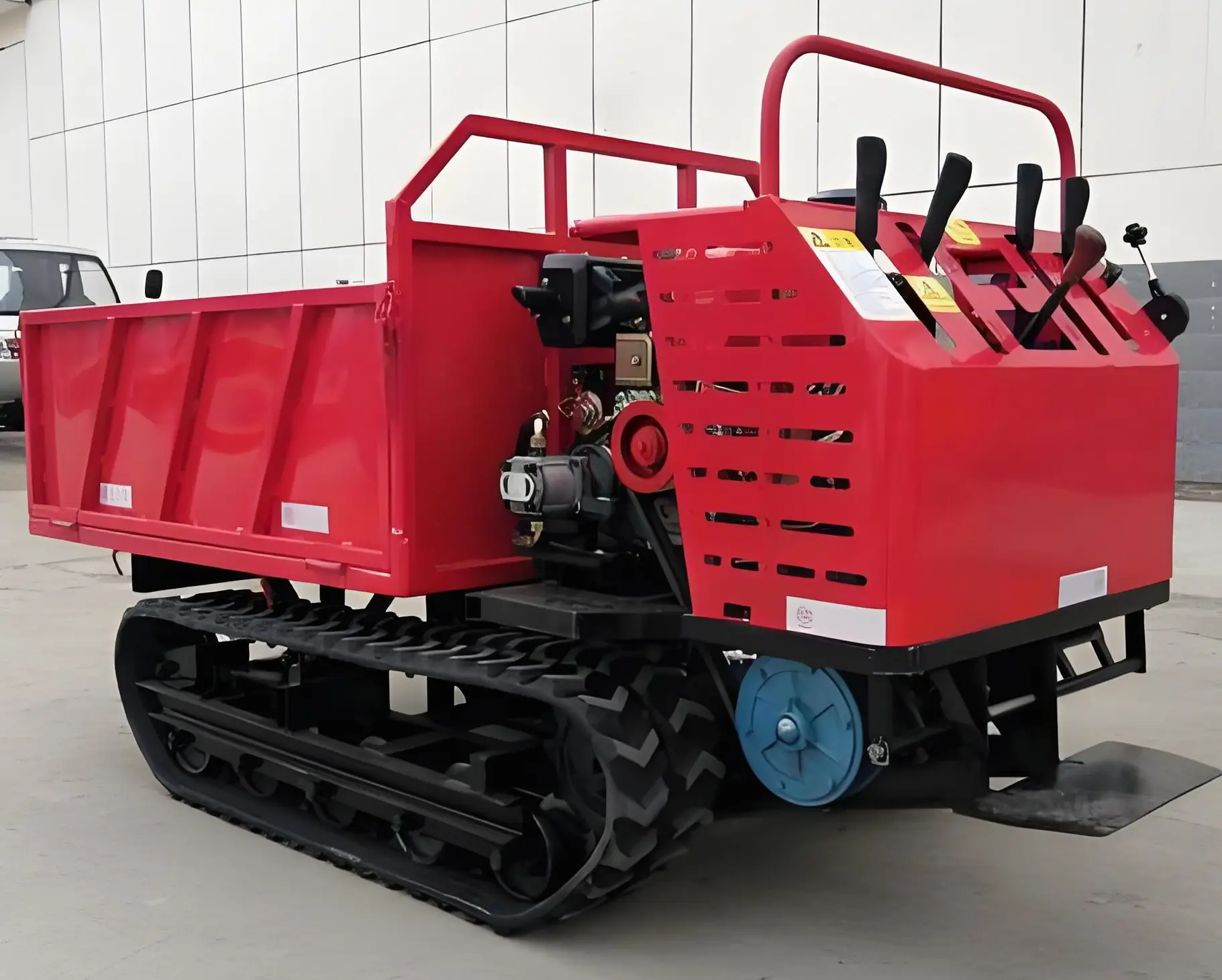
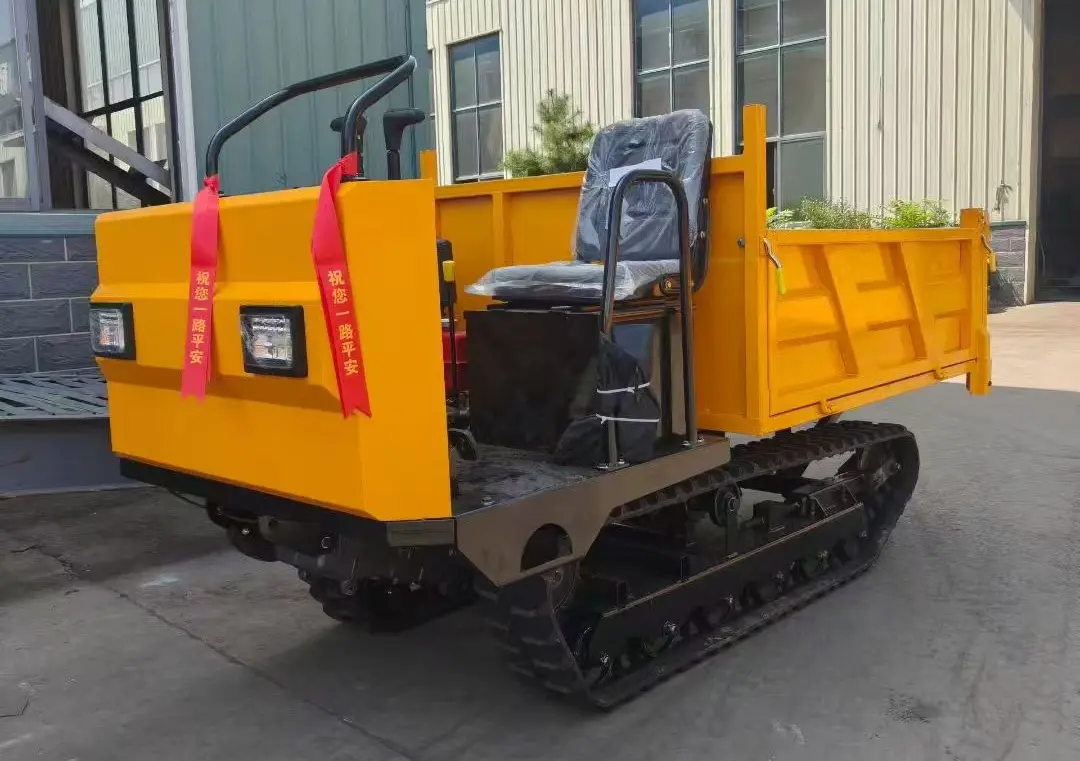
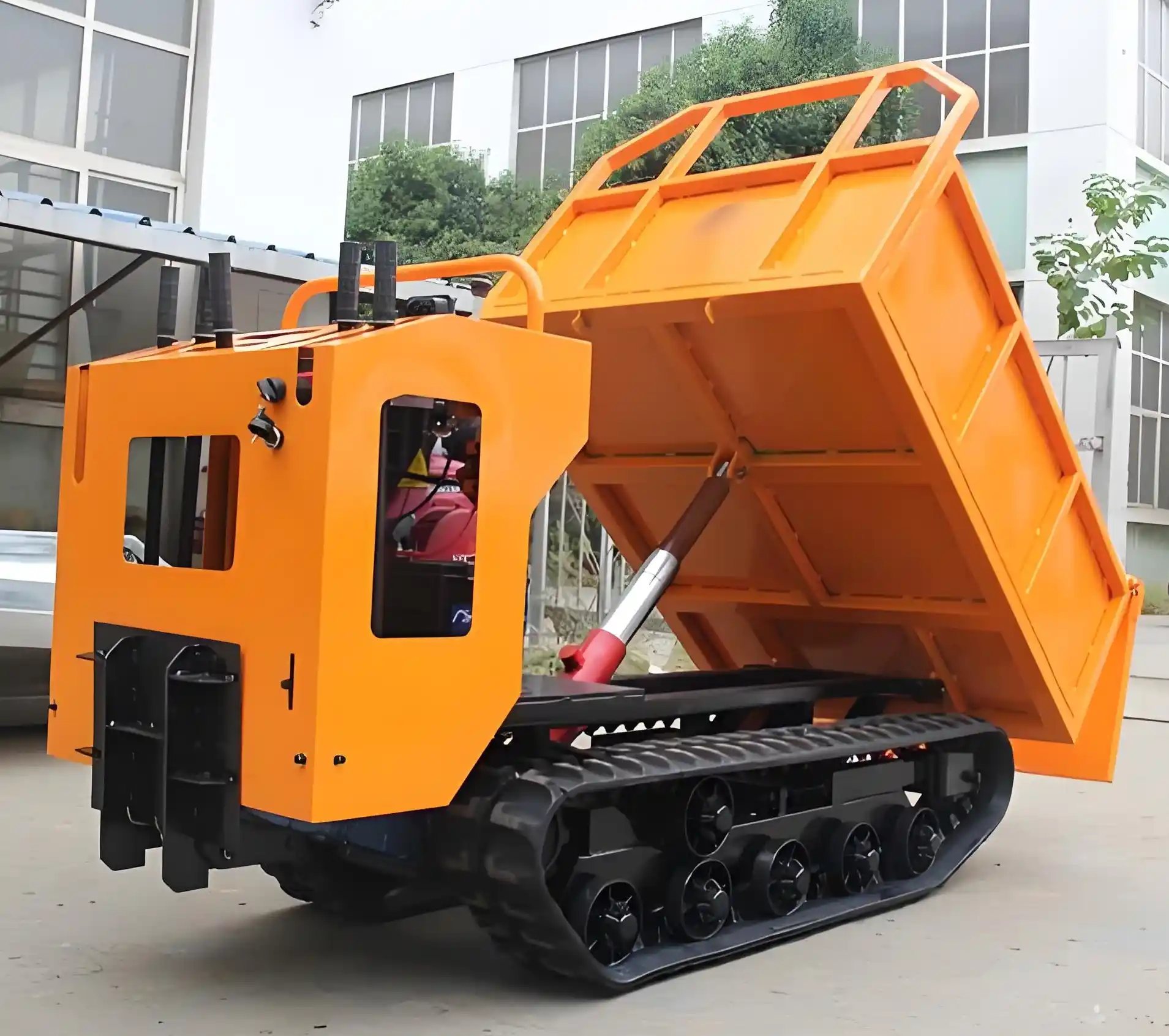
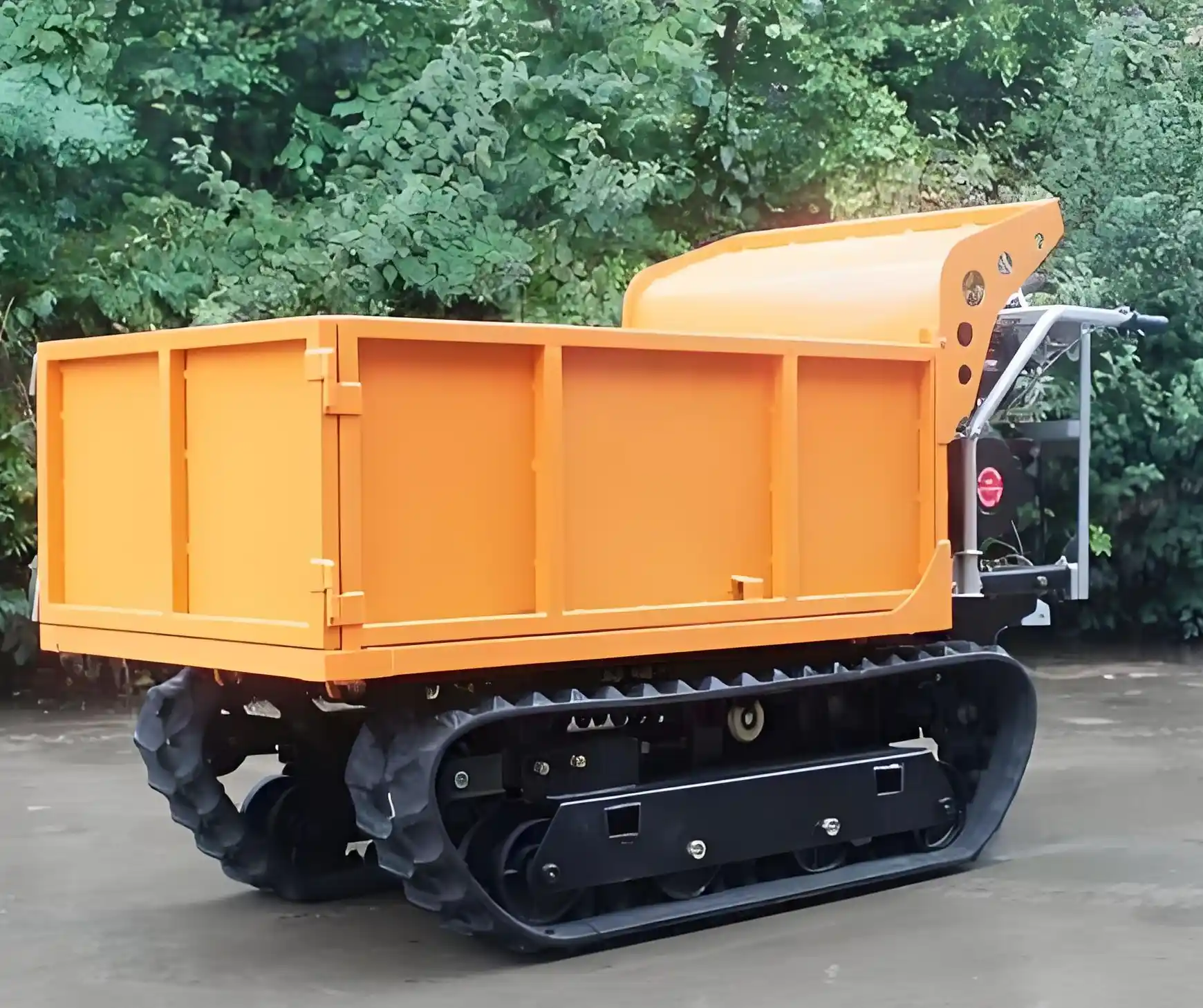
    1. Basic Crawler Dumpers
    This is the most common type, consisting of a tracked chassis and a dump bed for transporting loose materials.

    • Key Features: Compact and maneuverable, typically used for small to medium-sized loads. The hydraulic dumping function allows for quick and efficient unloading of materials.

    • Ideal Scenarios: Navigating narrow construction sites, small-scale quarries, landscaping projects, farm transportation, and any small-scale project that requires traversing muddy or slippery ground.

    2. Multi-functional Crawler Carriers
    These vehicles usually feature an open or customizable platform, allowing for the easy integration of various attachments to suit different tasks.

    • Key Features: Highly versatile, capable of being fitted with cranes, drilling rigs, concrete mixers, water tanks, or other tools. This makes them a mobile, multi-purpose workstation.

    • Ideal Scenarios: Transporting equipment in remote areas, geological exploration, pipe laying, power line maintenance, firefighting, and engineering tasks in complex terrains where standard vehicles cannot access.

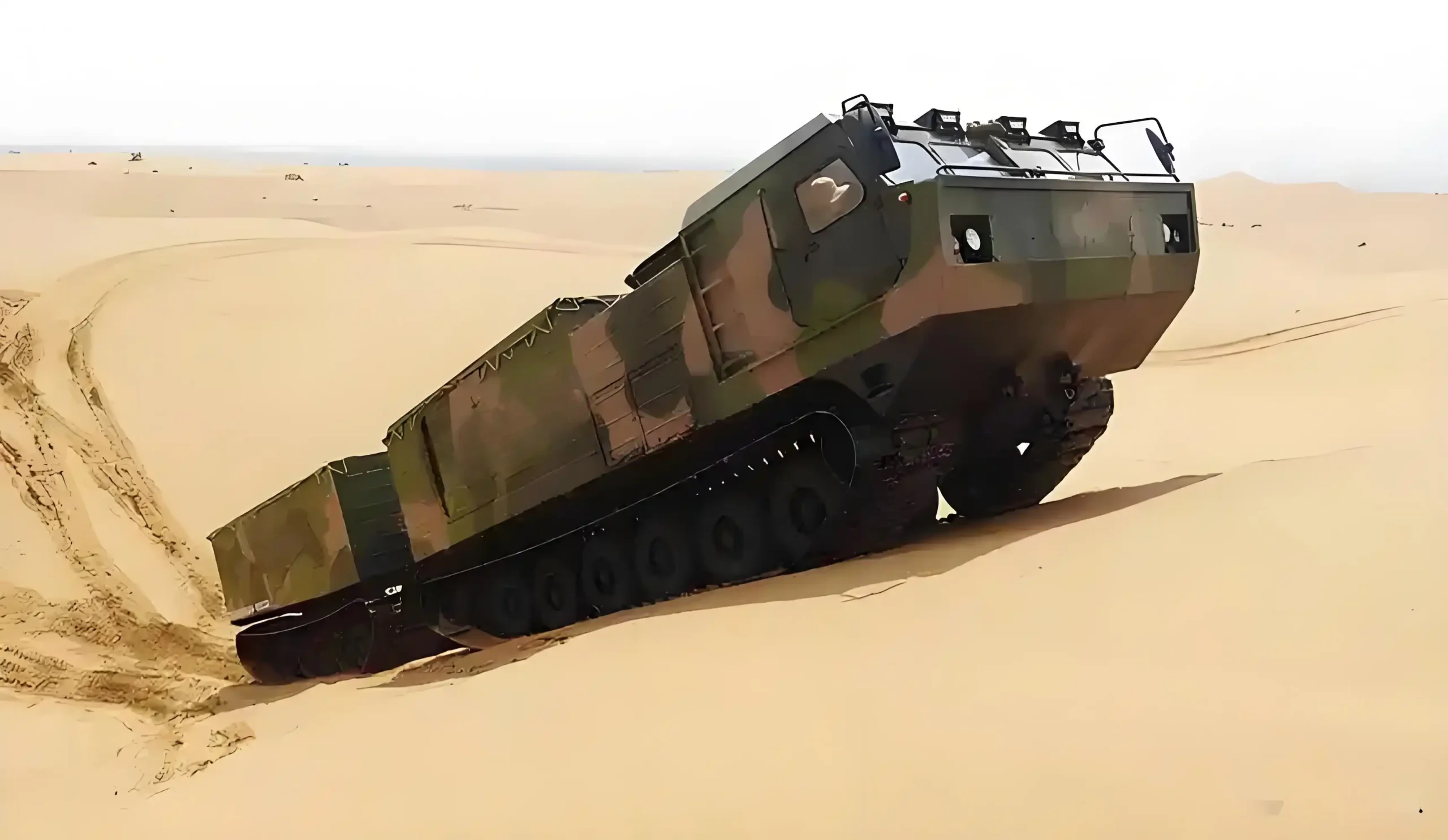
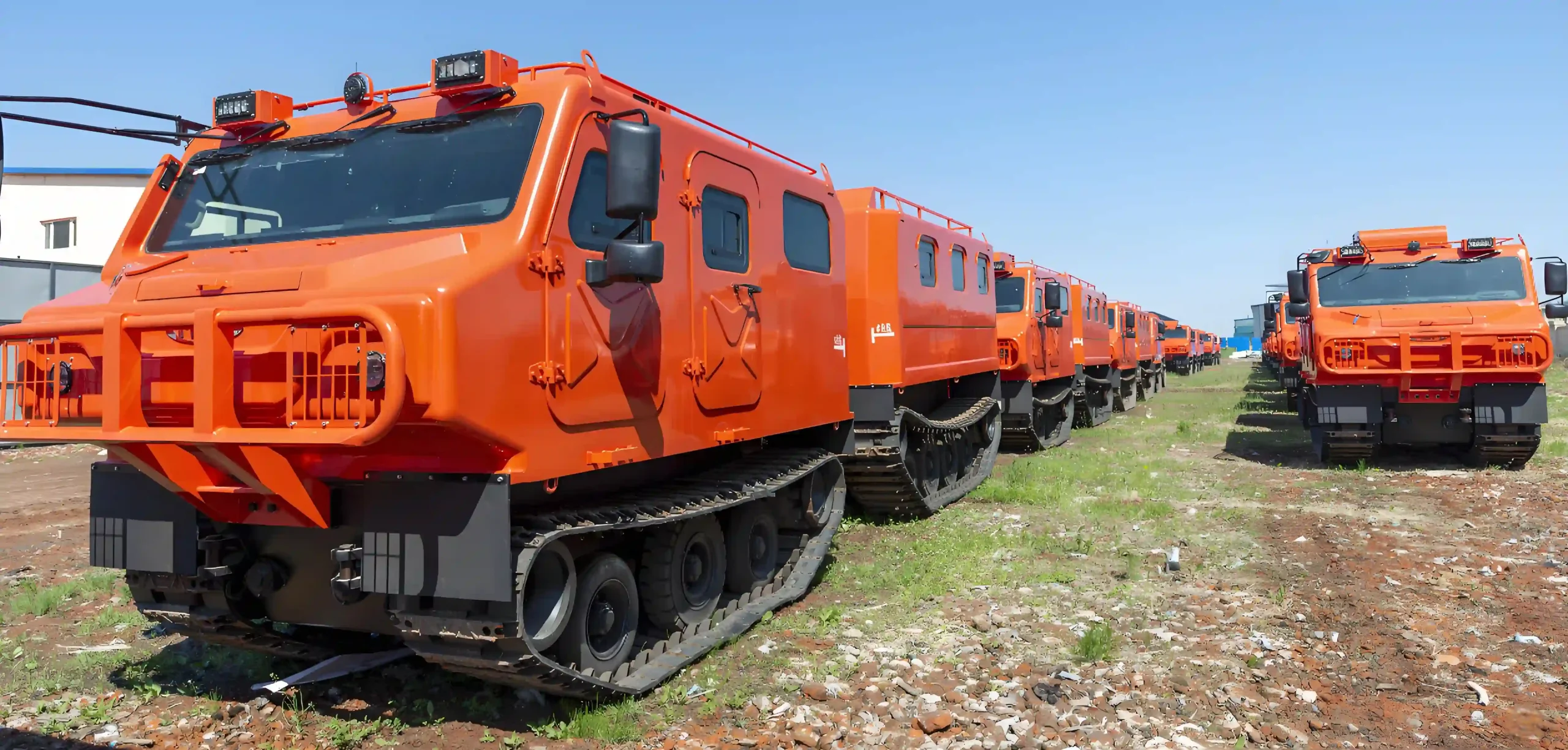
    3. All-Terrain and Specialized Crawler Carriers
    These are engineered for the most extreme environments, including wetlands, swamps, sandy areas, and steep mountainous slopes.

    • Key Features: Often equipped with extra-wide rubber tracks to achieve extremely low ground pressure, preventing the vehicle from sinking. Some models even have amphibious capabilities, allowing them to traverse both land and water.

    • Ideal Scenarios: Working in intertidal zones and offshore wind power foundation construction, ecological preservation projects in wetlands, seismic exploration, desert research, and mountain mining operations.

    4. Heavy-Duty Crawler Transporters
    Designed for the transportation of oversized or overweight equipment, these platforms can carry loads ranging from tens to over a hundred tons.

    • Key Features: Modular design with a high-strength steel chassis and a precise hydraulic control system. Many heavy-duty platforms feature wireless remote control functionality to ensure operator safety during loading and unloading.

    • Ideal Scenarios: Relocating large semi-mobile crushing plants in open-pit mines, transporting massive industrial equipment, moving bridge components, and other super-heavy logistics tasks.

    II. Core Functional Advantages and Quality Reliability

    Choosing a hydraulic crawler carrier from a Chinese manufacturer offers significant advantages in performance, cost-effectiveness, and adaptability.

    1. Superior All-Terrain Capability
    This is the core advantage of these machines. Their broad tracks distribute the vehicle’s weight, significantly reducing ground pressure and allowing them to effortlessly cross soft, muddy, rocky, or slippery ground without getting stuck. This capability is crucial in construction, agriculture, and mining.

    2. Powerful Traction and Climbing Ability
    The tracked drive system provides far more traction than wheeled vehicles, enabling them to easily handle steep slopes and uneven terrain. This is why they are often nicknamed “mountain-climbing tigers” (爬山虎运输车) in China, as they can operate efficiently in challenging environments like mountainous regions and mining sites.

    3. Versatility and Attachment Compatibility
    The hydraulic system is the heart of these vehicles, providing not only the power for movement but also a robust hydraulic source for various attachments. Buyers can choose to equip the carrier with a range of hydraulic tools, such as crane arms, winches, drills, or specialized cargo boxes, allowing for multiple uses from a single machine and maximizing return on investment.

    4. Quality and Reliability
    Leading Chinese manufacturers have established stringent quality control systems to ensure that every stage, from raw material sourcing to final assembly, meets high standards. The widespread use of high-strength steel and internationally recognized hydraulic components and engines (such as Cummins, Isuzu, or Kubota) ensures durability and reliability. These vehicles undergo rigorous factory testing and quality inspections to guarantee stable performance in demanding conditions.

    III. Safety and Operational Convenience

    Safety is a top priority when procuring any heavy machinery. Chinese manufacturers have incorporated numerous safety features into their designs while focusing on improving operational convenience.

    1. Remote Control Technology
    Many modern crawler carriers are equipped with wireless remote control systems, allowing operators to work from a safe distance, especially in hazardous or low-visibility environments. This significantly reduces the risk of operator injury and enhances precision during operation.

    2. Stable Hydraulic Systems and Inclinometer Displays
    Advanced load-sensing hydraulic systems can automatically adjust output based on the load and slope, ensuring the vehicle remains stable during transport. Some models are equipped with inclinometers that display the platform’s tilt in real time, helping operators make timely adjustments and minimize safety risks when transporting heavy or high-center-of-gravity loads.

    3. Ergonomic Design
    Modern cabin designs prioritize operator comfort and safety. A wide field of vision, ergonomically designed seating, and intuitive control panels (such as touch screens) reduce operator fatigue and increase efficiency. The standard inclusion of high-definition rearview cameras also greatly improves visibility to the rear of the machine, further enhancing safety.

    IV. Key Specifications and Parameters

    Understanding a product’s technical specifications is crucial during the procurement process. Here are some key parameters to focus on:

    • Rated Load Capacity: This is the most important parameter, typically ranging from 1 to 60 tons, with heavy-duty platforms exceeding 120 tons. When choosing a capacity, consider your actual transportation needs and allow for a safety margin.

    • Engine Power: Affects the vehicle’s traction, climbing ability, and operating speed. It is usually measured in kilowatts (kW) or horsepower (HP).

    • Traveling Speed: Generally ranges from 2 to 10 kilometers per hour, depending on the model and application.

    • Hydraulic System Pressure: Determines the vehicle’s power and the performance of its attachments, typically measured in megapascals (MPa) or pounds per square inch (psi).

    • Track Width and Type: Track width influences ground pressure. Wide tracks (e.g., 500mm-800mm) are suitable for soft terrains. Tracks can be made of rubber or steel; rubber is ideal for protecting surfaces, while steel is more durable for rocky, harsh terrain.

    • Dimensions and Operating Weight: Affect the vehicle’s transportability and maneuverability in confined spaces.

    V. Industrial Clusters and Key Manufacturers in China

    China, as one of the world’s largest manufacturers of construction machinery, has developed several industrial clusters. These regions gather numerous manufacturers and suppliers, forming complete supply chains.

    • Shandong Province (especially Jining and Qingzhou): Shandong is a major hub for China’s engineering machinery industry. Jining is renowned for its heavy machinery manufacturing, with a concentration of crawler carrier and component manufacturers, forming a robust supply chain network. Many companies, such as Jining Shanmei Industrial & Mining Materials Group, are based here.

    • Jiangsu Province: Jiangsu hosts several manufacturers specializing in hydraulic systems and tracked undercarriages, including well-known companies like XCMG Group. These companies have a competitive advantage in technological research and quality control, providing high-quality tracked chassis and complete vehicle solutions.

    • Hunan Province: Hunan is another important base for the engineering machinery industry, home to globally recognized industry leaders like SANY Group. While crawler carriers may not be their primary product line, their strong technological background and manufacturing capabilities support numerous small and medium-sized manufacturers in this field.

    Noteworthy Manufacturers and Companies:

    • XCMG Group: A leading enterprise in the Chinese engineering machinery industry with deep technical expertise in heavy machinery manufacturing.

    • SANY Group: A globally renowned heavy machinery manufacturer known for its high quality and innovative technology.

    • Lonking: Focused on loaders, excavators, and other engineering machinery, its technology also extends into the crawler carrier sector.

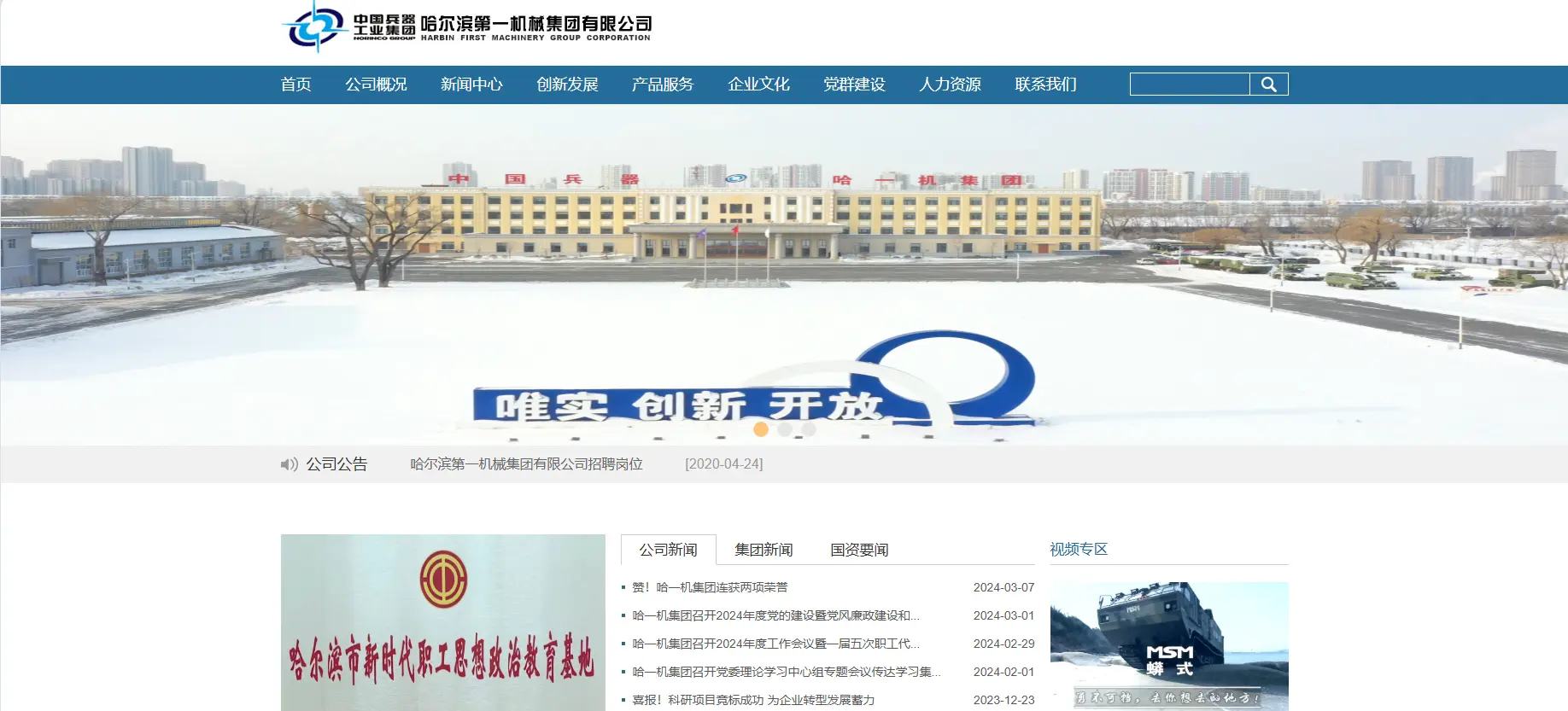
    • NORINCO Group Harbin First Machinery: A key national military security enterprise and the birthplace of many first military products in China. More than 70 years, it has now become a research and production base for clawler tracked machinery systems, and engineering support equipment in China.
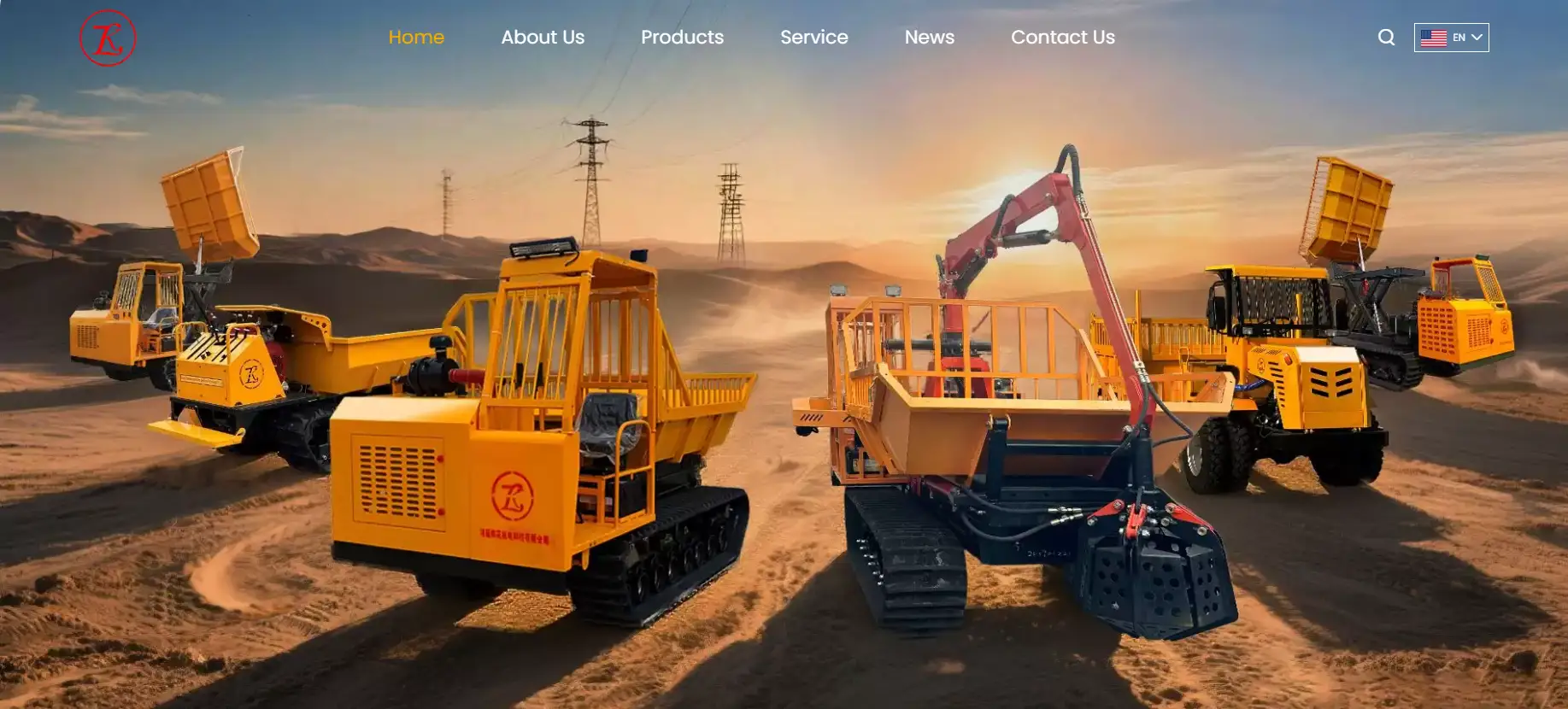
    • Other Specialized Manufacturers: Within these industrial clusters, there are also many small and medium-sized manufacturers specializing in crawler carriers. They often provide more flexible customization services and competitive pricing, such as Hunan Plum Mechanical and Electrical Technology Co., Ltd., and

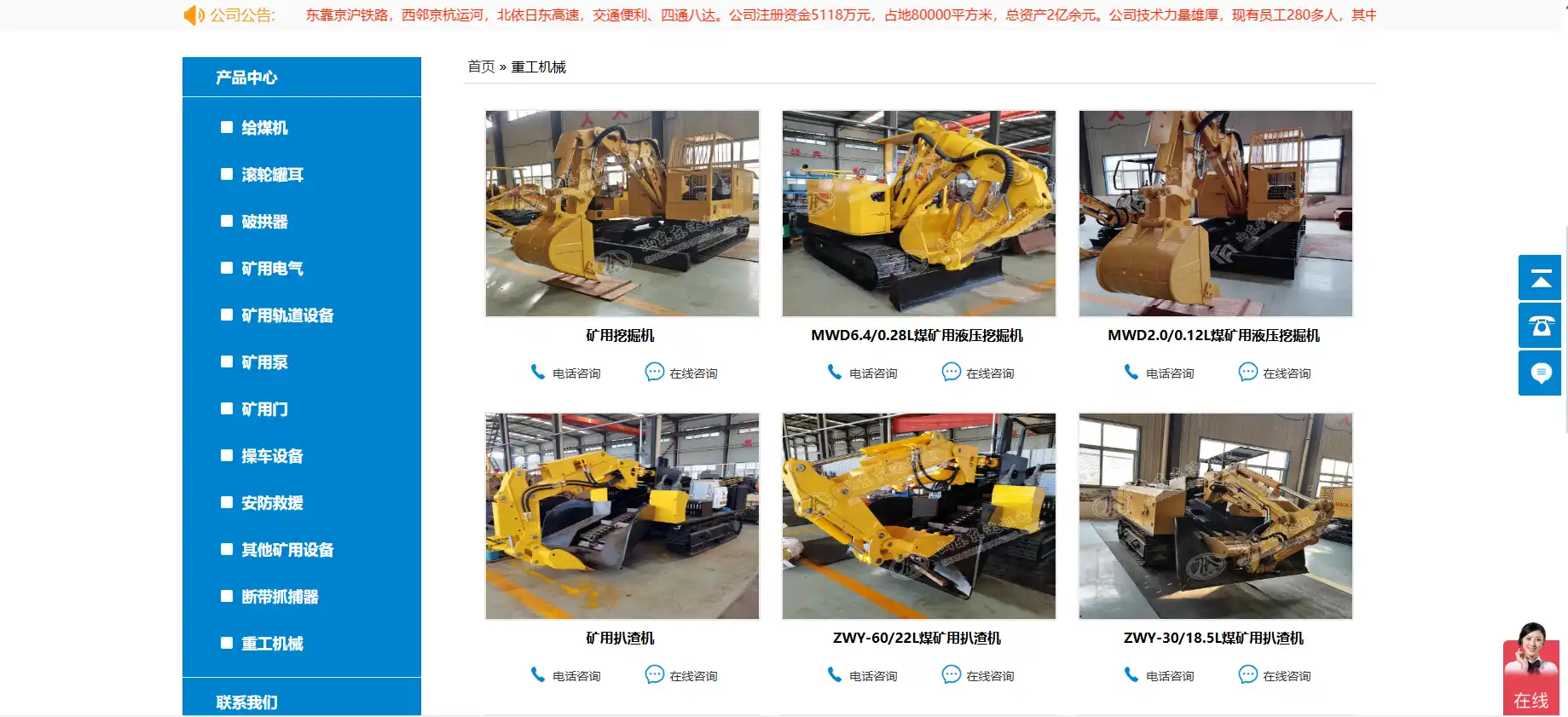
    • Shandong Dongda Electromechanical Co., Ltd.

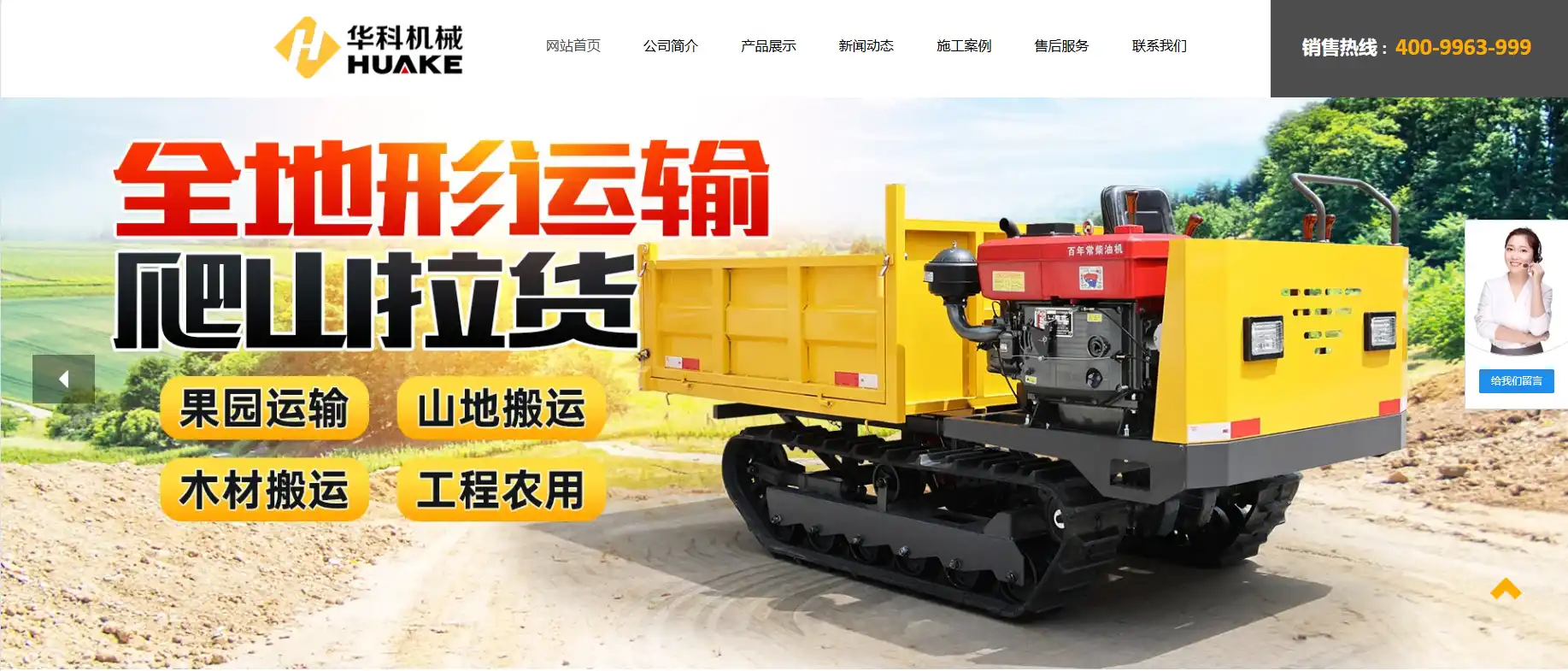
    • Shandong Huake Machinery Co., Ltd.

    VI. Relevant Certification Requirements

    When procuring machinery from China, understanding the certification requirements is essential. This is not only a guarantee of legal import and sale but also a key indicator of product quality.

    1. China Compulsory Certification (CCC)
    CCC certification is a mandatory certification issued by the Chinese government for products that meet national safety standards. For motor vehicles (including certain tracked vehicles) sold and used within China, CCC certification is a must. The certification process involves product testing and factory audits to ensure compliance with China’s safety, EMC (electromagnetic compatibility), and environmental standards.

    2. CE Certification (for the European Market)
    If your target market is Europe, CE (Conformité Européenne) certification is mandatory. It signifies that the product complies with EU health, safety, and environmental protection standards. For crawler carriers, this means meeting the requirements of the Machinery Directive and other relevant directives. Many export-oriented Chinese manufacturers have obtained CE certification to cater to international buyers.

    3. ISO Certification
    International standards like ISO 9001 (Quality Management System) and ISO 14001 (Environmental Management System) are not mandatory, but they are crucial indicators of a manufacturer’s management level and product quality. A supplier with these certifications typically has well-documented production processes, reliable product quality, and a commitment to continuous improvement.

    4. Other Certifications
    Depending on the import requirements of different countries, other certifications may be necessary, such as ANSI and OSHA standards for the U.S. market. Before purchasing, it’s vital to confirm with the supplier whether their products meet the specific requirements of your destination market.

    VII. Key Purchasing Considerations

    Successfully procuring the right hydraulic crawler carrier from China requires careful planning and due diligence. Here are some crucial factors to consider:

    1. Define Your Application Needs
    First, clearly define the vehicle’s intended use and expected tasks. Is it for small-scale transport on a construction site, or for heavy-duty hauling in a mountainous quarry? Do you need to cross muddy wetlands or operate in narrow tunnels? This will determine whether you need a light-duty dumper, a multi-functional platform, or a specialized all-terrain vehicle.

    2. Match Load Capacity and Power
    When selecting the rated load capacity, consider the maximum possible transport weight and leave a safety margin. Simultaneously, ensure the engine power is well-matched to the load capacity to guarantee optimal performance and fuel efficiency under full load conditions.

    3. Track Type and Chassis Configuration
    Choose the appropriate track type based on the terrain you plan to operate on. For soft ground, select wide rubber tracks to reduce ground pressure. For rocky or uneven terrain, steel tracks are more durable. Also, pay attention to the chassis design, such as track tension, suspension systems, and smoothness, as these directly affect the vehicle’s operational stability.

    4. Hydraulic System and Core Components
    The hydraulic system is the “heart” of the vehicle, directly impacting its performance and reliability. Opt for vehicles that use hydraulic components from reputable brands (e.g., Kawasaki, Bosch Rexroth, or top-tier domestic brands). Ask the supplier about the brand and model of the hydraulic pumps, motors, and valves to assess their quality.

    5. After-Sales Service and Parts Supply
    As with any heavy machinery, after-sales service is crucial. When selecting a supplier, investigate whether they offer an adequate inventory of spare parts, technical support, and repair services. A strong after-sales network ensures your machine can be quickly returned to operation when maintenance is needed, minimizing downtime.

    6. Evaluate the Manufacturer’s Credibility
    You can assess a manufacturer’s strength and reputation through factory visits, inspecting production lines, evaluating their quality control processes, or reviewing reports from third-party audit firms. A reputable manufacturer typically has a well-established R&D, production, and quality management system.

    7. Price vs. Value
    When comparing different suppliers, do not focus solely on the price. You must consider the total value, including product quality, technical specifications, after-sales service, and certifications. A higher-quality machine may have a greater initial cost, but its reliability, durability, and lower failure rate will lead to a higher long-term return on investment.

    VIII.Choose IMEXsourcing as Your Sourcing Partner for Hydraulic Crawler Truck in China

    When it comes to procuring high-quality hydraulic crawler carrier from China, partnering with an experienced and reliable sourcing agent is paramount. IMEXsourcing stands out as a premier choice, offering a comprehensive suite of services designed to streamline your acquisition process and secure exceptional value. Here are compelling reasons to select IMEXsourcing for your next purchase on hydraulic crawler truck:

    Extensive Procurement Expertise

    IMEXsourcing boasts a profound and long-standing history in the sourcing industry, enabling us to proficiently locate and secure a wide array of hydraulic crawler truck from highly regarded Chinese suppliers. Our deep market knowledge ensures that we connect you with manufacturers known for their reliability and superior products.

    Bespoke Design Solutions

    At IMEXsourcing, we understand that unique requirements often demand tailored solutions. We empower you to commission well-designed and standard-produced hydraulic crawler truck precisely engineered to your specifications, ensuring the final product perfectly aligns with your operational needs.

    hydraulic crawler carrier

    Thorough Supplier Verification

    Our commitment to quality begins with rigorous due diligence. We conduct comprehensive factory verifications for all potential manufacturers. This meticulous audit confirms their production capabilities, assesses their quality control protocols, and ensures their full compliance with relevant industry standards and legal requirements. 

    Expert Price Negotiation

    Leveraging our veteran status and in-depth understanding of the market dynamics, IMEXsourcing excels in negotiation. This invaluable expertise allows us to secure the most favorable pricing and terms with top-tier hydraulic crawler truck manufacturers renowned for their products, function, aftersales service and cost-efficient, optimizing your investment.

    Stringent Quality Assurance

    IMEXsourcing implements a robust quality management framework that spans the entire procurement cycle. This includes careful selection of suppliers, diligent oversight through production inspections, and thorough product testing prior to shipment, guaranteeing the integrity and performance of your hydraulic crawler transporters.


    IX. Conclusion

    The Chinese hydraulic crawler carrier industry has matured significantly, boasting strong manufacturing capabilities and technical expertise. It offers a wide range of products, from light-duty dumpers to heavy-duty transporters, to meet the diverse demands of the global market. By using this guide, we hope you will gain a better understanding of the market and be able to select the most suitable Chinese partner and product for your specific needs. By following a meticulous procurement process and considering all the factors discussed above, you can successfully acquire a high-quality, high-performance crawler carrier that will bring significant value to your projects and business.

    Message us for more information

    Please let us know your request, we will get back to you within 24 hours.