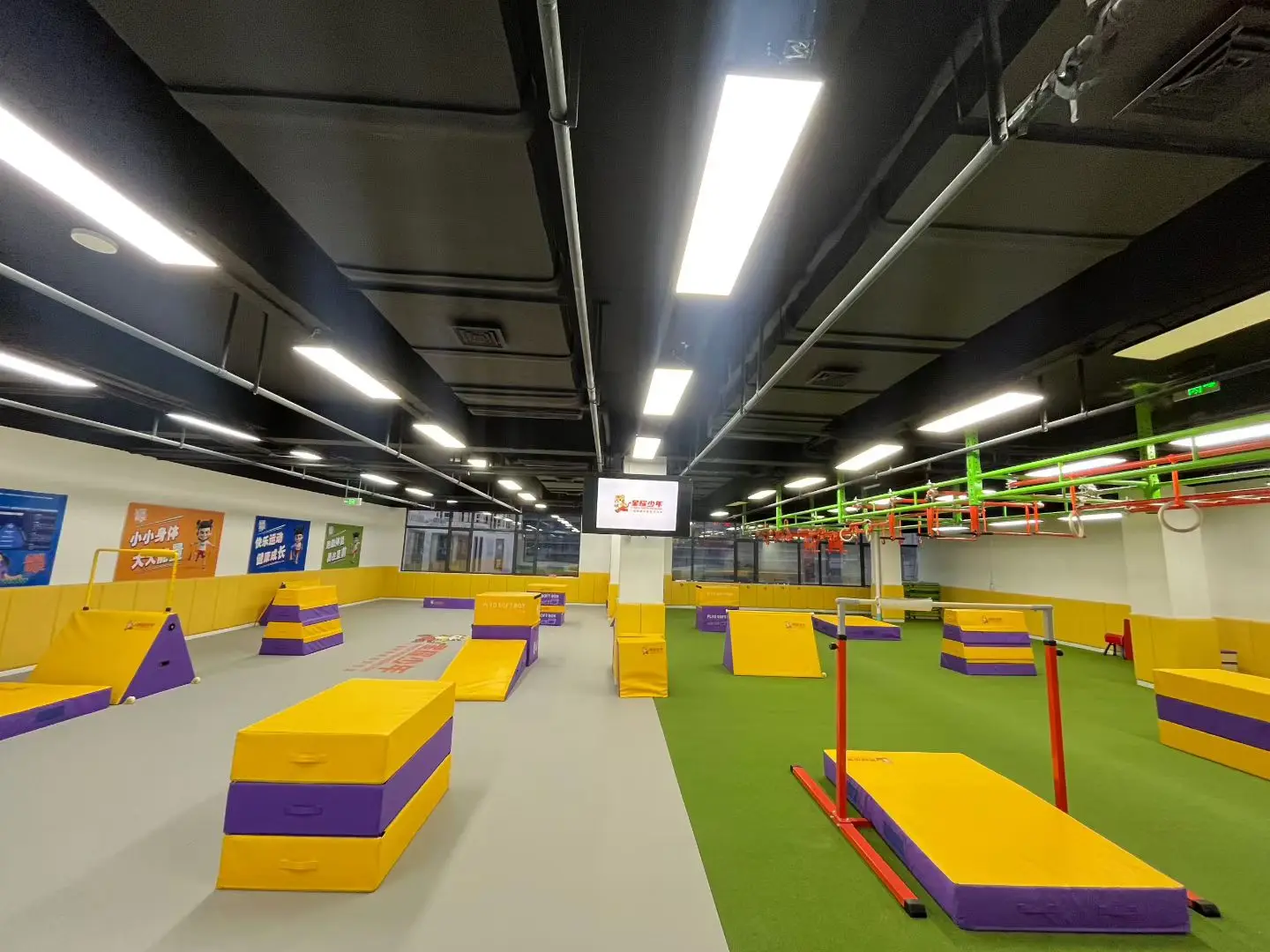
Parkour, often dynamic and exhilarating, is an extreme movement discipline where practitioners (traceurs) navigate complex environments through running, jumping, climbing, and vaulting. As parkour transitions from an urban street subculture to a structured sport with dedicated indoor training facilities, gyms, and international competitions, the demand for specialized, high-safety parkour equipment has surged worldwide. Whether you are building a commercial parkour park, setting up a specialized training zone in a gymnastics facility, or launching your own equipment brand, sourcing parkour gear from top-tier suppliers is essential for balancing safety, durability, and cost-efficiency. This comprehensive guide will walk you through the key aspects of navigating the Chinese parkour equipment market, from understanding product types and safety certifications to identifying reliable manufacturers and ensuring quality control.
Table of Contents
I. Introduction to Chinese Parkour Equipment Market
The Chinese parkour equipment market has emerged as a critical hub in the global supply chain, driven by the rapid expansion of specialized obstacle course facilities, Ninja Warrior gyms, and youth action sports centers globally. Valued as a rapidly growing niche within the broader fitness and gymnastics manufacturing sector, the market benefits from China’s mature production ecosystem in high-density foam, heavy-duty PVC vinyl, steel tubing, and modular scaffolding.
While general fitness equipment giants and specialized gymnastics brands (such as Taishan Sports, Yanre Fitness, and specialized Shandong- or Zhejiang-based suppliers) provide foundational structures, the market for parkour equipment is highly specialized and innovative. Sourcing from China offers access to a complete industrial supply chain—spanning raw material processing (such as high-resilience EPE foam and powder-coated steel) to custom OEM/ODM manufacturing. Key regional manufacturing hubs (e.g., Shandong, Zhejiang, and Jiangsu) leverage integrated logistics networks, making China a dominant exporter that commands a substantial share of global parkour landing mats, modular vaults, steel scaffolding frames, and soft-bound obstacles.
II. Key Product Categories of Parkour Equipment
When sourcing parkour equipment from China, products are primarily categorized by their dynamic function and structural role within a training facility:
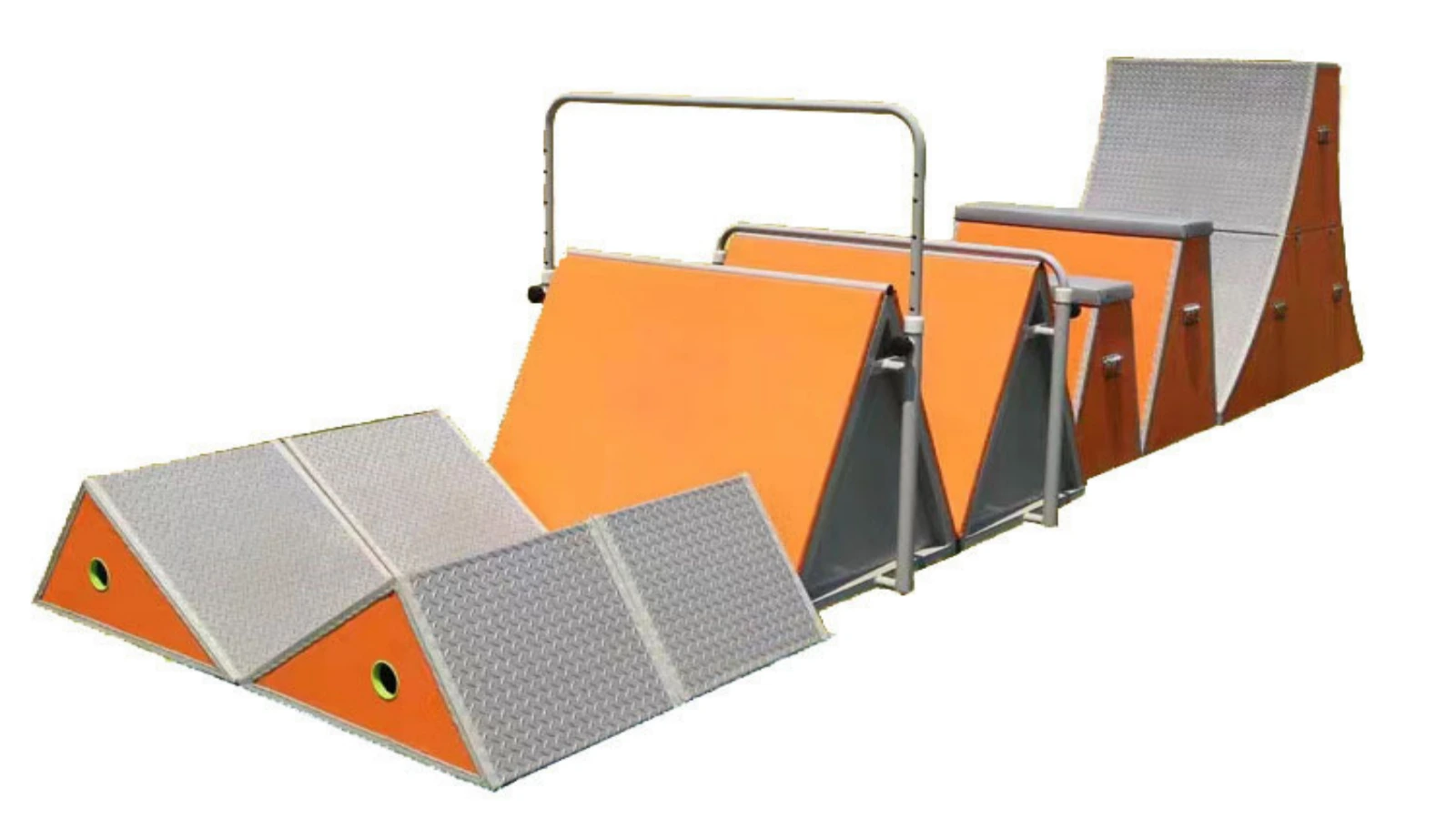
- Soft Obstacles & Modular Foam Blocks:
Designed for technique progression and soft-impact learning, these include soft vault boxes, wedge mats, and slant blocks. They are constructed with high-density EPE/EVA foam cores wrapped in heavy-duty, tear-resistant PVC vinyl (often with Velcro strips for modular stacking). - Safety Landing Mats & Air Tracks:
Essential for high-impact protection and fall safety, this category includes high-density crash pads, foam pit mats, and inflatable AirTracks. They typically feature dual-density foam cores and air-mesh vents to handle high-drop compression. - Modular Steel Scaffolding & Cage Systems:
Serving as the core infrastructure for intermediate and advanced training, these setups feature heavy-duty Q235 structural steel tubing, precision bars, and clamp fittings (Kee Klamp style) that allow tool-free custom designs and easy expansion. - Rigid Wooden & Composite Vaulting Structures:
Built to simulate real-world concrete and timber urban obstacles, these include wooden plyo boxes, precision jump beams, and wall-run panels made from durable marine plywood with anti-slip rubberized coatings.
III. Key Specifications and Technical Parameters
When evaluating parkour equipment from Chinese suppliers, looking beyond aesthetics and examining technical specifications is critical to ensuring product longevity and athlete safety. Here are the core specifications to verify:
- Material Quality:
- Steel Tube Gauge & Grade: For structural scaffolding and precision bars, commercial-grade Q235 or Q345 steel tubing with a wall thickness of 3.0 mm to 4.0 mm (approx. 11-gauge) is required to prevent bending during dynamic vaults.
- Foam Core Density: High-resilience EPE (Expanded Polyethylene) or EVA foam with a density rating of 30–50 kg/m³ is standard for soft blocks, ensuring structural firmness without sacrificing impact absorption.
- Cover Fabrics: Outer covers should be crafted from heavy-duty 1000D / 18oz PVC vinyl or anti-slip canvas with reinforced double-stitched seams to prevent tearing under friction.
- Surface Treatments: Look for double-layer electrostatic powder coating or hot-dip galvanization on steel frames to provide superior rust, scratch, and wear resistance.
- Durability and Structural Integrity:
- Load Capacity: Structural frames, scaffolding rigs, and vault walls must support high dynamic loads—typically rated for a static load of at least 500 kg and dynamic impacts up to 250 kg.
- Impact Absorption & Compression: Landing mats and crash pads should feature dual-density foam cores (soft top layer for impact cushioning, dense bottom layer to avoid bottoming out) paired with side mesh air vents for controlled air compression.
- Modular Clamp Integrity: Connection fittings and clamps (Kee Klamp style) should use heavy-duty ductile iron or forged aluminum with high torque resistance to ensure rigid connection under constant vibrations.
- Safety & Design Features:
-
- Non-slip & Anti-Skid Surfaces: Landing surfaces on wooden blocks and steel bars must feature anti-slip rubberized coatings or textured powder coats to maintain grip during fast-paced landings.
- Pinch-Point Elimination: Scaffolding connectors, modular clamps, and hinge joints must be designed without open safety gaps or sharp edges that could catch fingers, clothing, or skin.
- Modular Fastening Systems: Industrial-grade Velcro strips (at least 10–15 cm wide) and heavy-duty steel buckles are essential on soft obstacles to lock blocks securely into place without slipping during vaults.
-
IV. Key Manufacturing Clusters for Parkour Equipment in China
When sourcing parkour equipment from China, understanding the geographical distribution of manufacturing hubs can significantly streamline your procurement, quality control, and logistics processes. China’s sporting goods industry is highly regionalized, with specific provinces specializing in distinct material domains:
- Shandong Province (Dezhou, Qingdao, and Weifang):
Known as China’s premier heavy-duty fitness and gymnastics equipment manufacturing hub. Suppliers here excel in heavy structural steel fabrication, powder-coated scaffolding frames, and high-spec gymnastics mats. Shandong factories are ideal for turnkey commercial gym setups, high-impact crash pads, and complex modular cage systems. - Zhejiang Province (Wenzhou / Yongjia & Ningbo):
Wenzhou (specifically Yongjia County) is world-renowned as the “Educational Toy & Playground Equipment Capital of China.” Factories in this region specialize in modular soft play, obstacles, Ninja Warrior courses, and plastic/composite components. Ningbo suppliers also offer strong capabilities in precision hardware, clamps, and outdoor weather-resistant structures. - Jiangsu Province (Nantong & Yangzhou):
Nantong is a global powerhouse for fitness accessories, high-density foam products, and PVC vinyl stitching. Suppliers in Jiangsu are top choices for customized soft-bound parkour obstacles, plyo boxes, air tracks, and portable training mats due to their advanced textile and foam processing infrastructure. - Hebei Province (Cangzhou):
Specializing in sports mats, heavy canvas fabrication, and steel tubing, Hebei offers highly cost-effective solutions for budget-conscious buyers seeking standard landing pads, foam pit blocks, and basic vaulting equipment.
Note: Most parkour‑equipment producers are relatively small‑scale manufacturers. This product category has low technical barriers, where final quality largely depends on raw‑material selection and production management rather than sophisticated core technology. In this context, thorough factory verification and on‑site audits are highly recommended before you commit to cooperation, to validate real production capacity, quality‑control procedures and product consistency.
V. Leading Chinese Manufacturers and Top Suppliers
While the market includes many specialized OEMs, several prominent Chinese manufacturers stand out in the gymnastics, parkour, and action sports equipment sectors. These leading suppliers offer strong R&D capabilities, international safety certifications (such as FIG standards or ISO certifications), and reliable export services to global buyers.
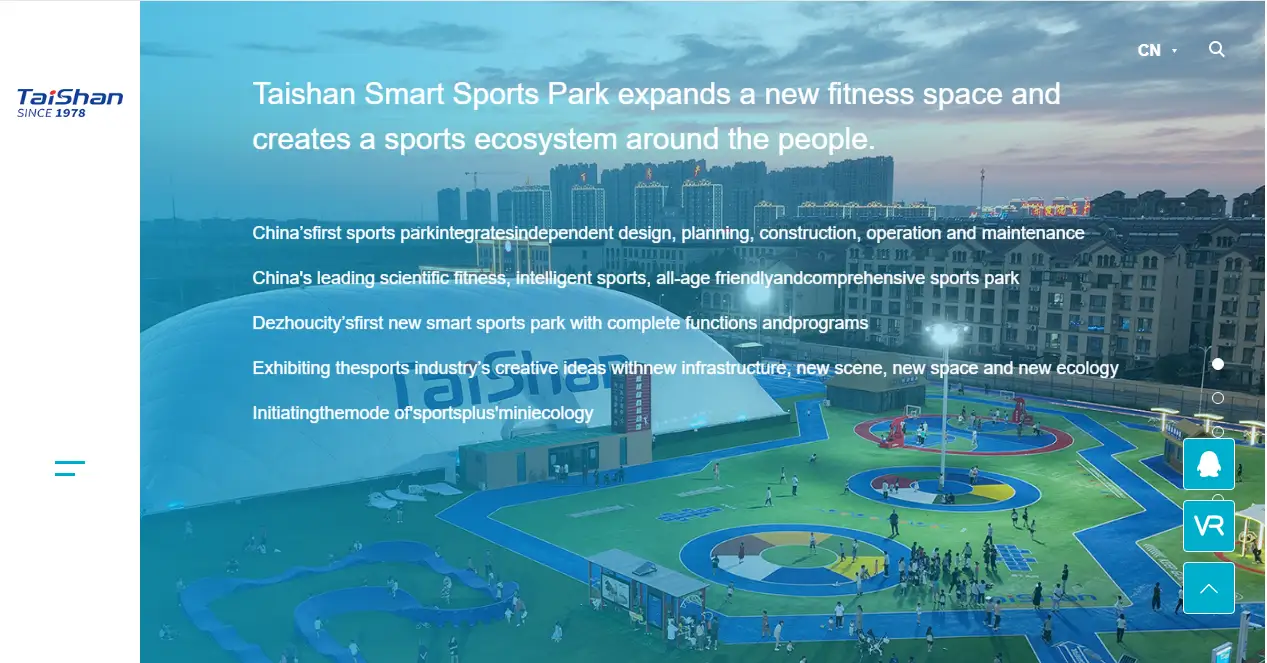
- Taishan Sports Technology Group Co., Ltd.:
As a world-renowned manufacturer of sports and gymnastics equipment, Taishan Sports has served as an official supplier for multiple Olympic Games. They specialize in high-end landing mats, professional gymnastics apparatus, and certified safety foam blocks, making them a top-tier choice for commercial parkour gyms requiring professional competition-grade durability.
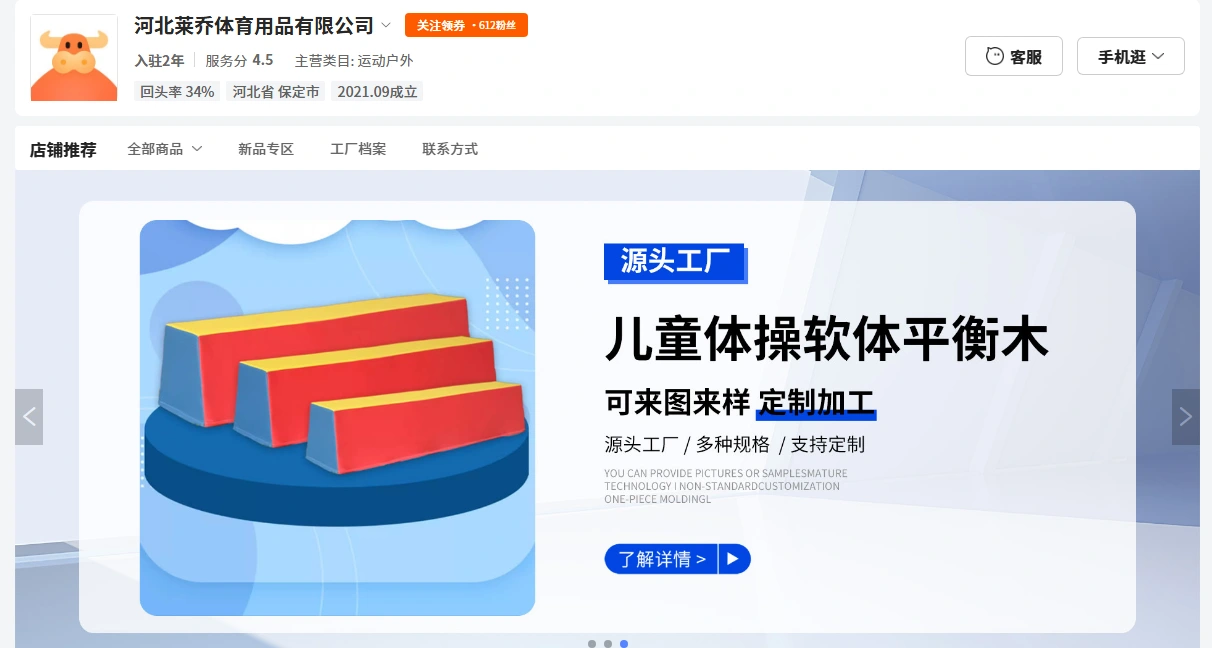
- Hebei Lachio Sports Co., Ltd.:
As a powerful original manufacturer in North China, specializing in kids’ physical‑fitness gear, military‑police training equipment and various professional sports goods. It supports full‑range customization and wins wide recognition from global buyers with reliable quality and prompt delivery.
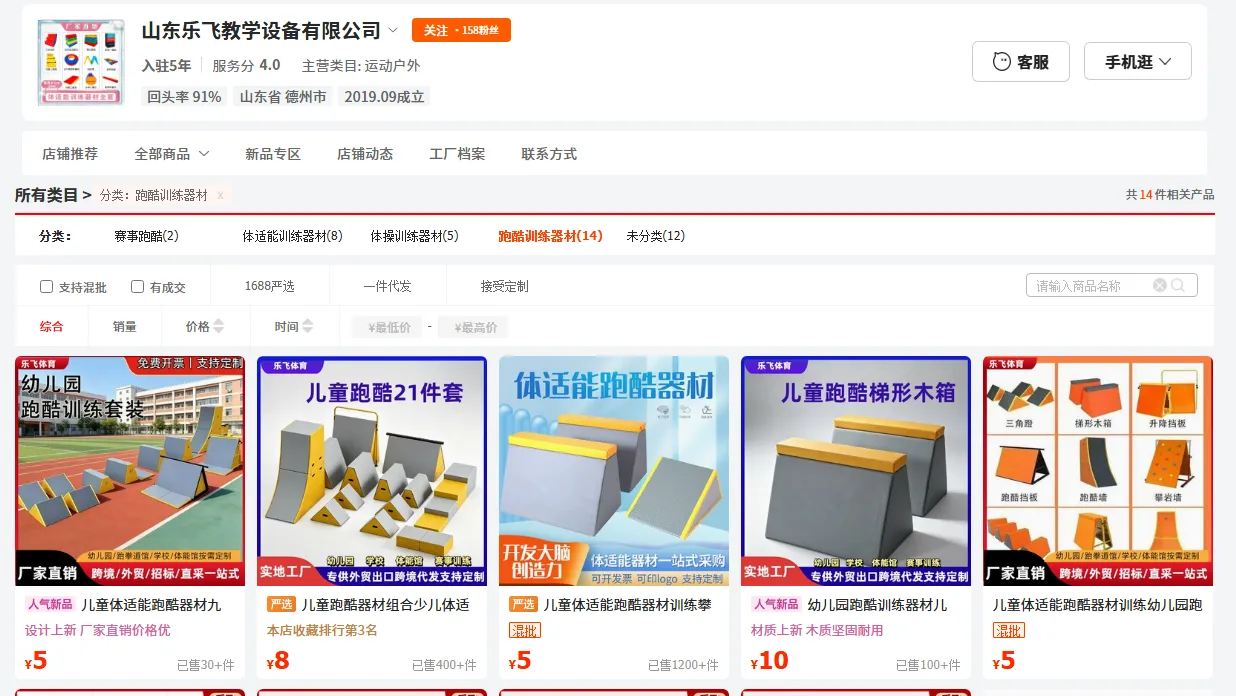
- Shandong Lefe Teaching Equipment Co., Ltd.:
As a professional source manufacturer in Shandong, focusing on R&D and production of kids fitness, gymnastics and parkour teaching equipment. It supports customized manufacturing and has earned wide recognition from global buyers for superior craftsmanship and reliable delivery.
- Baoding Chengjian Sports Goods Co., Ltd.:
As a reliable source manufacturer in Hebei, specializing in kids fitness soft‑gear, gymnastics protective mats and school sports equipment. It provides versatile OEM customization and wins trust from global buyers with solid craftsmanship and flexible lead‑time.
VI. Relevant Certification Requirements for Parkour Equipment
Certifications are critical for ensuring user safety, product longevity, and regulatory compliance when importing parkour and obstacle equipment from China. Because parkour involves high-impact landings, vaulting, and dynamic stress on frames, buyers should closely verify the following industry-specific standards:
- ISO 9001 & ISO 14001:
International standards for Quality and Environmental Management Systems. Verification of ISO 9001 demonstrates that the manufacturer maintains strict, standardized control over material sourcing, welding integrity, and stitching quality across production batches. - EN 1176 / EN 1177 (European Playground & Impact Attenuation Standards):
Crucial for commercial parkour installations and outdoor park setups in Europe. EN 1176 covers structural safety and pinch-point elimination on play and obstacle equipment, while EN 1177 specifies the critical fall height (CFH) and impact attenuation testing for landing mats and surfacing. - ASTM F1487 / ASTM F1292 (North American Playground Safety Standards):
The gold standard for the US and North American markets. ASTM F1487 addresses equipment safety, edge rounding, and structural stability, while ASTM F1292 certifies impact absorption for safety mats and landing zones to minimize injury risks. - EN 12503 (Sports & Gymnastic Mats Safety):
Specifies shock absorption, friction coefficient, and structural durability standards specifically for gymnastic and high-impact landing mats used in professional training facilities. - Flame Retardancy Standards (BS 5852 / CA 117 / EN 1021):
Mandatory fire safety compliance for foam cores (EPE/EVA/PU) and PVC vinyl outer covers. Compliance with UK BS 5852 or California TB 117-2013 ensures the equipment meets commercial indoor facility fire codes. - REACH & RoHS Compliance:
European chemical safety regulations restricting hazardous substances. Ensures that the PVC covers, synthetic leather, and foam materials are non-toxic, lead-free, and phthalate-free, which is particularly important for youth parkour facilities. - CE Marking (Machinery Directive):
Relevant if importing automated, motorized, or modular hydraulic parkour obstacles. It indicates compliance with essential European safety, health, and environmental requirements. - FSC Certification (Forest Stewardship Council):
Applies to wooden vaulting boxes, plyo blocks, and wooden wall panels, certifying that the timber and marine plywood used are sustainably sourced and legally harvested.
Always request official test reports (from accredited third-party labs like TÜV, SGS, or Intertek) directly from your supplier, and cross-check certificate numbers to ensure authenticity before placing a mass order.
VII. Purchasing Considerations and Tips for Parkour Equipment
Sourcing parkour and obstacle equipment from China requires meticulous planning, precise technical communication, and rigorous due diligence to ensure athlete safety and a seamless importing experience.
Supplier Sourcing:
- Direct Factory vs. Trading Company vs. Sourcing Agent:
- Direct Factory: Offers the most competitive pricing and direct technical communication for custom parkour park layouts. However, they usually require higher MOQs and hands-on management. Best suited for large-scale gym operators and brand owners.
- Trading Company: Functions as an intermediary, offering lower MOQs and combining different product lines (e.g., mixing foam mats with steel scaffolding). Communication is often smoother, though unit prices are slightly higher.
- Sourcing Agent: Provides end-to-end services including factory auditing, price negotiation, structural safety checks, and consolidated shipping. Ideal for first-time importers or buyers seeking a hands-off approach.
- Online Platforms: Alibaba, Made-in-China.com, and Global Sources are key B2B portals. Look for “Gold Suppliers,” “Verified Manufacturers,” or suppliers with Trade Assurance to minimize risk.
- Trade Shows: Visiting major exhibitions in China—such as the China International Sporting Goods Show (China SportShow), FIBO China, or the Canton Fair—allows you to physically test mat density, inspect steel tube weld quality, and negotiate directly with factory managers.
Minimum Order Quantity (MOQ) and Customization:
- MOQ Flexibility: Large steel scaffolding frames or turnkey obstacle courses often have lower MOQs (sometimes 1 set), while custom-printed soft blocks or specialized PVC mats may require higher order volumes.
- OEM/ODM Capabilities: Most parkour equipment manufacturers provide OEM/ODM services. You can customize foam densities, vinyl cover colors, laser-cut logo branding, and modular dimensions. Clearly outline your CAD drawings and specifications early in negotiations.
Quality Inspections (Crucial for Parkour Safety):
- Pre-Production Inspection (PPI): Verifies raw material standards before manufacturing begins, such as steel tube wall thickness, non-toxic PVC fabric compliance, and EPE foam density ratings.
- During Production Inspection (DUPRO): Monitors welding integrity on steel frames, double-stitching quality on mat seams, and powder-coating uniformity.
- Pre-Shipment Inspection (PSI): Conducted when 80–100% of the order is completed. Inspect for paint peeling, foam rebound resilience, zipper durability, dimension accuracy, and Velcro adhesion strength.
- Container Loading Check (CLC): Ensures heavy steel pipes and delicate foam mats are packed securely without crushing soft components during ocean transport.
- Third-Party Inspection: Hiring independent QC agencies (such as QIMA or SGS) is strongly advised for critical safety equipment like high-drop crash pads and structural scaffolding rigs.
Payment Terms:
- Standard terms typically involve a 30% T/T deposit upon order confirmation and the remaining 70% balance paid upon completion or against the Bill of Lading (B/L) copy.
- Use secure payment platforms like Alibaba Trade Assurance or bank wire transfers (T/T). Avoid paying 100% upfront to new suppliers.
Shipping and Logistics:
- Incoterms: FOB (Free On Board) is widely recommended, as it allows you to retain control over freight forwarder selection, shipping routes, and destination port fees.
- FCL vs. LCL: Parkour equipment is bulky. Full Container Loads (FCL – 20GP or 40HQ) are far more cost-effective because foam blocks and mats occupy significant volumetric space (CBM). For smaller orders, Less than Container Load (LCL) or vacuum-compressed packing can be used to optimize freight costs.
- Freight Forwarder & Insurance: Work with forwarders experienced in oversized cargo and heavy equipment. Always secure marine shipping insurance to protect against sea-water damage or transit loss.
After-Sales Service and Warranty:
- Clarify warranty terms explicitly: reputable factories usually offer a 3–5 year warranty on structural steel frames and 1 year on foam cores and PVC covers under normal wear and tear.
- Request spare parts (such as extra modular clamps, repair patches for PVC covers, and replacement zippers) to be shipped along with the main order.
Communication:
- Provide detailed technical spec sheets (Tech Packs) with precise dimensions, color codes (Pantone/RAL), material density requirements, and safety test standards.
- Account for China standard time (UTC+8) and utilize instant messaging platforms like WeChat or WhatsApp for quick, direct updates during production.
VIII. Choose IMEXsourcing as Your Sourcing Partner for Parkour Equipment in China
When it comes to procuring high-quality parkour, obstacle course, and action sports equipment from China, partnering with an experienced and reliable sourcing agent is paramount. IMEXsourcing stands out as a premier choice, offering a comprehensive suite of services designed to streamline your acquisition process, verify safety standards, and secure exceptional value. Here are compelling reasons to select IMEXsourcing for your next parkour equipment project:
Extensive Procurement Expertise:
IMEXsourcing boasts a profound and long-standing history in the Chinese sourcing industry, enabling us to proficiently locate and secure a wide array of specialized parkour equipment—from heavy-duty steel scaffolding cages to high-density EPE/EVA landing mats—from highly regarded manufacturers across major clusters like Shandong, Jiangsu, and Zhejiang. Our deep market knowledge ensures that we connect you with factories known for structural reliability and superior material standards.
Bespoke Design & Layout Solutions:
At IMEXsourcing, we understand that parkour gyms and obstacle parks often require custom spatial planning and tailored configurations. We empower you to commission custom-designed parkour gear engineered precisely to your CAD specifications, colors, and branding requirements, ensuring the final setup perfectly aligns with your facility’s operational needs.
Thorough Supplier & Factory Verification:
Because parkour equipment directly impacts athlete safety, our commitment begins with rigorous due diligence. We conduct comprehensive factory verifications for all potential manufacturers, auditing their steel tube welding capabilities, seam-stitching strength, foam density consistency, and compliance with international standards like EN 1176 or ASTM F1487.
Expert Price Negotiation:
Leveraging our veteran status and in-depth understanding of raw material pricing (such as PVC vinyl, structural steel, and EPE foam), IMEXsourcing excels in direct negotiation. This invaluable expertise allows us to secure the most favorable pricing and terms with top-tier manufacturers, optimizing your capital investment.
Stringent Quality Assurance & Drop Testing:
IMEXsourcing implements a robust quality management framework spanning the entire procurement cycle. This includes raw material verification (PPI), during-production inspection (DUPRO) of welds and foam firmness, and thorough pre-shipment inspections (PSI) including drop-impact and Velcro adhesion tests, guaranteeing the structural integrity of your equipment before it leaves the factory.
Optimized Warehouse & Freight Consolidation:
Parkour orders often combine heavy steel tubing from one factory with soft foam mats from another. Our advanced warehouse operations in key logistics hubs allow us to consolidate orders from multiple suppliers into single container shipments (FCL), dramatically reducing sea freight costs and minimizing delivery lead times.
Seamless Overseas Logistics Handling:
We manage the entire logistical chain, from inland factory transportation and ocean shipping to final door-to-door delivery at your gym or warehouse location. This end-to-end service guarantees that your bulky parkour equipment arrives efficiently and safely.
Effortless Customs Processing:
Navigating international import customs and safety compliance documentation can be complex, but IMEXsourcing makes it simplified. We handle all paperwork, certificates of origin, and customs clearance procedures, alleviating bureaucratic hurdles for our global partners.
IX. Conclusion
Sourcing parkour equipment from China presents a lucrative and highly scalable opportunity for gym owners, event organizers, and action sports brands worldwide. By understanding the specialized product categories, verifying crucial material specifications, tapping into key manufacturing clusters in Shandong and Jiangsu, and prioritizing structural safety standards, you can make informed procurement decisions. Furthermore, implementing rigorous quality inspections and optimizing container consolidation are vital steps for a successful import project. With diligent planning and strategic local partnerships like IMEXsourcing, you can unlock the full potential of China’s advanced manufacturing ecosystem and build world-class, safe parkour facilities for your clients.