China has rapidly emerged as the world’s largest exporter of secondhand clothing (Used Clothes / Used Shoes / Used Bags). Driven by a massive population, fast fashion consumption, and high-quality modern textiles, Chinese used clothing offers unmatched quality, vibrant colors, modern sizing, and competitive pricing. This guide covers core processing hubs, grading standards, sorting workflows, container loading strategies, and risk mitigation tactics for successful bulk importing.
Table of Contents
I. Overview: China’s Strategic Dominance in Secondhand Clothing Export
Over the past decade, China’s secondary textile export industry has witnessed exponential growth. Driven by robust domestic consumption and modern fashion cycles, China collects tens of millions of tons of post-consumer textiles annually. Unlike traditional sourcing markets (such as Western Europe or North America) where garments may show significant wear or older styles, Chinese secondhand clothes are characterized by:
- Modern Fashion & Trendy Cuts: Heavy influence from Korean, Japanese, and modern Asian street fashion, highly popular among younger demographics globally.
- Superior Fabric Integrity: A significant portion of raw materials comes from Tier-1 and Tier-2 Chinese metropolises, resulting in minimal wear, vivid colors, and durable materials.
- High Proportion of Summer Wear: Constant warm weather in Southern Chinese sorting hubs ensures a steady year-round supply of premium summer garments, highly sought after in Africa and Southeast Asia.
- Cost Efficiency & Scale: Automated sorting facilities and integrated shipping infrastructure enable highly competitive per-kilogram pricing and scalable container shipments.
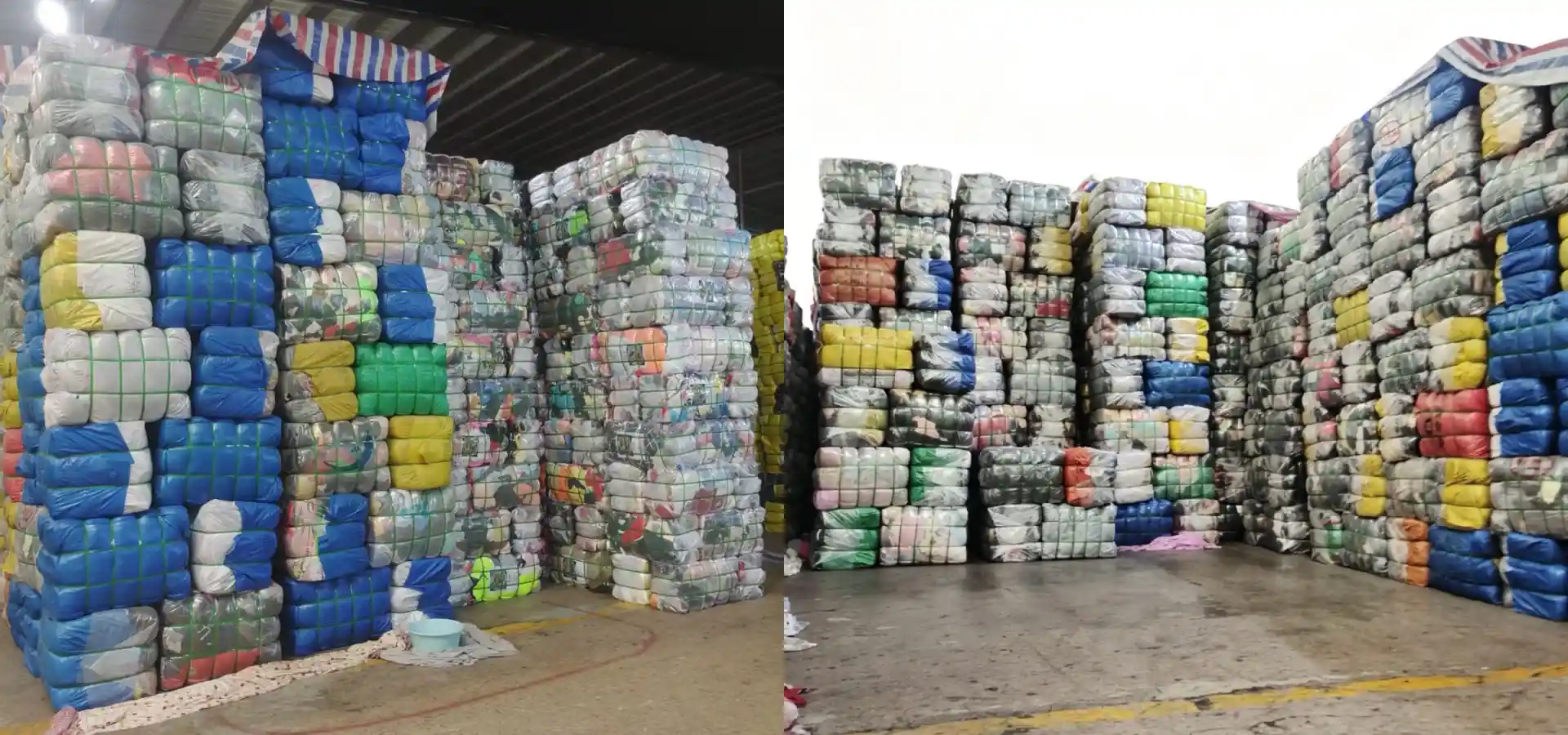
II. Core Industrial Hubs & Supply Clusters in China
China’s secondhand clothing sorting and processing factories are strategically clustered near major port cities and rich raw material collection basins:
| Region / Province | Primary Hub Cities | Core Product Advantages | Export Port Connections |
|---|---|---|---|
| Guangdong Province | Guangzhou, Foshan, Shenzhen, Dongguan | Premium Summer Wear, Brand Shoes, Trendy Ladies Fashion, High-end Handbags. Rich raw material collection from Tier-1 cities. | Nansha (Guangzhou), Yantian / Shekou (Shenzhen) |
| Zhejiang & Jiangsu | Taizhou, Ningbo, Wenzhou, Suzhou | Mixed Textiles, Children’s Wear, Synthetic Jackets, Industrial Rags, Large-scale standardized sorting. | Ningbo-Zhoushan Port, Shanghai Port |
| Shandong Province | Qingdao, Weihai, Linyi | Heavy Winter Clothing, Leather Jackets, Thick Coats, Mixed Footwear, Cotton Rags. | Qingdao Port |
| Fujian Province | Xiamen, Quanzhou | Sports Apparel, Branded Sneakers, Casual Shoes, Summer Garments. | Xiamen Port |
III. Product Classification & Quality Grading Standards
Understanding the grading system is critical to ensuring product-market fit in your destination region. Chinese sorting plants generally categorize secondhand garments into three distinct tiers[cite: 1, 2]:
Grade A (Cream / Premium Grade)
- Condition: 85%–95% new; clean, stainless, no tears, no fading, no pilling[cite: 1, 2].
- Style: Fashionable, modern cuts, vibrant colors. Includes many well-known global and regional brands[cite: 1, 2].
- Target Markets: Boutique secondhand shops, urban retail markets in Southeast Asia, South America, and Eastern Europe[cite: 1, 2].
Grade B (Standard Commercial Grade)
- Condition: 70%–80% new; slight signs of wear, minor wash fading, but fully functional with no holes or severe defects[cite: 1, 2].
- Style: Everyday casual wear, basic items[cite: 1, 2].
- Target Markets: Mass open-air wholesale markets across West/East Africa and South Asia[cite: 1, 2].
Grade C / Recycled Industrial Material: Items with visible damage, heavy stains, or severe wear are discarded from apparel bales and repurposed into industrial wiping rags, soundproofing insulation, or recycled yarn fiber[cite: 1, 2]. Always verify that your supplier strictly separates Grade C from export bales[cite: 1, 2].
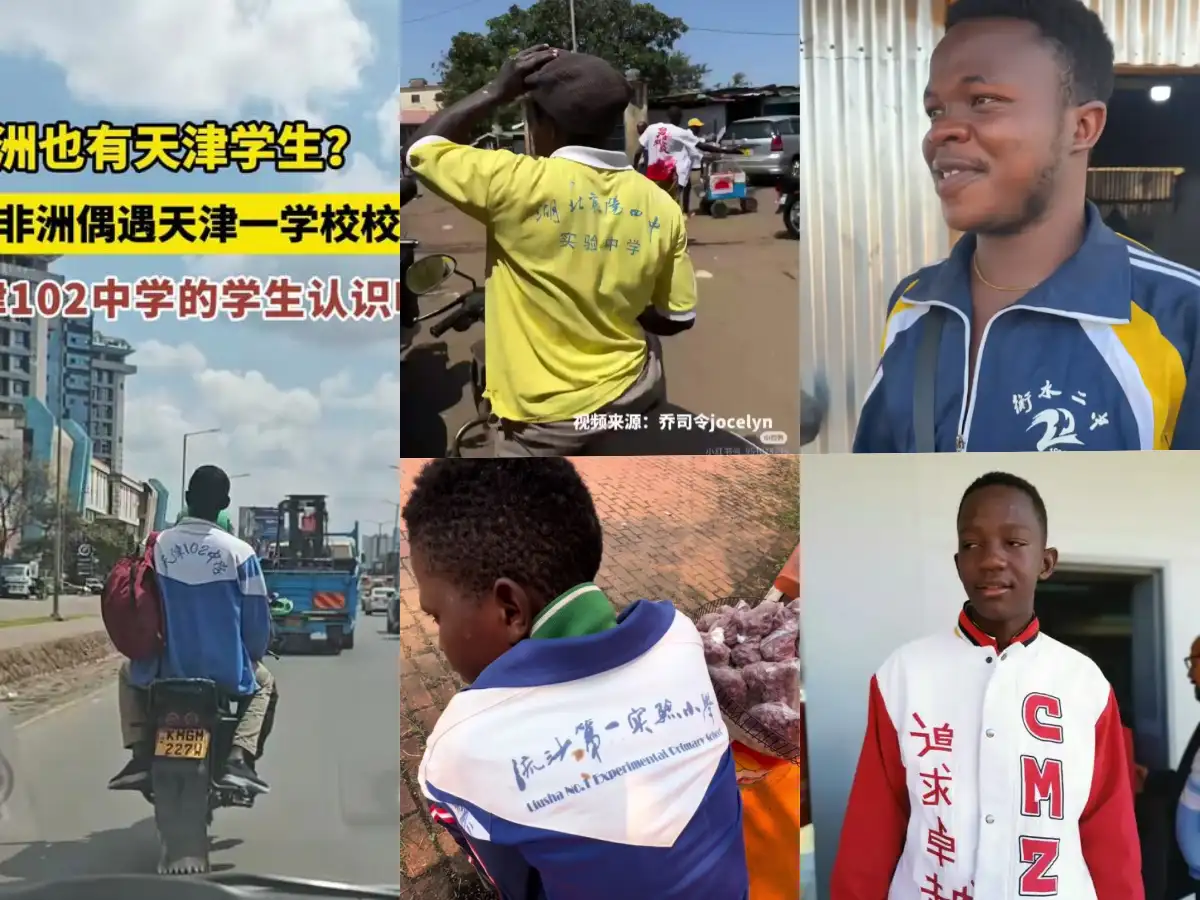
IV. Step-by-Step Sorting, Processing & Quality Control Workflow
Professional Chinese suppliers follow a strict multi-stage sorting process before baling to ensure standard consistency across hundreds of metric tons[cite: 1, 2]:
- Raw Material Sourcing (Original Unsorted Raw Bales): Raw textiles collected from residential neighborhoods, schools, and collection drives are delivered to processing facilities[cite: 1, 2].
- Primary Sorting (Category Breakdown): Clothes are separated into broad macro-categories: Summer Wear, Winter Wear, Shoes, Bags, and Accessories[cite: 1, 2].
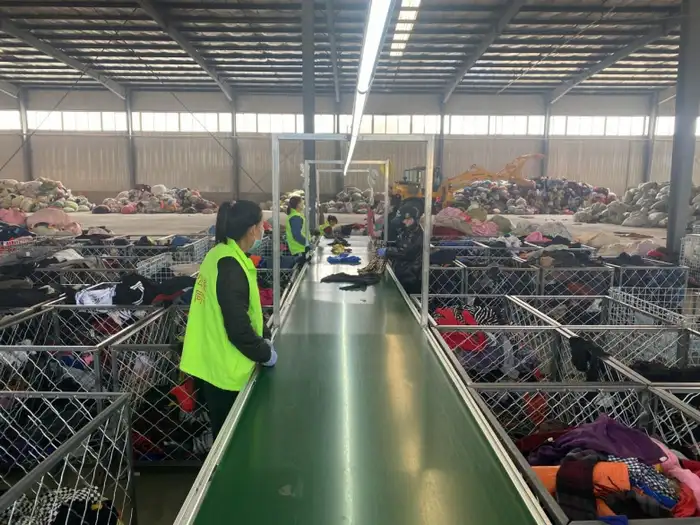
- Secondary Sorting (Detailed Itemization & Grading): Experienced sorters classify garments into up to 120+ micro-categories (e.g., Men’s Cotton Shirts, Ladies Silk Blouses, Children’s Summer Wear, Denim Jeans, Sports Jerseys)[cite: 1, 2]. Grade A and Grade B are strictly isolated[cite: 1, 2].
- Quality Inspection & Cleaning Check: Dedicated QC staff check zippers, buttons, seams, collar cleanliness, and fabric integrity[cite: 1, 2]. Damaged items are removed immediately[cite: 1, 2].
- Standardized Baling & Weight Calibration: Garments are pressed into compact, moisture-proof baling blocks weighing typically 45kg, 80kg, or 100kg per bale, wrapped in transparent/colored waterproof woven sheets with heavy-duty strapping[cite: 1, 2].
- Fumigation & Sanitization: Bales undergo mandatory professional chemical fumigation and disinfection, issued with official certificates required for customs clearance[cite: 1, 2].
V. Packaging, Baling Specs & Container Loading Optimization
Logistics efficiency is the single biggest factor determining net profit margins in secondhand clothing imports[cite: 1, 2]. Maximize container payload using precise bale configurations[cite: 1, 2]:
| Bale Weight Category | Target Category | Average Pieces / Bale | Approx. Bales in 40ft HQ Container |
|---|---|---|---|
| 45 kg / Bale (100 lbs) | Summer Wear, Ladies Blouses, Children’s Wear | 180 – 250 pcs | 600 – 640 Bales (~28.5 Tons) |
| 80 kg / Bale | Mixed Casual, Denim Pants, Men’s Shirts | 220 – 300 pcs | 340 – 360 Bales (~28.0 Tons) |
| 100 kg / Bale | Heavy Jackets, Winter Coats, Blankets | 120 – 180 pcs | 280 – 285 Bales (~28.5 Tons) |
| 25 kg / Sack (Shoes/Bags) | Mixed Leather Shoes, Sports Shoes, Handbags | 25 – 35 pairs / pcs | 1,000 – 1,100 Sacks (~27.5 Tons) |
VI. Mandatory Compliance, Export Documentation & Import Regulations
Importing secondhand clothing involves strict health, customs, and environmental regulations[cite: 1, 2]. Ensure your Chinese supplier provides the following mandatory documentation[cite: 1, 2]:
- Fumigation / Disinfection Certificate : Issued by official entry-exit inspection and quarantine authorities (or accredited third parties), certifying that the cargo has been thoroughly disinfected[cite: 1, 2].
- Certificate of Origin (Form E, Form F, CO): Crucial for preferential tariff treatment under bilateral trade agreements (e.g., ASEAN-China Free Trade Area)[cite: 1, 2].
- Health & Phytosanitary Certificate: Required by customs departments in various African and South American nations to verify sanitary compliance[cite: 1, 2].
- Pre-Shipment Inspection (PSI) / Quality Certificate: Required by specific importing countries (e.g., Cotecna, SGS, Intertek, or BV verification depending on destination national standards such as PVOC / COC requirements)[cite: 1, 2].
VII. Key Procurement Risks & Risk Mitigation Strategy
| Potential Risk Factor | Industry Pitfall | Prevention Strategy |
|---|---|---|
| Weight Shortage & Baling Fraud | Bales marked as 100kg containing only 85-90kg, or core stuffed with trash/heavy rags. | Conduct random container loading inspections with digital floor scales. Verify net weight per bale during packing. |
| Grade Mixing (A/B Dilution) | Supplier mixes 30% Grade B or damaged items into Grade A price bales. | Enforce unannounced factory audits. Open 5-10 random sample bales during final inspection before hydraulic pressing. |
| Moisture & Mold Damage | Damp clothing packed during rainy season causing mildew and foul odors during transit. | Mandate moisture meter testing (<12% humidity) and double-layer plastic wrapping inside outer woven sacks. |
| Customs Rejection at Port | Missing official Fumigation Certificate or import license non-compliance. | Audit shipping documents with certified customs brokers prior to vessel departure. |
VIII. Choose IMEXsourcing as Your Sourcing Partner for Secondhand Clothing in China
When it comes to importing high-quality secondhand clothes, shoes, and bags from China, partnering with an experienced and reliable sourcing agent is paramount. IMEXsourcing stands out as a premier choice, offering a comprehensive suite of services designed to streamline your acquisition process, enforce rigorous sorting standards, and secure exceptional profit margins for your business. From auditing raw material collection sources in Tier-1 coastal cities to managing strict A/B grade ratio controls, IMEXsourcing delivers the end-to-end expertise global importers need to succeed in this fast-paced market.
Our deep market presence allows us to connect you with top-tier sorting facilities across key industrial hubs like Guangdong, Zhejiang, and Shandong. We conduct thorough supplier verifications, supervise multi-stage sorting lines to prevent grade dilution, and enforce high-pressure hydraulic baling to maximize your container loading payload (up to 28.5 metric tons per 40ft HQ). Furthermore, IMEXsourcing handles all mandatory export documentation—including official Fumigation/Disinfection Certificates, Phytosanitary Certificates, and Certificates of Origin—ensuring smooth customs clearance at your destination port. By combining expert price negotiation, custom packing list ratios, and seamless overseas logistics handling, IMEXsourcing serves as your trusted on-the-ground supply chain partner in China.