标签归档:sourcing guide

Sourcing Brick Making Machines from China: The Ultimate Buyer’s Guide to Manufacturers, Types, and Strategies

Introduction

The global construction industry is undergoing a paradigm shift. With rapid urbanization across Africa, Southeast Asia, and South America, the demand for sustainable, cost-effective building materials has never been higher. At the heart of this revolution lies the Brick Making Machine—a critical piece of industrial equipment that transforms raw materials like sand, cement, fly ash, and construction waste into the literal foundations of our cities.

China has emerged as the undisputed global hub for brick-making technology. From simple, hand-operated presses for rural development to massive, fully automated hydraulic production lines capable of outputting tens of thousands of blocks daily, Chinese manufacturers offer a range of solutions that balance performance with price. However, for international buyers, the sheer scale of the Chinese market can be overwhelming. You are not just buying a machine; you are investing in a production system that involves hydraulic pressures, vibration frequencies, mold precision, and long-term after-sales support.
This comprehensive guide, modeled on professional sourcing practices, provides everything you need to know to successfully source brick-making machines from China. Whether you are a construction firm looking to reduce material costs or an entrepreneur starting a block factory, this guide will navigate you through the technical, geographical, and strategic landscape of the industry.

I. Understanding the Diverse Types of Chinese Brick Making Machines

The Chinese market classifies brick-making machines primarily by their level of automation and their driving mechanism. Choosing the right type depends on your budget, target output, and local labor costs.

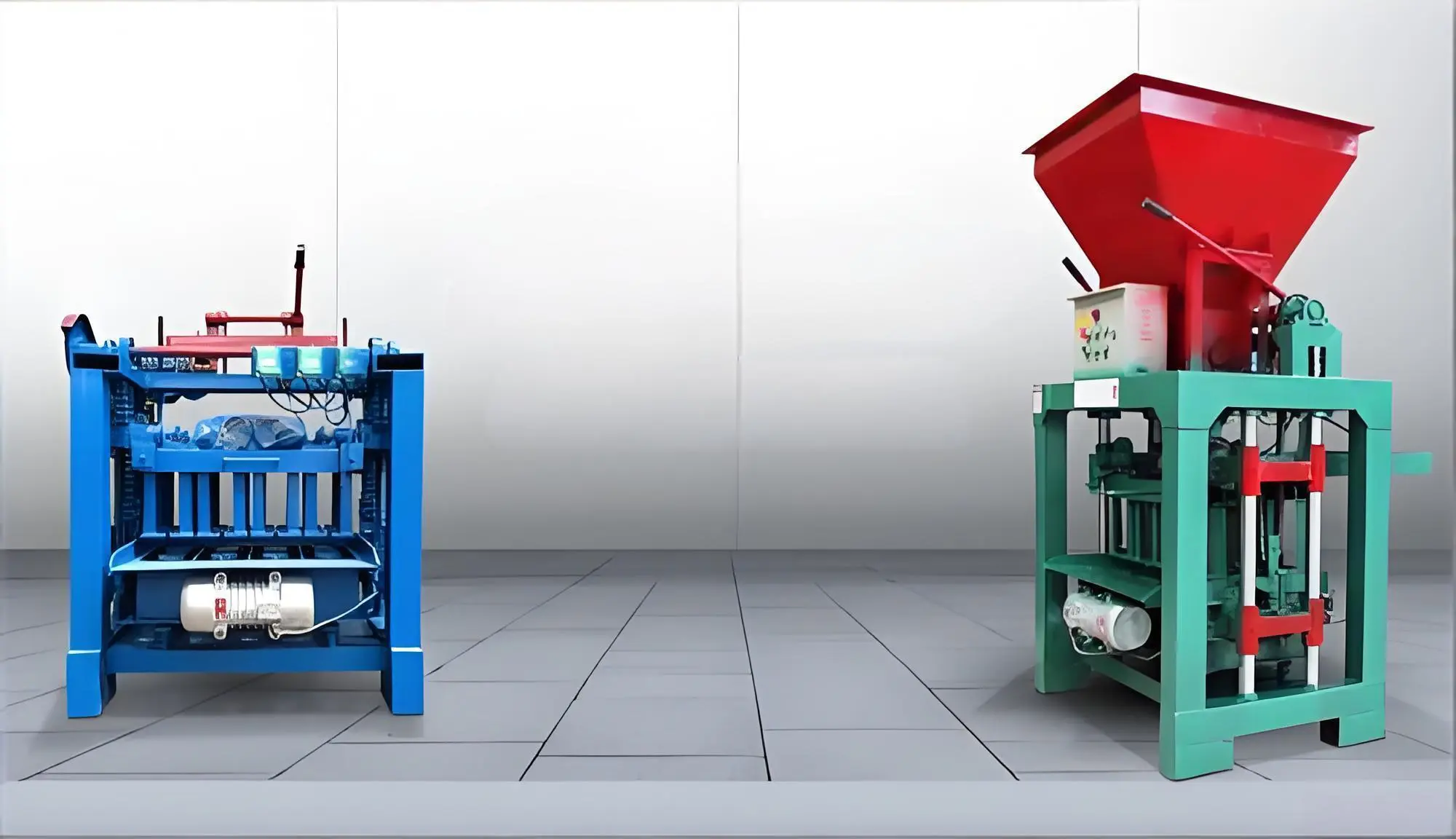
A. Manual Brick Making Machines

These are the entry-level solutions, often used for small-scale projects or in areas with limited electricity.

  • Mechanism: Hand-operated levers or simple foot pedals provide the compression.

  • Pros: Extremely low cost ($500–$2,000), portable, and requires no complex maintenance.

  • Cons: Low density/strength of bricks, inconsistent quality, and low output (typically 500–1,000 bricks per day).
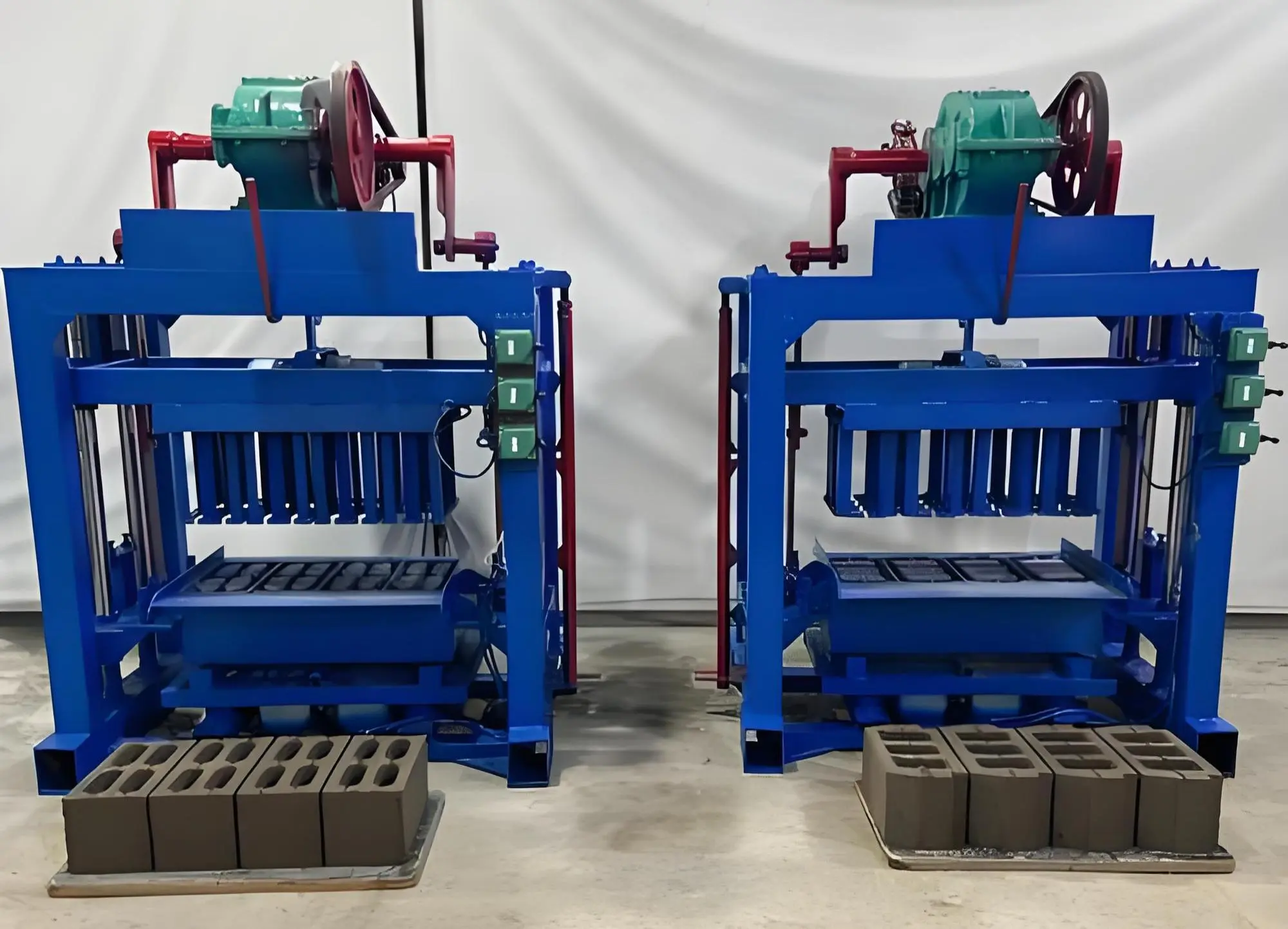
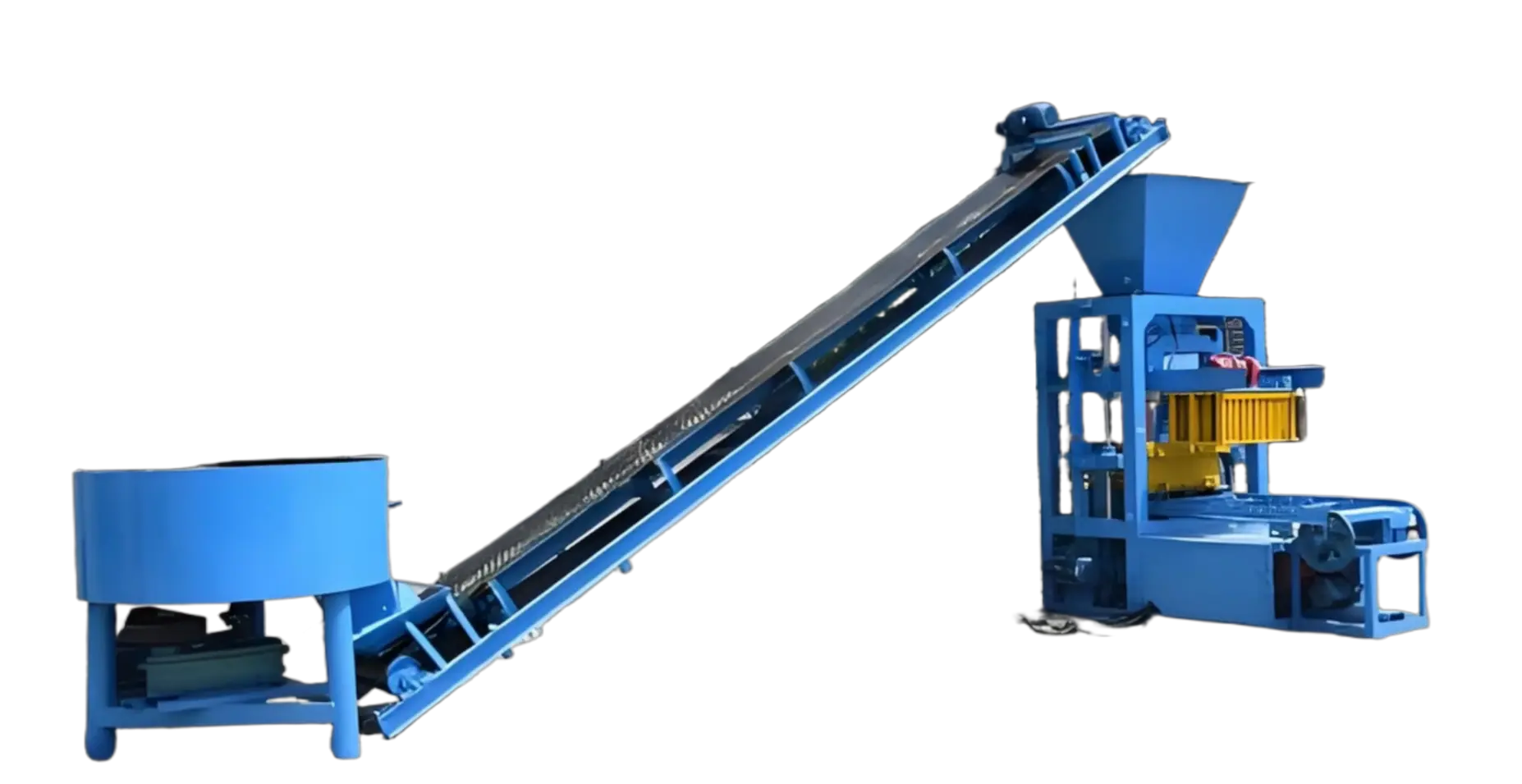
B. Semi-Automatic Brick Making Machines

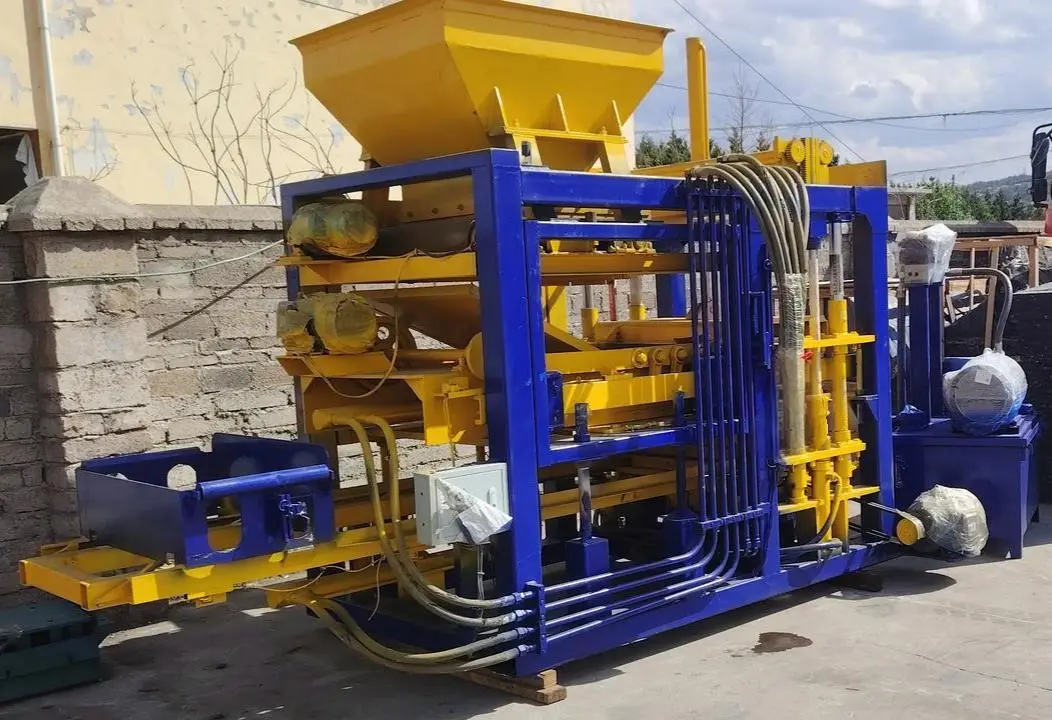
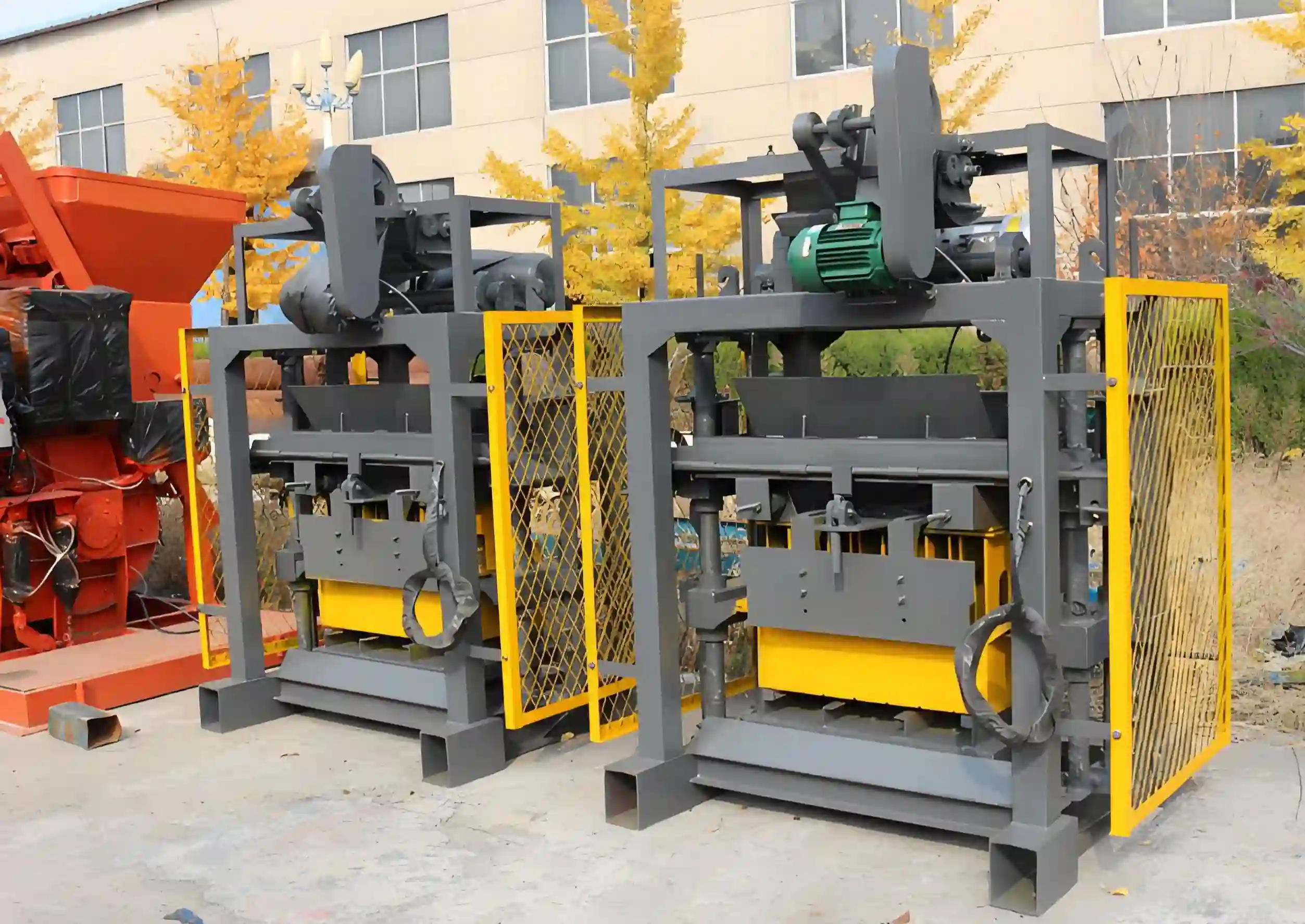
A popular choice for small-to-medium enterprises (SMEs). They combine manual material feeding with mechanical/vibratory pressing.

  • Mechanism: Uses electric motors for vibration and hydraulic or mechanical pressing, but requires workers to load raw materials and move the finished pallets.

  • Pros: Good balance between cost and speed; produces bricks with much higher density than manual machines.

  • Cons: Still labor-intensive (requiring 4–6 workers).
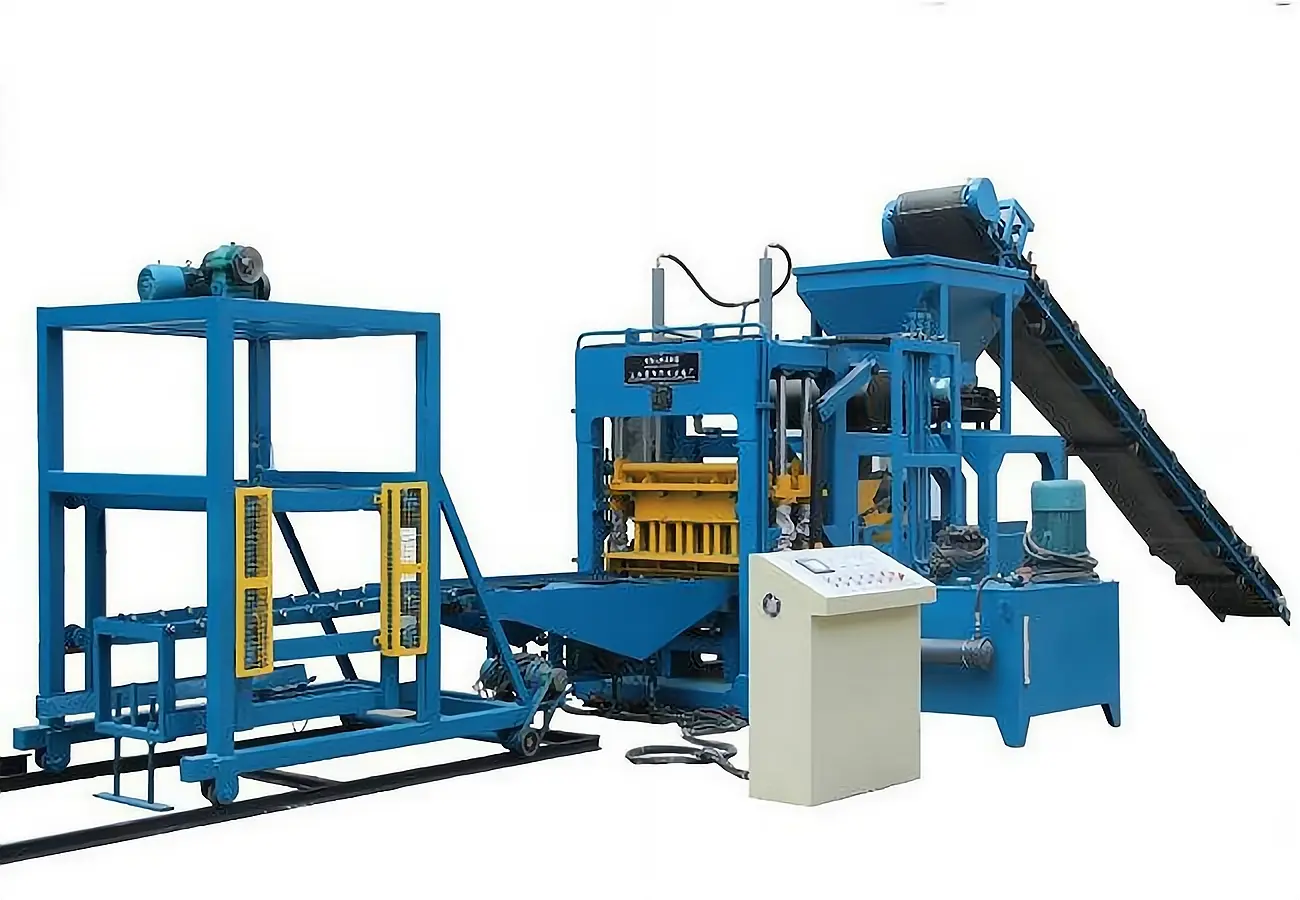
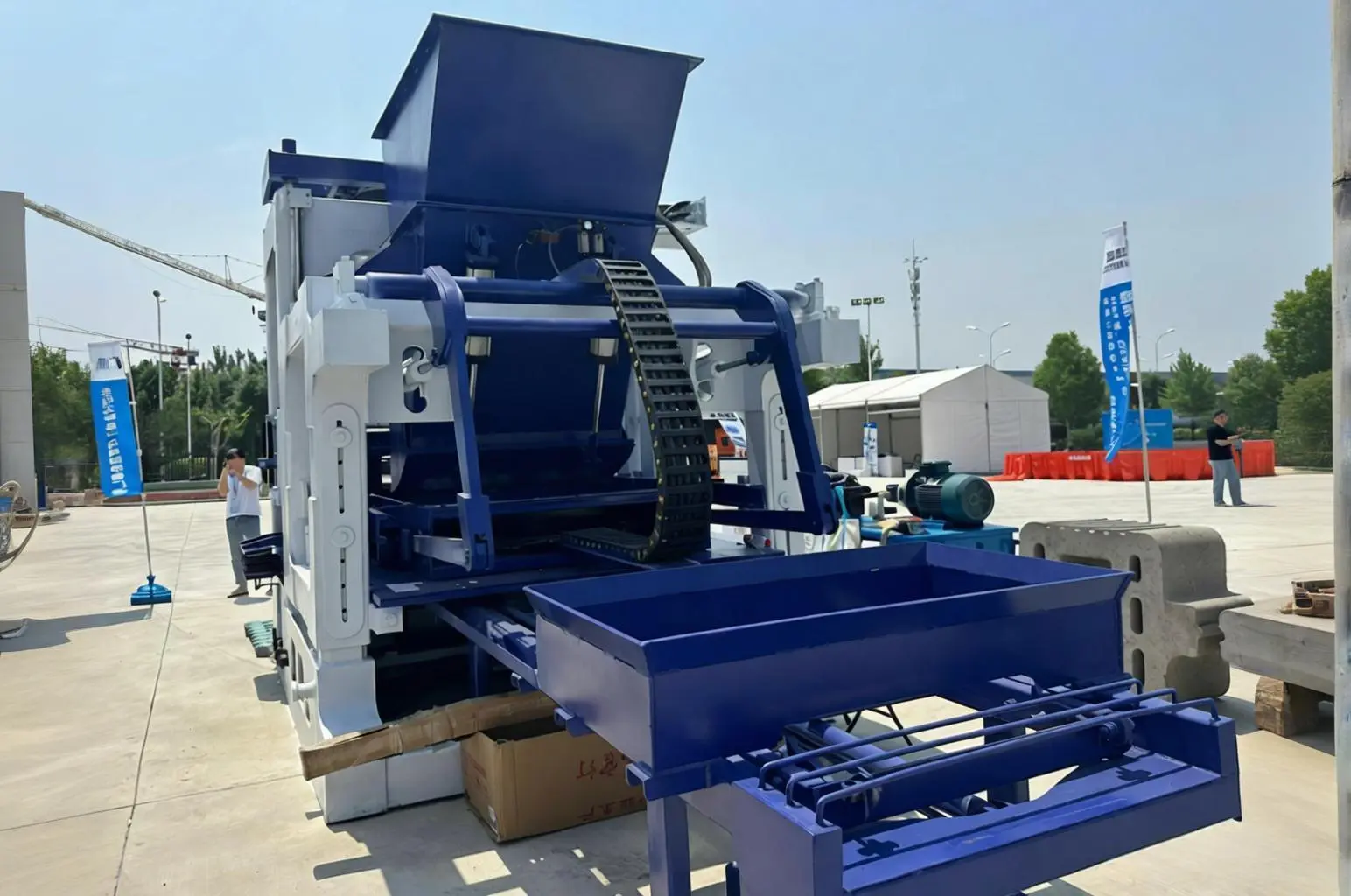
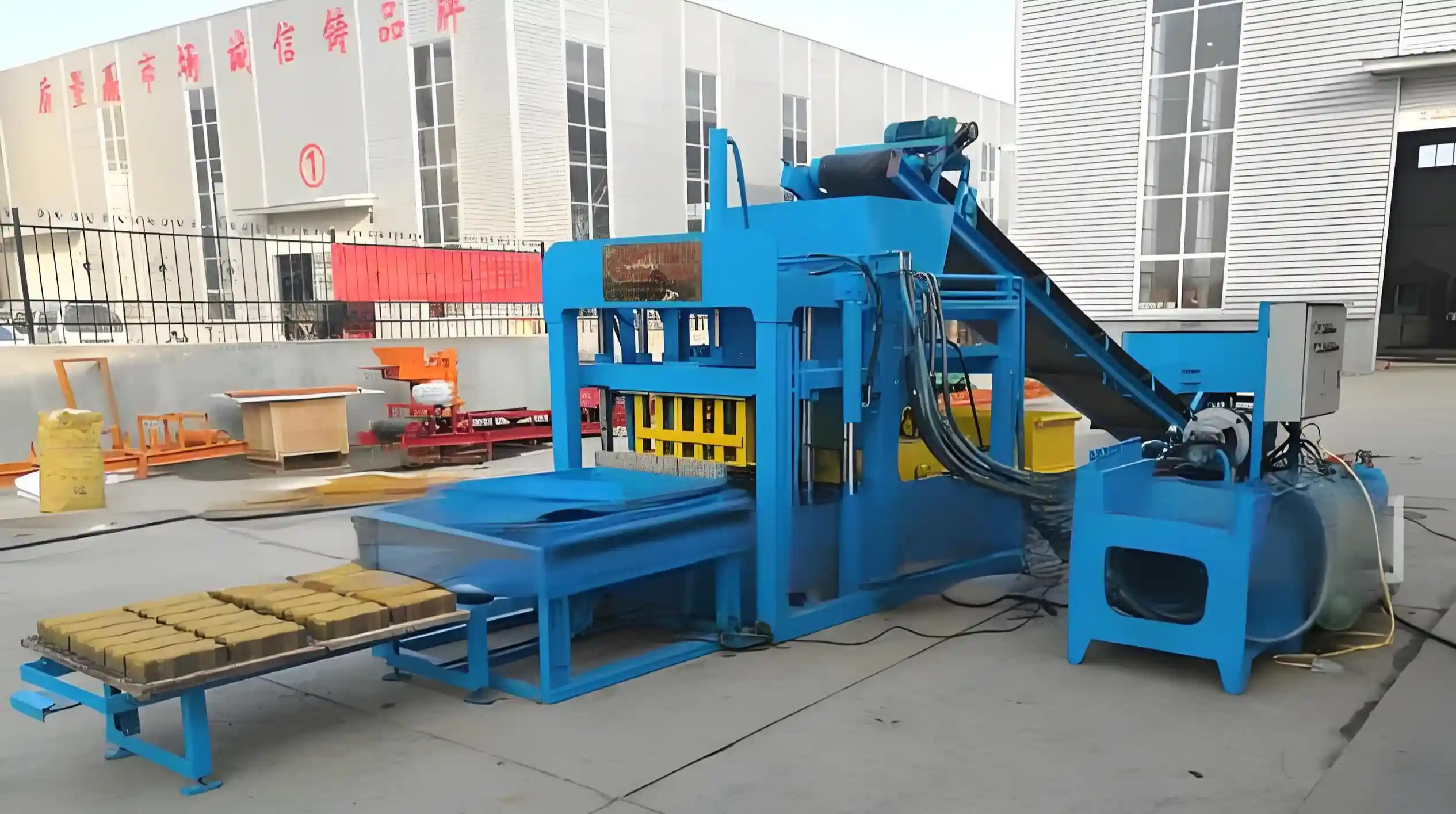
C. Fully Automatic Hydraulic Machines

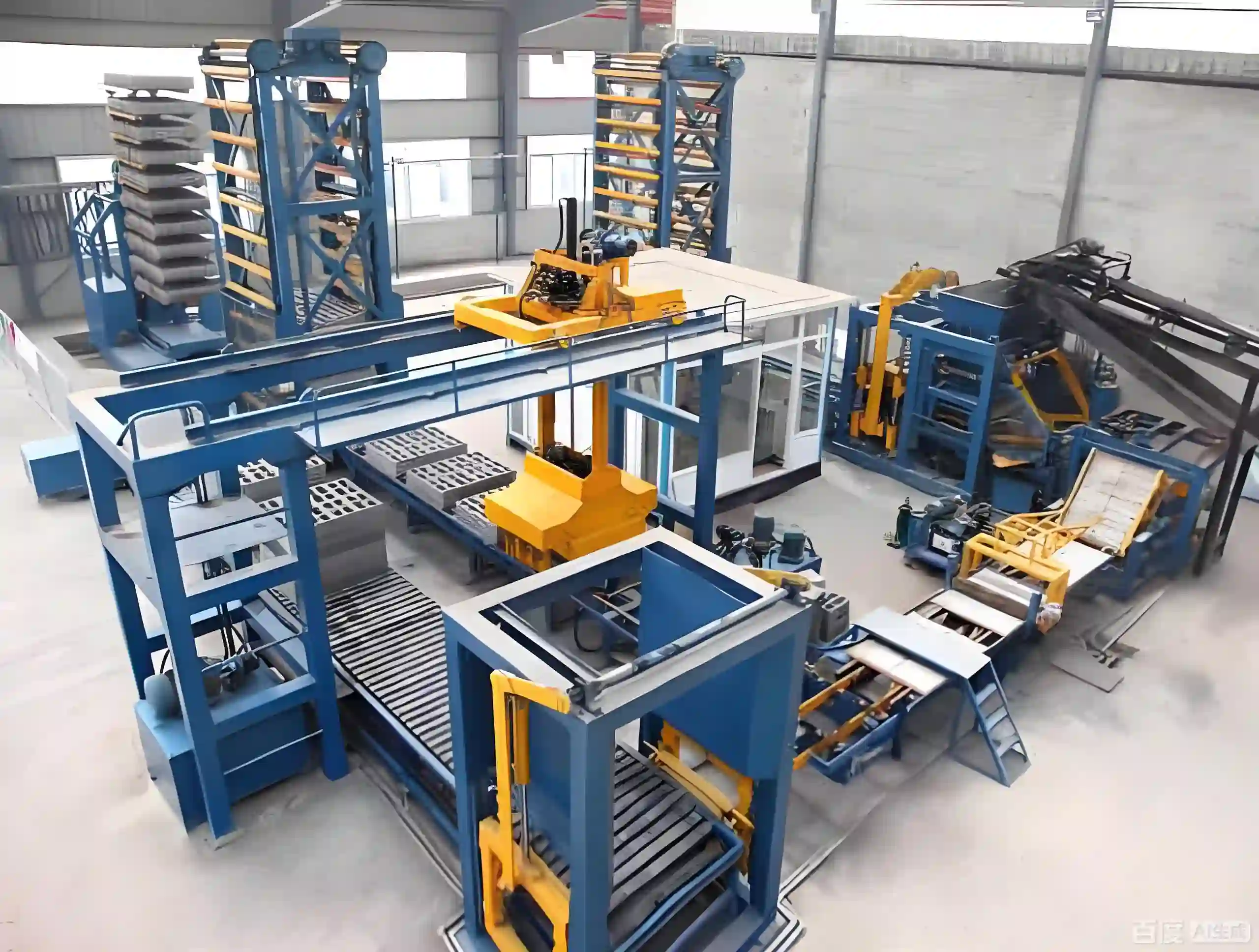
These are high-tech production lines designed for 24/7 industrial operation.

  • Mechanism: Controlled by a PLC (Programmable Logic Controller), these machines automate everything from batching and mixing to molding and stacking. They use advanced hydraulic pressure (often exceeding 12-20 MPa) combined with high-frequency vibration.

  • Pros: Massive output (up to 20,000+ blocks per 8-hour shift), superior block strength, and minimal labor (1–2 operators).

  • Cons: Significant capital investment ($30,000–$150,000+) and requires a stable power grid.
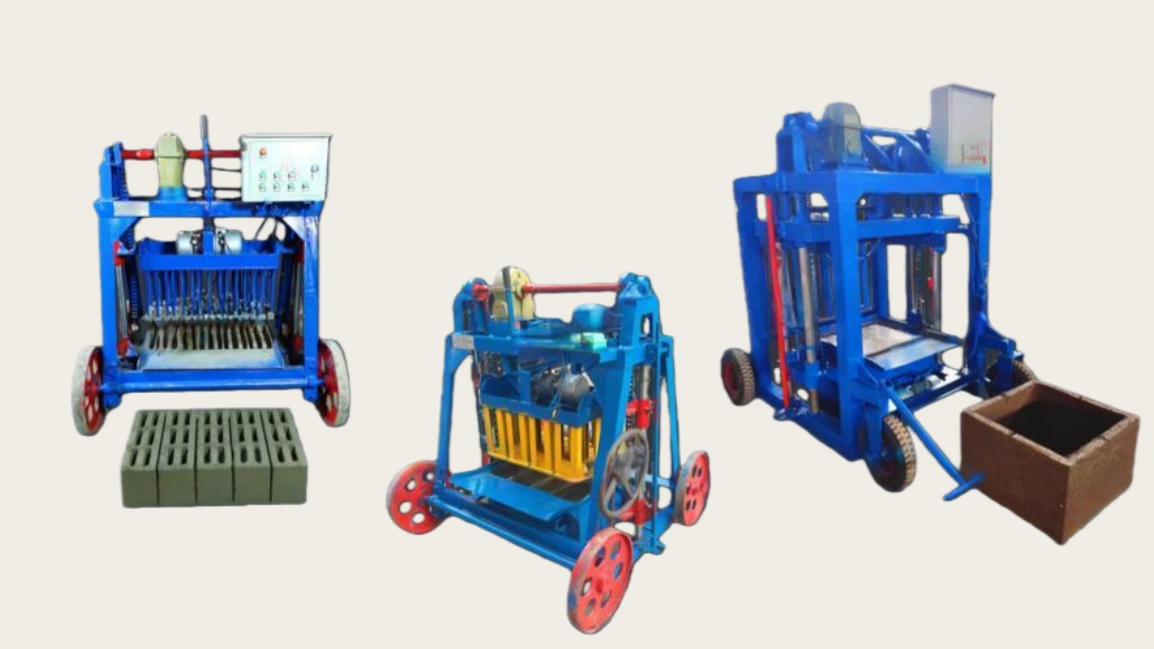
D. Mobile (Egg-Laying) Machines

A unique category where the machine “walks” on a concrete floor, laying bricks as it moves, eliminating the need for pallets.

  • Best For: Rural road construction or projects where pallet costs and transport are a bottleneck.
II. The Production Ecosystem: Auxiliary Equipment

A brick machine is rarely a standalone purchase. To achieve high efficiency and consistent quality, you must consider the “Auxiliary Equipment” that completes the production line.

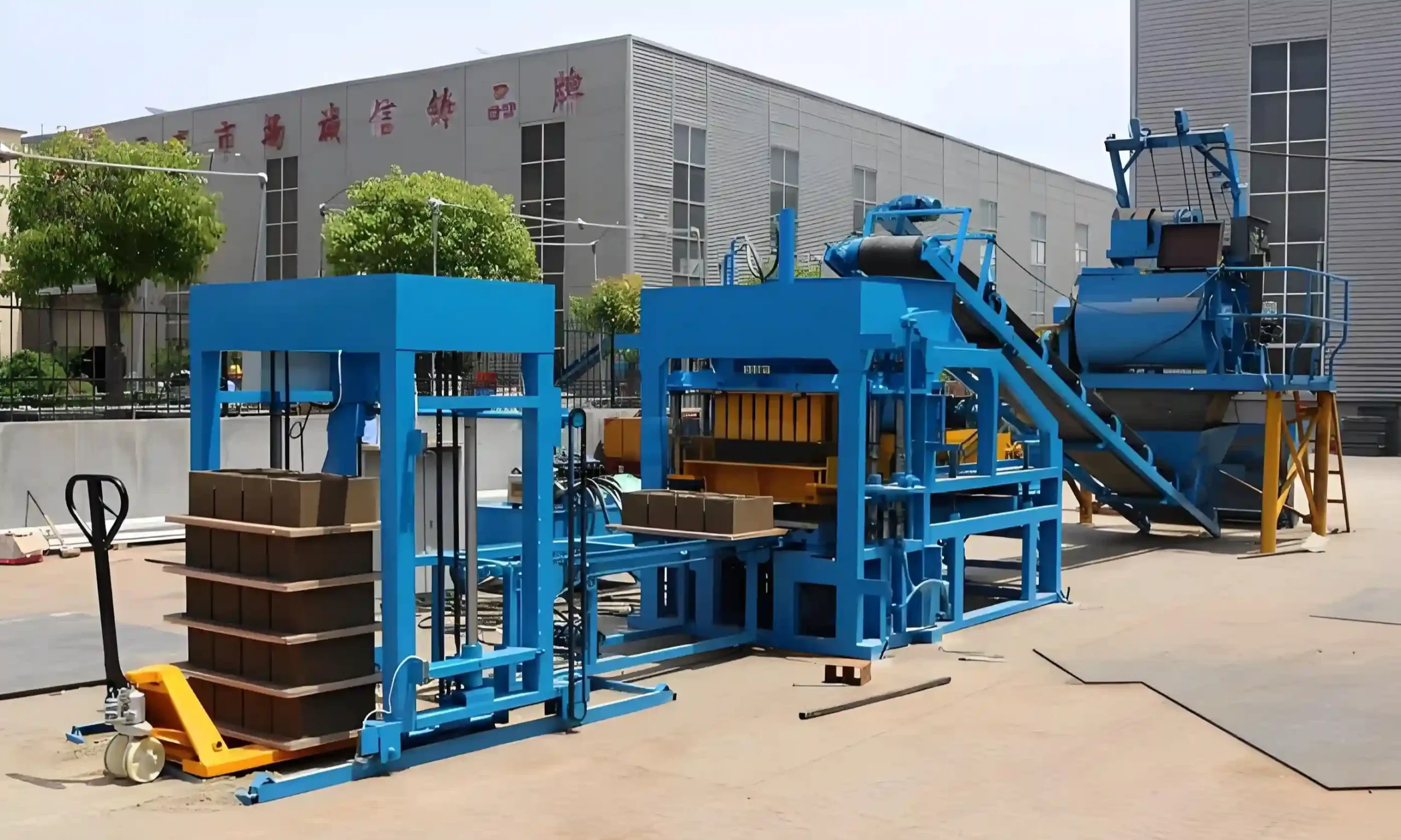
  1. Concrete Mixer (Planetary vs. Twin-Shaft): The heart of material preparation. Twin-shaft mixers are standard for high volume, while planetary mixers are preferred for colored pavers to ensure uniform pigment distribution.

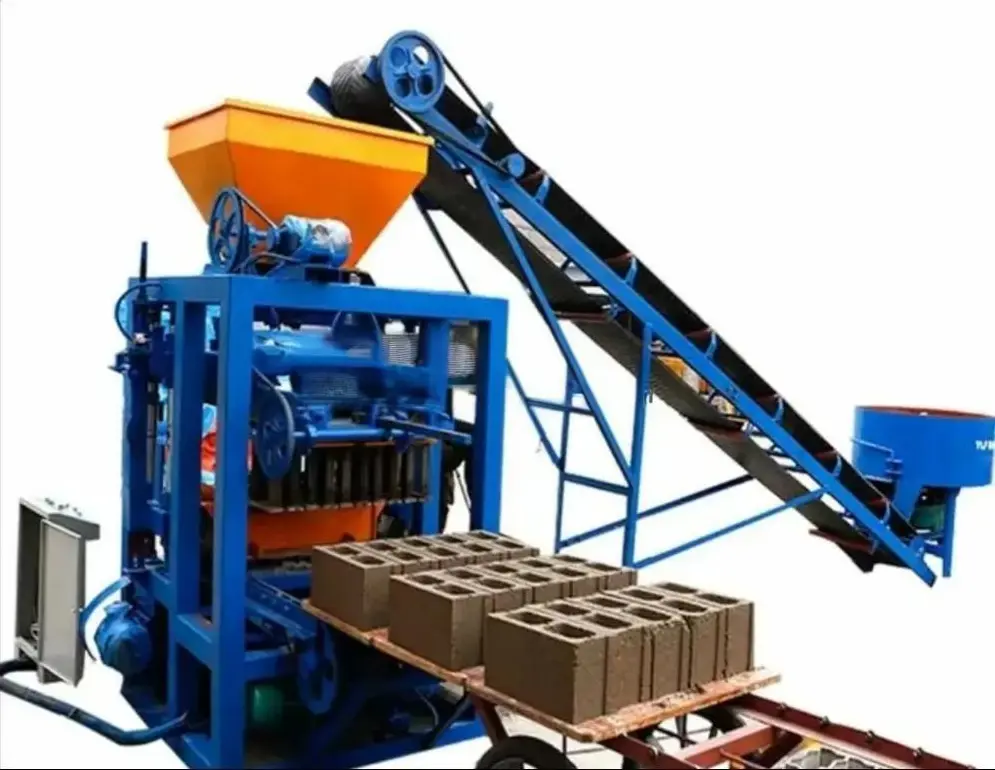
  2. Belt Conveyor: Transports the mixed wet concrete from the mixer to the machine’s hopper.
  3. Automatic Batching Machine: Uses load cells to precisely weigh cement, sand, and aggregates according to a pre-set recipe.

  4. Automatic Stacker (Cuber): Picks up the loaded pallets of wet bricks and stacks them for transport to the curing area.

  5. Pallet Feeder: Automatically feeds empty pallets into the machine.

  6. Molds: The most critical consumable. High-quality Chinese molds are heat-treated (carburized) to ensure they can withstand 100,000+ cycles before wearing out.
III. Why Concrete? The Advantages of Non-Burning Brick Technology

Chinese machinery has spearheaded the move away from traditional clay-fired bricks toward Non-Burning (Concrete/Cement) Blocks. The advantages are compelling:

  • Environmental Sustainability: Unlike clay bricks, these do not require fertile topsoil or high-temperature kilns that emit massive CO2. They utilize fly ash, slag, and construction waste.

  • Cost-Efficiency: The raw materials (sand, stone dust, gravel) are often cheaper and more widely available than high-quality clay.

  • Structural Superiority: Concrete blocks are more uniform in size, which reduces the amount of mortar required during construction by up to 30%.

  • Insulation: Hollow concrete blocks provide better thermal and sound insulation compared to solid red bricks.

IV. Key Technical Specifications and Parameters for Buyers
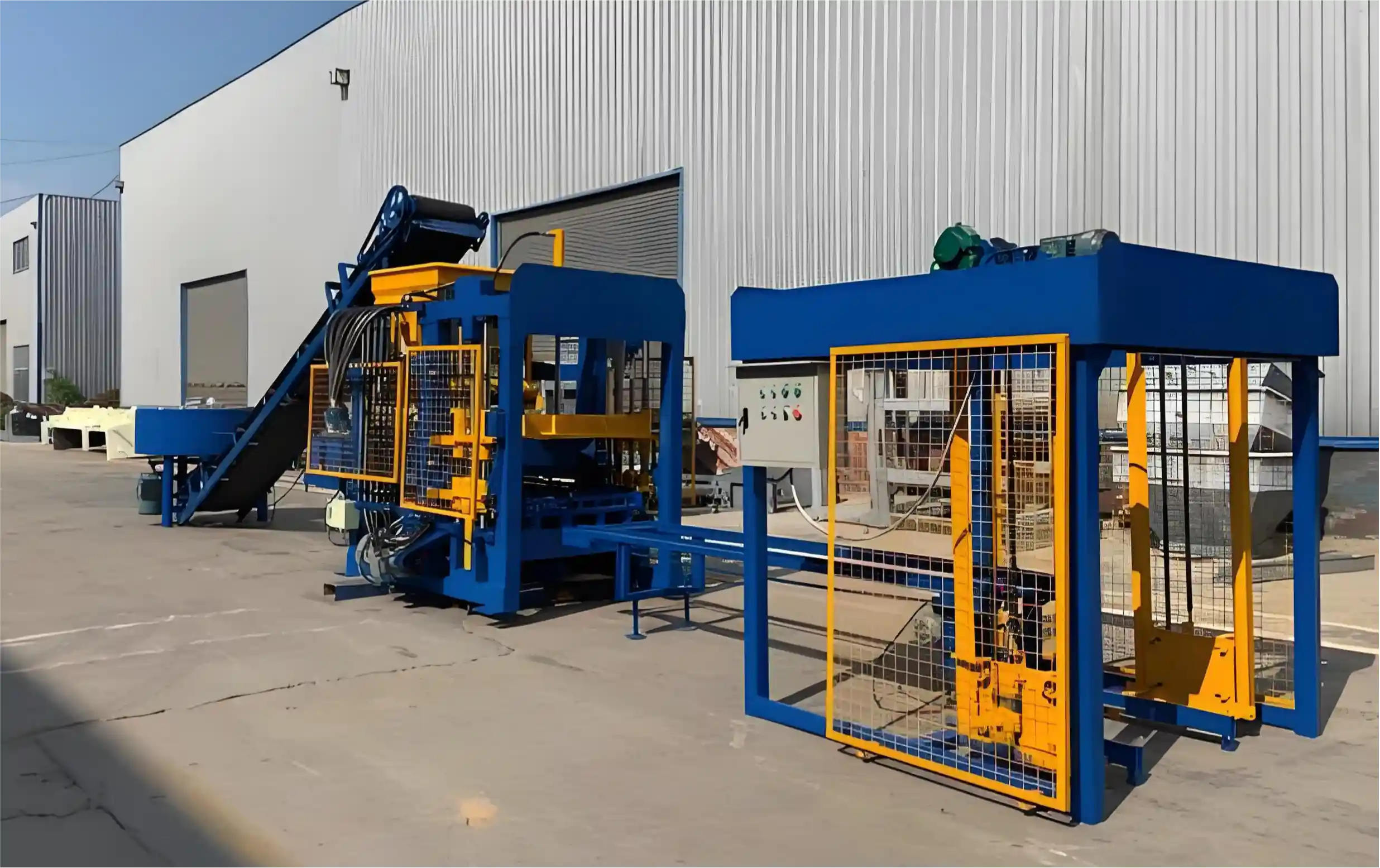
When comparing quotes from different Chinese suppliers, do not just look at the price. Look at these “Core Specs”:

Parameter Significance Standard Benchmarks
Cycle Time How long it takes to make one “press.” 15–25 seconds for auto machines.
Vibration Frequency Higher frequency = denser, stronger bricks. 3,000–4,500 rpm (Servo motors are best).
Hydraulic Pressure Determines the compaction force. 12 MPa to 21 MPa for heavy-duty lines.
Pallet Size Limits how many bricks you can make per cycle. e.g., 850x550mm or 1100x700mm.
Total Power Crucial for calculating operational costs. 15kW for small; 50kW+ for large lines.
Control System The “brain” of the machine. Look for Siemens PLC or Schneider components.

V. Product Versatility: Types, Styles, and Sizes of Bricks Produced
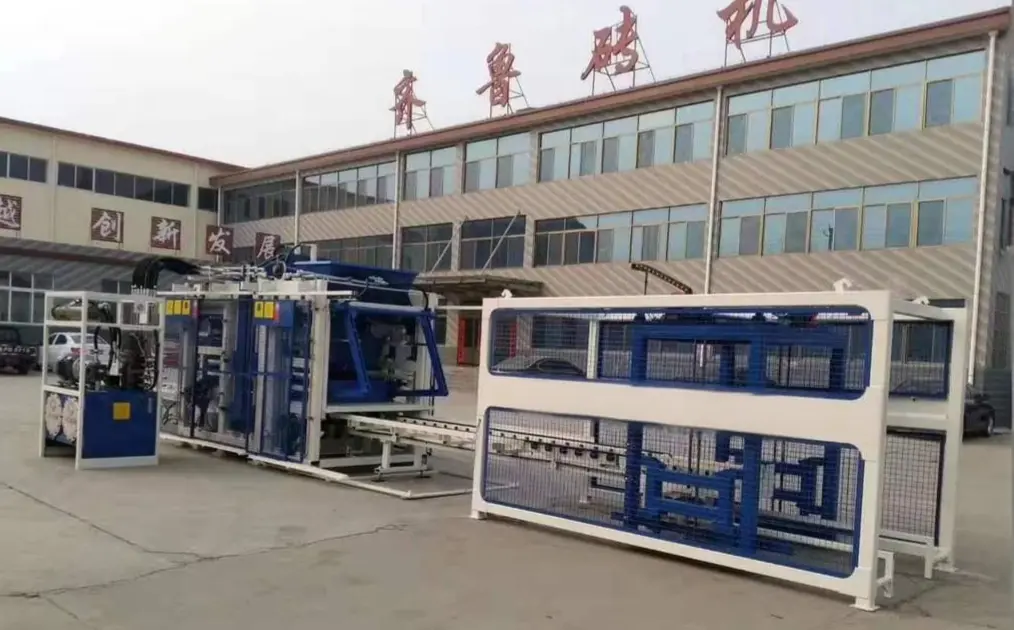
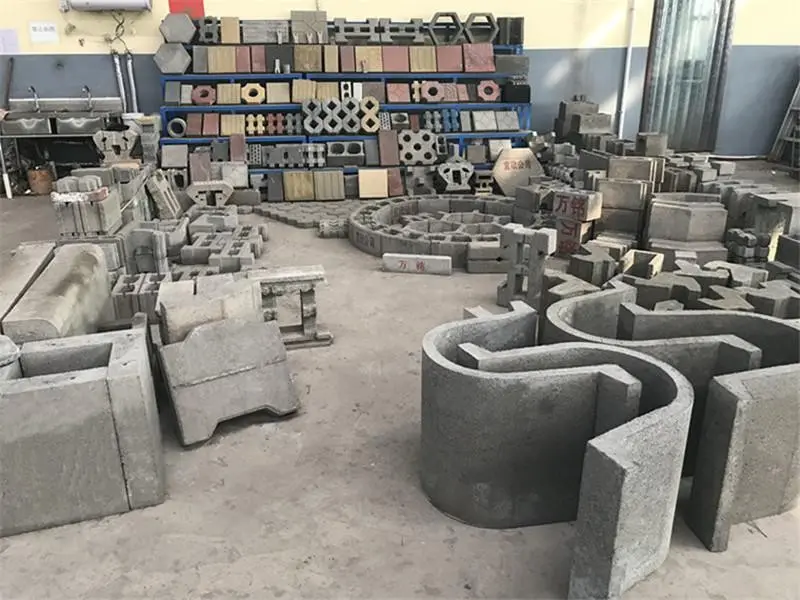
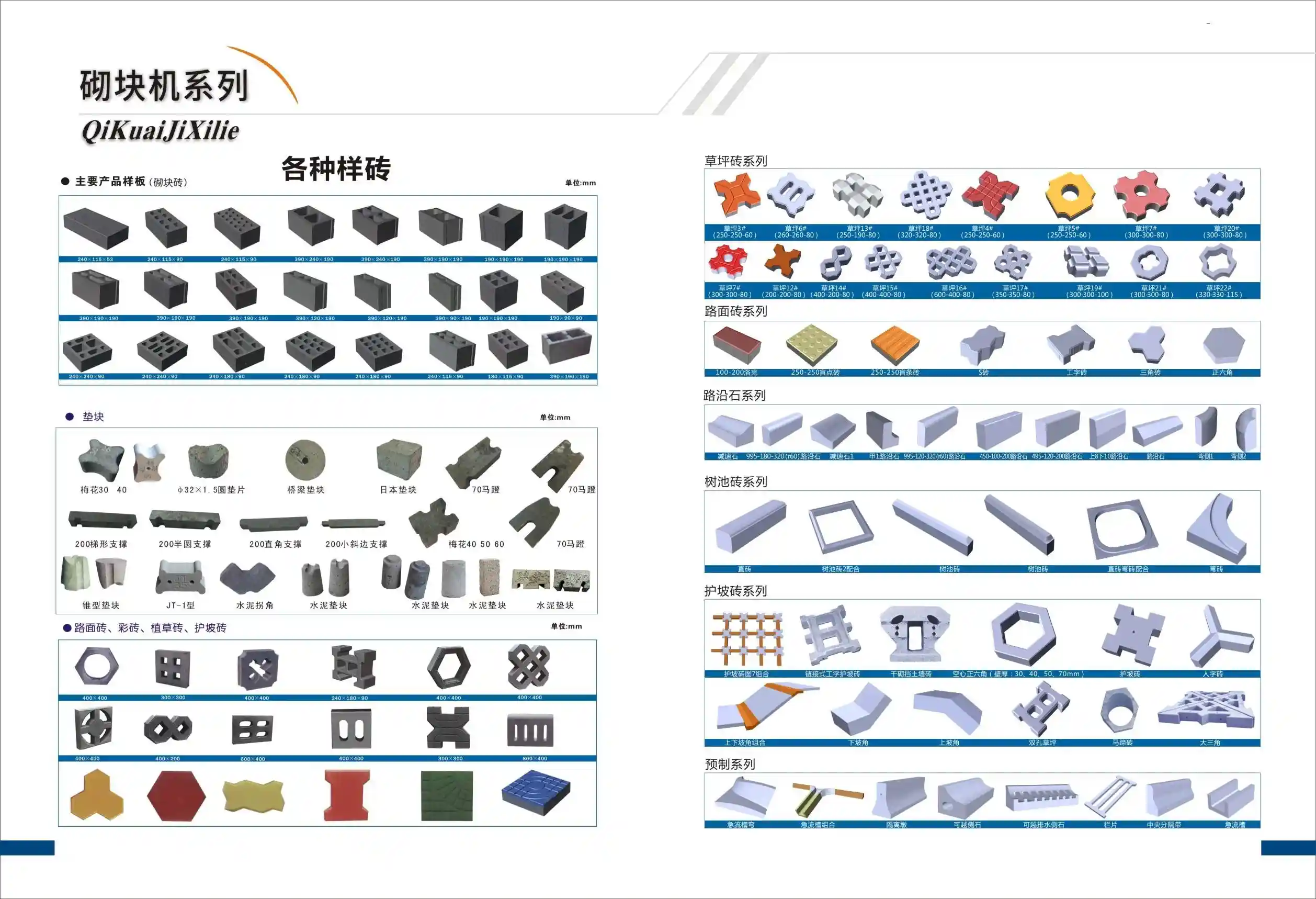
By simply changing the mold, a single Chinese brick machine can produce dozens of different products:

  • Hollow Blocks: The standard for wall construction. Sizes like 400x200x200mm (8-inch) or 400x150x200mm.

  • Solid Bricks: For load-bearing structures. Common size: 240x115x53mm.

  • Interlocking Pavers: Used for driveways and parking lots. Includes “I-shape,” “Hexagon,” and “Zig-zag” patterns.

  • Color Pavers: Machines with a “Face-mix” device can add a thin layer of colored concrete to the top of a block, saving on pigment costs.

  • Curbstones & Grass Bricks: For landscaping and municipal road projects.

  • Hourdis Blocks: Specialized hollow blocks used for floor slabs.

VI. China’s Brick Machinery Industrial Clusters

Geography plays a huge role in sourcing. Most manufacturers are concentrated in three provinces:
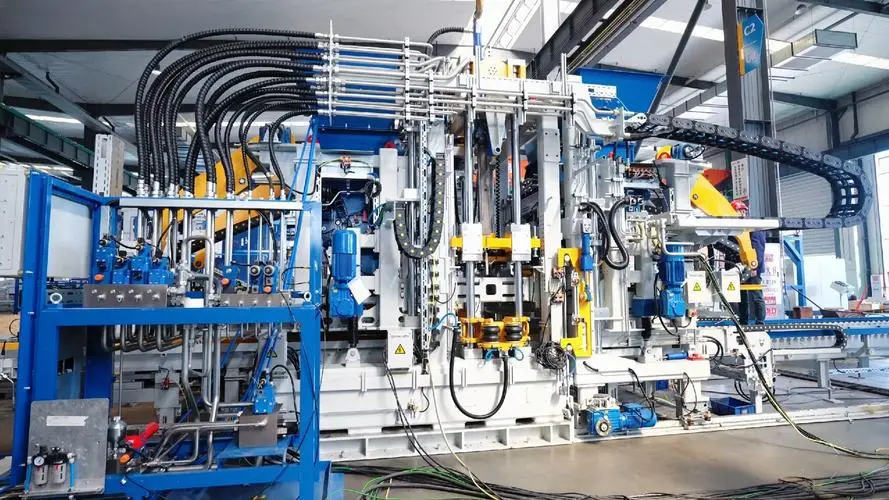
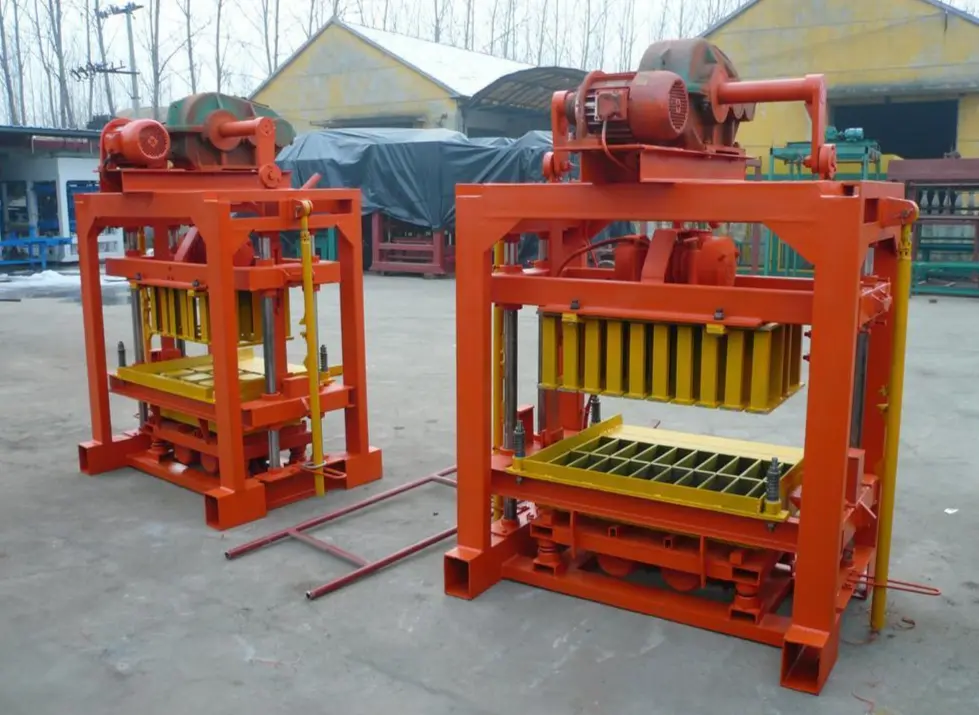
  1. Linyi, Shandong Province (The Volume Hub):Linyi is the “Capital of Brick Machines.” It hosts hundreds of factories ranging from small family workshops to massive industrial groups. If you are looking for cost-effective, mid-range machines (like the QT4-15 or QT4-24 models), Linyi is the place.
  2. Quanzhou, Fujian Province (The High-End Hub):Fujian manufacturers focus on high-tech, export-quality machinery. Many companies here have collaborated with German firms (e.g., QGM’s acquisition of Zenith). If you need a premium, fully automatic line for a large-scale plant, look here.
  3. Gongyi/Zhengzhou, Henan Province (The Clay Specialist):While the world is moving to concrete, if you specifically need Vacuum Extruders for clay/fired bricks, Henan is the historical center for this technology.
VII. Top Chinese Brick Making Machine Manufacturers

Note: Always conduct fresh due diligence before ordering.

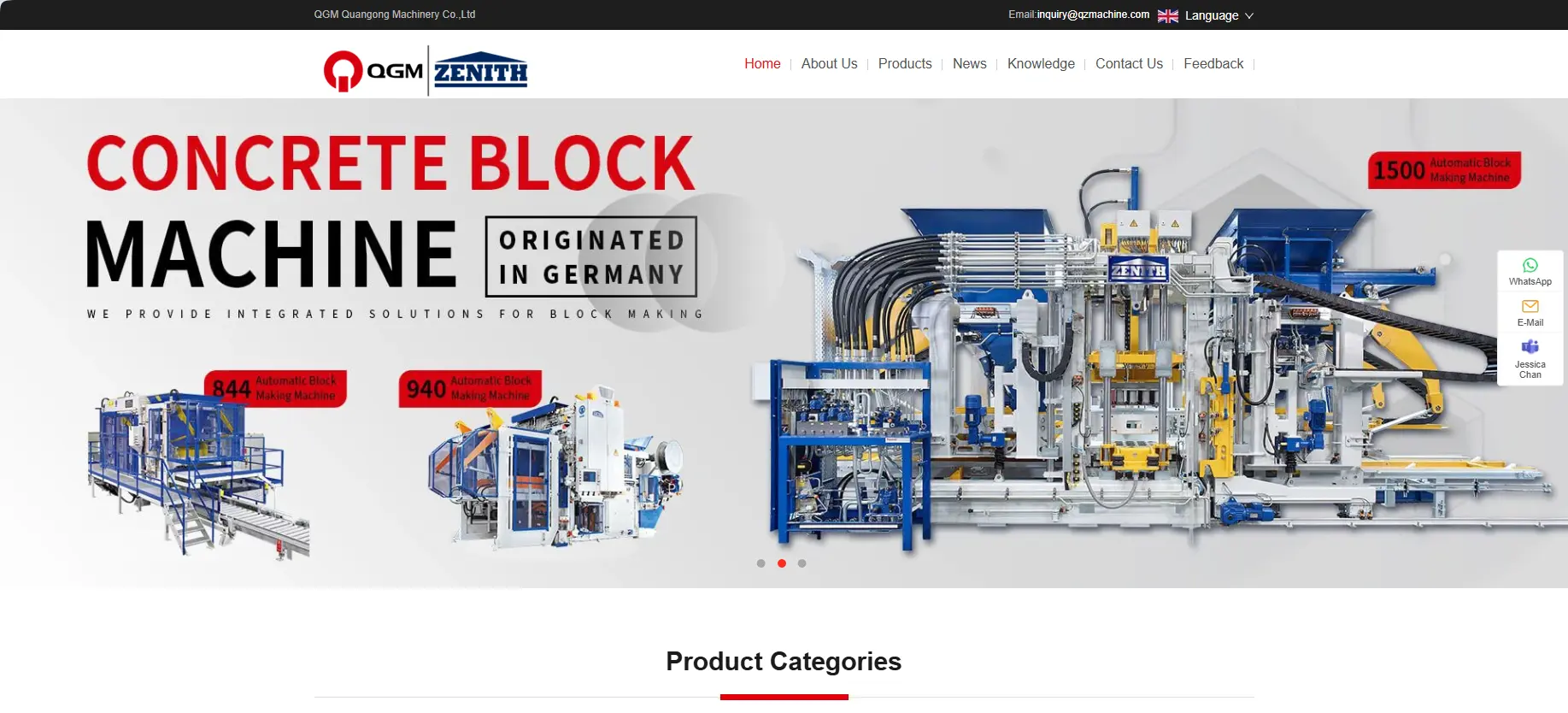
  1. QGM (Quangong Machinery Co., Ltd.) – Fujian https://www.qgmblockmachine.com
    The industry leader. They acquired the German brand Zenith and offer the “ZN” series which represents the pinnacle of Chinese/German engineering. Best for high-budget, high-output projects.
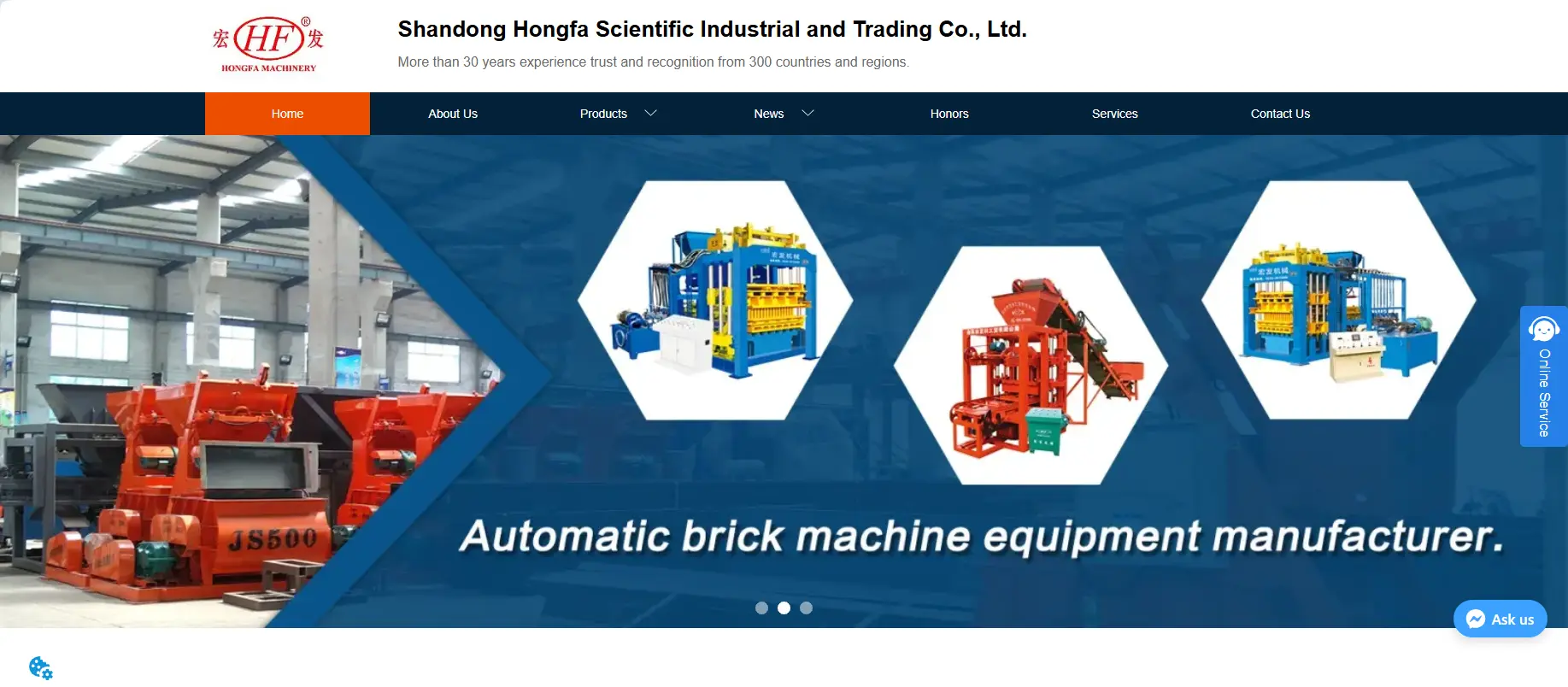
  2. Hongfa Group – Shandong https://www.hongfamach.com
    One of the oldest and largest manufacturers. They specialize in integrated production lines, including AAC (Autoclaved Aerated Concrete) lines and large-scale block machines.
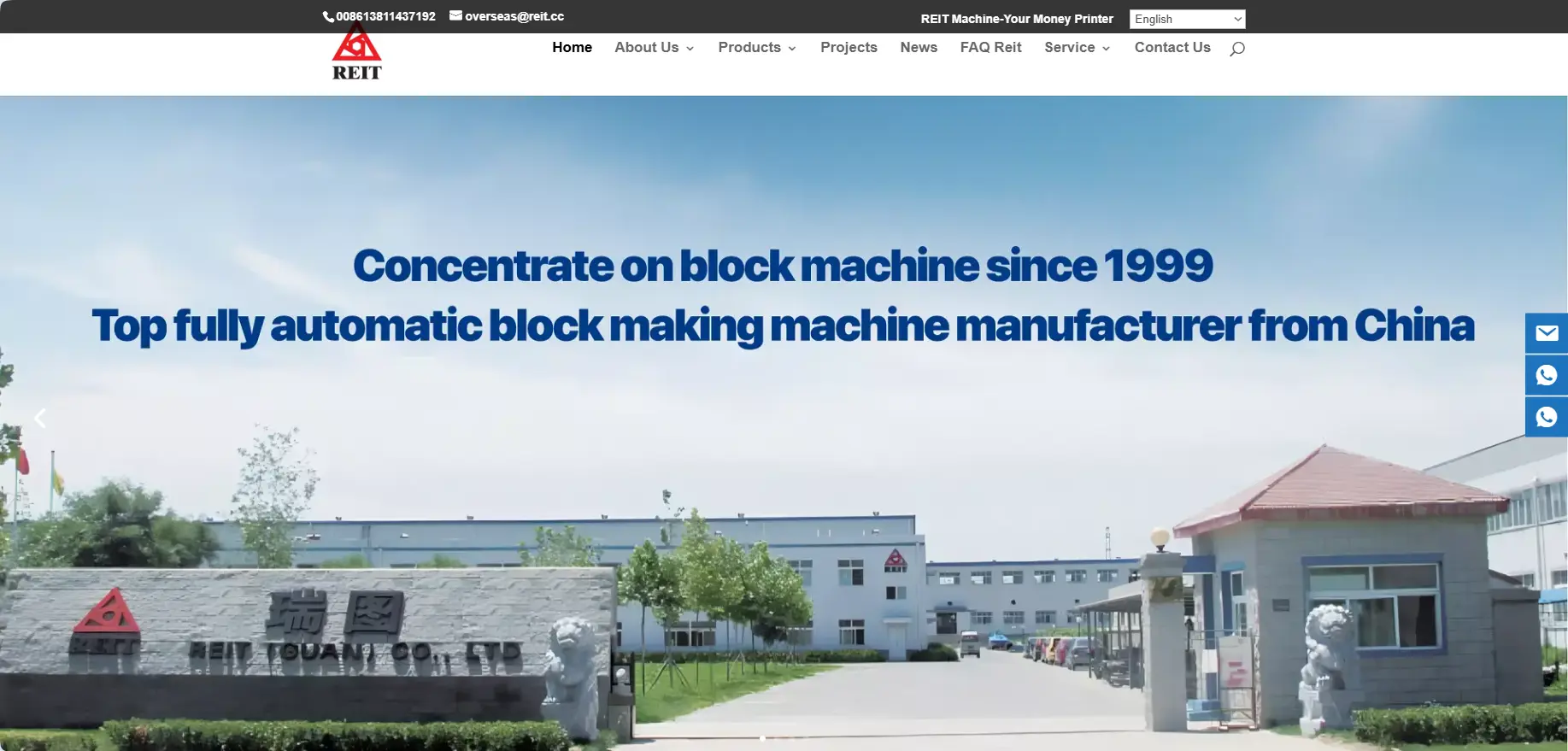
  3. REIT – Fujian https://www.reitmachine.com
    Known for high-end automatic systems with a strong focus on “Smart” manufacturing and remote diagnostics.
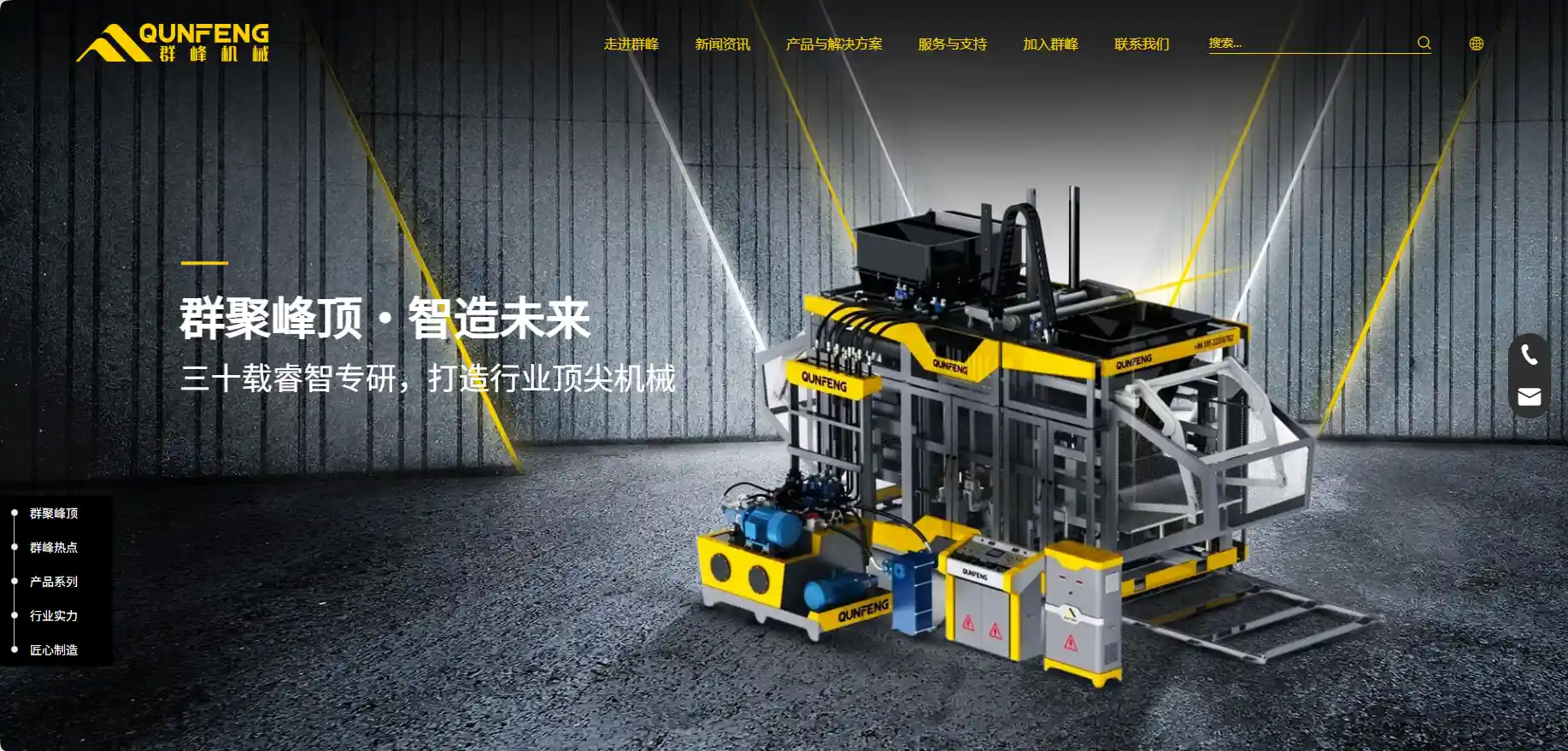
  4. Qunfeng Machinery – Fujian https://www.qunfeng.com
    A very popular export brand. Their machines are known for aesthetic design and user-friendly PLC interfaces.
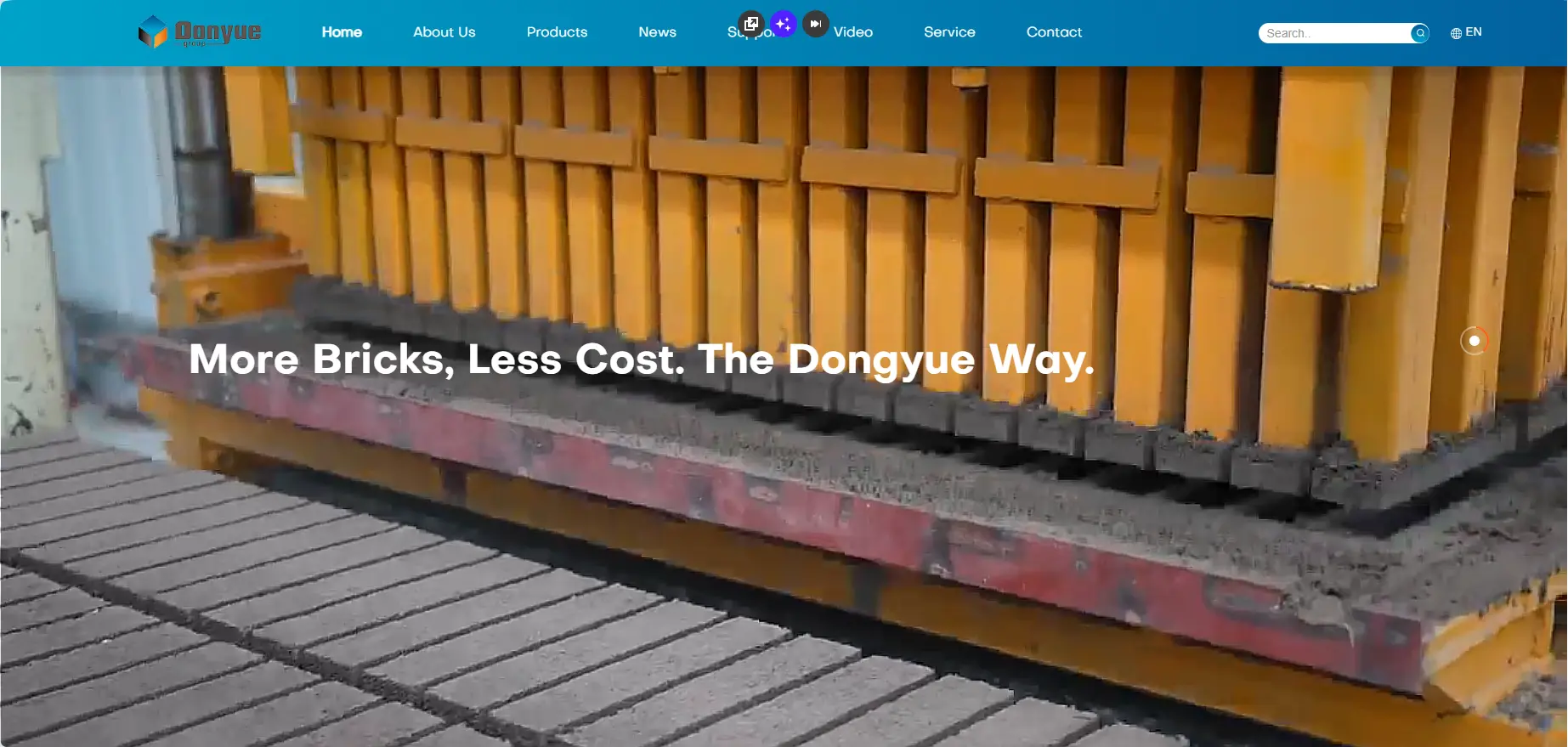
  5. Dongyue Group – Shandong https://www.donyuegroup.com
    A massive conglomerate that produces everything from simple manual machines to massive chemical-processing equipment. Very reliable for mid-to-high-tier buyers.
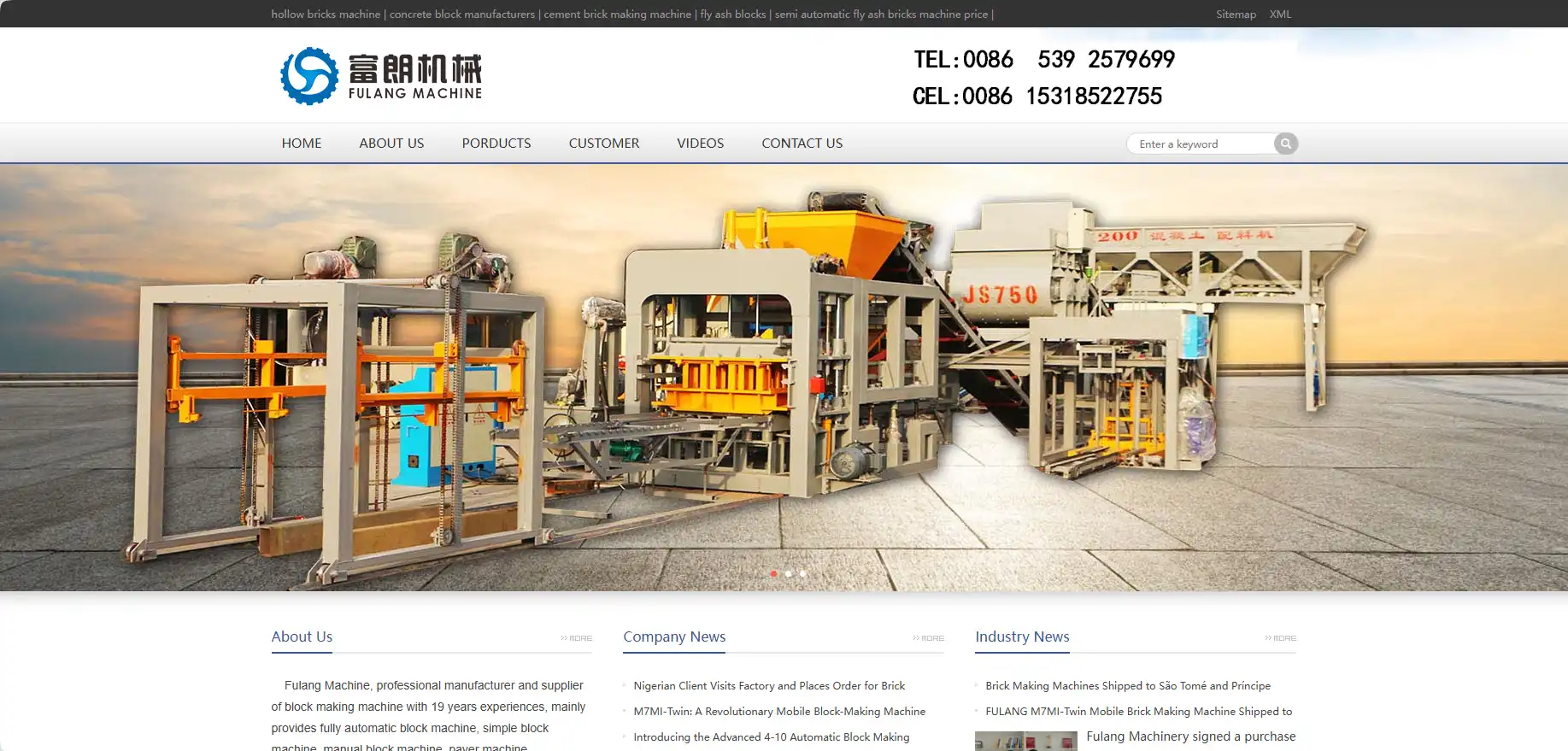
  6. Fulang Machinery – Shandong https://www.blocksmachine.com
    A leader in the Linyi cluster. Excellent for entrepreneurs and SMEs looking for reliable, cost-effective hydraulic machines with great after-sales support.
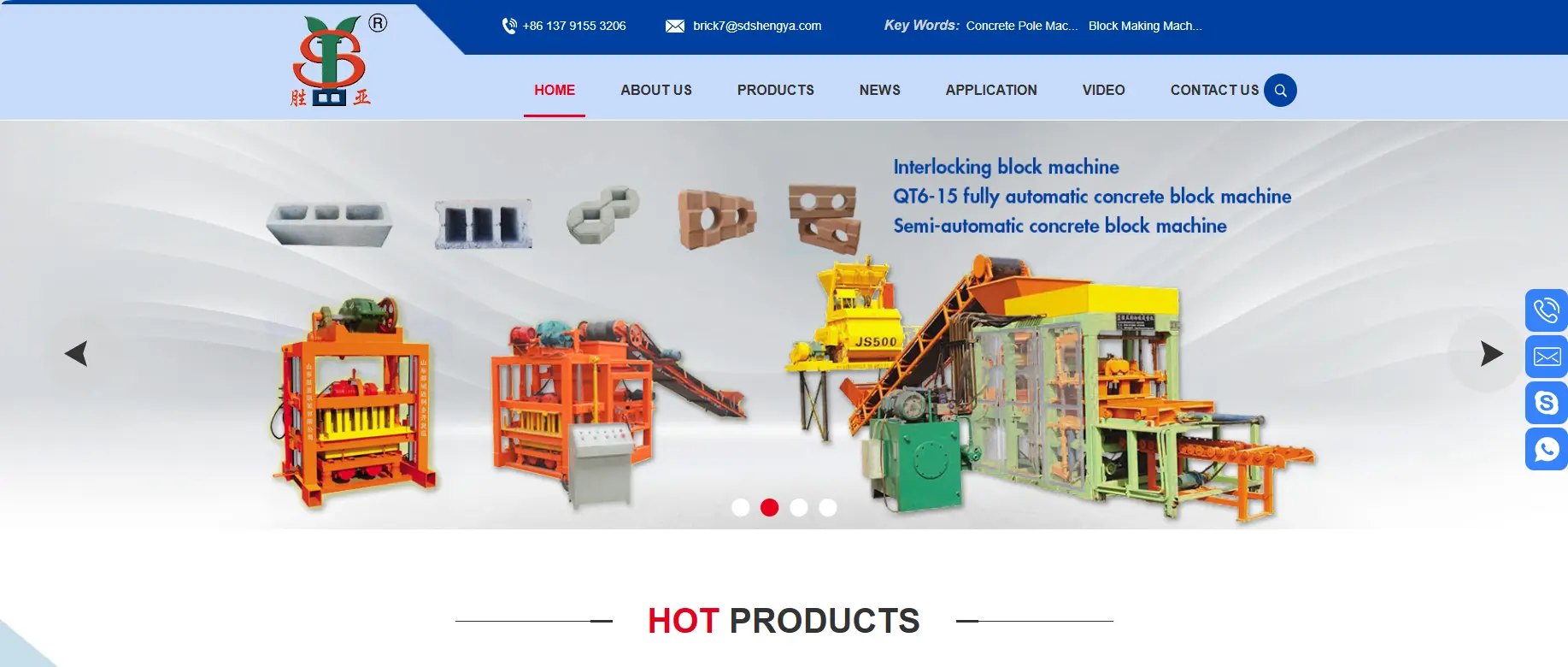
  7. Shengya Machinery – Shandong https://www.sdshengya.com
    Similar to Fulang, they have a massive presence across Africa and Southeast Asia with local service centers in many countries.
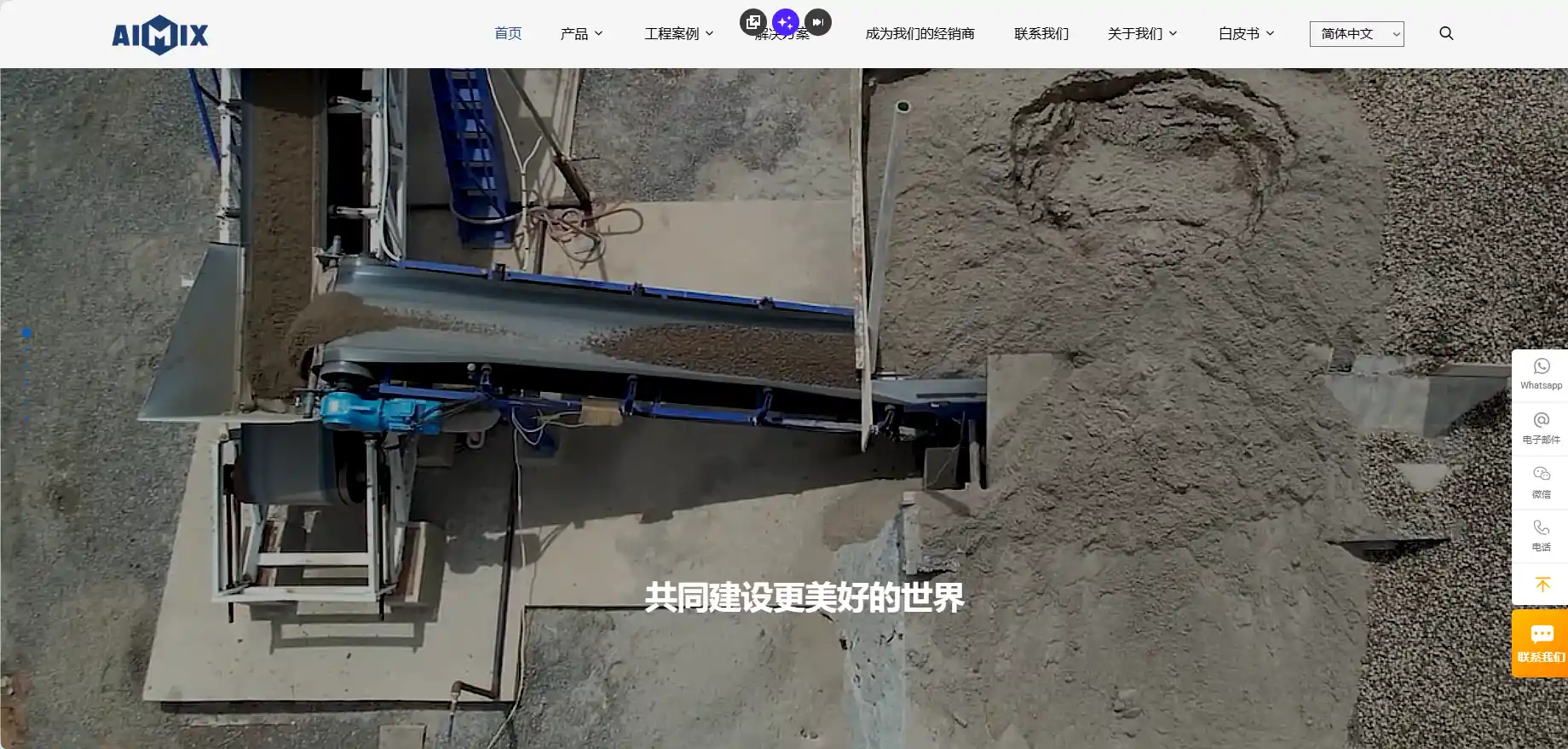
  8. Aimix Group – Henan https://www.aimixgroup.com
    A diversified construction machinery supplier. They are great for buyers who need to bundle brick machines with other equipment like concrete pumps or batching plants.
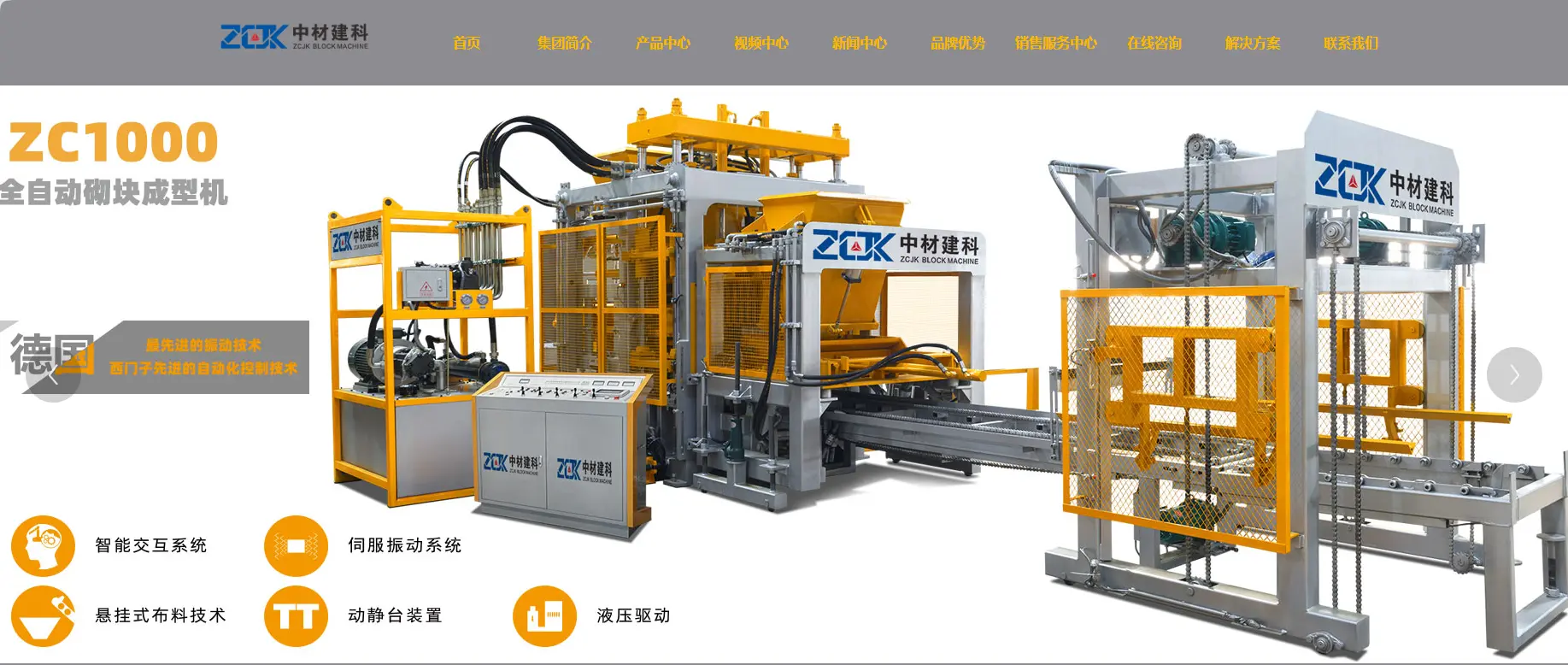
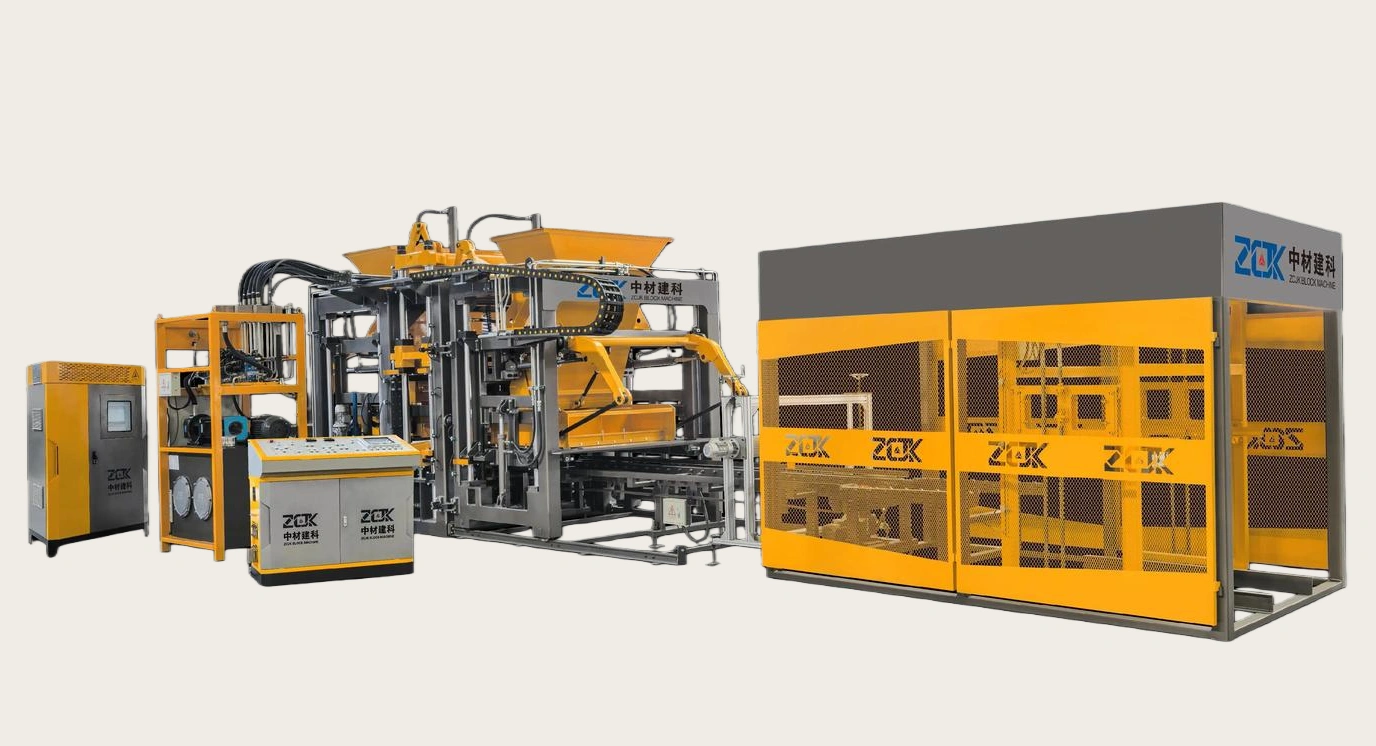
  9. ZCJK Group – Wuhan Hubei http://www.wh8108.cn/
    Literally China Materials Construction Tech Group, specializing in the research of new wall materials, comprehensive utilization of solid waste resources, complete sets of brick-making machine machinery and equipment.
  10. Allian Machinery – Shandong

VIII. Sourcing Considerations and Buying Checklist

Sourcing heavy machinery is different from sourcing consumer goods. One mistake can lead to months of downtime.

1. The “Real” Capacity vs. “Theoretical” Capacity

Manufacturers often quote capacity based on a 15-second cycle time. In reality, due to material loading and worker speed, your actual output might be 20% lower. Always plan your plant layout based on 80% efficiency.

2. Power Supply Compatibility

China uses 380V/50Hz/3-Phase. If your country uses 220V, 415V, or 60Hz, you must specify this. Changing a motor after the machine arrives is expensive and difficult.
3. Spare Parts Package

A machine is only as good as its uptime. Ensure your quote includes a 2-year wear-and-tear kit:

  • Proximity switches and relays.

  • Hydraulic seals and O-rings.

  • Vibration springs.

  • Additional mold liners.

4. Factory Acceptance Test (FAT)

Before the final payment, the machine must be tested.

  • Ask for a video of your specific machine running with molds.

  • Verify the vibration noise (excessive noise indicates poor balancing).

  • Check the welding quality on the main frame.
5. Logistics: The Container Challenge

Large machines are heavy. A QT10-15 line can require multiple 40ft HQ containers. Ensure the supplier packs the machine with anti-rust oil and secures it properly to prevent shifting during ocean transit.
IX. Why Choose IMEXsourcing as Your Machinery Partner

At IMEXsourcing, we understand that buying a brick machine is a high-stakes investment. We act as your eyes and ears on the ground in China to mitigate risks.

  • Deep Supplier Audits: We don’t just look at Alibaba profiles. We visit the factories in Linyi or Quanzhou to verify their actual manufacturing capacity, the quality of their steel, and the authenticity of their “Siemens” components.

  • Technical Inspection: Our inspectors check the thickness of the steel frames, the quality of the hydraulic pumps, and ensure the PLC is programmed in your local language.

  • Price Negotiation: Because we deal with these clusters daily, we know the “real” factory price. We help you negotiate not just the machine price, but the cost of custom molds and spare parts.
  • Loading Supervision: We ensure that every component—from the tiny sensors to the heavy mixer—is accounted for and safely loaded into the container to prevent transit damage.

  • After-Sales Mediation: If a part fails under warranty, we communicate with the factory in their native language to ensure replacement parts are dispatched immediately, minimizing your downtime.

X. Conclusion

The transition from manual construction to mechanized brick production is one of the most profitable moves a construction business can make. China offers the world’s most versatile range of brick-making machinery, capable of meeting any budget or production scale.
However, success lies in the details. By understanding the difference between a Linyi-made mid-range machine and a Quanzhou-made premium line, specifying the right technical parameters, and performing rigorous quality control, you can build a production facility that lasts for decades.

Ready to start your brick production journey? Contact IMEXsourcing today for a consultation on the best manufacturers and equipment configurations for your specific market needs. Let us help you turn Chinese innovation into your local success.
Message us for more information

Please let us know your request, we will get back to you within 24 hours.

    PP Woven Jumbo Bags and FIBCs: The Ultimate Guide to Sourcing from China

    I. Introduction: The Unsung Workhorse of Global Logistics

    In the vast landscape of global supply chains, few products are as critical yet as overlooked as woven packaging. Polypropylene (PP) woven bags, alongside their large-scale counterparts, Flexible Intermediate Bulk Containers (FIBCs)—also known as jumbo or ton bags—serve as the foundational packaging solution for nearly all dry, granular, and powdered goods moved around the world. From agricultural produce and mineral ores to cement and chemical compounds, these bags provide a versatile, durable, and cost-effective method of containment and transport.

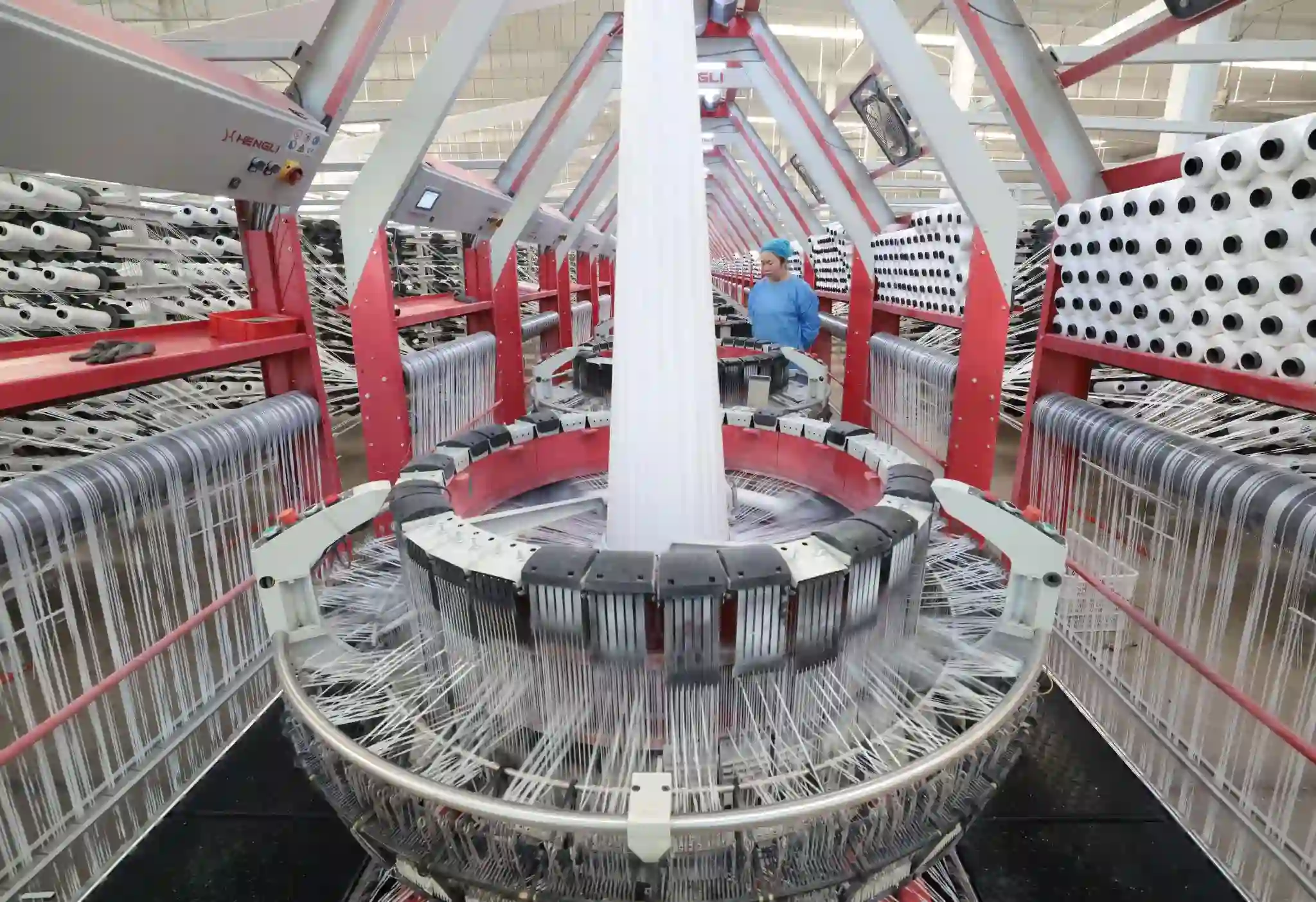
    China dominates the global supply of these critical packaging materials. Its matured plastics and textile industry, coupled with immense production capacity and advanced weaving technology, positions it as the premier sourcing hub for buyers worldwide. However, navigating the Chinese market requires an in-depth understanding of product specifications, regional specializations, and essential quality controls.

    This comprehensive procurement guide, modeled after expert sourcing methodologies, is designed to equip international buyers with the knowledge necessary to successfully source high-quality PP woven bags and FIBCs from reliable Chinese manufacturers.

    II. Product Type Introduction and Classification

    The term “woven bag” encompasses a broad range of products, each engineered for specific containment and logistics challenges. Understanding the core distinctions is the first step in successful sourcing.

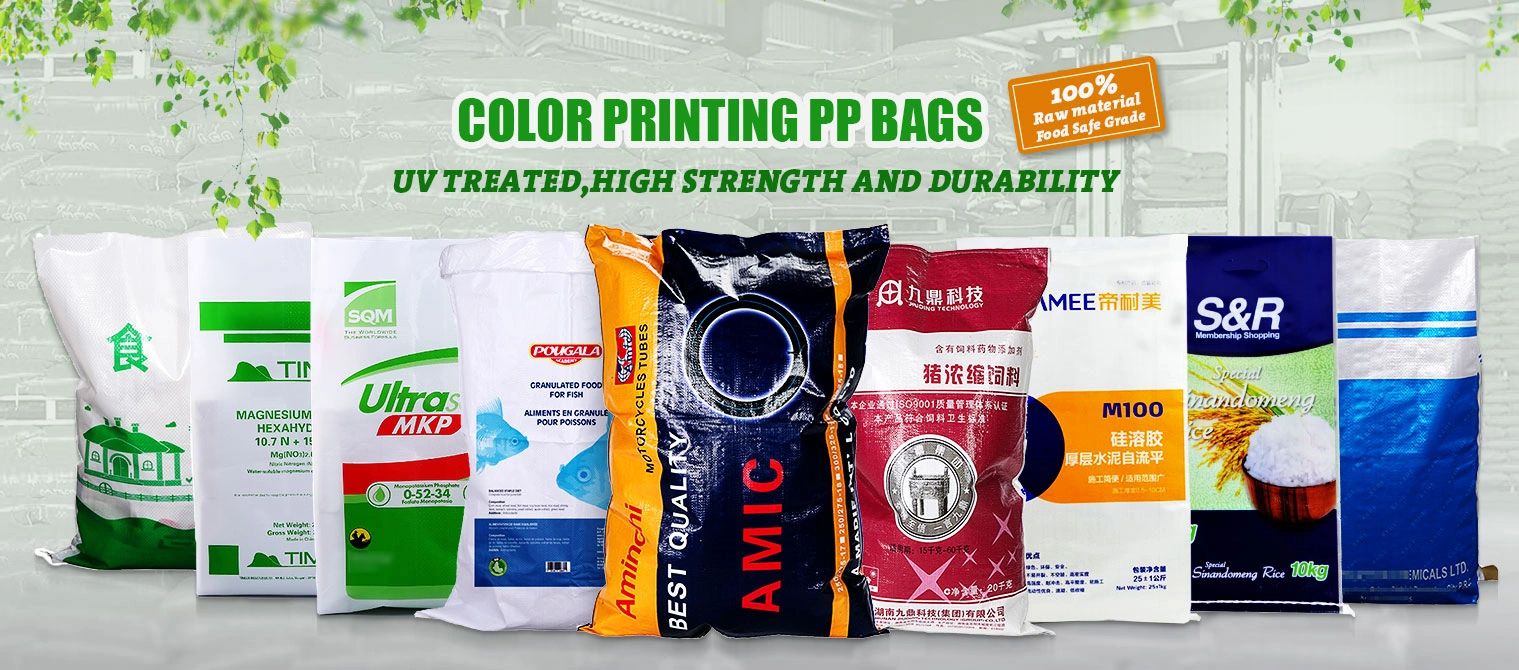
    A. Standard PP Woven Bags (Polypropylene Sacks)

    These are the most common form of woven packaging, typically designed to hold weights ranging from 5 kg to 100 kg.

    • Definition: Made from weaving flat strands (tapes) of polypropylene into a fabric, which is then cut, printed, and sewn into a sack shape.

    • Typical Applications: Packaging rice, flour, feed, fertilizers, salt, sand, and other granular goods.

    • Key Features: Lightweight, high tensile strength, excellent resistance to tearing and punctures. They can be single-stitched or double-stitched and often feature an open mouth or a heat-cut edge.

    B. Specialty & Laminated Woven Bags (High-Performance Sacks)

    To address specific requirements such as moisture barrier, enhanced aesthetics, or fine powder containment, standard bags are modified.

    1. BOPP Laminated Woven Bags (Bi-axially Oriented Polypropylene):

      • Function: A BOPP film, printed with high-resolution, photographic-quality graphics, is laminated onto the woven fabric.

      • Advantage: Offers superior visual appeal, moisture protection, and scuff resistance, making it ideal for retail-shelf products like premium pet food, specialized fertilizers, or branded rice.

    2. Lined or Coated Woven Bags:

      • Function: The woven fabric is coated with a thin layer of PP or PE resin (lamination) to seal the porous weave, providing a moisture barrier. Alternatively, an inner liner (usually a loose PE film bag) is inserted for maximum protection against humidity and fine powder leakage.

    3. Block Bottom/Valve Bags:

      • Function: Bags constructed with a rectangular block bottom (similar to paper sacks) and a self-sealing valve at the top.

      • Advantage: Maximizes pallet utilization, provides a stable, brick-like stack, and prevents product leakage, commonly used for packaging cement, drywall plaster, or chemical powders.

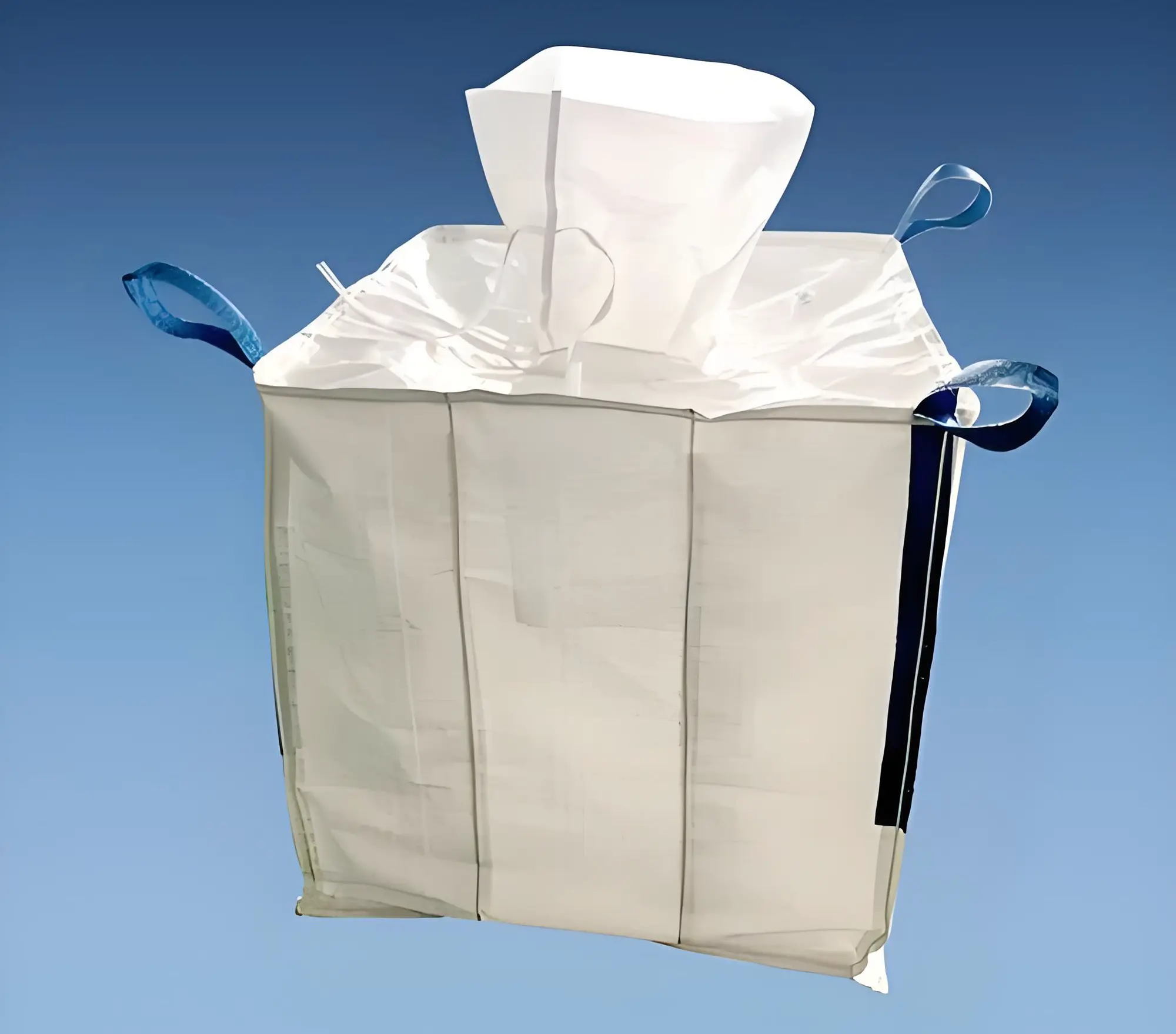
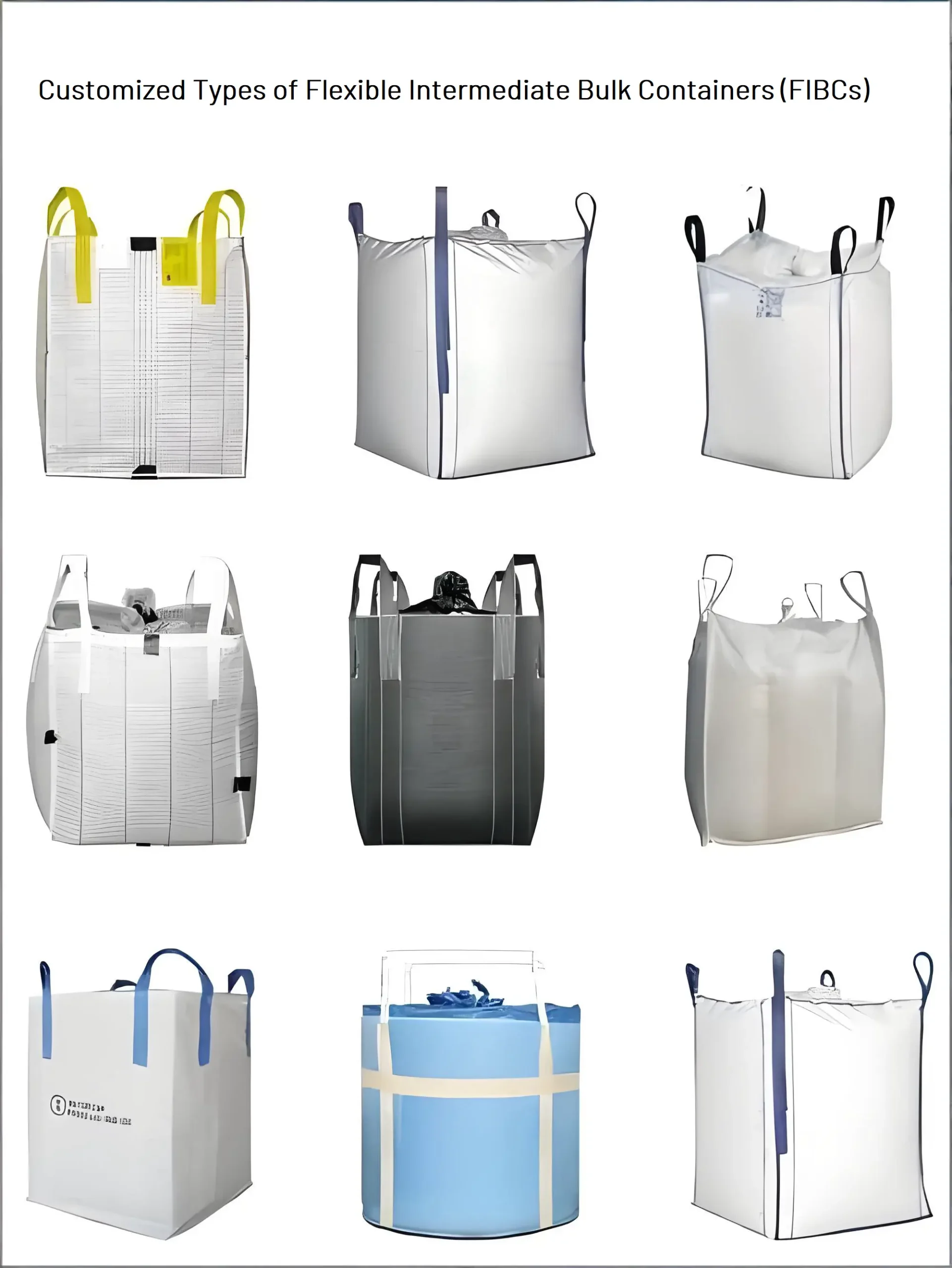
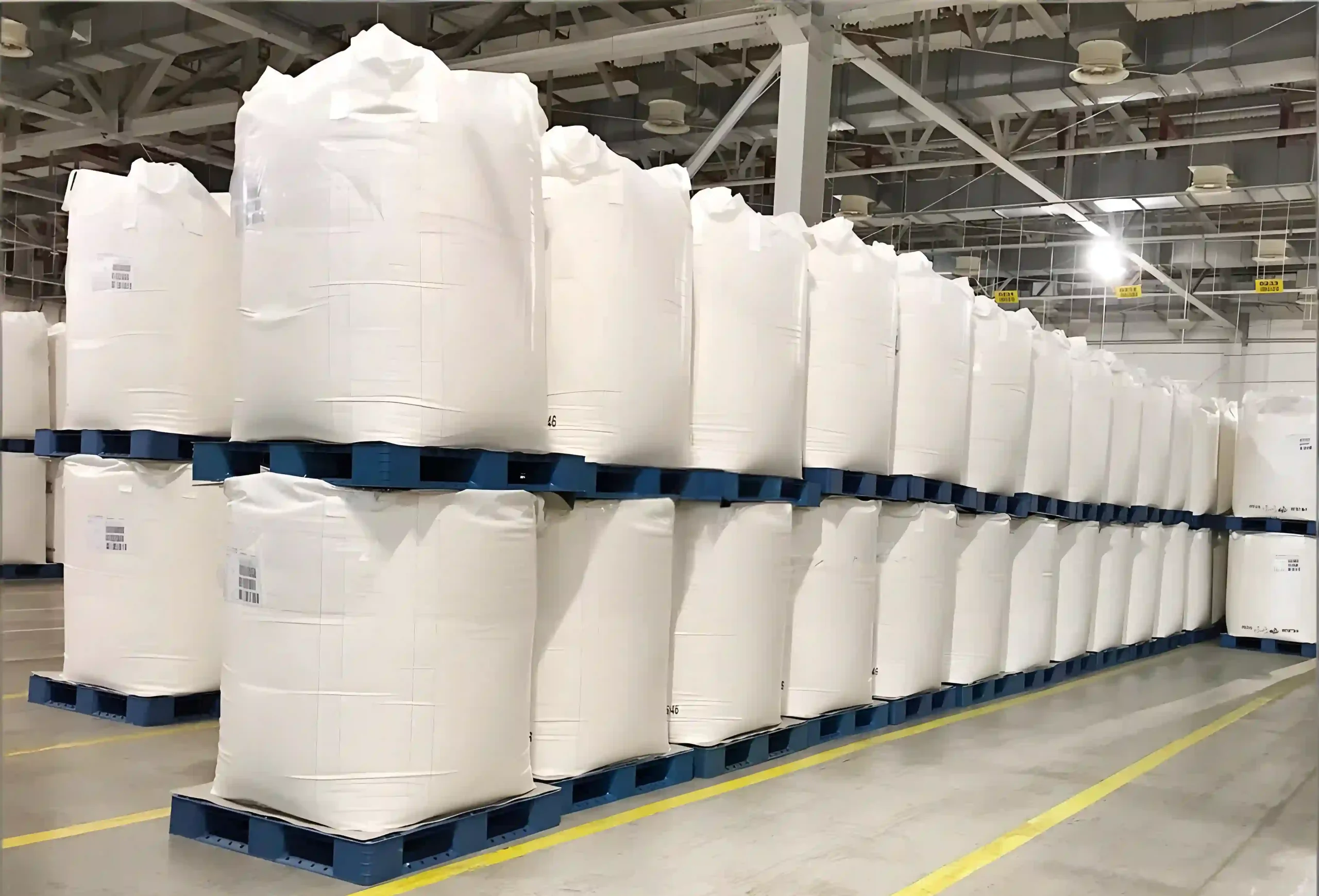
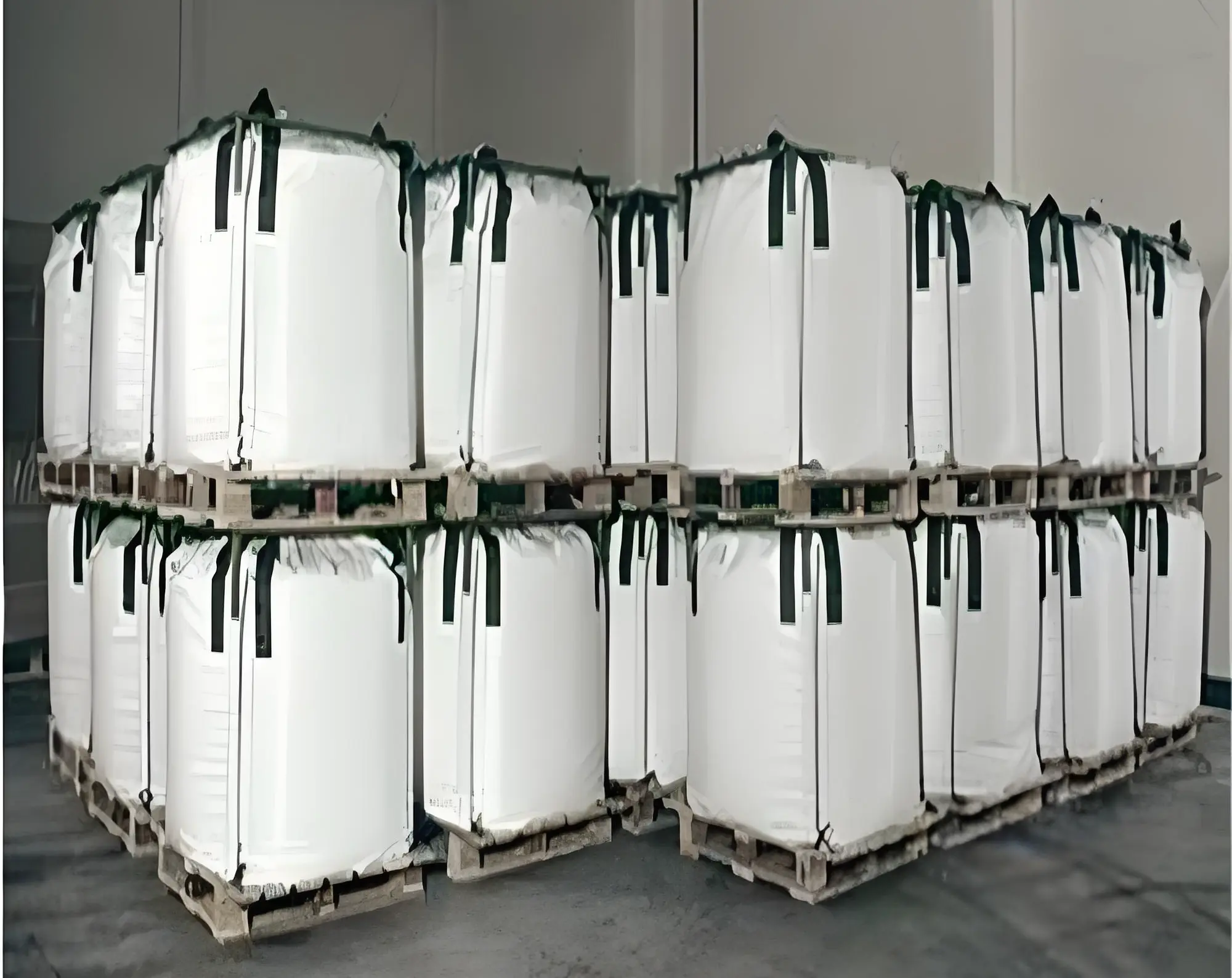
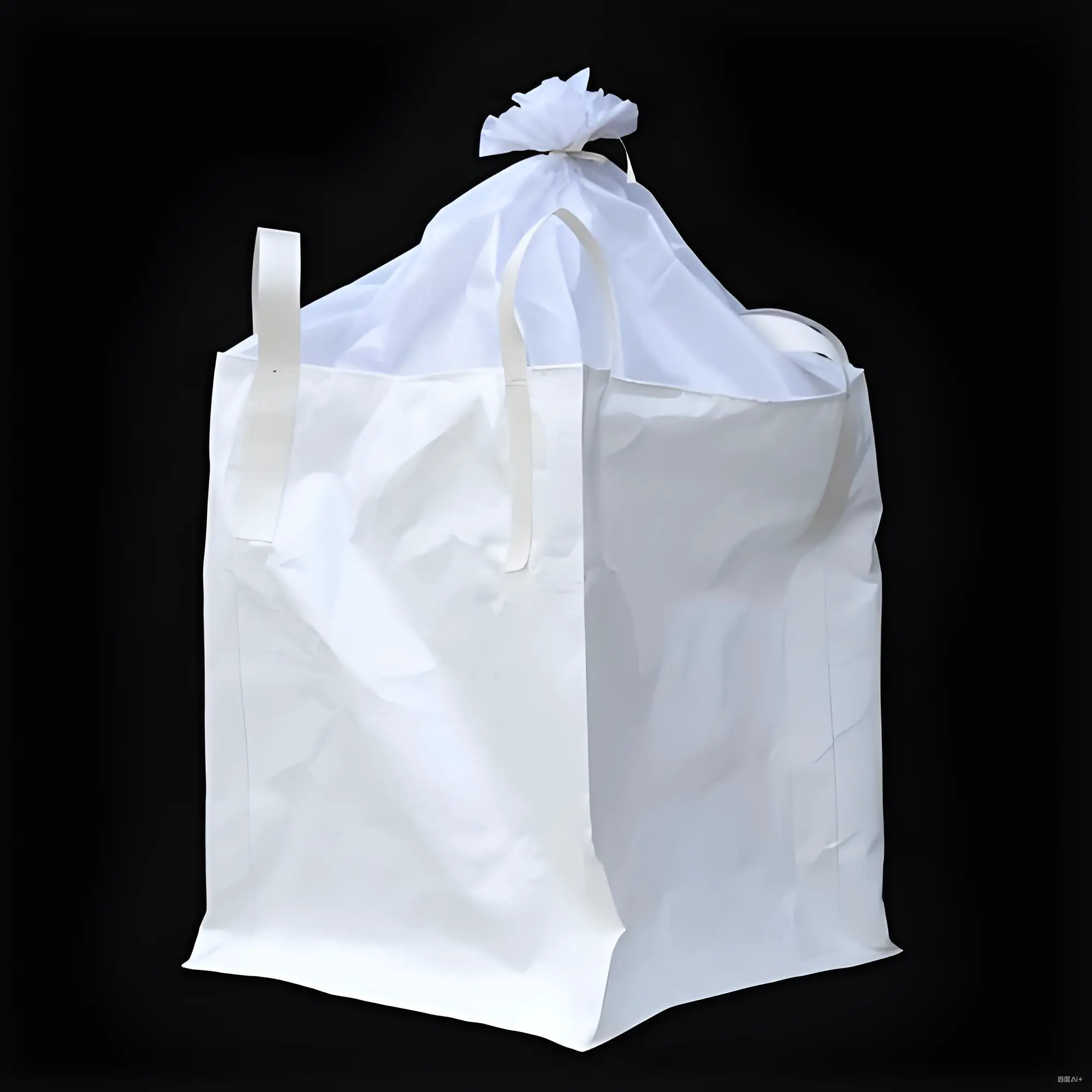
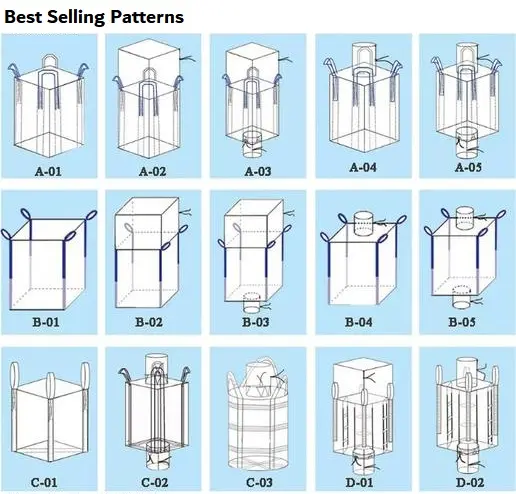
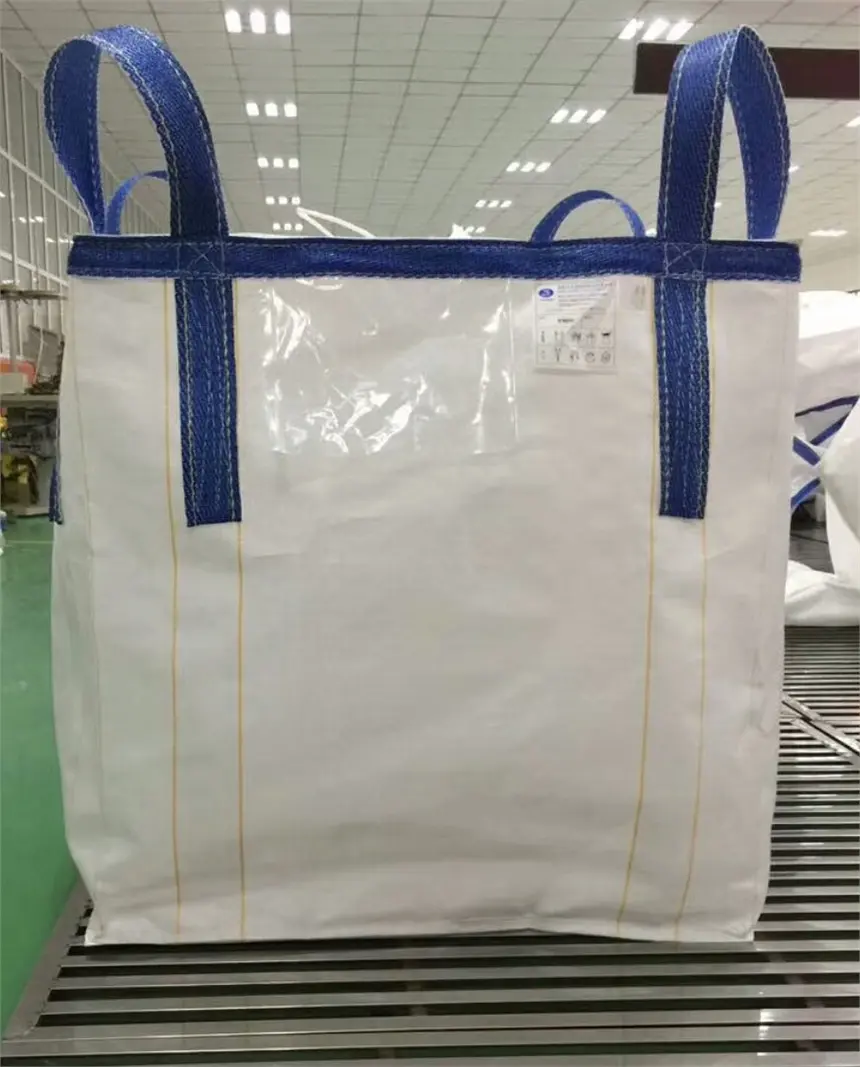
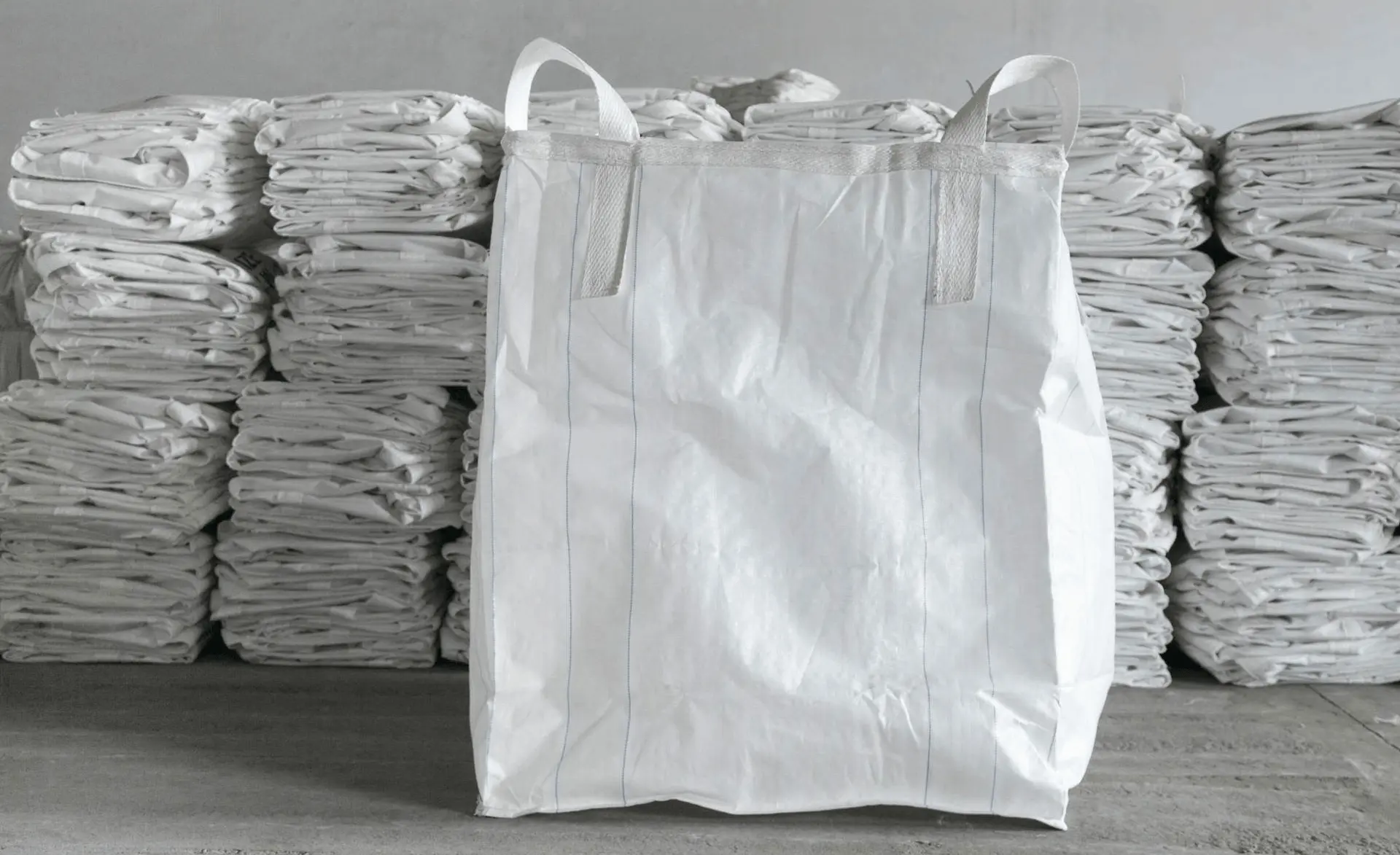
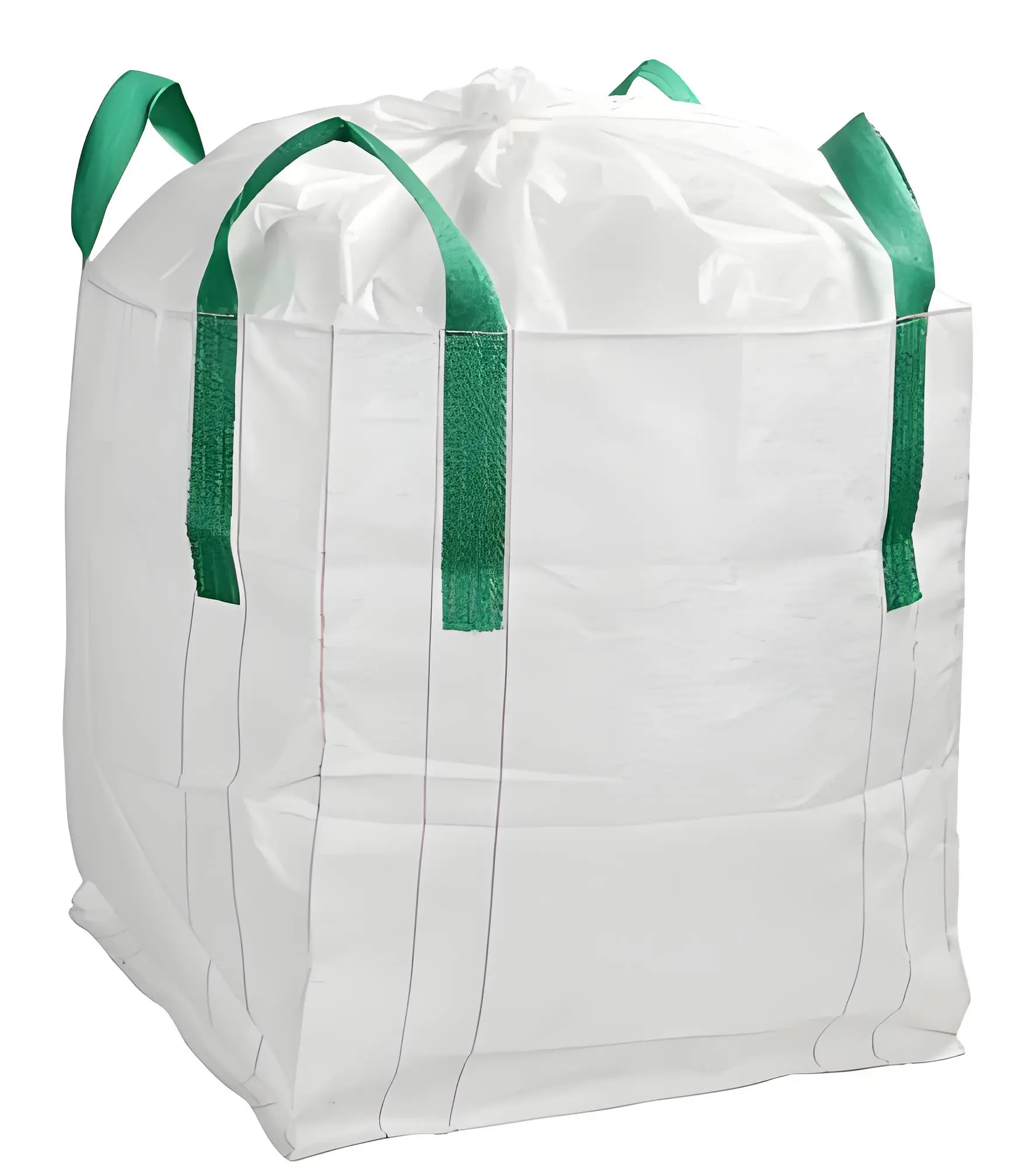
    C. Flexible Intermediate Bulk Containers (FIBCs) / Ton Bags / Jumbo Bags

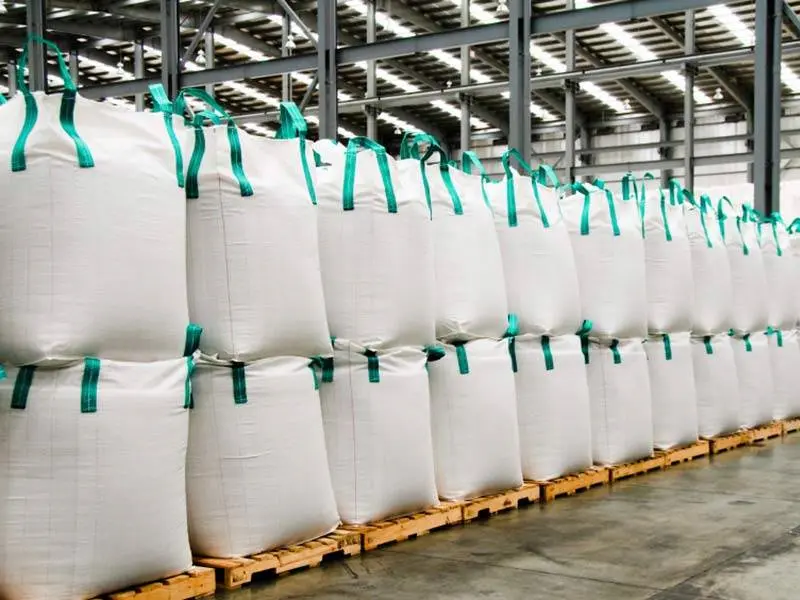
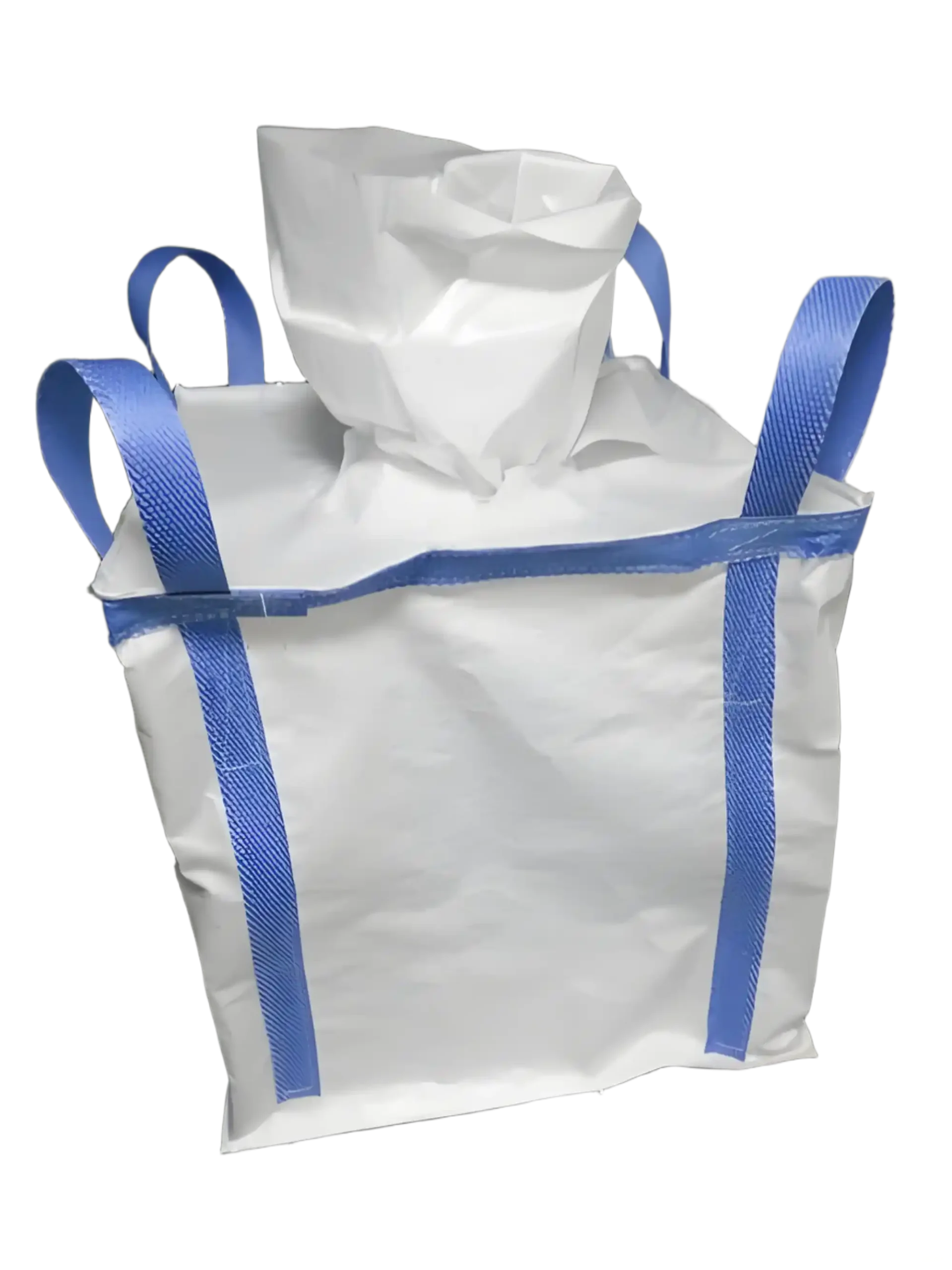
    FIBCs are designed for bulk handling, typically accommodating 500 kg to 2,000 kg of material. They are critical for efficient storage and shipping via rail, truck, or container ship.

    1. FIBC Construction Types:

      • U-Panel/4-Panel: Constructed from separate pieces of fabric sewn together, offering the best shape-holding capability and stability.

      • Circular/Tubular: Made from a single piece of woven fabric that forms the body, eliminating vertical seams and reducing the chance of failure (cost-effective).

      • Baffle Bags: Incorporate internal fabric panels (baffles) to maintain a square shape when filled. This maximizes container space (up to 30% more product) and prevents the “bellying” effect common in standard FIBCs.

    2. FIBC Safety and Electrical Types:

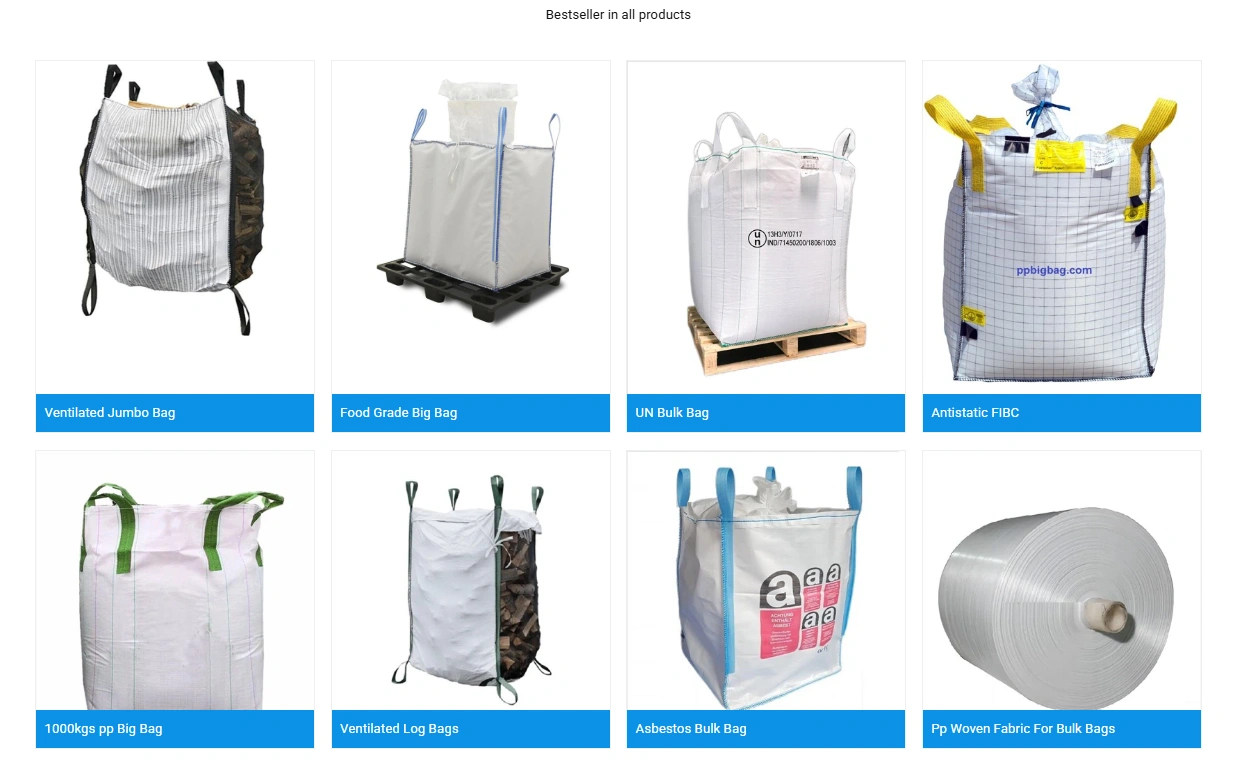
      • Type A: Standard FIBCs, no anti-static features. Safe for non-flammable products.

      • Type B: Designed to prevent propagating brush discharges by having a low breakdown voltage. Safe for dry, flammable powders, provided no flammable solvents or gases are present around the bag.

      • Type C (Conductive/Groundable): Constructed with interwoven conductive threads (often carbon fibers) that must be electrically grounded during filling/discharging to safely dissipate static charge. Essential for packaging highly flammable powders or use in highly flammable environments.

      • Type D (Dissipative/Anti-static): Made from static-dissipative fabric that does not require grounding. Utilizes specialty anti-static coatings to safely dissipate static charges into the atmosphere.

    III. Product Multi-functional Advantages

    The Chinese packaging industry has leveraged continuous innovation and economy of scale to endow their woven products with key functional advantages essential for modern logistics.

    1. Unmatched Durability and Mechanical Strength

    PP woven materials, especially high-denier tapes woven at high density, offer an exceptional strength-to-weight ratio. They are inherently resistant to most mild chemicals, corrosion, and biological damage. This resistance is crucial for agricultural and chemical goods that may undergo prolonged storage. The high tensile strength means these bags can survive the rigors of multi-modal transportation, including repeated lifting by forklifts and container stuffing.

    2. Versatile Moisture and Environmental Protection

    For products sensitive to moisture (e.g., cement, milk powder, chemicals), Chinese manufacturers offer highly effective barriers:

    • Lamination/Coating: A thin polymer coating prevents moisture from seeping through the weave. This lamination adds a few cents to the cost but exponentially increases the bag’s protective capability.

    • UV Stabilization: For products stored outdoors (such as minerals or construction materials), manufacturers incorporate UV-resistant additives into the PP resin during the tape extrusion process. This stabilization extends the bag’s service life significantly, often rated for 1,600 to 3,000 hours of sunlight exposure, preventing premature degradation and catastrophic failure during transport and storage.

    3. High-Fidelity Customization and Branding

    The shift towards BOPP lamination has transformed PP woven bags from plain packaging into powerful branding tools. Chinese printing capabilities allow for up to 10-color photorealistic printing, ensuring that the final package commands attention on a retail shelf or maintains corporate branding standards, even in industrial settings. Furthermore, customization extends to every dimension: loop type, spout size, skirt top, and vent panels.

    4. Cost-Efficiency and Sustainable Sourcing Options

    China’s massive raw material market and highly automated factories drive down unit costs, making PP woven packaging one of the most cost-effective bulk solutions available globally. Furthermore, in response to global sustainability trends, many Chinese manufacturers now offer:

    • Recycled Content Bags: Utilizing high-quality post-consumer or post-industrial recycled PP (often GRS certified). This allows buyers to meet their own sustainability targets while still benefiting from the cost advantage.

    • Single-Material Designs: Creating bags (e.g., liner-less, non-laminated) that are easier for importers to recycle at the end of their lifecycle, simplifying waste management for the end user.

    IV. Key Specifications and Critical Parameters

    In sourcing woven bags, specifications are not suggestions—they are precise engineering requirements that dictate the bag’s performance and safety. Misunderstanding these parameters is the primary cause of shipment failures.

    Parameter Description Criticality
    Safety Factor (SF) The ratio of the maximum load the bag can sustain to its nominal Working Load Limit (WLL). High. Standard is 5:1 (Single Trip use). 6:1 is required for multi-use or UN Certified bags, signifying a higher strength margin.
    Working Load Limit (WLL) The maximum safe weight (in kg/lbs/tons) the bag is designed to carry. High. Must be clearly marked and strictly adhered to. Exceeding the WLL is dangerous and voids warranties.
    Fabric Weight (GSM) Grams per Square Meter. Determines the thickness and inherent strength of the woven fabric. High. Typically ranges from 140 GSM to 240 GSM for FIBCs, and 50 GSM to 120 GSM for sacks. Lower GSM means lower material cost but greater risk of tear.
    UV Stabilization Measured in hours (e.g., 1,600 hours or 3,000 hours). The time the bag can resist UV degradation before losing a certain percentage of its strength. Medium/High. Crucial for agricultural and construction materials stored outdoors for months.
    Material Composition Percentage of virgin PP vs. recycled PP. Virgin PP offers guaranteed consistency and strength. Food-grade applications must use 100% virgin resin. High. Must meet regulatory or food-grade standards (e.g., FDA/EU food contact).
    Weave Density Number of tapes (ends and picks) per unit of measurement (e.g., per 10 cm). Directly impacts puncture resistance and overall tensile strength. High. A tighter weave is essential for fine powders to prevent sifting.
    Lifting Loop Strength The construction (Cross-corner, Side-seam) and material of the loops. Loops must withstand 2-3 times the WLL during testing. High. Loop failure is the most common point of FIBC breakage during handling.

    V. China’s Industrial Cluster Regions

    The concentration of manufacturers in specific regions provides buyers with distinct logistical and price advantages based on the product type they require.

    1. Shandong Province: The FIBC and Industrial Bulk Powerhouse

    Shandong province stands as the undisputed champion of large-scale industrial packaging in China, particularly for FIBCs and heavy-duty PP woven sacks.

    • Key Hubs: Qingzhou, Zibo, Taian, Linyi and parts of Qingdao.

    • Specialization: This region houses factories with vast weaving and laminating capacity, specializing in Type C and D conductive bags, UN-certified hazardous goods bags, and multi-trip FIBCs used for minerals, chemicals, and construction materials.

    • Advantage: These manufacturers typically possess advanced, vertically integrated production lines, rigorous in-house testing labs, and decades of experience in high-volume, export-quality FIBC manufacturing, serving the world’s largest chemical and mining corporations.

    2. Zhejiang Province: Consumer-Grade and BOPP Experts

    Zhejiang, especially cities like Wenzhou and proximity to Yiwu, is a core cluster for consumer packaging and high-aesthetic sacks.

    • Key Hubs: Wenzhou (known for flexible packaging).

    • Specialization: Wenzhou-based companies excel in BOPP laminated woven bags, small to medium-sized PP sacks, and woven tote/shopping bags. They focus heavily on high-resolution printing and customization, targeting the retail, food, and agricultural sectors requiring eye-catching shelf presence.

    • Advantage: Suppliers here are highly responsive to custom orders, offer competitive pricing for medium volumes, and benefit from excellent port logistics in Ningbo and Shanghai.

    3. Hunan Province: The Cement and Fine Powder Specialists

    Specific areas in Hunan, such as Yiyang, have developed a niche expertise focusing on block bottom and valve bag technology.

    • Specialization: Manufacturing the specialized, automated valve bags used extensively for cement, mortar, gypsum, and other fine construction powders. These bags require precise valve formation and high-speed filling capabilities.

    • Advantage: Manufacturers are highly experienced in the precise machinery and material specifications needed to ensure the self-sealing valve functions perfectly under high-speed filling conditions.

    VI. Main Domestic Manufacturers in China

    Leading Chinese manufacturers distinguish themselves through scale, quality control, and international certification. While the market is fragmented, certain large-scale enterprises, particularly in the Shandong FIBC cluster, lead in export volume and technical compliance. Buyers are advised to prioritize working with companies that exhibit the following profiles:

    A. Leaders in FIBC/Jumbo Bag Production (Shandong-based Examples)

    These companies often maintain large, dedicated factories with specialized testing capabilities necessary for bulk transportation safety.

    • Shandong Dapoly Group Co., Ltd. (DAPOLY): https://www.dapoly.com A large, vertically integrated group founded in 1997. They control the entire process from plastic extrusion to the final product. Dapoly is known for a wide range of products including FIBCs and woven bags, backed by stringent international certifications (often including FDA, HACCP, and ISO standards).

    • Shandong (Jinyangguang) Golden Sunshine New Material Technology Co., Ltd.: http://www.sunpack.com.cn/ Located in Linyi (Shandong), this manufacturer focuses heavily on export-grade PP Jumbo Bags (Big Bags). They are often recognized for their complete product lines, competitive pricing, and strong reputation for short lead times on high-volume FIBC orders.

    • Shandong Guansong Industrial Co.,Ltd.: https://www.ppbigbag.com A major player specializing in high-compliance FIBCs, including sophisticated variants like UN Certified Bags (for hazardous materials), Antistatic Bags (Type C and D), and Food Grade Bags, serving global clients in highly regulated industries.

    • Zibo Yundu Plastic Products Co., Ltd.: https://www.ydbags.com A high-capacity FIBC supplier in the Zibo cluster, known for producing bulk bags tailored for specific materials like stone, seafood, and large sands, indicating diverse load testing capabilities.

    B. Leaders in High-End & Specialty Sacks (Others)

    These companies focus on material specialization and advanced printing/lamination technologies.

    • Linyi Donglian Import & Export Co., Ltd.: https://www.ppbagwoven.com While located near the Shandong hub, Linyi Donglian is a significant player across jumbo bags, standard PP woven sacks, and mesh bags, demonstrating massive production capacity and a broad product portfolio crucial for diversified buyers.

    • Taihua Plastic Products Co., Ltd (Shanghai/Jiangsu): http://www.taihuapackaging.com/ Although located outside the main Shandong cluster, Taihua is a highly reputable enterprise group known for specializing in high-performance, complex bags such as conductive bags, dangerous goods bags, and clean bags, often servicing pharmaceutical and high-tech chemical clients.

    Buyer Strategy: When engaging with these leading firms, leverage their scale to negotiate price, but emphasize the use of their most sophisticated quality control processes and highest certification levels (e.g., asking a Dapoly or Guansong to apply their UN-certified testing protocols to your standard FIBC order).

    VII. Essential Certification and Compliance Requirements

    Certifications are non-negotiable proof that a Chinese manufacturer can meet global quality, safety, and ethical standards. Failure to confirm relevant certifications can lead to disastrous customs rejections or catastrophic product failures.

    1. Foundational Quality and Environmental Standards

    • ISO 9001:2015 (Quality Management): The basic requirement. This confirms the manufacturer has a documented, functioning quality management system from raw material inspection through to final dispatch, ensuring traceability.

    • ISO 14001:2015 (Environmental Management): Essential for demonstrating a commitment to environmental responsibility in the manufacturing process (e.g., waste management, energy consumption).

    • GRS (Global Recycled Standard): Increasingly sought after by North American and European buyers to verify the exact percentage and source of recycled PP content in the bag, providing a reliable chain of custody for sustainability claims.

    2. Sector-Specific Safety and Compliance

    Certification/Standard Required For Purpose
    UN Certification FIBCs used to transport dangerous goods (e.g., certain chemicals, infectious waste). Confirms the bag passed rigorous drop, stack, and tear tests specific to the product hazard level, enabling legal international shipment of hazardous materials.
    HACCP / FSSC22000 / BRCGS Bags intended for direct food contact (e.g., sugar, flour, feed ingredients). Guarantees the bags are manufactured in a hygienic, controlled (cleanroom) environment, free from contaminants, and compliant with global food safety standards. BRCGS (Global Standard for Packaging Materials) is often the highest packaging safety benchmark.
    IEC 61340-4-4 Type C (Conductive) and Type D (Anti-static) FIBCs. Certifies the bag’s electrical conductivity or static dissipation properties are functional and safe for use in explosive atmospheres (e.g., grain silos, dusty chemical environments).
    BSCI / Sedex Manufacturers serving socially conscious brands or retailers (EU/US). Focuses on labor standards, ensuring ethical working conditions, fair wages, and compliance with local labor laws throughout the supply chain.

    VIII. Critical Purchasing Notes for Importers

    The final step is translating the technical requirements into a robust procurement process. Avoiding common pitfalls can save significant time and money.

    1. Never Buy on Price Alone: The Hidden Cost of Low GSM

    The biggest sourcing mistake is chasing the lowest unit price, which almost always means sacrificing fabric GSM (weight/thickness) and using lower-grade, non-virgin PP resin. The cost of a single shipment failure (product loss, cleanup, legal fees) dwarfs the savings from a thinner bag. Always verify GSM, weave density, and the resin’s Melt Flow Index (MFI) via a third-party inspection before shipment.

    2. Demand Detailed Technical Data Sheets (TDS)

    Do not rely on pictures or vague descriptions. A professional Chinese manufacturer must provide a TDS for every FIBC or custom sack order, detailing:

    • WLL and SF rating (e.g., 1000kg @ 5:1 SF).

    • The exact resin grade used (e.g., 100% Virgin PP, Raffia Grade).

    • UV stabilization hours (e.g., 1,600 hours).

    • Seam strength guarantees (in N/mm).

    • A certified test report from their in-house or third-party lab matching the bag specification.

    3. The Crucial Role of Third-Party Quality Control (QC)

    For bulk orders, a pre-shipment inspection (PSI) is mandatory, focusing on:

    • Destructive Testing: Observing the supplier perform certified load and drop tests on a sample batch of FIBCs to ensure they meet the WLL and SF rating.

    • Dimensional Checks: Verifying the bag’s height, width, and loop length conform to the specified dimensions for automated filling lines. Loop height variance can cause serious issues with forklift handling.

    • Visual and Contamination Checks: Ensuring printing registration is accurate, there are no missing stitches, and, critically for food-grade bags, that the inside of the bag is clean, dry, and free from loose threads, lint, or debris.

    4. Managing Freight and Logistics

    PP woven bags and FIBCs are volumetrically large. Shipping costs are often governed by Cubic Meters (CBM), not just weight.

    • Maximizing Container Space: Discuss packaging and folding techniques with the supplier. Ask them to maximize the bags per pallet and to compress the final palletized goods to minimize air space, ensuring you get the maximum quantity in a 20ft or 40ft HQ container. Leading suppliers have automated compression systems.

    • Documentation: Ensure all required customs documentation—Certificate of Origin, Bill of Lading, and, most importantly, the relevant Certification Certificates (ISO, UN, BRCGS)—are correctly prepared and match the order specification exactly to avoid customs delays.

    By following this structured approach—understanding the product’s technical classification, targeting the correct manufacturing cluster, verifying adherence to rigorous international standards, and engaging with documented industry leaders—importers can establish a successful, high-quality, and reliable supply chain for woven packaging from China.

    IX. Choosing IMEXsourcing as Your Sourcing Partner for PP Woven Jumbo Bags (FIBCs) in China

    When it comes to procuring high-quality PP Woven Jumbo Bags (also known as Flexible Intermediate Bulk Containers or FIBCs) from China, partnering with an experienced and reliable sourcing agent is paramount. IMEXsourcing stands out with a comprehensive service suite designed to streamline your acquisition process and secure exceptional value. Here are compelling reasons to select IMEXsourcing for your next FIBC purchase:

    Extensive Procurement Expertise

    IMEXsourcing boasts a profound and long-standing history in the sourcing industry, enabling us to proficiently identify and connect with a wide range of reputable Chinese PP woven bag and FIBC suppliers. Our deep market knowledge ensures we match you with manufacturers known for reliability and superior products, covering everything from specialized high-compliance FIBCs (e.g., UN Certified bags for hazardous goods, Type C/D Anti-Static bags, Food Grade BRCGS-certified bags) to mass-produced standard solutions (e.g., 5:1 single-trip U-panel bags, tubular construction sacks, laminated PP woven bags) and custom-labeled sets.

    Bespoke Design Solutions

    We understand that unique commodity needs often demand tailored solutions. IMEXsourcing empowers you to commission FIBCs aligned with your specific packing requirements—whether it’s specific materials (high-UV stabilized resin, low-MFI virgin PP for strength), construction styles (e.g., baffle bags for max container space, duffle top/discharge spout closures, cross-corner lift loops), or practical details (custom Working Load Limits (WLLs), specific fabric weights in GSM, or precise coating thickness for moisture protection). Each product is precisely engineered to your specifications, ensuring perfect alignment with your logistics and safety requirements.

    Thorough Supplier Verification

    Our commitment to quality begins with rigorous due diligence. We conduct comprehensive factory audits for all potential manufacturers, verifying their production capabilities (e.g., daily output of FIBCs, inventory of weaving looms, in-house lamination capacity), assessing quality control protocols (e.g., tape tensile strength testing, seam strength analysis, raw material resin MFI checks), and ensuring full compliance with domestic and international industry standards (such as ISO 9001 for quality management, UN Certification requirements, AIB/BRCGS for food-grade compliance) and legal requirements.

    Expert Price Negotiation

    Leveraging our veteran status and in-depth understanding of market dynamics, IMEXsourcing excels in negotiation. This expertise allows us to secure the most favorable pricing and terms with top-tier FIBC manufacturers renowned for their craftsmanship (e.g., precise loop attachment, reinforced seams), material control (e.g., guaranteed virgin PP use, certified UV additives), after-sales service, and cost efficiency, optimizing your investment.

    Stringent Quality Assurance

    IMEXsourcing implements a robust quality management framework spanning the entire procurement cycle, including careful supplier selection, diligent production oversight (such as checking final bag dimensions, fabric GSM uniformity, and loop-to-body connection integrity), and thorough pre-shipment testing (such as mandatory Safety Factor (5:1 or 6:1) destructive testing, certification of WLL performance, and packaging compression-resistance tests), guaranteeing the integrity and performance of your PP Woven Jumbo Bags.

    X. Conclusion

    In conclusion, the Chinese PP Woven Jumbo Bag (FIBC) market presents abundant opportunities for global buyers. By carefully researching product categories (from affordable standard U-panel FIBCs to high-compliance UN Certified bags, specialized Type C/D Anti-Static containers, and complex Baffle Bags), clarifying technical specifications (such as Safety Factor (SF) ratings, fabric GSM and UV stabilization requirements, and specific loop strength certifications), and following a systematic procurement process, importers can source high-quality, cost-effective FIBCs to meet diverse bulk material demands—whether for the agricultural, chemical, construction, or mining sectors.

    Partnering with IMEXsourcing provides critical protection for your procurement journey. We understand that the FIBC industry, while stable, requires constant due diligence to mitigate risks associated with sudden factory issues or capacity shortfalls that can lead to order disruptions and advance payment losses. Therefore, we specifically offer factory investigation services: through on-site inspections, we verify the actual operating status of manufacturers (e.g., the operational status of weaving looms and tape extrusion equipment, the stability of the technical employee base), financial health (e.g., checking for potential cash flow problems), and past performance records (e.g., whether there are order delays for critical compliance bags). This helps you screen out high-quality manufacturers with stable operations and strong risk resistance from the source, completely avoiding financial losses and procurement delays caused by unstable supplier performance.


    Message us for more information

    Please let us know your request, we will get back to you within 24 hours.

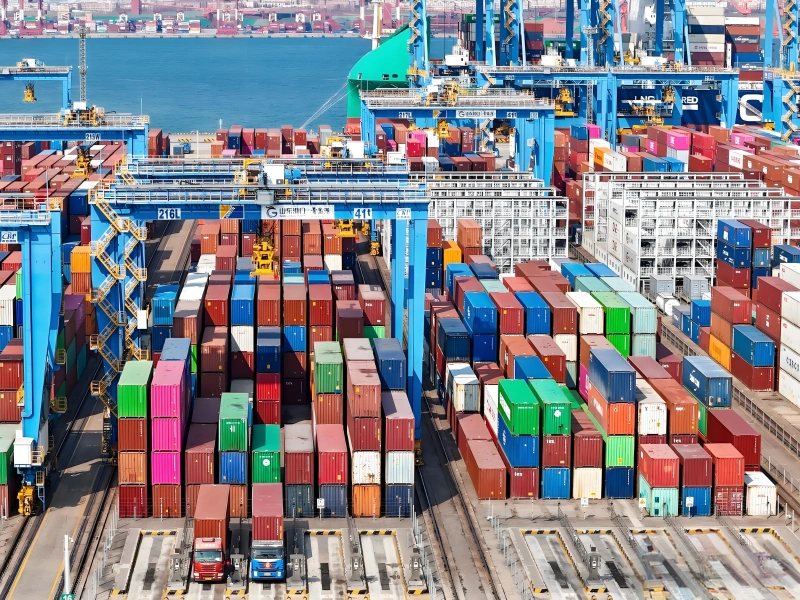
      Navigating the Dragon’s Den: A Comprehensive Guide to Sourcing Shipping Containers from China

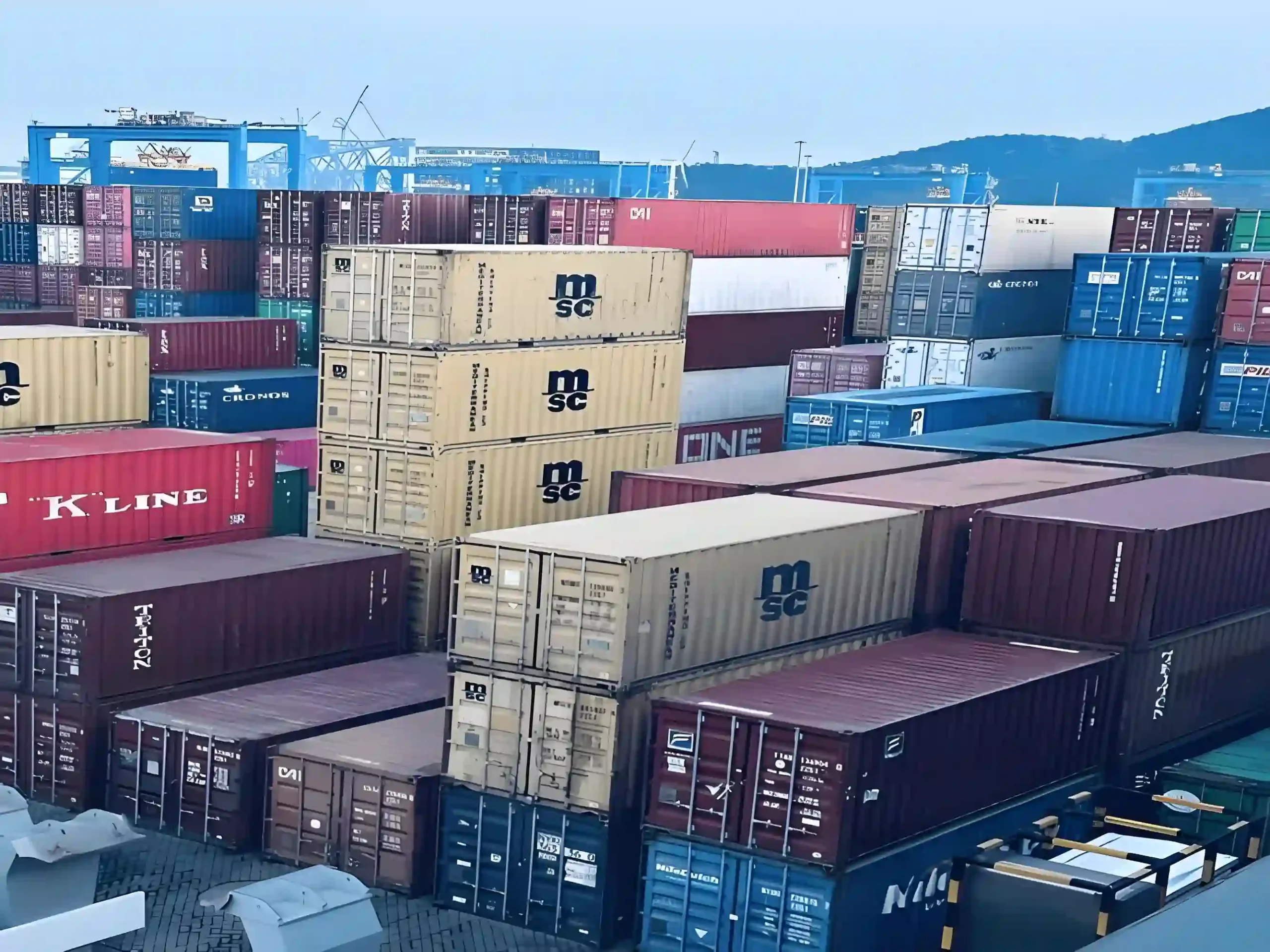
      China stands as the undisputed global leader in shipping container manufacturing, producing an overwhelming majority of the world’s containers. For businesses worldwide, sourcing containers directly from China offers significant advantages, including competitive pricing, vast production capacity, and a wide array of specialized options. This guide delves into the intricacies of procuring shipping containers from China, covering everything from product types and specifications to key manufacturers, essential certifications, purchasing considerations, and the strategic advantages of using Shipper-Owned Containers (SOCs).

      I. Introduction to Chinese Container Manufacturing

      The Chinese container industry has witnessed exponential growth since its inception in the late 1970s and early 1980s. What began with modest production has transformed into a colossal industry, with China accounting for over 96% of the world’s container manufacturing capacity. This dominance is not just in volume but also in diversity, with over 900 types of containers now produced to meet varied global demands. The continuous surge in production, even surpassing previous records, underscores China’s pivotal role in supporting global trade and logistics. This robust manufacturing ecosystem ensures that despite global trade fluctuations, the supply of new containers remains abundant, mitigating equipment shortages.

      II. Product Type Overview: From General Purpose to Specialized Solutions

      China’s container manufacturers offer an extensive range of container types, each designed for specific cargo requirements. Understanding these types is crucial for making informed purchasing decisions:

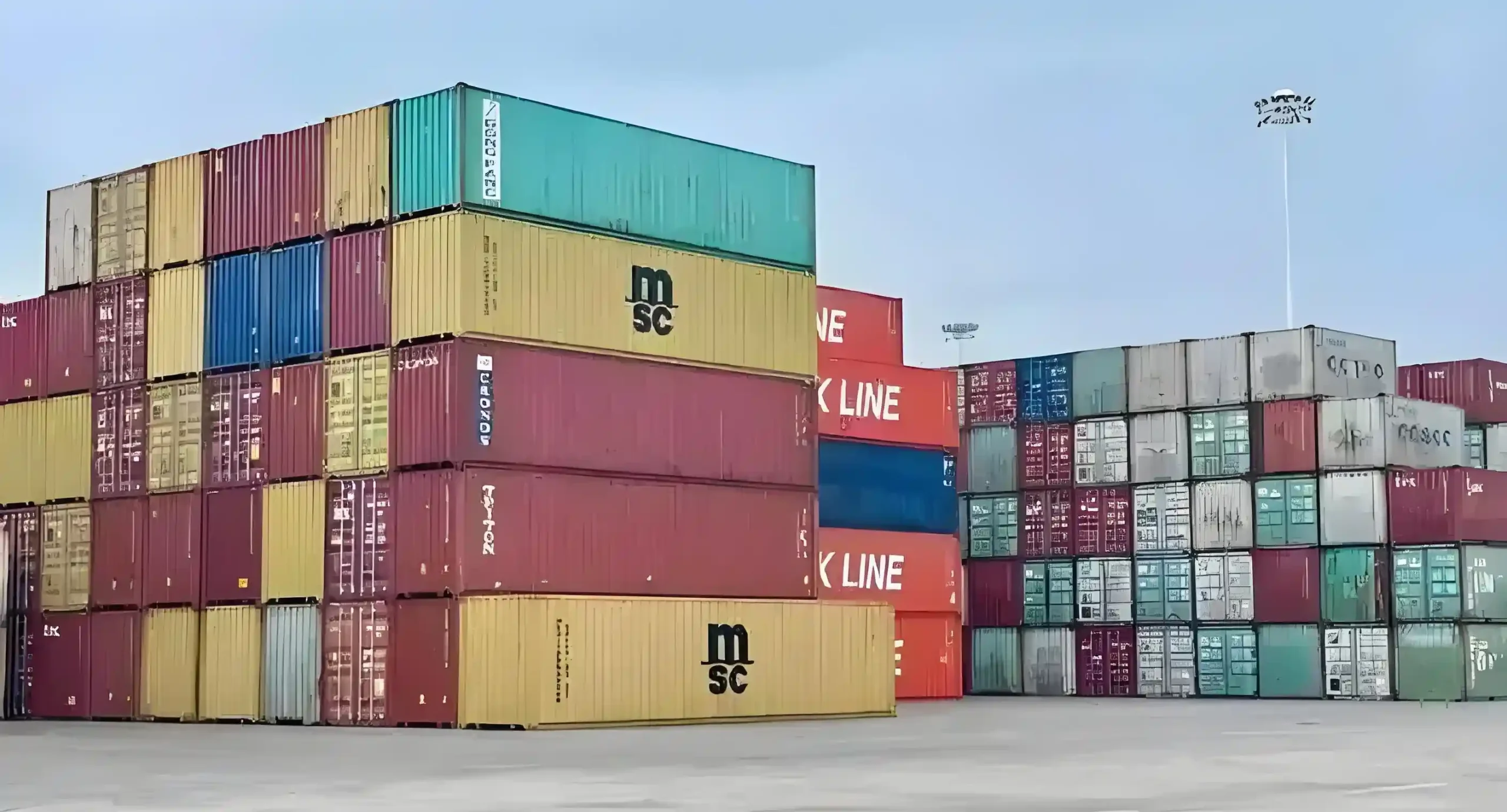
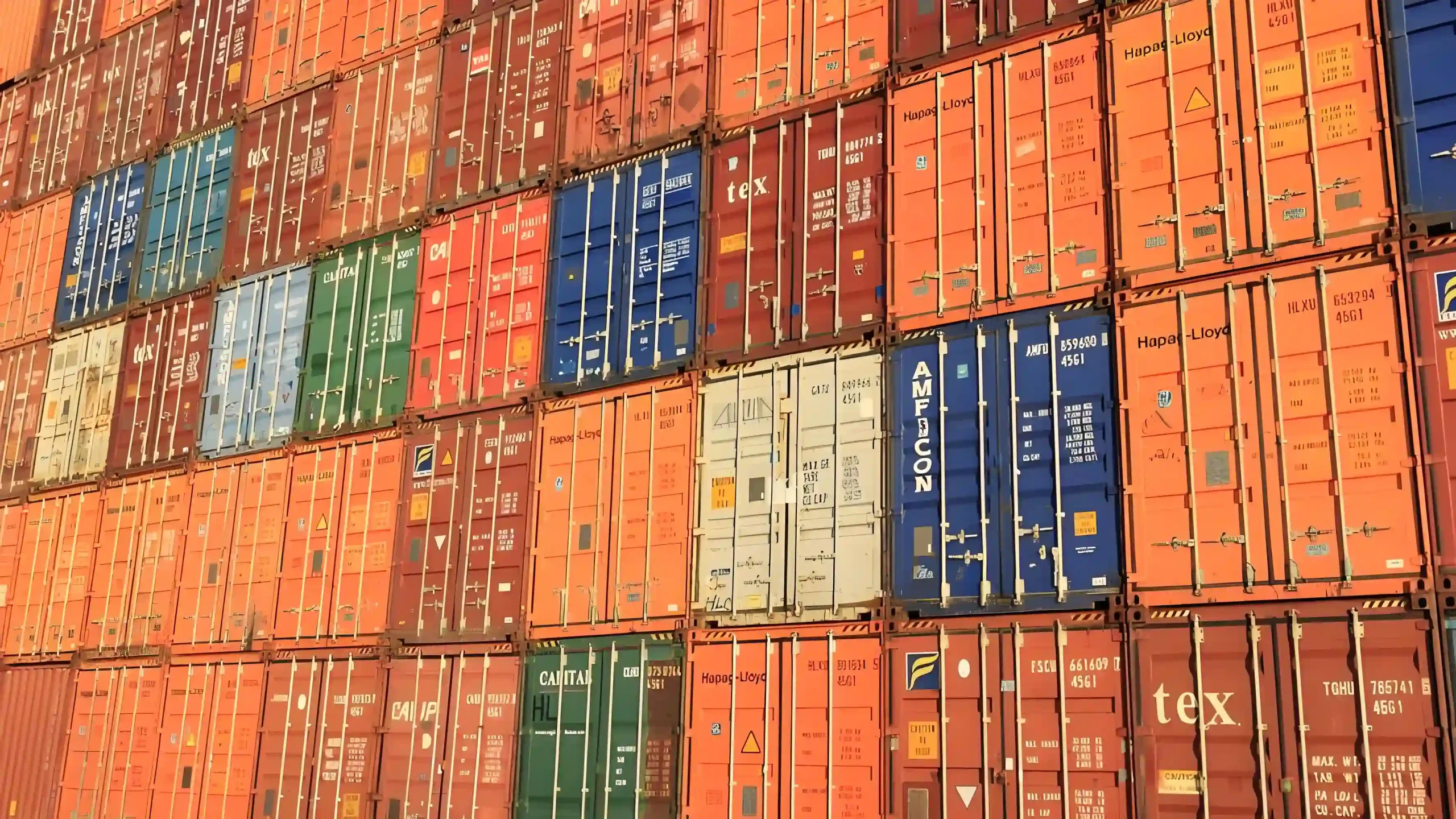
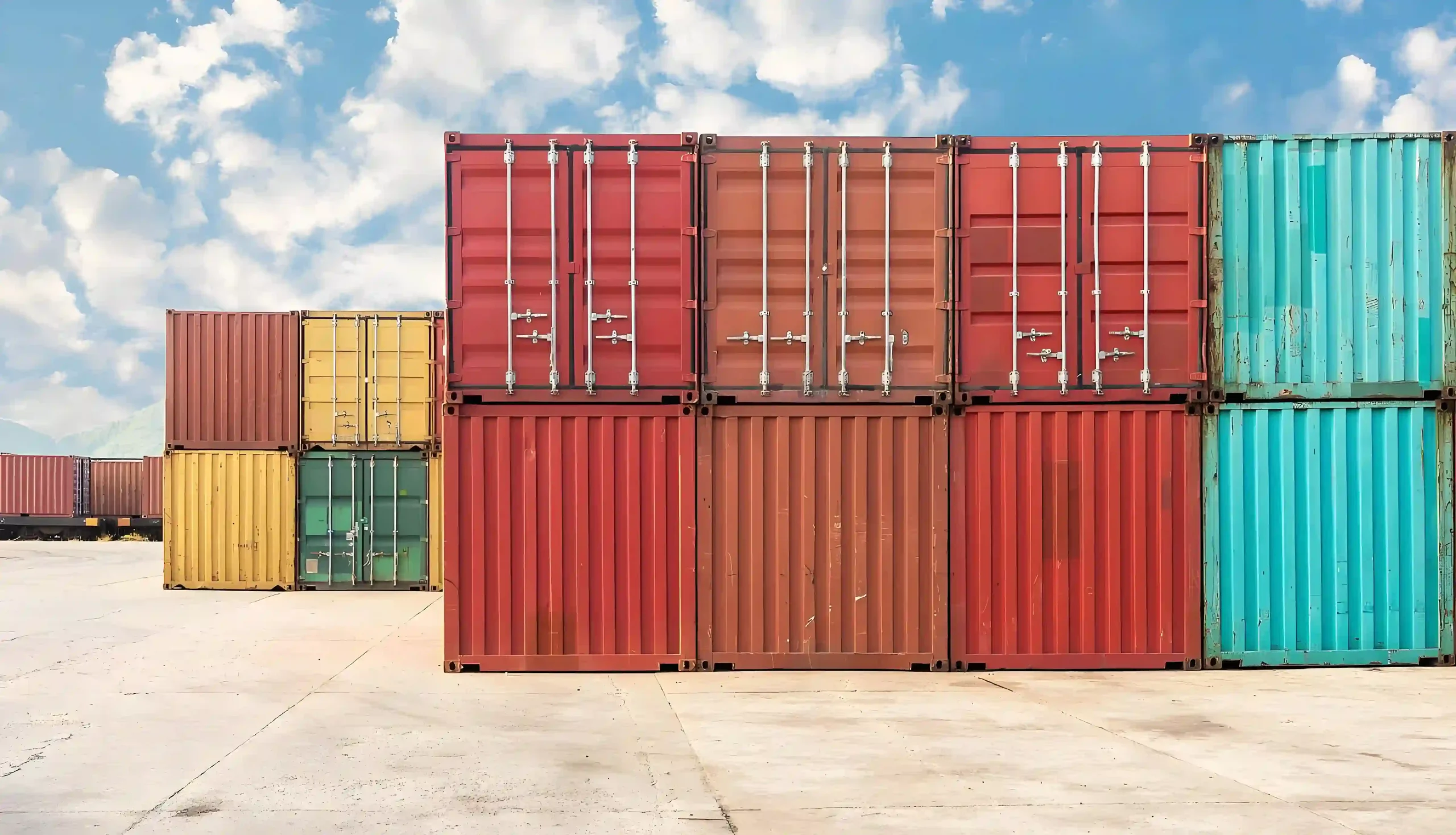
      • General Purpose Dry Containers (普柜 – Standard Containers): These are the most common type, used for transporting various dry goods. They are fully enclosed, wind and watertight, and come in standard lengths like 20ft and 40ft.

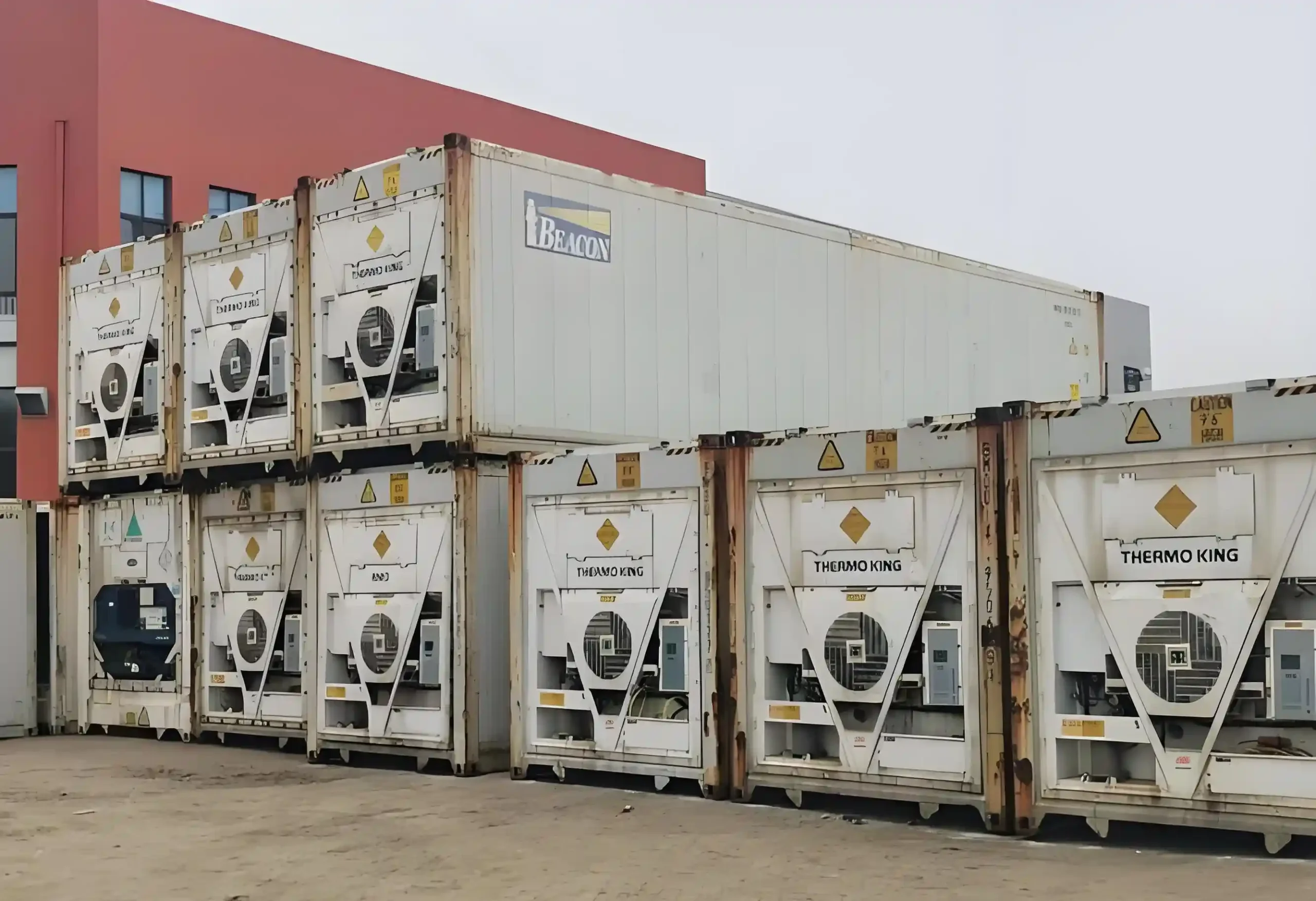
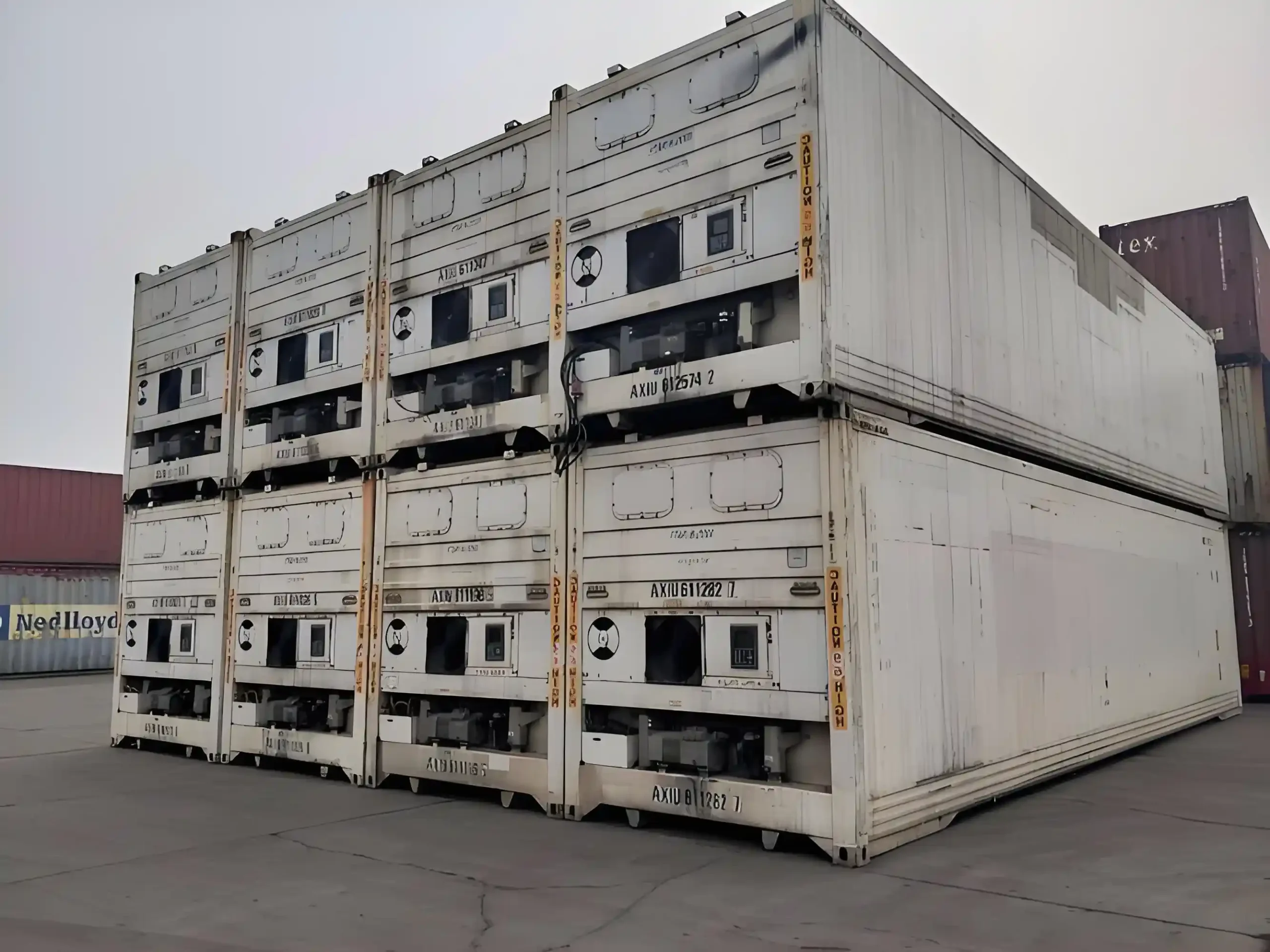
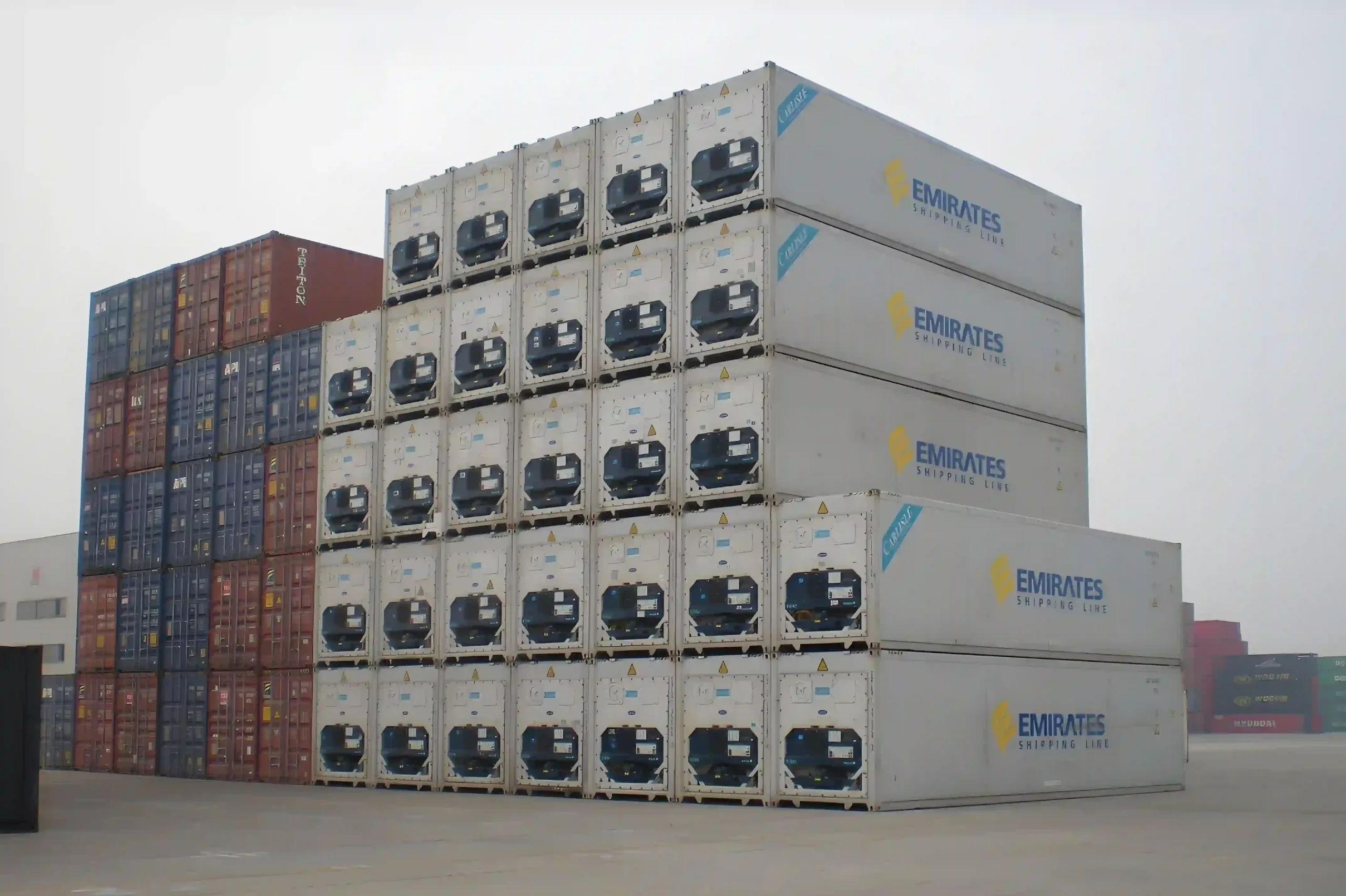
      • Refrigerated Containers (冻柜 – Reefer Containers): Also known as “reefers,” these are equipped with a refrigeration unit to maintain a constant temperature, essential for transporting perishable goods such as food, pharmaceuticals, and chemicals.

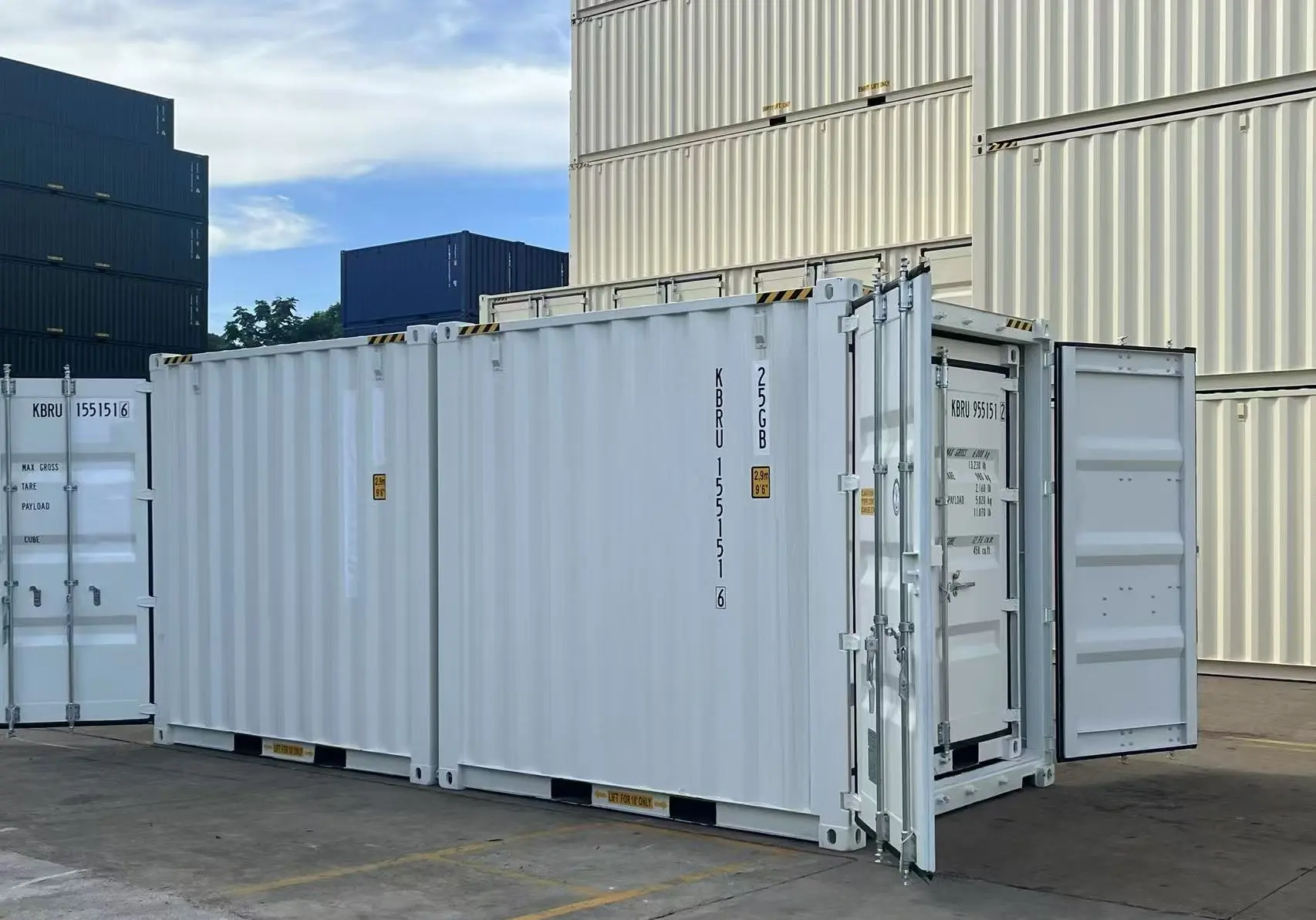
      • High Cube Containers: Similar to general-purpose containers but with an additional foot in height (typically 9.5 feet tall), providing extra cubic capacity for light, voluminous cargo.

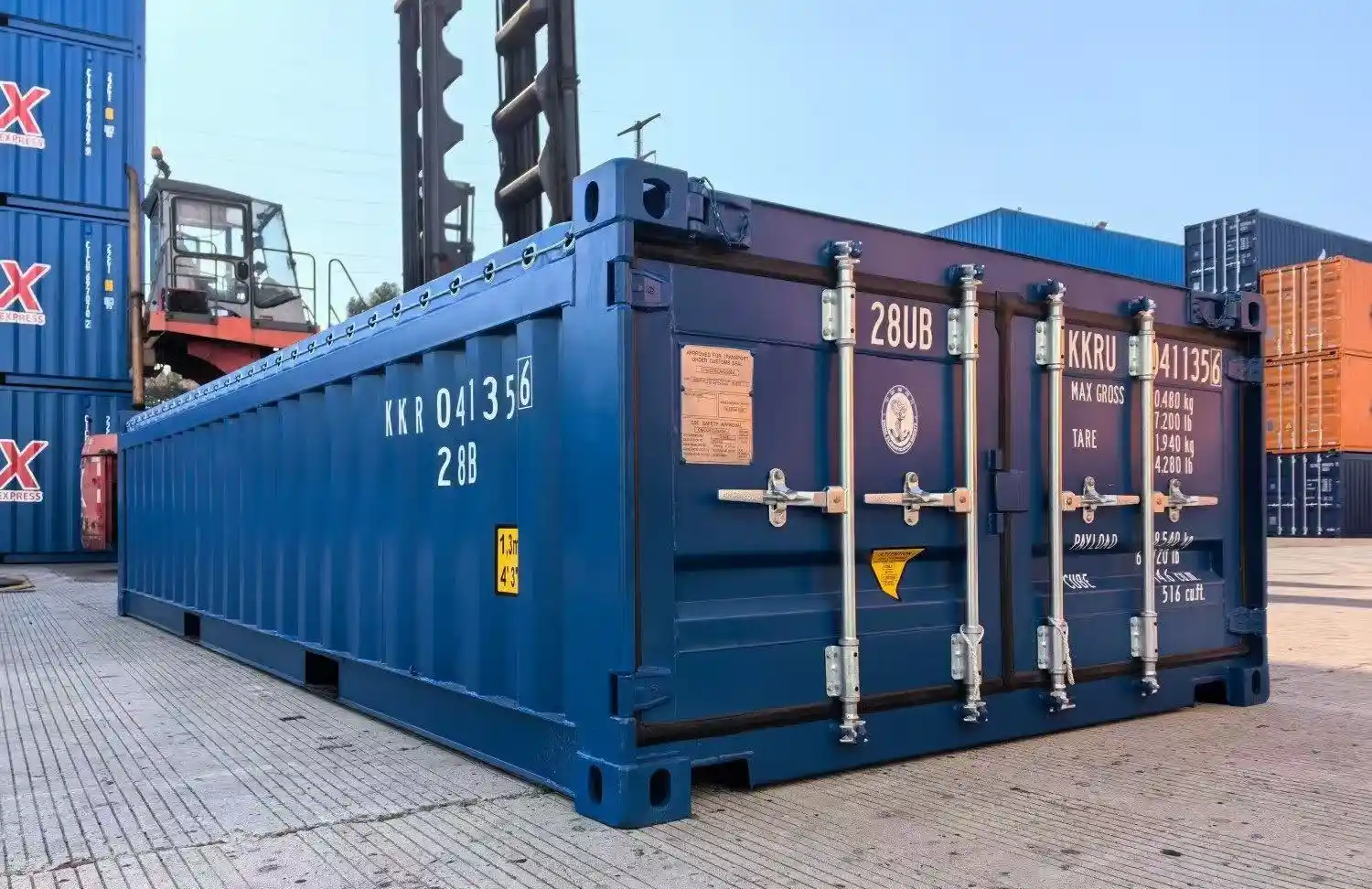
      • Open Top Containers: These containers have a removable tarpaulin roof instead of a solid one, allowing for easy loading of oversized cargo (e.g., machinery, tall equipment) from the top.

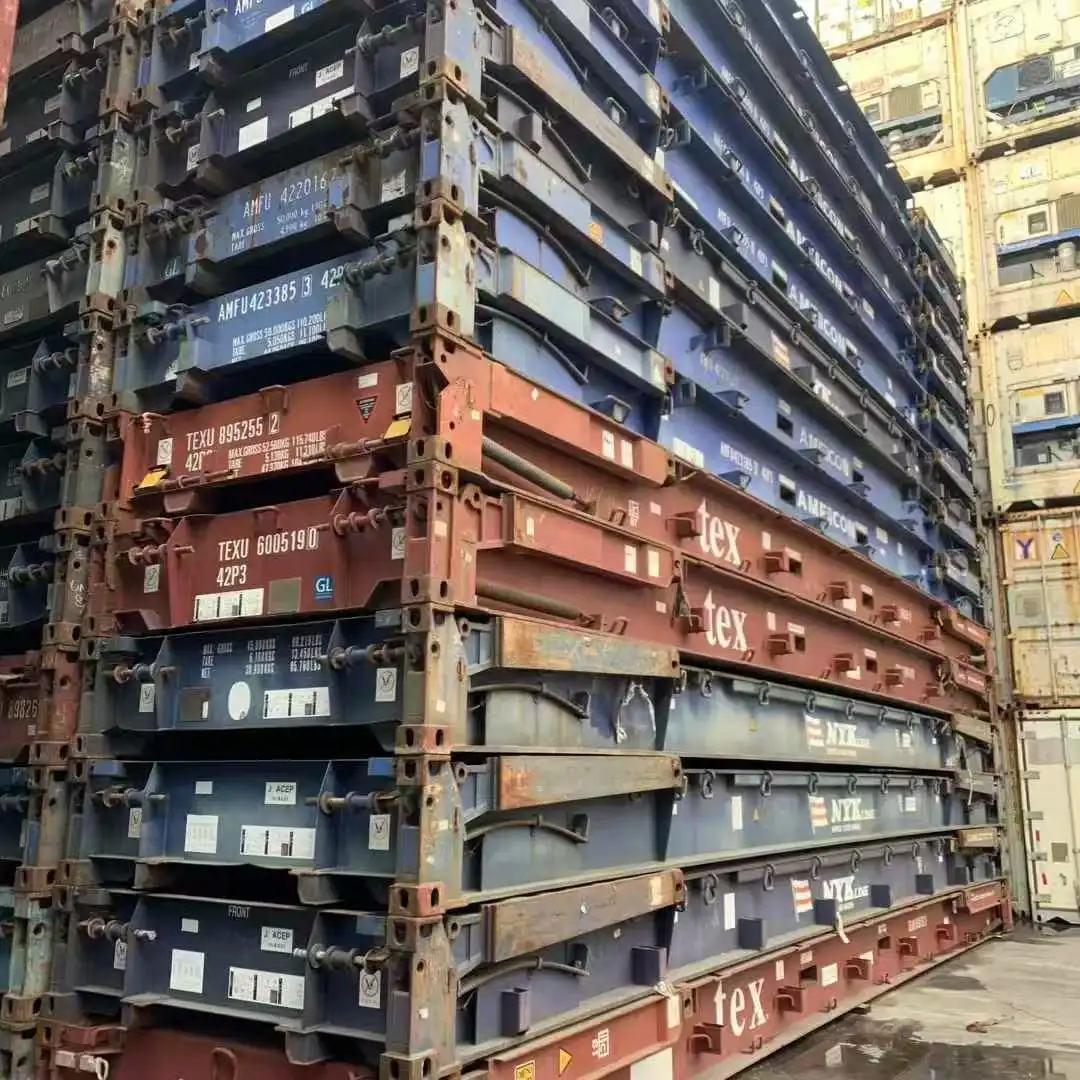
      • Flat Rack Containers: These feature collapsible sides or no sides at all, designed for oversized or oddly shaped cargo that cannot fit into standard containers. They are ideal for heavy machinery, vehicles, or timber.

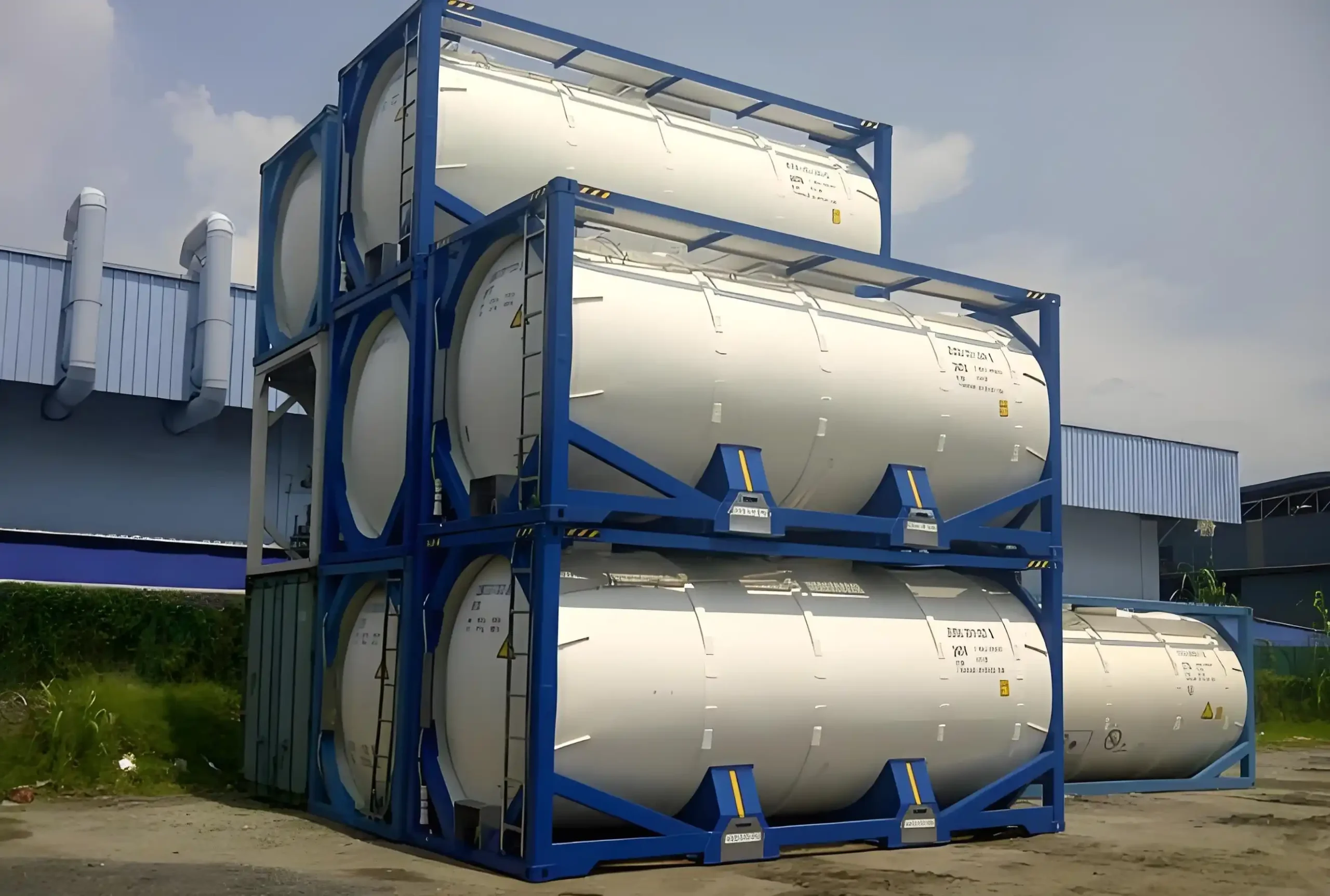
      • Tank Containers (ISO Tank Containers): Constructed from robust steel or anti-corrosive materials, these are specifically designed for the safe transportation of liquids, gases, and powders.

      • Open Side Containers: Also known as “side door containers,” these have doors that open along the entire long side, facilitating easy loading and unloading of cargo that requires wider access.
      • Insulated Containers: These are built like a “thermos” bottle, maintaining a stable internal temperature without active cooling, suitable for goods that need protection from extreme temperature fluctuations.

      • Specialized Containers (各种特种集装箱 – Various Special Containers): This category encompasses a wide array of customized containers, including:

        • Bulk Containers: For granular or powdered materials.

        • Ventilated Containers: For goods requiring air circulation.

        • Car Carriers: Designed to transport vehicles.

        • Workshop/Accommodation Containers: Modified for specific on-site uses.

        • Offshore Containers: Built to withstand the harsh conditions of offshore environments, meeting stringent DNV standards.

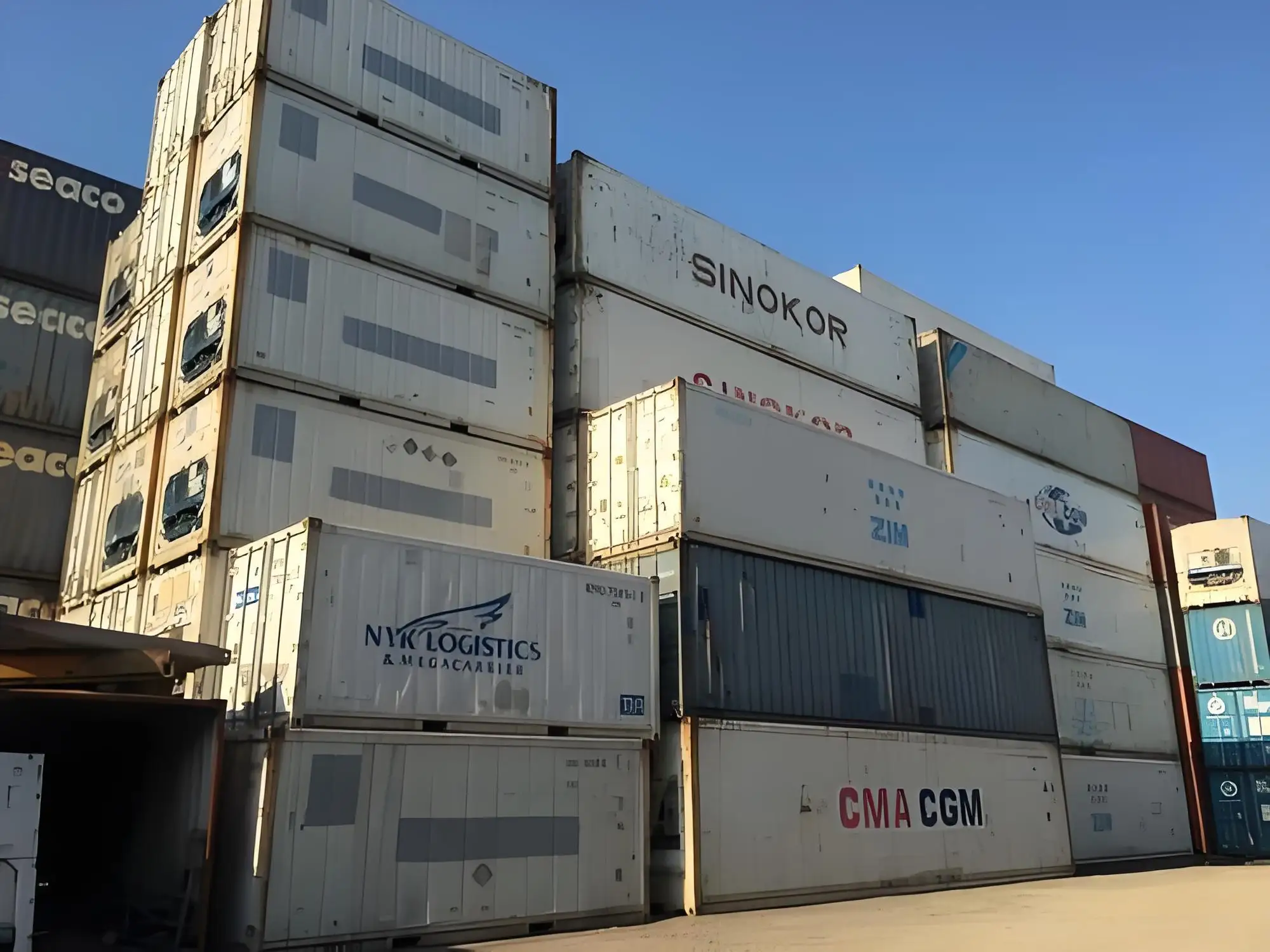
      Beyond new containers, the market also offers used containers (二手集装箱) and one-trip containers (新集装箱). One-trip containers are essentially new containers that have made a single journey with cargo from their manufacturing origin (often China) and are then sold. They offer a cost-effective alternative to brand-new containers while still being in excellent condition. Used containers, categorized as “cargo-worthy” (seaworthy) or “wind and watertight” (suitable for storage), provide even more economical options.

      III. Key Specifications and Parameters

      Standardization is paramount in the global shipping industry, largely governed by ISO (International Organization for Standardization) standards. The most common container sizes and their typical specifications are:

      Container Type External Dimensions (L x W x H) Internal Dimensions (L x W x H) Cubic Capacity (Approx.) Tare Weight (Approx.) Max Payload (Approx.)
      20-Foot Standard 19’10.5″ x 8′ x 8’6″ 19’3″ x 7’8″ x 7’10” 33.2 CBM / 1172 CU FT 2,220 kg / 4,895 lbs 28,260 kg / 62,300 lbs
      40-Foot Standard 40′ x 8′ x 8’6″ 39’5″ x 7’8″ x 7’10” 67.7 CBM / 2390 CU FT 3,800 kg / 8,375 lbs 26,680 kg / 58,820 lbs
      40-Foot High Cube 40′ x 8′ x 9’6″ 39’5″ x 7’8″ x 8’10” 75.9 CBM / 2680 CU FT 3,900 kg / 8,600 lbs 26,580 kg / 58,600 lbs


      Materials: Modern shipping containers are primarily constructed from Corten steel (also known as “weathering steel”), which is highly resistant to corrosion. Key components include:

      • Body: 16-gauge vertically corrugated Corten steel.

      • Doors: Double, asymmetrical steel doors with ground-level entry and robust locking bars.

      • Flooring: Heavy-duty, marine-grade wood (typically plywood or bamboo).

      • Roofing: Die-stamped steel.

      • Corner Fittings: Casted weldable steel, crucial for stacking and lifting.

      Containers are designed to withstand extreme temperatures ranging from -40°C (-40°F) to +70°C (+158°F) without compromising their structural integrity or watertightness.

      IV. Industry Clusters and Key Manufacturing Hubs

      While container manufacturing plants are spread across China, the industry naturally clusters around major port cities, which serve as crucial logistics and export hubs. These areas provide easy access to raw materials, skilled labor, and most importantly, efficient shipping routes for container distribution.

      Key regions and cities that are significant in China’s container industry include:

      • Shenzhen/Guangdong Province: As a major export-oriented economy in South China, Guangdong Province, particularly Shenzhen, is a prime location for container manufacturing due to its proximity to one of the world’s busiest ports (Port of Shenzhen) and established industrial infrastructure.

      • Shanghai/Yangtze River Delta: Shanghai, with its massive Yangshan Deep-Water Port and Waigaoqiao Port Area, is a critical hub. The surrounding Yangtze River Delta region is a manufacturing powerhouse, supporting container production and related industries.

      • Qingdao/Shandong Province: Qingdao is another significant port city with established container manufacturing facilities, benefiting from its strategic location for Northern China’s trade.

      • Tianjin: Close to Beijing, Tianjin also hosts major container production facilities, serving as a key gateway for northern China.

      • Ningbo-Zhoushan: This port, one of the world’s largest by tonnage and container capacity, also facilitates the container industry in its vicinity.

      These areas provide the necessary ecosystem, including steel suppliers, labor, and efficient logistics, to support the high-volume production of shipping containers.

      V. Leading Chinese Manufacturers of Shipping Containers

      China is home to the world’s largest and most reputable container manufacturers. These companies dominate the global market with their immense production capacities and diversified product portfolios.

      • CIMC (China International Marine Containers Group Co., Ltd.): https://www.cimc.com CIMC is by far the largest container manufacturer globally, headquartered in Shenzhen. They produce a comprehensive range of transportation equipment, including dry freight containers, reefer containers, special containers, modular buildings, and road transport vehicles. Their innovation and scale make them a preferred choice for many global buyers.

      • COSCO Shipping Development Co., Ltd.: http://en.development.coscoshipping.com As a subsidiary of China COSCO Shipping Corporation Limited, one of the world’s largest shipping conglomerates, COSCO Shipping Development is a major player in container manufacturing. They produce dry, reefer, and special containers, with a significant emphasis on research and development.

      • Singamas Container Holdings Limited: https://www.singamas.com Headquartered in Shanghai, Singamas is another leading manufacturer with multiple production factories across China. They specialize in dry freight containers, collapsible flat-rack containers, tank containers, offshore containers, and other specialized units.

      • CXIC Group Containers Company Limited: http://en.cxic.com Based in Changzhou, CXIC has been a key manufacturer of dry cargo, special, and tank containers since 1996. They boast a substantial annual manufacturing capacity and export a large percentage of their products globally.

      • Dong Fang International Container (Hong Kong) Ltd.: https://www.oocl.com  While listed as Hong Kong-based, Dong Fang operates significant manufacturing facilities in mainland China and is considered one of the largest container manufacturing groups.

      These companies are renowned for their quality, adherence to international standards, and capacity to handle large-scale orders.

      VI. Relevant Certification Requirements

      Ensuring the quality, safety, and international compatibility of shipping containers is paramount. Chinese manufacturers adhere to a stringent set of international standards and certifications:

      • ISO (International Organization for Standardization): All standard shipping containers must comply with ISO standards, particularly ISO 6346, which defines container coding, identification, and marking, and ISO 1496, which specifies container dimensions and structural requirements.

      • CSC (International Convention for Safe Containers): This convention, ratified by the IMO (International Maritime Organization), ensures that containers used in international transport are safe. All new containers must have a valid CSC plate, indicating they have passed structural tests and are approved for international shipping. This certification is crucial for safety and intermodal transport.

      • Classification Societies (e.g., DNV, RINA, Lloyd’s Register, Bureau Veritas): For specialized containers, particularly offshore containers, certifications from reputable classification societies are often required. DNV (Det Norske Veritas) is particularly prominent for its DNV 2.7-1 standard for offshore containers, ensuring they can withstand harsh marine environments and are safe for lifting and transport on offshore installations.

      • ADR (European Agreement Concerning the International Carriage of Dangerous Goods by Road): For tank containers carrying dangerous goods, compliance with ADR regulations is essential for road transport within Europe.

      • IMDG (International Maritime Dangerous Goods Code): This code, also from the IMO, sets out regulations for the safe transport of dangerous goods by sea. Tank containers and certain specialized containers must comply.

      • RID (International Regulations Concerning the Carriage of Dangerous Goods by Rail): Similar to ADR, RID applies to the rail transport of dangerous goods.

      • UIC (International Union of Railways): Relevant for containers designed for intermodal rail transport, ensuring compatibility with railway systems.

      When purchasing containers, especially new ones, buyers must verify that all necessary certifications are in place, confirming the container’s structural integrity, safety, and compliance with international shipping regulations.

      VII. Purchasing Considerations: A Buyer’s Guide

      Sourcing shipping containers from China requires careful planning to ensure a smooth and successful transaction.

      • Define Your Needs Clearly: Before anything else, precisely determine the type, size, and quantity of containers you need. Consider the cargo type, transport mode, and any specific environmental conditions. Do you need a new (one-trip) container for pristine condition or a used “cargo-worthy” or “wind and watertight” unit for more budget-friendly storage?

      • Identify Reputable Suppliers/Manufacturers: Focus on established manufacturers with a proven track record. Leverage online marketplaces with vetted suppliers or work with experienced sourcing agents. Verify their production capacity, quality control processes, and export experience. Websites often feature client testimonials and case studies.

      • Request Detailed Quotations: Obtain comprehensive quotes that include:

        • Container unit price.

        • FOB (Free On Board) or EXW (Ex Works) pricing.

        • Any customization costs.

        • Packaging costs (if applicable).

        • Lead time for production and delivery.

        • Payment terms and methods.

      • Quality Inspection: For large orders, consider arranging a third-party inspection (e.g., SGS, Bureau Veritas) at the factory before shipment. This ensures that the containers meet agreed-upon specifications and quality standards. For used containers, detailed photo/video inspection or a physical survey is crucial.

      • Payment Terms: Be cautious with upfront payments. Reputable suppliers typically require a deposit (e.g., 30%) with the balance due upon completion or before shipment. Consider using secure payment methods like Letters of Credit (LC) for larger transactions.

      • Logistics and Freight Forwarding:

        • Work with an Experienced Freight Forwarder: This is crucial. A good freight forwarder will manage the entire shipping process from China to your destination, including booking cargo space, handling customs clearance, and arranging inland transport. They can advise on the best shipping routes and consolidate shipments if needed.

        • Understand Incoterms: Familiarize yourself with Incoterms (e.g., FOB, CIF, EXW) to clarify responsibilities and costs between you and the supplier at different stages of the shipping process.
        • Customs Clearance and Documentation: Ensure all necessary documentation is accurate and complete, including the commercial invoice, packing list, bill of lading, and any required import licenses or certificates. Inaccurate documentation can lead to delays and penalties.

      • After-Sales Service: Inquire about the manufacturer’s warranty and after-sales support for any potential issues or defects.

      VIII. The Strategic Advantage of Shipper-Owned Containers (SOCs)

      In international logistics, shippers primarily use two types of containers: Carrier-Owned Containers (COCs) and Shipper-Owned Containers (SOCs). While COCs are provided by the shipping line and are common, SOCs offer distinct advantages, particularly for specific shipping needs.

      What are SOCs?
      SOCs are containers that are owned or leased by the shipper (the cargo owner) rather than the shipping line. The shipper is responsible for the container’s maintenance, repositioning, and return.

      Advantages of Using SOCs:

      • Cost Savings (Avoiding Demurrage & Detention): This is arguably the biggest benefit. Demurrage charges are fees incurred when a container stays too long at the port or terminal beyond the agreed-upon free days, while detention charges apply when a container is held by the consignee beyond the free time outside the port. With SOCs, you are not subject to these carrier-imposed fees, offering significant savings, especially during port congestion, unforeseen delays, or when shipping to remote locations with limited infrastructure.

      • Greater Flexibility in Routes and Schedules: COCs are often restricted to a carrier’s specific routes and schedules. SOCs provide shippers with the freedom to choose any carrier, route, or delivery schedule that best suits their needs. This flexibility is invaluable for shipping to distant or less popular destinations where COC availability might be limited.

      • Control over Container Quality: When purchasing or long-term leasing an SOC, you have direct control over the container’s condition and quality. This is particularly important for sensitive cargo that requires specific container standards (e.g., for food-grade cargo or high-value goods).

      • Reduced Dependency on Carrier Equipment: In times of container shortages or high demand, relying solely on COCs can lead to delays and increased costs. Owning or leasing SOCs reduces this dependency, providing a more resilient supply chain.

      • Easier Empty Container Repositioning: For long-term or frequent shippers, especially those with imbalanced trade lanes, managing empty container repositioning can be a significant challenge with COCs. With SOCs, you have more control over where the empty container goes next, potentially using it for a new shipment or selling it at the destination, thereby avoiding costly empty repositioning fees charged by carriers.

      • Suitable for Specialized Shipments: For unique or oversized cargo requiring custom container modifications, SOCs are often the only viable option as carriers typically do not provide highly specialized units.

      • Better Budgeting and Predictability: By owning or long-term leasing containers, businesses can better predict and control their shipping costs, as they are not subject to fluctuating spot rates for COC usage or unexpected demurrage/detention charges.


      While SOCs offer numerous advantages, they also entail the responsibility for maintenance, repair, and potential repositioning costs if not planned strategically. However, for businesses with substantial and consistent shipping volumes, or those frequently dealing with remote destinations and potential delays, the strategic advantages of SOCs often outweigh the challenges.

      IX. Conclusion

      China’s dominance in shipping container manufacturing presents an unparalleled opportunity for global buyers. By understanding the diverse product offerings, key specifications, leading manufacturers, and critical certification requirements, businesses can confidently navigate the procurement process. Furthermore, leveraging the strategic advantages of Shipper-Owned Containers can lead to significant cost savings and enhanced logistical flexibility. As global trade continues to evolve, sourcing containers from China remains a cornerstone for efficient and cost-effective international supply chains.
      Message us for more information

      Please let us know your request, we will get back to you within 24 hours.

        Sourcing Guide of Automotive Brake Components from China

        Introduction

        In the global automotive aftermarket, China has emerged as a powerhouse for manufacturing and exporting high-quality, cost-effective brake components. From the bustling industrial clusters to leading-edge manufacturing facilities, Chinese suppliers offer a vast range of products that meet or exceed international standards. This comprehensive guide is designed to assist importers, distributors, and businesses in navigating the Chinese market for automotive brake parts, including brake pads, brake shoes, brake discs, brake drums, and brake calipers. We will delve into the types of products, key advantages, quality and safety considerations, main specifications, industrial hubs, leading manufacturers, necessary certifications, and essential tips for a successful procurement process.
        I. Overview of Product Types and Their Functions

        The brake system is a critical safety component in any vehicle. Chinese manufacturers produce a full spectrum of parts for this system. Understanding each component is the first step in a successful sourcing strategy.

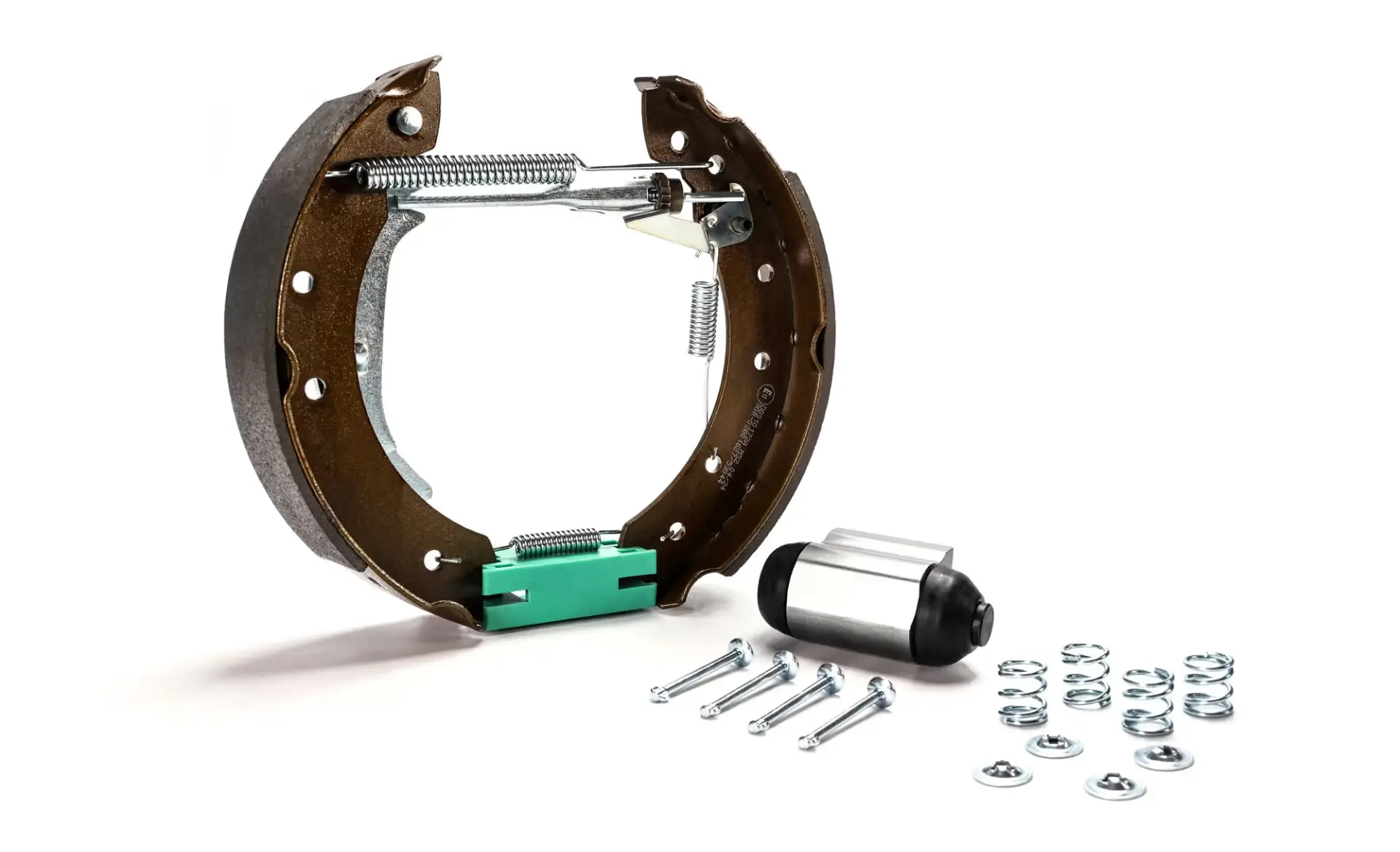
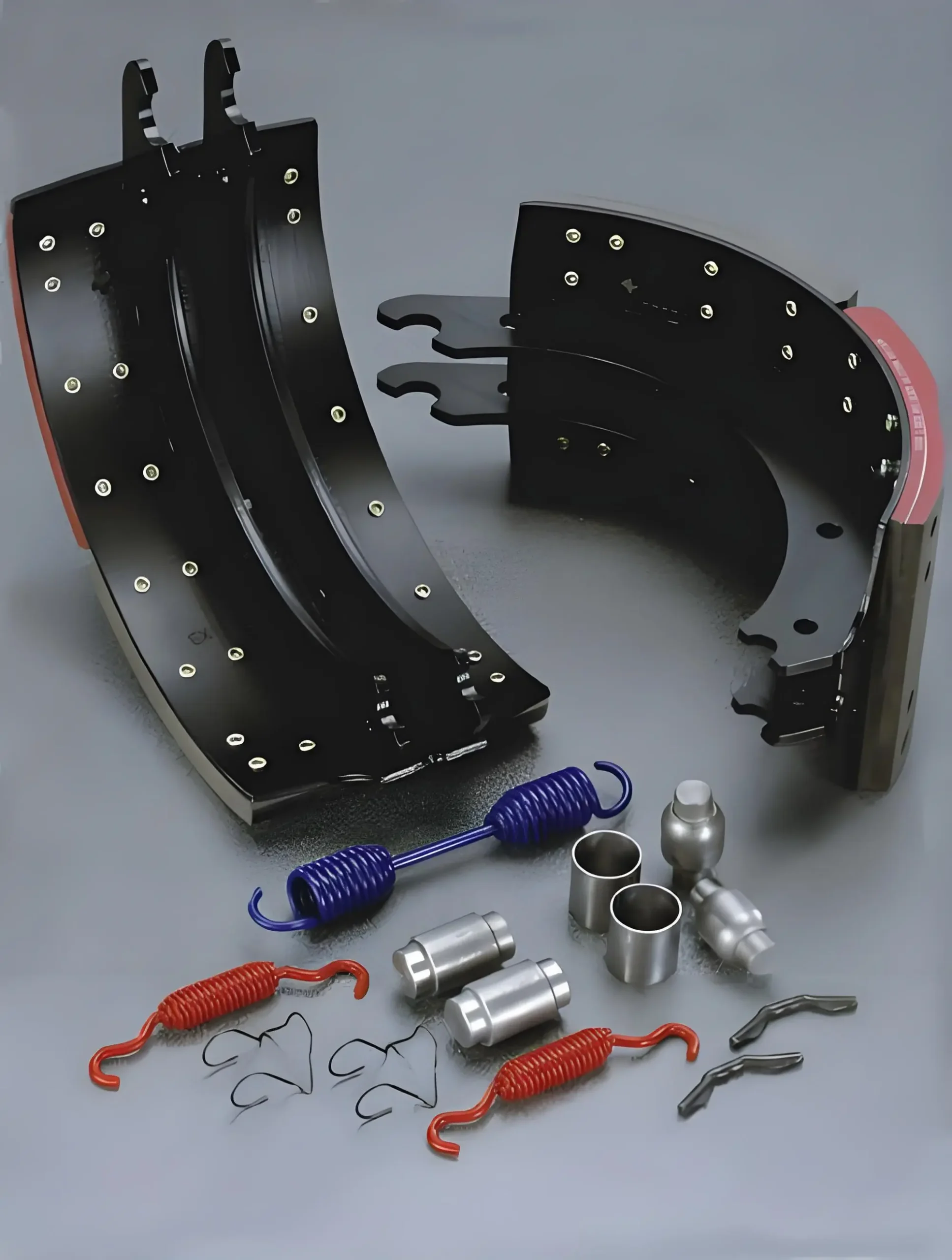
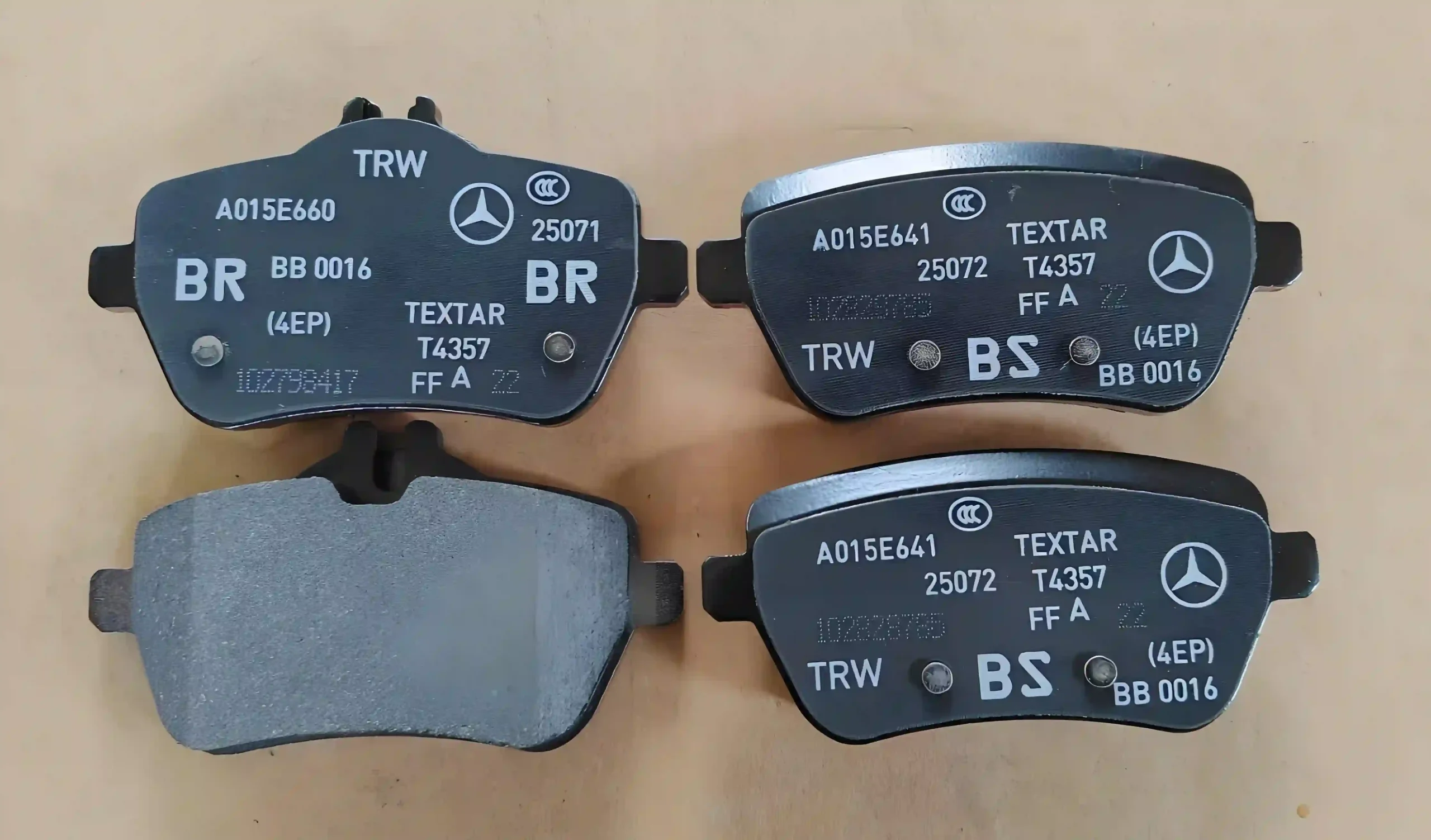
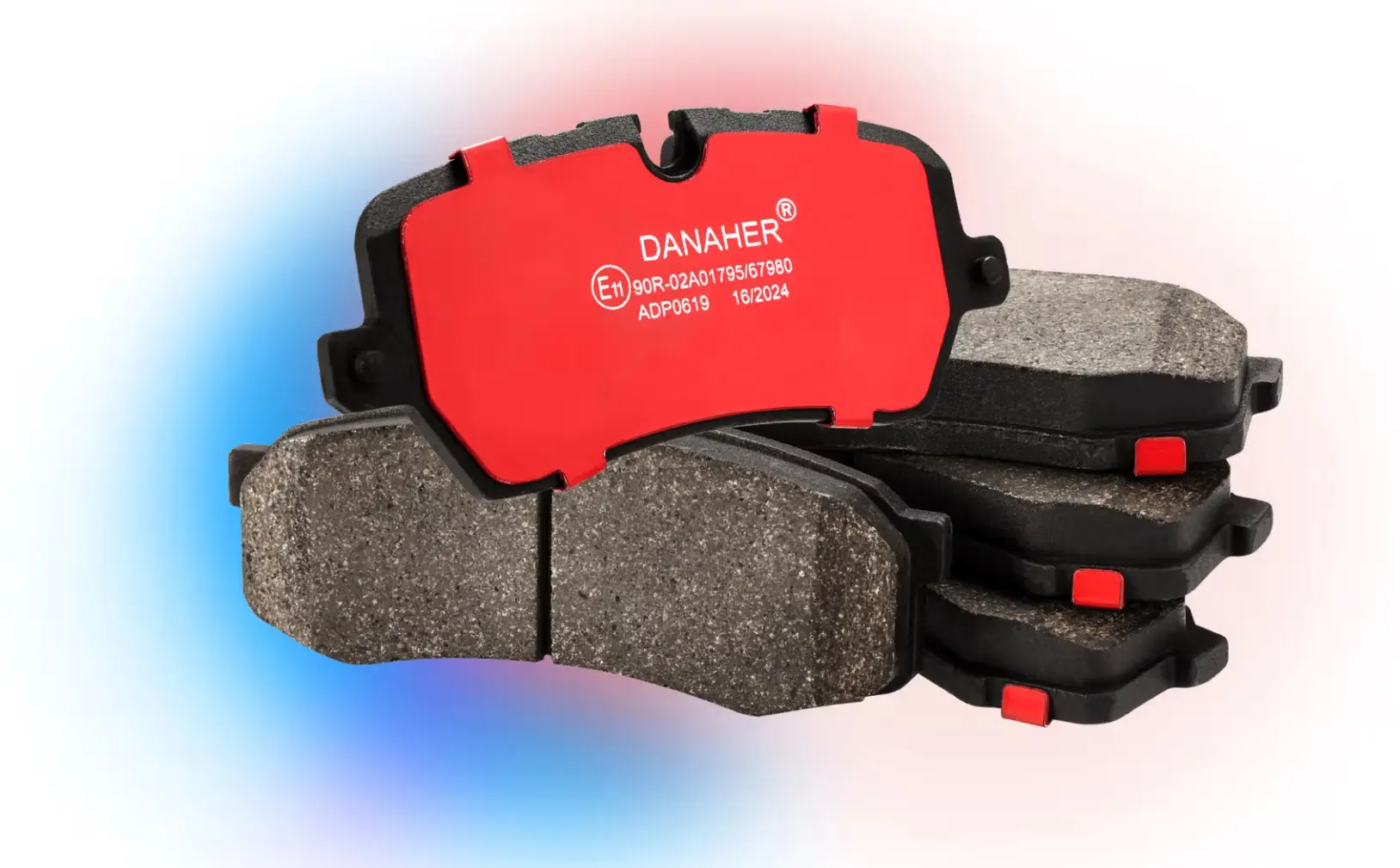
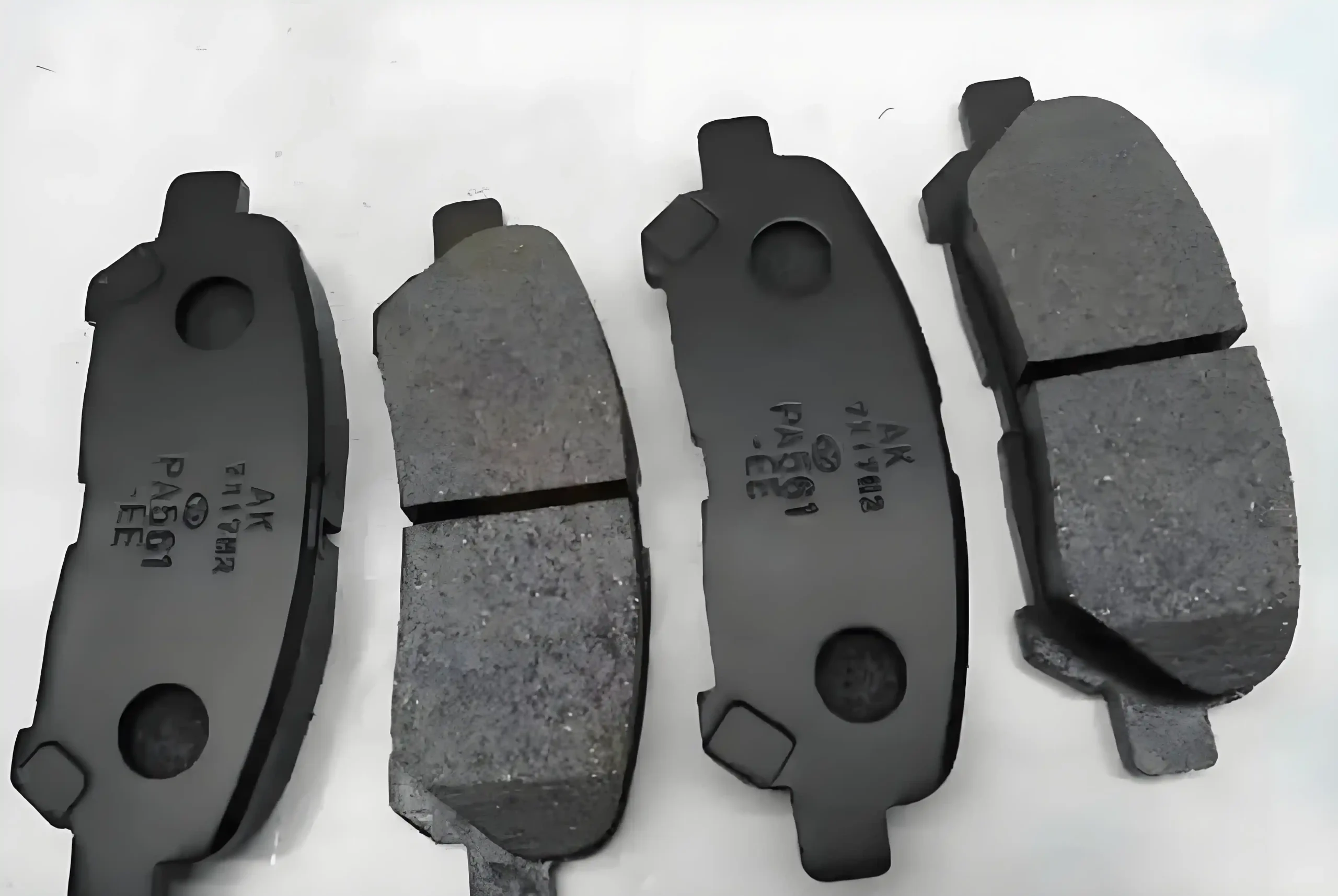
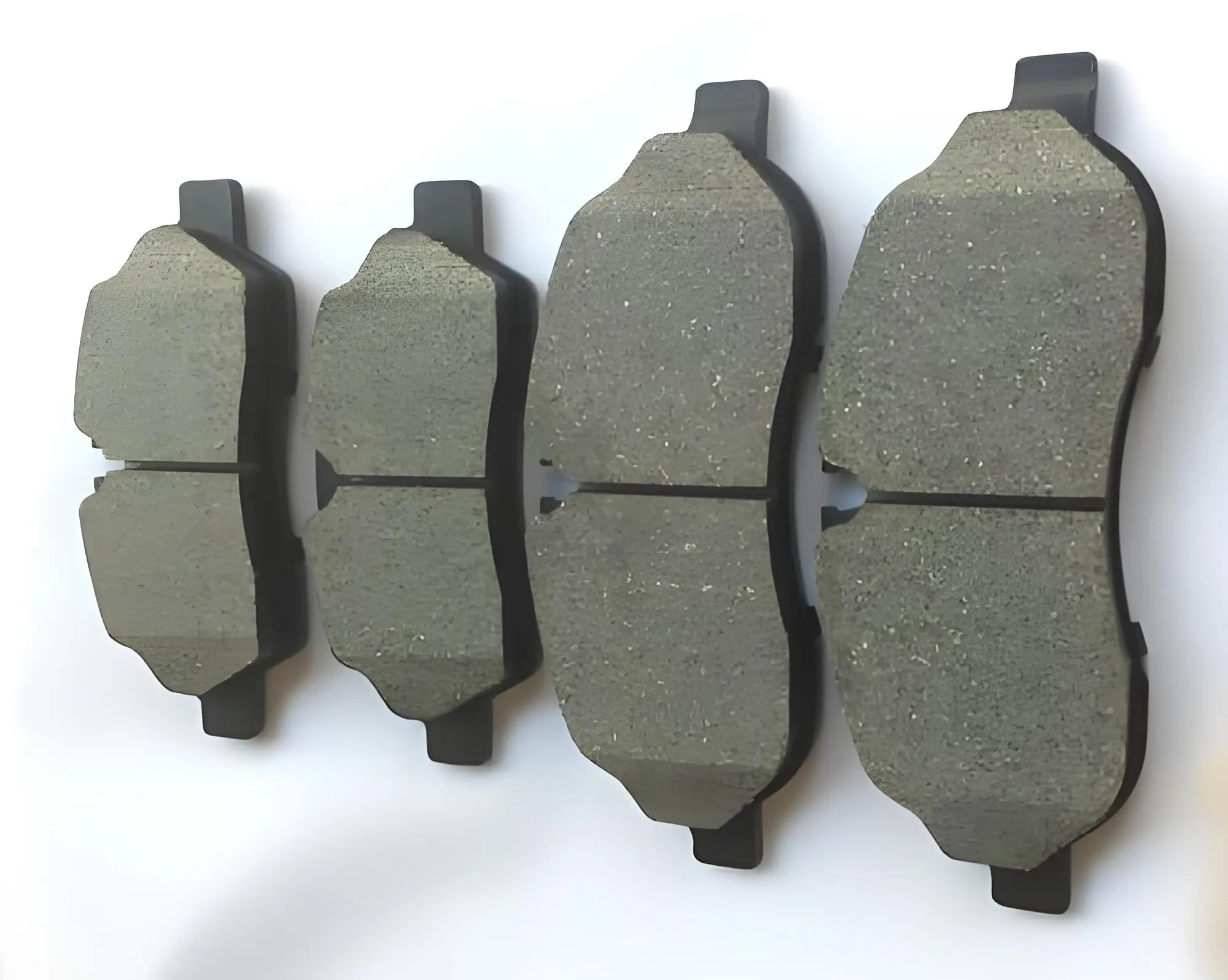
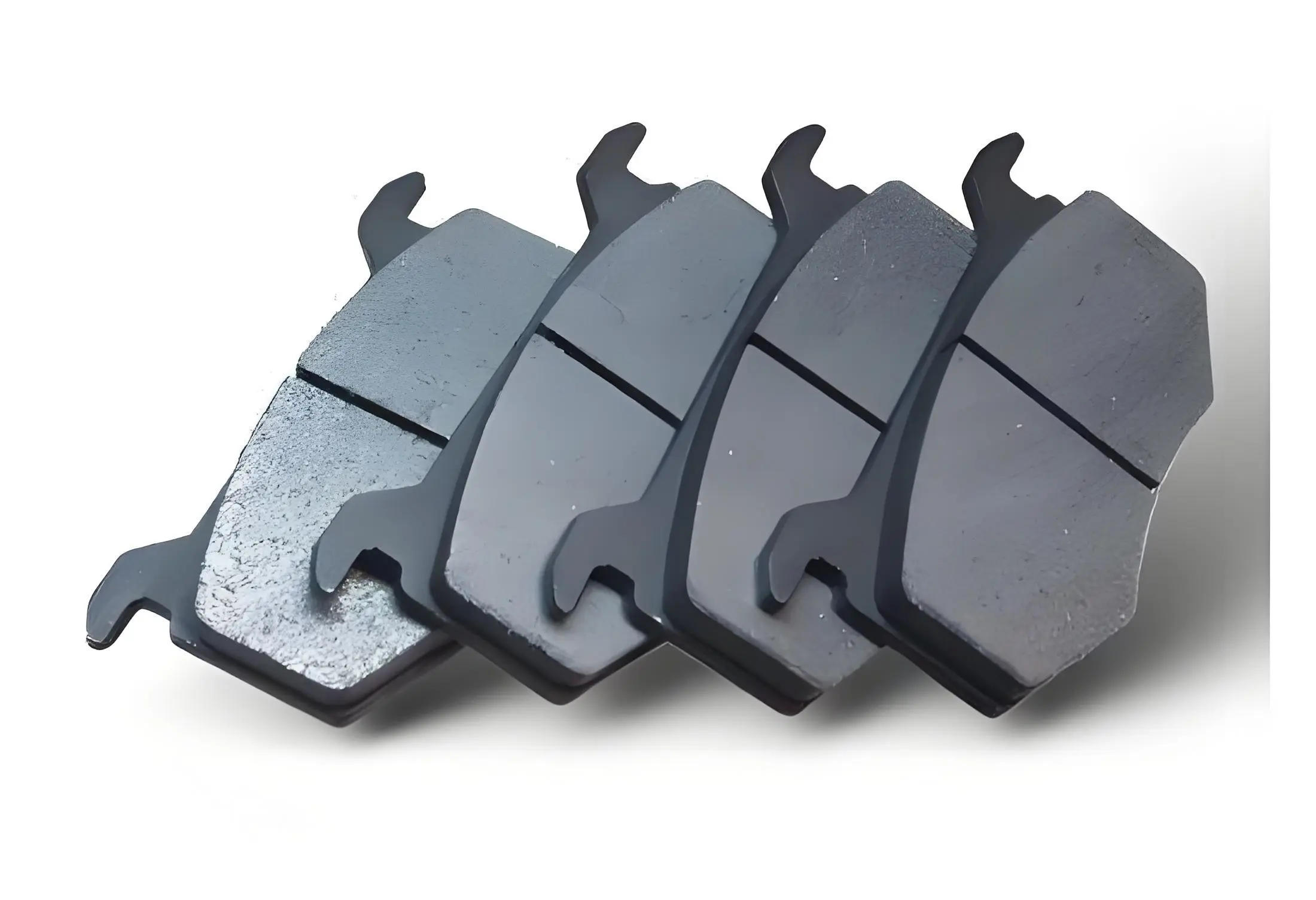
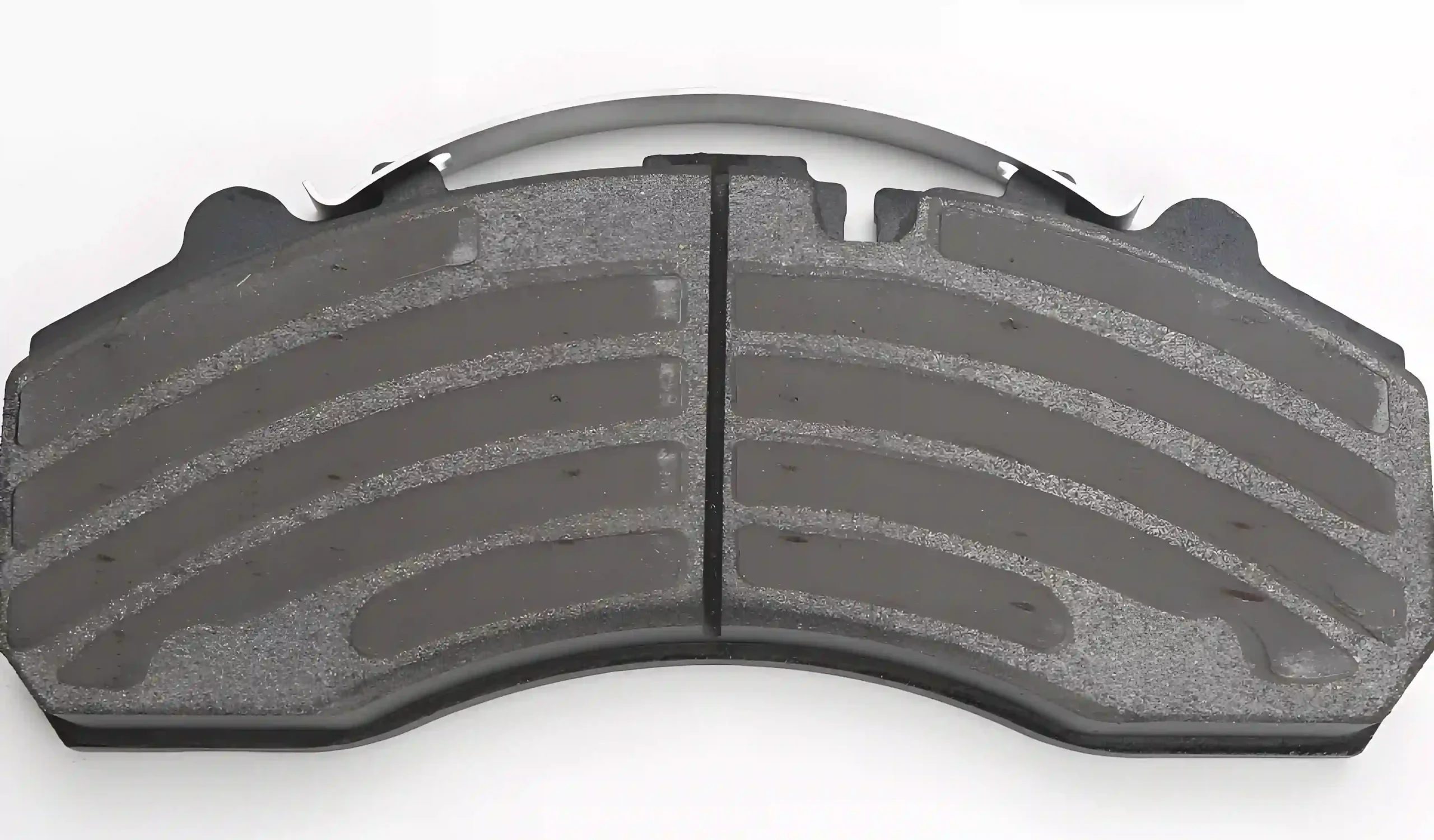
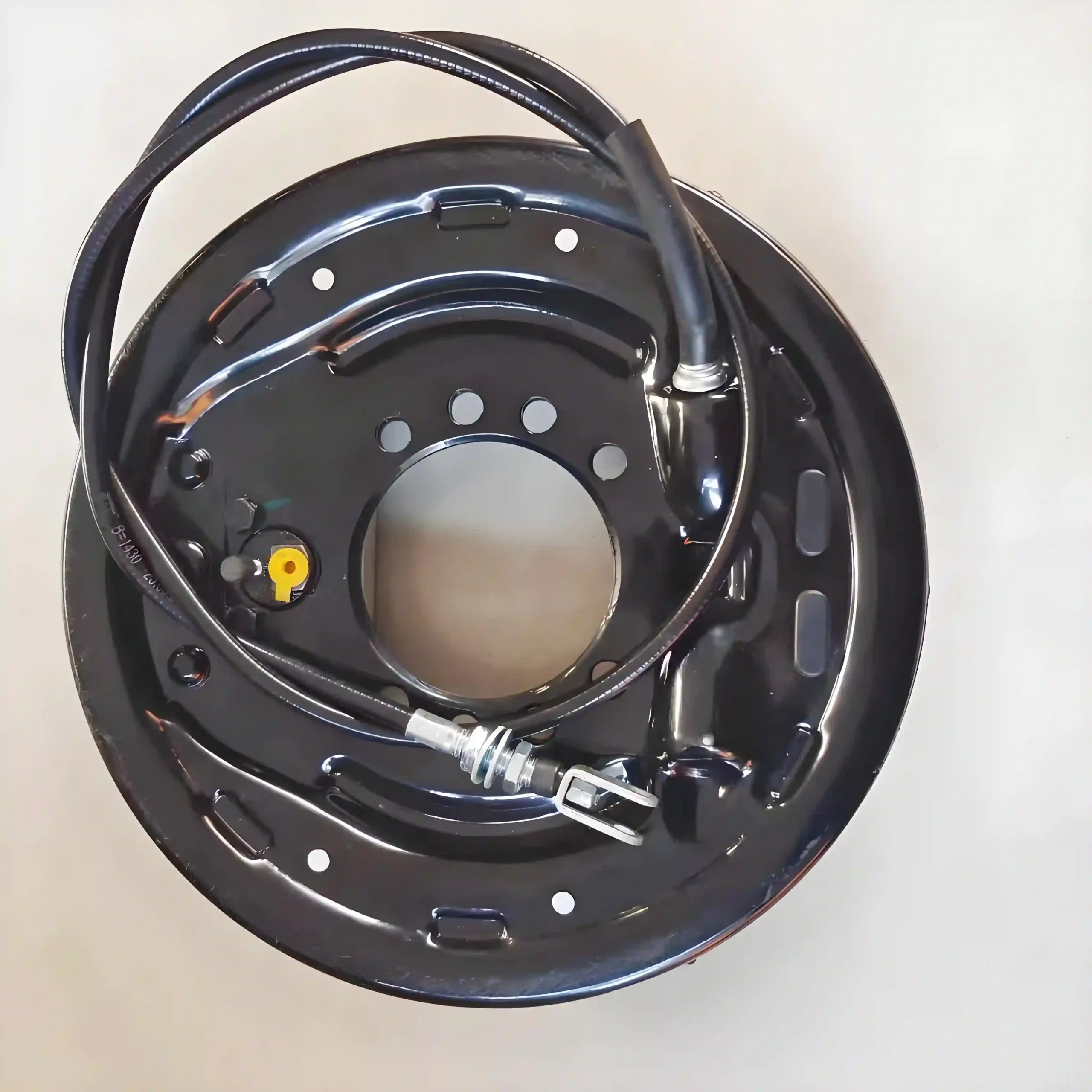
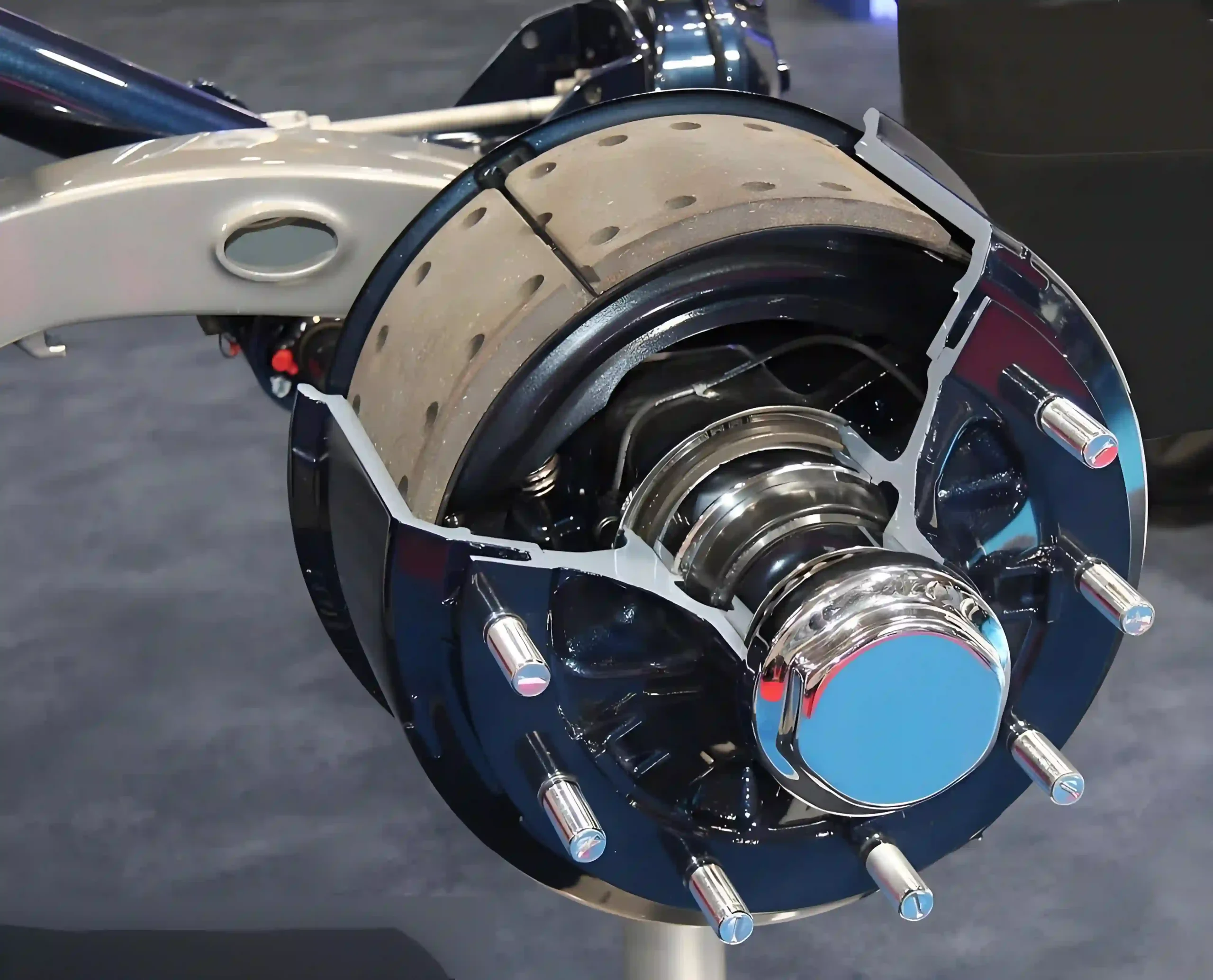
        • Brake Pads and Brake Shoes: These are the friction materials that press against a brake disc or drum to slow down or stop the vehicle. Brake pads are used in disc brake systems, while brake shoes are used in drum brake systems. China’s brake pad industry offers a wide variety of friction materials, including Semi-Metallic, Non-Asbestos Organic (NAO), Low-Metallic, and Ceramic formulations. Ceramic pads are particularly popular due to their low dust, low noise, and excellent heat dissipation properties.
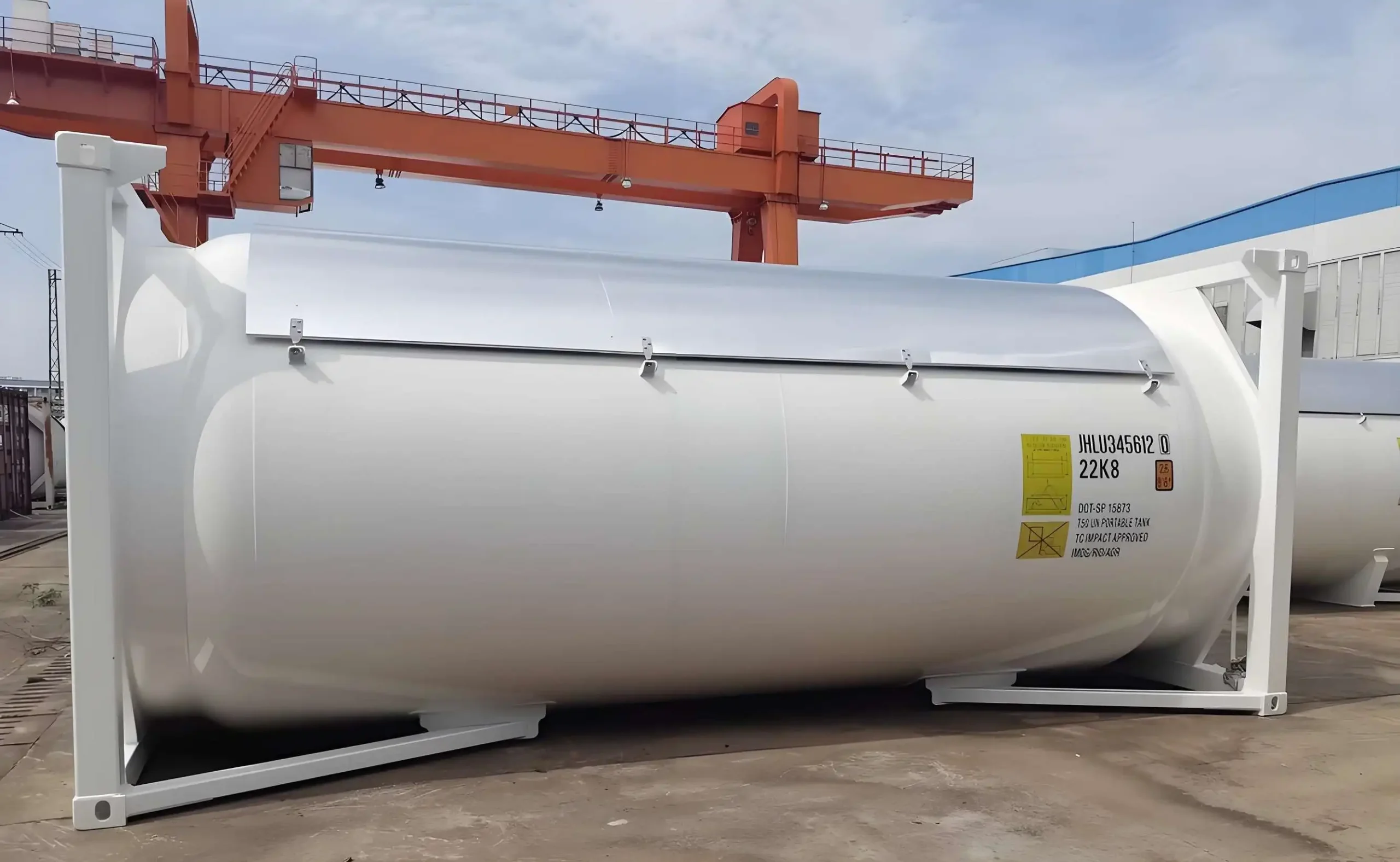
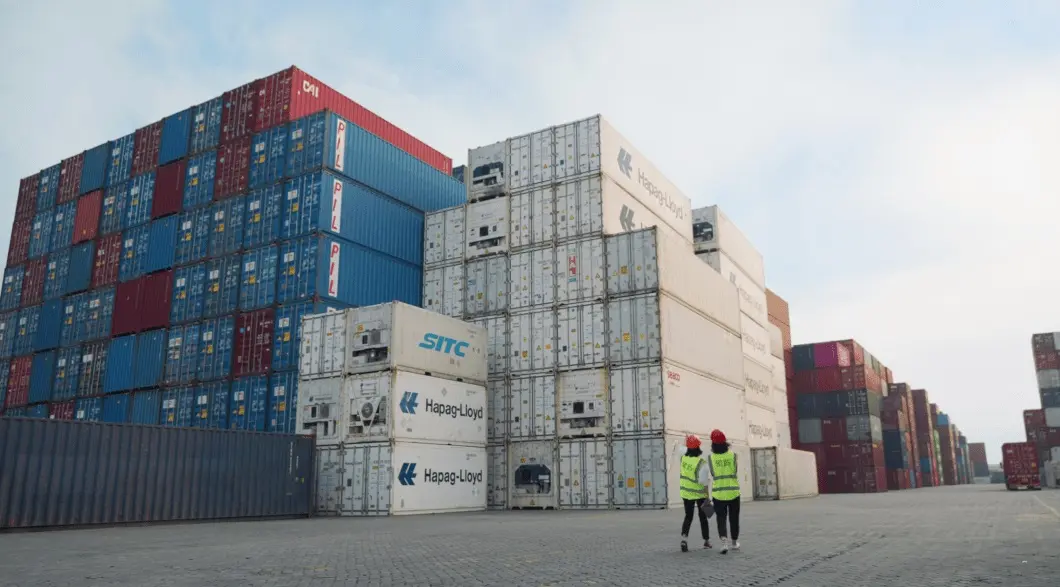
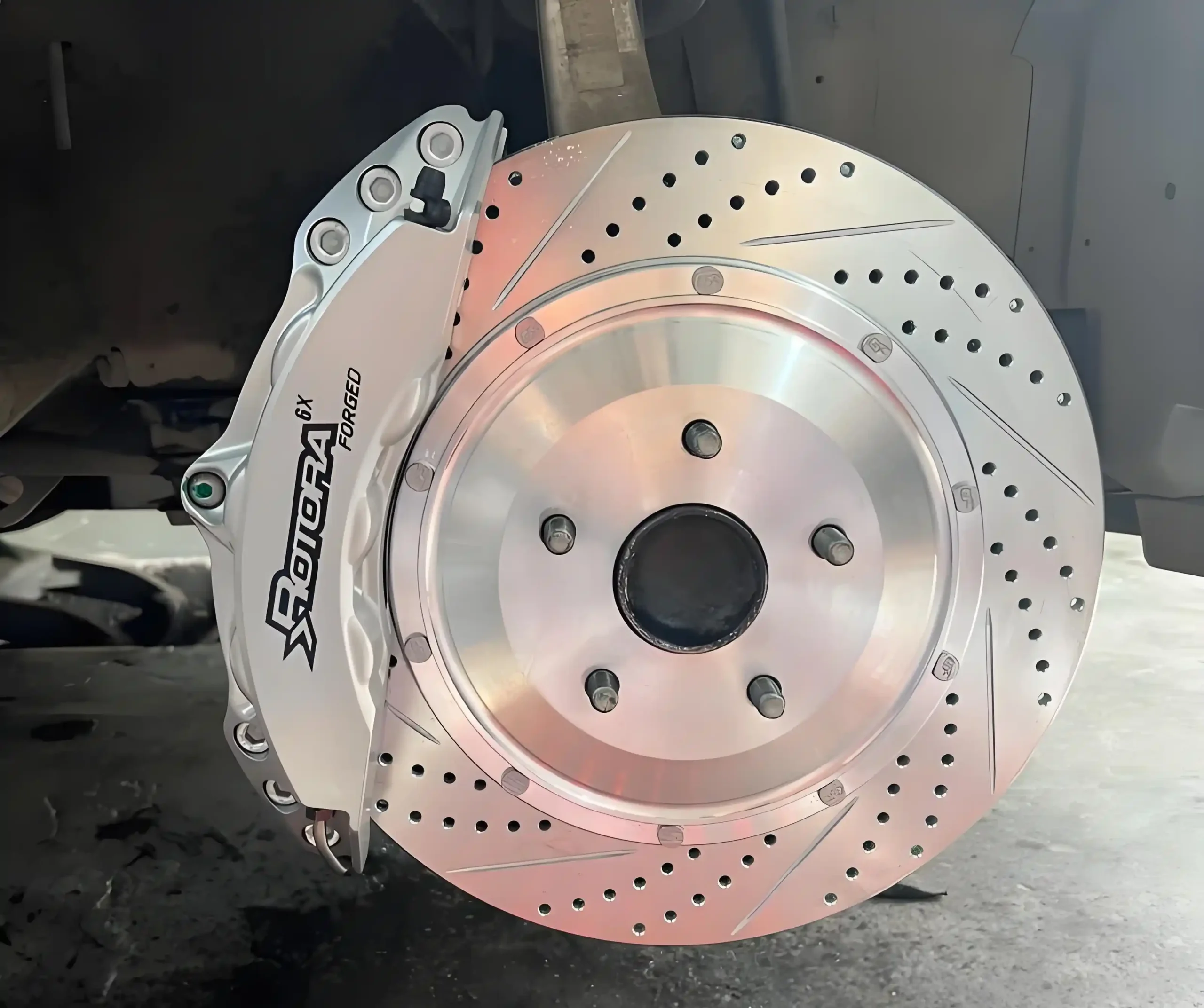
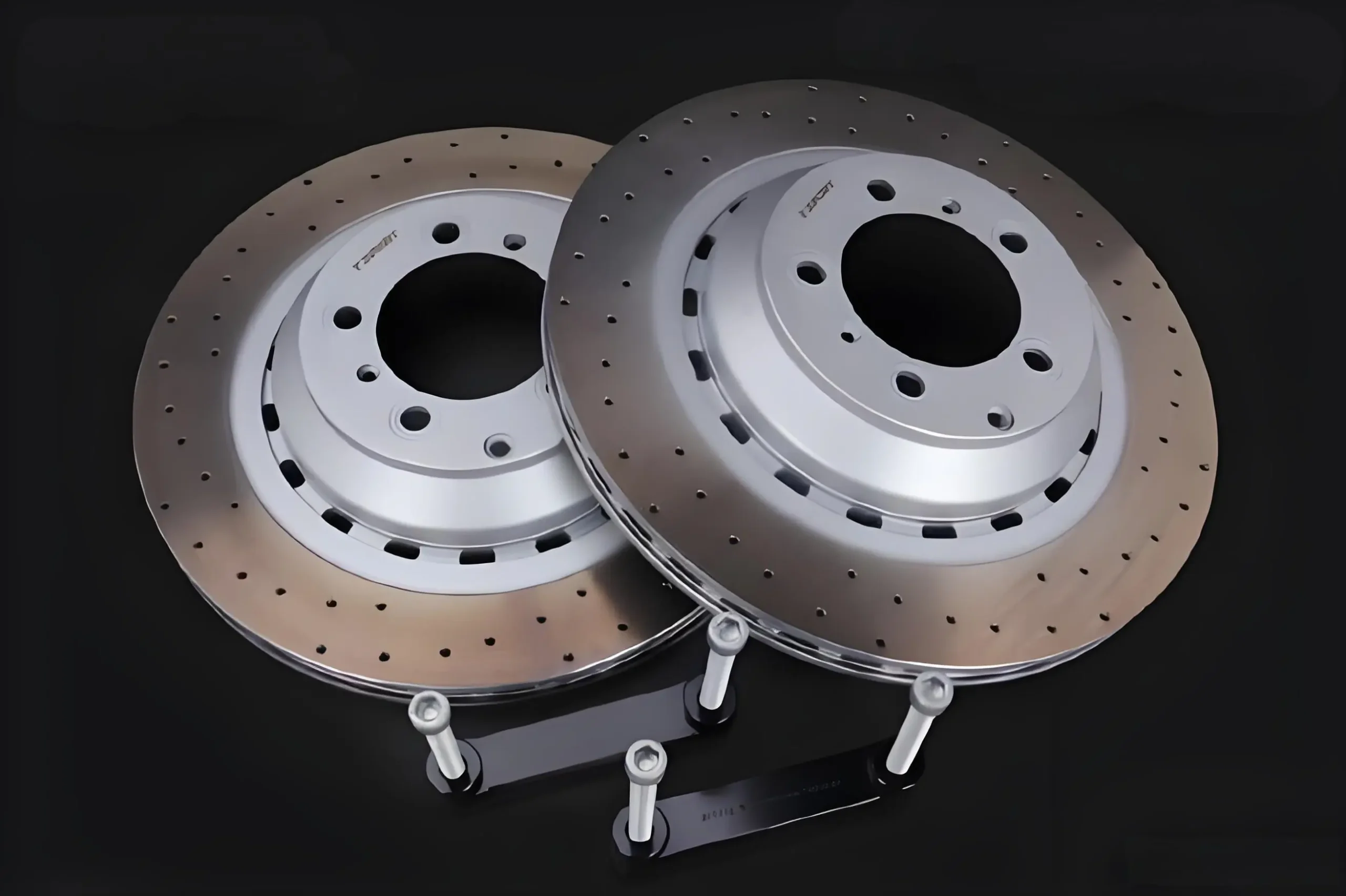
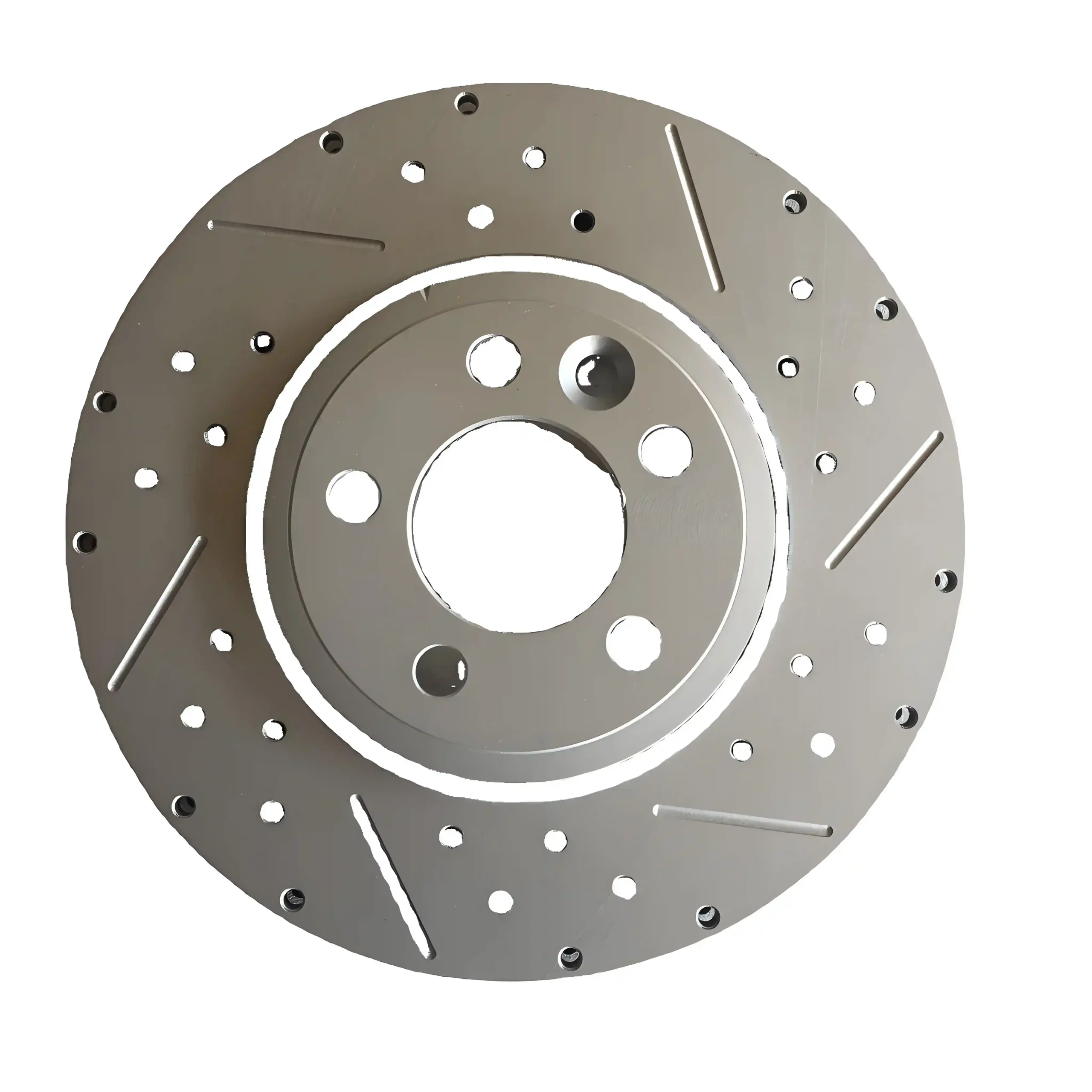
        • Brake Discs (Rotors) and Brake Drums: These are the rotating metal surfaces against which the friction materials of the pads or shoes are pressed. Brake discs (rotors) are used in disc brake systems, and brake drums are used in drum brake systems. Chinese factories are known for their precision casting and machining capabilities, producing high-grade cast iron and composite brake discs that are durable and resistant to thermal deformation.

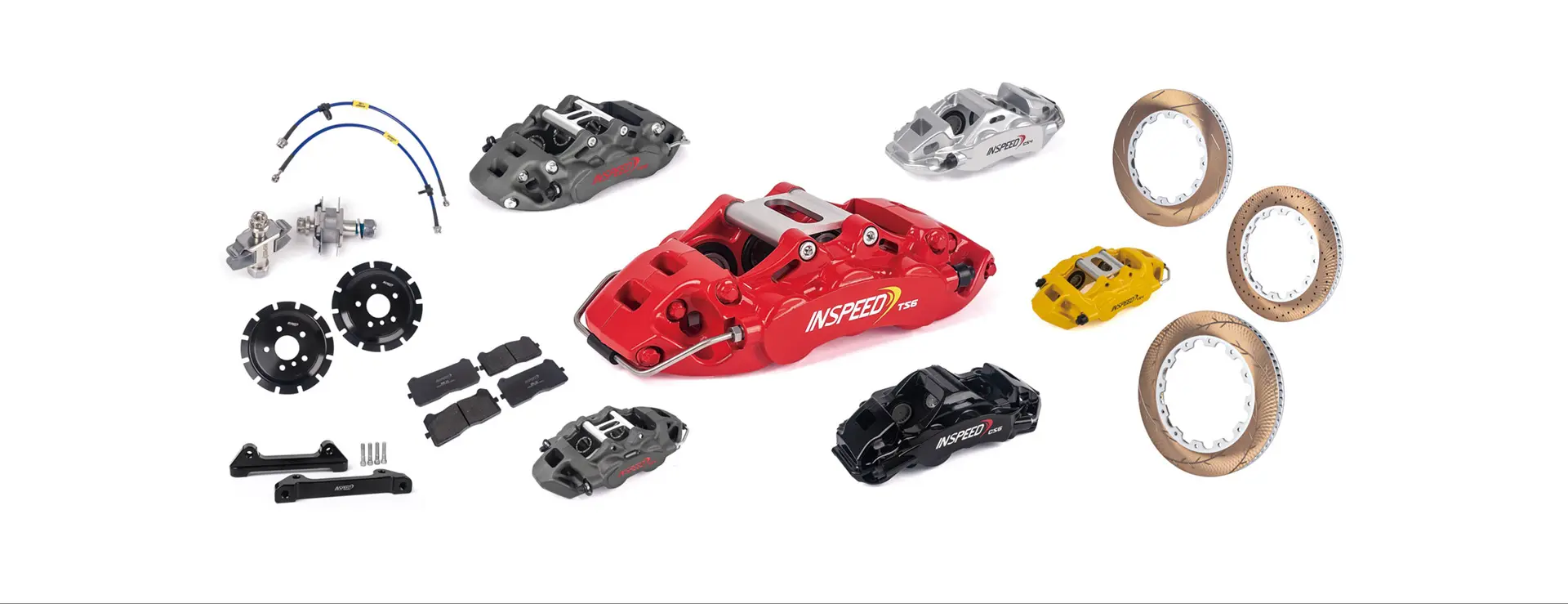
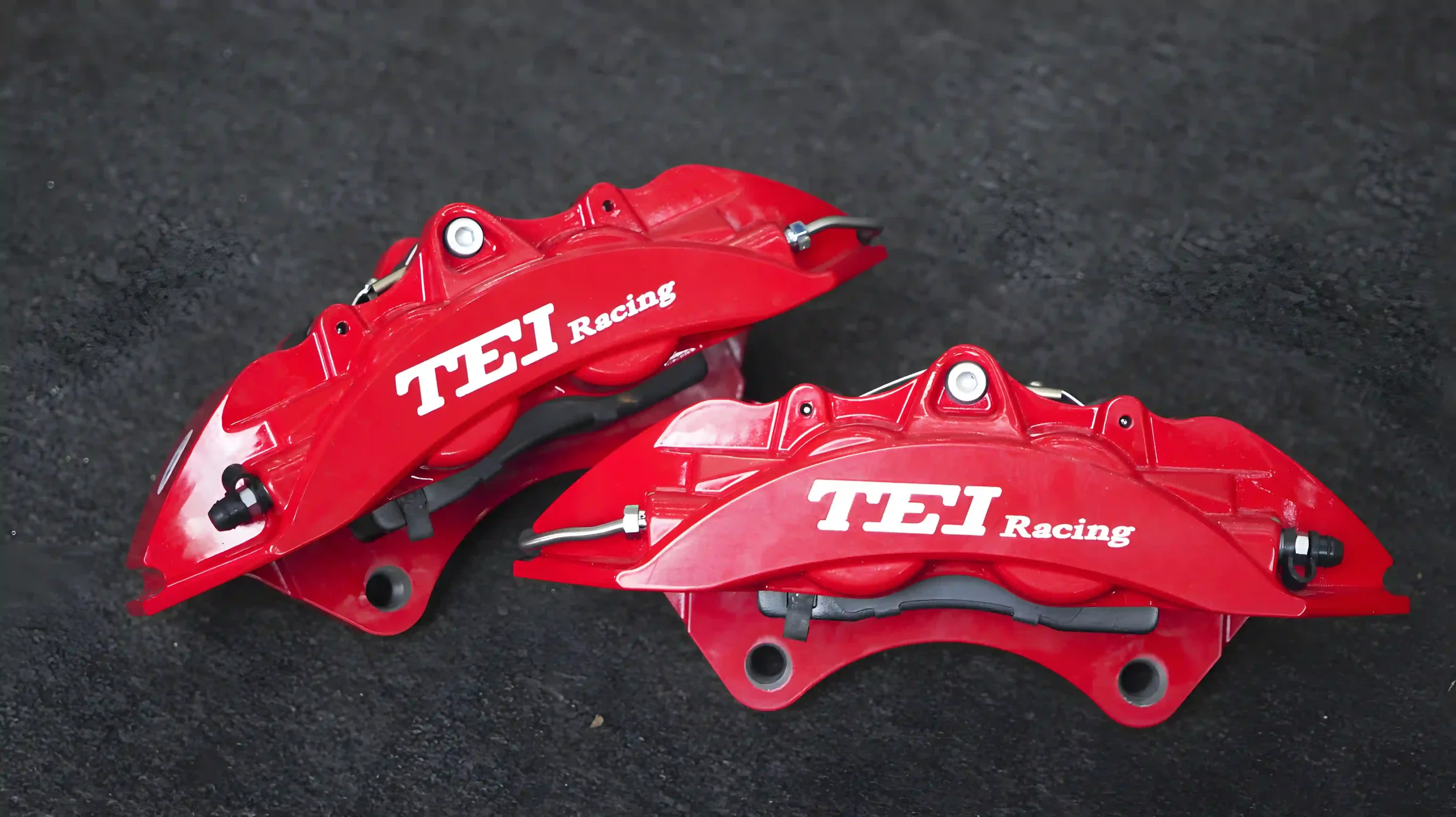
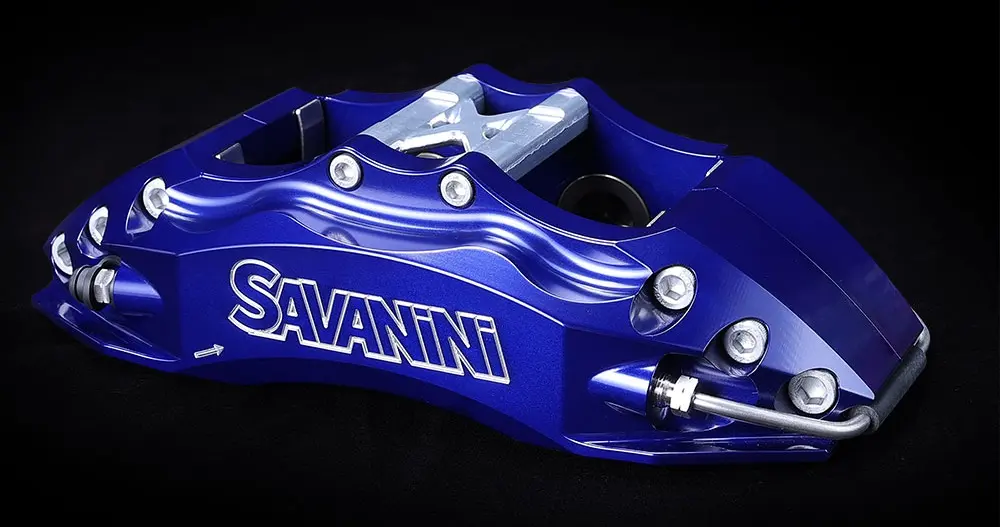
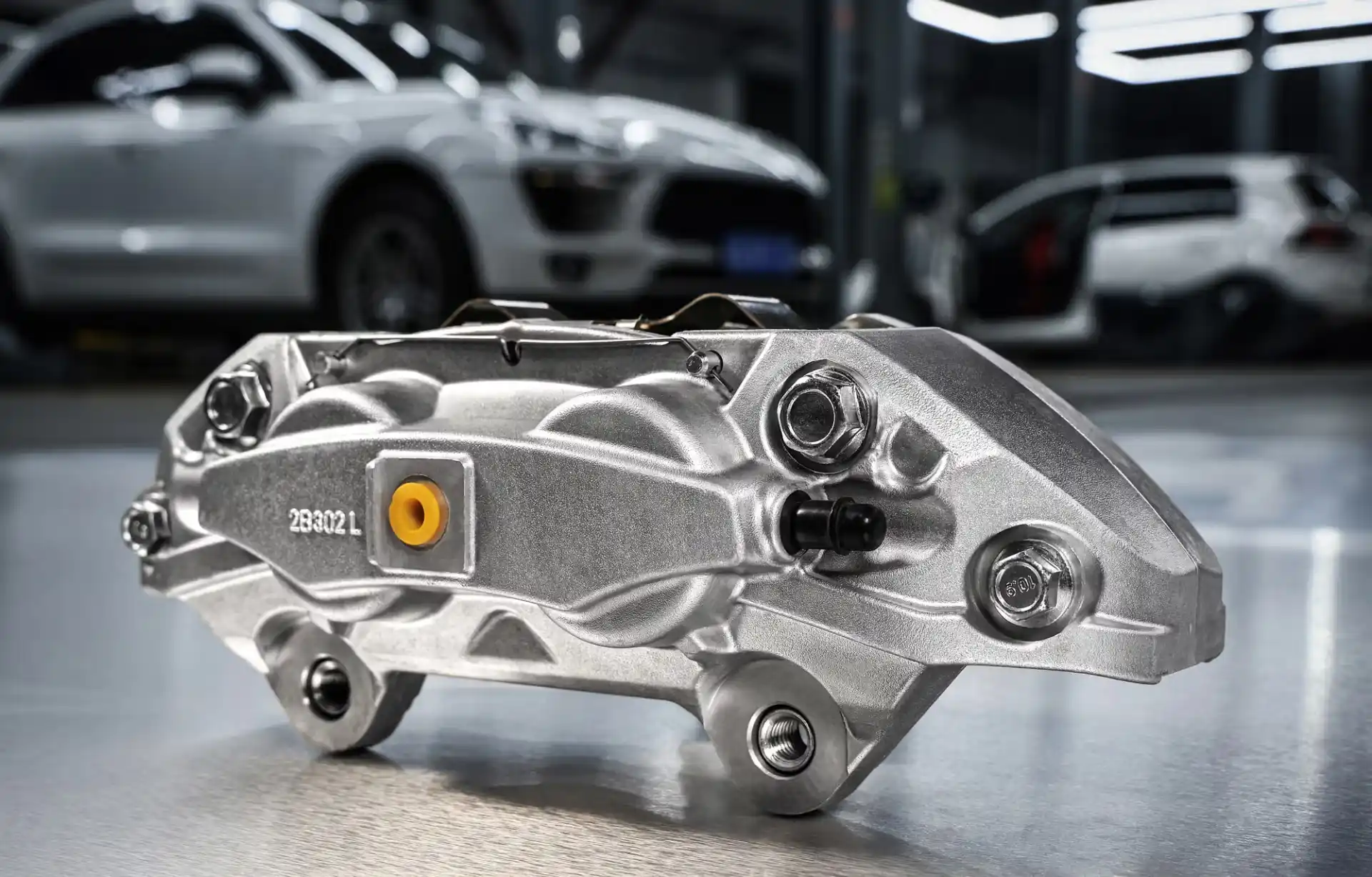
        • Brake Calipers: The brake caliper is a crucial part of the disc brake system. It houses the brake pads and pistons and is responsible for squeezing the pads against the rotor. Calipers come in various designs, including fixed and floating types. Chinese manufacturers produce both types, often with a focus on lightweight design and improved corrosion resistance.

        • Brake Kits: For convenience and a complete replacement solution, many Chinese suppliers offer comprehensive brake kits. These typically include a pair of brake pads and brake discs, or a set of brake shoes and drums, designed to work together seamlessly for optimal performance.

        II. Compatible Vehicle Models

        Chinese automotive brake component manufacturers serve a vast range of vehicle models, catering to both domestic and international markets. Due to the high volume of production and extensive R&D, they have developed products compatible with a staggering number of car makes and models from around the world.

        • Global Coverage: Chinese suppliers produce parts for a wide range of global brands, including but not limited to, Ford, GM, Volkswagen, Toyota, Honda, Nissan, BMW, Mercedes-Benz, and Audi. They also have a strong focus on the parts needed for Chinese domestic brands like BYD, Geely, Chery, and Great Wall Motors.

        • Vehicle Segments: Whether you are sourcing for passenger cars (sedans, SUVs, hatchbacks), commercial vehicles (light trucks, heavy-duty trucks), or even industrial and off-road vehicles, China has a robust supply chain.

        • New Energy Vehicles (NEVs): With China’s leadership in the NEV sector, a new generation of brake parts is being developed specifically for electric and hybrid vehicles, focusing on regenerative braking compatibility and noise reduction.

        III. Functional Advantages and Features

        The rise of Chinese manufacturers in the global market is not just about price; it’s about a commitment to continuous improvement and innovation.

        • Advanced Material Science: Chinese manufacturers are investing heavily in R&D for advanced friction materials. This results in products that offer superior performance in key areas:

          • Low Noise and Vibration: Ceramic and NAO formulations are widely used to ensure quiet braking.

          • Low Dust: Ceramic pads produce significantly less brake dust, keeping wheels cleaner.

          • Enhanced Lifespan: Improved material formulas and manufacturing processes lead to longer-lasting brake pads and discs, reducing replacement frequency.

        • Precision and Quality: The use of advanced CNC machining and automated production lines ensures high precision and dimensional accuracy, guaranteeing a perfect fit and reliable performance.

        • Innovative Design: Many companies are developing lightweight brake components and incorporating features like slotted and drilled discs for better heat dissipation and improved braking performance under high-stress conditions.

        IV. Quality, Reliability, and Safety

        Safety is non-negotiable when it comes to brake components. Chinese manufacturers are increasingly focused on meeting and exceeding stringent international safety and quality standards to build trust and market share.

        • Strict Quality Control: Reputable factories have implemented rigorous quality management systems. From raw material inspection to in-process checks and final product testing, every step is meticulously monitored to ensure consistency and reliability.

        • Safety Performance: Products are subjected to various tests, including dyno testing to simulate real-world braking conditions, strength tests for brake calipers, and noise and wear-rate tests for friction materials. This ensures the products provide consistent and safe braking performance.


        • Counterfeit Prevention: To combat the issue of counterfeit products, many leading manufacturers use advanced anti-counterfeiting measures, such as unique serial numbers, QR codes, and holographic labels, allowing buyers to verify the authenticity of the product.

        V. Key Specifications and Parameters

        When sourcing, understanding the key specifications is crucial for ensuring product compatibility and performance.

        • Dimensional Specifications:

          • Brake Discs/Drums: Diameter, thickness, height, center hole diameter, and bolt hole circle diameter (PCD).

          • Brake Pads/Shoes: Length, width, thickness, and backing plate design.

          • Brake Calipers: Piston diameter, mounting bolt spacing, and mounting type.

        • Material Composition: For brake pads, key parameters include the percentage of metallic fibers, organic compounds, and ceramic materials. For discs and drums, the grade of cast iron (e.g., GG20, HT250) is a crucial indicator of strength and heat resistance.

        • Performance Metrics:

          • Coefficient of Friction (COF): A measure of the braking effectiveness. Different friction materials have different COF ratings, which are often categorized by standard codes (e.g., FF, GG).

          • Wear Rate: Indicates how quickly the brake pad or shoe wears down.

          • Noise Level: A key parameter for user comfort.

          • Thermal Stability: The ability of the component to perform consistently under high-temperature conditions.

        VI. Industrial Clusters

        China’s automotive parts industry is characterized by distinct industrial clusters, where a concentration of suppliers, manufacturers, and related services creates a highly efficient supply chain.

        • Yangtze River Delta (Shanghai, Jiangsu, Zhejiang, Anhui): This is the largest and most developed auto parts cluster in China. It is home to a vast number of both domestic and foreign-owned enterprises, specializing in a wide range of components, including brake systems, electronics, and engines. Its proximity to major ports like Shanghai and Ningbo makes it ideal for exports.

        • Pearl River Delta (Guangdong): Known for its strong manufacturing base and export-oriented economy, this region focuses on a diverse range of auto parts, including high-tech components.

        • Northeast China (Jilin, Liaoning): With a deep history in heavy industry, this cluster is centered around the traditional auto manufacturing hub of Changchun. It focuses on larger components for commercial and heavy-duty vehicles.

        • Central and Western Regions (Hubei, Chongqing, Sichuan): These areas are rapidly developing and becoming significant clusters, with companies specializing in brake systems and other key components for both traditional and new energy vehicles.

        VII. Major Chinese Manufacturers and Leading Enterprises

        The Chinese market is home to thousands of brake component manufacturers, but a few key players stand out for their scale, technology, and market presence.

        • Jinqilin (Shandong Gold麒麟): A leading manufacturer of friction materials, specializing in brake pads and shoes. They have a strong reputation for producing high-quality products that meet international standards and are a significant player in the global aftermarket.

        • Huayu Automotive Systems (HASCO): As a subsidiary of SAIC Motor, HASCO is one of China’s largest automotive parts conglomerates. While not exclusively focused on brakes, their extensive network includes key brake system suppliers.

        • Zhejiang Shuanghuan Driveline Co., Ltd.: While primarily a gear and transmission component manufacturer, they represent the high-quality, precision manufacturing capabilities found in the Zhejiang province, which also extends to brake systems.

        • Yongxin (永新): A Taiwan-based company with a strong presence in mainland China, specializing in aftermarket brake products. Known for their extensive mold library and flexible production, they have successfully penetrated the North American market and supply major brands.

        • Others: Many other large-scale manufacturers, such as Laizhou Santa Brake Co., Ltd., Guangzhou TTSports, Taizhou Savanini, and Danaher Automotive Parts Co., Ltd., are also recognized for their specialized production capabilities.

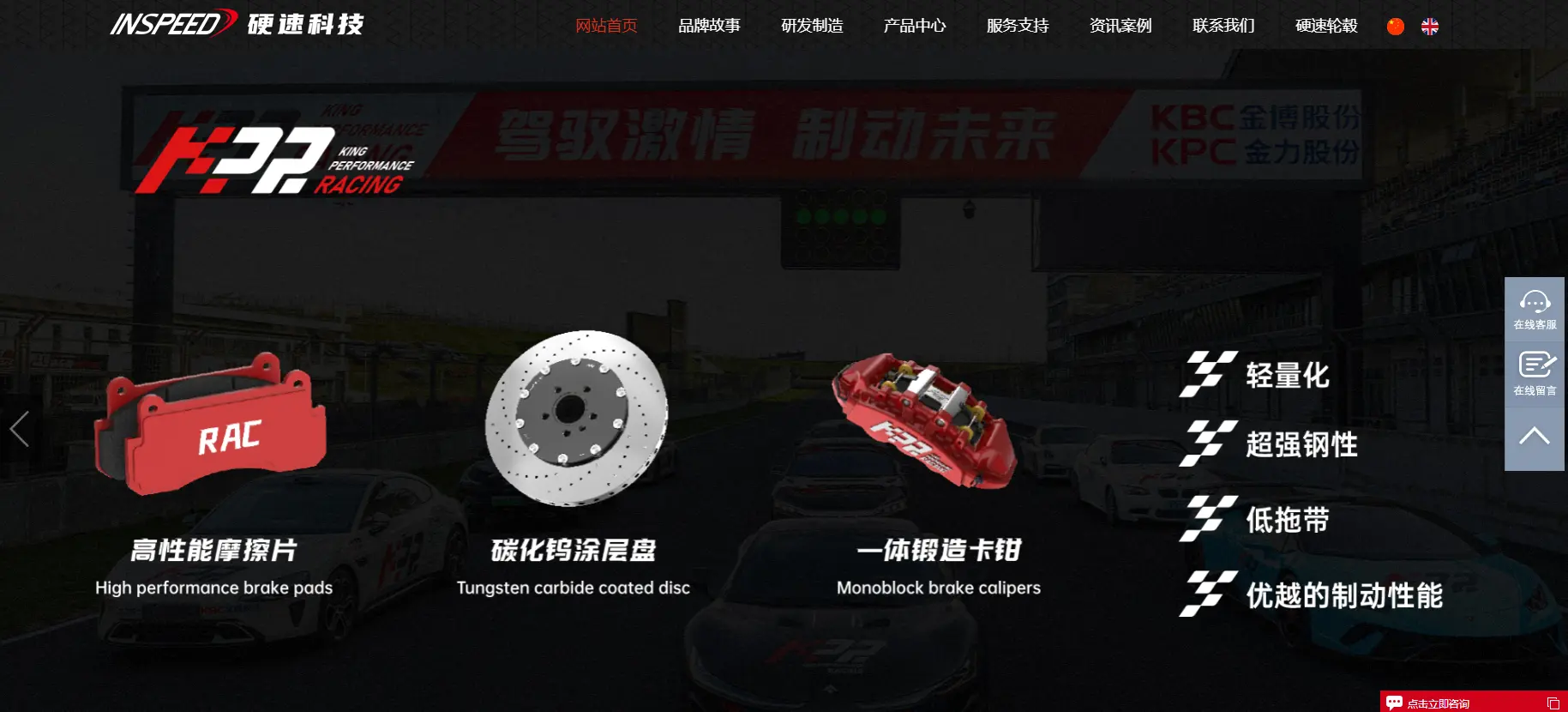
        Inspeed

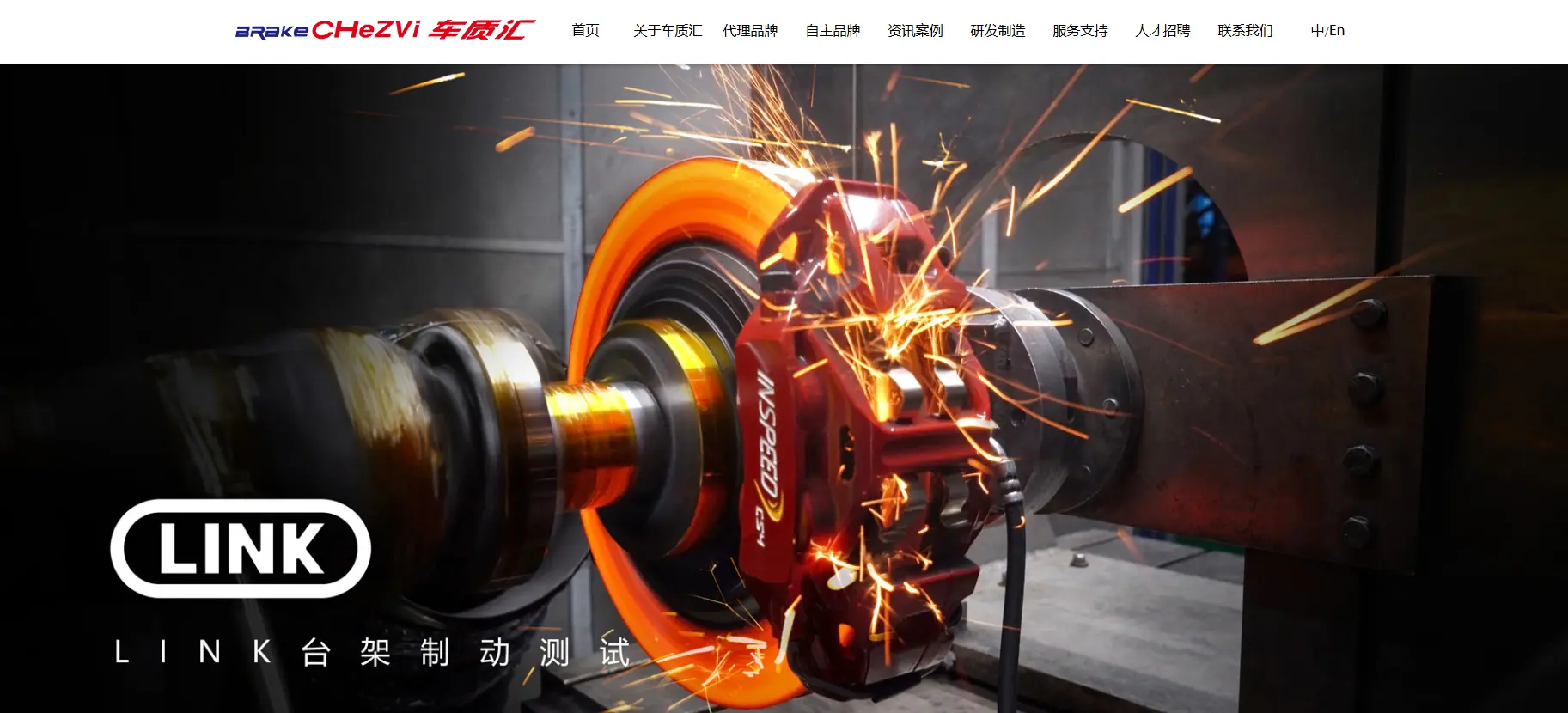
        CheZVi

        VIII. Relevant Certifications and Standards

        Ensuring that products have the right certifications is a vital part of the procurement process. These standards guarantee that the products meet national and international safety, quality, and environmental requirements.

        • China Compulsory Certification (CCC): This is the most important mandatory certification for automotive parts exported to or sold within China. The CCC Mark indicates that a product has passed rigorous safety and quality tests according to Chinese GB standards.

        • GB 5763-2018: This is a key mandatory national standard for automotive brake linings (pads and shoes). It replaced the previous version and introduced new requirements for friction performance and, critically, a limit on hazardous substances. It restricts the content of lead, mercury, hexavalent chromium, and cadmium.

        • ISO/TS 16949 / IATF 16949: The International Automotive Task Force (IATF) 16949 standard is a global quality management system standard for the automotive industry. Many leading Chinese manufacturers are IATF 16949 certified, which demonstrates a commitment to a high level of quality management.

        • ECE R90 (E-Mark): For brake pads and shoes sold in the European market, this certification is mandatory. It ensures that aftermarket replacement parts perform equivalently to the original equipment. Many Chinese manufacturers have obtained this certification to serve their European clients.

        • SAE (Society of Automotive Engineers) and AMECA (Automotive Manufacturers Equipment Compliance Agency): These are U.S.-based standards. SAE J2975 and AMECA’s Brake Pad Friction Material Registered Program are voluntary but highly respected in the North American market.

        IX. Purchasing Considerations and Best Practices

        A successful sourcing strategy requires a meticulous approach to supplier selection and product verification.

        • Supplier Vetting: Do not rely solely on online platforms. Conduct thorough due diligence, including factory visits (if possible), requesting references, and checking their certifications. Pay attention to the age of the factory and its export history.

        • Quality Control and Testing: Before placing a large order, request samples for independent testing. Verify that the product’s specifications (dimensions, materials) match your requirements. It is also advisable to work with a local quality inspection agent who can conduct pre-shipment inspections.

        • Communication: Clear and consistent communication is key. Be precise about your product specifications, quality expectations, packaging requirements, and delivery schedules. Many Chinese suppliers have English-speaking sales representatives, but a strong local partner can bridge potential communication gaps.

        • Logistics and Shipping: Understand the supplier’s incoterms (e.g., FOB, CIF) and their experience with international shipping. Factor in shipping costs, customs duties, and lead times when calculating the total landed cost of your products.

        • After-Sales Support: Inquire about the supplier’s policy on returns, defects, and warranties. A reliable partner will offer good after-sales support to protect your business interests.

        IX. Conclusion

        China’s automotive brake component industry is a mature and dynamic sector. By carefully selecting your partners, verifying product quality through certifications and testing, and understanding the logistics of international trade, you can successfully leverage the vast manufacturing capabilities and competitive pricing that China offers. This guide provides a solid foundation for your sourcing journey, helping you to procure high-quality, reliable, and safe brake components that will serve your customers well and grow your business.

        Message us for more information

        Please let us know your request, we will get back to you within 24 hours.

          Hydraulic Crawler Carrier: An In-Depth China Procurement Guide

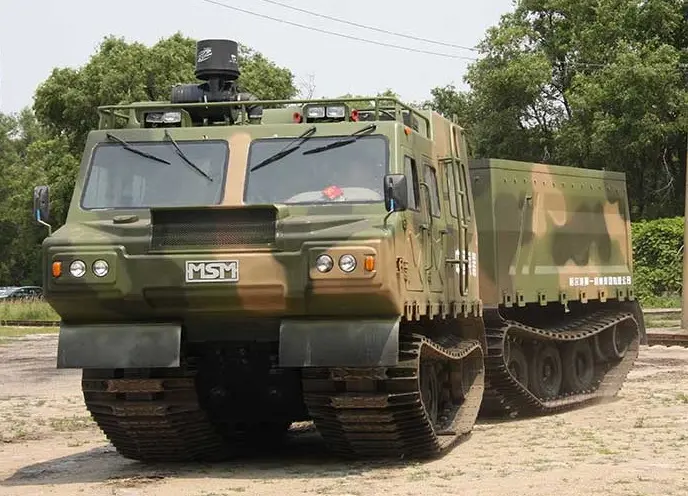
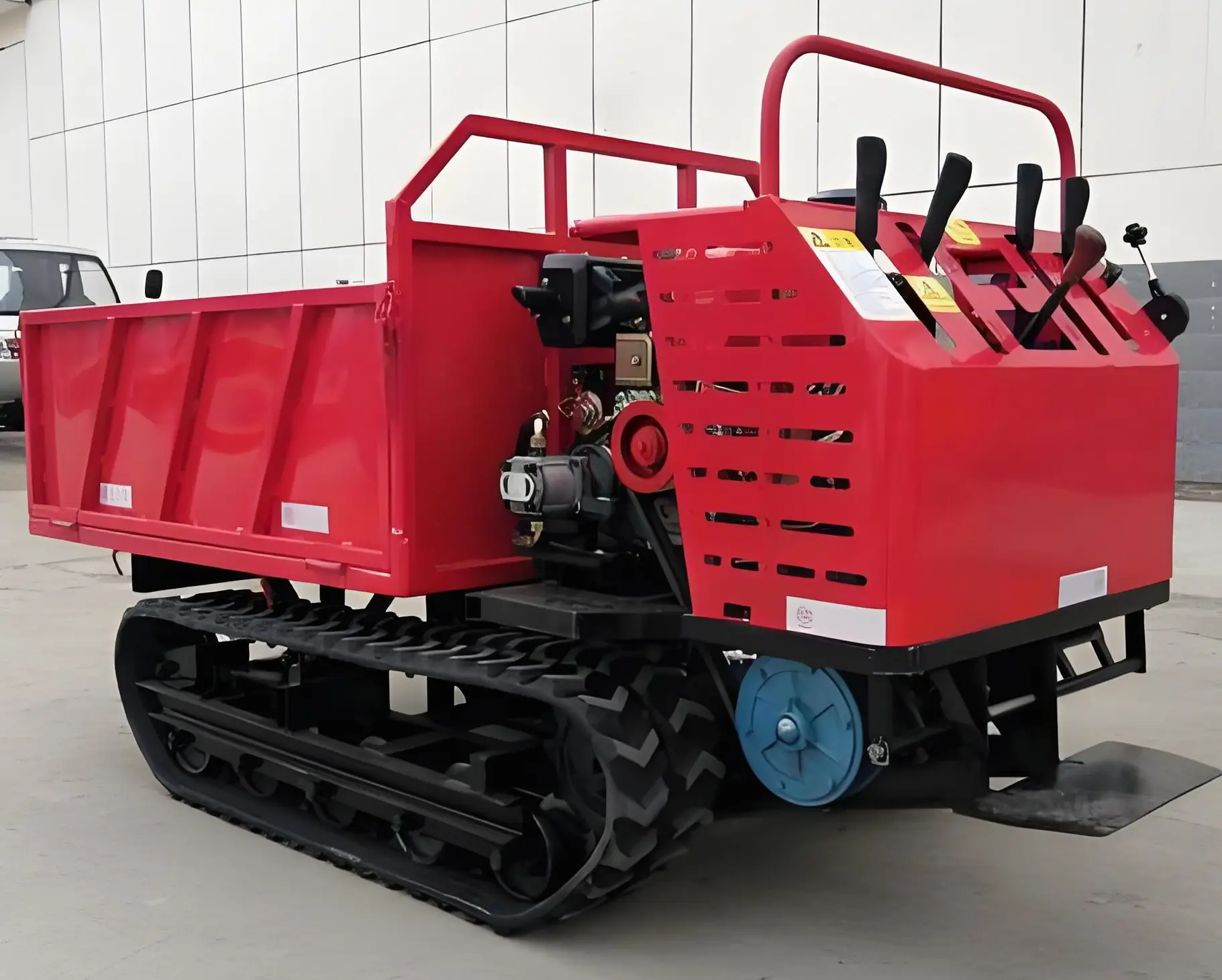
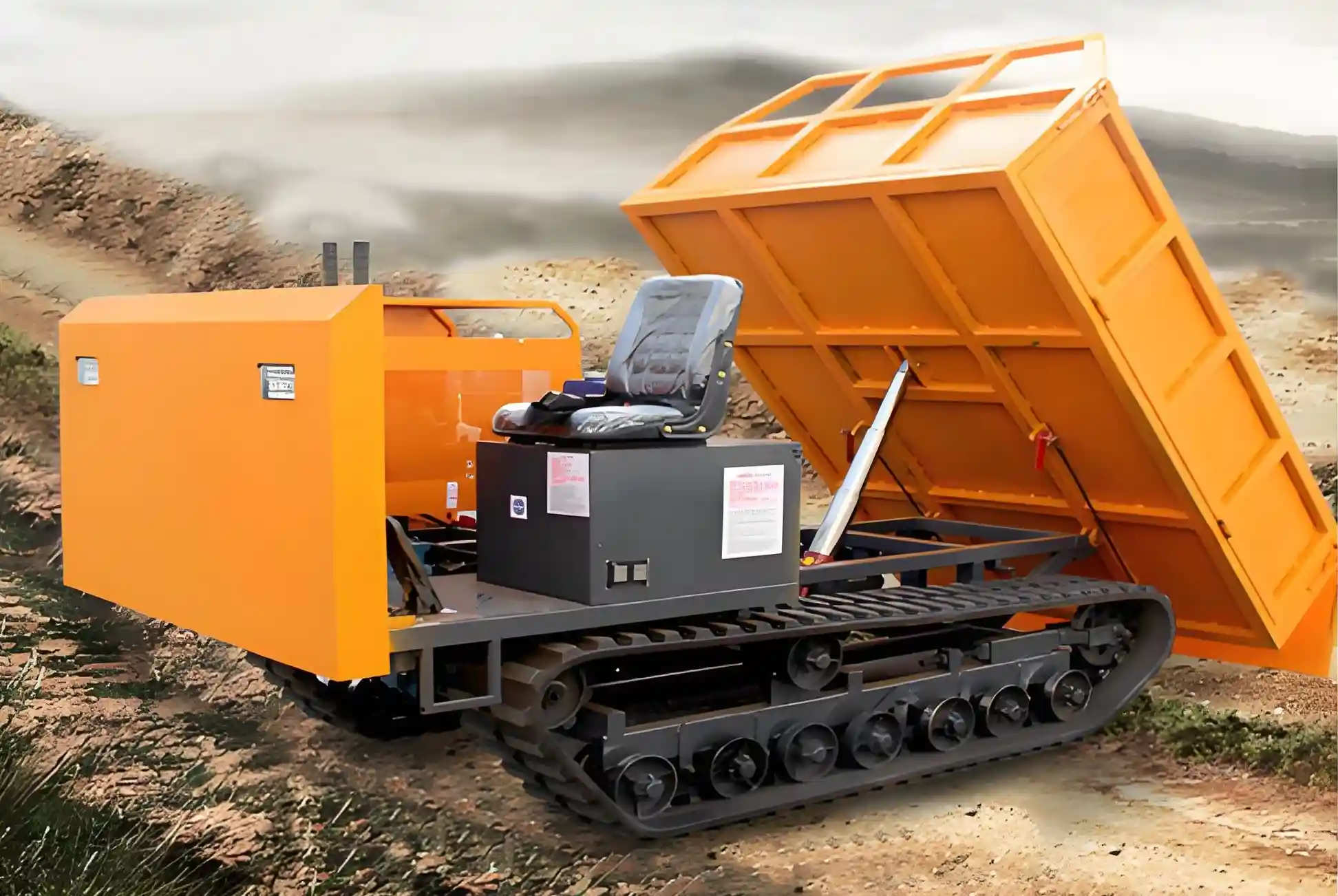
          Across the globe, the demand for robust engineering machinery capable of efficiently transporting heavy loads across rugged, uneven, and challenging terrains is on the rise. China, as a leading manufacturing hub for construction and heavy-duty equipment, has become a key supplier of hydraulic crawler carriers—also known as tracked dumpers, all-terrain transporters, or mining track carriers. These versatile vehicles are renowned for their exceptional off-road capabilities and powerful carrying capacity, making them indispensable across various industries, including construction, mining, agriculture, forestry, and public utilities.

          This guide is designed to provide global buyers with a comprehensive overview of the Chinese hydraulic crawler carrier market. We will delve into the key features, advantages, and main manufacturers of these machines and offer essential purchasing considerations to help you make an informed and strategic decision.

          I. Product Types and Application Scenarios

          Hydraulic crawler carriers come in a wide variety of types, each specifically designed to excel in particular applications. Understanding these different types and their ideal use cases is the first step toward a successful procurement.

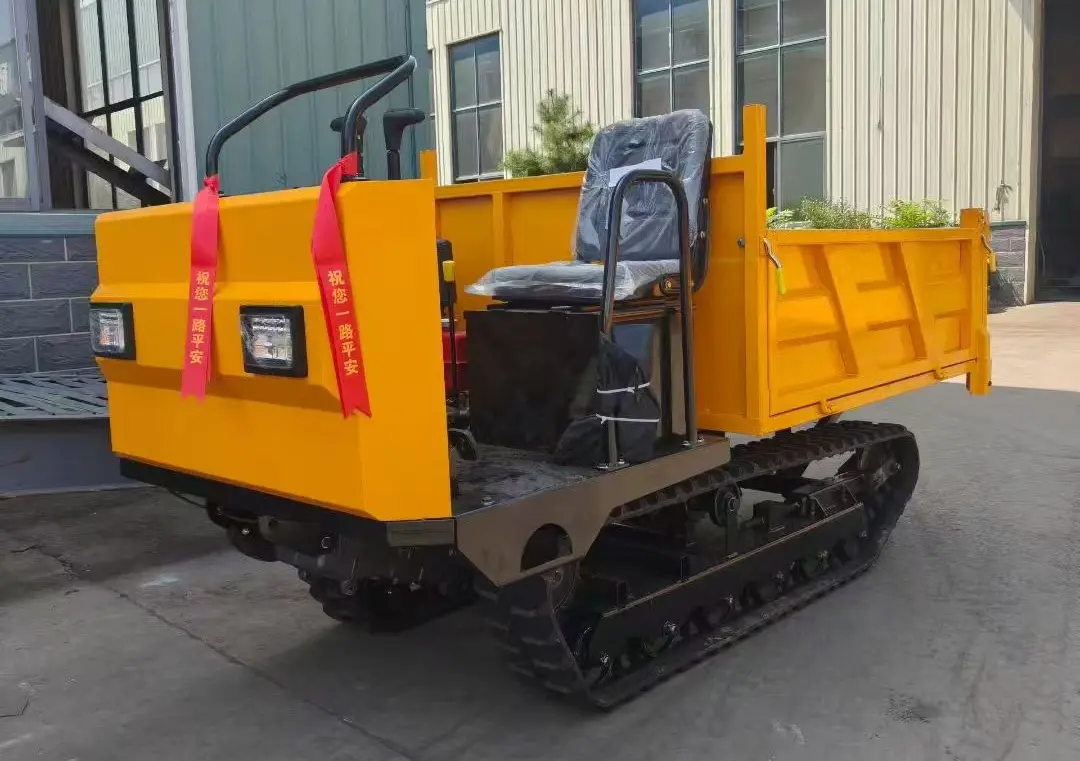
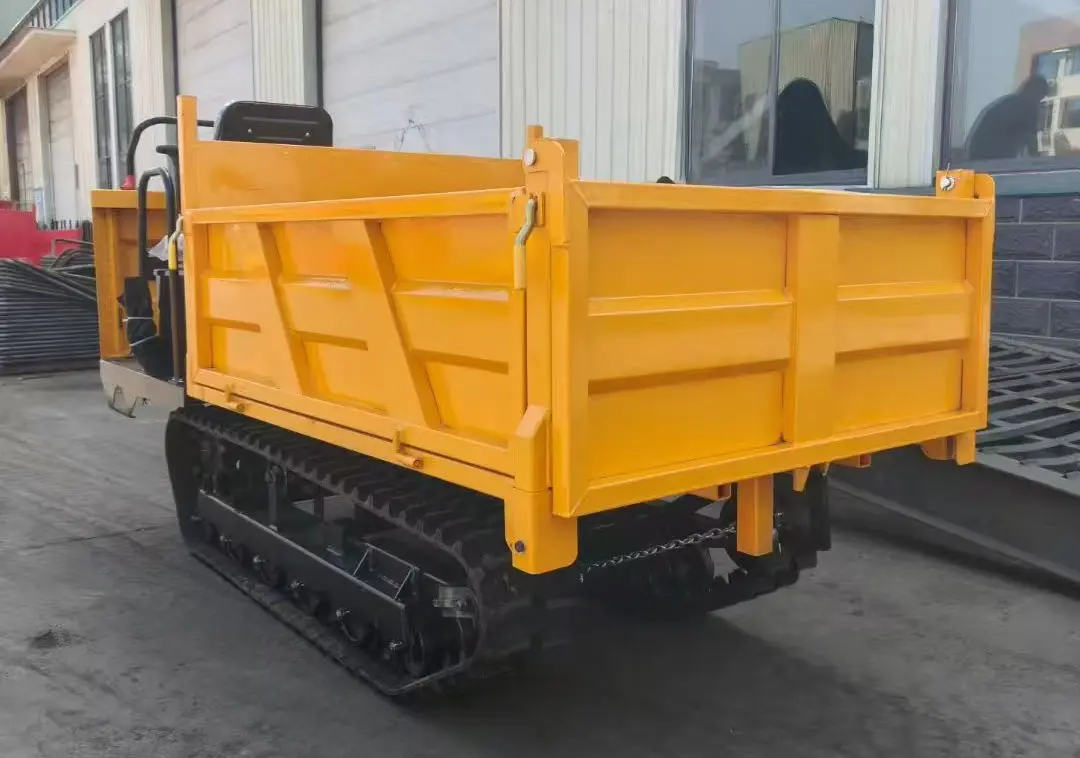
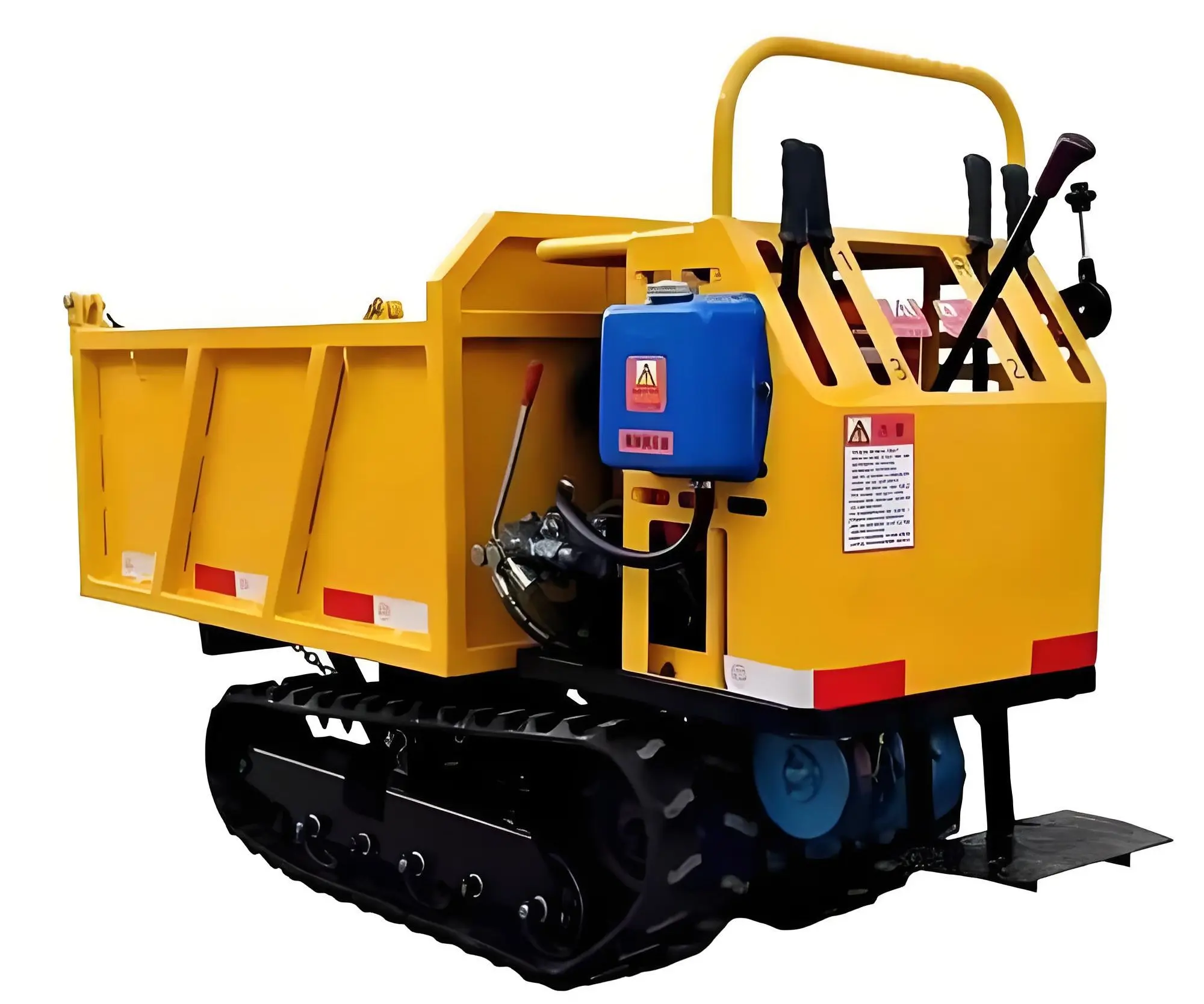
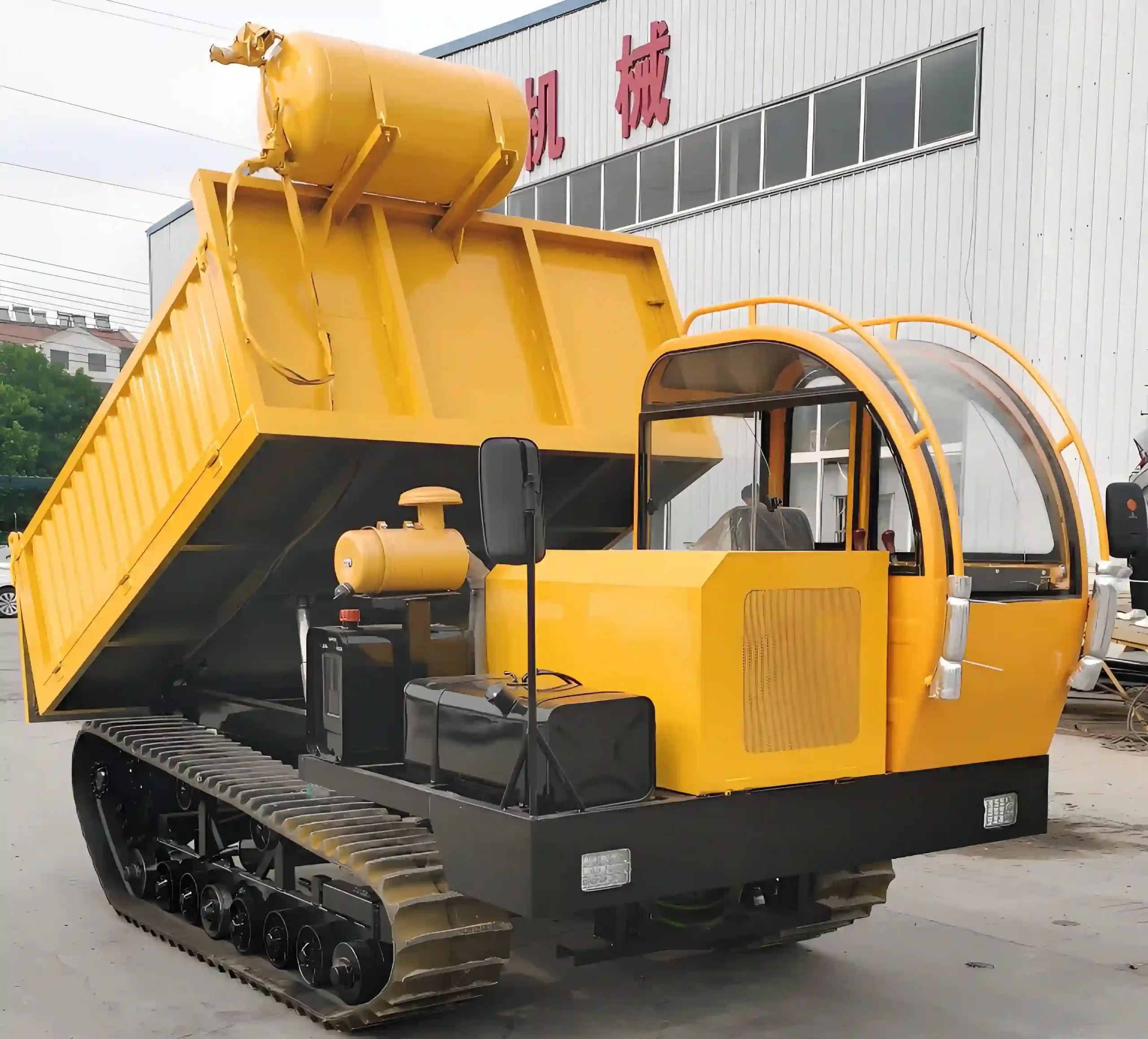
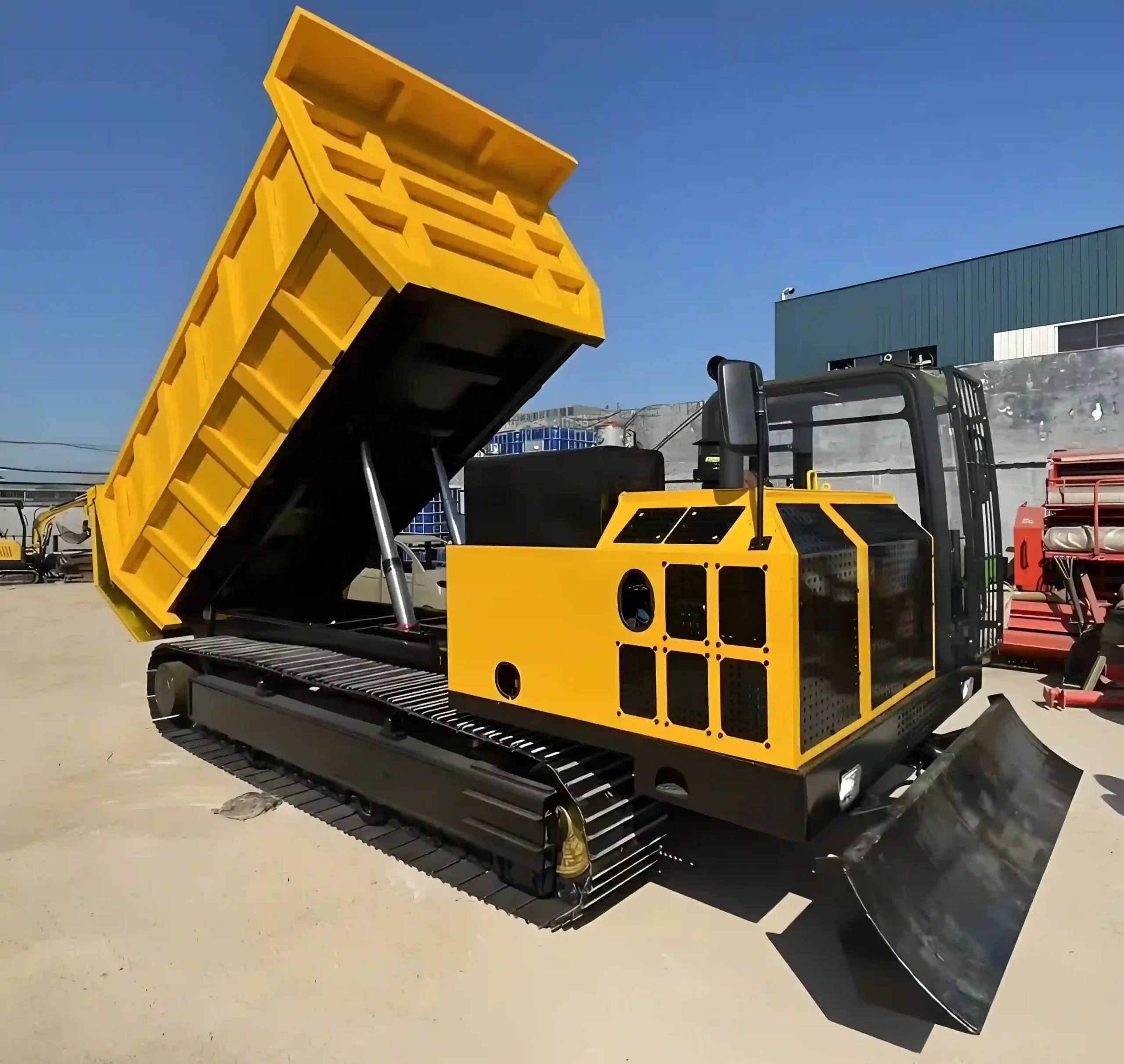
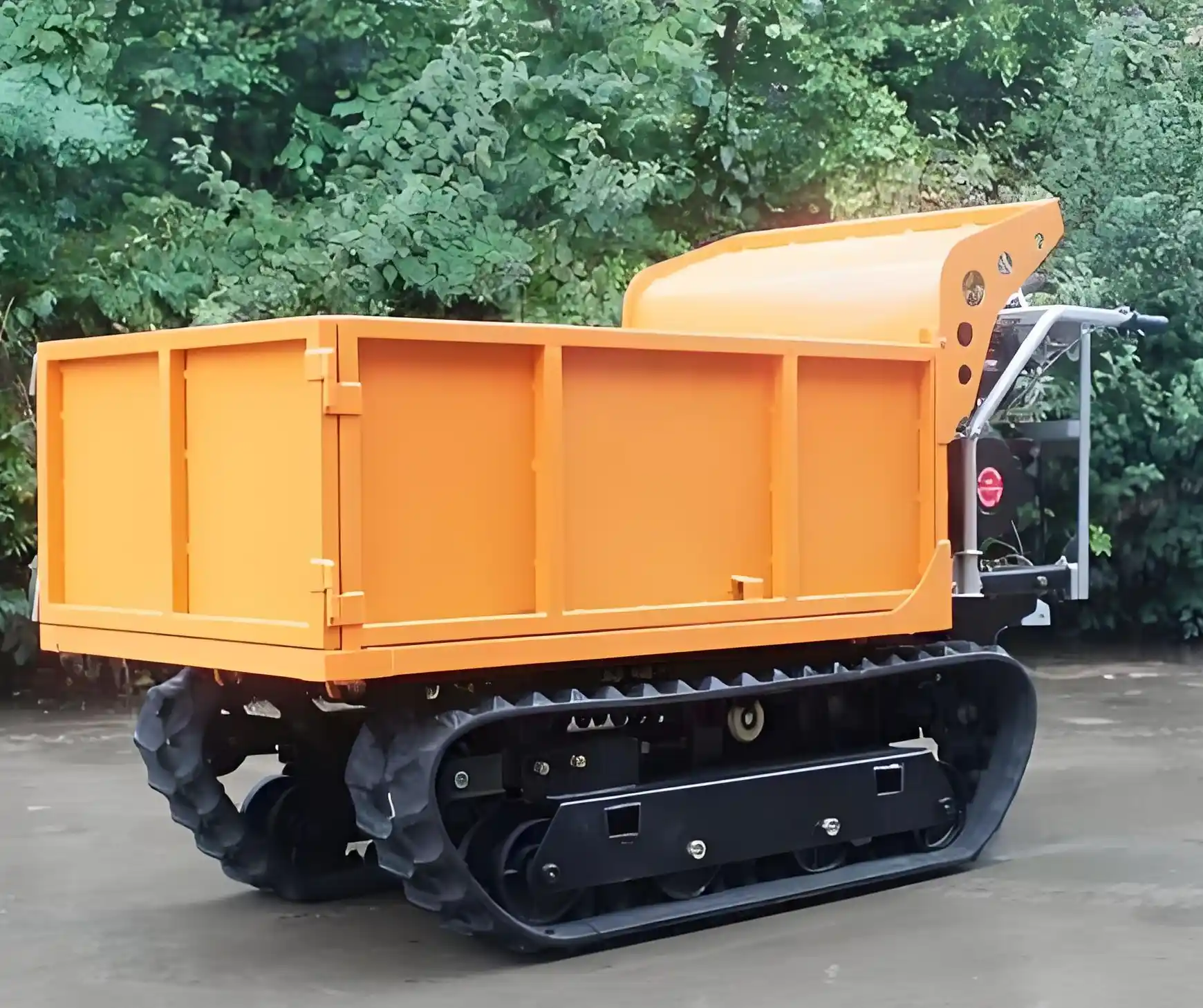
          1. Basic Crawler Dumpers
          This is the most common type, consisting of a tracked chassis and a dump bed for transporting loose materials.

          • Key Features: Compact and maneuverable, typically used for small to medium-sized loads. The hydraulic dumping function allows for quick and efficient unloading of materials.

          • Ideal Scenarios: Navigating narrow construction sites, small-scale quarries, landscaping projects, farm transportation, and any small-scale project that requires traversing muddy or slippery ground.

          2. Multi-functional Crawler Carriers
          These vehicles usually feature an open or customizable platform, allowing for the easy integration of various attachments to suit different tasks.

          • Key Features: Highly versatile, capable of being fitted with cranes, drilling rigs, concrete mixers, water tanks, or other tools. This makes them a mobile, multi-purpose workstation.

          • Ideal Scenarios: Transporting equipment in remote areas, geological exploration, pipe laying, power line maintenance, firefighting, and engineering tasks in complex terrains where standard vehicles cannot access.
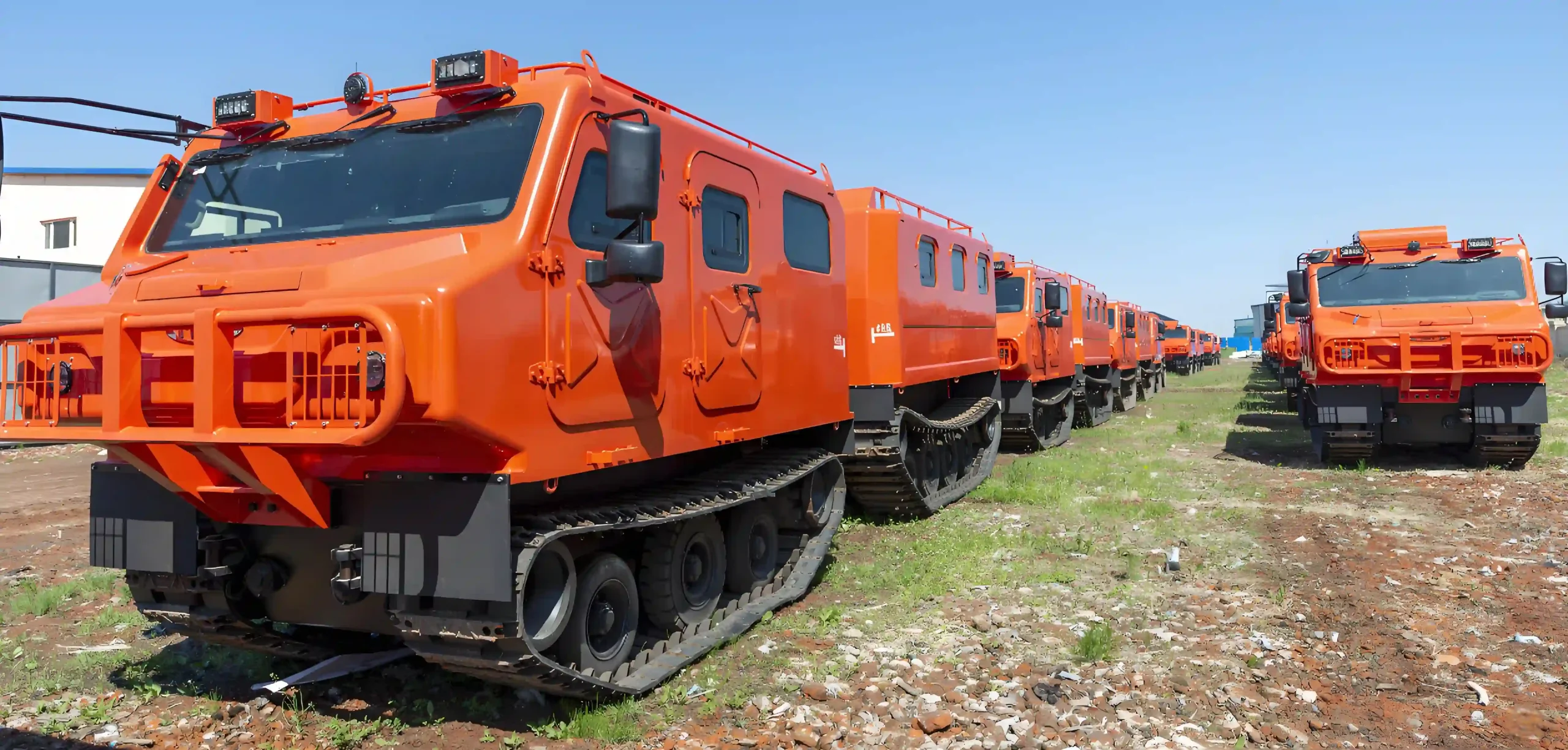
          3. All-Terrain and Specialized Crawler Carriers
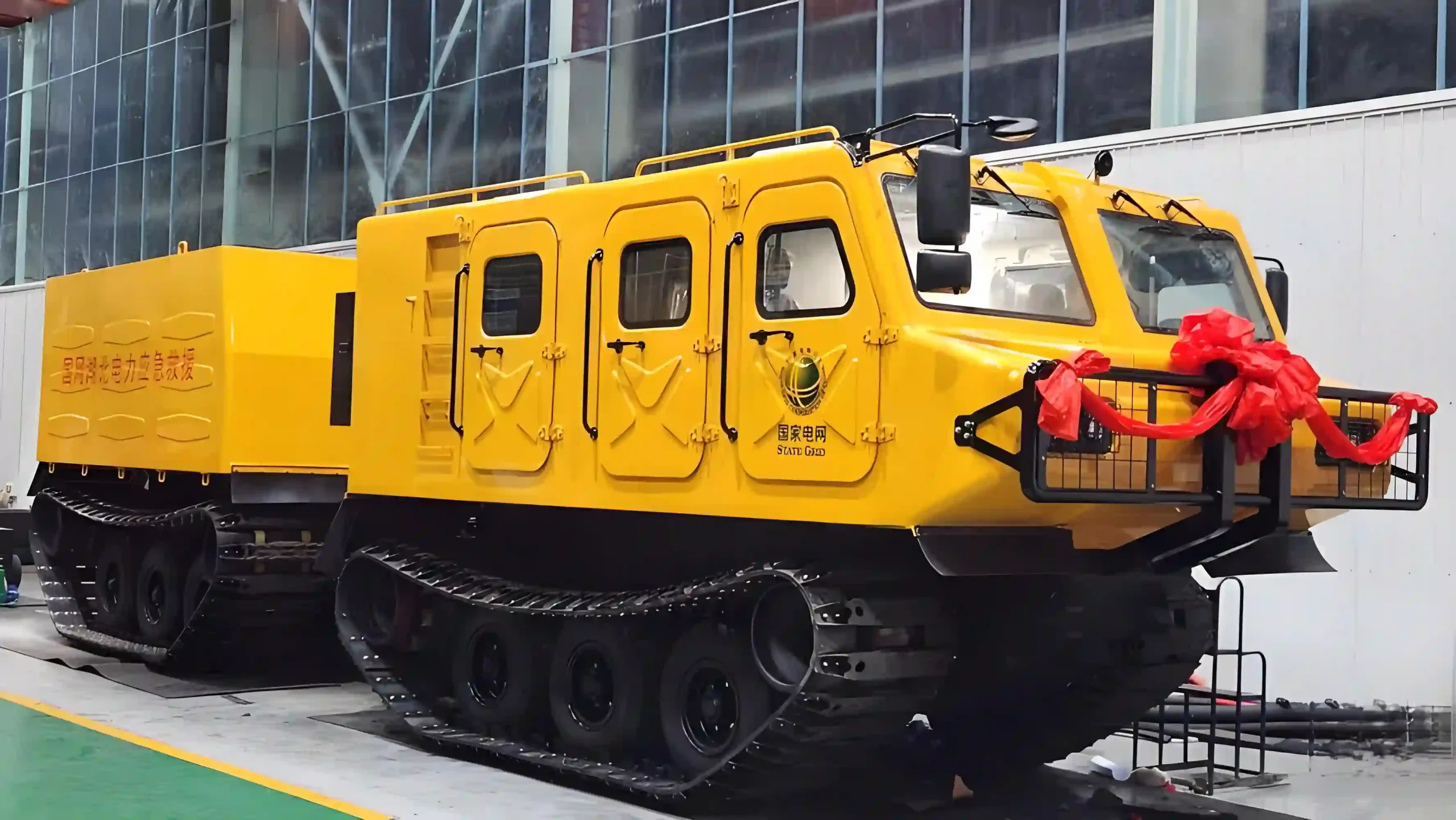
          These are engineered for the most extreme environments, including wetlands, swamps, sandy areas, and steep mountainous slopes.

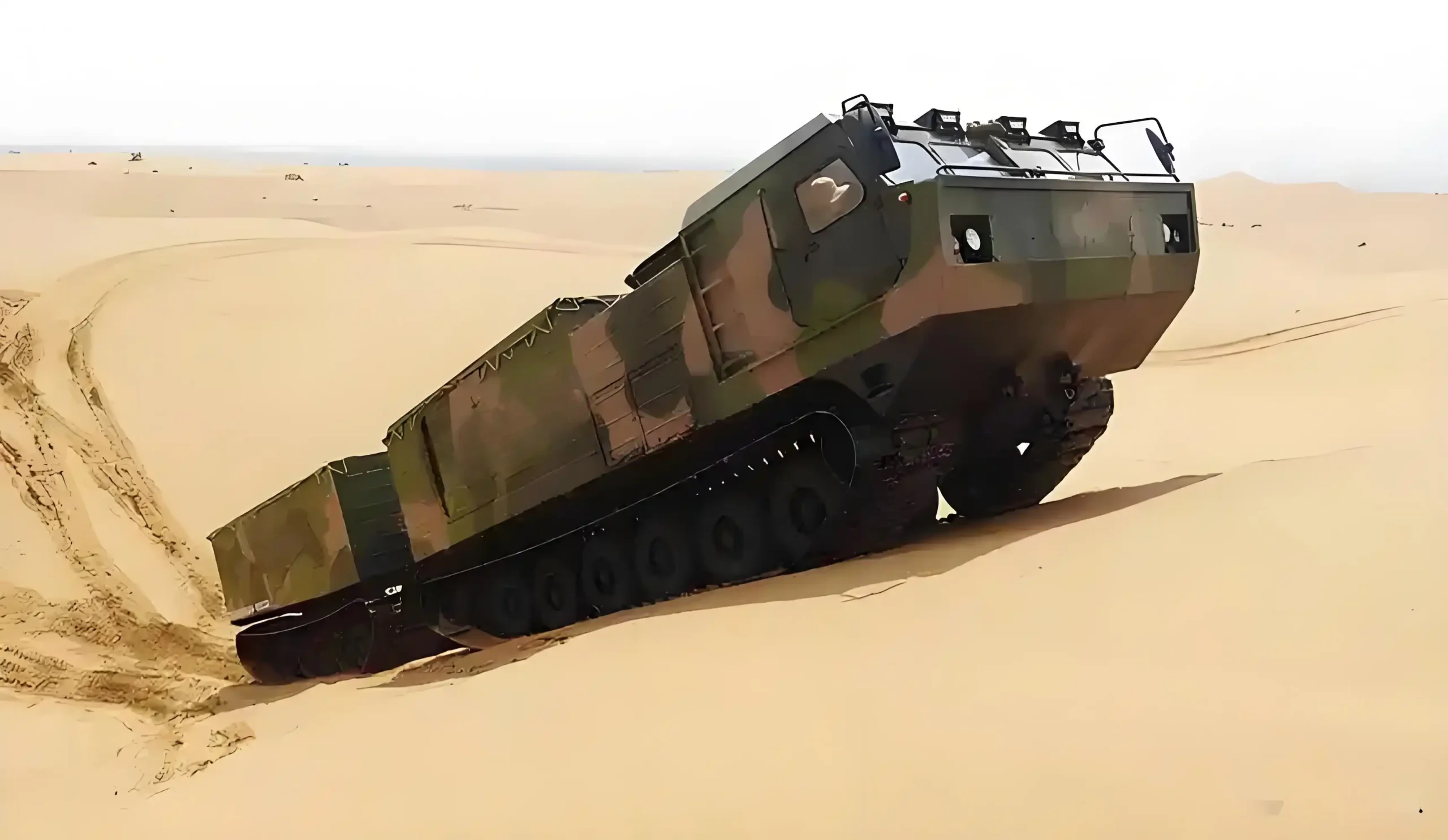
          • Key Features: Often equipped with extra-wide rubber tracks to achieve extremely low ground pressure, preventing the vehicle from sinking. Some models even have amphibious capabilities, allowing them to traverse both land and water.

          • Ideal Scenarios: Working in intertidal zones and offshore wind power foundation construction, ecological preservation projects in wetlands, seismic exploration, desert research, and mountain mining operations.

          4. Heavy-Duty Crawler Transporters
          Designed for the transportation of oversized or overweight equipment, these platforms can carry loads ranging from tens to over a hundred tons.

          • Key Features: Modular design with a high-strength steel chassis and a precise hydraulic control system. Many heavy-duty platforms feature wireless remote control functionality to ensure operator safety during loading and unloading.

          • Ideal Scenarios: Relocating large semi-mobile crushing plants in open-pit mines, transporting massive industrial equipment, moving bridge components, and other super-heavy logistics tasks.

          II. Core Functional Advantages and Quality Reliability

          Choosing a hydraulic crawler carrier from a Chinese manufacturer offers significant advantages in performance, cost-effectiveness, and adaptability.

          1. Superior All-Terrain Capability
          This is the core advantage of these machines. Their broad tracks distribute the vehicle’s weight, significantly reducing ground pressure and allowing them to effortlessly cross soft, muddy, rocky, or slippery ground without getting stuck. This capability is crucial in construction, agriculture, and mining.

          2. Powerful Traction and Climbing Ability
          The tracked drive system provides far more traction than wheeled vehicles, enabling them to easily handle steep slopes and uneven terrain. This is why they are often nicknamed “mountain-climbing tigers” (爬山虎运输车) in China, as they can operate efficiently in challenging environments like mountainous regions and mining sites.

          3. Versatility and Attachment Compatibility
          The hydraulic system is the heart of these vehicles, providing not only the power for movement but also a robust hydraulic source for various attachments. Buyers can choose to equip the carrier with a range of hydraulic tools, such as crane arms, winches, drills, or specialized cargo boxes, allowing for multiple uses from a single machine and maximizing return on investment.

          4. Quality and Reliability
          Leading Chinese manufacturers have established stringent quality control systems to ensure that every stage, from raw material sourcing to final assembly, meets high standards. The widespread use of high-strength steel and internationally recognized hydraulic components and engines (such as Cummins, Isuzu, or Kubota) ensures durability and reliability. These vehicles undergo rigorous factory testing and quality inspections to guarantee stable performance in demanding conditions.

          III. Safety and Operational Convenience

          Safety is a top priority when procuring any heavy machinery. Chinese manufacturers have incorporated numerous safety features into their designs while focusing on improving operational convenience.

          1. Remote Control Technology
          Many modern crawler carriers are equipped with wireless remote control systems, allowing operators to work from a safe distance, especially in hazardous or low-visibility environments. This significantly reduces the risk of operator injury and enhances precision during operation.

          2. Stable Hydraulic Systems and Inclinometer Displays
          Advanced load-sensing hydraulic systems can automatically adjust output based on the load and slope, ensuring the vehicle remains stable during transport. Some models are equipped with inclinometers that display the platform’s tilt in real time, helping operators make timely adjustments and minimize safety risks when transporting heavy or high-center-of-gravity loads.

          3. Ergonomic Design
          Modern cabin designs prioritize operator comfort and safety. A wide field of vision, ergonomically designed seating, and intuitive control panels (such as touch screens) reduce operator fatigue and increase efficiency. The standard inclusion of high-definition rearview cameras also greatly improves visibility to the rear of the machine, further enhancing safety.

          IV. Key Specifications and Parameters

          Understanding a product’s technical specifications is crucial during the procurement process. Here are some key parameters to focus on:
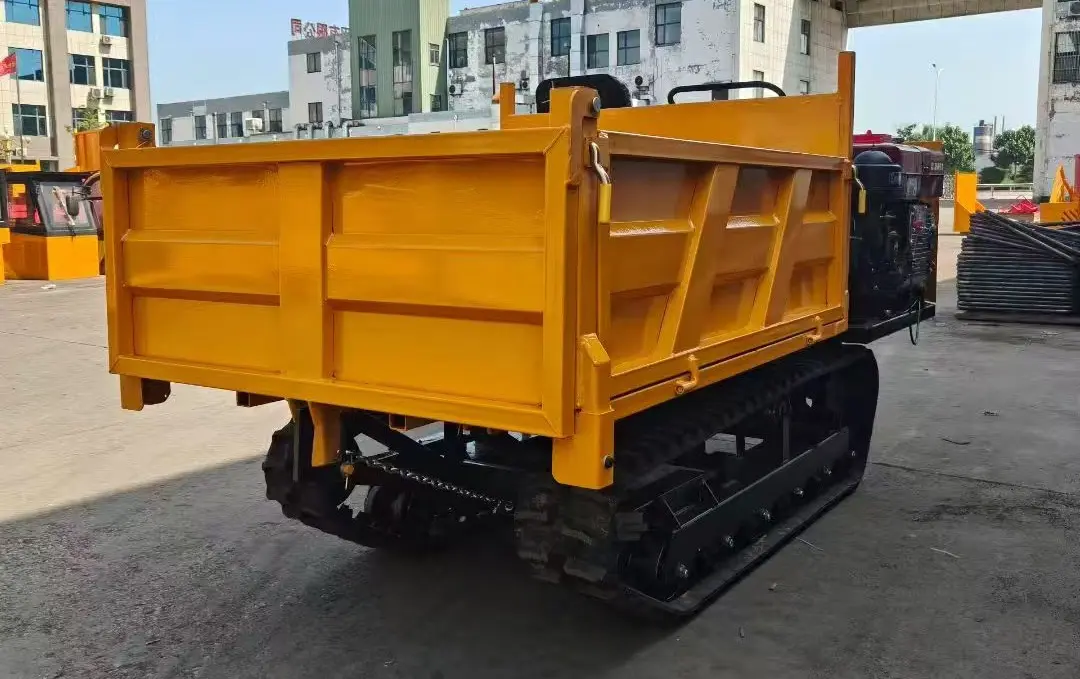
          • Rated Load Capacity: This is the most important parameter, typically ranging from 1 to 60 tons, with heavy-duty platforms exceeding 120 tons. When choosing a capacity, consider your actual transportation needs and allow for a safety margin.

          • Engine Power: Affects the vehicle’s traction, climbing ability, and operating speed. It is usually measured in kilowatts (kW) or horsepower (HP).

          • Traveling Speed: Generally ranges from 2 to 10 kilometers per hour, depending on the model and application.

          • Hydraulic System Pressure: Determines the vehicle’s power and the performance of its attachments, typically measured in megapascals (MPa) or pounds per square inch (psi).

          • Track Width and Type: Track width influences ground pressure. Wide tracks (e.g., 500mm-800mm) are suitable for soft terrains. Tracks can be made of rubber or steel; rubber is ideal for protecting surfaces, while steel is more durable for rocky, harsh terrain.

          • Dimensions and Operating Weight: Affect the vehicle’s transportability and maneuverability in confined spaces.

          V. Industrial Clusters and Key Manufacturers in China

          China, as one of the world’s largest manufacturers of construction machinery, has developed several industrial clusters. These regions gather numerous manufacturers and suppliers, forming complete supply chains.

          • Shandong Province (especially Jining and Qingzhou): Shandong is a major hub for China’s engineering machinery industry. Jining is renowned for its heavy machinery manufacturing, with a concentration of crawler carrier and component manufacturers, forming a robust supply chain network. Many companies, such as Jining Shanmei Industrial & Mining Materials Group, are based here.

          • Jiangsu Province: Jiangsu hosts several manufacturers specializing in hydraulic systems and tracked undercarriages, including well-known companies like XCMG Group. These companies have a competitive advantage in technological research and quality control, providing high-quality tracked chassis and complete vehicle solutions.

          • Hunan Province: Hunan is another important base for the engineering machinery industry, home to globally recognized industry leaders like SANY Group. While crawler carriers may not be their primary product line, their strong technological background and manufacturing capabilities support numerous small and medium-sized manufacturers in this field.

          Noteworthy Manufacturers and Companies:

          • XCMG Group: A leading enterprise in the Chinese engineering machinery industry with deep technical expertise in heavy machinery manufacturing.

          • SANY Group: A globally renowned heavy machinery manufacturer known for its high quality and innovative technology.

          • Lonking: Focused on loaders, excavators, and other engineering machinery, its technology also extends into the crawler carrier sector.

          • NORINCO Group Harbin First Machinery: A key national military security enterprise and the birthplace of many first military products in China. More than 70 years, it has now become a research and production base for clawler tracked machinery systems, and engineering support equipment in China.
          • Other Specialized Manufacturers: Within these industrial clusters, there are also many small and medium-sized manufacturers specializing in crawler carriers. They often provide more flexible customization services and competitive pricing, such as Hunan Plum Mechanical and Electrical Technology Co., Ltd., and

          • Shandong Dongda Electromechanical Co., Ltd.

          • Shandong Huake Machinery Co., Ltd.

          VI. Relevant Certification Requirements

          When procuring machinery from China, understanding the certification requirements is essential. This is not only a guarantee of legal import and sale but also a key indicator of product quality.

          1. China Compulsory Certification (CCC)
          CCC certification is a mandatory certification issued by the Chinese government for products that meet national safety standards. For motor vehicles (including certain tracked vehicles) sold and used within China, CCC certification is a must. The certification process involves product testing and factory audits to ensure compliance with China’s safety, EMC (electromagnetic compatibility), and environmental standards.

          2. CE Certification (for the European Market)
          If your target market is Europe, CE (Conformité Européenne) certification is mandatory. It signifies that the product complies with EU health, safety, and environmental protection standards. For crawler carriers, this means meeting the requirements of the Machinery Directive and other relevant directives. Many export-oriented Chinese manufacturers have obtained CE certification to cater to international buyers.

          3. ISO Certification
          International standards like ISO 9001 (Quality Management System) and ISO 14001 (Environmental Management System) are not mandatory, but they are crucial indicators of a manufacturer’s management level and product quality. A supplier with these certifications typically has well-documented production processes, reliable product quality, and a commitment to continuous improvement.

          4. Other Certifications
          Depending on the import requirements of different countries, other certifications may be necessary, such as ANSI and OSHA standards for the U.S. market. Before purchasing, it’s vital to confirm with the supplier whether their products meet the specific requirements of your destination market.

          VII. Key Purchasing Considerations

          Successfully procuring the right hydraulic crawler carrier from China requires careful planning and due diligence. Here are some crucial factors to consider:

          1. Define Your Application Needs
          First, clearly define the vehicle’s intended use and expected tasks. Is it for small-scale transport on a construction site, or for heavy-duty hauling in a mountainous quarry? Do you need to cross muddy wetlands or operate in narrow tunnels? This will determine whether you need a light-duty dumper, a multi-functional platform, or a specialized all-terrain vehicle.

          2. Match Load Capacity and Power
          When selecting the rated load capacity, consider the maximum possible transport weight and leave a safety margin. Simultaneously, ensure the engine power is well-matched to the load capacity to guarantee optimal performance and fuel efficiency under full load conditions.

          3. Track Type and Chassis Configuration
          Choose the appropriate track type based on the terrain you plan to operate on. For soft ground, select wide rubber tracks to reduce ground pressure. For rocky or uneven terrain, steel tracks are more durable. Also, pay attention to the chassis design, such as track tension, suspension systems, and smoothness, as these directly affect the vehicle’s operational stability.

          4. Hydraulic System and Core Components
          The hydraulic system is the “heart” of the vehicle, directly impacting its performance and reliability. Opt for vehicles that use hydraulic components from reputable brands (e.g., Kawasaki, Bosch Rexroth, or top-tier domestic brands). Ask the supplier about the brand and model of the hydraulic pumps, motors, and valves to assess their quality.

          5. After-Sales Service and Parts Supply
          As with any heavy machinery, after-sales service is crucial. When selecting a supplier, investigate whether they offer an adequate inventory of spare parts, technical support, and repair services. A strong after-sales network ensures your machine can be quickly returned to operation when maintenance is needed, minimizing downtime.

          6. Evaluate the Manufacturer’s Credibility
          You can assess a manufacturer’s strength and reputation through factory visits, inspecting production lines, evaluating their quality control processes, or reviewing reports from third-party audit firms. A reputable manufacturer typically has a well-established R&D, production, and quality management system.

          7. Price vs. Value
          When comparing different suppliers, do not focus solely on the price. You must consider the total value, including product quality, technical specifications, after-sales service, and certifications. A higher-quality machine may have a greater initial cost, but its reliability, durability, and lower failure rate will lead to a higher long-term return on investment.

          VIII.Choose IMEXsourcing as Your Sourcing Partner for Hydraulic Crawler Truck in China

          When it comes to procuring high-quality hydraulic crawler carrier from China, partnering with an experienced and reliable sourcing agent is paramount. IMEXsourcing stands out as a premier choice, offering a comprehensive suite of services designed to streamline your acquisition process and secure exceptional value. Here are compelling reasons to select IMEXsourcing for your next purchase on hydraulic crawler truck:

          Extensive Procurement Expertise

          IMEXsourcing boasts a profound and long-standing history in the sourcing industry, enabling us to proficiently locate and secure a wide array of hydraulic crawler truck from highly regarded Chinese suppliers. Our deep market knowledge ensures that we connect you with manufacturers known for their reliability and superior products.

          Bespoke Design Solutions

          At IMEXsourcing, we understand that unique requirements often demand tailored solutions. We empower you to commission well-designed and standard-produced hydraulic crawler truck precisely engineered to your specifications, ensuring the final product perfectly aligns with your operational needs.

          hydraulic crawler carrier

          Thorough Supplier Verification

          Our commitment to quality begins with rigorous due diligence. We conduct comprehensive factory verifications for all potential manufacturers. This meticulous audit confirms their production capabilities, assesses their quality control protocols, and ensures their full compliance with relevant industry standards and legal requirements. 

          Expert Price Negotiation

          Leveraging our veteran status and in-depth understanding of the market dynamics, IMEXsourcing excels in negotiation. This invaluable expertise allows us to secure the most favorable pricing and terms with top-tier hydraulic crawler truck manufacturers renowned for their products, function, aftersales service and cost-efficient, optimizing your investment.

          Stringent Quality Assurance

          IMEXsourcing implements a robust quality management framework that spans the entire procurement cycle. This includes careful selection of suppliers, diligent oversight through production inspections, and thorough product testing prior to shipment, guaranteeing the integrity and performance of your hydraulic crawler transporters.


          IX. Conclusion

          The Chinese hydraulic crawler carrier industry has matured significantly, boasting strong manufacturing capabilities and technical expertise. It offers a wide range of products, from light-duty dumpers to heavy-duty transporters, to meet the diverse demands of the global market. By using this guide, we hope you will gain a better understanding of the market and be able to select the most suitable Chinese partner and product for your specific needs. By following a meticulous procurement process and considering all the factors discussed above, you can successfully acquire a high-quality, high-performance crawler carrier that will bring significant value to your projects and business.
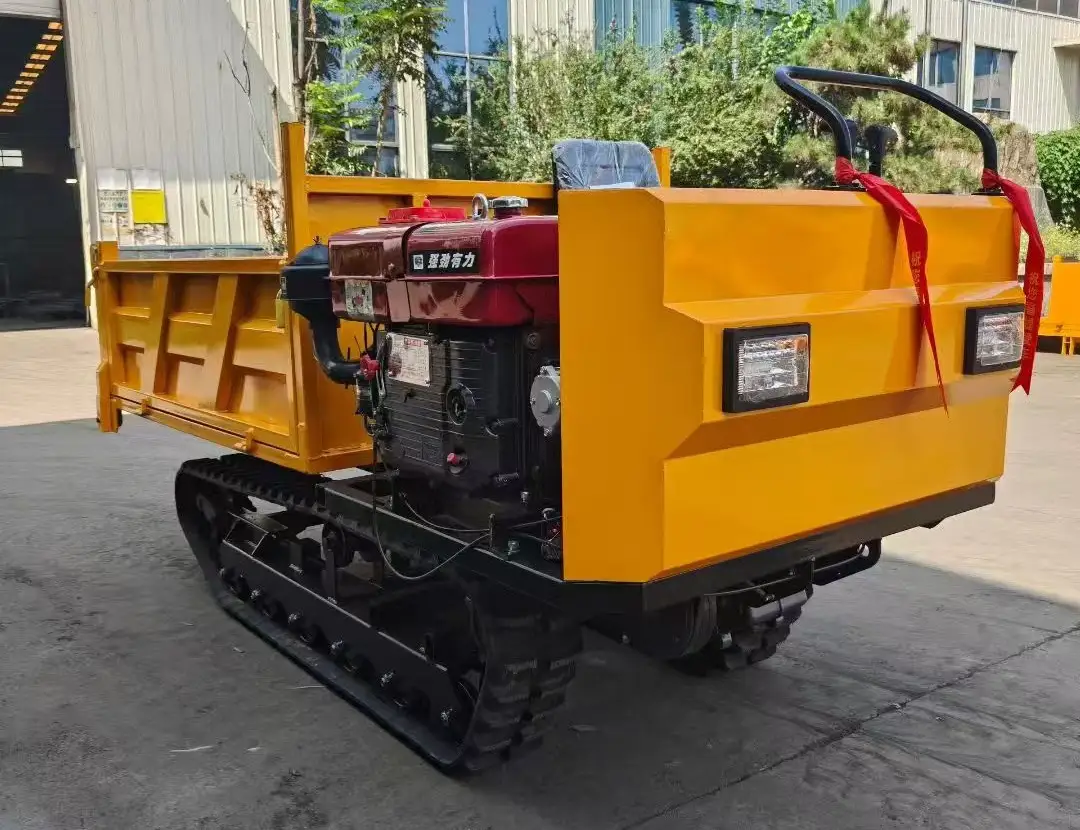
          Message us for more information

          Please let us know your request, we will get back to you within 24 hours.