Table of Contents
Introduction
When you think of mineral processing, you might imagine complex chemical processes or large-scale flotation cells. But sometimes, the most effective separation method is also the simplest—using gravity. This is where jig machines come into play. Jigging is one of the oldest and most reliable methods of mineral beneficiation, relying on the natural density differences between valuable minerals and waste rock. China has emerged as a global leader in manufacturing high-efficiency jigging equipment, serving mining operations from alluvial gold deposits to hard rock tungsten mines across Africa, Southeast Asia, South America, and beyond.
If you are looking for reliable, cost-effective, and environmentally friendly gravity separation solutions, this article will provide a comprehensive analysis of China’s jig machine industry—from working principles and product types to major manufacturers and global market performance.
I. Understanding Jig Machines
What is a Jig Machine?
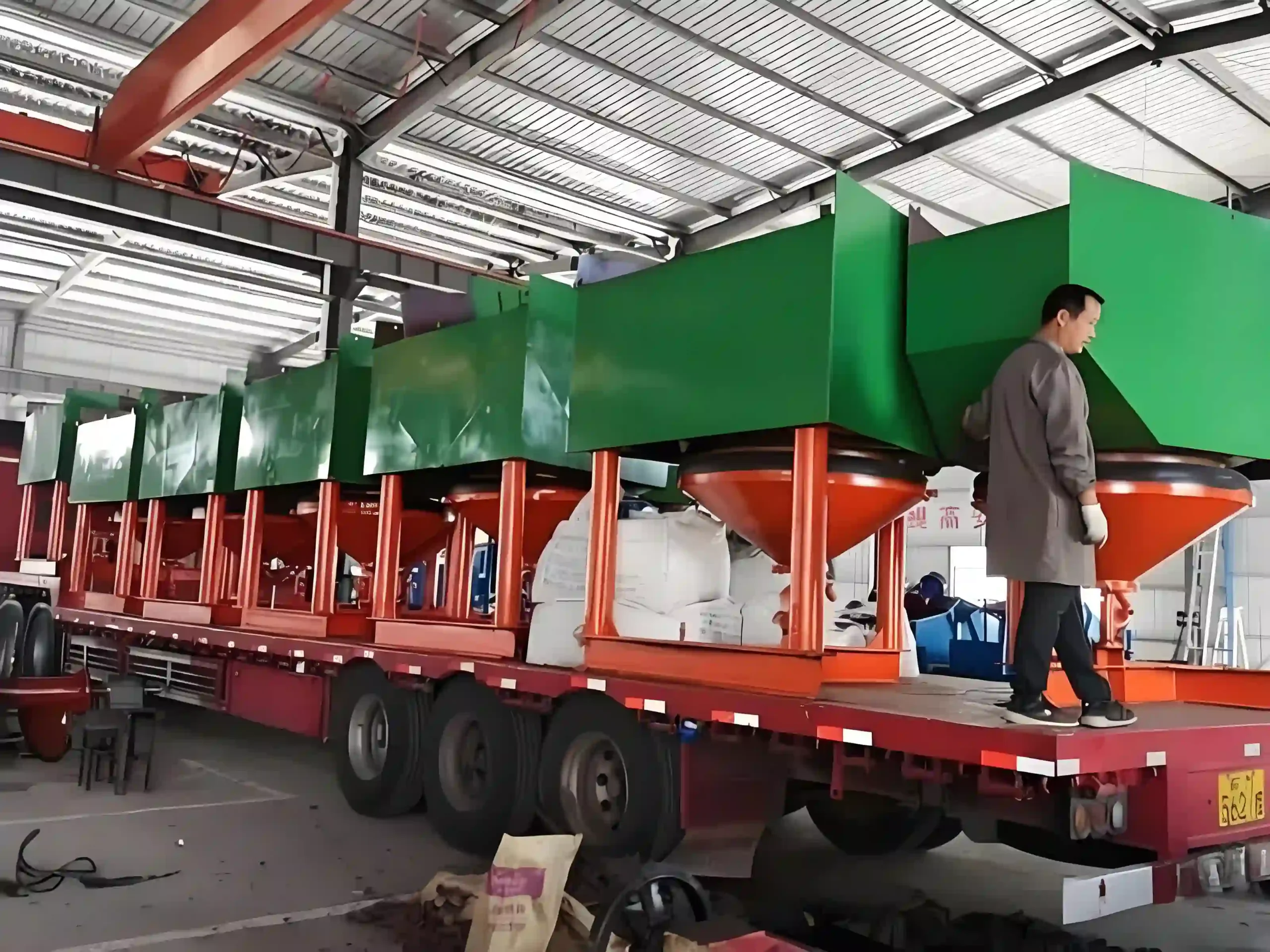
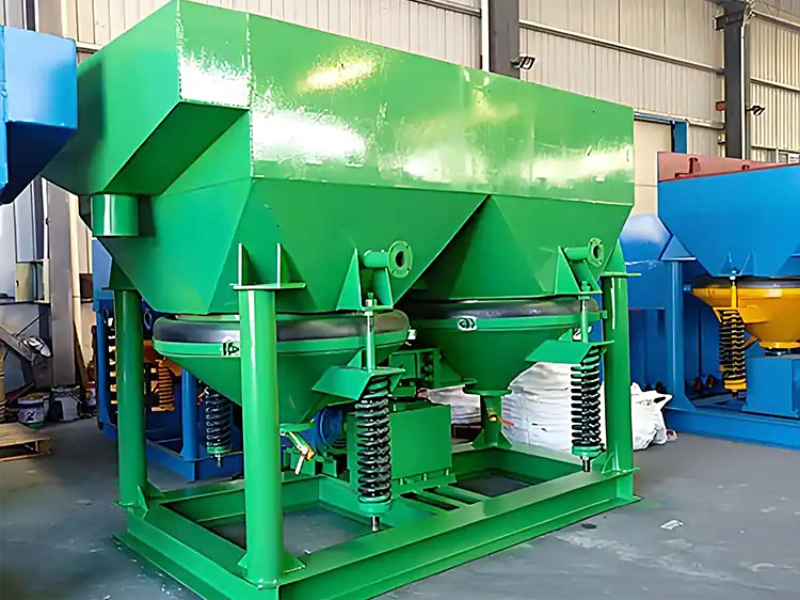
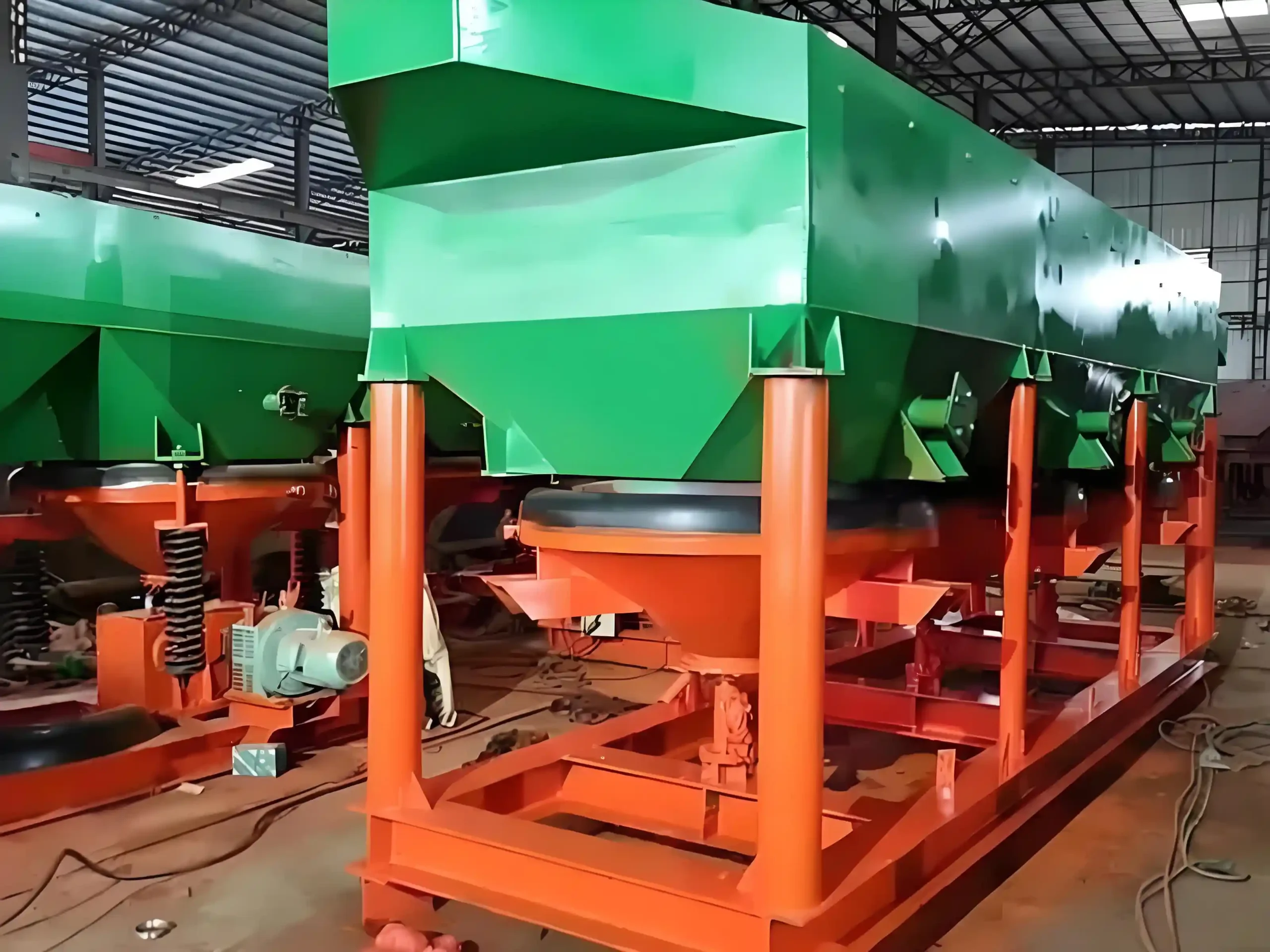
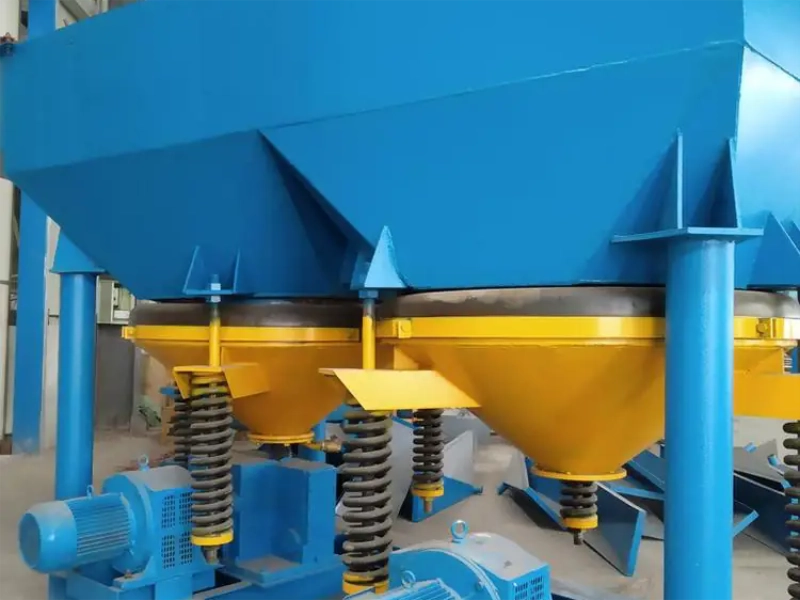
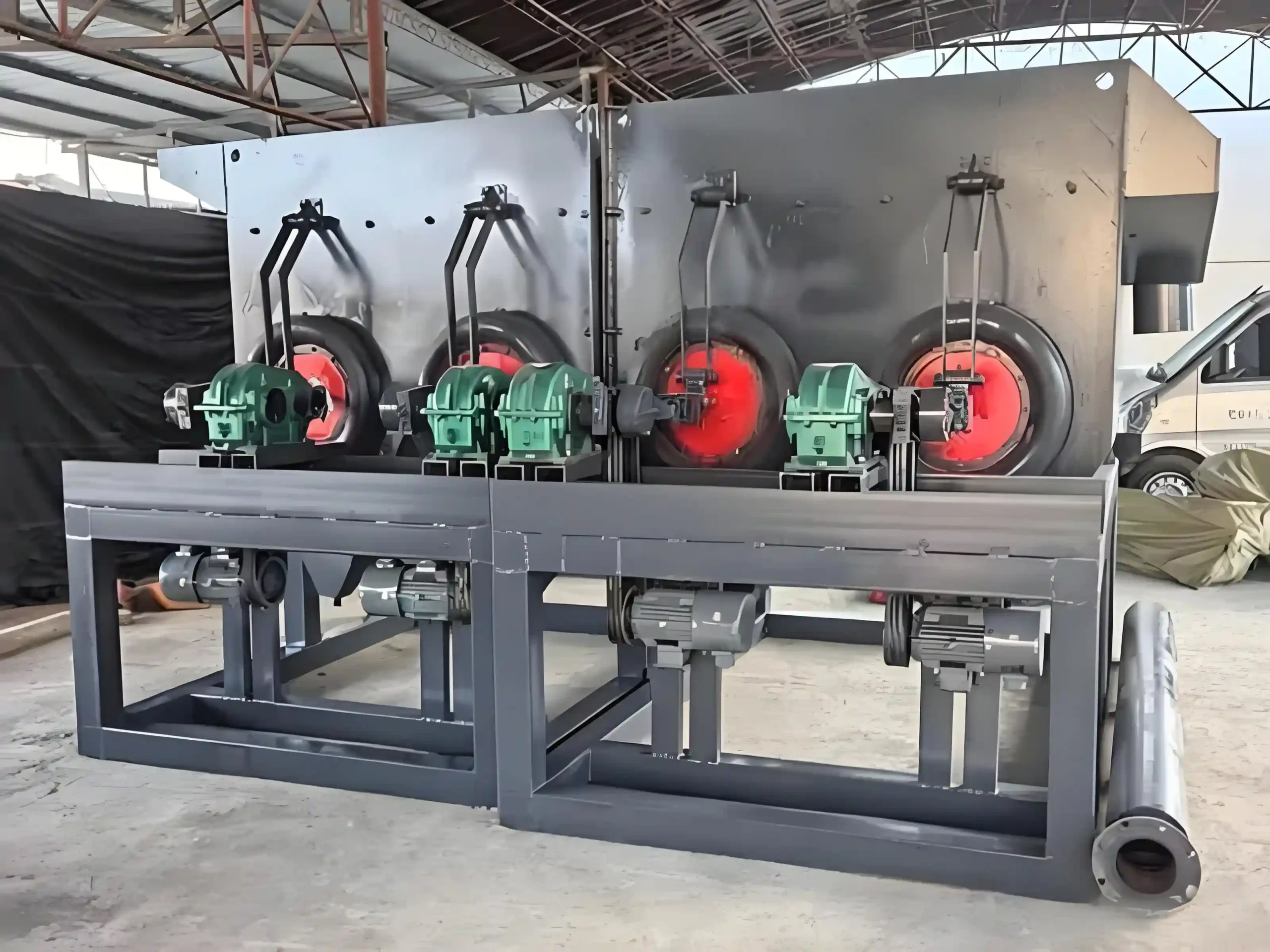
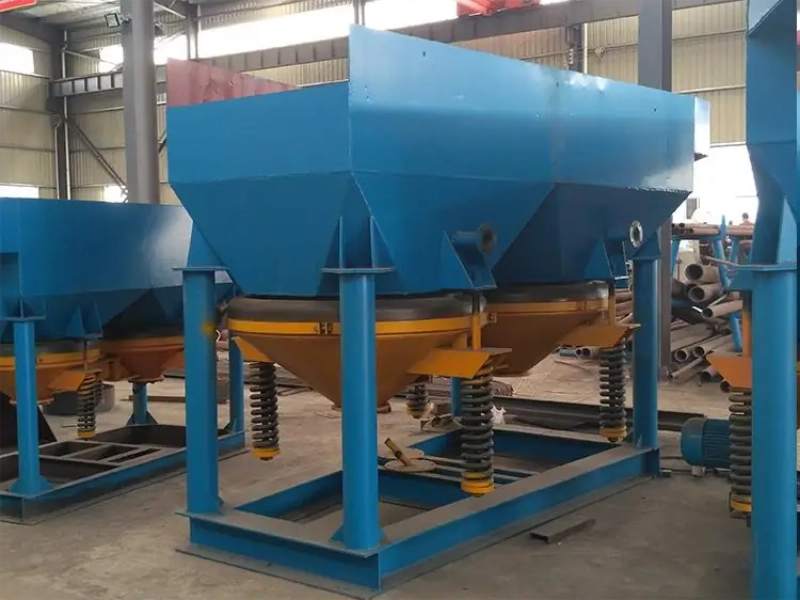
A jig machine, also known as a jig concentrator or jig separator, is a gravity separation device that separates minerals based on their specific gravity differences. It is widely used in processing plants for tungsten, tin, gold, columbite, titanium, iron, manganese, diamonds, chrome, and coal . The jigging process works by subjecting a bed of particles to a pulsating water current, causing heavier minerals to settle to the bottom while lighter minerals rise to the top .
Core Working Principle
Jig machines operate on the principle of stratification by specific gravity in a vertically moving medium (typically water). The working process can be summarized as follows:
- Pulsating Water Flow: Water is pulsed upward and downward through a screen that supports the mineral bed. This creates alternating expansion and compaction of the bed.
- Stratification by Density: During the upward stroke, the bed expands, allowing particles to move freely. During the downward stroke, water flow slows, and heavier particles settle faster through the interstices of the bed, displacing lighter particles upward .
- Layer Formation: After several pulsations, a stratified bed forms with high-density minerals at the bottom and low-density minerals at the top.
- Product Discharge: The stratified layers are separately discharged—heavy concentrate from the bottom (through the screen or from the hutch) and light tailings from the top (over the screen).
Key Technical Features of Chinese Jig Machines
- Saw-tooth Wave Pulsation: Advanced jig machines feature a saw-tooth wave pulsation curve that provides rapid acceleration for the upward stroke and gradual deceleration for the downward stroke. This design facilitates the settling of heavy minerals while allowing light minerals to be carried upward, significantly improving recovery efficiency .
- High Processing Capacity: Modern jig machines can handle up to 15-30 tons per hour per unit, with feed sizes up to 30mm .
- Water Saving: Saw-tooth wave jigs save 30-40% more water than conventional jigs, making them environmentally friendly and suitable for water-scarce regions .
- Energy Efficient: Hydraulic radial jigs can save up to 55% power compared to conventional jigs of the same capacity .
- Wide Particle Size Range: Jig machines can effectively process materials from fine particles (down to 0.5mm) up to coarse particles (up to 30mm) .
- Simple Operation: Easy to install, operate, and maintain, with stroke and jig frequency easily adjustable via frequency control technology .
II. Types and Common Uses
Based on design and application, jig machines are mainly divided into the following types:
| Type | Working Principle | Main Use | Typical Application Scenarios |
|---|---|---|---|
| Diaphragm Jig | Mechanical diaphragm pulsation | Coarse particle separation | Tungsten, tin, iron, placer gold |
| Saw-tooth Wave Jig | Asymmetric pulsation curve | Fine and coarse particle recovery | Alluvial gold, coltan, chromite, manganese |
| Hydraulic Radial Jig | Hydraulic drive with fan-shaped tank | Large capacity processing | Dredger operations, large-scale alluvial mining |
| InLine Pressure Jig | Continuous pressure jigging | Fine mineral recovery | Gold carriers, sulfide-associated minerals |
| Mobile Jig Plant | Integrated design | Flexible, on-site processing | Remote locations, small to medium-scale operations |
III. Industry Application Fields
Gold Mining
- Recovery of placer gold from alluvial deposits
- Gravity-recoverable gold (GRG) from grinding circuits
- Pre-concentration before cyanidation or flotation
Tin and Tungsten Processing
- Gravity concentration of cassiterite (tin oxide) and wolframite
- Pre-concentration to reject waste rock before further processing
- Recovery of fine tin particles down to 0.5mm
Coltan and Rare Earth Minerals
- Concentration of columbite-tantalite (coltan) ores
- Separation of tantalum-niobium minerals from gangue
- Used in 100TPH coltan processing plants in Uganda and other African countries
Iron and Manganese Beneficiation
- Concentration of hematite, limonite, and specularite
- Upgrading manganese ores
- Pre-concentration before magnetic separation
Chromite Processing
- Gravity separation of chromite from gangue
- Used in chrome ore beneficiation flow sheets worldwide
Coal Washing
- Separation of coal from shale and other waste materials
- Recovery of clean coal from coarse fractions
Recycling and Industrial Applications
- Recovery of alloy particles from manganese slag and stainless slag
- Concentration of valuable metals from bottom ash
- Processing of barite, fluorite, celestite, and other industrial minerals
IV. China’s Industrial Landscape and Key Production Hubs
After decades of development, China’s jig machine industry has formed a clustered distribution pattern, with major production bases concentrated in East China, Central China, and South China. This distinctive industrial layout, with unique characteristics in each region, provides buyers with rich resource options.
East China Region
East China, particularly Jiangxi Province, is one of the most important manufacturing bases for gravity separation equipment in China. The region is home to numerous established manufacturers with decades of experience in jigging technology. Jiangxi manufacturers have pioneered many innovations in saw-tooth wave jig design, hydraulic drive systems, and mobile jig plants. The region’s complete industrial chain—from foundries to precision machining—combined with proximity to major ports in Shanghai and Xiamen, makes East China a leading export hub for jigging equipment serving markets worldwide.
Central China Region
Central China, particularly Henan Province, has emerged as a significant manufacturing base for jigging machinery. This region is known for its concentration of heavy machinery manufacturers that offer comprehensive product lines, including diaphragm jigs, saw-tooth wave jigs, and complete mineral processing plants. Manufacturers in Zhengzhou and Gongyi have developed cost-effective jigging solutions that are popular among buyers in emerging markets across Africa, Southeast Asia, and South America.
South China Region
South China, particularly Guangdong Province, contributes to the jig machine industry with its innovative approach to mobile and modular processing plants. Manufacturers in this region focus on integrated solutions that combine jigging with other gravity separation equipment such as shaking tables and spiral chutes. The region’s proximity to ports in Guangzhou and Shenzhen facilitates efficient export to Southeast Asia, Africa, and the Americas.
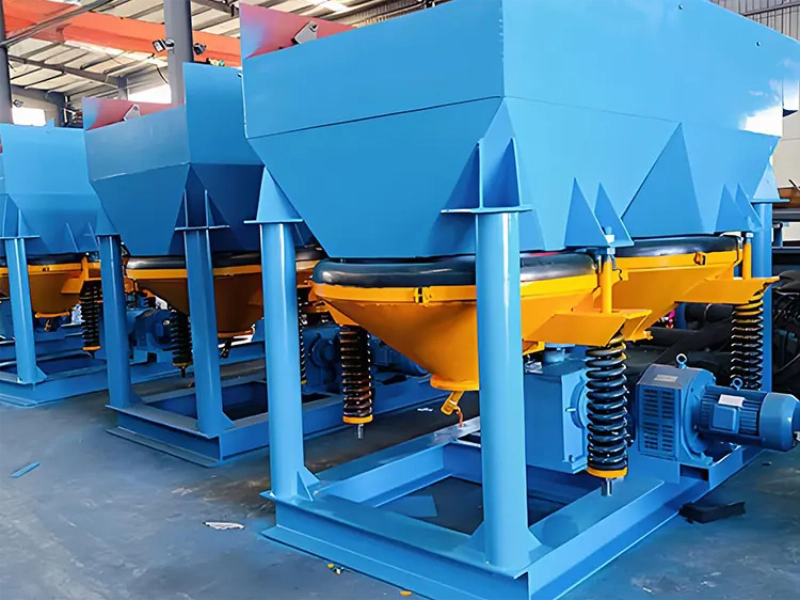
V. Top 10 Chinese Jig Machine Manufacturers
Based on multi-dimensional indicators such as market share, technological innovation, customer reputation, and after-sales service, the following are representative companies in China’s jig machine industry:
-
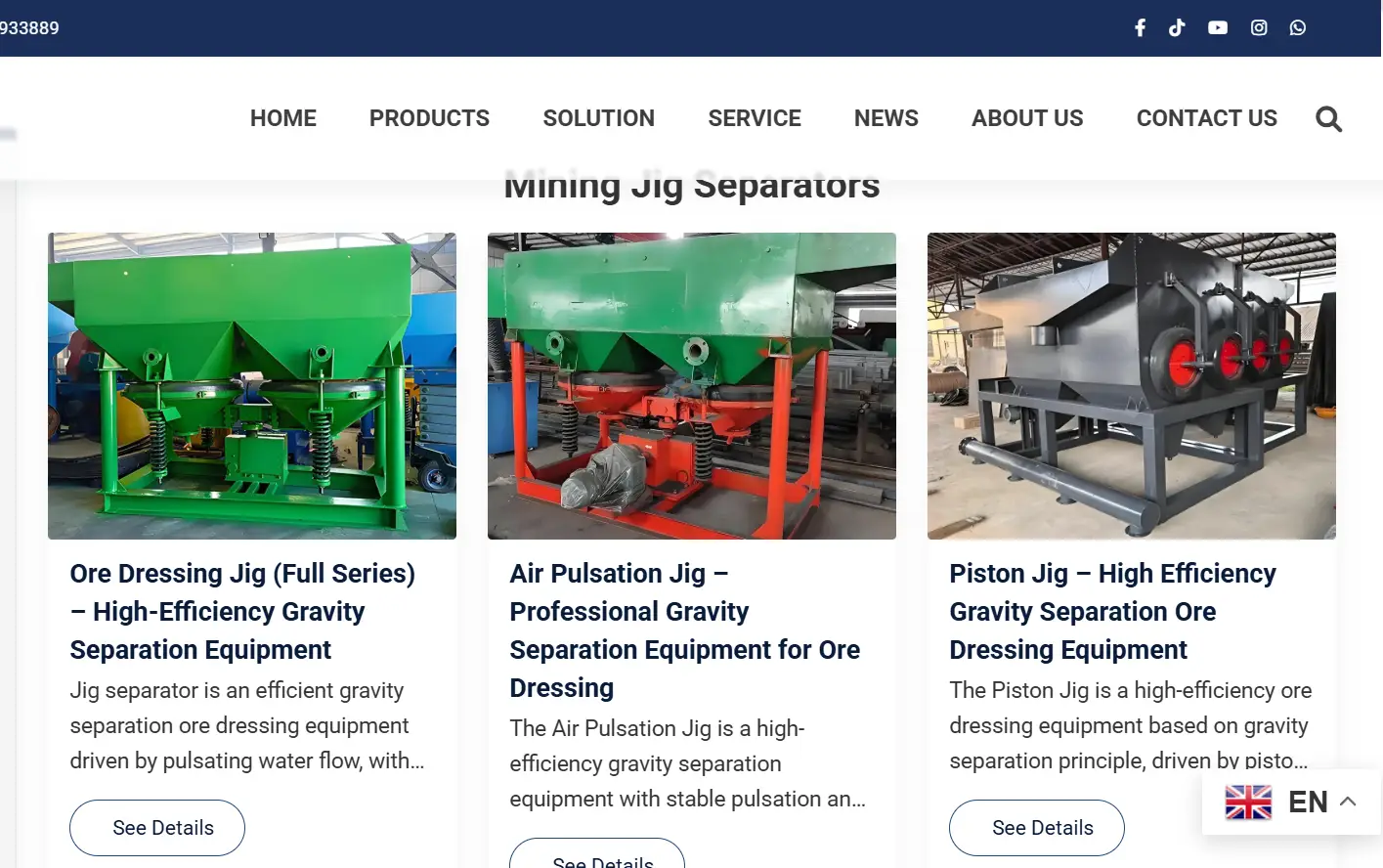
Qingzhou Dayang Heavy Industrial Machinery Manufacturing Co., Ltd.
It is a leading manufacturer specializing in gold dredging and mineral processing equipment. The company integrates R&D, mechanical design, production, installation, and commissioning services, offering high-efficiency solutions across the entire mining lifecycle, including dredging and extraction, processing and refinement, crushing and recovery, and specialized machinery. Guided by the spirit of “Virtue as the Foundation, Integrity, and Harmonious Development,” Dayang Heavy Industry is dedicated to providing unparalleled service and reliable engineering to customers worldwide.
-
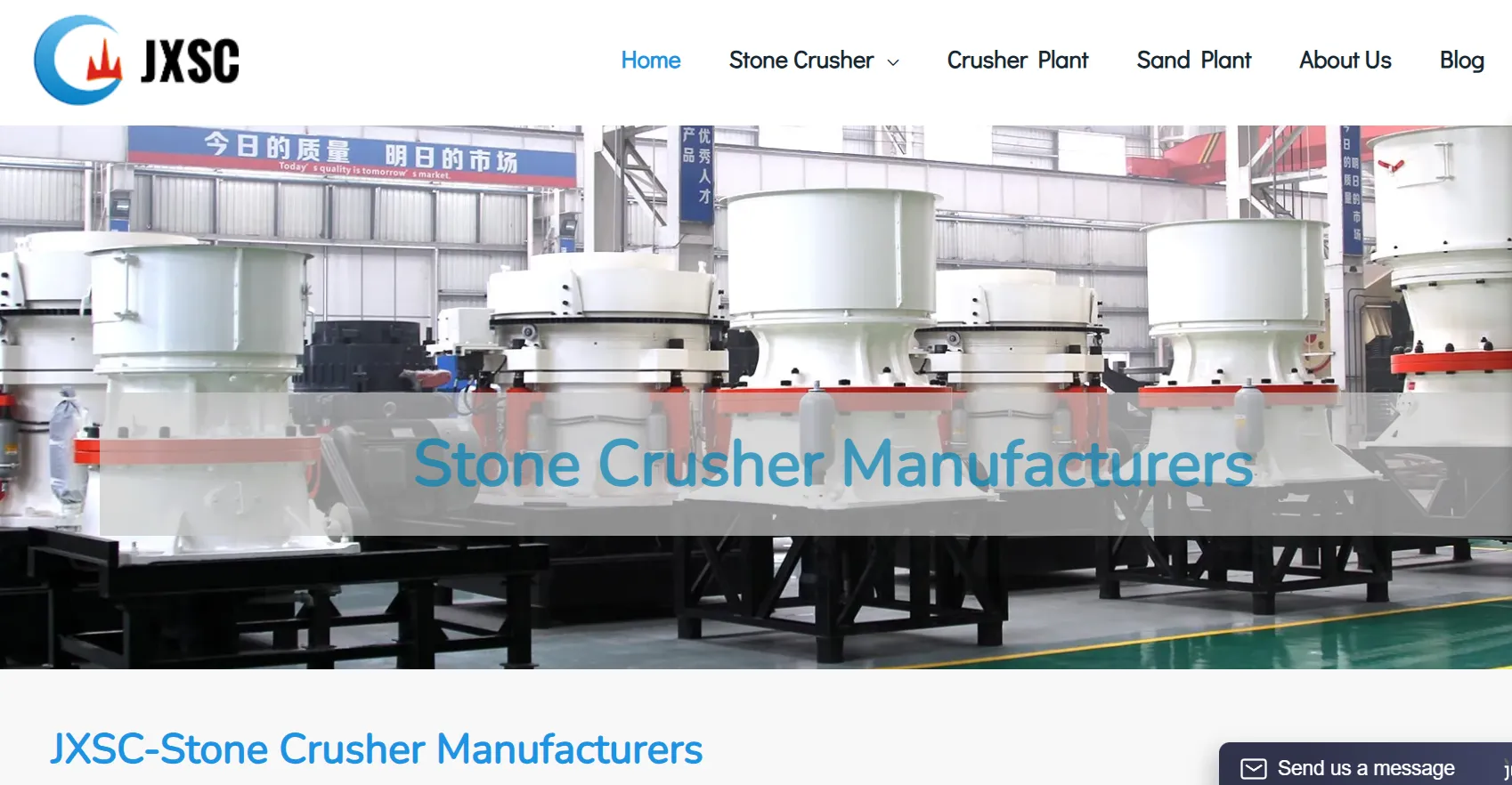
JXSC Mine Machinery
It founded in 1985 and headquartered in Jiangxi Province, is a leading manufacturer of mining beneficiation equipment, specializing in gravity separation technologies including jig concentrators, shaking tables, and spiral chutes. The company offers a full range of diaphragm jigs and saw-tooth wave jigs with capacities from 1 to 25 tons per hour. JXSC has extensive experience in processing gold, tin, chromite, tungsten, coltan, and diamonds, with successful installations across Africa, Southeast Asia, and South America.
-
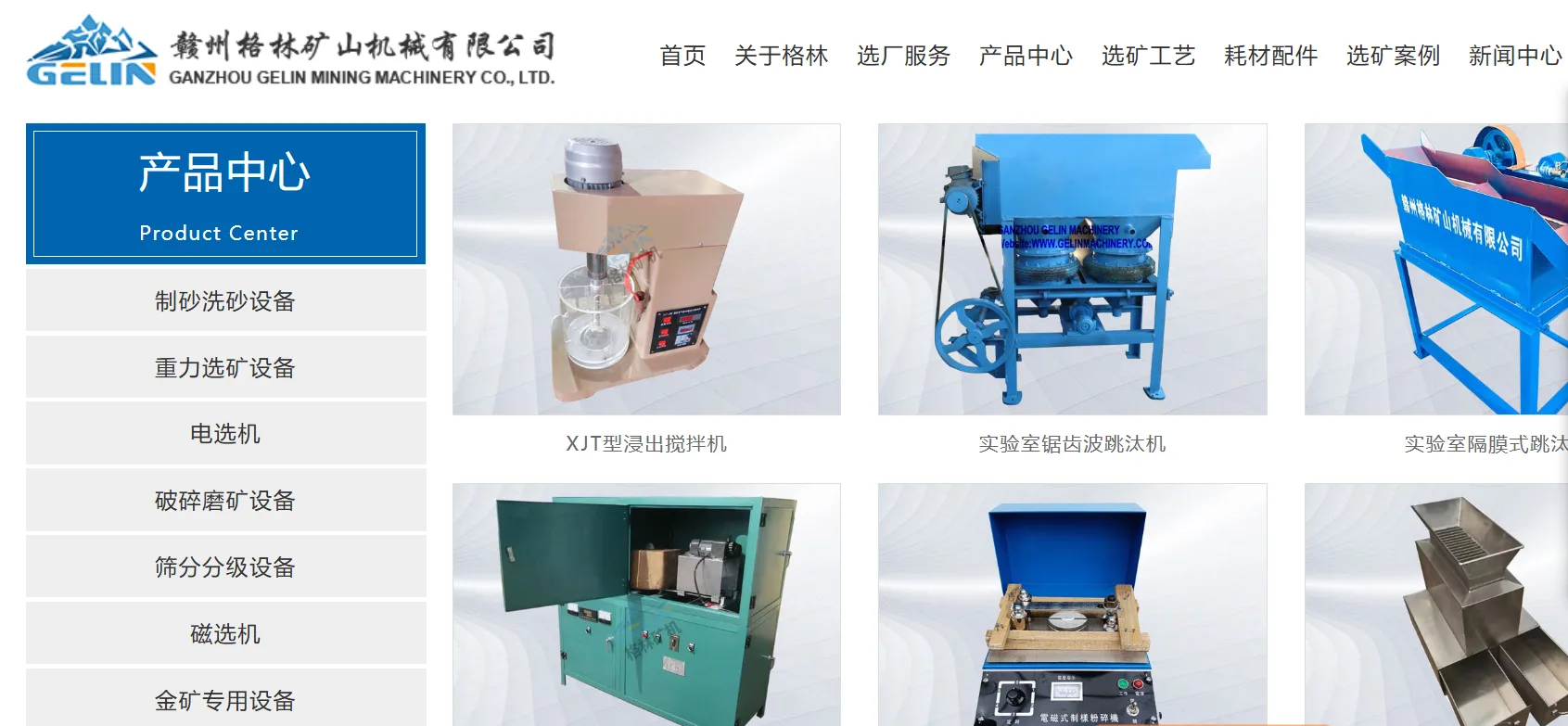
Ganzhou Gelin Mining Machinery Co., Ltd.
It headquartered in Jiangxi Province, is a professional manufacturer with over 30 years of experience in mining machinery. The company specializes in saw-tooth wave jiggers and hydraulic radial jiggers, offering models with processing capacities up to 270 tons per hour. Gelin’s hydraulic radial jig features advanced frequency conversion speed control and saves 60-70% water and 55% power compared to conventional jigs. The company’s products are exported to over 60 countries, including America, Russia, India, Brazil, Chile, and multiple African nations .
-
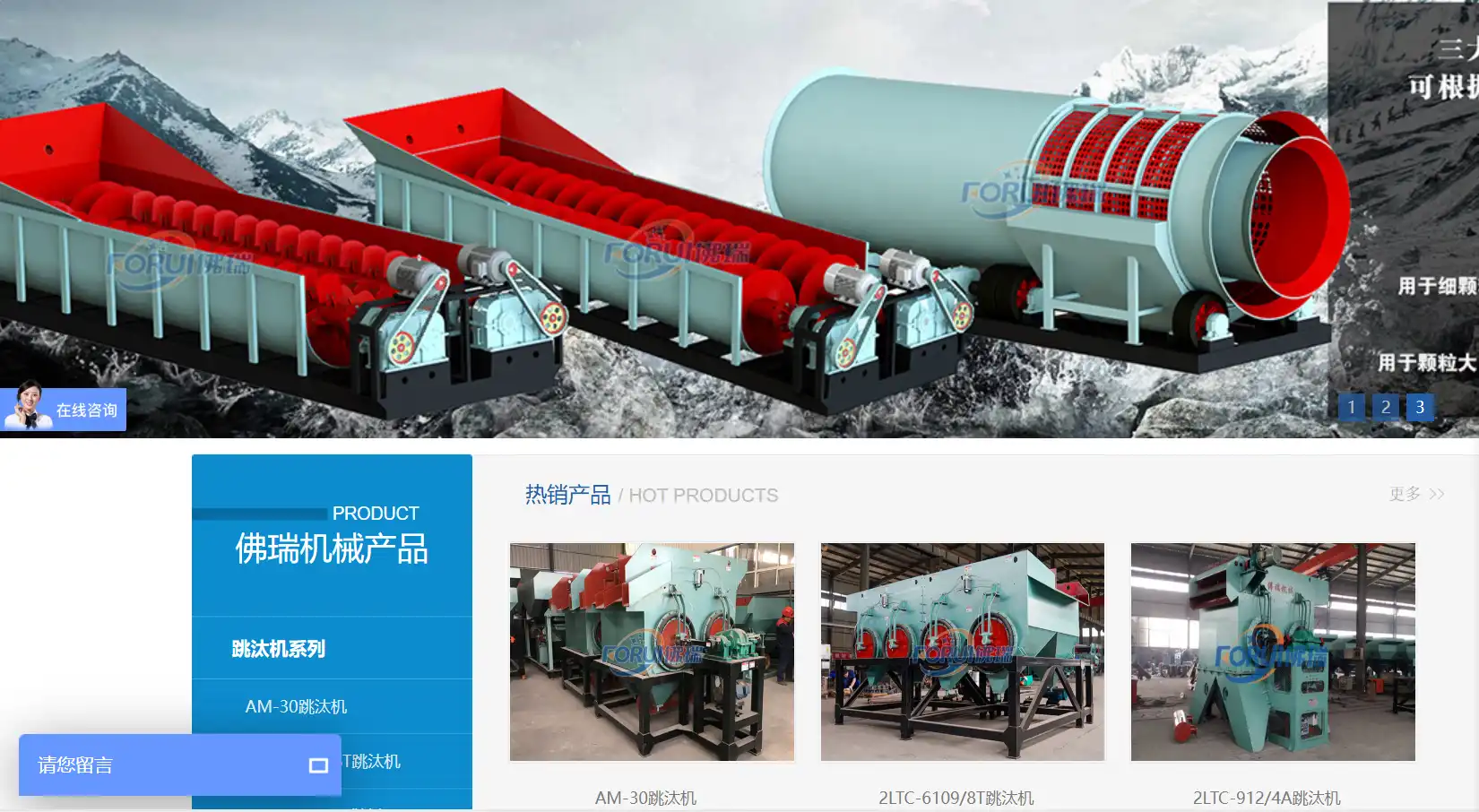
Henan Forui Machinery Technology Co., Ltd.
It founded in 2023 and headquartered in Zhengzhou, Henan, is a manufacturer specializing in mineral jigs, jig machines, and jig concentrators. The company offers a range of gravity separation equipment for processing tungsten, tin, gold, iron, manganese, and chromite ores. Forui provides complete beneficiation solutions with on-site installation and commissioning support .
-
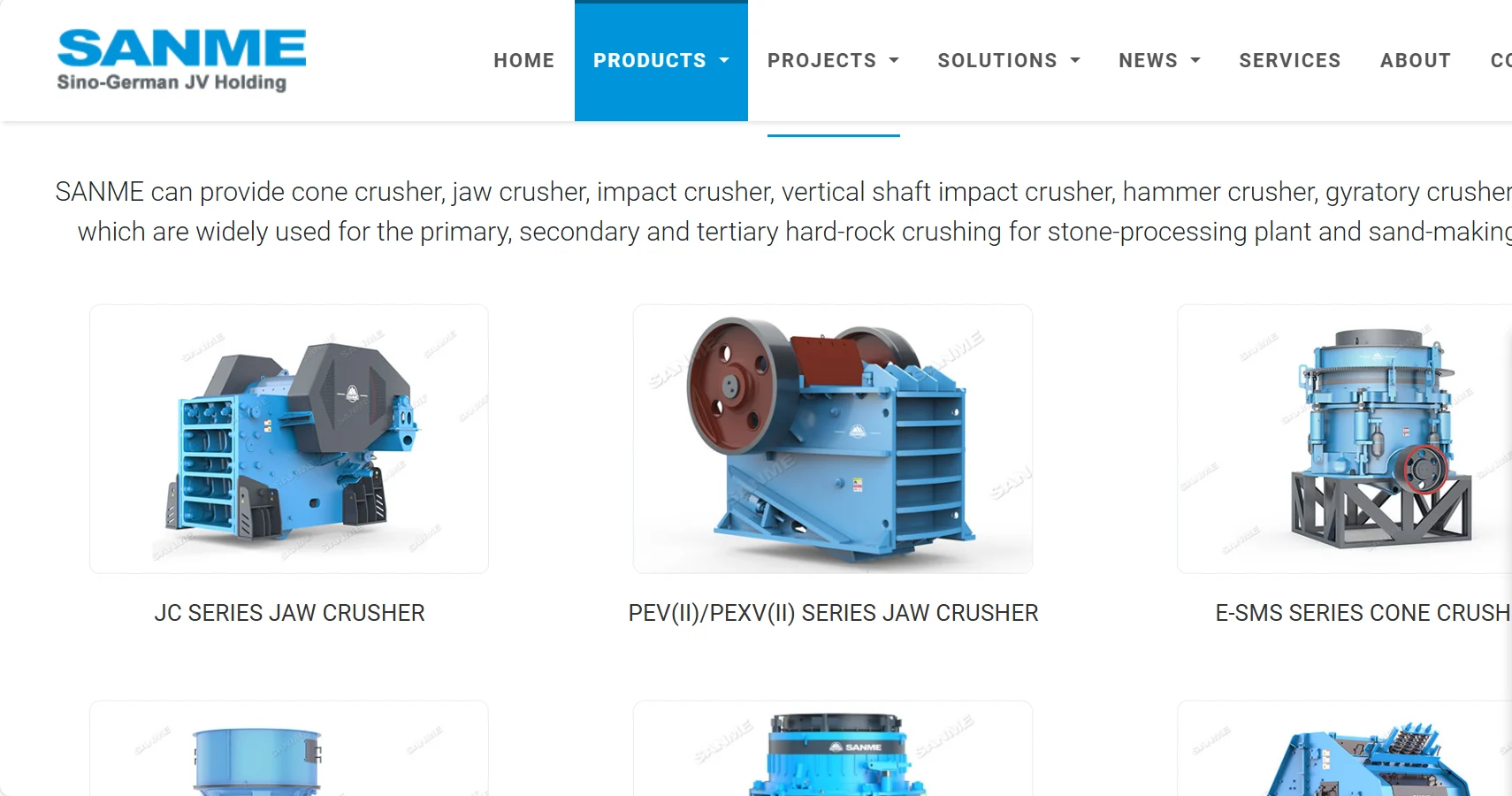
Shanghai SANME
It established in 1985 and headquartered in Shanghai, leverages Sino-German joint venture technology to produce advanced crushing, screening, and gravity separation equipment. The company’s jigging solutions are integrated with its complete mineral processing plants, serving customers across Europe, Asia, and Africa with high-quality, technologically sophisticated equipment.
-
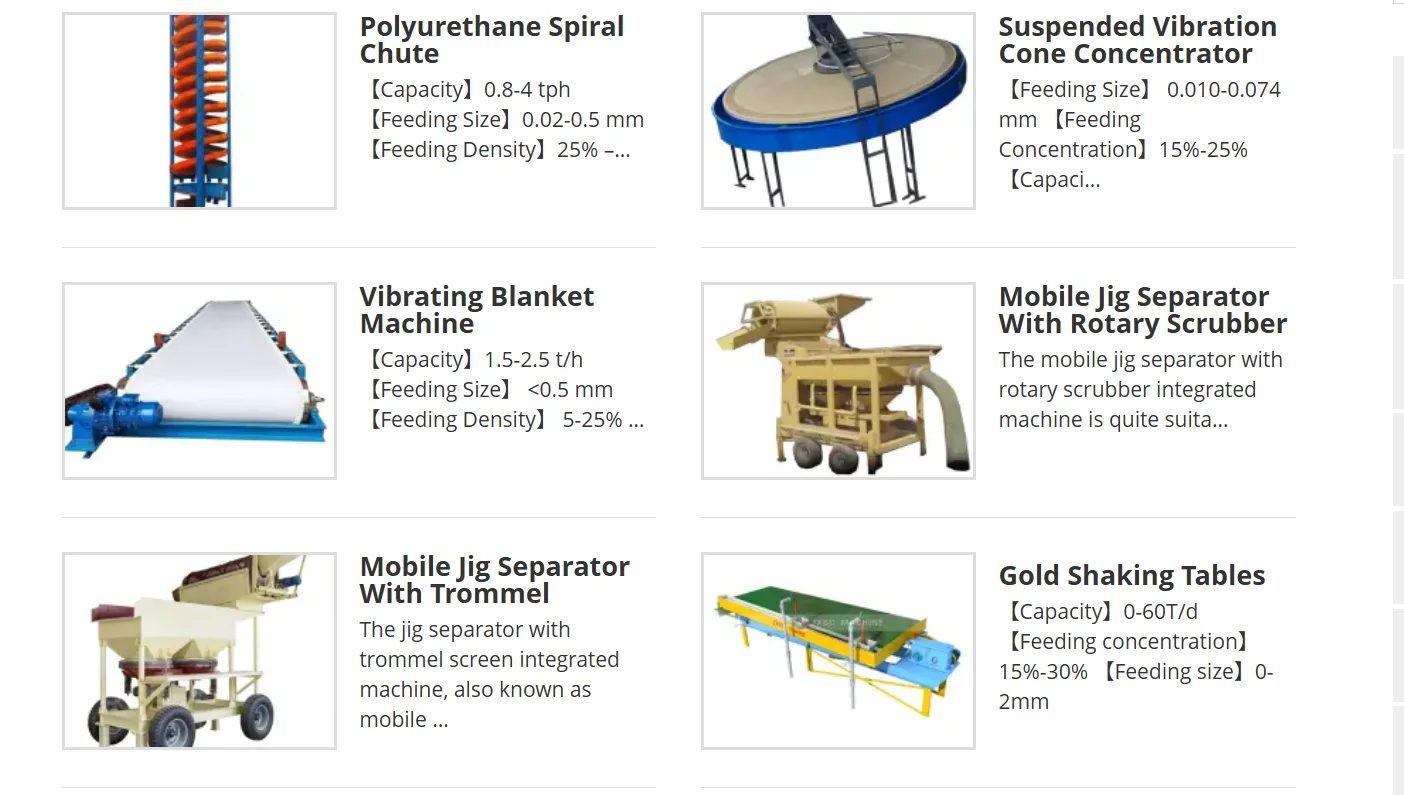
Jiangxi Shicheng Mine Machinery Factory
It based in Jiangxi Province, specializes in the manufacture of gravity separation equipment including jig machines, shaking tables, and centrifugal concentrators. The company has extensive experience in processing alluvial gold, coltan, tin, and tungsten ores, with installations in Africa, Southeast Asia, and South America.
-
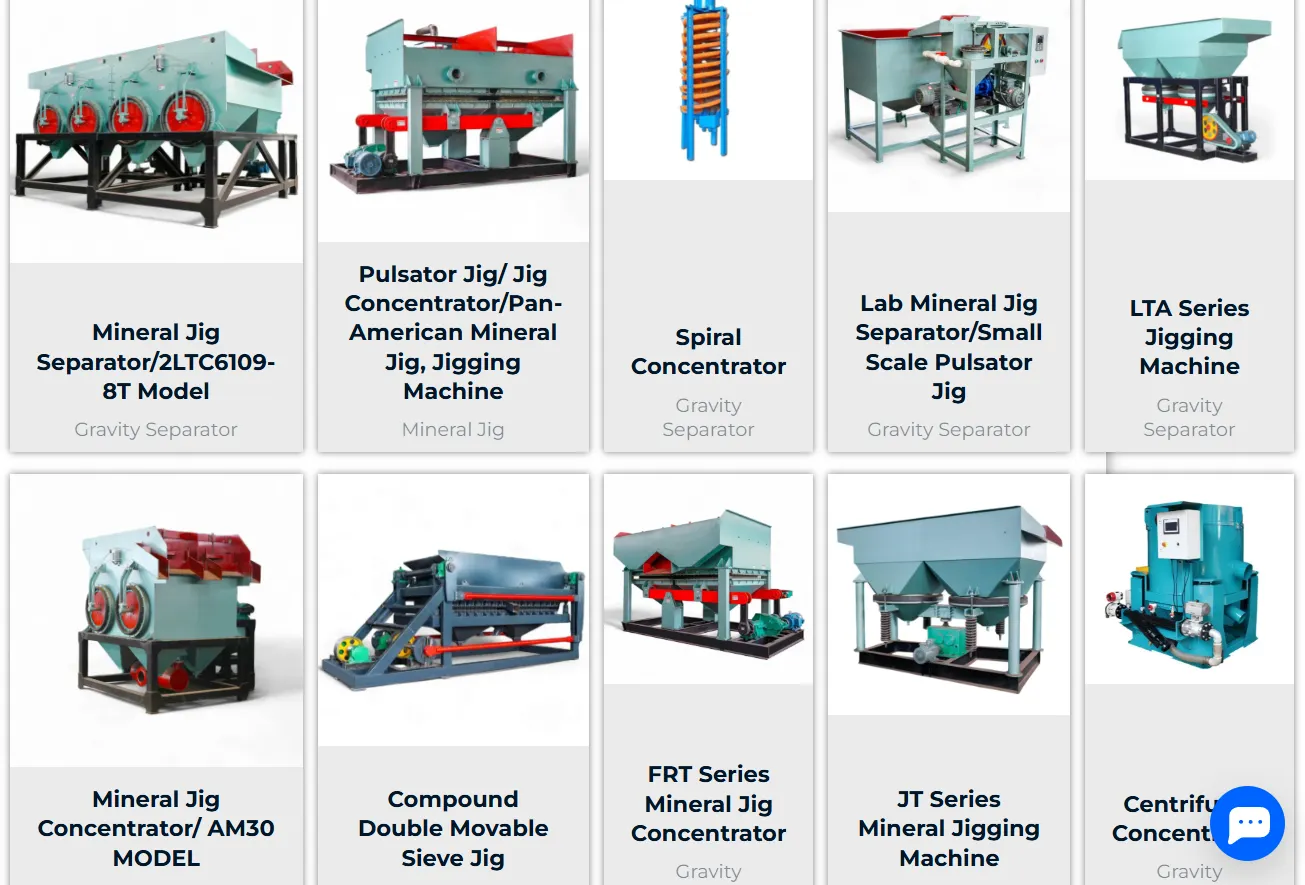
Gongyi Forui Machinery Factory
It located in Gongyi, Henan Province, is a manufacturer of jigging equipment and complete mineral processing plants. The company offers diaphragm jigs, saw-tooth wave jigs, and hydraulic jigs for processing a wide range of minerals including barite, fluorite, pyrite, and hematite .
-
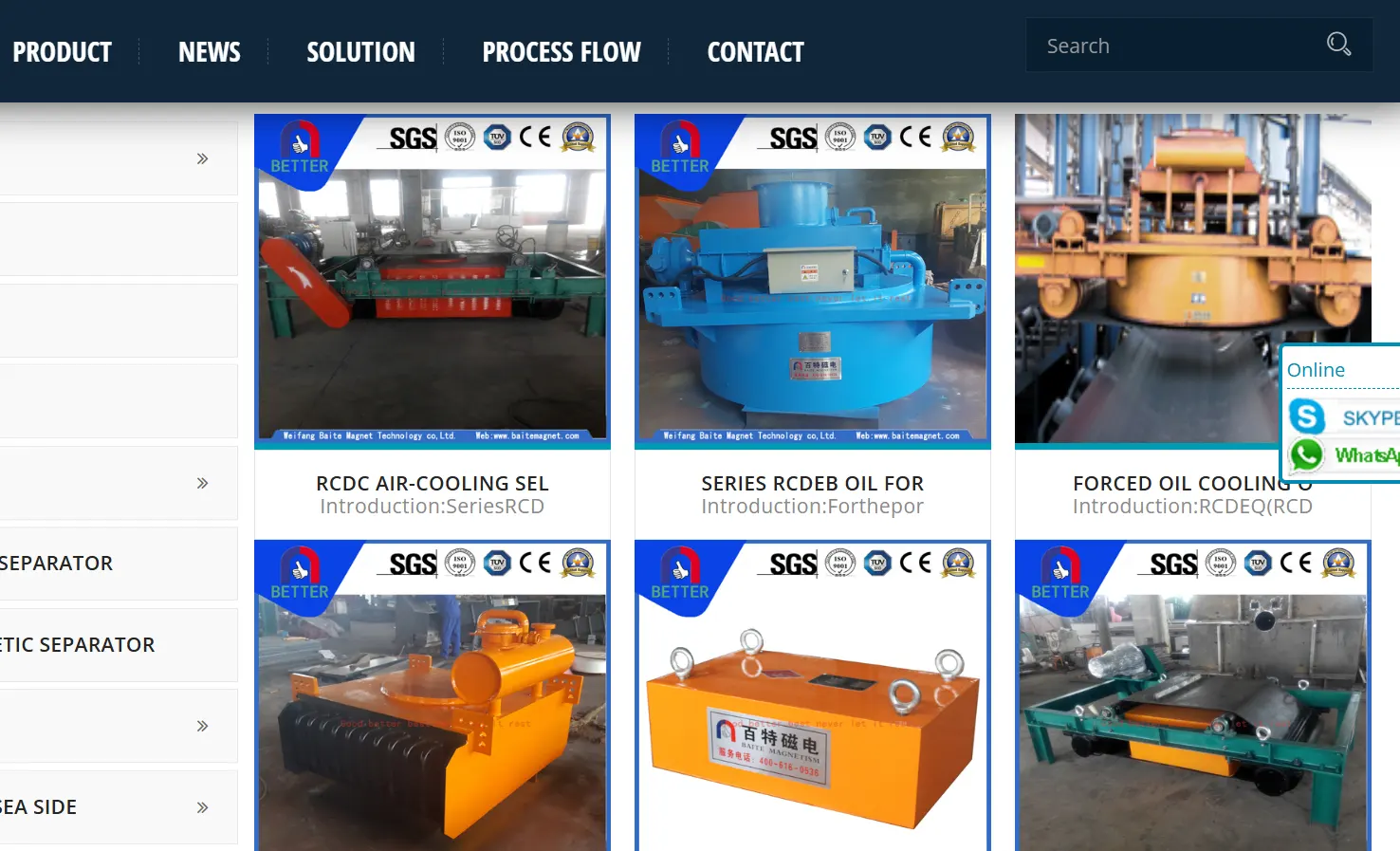
Qingzhou Keda Mining Machine Co., Ltd.
It headquartered in Qingzhou, Shandong Province, specializes in the manufacture of mineral processing equipment including jig machines for placer gold, tin, and diamond deposits. The company is known for its mobile and modular processing plants designed for remote and challenging locations.
-
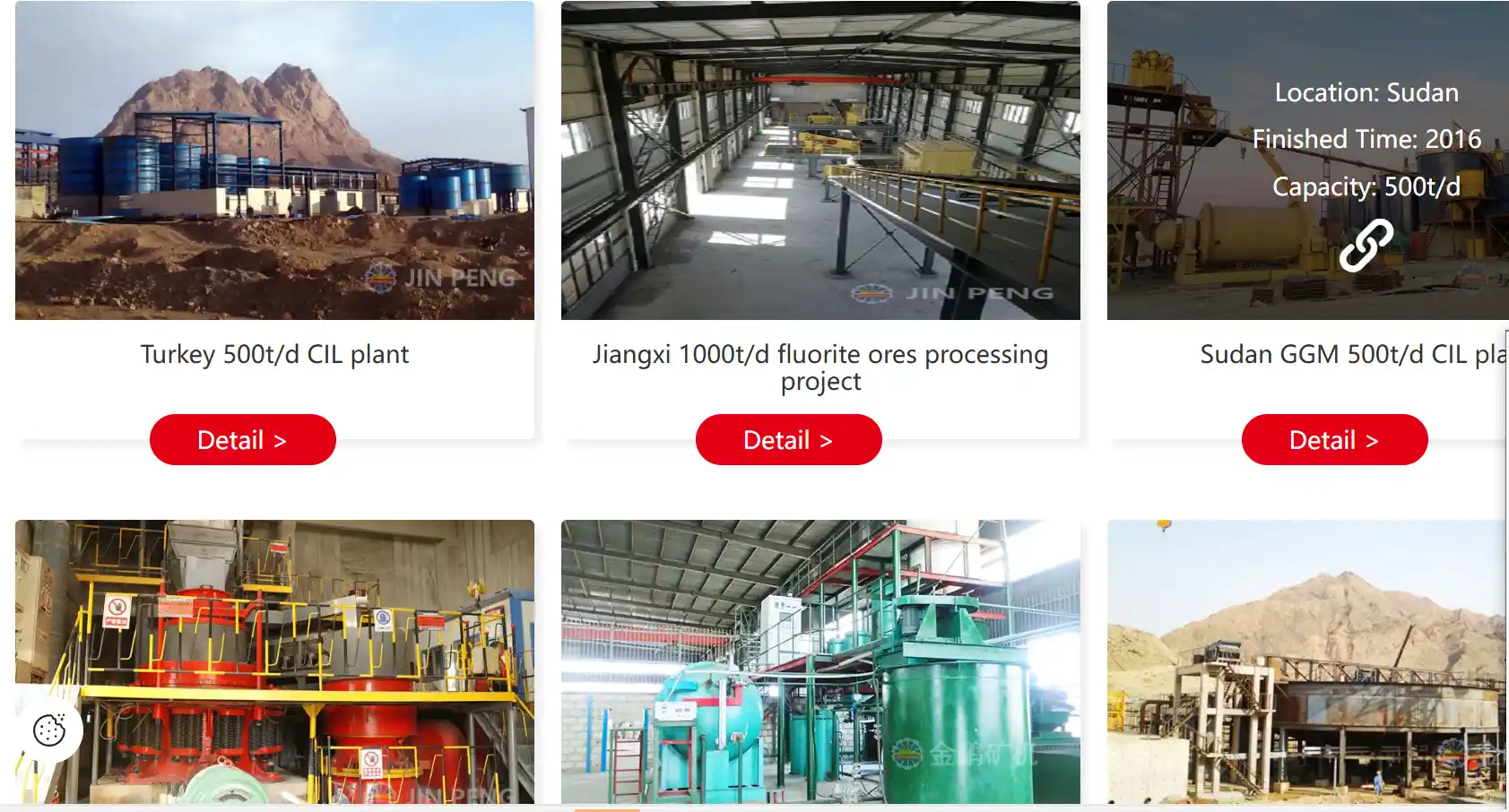
Yantai Jinpeng Mining Machinery Co., Ltd.
It based in Yantai, Shandong Province, offers comprehensive mineral processing solutions including jigging equipment for gravity concentration. The company serves mining operations worldwide with a focus on complete EPC services from design to commissioning.
-
Weifang Baite Magnet Technology Co., Ltd.
It headquartered in Weifang, Shandong Province, manufactures gravity separation equipment including jig machines alongside its magnetic separation product line. The company’s jigging solutions are used in processing iron, manganese, and chromite ores.
Note: This list represents representative companies; there are hundreds of qualified manufacturers serving different market segments in China.
VI. Why Choose Chinese Jig Machines?
6.1 Technological Innovation and R&D Investment
The era when “Made in China” meant simple imitation is over. Today’s Chinese jig machine manufacturers invest heavily in research and development. Leading manufacturers have developed proprietary technologies in saw-tooth wave pulsation, hydraulic drive systems, and intelligent control. Advanced jig machines now feature frequency conversion speed control, automatic discharge mechanisms, and remote monitoring capabilities .
6.2 Superior Recovery Efficiency
Chinese jig machines are designed with saw-tooth wave pulsation curves that provide optimal stratification conditions. This unique stroke pattern enables high unit capacity, high efficiency, and optimal recovery even for fine particles down to 50 microns . The asymmetric pulsation accelerates heavy mineral settling while gently lifting light minerals, achieving recovery rates exceeding 85% for many applications .
6.3 Environmental Friendliness
Jigging is a water-based gravity separation process that uses no chemicals, making it one of the most environmentally friendly mineral processing methods. Chinese jig machines are designed to minimize water consumption—saw-tooth wave jigs save 30-40% water compared to conventional jigs, and hydraulic radial jigs save 60-70% water . The water used in jigging can be recycled, further reducing environmental impact.
6.4 Adaptability to Diverse Materials
Chinese manufacturers design jig machines to handle a wide range of feed materials across various industries:
- Precious Metals: Gold, platinum, silver
- Base Metals: Tin, tungsten, lead, zinc
- Ferrous Metals: Iron, manganese, chromite
- Rare Metals: Coltan, tantalum-niobium, titanium
- Industrial Minerals: Barite, fluorite, celestite
- Energy Minerals: Coal
- Recycled Materials: Slag, bottom ash, construction waste
6.5 Cost-Effectiveness Without Compromising Quality
Thanks to a complete domestic supply chain and economies of scale, Chinese manufacturers offer jigging equipment that maintains international quality standards while being more competitively priced. China’s industrial ecosystem—with its concentration of foundries, forging facilities, and precision machining shops—enables manufacturers to control costs while maintaining strict quality control.
6.6 Simple Operation and Maintenance
Chinese jig machines are designed for ease of operation and maintenance. Stroke and jig frequency can be easily adjusted via frequency control technology. The robust construction and high-quality wear parts ensure long service life with minimal downtime .
VII. How IMEXsourcing Helps You Source Jig Machines from China
For machinery and equipment procurement, choosing the right supplier is only the first step. From technical communication and quality control to export logistics, every link affects the success or failure of a project. IMEXsourcing, as your strategic sourcing partner in China, provides end-to-end comprehensive services.
7.1 Professional Technical Background
Heavy machinery differs from ordinary commodities; sourcing it requires more specialized knowledge, better supply chain management capabilities, and a strong ability to coordinate various parties. IMEXsourcing’s core competitiveness lies in its professional engineering team:
- The team consists of experienced mechanical and metallurgical engineers, with an average of over 8 years of experience in the mining machinery industry and international trade
- Provides free pre-sales engineering and technical consultation, including professional advice on gravity separation processes, jig selection, and plant layout
- Supports flowsheet design and optimization based on your specific ore characteristics
- Can arrange mineral beneficiation tests at manufacturer laboratories to verify recovery performance
7.2 Strict Supplier Verification
IMEXsourcing implements a four-step verification process to ensure supplier reliability:
- Qualification Verification: Verify the validity of business licenses, ISO certifications, and any industry-specific credentials
- Factory Audit: Conduct on-site evaluations using more than 20 quality control indicators
- Capacity Analysis: Assess production capacity for industrial equipment
- Customer Verification: Check overseas customer cases and reference information, including operational performance data
7.3 Comprehensive Quality Control
Quality is at the core of procurement. IMEXsourcing implements a multi-level quality control system:
- Pre-production Inspection: Inspect raw materials and critical components (wear parts, drive systems)
- In-process Control: Follow up on production progress and quality checks throughout the manufacturing process
- 100% Functional Testing: Conduct pre-delivery testing on all jig machines, including water pulsation tests and stroke adjustment verification
- Third-party Inspection: Arrange inspections by international authorities such as SGS or BV as needed
7.4 Complete Export Logistics Solutions
IMEXsourcing cooperates with internationally renowned logistics companies such as DHL, FedEx, COSCO, ONE, and Maersk to manage the complete export process:
- Free Warehousing: Can consolidate goods from different factories for centralized shipping
- Documentation Services: HS code classification (8439.20 for jigging machines), preparation of certificates of origin (FTA, etc.)
- Certification Assistance: Assist in obtaining required certifications such as CE for European markets
- Dangerous Goods Documentation: Prepare specialized documents for any hydraulic components or lubricants
- Flexible Trade Terms: Support various delivery methods including EXW, FOB, CIF, and DDP
7.5 Attentive Procurement Support Services
Whether you visit China in person or purchase through online platforms, IMEXsourcing provides comprehensive support:
- Visit Support:
Airport/station pickup
Hotel and train ticket booking
Professional translation services (technical and business support available)
Transparent access to production sites and test facilities
- Online Procurement Support:
Help screen high-quality manufacturers and avoid trading companies
Assist with sample testing and beneficiation verification
Ensure smooth delivery of equipment and spare parts
IMEXsourcing is the buyer’s partner, representing the buyer’s interests, and promises not to accept any commissions, kickbacks, or referral fees from factories. Its core philosophy is: “Achieve for clients before we achieve for ourselves”—our client’s success is our success.
VIII. Future Trends
China’s jig machine industry is undergoing significant transformation toward intelligent manufacturing and sustainable development:
Intelligent Automation
Manufacturers are integrating IoT and frequency conversion technology into jigging equipment. Smart jig machines now feature real-time monitoring of stroke frequency, water pulsation patterns, and concentrate grade. Operators can remotely adjust parameters and optimize performance through cloud-based platforms .
Water and Energy Conservation
As water scarcity becomes a global concern, Chinese manufacturers are developing jigging technologies that consume even less water. Hydraulic radial jigs already save 60-70% water and 55% power compared to conventional designs . Future innovations will focus on closed-loop water systems and dry jigging technologies for arid regions.
Mobile and Modular Plants
The demand for flexible, rapidly deployable processing plants is driving the development of mobile jig plants. These containerized or skid-mounted units can be transported to remote locations and commissioned quickly, making them ideal for artisanal and small-scale mining operations as well as temporary projects.
Processing of Finer Particles
Research continues into improving the recovery of fine and ultrafine particles. Advanced jig designs with specialized screen decks and pulsation patterns are extending the lower size limit of effective jigging, enabling recovery of values down to 50 microns .
Recycling and Circular Economy
The application of jigging technology in recycling is expanding. Jig machines are increasingly used to recover valuable metals from slag, bottom ash, e-waste, and construction demolition waste, contributing to the circular economy.
IX. Conclusion
China’s jig machine industry has evolved from simple manufacturing to intelligent, efficient, and environmentally sustainable solutions serving the global mining and recycling sectors. Today, Chinese manufacturers are not just suppliers of cost-effective equipment—they are technology innovators, providing gravity separation solutions that recover valuable minerals efficiently while protecting water resources and the environment.
With continuous R&D investment, comprehensive product lines, superior recovery efficiency, and competitive pricing, Chinese jig machines deserve to be a reliable choice for global buyers seeking to establish or expand their gravity separation operations.
However, cross-border procurement of mining machinery involves multiple complex links including technology, quality, logistics, and legal matters. IMEXsourcing, as your strategic sourcing partner in China, helps you easily meet these challenges with its professional engineering team, strict supplier verification, comprehensive quality control, and transparent service system.
Whether you are processing alluvial gold in Africa, recovering tin in Southeast Asia, or establishing a chrome beneficiation plant in South America, IMEXsourcing will work with you to deliver China’s high-quality jigging equipment to every corner of the world that needs it.