Table of Contents
I. Ball Mills: A Brief Overview
A ball mill is a core material grinding equipment in industries such as mining, building materials, and chemical engineering. It crushes bulk and granular materials into micron-level powder through the impact and grinding of steel balls (or other grinding media) inside the cylinder. Its working principle is that the motor drives the cylinder to rotate, and the grinding media inside the cylinder rise to a certain height with the cylinder before falling or being thrown due to gravity. The materials are gradually crushed under the impact, extrusion, and grinding of the grinding media, and finally, qualified particle size products are screened out through a classification device and discharged.
Classified by discharge method, ball mills can be divided into grid type (suitable for coarse grinding with high discharge efficiency) and overflow type (suitable for fine grinding with uniform product particle size). Classified by transmission method, they include edge transmission (simple structure and low cost) and central transmission (stable transmission, suitable for large-scale equipment). It features a wide range of applicable materials, stable grinding efficiency, adjustable product particle size, mature and reliable structure, and simple operation and maintenance. Its core applications include ore grinding before mineral processing of metal ores, non-metallic mineral processing, and clinker grinding in cement production.
II. Common Classifications of Ball Mills
Ball mills are primarily classified into three types based on the grinding media, with the core criterion being the material of the media used to crush materials in the grinding chamber. This directly determines the equipment’s application scenarios and material processing effects.
- Steel ball mills: Using high-chromium steel balls as grinding media, they feature high hardness and grinding efficiency. Suitable for processing most industrial materials such as metal ores and construction aggregates, they account for over 70% of applications.

- Ceramic ball mills: Adopting alumina or zirconia ceramic balls as grinding media, they prevent material contamination. Specifically designed for scenarios requiring high material purity, such as non-metallic minerals, food, and pharmaceuticals.

- Cobblestone ball mills: Utilizing natural cobblestones or granite as grinding media, they offer low cost and minimal wear. Ideal for the rough grinding of high-hardness materials with low purity requirements.

III. What Are the Major Production Bases of Ball Mills in China?
Major domestic ball mill production bases are concentrated in the following regions (sorted by scale and industrial concentration):
- Henan (Zhengzhou, Xingyang, Luoyang, etc.): Leveraging the solid mechanical manufacturing foundation in the Central Plains, it gathers a large number of manufacturers, with products covering mining, cement, ceramics and other fields. Boasting mature technology and complete industrial supporting facilities, this region is one of the leading ball mill production clusters in China in terms of scale.
- Shandong (Yantai, Linyi, Jining, Weifang, etc.): Endowed with profound industrial heritage, its ball mill products are mainly used in mining, mineral processing and building materials industries. Some enterprises possess strong export capabilities, and their product design focuses on energy-saving features and large-scale development trends.
- Jiangxi (Ganzhou, Nanchang, Ji’an, etc.): Industrial development is closely linked to the local development of mining, rare earth and non-metallic mineral resources. It ranks among the top in output of ball mills for mineral processing (especially grid-type and overflow-type), with products featuring remarkable cost-performance advantages.
IV. How to Find Ball Mill Suppliers in China
There are multiple ways to find wholesalers of ball mills and related supporting products in China, as follows:
-
Google Search
Enter keywords such as “China ball mill suppliers” or “ball mill manufacturers China” to quickly screen top supplier resources, check their official websites, product parameter details and customer reviews, and initially evaluate the enterprise strength.
-
Industry Exhibitions
Attend professional exhibitions such as China International Mining Equipment Expo and Construction Machinery & Mining Machinery Exhibition. Communicate face-to-face with suppliers to intuitively inspect the performance and production process of ball mill prototypes, and negotiate cooperation terms on-site to establish trust.
-
Alibaba.com
As a comprehensive cross-border B2B platform, enter keywords to search for a large number of ball mill suppliers. It supports online quotation inquiries, sample applications and customized demand communication. With a wide range of covered categories, the platform is suitable for initially screening supplier pools.
-
made-in-china.com
Compared with Alibaba’s comprehensive positioning, made-in-china.com focuses more on industrial machinery and large-scale equipment, making it the preferred platform for purchasing heavy equipment such as ball mills. You can accurately screen manufacturers by product type, production base, certification qualifications, etc. Most enterprises settled on the platform have rich experience in large-scale machinery production, and provide detailed quality inspection reports, production capacity certificates and export qualification documents, which can effectively reduce the quality risks and communication costs of heavy equipment procurement.
- On-site Inspection of China’s Ball Mill Production Bases
Major production bases include Henan (Zhengzhou, Xingyang), Shandong (Yantai, Linyi), Jiangxi (Ganzhou, Nanchang), etc. Visiting factories directly in the bases to inspect the factory scale, production lines and finished product quality is suitable for purchasers with bulk procurement or long-term cooperation needs.
-
Procurement Agent
Hire professional procurement agencies such as IMEXsourcing to accurately match high-quality suppliers according to procurement requirements (e.g., production capacity, model, certification standards). The agency can provide full-process follow-up services, including order negotiation, quality supervision, logistics coordination, etc., to help complete the procurement process efficiently.
V. Major Domestic Manufacturers of Ball Mills
-
Shandong Xinhai Mining Technology & Equipment Co., Ltd.

Integrates mining design and mineral processing equipment manufacturing. Products are exported globally, offering energy-saving ball mills and more.
-
Agico Cement International Engineering Co., Ltd.
 Specializes in the design and manufacturing of industrial ball mills. Products are exported to multiple countries with complete specifications and advanced technology.
-
Henan Hongxing Mining Machinery Co., Ltd.
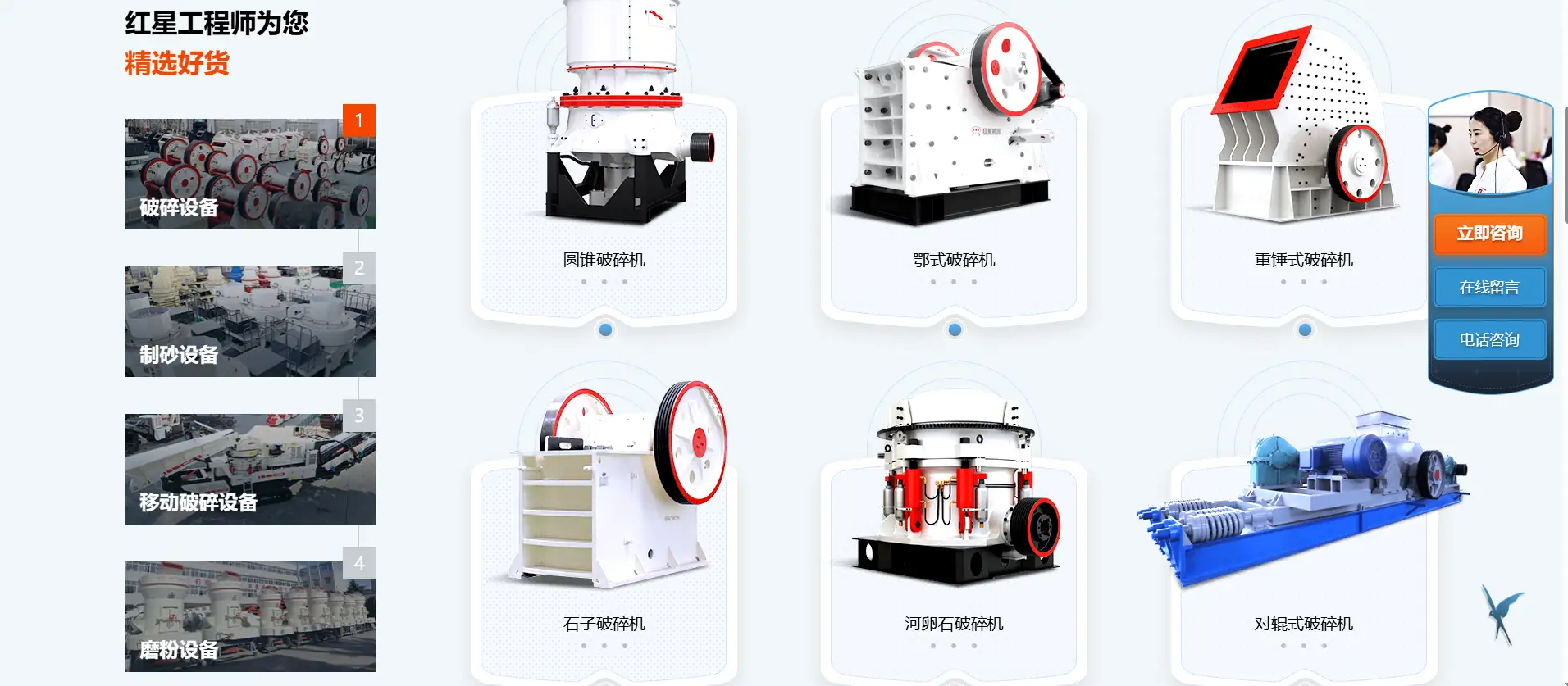 A well-known mining machinery enterprise producing ball mills, crushing equipment, etc., with a direct sales model.
- Zhengzhou Zhongding Heavy Duty Machine Manufacturing Co., Ltd.
 Provides mineral processing, crushing and screening equipment, exported to over 130 countries.
-
Henan Zhengzhou Mining Machinery Co., Ltd.
 Founded in 1956, specializing in mining equipment such as ball mills and rotary kilns.
- Shanghai Clirik Machinery Co., Ltd.
 Professional manufacturer of mining grinding and crushing equipment, including ball mills.
- Henan Zhongke Engineering Technology Co., Ltd.
 Focuses on R&D and manufacturing of mining machinery and mineral processing equipment, providing customized solutions.
- Shanghai Zenith Mineral Co., Ltd.
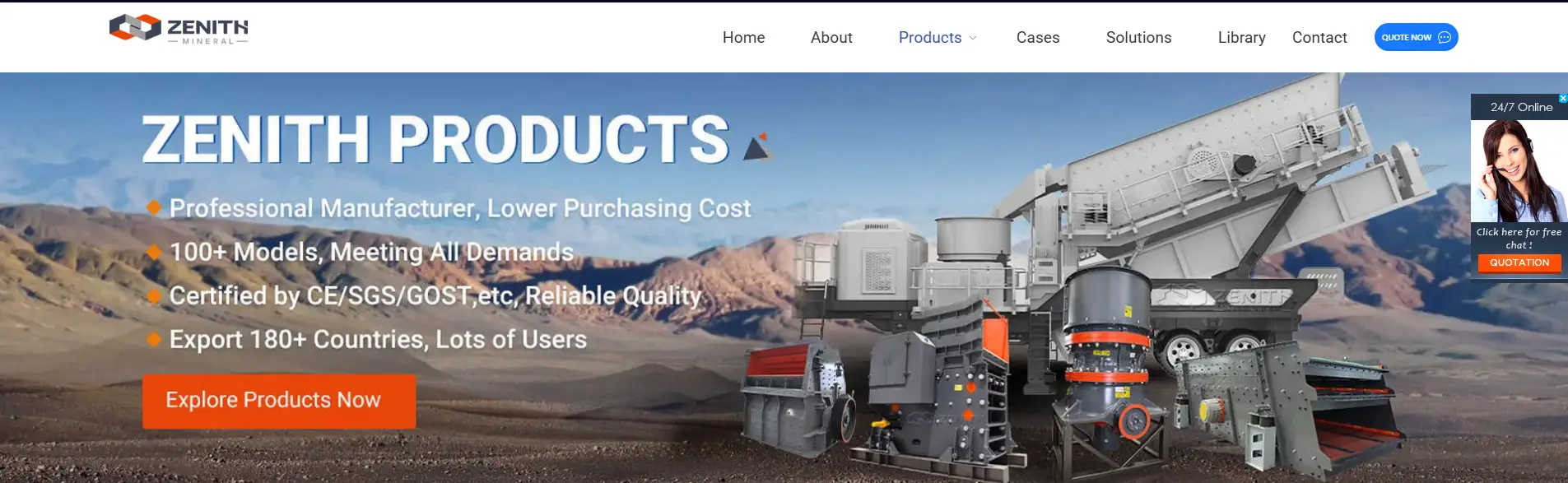 Provides crushing, grinding and other equipment. Ball mill products cover mining and aggregate fields.
VI. What are the consumables of ball mills?
The core consumables of ball mills are centered on the core goal of “ensuring the efficient realization of grinding functions”, mainly covering the following categories, which are fully compatible with industrial large-scale production scenarios:
- Grinding media: As the core components for material crushing, they need regular supplement and replacement. The key types include: steel balls (high-chromium steel balls, wear-resistant steel balls) which are the most widely used, pollution-proof ceramic balls (alumina/zirconia materials), and cost-effective natural material balls (cobblestones, granite balls).
- Liner plates: Installed on the inner wall of the ball mill cylinder, they play a dual role in protecting the cylinder from material scouring and wear while improving grinding efficiency. As high-frequency replacement core consumables, common types include manganese steel liner plates, rubber liner plates, and ceramic liner plates.
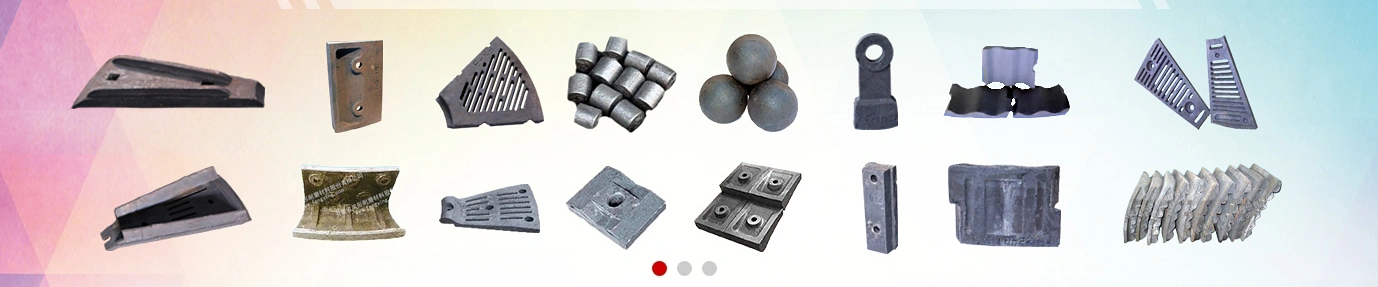
How to Purchase Mining Grinding Materials, Steel Balls, and Ball Mill Liners from China
VII. Precautions for Purchasing Ball Mills: Make an Informed Decision
After identifying potential ball mill suppliers and their products, foreign buyers can follow these key steps to ensure a smooth cross-border procurement process:
- Clarify cross-border compliance requirements: Ensure the equipment meets the target country’s industry standards (e.g., EU CE, US UL, Australia SAA certifications) to avoid violations during customs clearance or use.
- Lock in working condition adaptation details: Inform the manufacturer of local voltage standards (e.g., 110V/220V/380V), power frequency (50Hz/60Hz) and climatic conditions in advance to ensure the equipment can be directly adapted after cross-border installation.
- Verify the manufacturer’s export qualifications: Prioritize manufacturers with cross-border supply experience and the ability to provide English technical documents (manuals, parameter sheets) to reduce communication barriers.
- Clarify international logistics and customs clearance: Confirm whether the manufacturer supports international trade terms such as FOB/CIF and provides necessary customs clearance documents (commercial invoice, packing list, certificate of origin, etc.).
- Evaluate cross-border after-sales service: Confirm the distribution of overseas maintenance outlets, English after-sales response time (recommended ≤24 hours) and cross-border spare parts supply capacity to avoid delayed maintenance.
- Calculate full-cycle cross-border costs: In addition to the purchase price, include customs duties, value-added tax, international freight, overseas installation and commissioning fees, and long-term consumable import costs to avoid hidden expenses.
- Confirm customization and compatibility: If adaptation to existing overseas production lines is required, provide production line parameters in advance and communicate with the manufacturer about customization support and cross-border technical docking.
VIII. Choose IMEXsourcing as Your Sourcing Partner for Ball Mills in China
When it comes to procuring high-quality ball mills from China, partnering with an experienced and reliable sourcing agent is paramount. IMEXsourcing stands out with a comprehensive service suite designed to streamline your acquisition process and secure exceptional value. Here are compelling reasons to select IMEXsourcing for your next ball mill purchase:
-
Extensive Procurement Expertise
IMEXsourcing boasts a profound and long-standing history in the industrial equipment sourcing industry, enabling us to proficiently identify and connect with a wide range of reputable Chinese ball mill manufacturers. Our deep market knowledge ensures we match you with suppliers known for reliability and superior products, covering everything from high-end custom options (e.g., large-scale energy-saving ball mills for mineral processing plants, precision ceramic ball mills for chemical industries) to standard mass-produced models (e.g., grid-type ball mills for mining, overflow-type ball mills for cement production) and custom-configured systems.
-
Bespoke Customization Solutions
We understand that unique production needs often demand tailored equipment. IMEXsourcing empowers you to commission ball mills aligned with your specific operational requirements—whether it’s custom specifications (such as cylinder diameter and length, motor power matching, grinding media capacity), specialized materials (e.g., high-chromium alloy liners for wear resistance, corrosion-resistant stainless steel cylinders for chemical use), or functional upgrades (e.g., intelligent control systems for automated operation, energy-saving motor retrofits, noise reduction designs). Each ball mill is precisely engineered to your technical parameters, ensuring perfect alignment with your production workflow.
- Thorough Supplier Verification
Our commitment to quality begins with rigorous due diligence. We conduct comprehensive factory audits for all potential manufacturers, verifying their production capabilities (e.g., annual output of ball mills, capacity for custom engineering, advanced manufacturing equipment such as CNC machining centers), assessing quality control protocols (e.g., material hardness testing, cylinder precision inspection, load-bearing performance trials), and ensuring full compliance with domestic and international industry standards (such as China’s GB/T standards for mining machinery, EU CE certification, US UL safety standards) and legal requirements.
-
Expert Price Negotiation
Leveraging our veteran status and in-depth understanding of the ball mill market dynamics, IMEXsourcing excels in negotiation. This expertise allows us to secure the most favorable pricing and terms with top-tier manufacturers renowned for their craftsmanship (e.g., precision machining of key components, strict assembly quality control), material reliability (e.g., high-quality steel for cylinders, durable bearings from trusted brands), after-sales support, and cost efficiency, optimizing your investment return.
- Stringent Quality Assurance
IMEXsourcing implements a robust quality management framework spanning the entire procurement cycle, including careful supplier selection, diligent production oversight (such as monitoring cylinder welding quality, verifying motor performance, checking grinding efficiency trials), and thorough pre-shipment inspection (such as dimensional accuracy verification, load testing under simulated working conditions, packaging integrity checks for long-distance transportation), guaranteeing the reliability, performance, and durability of your ball mills.
IX. Conclusion
In conclusion, the Chinese ball mill market offers abundant opportunities for global buyers. By carefully researching product categories (from standard grid-type ball mills for mining to high-end energy-saving ball mills for cement production and precision ceramic ball mills for chemical industries), clarifying technical specifications (such as cylinder size matching production capacity, motor power adapting to voltage standards, and liner material meeting wear-resistance requirements), and following a systematic cross-border procurement process, importers can source high-quality, cost-effective ball mills to meet diverse operational needs—whether for mineral processing plants, construction material factories, or custom industrial production lines.
Partnering with IMEXsourcing provides critical protection for your procurement journey. We understand that the industrial equipment sector, including ball mill manufacturing, may face risks such as inconsistent product quality, delayed production due to insufficient factory capacity, and even order disruptions caused by sudden factory operational issues. Therefore, we specifically offer comprehensive factory verification services: through on-site inspections, we verify the actual operating status of manufacturers (e.g., the operation condition of advanced machining equipment, the stability of technical teams), production capacity authenticity (e.g., whether the annual output matches the promised supply volume), and past performance records (e.g., whether there are historical cases of delivery delays or quality complaints). This helps you screen out high-quality manufacturers with stable operations, reliable production capabilities, and strong risk resistance from the source, completely avoiding financial losses and project delays caused by substandard equipment or factory operational failures.