Table of Contents
Introduction: The Rise of China’s Archery & Crossbow Manufacturing Powerhouse
The global market for archery and crossbow equipment, driven by hunting, competitive target shooting, and recreational sports, has seen exponential growth over the past decade. At the heart of this supply chain sits China, which has transitioned from being solely a source of low-cost goods to a world leader in manufacturing technologically advanced, high-performance archery gear. Chinese manufacturers now produce equipment ranging from Olympic-grade recurve limbs and high-speed hunting compound bows to reliable target arrows and tactical crossbows.
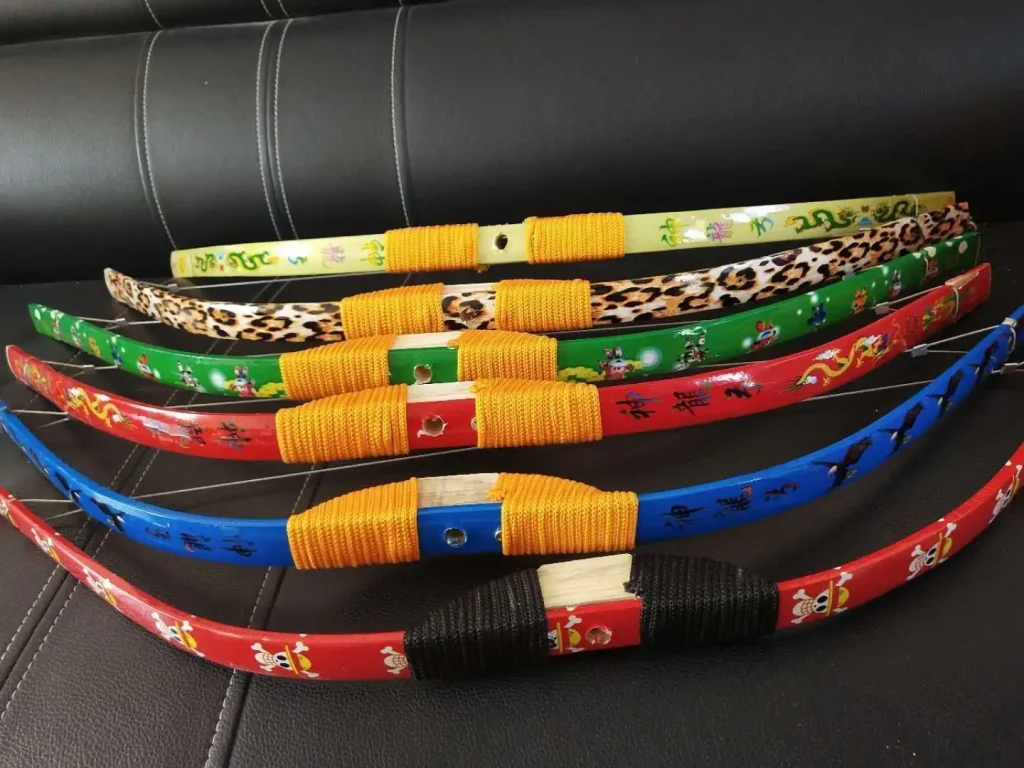 This comprehensive procurement guide is designed for international buyers, wholesalers, and brands seeking to source quality archery and crossbow equipment from Chinese manufacturers. Drawing inspiration from successful B2B sourcing models, we will delve into the product landscape, material science advantages, key technical specifications, geographical clusters, leading suppliers, compliance requirements, and crucial purchasing considerations. By leveraging China’s supply chain efficiency and manufacturing prowess, buyers can secure competitive pricing without compromising on quality or regulatory compliance.
1. Overview of Archery and Crossbow Product Types
The Chinese manufacturing base caters to a diverse range of archery disciplines. Understanding the distinct product categories is the first step in successful sourcing.

1.1. Bows (Bows, Recurves, Compounds, Traditional)
| Product Category | Description | Primary Use | Sourcing Considerations |
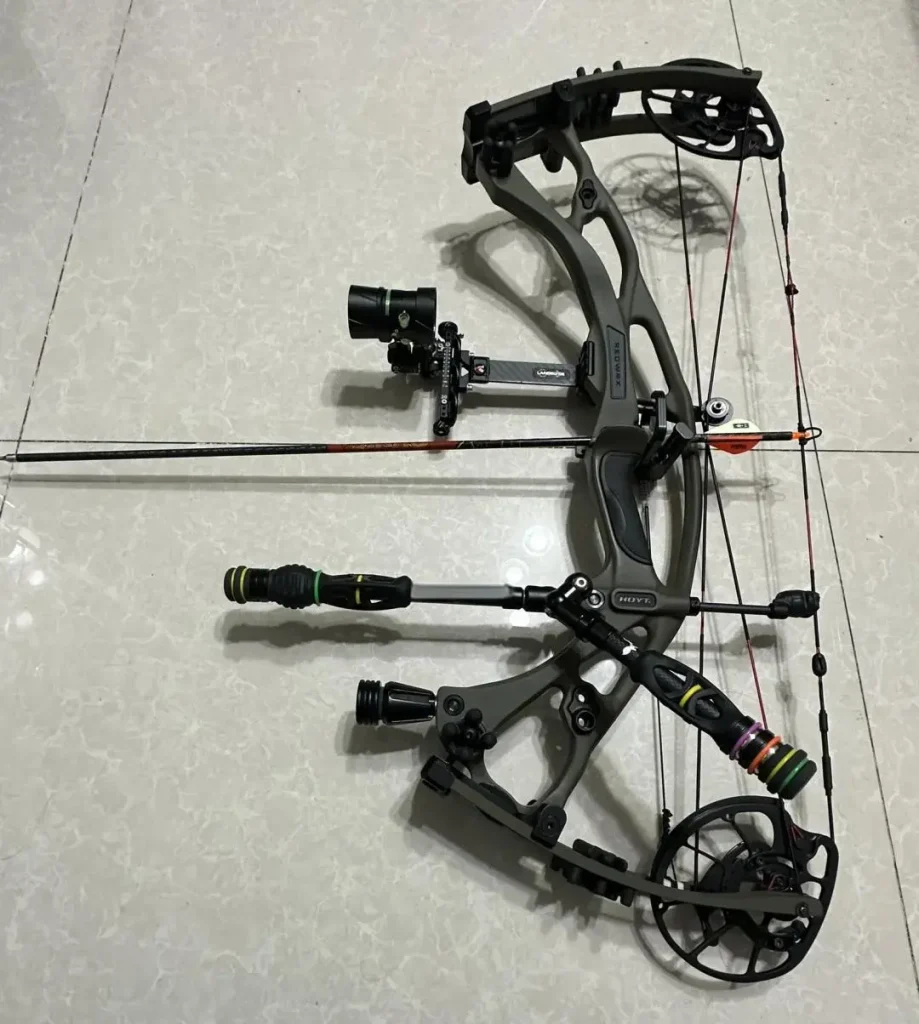
| Compound Bows | Characterized by a system of cables and cams (pulleys) that create a “let-off” effect, reducing the holding weight at full draw. | Hunting, 3D Shooting, Long-Distance Target Archery. | Focus on cam design (single, hybrid, binary), IBO/ATA speed rating, and CNC riser quality. |
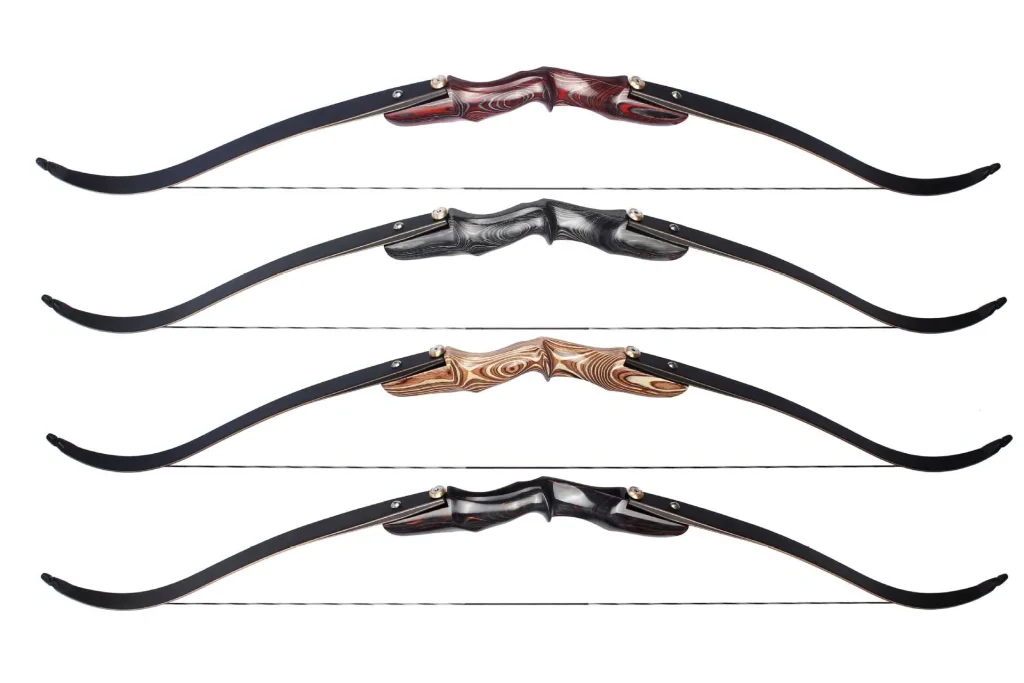
| Recurve Bows | Limbs curve away from the archer at the tips, efficiently storing energy. They are simple, lightweight, and often designed as Takedown Bows (detachable limbs and riser). | Olympic Target Shooting, Beginner/Youth Training, Traditional Archery. | Material quality of the riser (aluminum/carbon) and limbs (fiberglass/carbon laminate) is critical for consistency. |
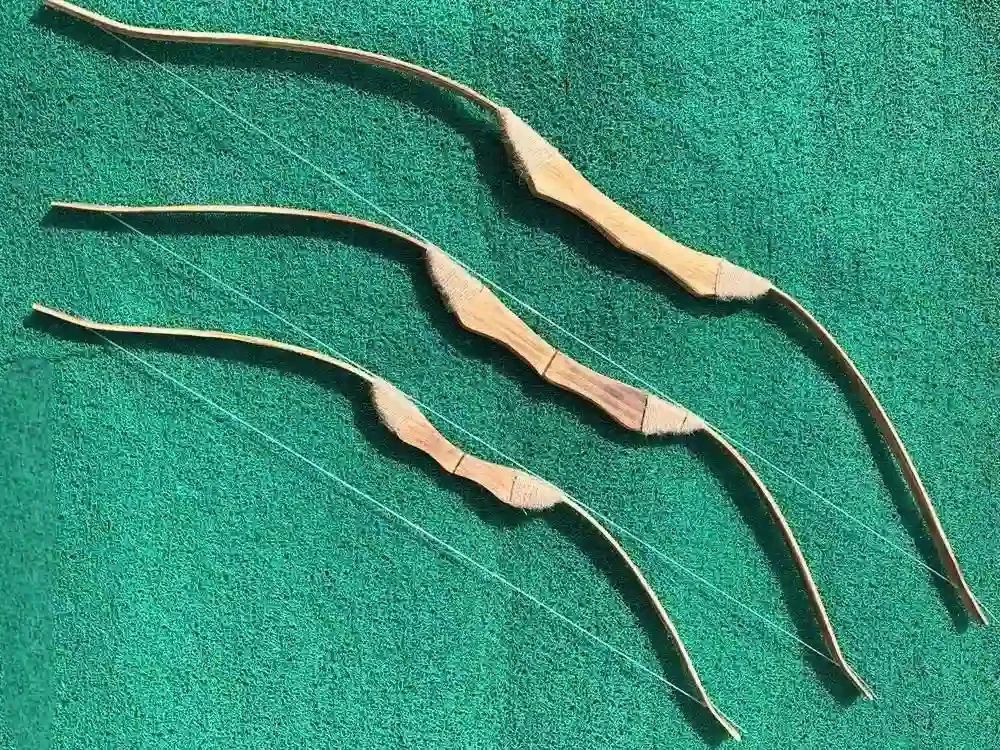
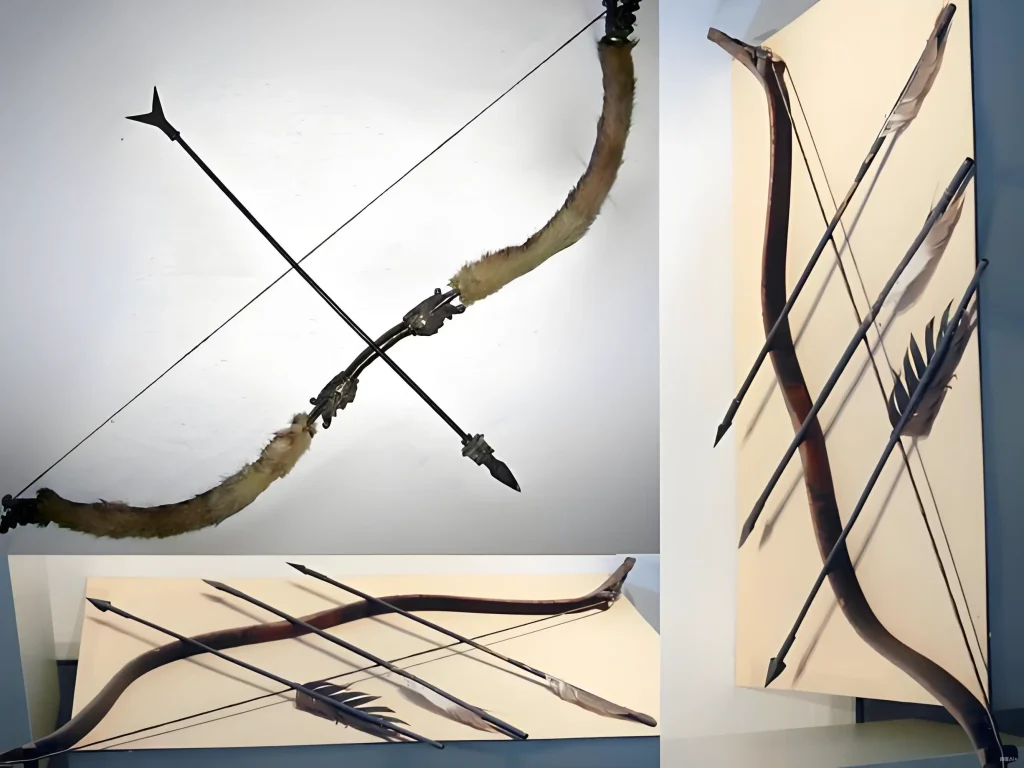
| Traditional Bows | Includes Longbows and Asiatic Horsebows. Made primarily from wood, bamboo, or horn/sinew composites (or modern fiberglass substitutes). | Traditional Shooting, Historical Reenactment, Instinctive Archery. | Sourcing revolves around aesthetic quality, wood lamination techniques, and craftsmanship. |
| Crossbows | A horizontal bow mechanism mounted on a stock, shooting short, thick bolts. Highly regulated in many countries. | Hunting (where legal), Recreational Target Shooting. | Requires strict regulatory compliance checks due to classification as a potential “dual-use item” in China and a firearm in many destination markets. |
1.2. Arrows, Bolts, and Archery Sport Accessories
Arrows are the consumables of the archery market and often drive repeat business.
-
Arrows/Bolts: Produced from Carbon Fiber, Aluminum, Fiberglass, or hybrid materials. Sourcing requires strict adherence to spine rating, straightness tolerance, and weight consistency (GPI). Crossbows use specialized, shorter Bolts.
-
Archery Sights & Optics: Includes multi-pin fiber optic sights (compound) and adjustable target sights (recurve). High-end sourcing involves CNC-machined aluminum bodies and precision optical lenses.
-
Stabilizers: Used to dampen vibration and achieve balance. Materials range from solid aluminum/carbon rods to specialized carbon tubing with dampening weights.
-
Release Aids: Mechanical devices used by compound shooters to ensure a consistent, clean release of the string. Sourced based on mechanism precision (caliper, hinge, resistance).
-
Protective Gear: Armguards, finger tabs, chest guards. Focus on durable, comfortable, and breathable materials.
2. Advantages of Product Materials and Manufacturing Expertise
China’s competitive edge is derived from its expertise in processing key materials used in modern archery equipment, combined with large-scale precision manufacturing.

2.1. Riser and Handle Materials
| Material | Advantage | Disadvantage | Application |
| Aircraft-Grade Aluminum (6061/7075 Alloy) | Excellent rigidity, low cost relative to carbon, high durability. Easily CNC machined for complex designs. | Heavier than carbon, sensitive to temperature changes, requires robust machining quality control. | Compound Bow Risers, Mid-to-High End Recurve Risers. |
| Carbon Fiber Composite | Extremely light weight, exceptional vibration dampening, consistent performance across temperature extremes. | High material and manufacturing cost, prone to internal splintering if damaged. | High-End Target Recurve Risers (Olympic Grade), Premium Compound Risers. |
| Magnesium Alloy | Lighter than aluminum, good for mass-produced entry-level risers (often cast, not machined). | Lower strength/rigidity compared to CNC aluminum, less customizable. | Entry-Level Recurve Bows. |
2.2. Limb and Arrow Materials
Limbs (Recurve/Compound)
Modern bow limbs are highly engineered laminates:
-
Fiberglass/Wood Laminate: The most common. Provides a good power-to-cost ratio. Used widely for entry-level and mid-range recurve and compound limbs.
-
Carbon Fiber/Foam Core Laminate: Offers superior stability, torsional stiffness, and energy return. Essential for competitive recurve bows, providing maximum speed and consistency. The foam core (often synthetic) reduces weight while the carbon skin provides strength.
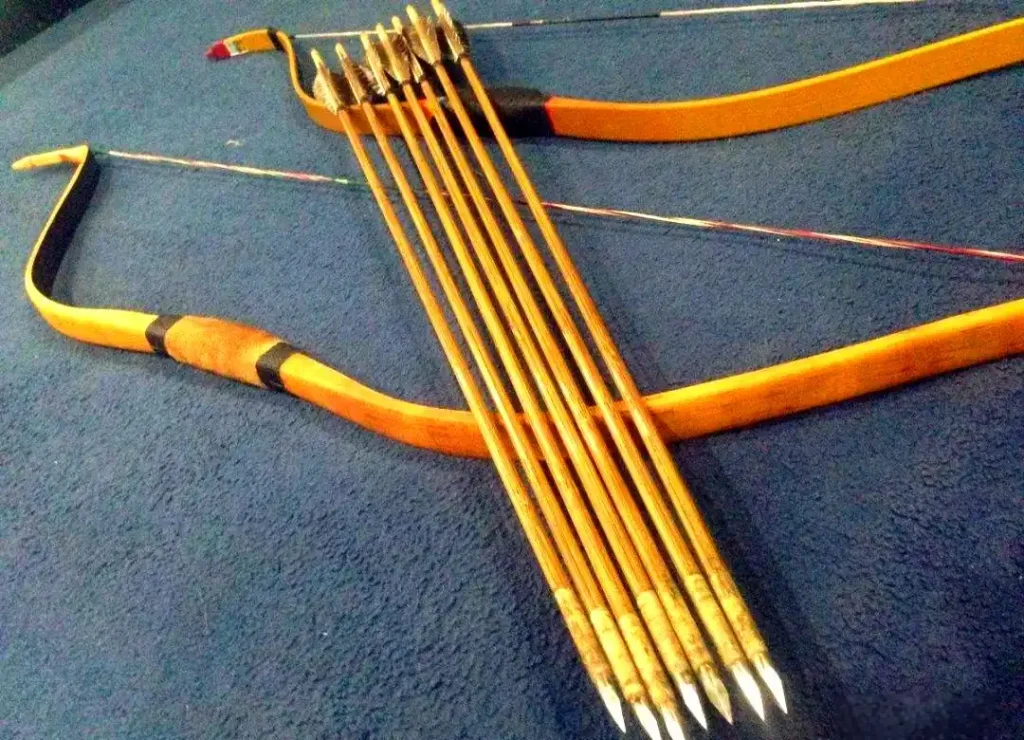
Arrows and Shafts
The material chosen directly affects speed, spine consistency, and durability.
-
Carbon Fiber: The standard for competitive and serious hunting arrows. Advantage: Exceptional straightness retention, light weight (for speed), and high durability—they break rather than bend. Sourcing Tip: Demand high straightness tolerance (e.g., ±.003″ or better) and consistent GPI (Grains Per Inch).
-
Aluminum: Known for extreme precision and diameter consistency, often preferred for indoor target shooting. Advantage: Can be precisely manufactured for specific spine/weight ratios. Disadvantage: Permanently bends upon heavy impact.
-
Carbon-Aluminum Hybrids: Combine the strength of carbon with the internal diameter consistency of aluminum, providing a stiff yet precisely weighted shaft, popular in high-end target shooting.
3. Main Specifications and Parameters
Procurement requires fluency in the technical language of archery. Buyers must specify their requirements based on these parameters.

3.1. Bow Specifications (Compound & Recurve)
| Parameter | Unit | Description | Impact on Performance |
| Draw Weight | Pounds (LBS) | The peak force required to pull the string back. | Directly relates to arrow speed and kinetic energy. Regulated in many regions. |
| IBO / ATA Speed | Feet Per Second (FPS) | Industry standard measurement of arrow speed. IBO is measured at 70# DW, 30″ DL, and 350-grain arrow. | The highest indicator of bow efficiency and power. |
| Draw Length | Inches (IN) | The fixed or adjustable distance the string travels from the riser to the anchor point. | Crucial for archer fit and maximizing performance. Compound bows require precise DL modules. |
| Let-Off (Compound Only) | Percentage (%) | The reduction in holding weight at full draw (e.g., 80% let-off means a 70# bow only requires 14# to hold). | Higher let-off allows for longer, steadier aiming—ideal for hunting. |
| Axle-to-Axle (ATA) | Inches (IN) | The distance between the centers of the cam/wheel axles. | Shorter ATA is more compact (hunting), longer ATA provides greater stability (target). |
| Brace Height | Inches (IN) | The distance between the bowstring and the pivot point of the grip (at rest). | Shorter BH means more speed, longer BH means more forgiving/consistent shots. |
3.2. Arrow and Bolt Specifications
| Parameter | Unit | Description | Importance |
| Static Spine | Deflection (Inches) | A measurement of arrow stiffness (how much it flexes). Measured by hanging a 1.94lb weight from the center of a 29” span. | Must perfectly match the bow’s draw weight and arrow length to fly straight (tuning). |
| GPI | Grains Per Inch | The weight of the arrow shaft material per inch of length. | Determines the overall arrow weight, affecting speed and kinetic energy. |
| Straightness Tolerance | Inches (e.g., ±.001”) | The maximum deviation of the arrow shaft from perfect straightness. | A crucial quality metric; lower number equals higher quality/accuracy. |
4. Industry Clusters in China
The Chinese archery manufacturing industry is strategically concentrated in a few key provinces, primarily leveraging existing light manufacturing and precision metalworking expertise.

4.1. Henan Province (Jiaozuo & Zhengzhou)
Focus: High-Volume, High-Performance Bows and Accessories.
Henan has emerged as a central hub, largely anchored by major players like Sanlida Archery. This region benefits from established infrastructure and access to raw material supply chains. Manufacturers here focus on scaling production of technically advanced gear, including compound bows, metal risers, and high-quality recurve components. Jiaozuo is noted for its ability to supply large domestic and international brands with economical yet quality-assured archery systems.
4.2. Guangdong Province (Huizhou & Dongguan)
Focus: Precision Accessories, Carbon Fiber, and Arrows.
Guangdong’s proximity to Hong Kong and its immense history in light manufacturing and electronics make it ideal for producing sophisticated archery accessories. Companies in Huizhou (like Elongoutdoor Archery) and Dongguan specialize in:
-
Carbon Components: High-precision carbon arrow shafts, carbon stabilizers, and molded carbon risers.
-
Optical Gear: Sights, rangefinders, and scopes for archery and crossbow hunting.
-
CNC Parts: Custom-machined aluminum components for cams, sights, and releases.
4.3. Shandong Province (Linyi)
Focus: Crossbows, Entry-Level Equipment, and Traditional Bows.
Shandong, particularly the city of Linyi (home to JunXing Sports Equipment), has a strong history in producing cost-effective and general-purpose sports equipment. This area is the primary cluster for sourcing consumer-grade crossbows and simpler, mass-produced recurve and traditional bows. Buyers sourcing budget-friendly, high-volume products often look to this region.
5. Major Domestic Manufacturers (Notable Enterprises)
Sourcing success often depends on partnering with established manufacturers known for capacity, consistency, and compliance. Here are notable players in the Chinese archery and crossbow sector:
-
Sanlida Archery (Henan): https://www.sanlidaarchery.com Arguably the leading large-scale archery manufacturer in mainland China. Sanlida specializes in full-range equipment, including advanced compound and recurve bows, recognized for providing high quality at competitive price points. They have significant OEM experience for major international brands and sponsor global archery events.
-
Linyi JunXing Sports Equipment Co., Ltd. (Shandong): A long-established name, often linked to the production of consumer-grade recurve bows, compound bows, and a wide variety of slingshots and crossbows. Known for high volume and serving the entry-to-mid-level market segment.

-
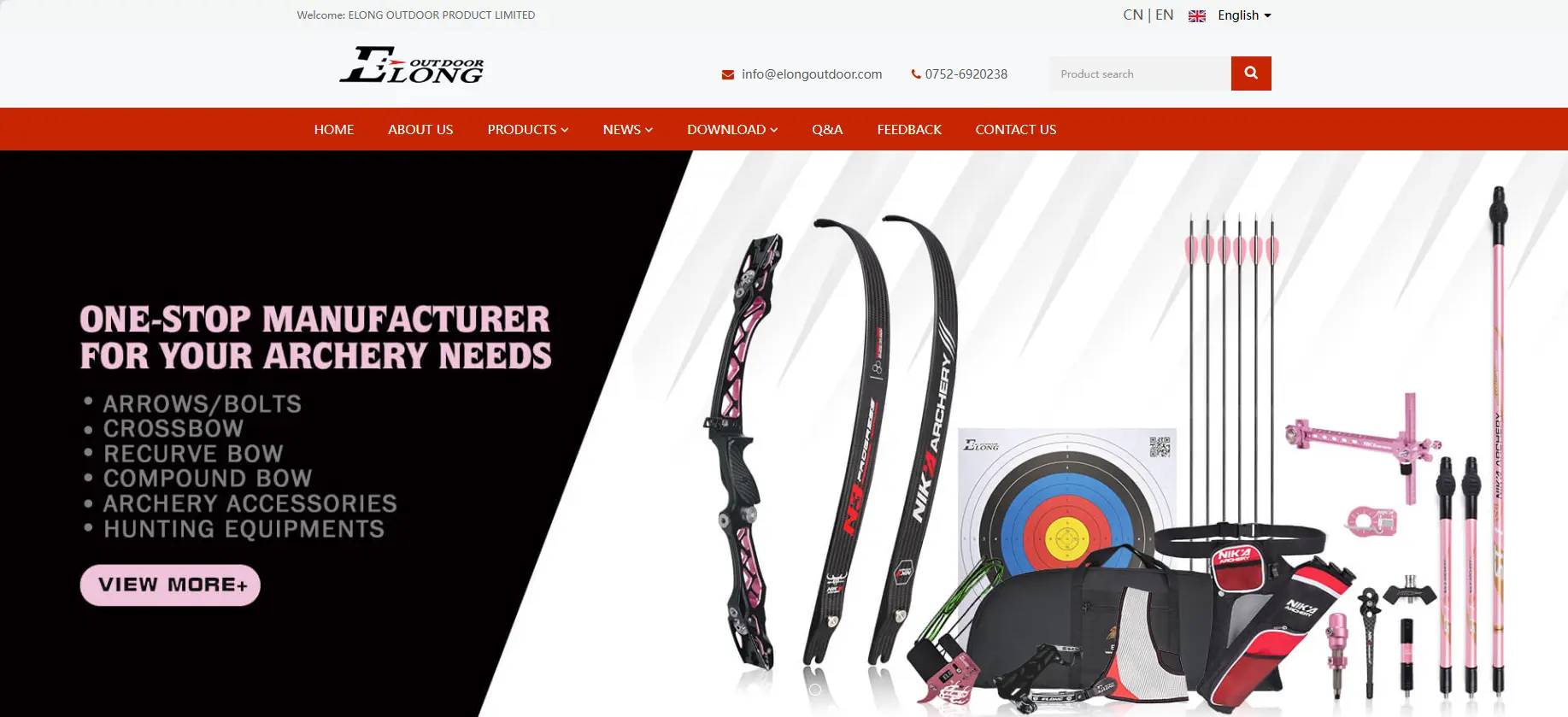
Elongoutdoor Archery (Guangdong): Based in Huizhou, this company focuses strongly on the components market, especially high-quality carbon arrows, fiberglass shafts, and protective gear. They are a reliable source for wholesale archery accessories and custom arrow production.
-
Man Kung Enterprise Co., Ltd. (Taiwan/Mainland China Supply Chain): While originally a Taiwanese entity, Man Kung is a globally recognized crossbow and archery manufacturer with extensive Mainland China manufacturing and sourcing networks. They are a crucial supplier for buyers focused on high-demand crossbow models and tactical archery gear, though buyers should verify the specific origin for compliance purposes.
-
Zhengzhou VELOX Co., Ltd. (Henan): Specializes in producing high-quality carbon arrows and related components, focusing on speed and accuracy required for target and hunting applications. A good choice for buyers needing consistent, specialized carbon arrow shafts.

-
Ningbo Topoint Archery Co., Ltd. (Zhejiang): While a broader metal products company, Ningbo is known for its high-precision CNC machining capabilities, which are crucial for producing compound bow cams, risers, and high-tolerance accessories like broadheads and release mechanisms. They represent the precision component supply chain essential to the industry.

6. Relevant Certification and Compliance Requirements
Archery and crossbow products, particularly those related to hunting or high kinetic energy, fall into a heavily regulated category, often classified as “dual-use items” (civilian and military potential). Strict compliance is mandatory for successful importation.
6.1. China Export Control Regulations (ECR)
This is the single most critical compliance hurdle for high-powered archery equipment.
-
Dual-Use Items Classification: Crossbows, high-draw weight compound bows (typically over 150 LBS or specific speed/KE thresholds), and certain high-precision optical sights may be classified by China’s Ministry of Commerce (MOFCOM) as dual-use items or controlled commodities.
-
Export License Requirement: If a product falls under ECR, the Chinese manufacturer/exporter must obtain an Export License from MOFCOM before shipment. This process is rigorous and requires detailed disclosure of the product’s technical specifications.
-
End-User and End-Use Certification (EUC): The foreign importer must provide a certificate or detailed documentation proving the legitimate civilian end-use of the product and committing that the item will not be transferred to a military or unauthorized entity. This is vital for obtaining the Chinese export license.
6.2. Destination Market Import Compliance (US, EU, etc.)

-
Customs and Tariffs (HTSUS/TARIC): Buyers must verify the correct Harmonized Tariff Schedule (HTSUS) classification (e.g., 9506.99.0520 for arrows, 9506.99.0530 for accessories). Tariffs and duties, such as those imposed by the US Section 301 tariffs (often cited under Chapter 99 subheadings), must be factored into total landed cost.
-
Federal Excise Tax (FET – US Market): In the United States, a FET is imposed on the sale of bows, archery equipment, and arrow shafts by the manufacturer or importer. Buyers must understand their liability for this tax if they are the Importer of Record.
-
Safety and Materials Compliance (EU/Global):
-
REACH/RoHS: For all electronics and components (sights, rangefinders, lights), compliance with the European Union’s Restriction of Hazardous Substances (RoHS) and Registration, Evaluation, Authorization, and Restriction of Chemicals (REACH) directives is necessary.
-
CE Marking/General Product Safety: While archery gear rarely requires a specific CE mark, adherence to general product safety standards (e.g., strength testing, non-sharp edges, stable materials) is expected.
-
-
Domestic Weapon Laws: The importer must confirm that the equipment (especially crossbows) meets all local legal requirements regarding draw weight, minimum size, and classification as a sporting good versus a controlled weapon. Failure to comply can result in immediate seizure and destruction of the cargo.
7. Critical Purchasing Considerations for Buyers
To navigate the market effectively, buyers must implement a strategic procurement plan focusing on quality, customization, and legal safeguards.
7.1. Quality Control and Testing Protocols
-
Adherence to IBO/ATA Standards: Demand that manufacturers test and certify bow speeds and kinetic energy output according to the standard practices of the International Bowhunting Organization (IBO) or the Archery Trade Association (ATA).
-
Arrow Consistency Testing: Require inspection reports for every batch of arrows, verifying:
-
Straightness: Tested via rolling bench or specialized laser equipment.
-
Spine Consistency: Checked for uniform stiffness across the shaft and batch.
-
Weight Sorting: Arrows intended for competition must be tightly weight-sorted (e.g., ±2 grains tolerance).
-
-
Machining Tolerance: For CNC-machined risers, demand specific dimensional tolerances, especially in the limb pockets and accessory mounting holes, to ensure universal compatibility.
7.2. Customization and Intellectual Property (IP)
-
OEM vs. ODM: Most Chinese manufacturers offer Original Equipment Manufacturing (OEM)—producing a buyer’s existing design—or Original Design Manufacturing (ODM)—adapting an existing factory design. Clearly define the scope of work.
-
Minimum Order Quantity (MOQ): Due to the high cost of molds and CNC programming, MOQs for premium bows (especially compound models) are typically high, often requiring hundreds of units per model and color. Accessories usually have lower MOQs.
-
IP Protection: Secure a robust Non-Disclosure Agreement (NDA) and a Manufacturing Agreement that explicitly addresses ownership of molds, tooling, and intellectual property to prevent unauthorized sales of your exclusive designs.
7.3. Pricing, Contracts, and Logistics
-
Pricing Negotiation: Leverage the factory cluster effect. Manufacturers in the same cluster (e.g., Henan) are highly competitive. Pricing for bows should be quoted as FOB (Free On Board) or EXW (Ex Works), clearly separating the cost of goods from logistics and tariffs.
-
Payment Terms: Standard practice is a 30% deposit to start production and the 70% balance paid upon completion and passing of the final third-party Quality Control inspection (before shipping).
-
Logistics Management: Due to the often long, bulky, and fragile nature of bows and arrows, carefully select freight forwarders experienced in handling sporting goods. Be prepared for high cubic weight charges.
7.4. Risk Mitigation: Managing Regulatory & Safety Concerns
-
Compliance Audit: Before placing large orders, audit the manufacturer’s internal control system to ensure they are equipped to handle the MOFCOM license application process for controlled items (like high-power crossbows).
-
Liability Insurance: The buyer should ensure that their product liability insurance covers items sourced from China, particularly given the inherent risk associated with archery and crossbow equipment.
-
Supplier Diversification: To mitigate supply chain risks and leverage unique regional expertise, source different product categories (e.g., bows from Henan, carbon shafts from Guangdong, entry-level bows from Shandong).
Conclusion: Mastering the Archery Supply Chain
China’s archery and crossbow manufacturing sector offers an unparalleled combination of advanced technology, material expertise (especially in aluminum and carbon fiber), and immense scalability. However, successful procurement requires more than just finding a low price. It demands a deep understanding of technical specifications, strict adherence to global compliance—particularly regarding the “dual-use” classification of crossbows and high-draw weight bows—and establishing robust quality control processes.
By strategically partnering with leading manufacturers in specialized clusters like Henan, Guangdong, and Shandong, and by meticulously addressing certification requirements (MOFCOM licenses, HTSUS codes, and FET liability), international buyers can confidently source premium, compliant, and cost-effective archery equipment, ensuring their brand remains competitive and their supply chain remains secure.
