Table of Contents
Introduction
As the world increasingly prioritizes sustainability, food safety, and convenience, aluminum foil food containers from China are emerging as the smart packaging solution for a global market. Often referred to colloquially as “tin foil,” these containers are, in fact, made from high-grade aluminum. China plays a dominant role in this industry, accounting for an estimated 60%-65% of the world’s total aluminum foil production. With supportive national policies and a mature, innovative supply chain, China offers international buyers a combination of scale, quality, and competitive pricing that is unmatched.
This guide is designed to provide overseas importers, distributors, and food service businesses with a comprehensive understanding of the Chinese aluminum foil container industry, empowering you to make informed purchasing decisions.
I. Understanding Aluminum Foil Containers
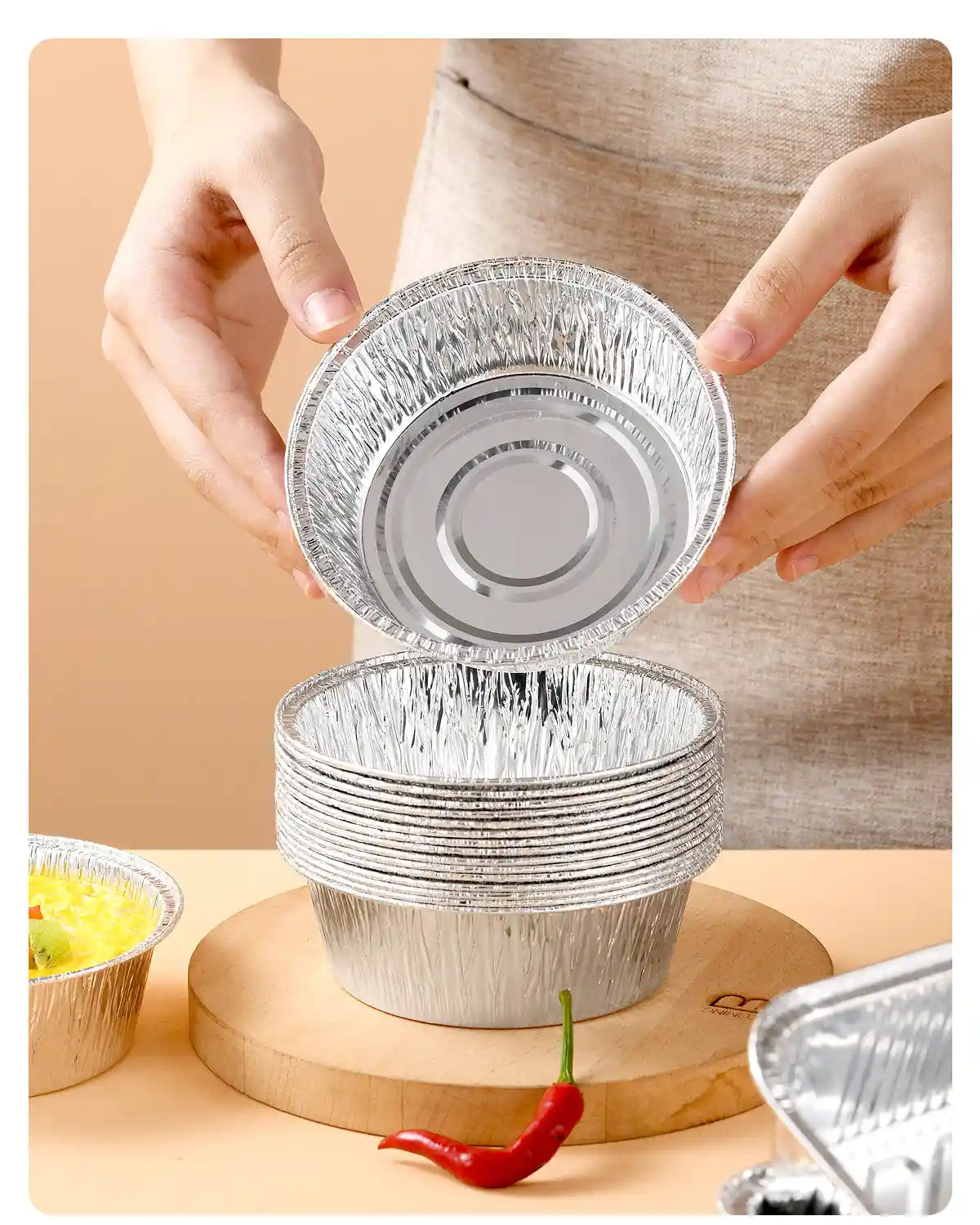
Aluminum foil containers are made from aluminum that is rolled into thin sheets (typically between 0.006mm and 0.2mm thick) and then pressed into various shapes. Despite their thin profile, they possess exceptional properties:
- Superior Barrier Protection: They excel at blocking moisture, oxygen, light, and odors, which is crucial for preserving food freshness, flavor, and extending shelf life. For instance, butter packaged in aluminum foil in the 1930s was found to have its freshness extended by two to three months.
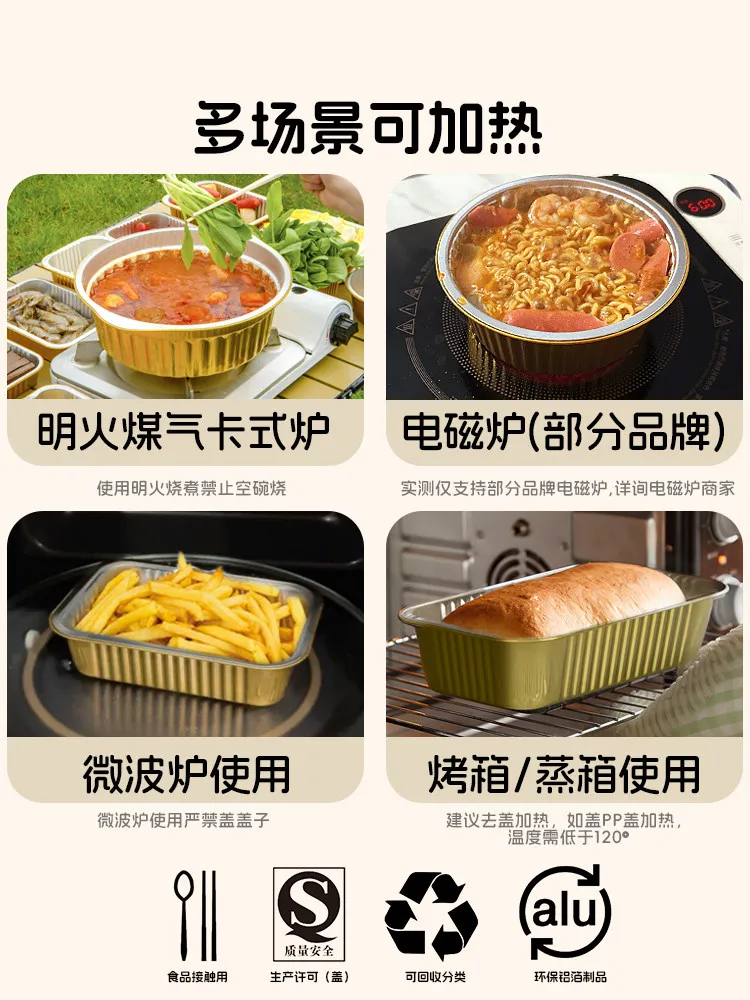
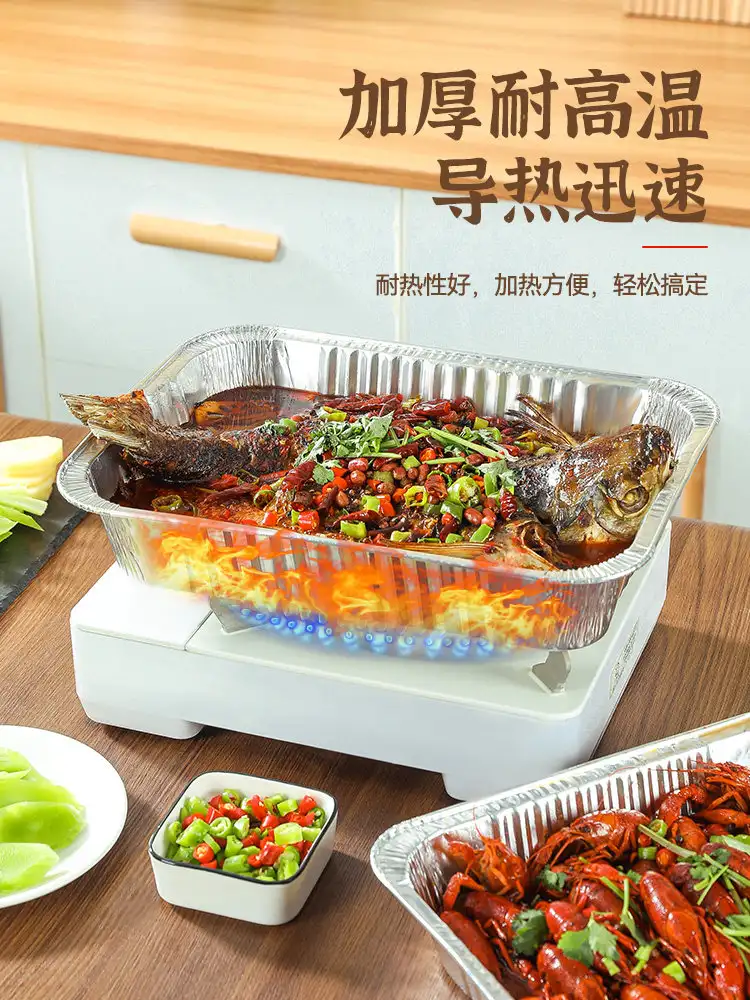
- Excellent Temperature Tolerance: They are safe for use in ovens, freezers, and microwaves (following guidelines), making them perfect for ready-to-eat meals, takeaway, and food storage.
- Formability and Design Flexibility: Aluminum can be easily molded into a vast array of shapes, sizes, and compartmentalized designs to suit any culinary need.
- 100% Recyclable: Aluminum is endlessly recyclable without loss of quality, aligning with global eco-friendly initiatives and regulations like the EU’s Single-Use Plastics Directive.
II. Types and Common Uses
Chinese manufacturers produce a diverse range of containers to meet global demands. The market is segmented by capacity, with common categories including containers over 200mL, 200-400mL, and over 400mL.
| Type/Form | Primary Uses & Advantages |
|---|---|
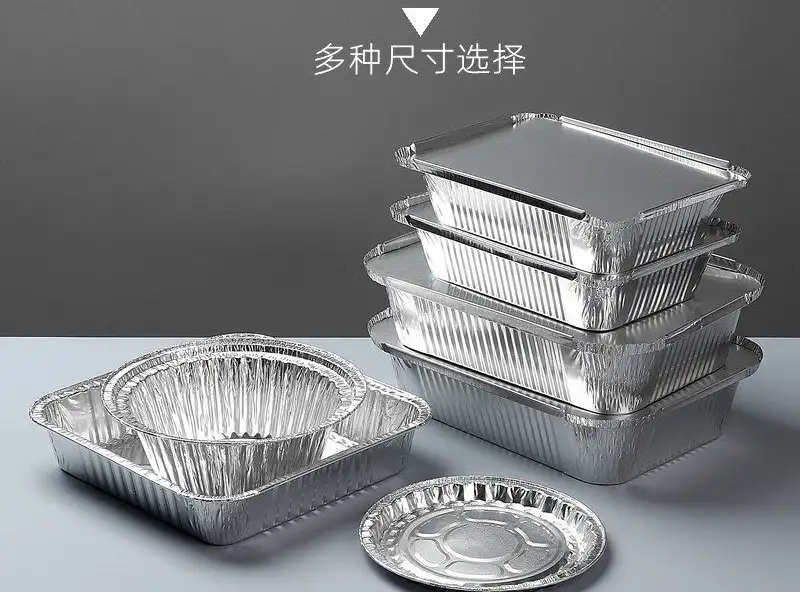
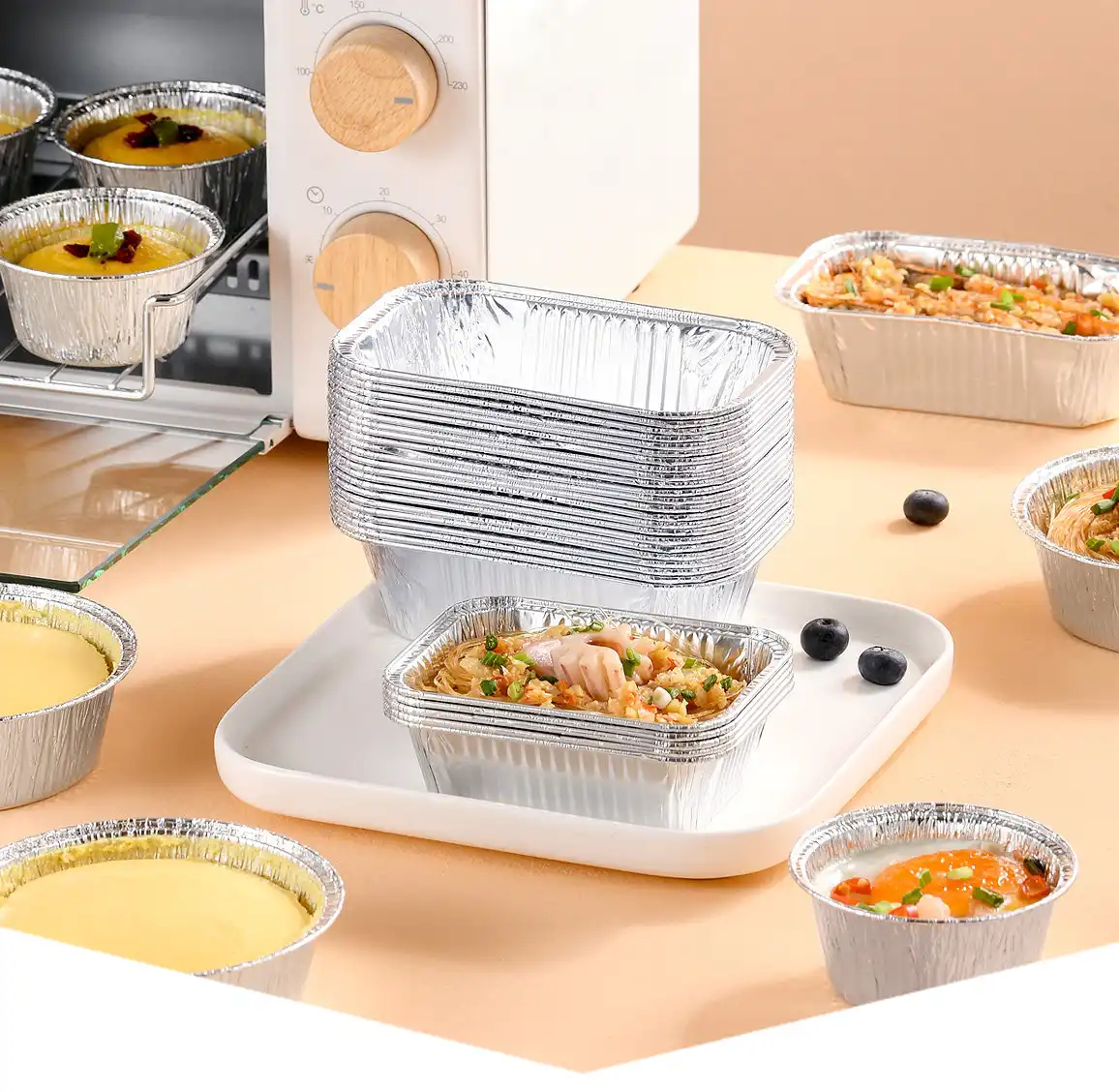
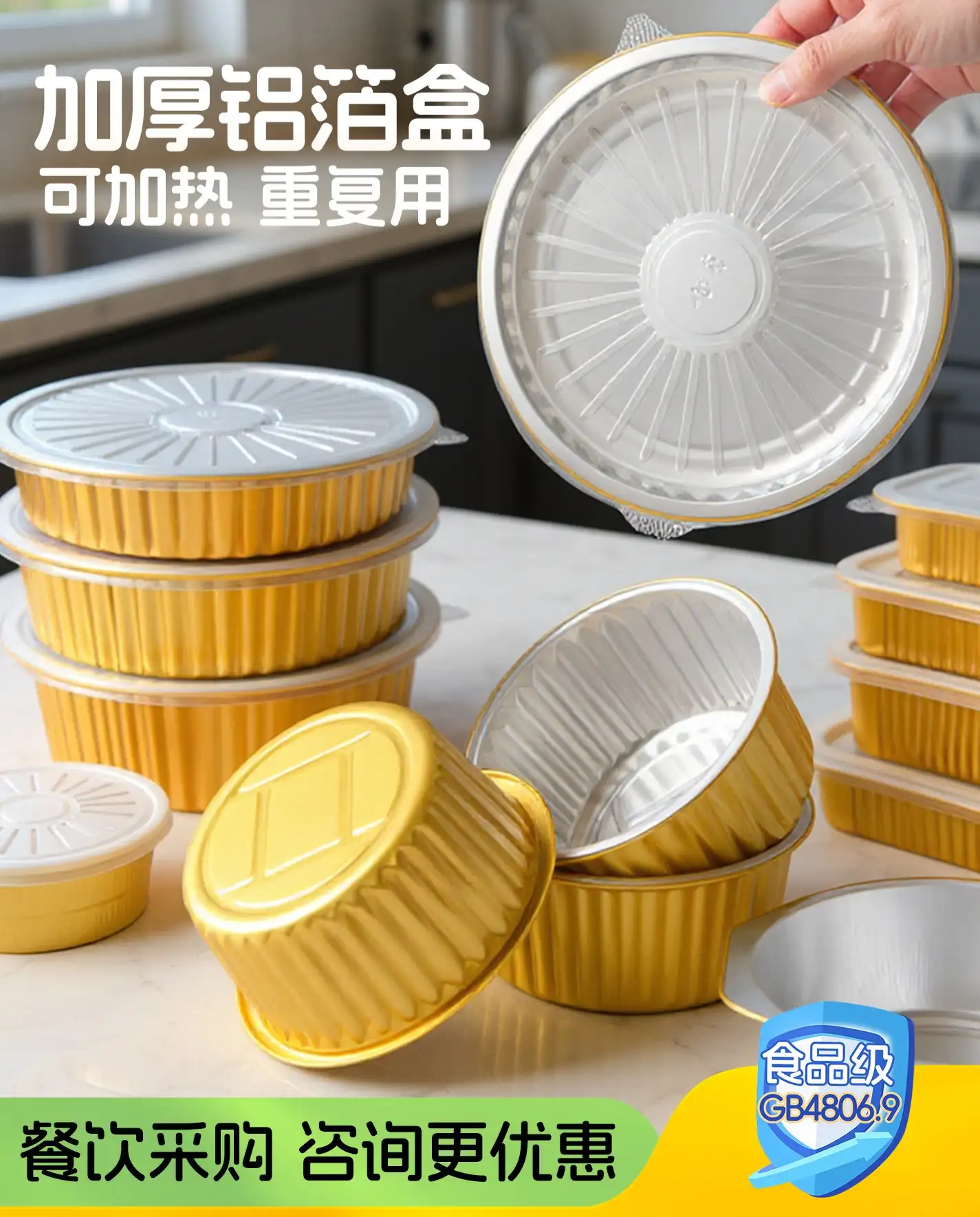
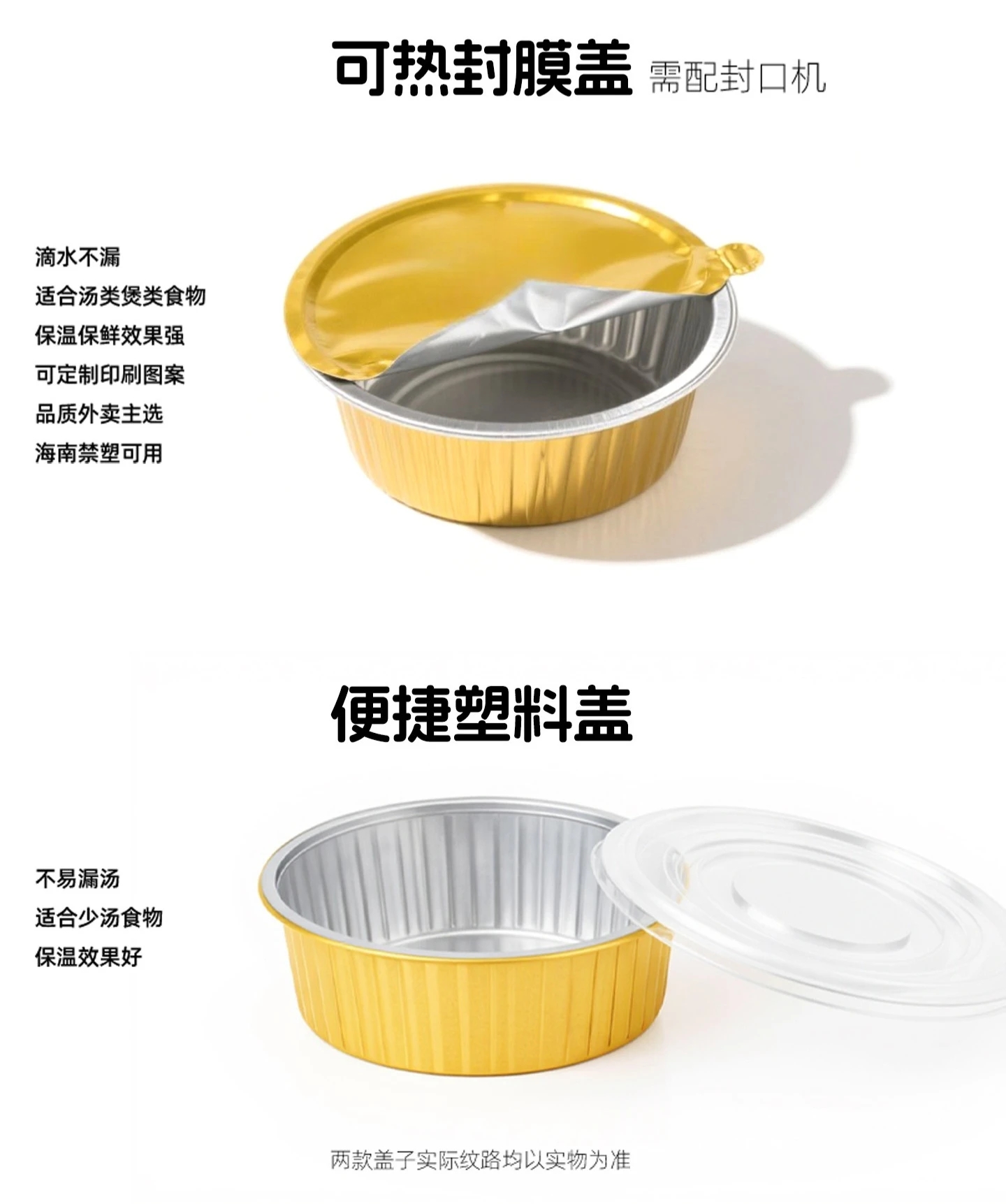
| Standard Takeaway Boxes (Round, Rectangular) | Ideal for restaurant leftovers, meal delivery, and fast food. Often come with secure-fitting lids. |
| Compartmentalized Trays | Perfect for airline meals, prepared dinner kits, and catering where different foods need separation. |
| Deep-Dish Pans & Baking Trays | Used for lasagnas, casseroles, catering sides, and bakery items. Their rigidity supports heavier, wetter foods. |
| Specialty Shapes (e.g., Pie Pans, Burger Wraps) | Designed for specific food items, enhancing presentation and functionality. |
| Lidded Containers with Custom Films | Used for prepared salads, snacks, and dairy products. The lidding film can be peeled or pierced. |
Beyond standard meal boxes, aluminum foil packaging is essential for coffee capsules (blocking oxygen to preserve aroma), chocolate bars (preventing fat bloom), liquid dairy (enabling long shelf-life), and pre-packaged nuts and oily snacks (preventing rancidity).
III. China’s Industrial Landscape and Key Production Hubs
China’s aluminum foil container industry is concentrated in well-developed industrial clusters, primarily in the eastern and southern coastal provinces. These regions benefit from complete supply chains, advanced logistics, and export-friendly infrastructure.
- East China (Jiangsu, Zhejiang, Shanghai): This is a core manufacturing hub with a high concentration of sophisticated manufacturers. The area is known for technological innovation, high-quality production, and strong export capabilities.
- South China (Guangdong): Another major production base, leveraging the manufacturing power and extensive port facilities of the Pearl River Delta. Producers here are highly responsive to international market trends and demands.
- North China (Shandong): Shandong Province is a significant production base for aluminum foil containers in northern China. Leveraging its well-established industrial chain and strategic geographical location, it has fostered a number of competitive manufacturing enterprises that serve both domestic and international markets.
This concentrated expertise allows Chinese suppliers to efficiently serve the global market, with the Asia-Pacific region being the largest consumer, followed by steady demand from Europe and North America.
IV. Top10 Chinese Aluminum Foil Container Manufacturers
Disclaimer: The status of manufacturers changes. Buyers should always conduct current due diligence. The following are historically significant, large-scale players representative of the industry’s capabilities.
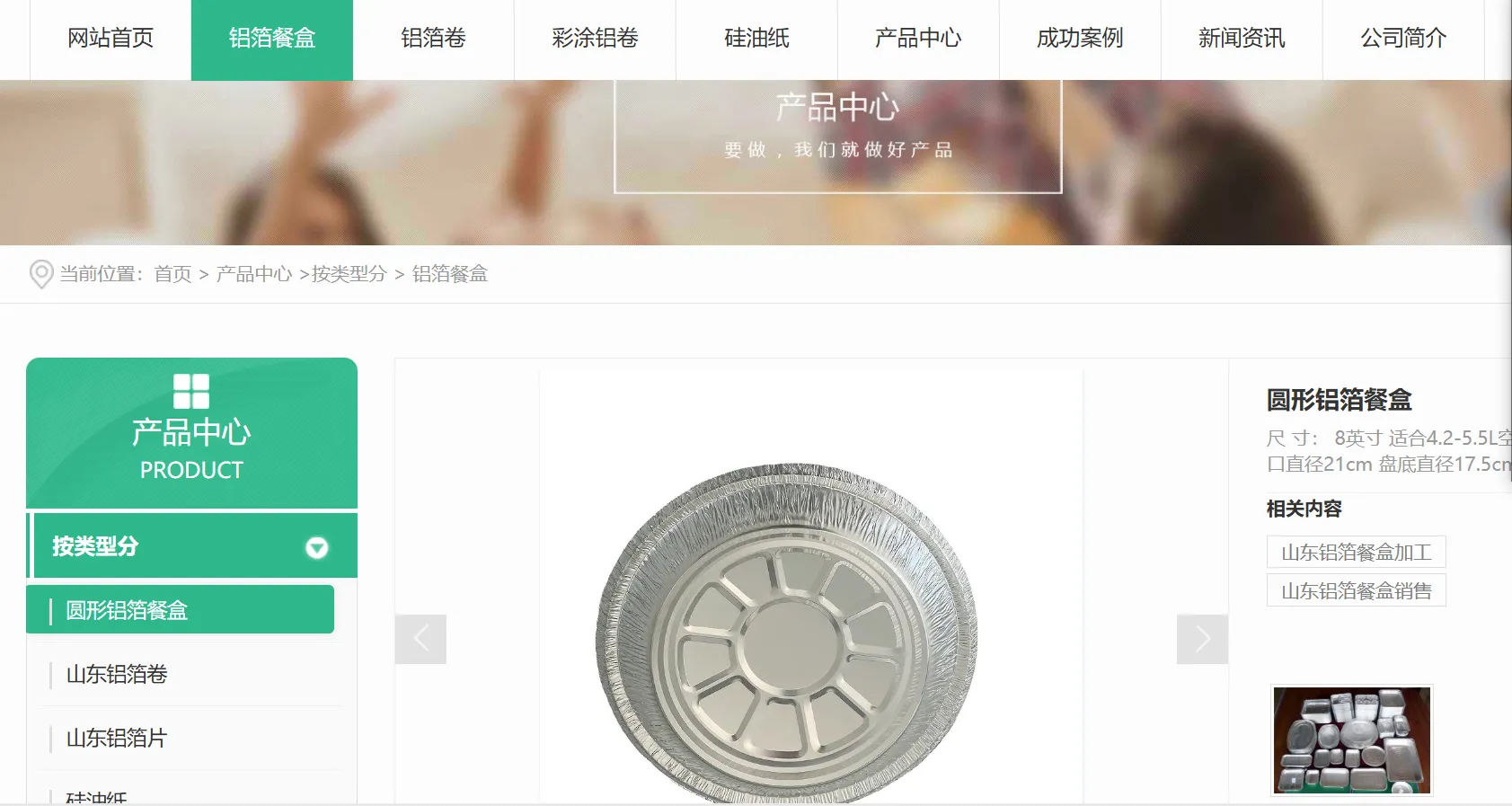
Binzhou Hailong Aluminum-Plastic Products Co., Ltd.
- Location: Binzhou Economic and Technological Development Zone
- Core Features: Established in 2006, a high-tech enterprise covering 10,000 square meters. Specializes in R&D, production, and sales of aluminum foil and aluminum-plastic products, covering household packaging, industrial applications, and airline meal containers. Holds 23 patents, with products exported to over 20 countries and regions including Europe, America, and Asia. In 2020, invested in aluminum foil deep-processing projects in Cambodia and Malaysia to expand cross-border business.
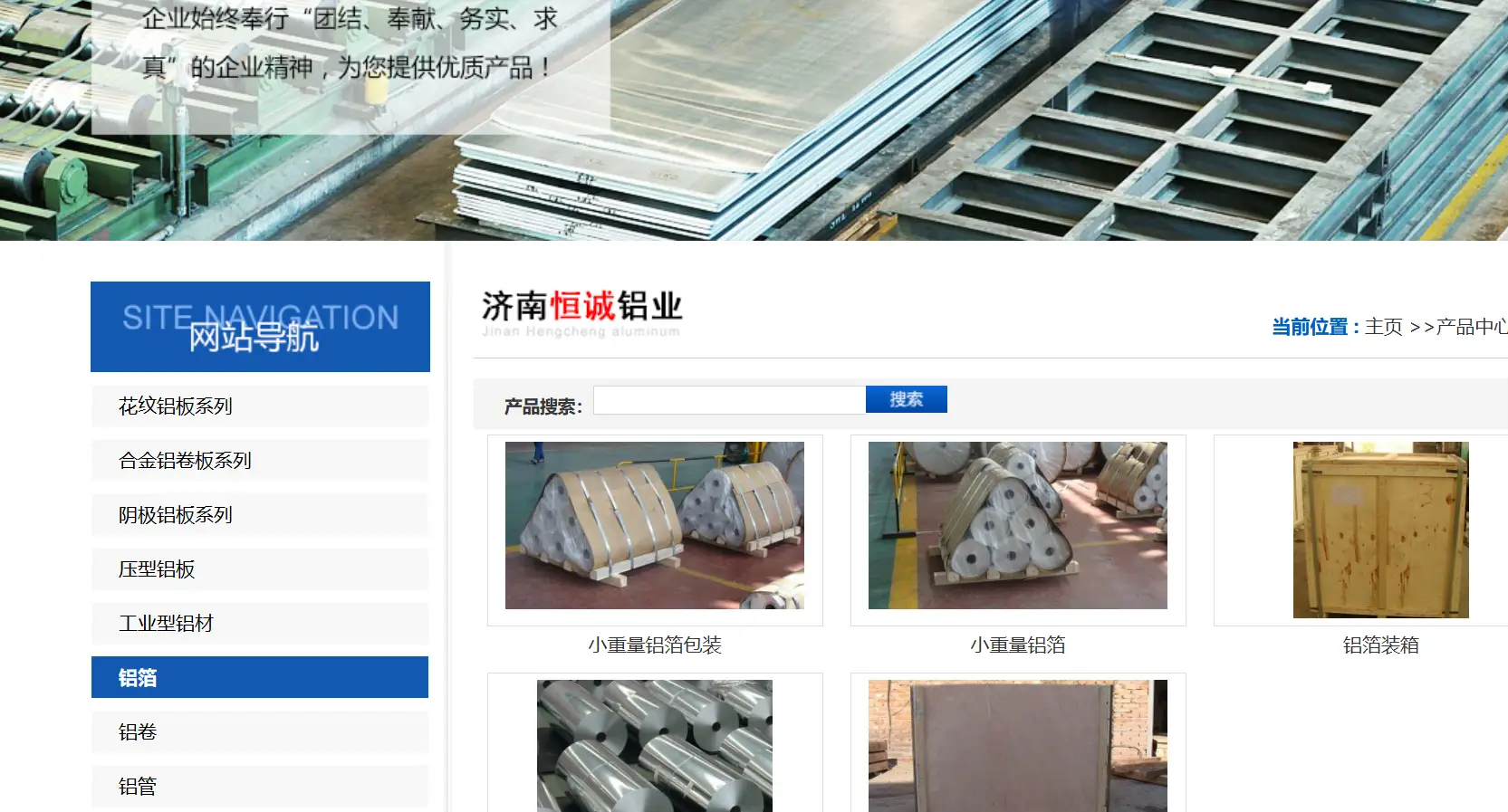
Hengcheng Aluminum
- Location: Jinan, Shandong
- Core Features: Specializes in producing aluminum foil containers in specifications ranging from 0.04mm to 0.20mm, using Alloy 8011.
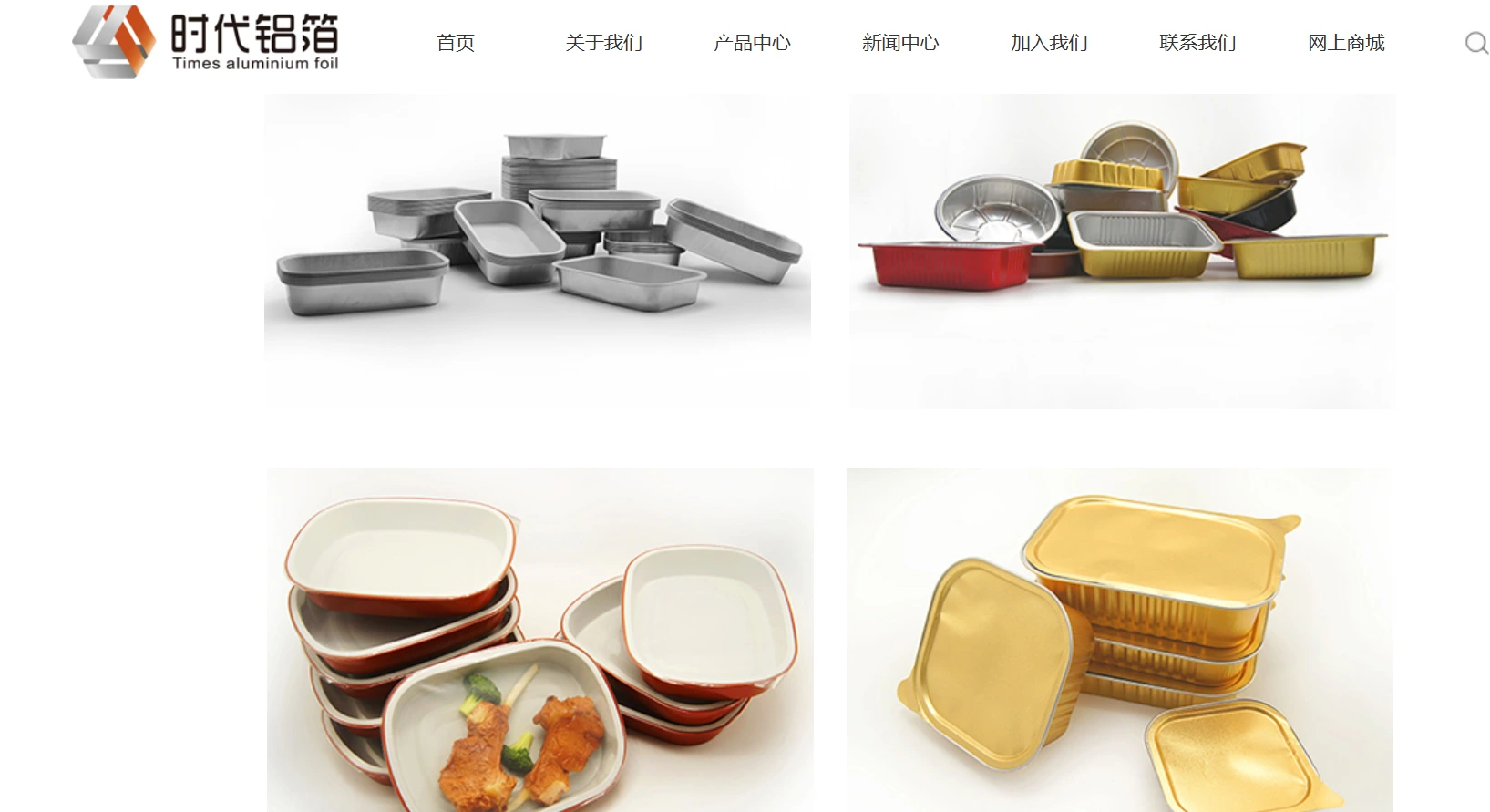
Ningbo Times Aluminium Foil Technology Corp., Ltd.
- Location: Ningbo, Zhejiang
- Core Features: A company listed on the NEEQ (New Third Board), one of the leading enterprises in China’s aluminum foil container industry, with annual production capacity and export scale ranking among the top in the sector.
- Certifications & Markets: Products meet international standards and are extensively exported to European and American markets.
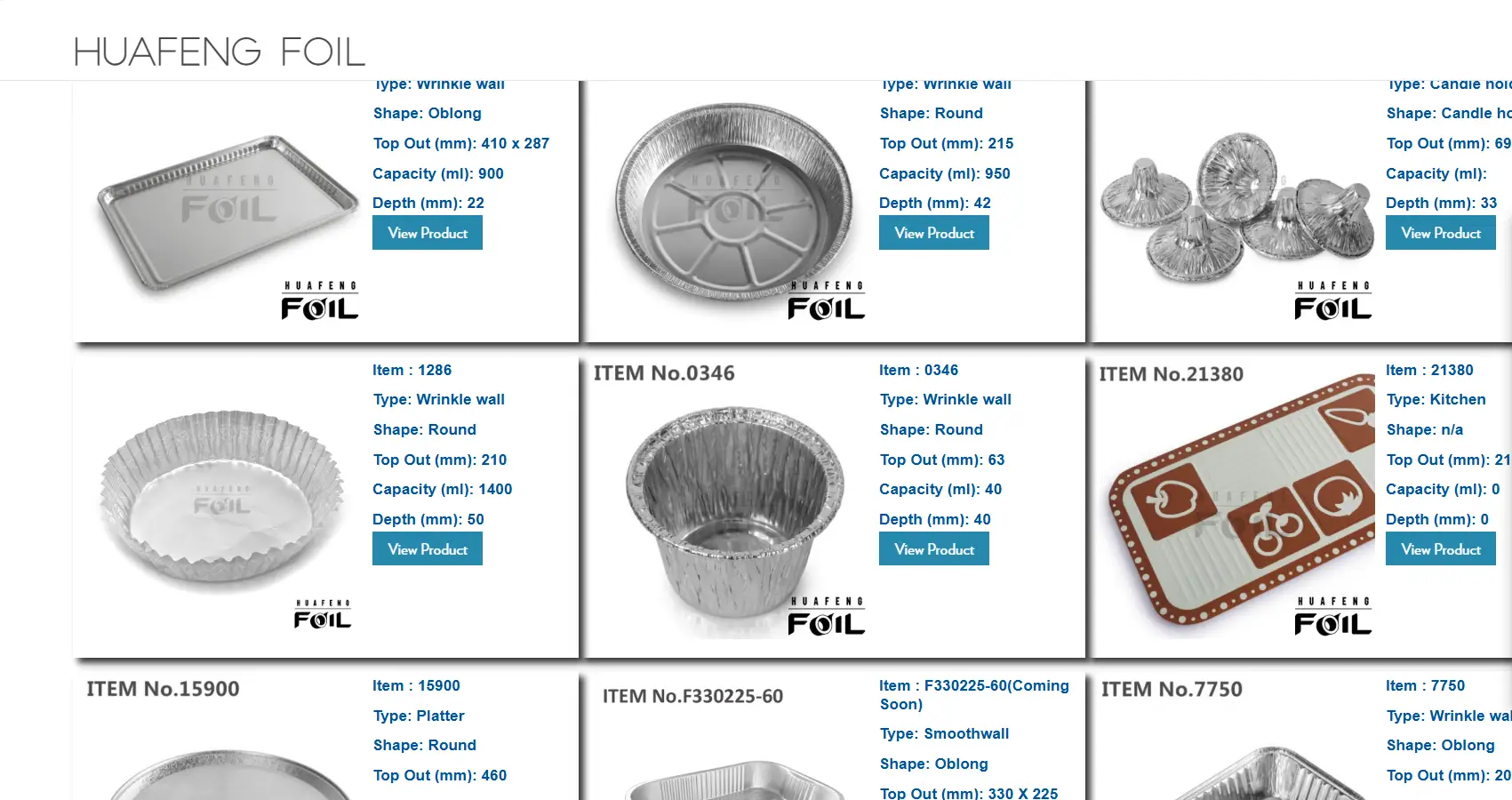
Guangzhou Huafeng Aluminum Foil Technologies Co. Ltd.
- Location: Guangzhou, Guangdong
- Core Features: Focuses on R&D and production of aluminum foil technology, with a diverse product line.
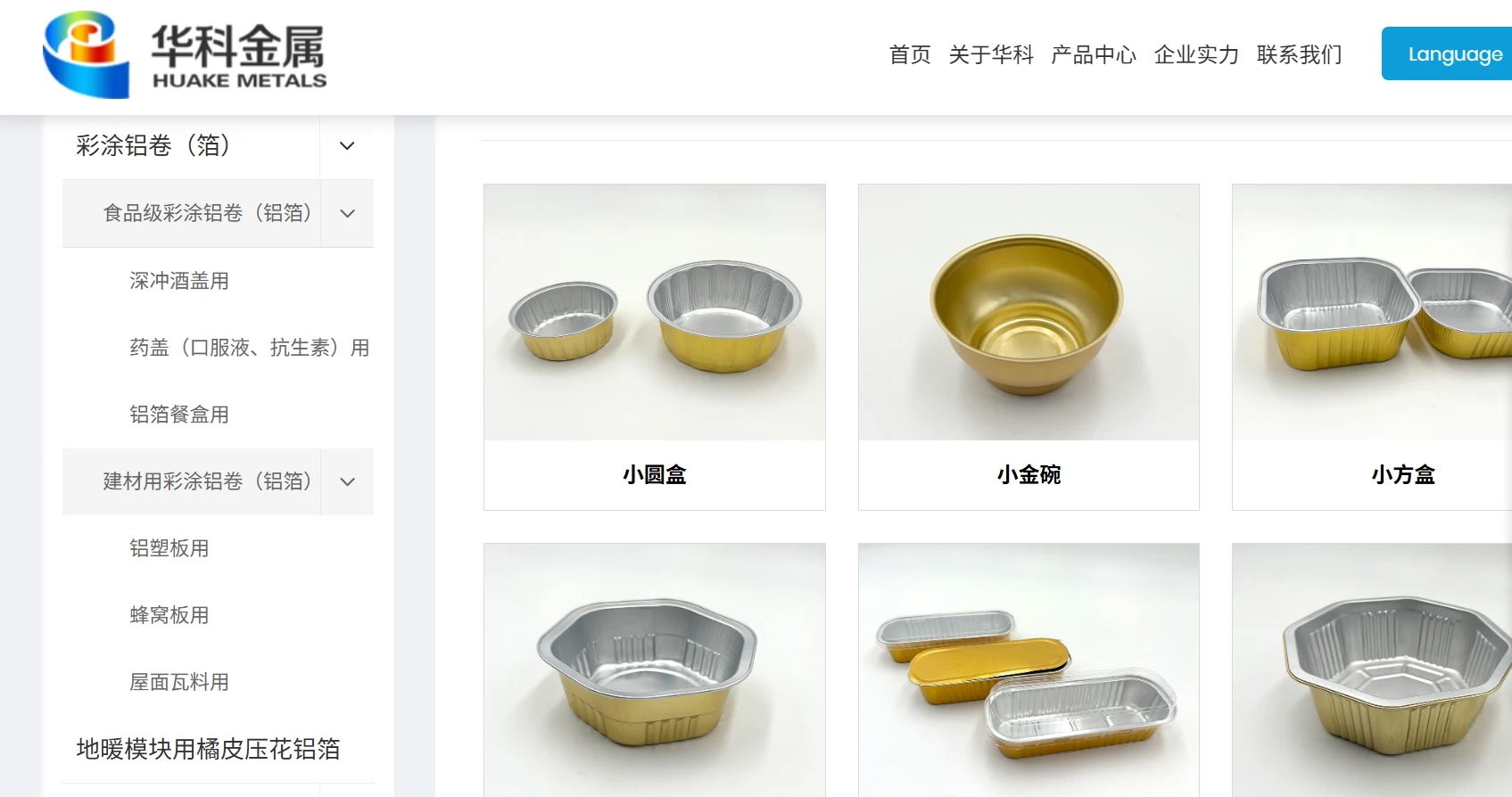
Luoyang Huake Metal Co., Ltd.
- Location: Luoyang, Henan
- Core Features: A National Sci-Tech SME and a High-Tech Enterprise in Henan Province, holding over 20 utility model patents. Products are certified to ISO22000, IAF, and CNAS quality systems, and tested by SGS to comply with U.S. FDA and Chinese GB food-grade standards. Product range includes color-coated aluminum foil containers and color-coated aluminum foil, exported to Australia, Europe, the Americas, the Middle East, and South Asia. Supplies airline meal containers to China Southern Airlines and provides packaging for major brands like “Zi Hai Guo”. Innovatively developed colored and cow-pattern embossed materials for enhanced visual appeal.
Zhengzhou Mingtai Aluminum
- Location: Zhengzhou, Henan
- Core Features: Offers custom-made aluminum foil containers, using Alloy 8006 aluminum foil.
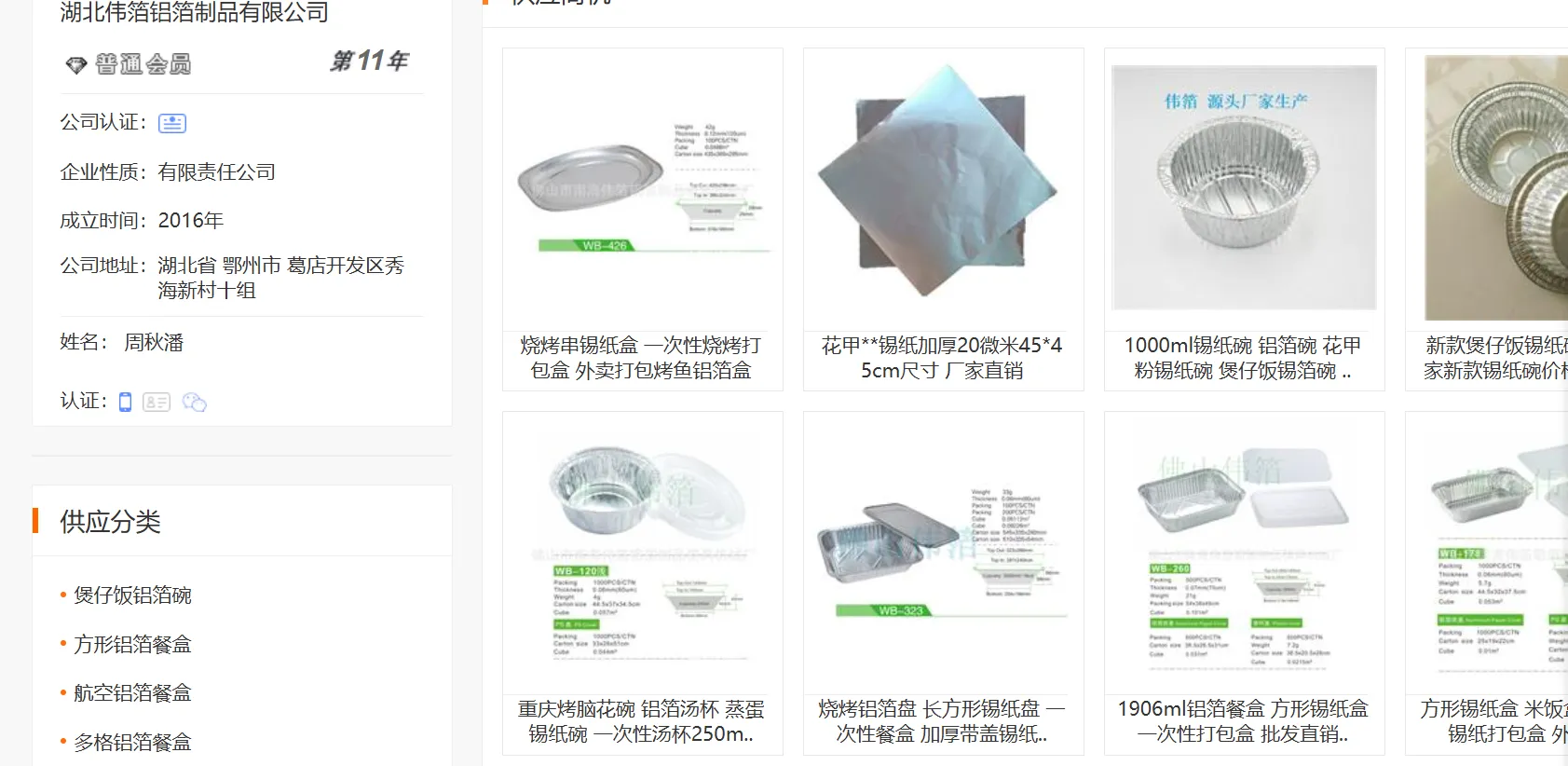
Hubei Weibo Aluminum Foil Products Co., Ltd.
- Location: Hubei
- Core Features: One of the significant manufacturers of aluminum foil containers in Central China.
Qingdao Wohler Aluminium Environmental Technology Co., Ltd.
- Location: Qingdao, Shandong
- Core Features: A major exporter of aluminum foil containers in the Shandong region.
Qingdao Runfeng Aluminum Foil Co., Ltd.
- Location: Qingdao High-tech Industrial Development Zone
- Core Features: The parent company, Shandong Lufeng Aluminum Foil Co., Ltd., is a high-tech enterprise in Shandong Province with 4 aluminum foil production lines and large annual production capacity. Products are certified under ISO9001 and ISO14001, and the aluminum foil has passed U.S. FDA certification as food and pharmaceutical packaging material. The “Lufeng” brand aluminum foil is a renowned Shandong Province product.
Qingdao Weile Daily Products Co., Ltd.
- Location: Qingdao
- Core Features: Established in 2015, specializes in R&D, production, and distribution of aluminum foil products, including standard aluminum foil rolls, aluminum foil containers, and coated aluminum foil. Employs 100-500 people and focuses on developing wrinkle-free coated products.
V. How to Find Aluminum Foil Container Suppliers in China?
Navigating the Chinese supply chain for aluminum foil containers requires a strategic approach tailored to the specifics of food-contact materials and food service packaging. Here are the primary channels:
- Direct Manufacturer Contact: Highly suitable for high-volume buyers, restaurant chains, catering businesses, or those with very specific customization needs (e.g., unique compartment designs, custom sizes, proprietary embossing patterns, or specialized coatings). This path offers the greatest control over specifications and potentially the best pricing, but requires significant in-house resources for supplier vetting, quality control management, and navigating international logistics and food safety compliance.
- B2B Platforms (Alibaba.com, 1688.com, Made-in-China.com): Excellent for initial discovery and comparing a vast range of suppliers, from large-scale aluminum foil producers to specialized container manufacturers. Use precise keywords like “aluminum foil container,” “tin foil takeaway box wholesale,” or “custom aluminum foil tray.” Critical due diligence is required here: always verify supplier credentials, insist on official food-grade safety certificates (FDA, LFGB, ISO 22000), request material thickness specifications, and order physical samples to test durability, lid fit, and heat resistance before any bulk commitment.
- Industry Trade Shows: Attending major industry exhibitions such as ALUMINIUM CHINA (Shanghai) or Canton Fair (Guangzhou) is one of the most effective methods. It allows you to physically inspect and compare product quality, thickness, and finish, meet suppliers face-to-face, and gain firsthand insights into the latest innovations in eco-friendly coatings, material lightweighting, and design trends. This is invaluable for building trust and assessing a supplier’s professionalism beyond their online profile.
- Engaging a Professional Sourcing Agent (Highly Recommended): For most international buyers, especially those without a local team or deep experience in the sector, this is the most efficient and low-risk path to finding reliable, compliant suppliers. A specialized agent manages the entire process: vetting factories for true production capability, verifying raw material sourcing (alloy quality), conducting rigorous on-site quality inspections, handling negotiations and logistics, and ensuring all products meet the required international food safety and environmental standards. This is where a partner with expertise in food-contact packaging, like IMEXsourcing, provides decisive value by navigating the complexities on your behalf.
VI. Key Precautions for Purchasing Aluminum Foil Containers
Purchasing aluminum foil containers involves critical considerations of food safety, functional performance, and commercial reliability. The following precautions are essential for international buyers seeking to source these products from China.
1.Food Safety & Compliance Certification
Food safety and regulatory compliance represent the most fundamental requirement, directly impacting market access and consumer health. Buyers must verify that suppliers hold valid international food contact material certifications, including FDA (U.S.) , LFGB (Germany/EU) , or equivalent standards for target markets. A critical emerging concern is the presence of PFAS (per- and polyfluoroalkyl substances) in container coatings. Importers should explicitly inquire whether coatings are used and, if so, confirm they are PFAS-free water-based coatings, as Europe and America markets are imposing increasingly strict restrictions on these substances. Additionally, request heavy metal migration test reports from accredited third-party laboratories such as SGS, TÜV, or Intertek, ensuring that aluminum ions or other heavy metals do not migrate into food—particularly acidic or oily contents—during use. Traceability of raw materials is equally important; suppliers should provide documentation on the alloy grade (commonly 8011, 3003, or 8006) and source of aluminum coils to guarantee material consistency and compliance.
2.Product Quality & Functionality Testing
Product quality and functional testing are essential to ensure containers perform as expected in real-world applications. Buyers should clearly specify the foil thickness (gauge) , typically ranging from 0.03mm to 0.12mm, and conduct random inspections using high-precision micrometers to verify uniformity and ialized applications like airline catering, performance in convection ovens may require additional tabsence of pinholes. Temperature resistance testing should simulate actual usage conditions: place samples in ovens (180°C–220°C), microwave ovens, and freezers (below -18°C) through multiple cycles to check for deformation, cracking, or coating delamination. For specesting. Seal integrity and lid compatibility are crucial—if purchasing containers with lids (aluminum, paper, or PET), test the seal strength between lid and container body, and evaluate whether peelable films have appropriate peel force (not too tight to open, not too loose to leak). Edge smoothness must be checked by running fingers along container rims to detect sharp burrs or flash; high-quality containers feature rolled or crimped edges for safe handling. Rigidity and load-bearing capacity should be assessed by filling containers with food or water to check for excessive bottom sagging or sidewall collapse, particularly for larger sizes.
3.Supplier Qualification & Commercial Reliability Verification
Supplier qualification and commercial reliability verification often prove more important than price comparisons. Conduct factory audits—either on-site or via video—to confirm whether suppliers operate fully automated high-speed stamping production lines or merely function as trading companies. Evaluate production environments for cleanliness, raw material storage practices, and the presence of comprehensive quality control procedures (IQC, IPQC, OQC). Quantify production capacity and delivery capabilities by requesting monthly output figures (in tons or number of standard containers), minimum order quantities (MOQs), and maximum supply capacity during peak seasons such as year-end food delivery rushes. Assess export experience and logistics competence by inquiring about major export markets and familiarity with documentation requirements (bills of lading, packing lists, commercial invoices, certificates of origin, health certificates) for destination countries. Reputable exporters provide professional FOB or CIF quotations. Implement sample sealing and pre-shipment inspection protocols: retain signed sealed samples as reference standards, and conduct mid-production or pre-shipment inspections against these samples to verify material, thickness, printing, and packaging details. Establish clear after-sales service and contract terms, including quality objection periods, return/exchange policies, and liability clauses. Avoid suppliers demanding 100% advance payment without formal contracts or refusal to provide test reports.
4.Special Recommendations for Small & Medium Importers
For small and medium-sized importers undertaking their first China sourcing initiatives or managing unstable order volumes, specialized precautions apply. Engaging a professional sourcing agent such as IMEXsourcing represents the most efficient and low-risk approach for most overseas buyers, particularly those without local presence or deep industry experience. Agents serve as risk shields by pre-vetting qualified suppliers and conducting background checks. They act as quality guardians through independent inspection teams performing in-process and pre-shipment quality control. As cost optimizers, agents leverage market knowledge to negotiate better pricing and payment terms (e.g., improving from 100% advance payment to 30% deposit + 70% against copy of bill of lading). They function as communication bridges, accurately conveying technical requirements to prevent specification mismatches. For buyers choosing direct procurement, essential precautions include: ordering samples for comprehensive testing before bulk commitments; conducting live video factory tours via WeChat or Zoom; negotiating staged payment terms (preferably 30% deposit, 70% against BL copy, never 100% advance); and meticulously reviewing contracts to specify material, thickness, dimensions, packaging, and liability provisions.
VII. Choose IMEXsourcing as Your Aluminum Foil Container Sourcing Partner in China
When procuring functional and compliant food packaging consumables from China, partnering with an expert sourcing agent is crucial due to the complexities of material science, regulatory standards, and manufacturing consistency. As your dedicated partner, IMEXsourcing offers a comprehensive service portfolio tailored to the food packaging and food service supplies sector, ensuring you acquire products that are safe, reliable, and market-ready.
- Specialized Expertise in Food-Contact Materials & Compliance
Our team possesses in-depth knowledge of global food safety regulations for aluminum materials and coatings. We don’t just collect certificates; we understand the technical requirements behind FDA, LFGB, and PFAS-Free standards. We critically evaluate supplier claims, verify the authenticity of test reports, and advise on material suitability for your specific application and target market—whether for oven-safe baking, freezer storage, or high-temperature food delivery. - Direct Access to Vetted, Tiered Manufacturers
We have established networks with reputable factories specializing in different product tiers: large-scale automated stamping production lines, specialized coating processing facilities, and eco-material innovators. This allows us to match you with the ideal supplier based on your order volume, quality level, and budget—whether you need cost-effective bulk containers for restaurant chains or premium, customized foil trays with proprietary embossing for retail brands. - Rigorous, Function-Based Quality Assurance
Our quality control protocol is designed for performance. We conduct pre-production sample reviews, factory process audits, and strict pre-shipment inspections. We test for critical functional attributes: accurate temperature resistance (oven/freezer cycling), verified oil and moisture barrier properties, dimensional accuracy (thickness uniformity, edge smoothness), lid fit and seal integrity, and packaging integrity. We ensure the product you receive performs flawlessly in real-world food service environments. - Supply Chain Optimization & Risk Management
We leverage our aggregated purchasing power and local presence to negotiate better pricing, payment terms, and Minimum Order Quantities (MOQs) . We proactively manage risks by preventing unauthorized material substitution (e.g., switching to lower-grade aluminum), ensuring on-time delivery through close production monitoring, and providing clear logistics solutions tailored to lightweight but bulky goods. - End-to-End Logistics & Clear Communication Bridge
We manage the entire supply chain, from order placement to delivery at your destination port or door. We handle export formalities, coordinate cost-effective shipping (FOB, CIF, DDP options), and ensure proper packaging (carton boxes, palletization) to minimize transit damage. Furthermore, we act as your seamless communication bridge, ensuring your technical specifications—from alloy type to coating requirements—are perfectly understood and executed by the manufacturer.
Partner with IMEXsourcing to transform your procurement of aluminum foil containers into a streamlined, secure, and strategically advantageous process. Let us ensure your supply chain is as reliable as the products you sell.
VIII. Conclusion
In summary, while navigating China’s aluminum foil container industry presents significant opportunities, its complexities—from selecting the right industrial clusters across East, South, and Central China to ensuring strict food safety compliance, material quality, and manufacturing consistency—can be daunting for international buyers. This underscores the critical value of partnering with a specialized expert like IMEXsourcing. Leveraging deep local expertise and an integrated service model, IMEXsourcing transforms a complex supply chain into a clear and reliable competitive advantage for your business. They not only guide you to certified, high-quality manufacturers with proven track records in FDA and LFGB compliance, but also manage the entire process—from factory verification, material testing, and production monitoring to logistics coordination and customs clearance—ensuring a consistent supply of premium, fully compliant aluminum foil containers tailored to your specifications. Ultimately, this partnership provides a solid and worry-free supply chain foundation, supporting your business growth and brand reputation in the global food service and packaging market.
With IMEXsourcing as your partner, you can confidently source any aluminum foil containers you envision, precisely engineered to meet the demands of your customers and the requirements of your market.