Table of Contents
Introduction
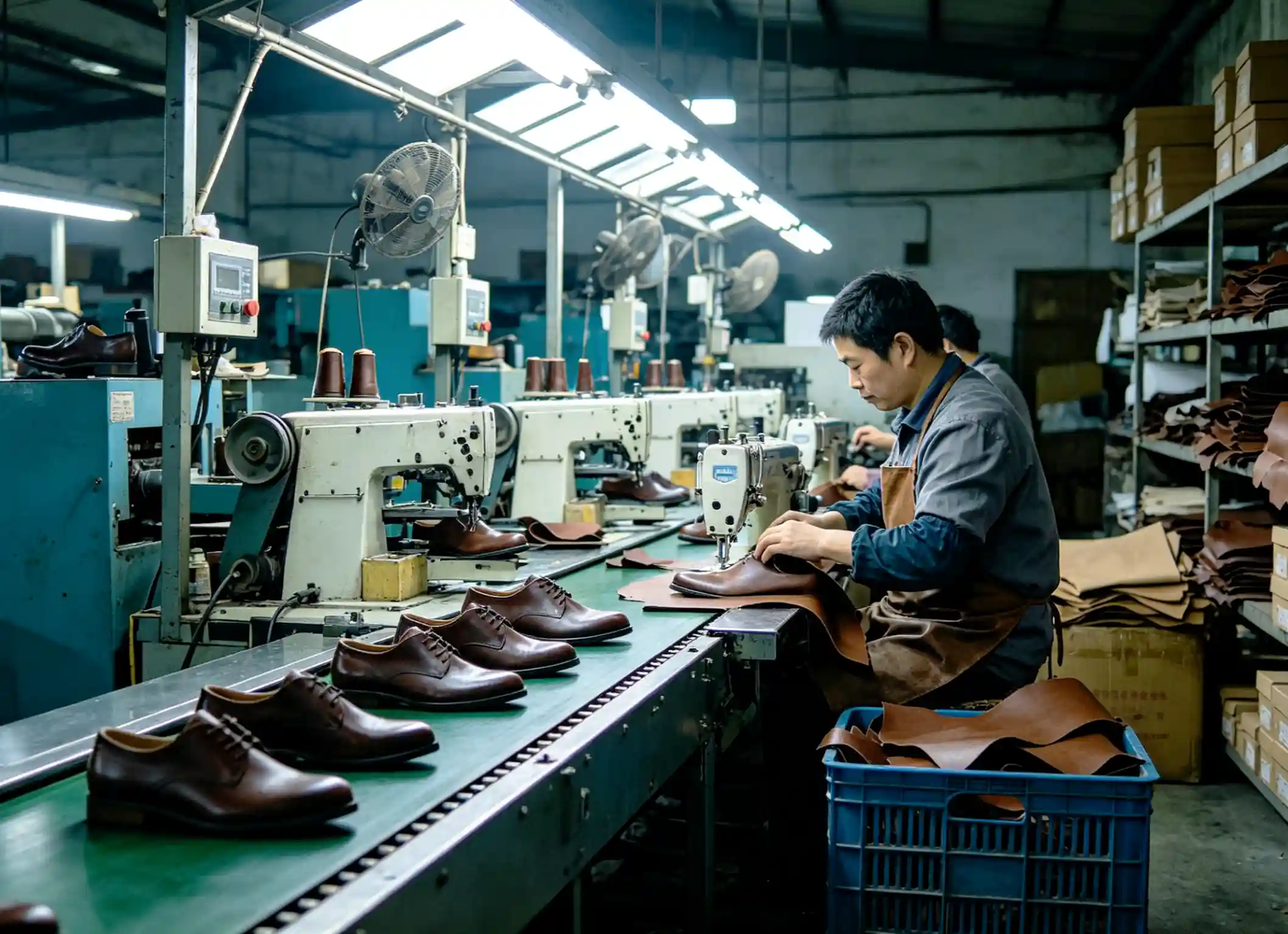
When you think of fine footwear, you might picture Italian luxury brands or English shoemakers with centuries of heritage. But quietly and steadily, China has emerged as the world’s undisputed leader in leather shoe manufacturing.
China produces over 60% of the world’s footwear, with leather shoe output reaching approximately 3.6 billion pairs annually.
If you are looking for reliable, high-quality, and cost-effective leather shoe manufacturing partners, this comprehensive guide covers everything you need to know about China’s leather shoe industry—from production hubs and top manufacturers to sourcing best practices and partnership with IMEXsourcing.
I.Understanding Leather Shoes
What are Leather Shoes?
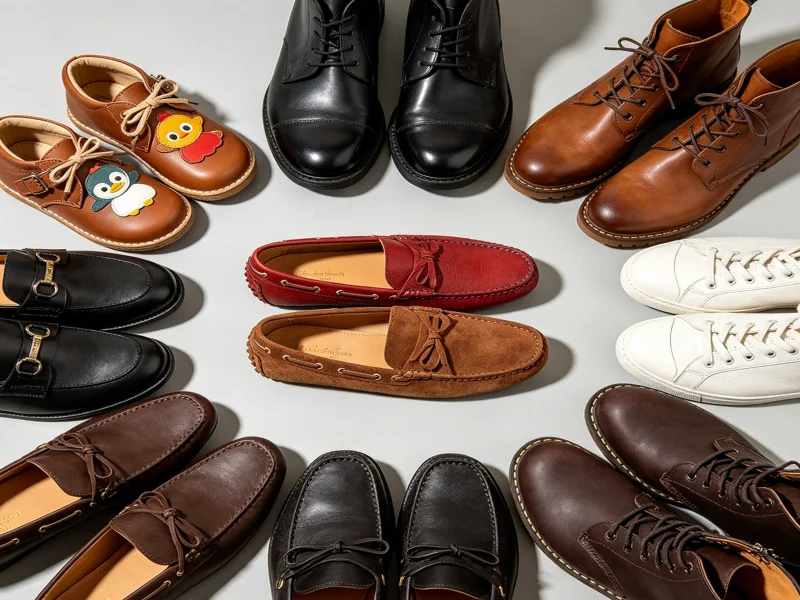
Leather shoes are footwear constructed primarily from animal hides (cowhide, sheepskin, goatskin) through tanning processes that preserve and soften the material. They include dress shoes, casual leather footwear, business shoes, and specialty categories. China’s leather shoe industry produces everything from entry-level budget shoes to premium genuine leather footwear meeting international standards.
Key Material Categories
- Full-grain leather: Highest quality, retains natural grain pattern, most durable
- Top-grain leather: Sanded to remove imperfections, good balance of quality and cost
- Genuine leather: Real leather but lower grade, often used for budget footwear
- Corrected-grain leather: Surface treated for uniform appearance
- Bonded leather: Made from leather scraps, lowest cost option
Key Technical Features of Chinese Leather Shoes
- Material Quality: Options ranging from full-grain to genuine leather with certification
- Construction Methods: Cementing, Goodyear welt, Blake stitch, or injection molding
- Sole Options: Leather, rubber, PU, TPU, or combination soles
- Customization: Full OEM/ODM capabilities including lasts, patterns, materials, and branding
- Quality Standards: Many factories hold ISO 9001, BSCI, or SA8000 certifications
- Comfort Features: Memory foam insoles, breathable linings, cushioned footbeds
II. Types and Common Uses
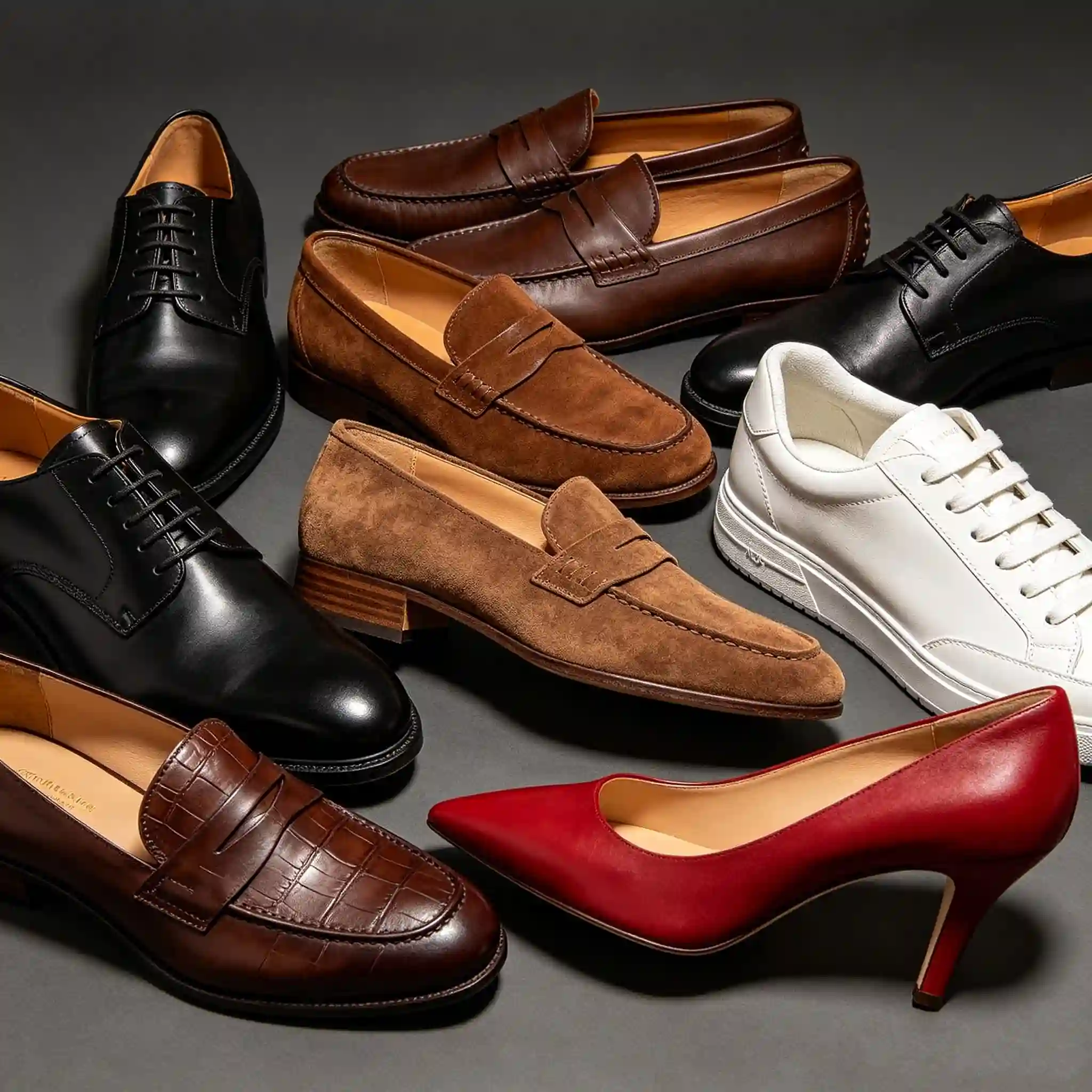
| Type | Description | Best For |
|---|---|---|
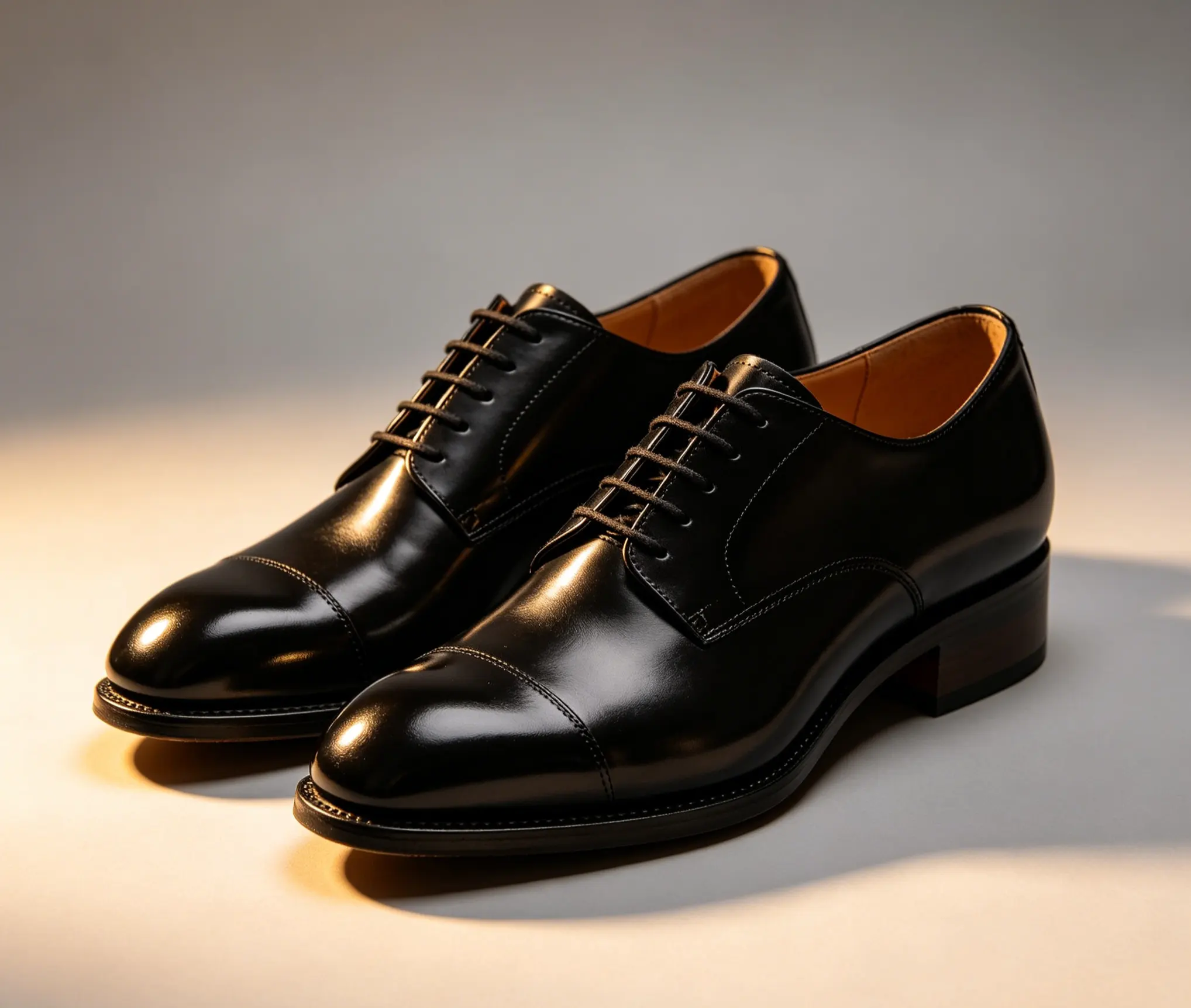
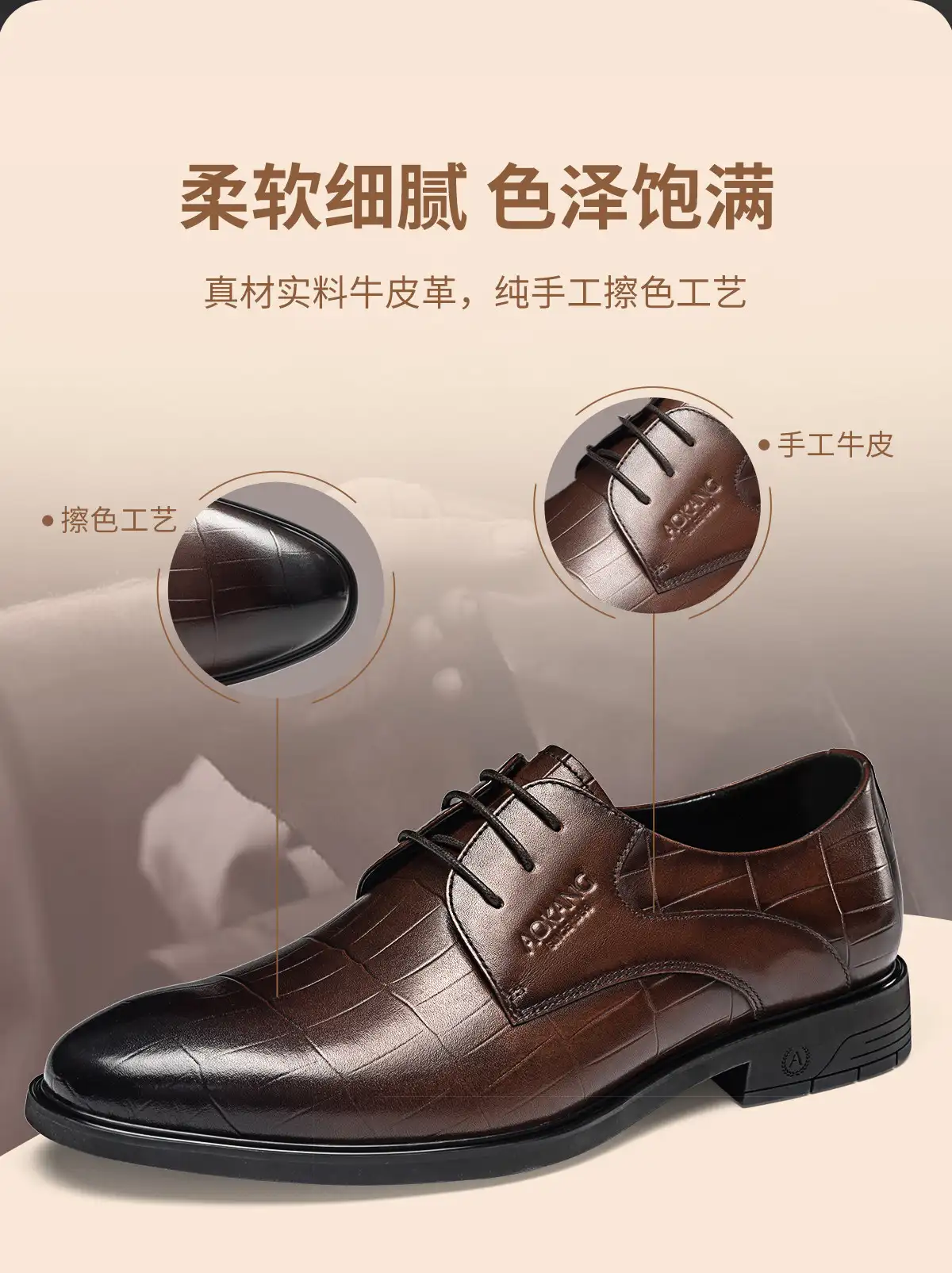
| Men’s Dress Shoes | Oxford, Derby, Monk strap, Loafer | Business, formal events, office wear |
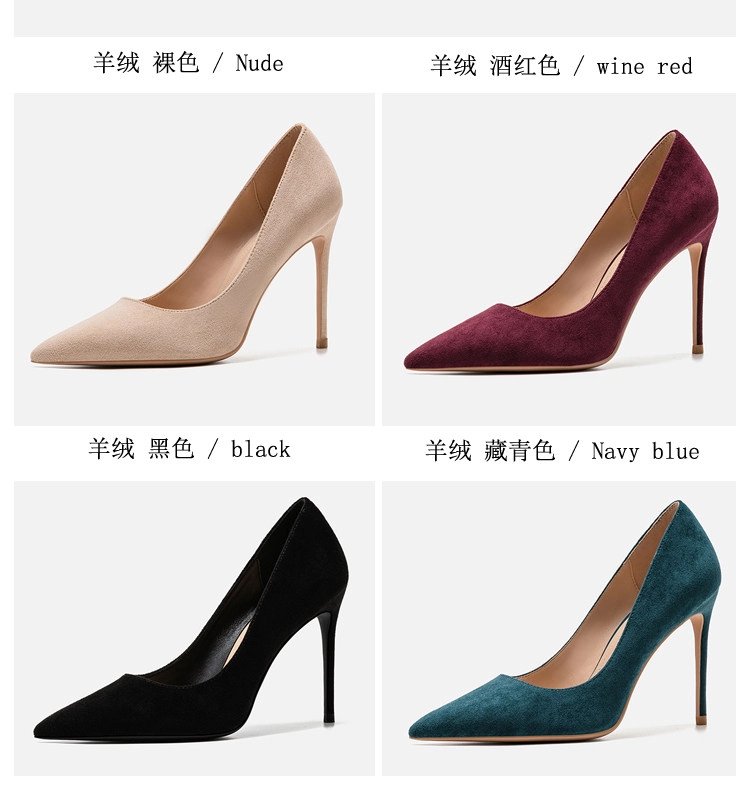
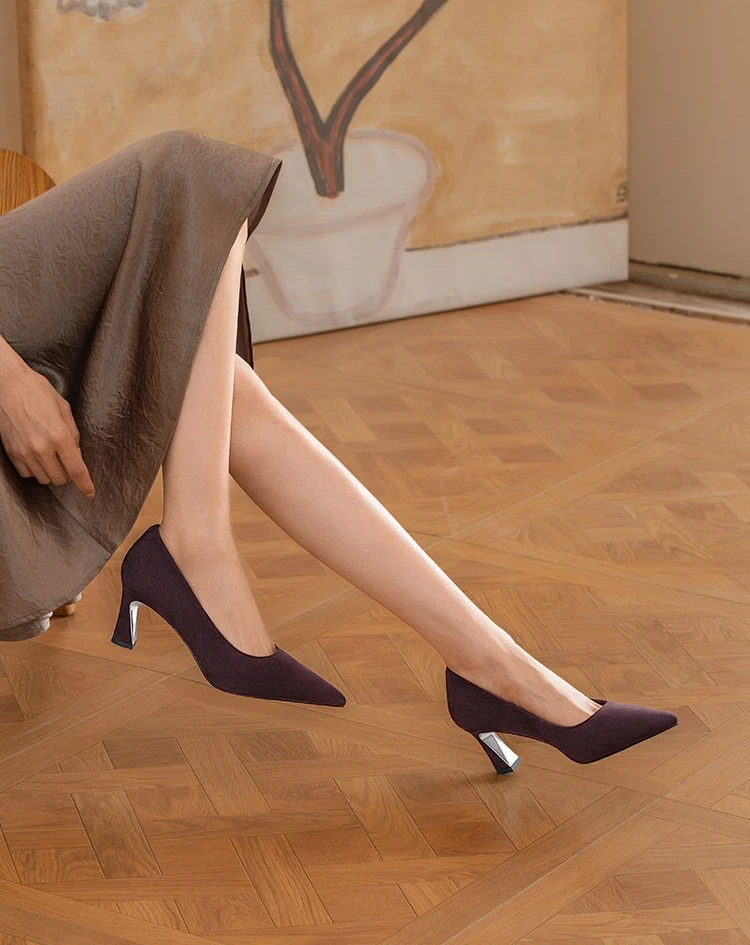
| Women’s Dress Shoes | Pumps, heels, flats, Mary Janes | Office, parties, special occasions |
| Casual Leather Shoes | Loafers, driving shoes, boat shoes | Daily wear, smart casual |
| Business-Casual Hybrid | Comfort dress shoes with athletic soles | Long-standing jobs, commuting |
| Safety Leather Shoes | Steel toe, anti-slip, puncture-resistant | Industrial work, construction sites |
| Children’s Leather Shoes | School shoes, dress shoes for kids | School uniforms, formal events |
III. Industry Application Fields
Retail & Wholesale
- Department stores and shoe chains
- Online footwear retailers (Amazon, Shopify, eBay sellers)
- Wholesale distributors supplying regional markets
Corporate & Institutional
- Corporate uniform programs for hotels, airlines, and banks
- School uniform shoe suppliers
- Government and military footwear procurement
Private Label & Branding
- Fashion brands seeking OEM manufacturing
- Startup footwear brands launching new collections
- Lifestyle brands expanding into footwear
Promotional & Custom
- Corporate gift shoes with branding
- Event-specific footwear (weddings, galas)
IV. China’s Industrial Landscape and Key Production Hubs
China’s leather shoe industry is concentrated in three major clusters. Each region offers distinct advantages based on specialization and price point.
Fujian Province – China’s Largest Leather Shoe Hub
Key Cities: Jinjiang, Shishi, Putian
Fujian is the undisputed capital of China’s leather shoe industry, producing approximately 57.4% of the nation’s leather shoes. Jinjiang alone is home to thousands of footwear factories, ranging from small workshops to massive manufacturing campuses. The region specializes in both dress shoes and casual leather footwear.
Key Strengths:
- Largest production capacity, ideal for high-volume orders
- Well-developed supply chain for materials and components
- Strong export infrastructure with proximity to Xiamen and Fuzhou ports
- Home to major domestic brands
- Competitive pricing with economies of scale
Zhejiang Province – Quality & Innovation Hub
Key Cities: Wenzhou, Quanzhou (often grouped with Fujian in industry reports), Taizhou
Zhejiang is known as “China’s Shoe Capital,” with Wenzhou at its center. The region produces a significant share of China’s leather shoes and is famous for its leather processing expertise. Zhejiang manufacturers often focus on higher-quality products and have strong export capabilities.
Key Strengths:
- Long history in leather tanning and processing
- Strong OEM/ODM capabilities for global brands
- Focus on quality and design innovation
- Good infrastructure for international trade
- Competitive pricing with emphasis on value
Guangdong Province – Premium & Fashion-Forward
Key Cities: Dongguan, Guangzhou, Huizhou, Shenzhen
Guangdong produces approximately 20.5% of China’s footwear. The region excels in premium leather shoes, fashion-forward designs, and high-end manufacturing. Dongguan is particularly renowned for its expertise in Goodyear welted and other premium construction methods.
Key Strengths:
- Premium quality positioning, higher price points
- Advanced manufacturing techniques (Goodyear welt, Blake stitch)
- Strong design and R&D capabilities
- Proximity to Hong Kong for logistics
- Expertise in luxury brand production
Other Emerging Hubs
Jiangsu Province: Known for heritage brands like Senda, focusing on quality production.
Shandong Province: Home to military footwear manufacturers like Golden Monkey, known for durability.
V. Top 10 Chinese Leather Shoe Manufacturers & Brands
Based on market reputation, production capacity, and industry recognition, the following are representative players in China’s leather shoe industry:
-
Aokang
Location: Zhejiang Province
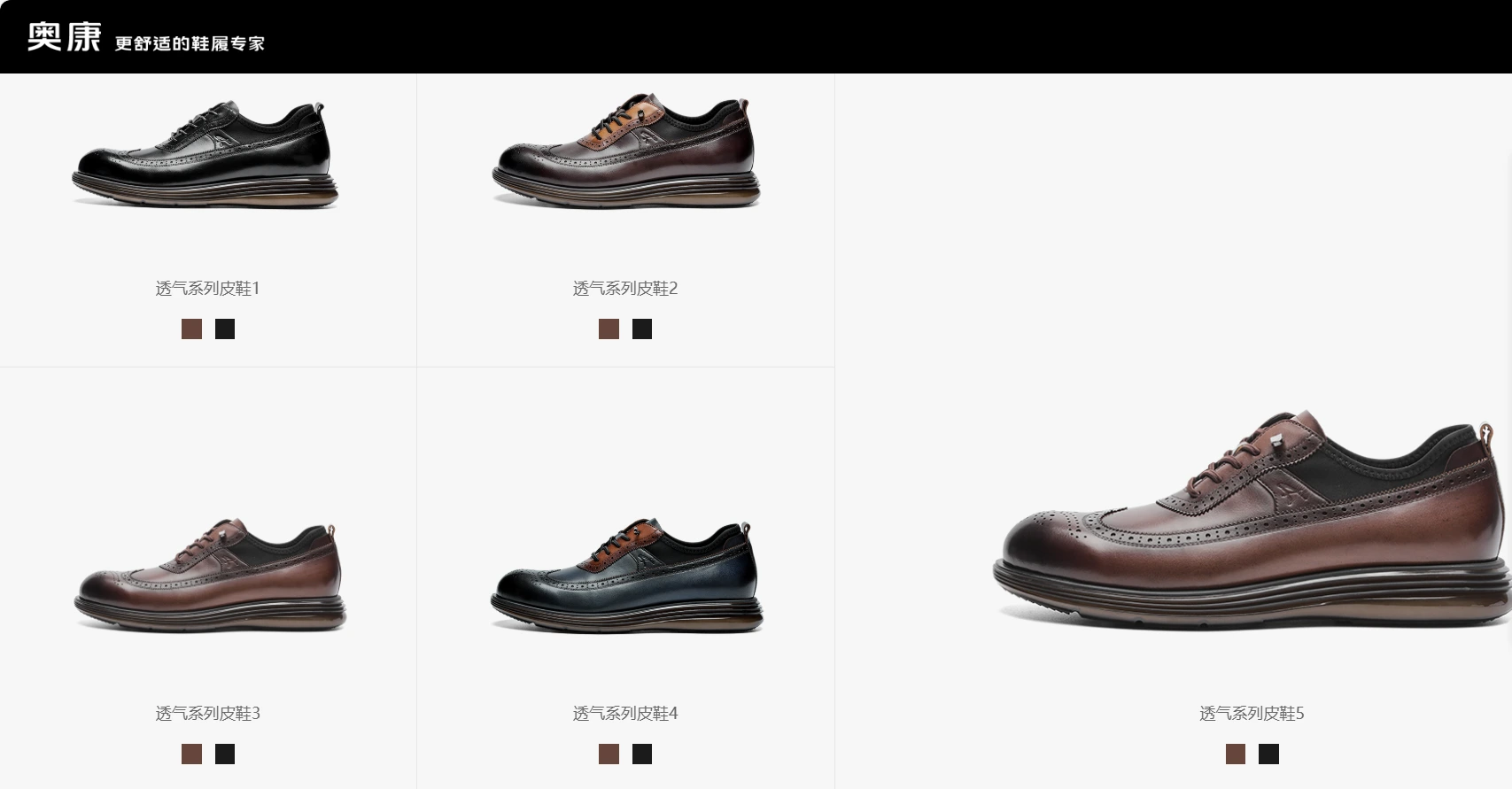
Founded in 1988, Aokang is China’s leading leather shoe brand, recognized as a “National Well-known Trademark in China.” The company uses top-grain cowhide leather, pigskin linings, and rubber soles for excellent comfort. Aokang specializes in business and casual leather shoes with strong OEM/ODM capabilities for international buyers.
-
Red Dragonfly
Location: Zhejiang Province (Wenzhou)
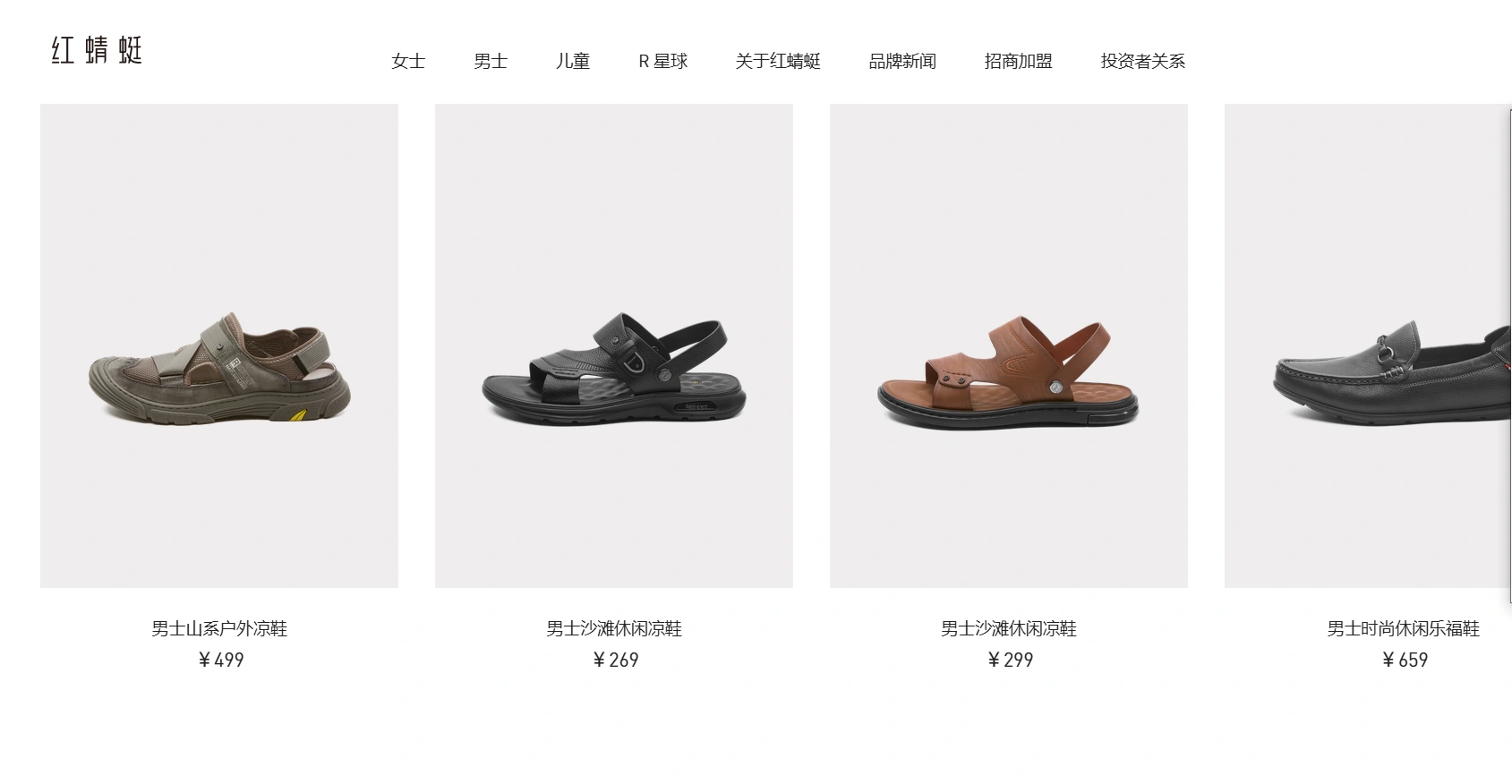
Established in 1995, Red Dragonfly participated in drafting several national leather shoe standards and developed China’s first sports-leather hybrid shoe. The company offers both business and casual styles with a focus on domestic and export markets.
-
Kangnai
Location: Zhejiang Province (Wenzhou)
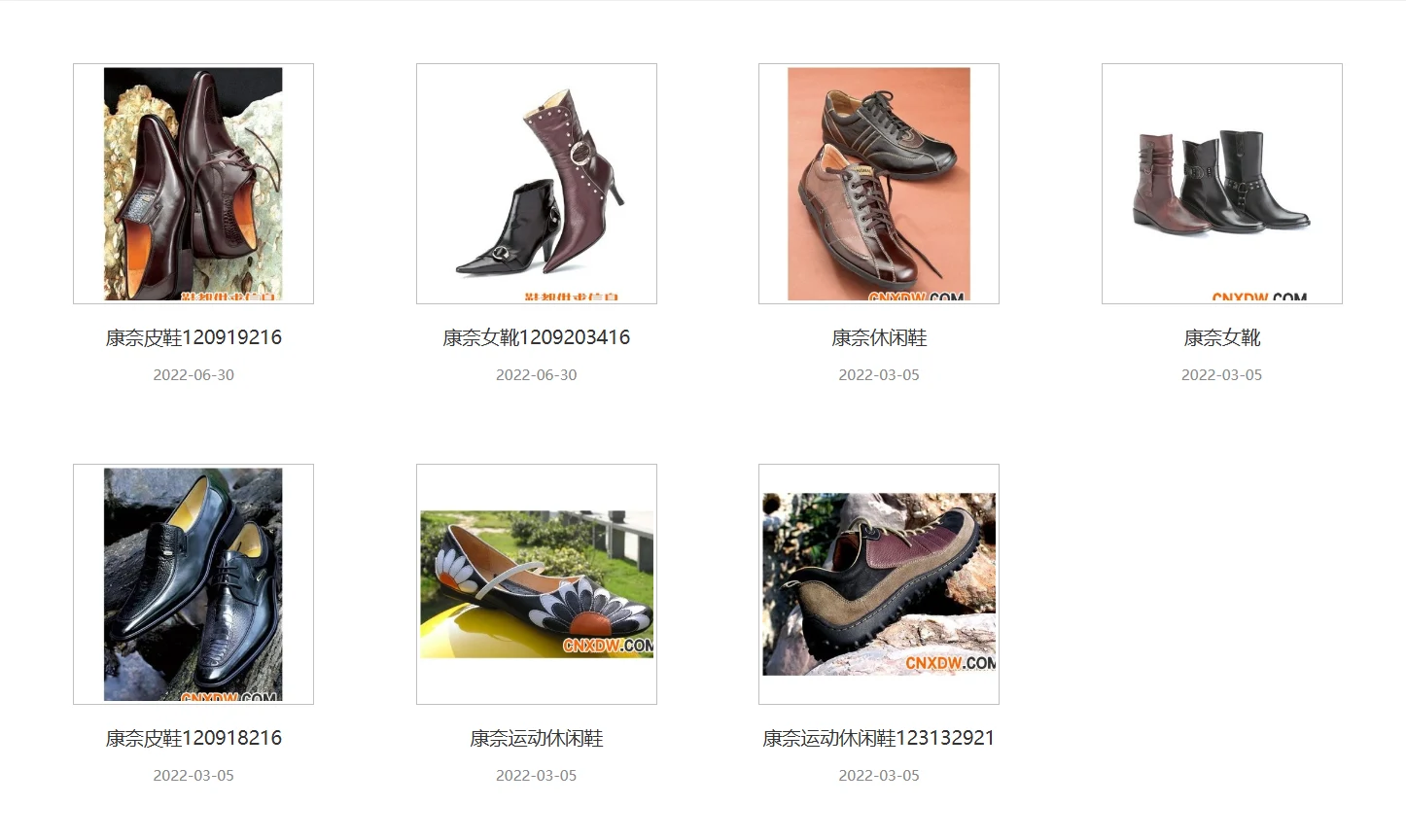
Founded in 1980, Kangnai specializes in mid-to-high-end leather shoes for both men and women. Known for comfort and durability, Kangnai’s dress shoes feature wider lasts suitable for various foot types.
-
Spider King
Location: Zhejiang Province (Wenzhou)
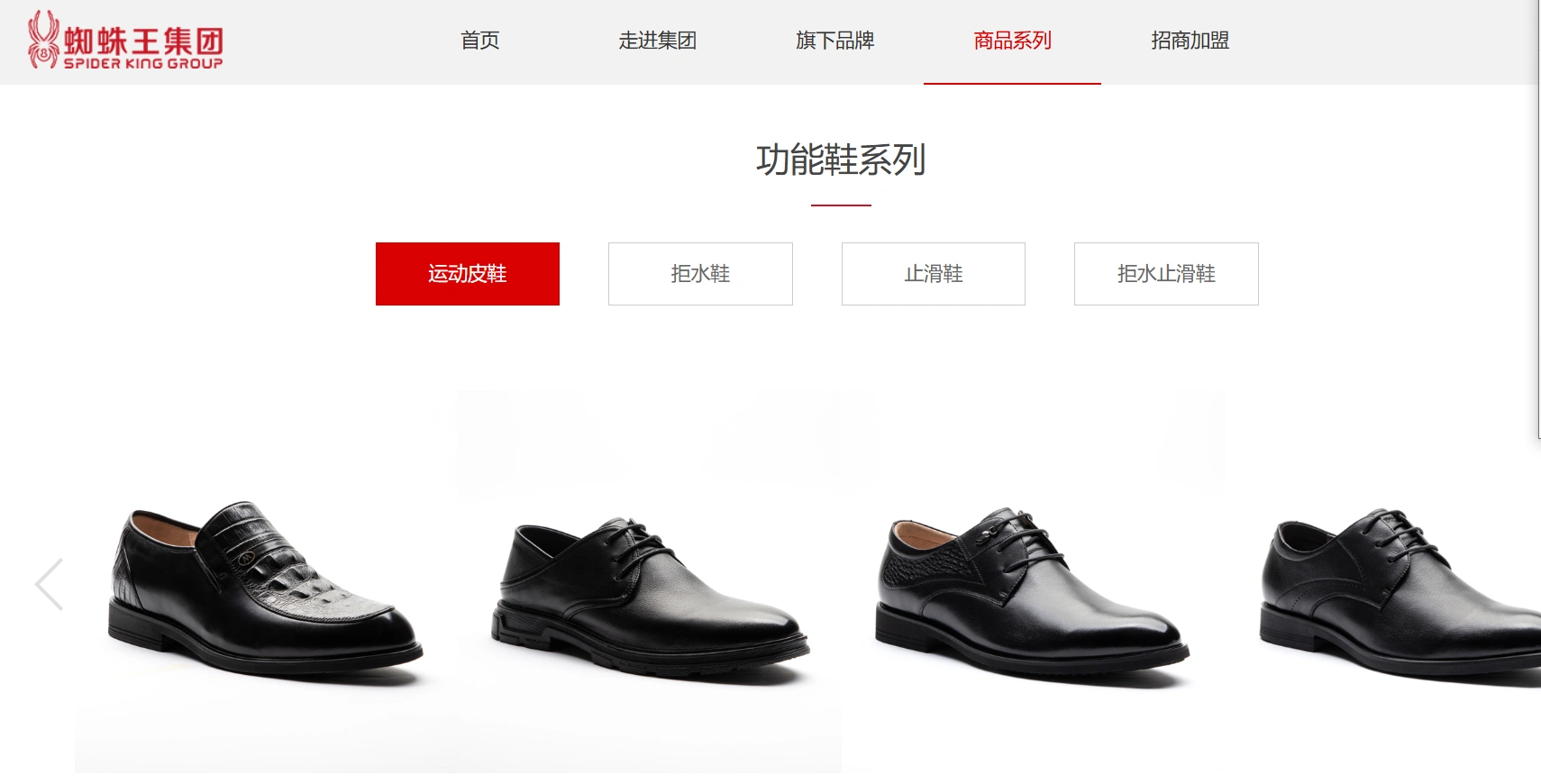
Founded in 1996, Spider King operates over 3,000 retail stores across China. The company offers diverse styles with moderate pricing, combining quality construction with broad distribution capabilities.
-
Senda
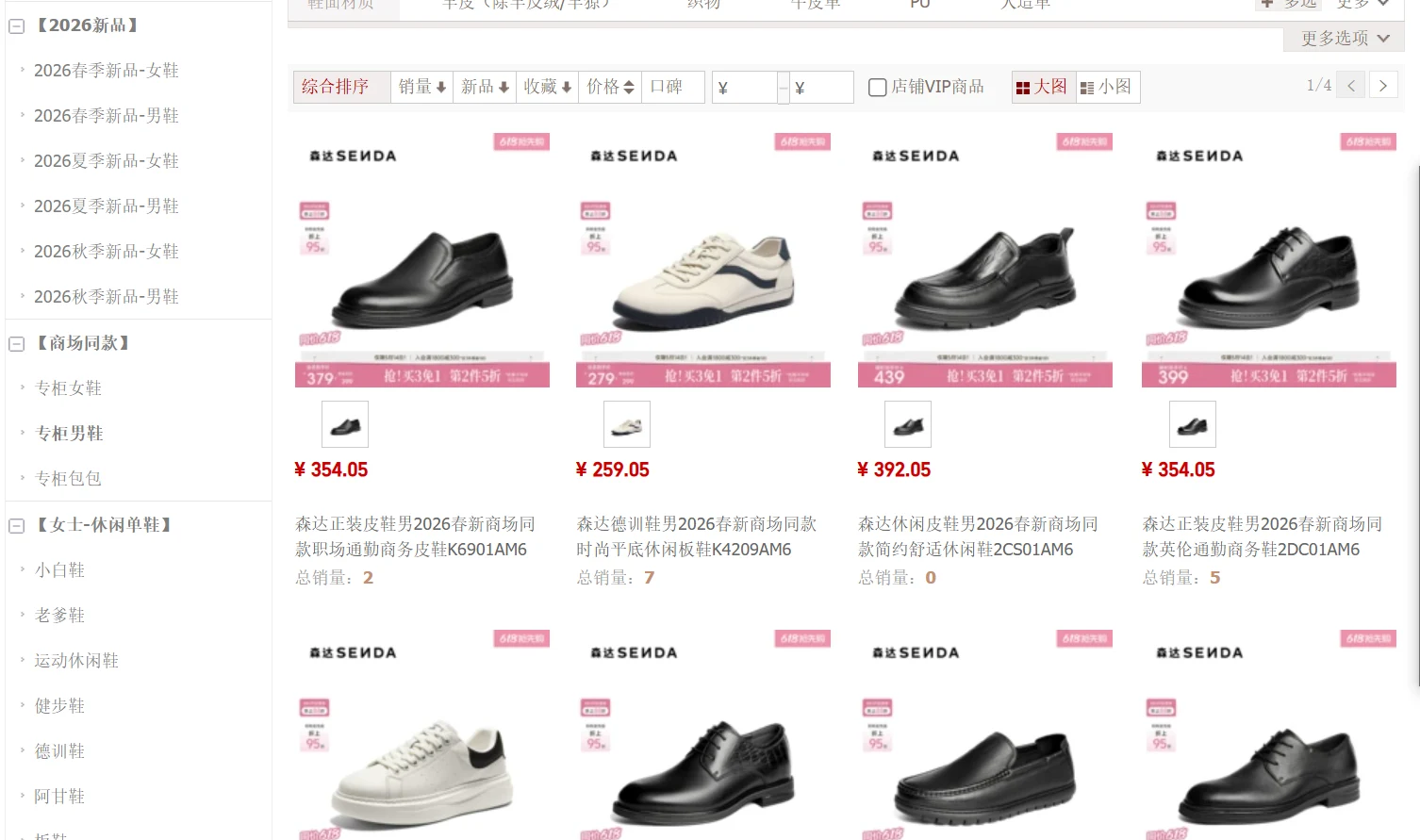 Location: Jiangsu Province (Yancheng)
Founded in 1977, Senda is one of China’s oldest leather shoe brands, recognized for quality materials and craftsmanship.
-
Belle
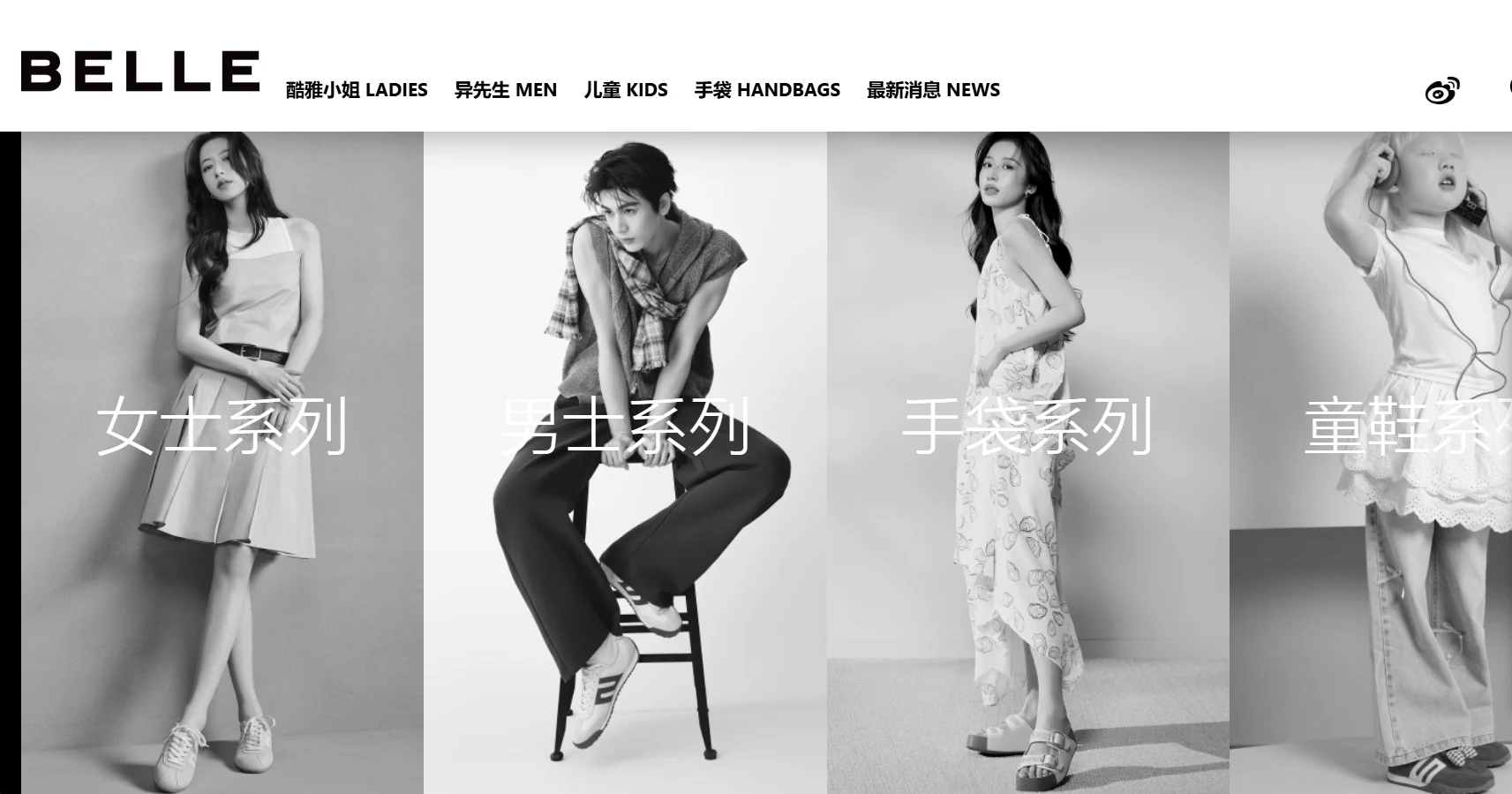
Location: Hong Kong/Guangdong
Belle is a major footwear conglomerate with significant leather shoe production in Guangdong. Known for elegant, fashionable designs for both men and women.
-
Yearcon
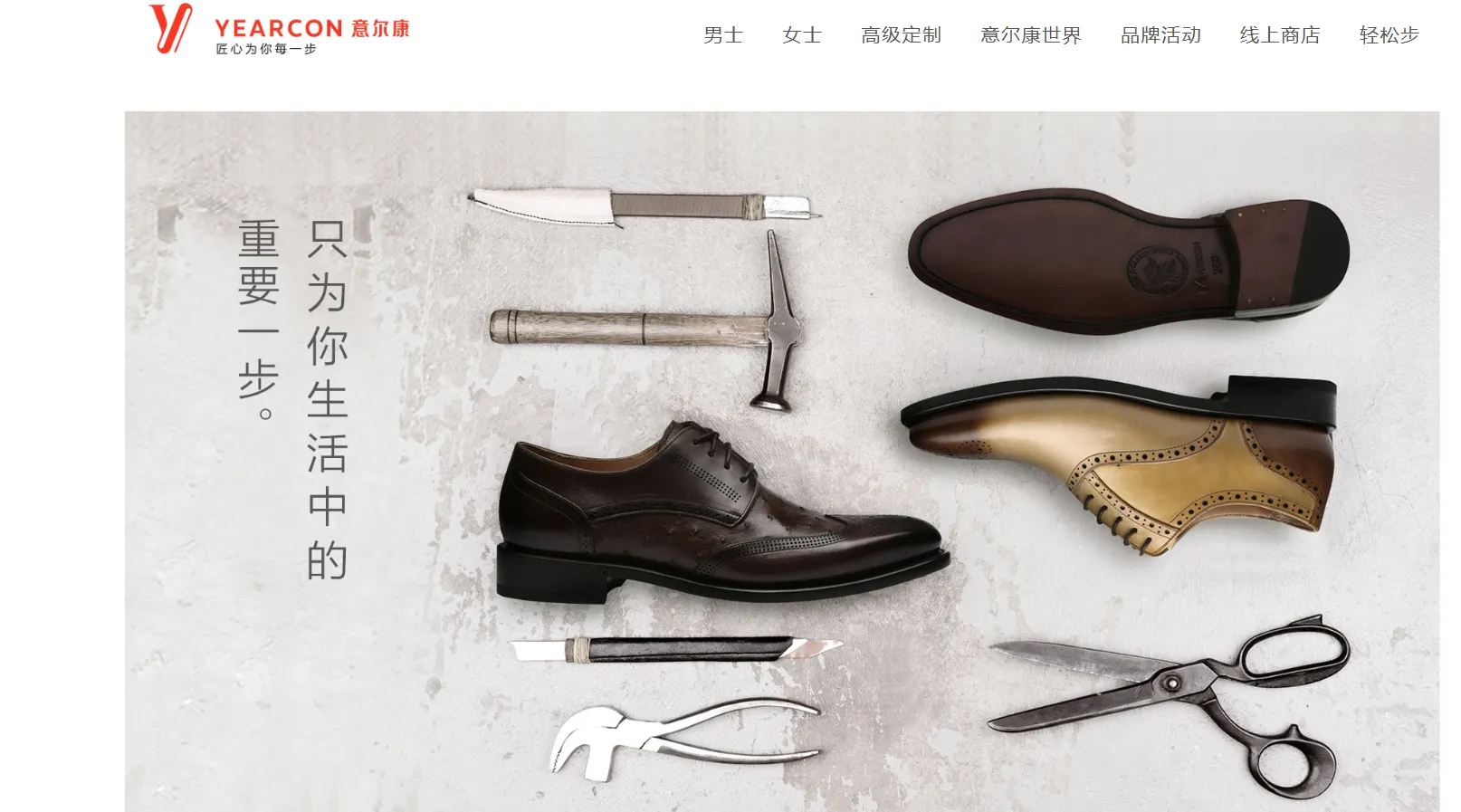
Location: Zhejiang Province
Founded in 1995, Yearcon specializes in comfortable and soft leather shoes with odor-control features. The brand is known for Derby-style shoes with wider lasts.
-
Golden Monkey
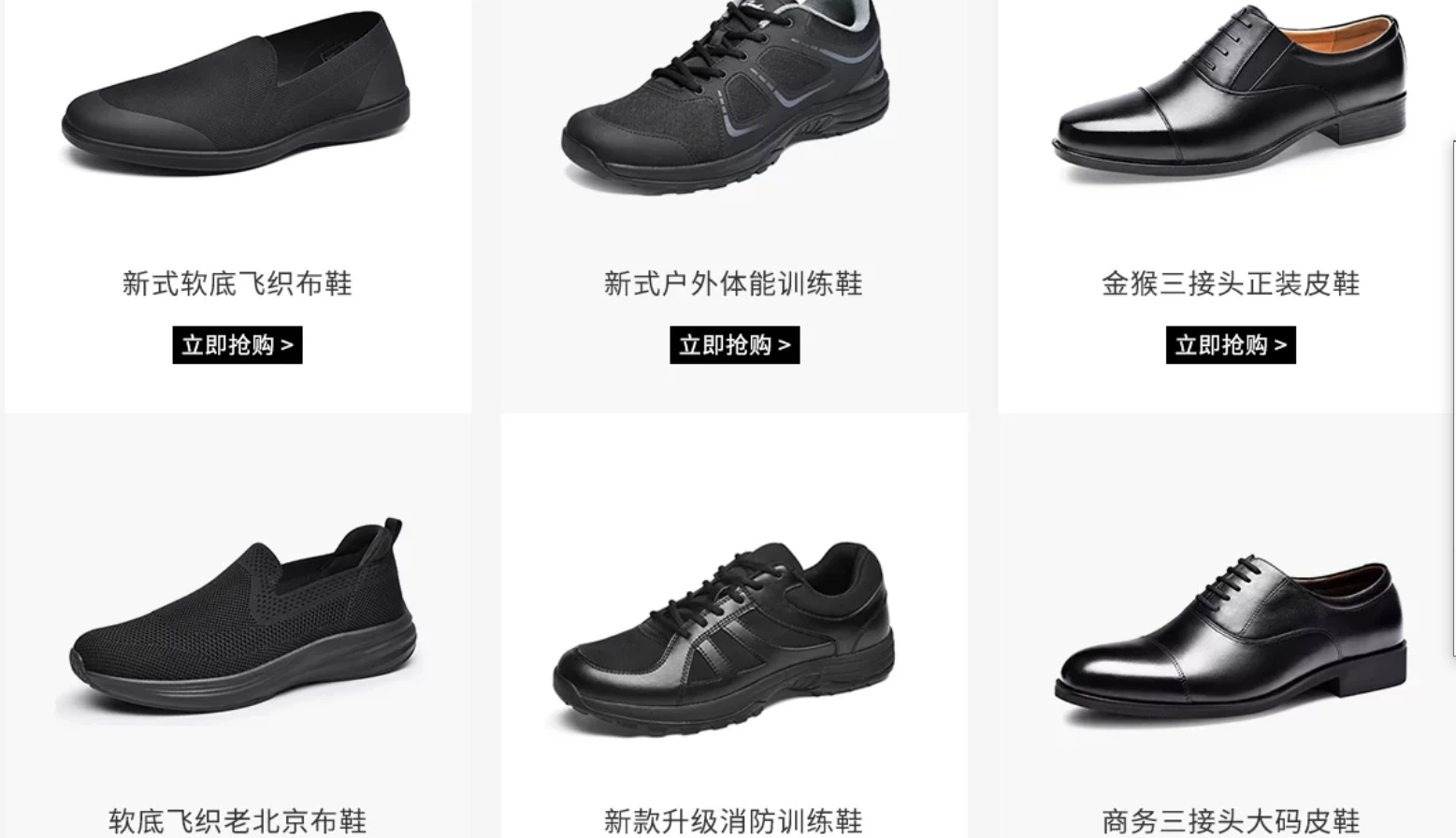
Location: Shandong Province (Weihai)
Founded in 1951, Golden Monkey is a military footwear supplier for China’s armed forces. The company produces durable oxfords and derby shoes for both government and commercial markets.
-
Jidar
Location: Zhejiang Province (Wenzhou)
Founded in 1980, Jidar focuses on quality leather shoes with distinctive design features and competitive pricing.
-
Qipinzhi
Location: Guangdong Province (Dongguan)
Founded in 1992, Qipinzhi is known for creative designs and moderate pricing, with strong capabilities in fashion-forward styles.
Note: This list includes both consumer brands and potential OEM partners. Many international buyers work directly with factories in the above regions that manufacture for these brands.
VI. Why Choose Chinese Leather Shoes?
6.1 Unmatched Scale and Capacity
China produces over 3.6 billion pairs of leather shoes annually. This massive scale ensures that manufacturers can handle orders of any size, from small test batches to million-pair container shipments.
6.2 Complete Supply Chain Integration
The footwear supply chain is entirely co-located with production hubs. From leather tanneries, sole manufacturers, and last makers to packaging suppliers and logistics providers, everything is within hours of the factories. This translates to faster lead times and lower costs.
6.3 Sophisticated OEM/ODM Capabilities
Gone are the days when China only produced low-end knockoffs. Today’s factories offer full-service OEM and ODM production. Need a specific last shape? Done. Custom logo printing or embossing? Standard. A proprietary sole compound? They can formulate it.
6.4 Quality Certifications and Compliance
Leading Chinese footwear manufacturers maintain ISO 9001 (quality management), BSCI or SA8000 (social compliance), and various product-specific certifications. Many have passed rigorous audits from global brands.
6.5 Cost-Effectiveness
Even as labor costs rise, China remains extremely competitive. Chinese leather shoe FOB prices range from $5-25 per pair depending on materials and construction. This is often 30-50% less than comparable European production, with quality levels that are increasingly on par.
6.6 Proven Export Track Record
In 2025 alone, China exported 415.5 billion worth of all footwear with leather shoes accounting for 7.22 billion. Millions of pairs are inspected, shipped, and cleared through customs every day. The logistics and compliance ecosystem is mature and predictable.
VII. How to Source Leather Shoes from China & Key Considerations
Sourcing leather shoes from China requires careful planning and diligence. This section covers the step-by-step process and critical considerations for a successful purchase.
7.1 Step-by-Step Sourcing Process
Step 1: Define Your Product Specifications
Before contacting suppliers, document:
- Shoe type (Oxford, Derby, Loafer, Pump, etc.)
- Target price point and volume (MOQ and annual order quantity)
- Materials: Upper (full-grain, top-grain, genuine leather), Lining (pigskin, leather, textile), Sole (leather, rubber, PU, TPU)
- Construction method (cemented, Goodyear welt, Blake stitch)
- Size range and width options (EU/UK/US sizing)
- Packaging requirements (polybag, box with/without label)
- Required certifications (and market-specific labeling: care labels, country of origin)
Step 2: Identify Potential Suppliers
Use multiple channels to find reliable manufacturers:
- B2B platforms: Alibaba, Made-in-China, Global Sources
- Trade shows: Canton Fair (Guangzhou), China International Footwear Fair
- Industry association directories (China Leather Industry Association)
- Referrals from industry contacts
- Visit production hubs (Jinjiang, Wenzhou, Dongguan)
Step 3: Verify Supplier Credentials
Never skip this critical step:
- Check business license and factory registration
- Request ISO 9001, BSCI, or other certifications
- Ask for client references (preferably in your target market)
- Request photos/videos of production facility
- Consider a factory audit via IMEXsourcing or third-party (SGS/BV)
Step 4: Request Detailed Sampling
Samples are non-negotiable:
- Request material swatches and color cards first
- Order sample pairs in your target size (typically 40-45 days for custom samples)
- Wear-test samples for 2-4 weeks to assess durability and comfort
- Check: upper/sole adhesion, lining breathability, hardware quality, insole cushioning
Step 5: Quality Inspection
Before shipment, arrange inspection:
- Third-party inspection (SGS, BV, Intertek) checking workmanship, materials, sizing, packaging
- Specific footwear tests: flex testing for sole integrity, material colorfastness, hardware corrosion resistance
Step 6: Logistics and Shipping
Plan the shipping process:
- Sea freight: Standard for bulk orders (30-45 days transit + 2-4 weeks production)
- Air freight: For urgent restocks or initial launch quantities
- Incoterms: FOB (Xiamen/Ningbo/Guangzhou) or CIF to your port
7.2 Key Quality Indicators to Evaluate
| Factor | What to Check | Why It Matters |
|---|---|---|
| Leather Quality | Grain consistency, absence of scars, flexibility | Determines durability and aesthetic appeal |
| Stitching | SPI (stitches per inch), straightness, thread tension | Indicates construction precision |
| Sole Adhesion | Peeling resistance, uniform bond | Prevents sole separation failure |
| Lining | Breathability, smoothness, no loose seams | Impacts comfort and moisture management |
| Insole | Cushioning, arch support, liner adhesion | Determines all-day wearability |
| Hardware | Zippers, buckles, eyelets — no rust, smooth operation | Functional reliability |
7.3 Common Pitfalls to Avoid
- Choosing the cheapest supplier – Leather is a commodity with quality tiers.
- Skipping the sample order – Unlike generic electronics, shoes require fit and feel validation.
- Ignoring sizing standards – Chinese sizing often differs from EU/US. Develop a detailed spec sheet with insole length, last shape, and width grading.
- Overlooking material documentation – Request certificates proving genuine leather (not bonded/split).
- Paying 100% upfront – Standard terms: 30% deposit, 70% before shipment after passing inspection.
- Not verifying sustainability practices – If your market requires eco-friendly or REACH compliance, pre-audit your supplier.
7.4 Red Flags When Sourcing
Be cautious of suppliers:
- Cannot provide material test reports or leather origin documentation
- Offer prices significantly below market average (below $6 for genuine leather)
- Demand 100% payment before production
- Cannot show factory photos or videos on request
- Have no identifiable certifications or client references
- Unfamiliar with your target market’s labeling/chemical compliance requirements
VIII. How IMEXsourcing Helps You Source Leather Shoes from China
For footwear procurement, choosing the right supplier is only the first step. IMEXsourcing, as your strategic sourcing partner in China, provides end-to-end services:
8.1 Supplier Verification & Audit
- On-the-ground factory audits to verify credentials, quality management systems, and production capacity
- Verification of ISO 9001, BSCI, SA8000 certifications
- Customer reference checks and operational history review
- Assessment of leather sourcing and traceability
8.2 Technical Support
- Material specification development for leather selection and grading
- Last and pattern review to ensure size conversion accuracy
- Compliance guidance for specific export destinations (REACH, Proposition 65, etc.)
- Sampling coordination and quality feedback
8.3 Quality Control
- Pre-production: Material and component inspection (leather, soles, linings, hardware)
- In-process: Production monitoring for stitching, lasting, and soling
- Pre-shipment: Random inspection of finished pairs for size, workmanship, and appearance
- Testing coordination: Sole adhesion, material durability, colorfastness
8.4 Logistics Management
- Free warehousing to consolidate multi-factory orders
- Documentation preparation (commercial invoice, packing list, bill of lading)
- Freight coordination (sea or air)
- Customs clearance support
8.5 Why Choose IMEXsourcing?
- Local presence in Qingdao, China – Familiar with footwear manufacturing hubs in Fujian, Zhejiang, and Guangdong
- Bilingual team – English and Chinese proficiency eliminates communication barriers
- Risk reduction – Help avoid material substitution, sizing errors, and payment disputes
- End-to-end accountability – Single point of contact for supplier, quality, and logistics
IX. Future Trends
Quality Upgrading & Premiumization
Chinese leather shoe manufacturing is shifting from “good enough” quality to premium production as mid-market consumption grows globally. Factories are investing in better materials, skilled craftsmanship, and advanced construction methods like Goodyear welting.
Smart Manufacturing
Larger factories are implementing automated cutting machines, robotic lasting systems, and digital quality inspection to reduce waste and ensure consistency.
Sustainability
International pressure for eco-friendly supply chains is driving change. More Chinese tanneries are achieving Leather Working Group (LWG) certification for environmental compliance.
Functional & Hybrid Footwear
Despite competition from athletic footwear, leather shoes are innovating with comfort soles (memory foam, athletic soles) to win back casual wearers. Business-leisure hybrids are growing.
Diversified Export Destinations
While the US and Europe remain large markets, Chinese leather shoe exports are growing to Southeast Asia, the Middle East, Africa, and Russia.
X. Conclusion
China’s leather shoe industry offers unmatched scale, value, and manufacturing expertise for global footwear buyers. From the massive production hub of Fujian to the quality-focused factories of Zhejiang and the premium craftsmanship of Guangdong, you will find the right partner for any market segment.
However, successful sourcing requires more than browsing supplier catalogs. Follow the steps in this guide: define specifications, verify suppliers, order samples, inspect before shipment, and maintain clarity on compliance and logistics.
IMEXsourcing is here to make that process secure, efficient, and transparent as your single point of contact in China.
Interested in sourcing leather shoes from China? Contact IMEXsourcing for professional supplier matching, technical support, and procurement solutions.