Table of Contents
Introduction: The Captivating Unpredictability of Fire
In the world of fine ceramics, few techniques embody the harmony of human craftsmanship and natural force as profoundly as wood-firing, or Chai Shao. Unlike the controlled environment of a modern electric kiln, wood-firing is a days-long, alchemical dance with fire, clay, and ash. The results are never guaranteed, and no two pieces emerge exactly alike. This very unpredictability is the soul of its beauty.
For the discerning tea enthusiast, a wood-fired cup is more than a vessel.It’s a one-of-a-kind work of art that enhances the ritual of tea, telling a unique story with every sip through its natural ash glazes, dramatic fire marks (火痕), and textured surfaces. This guide will explore the types, functional benefits, origins, and practical pathways to acquiring these remarkable pieces directly from China.
I. Types and Functions: Choosing Your Perfect Cup
Each style of wood-fired tea cup offers a distinct personality, shaped by centuries of tradition, the potter’s intent, and, of course, the serendipity of the flame. Understanding these types will help you select a cup that complements both your favorite tea and your personal aesthetic.
-
Jian Zhan : The Timeless Classic
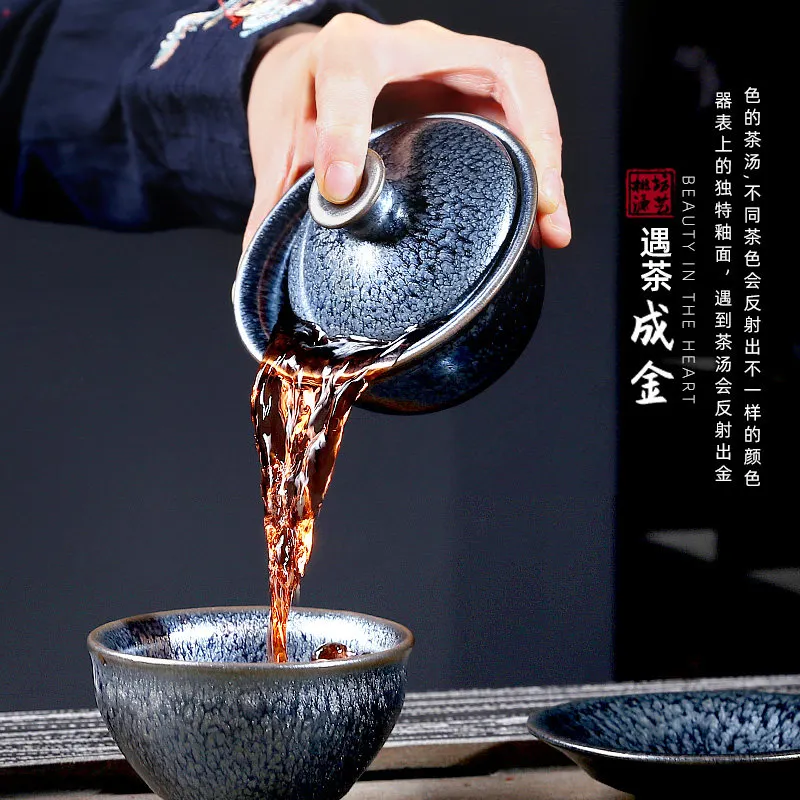
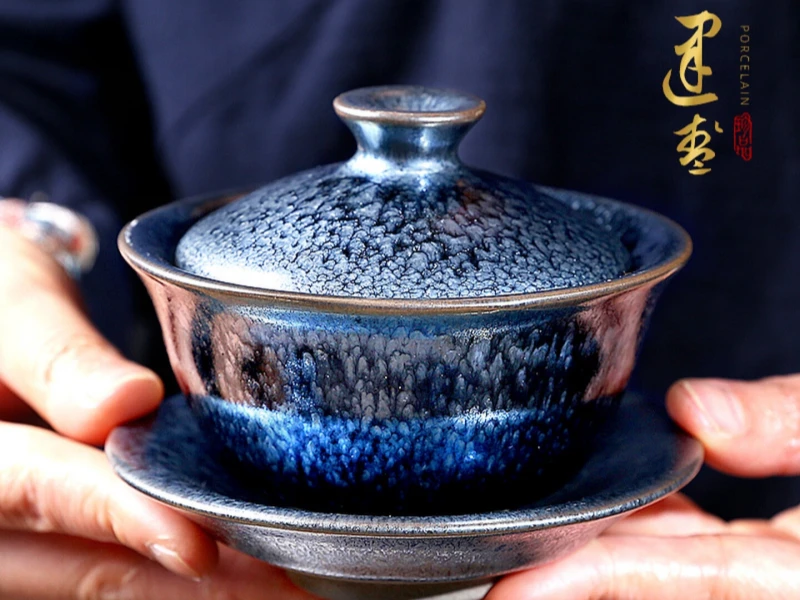
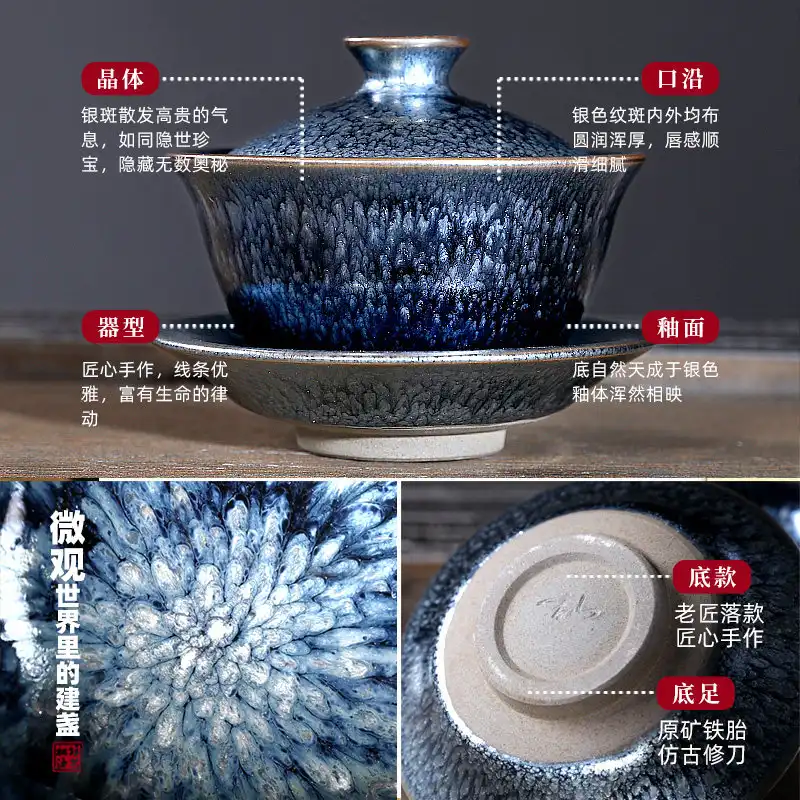
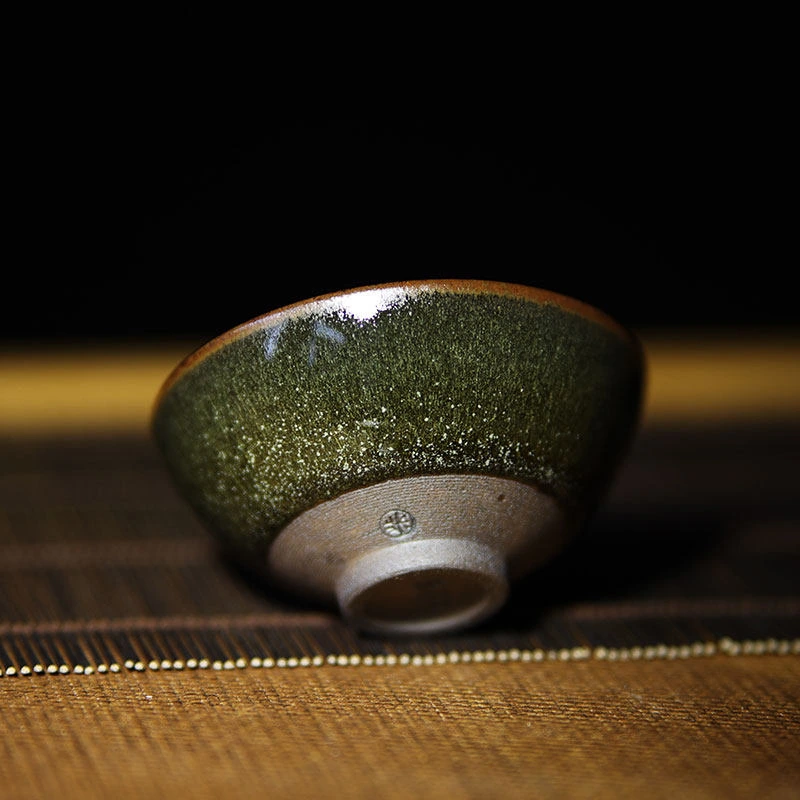
Hailing from Fujian province, Jian Zhan is revered for its profound, lustrous black glaze, often adorned with crystalline patterns like “hare’s fur” or “oil spots.” This effect is achieved through the controlled crystallization of iron oxides in a reducing atmosphere. The cup is typically thick and substantial in the hand.
Function : Its thick walls excel at heat retention, ideal for steeping dark teas like ripe Pu-erh or heavily roasted oolongs. The iron-rich clay is believed by many to subtly soften and mellow the tea’s flavor, rounding out any harsh edges.
-
Natural Ash Glaze Cups: The Purity of Fire
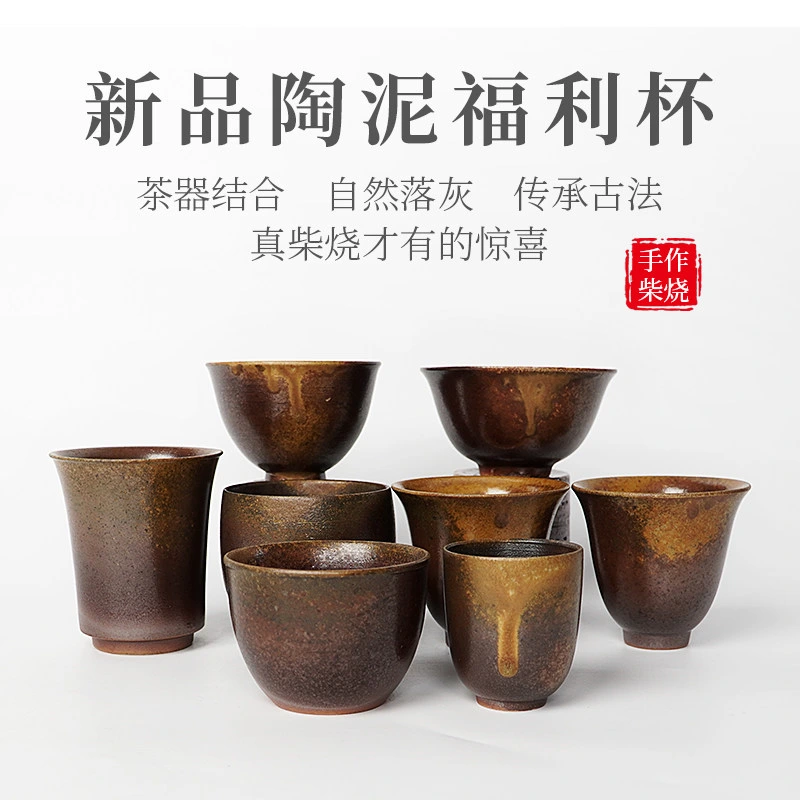
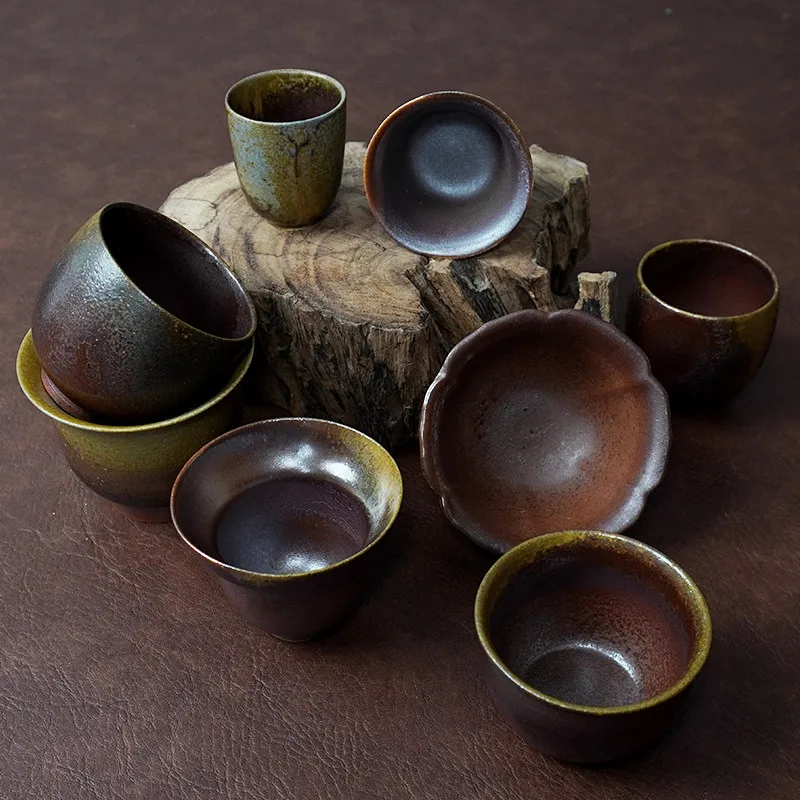
These cups represent the most direct dialogue between wood and clay. No commercial glaze is applied; the finish is created solely by molten wood ash traveling through the kiln and settling on the pieces. The results are endless variations of greens, grays, blues, and warm flashes of orange, with a texture that can be glassy or pebbled.
Function : Prized for their non-intrusive character, they are perfect for delicate, aromatic teas like green tea, white tea, or high-mountain oolong. The natural glaze allows the tea’s pure, original fragrance and subtle flavors to shine without interference.
-
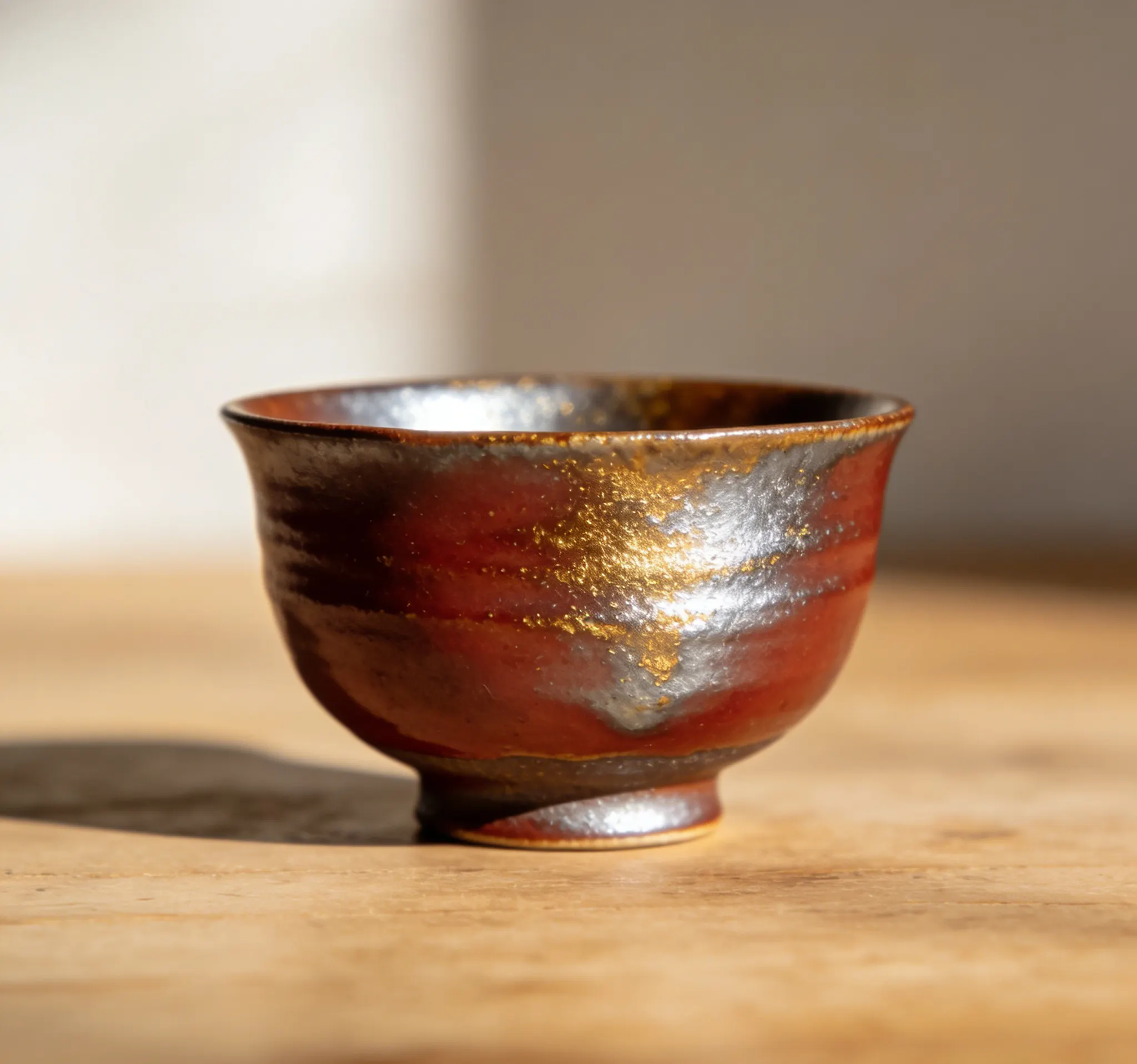
“Hidasuki” or Fire Mark Cups: The Graphic Statement
Characterized by bold, bright orange-red linear patterns streaking across a darker clay body, these cups get their dramatic look from a specific firing technique. Rice straw or wadding is wrapped around the piece, and where it touches the clay, it creates a vivid oxidizing effect against the reduced background.
Function : Beyond being a stunning visual centerpiece, the firing process often makes these cups exceptionally smooth to the lips. They are versatile for most tea types, with the fiery lines beautifully complementing the amber hue of black teas or aged oolongs.
-
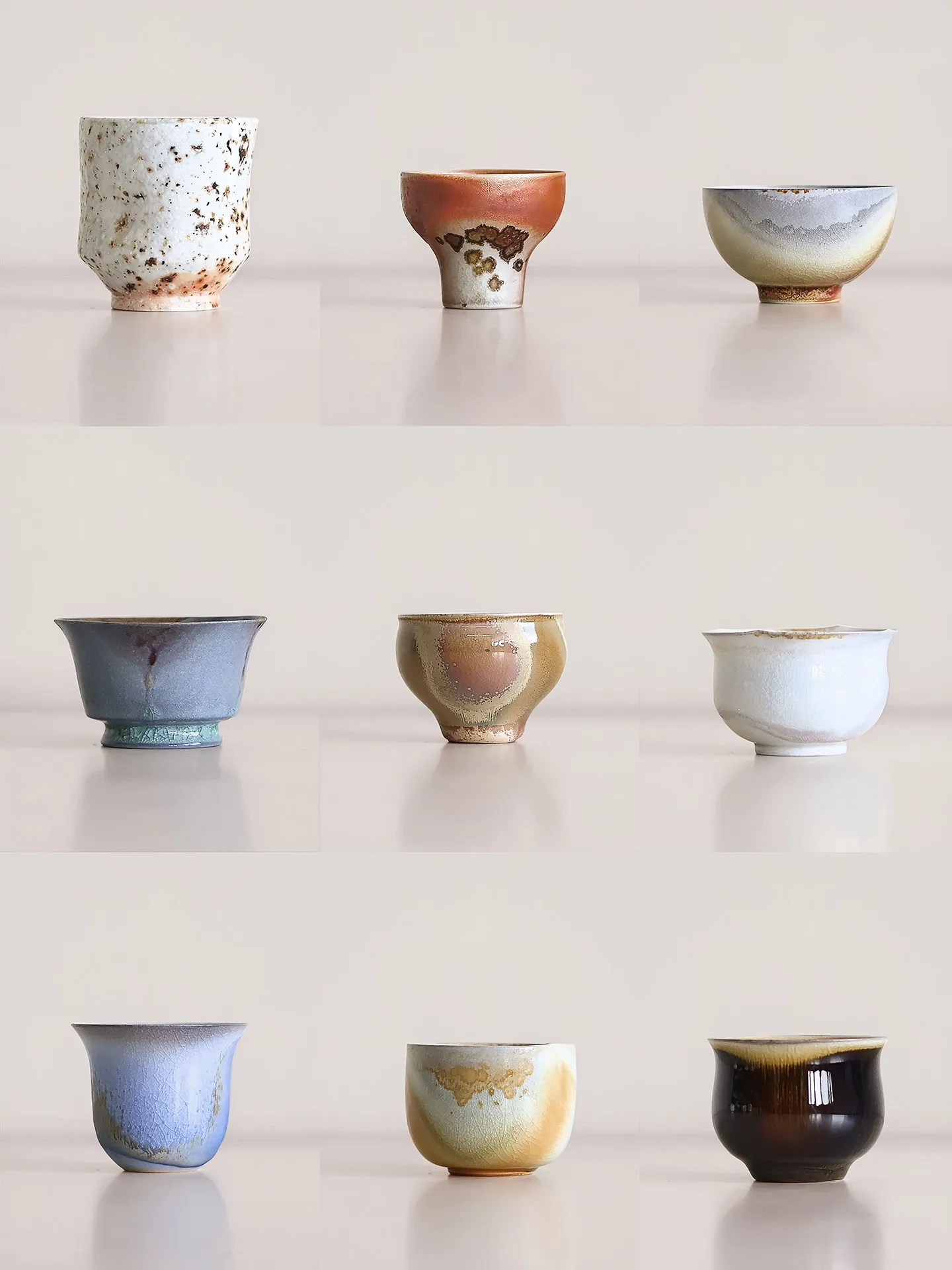
Modern Artistic Cups: The Contemporary Dialogue
Here, tradition meets personal expression. Contemporary potters use wood-firing as a medium to explore non-traditional forms, textures, and combined techniques. These pieces are often one-of-a-kind sculptures that happen to be functional, pushing the boundaries of what a tea cup can be.
Function : Their function is dual: as a provocative art object and a personal tea vessel. They are chosen not for a specific tea, but for the statement they make, serving as a daily reminder of artistic innovation and individual taste.
II. Key Specifications and Parameters for Buyers
When sourcing wood-fired tea cups, evaluating beyond pictures and descriptions is crucial. The following table outlines the core technical parameters for assessing and verifying product quality.
| Parameter Category | Specific Parameters | Explanation & Key Points for Procurement Inquiry |
|---|---|---|
| Core Process Parameters | 1. Firing Method | Must confirm traditional wood firing (e.g., dragon kiln, anagama). Imitations from electric or gas kilns cannot produce authentic ash glaze and fire marks. Ask: “Is this fired in a traditional wood kiln or a modern kiln? Can you provide photos/videos of the kiln or firing process?” |
| 2. Firing Temperature | High-quality wood firing requires sustained temperatures above 1200°C to properly melt ash into glaze. Insufficient temperature results in a dull surface. Ask: “What was the peak firing temperature and how long was the high-temperature stage maintained?” | |
| 3. Clay Body Material | The local clay defines the final color and texture (e.g., iron-rich clay in Jianyang, Zisha clay in Yixing, kaolin in Jingdezhen). Ask: “Where is the clay from and what are its characteristics?” | |
| Physical Specifications | 1. Capacity (Volume) | Common ranges: ~50ml (small tasting cup) to 280-400ml (mug). Define the primary use case: tea tasting or daily drinking. |
| 2. Dimensions | Typically includes diameter (mouth), height, and base diameter. Data affects grip, stacking, and packaging. Example: “H 4.6cm, Mouth D 6.8cm”. | |
| 3. Weight | Weight varies for handmade pieces. Extremely light pieces may be fragile; overly heavy ones may be cumbersome. Typical range: 100g to 260g per cup. | |
| Aesthetic Features | 1. Glaze & Surface Effects | Describe the ash glaze (color, thickness), fire marks (pattern, color), metallic luster, and crystalline patterns (e.g., oil spot, hare’s fur). Request unedited, multi-angle videos of the actual batch to prevent fraud. |
| 2. Kiln Marks (Spurs) on Base | Authentic wood-fired pieces are often fired on spurs, leaving 3-4 small, unglazed marks on the base. This is a key authenticity indicator. Always request clear photos of the base. | |
| Practicality & Safety | 1. Craftsmanship Details | Check if the rim is smooth and rounded (to prevent lip irritation), and inspect for major cracks, deformation, or glaze sticking that affects use. Minor “crackle” patterns are normal. |
| 2. Food Contact Safety | Must confirm all materials (clay, natural glaze) are food-safe. Inquire if relevant test reports are available. |
III. The Heart of the Craft: Key Origins and Enterprises in China
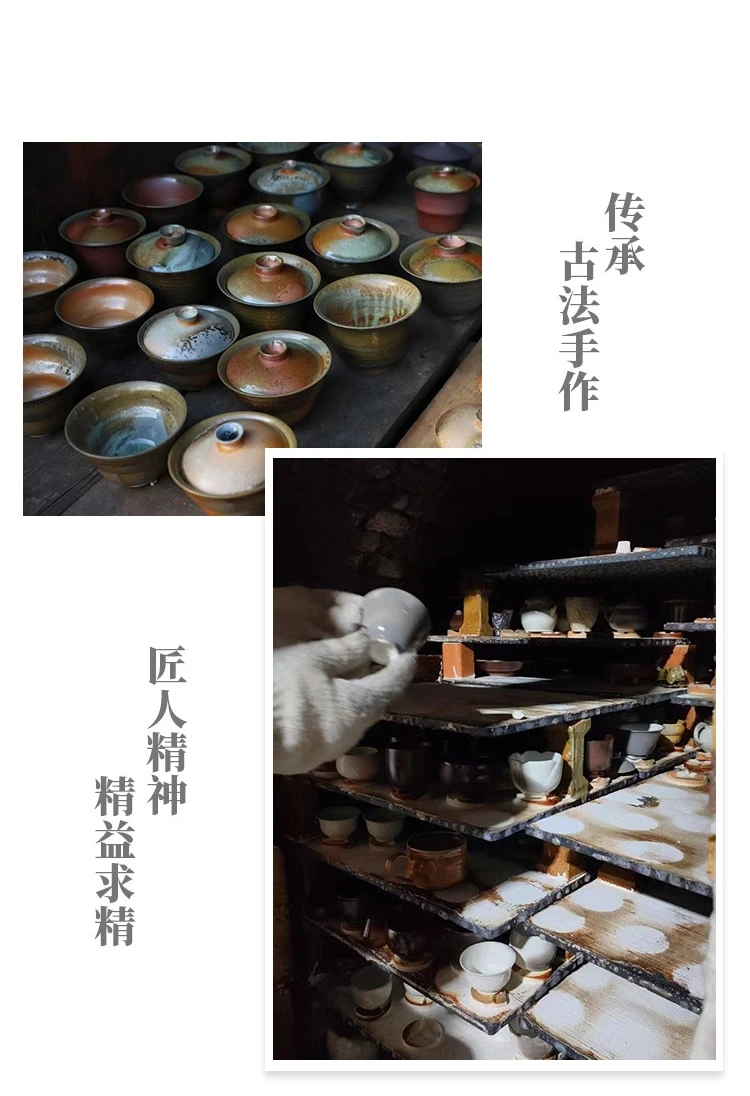
While countless individual artisans practice this craft, several regions stand as the recognized epicenters of wood-fired ceramics in China, each with its own legacy and a mix of traditional workshops and modern enterprises.
- Jingdezhen, Jiangxi: The Porcelain Capital As the undisputed “Porcelain Capital,” Jingdezhen’s heritage is unparalleled. It is home to both masters preserving ancient dragon kiln techniques and innovative contemporary artists. The city’s ecosystem supports everything from large-scale ceramic manufacturers to intimate studios. Key enterprises here range from established ceramic groups that produce high-quality porcelain bodies ideal for refined ash glazes, to renowned collectives and independent studios within communities like the “Yaozhou” area, which are often directly open to collaboration with international clients.
- Fujian Province: The Home of Jian Zhan This province is the birthplace of the legendary Jian Zhan tea bowl. In areas like Jianyang, enterprises specialize in replicating and innovating upon the classic iron-rich black glazes and wood-firing methods of the Song Dynasty. The local, iron-rich clay is essential for achieving the authentic “oil spot” and “hare’s fur” effects. Key players include dedicated Jian Zhan cultural companies and specialized studios that focus exclusively on this art form, catering to tea enthusiasts worldwide.
- Yixing, Jiangsu: Fusing Purple Clay and Fire Globally famous for its Zisha (purple clay) teapots, Yixing’s expertise extends into wood-firing. Several local ceramic art companies and skilled workshops here apply wood-firing techniques to their distinctive purple clay pottery. This fusion results in cups with uniquely textured surfaces and subtle, natural colors that enhance the inherent qualities of the prized Yixing clay.
- Contemporary Studios & Commercial Workshops:Beyond these historic centers, a vibrant revival is underway across China. From the artistic communities in Yunnan to the coastal regions of Zhejiang, modern studios and commercial workshops are reviving old kilns and pioneering new wood-fired styles. These entities often operate as cultural creativity companies or design-driven studios. They are increasingly visible on global B2B platforms like Alibaba, at major international ceramics fairs such as the Jingdezhen International Ceramics Expo, and on professional social media and portfolio sites like Instagram and Behance, making them accessible to international buyers.
IV. Top Chinese wood-fired tea cups Manufacturers
Of the many producers in China’s wood-fired tea ware sector, a few stand out as leaders due to their distinct heritage, artistic philosophy, and mastery of the flame. The industry is not dominated by a single giant, but by specialized workshops and brands excelling in different aspects of this ancient craft. The following are several top-tier manufacturers, each representing a pinnacle of a specific tradition.
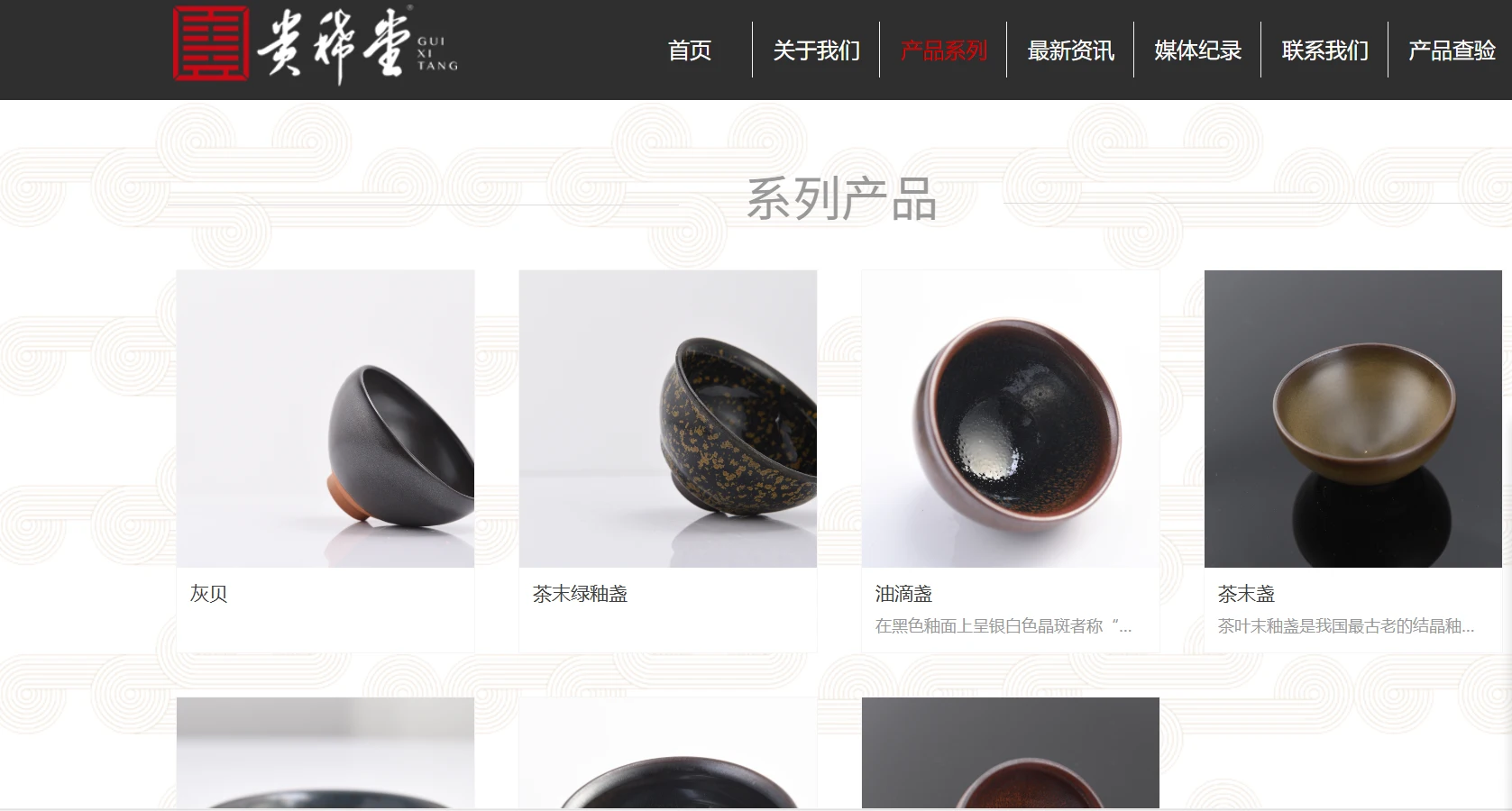
- Guixitang Ceramics Co., Ltd.
Based in Jianyang, Fujian Province, Guixitang is the definitive authority on authentic Jianzhan tea bowls fired in traditional dragon kilns. Founded by master craftsman Zhan Guixi, the company is renowned for its strict adherence to ancient Song Dynasty techniques. They specialize in reviving and perfecting the classic iron-rich black glazes that produce the coveted “oil spot” and “hare’s fur” crystalline patterns. Their commitment is such that they have reconstructed a massive 135.6-meter-long dragon kiln, using only pine wood for firing to achieve the unpredictable, natural beauty for which true Jianzhan is celebrated. Their products are considered collectible art pieces.
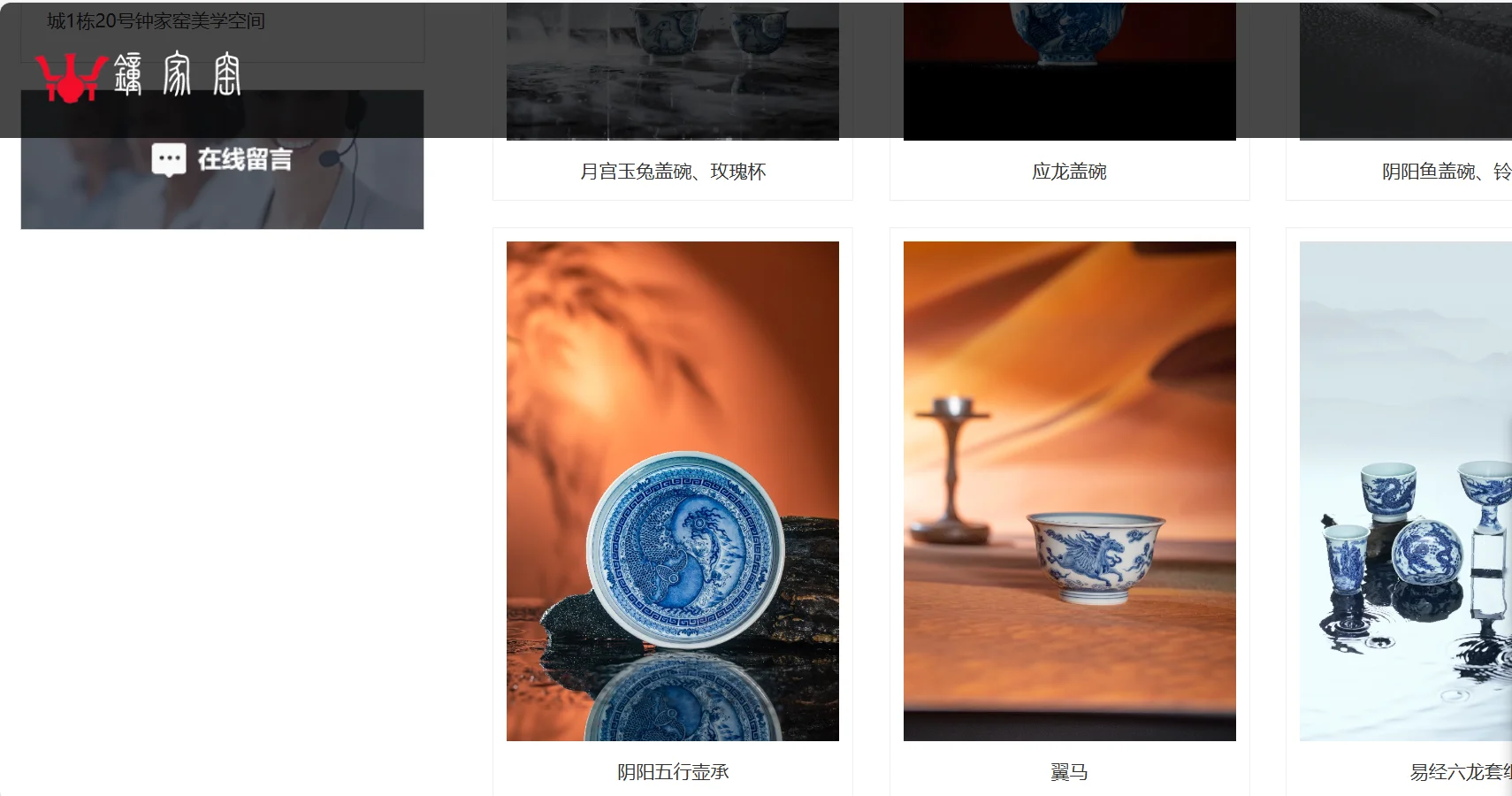
- Jingdezhen Zhong Family Millennial Ceramic Culture Development Co., Ltd.
Hailing from Jingdezhen, Jiangxi, Zhong Jia Yao is a fourth-generation family kiln that represents the fusion of exquisite painting with ancient wood-firing. They are celebrated for their “blue and white” and “enamel color” porcelain that is finished in wood-burning kilns. Their signature lies in combining meticulous, hand-painted designs with the rich, oily texture and subtle color variations imparted by wood ash and flame. This marriage of refined artistry and primal fire has earned them recognition as a “Non-Material Cultural Heritage Production and Protection Demonstration Base.” They are a prime source for collectors seeking traditional elegance with the soul of wood firing.
- Chang Fu
Also operating from the creative heart of Jingdezhen, Chang Fu is a brand that pushes the boundaries of wood-fired aesthetics towards a modern, minimalist sensibility. They are known for their “creative wood-fired cups” which often embrace a raw, unglazed body where the natural ash deposits become the sole decoration. Their style is deliberately rustic and textured, highlighting the direct marks of fire and ash. Some pieces feature subtle hand-painted details over these natural textures, creating a dialogue between human intention and natural chance. Their work appeals to those seeking a contemporary, wabi-sabi expression of the wood-firing tradition.
Disclaimer: The status of manufacturers changes. Buyers should always conduct current due diligence. The following are historically significant, large-scale players representative of the industry’s capabilities.
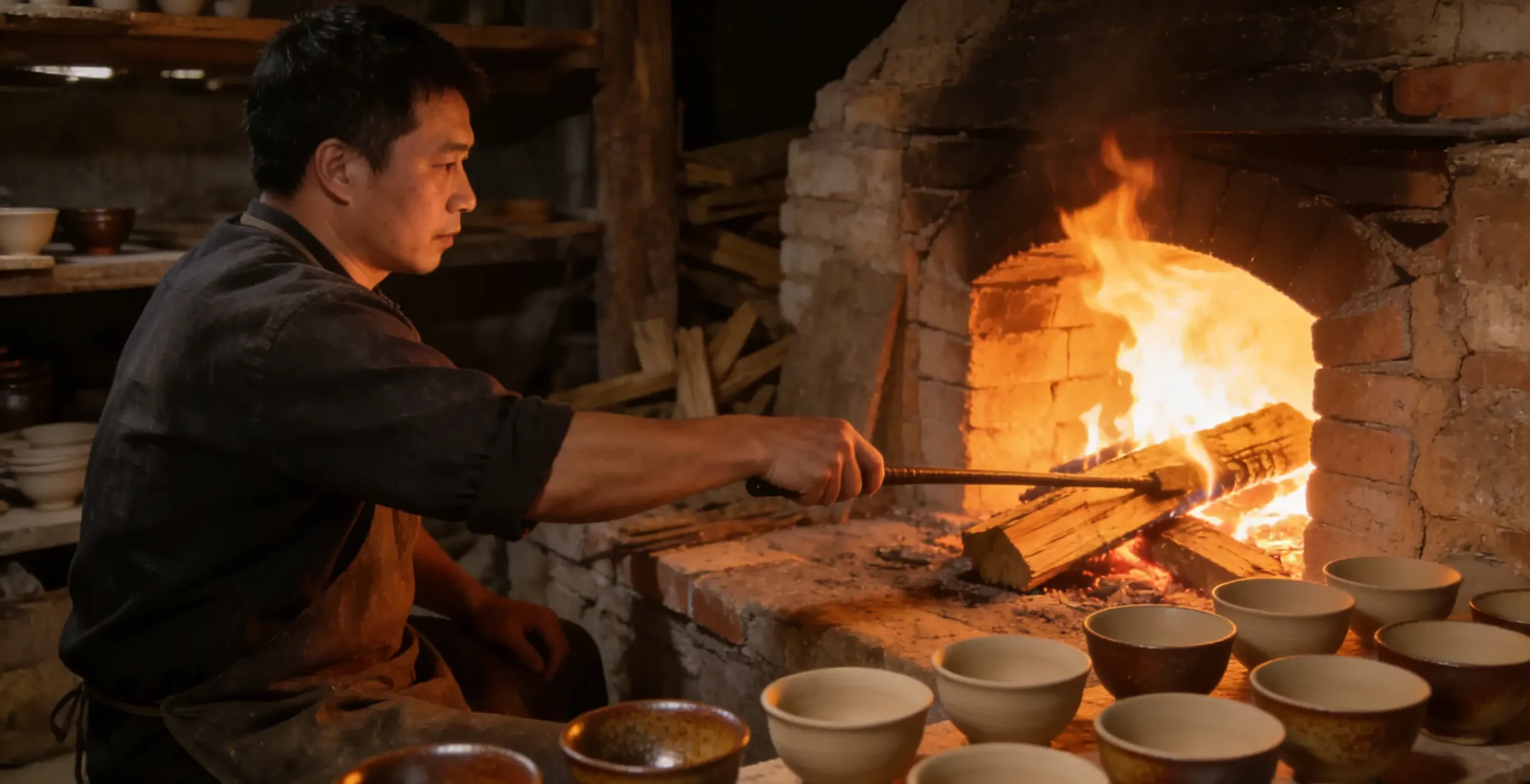
V. How to Source and Purchase Wood-Fired Tea Cups in China
Navigating the Chinese ceramics market for authentic wood-fired tea cups requires an understanding of both traditional craftsmanship and modern trade channels. Here are the primary procurement paths:
- Direct Studio/Kiln Contact: Ideal for collectors, connoisseurs, or brands seeking unique, high-end pieces or custom collaborations. This approach allows for direct dialogue with masters, such as Guixitang for Jianzhan or Zhong Jia Yao for painted porcelain. It requires expertise in authenticating true wood-firing, overcoming language barriers, and managing small-batch logistics independently.
- B2B Platforms (Alibaba.com, 1688.com): Efficient for discovering a broad spectrum of suppliers, from large workshops to individual artisans. Use keywords like wood fired tea cup or ash glaze cup. Critical due diligence is required: always request unedited videos of the firing process and the specific batch, and verify kiln type and clay origin to distinguish true wood-fired pieces from imitations.
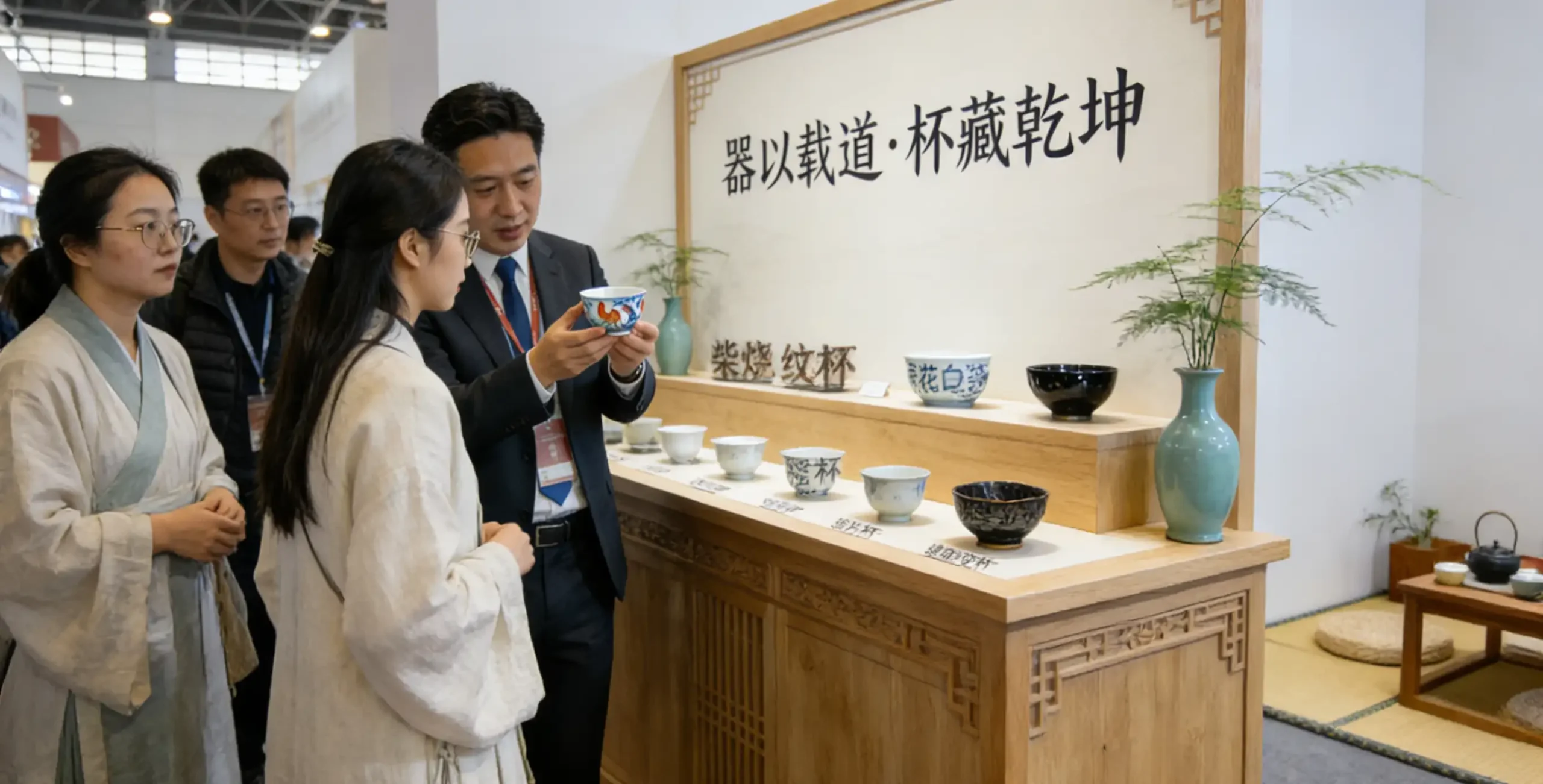
- Industry Trade Shows & Ceramic Fairs: Attending events like the Jingdezhen International Ceramics Expo is invaluable. It allows you to physically assess the texture, weight, and glaze quality of cups, meet numerous suppliers in one location, and gain insights into current trends and leading artists.
- Engaging a Professional Sourcing Agent (Highly Recommended): For most international buyers, this is the most reliable and efficient path to mitigate risk. A specialized agent provides indispensable services: vetting suppliers for authenticity, conducting on-site quality inspections, handling negotiations and logistics, and ensuring compliance. This is where a partner with deep expertise in the niche ceramic arts sector, such as IMEXsourcing, can provide decisive value by navigating the complexities of the market on your behalf.
VI. Key Considerations for Sourcing Wood-Fired Tea Cups from China
1.Quality & Authenticity Verification (The Most Critical)
- Verify True Wood-Firing: Insist that suppliers provide photos of the kiln and a short video of the firing process. Authentic wood-fired cups often have 3-4 small, unglazed spur marks on the base, a key indicator.
- Ask Technical Questions: Inquire about specific parameters such as kiln type (dragon kiln, anagama), peak firing temperature (must exceed 1200°C), and clay origin. Be cautious of vendors with vague answers.
- Inspect for Flaws: Carefully examine samples for defects that affect use and aesthetics, such as cracks, significant warping, glaze sticking, or rough rims. Minor “crackle” patterns are normal.
- Request Batch-Specific Media: Before bulk ordering, always request unedited, multi-angle videos of the actual batch to be shipped to avoid discrepancies between “samples” and “production goods”.
2.Commercial & Transaction Security
- Payment Methods: Prioritize secure channels like Alibaba’s Trade Assurance or PayPal Goods & Services. For large orders, consider using a Letter of Credit (L/C). Define Contract
- Terms: Contracts must clearly state quality standards, inspection methods, payment schedule, packaging requirements (shock-proof wooden crates), delivery timeline, and solutions for defective goods.
- Order Samples: Never skip the sampling stage. Physical samples are the only reliable way to verify all descriptions and quality.
- Verify Supplier Credentials: Conduct comprehensive checks through video factory audits, requesting business licenses, and reviewing transaction history and ratings on B2B platforms.
3.Logistics & Customs Clearance
- Professional Packaging: Explicitly require shock-absorbent, secure packaging (e.g., bubble wrap + foam inserts + reinforced outer carton). High-value items should be crated. Clarify breakage liability in the contract.
- Understand Clearance Costs: Confirm the HS Code with the supplier and independently verify the import duty and VAT rates for that code with your home country’s customs authority to accurately calculate costs.
- Choose Incoterms Wisely: Opt for DDP (Delivered Duty Paid) terms where the seller handles all shipping and import taxes for maximum convenience. If other terms (e.g., FOB) are used, you must arrange customs clearance at the destination.
4.Cultural Understanding & Communication Communicate
- Directly and Clearly: Confirm all quality requirements, specifications, and commercial terms in writing (contract or email) to avoid verbal agreements and ambiguity.
- Build in Buffer Time: Handmade production has inherent uncertainties. Allow ample buffer time in your schedule for production, quality control, and shipping to avoid rushed work that compromises quality.
- Respect Craft Value: Avoid decisions based solely on price. Quotes that are too low often indicate imitation techniques, inferior clay, or shortcuts in the process.
In summary, sourcing wood-fired tea cups is a specialized process centered on verifying authenticity, clarifying terms, and securing logistics.
VII. Choose IMEXsourcing as Your Wood-Fired Tea Cup Sourcing Partner in China
When procuring authentic and high-quality wood-fired tea cups from China, partnering with an experienced and reliable sourcing agent is crucial due to the complexities of traditional craftsmanship, material authenticity, aesthetic evaluation, and cultural nuances. As your dedicated partner, IMEXsourcing offers a comprehensive and specialized service portfolio to navigate this unique market, ensuring you acquire pieces of exceptional artistry and value. Our core advantages are meticulously tailored to the world of wood-fired ceramics:
- Deep Expertise in Ceramic Arts & Authentication
Our team possesses specialized knowledge in traditional ceramic arts, with a sharp focus on wood-fired techniques. We go beyond basic supplier matching to provide expert authentication. We understand and evaluate the critical nuances that define quality, such as identifying true ash glaze formation versus commercial imitations, assessing the beauty and authenticity of natural fire marks (hi-iro), and distinguishing between different kiln types (dragon kiln, anagama, noborigama). This expertise ensures that every piece we source is genuinely crafted through the revered wood-firing process.
- Direct Access to Master Artisans & Renowned Kilns
We have established direct relationships with master potters, esteemed studios, and heritage kilns across key ceramic centers in China, including Jingdezhen, Jianyang for Jianzhan, and Yixing. This network grants you privileged access to source authentic works from celebrated artisans like those from Guixitang or Zhong Jia Yao, as well as discover emerging talents. We facilitate direct collaboration for custom commissions, exclusive designs, or limited-edition series, connecting you with the source of true craftsmanship.
- Full-Cycle, Craftsmanship-Centric Quality Assurance
We implement a rigorous, end-to-end quality management process designed specifically for handcrafted ceramics. This begins with a meticulous pre-production evaluation of master samples, examining not just dimensions but also the depth of glaze, texture of the clay body, and balance of the form. During production, we monitor critical stages. Our final pre-shipment inspection is exhaustive, checking for structural integrity (hairline cracks, warping), functional details (smoothness of the rim, stability of the foot), aesthetic consistency within the batch, and the security of specialized, shock-absorbent packaging to prevent damage in transit.
- Professional Negotiation & Supply Chain Risk Mitigation
Leveraging our strong industry relationships and aggregated purchasing power, we secure favorable pricing and transparent terms with workshops and kilns, helping you navigate Minimum Order Quantities (MOQs) common with artisan producers. We protect your interests by mitigating key risks: verifying the use of appropriate, food-safe local clays and natural glazes, preventing substitution with lower-quality or electric-kiln imitations, and ensuring realistic timelines that respect the slow, unpredictable nature of wood-firing cycles.
- Integrated Logistics & Cultural Bridge
We manage the complete logistics chain, from secure packaging and export documentation to shipping and customs clearance, ensuring a smooth journey for your fragile cargo. Furthermore, we act as your essential cultural and communication bridge, accurately conveying your technical specifications and design intent to artisans while providing you with insights into the craft’s heritage, enhancing the story and value of your final product.
Partner with IMEXsourcing to transform the complex journey of sourcing authentic wood-fired tea cups into a seamless, secure, and deeply insightful experience. Let us connect you directly to the heart of Chinese ceramic artistry.
VIII. Conclusion
In conclusion, sourcing authentic wood-fired tea cups from China is a rewarding journey that connects you to a profound artistic heritage. This guide has equipped you with the knowledge to navigate this world—from appreciating the unique artistry of pieces from regions like Jingdezhen and Jianyang, to making informed decisions between direct sourcing and professional agents. By understanding the key specifications and partnering with experts who respect the craft, you can confidently build a collection that offers unparalleled beauty and serenity to the tea experience. The perfect cup, marked by the serendipitous kiss of flame and ash, awaits your discovery.